
Lower Belvedere Through the Centuries
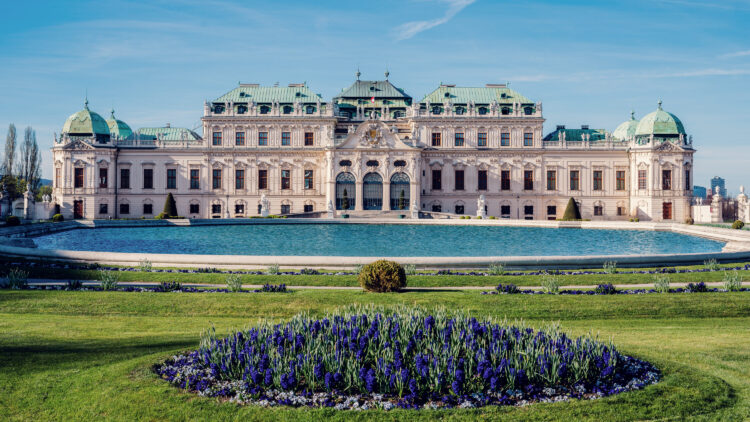
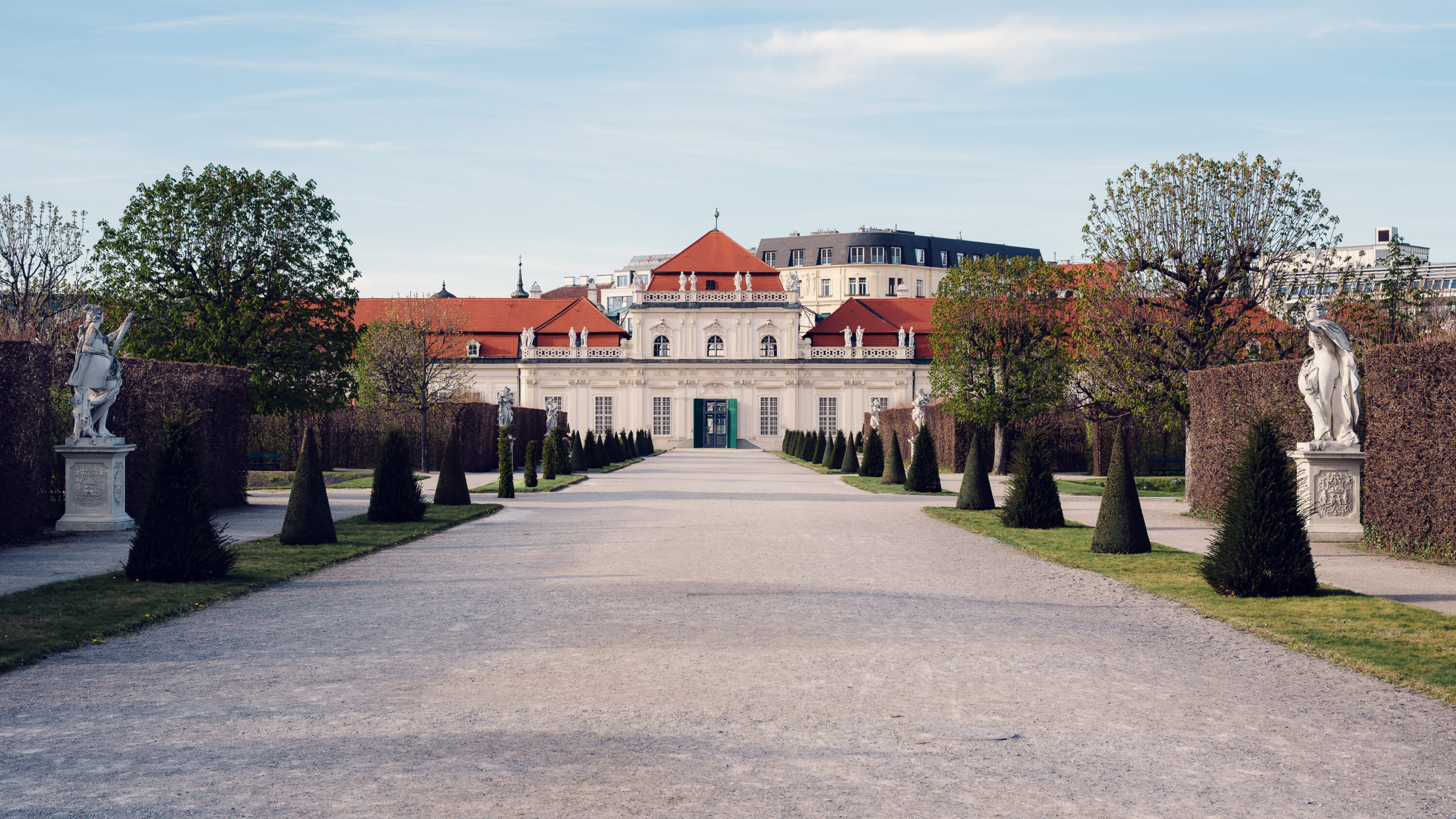
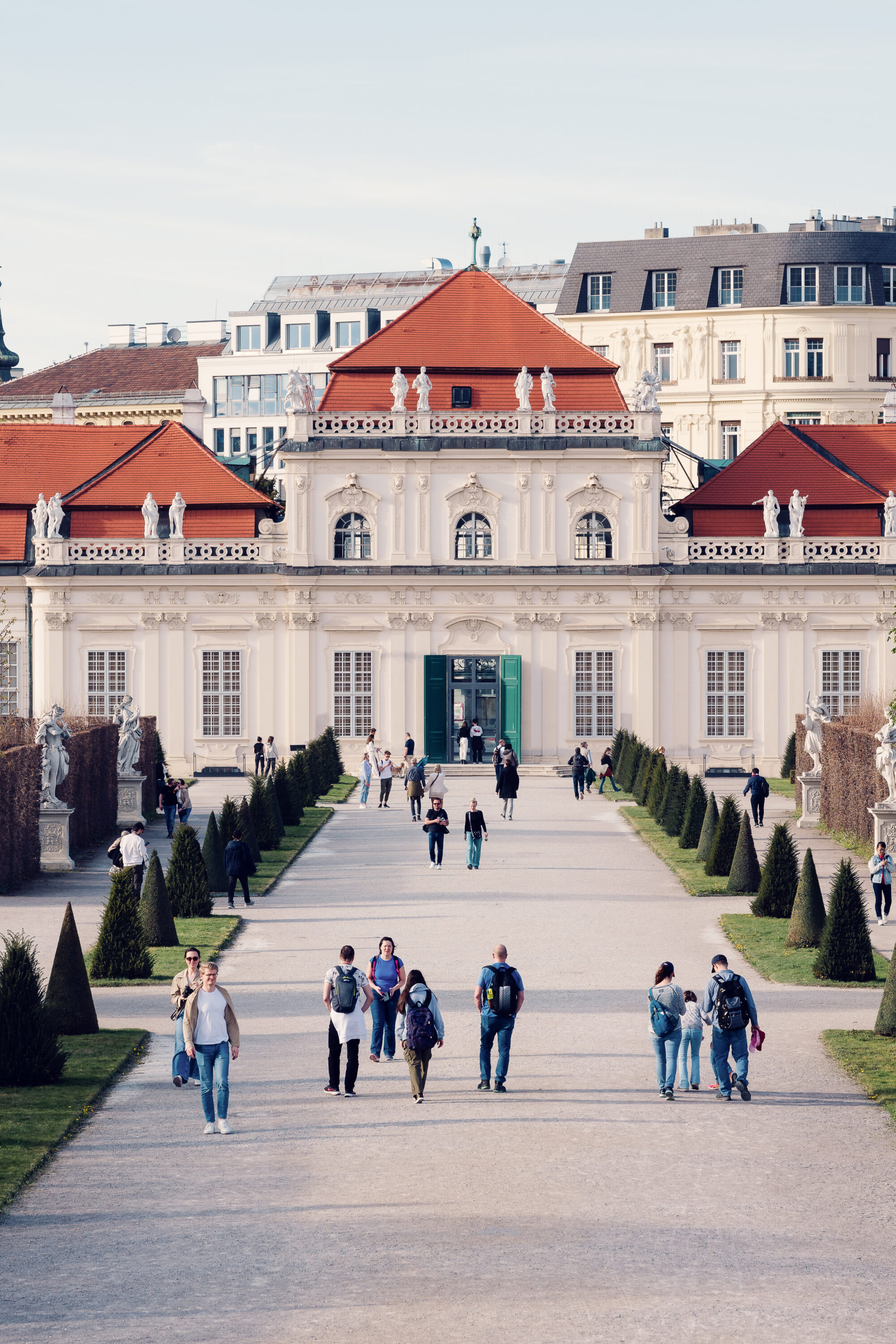
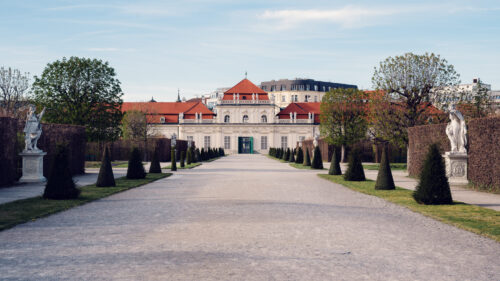
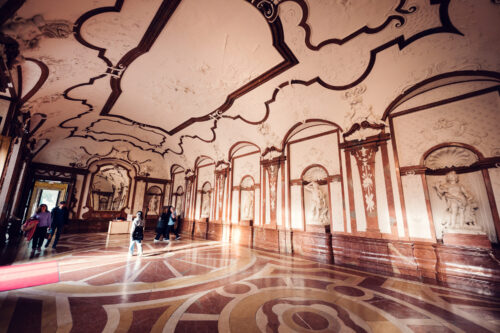
Lower Belvedere was completed in 1717 as part of Prince Eugene’s summer residence. Unlike the ceremonial Upper Belvedere, which was designed to impress visiting dignitaries, the Lower Belvedere functioned as the prince’s private quarters. It was designed by Johann Lukas von Hildebrandt, a master of Baroque architecture whose work helped define the look and feel of imperial Vienna.
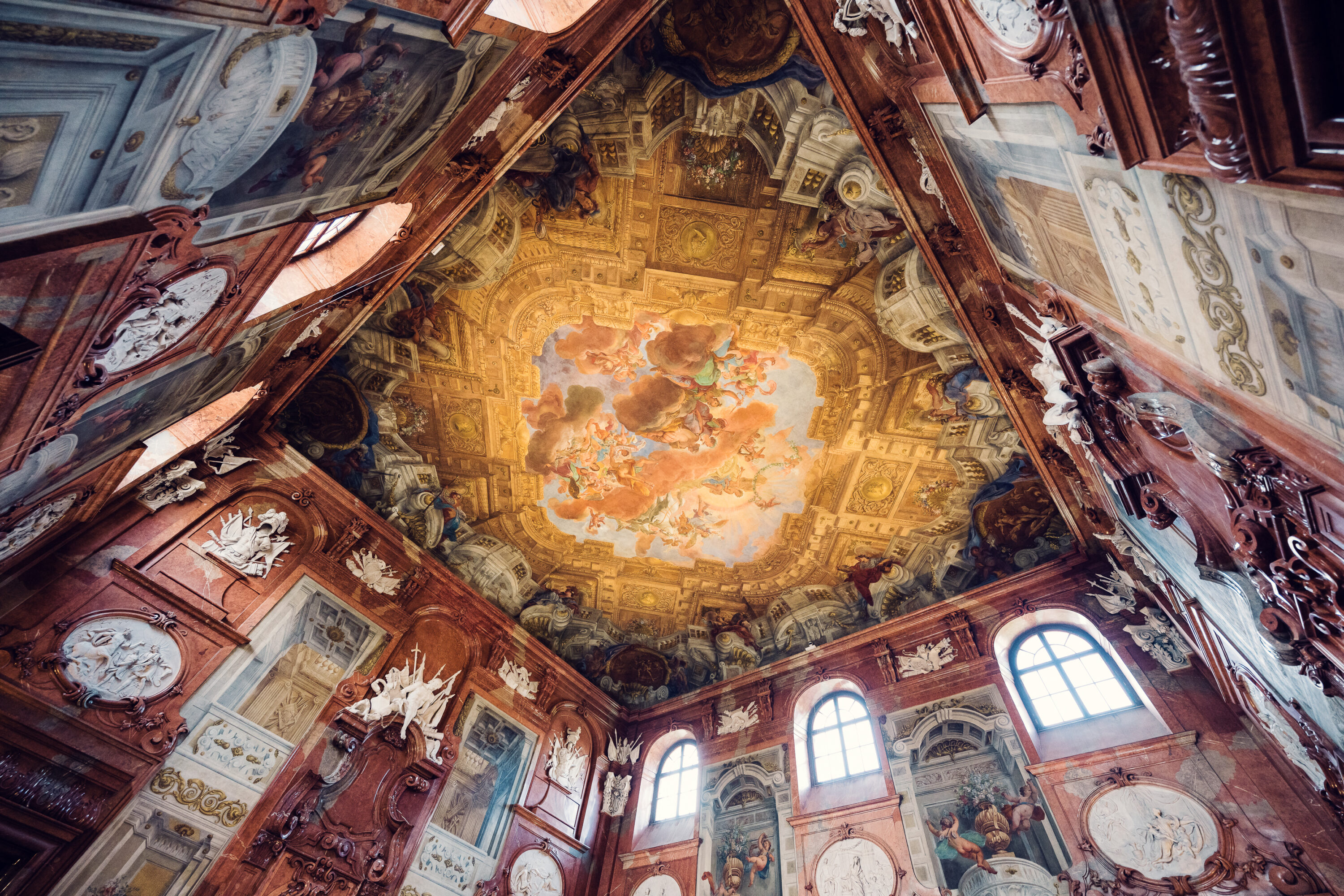
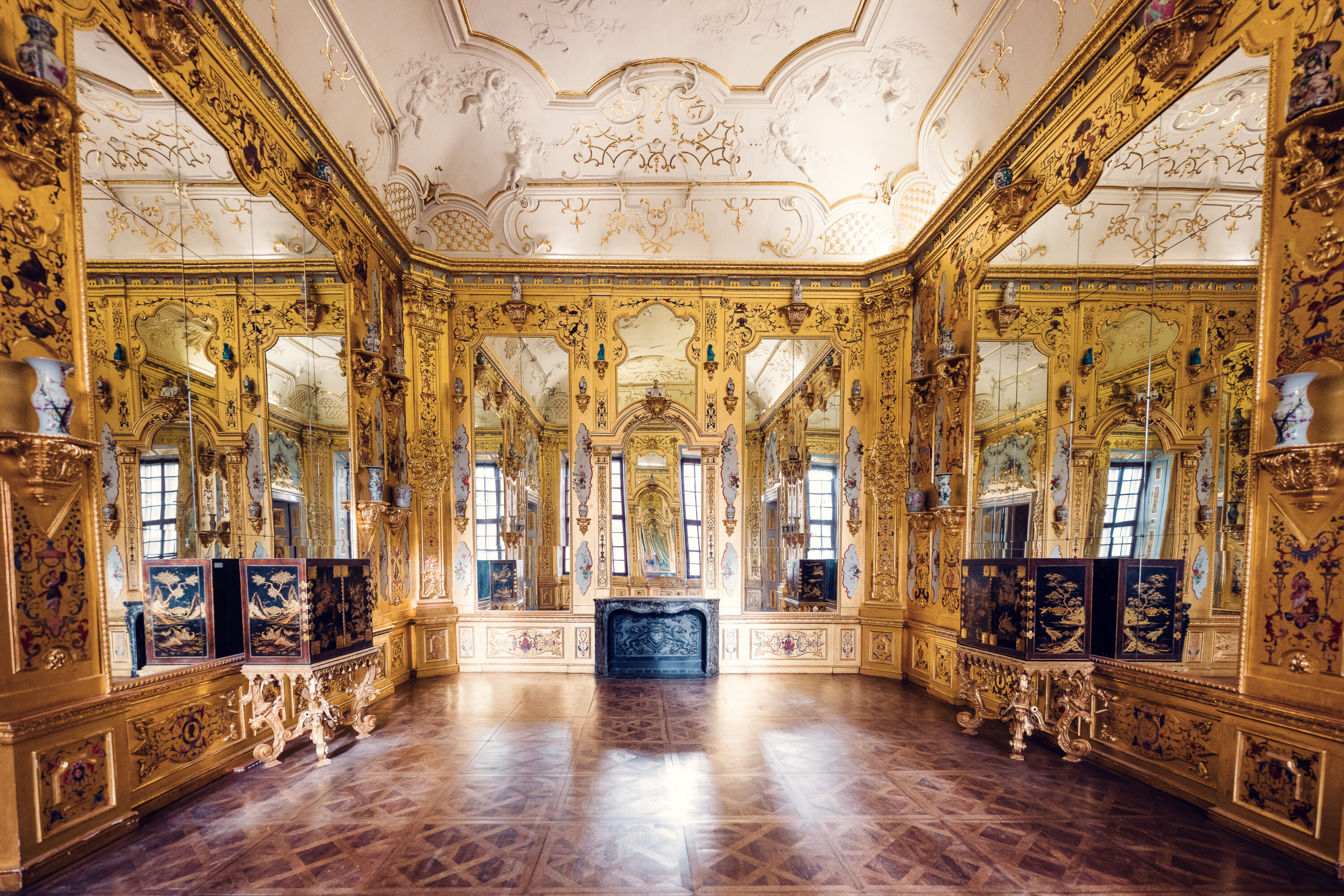
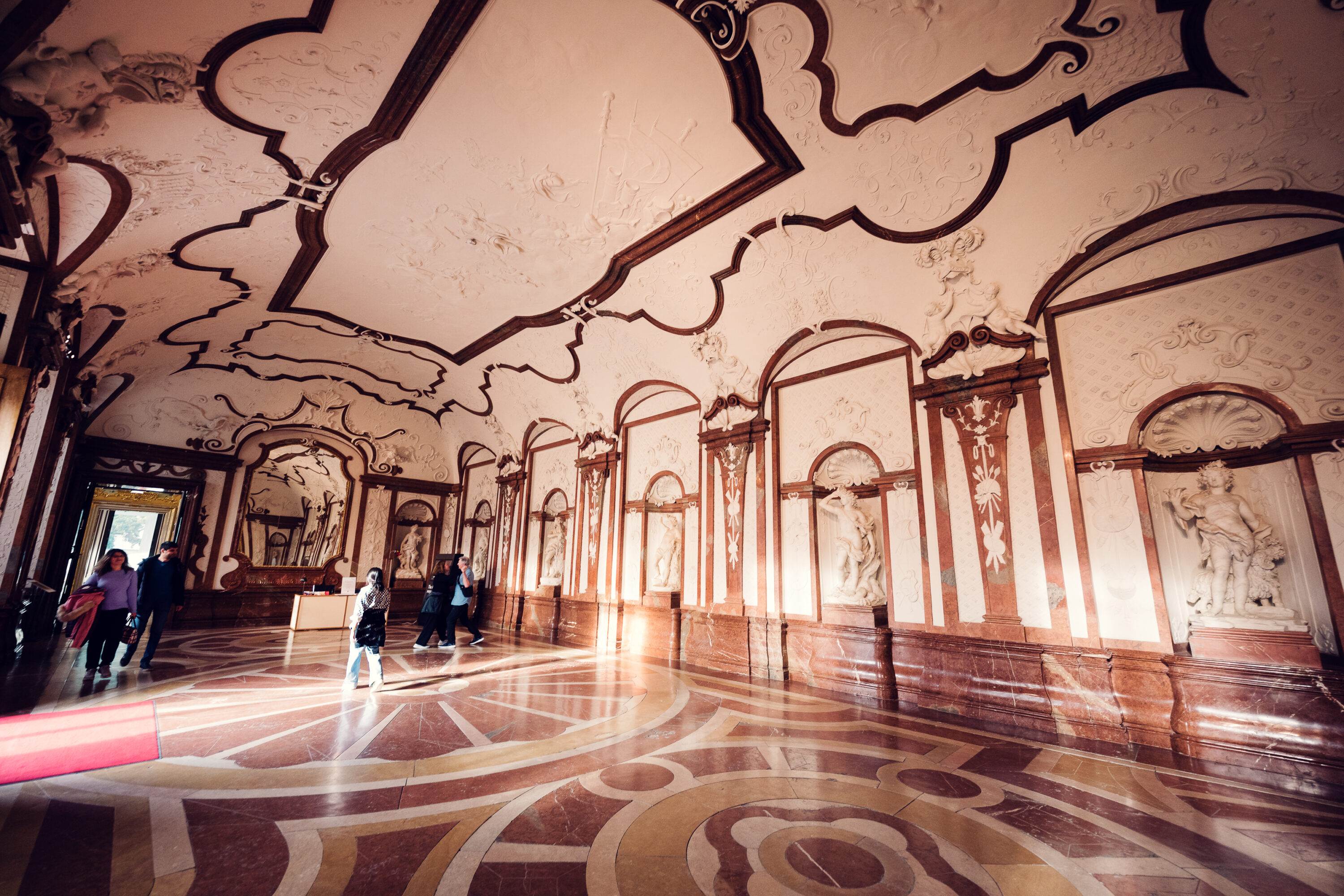
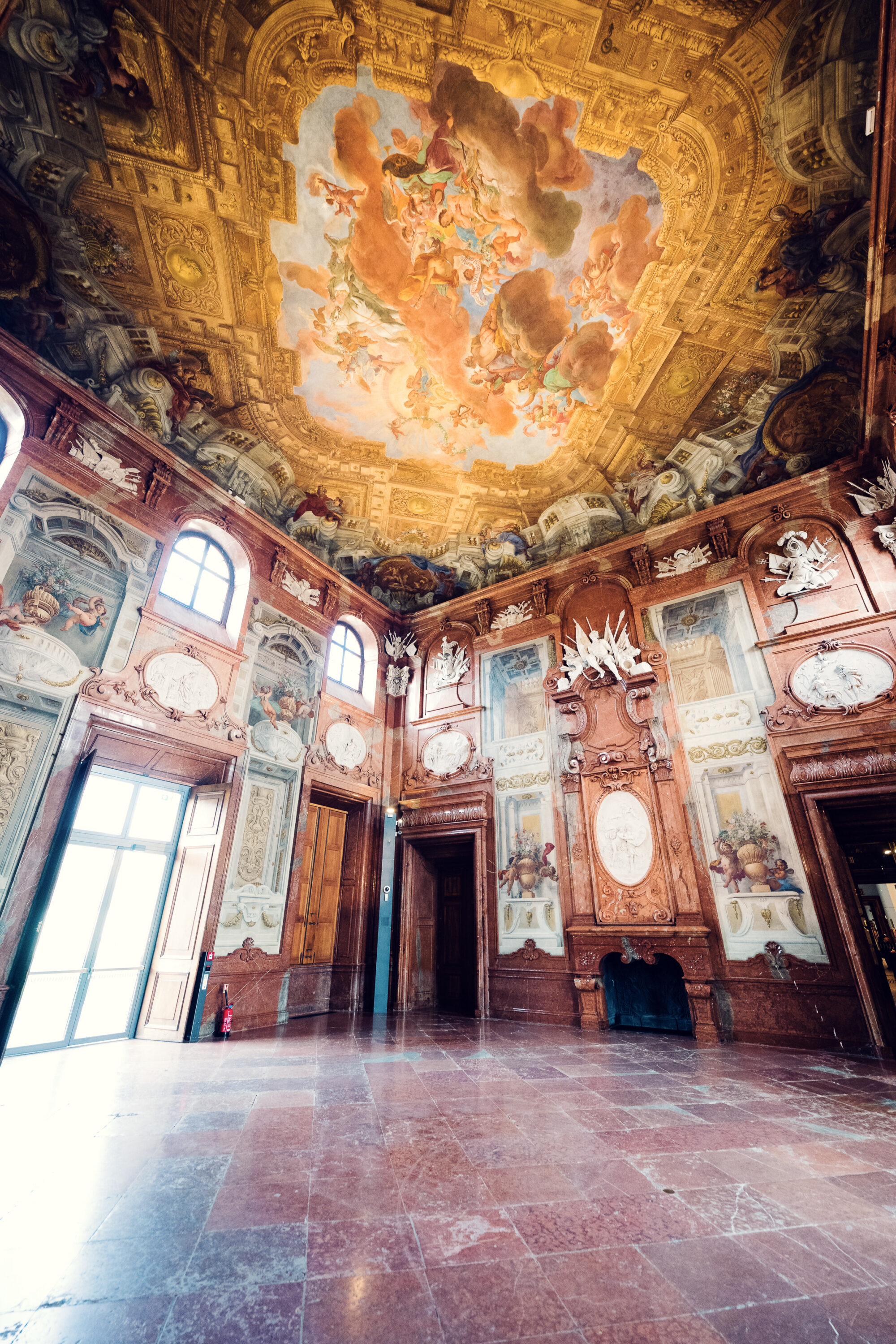
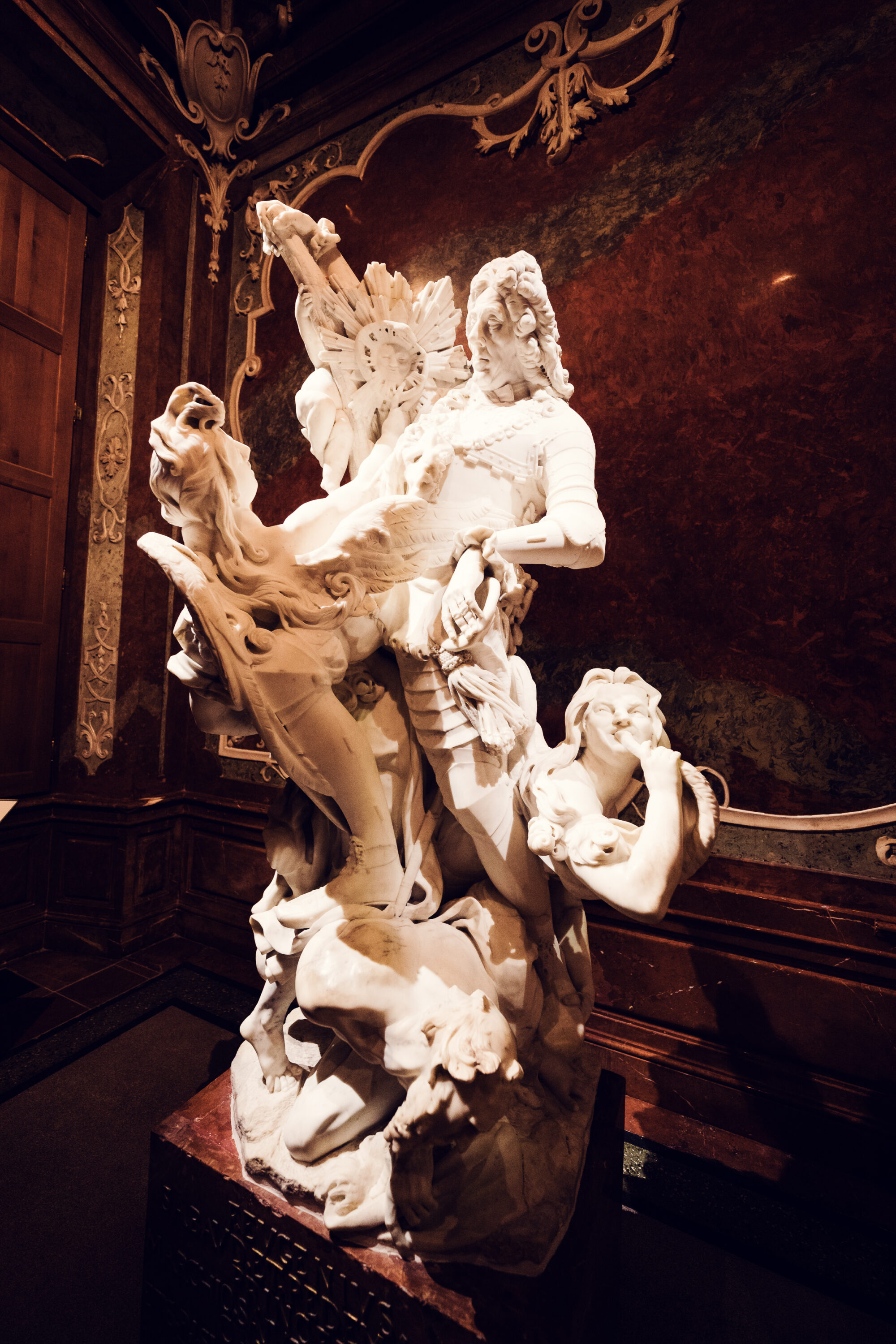
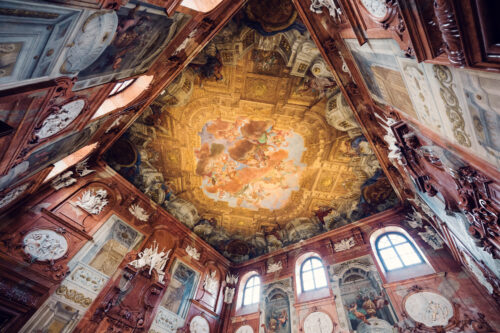
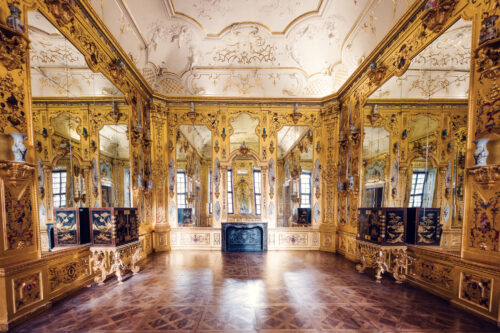
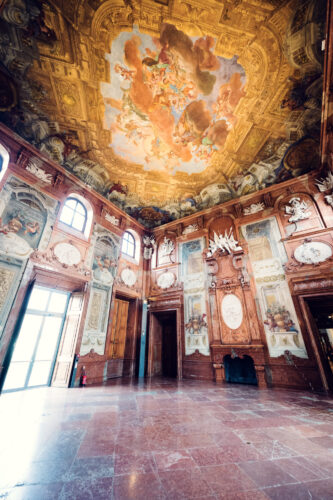
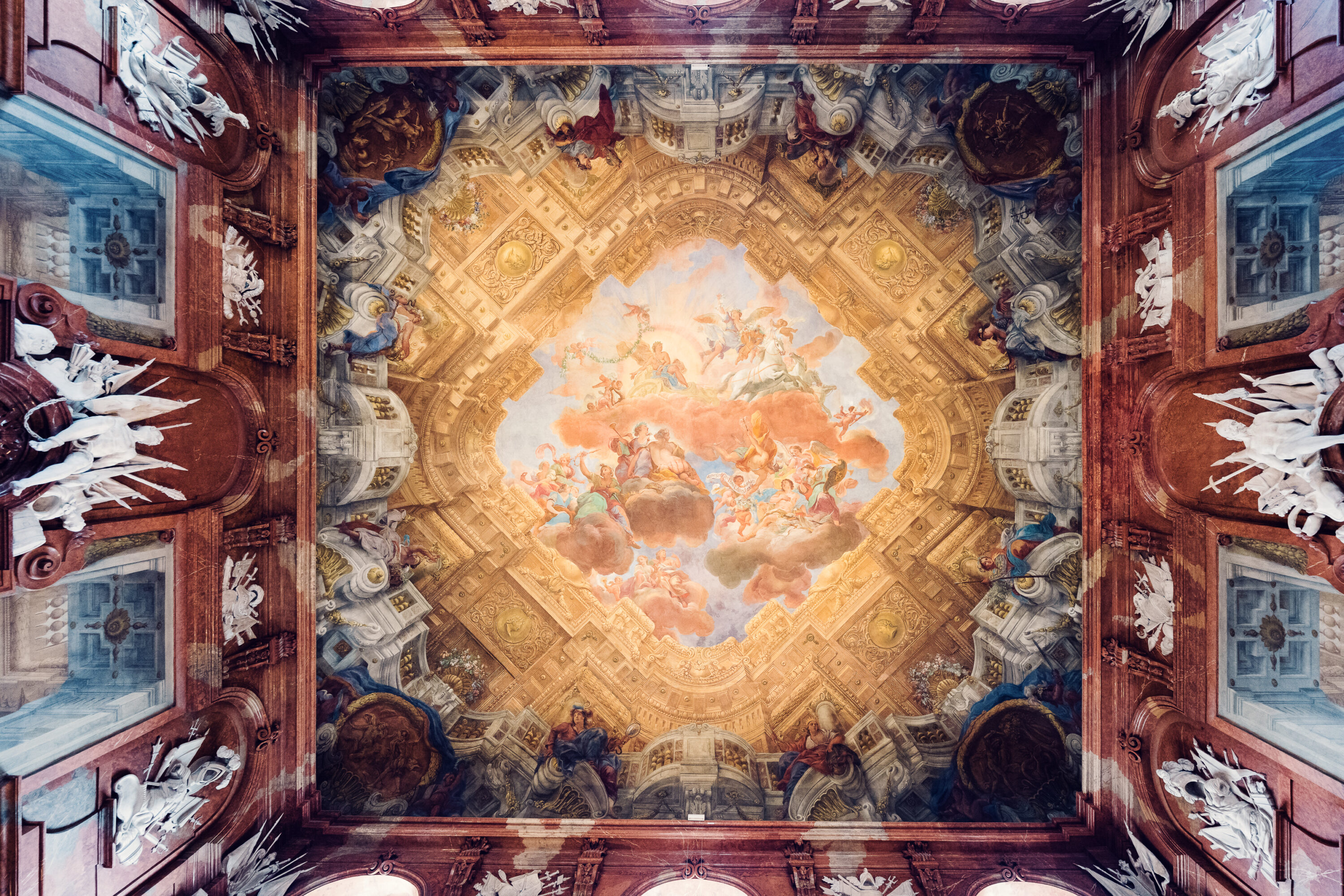
The layout of the building reflects its original use - with ornate residential spaces like the Gold Cabinet, salons, and audience chambers that combine regal splendor with a certain intimacy. Over time, as political powers shifted and the Habsburg empire evolved, the Belvedere complex moved from private residence to state property. By the 20th century, it had been repurposed as a museum, with the Lower Belvedere becoming a vital venue for temporary exhibitions.
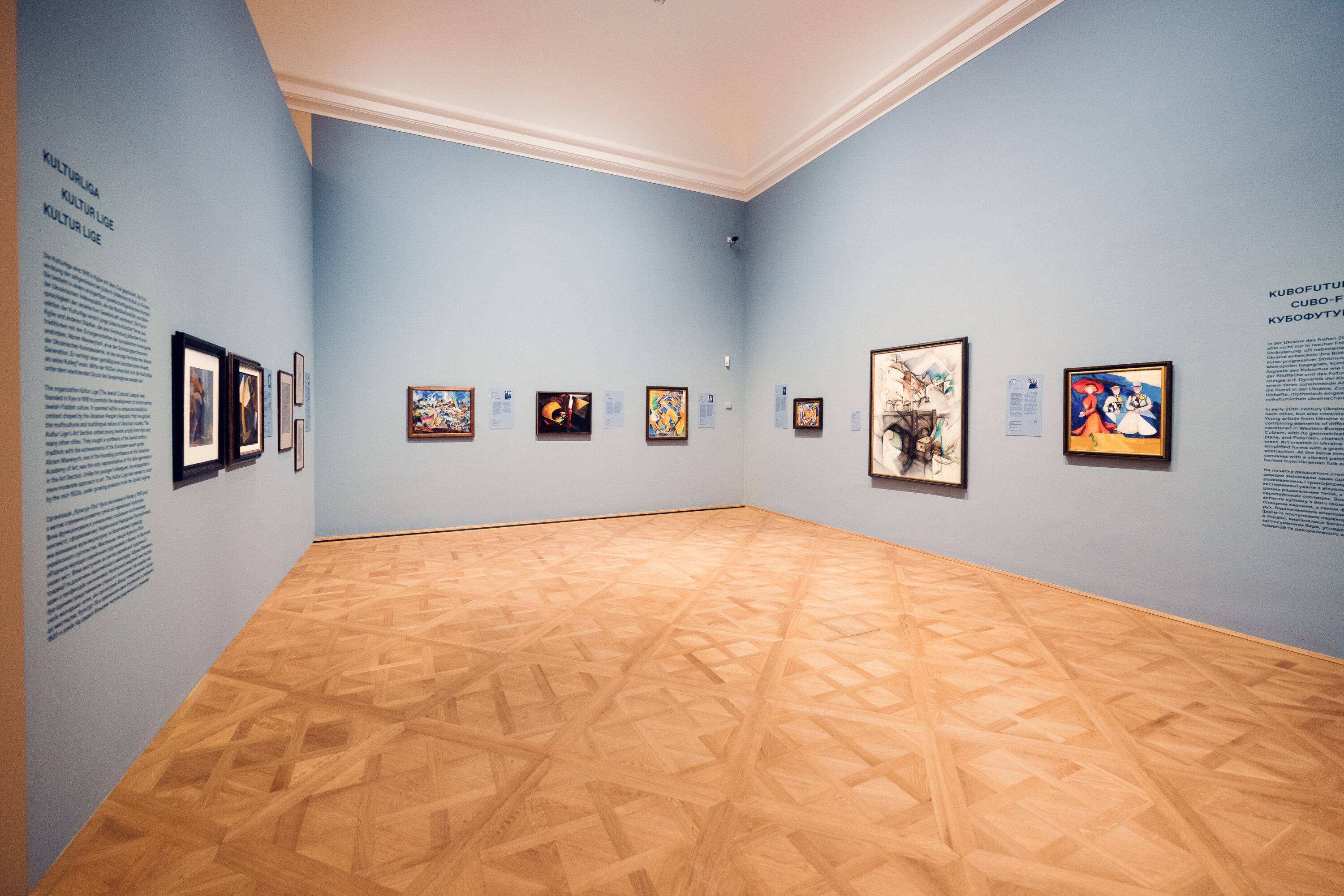
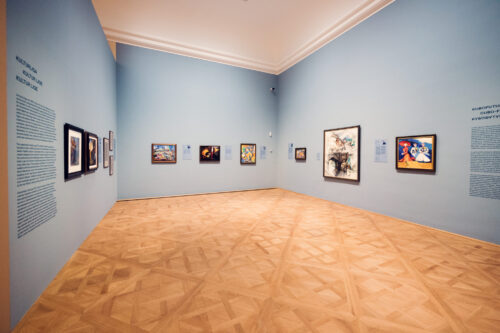
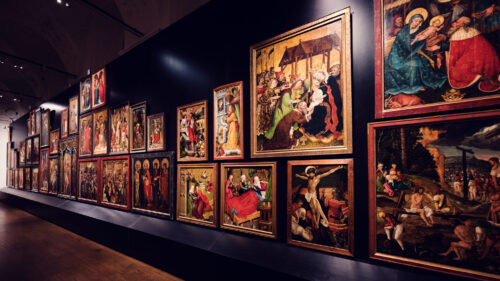
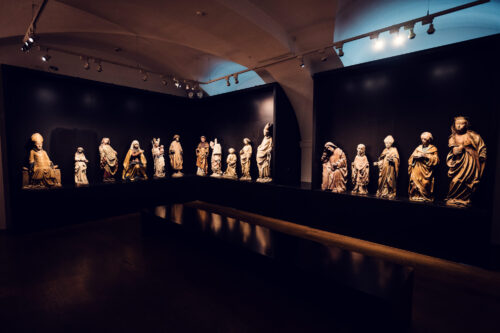
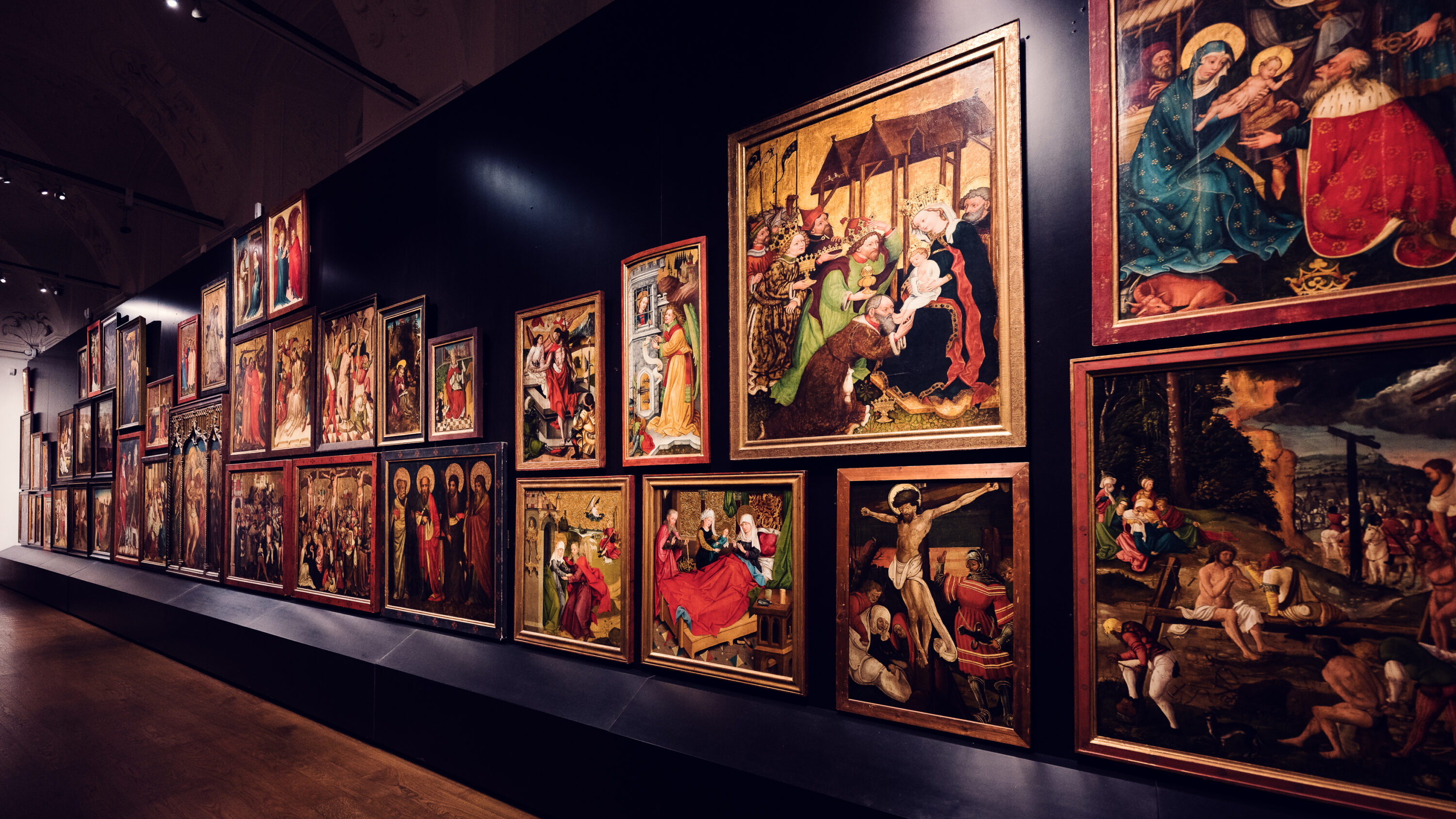
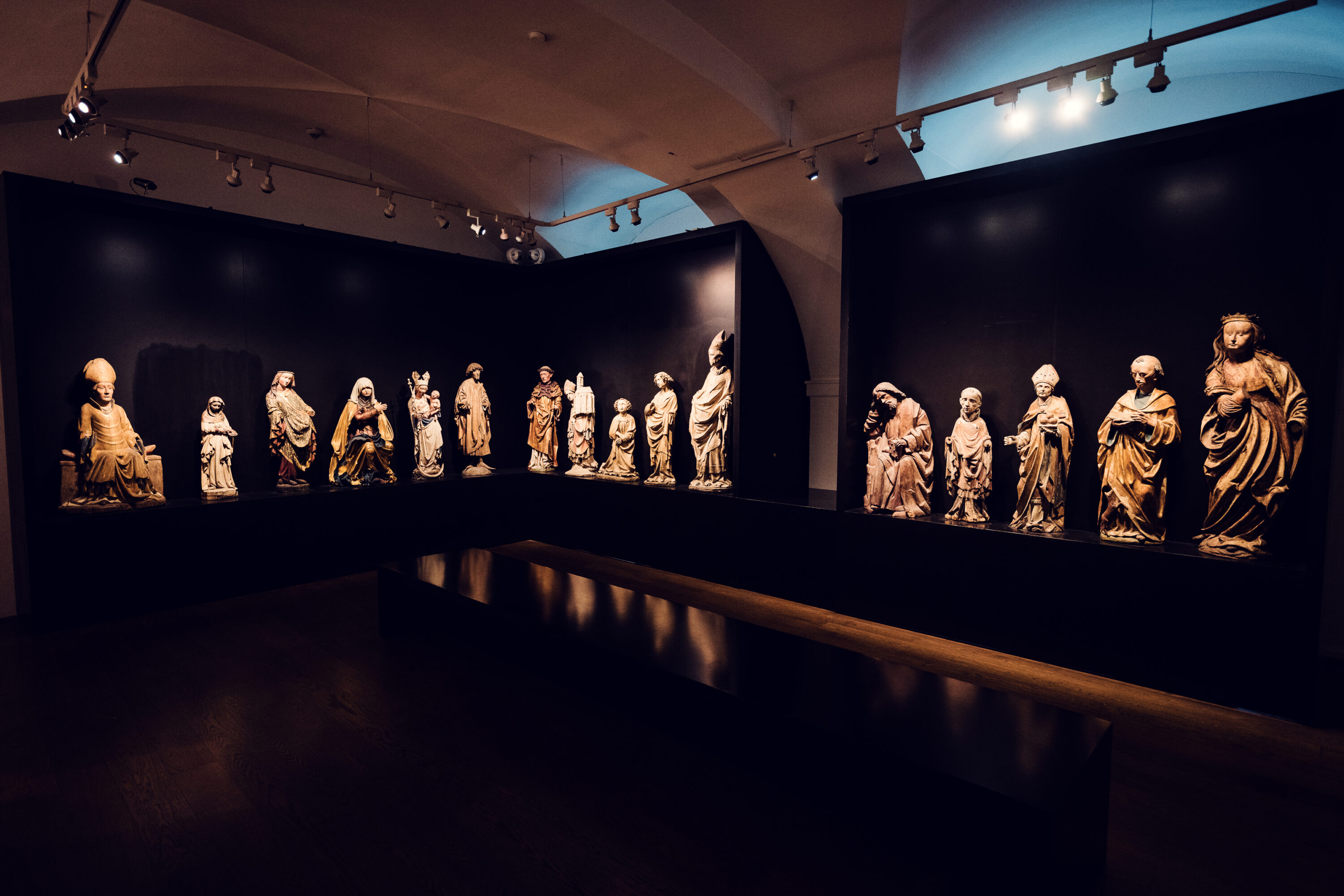
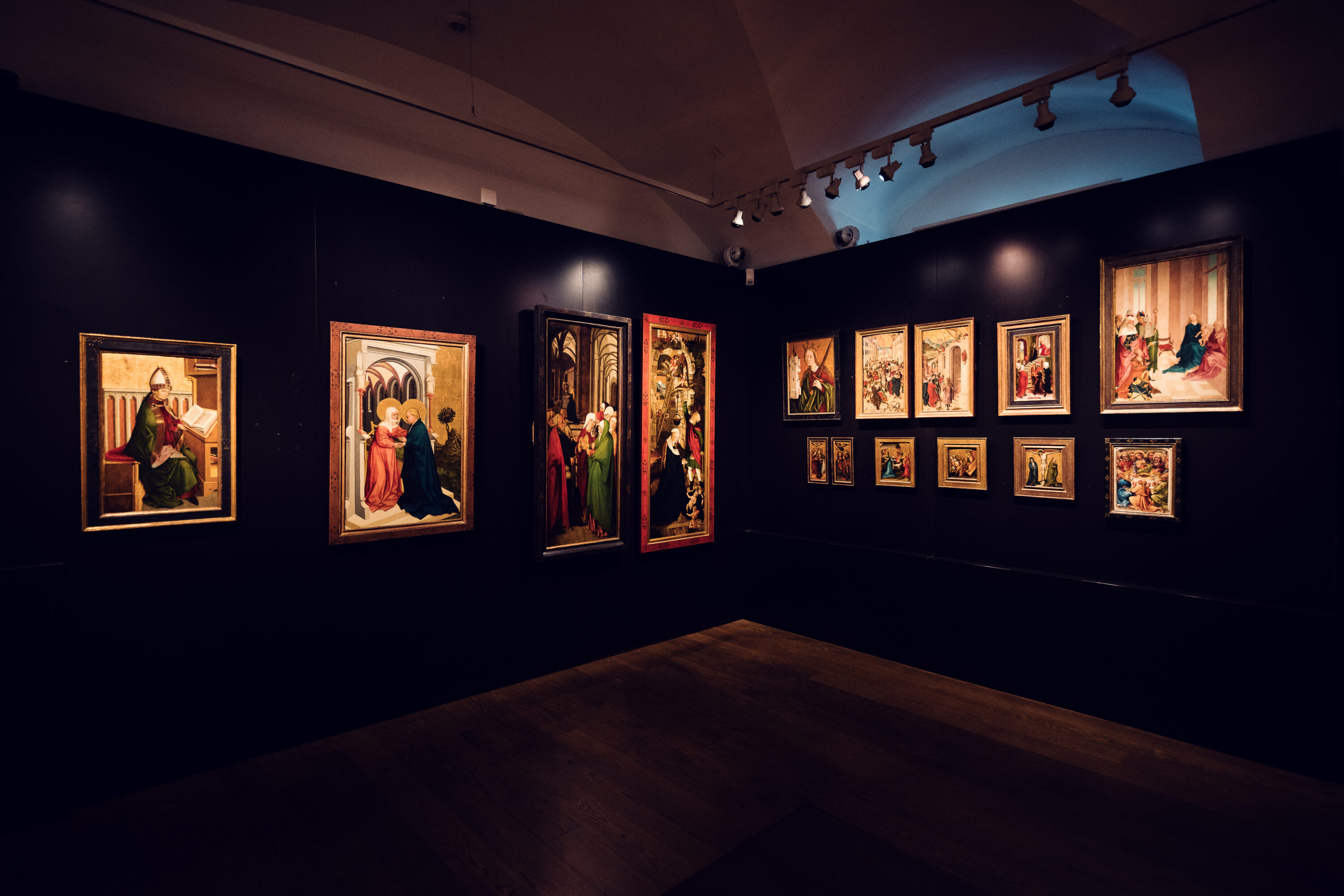
What makes Lower Belvedere compelling today is how it has preserved its historic elegance while embracing the evolving nature of art presentation. The Orangery, once used for overwintering citrus trees, now functions as a light-filled gallery space. The palace itself has hosted exhibitions ranging from Baroque painting retrospectives to bold contemporary installations. Its flexible use of space allows curators to reimagine the interiors with every new show.
Today, Lower Belvedere is one of three venues of the Belvedere museum (together with the Upper Belvedere and Belvedere 21. Together, they form one of the most important cultural institutions in Austria. But Lower Belvedere holds a unique charm - a quieter, more reflective slice of the palace experience, where the splendor of the past meets the curiosity of the present.