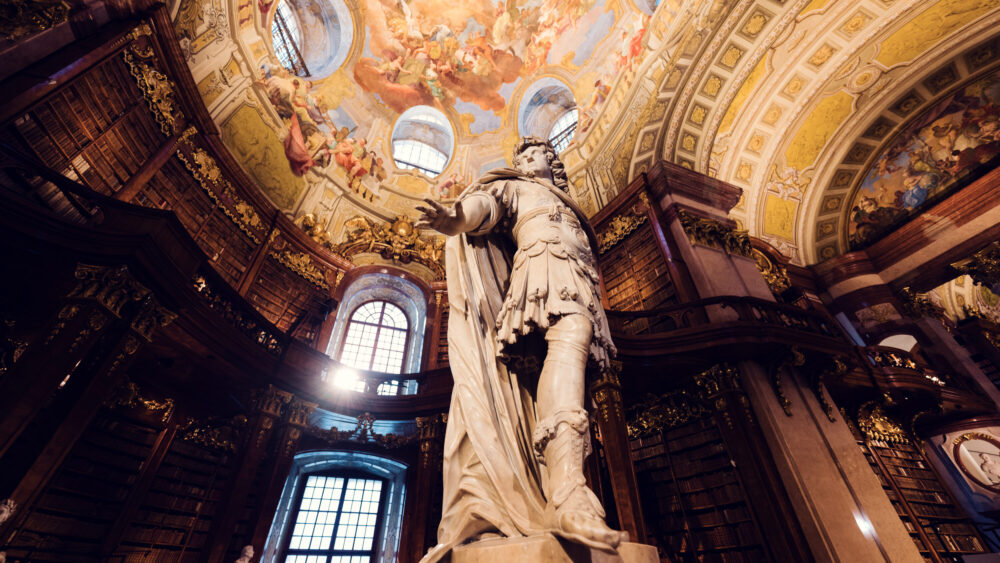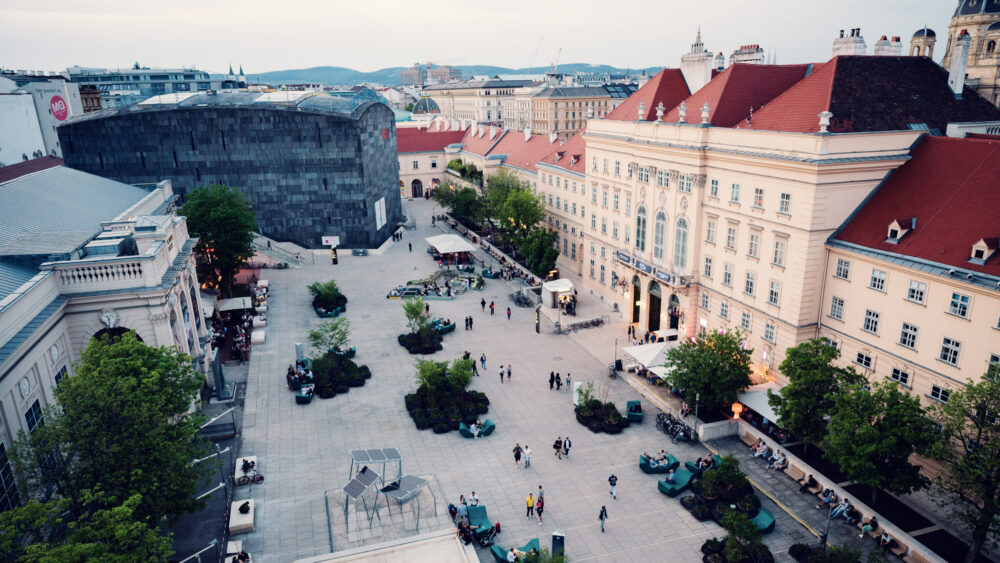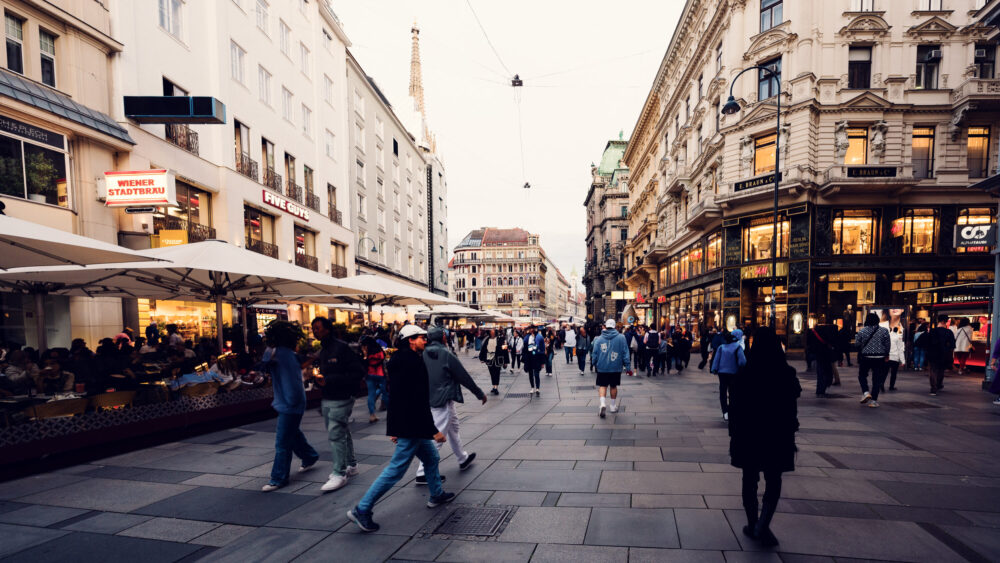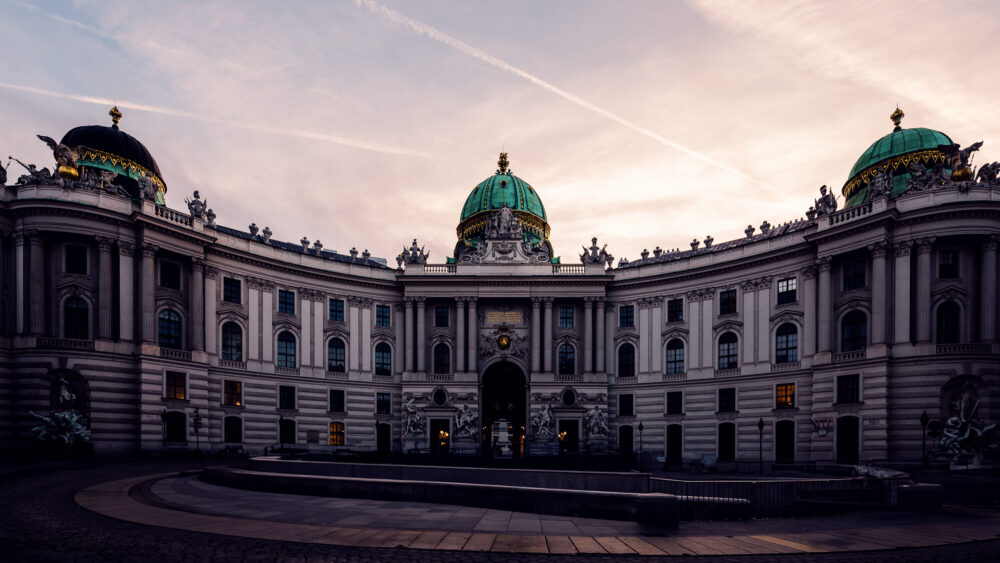

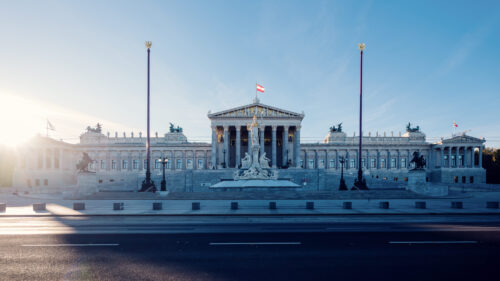
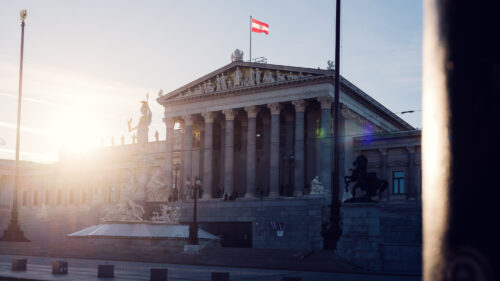
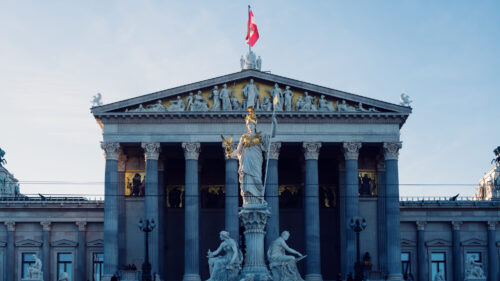
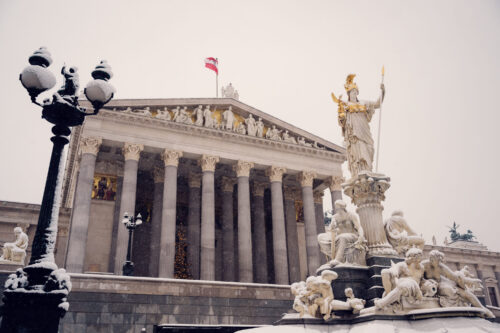
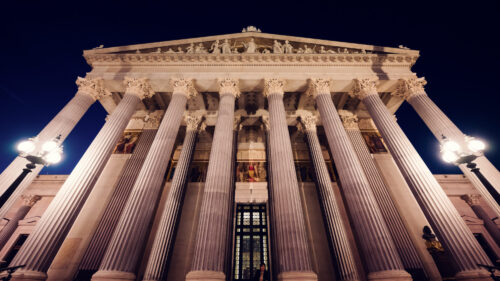
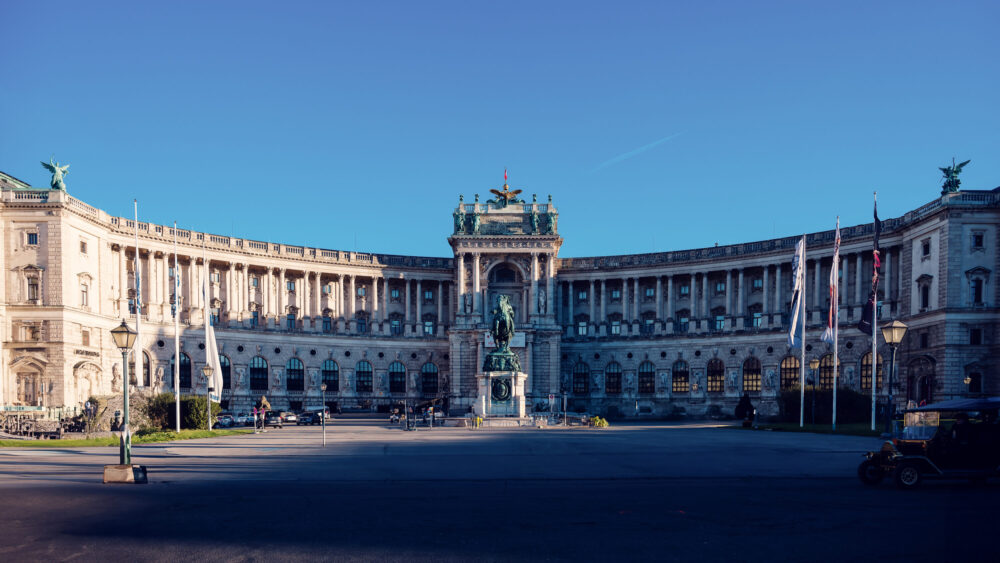
Historic Austrian Parliament building, a symbol of democracy in Vienna.
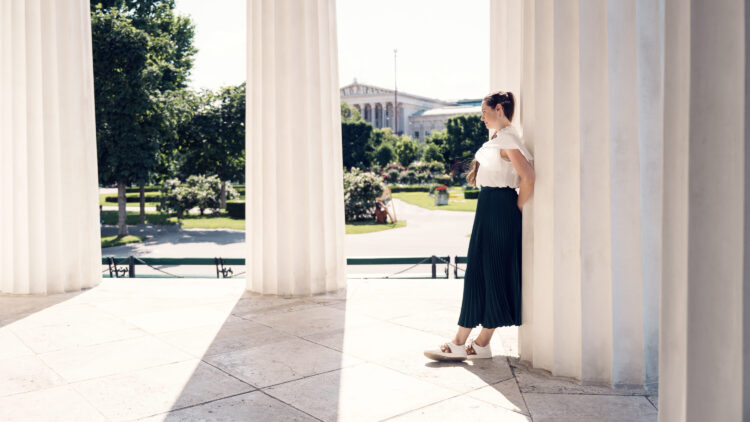
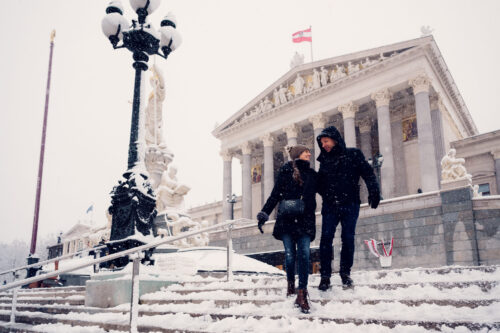
Austrian Parliament's elegant staircases and grand columns.
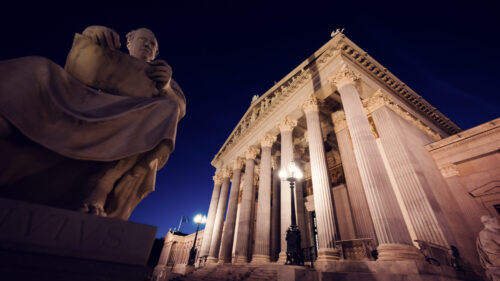
Detailed sculptures adorning the Austrian Parliament's exterior.
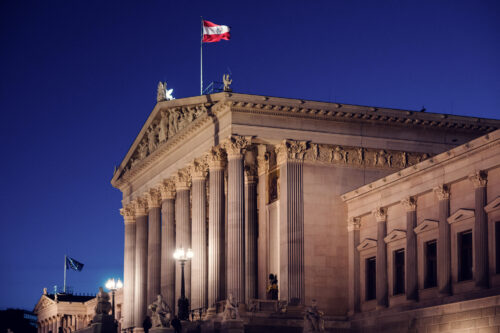
Austrian Parliament showcasing its architectural beauty.
Austrian Parliament's iconic facade, blending history with modernity.
Fall in Love with

Austrian Parliament

Discover Vienna's Austrian Parliament - an iconic neoclassical masterpiece where democracy and history meet in grand style.

01 / 04

Austrian Parliament

Muvamo Must See 2026Picked by our team as one of Vienna's essential sights.

2026

Must See

Austrian Parliament

When a sight carries this label, it's one we'd send a friend to first. Must See is our highest distinction for sights, and our team gives it on the strength of our own visits, without fixed criteria or a set number of places. It can't be bought or applied for. The label shows the current year, and a sight that no longer holds up loses it.

See all Must See sights in Vienna

Admission
Free
Plan for
60 mins
indoors
Where
City Center

The Austrian Parliament in Vienna stands as a striking example of neoclassical design, with its grand columns and statues, including the Pallas Athena Fountain whose figure of the goddess rises in front of the main entrance. Designed by Theophil Hansen between 1874 and 1883, the building was inspired by Ancient Greek architecture to reflect the democratic values it represents. Inside, it features impressive halls, frescoes, and meeting rooms where Austria’s National and Federal Councils gather. A recent renovation has modernized the building while preserving its historic character. It’s a key site for those interested in architecture, history, or Austrian politics.

Plan your visit

Opening Hours
Mon 08:00 - 13:00  Tue - Fri 08:00 - 18:00  Thu until 21:00  Sat 09:00 - 17:00  Sun closedAll hours
Getting there
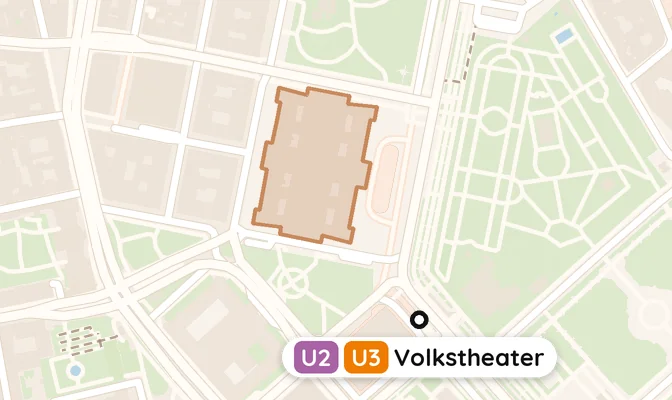
Dr.‑Karl‑Renner‑Ring 3, 1017 WienU2 U3 Volkstheater · 3 min walkCity Center
Good to know

Wheelchair Access

Website · parlament.gv.at

Opening hours

Austrian Parliament

Monday08:00 - 13:00
Tuesday08:00 - 18:00
Wednesday08:00 - 18:00
Thursday08:00 - 21:00
Friday08:00 - 18:00
Saturday09:00 - 17:00
SundayClosed

Next: Tue 8 December (public holiday): Closed

Public holidays

Closed: 8 Dec25 Dec1 Jan6 Jan29 Mar1 May6 May17 May27 May26 Oct1 Nov

Last admission: 30 minutes before closing

On parliamentary sitting days the building stays open until 21:00, or until the sitting ends if it runs longer. On Saturdays last admission is at 16:00.


Muvamo Opinion

The Austrian Parliament in Vienna is an impressive architectural and historical landmark. It sits on Vienna’s Ringstrasse and resembles a temple from ancient Greece. Its grand white Corinthian columns frame the facade, while the Pallas Athena Fountain – with a four-metre statue of the goddess – stands in front of the main entrance as a symbolic guardian of wisdom and democratic ideals. Designed by Theophil Hansen between 1874 and 1883, the neoclassical building deliberately echoes Greek architecture to underscore the democratic values practiced inside, where Austria’s National and Federal Councils meet. The recent renovation completed in 2023 refreshed the structure and modernized its infrastructure while preserving its original character, reaffirming its standing as the centre of Austrian political life.

Free English-language guided tours are offered daily and last about 55 minutes, taking visitors through highlights such as the Hall of Pillars, the National Council Chamber, and exhibitions on women’s suffrage and Austria’s transition from empire to republic. Places must be booked online up to 28 days in advance, and visitors need to present the QR-code confirmation and photo ID at security, so you can’t simply drop in.

If you time it right, you might even catch a live parliamentary session!

Helpful Hints

  • Tours: Book your tour in advance!
  • Visit the Information Center: The Visitor Center (Demokratikum) offers interactive exhibits on democracy and the political system. It’s free and can enrich your visit.

Our Little Extras

  • Interactive exhibits: Be sure to check out the interactive exhibits at the visitor center - they’re perfect for kids and adults alike and help make complex political processes easier to understand.

The History of the Austrian Parliament: A Monument to Democracy

The Austrian Parliament building is a central figure in Vienna’s architectural and political landscape, and reflects the evolution of democracy in Austria. Designed by Danish-Austrian architect Theophil Hansen, the building was constructed between 1874 and 1883 during the Austro-Hungarian Empire. Hansen’s design draws heavily on ancient Greek architecture, embodying democratic ideals through its grand columns, symmetrical layout, and statues of historical figures. This neoclassical style sets it apart from Vienna’s more prevalent baroque and gothic buildings.

Austrian Parliament's neoclassical style, a testament to Vienna's heritage.
Majestic view of the Austrian Parliament's neoclassical facade in Vienna.

Vienna in the late 19th century was a center of political and cultural activity, and the construction of the Parliament was part of a broader urban renewal along the Ringstrasse, a boulevard featuring other key structures like the Vienna State Opera and the Rathaus. The Parliament was intended to house the Imperial Council (Reichsrat), the legislative body of the empire at the time. The prominent Pallas Athena Fountain in front of the main entrance, based on Hansen’s plans and sculpted by Carl Kundmann between 1898 and 1902, features the goddess as a symbol of wisdom and strength.

The building’s interior mirrors ancient Roman and Greek halls, with sweeping staircases, columns, and murals contributing to its grand, temple-like atmosphere. Today, the Parliament serves as the seat of the National and Federal Councils, continuing its role as a vital part of Austria’s democratic process.

Detailed sculptures adorning the Austrian Parliament's exterior.
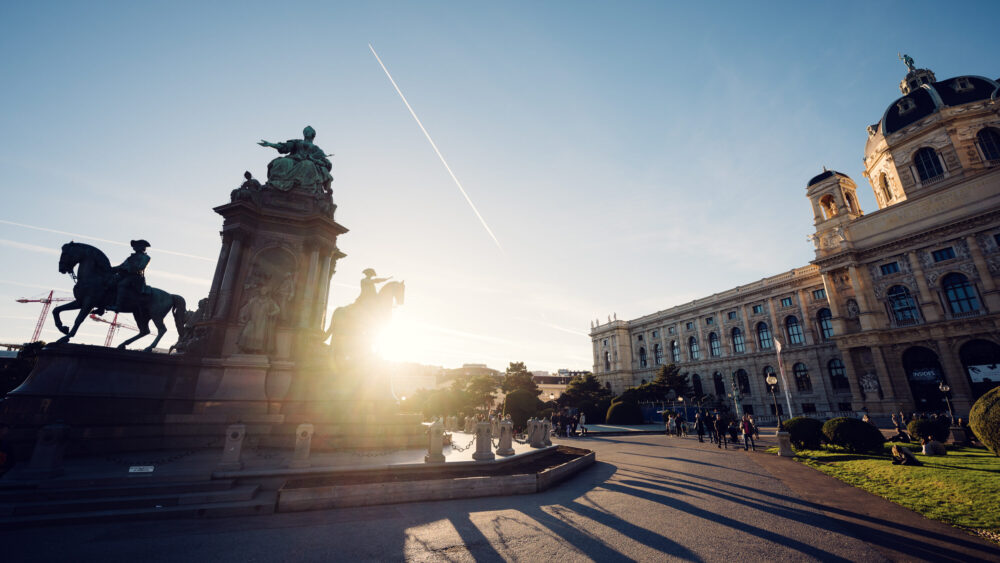
Austrian Parliament illuminated at night, showcasing its architectural beauty.
Over the years, the building has witnessed significant historical moments. Following the collapse of the Austro-Hungarian Empire in 1918, it became the home of the Austrian Republic’s parliament. Damaged during World War II, it was carefully restored after the war. A recent renovation, completed in 2023, modernized its infrastructure while preserving its historic character.