

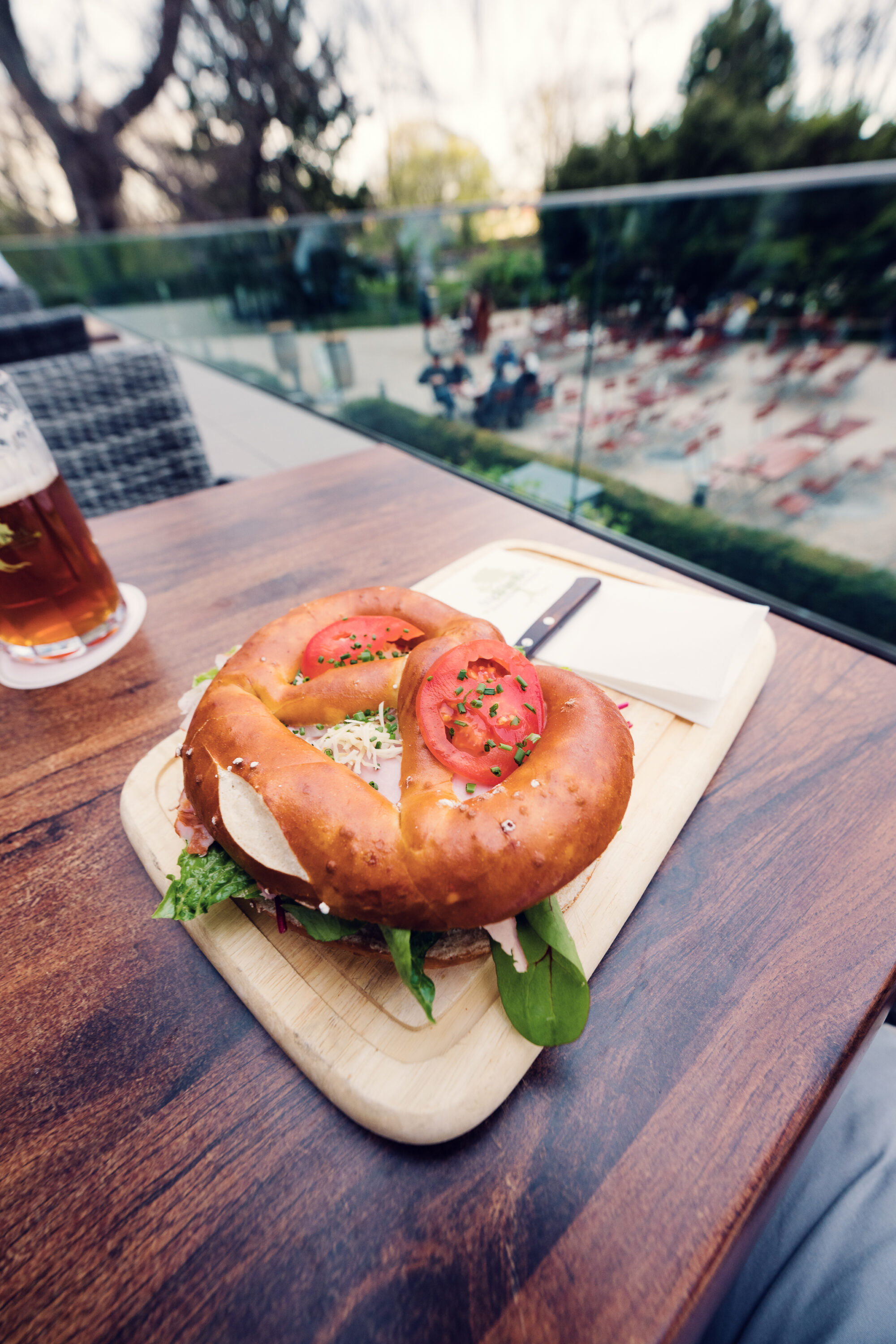
Stöckl im Park: In Step with Belvedere’s Garden Rhythm
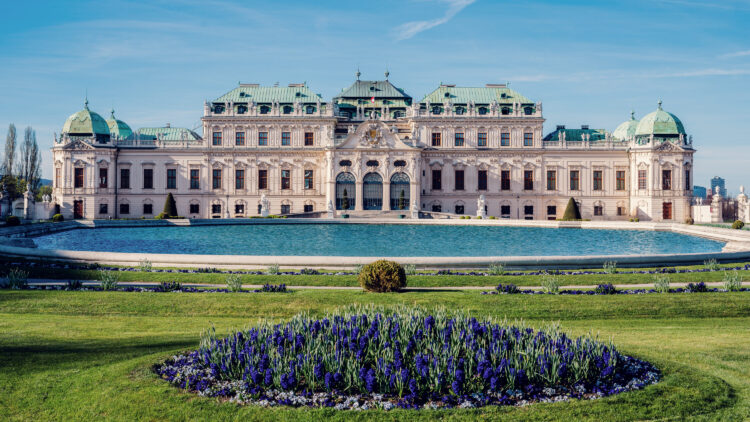
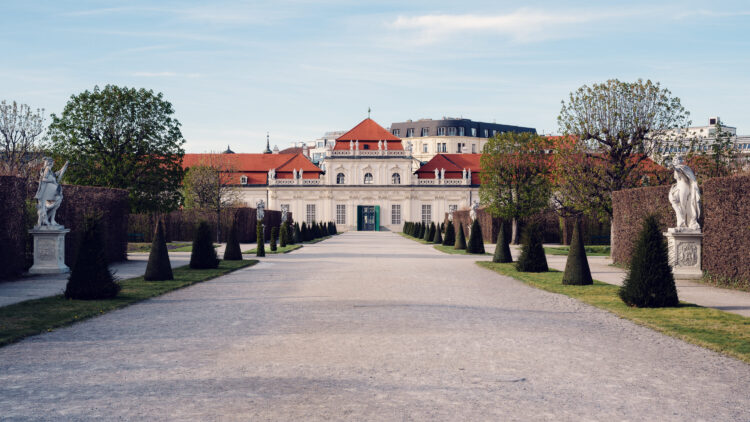
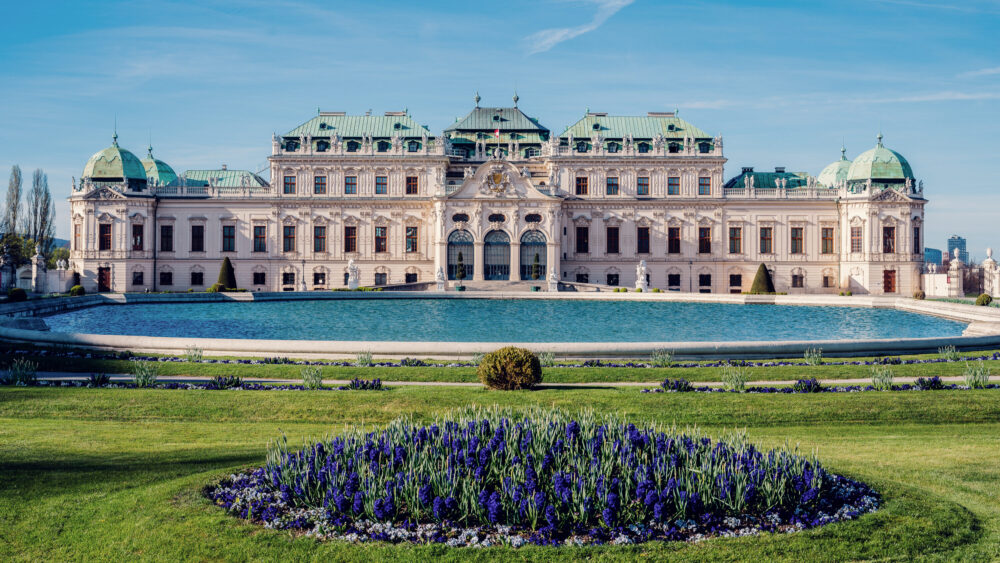
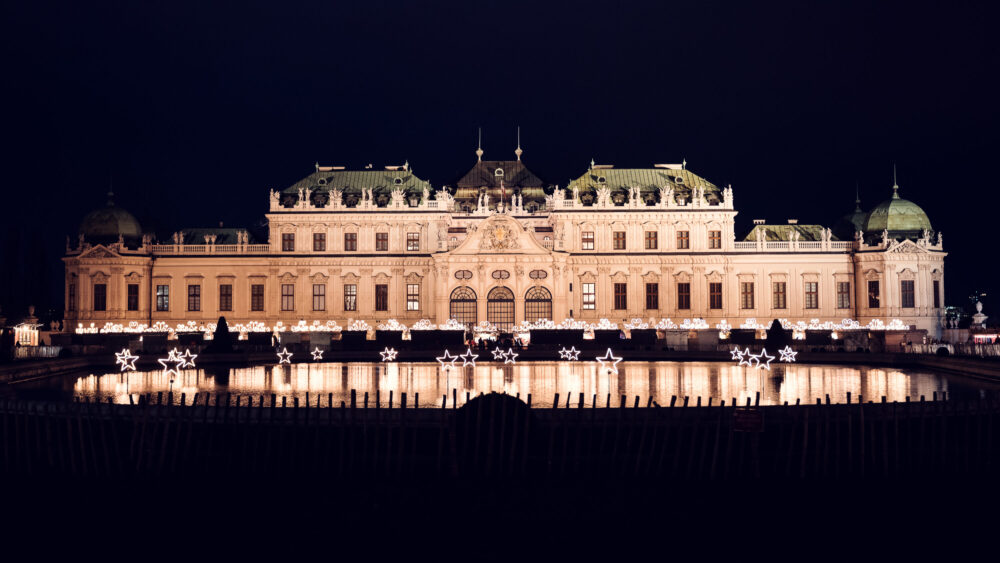
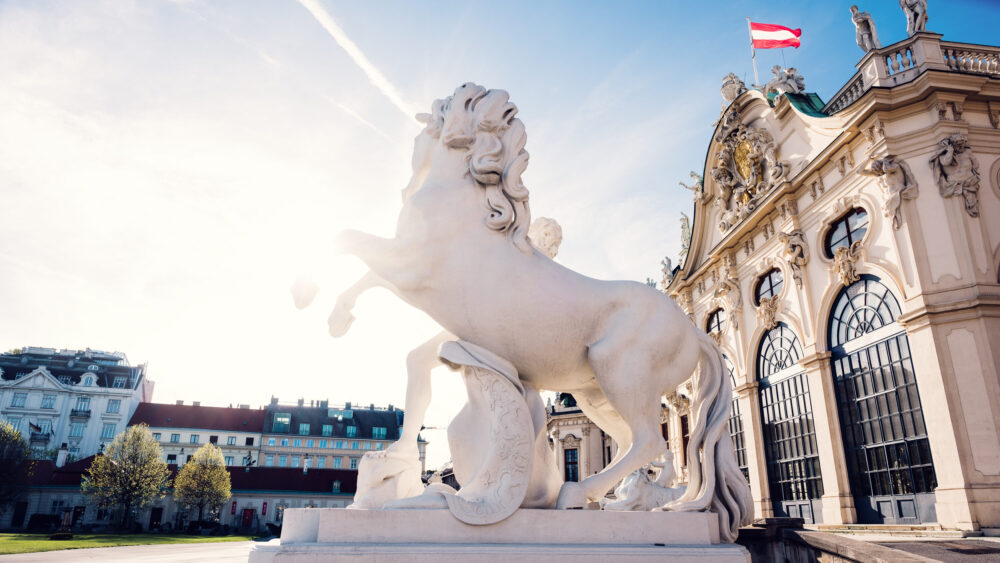
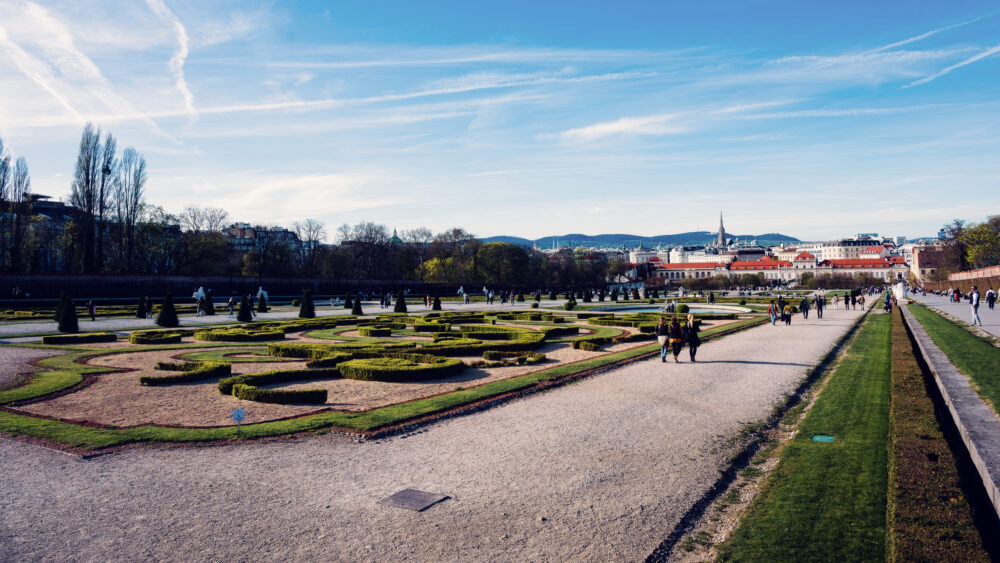
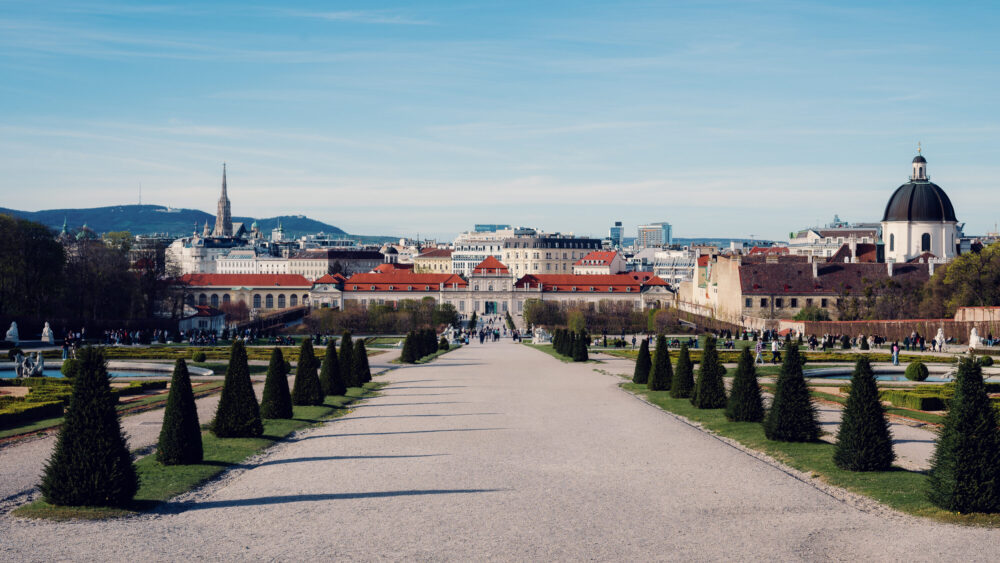
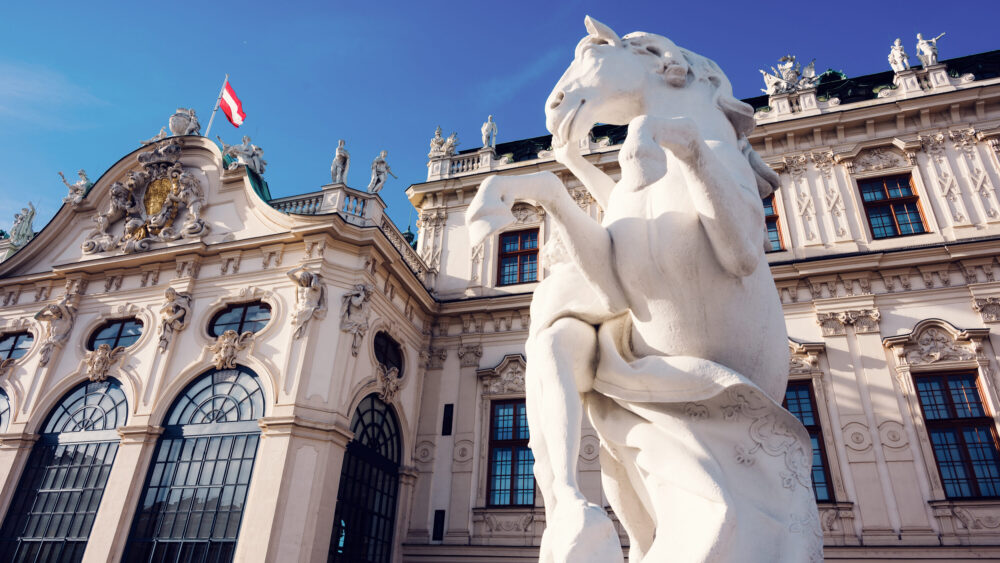
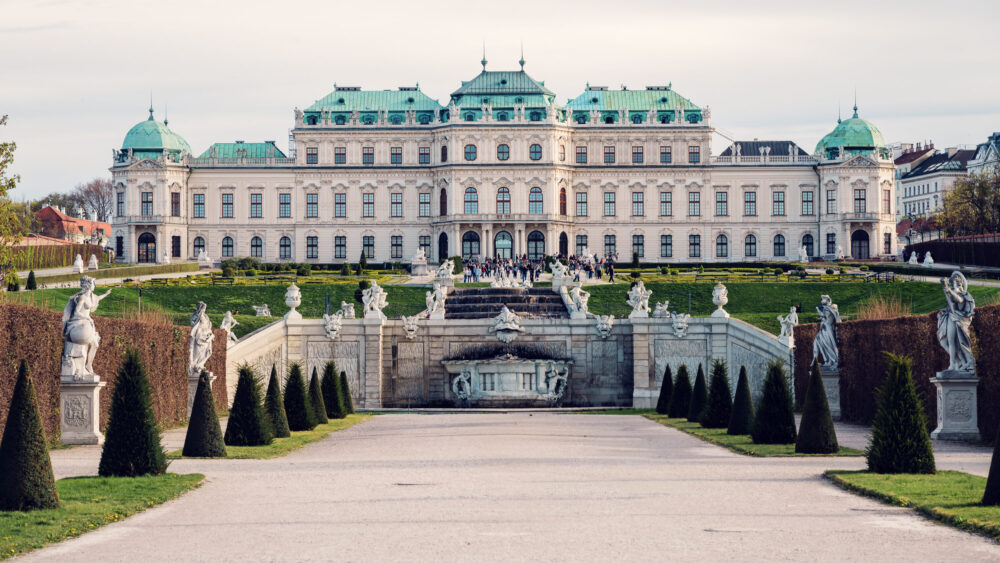
To understand Stöckl im Park, you have to appreciate where you’re standing: the Belvedere Gardens, once the private grounds of Prince Eugene of Savoy, a leading Habsburg general and patron of the arts. The Belvedere complex - consisting of the Upper and Lower Belvedere Palaces, built in the early 18th century - was never just a residence. It was a statement of taste, wealth, and influence, designed to impress both guests and rivals.
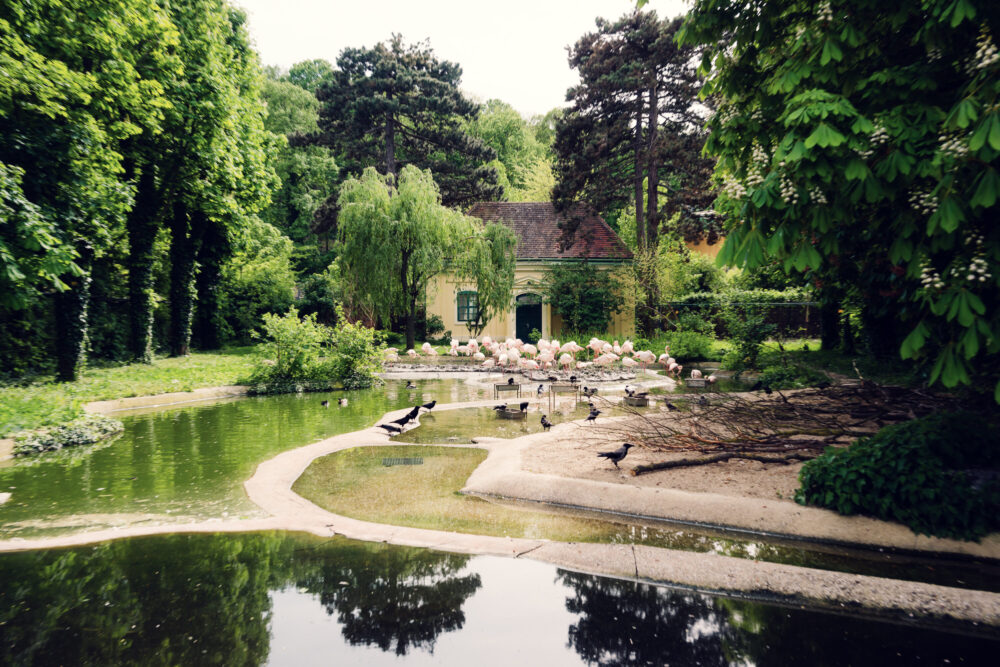
While the grand palaces were the architectural highlights, the estate included a number of smaller buildings used for various leisure functions - gardening, receptions, and summer entertainment. One such structure is the modest but charming pavilion that now houses Stöckl im Park. “Stöckl” is a traditional Austrian term for a small house or side-building, often used for domestic purposes or light hospitality within larger estates.
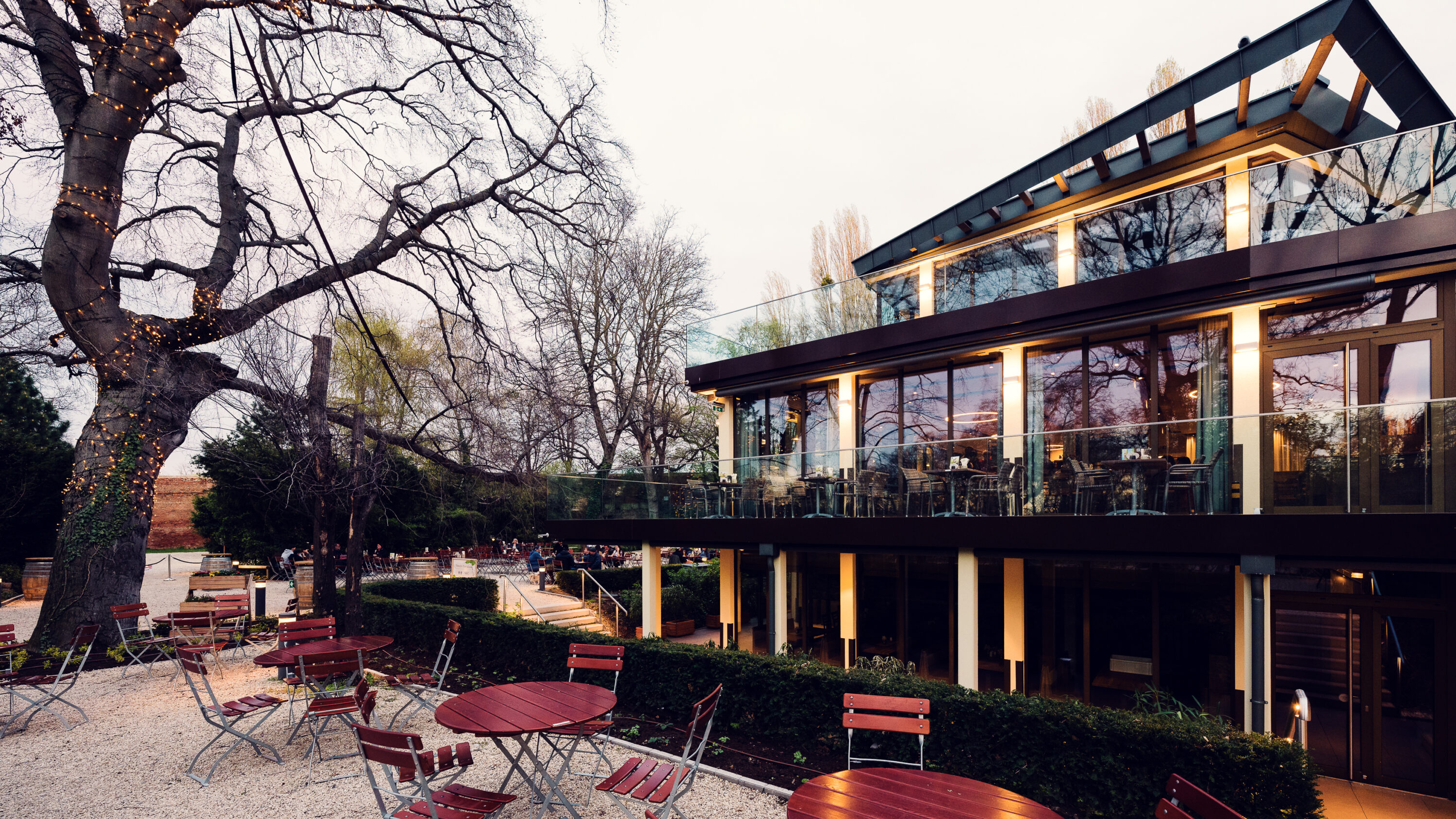
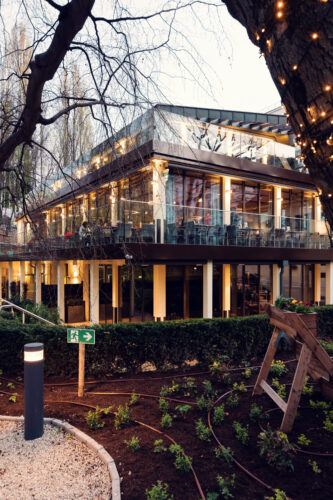
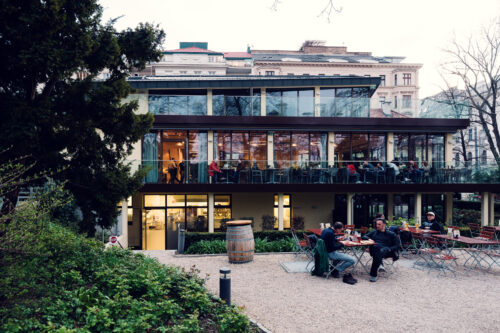
The pavilion sat quietly for decades, somewhat forgotten amid the grandeur of its surroundings. But in recent years, it was sensitively restored and transformed into a restaurant, breathing new life into this corner of the garden.
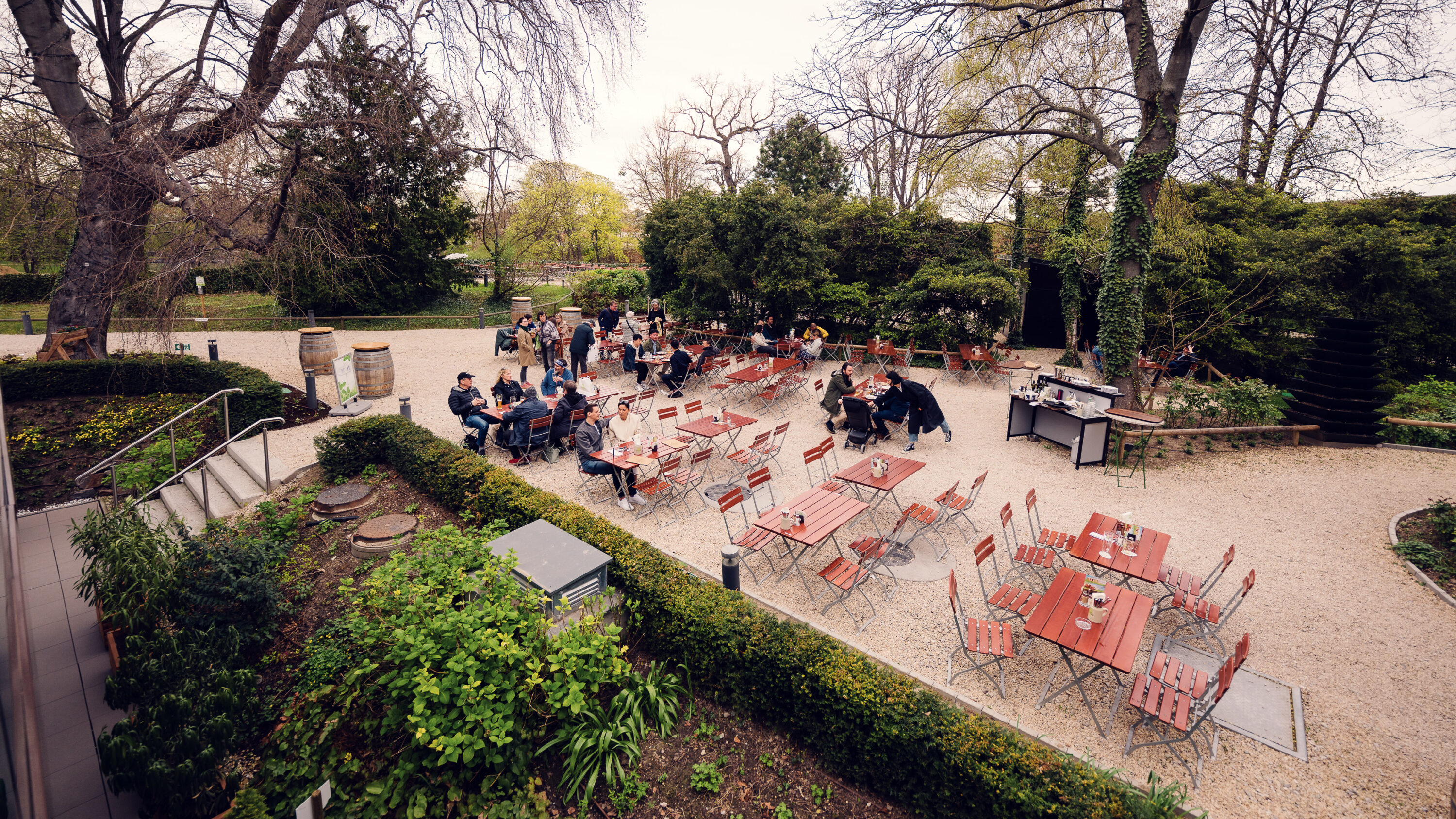
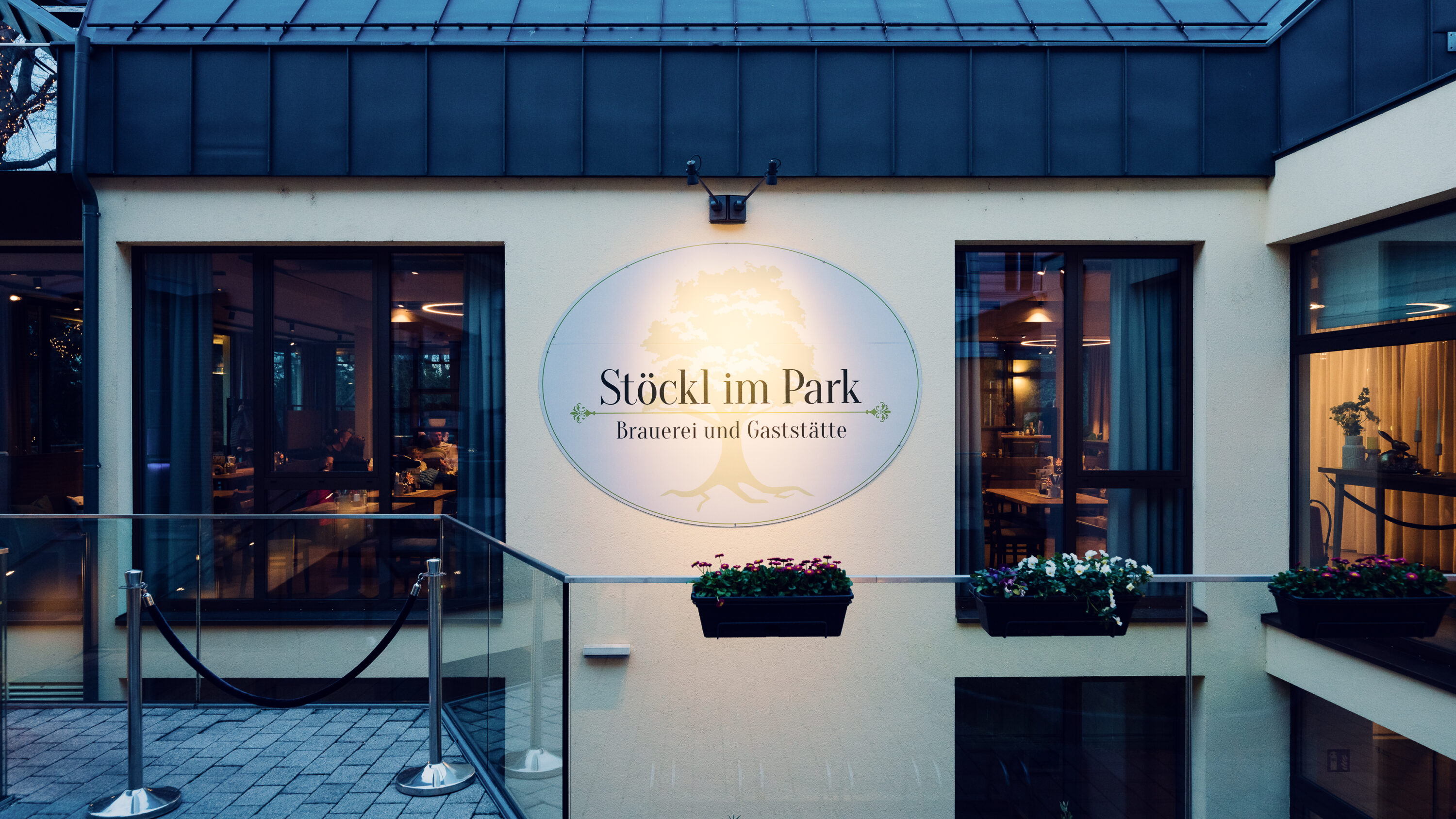
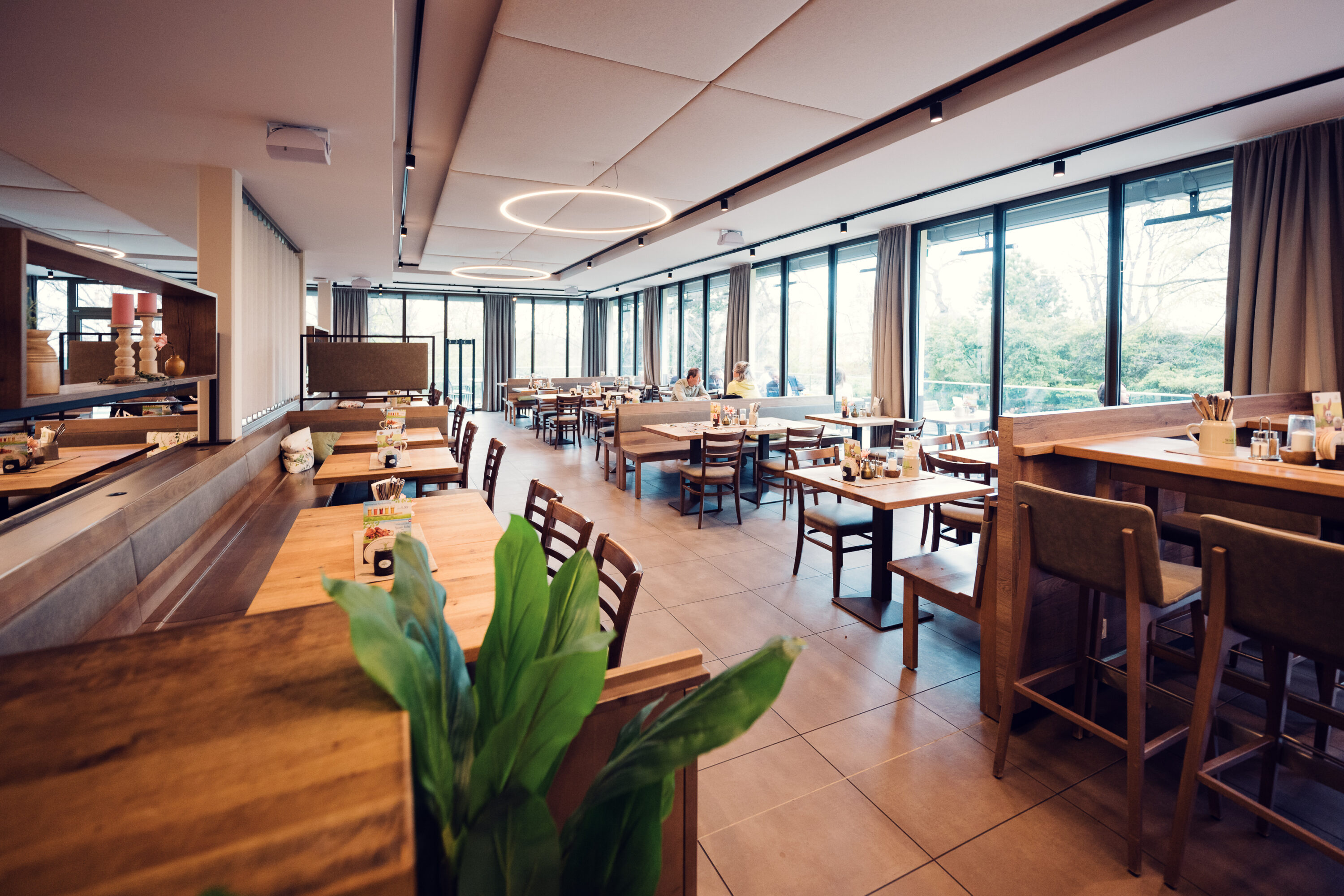
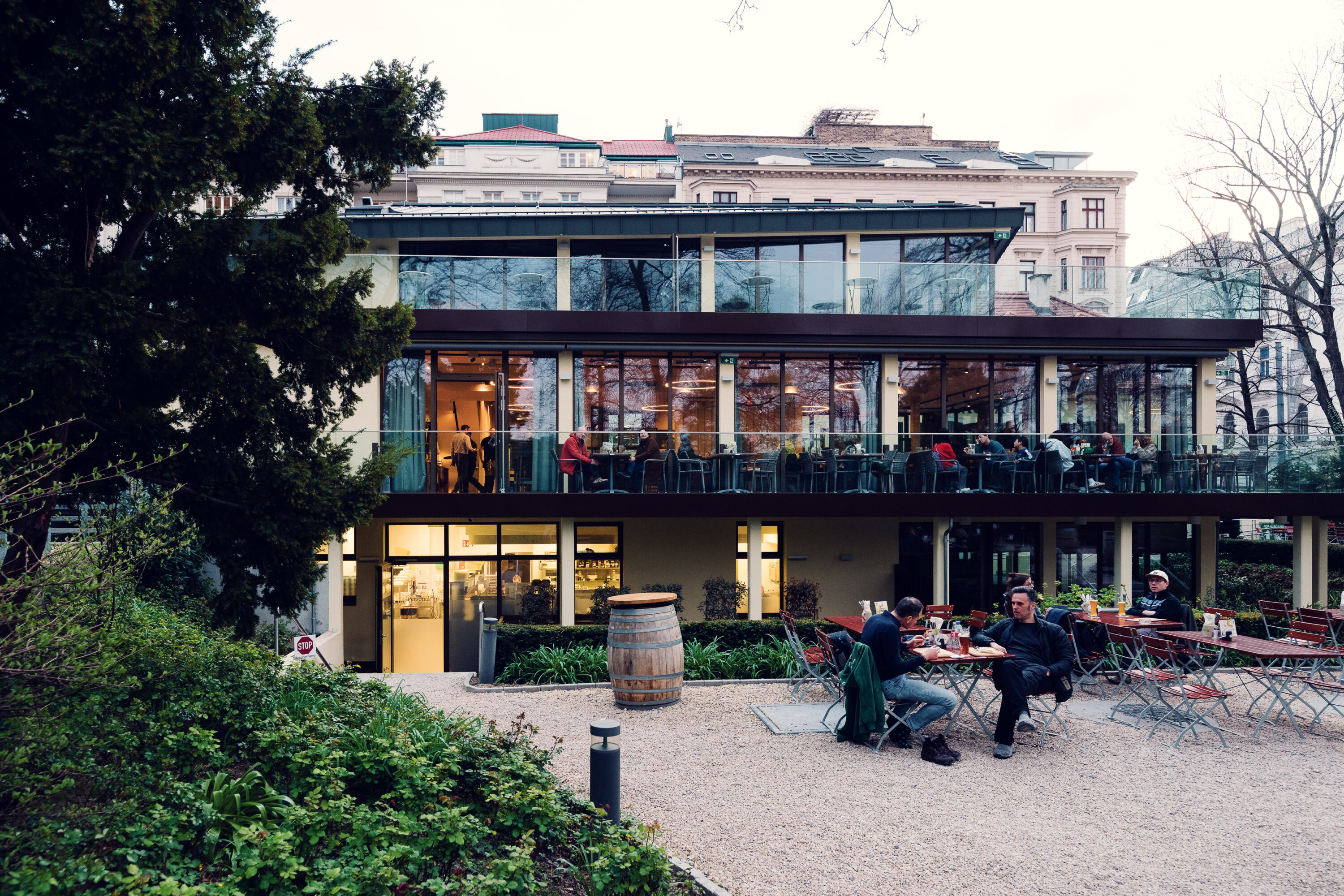
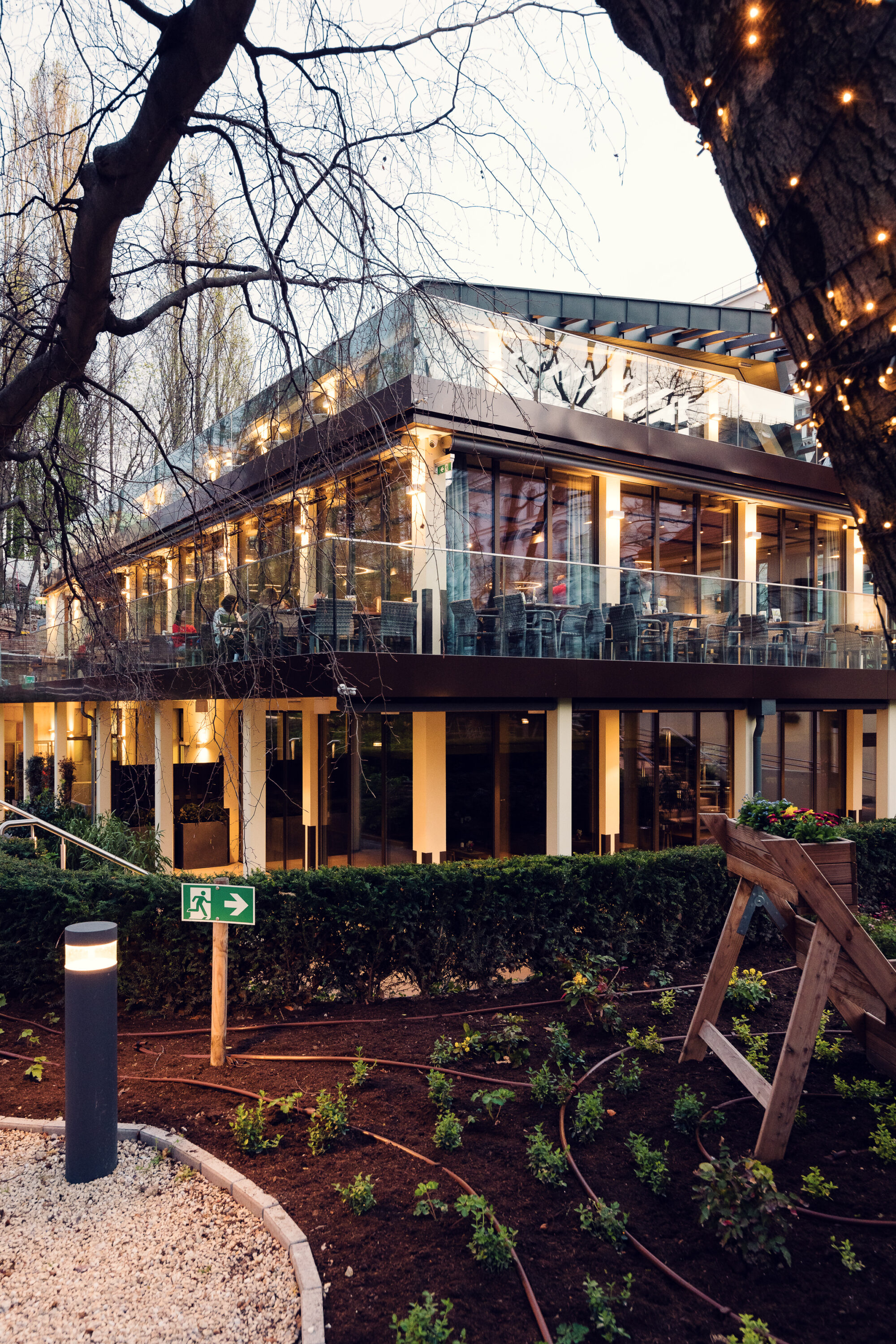
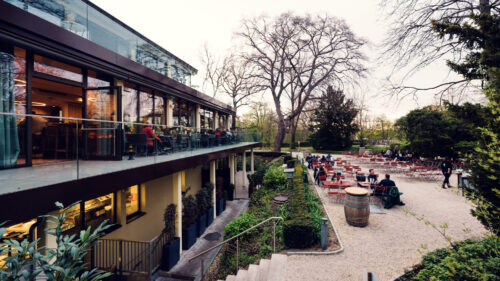
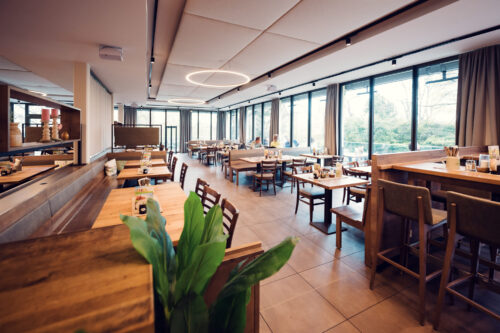
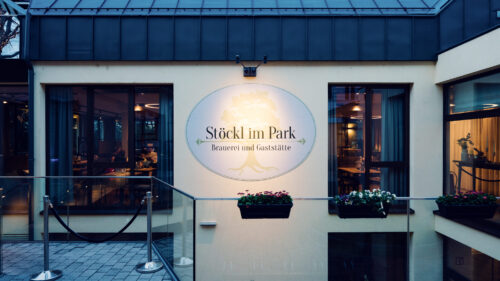
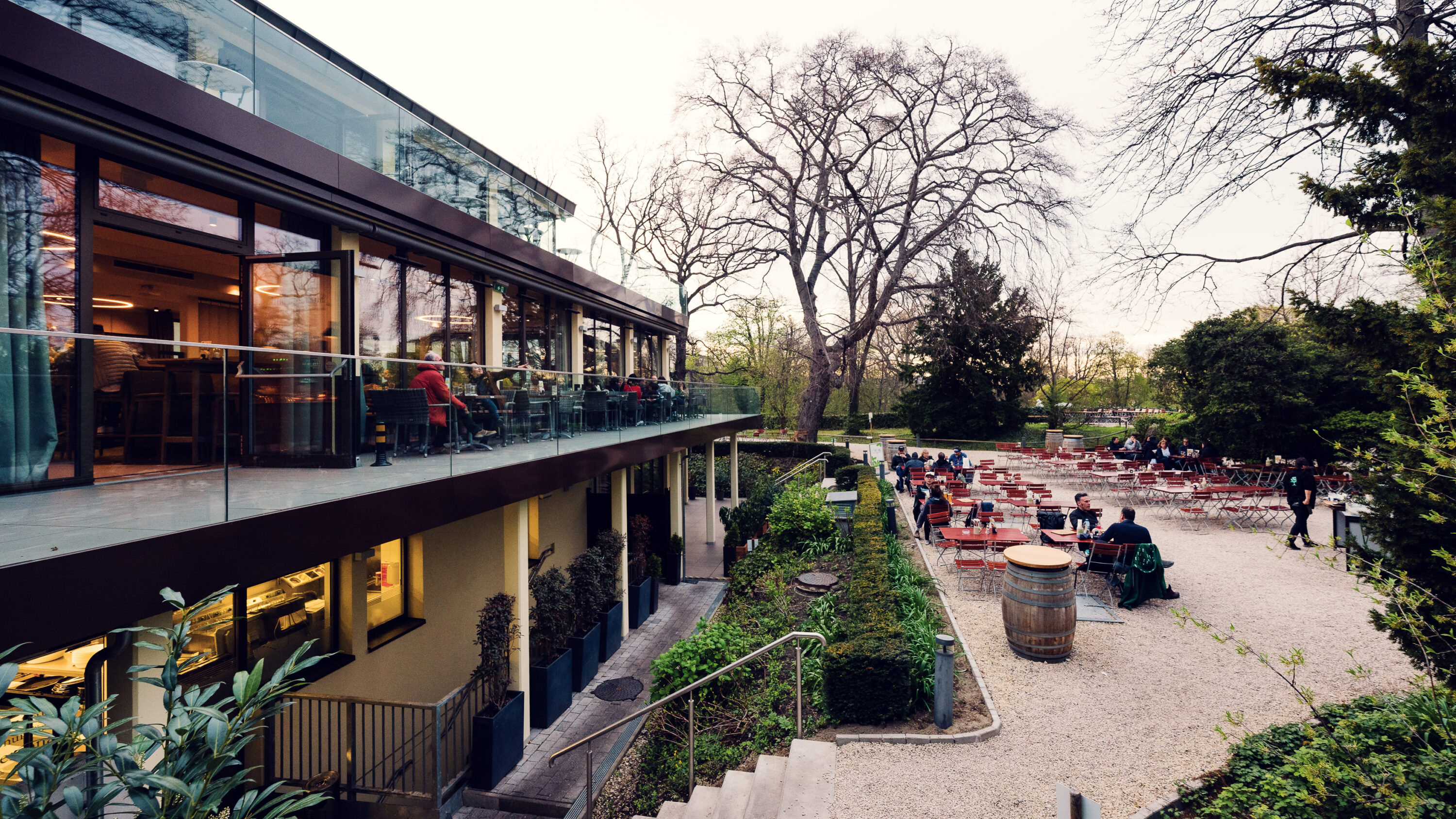
The architectural integrity was preserved: clean lines, light stucco façades, and windows that open directly to the surrounding greenery. The goal was not to reinvent the space, but to let its original character shine - with just enough modern comfort to make it relevant for today’s guests.
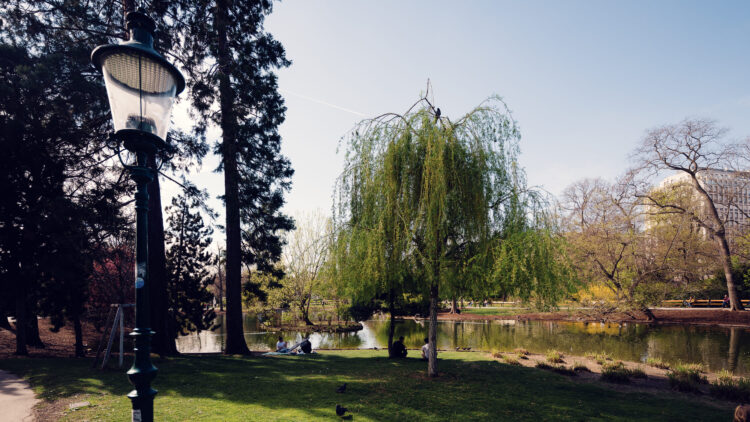
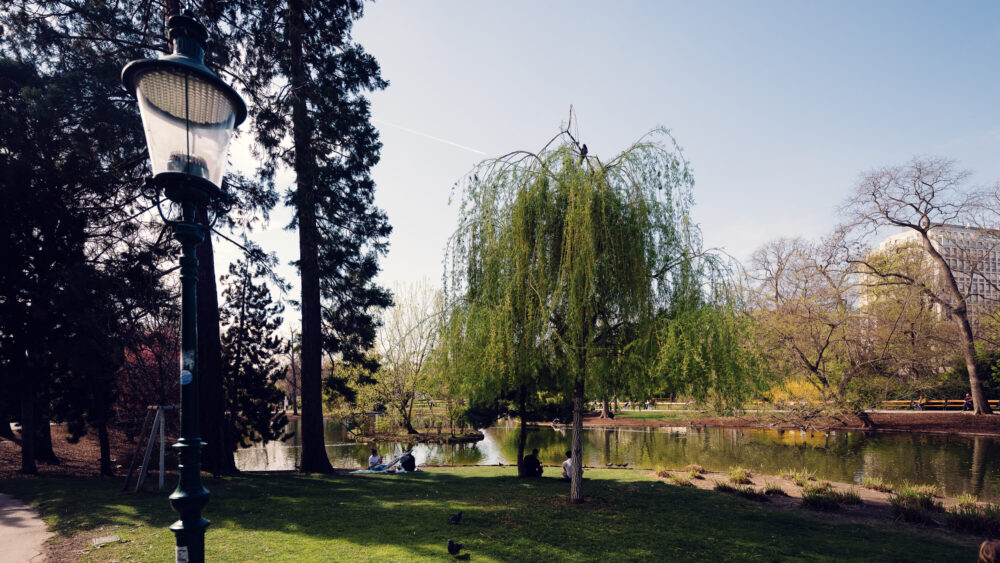
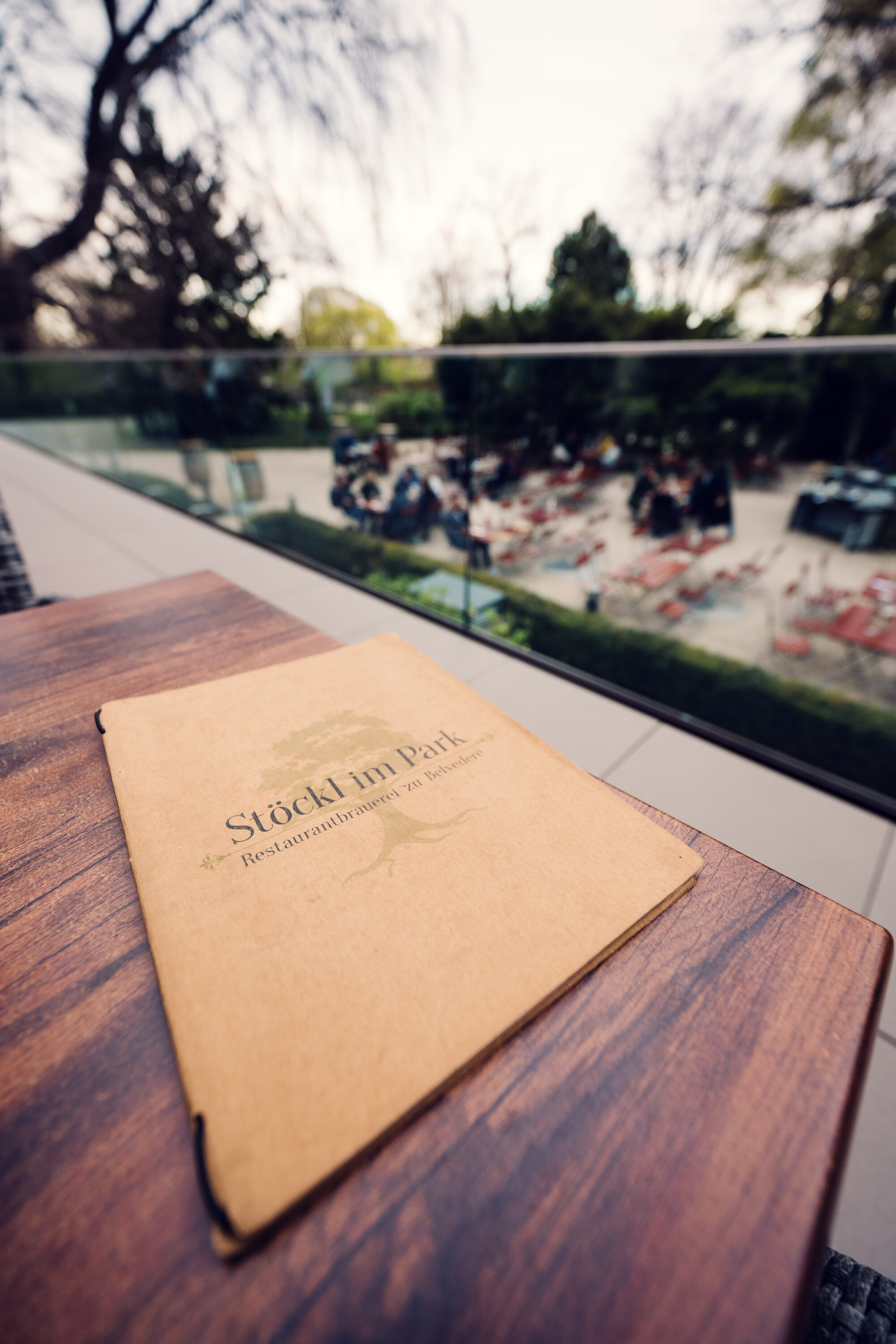
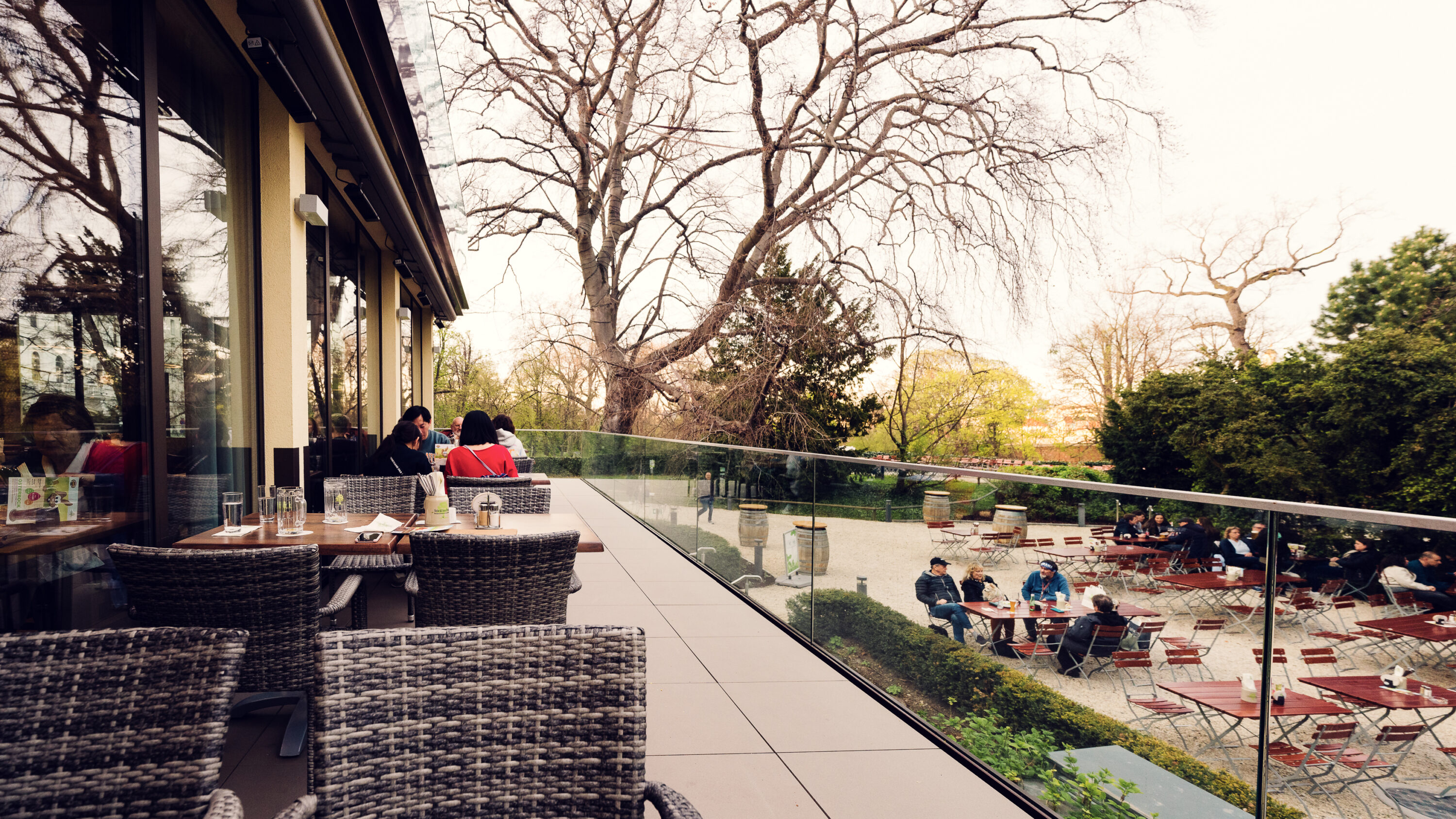
Visitors often stumble upon it after a museum tour or a garden stroll, drawn in by the clinking of glasses on the terrace or the quiet glow of its evening lighting. Yet for locals in the know, it’s also a favored destination - somewhere you go when you want the charm of old Vienna, without the theatricality.
The evolution of Stöckl im Park from historic outbuilding to refined dining spot reflects a broader Viennese tradition: preserving history not as a museum piece, but as part of daily life. Today, dining here offers a sense of continuity - with the past, the place, and the slower rhythms that once defined European leisure.