Fall in Love with

Wotruba Church (Wotrubakirche)

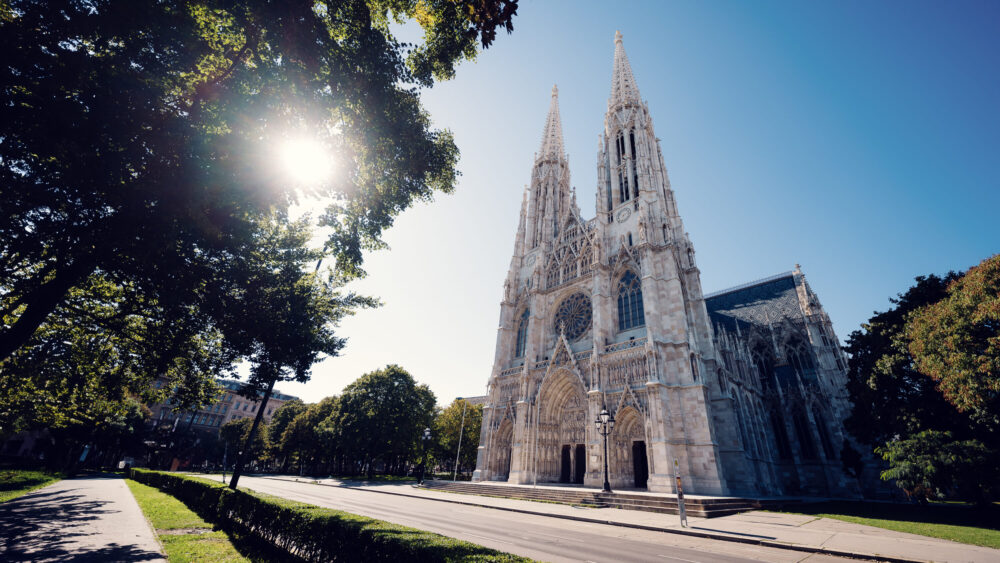
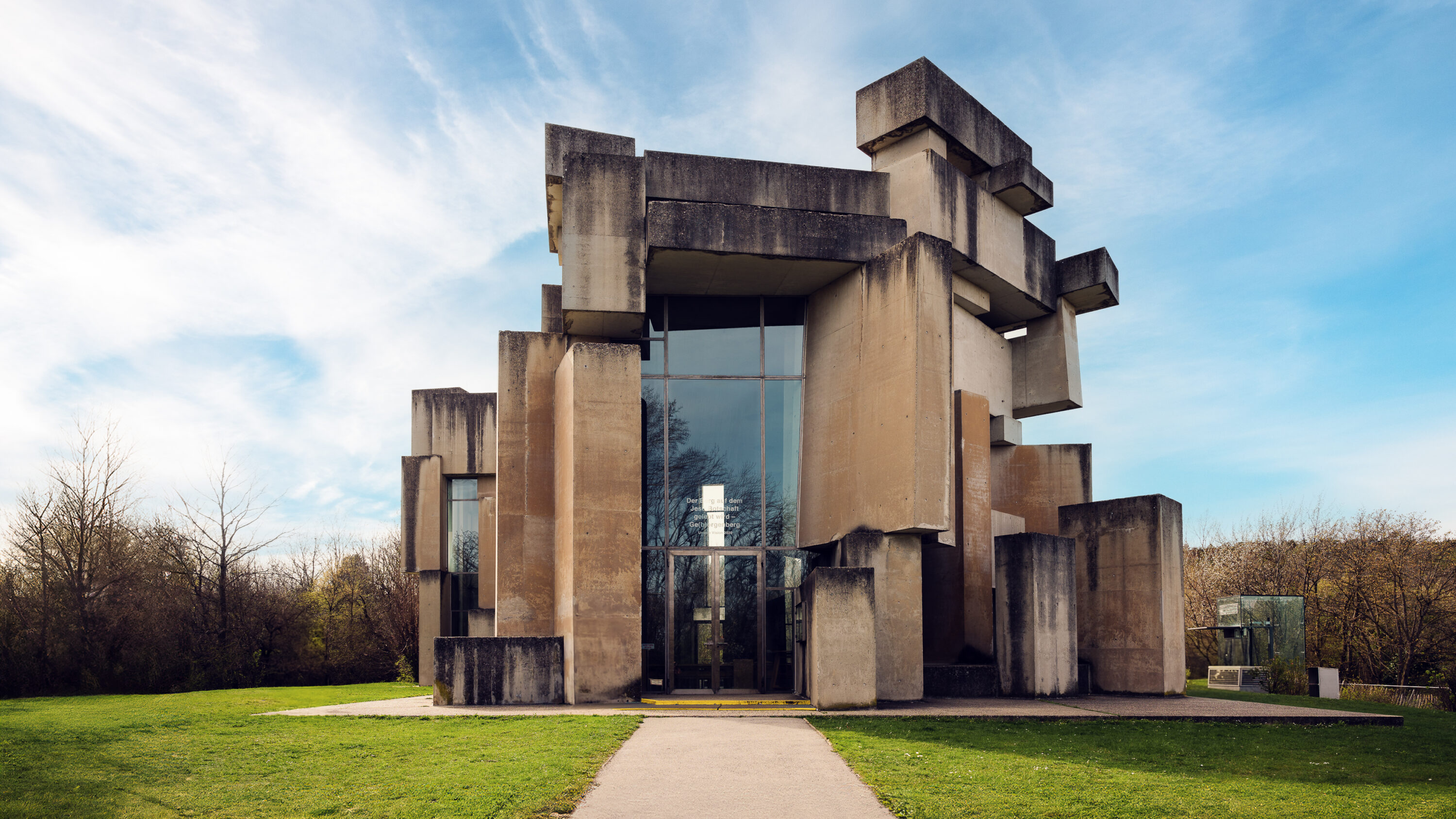
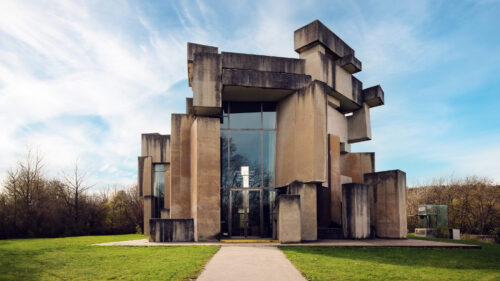
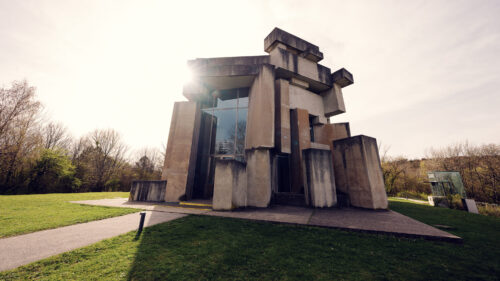
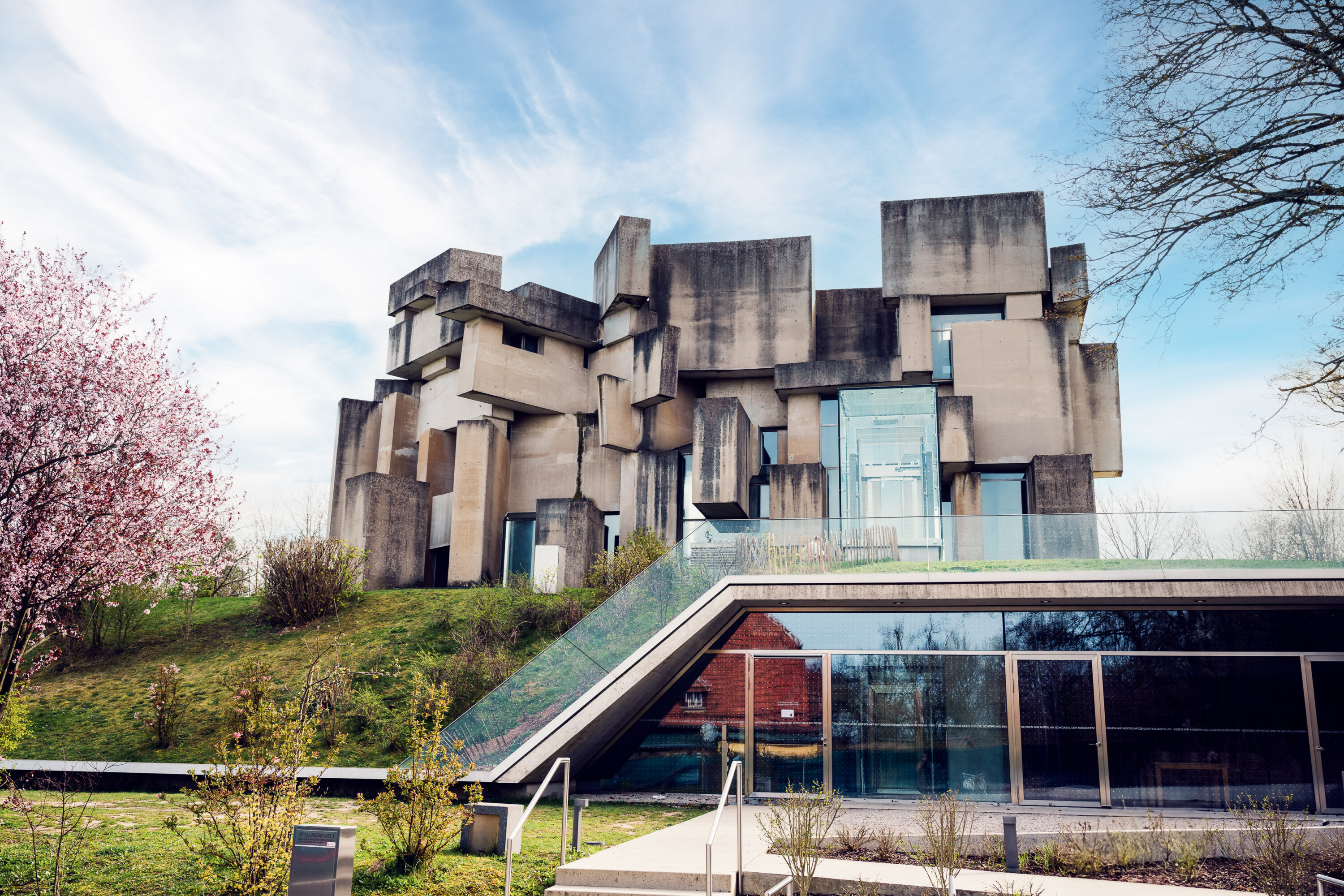
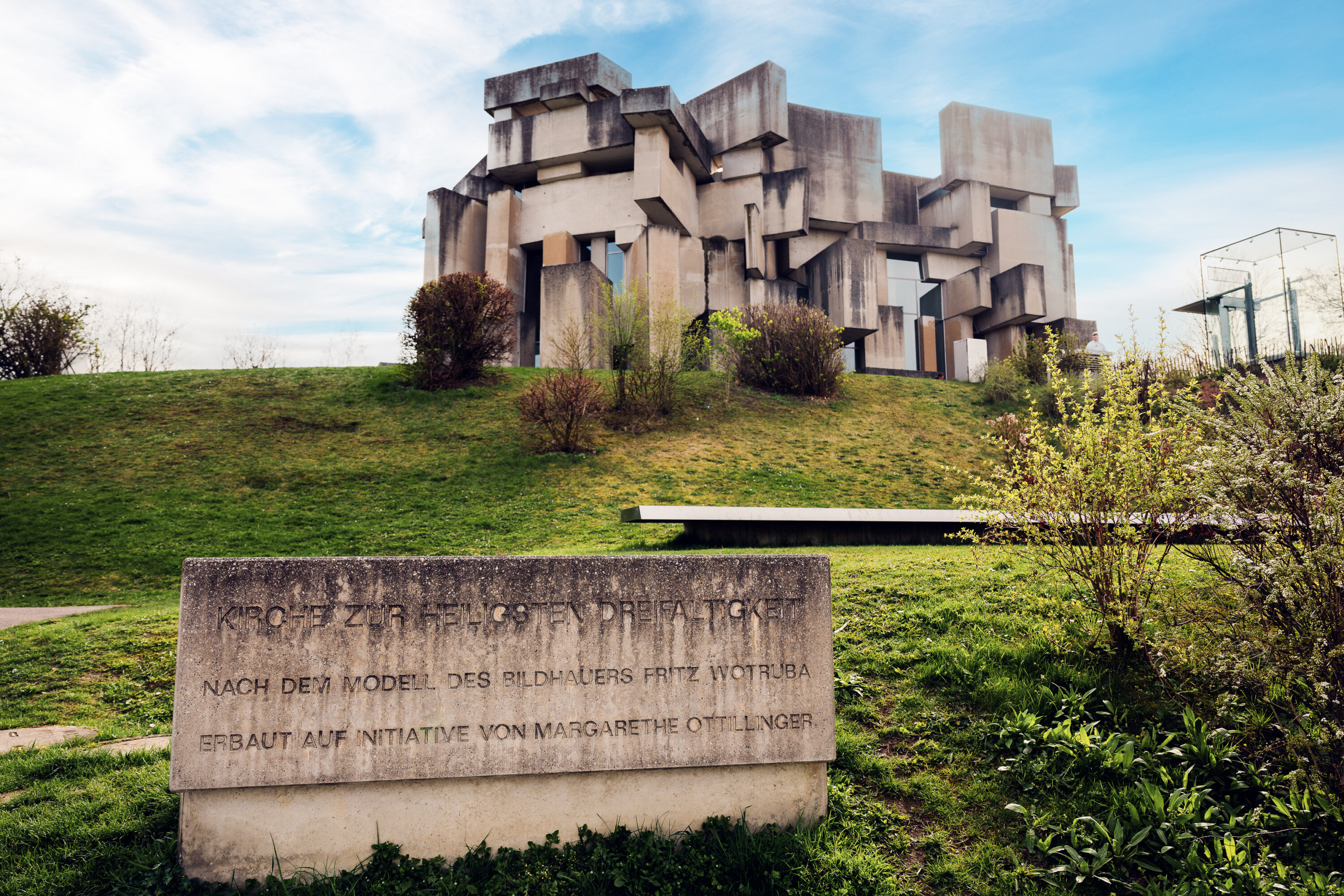
Wotrubakirche nestled in Vienna's greenery, offering a contrast between nature and modern design.
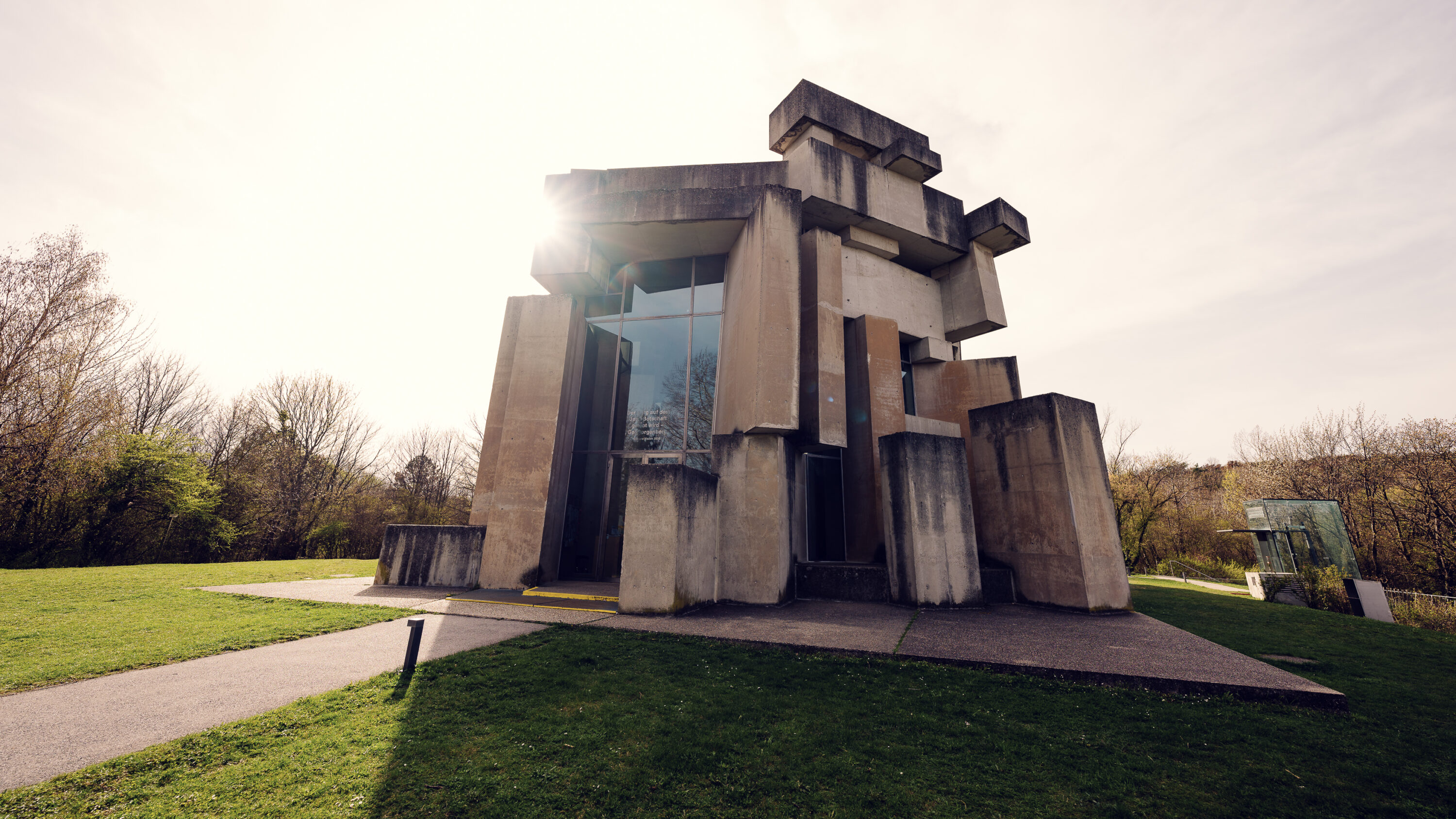
Wotrubakirche's modern design, a fascinating example of Brutalist architecture in Vienna.
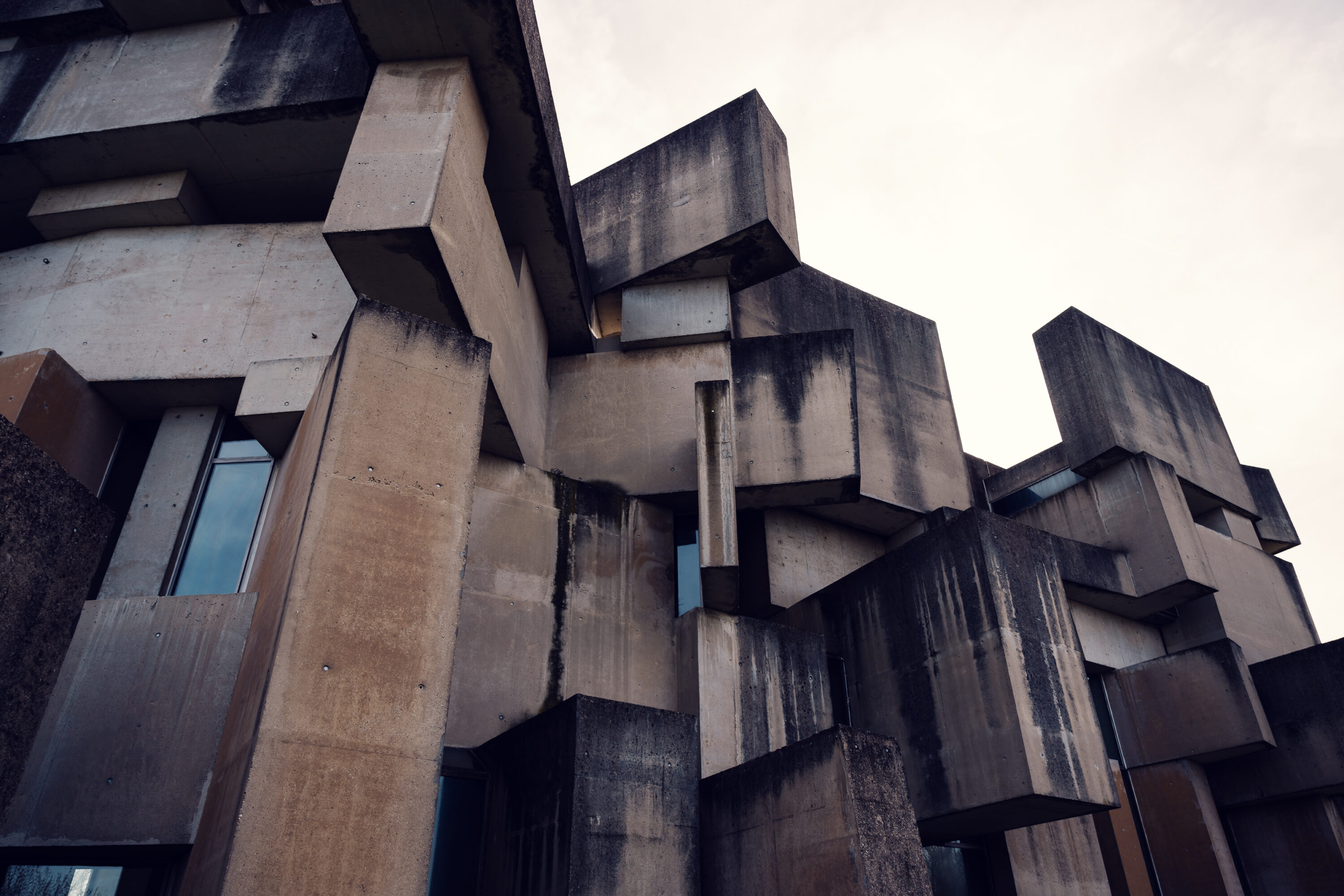
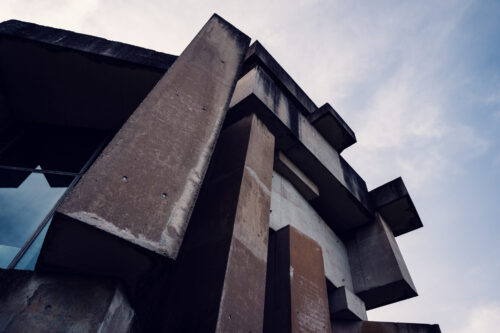
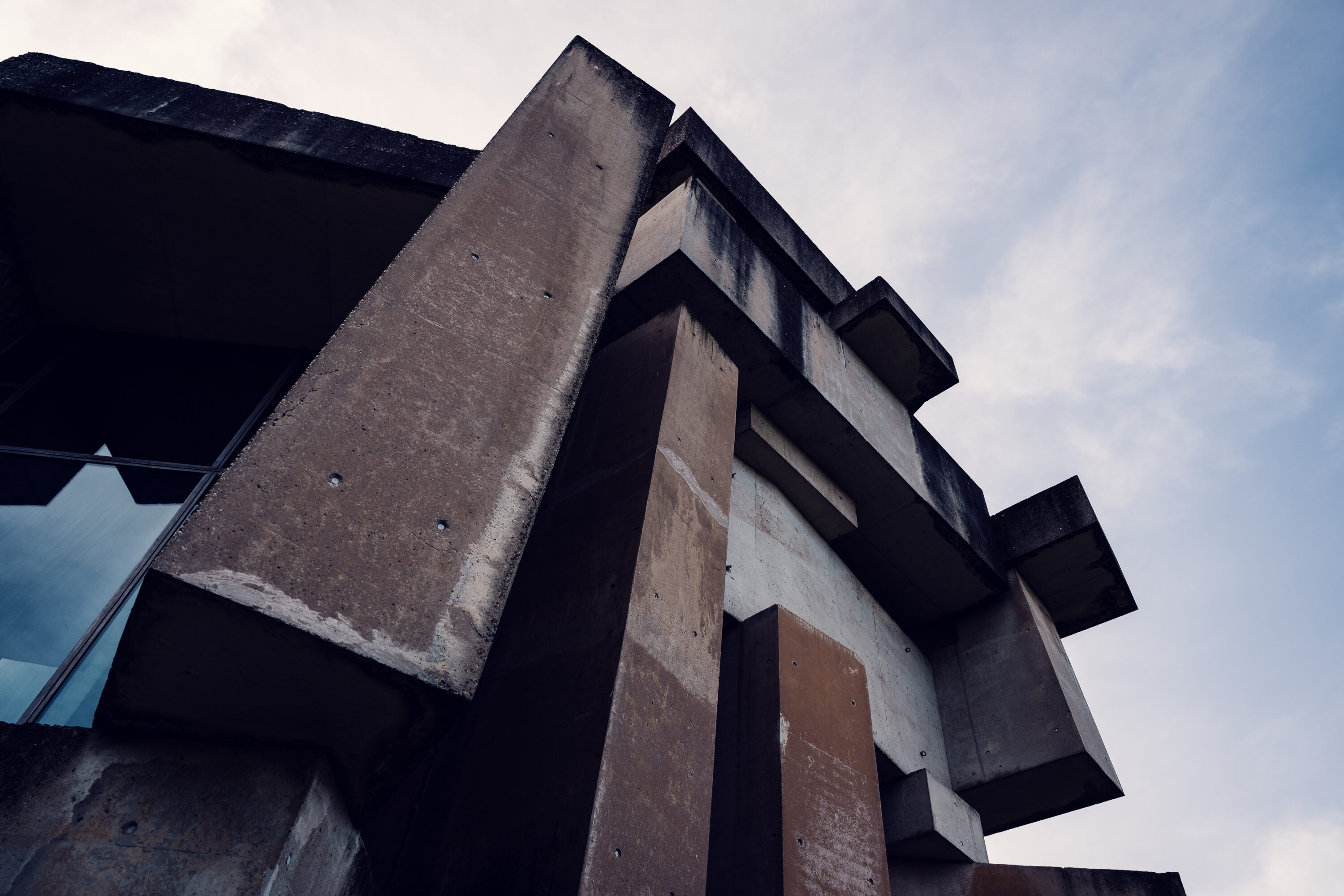
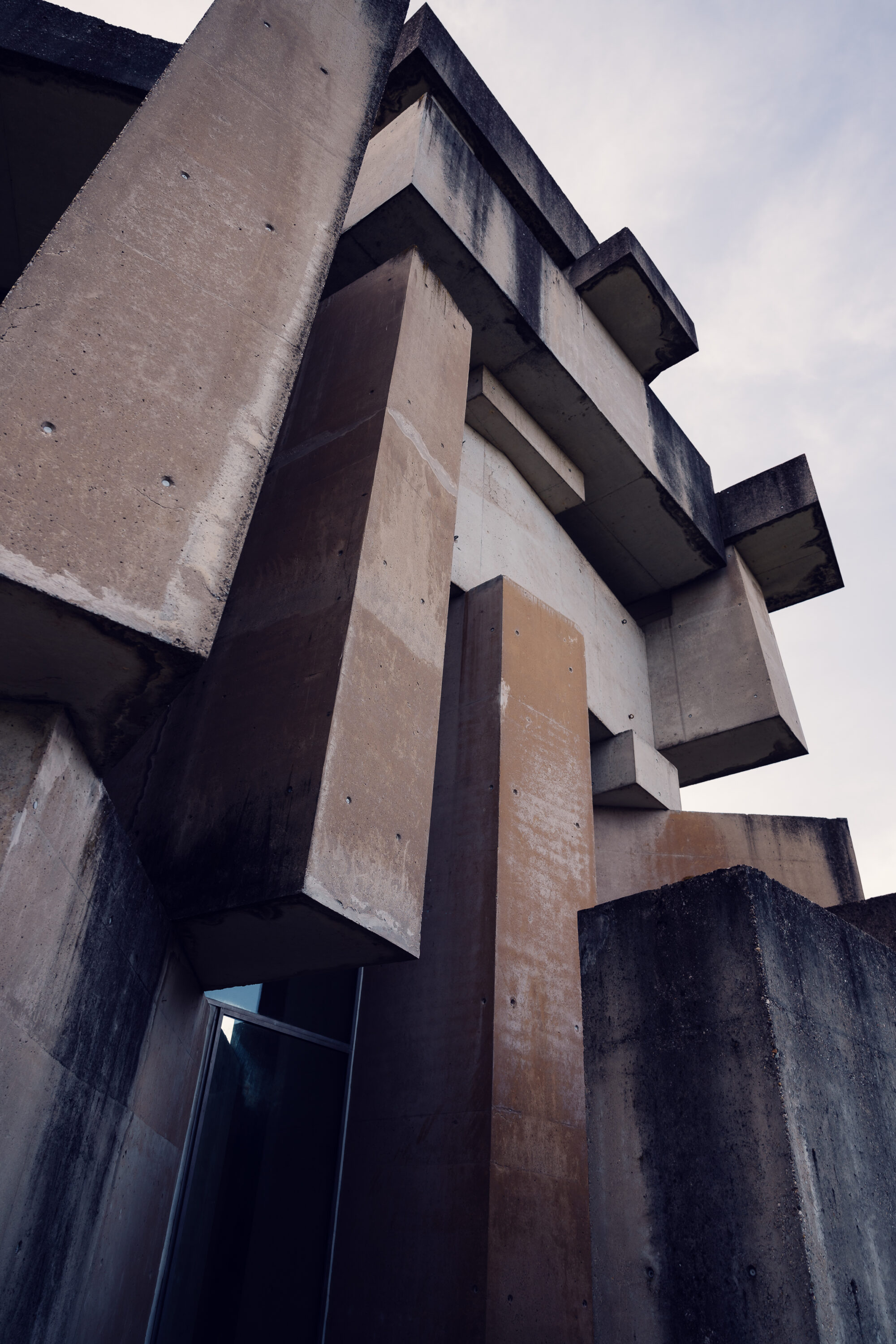
Close-up of Wotrubakirche's geometric facade, highlighting its bold and unconventional structure.
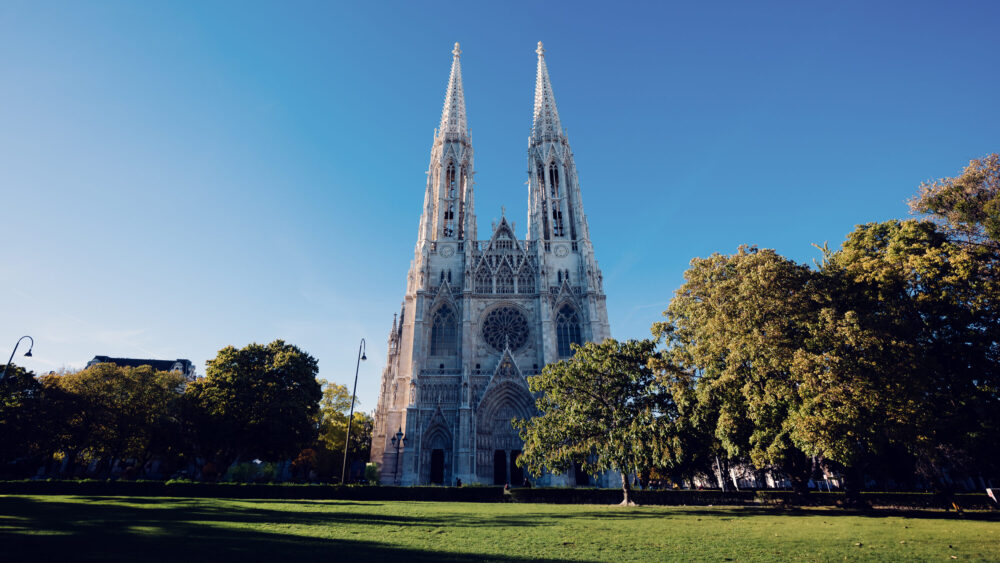
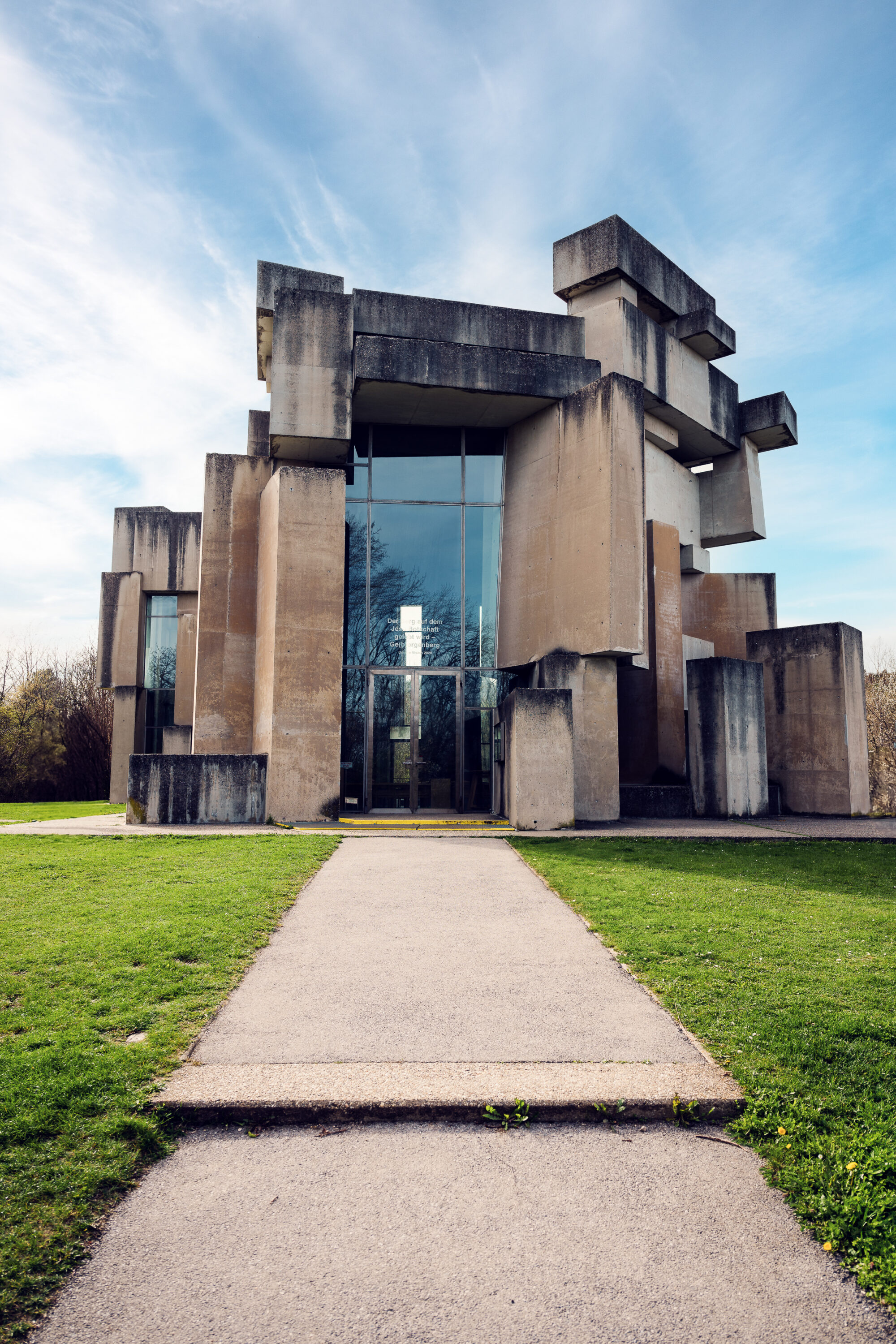
Serene setting of Wotrubakirche, blending modern architecture with the tranquility of its surroundings.

Wotruba Church (Wotrubakirche)

Map 30 mins
Affiliate disclosure: Links marked with * are affiliate links; we may earn a commission at no extra cost to you; our recommendation remains independent.

Wotrubakirche, also known as the Church of the Most Holy Trinity, is a brutalist masterpiece located in Vienna. Far from traditional church architecture, its 152 irregular concrete blocks give it the appearance of an abstract sculpture rather than a place of worship. Perched on a hill in the quiet Mauer neighborhood, its jagged, geometric shapes stand out, creating a sense of discovery for those who visit.

Austrian sculptor Fritz Wotruba, who designed the church, sought to create a symbol of faith and freedom, reflecting his belief that architecture could evoke deep emotional responses. Built between 1974 and 1976, the church defies the elegance of Vienna’s classical buildings, offering something raw and thought-provoking instead.

Address:
Ottillingerplatz 1
1230 Wien

Muvamo Opinion

Wotrubakirche is a place that challenges expectations of what a church should look like. Approaching it for the first time feels like stumbling upon a piece of monumental land art, a concrete sculpture that has somehow grown out of the hillside.

Wotrubakirche is an interesting and unconventional structure. Its brutalist design, using large concrete blocks, sets it apart from the typical idea of a church. The raw, geometric shapes make it more of an abstract work of art than a traditional place of worship. What makes it unique is how it contrasts with the traditional architecture found in Vienna. Instead of ornate details, it relies on minimalist, raw concrete forms to convey a sense of strength and purpose.

It shows another side of Vienna – not just the historic and imperial, but also modern, daring, and creative. For design lovers or anyone who enjoys unusual architecture, it’s a memorable stop. And because it’s located near the Vienna Woods, you can easily combine it with a short walk in nature or a visit to a Heuriger afterwards. Wotrubakirche isn’t a must for everyone, but if you like modern architecture or want to see something off the usual tourist path, it’s a very rewarding visit.


Helpful Hints

  • Getting there: The church is located in the Mauer neighborhood, about 40 minutes from the city center by public transport.

Gastronomic Discoveries

  • Heuriger Mauer: Just down the hill, you’ll find cozy wine taverns serving local Viennese wines and hearty snacks and dishes.

Hidden Gems

  • Lainzer Tiergarten: A short drive away, this nature reserve is perfect for a peaceful hike in the Vienna Woods.

The History of Wotrubakirche: A Vision of Faith and Freedom

The Wotrubakirche, also known as the Church of the Most Holy Trinity, has a unique history rooted in both post-war renewal and modern art. It was the vision of Austrian sculptor Fritz Wotruba, renowned for his abstract, geometric sculptures. Wotruba believed that architecture could transcend its practical role, becoming an emotional and spiritual force. The church he designed is an embodiment of this philosophy, blending modernist architecture with spiritual symbolism.

The church’s origins can be traced to the early 1960s, when Dr. Margarete Ottillinger, a prominent Austrian figure, commissioned Wotruba to design a new church. Ottillinger was imprisoned by Soviet authorities in labor camps from 1948 to 1955 and later sought a project that would symbolize freedom and renewal. Inspired by Wotruba’s radical approach to sculpture, she entrusted him with the creation of a church that would break away from traditional forms.
Wotruba Church (Wotrubakirche) - 1
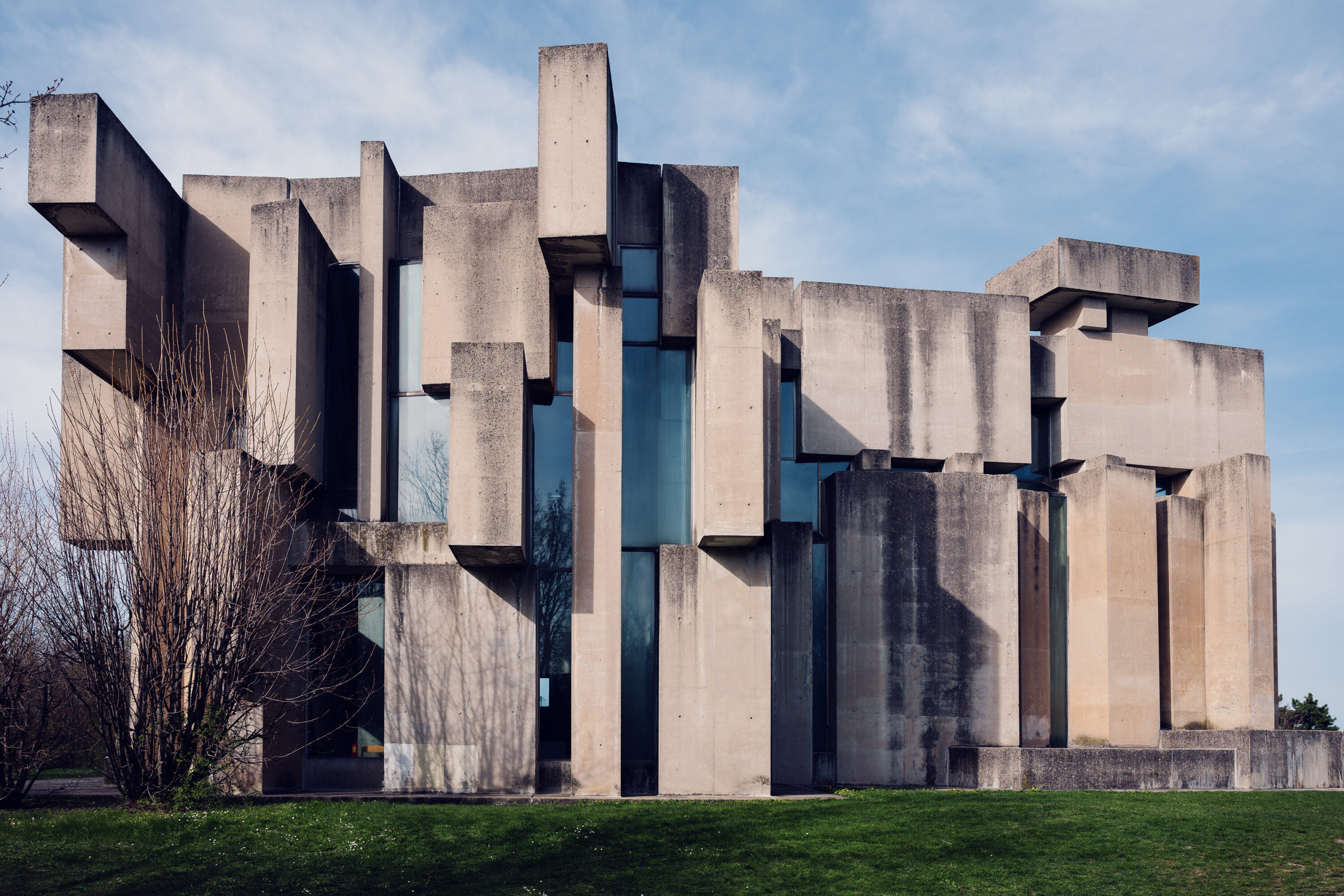
Striking exterior of Wotrubakirche in Vienna, showcasing its unique concrete block architecture.

Wotruba’s design was groundbreaking for its time. The church, situated in the Mauer area of Vienna, is composed of 152 large concrete blocks arranged in a seemingly random, cubist formation. The raw, brutalist structure was a stark departure from the ornate, baroque churches that defined much of Vienna’s religious architecture. Wotruba’s goal was to create a space that not only served as a place of worship but also challenged architectural norms, evoking both strength and complexity.

Construction of the church began in 1974, but Wotruba passed away in 1975 before it was finished. Architect Fritz Gerhard Mayr oversaw completion in 1976, following Wotruba’s design. Since its completion, the Wotrubakirche has stood out as a bold architectural statement. Its brutalist design, with unpolished concrete and sharp geometric forms, evokes a sense of resilience and defiance.
Wotruba Church (Wotrubakirche) - 2
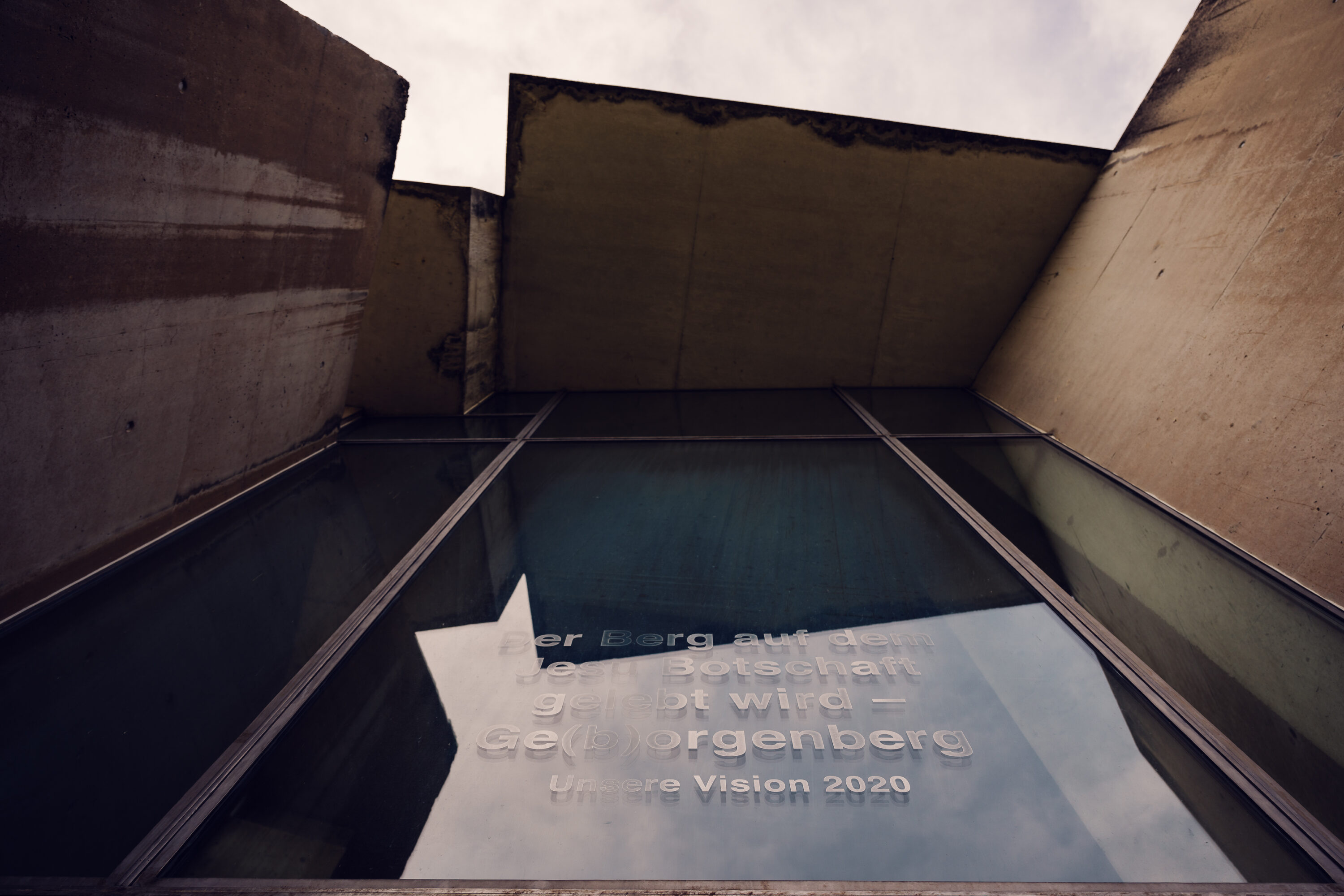
Close-up of Wotrubakirche’s geometric facade, highlighting its bold and unconventional structure.
While initially controversial, the church has since gained recognition as a significant piece of modern architecture in Austria. It reflects both the artistic ideals of Fritz Wotruba and the broader cultural context of post-war Austria, symbolizing a break from the past and a move toward renewal.