
Fall in Love with

Plague Column

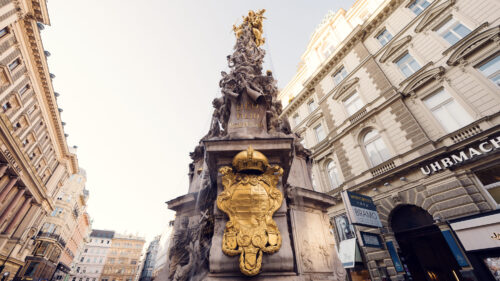
The Pestsäule is a Baroque monument in Vienna, built to commemorate the end of the plague epidemic in 1679.
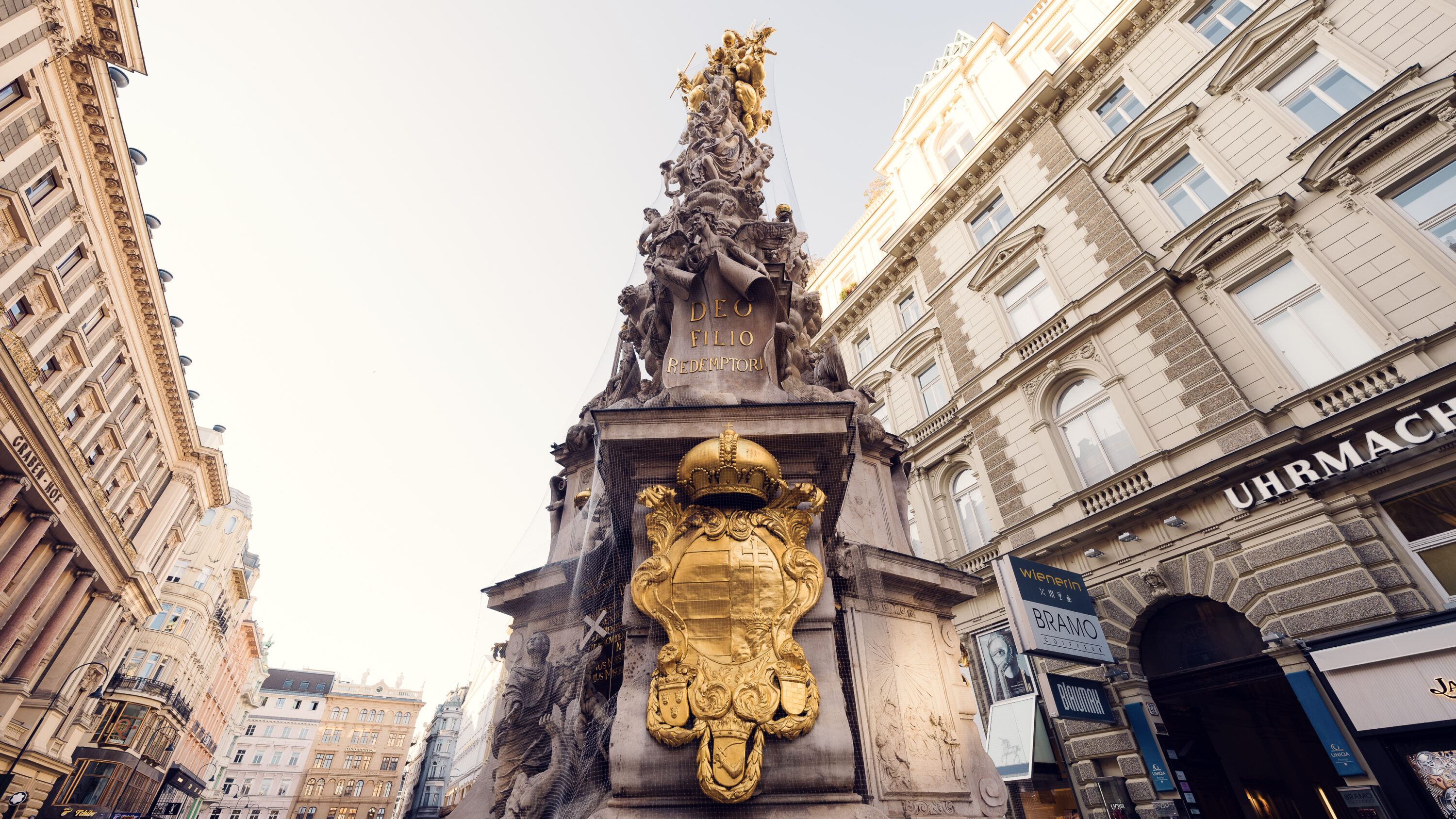
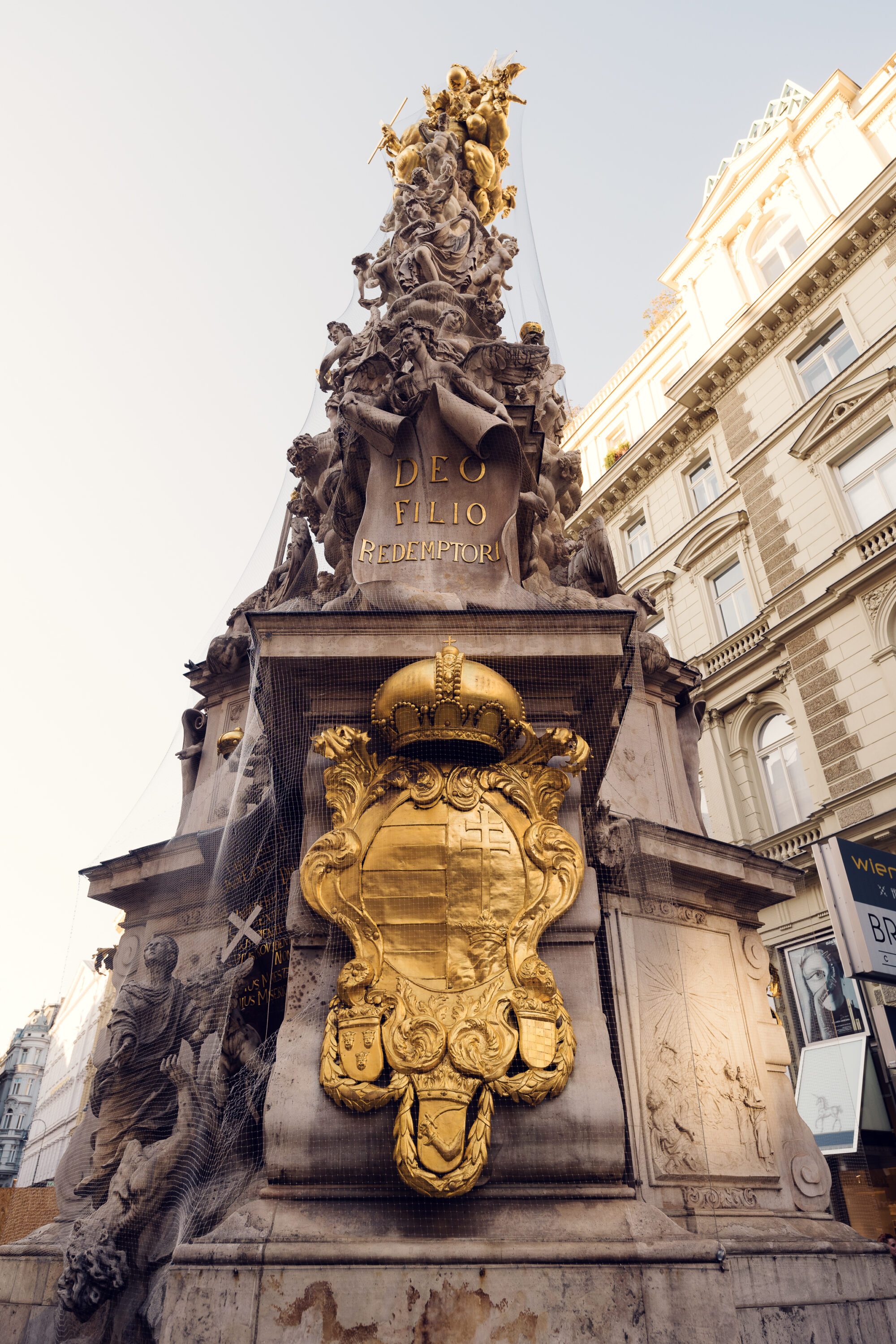
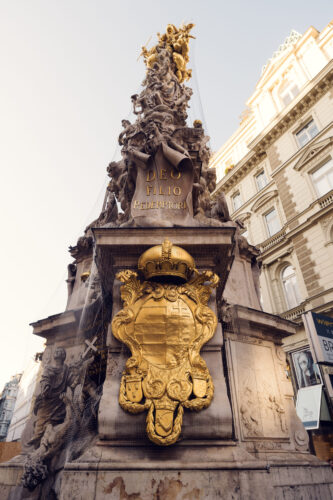
The coats of arms on the Pestsäule represent the Habsburg Monarchy and emphasize the emperor’s role as a ruler chosen by God.

Plague Column

Map 10 mins
Affiliate disclosure: Links marked with * are affiliate links; we may earn a commission at no extra cost to you; our recommendation remains independent.

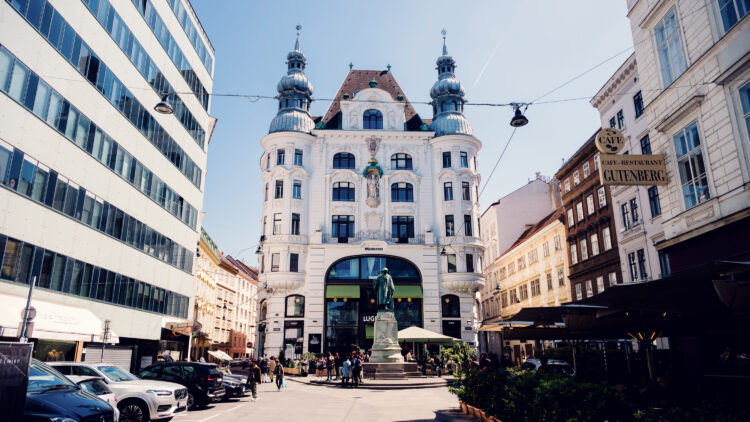
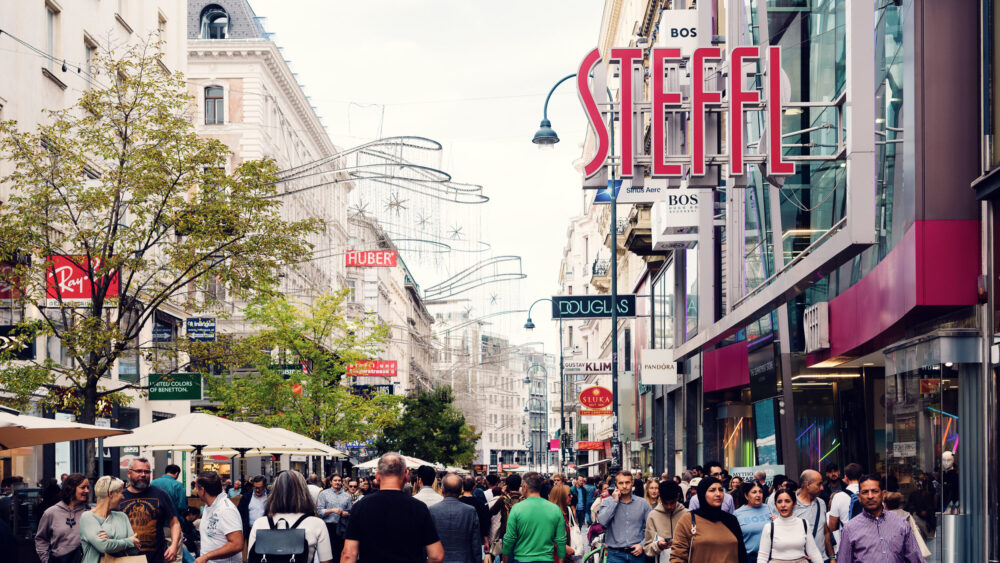
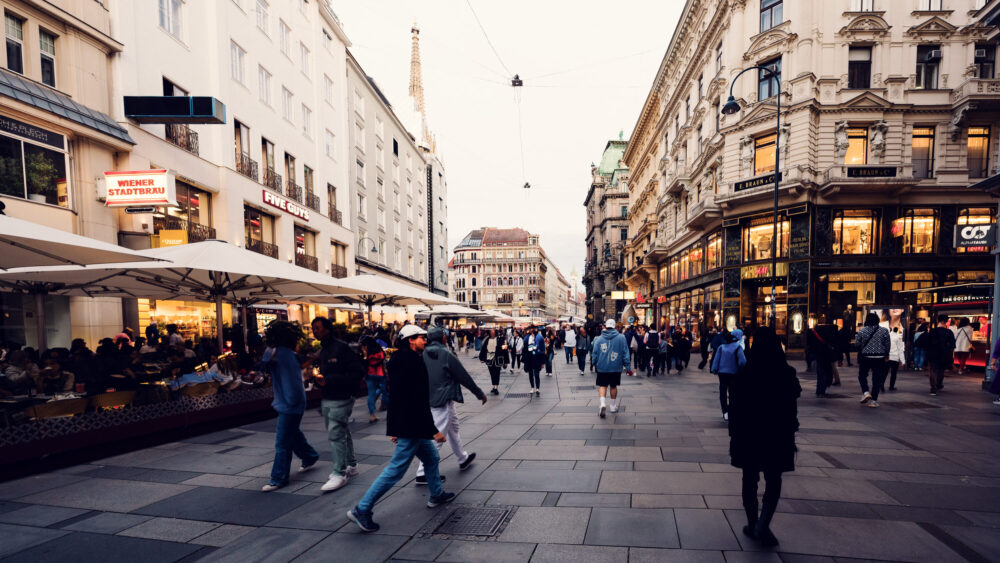
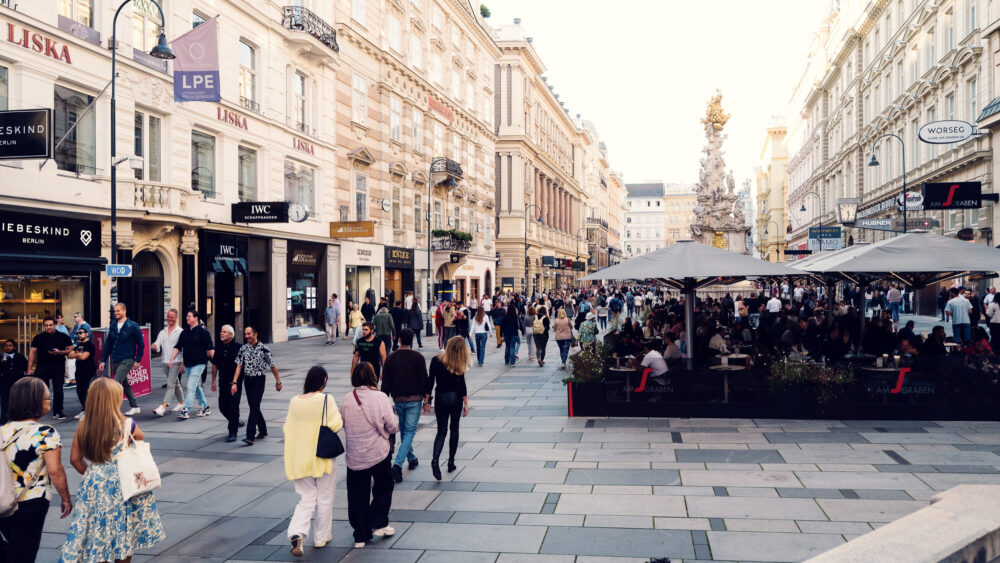
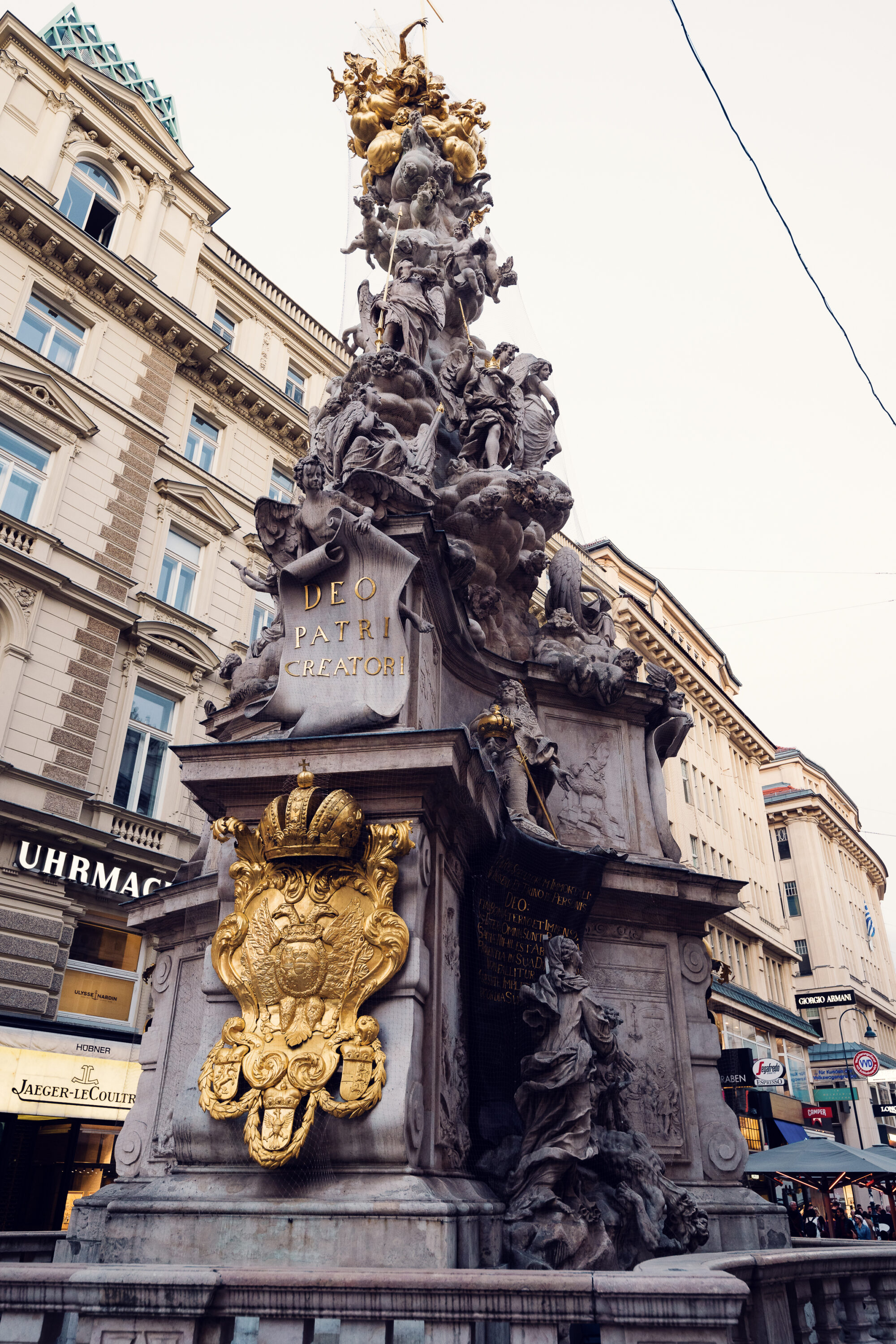
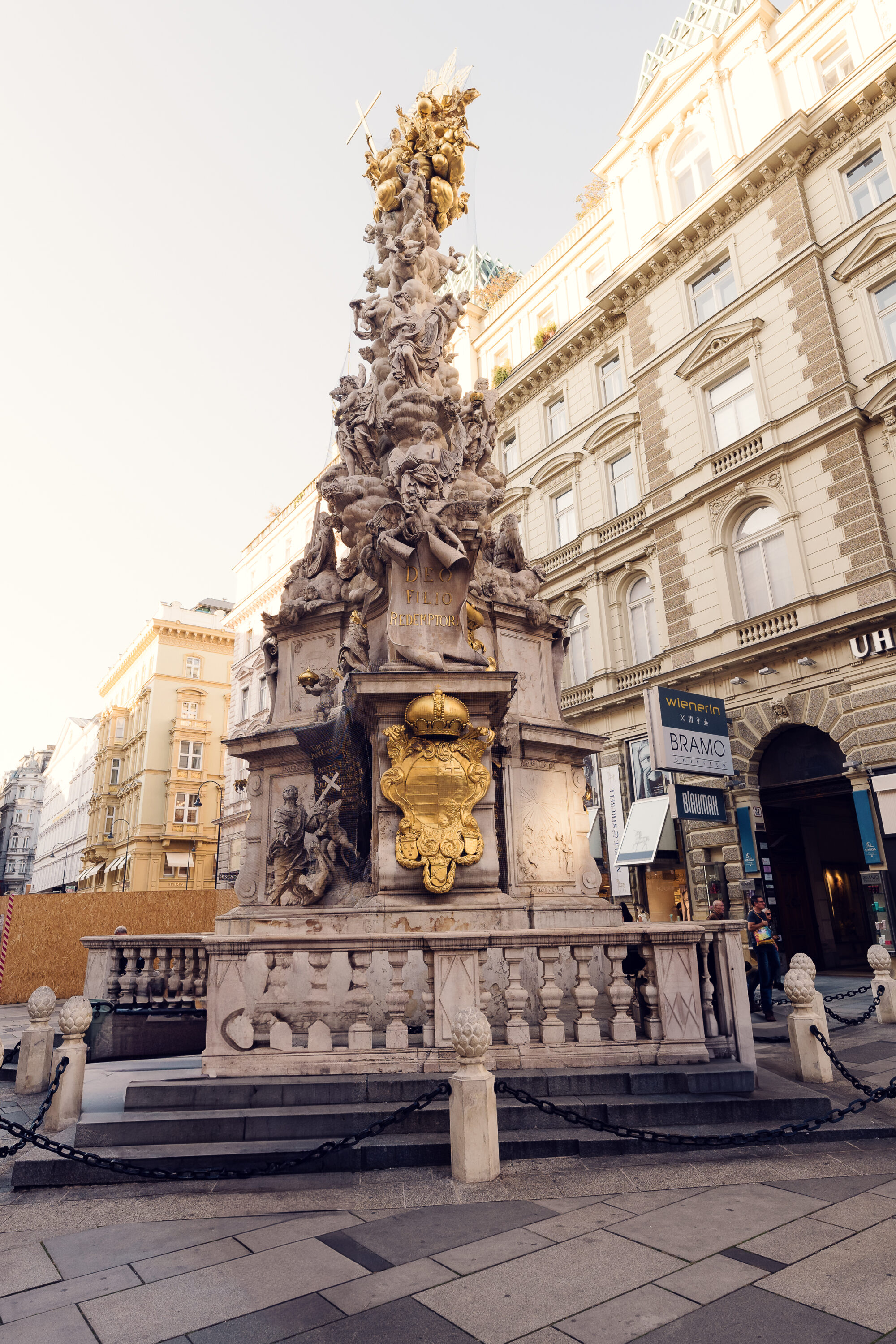
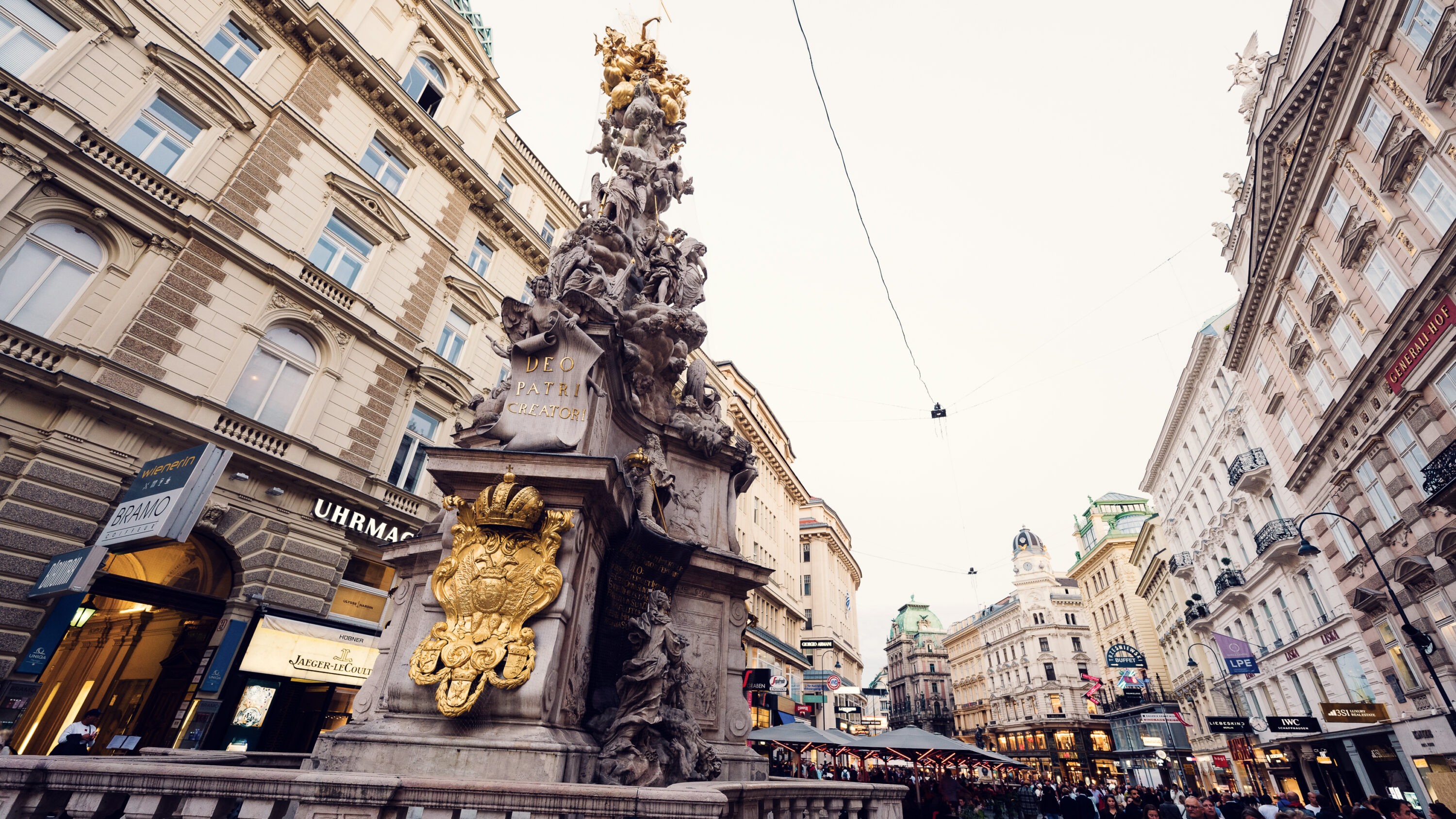
In the center of Vienna’s busy Graben, the Pestsäule (Plague Column) stands as a striking Baroque monument and a symbol of the city’s resilience. Initiated as a vow during the 1679 plague and completed in 1693 in thanks for deliverance, this 21-meter column evokes themes of survival, faith, and the ambitions of Emperor Leopold I. Its intricate design, featuring angels, divine figures, and swirling clouds, creates a dramatic contrast to the surrounding modern shops and cafés.

The deeper significance of the Pestsäule lies in its origins. Emperor Leopold I, who fled the city during the plague but vowed to build this monument if Vienna survived, fulfilled his promise after the epidemic ended. The column remains an iconic piece of Baroque architecture and a reminder of the city’s ability to endure through history’s darkest moments. For anyone interested in Vienna’s past or its artistic heritage, the Pestsäule (Plague Column) is a meaningful and visually impressive landmark to explore.

Address:
Graben 28
1010 Wien

Muvamo Opinion

The Pestsäule (Plague Column) in Vienna is an impressive blend of art, history, and symbolism. Its Baroque style, with dramatic figures and rich detail, makes it one of the most visually striking monuments in the city. But beyond its aesthetic appeal, the column carries a deeper significance, representing Vienna’s resilience in the face of the 1679 plague. The story of Emperor Leopold I’s vow and the city’s eventual recovery adds a layer of human narrative to the monument, making it not just a beautiful piece of art, but a powerful reminder of survival and faith.

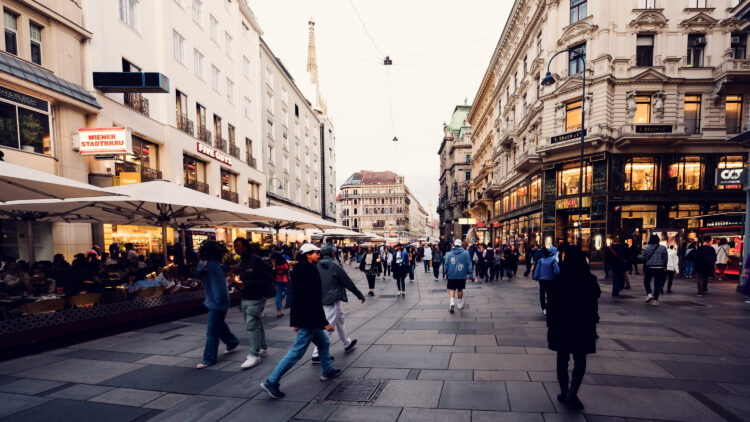
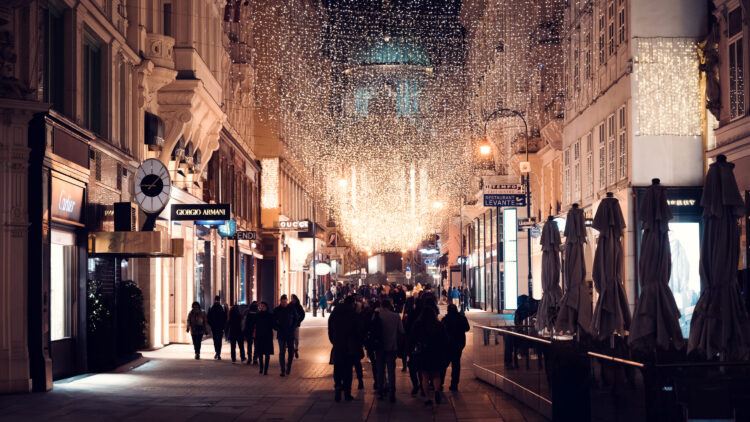
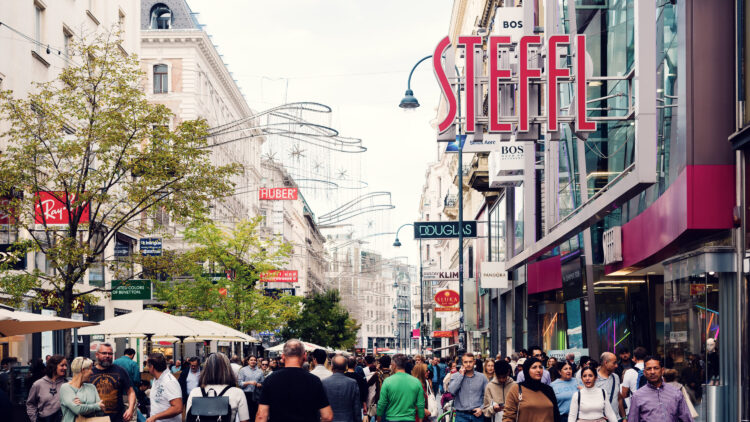
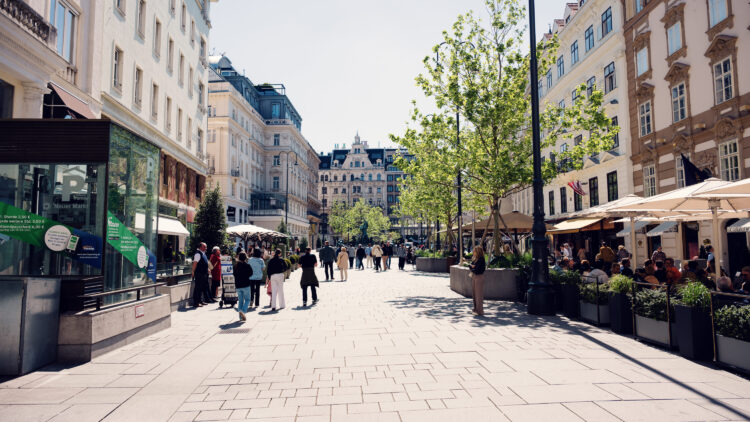
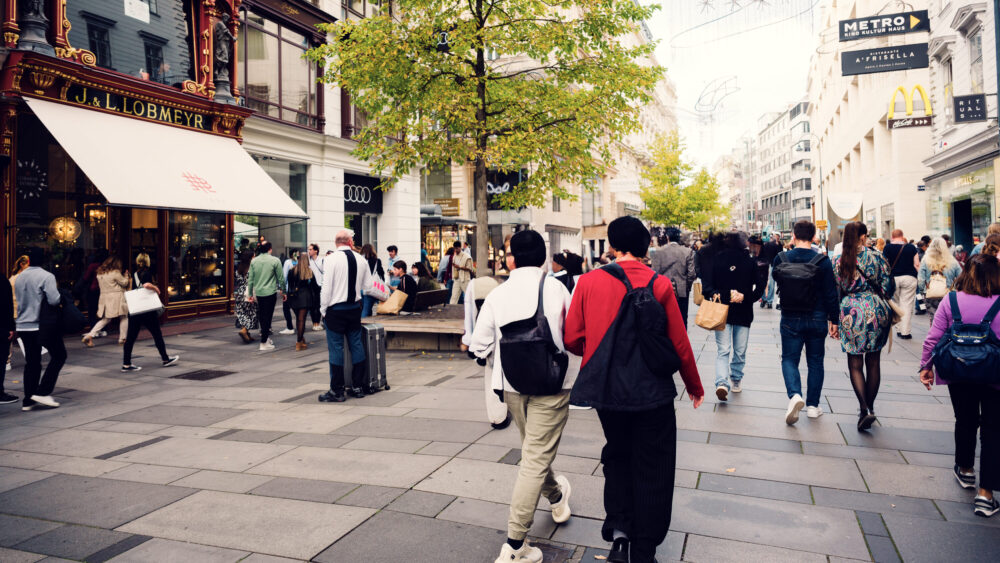
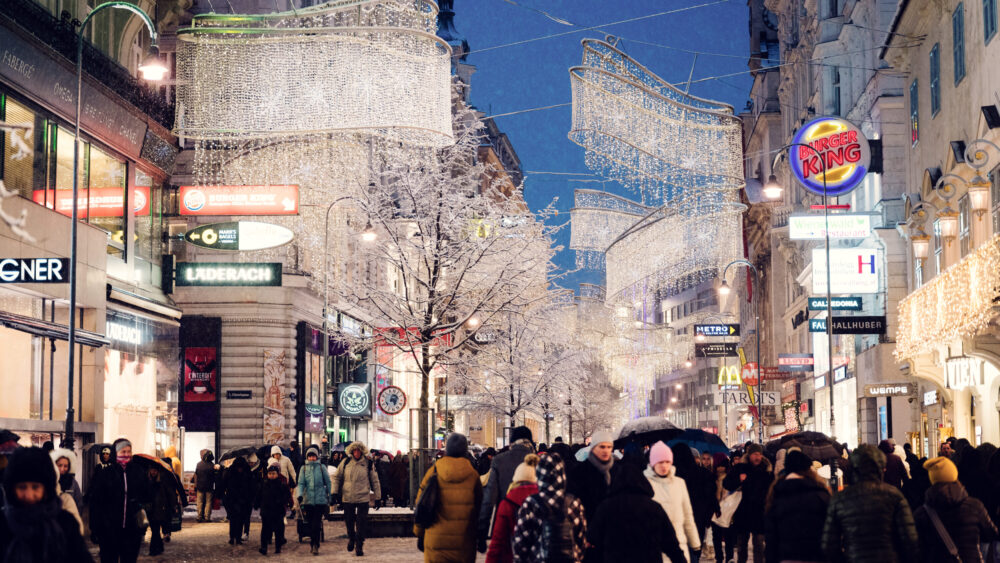
Its location in the heart of the Graben, surrounded by modern shops and cafés, creates an interesting contrast between the past and present. The Pestsäule is a quiet but powerful reminder of history in the busy city.

Helpful Hints

Gastronomic Discoveries

Hidden Gems

Pestsäule (Plague Column): A Symbol of Hope in the Heart of Vienna

The Pestsäule, or Plague Column, located in Vienna’s Graben, commemorates the end of the Great Plague of 1679. Built on the promise made by Emperor Leopold I, this Baroque monument symbolizes Vienna’s resilience during a devastating time. It began as a simple wooden devotional column and over years of redesigns it evolved into a theatrical High Baroque ensemble. Several prominent artists, including Matthias Rauchmiller and Johann Bernhard Fischer von Erlach, contributed to its creation.
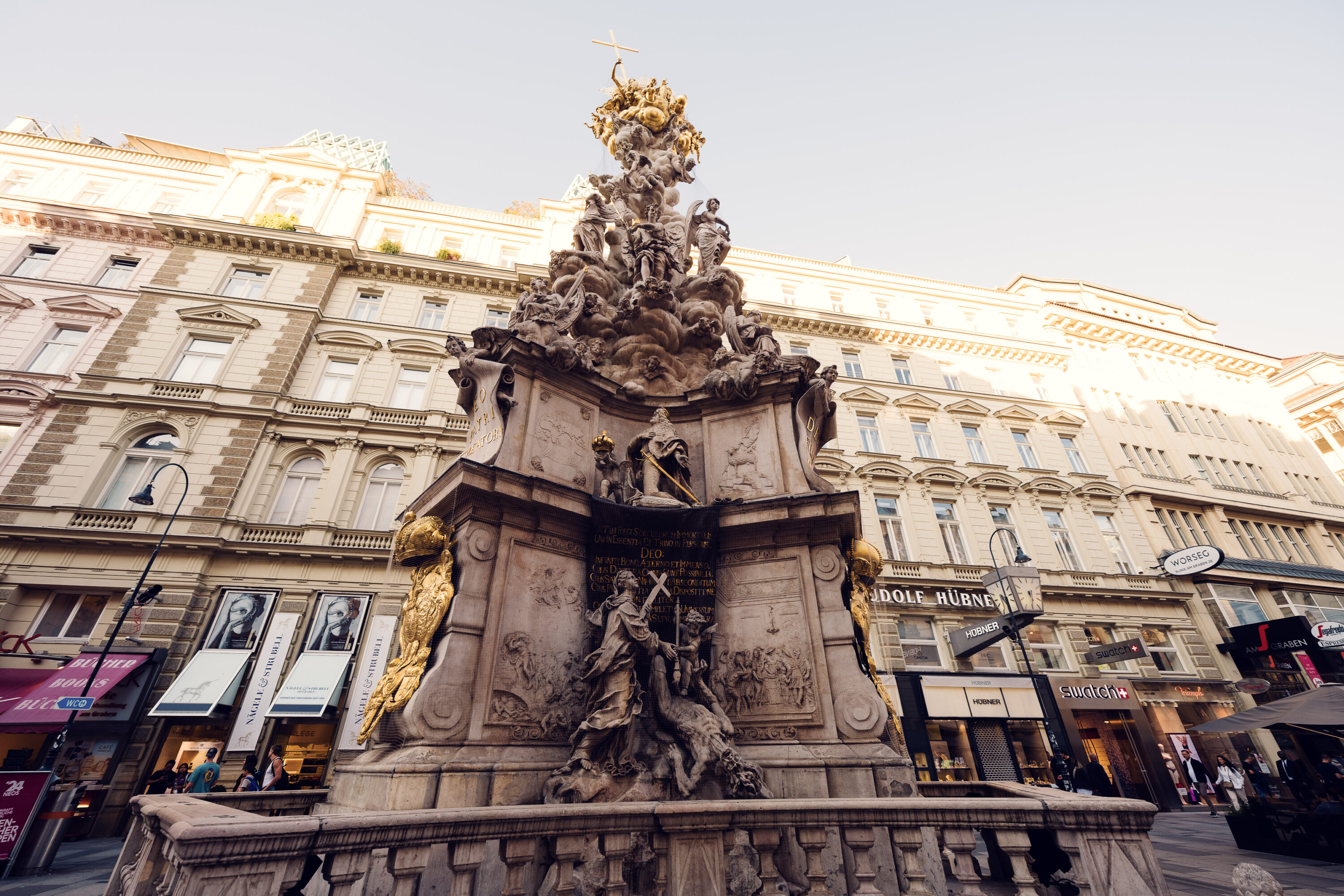
Plague Column - 1
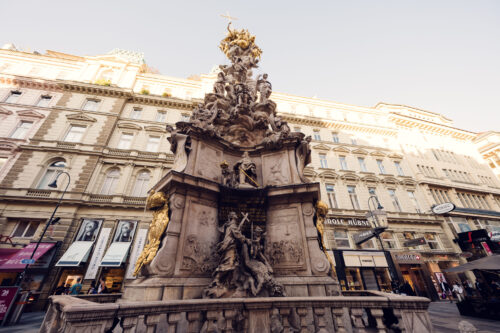
The Plague Column (“Pestsäule”) in Vienna, a Baroque monument commemorating the end of the 1679 plague epidemic.

The top shows the Holy Trinity; below, a cloud pyramid with angels and putti rises toward it. At the lower level, an allegory of Faith overcomes the Plague, and Leopold I is shown kneeling in prayer. The Pestsäule (Plague Column) serves as a religious monument and a political statement, emphasizing Leopold’s role as a divinely chosen leader.

During the COVID-19 pandemic, the Pestsäule (Plague Column) became an unofficial site for small acts of remembrance and solidarity. Locals placed candles at the base of the column, turning it into a quiet memorial for those affected by the virus. People left candles, children’s drawings, and prayer notes with messages of hope and remembrance.
The Pestsäule (Plague Column), already a symbol of survival from a past plague, became a focal point for people looking to express their emotions during an unprecedented time.