








The History and Context of the Belvedere Castle, Vienna
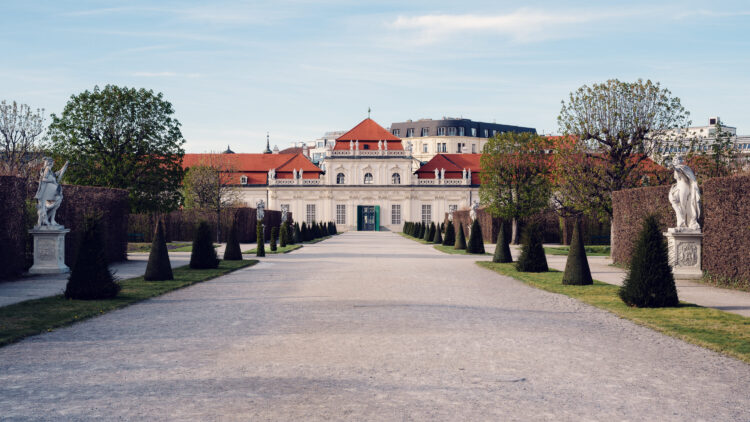
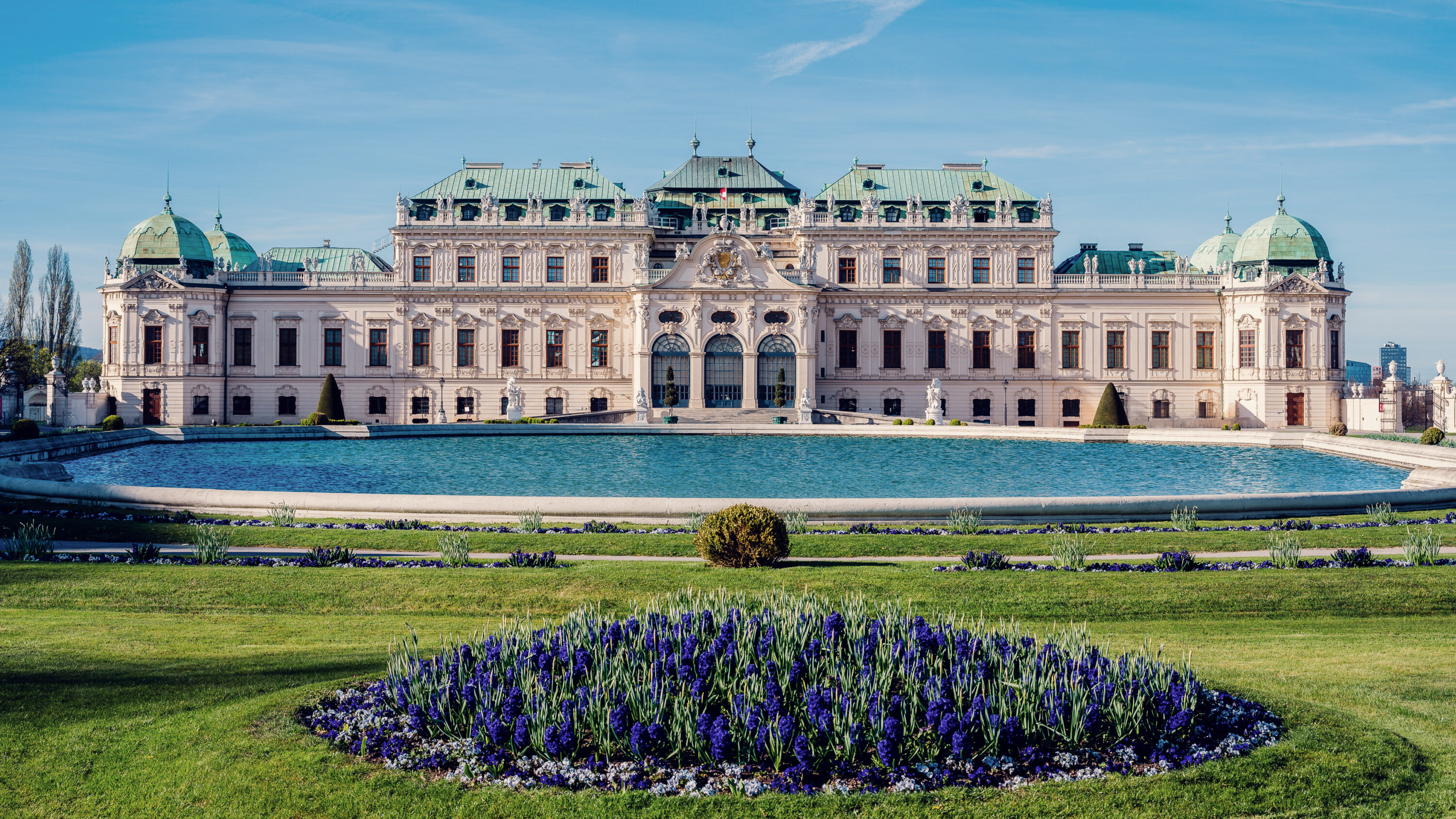
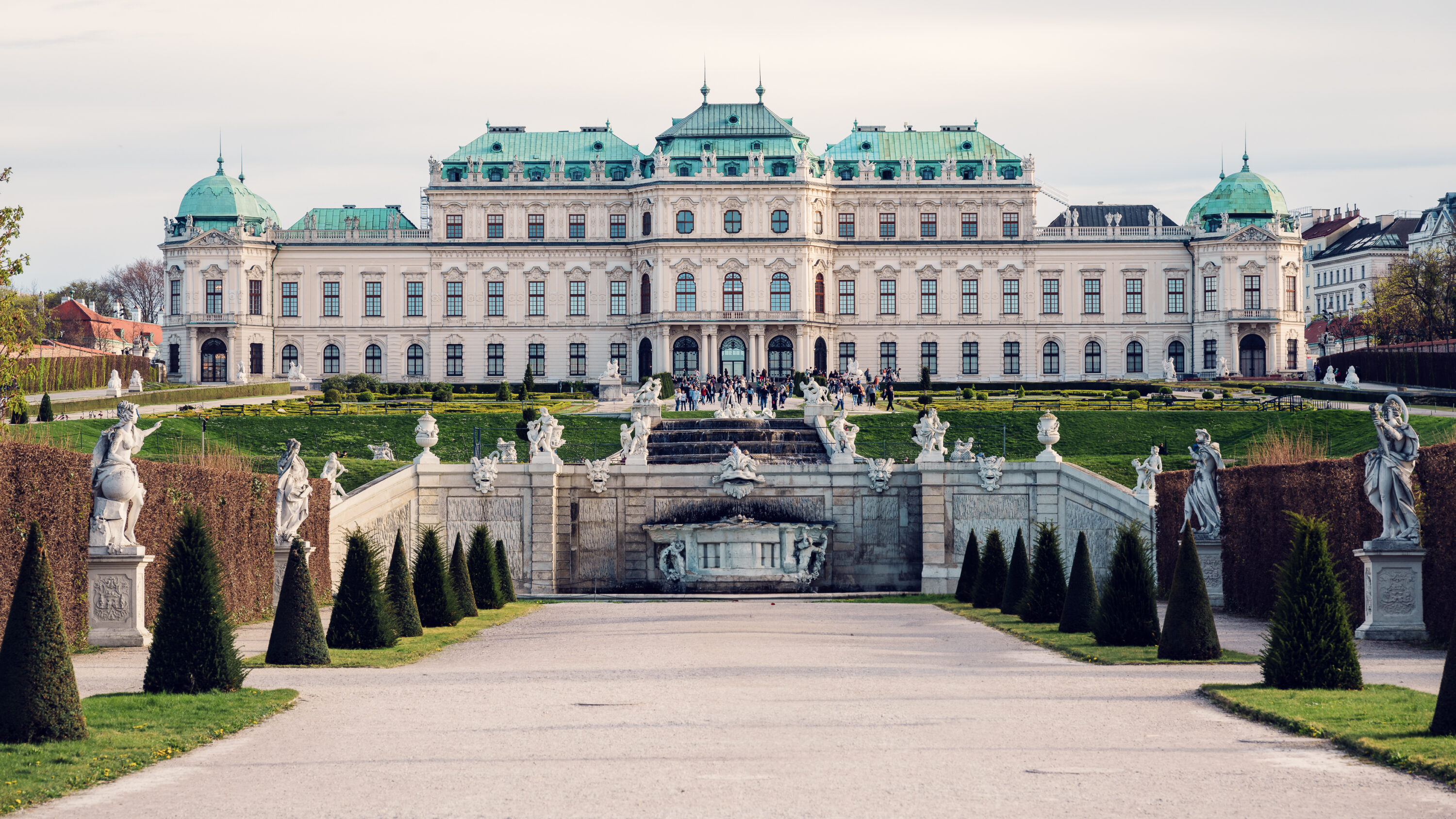
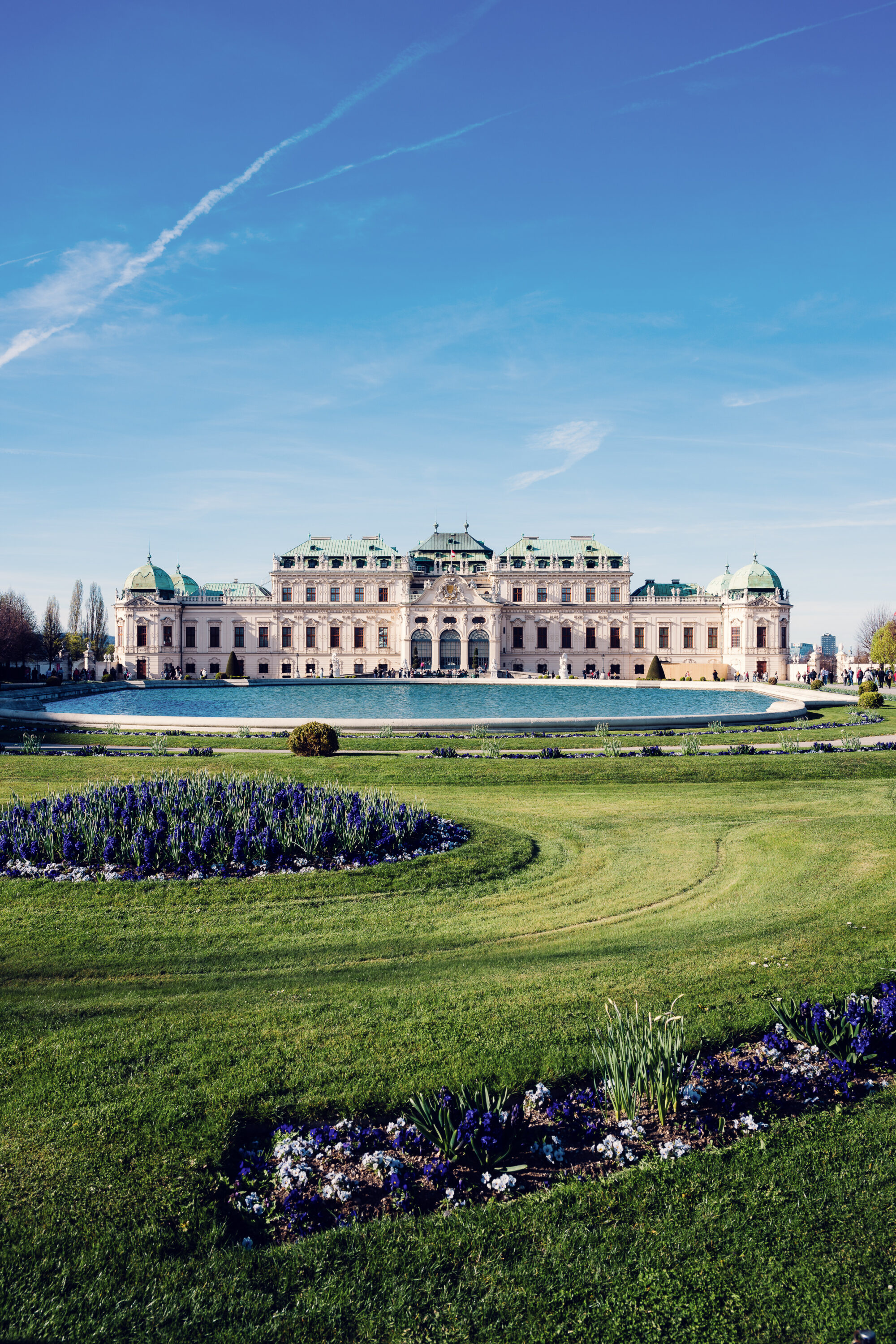
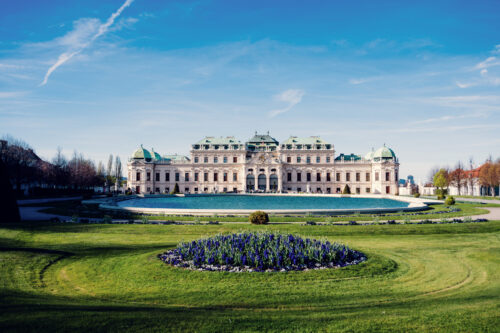
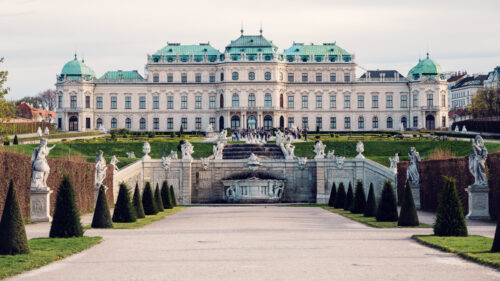
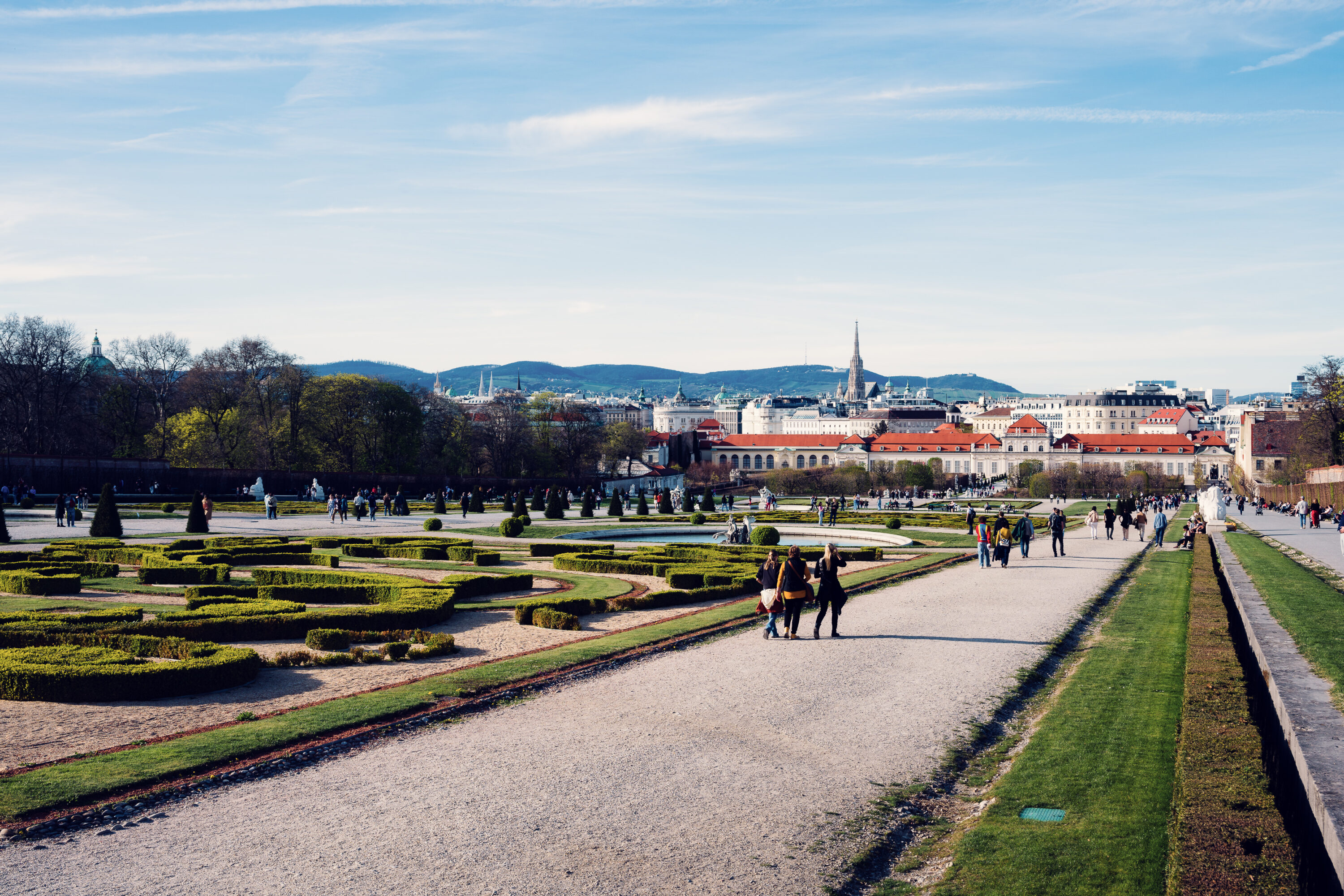
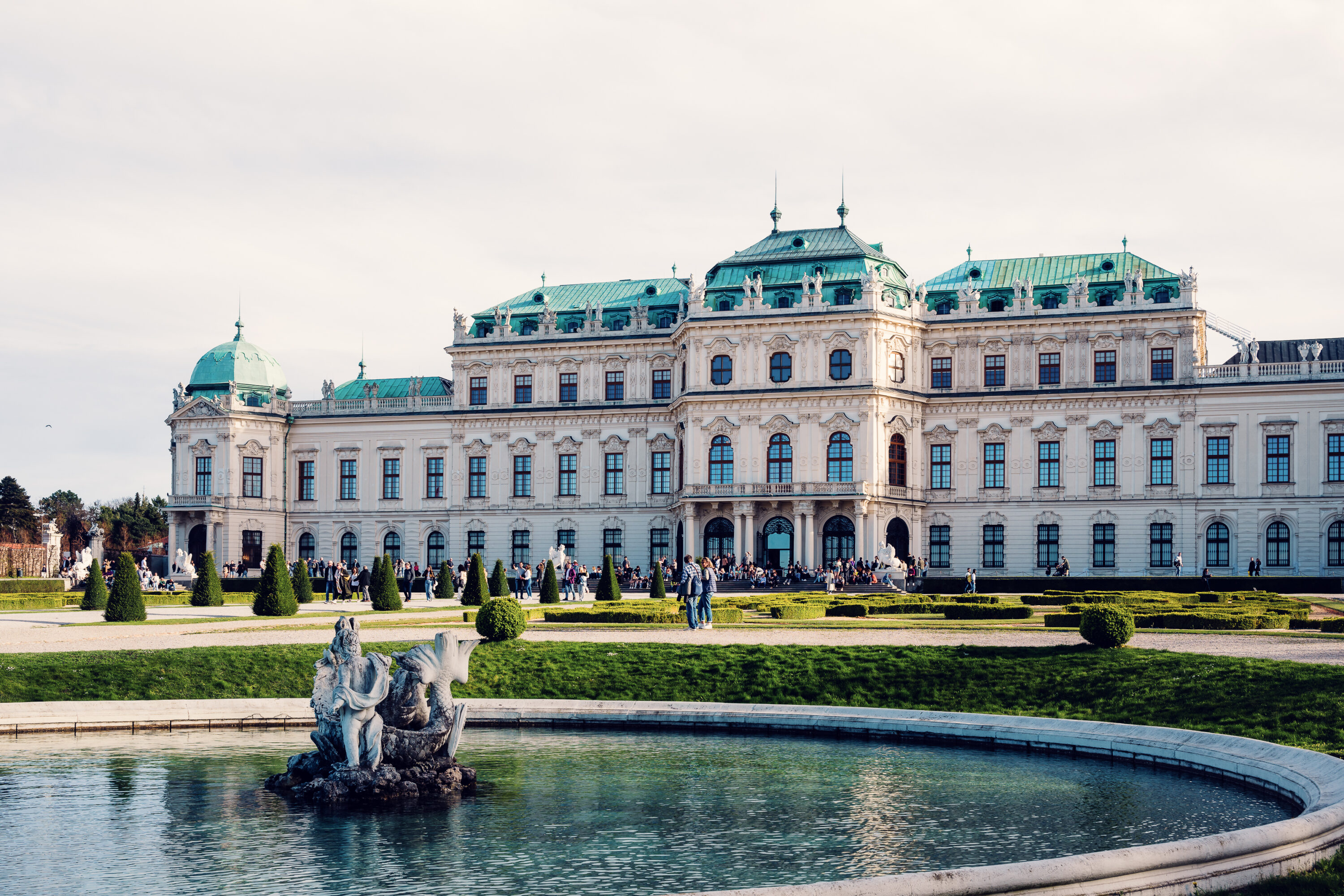
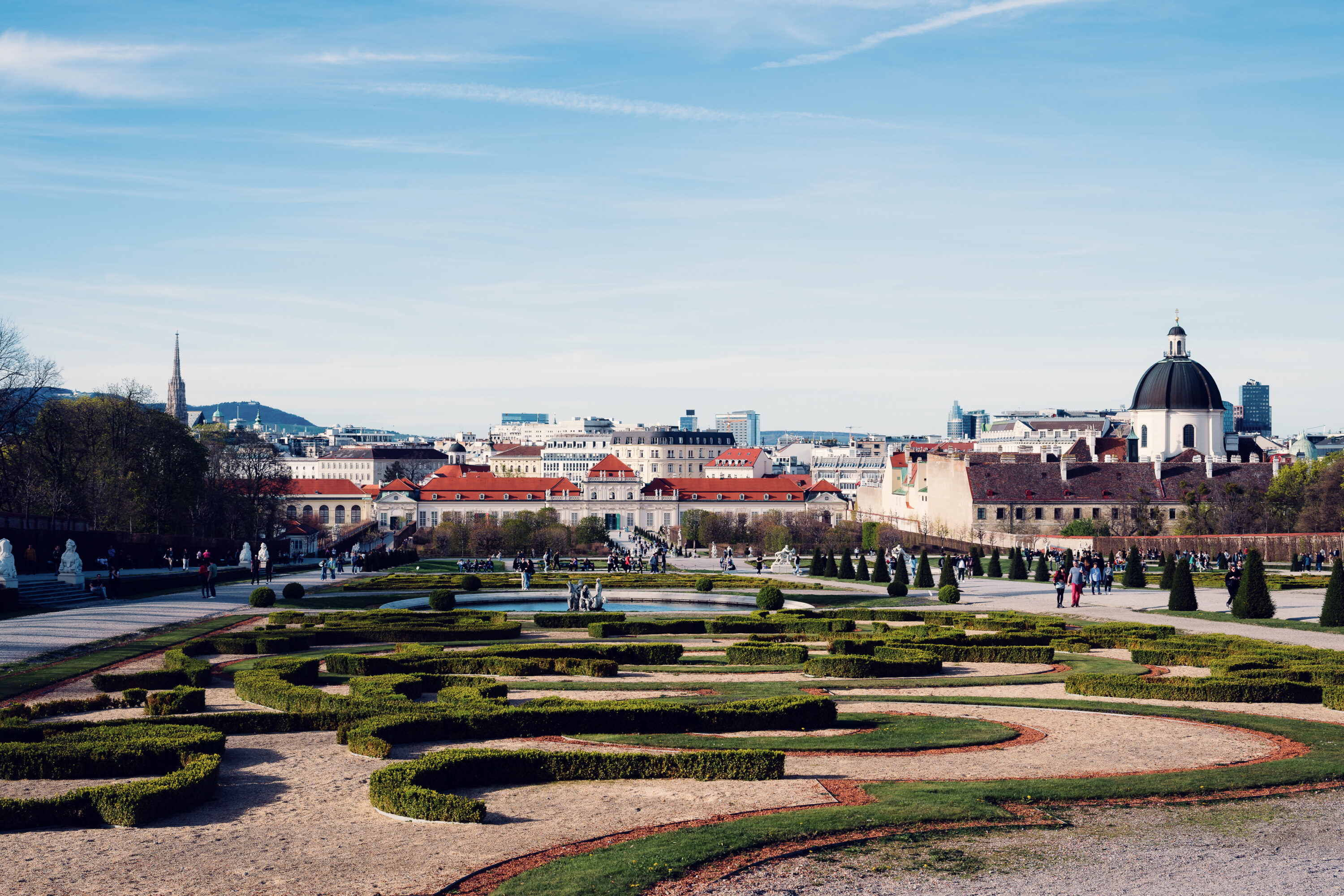
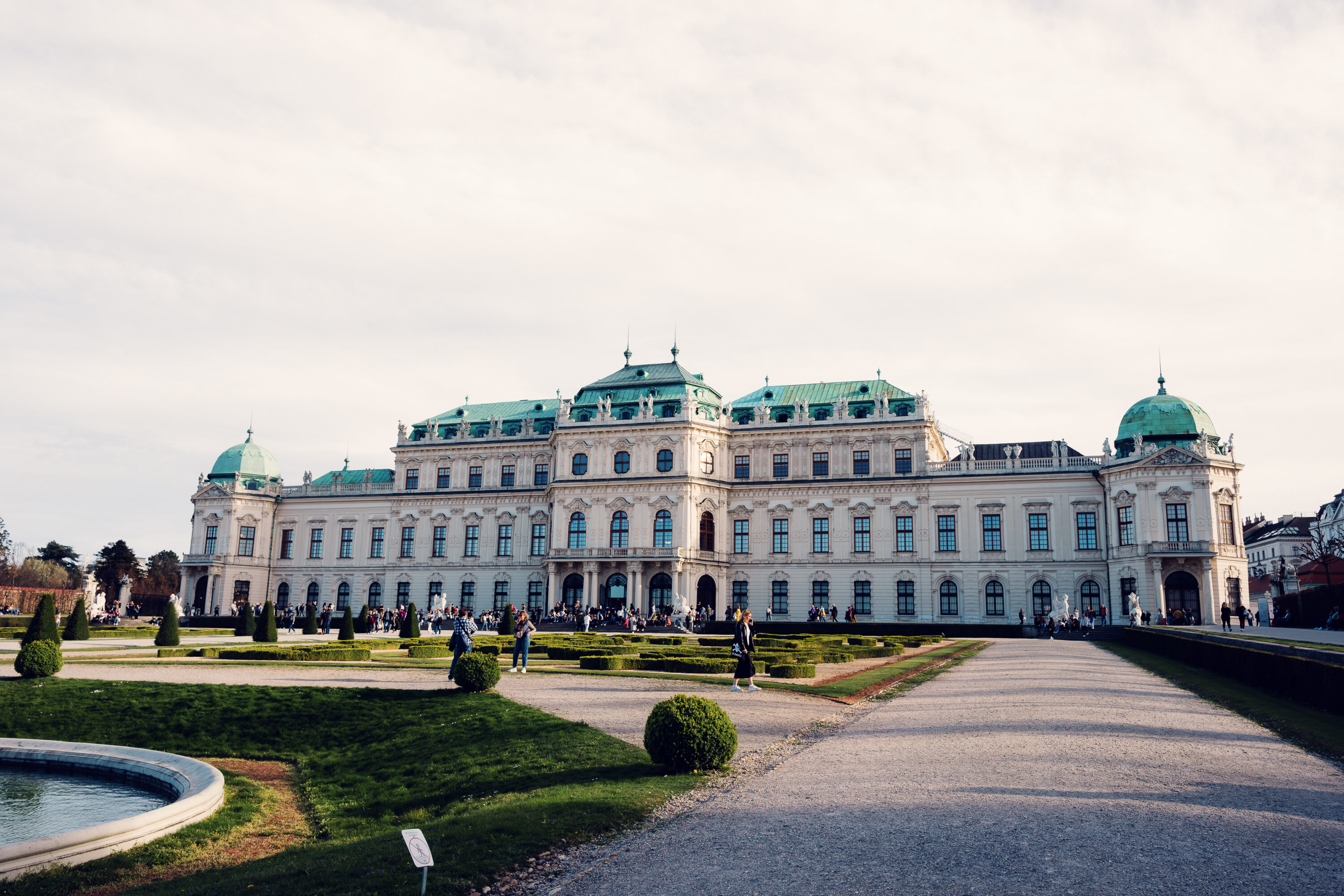
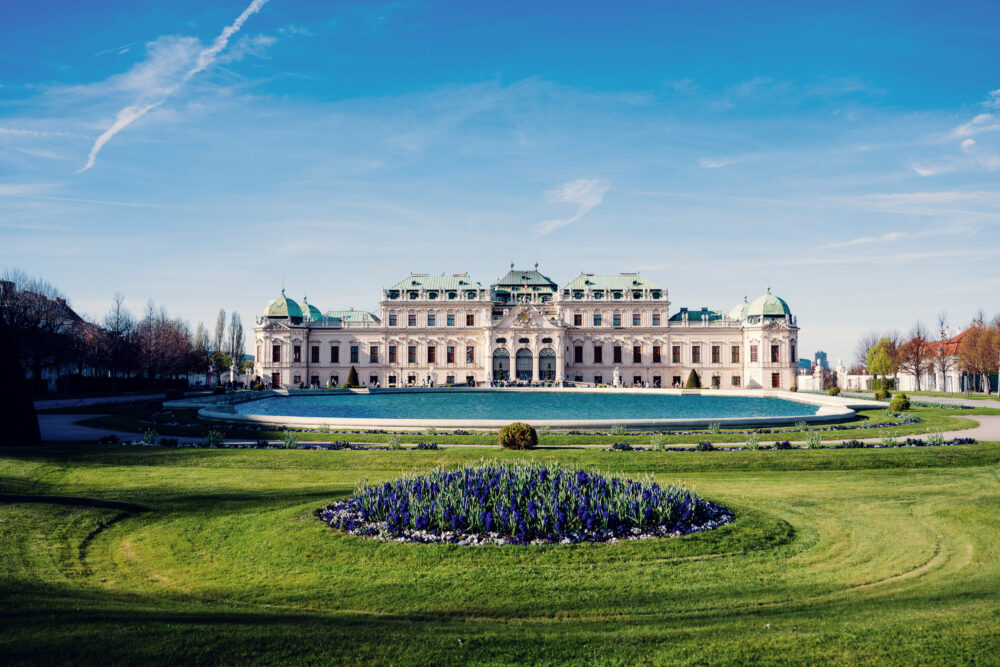
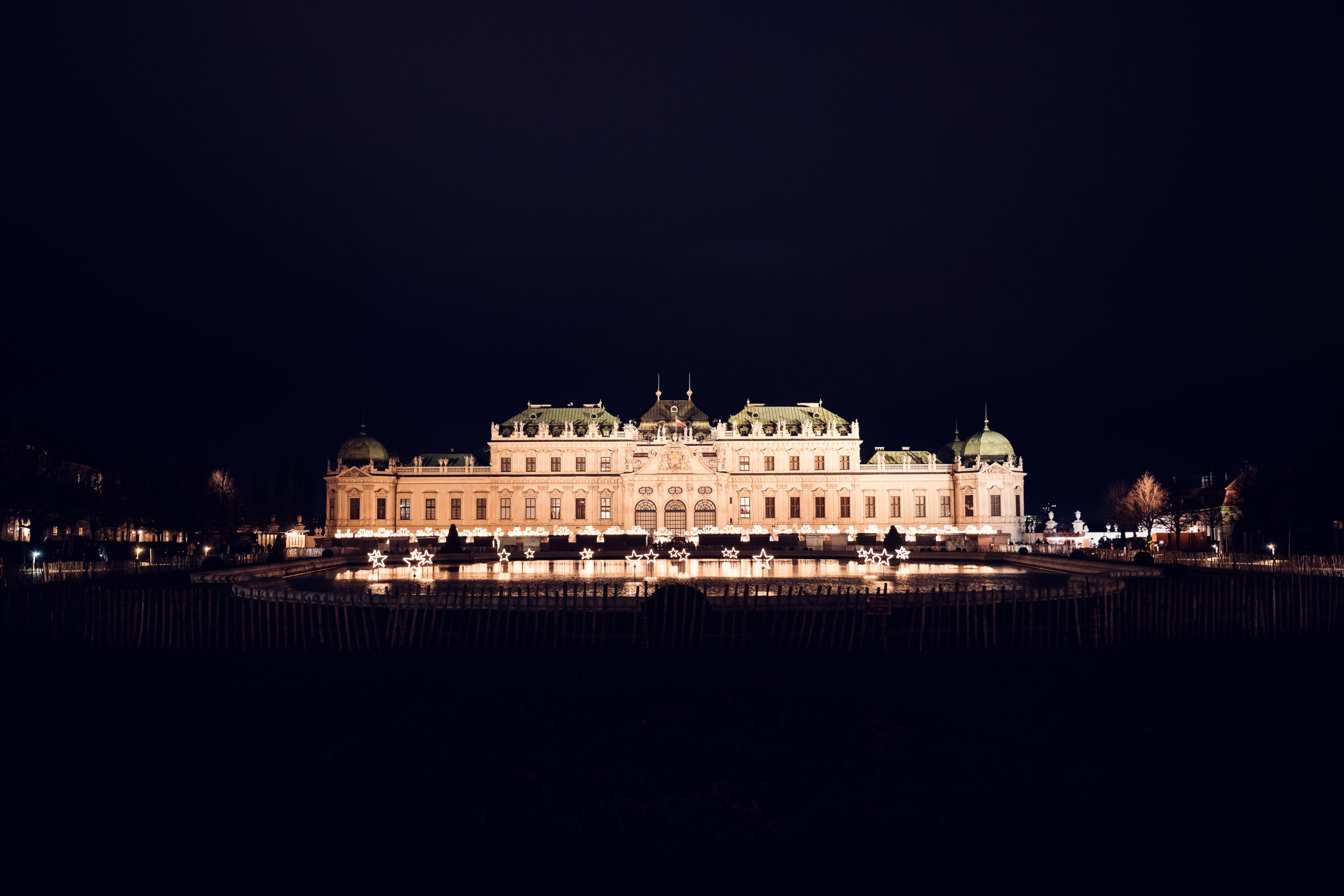
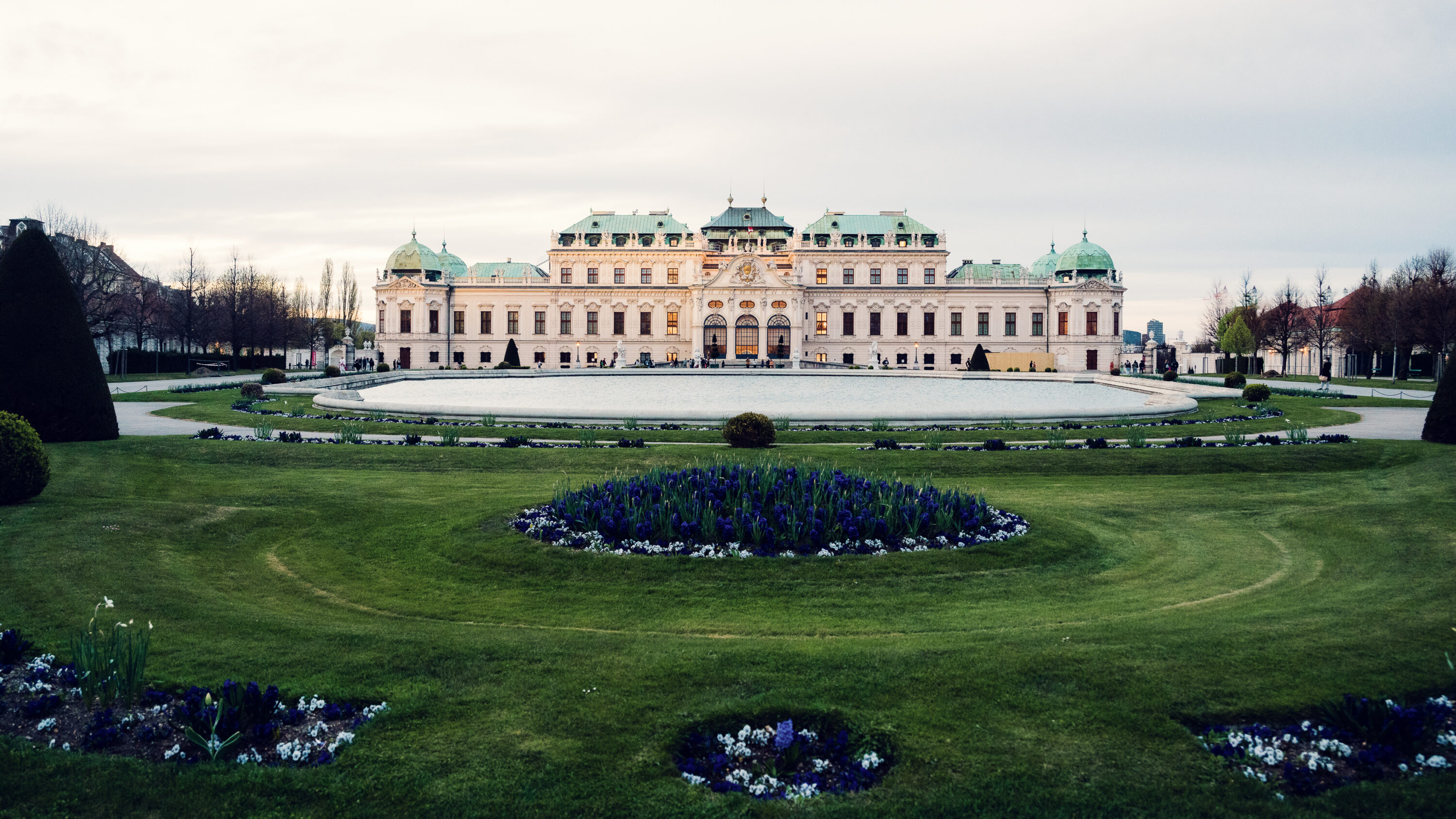
The Belvedere Castle is a place that shows Vienna's rich history, and reflects the artistic, political, and social heights of its era. It is part of the Belvedere complex, which includes the Upper and Lower Belvedere, connected by a beautifully designed garden.
Origins and Historical Significance
The Belvedere Castle story begins in the early 18th century when Prince Eugene of Savoy, a distinguished military commander and art lover, commissioned its construction. After acquiring the land in 1697, Prince Eugene enlisted the expertise of Baroque architect Johann Lukas von Hildebrandt to create a summer residence that would reflect his stature and refined taste. Completed in 1723, the Belvedere Castle served chiefly for ceremonial and state functions - receptions, festivals, and the display of parts of Prince Eugene’s art collection.
Architectural Marvel
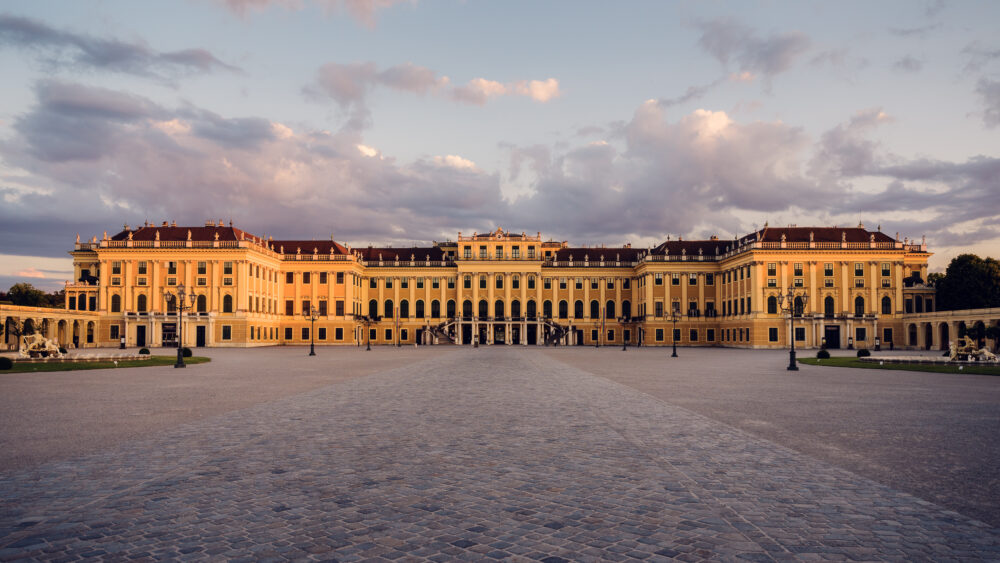
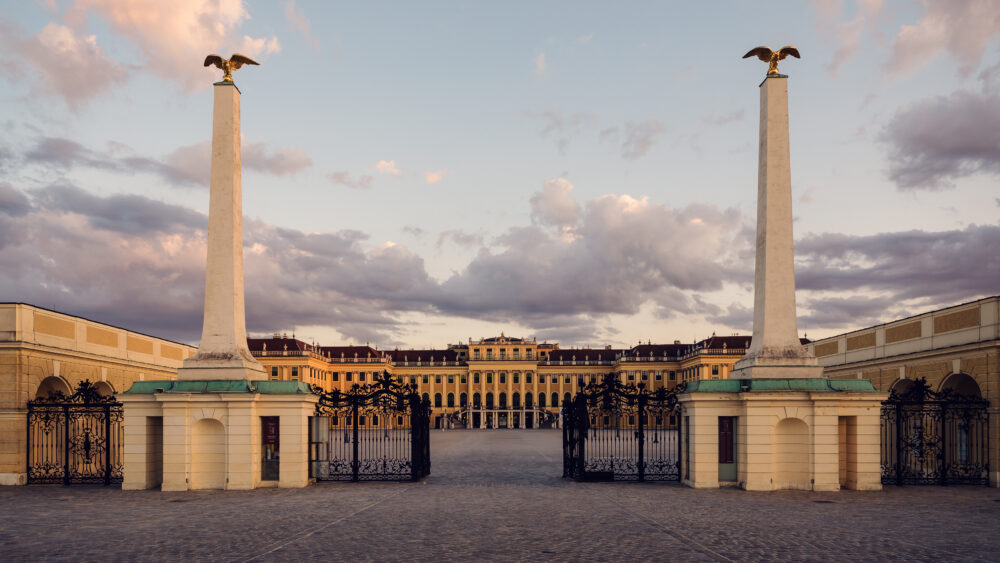
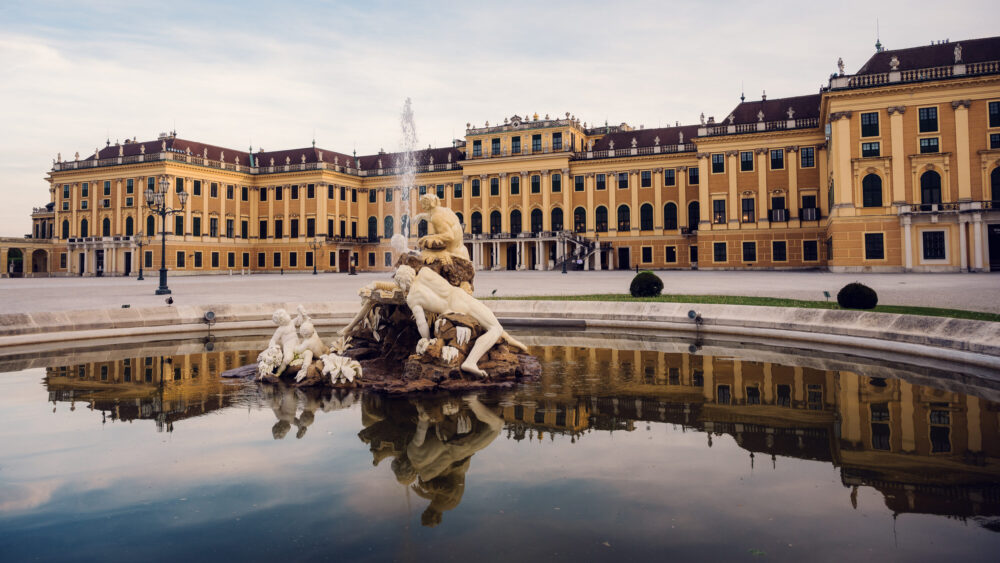
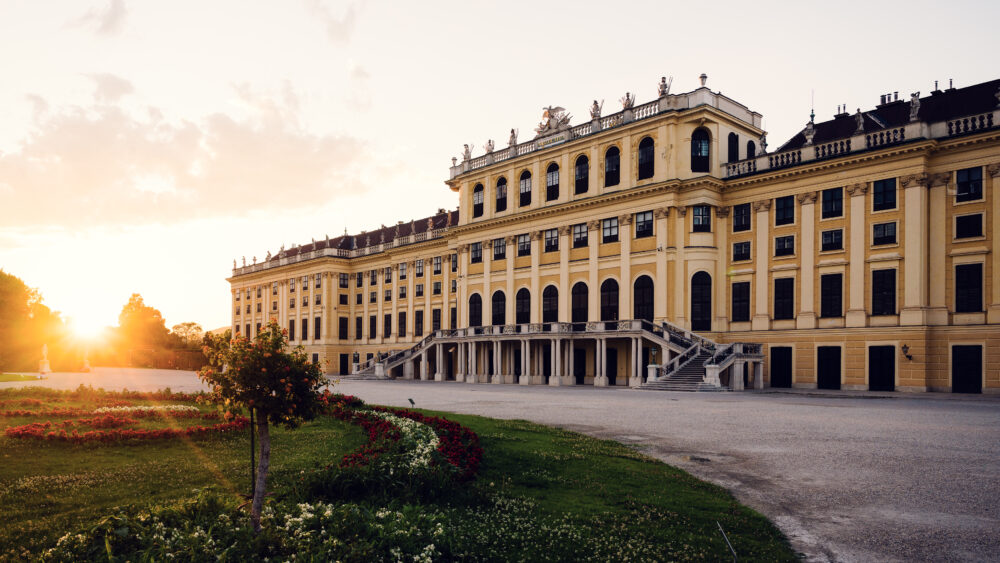
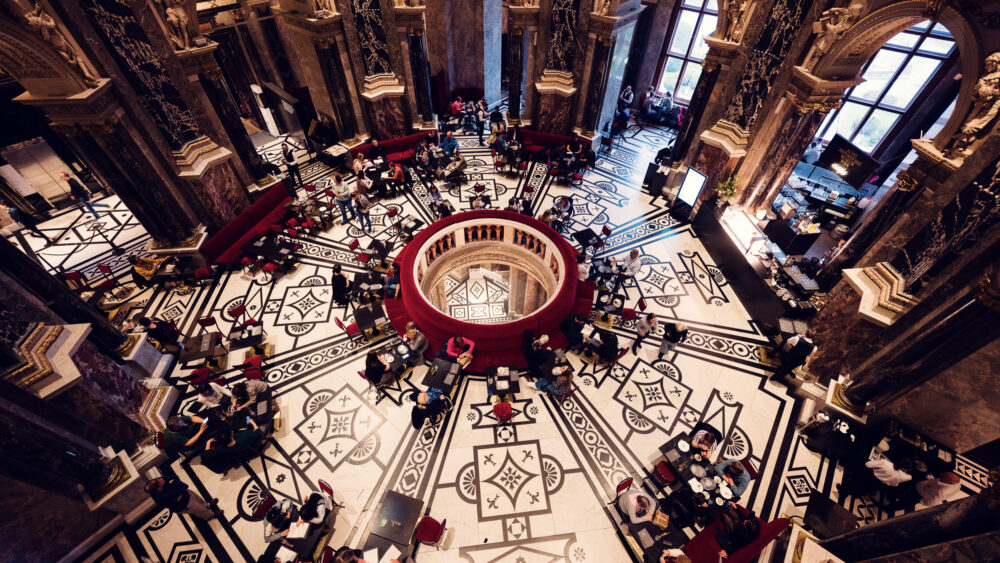
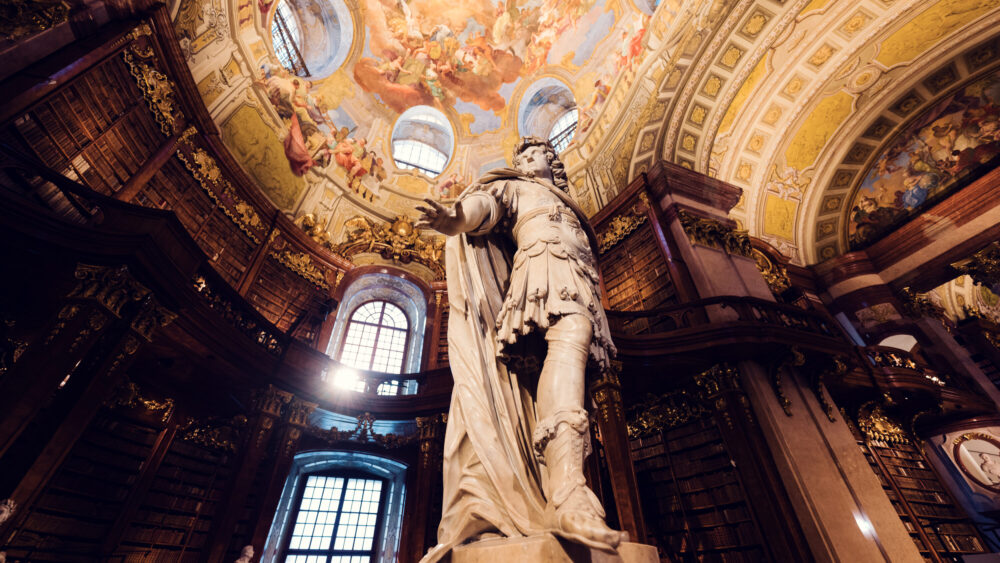
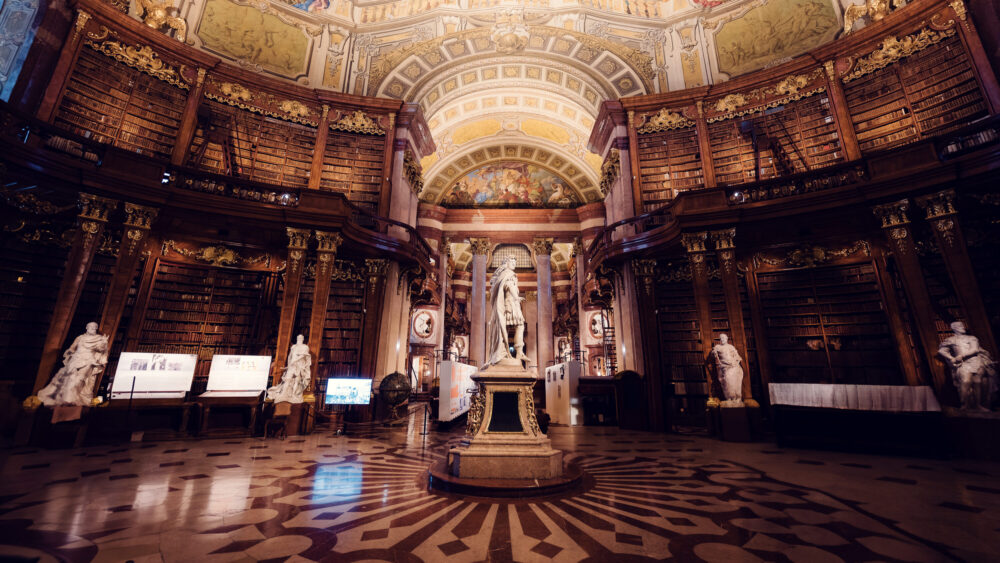
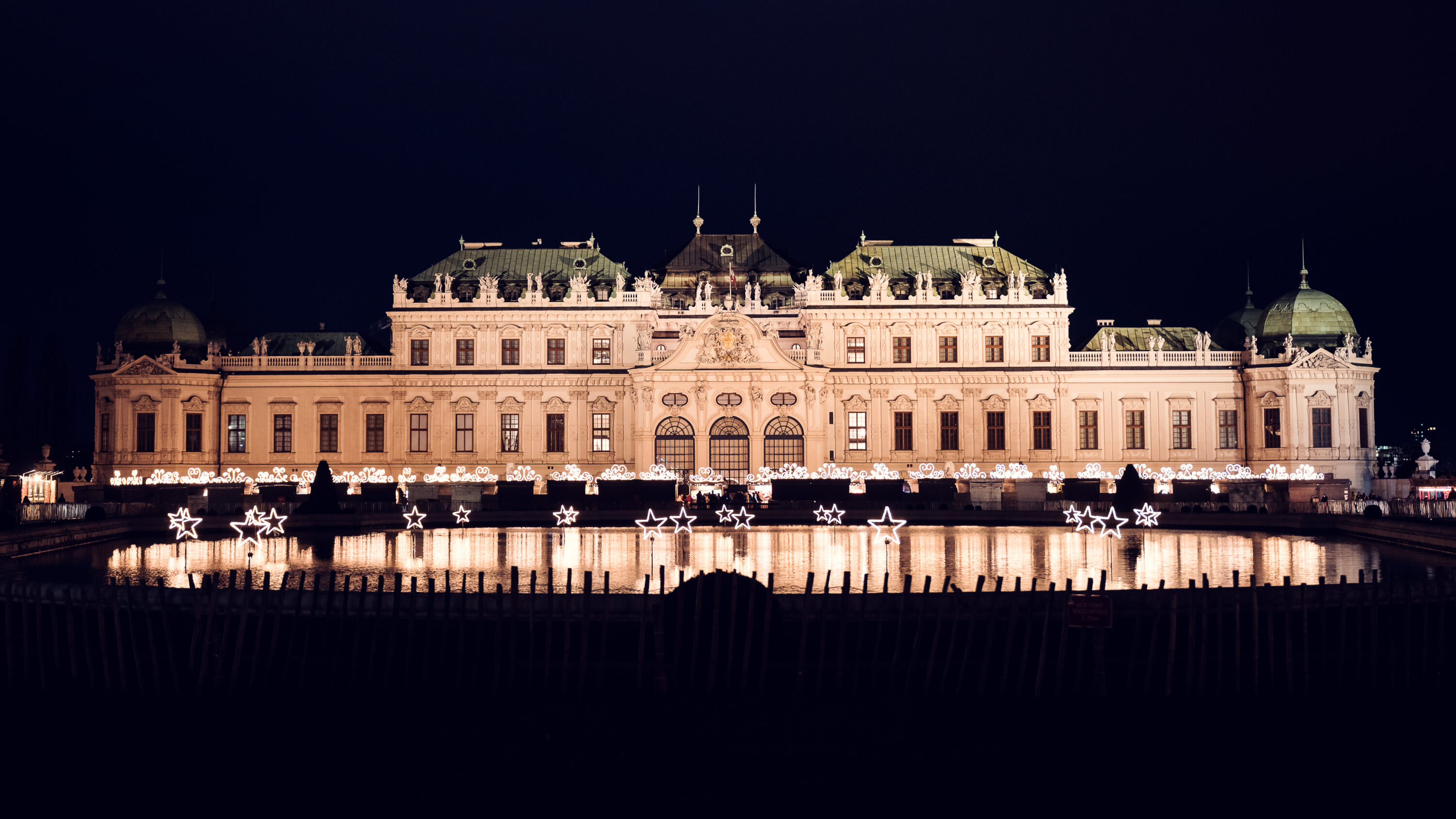
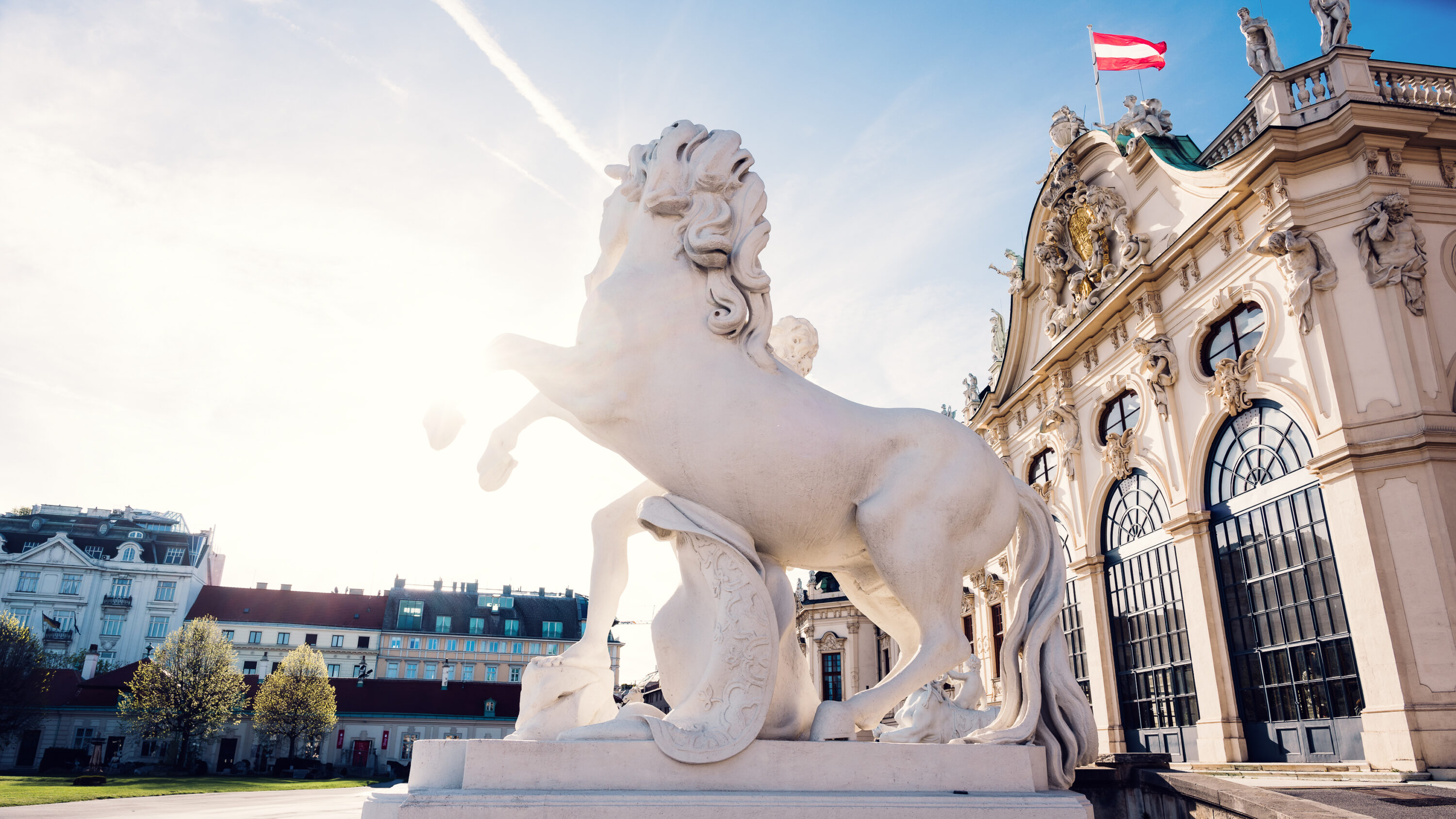
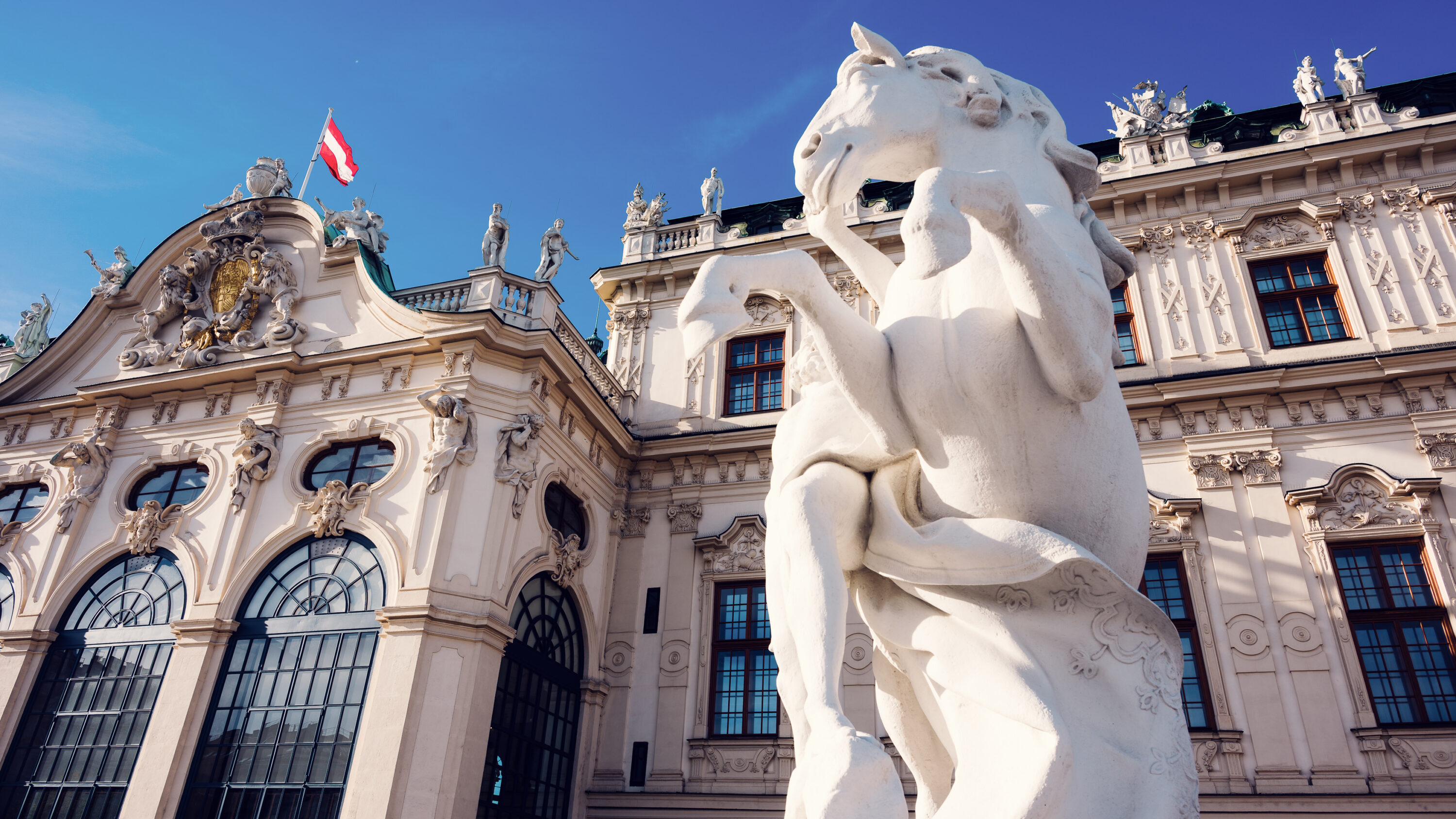
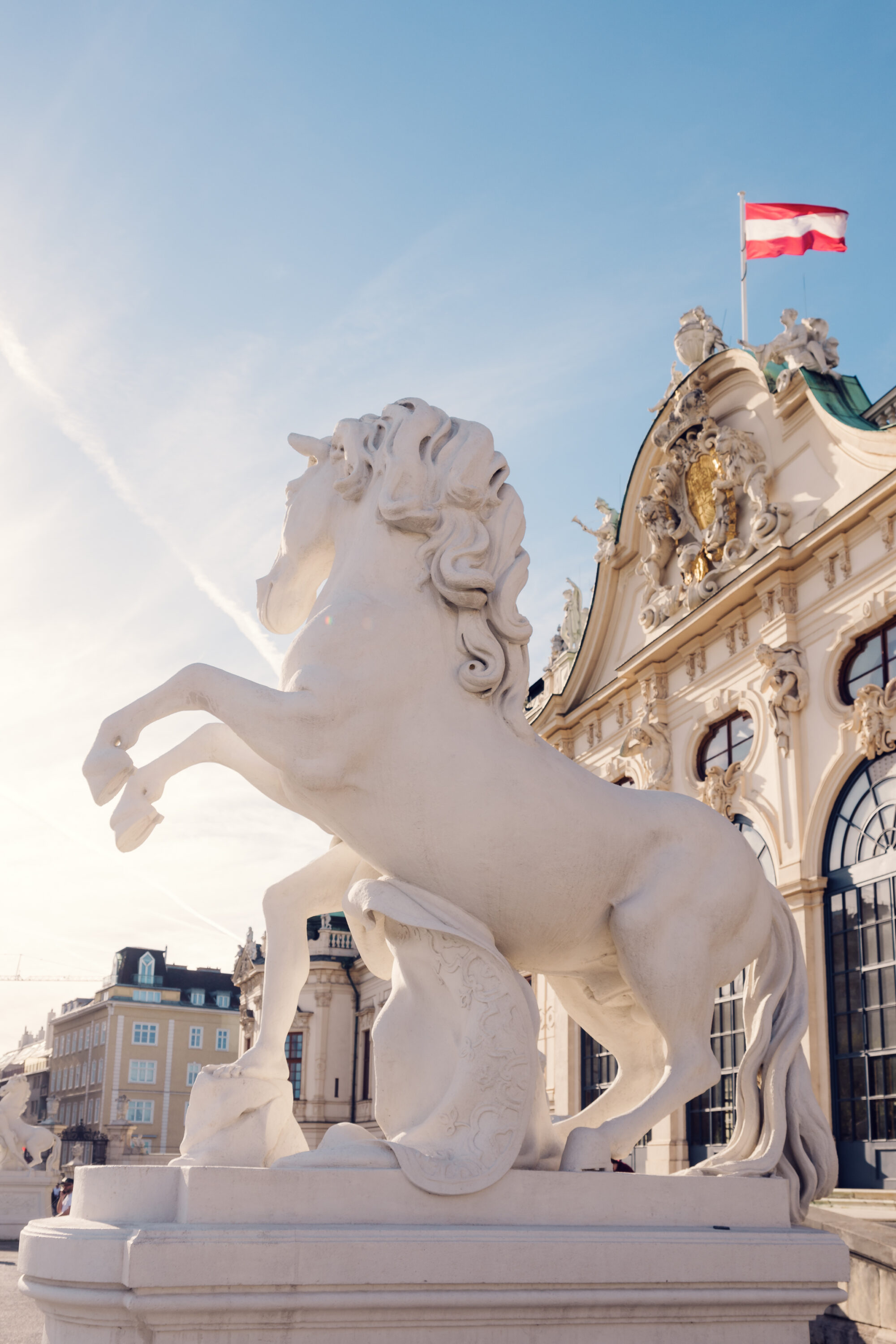
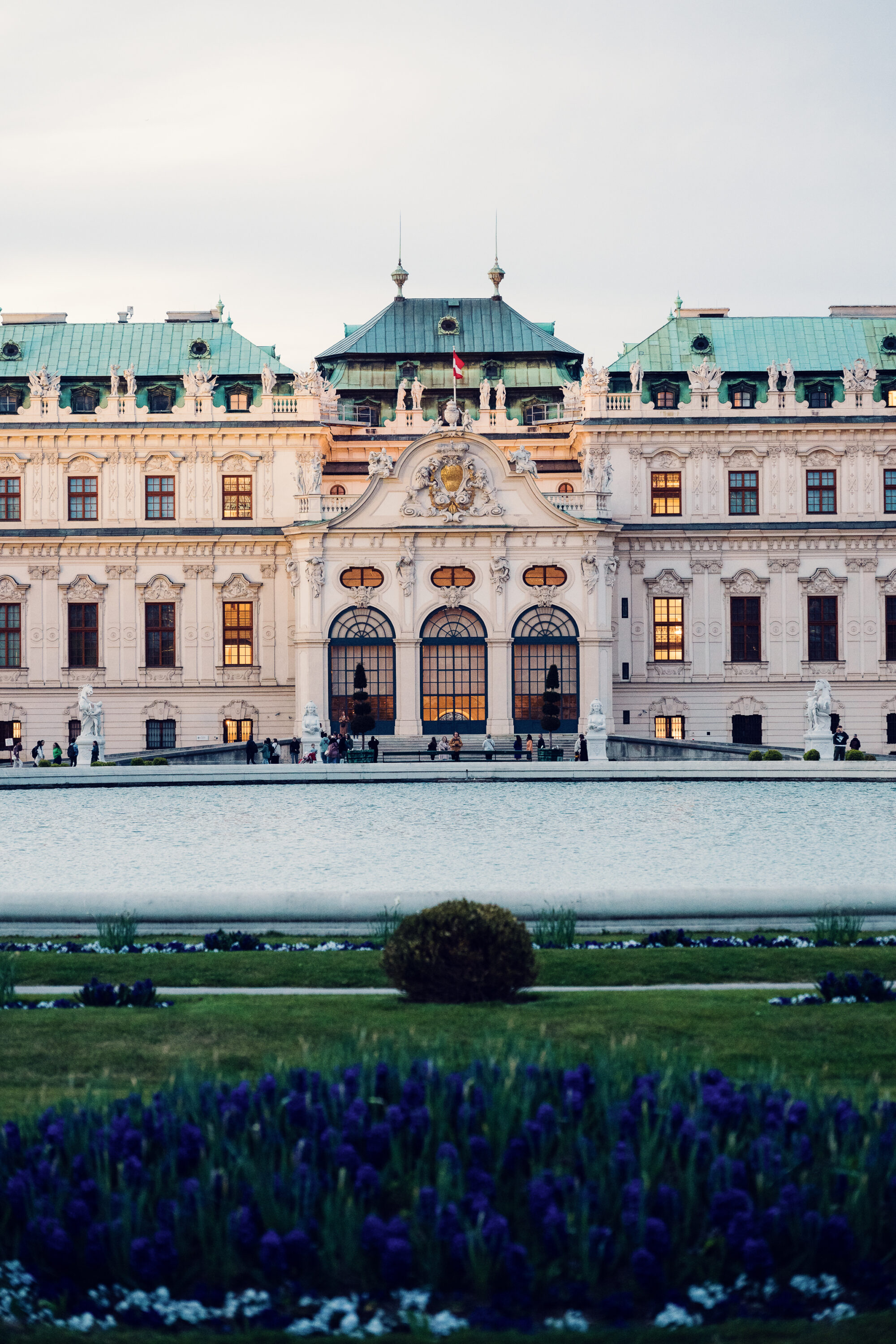
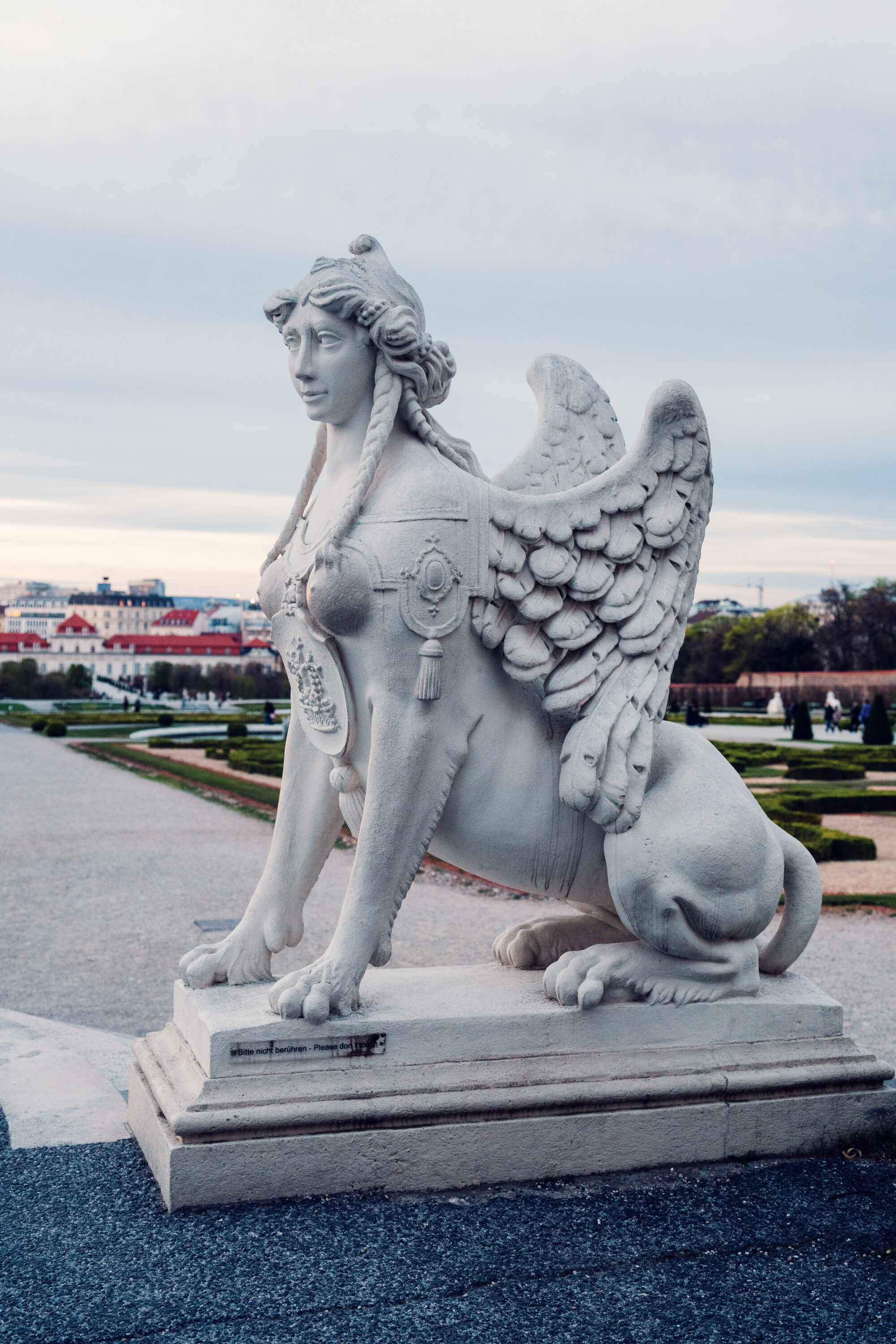
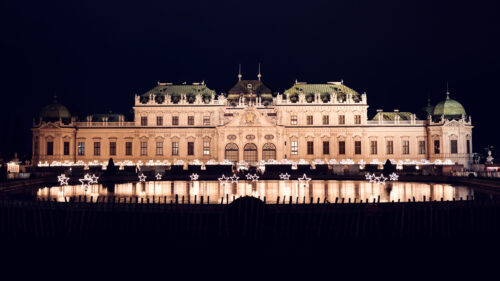
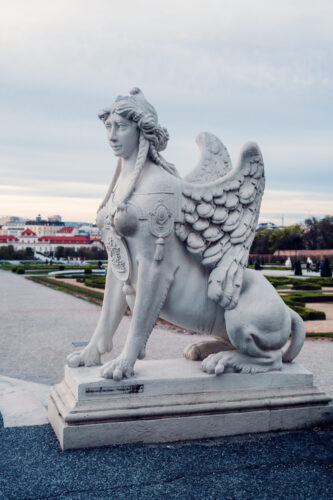
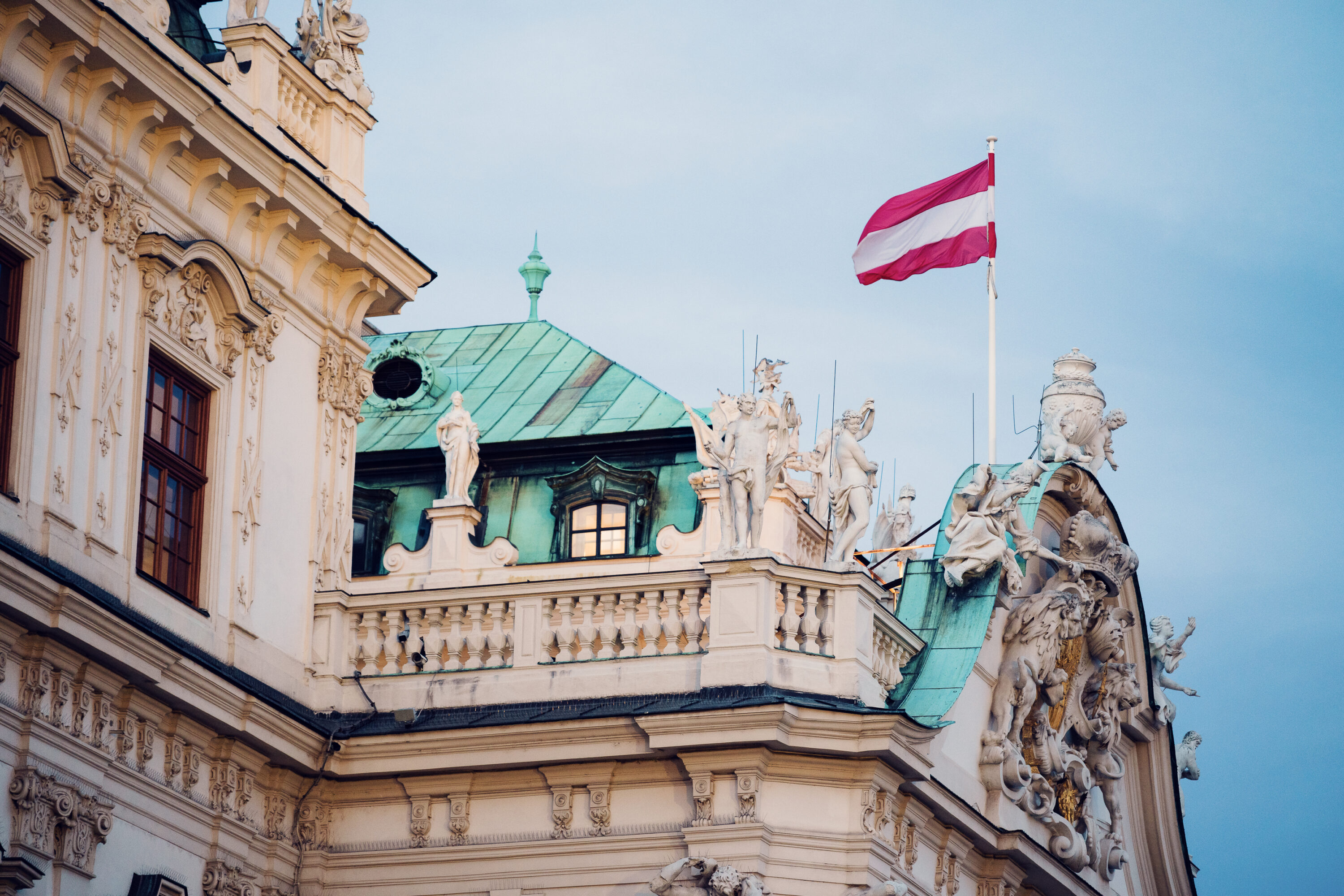
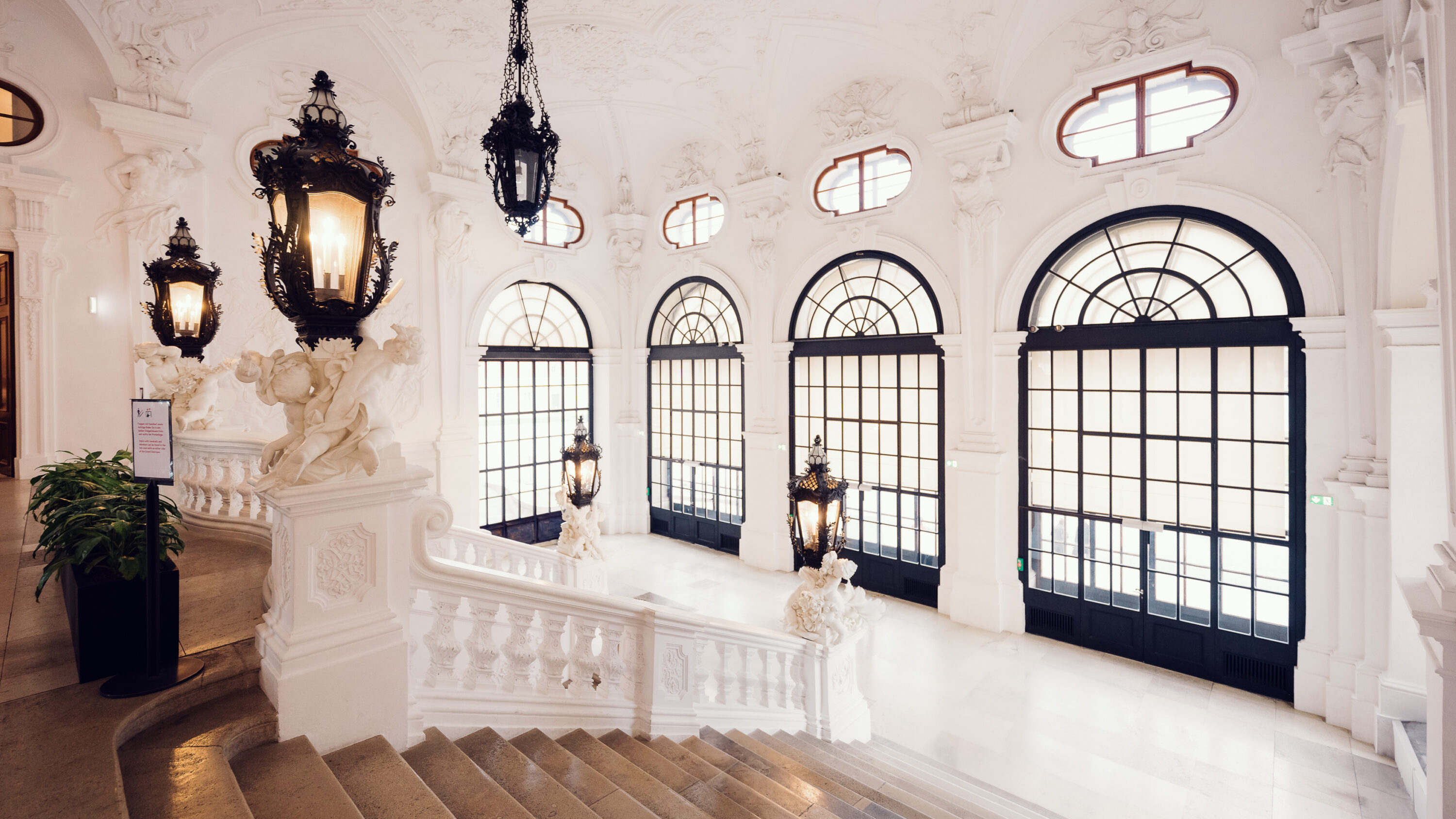
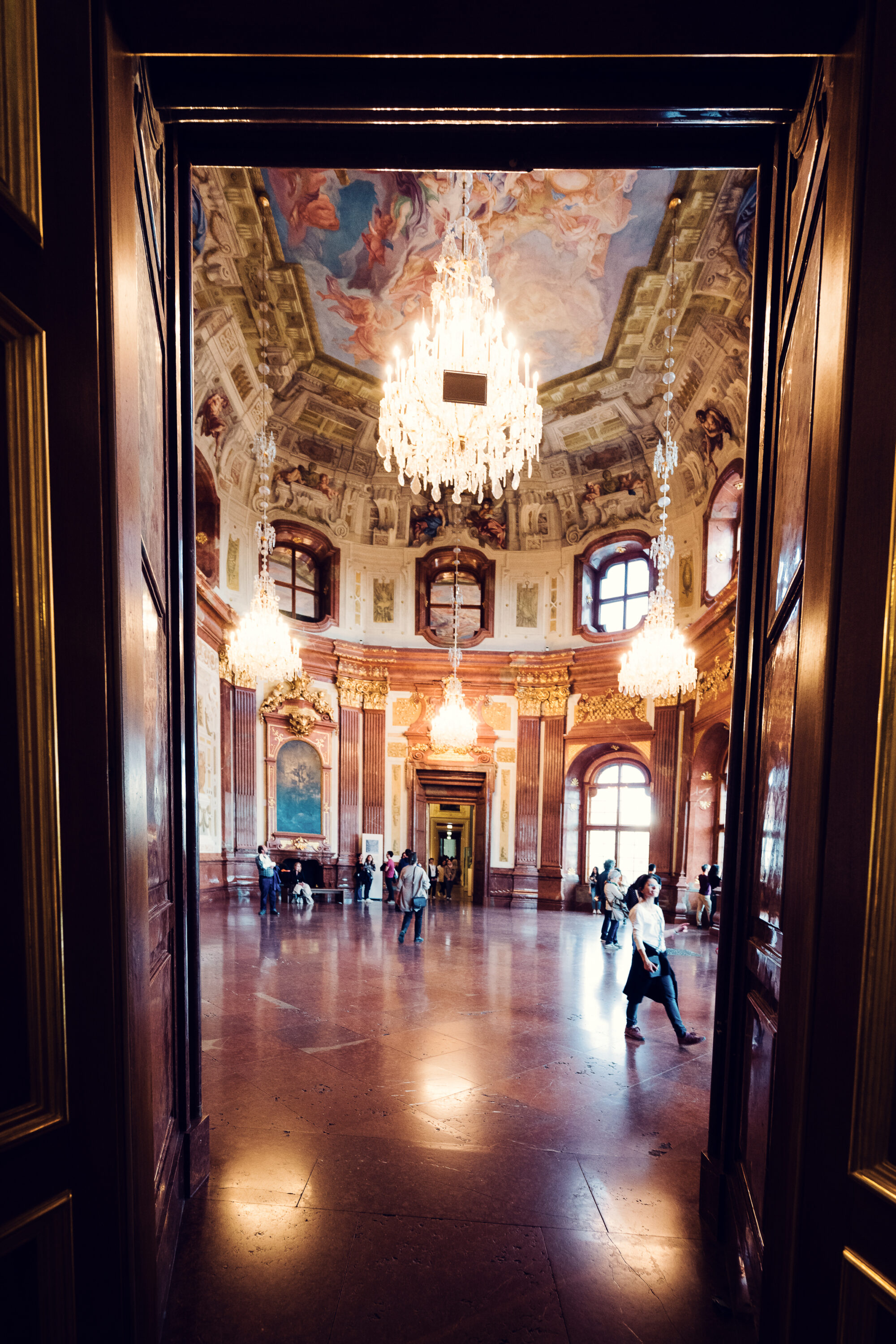
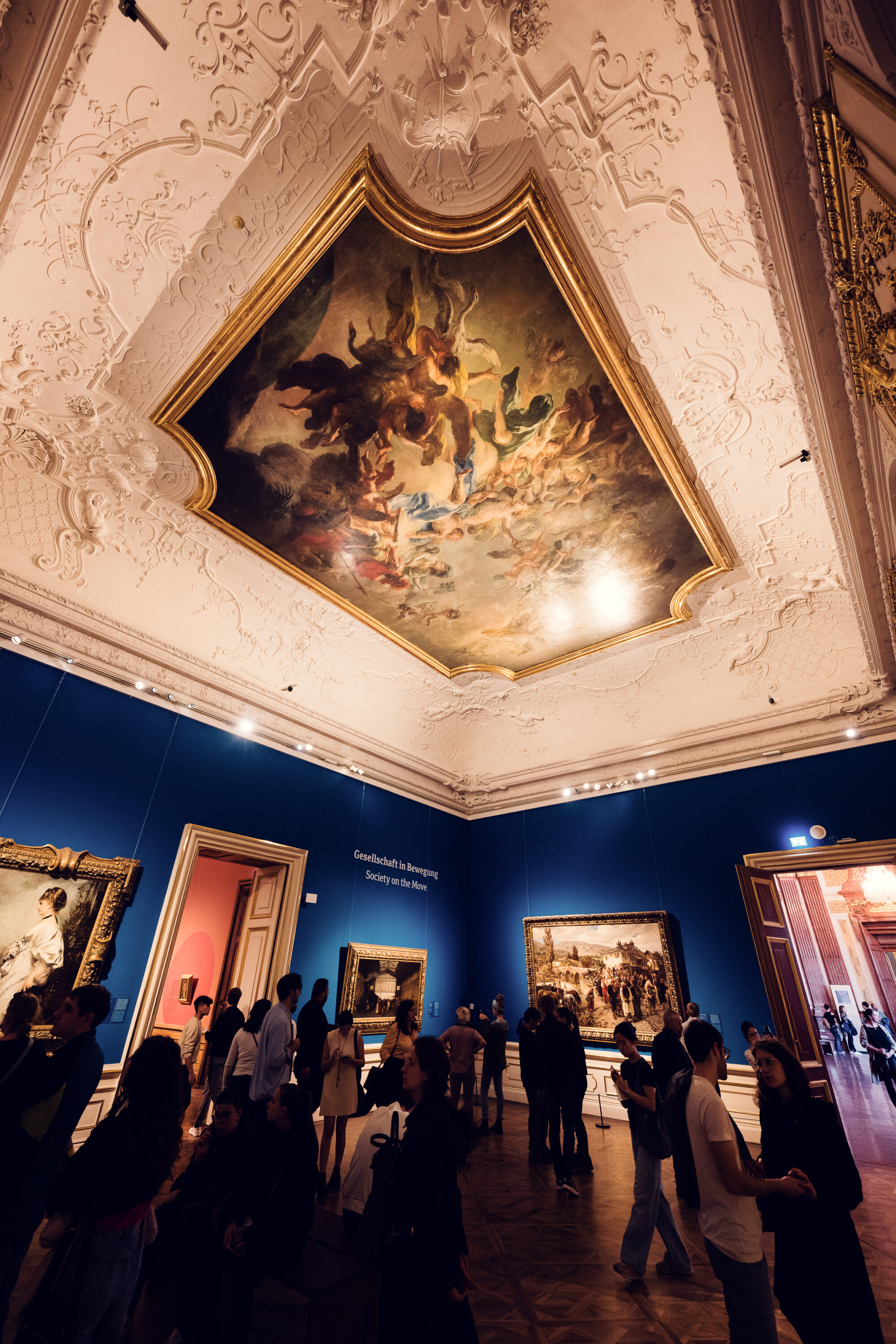
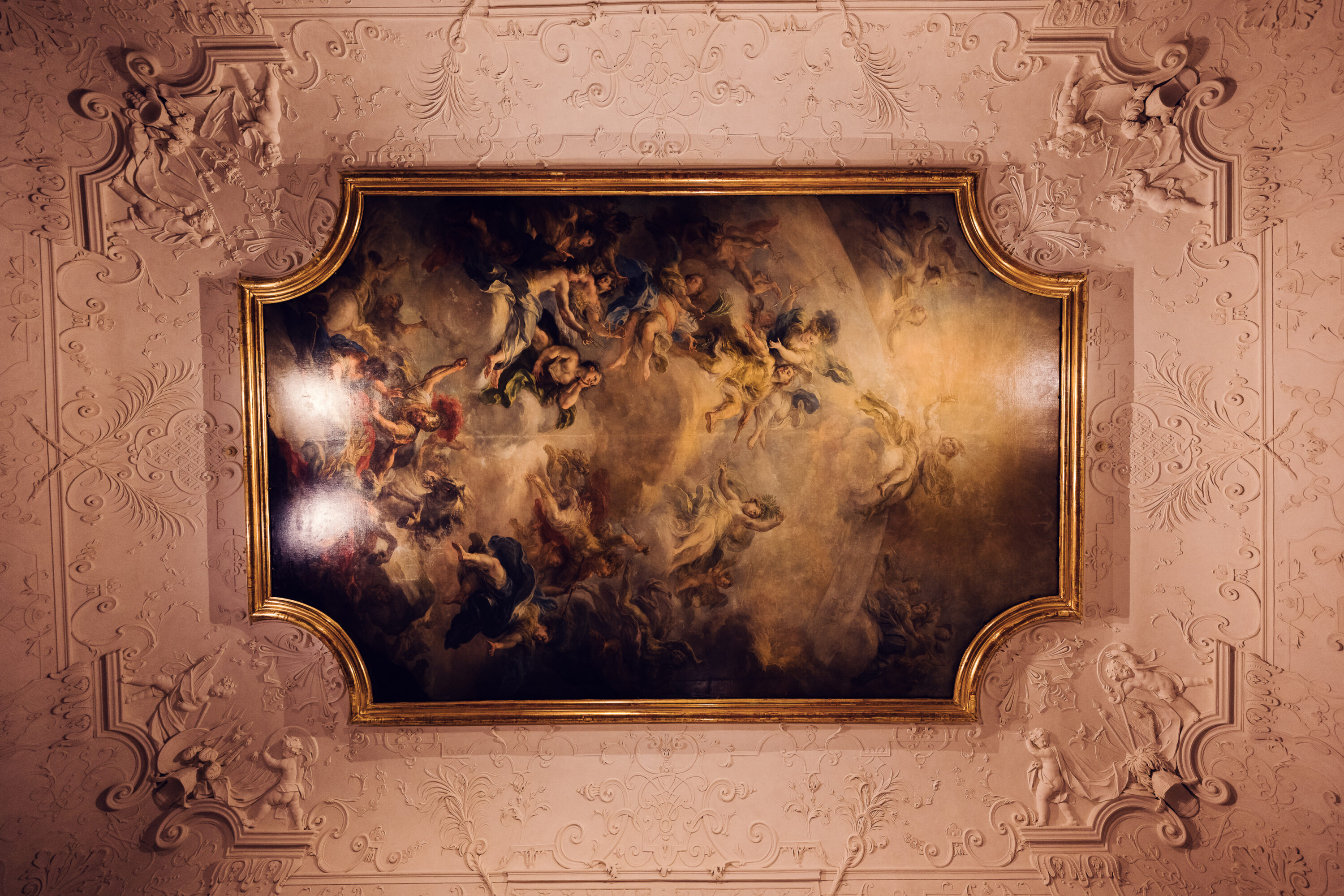
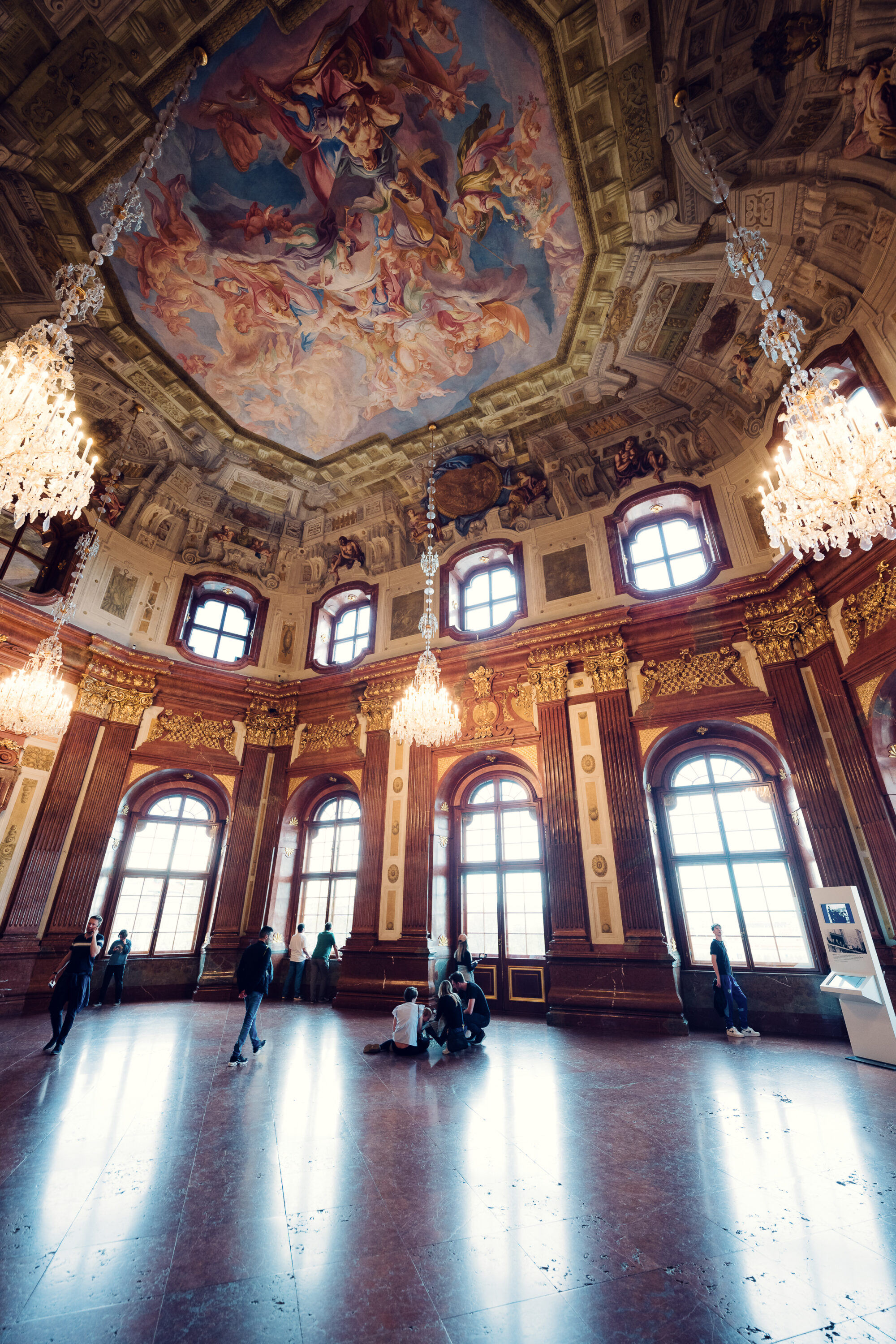
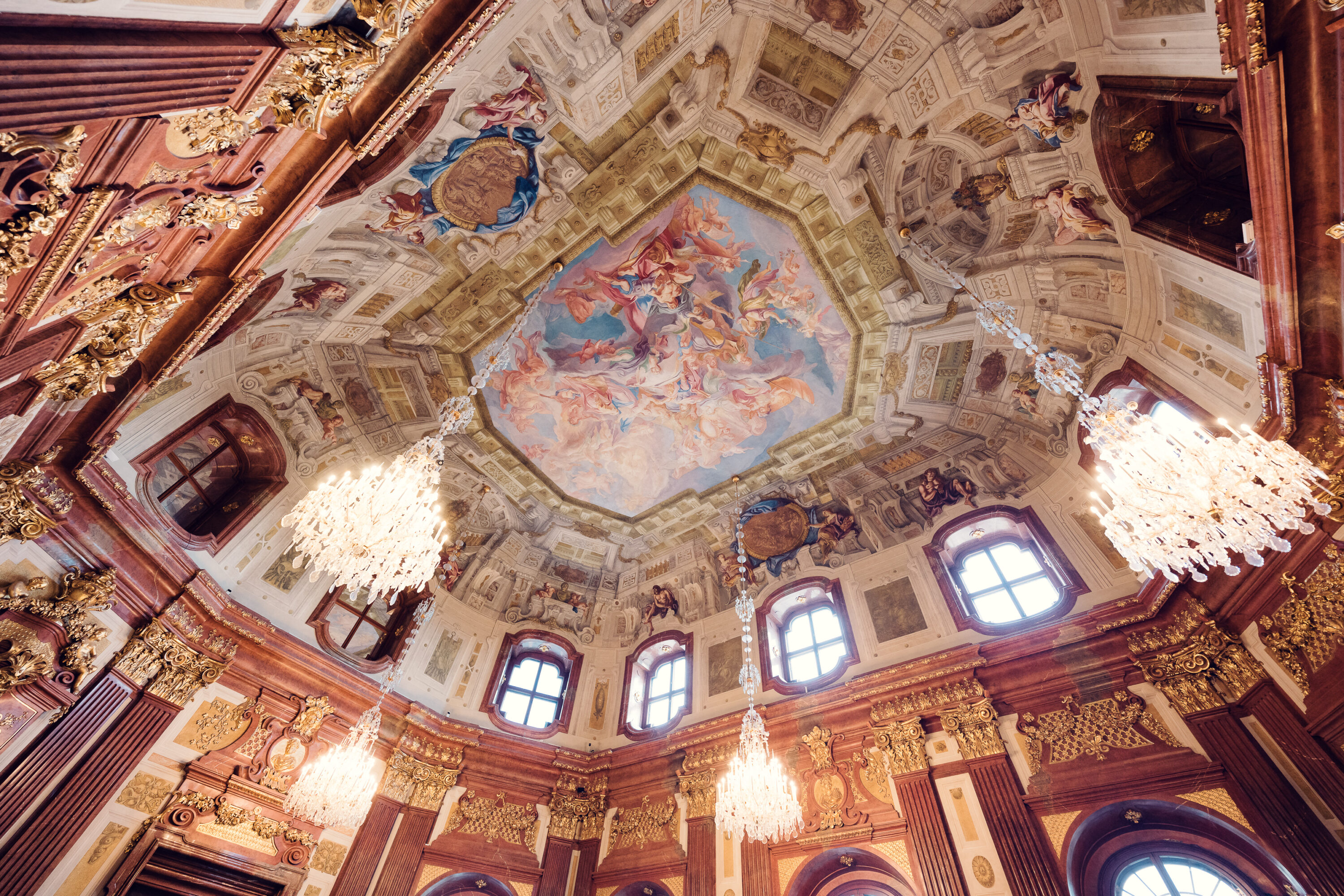
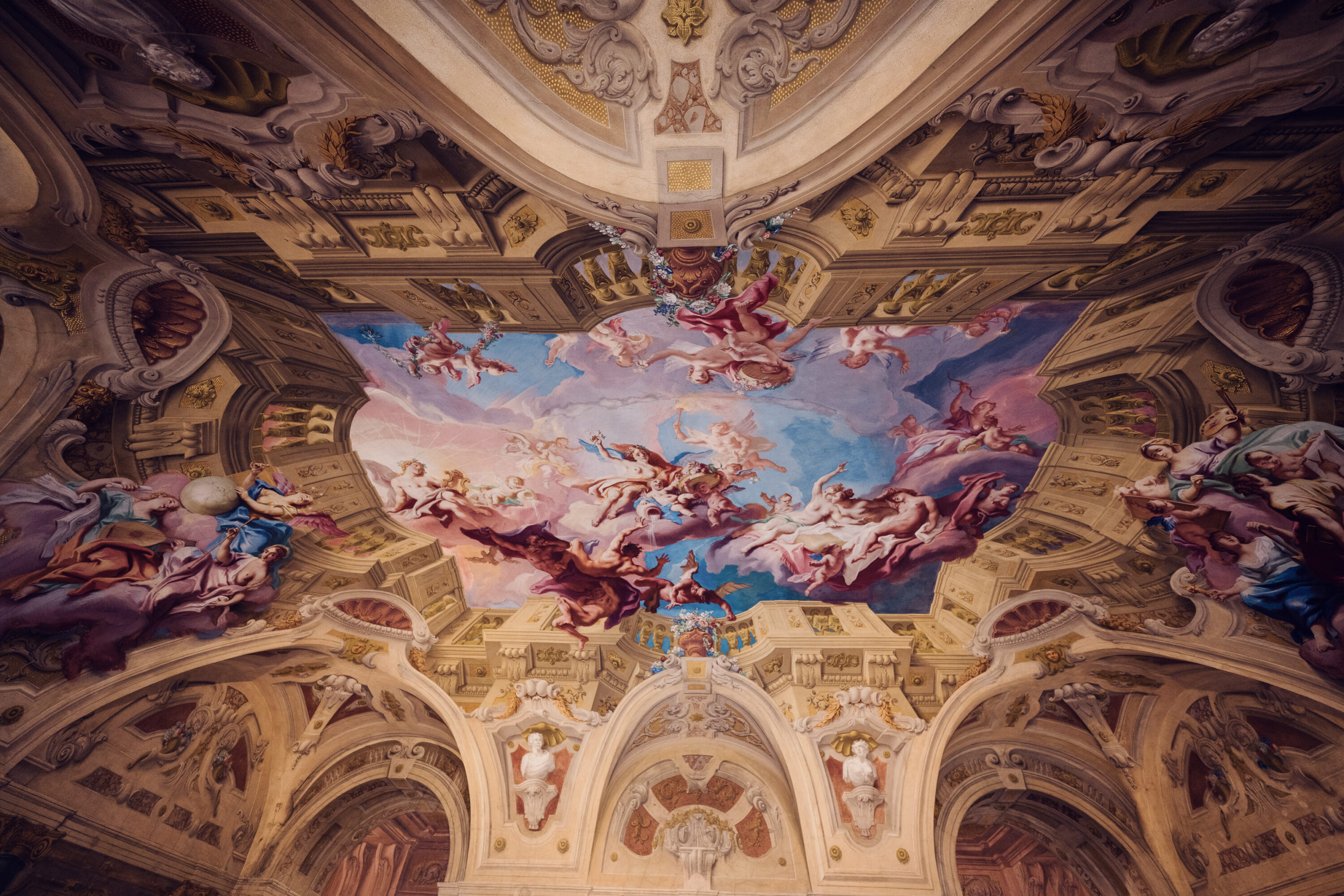
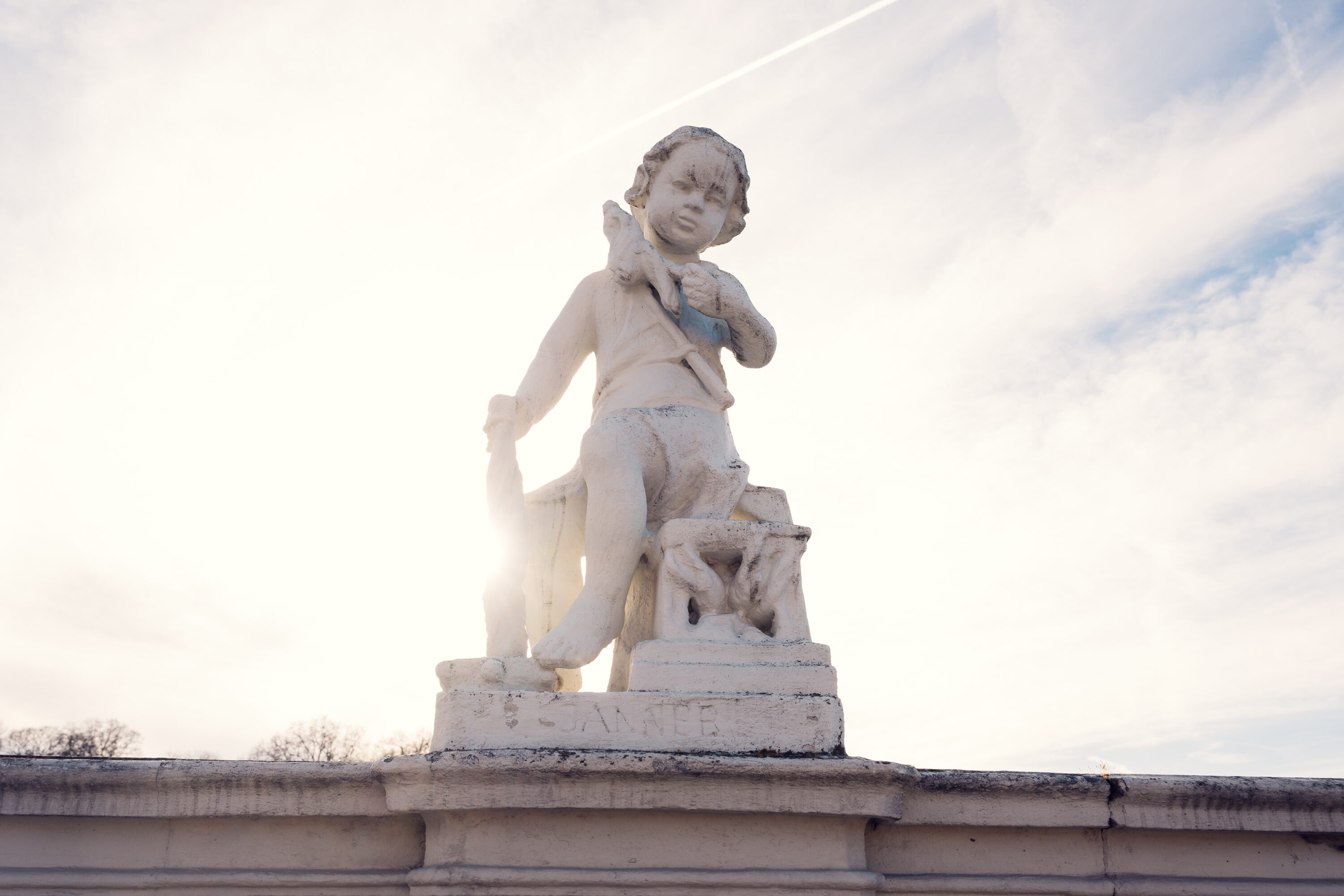
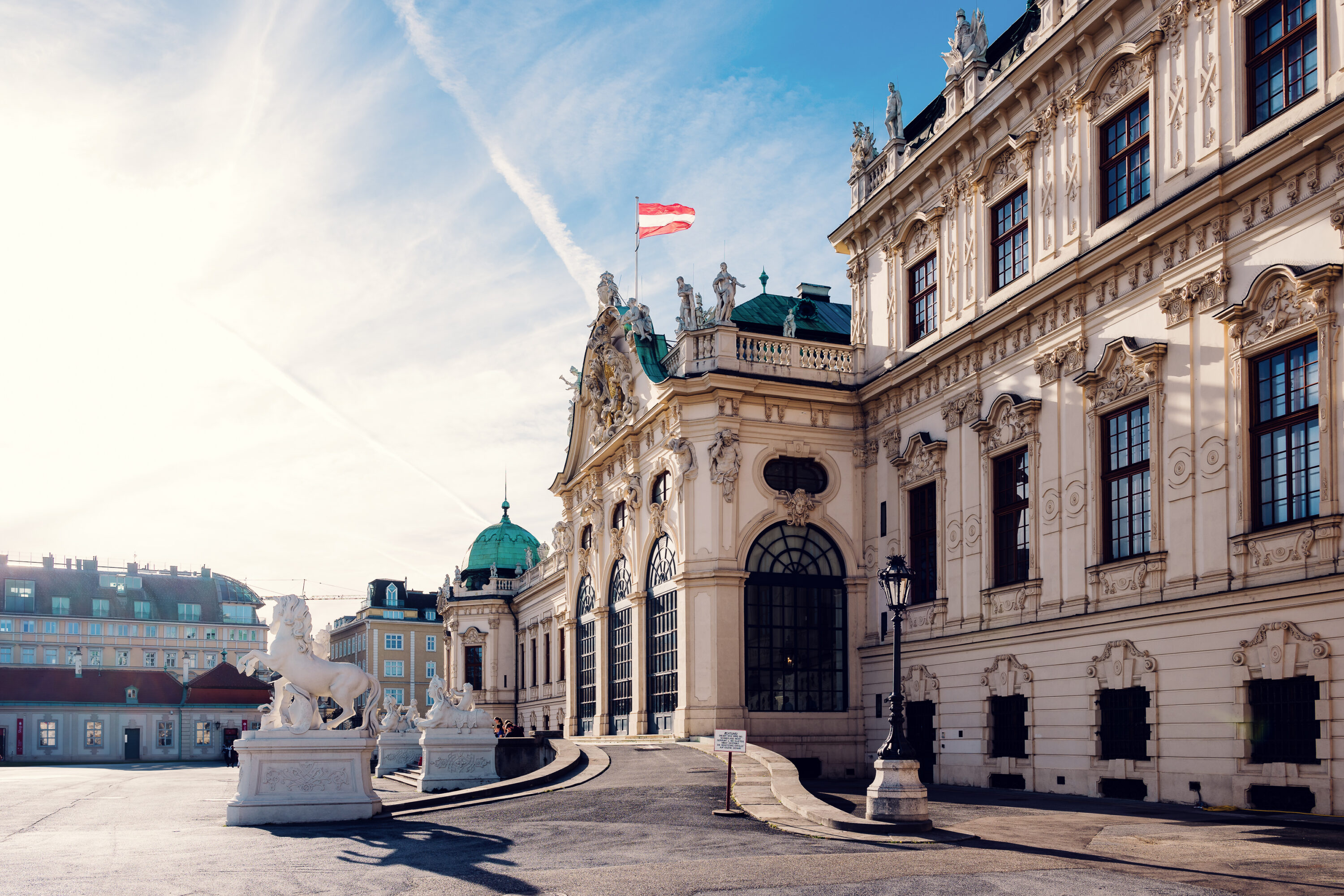
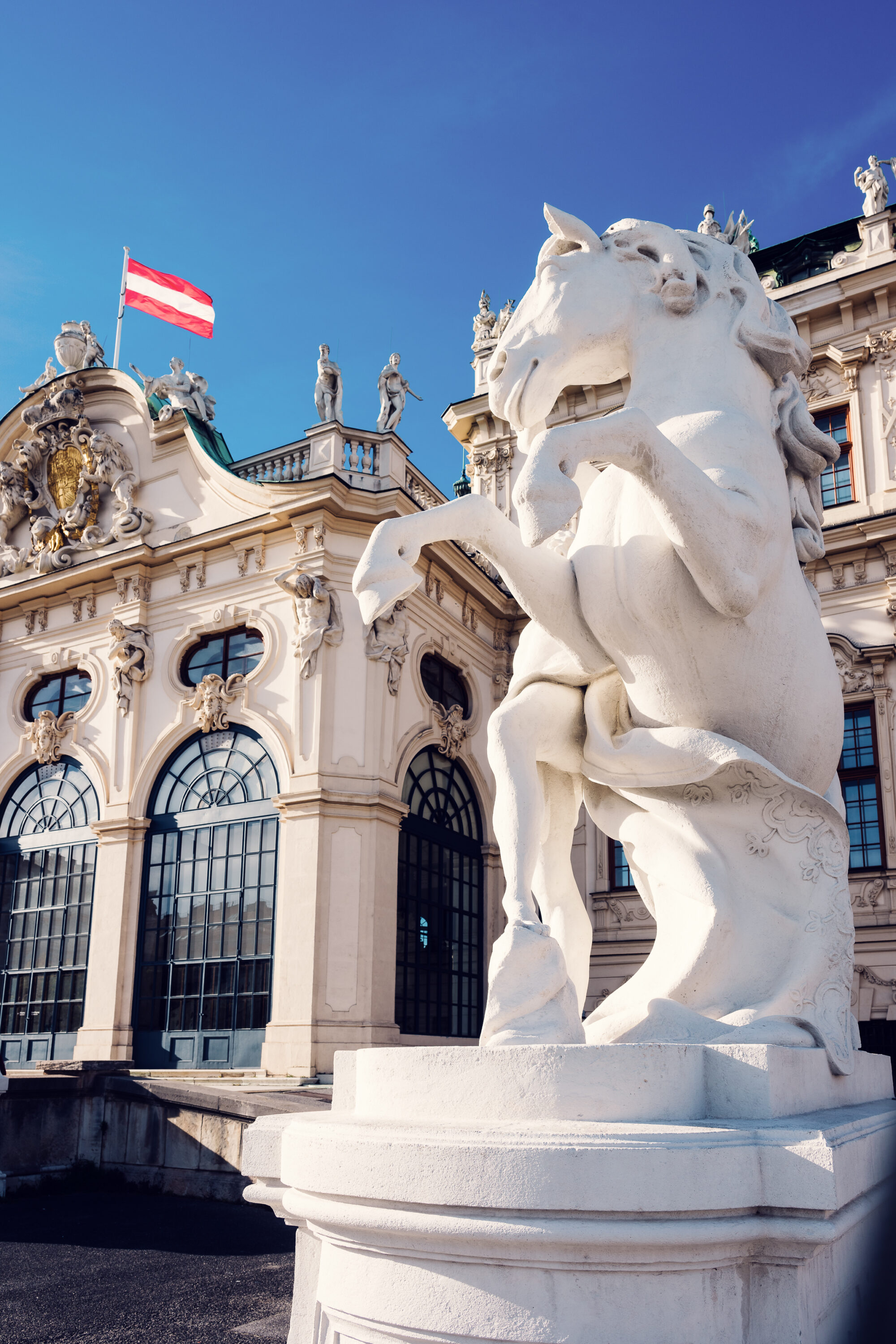
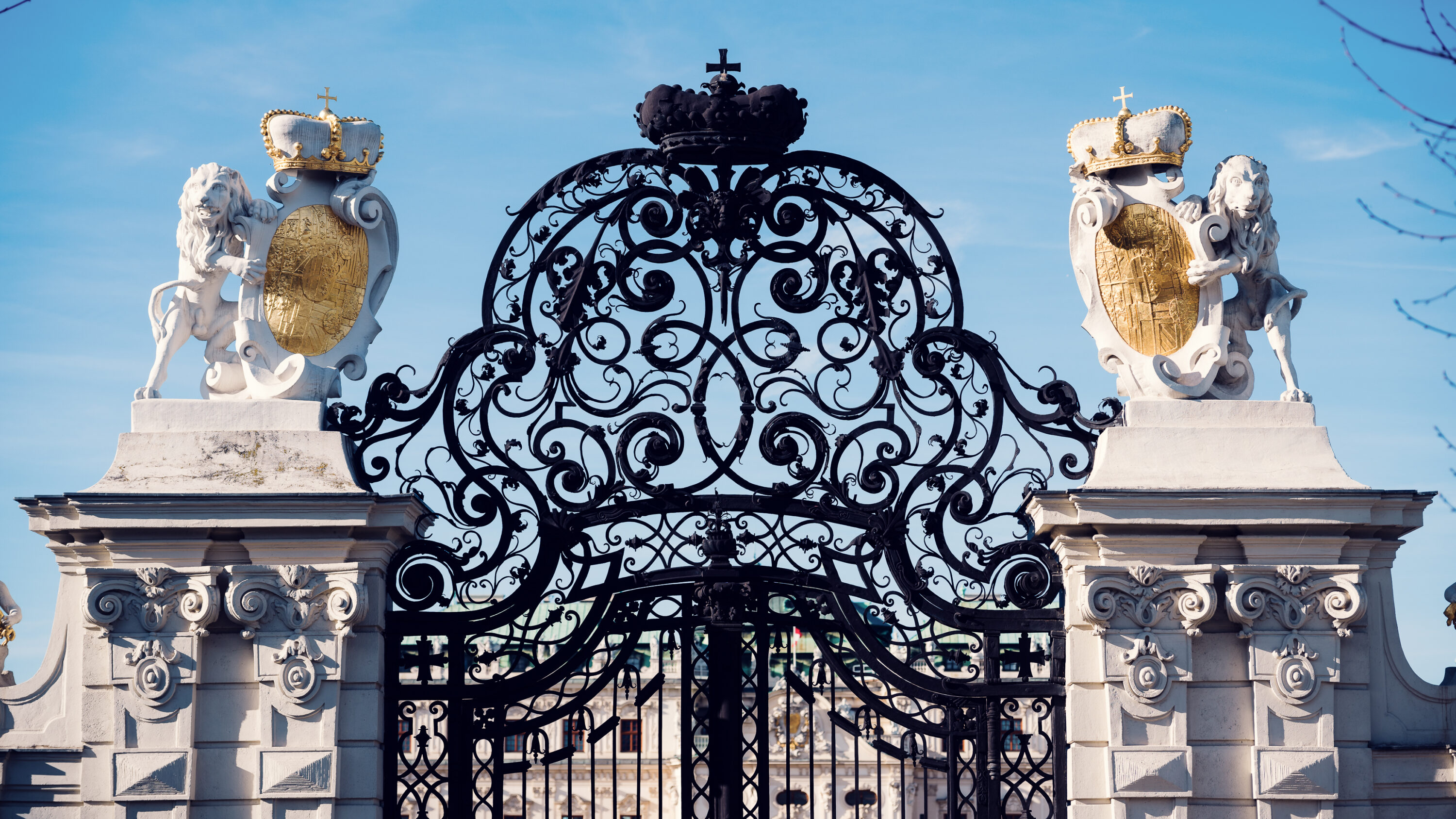
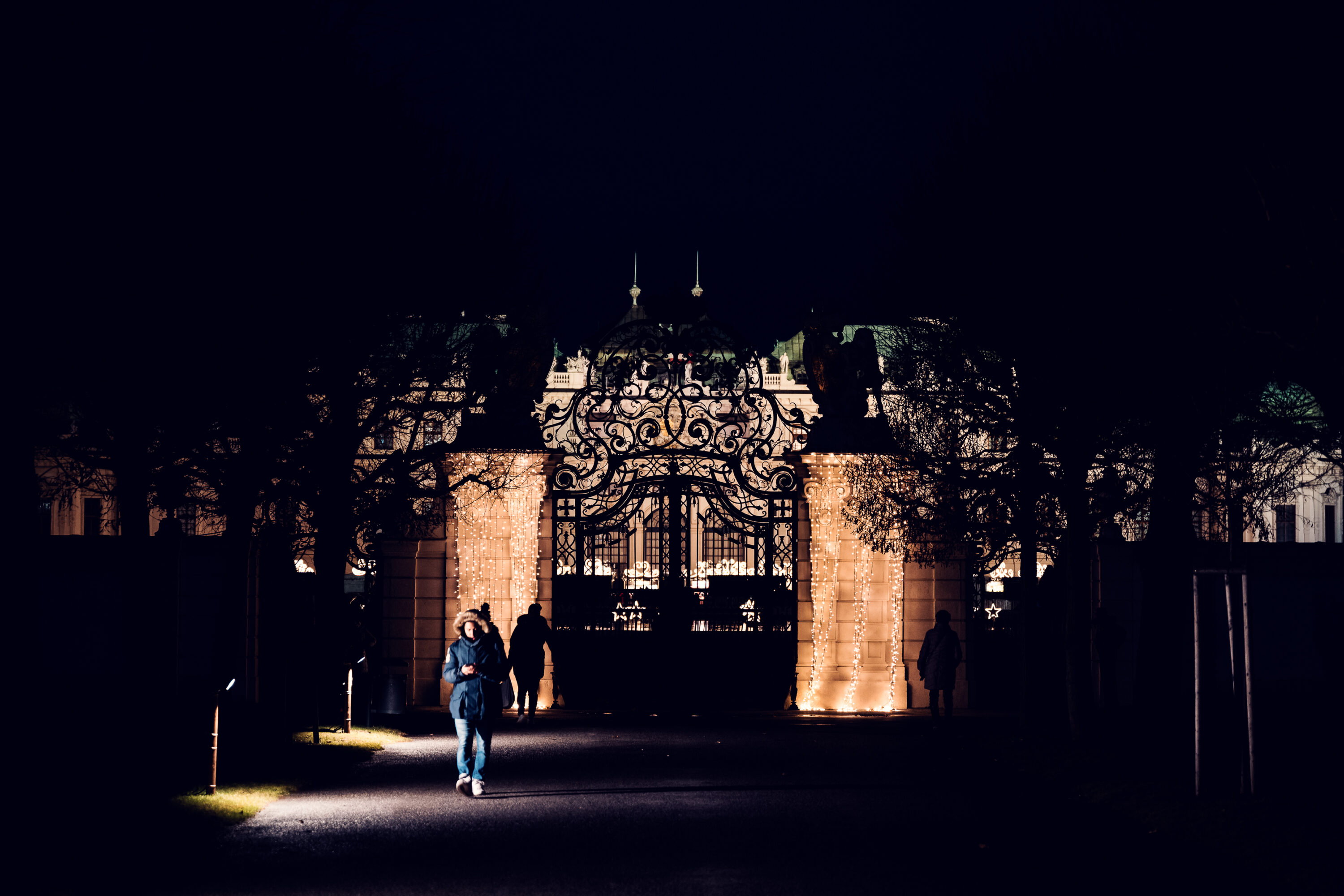
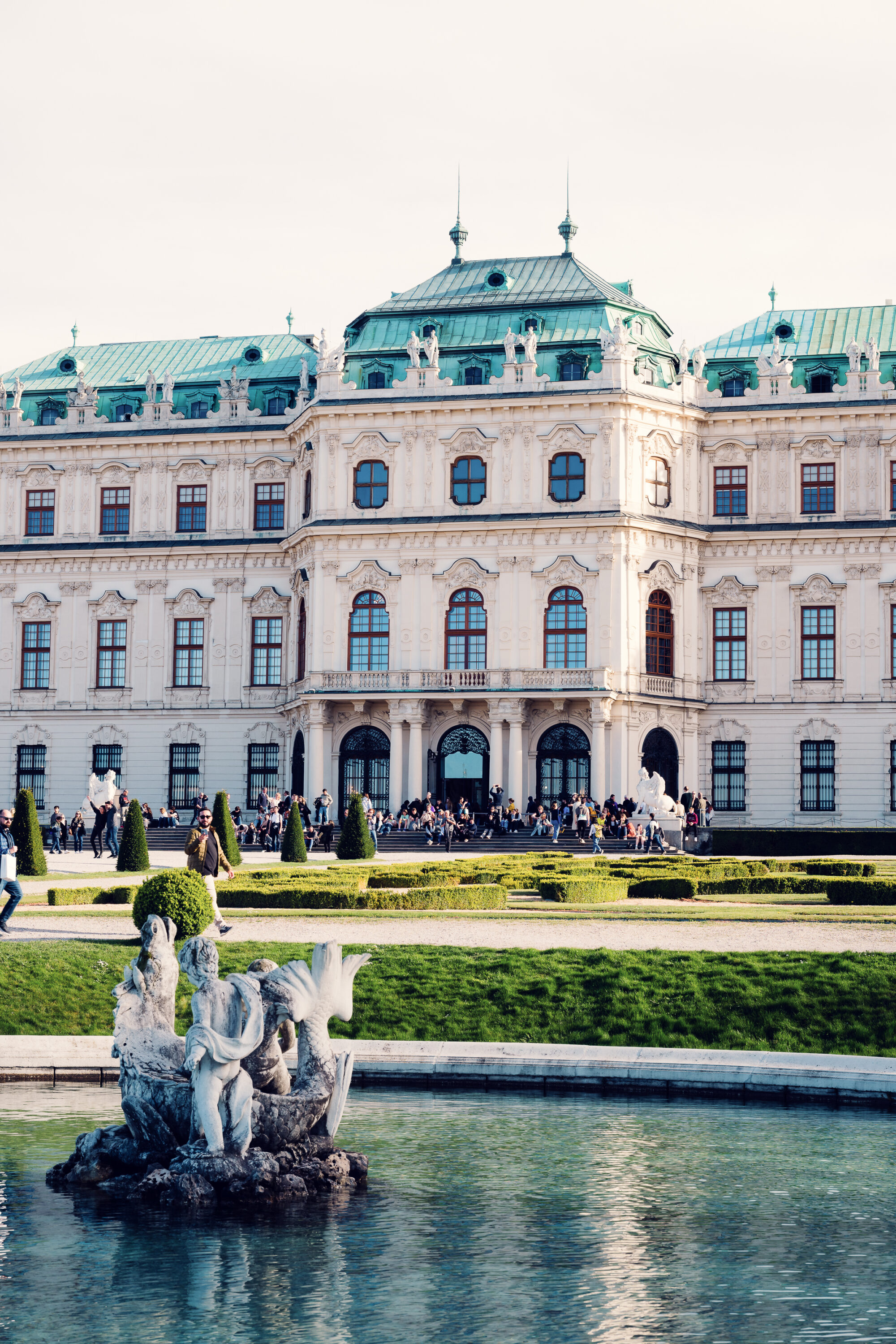
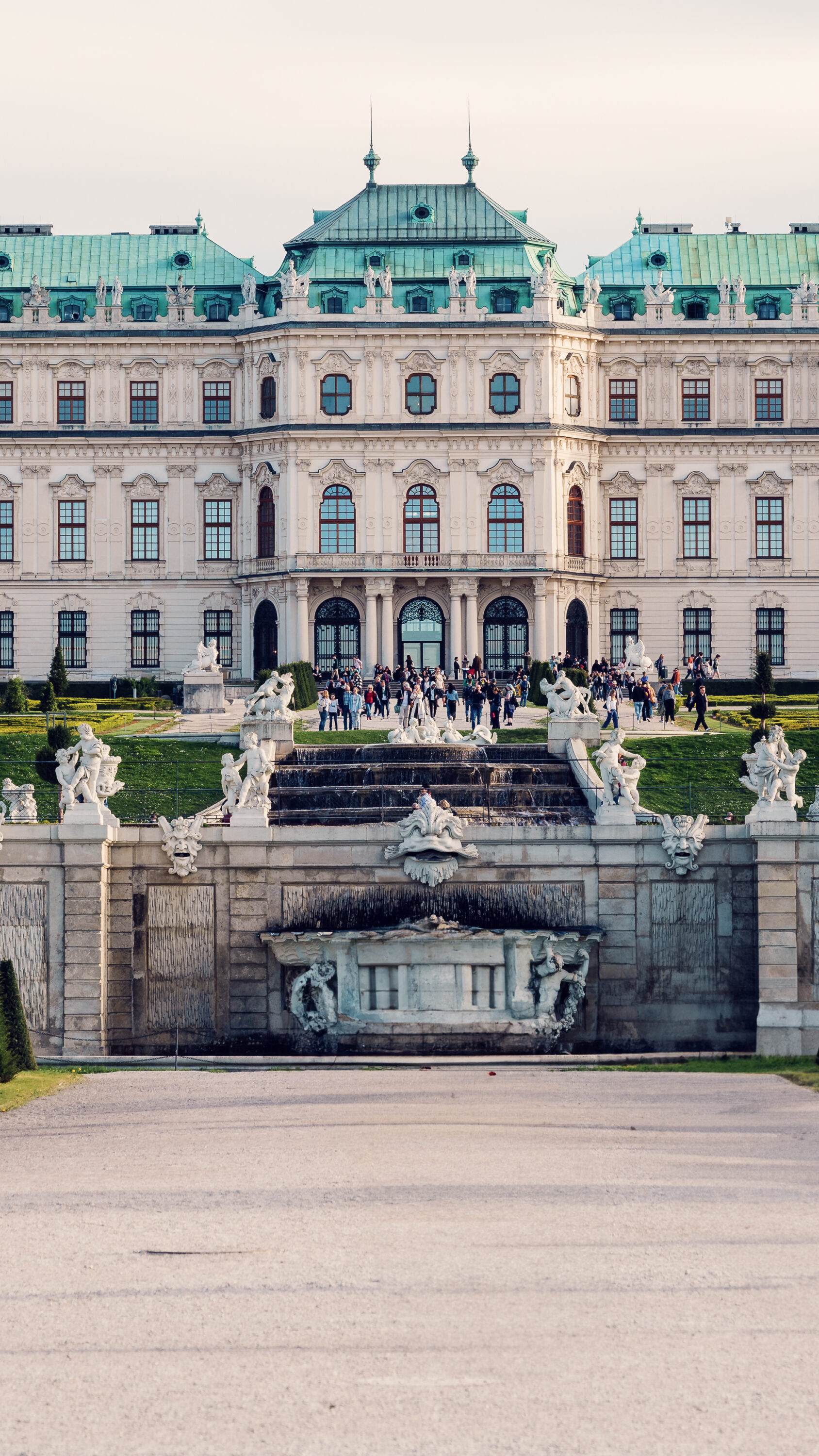
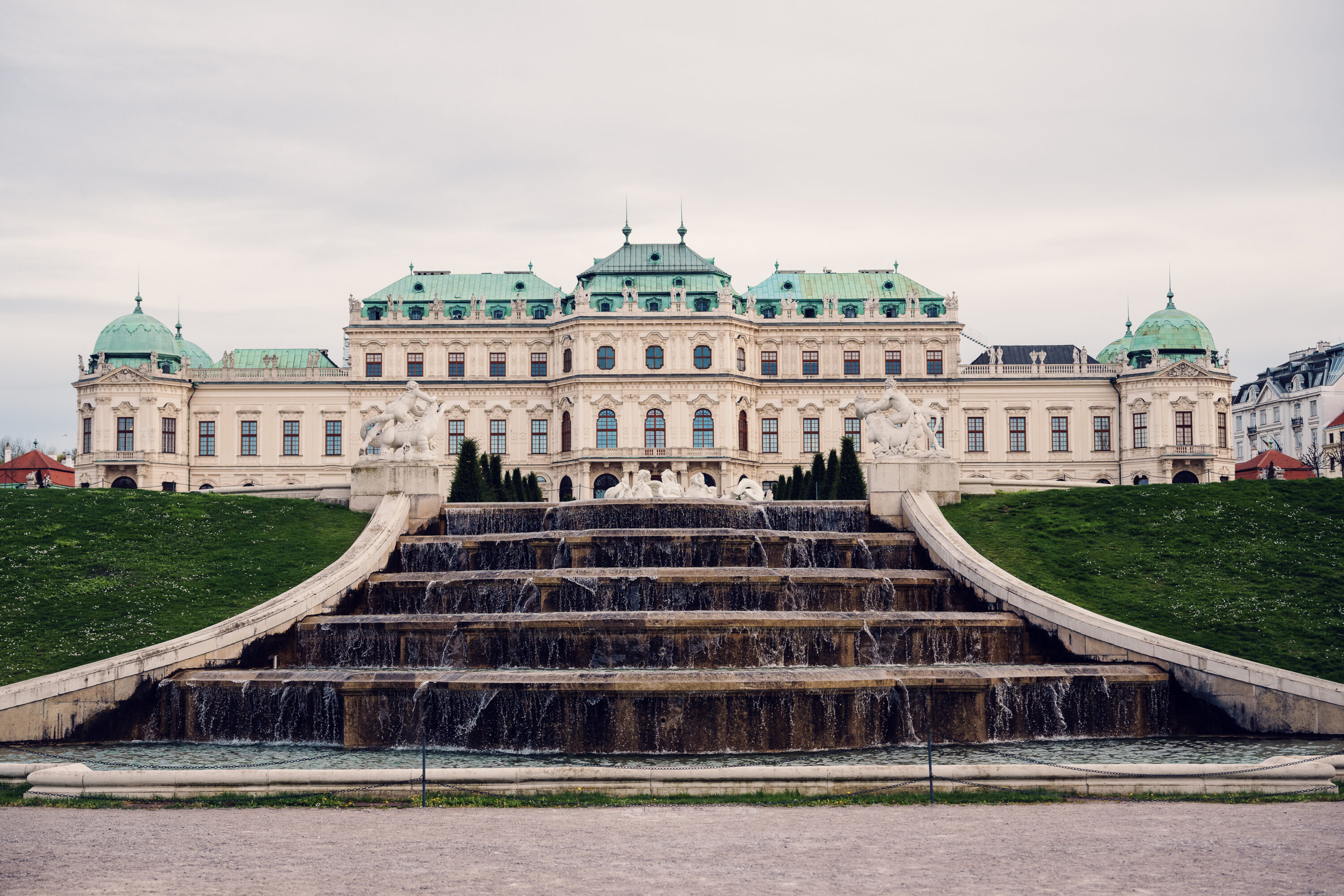
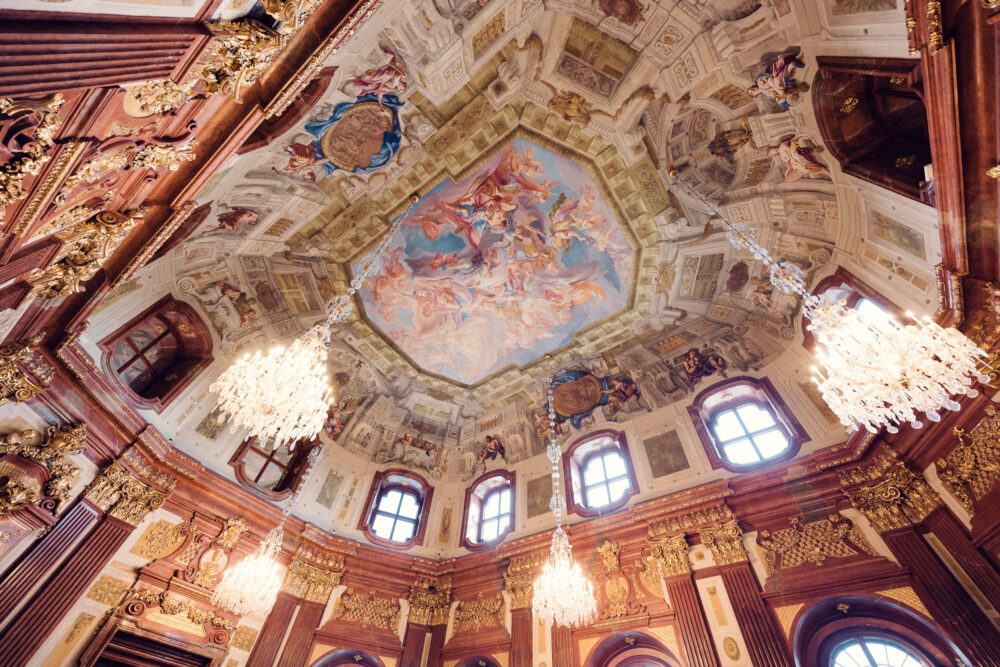
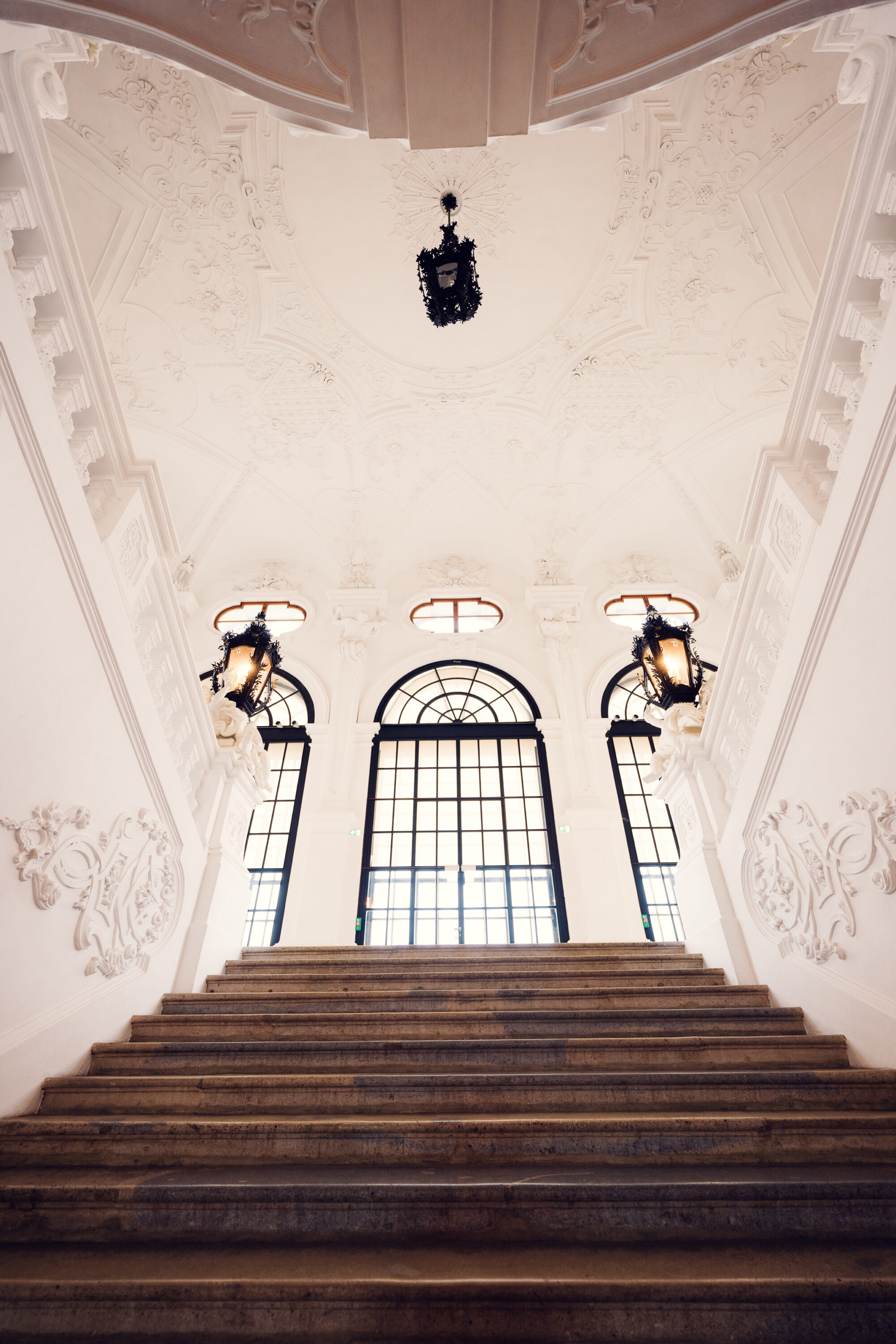
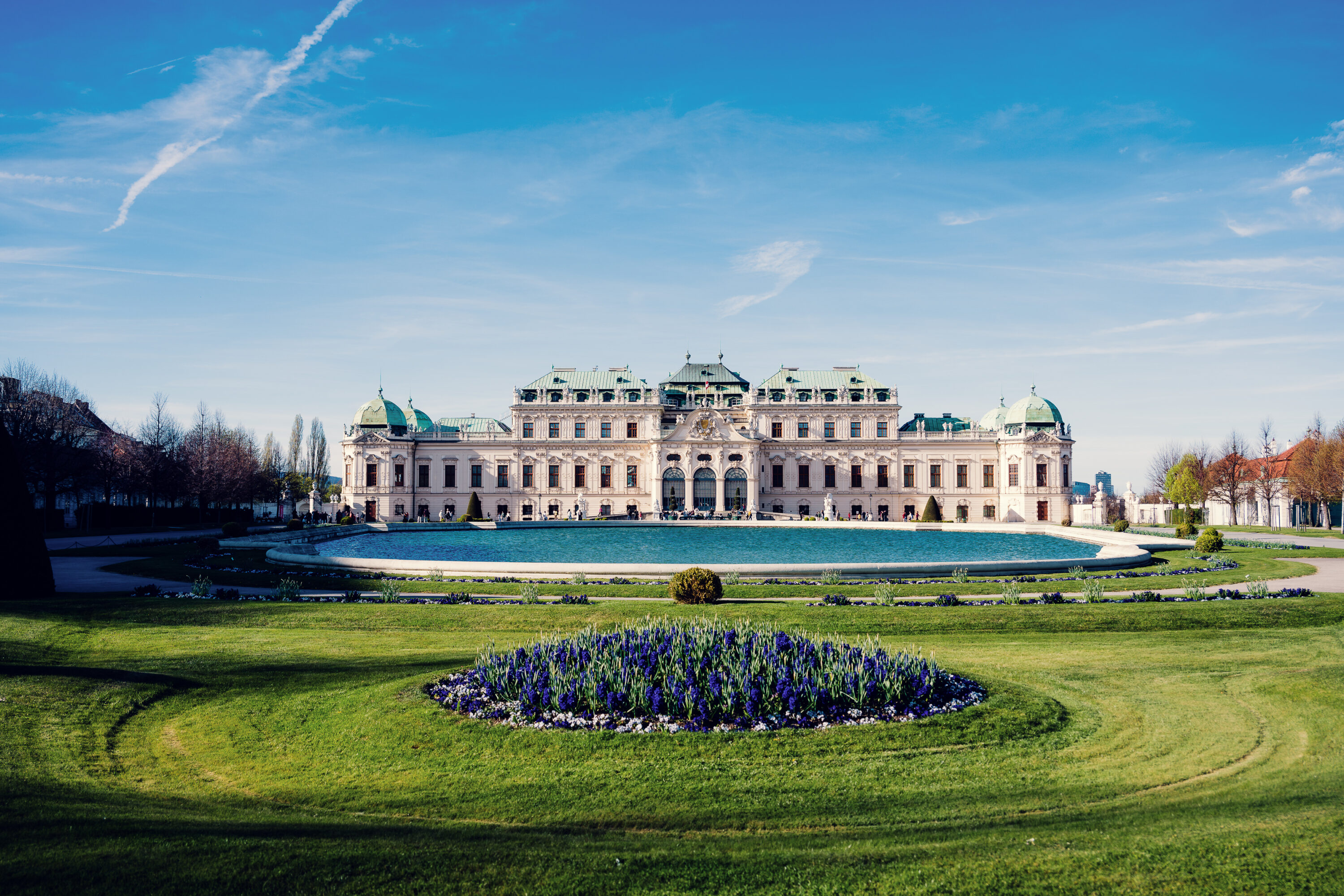
The Belvedere Castle exemplifies Baroque architecture with its dramatic expressions, dynamic surfaces, and seamless integration of structure and landscape. The castle's exterior features sculptural decorations, detailed plasterwork and statues that capture the essence of Baroque artistry. Inside, the state rooms are decorated with elaborate frescoes, marble floors, and gilded ornaments.
A Cultural Beacon
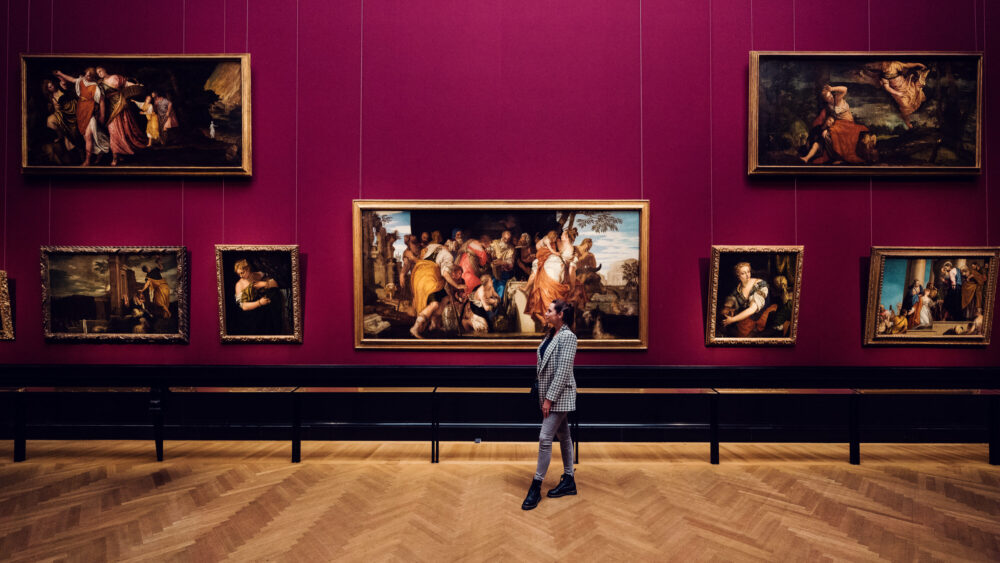
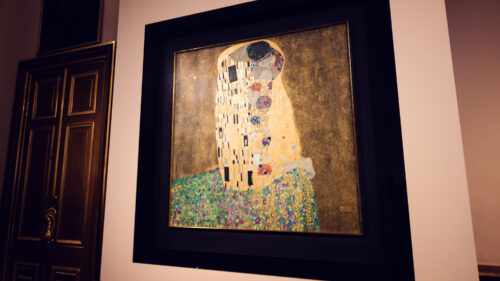
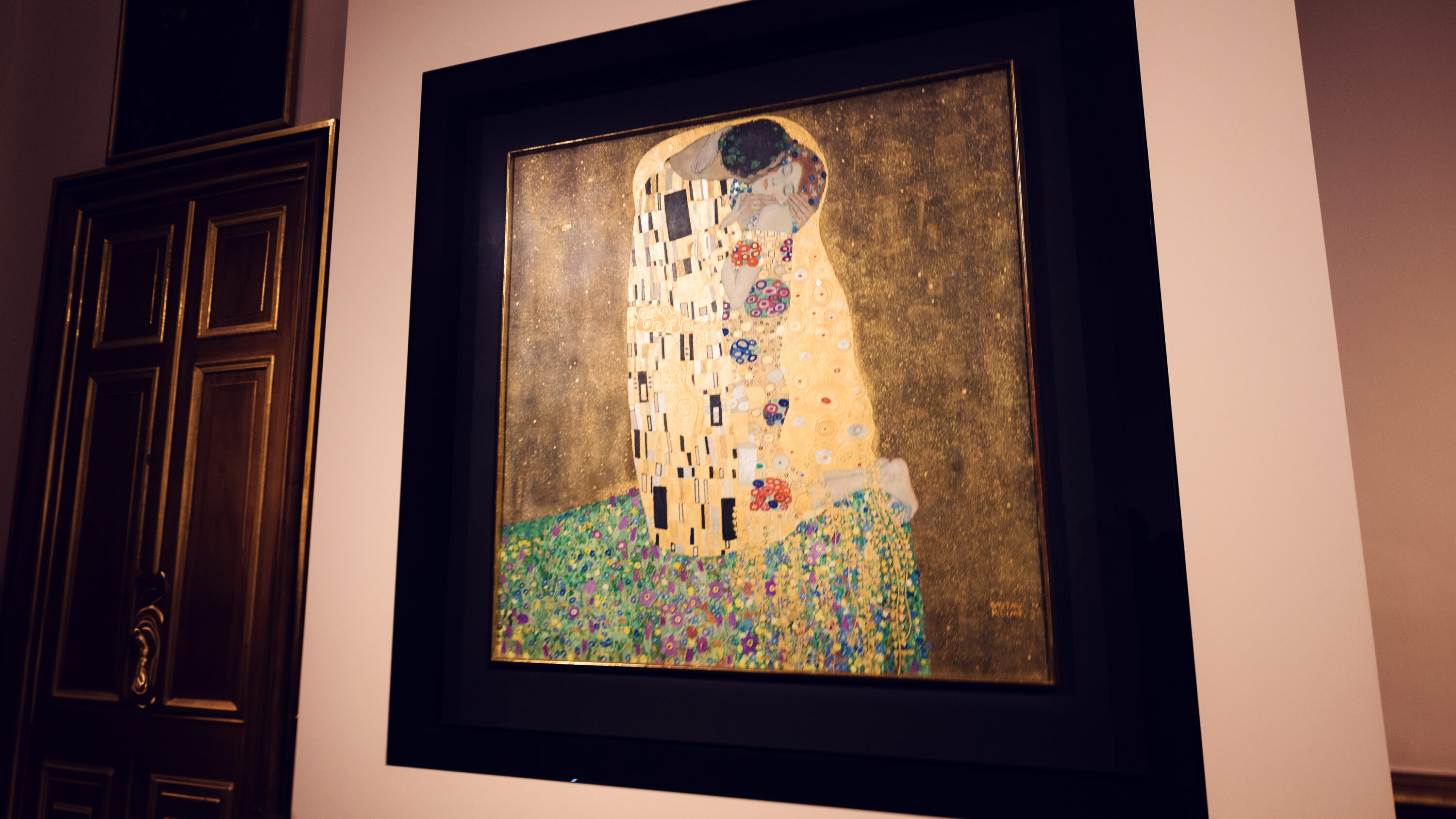
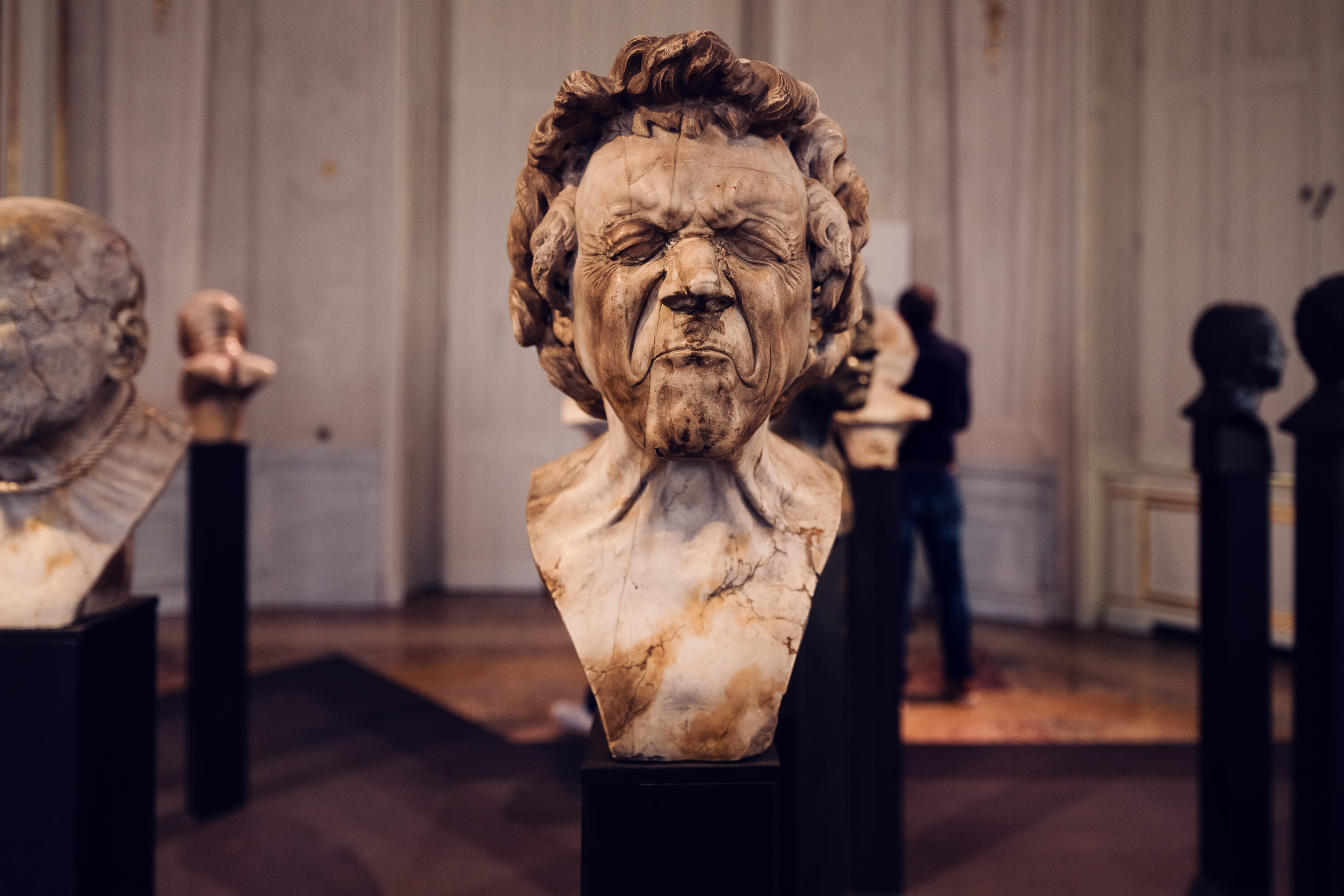
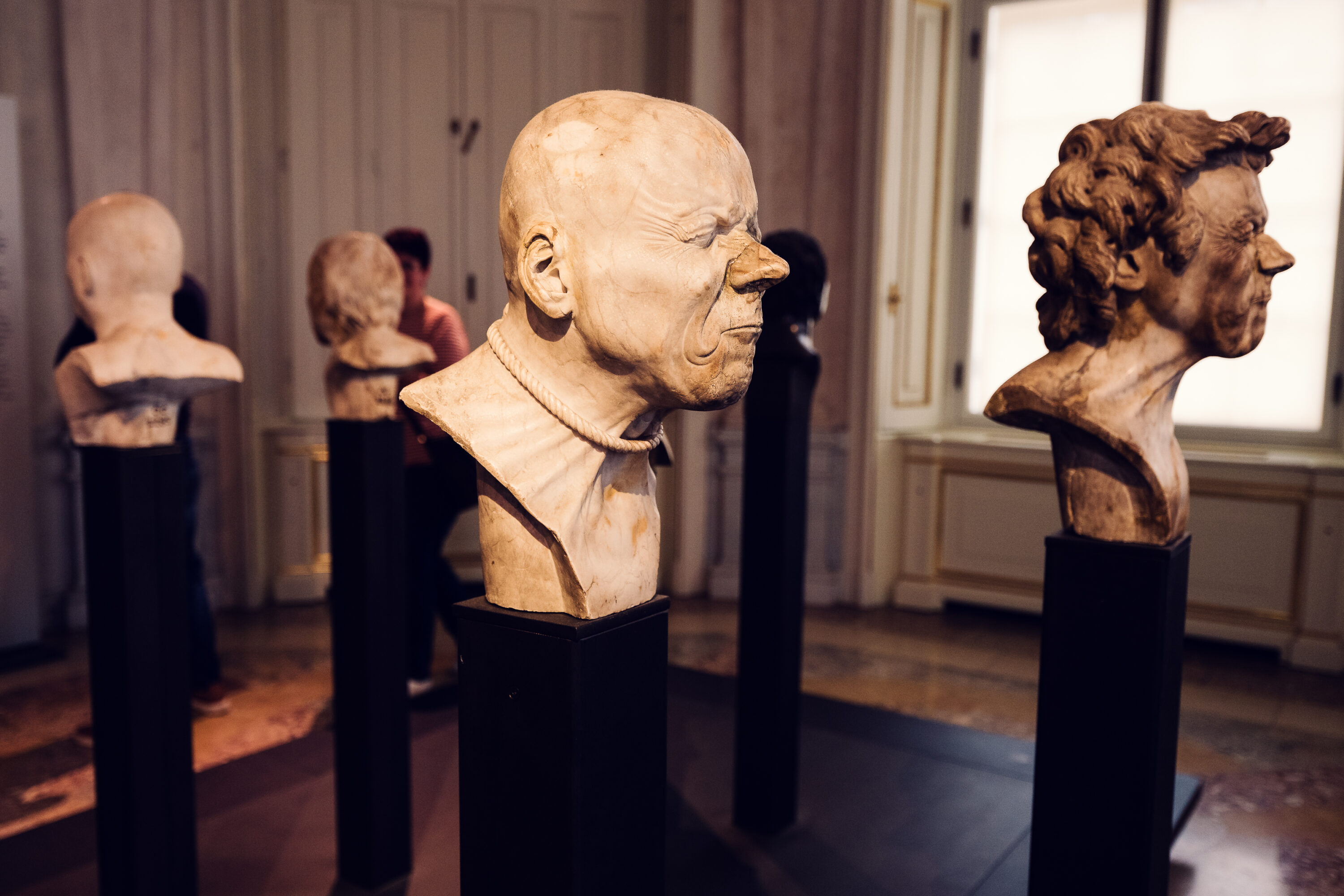
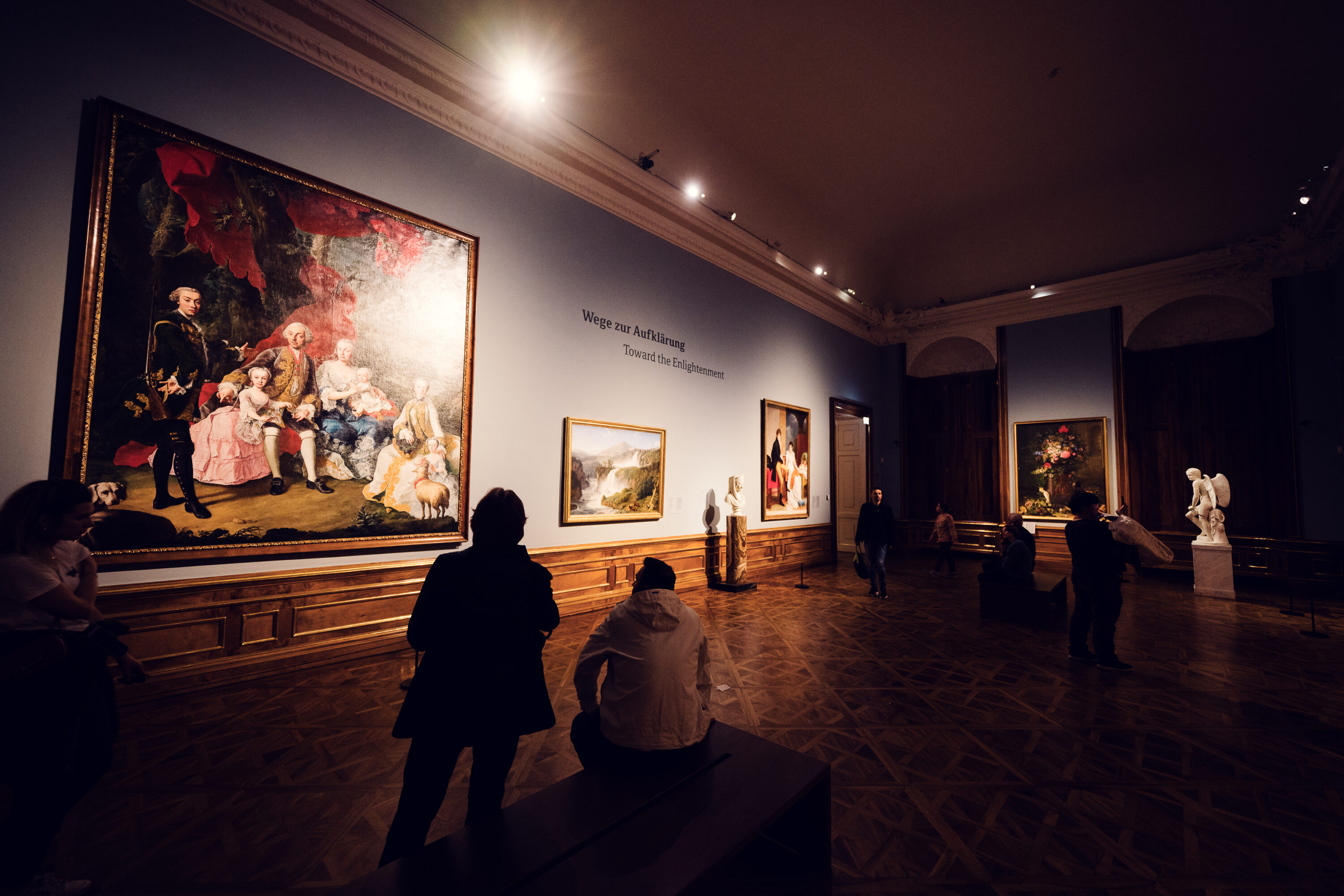
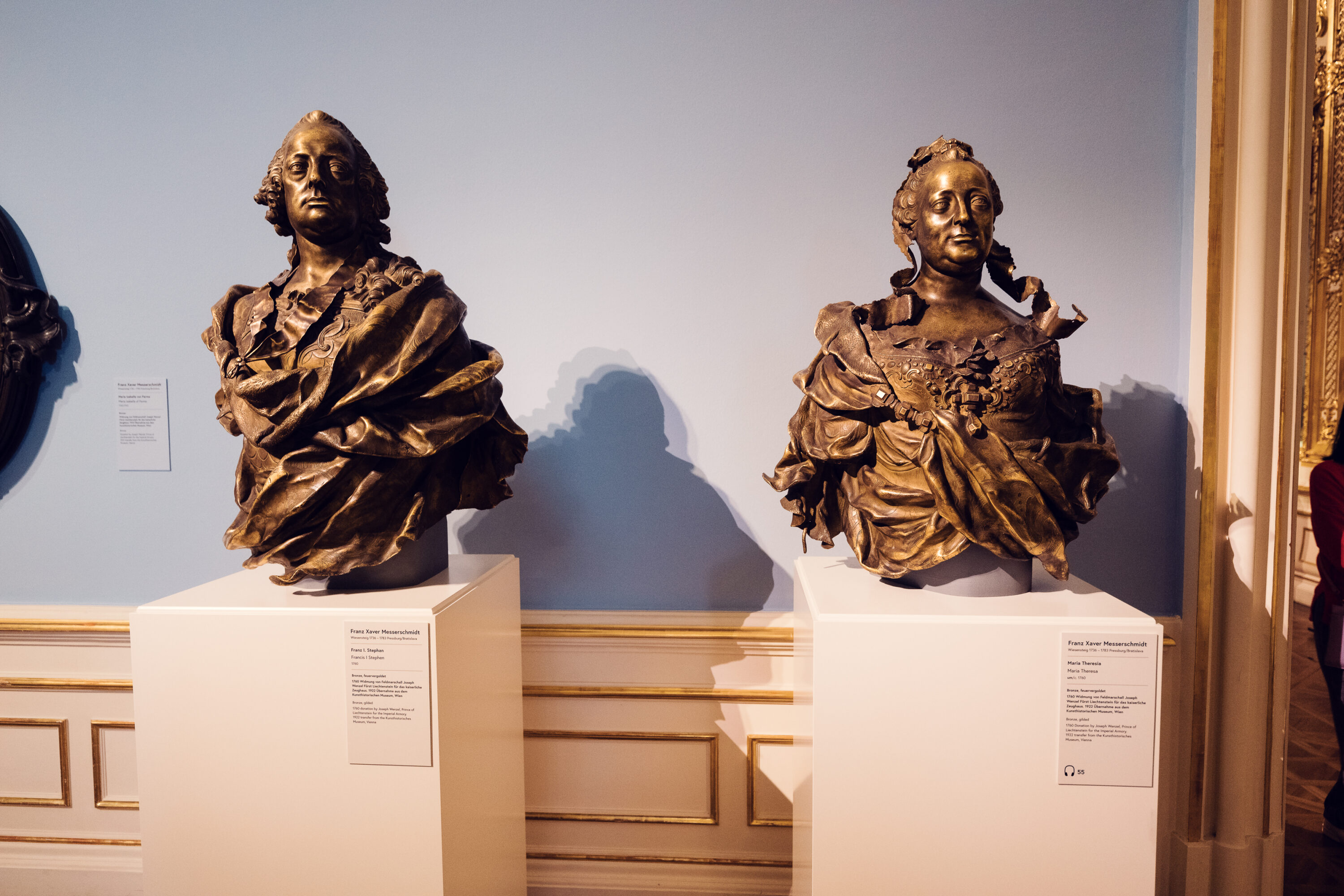
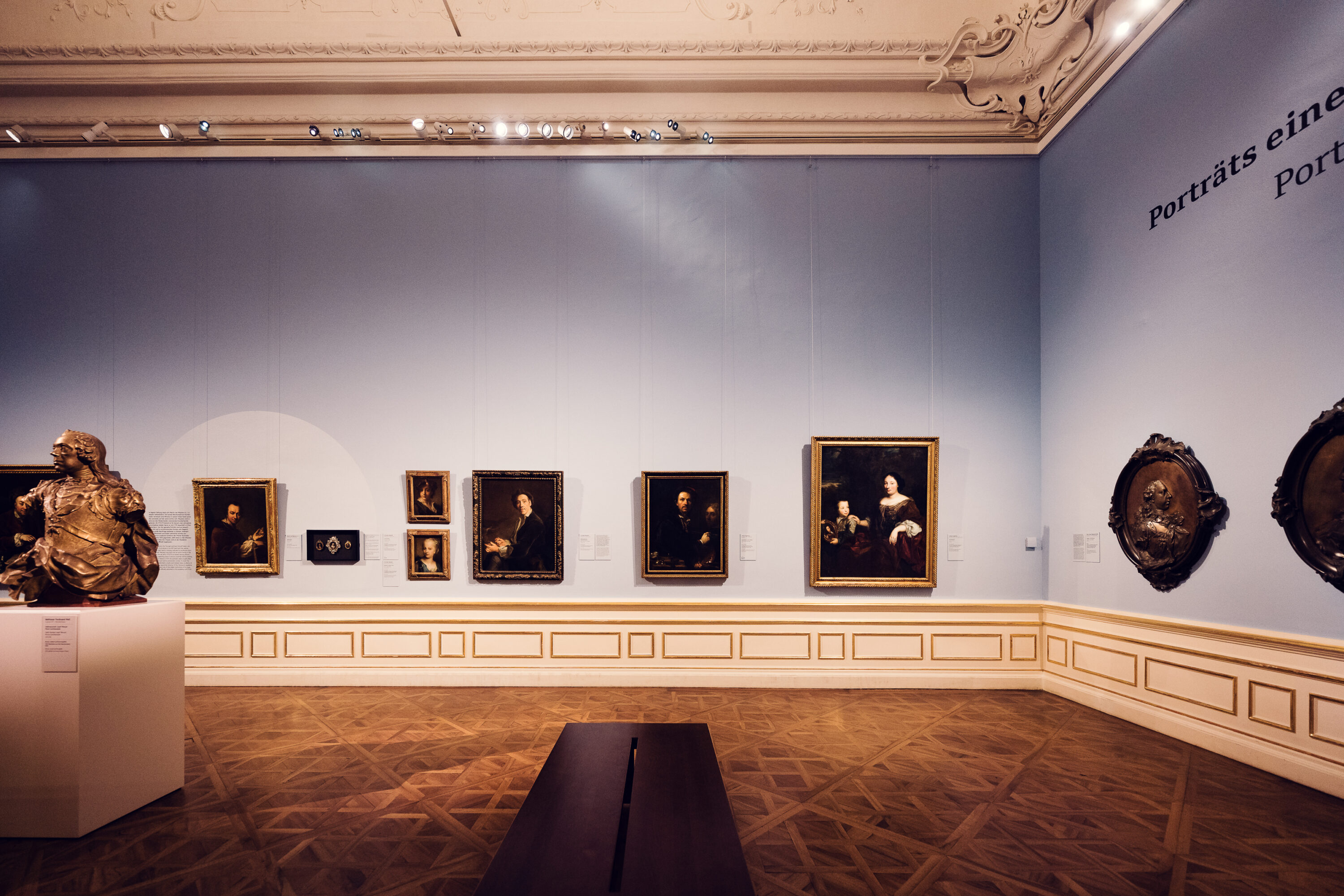
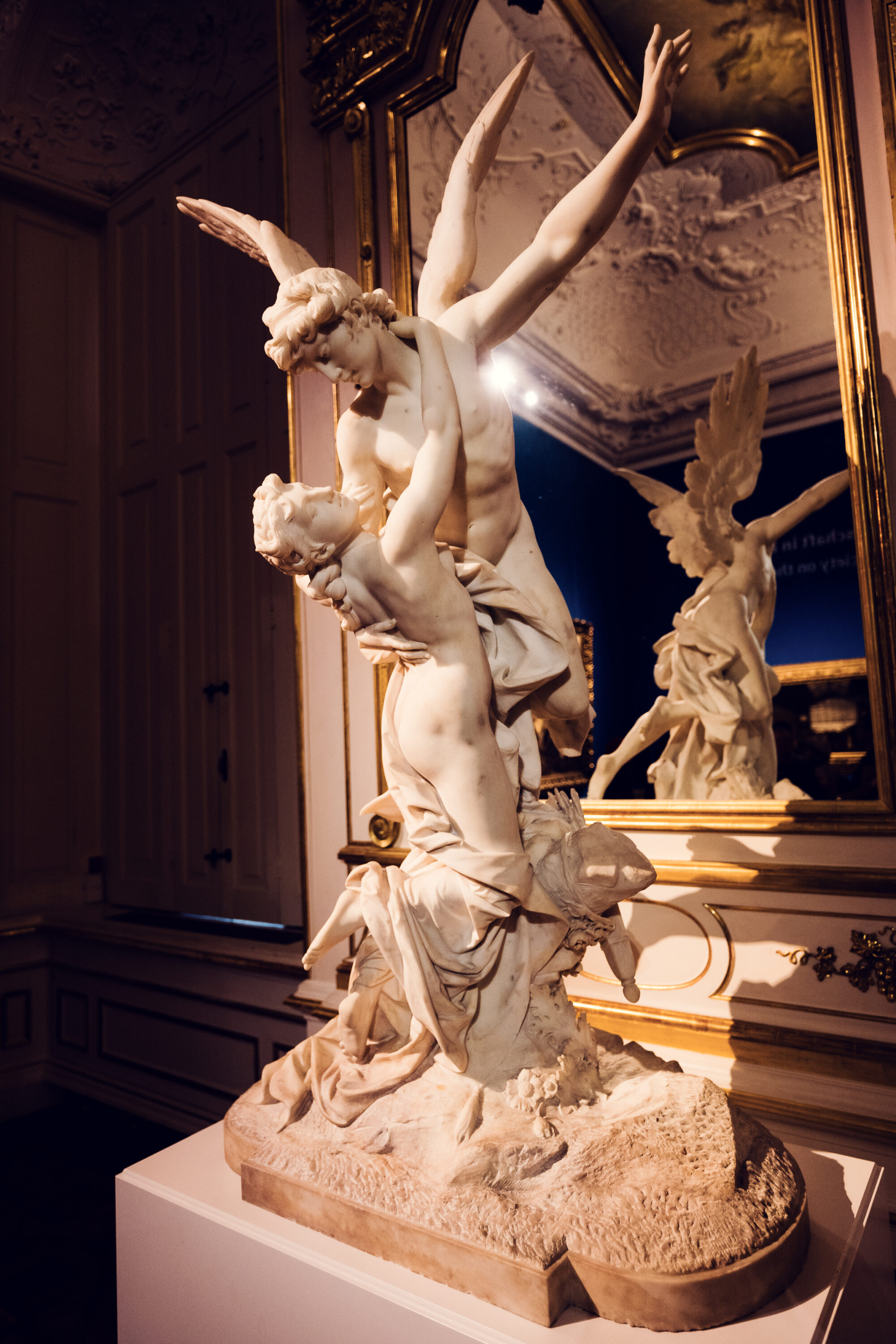
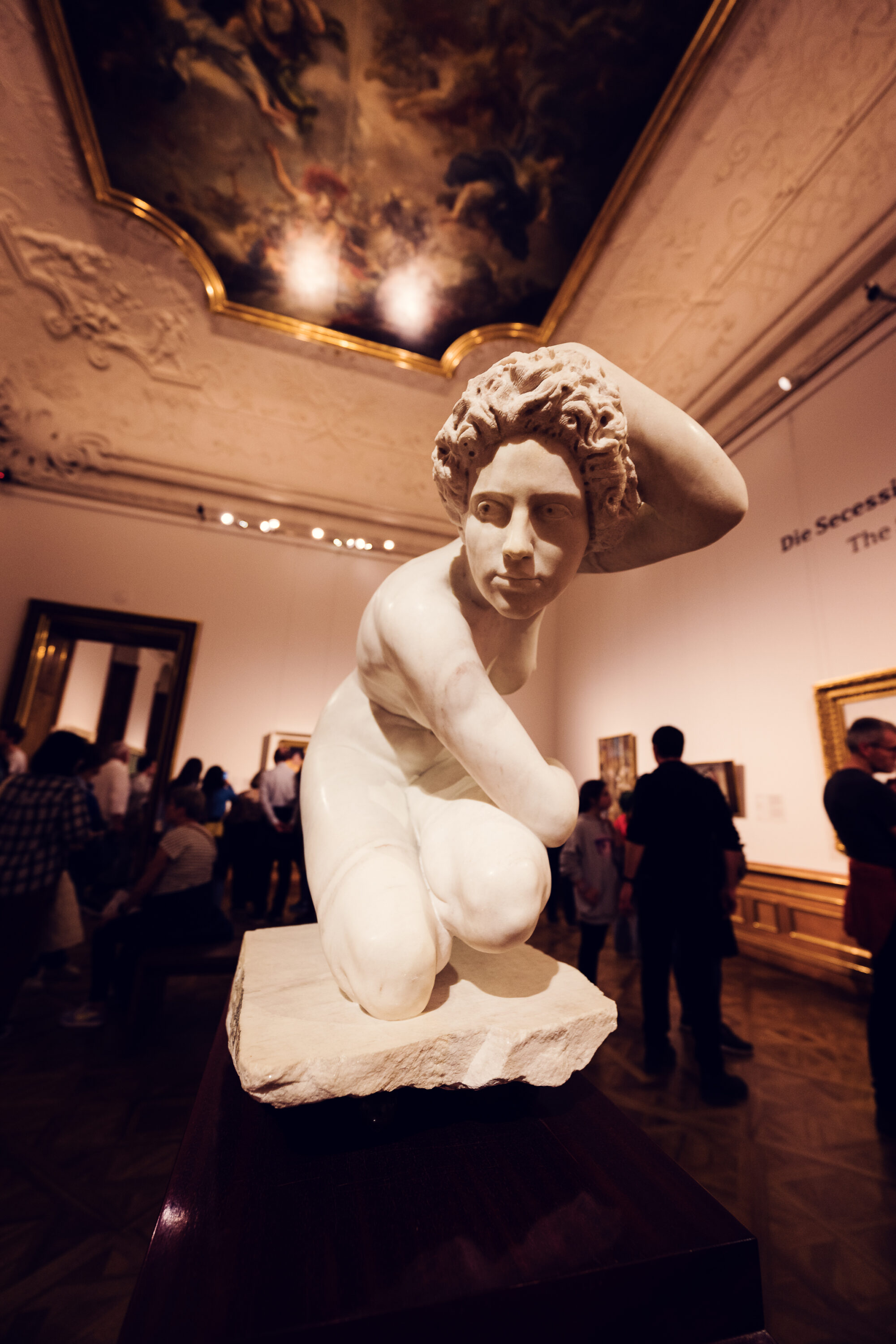
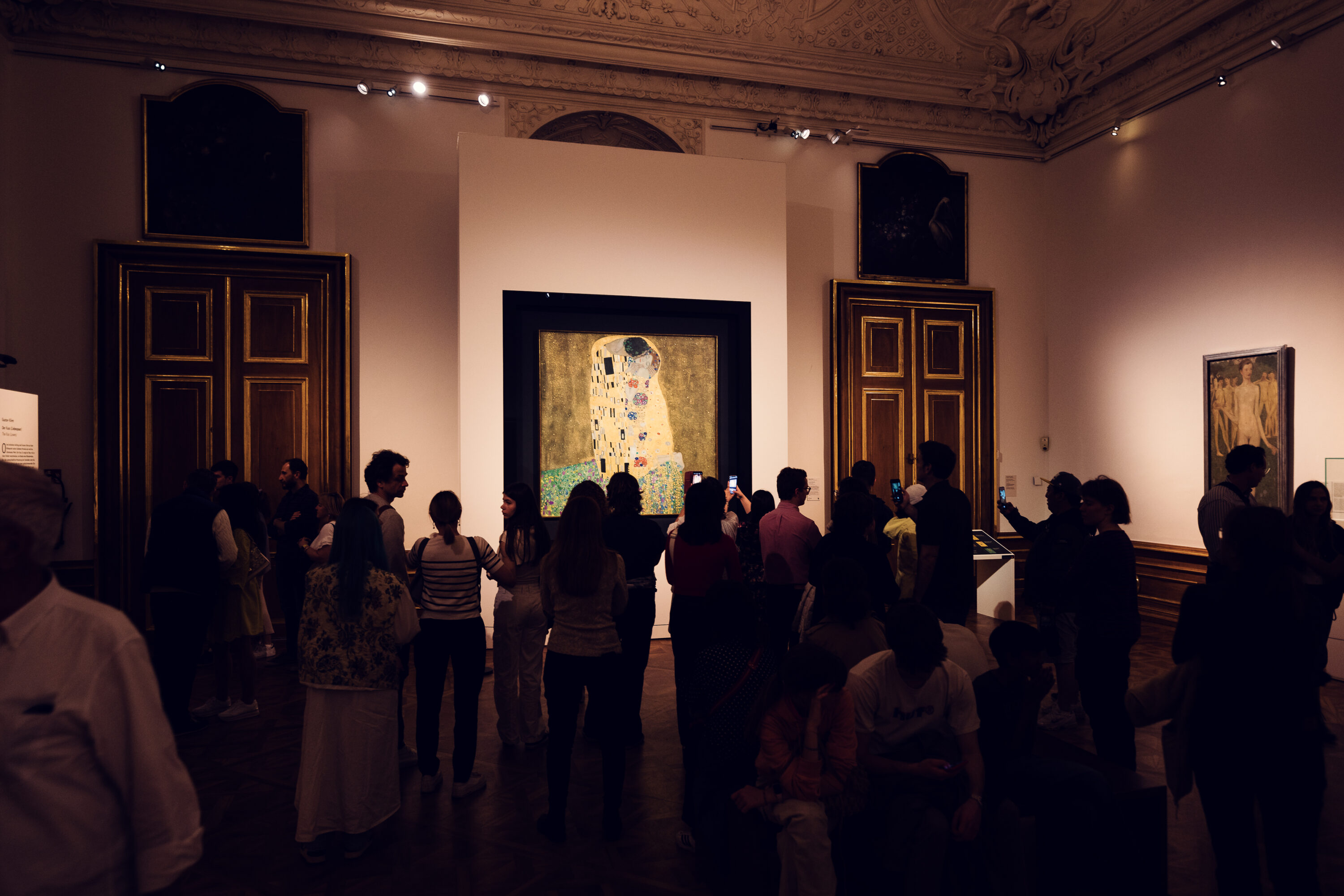
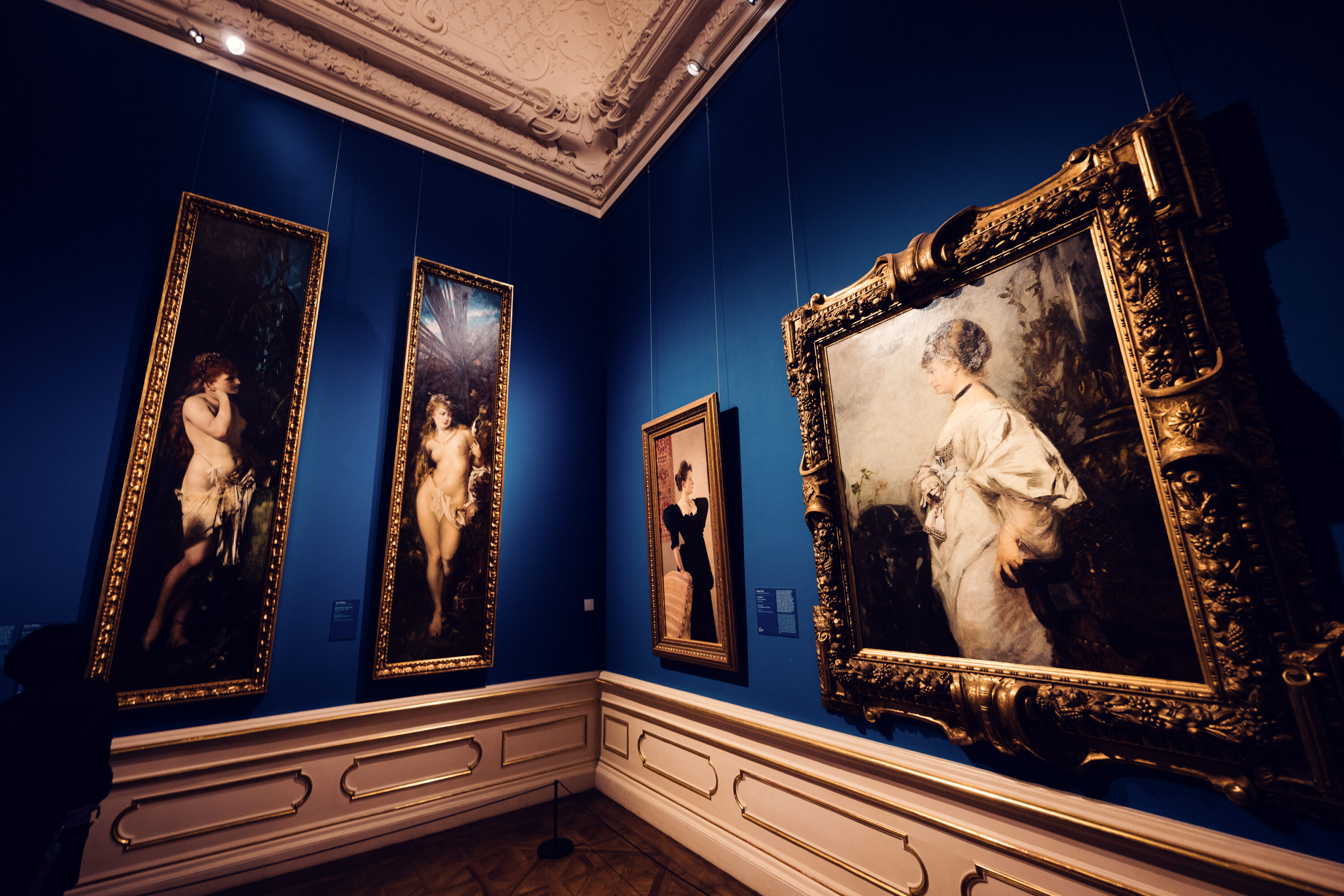
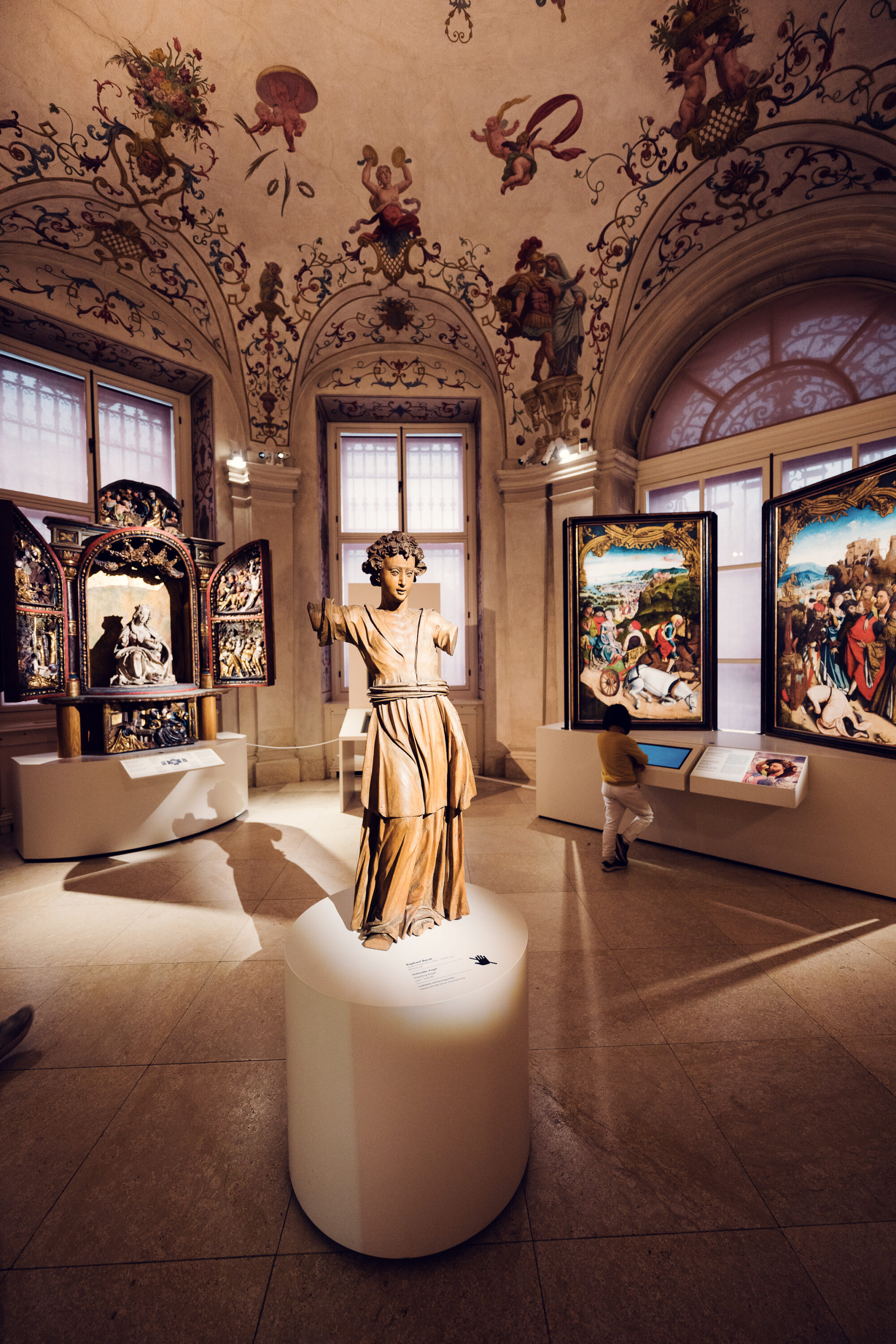
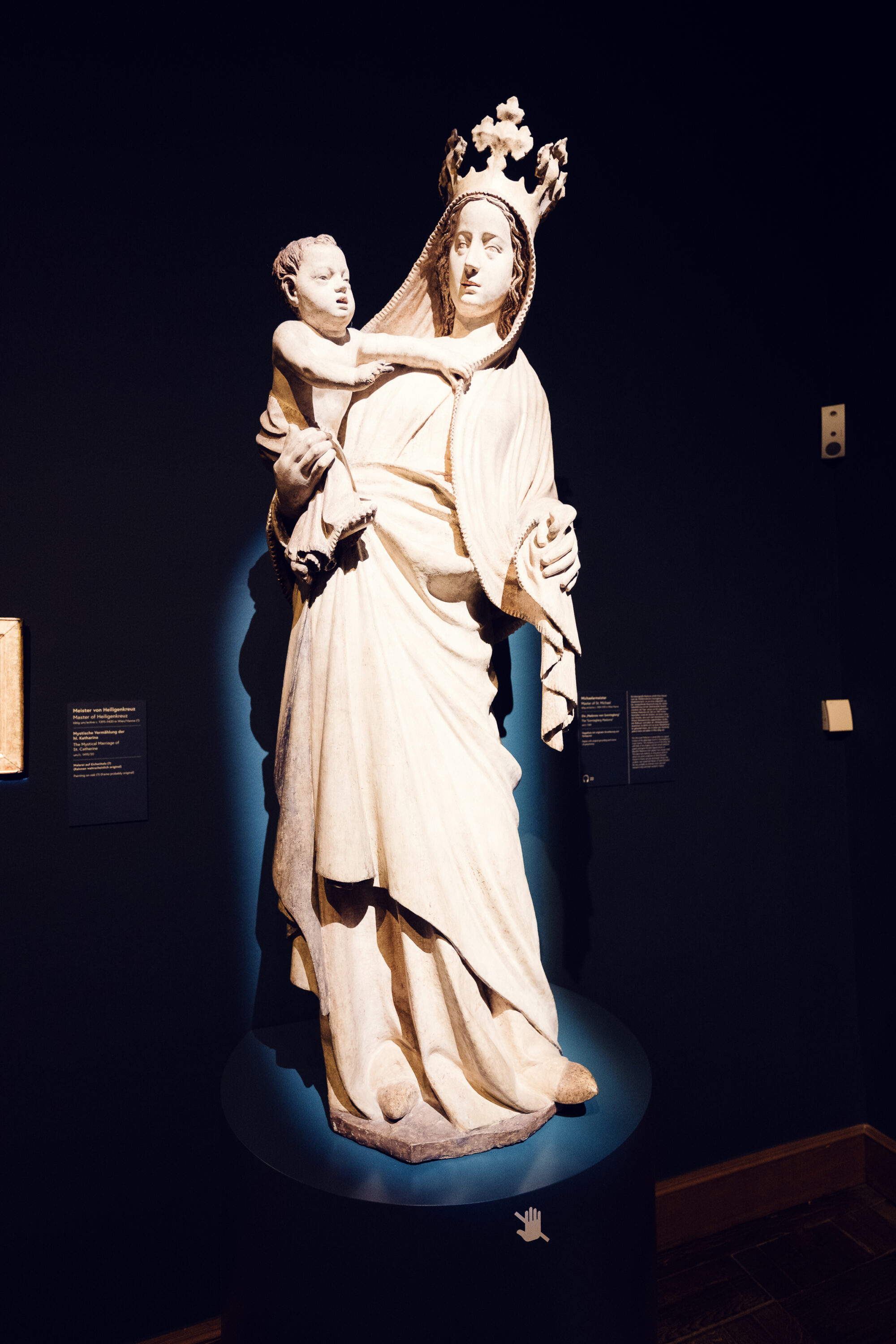
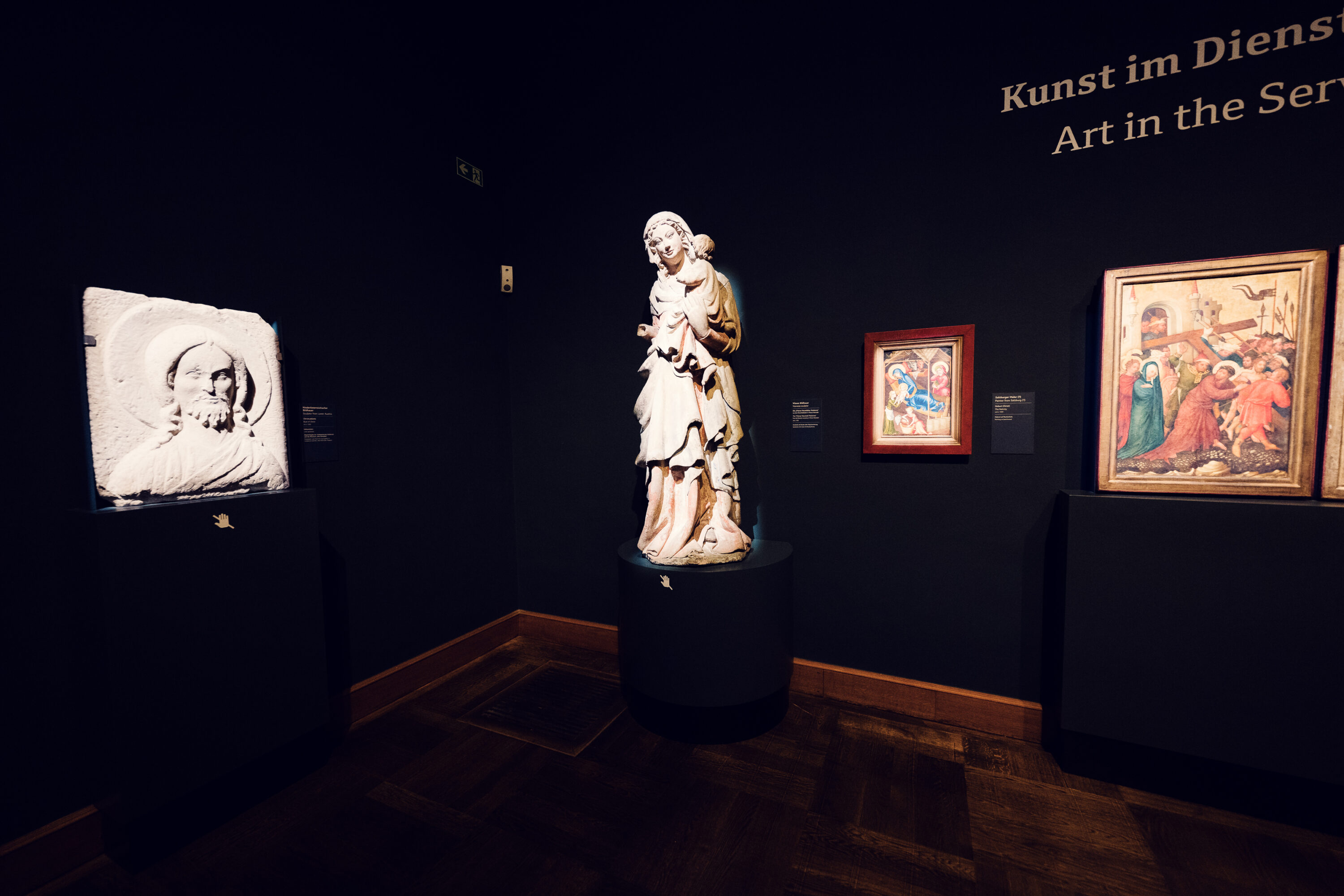
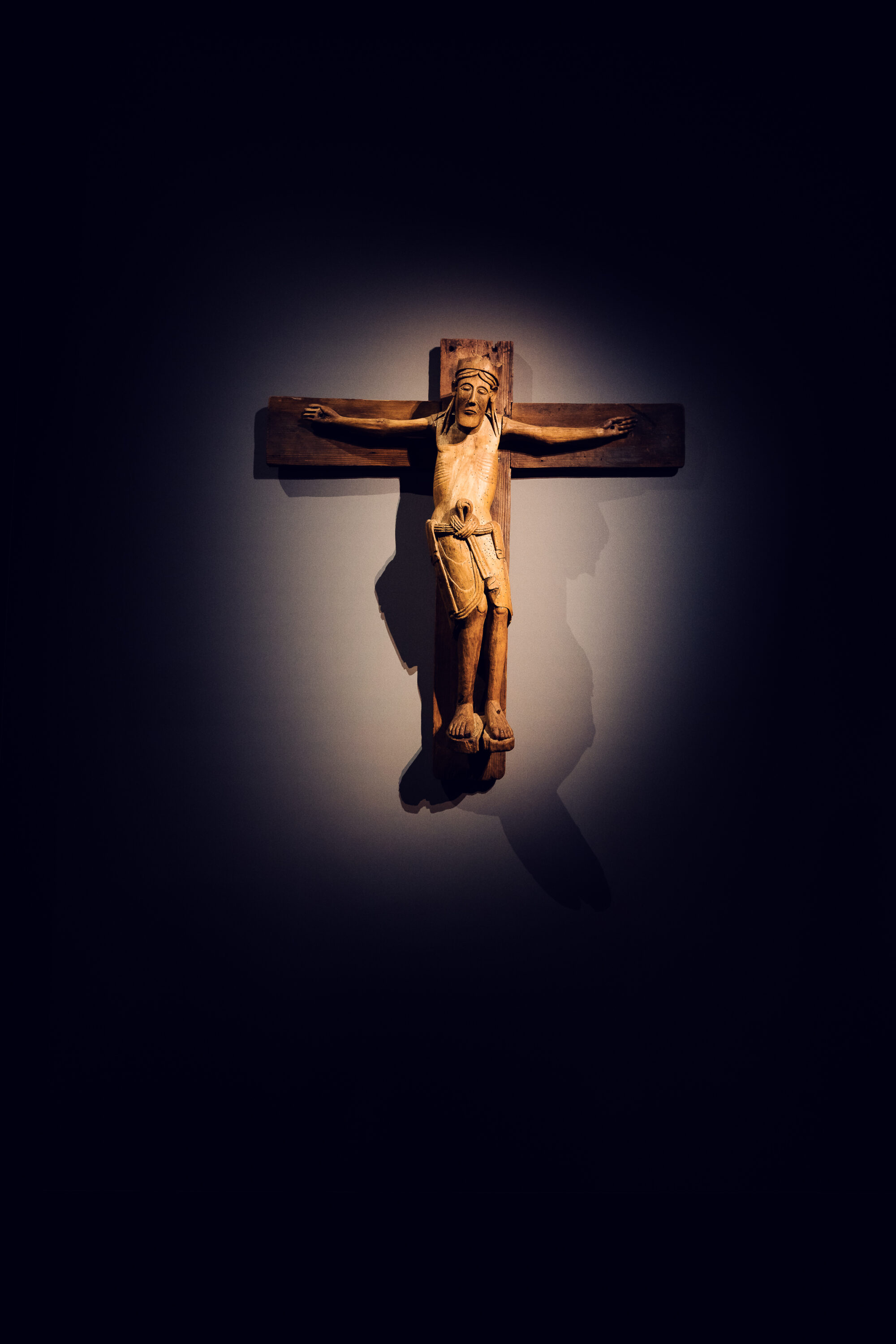
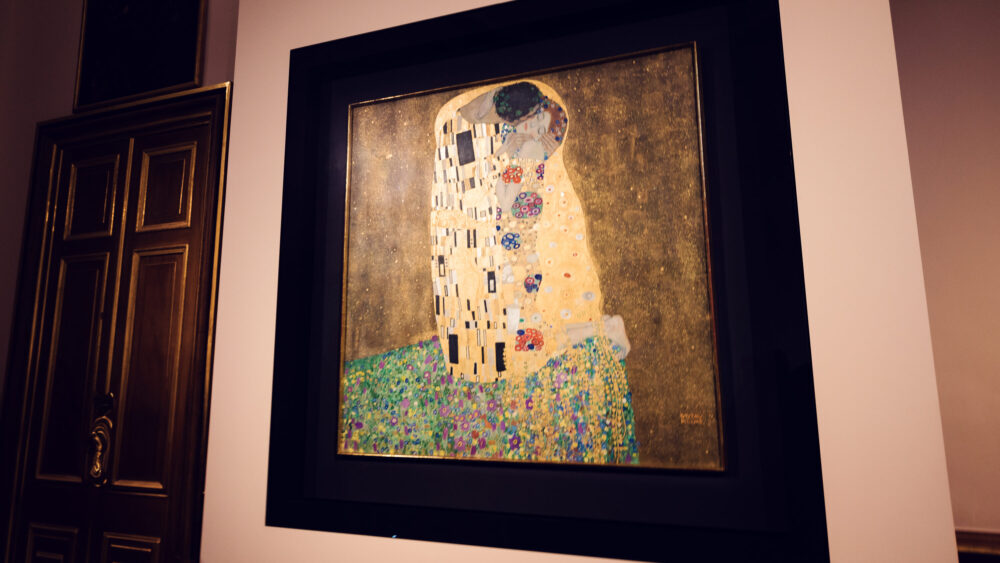
Throughout its history, Belvedere Castle has evolved beyond its original purpose, becoming a cultural landmark. In the 19th century, it served as the residence of Archduke Franz Ferdinand. The castle first opened to the public as the Imperial Picture Gallery in 1781 and, after various changes, resumed its museum role in the 20th century as today’s Österreichische Galerie Belvedere. Today, the Belvedere Museum houses the world's largest collection of Gustav Klimt's paintings, including the famous "The Kiss". The museum's collection spans over five centuries, featuring works from the Middle Ages to contemporary art, cementing its status as a pivotal cultural institution in Vienna.
The Gardens: A Baroque Masterpiece
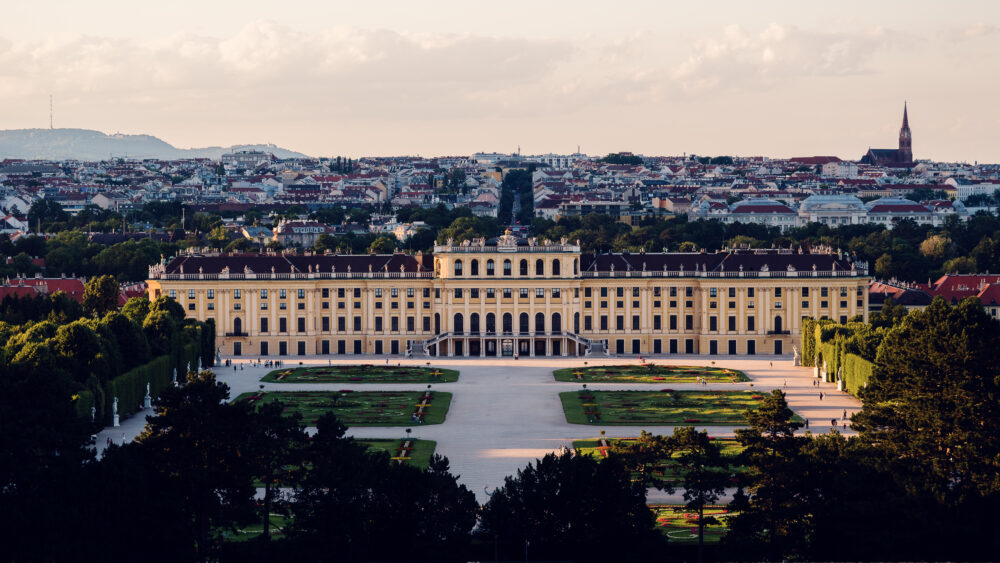
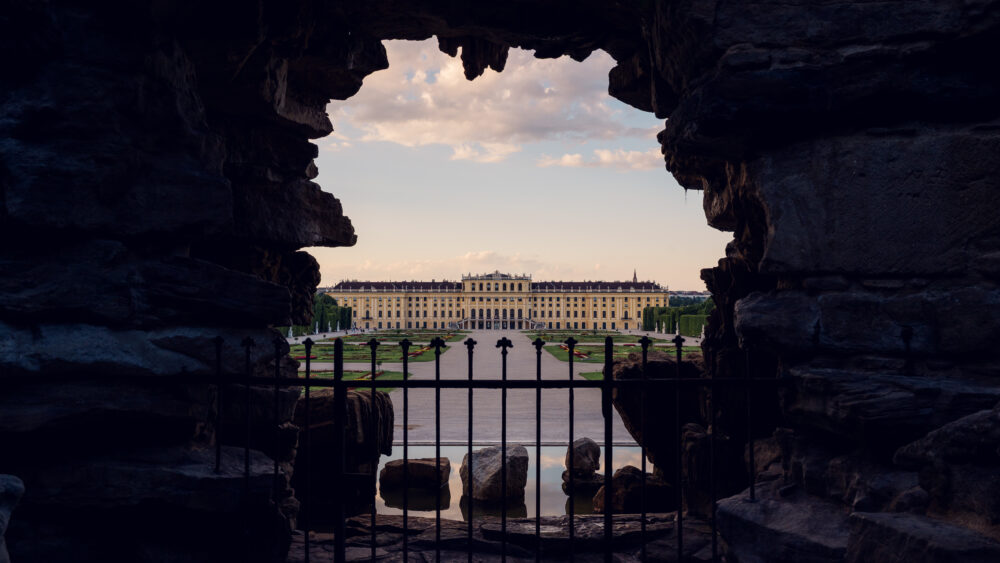
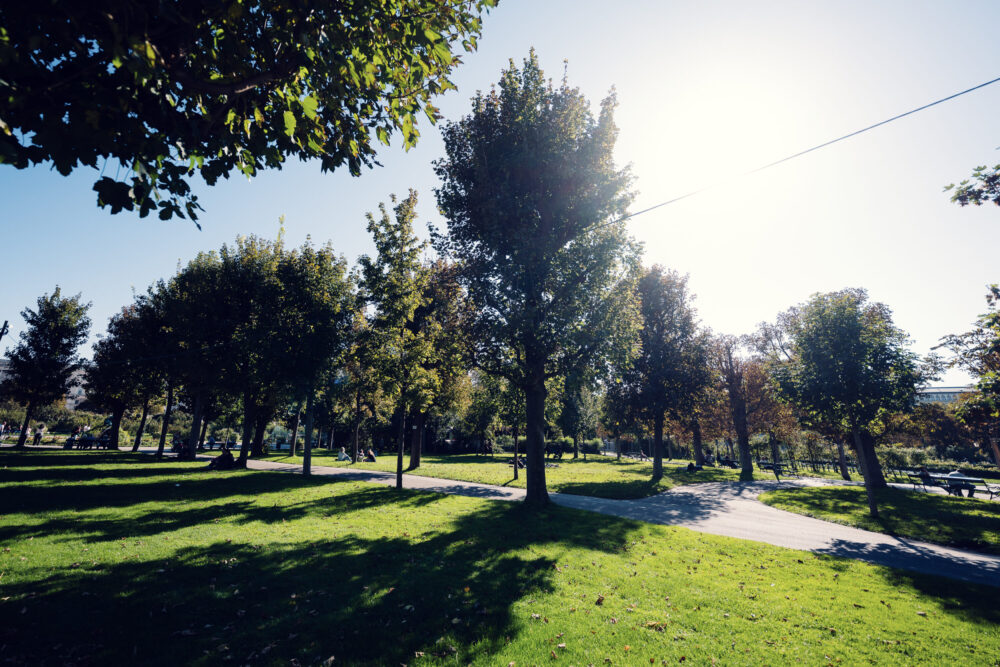
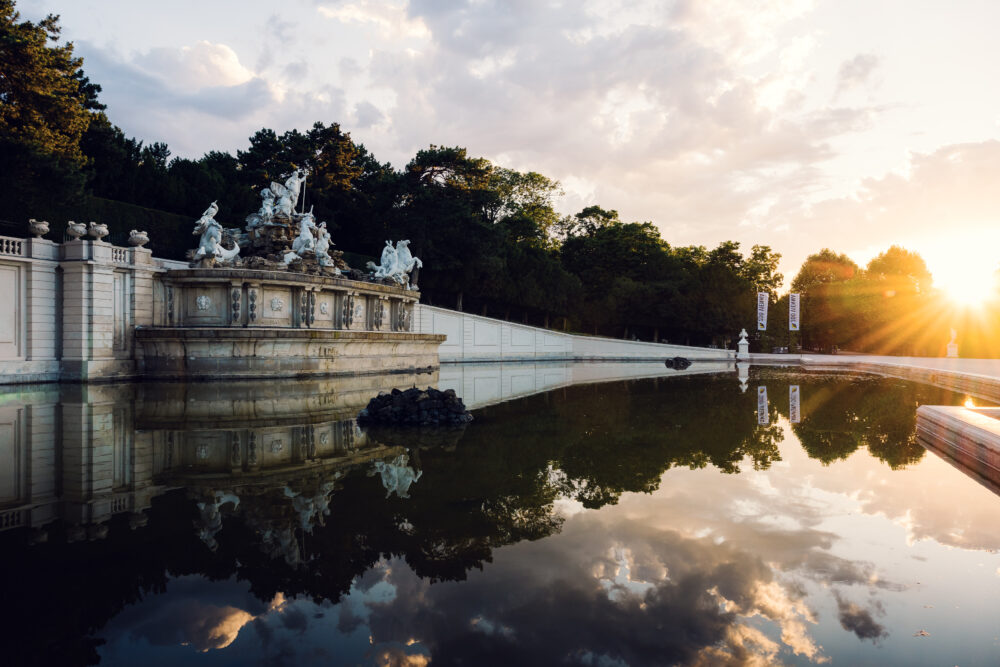
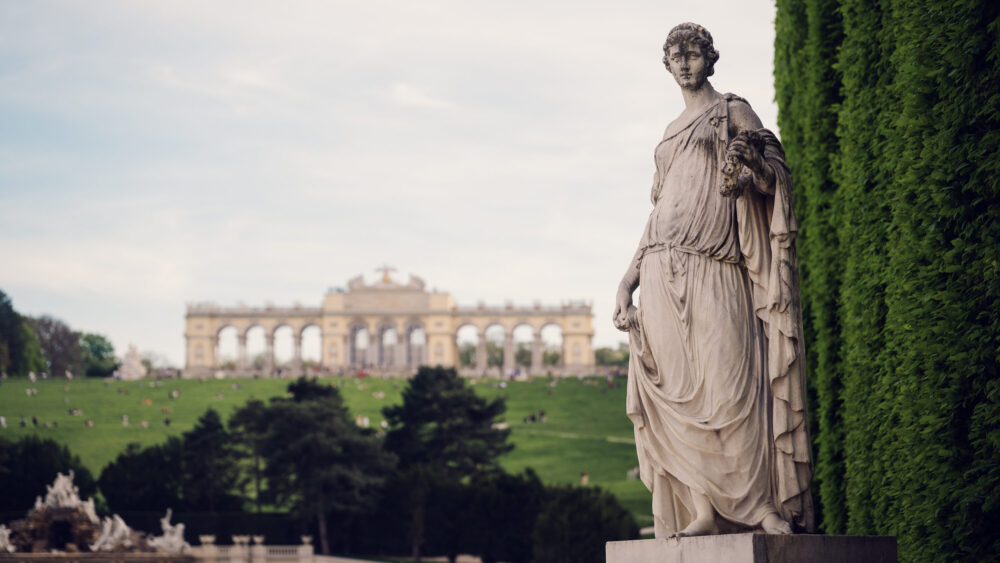
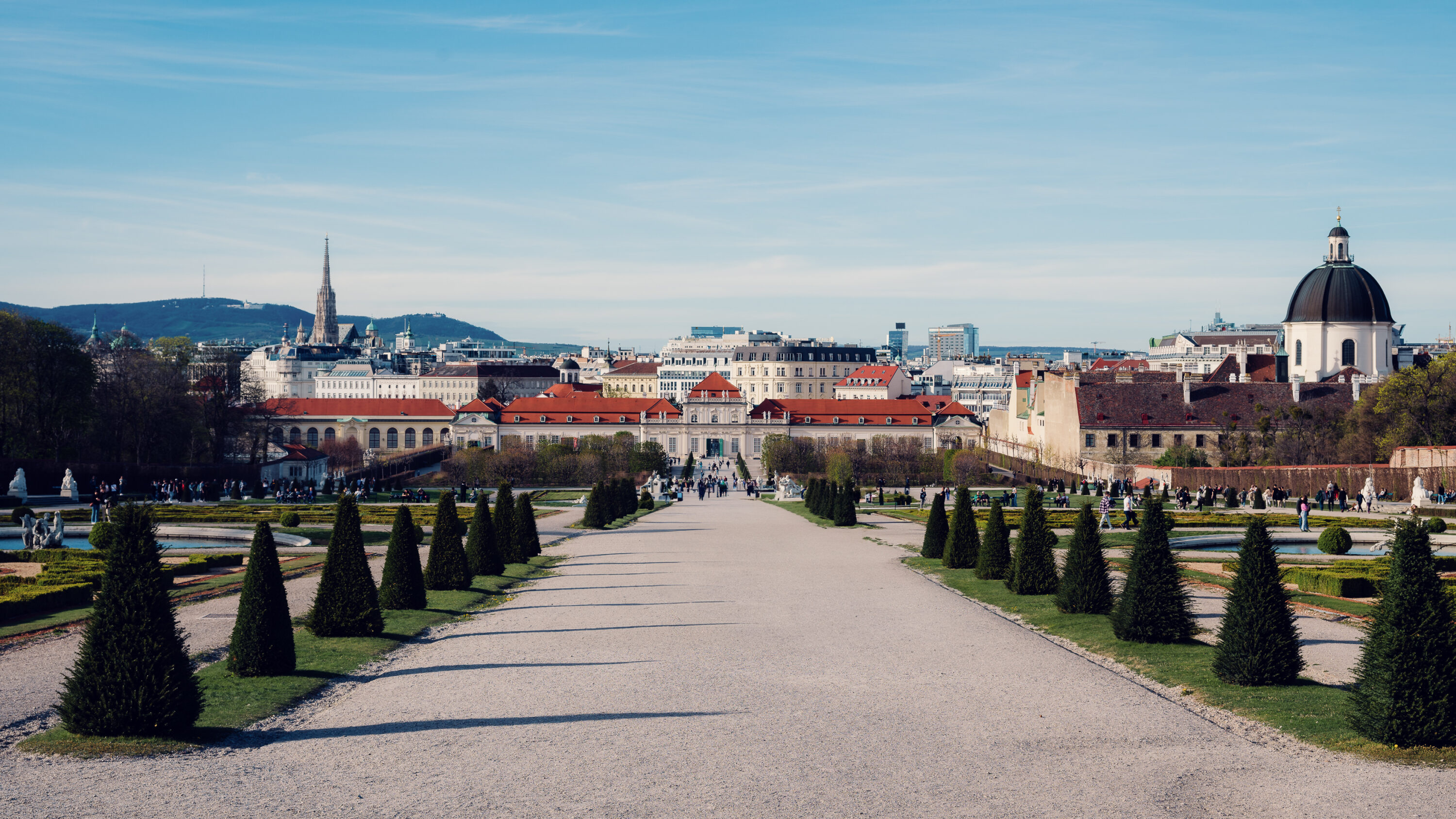
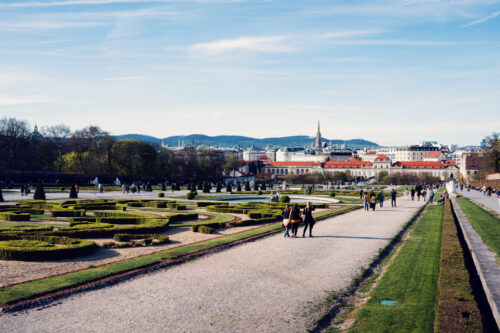
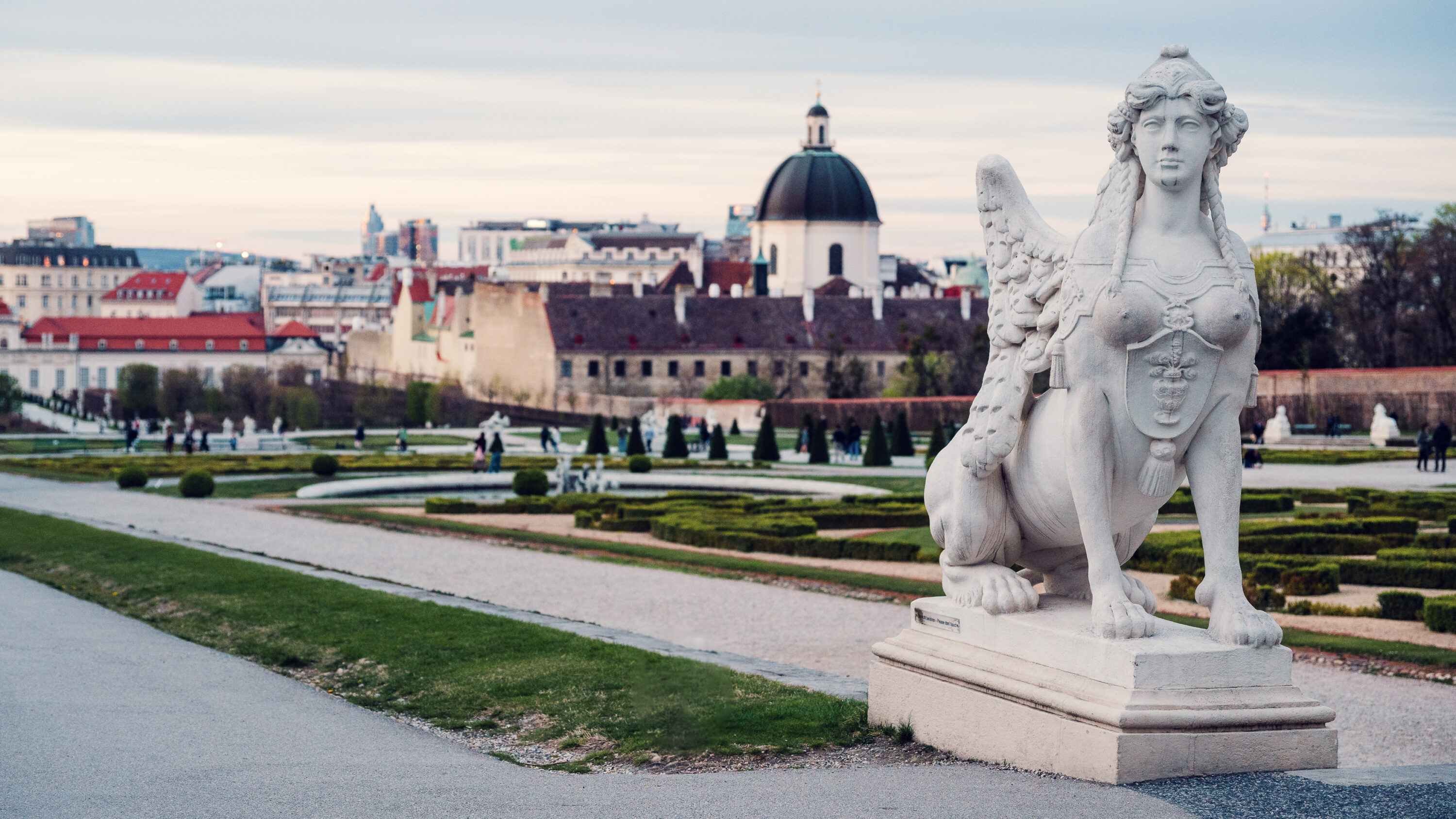
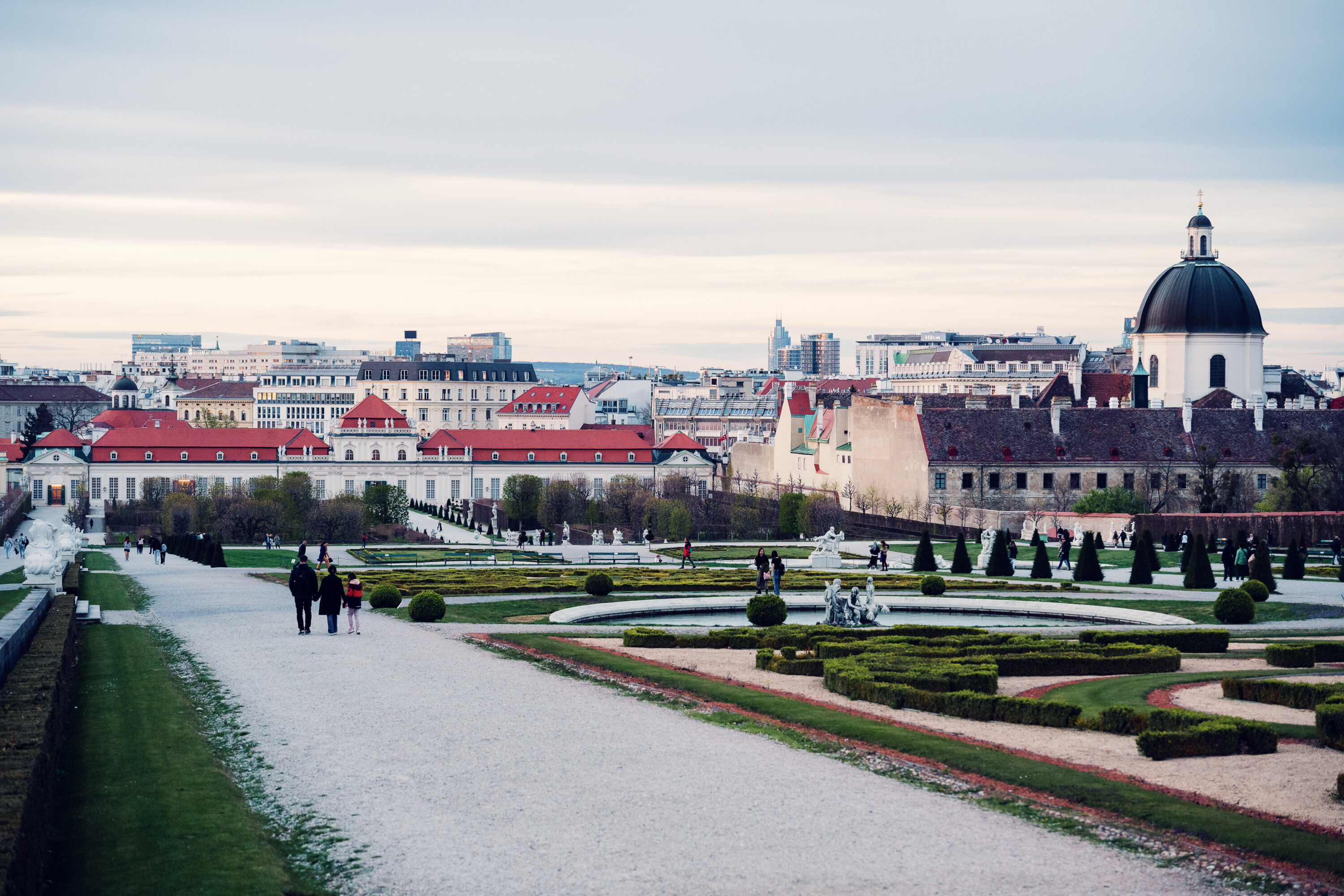
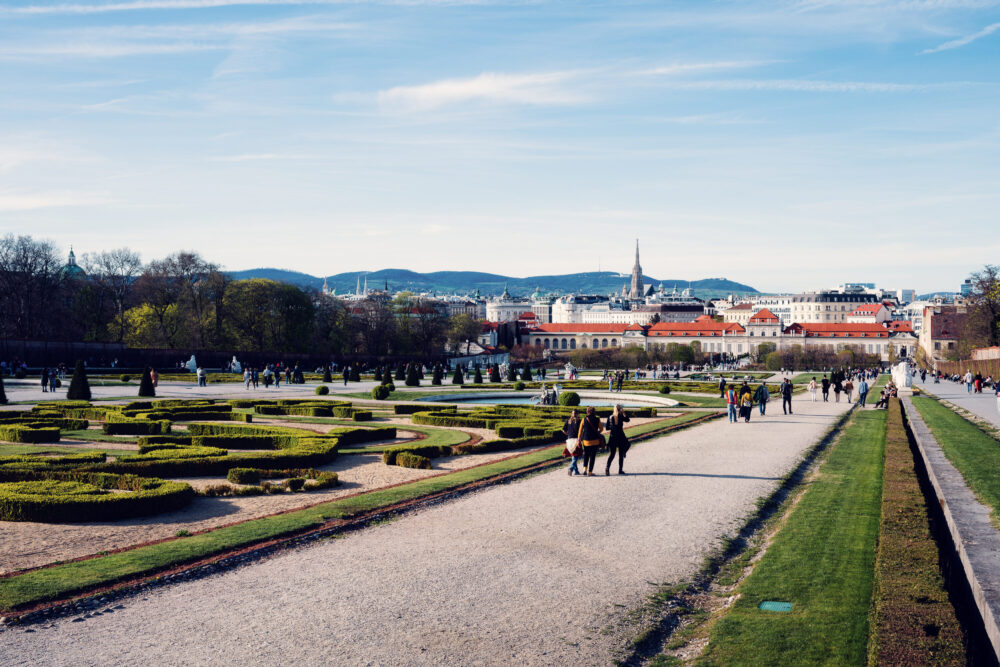
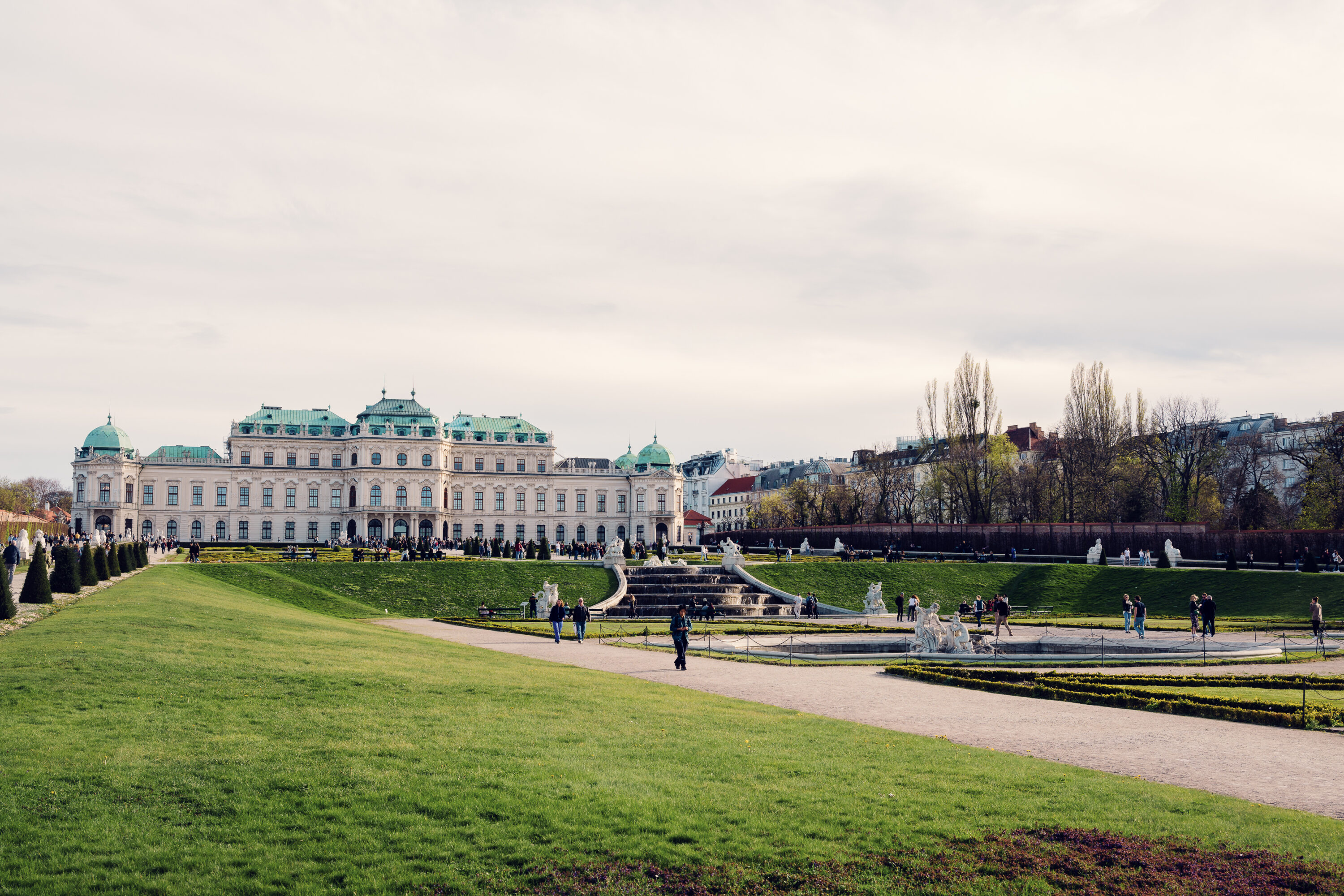
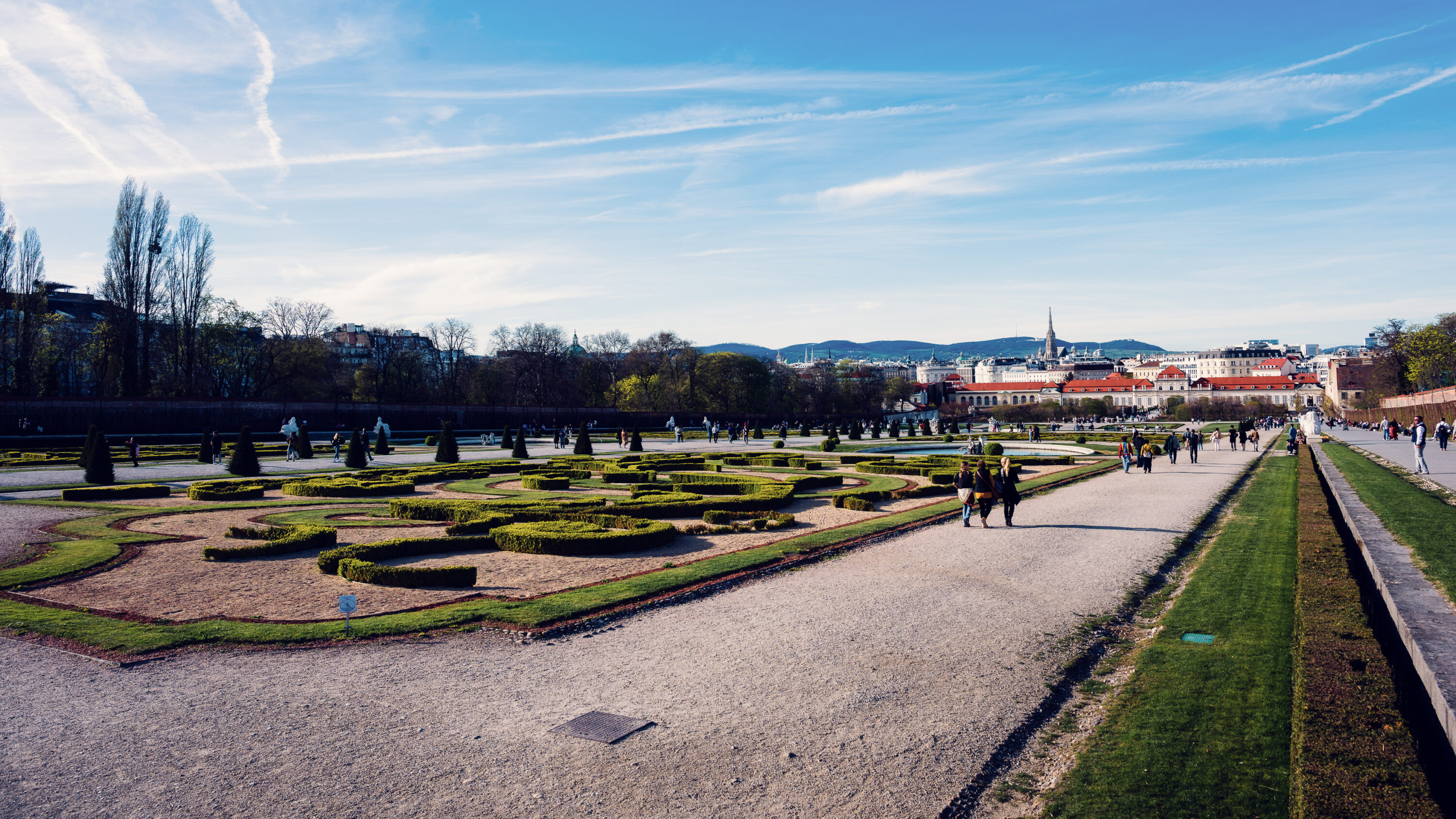
The gardens of the Belvedere Castle, designed by garden architect Dominique Girard, are as vital to the castles's charm as its architecture. Reflecting the Baroque style, the gardens are neatly arranged with geometric patterns, fountains, parterres, and sculptures that add to their beauty. These gardens were symbols of power and prestige, providing a tranquil retreat from the city's hustle and bustle.
Belvedere Castle Today
Today, the Belvedere Castle stands as a testament to the enduring appeal of Baroque art and architecture, attracting visitors from around the world. Its role as a museum allows it to continue its legacy of cultural enrichment, offering insights into Austria's artistic heritage.