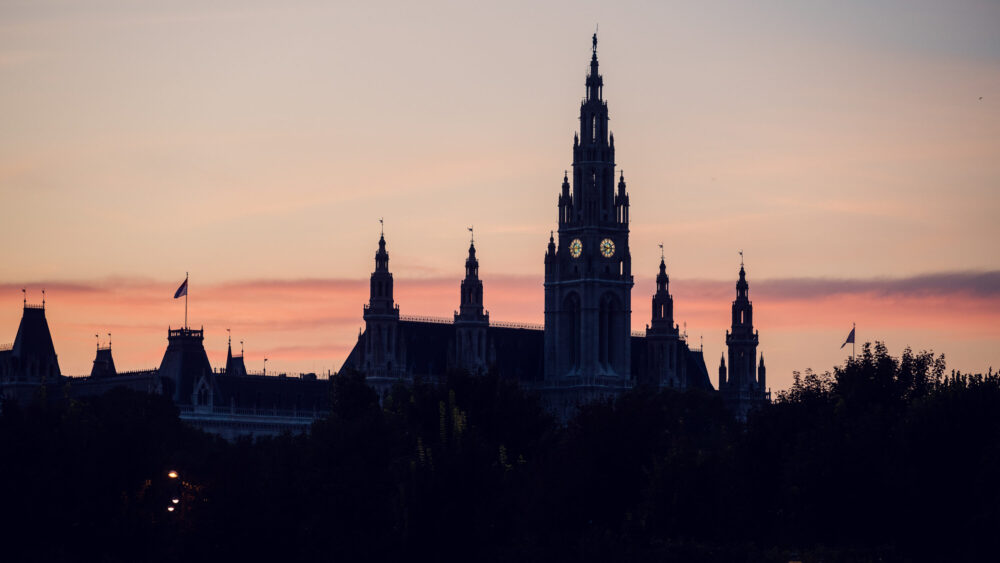


Imperial Vienna was the seat of one of Europe’s most powerful empires, and its influence is still visible in the city’s most remarkable landmarks. Each location on this list reflects a different facet of imperial life - political power, artistic ambition, architectural grandeur, and ceremonial tradition.
Some sites impress with sheer scale and opulence, others with quiet symbolism and refined detail. Together, they offer insight into how the empire expressed itself - through design, ritual, and a lasting sense of structure and grace. Exploring these places reveals the city’s rich past, along with the elegance and purpose that still influence its present.
Together, these ten sites offer a vivid and memorable way to experience Vienna’s imperial identity – a journey that brings the spirit of Imperial Vienna to life in striking and meaningful ways.
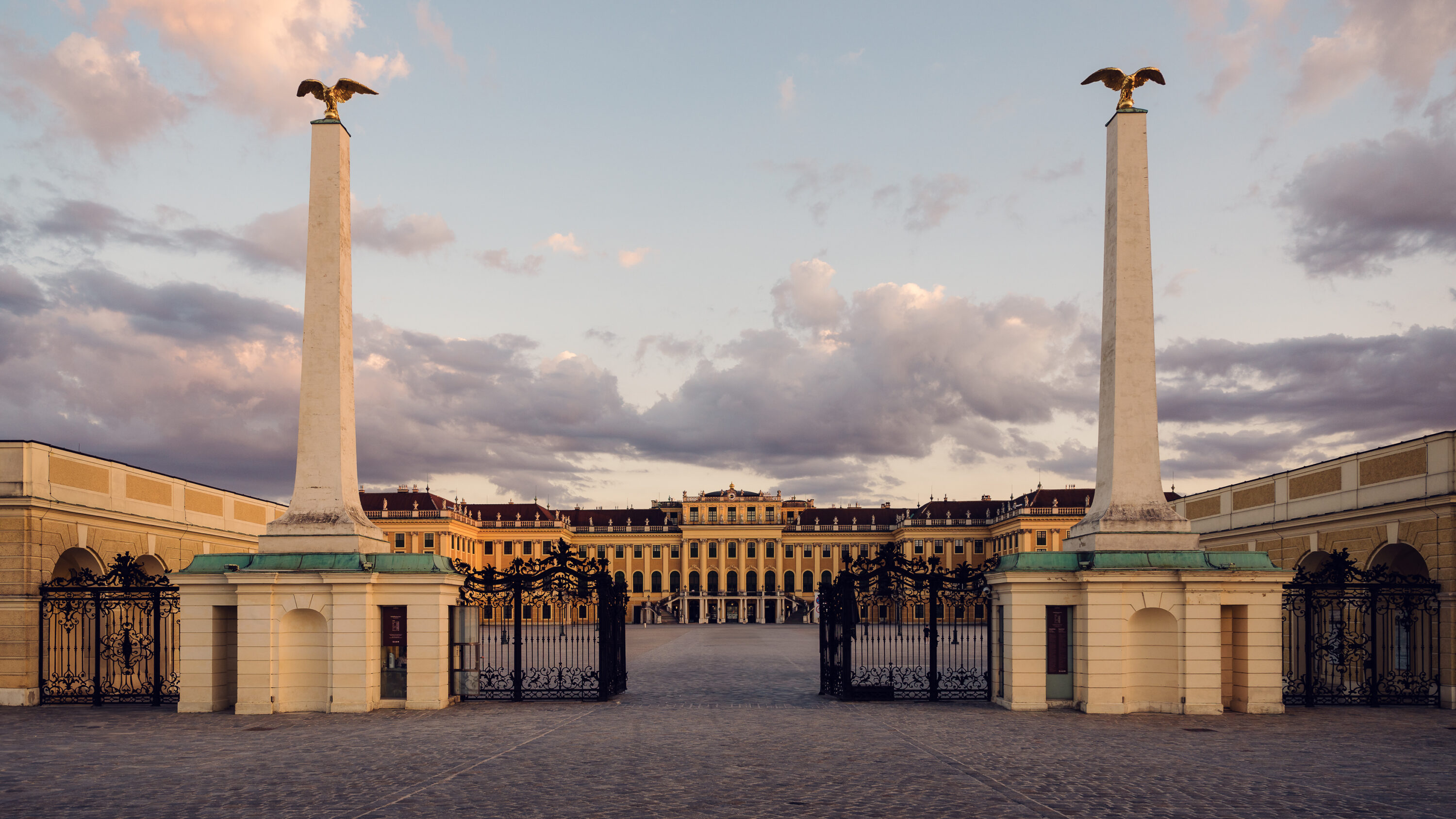
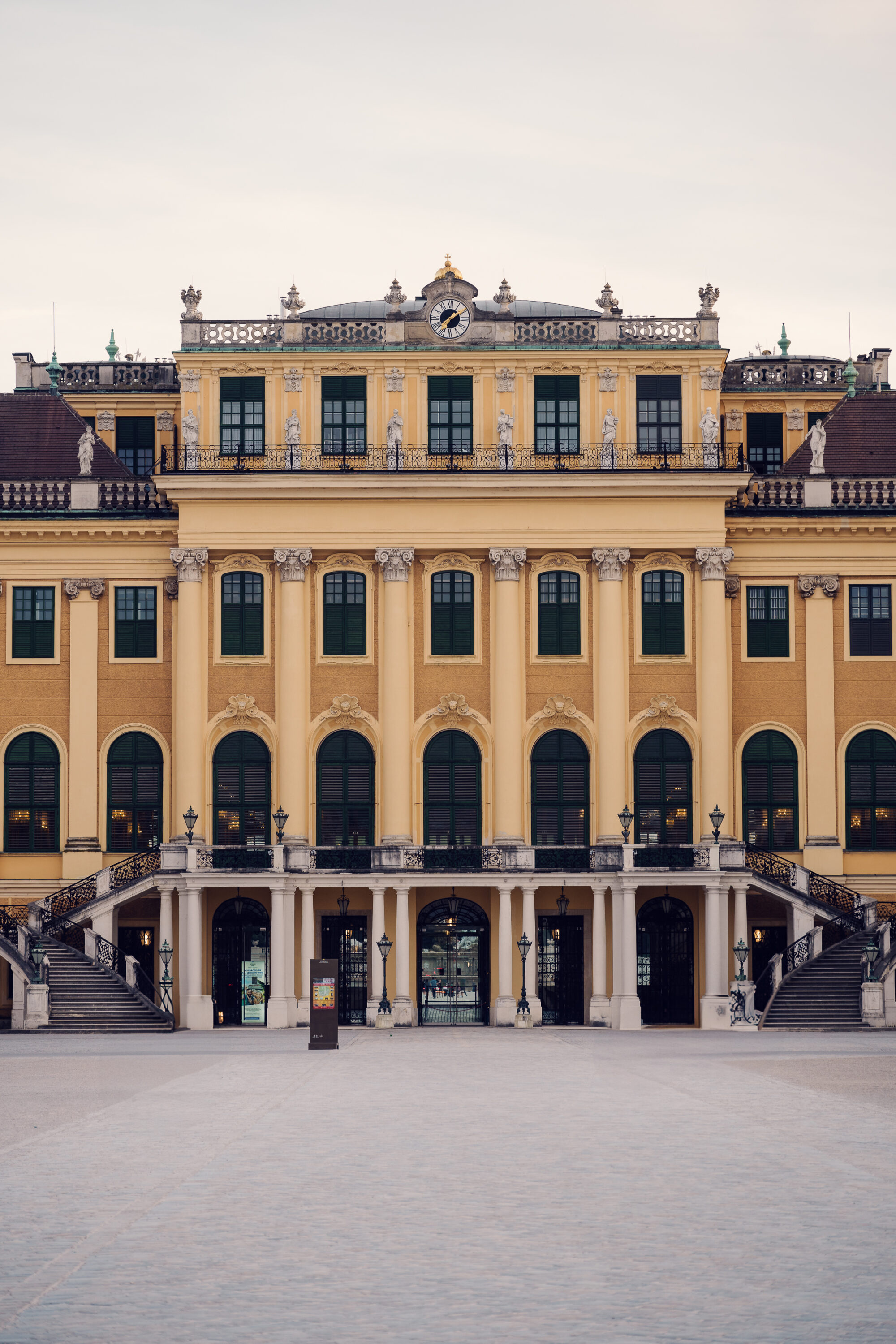
1. Schönbrunn Palace
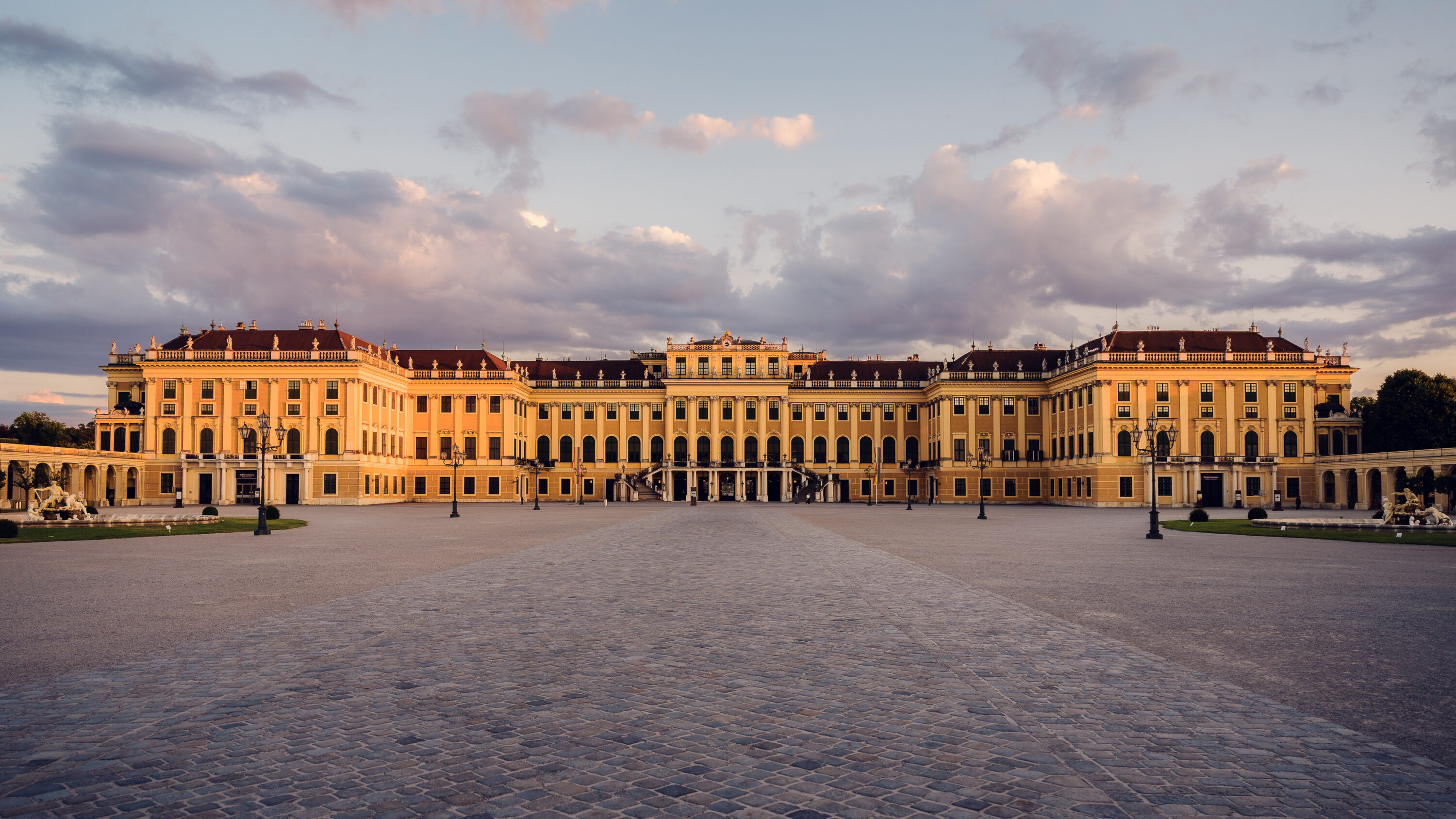
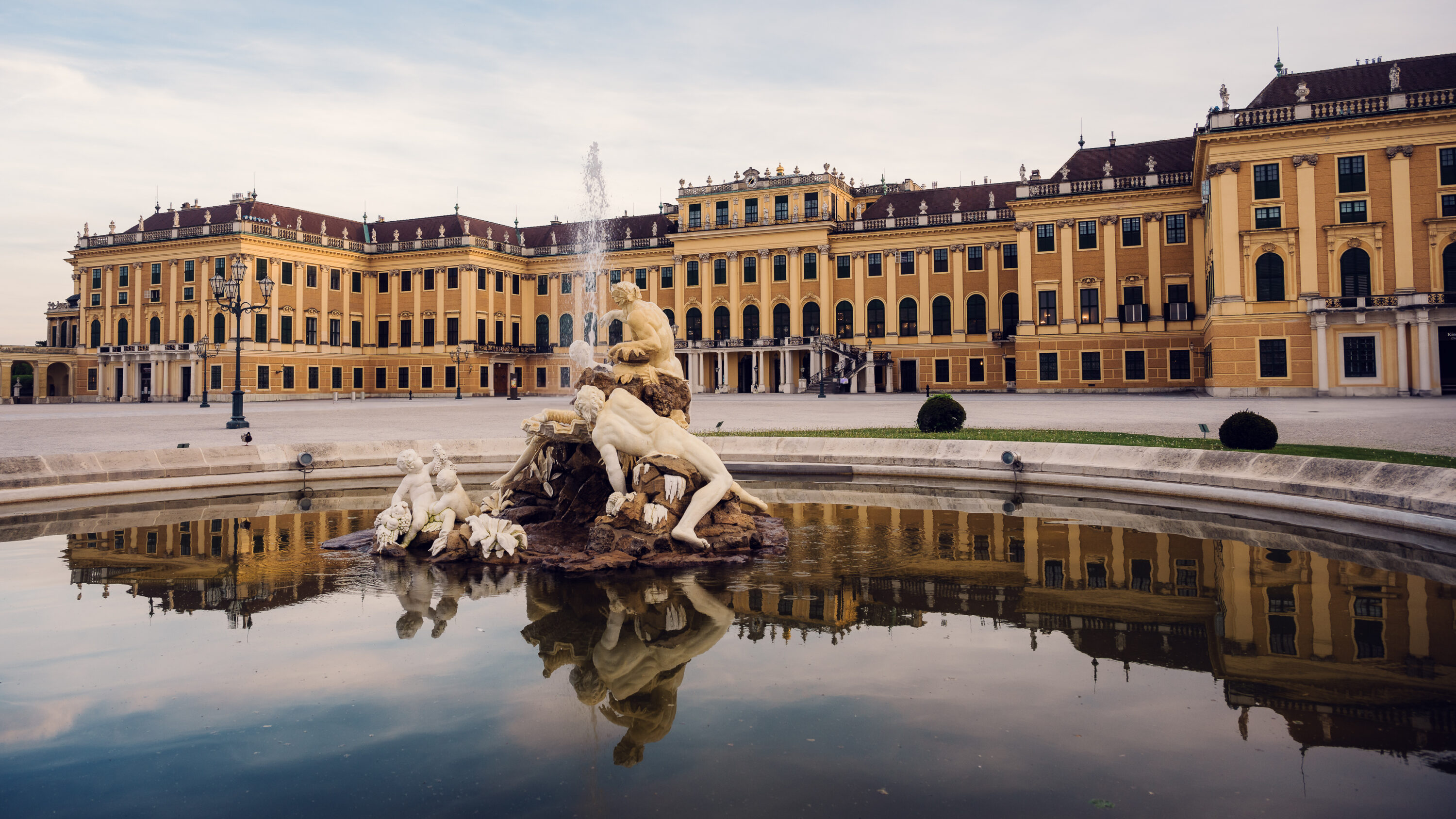
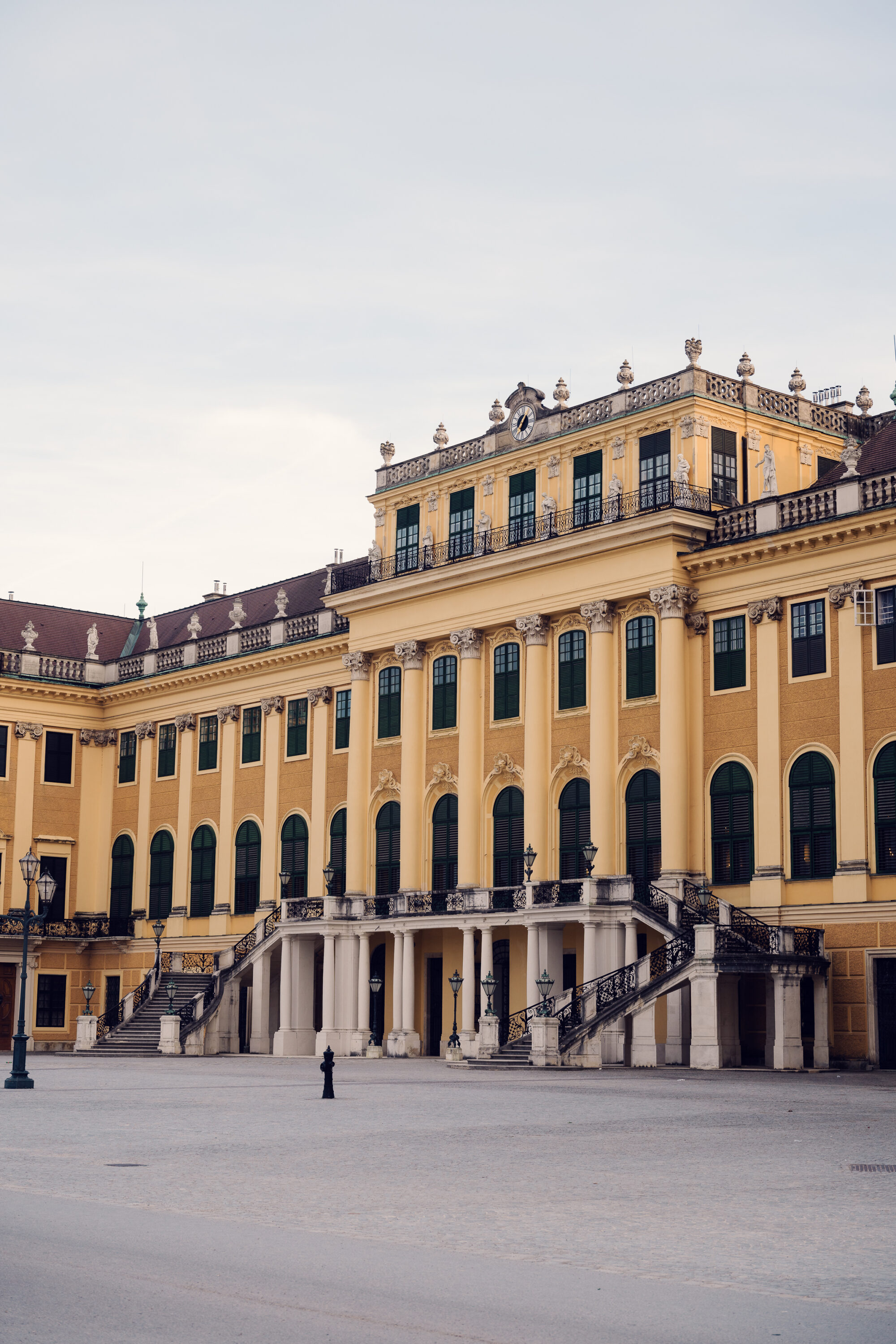
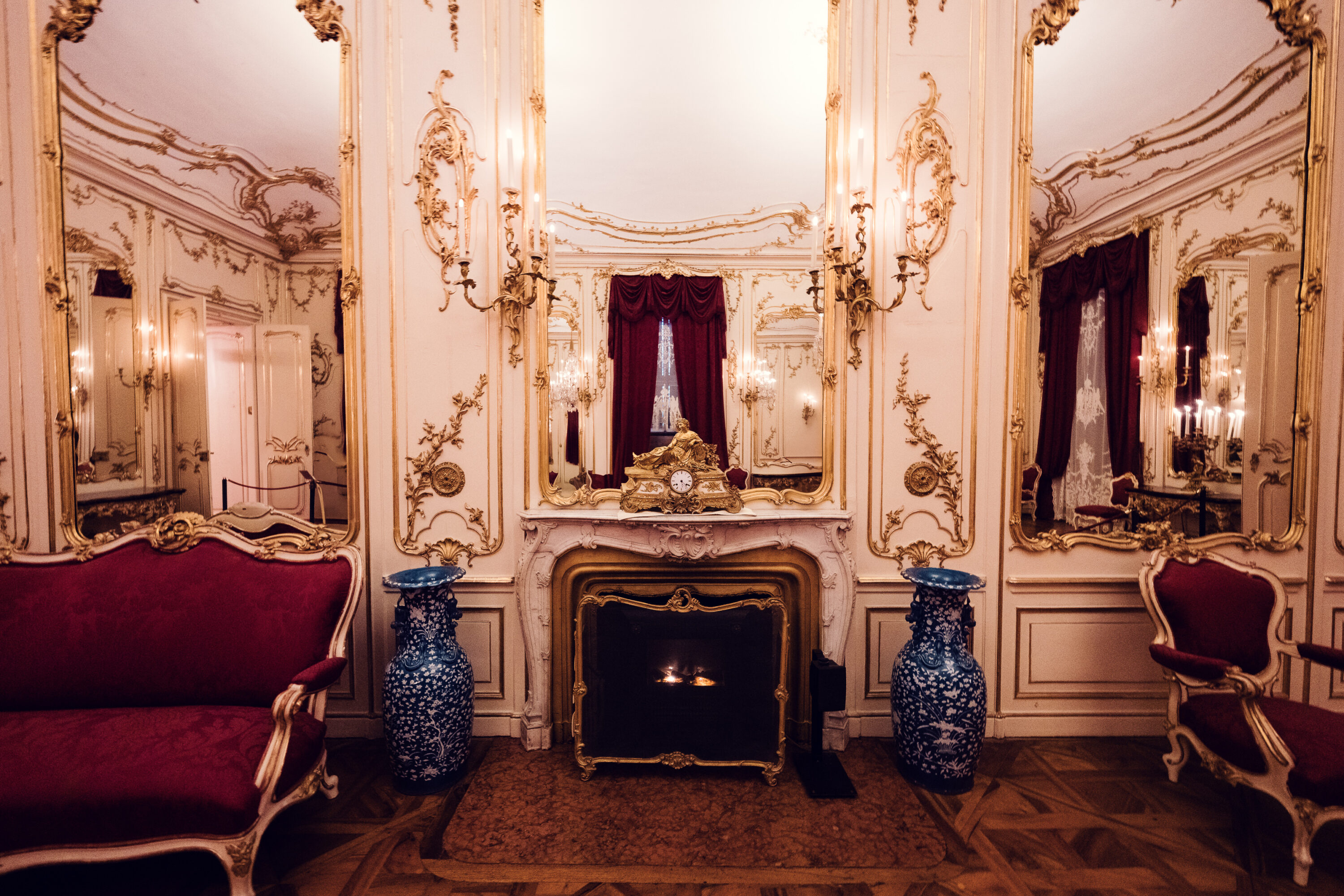
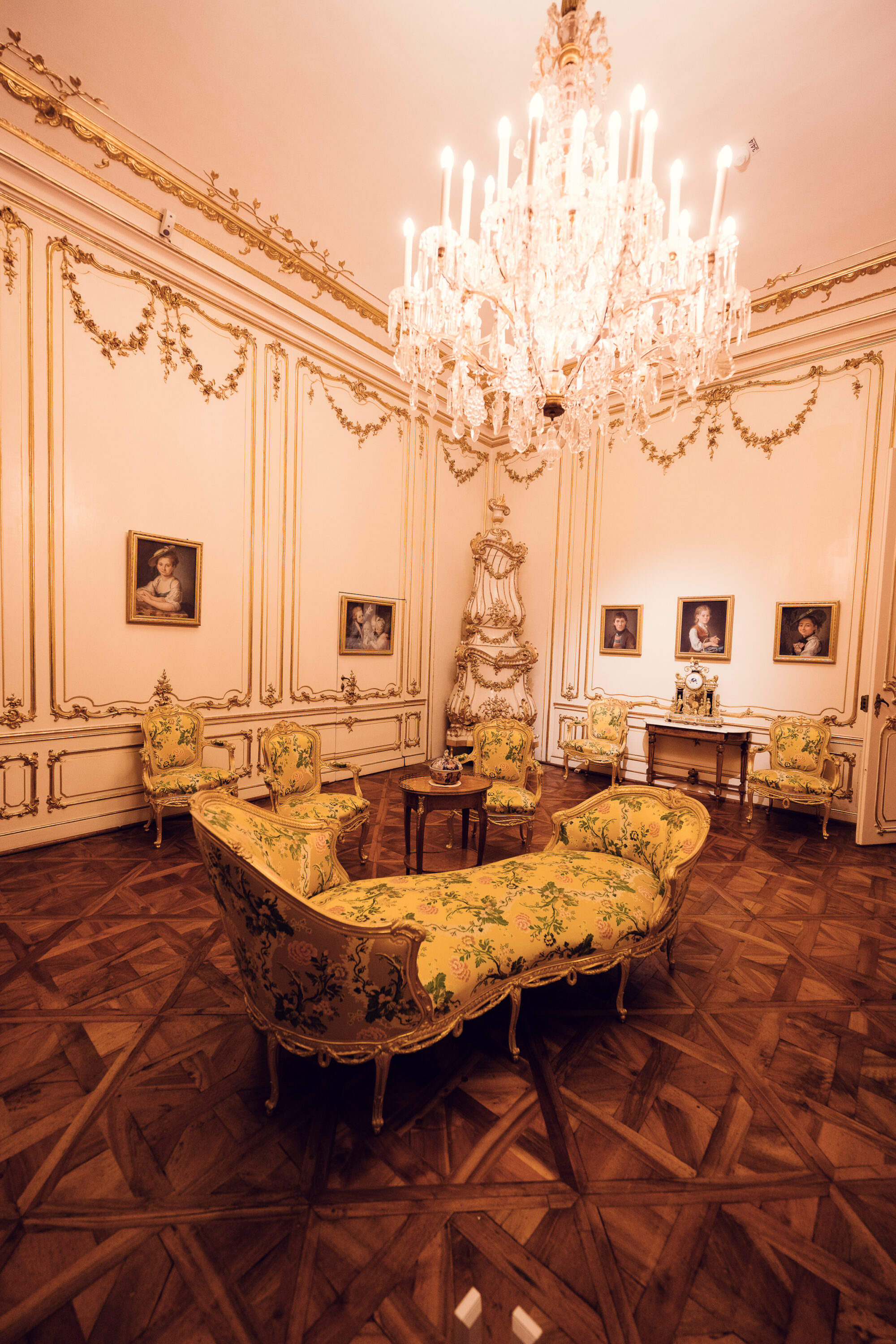
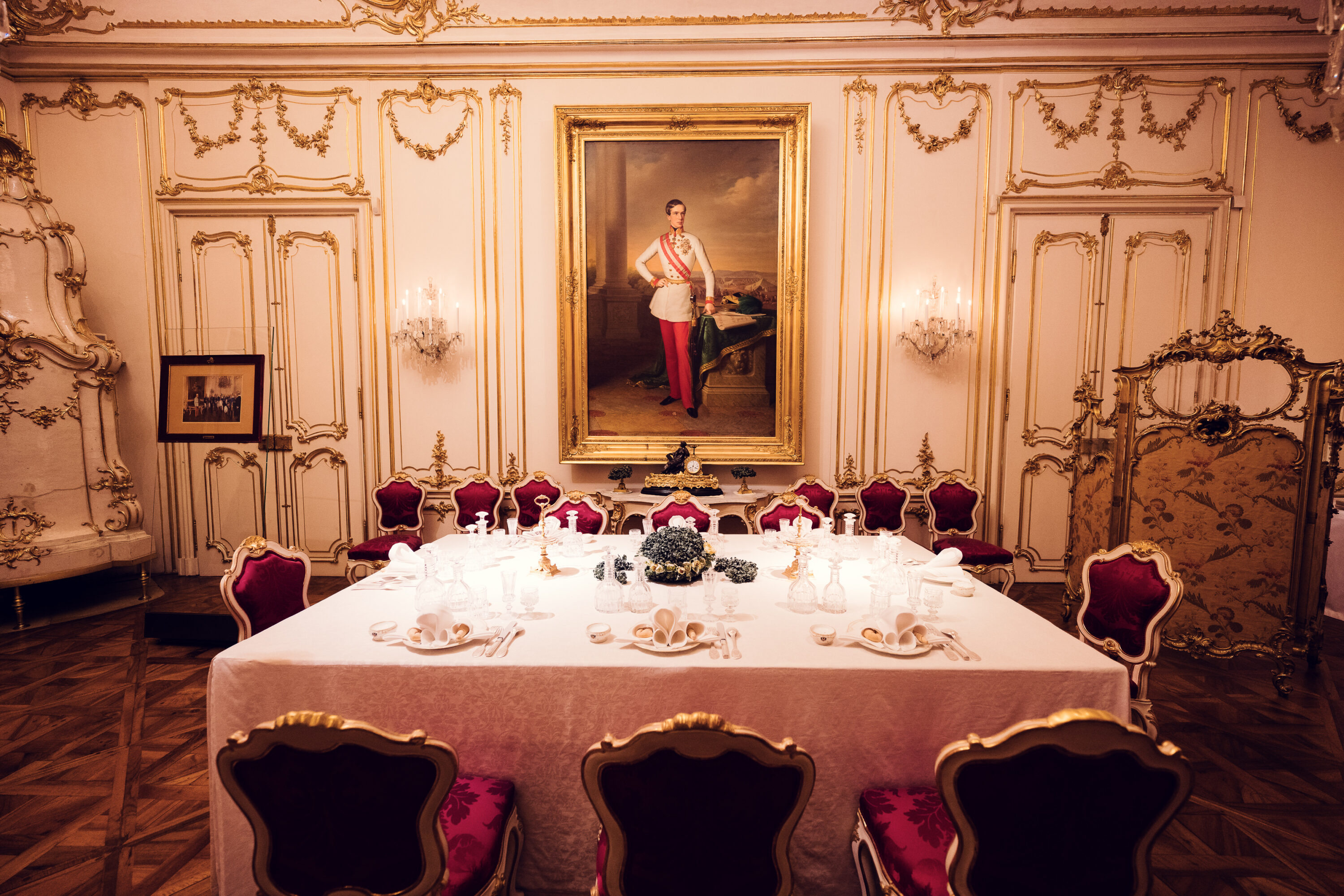
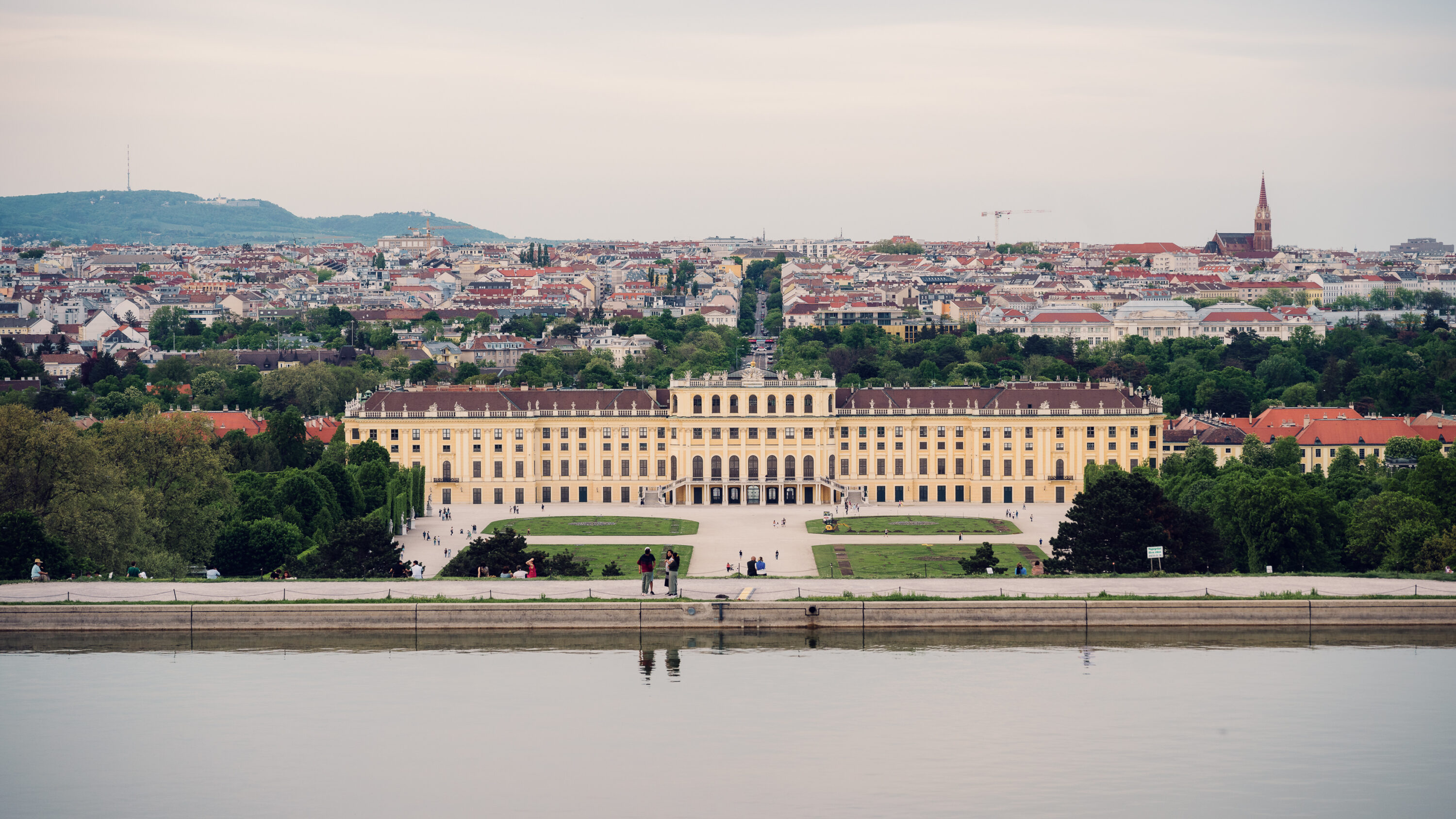
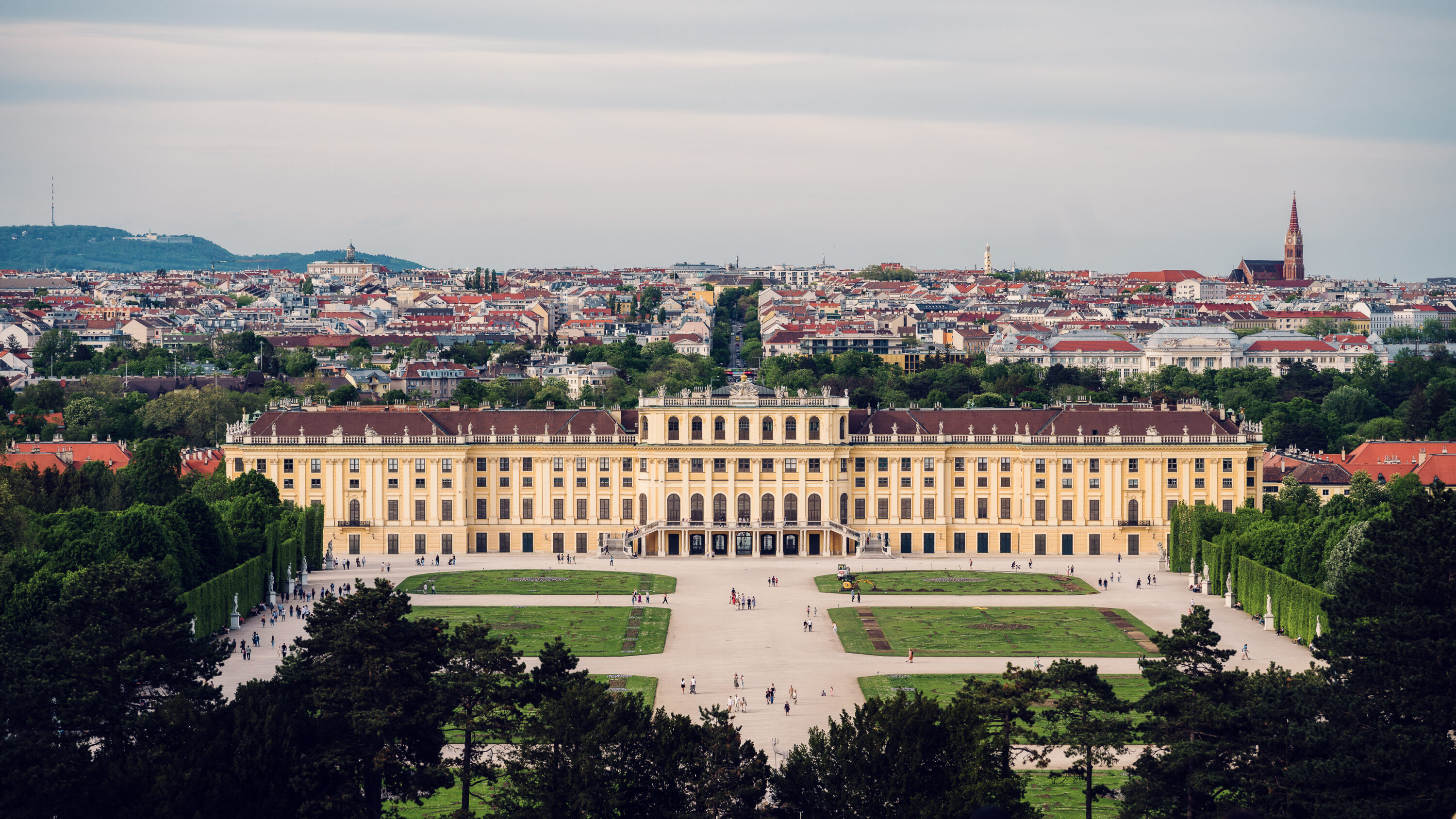
Schönbrunn is Vienna's imperial crown jewel - an expansive palace and garden ensemble that once served as the summer residence of the Habsburgs and a centerpiece of imperial Vienna. With over 1,400 rooms, this Rococo masterpiece was where emperors planned policy, hosted guests, and retreated from courtly formality. The Grand Tour showcases richly decorated state rooms and intimate private apartments, many associated with Empress Maria Theresa and Franz Joseph. But the true experience stretches far beyond the walls: walk through perfectly manicured gardens, pass mythological fountains, and hike gently uphill to the Gloriette, where a café and sweeping views await.
Why go: For the full immersive scale of Habsburg imperial life - dramatic interiors, serene gardens, and one of the best panoramic views in Vienna.
Entry Ticket: Grand Tour of the Palace (state rooms + private apartments)
Make it Special: Apple Strudel Show at Café Residenz
Also Consider: Palace + Sisi Pass (with Hofburg & Furniture Museum); Vienna Pass includes entry.

2. Belvedere Castle
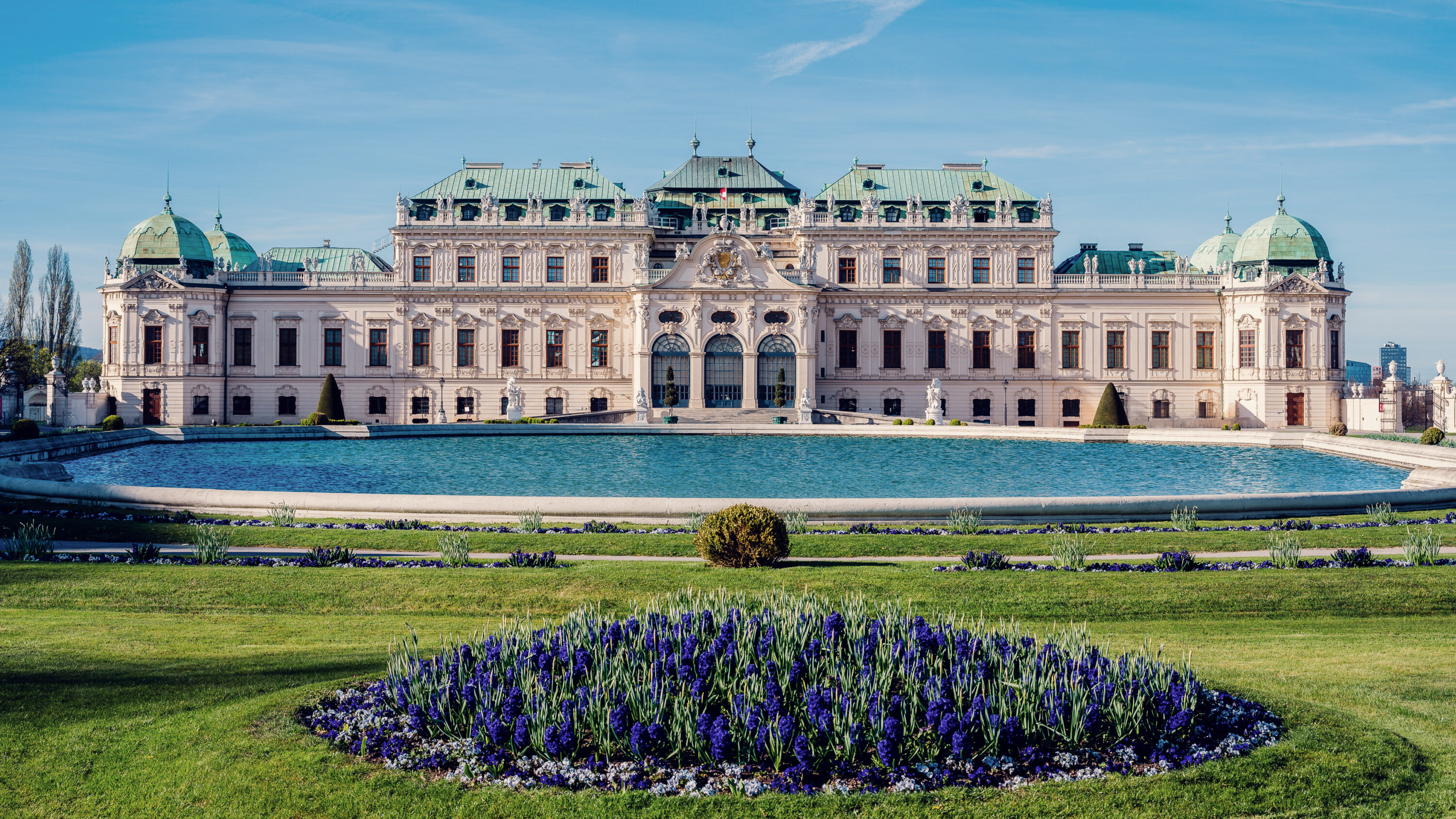
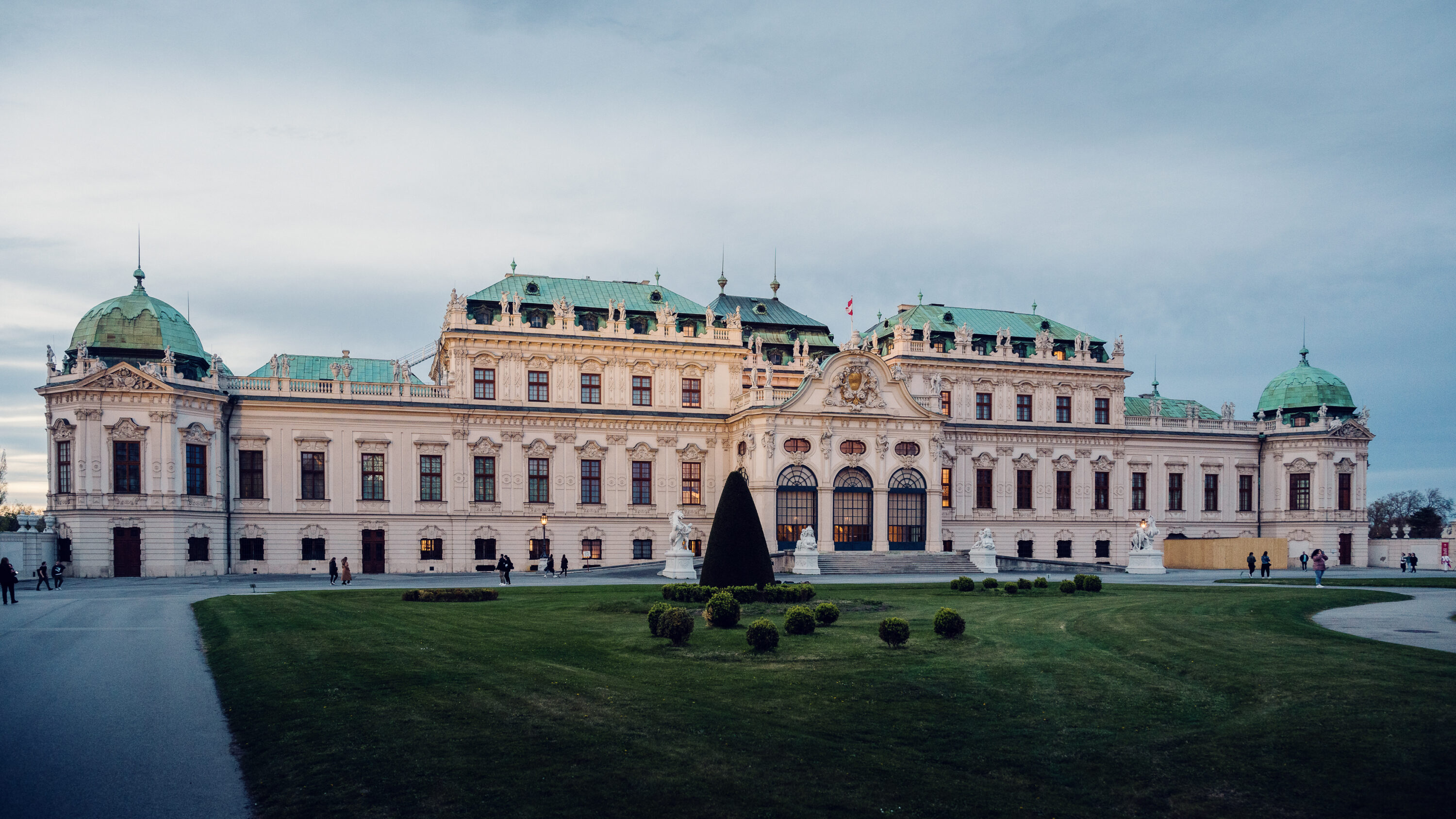
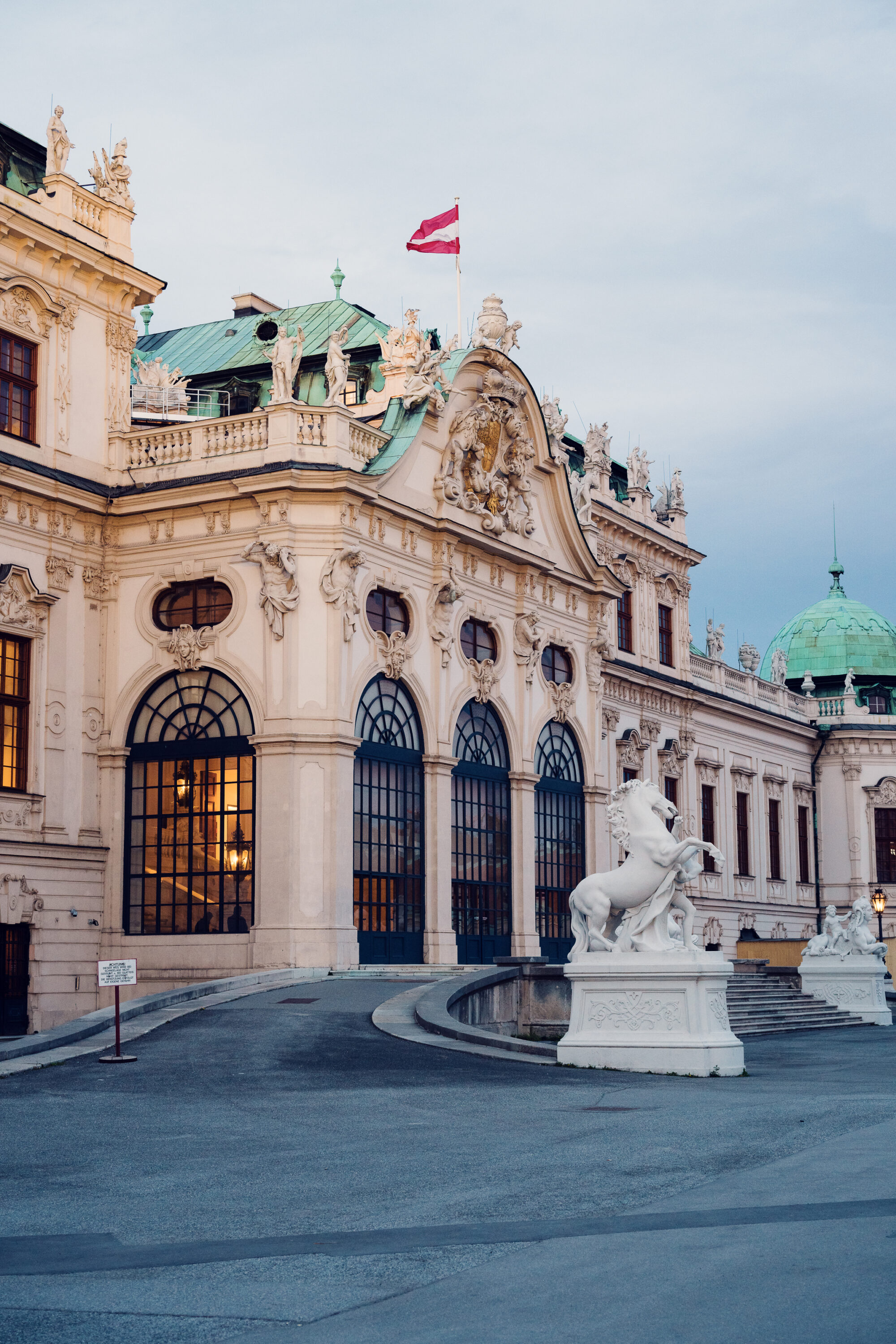
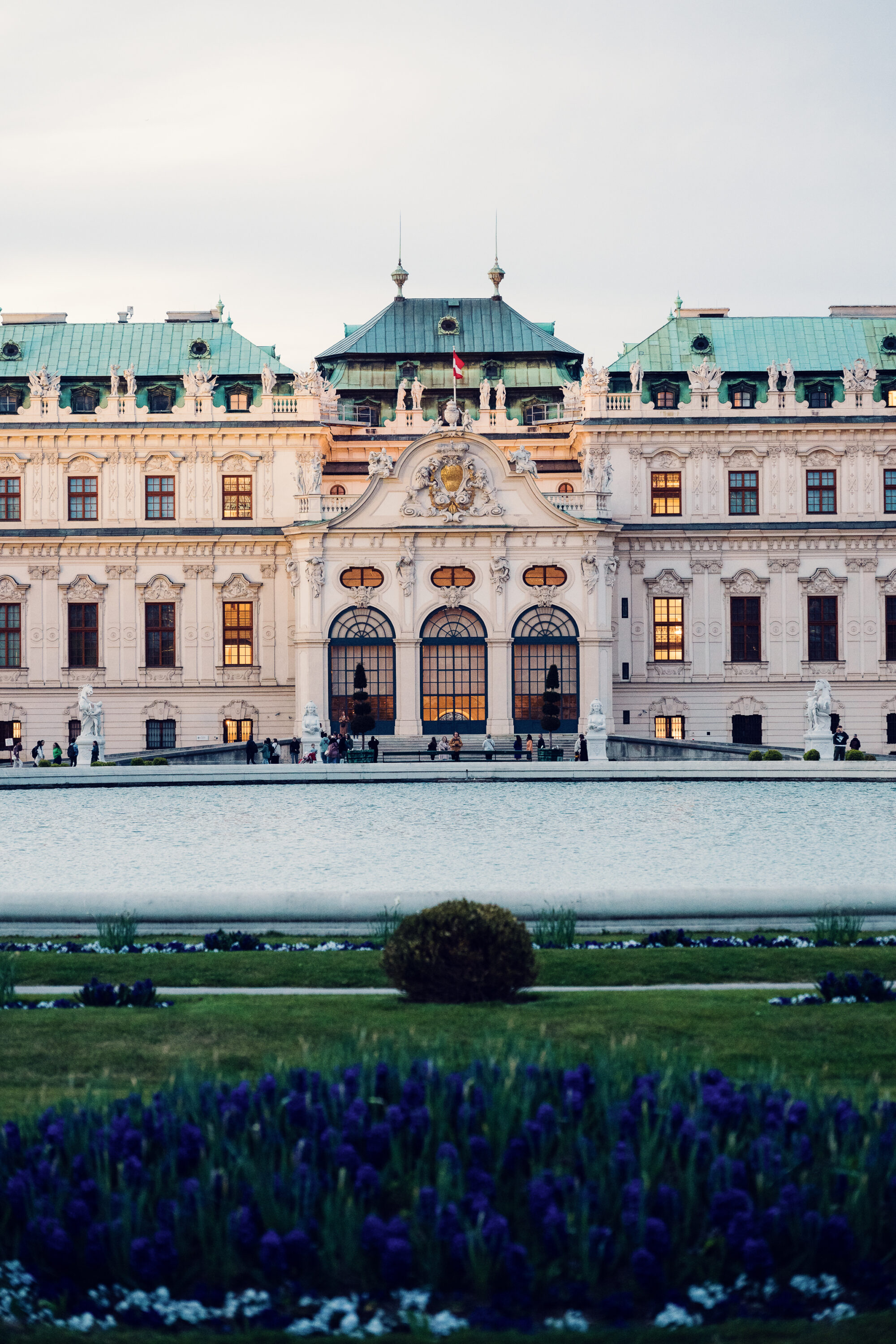
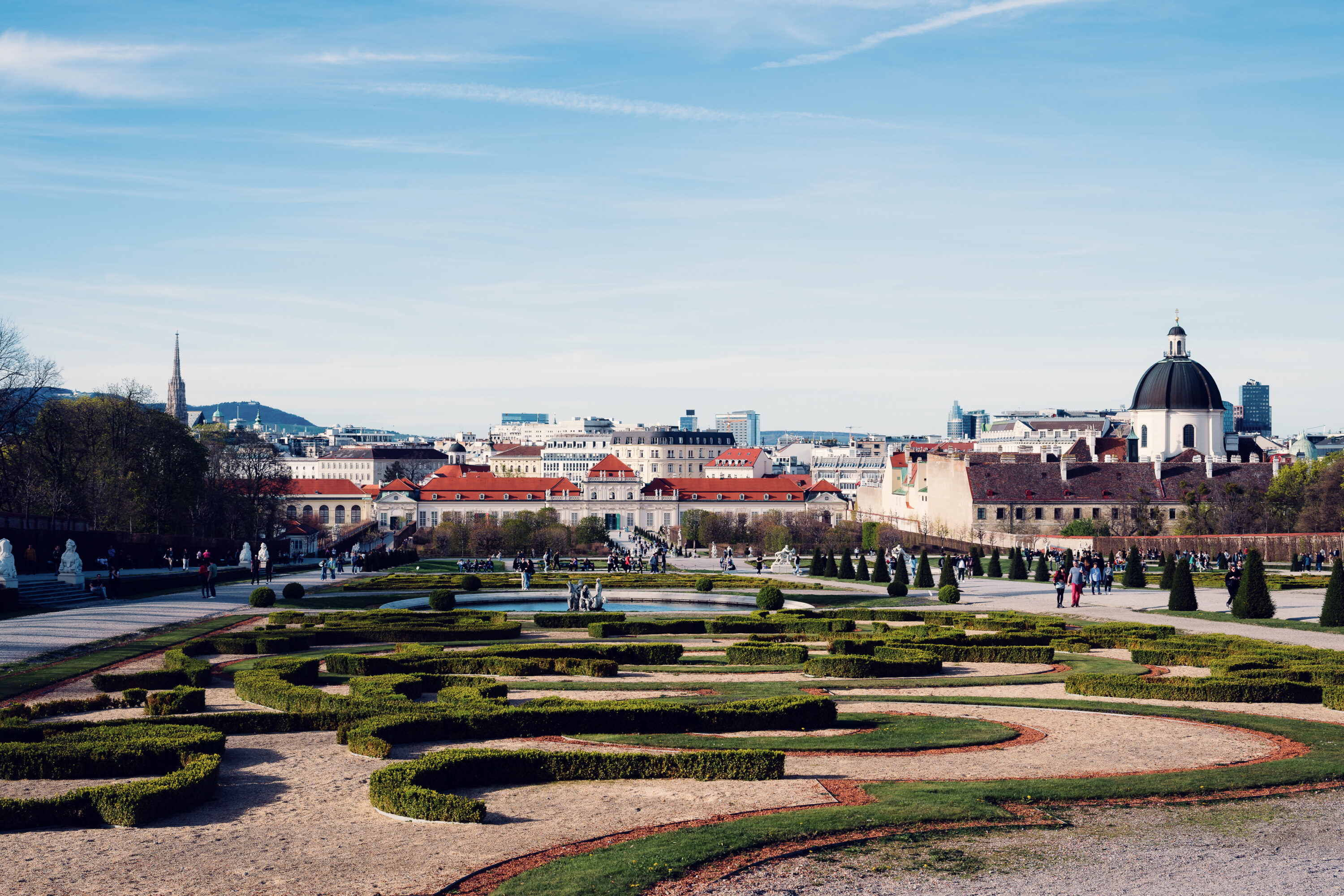
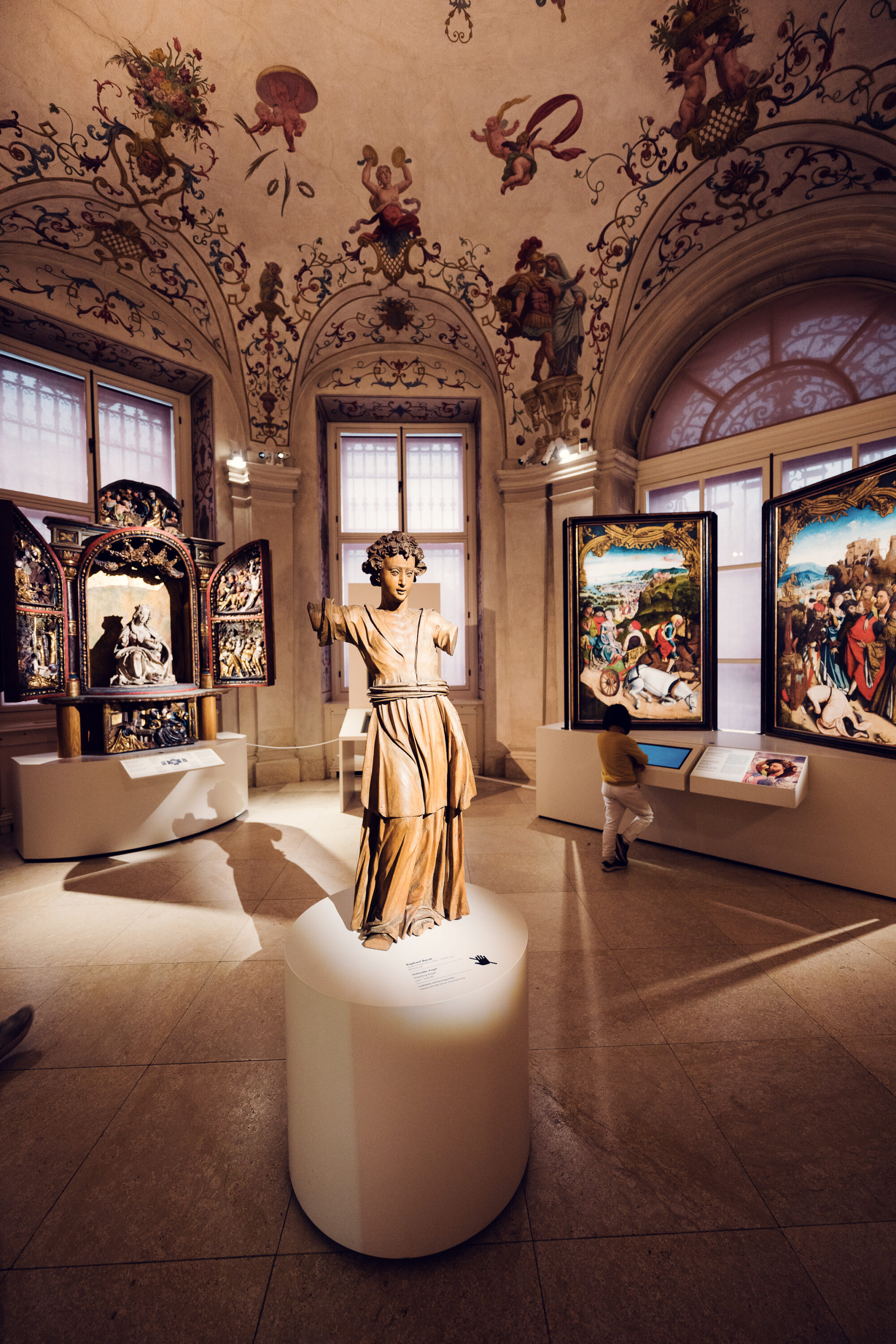
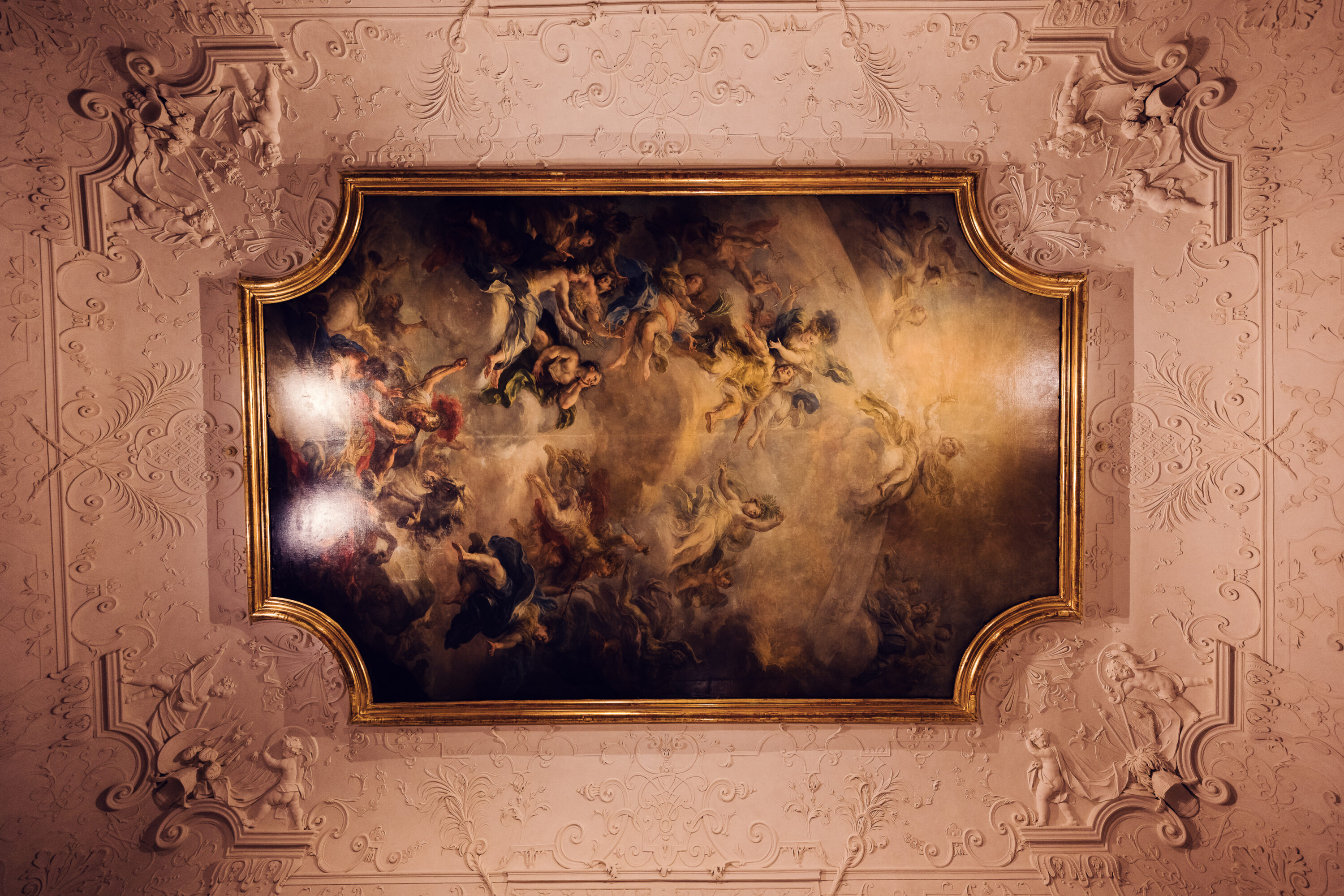
Originally built as the summer residence of Prince Eugene of Savoy, the Belvedere Castle is one of Vienna’s most elegant Baroque landmarks, and a signature of imperial Venna. The complex includes the Upper and Lower Palaces, linked by a formal terraced garden. Today, it holds Austria’s most important art collection, including Gustav Klimt’s The Kiss, along with works by Schiele, Monet, and Van Gogh. Inside, the galleries combine imperial architecture with modern exhibition design. Outside, fountains, hedges, and long reflecting pools create a refined and photogenic setting. The atmosphere is calm and spacious, with plenty of corners to enjoy without rush.
Why go: For a peaceful mix of famous art, beautiful architecture, and one of Vienna’s most photogenic palace gardens.
Entry Ticket: Upper Belvedere (incl. The Kiss)
Make it Special: Golden-hour garden photo walk.
Also Consider: Skip-the-Line Upper Belvedere Guided Tour; Vienna Pass includes entry.
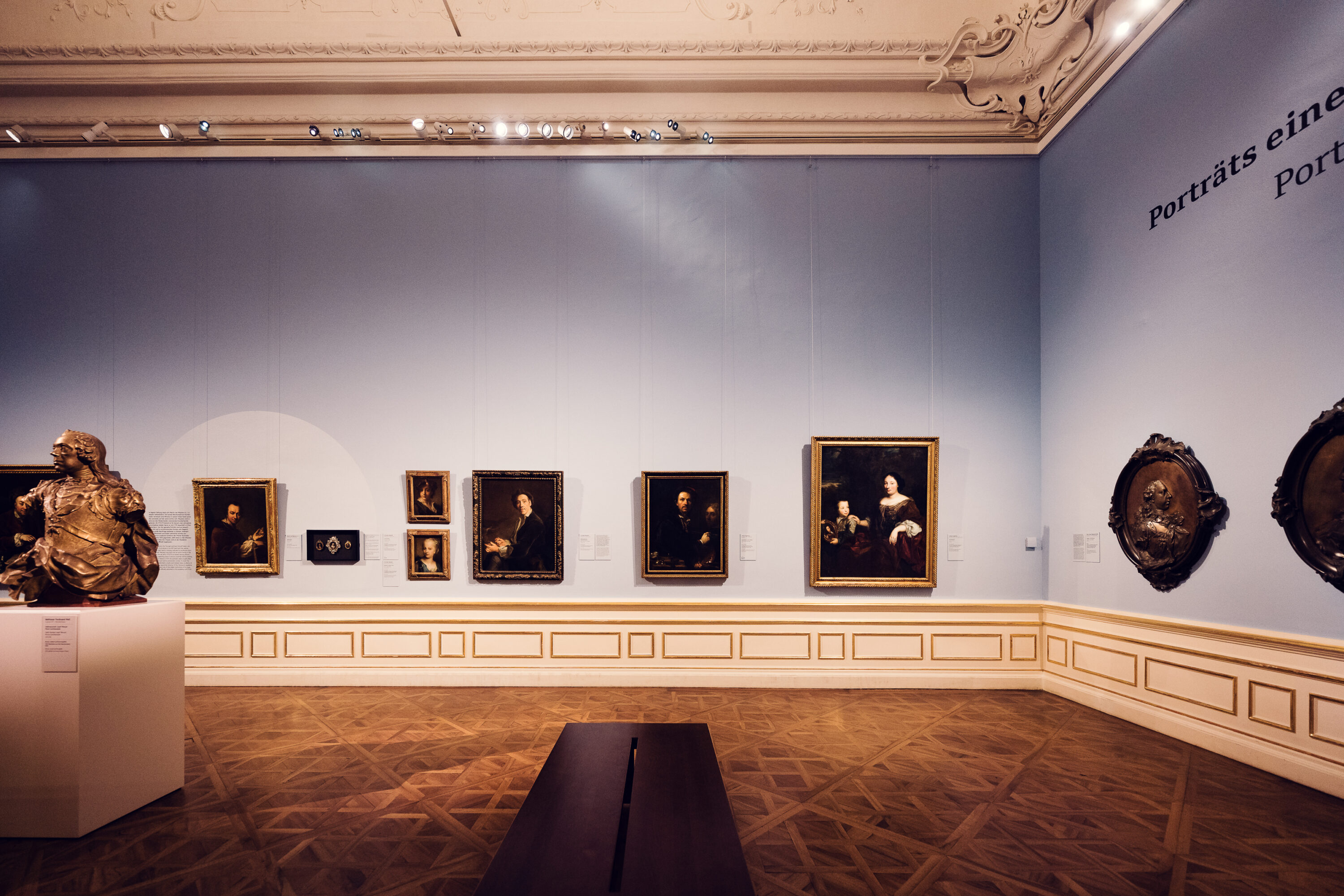

3. Hofburg Palace Complex
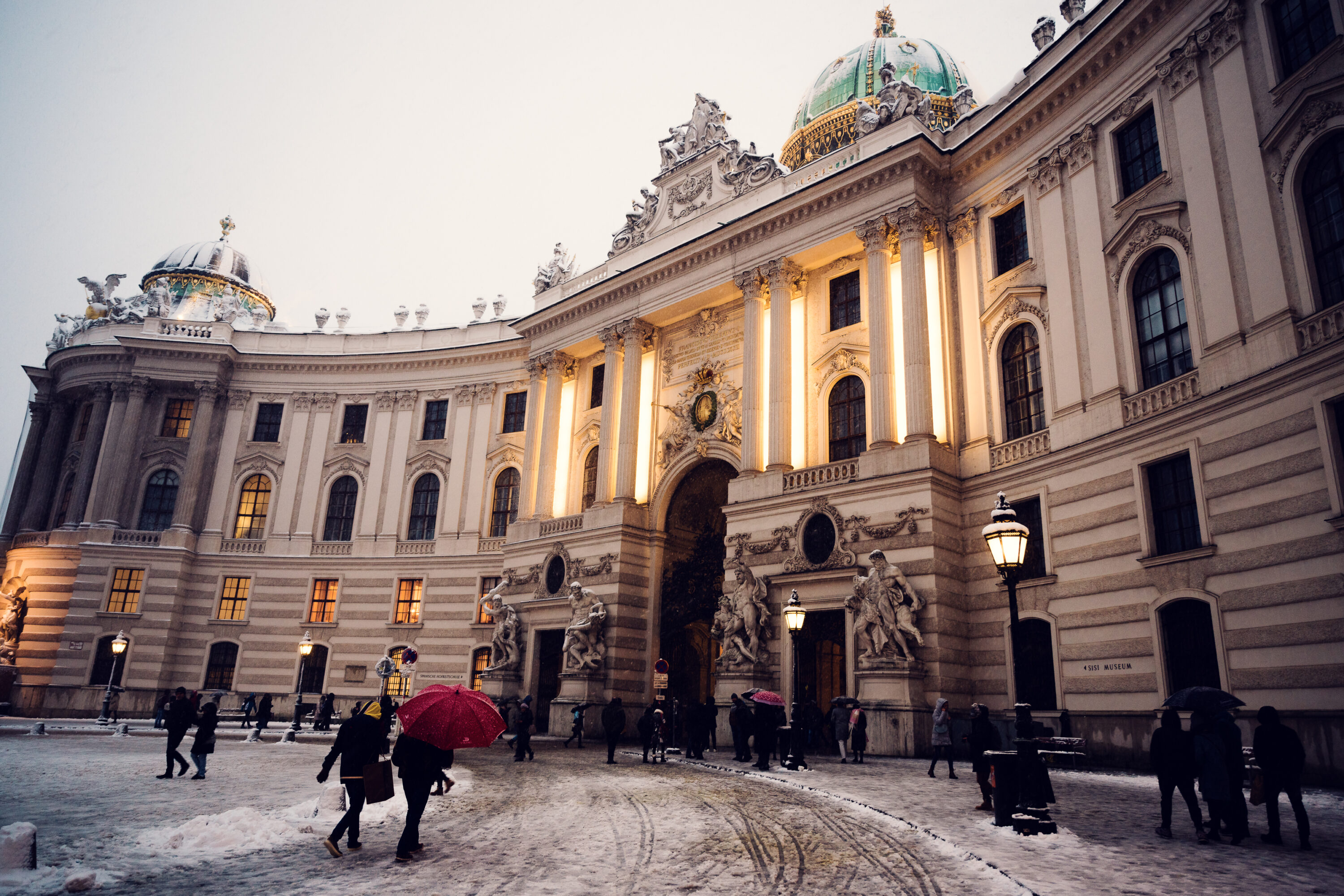
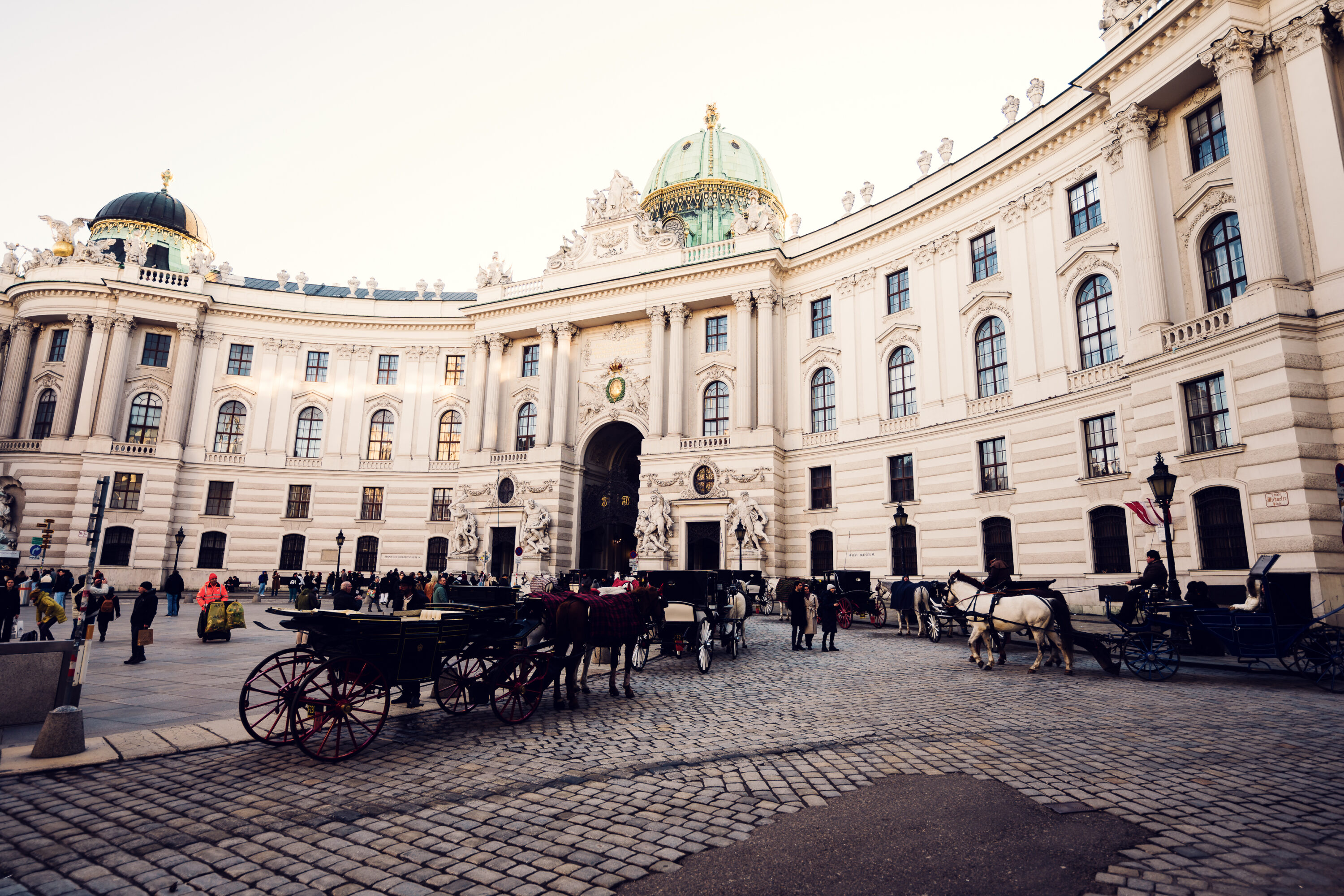
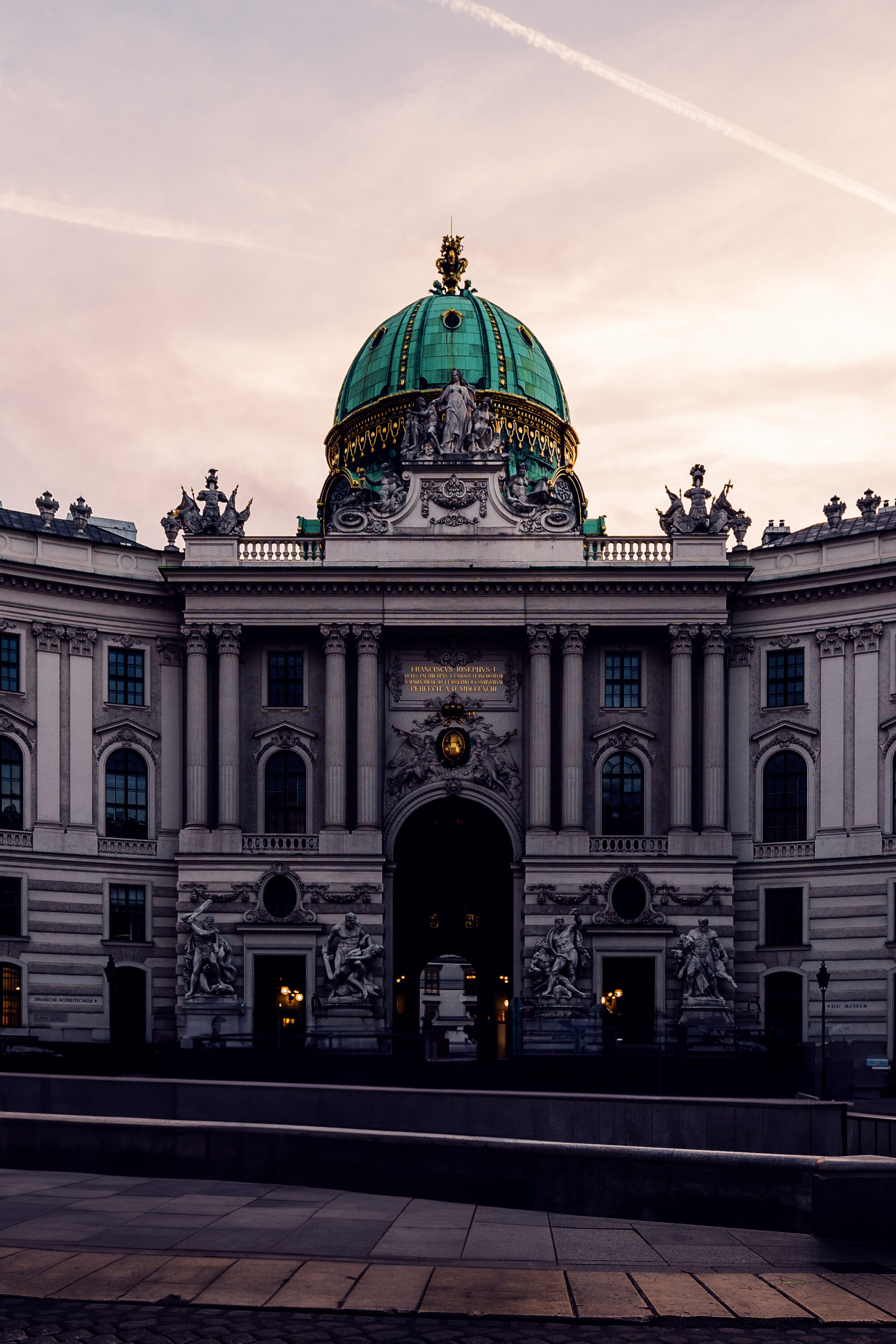
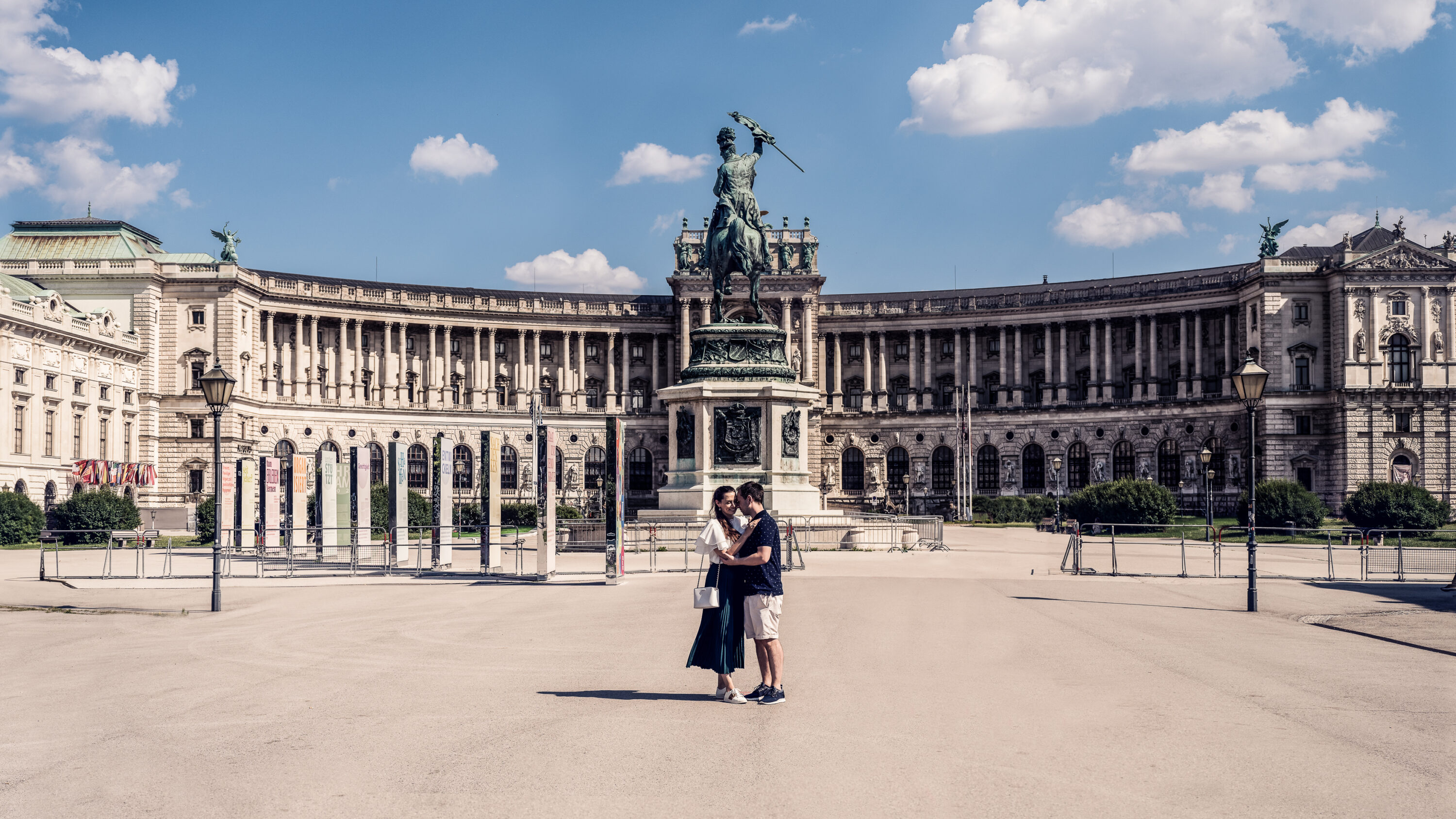
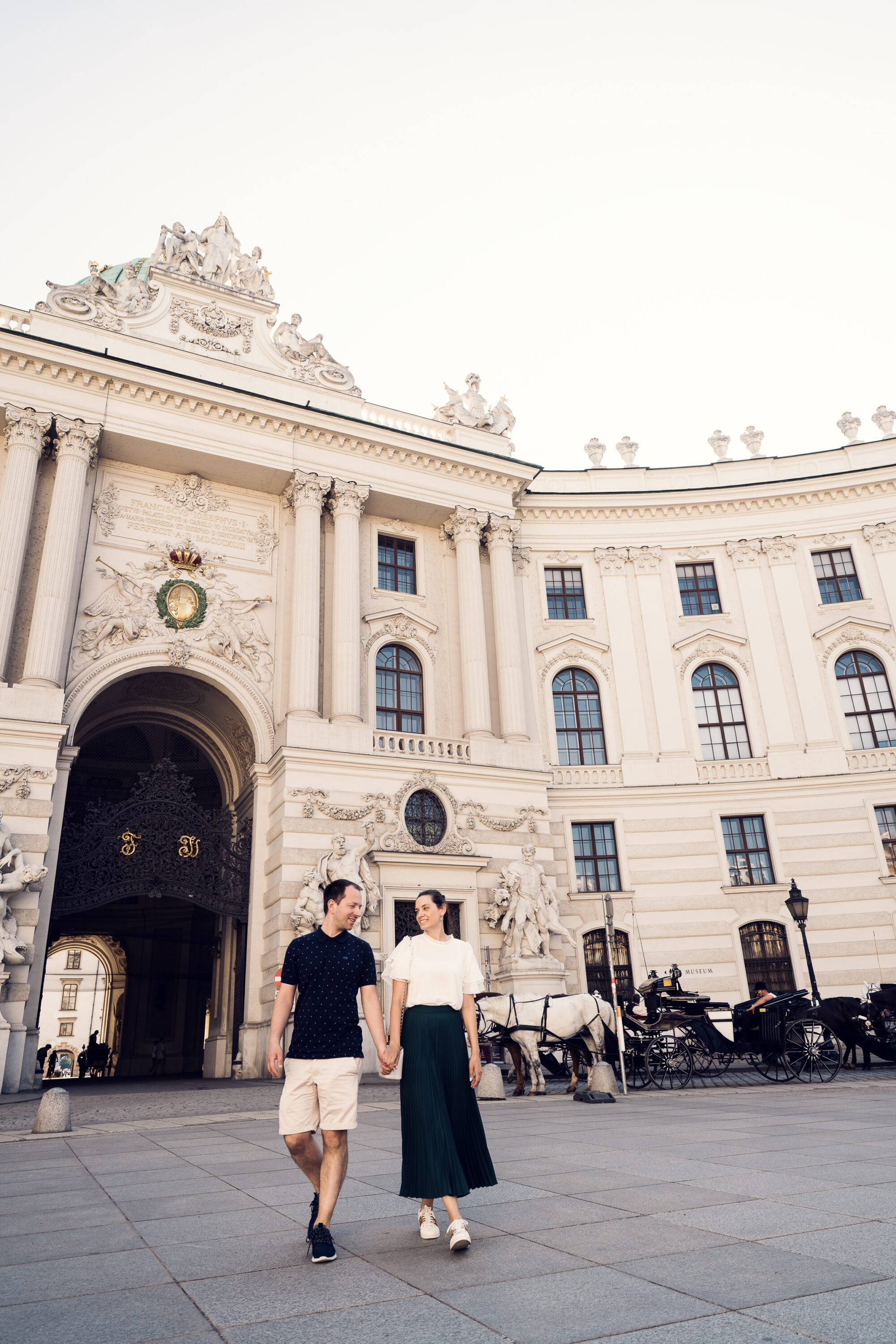
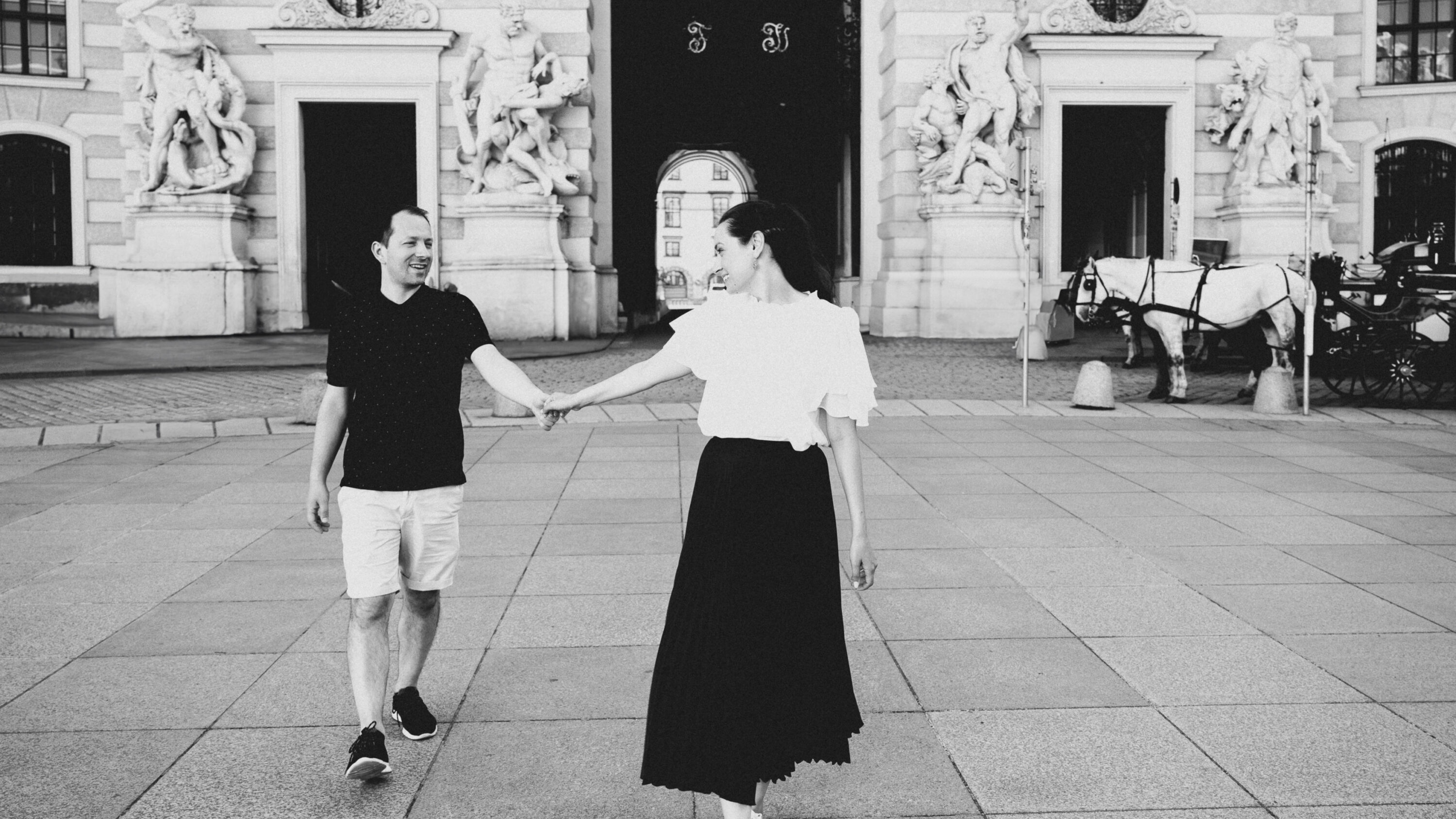
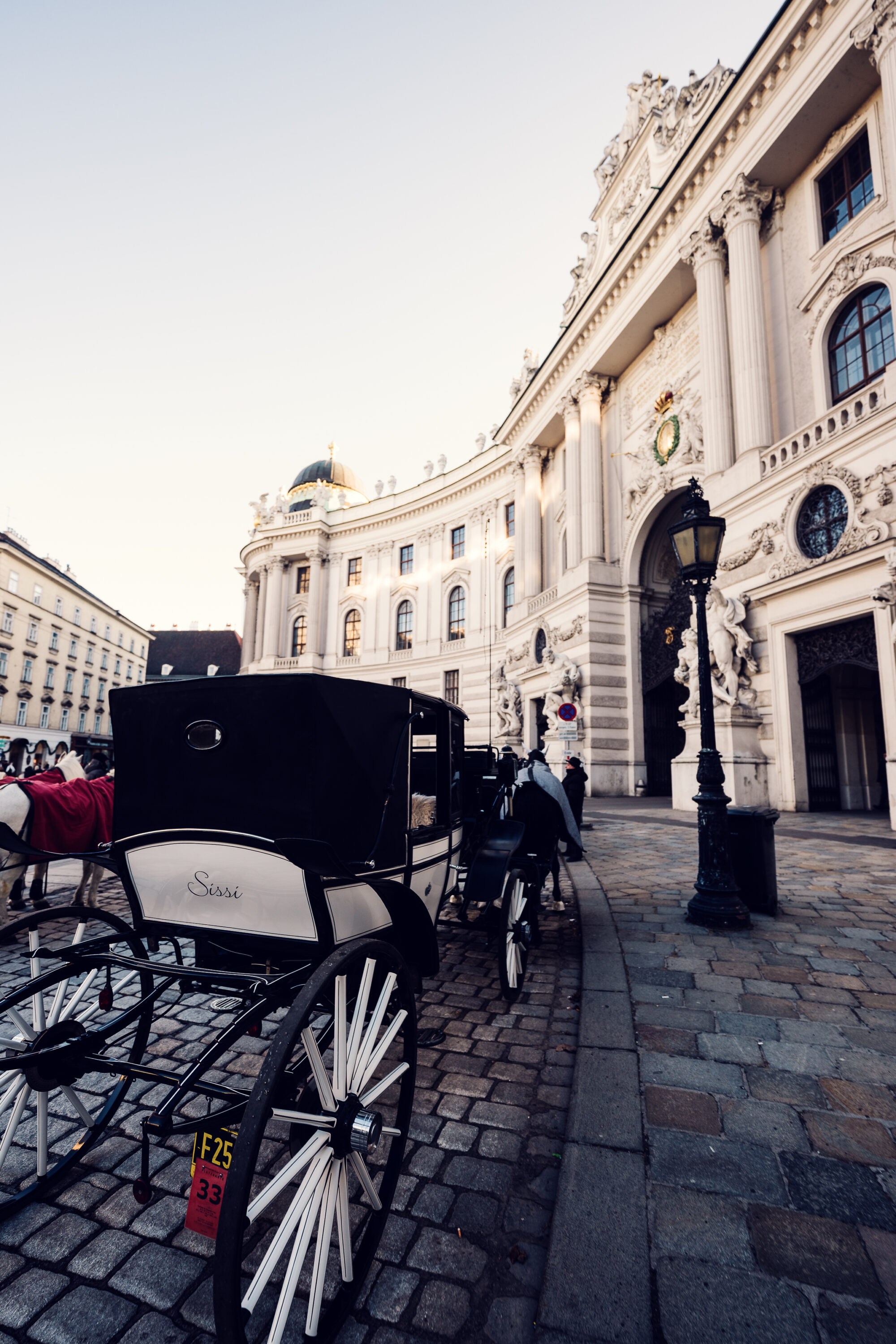
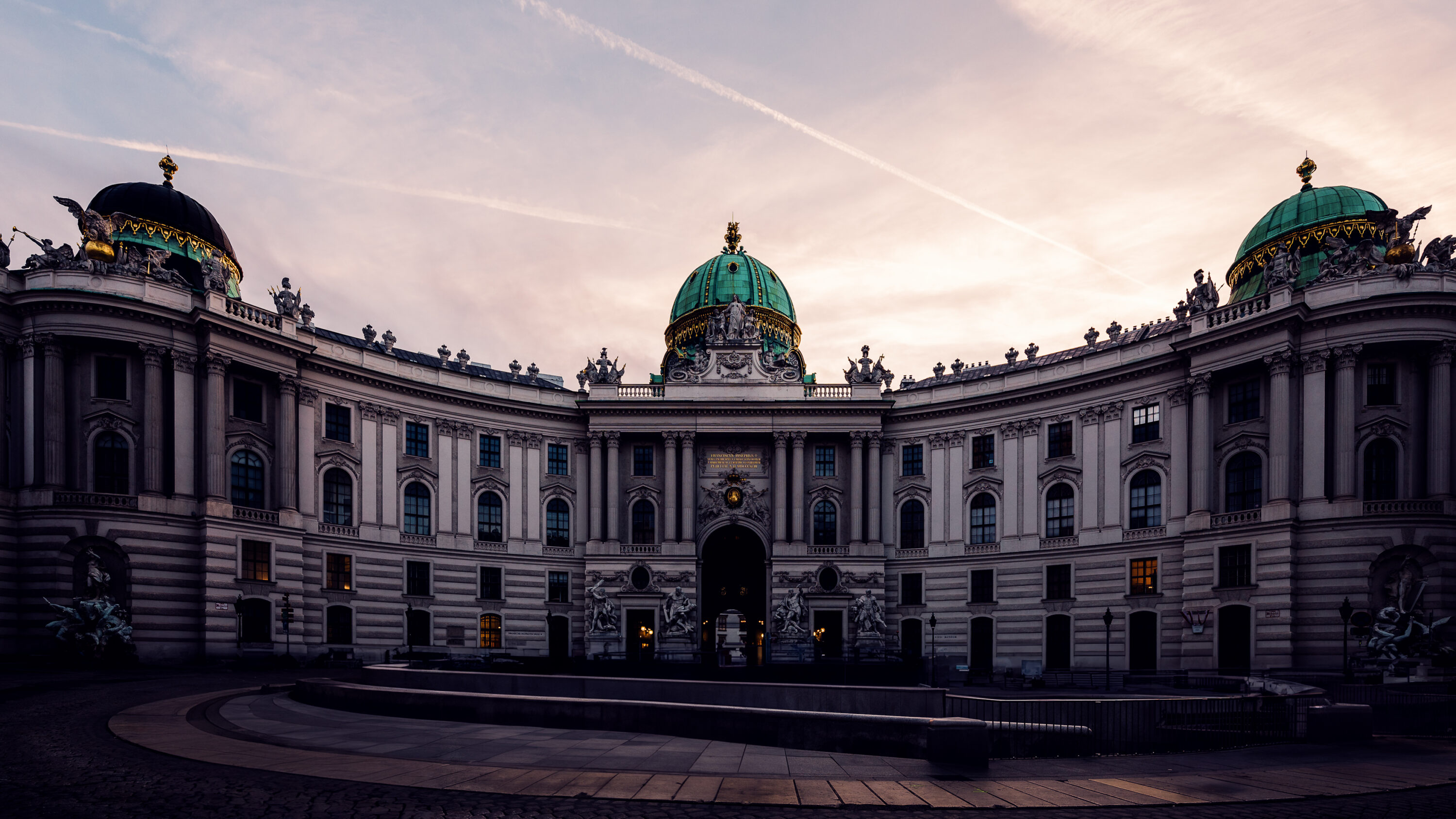
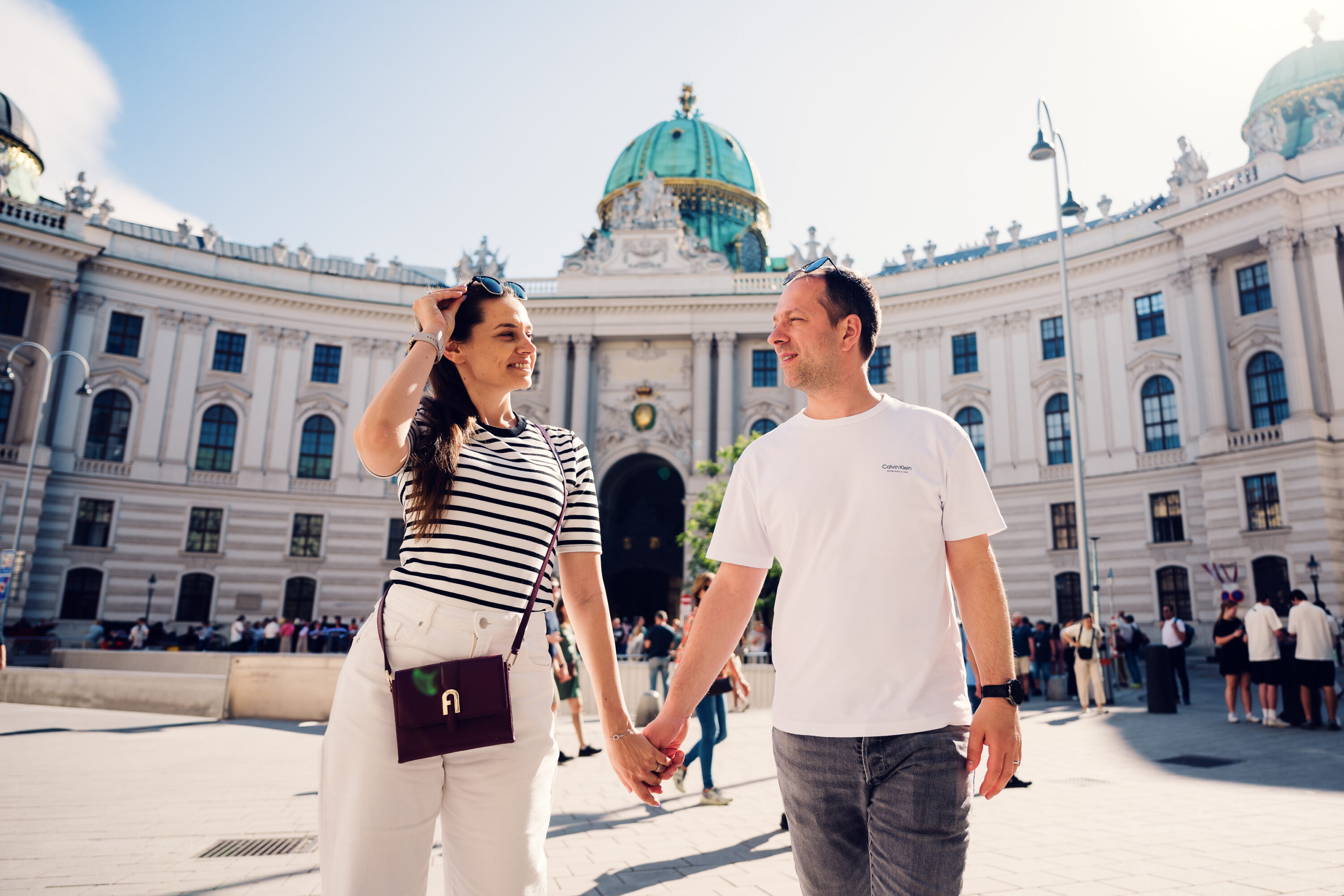
This vast, layered complex in the city center was the seat of the Habsburg dynasty for over 600 years - and it still feels like the city's beating heart, and a defining landmark of imperial Vienna. Within its grand façades and interconnecting courtyards, you'll find the Sisi Museum and Imperial Apartments, the Spanish Riding School, the Austrian National Library (Prunksaal), and the Imperial Treasury. Despite its historic role, the Hofburg remains active today - home to official offices, cultural events, and everyday city life. Its scale, variety, and atmosphere give you a direct sense of how the empire once operated at its center.
Why go: To walk through the former seat of the empire and experience the architecture, culture, and ceremonial spaces that defined imperial Vienna.
Entry Ticket: Skip-the-Line Sisi Museum, Hofburg & Gardens Tour
Make it Special: Spanish Riding School performance
Also Consider: Pair with the Imperial Treasury the same day (see below).
4. Kunsthistorisches Museum
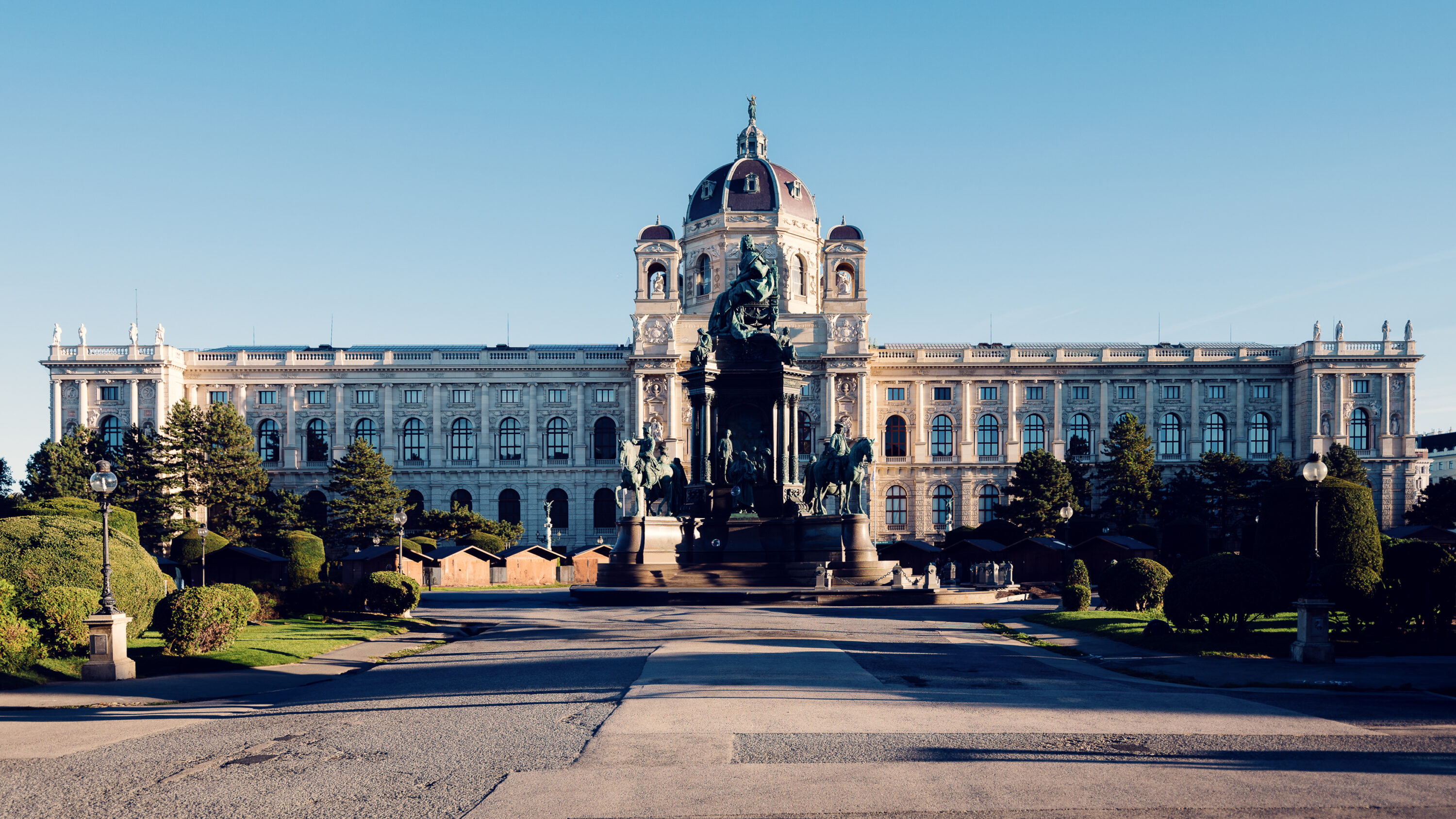
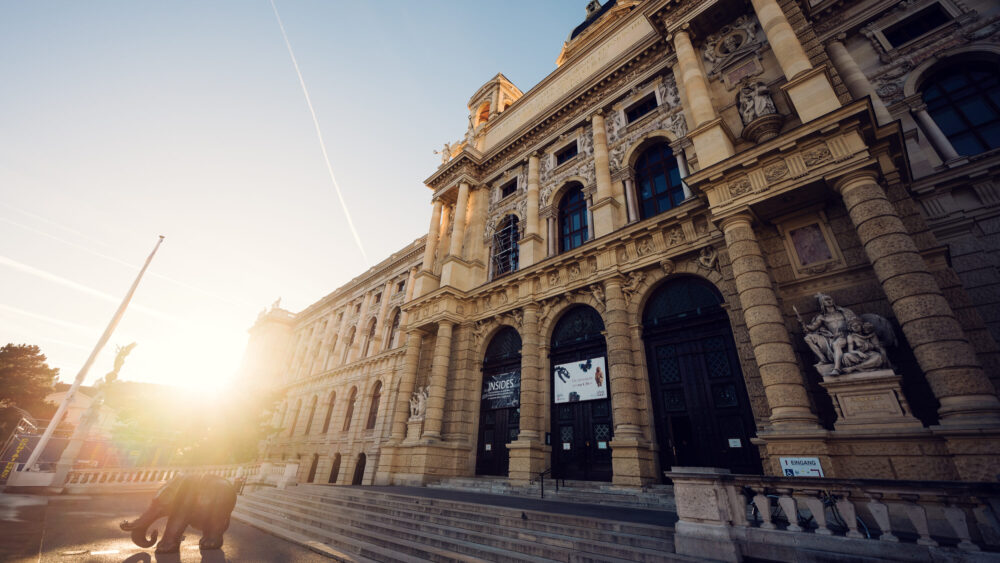
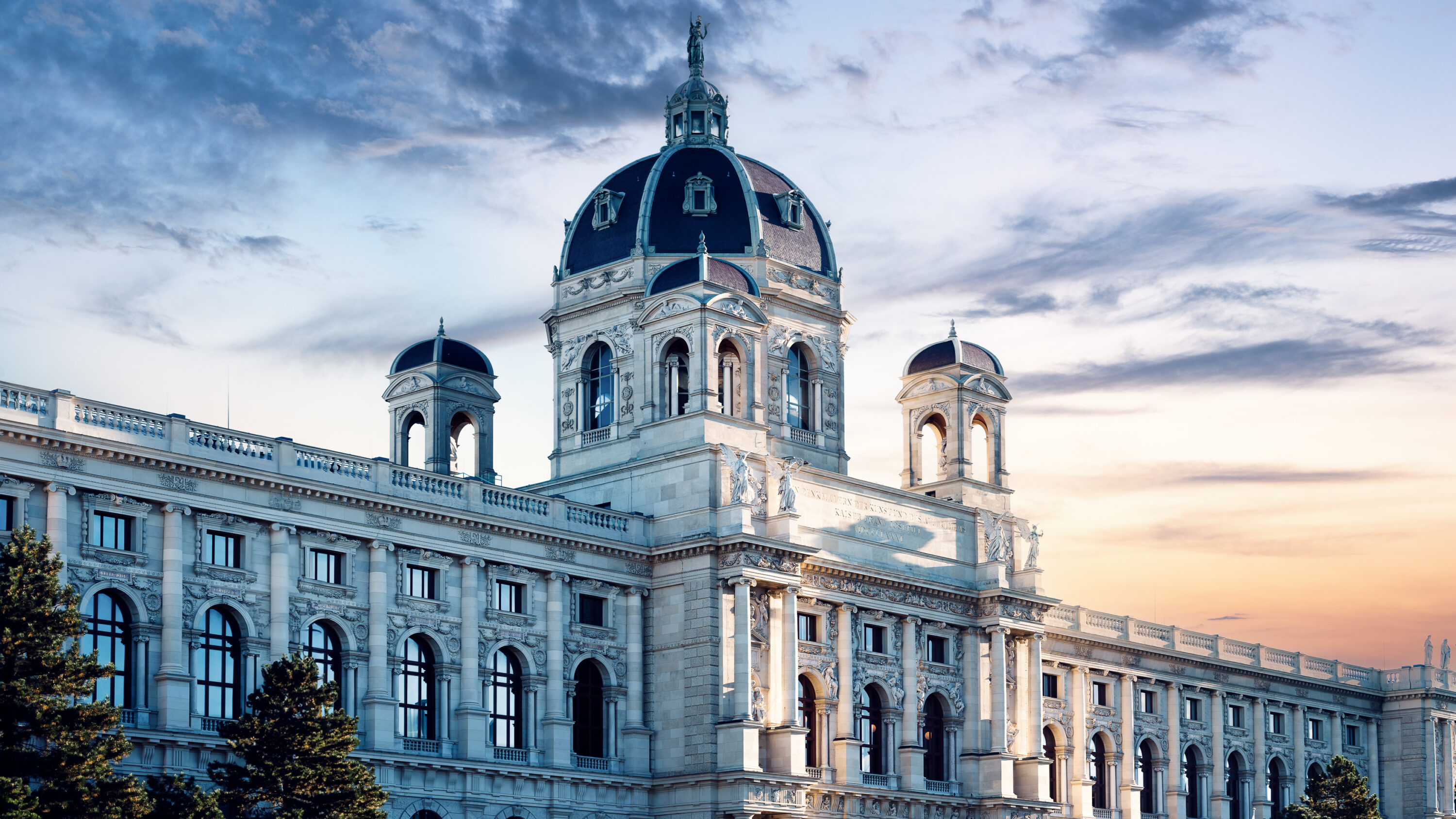
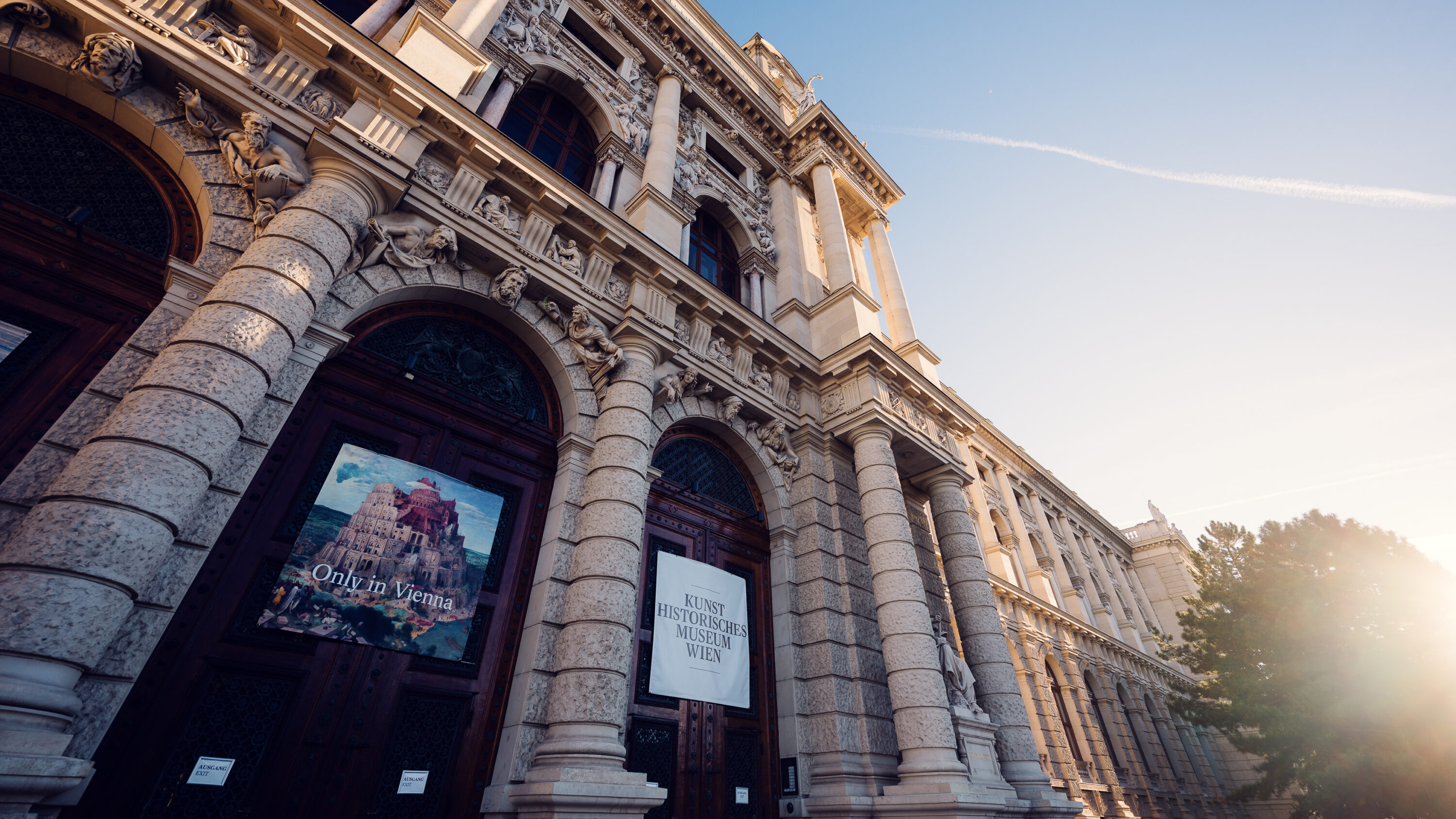
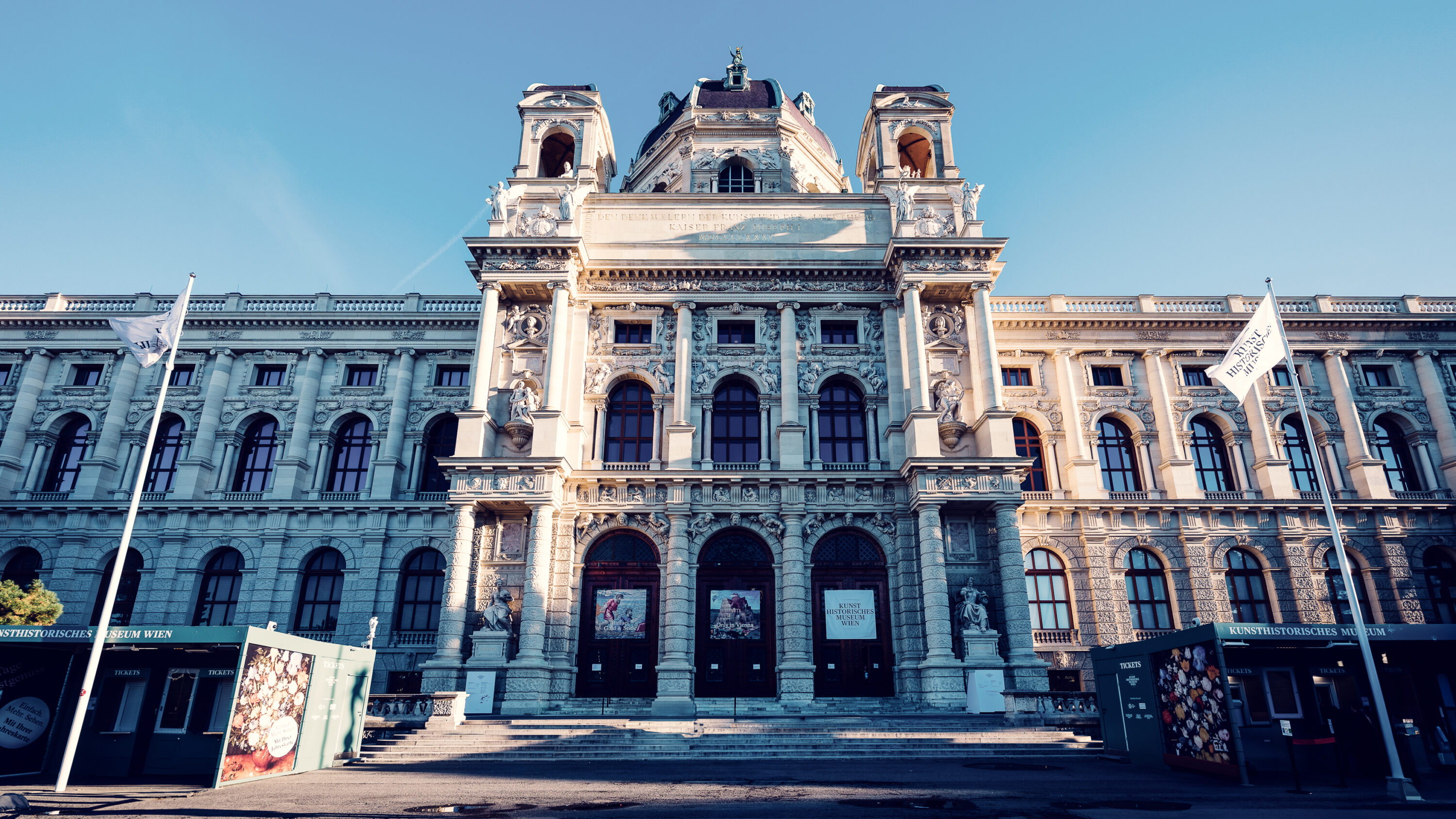
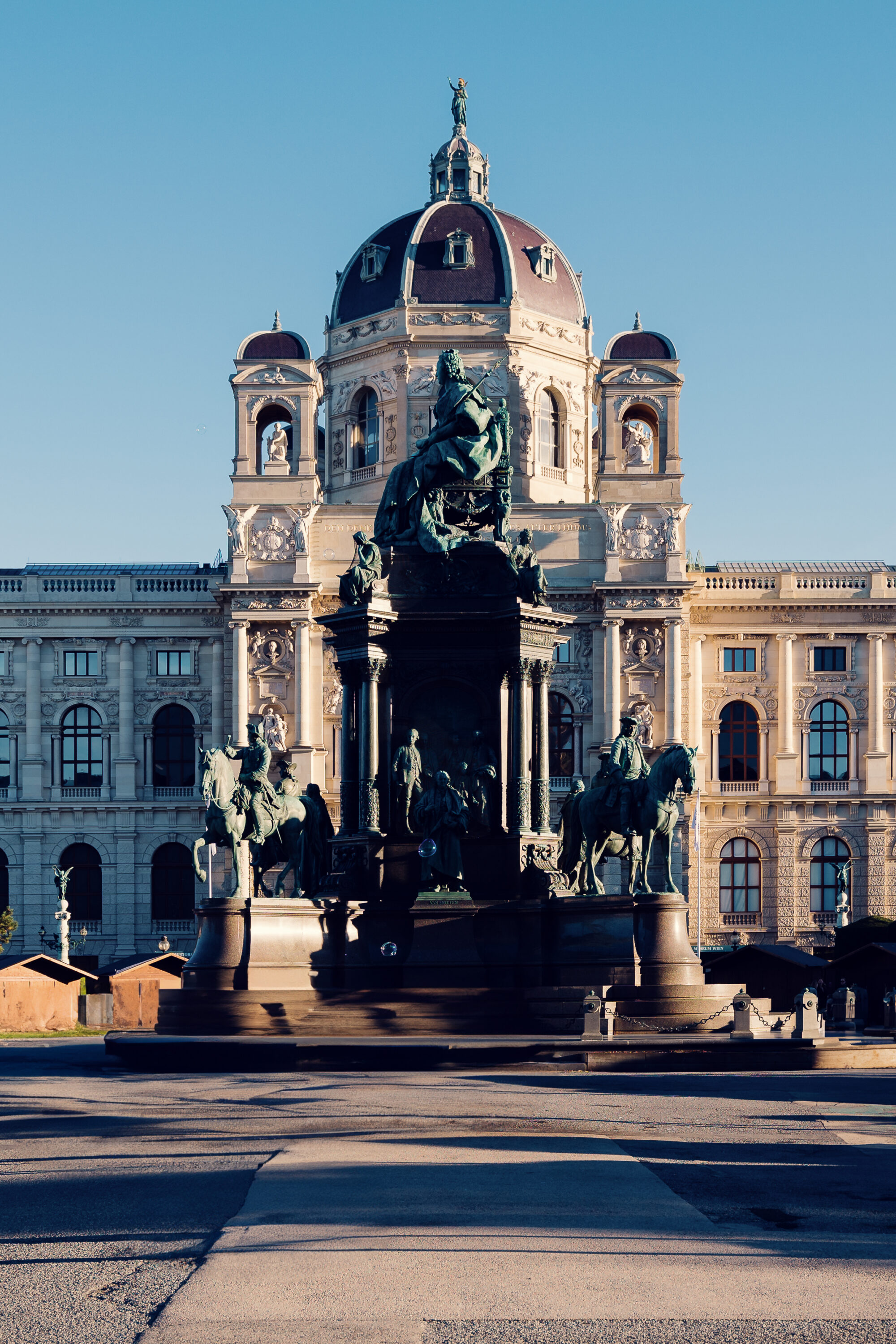
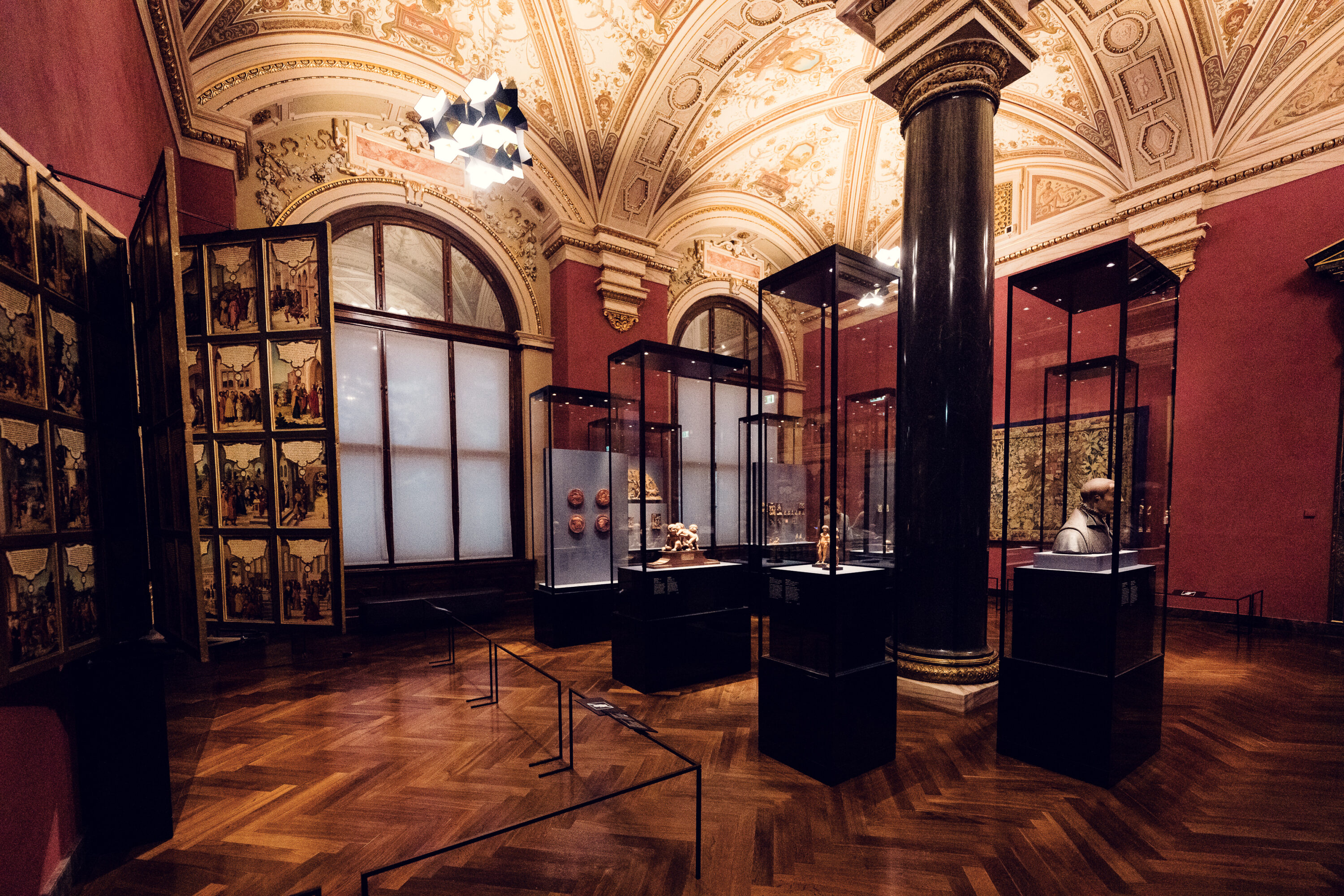
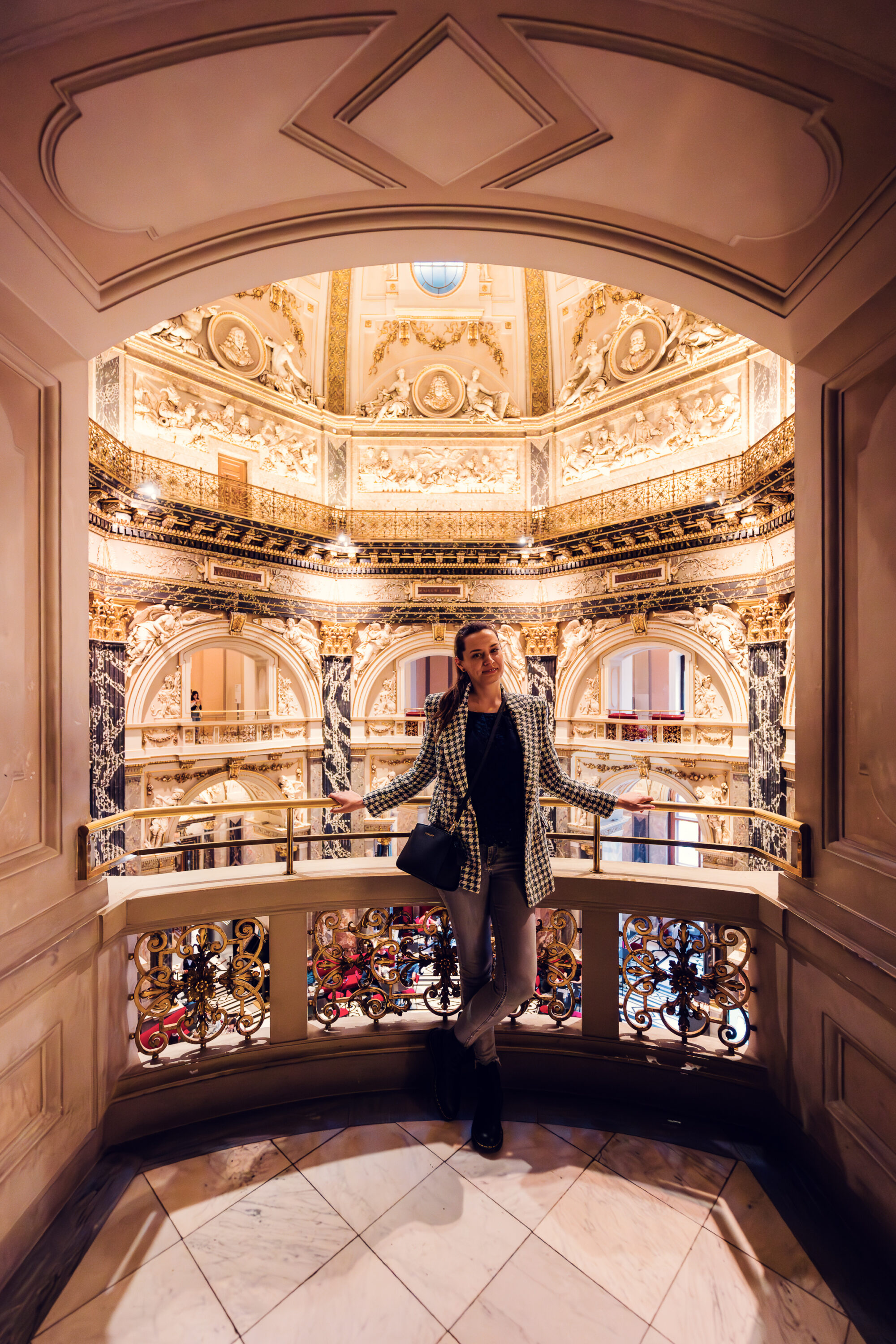
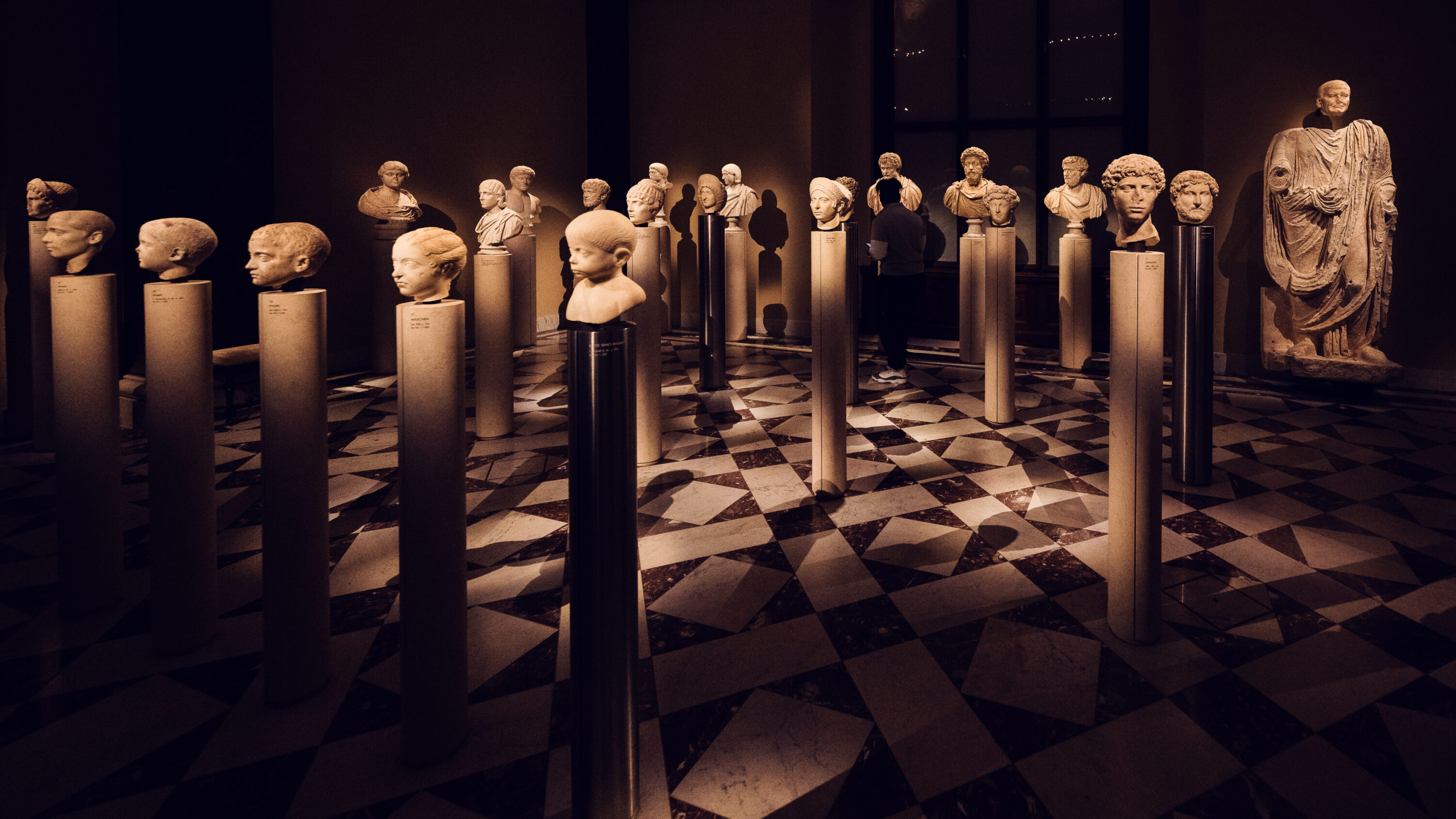
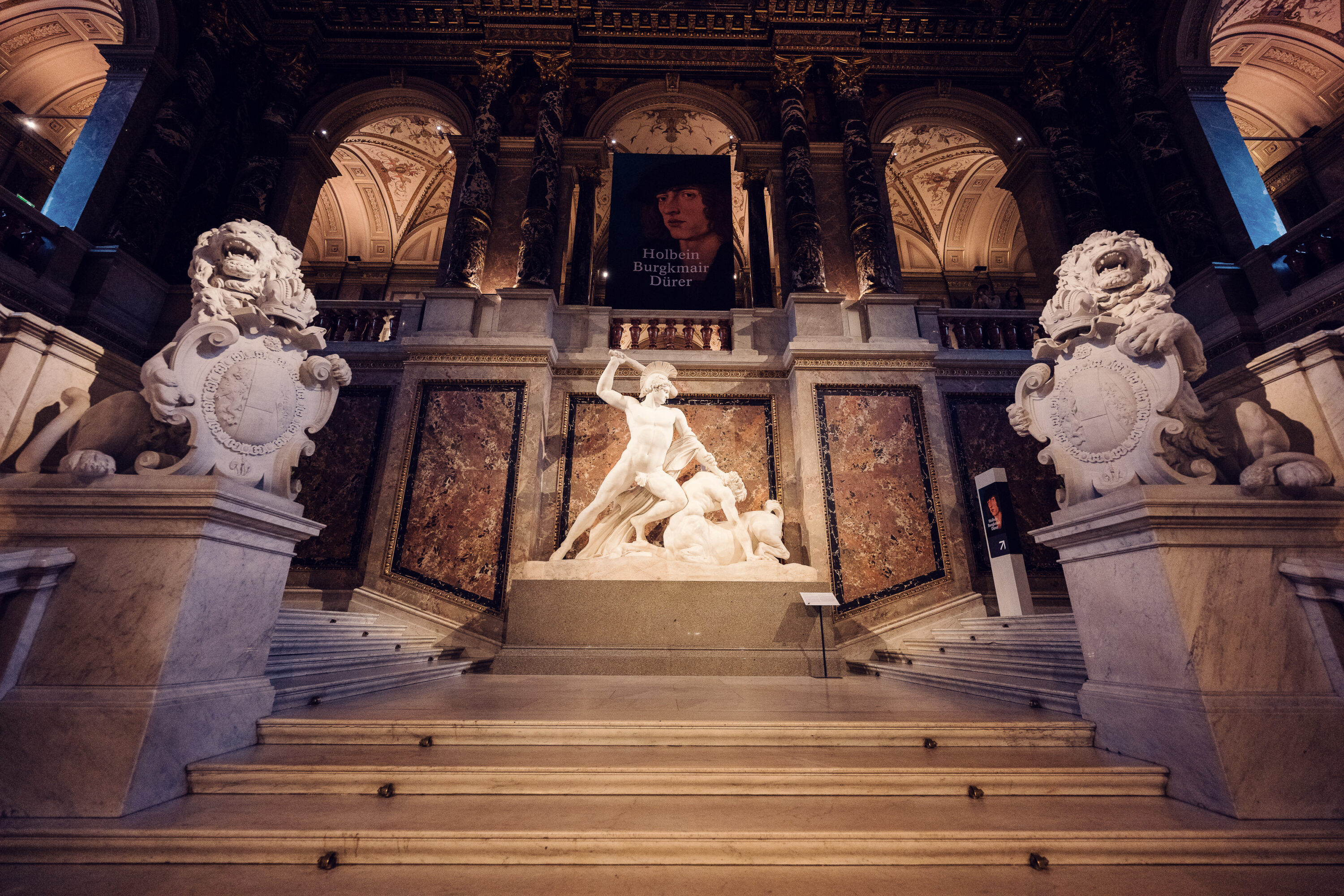
Built under Emperor Franz Joseph to house the imperial family’s collection, the Kunsthistorisches Museum (KHM) is as much a monument to architecture as it is to art - one of the grand statements of imperial Vienna. Inside, you’ll find a world-class array of treasures - Egyptian antiquities, Roman busts, Bruegel paintings, and exquisite Habsburg curiosities. But take your time with the building itself: grand staircases in polished marble, ornate ceilings, and a rotunda café beneath the dome. You don’t need to be an art historian to enjoy it - this is a space for anyone who values beauty and thoughtful curation.
Why go: To enjoy world-class art inside one of Europe’s most beautiful museum spaces - cultured, majestic, and exceptionally designed.
Entry Ticket: Vienna Kunsthistorisches Museum Day Admission Ticket
Make it Special: After the grand staircase, stop at the Kunsthistorisches Museum Café beneath the cupola for a Melange and cake, and take a short break before continuing.
Also Consider: Vienna Pass includes entry.
5. Albertina Museum & Palace
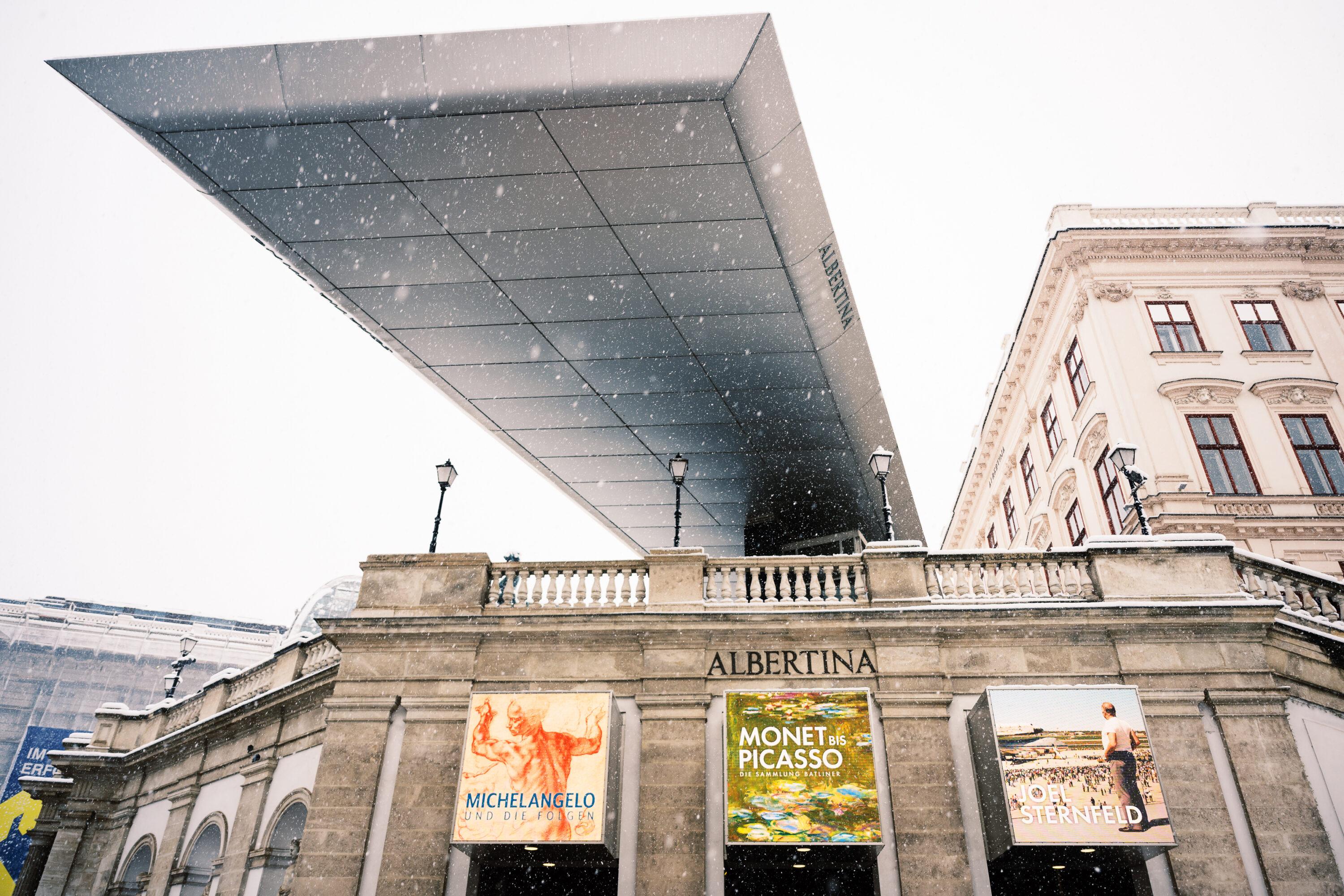
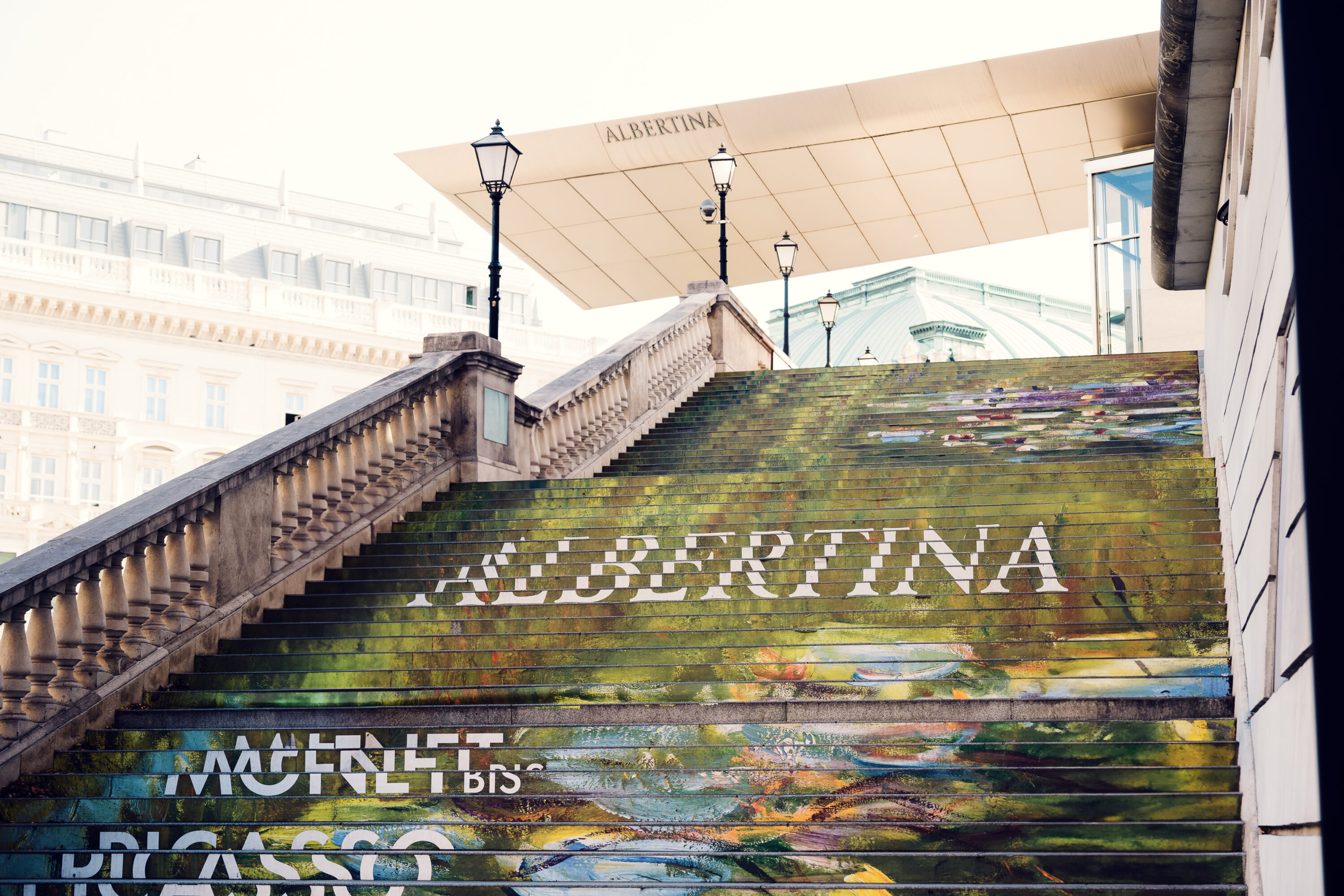
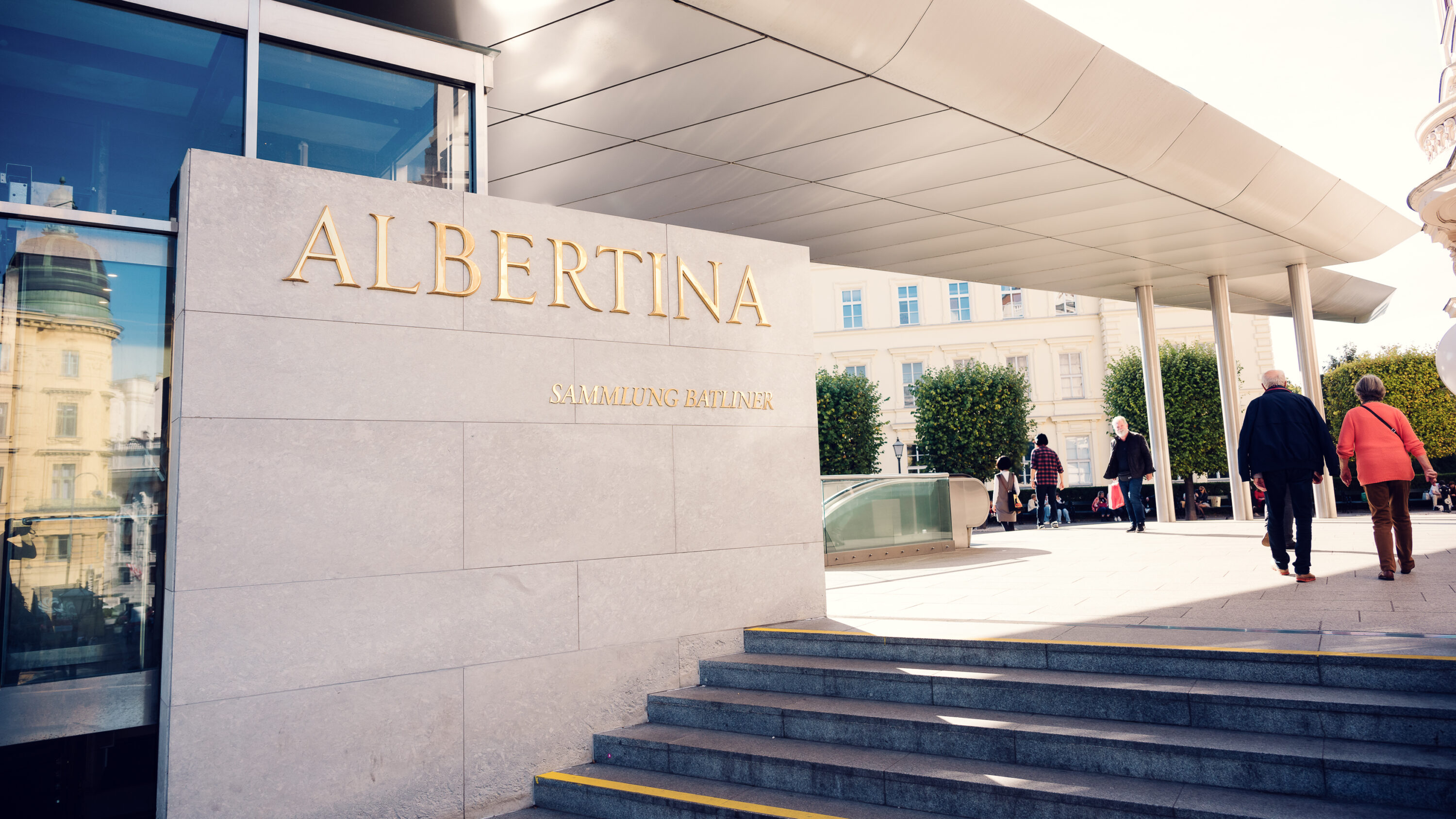
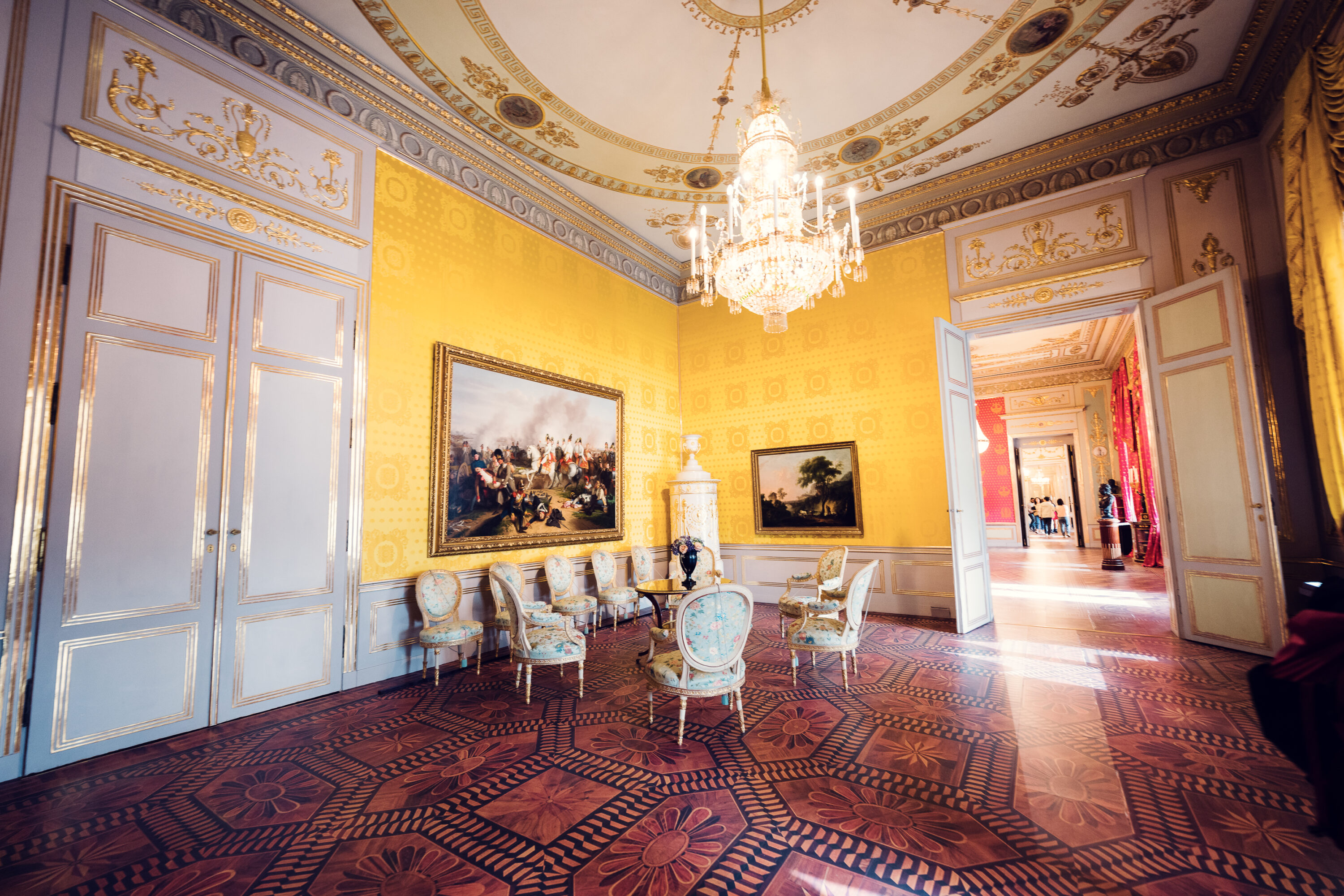
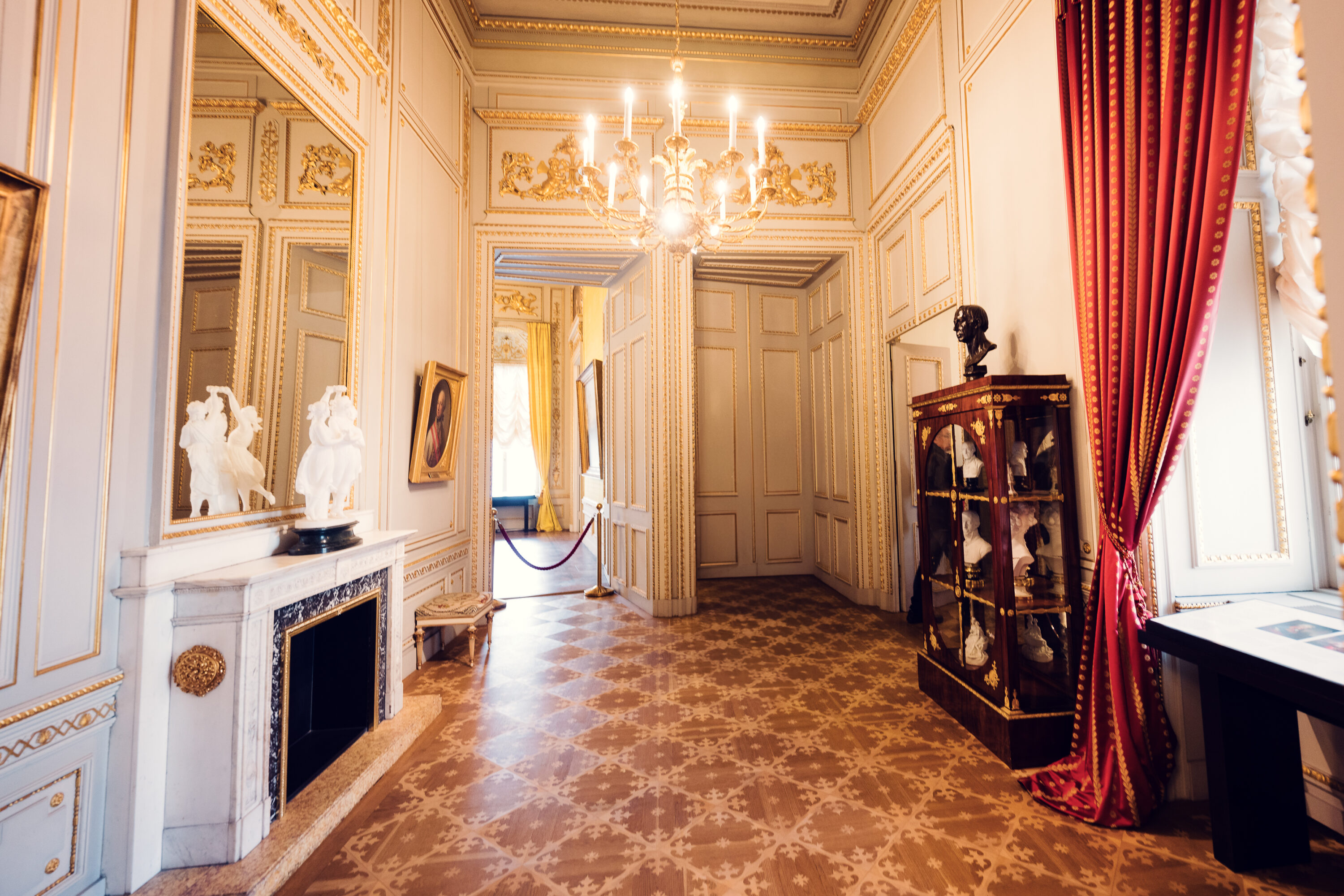
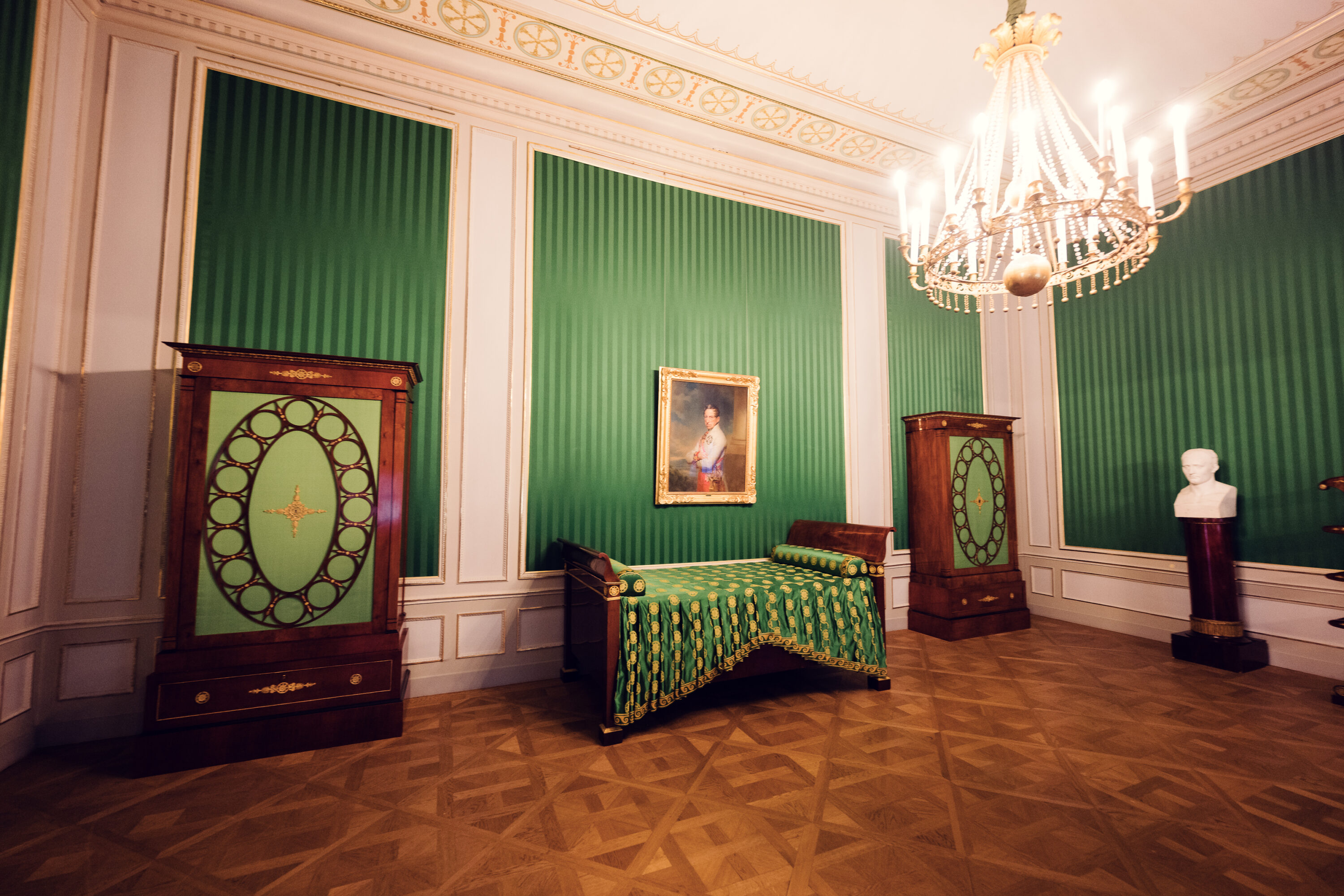
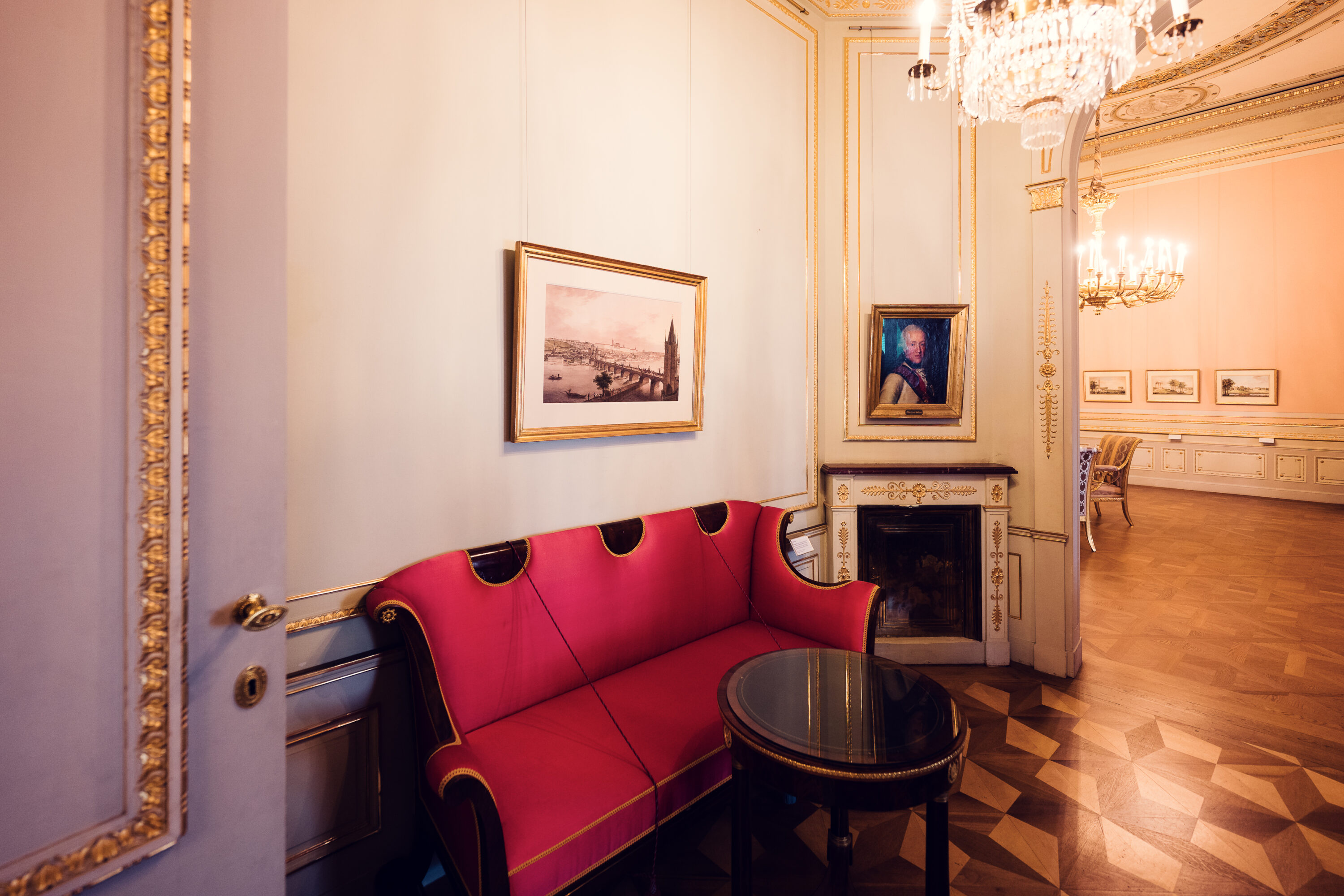
Housed in a former Habsburg residence, the Albertina offers historic atmosphere alongside modern sophistication. Its collection includes major works by Monet, Picasso, and Dürer, displayed in calm, well-curated galleries. A highlight is the series of restored staterooms with parquet floors, silk wall coverings, and crystal chandeliers - a peek into the refined personal world of the Habsburgs. The museum’s terrace, overlooking the Vienna State Opera and the Ringstrasse, adds another layer to the experience, offering one of the most central and scenic viewpoints in the city.
Why go: To enjoy iconic works of art in a setting that reflects the elegance of imperial Vienna with a contemporary edge.
Entry Ticket: Albertina Ticket
Make it Special: Step out to the Albertina terrace for a quick Ringstrasse/Opera view.
Also Consider: Vienna Pass includes entry.


6. Gloriette at Schönbrunn
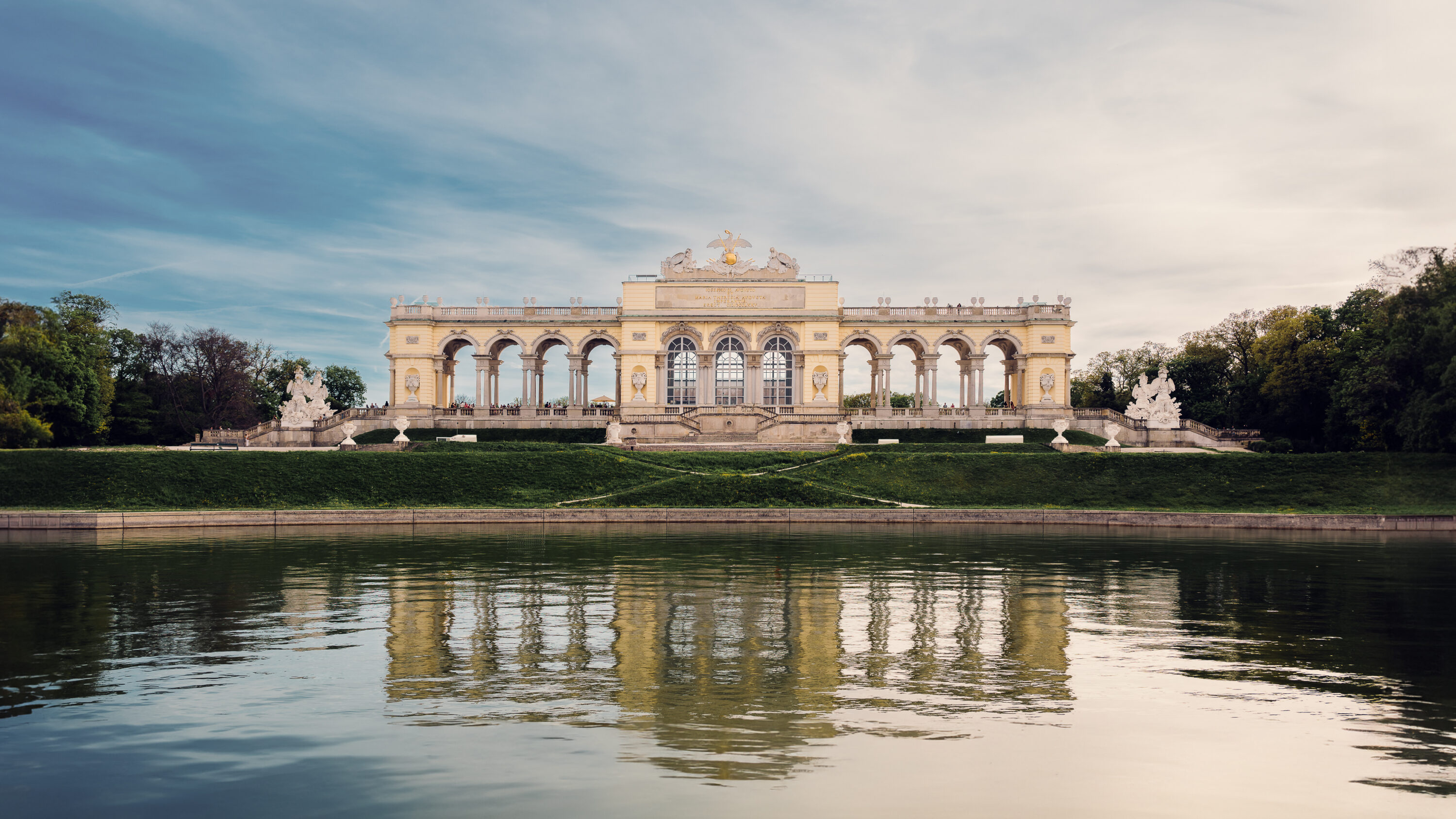
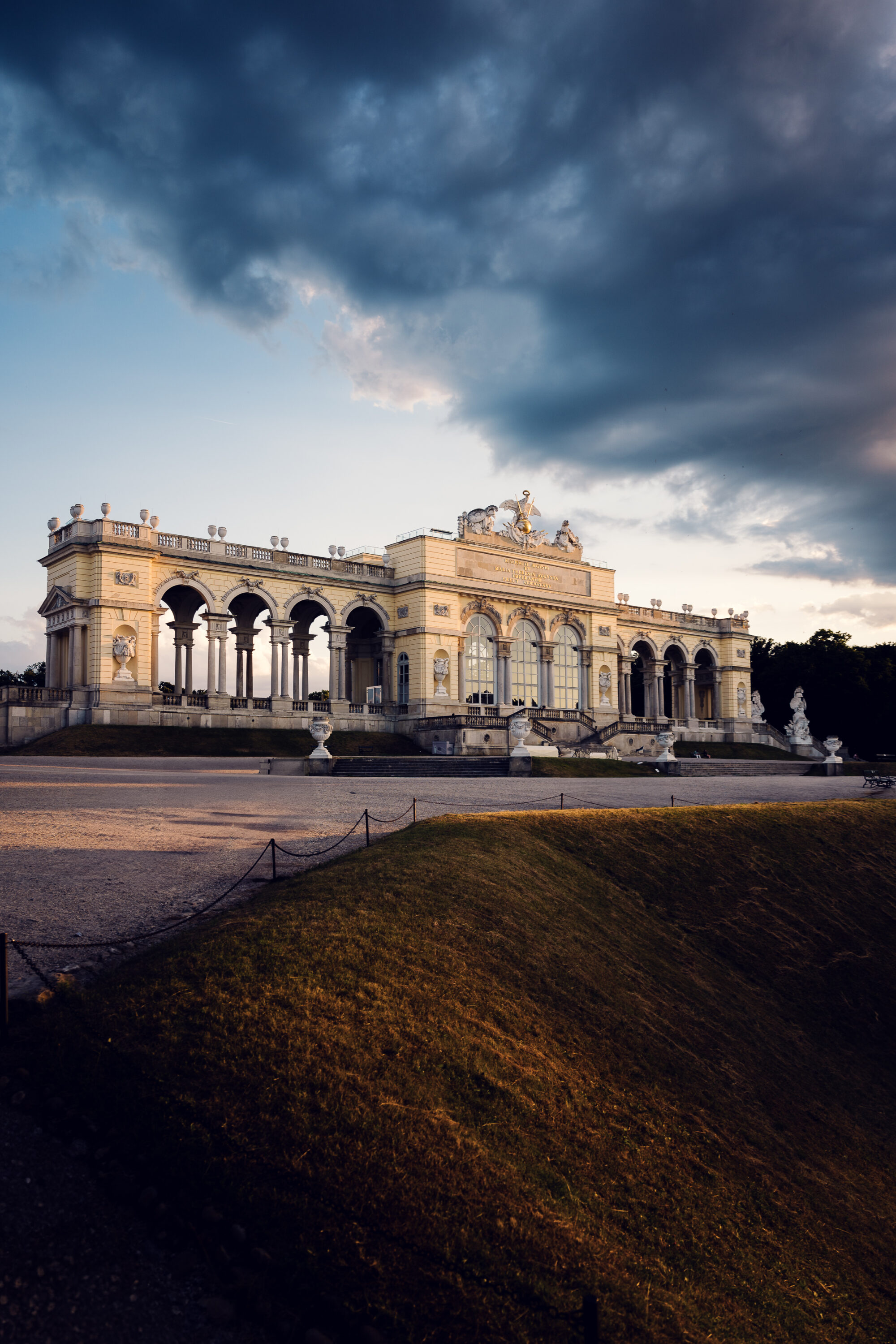
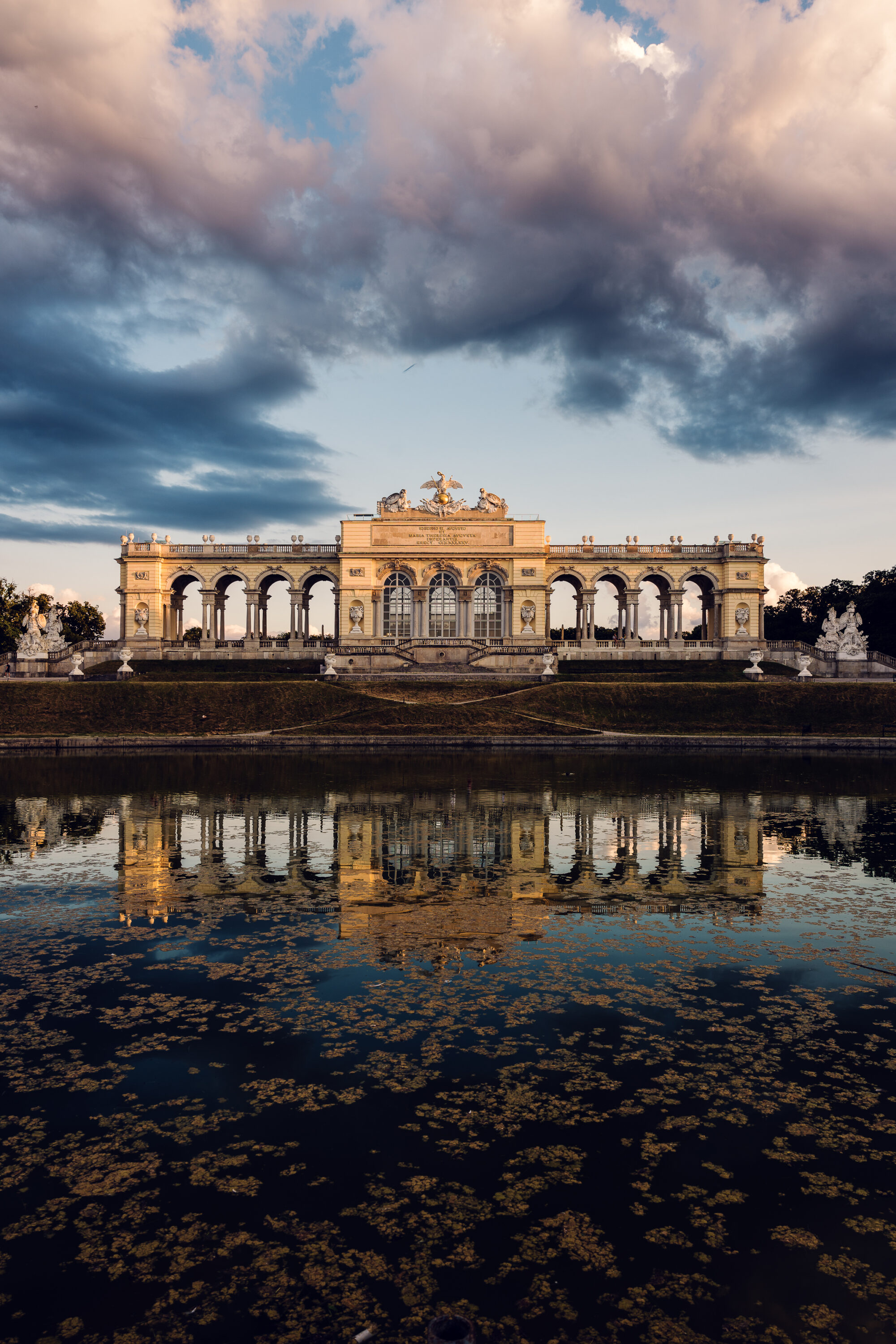
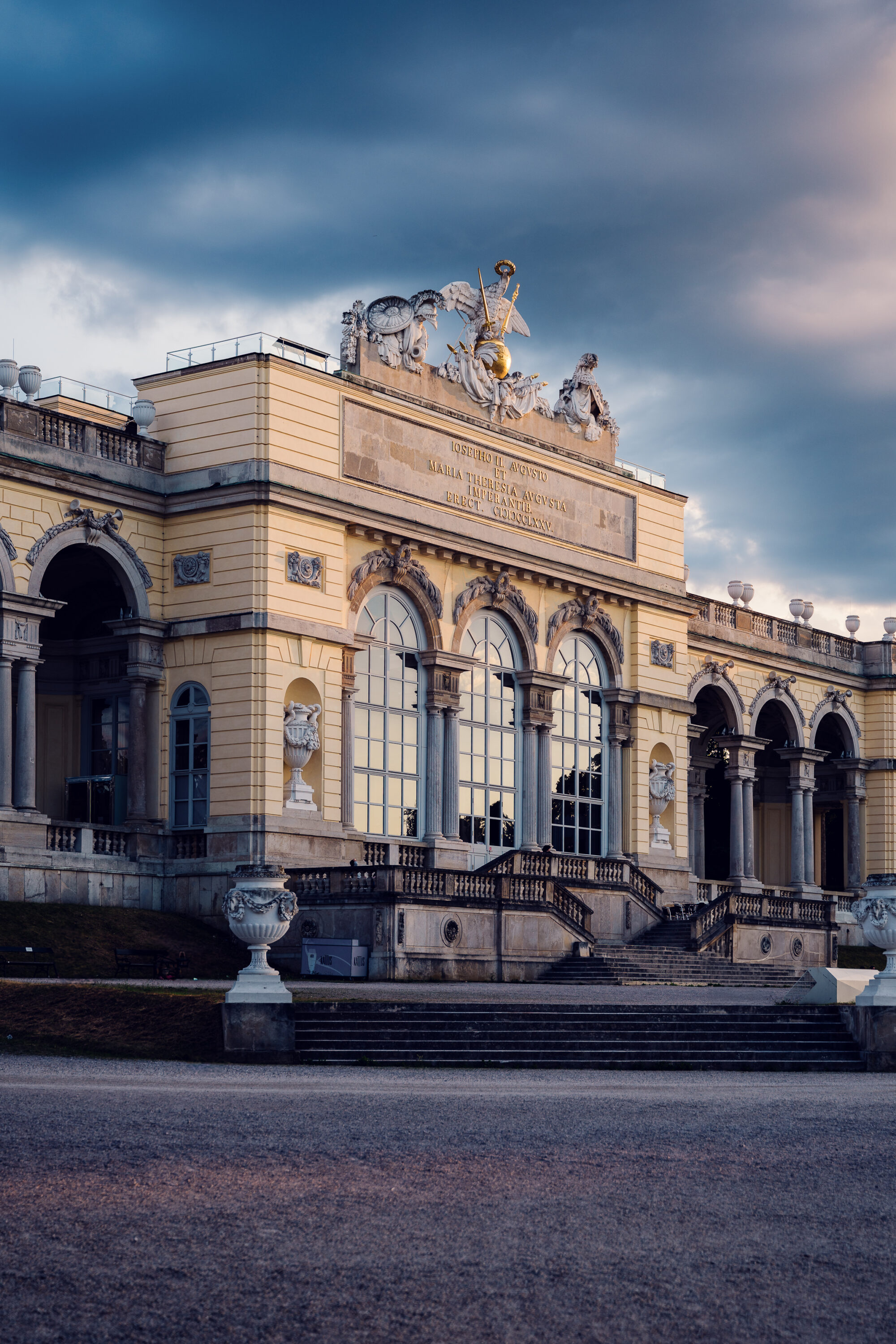
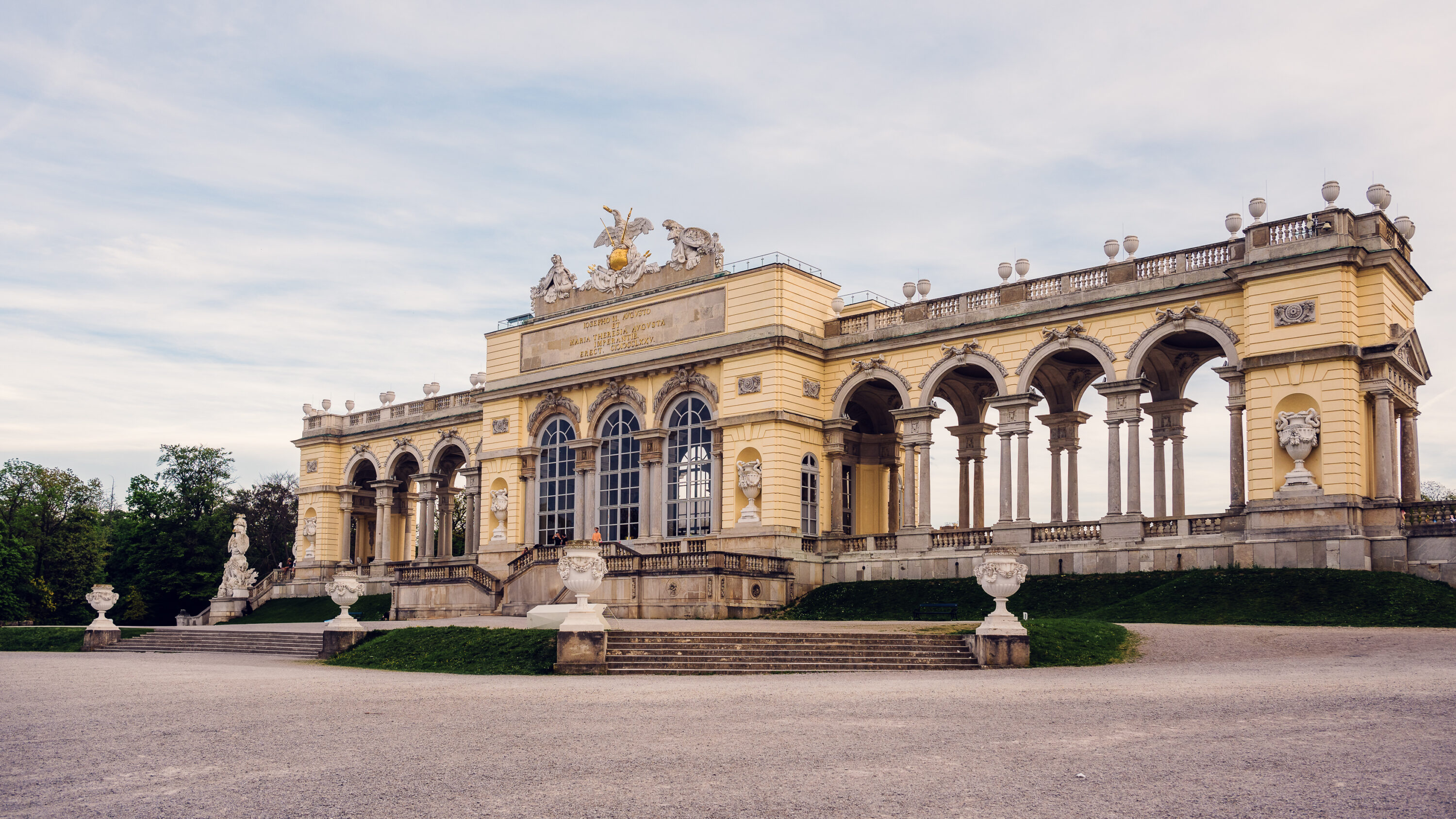
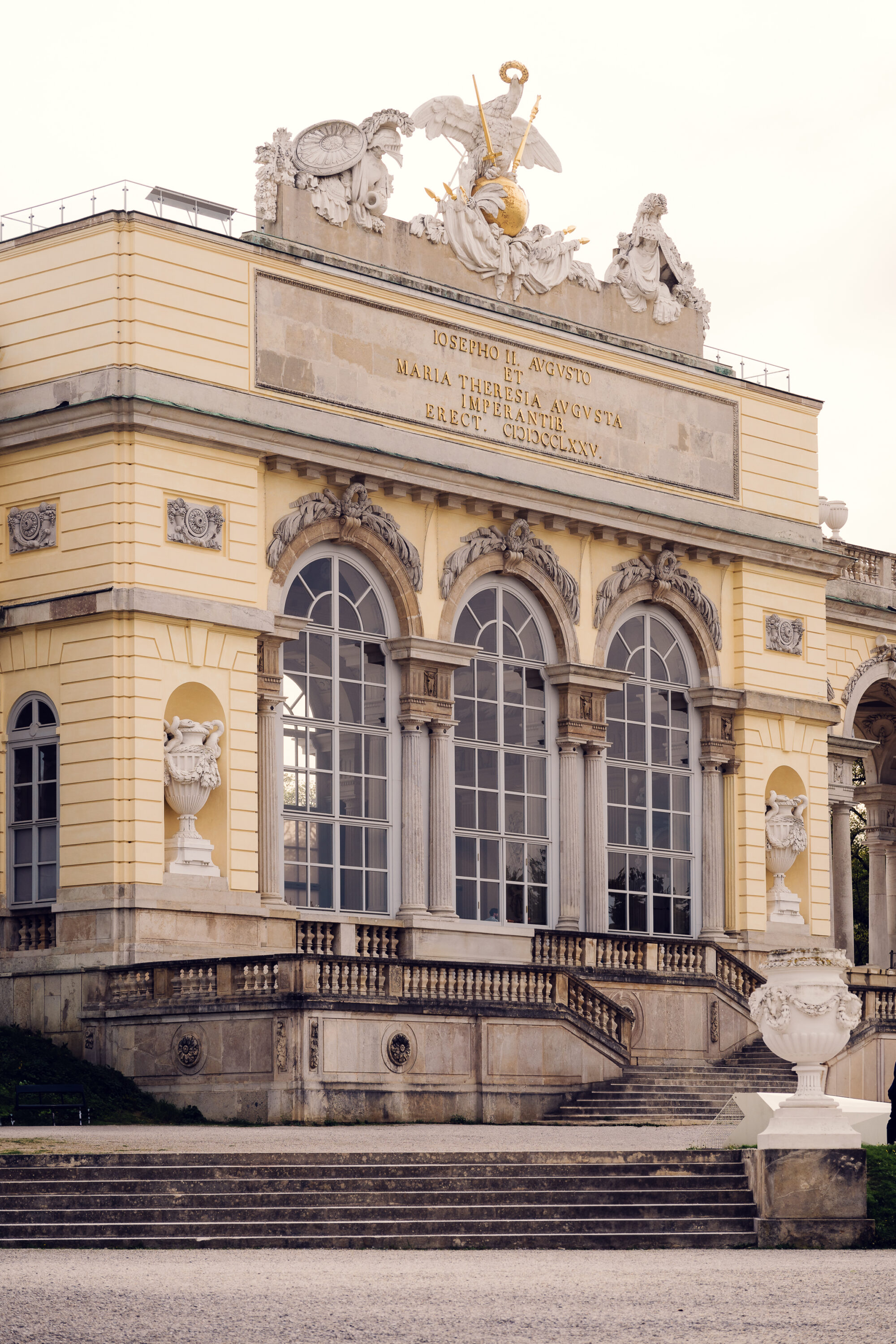
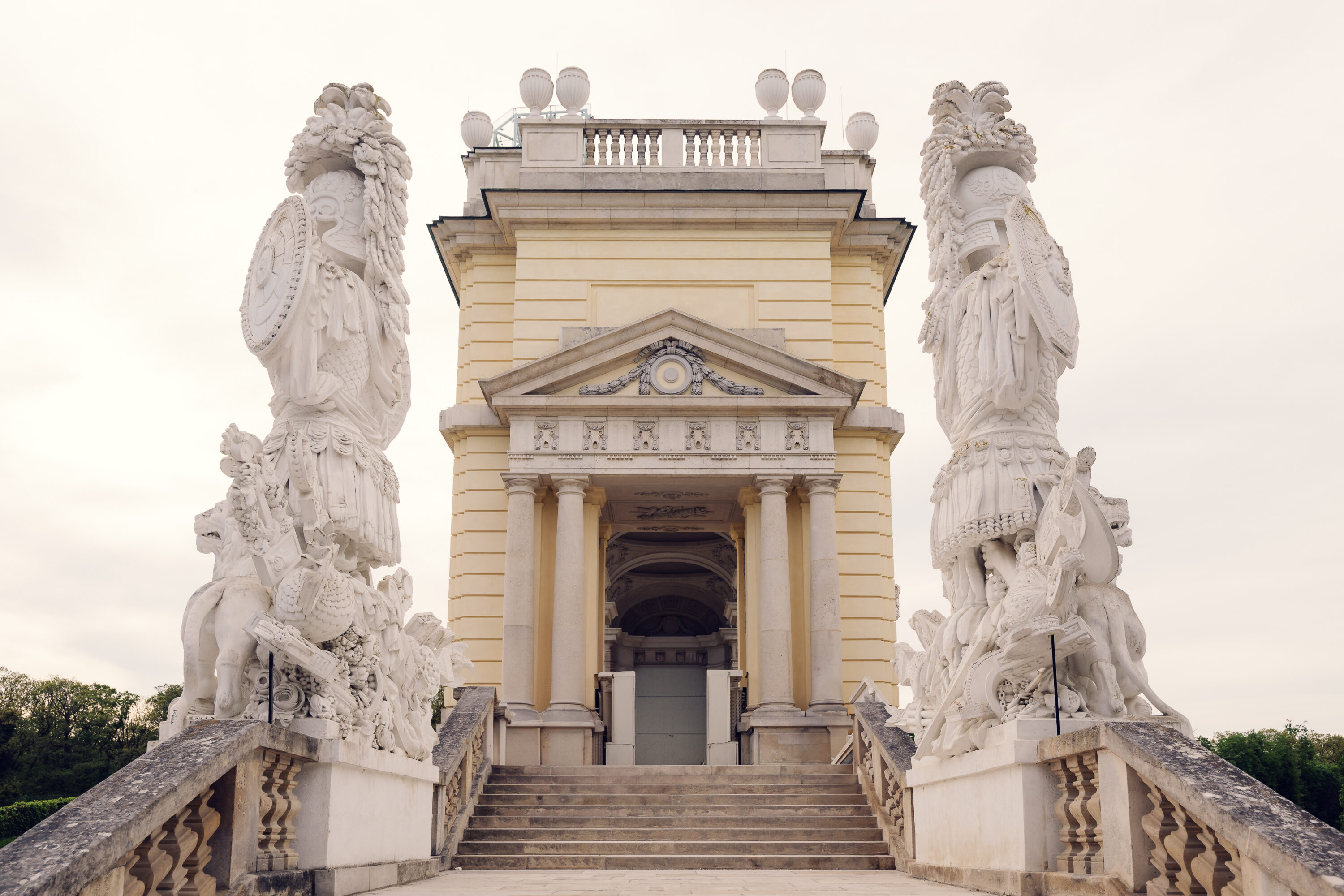
Built in 1775 as a “monument to just war,” the Gloriette was also a place for court breakfasts and symbolic views. Located above the main palace, it’s the final jewel in Schönbrunn’s landscape design. The structure itself is beautiful - a classical colonnade with arched windows and imperial insignia - but it’s the perspective it offers that makes it special. From here, you see the entire garden axis, the palace roofline, and the city skyline in the distance. There’s a small café inside for breakfast, snacks, lunch, cake, and coffee - a perfect spot to pause and enjoy the view.
Why go: For one of Vienna’s most iconic views - a grand, elevated perspective over the palace, gardens, and city.
Entry Ticket: Free exterior viewpoint.
Make it Special: Book the Sisi Buffet at Café Gloriette - an imperial-style brunch often accompanied by live classical music; reservations highly recommended.
Also Consider: With the Vienna Pass, you get free entry to the Aussichtsterrasse (Viewing terrace), making it easy to enjoy one of the city's most iconic vistas without extra cost.
7. Austrian National Library (Prunksaal)
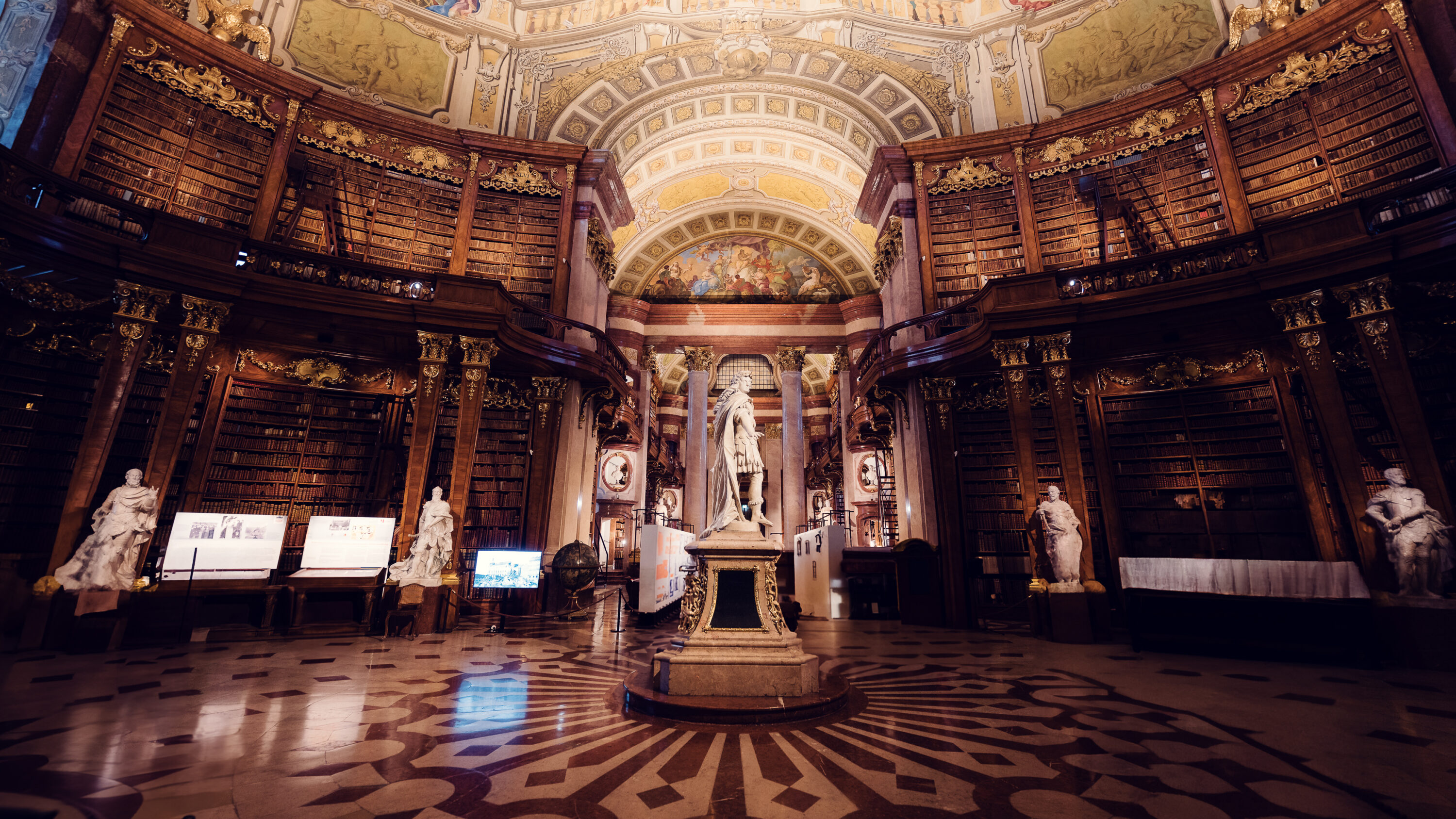
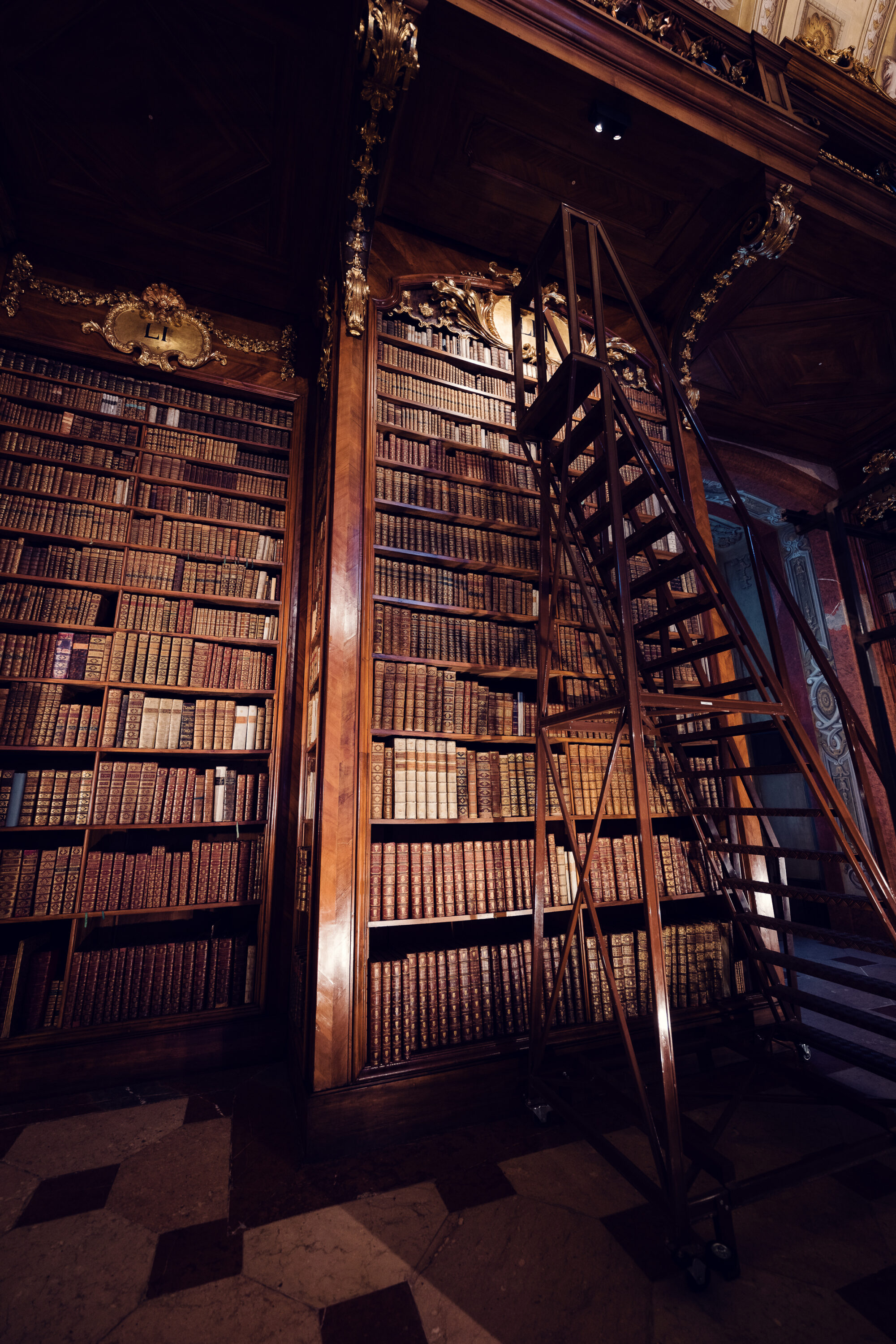
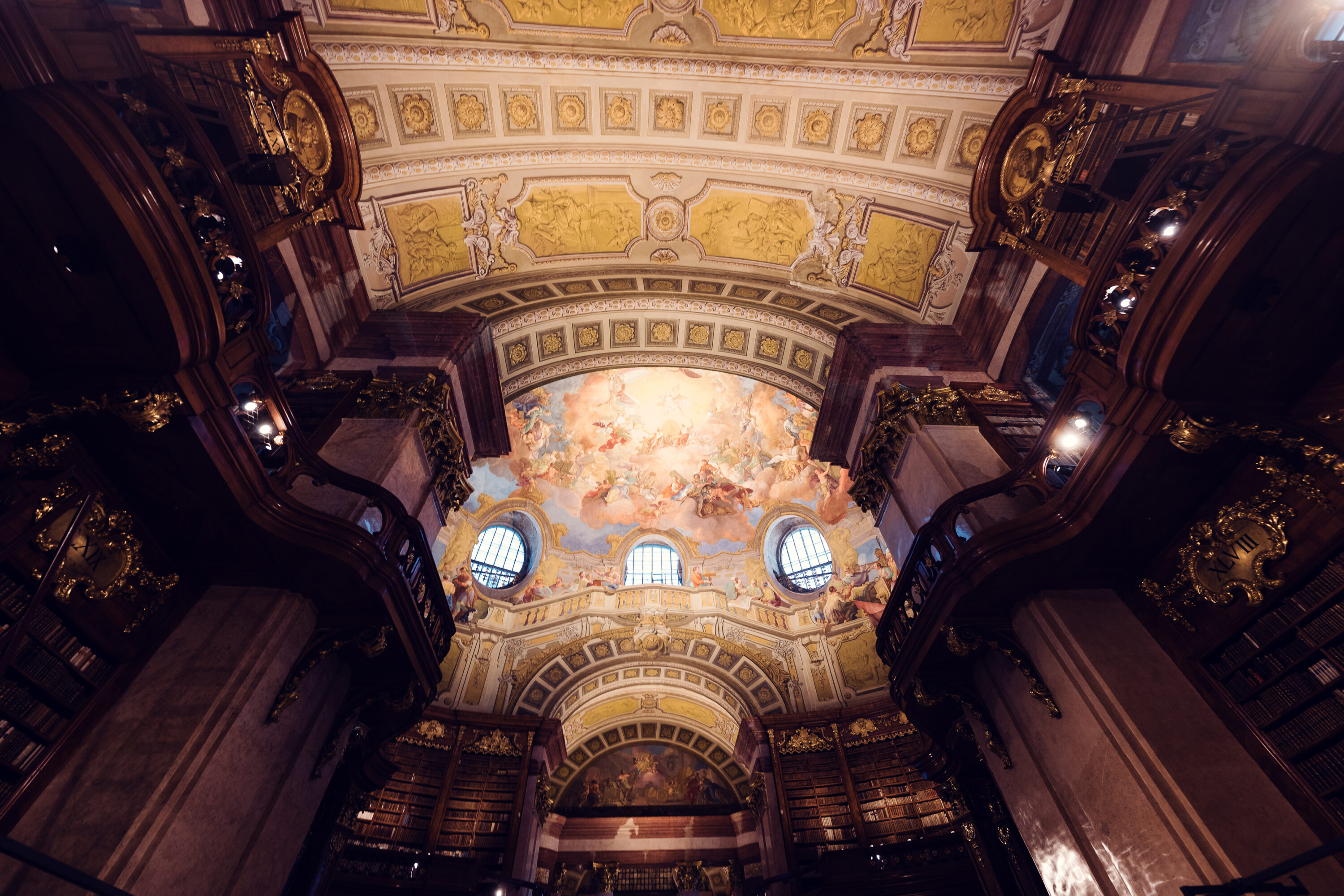
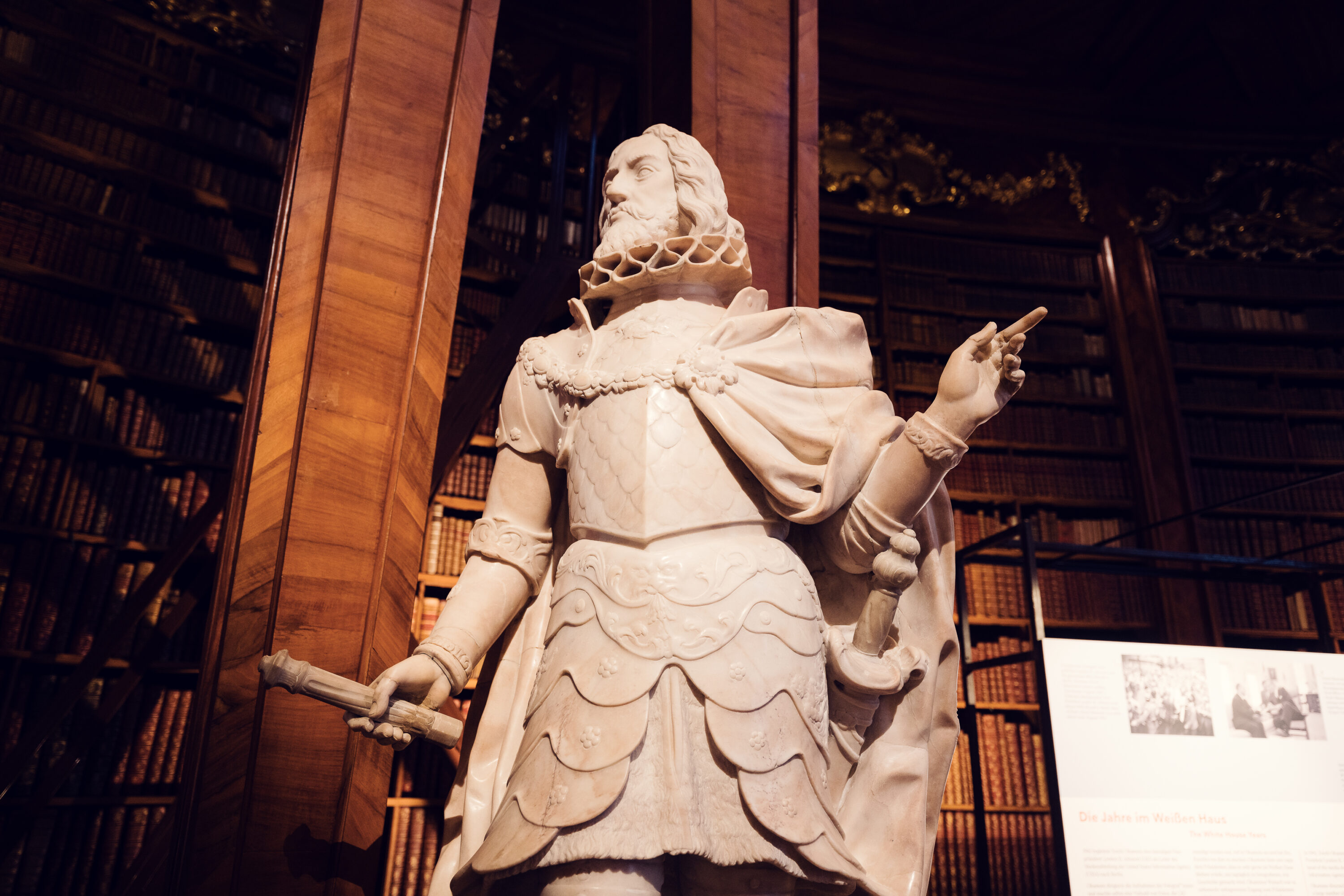
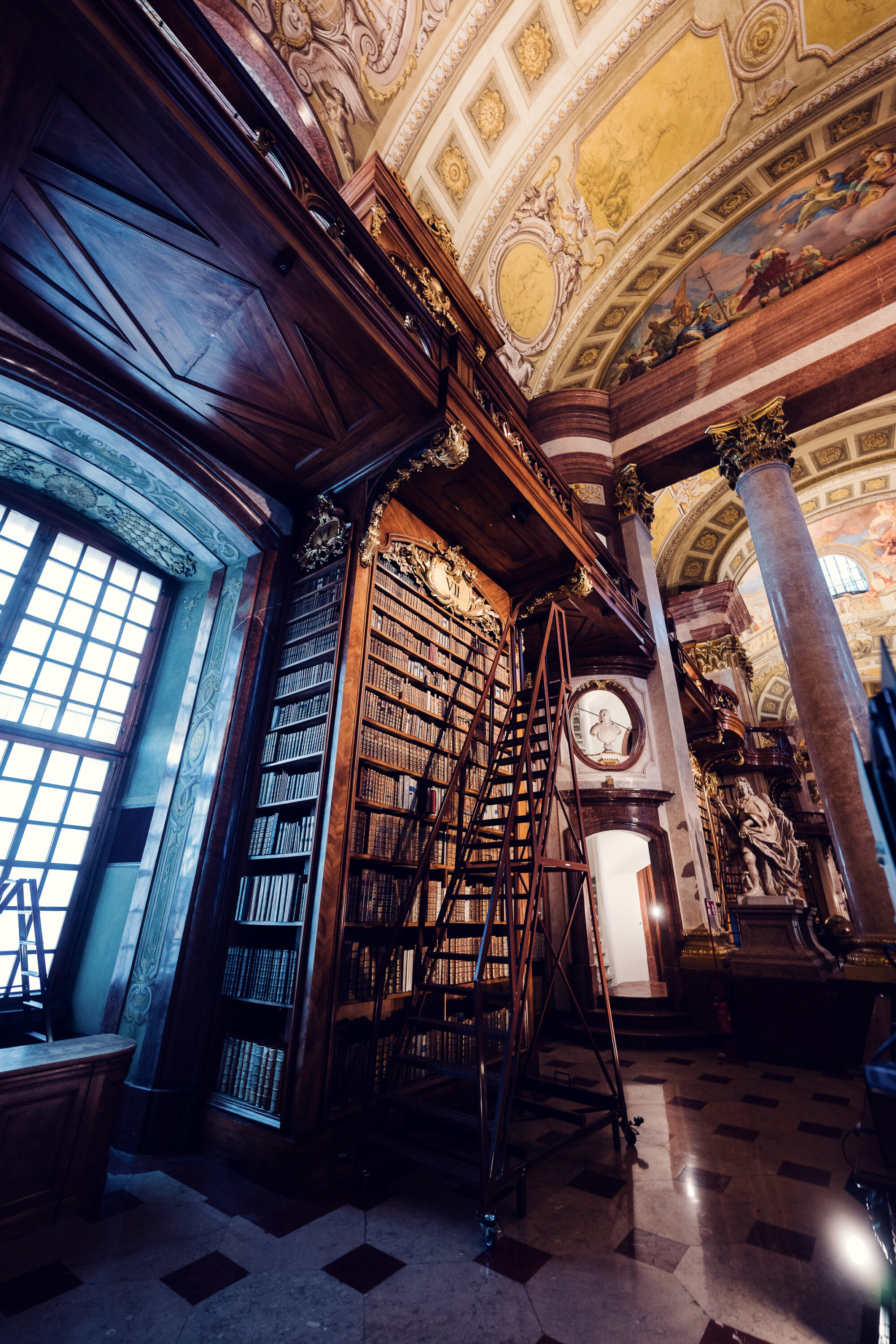
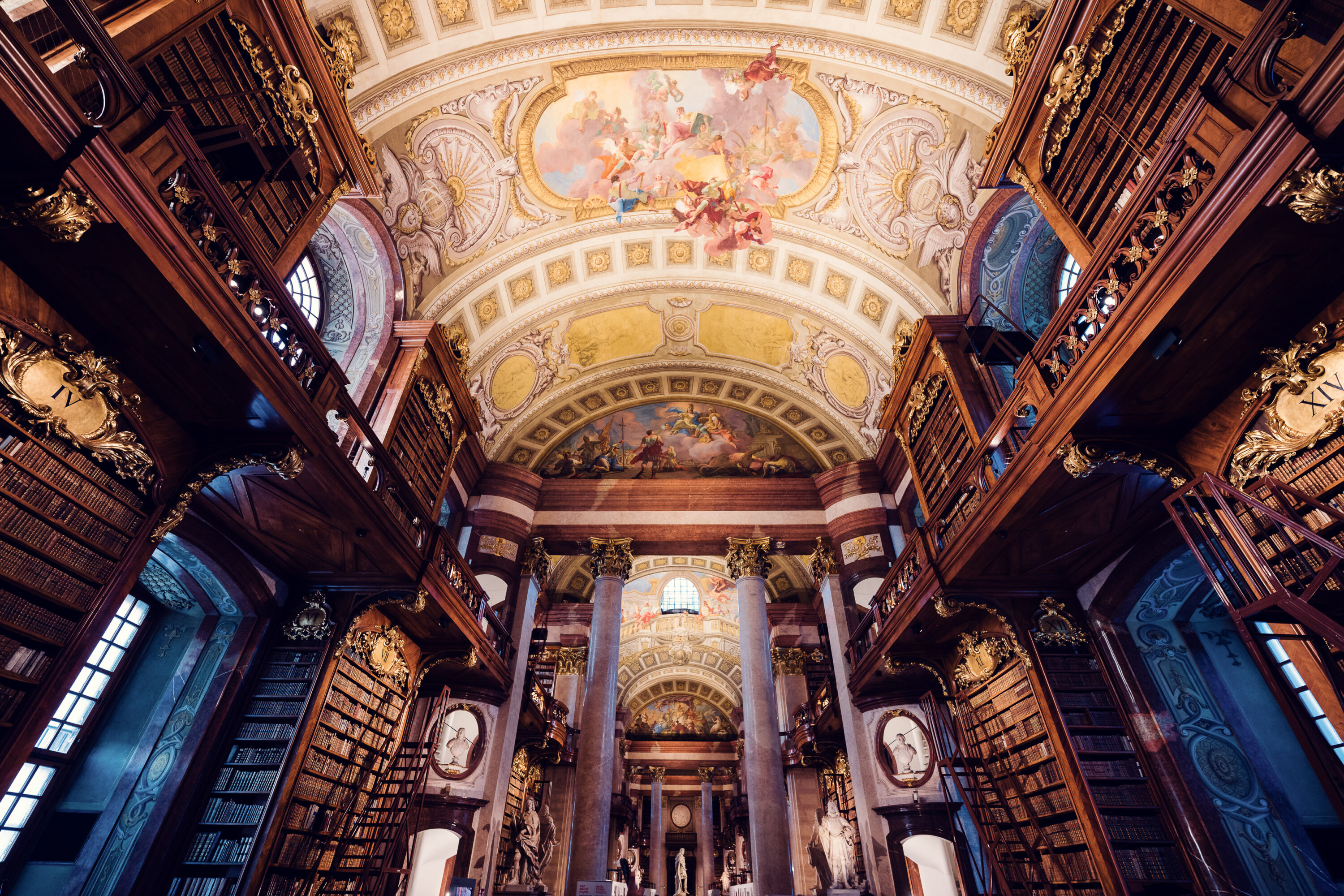
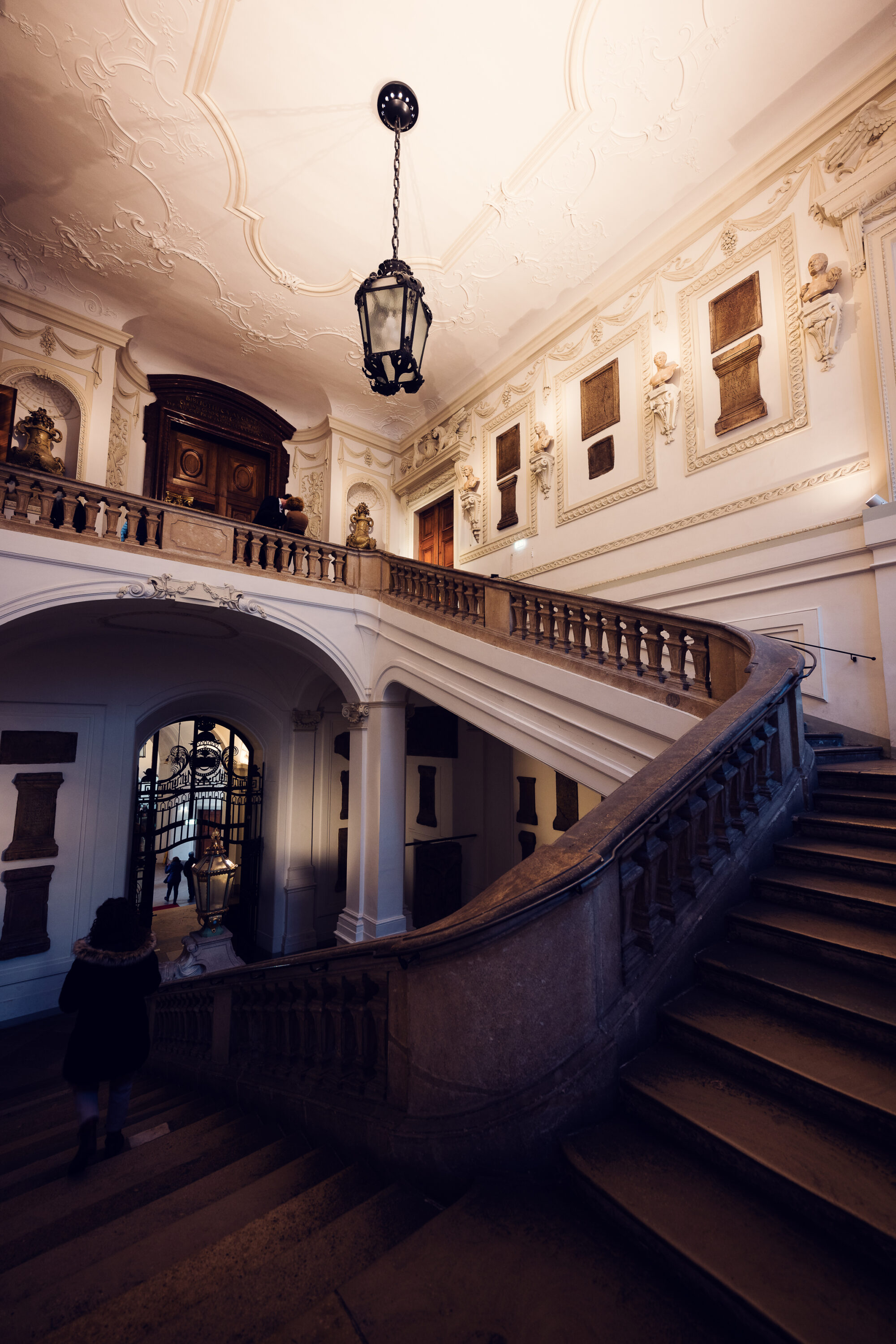
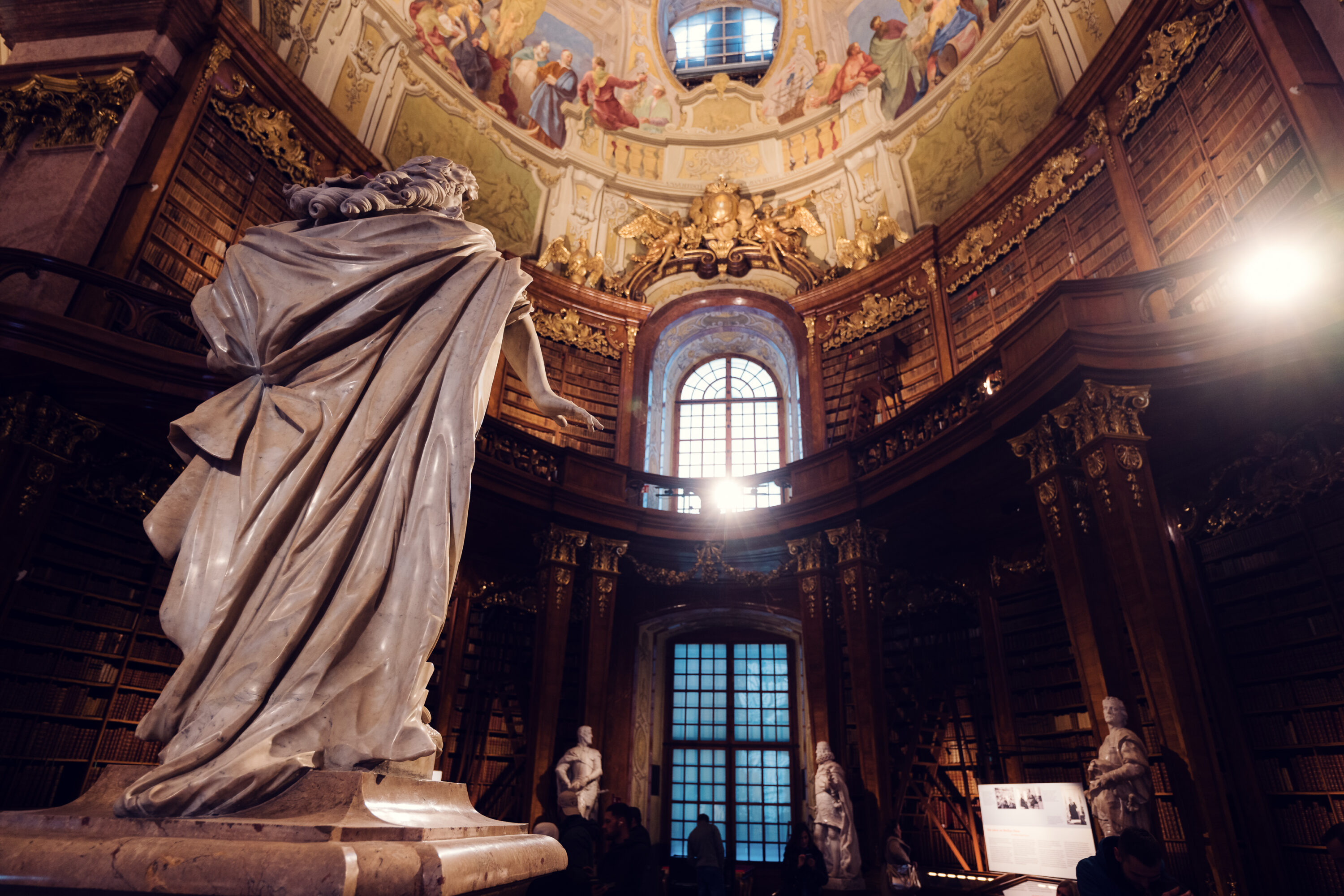
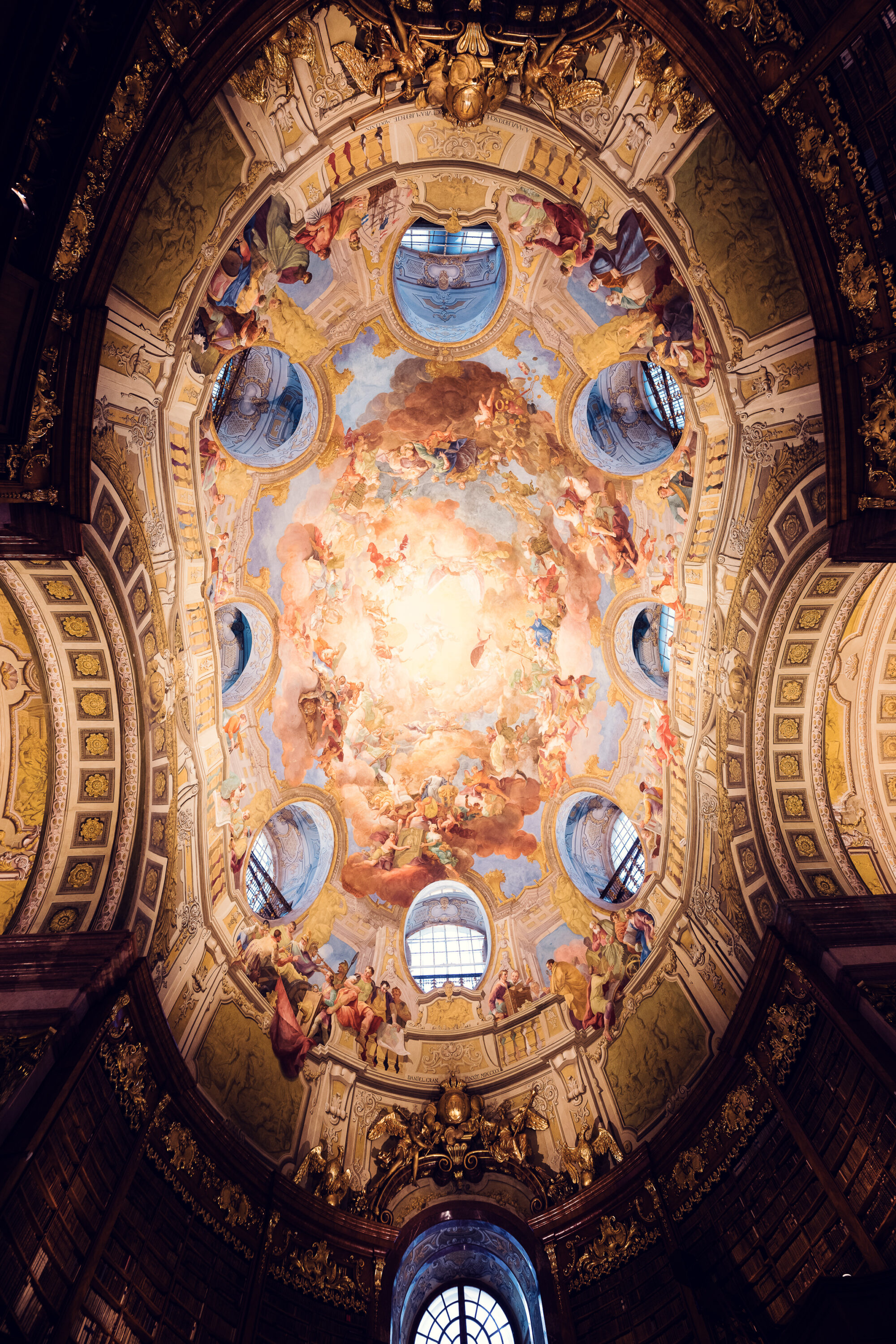
Inside the Hofburg complex, you'll find one of Europe’s most stunning historic interiors - a Baroque showpiece of imperial Vienna. The Prunksaal (State Hall) of the Austrian National Library was commissioned by Emperor Charles VI in the 18th century and houses over 200,000 books beneath a soaring frescoed dome. Marble statues line the central aisle, and baroque flourishes gild every surface. The overall impression is deliberate grandeur, created to honor knowledge as a cultural force. If you're the kind of traveler who seeks out beautiful interiors for visual and emotional impact, this is a must.
Why go: To discover a masterpiece of baroque design hidden in plain sight in a space that echoes the romance of old novels and the grandeur of imagined worlds.
Entry Ticket: Ticket State Hall
Make it special: Do the State Hall at opening, then glide to Café Central (4 - 5 min walk) for a classic Viennese breakfast under chandeliers.
Also Consider: Vienna Pass includes entry.
8. Volksgarten & Theseus Temple
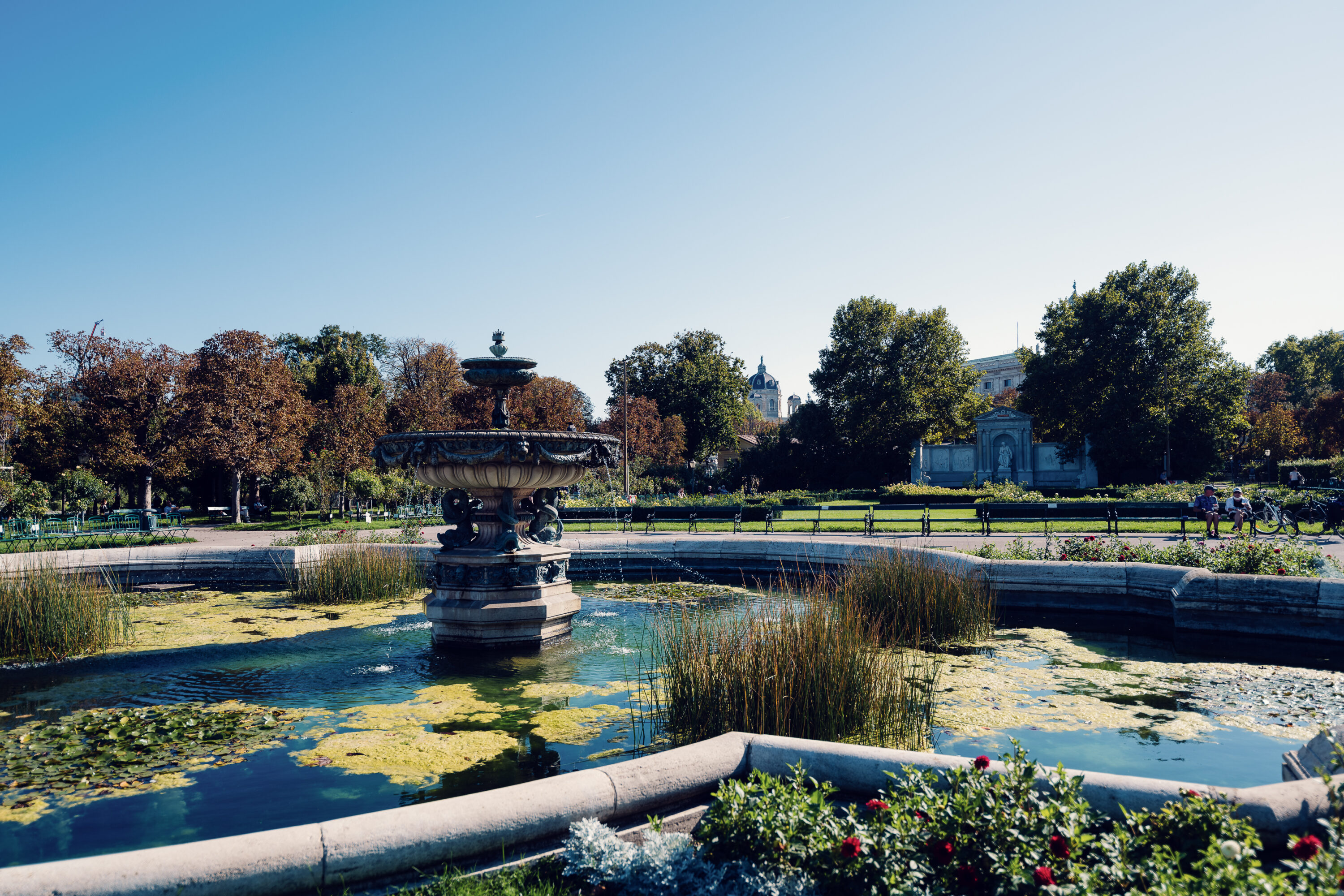
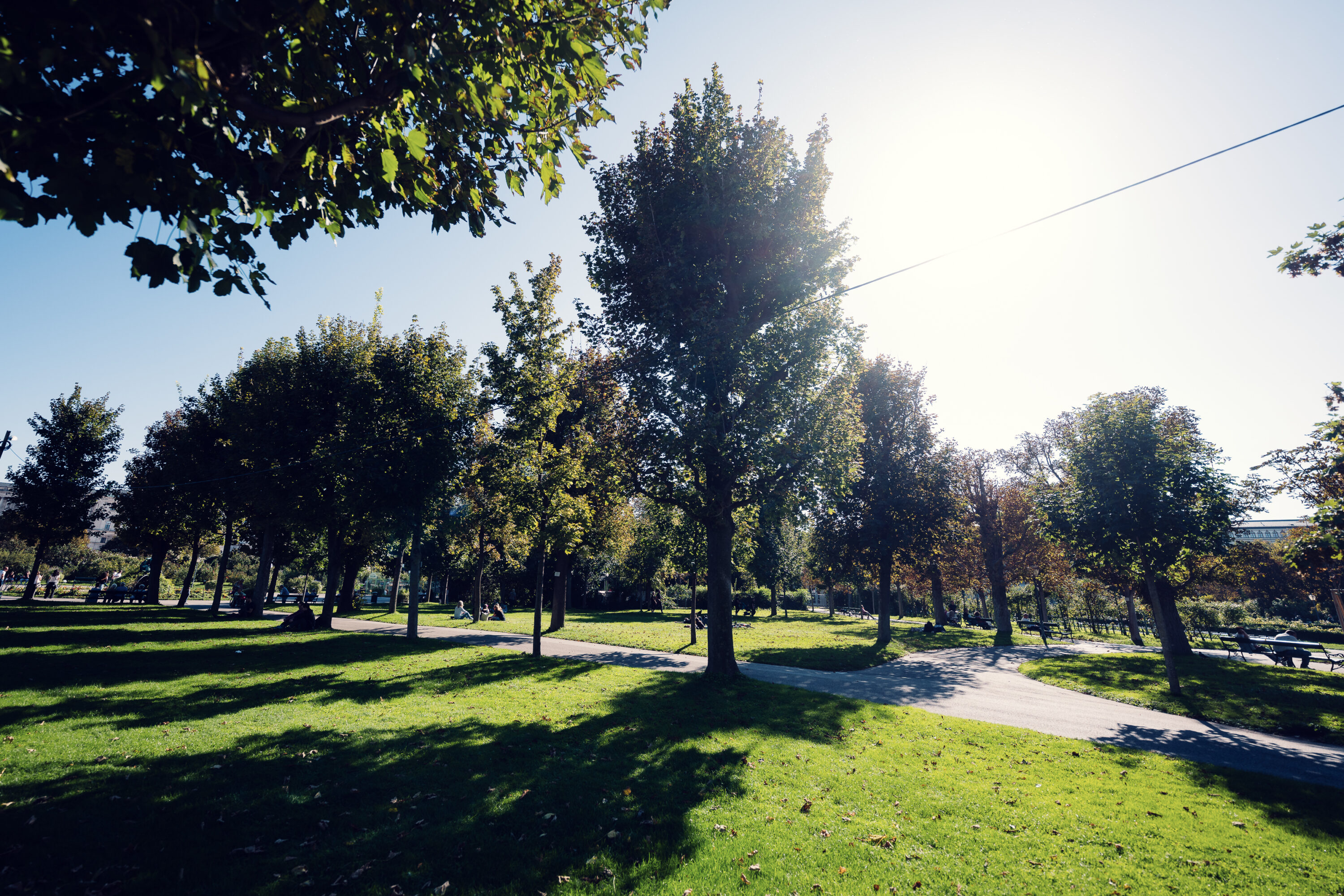
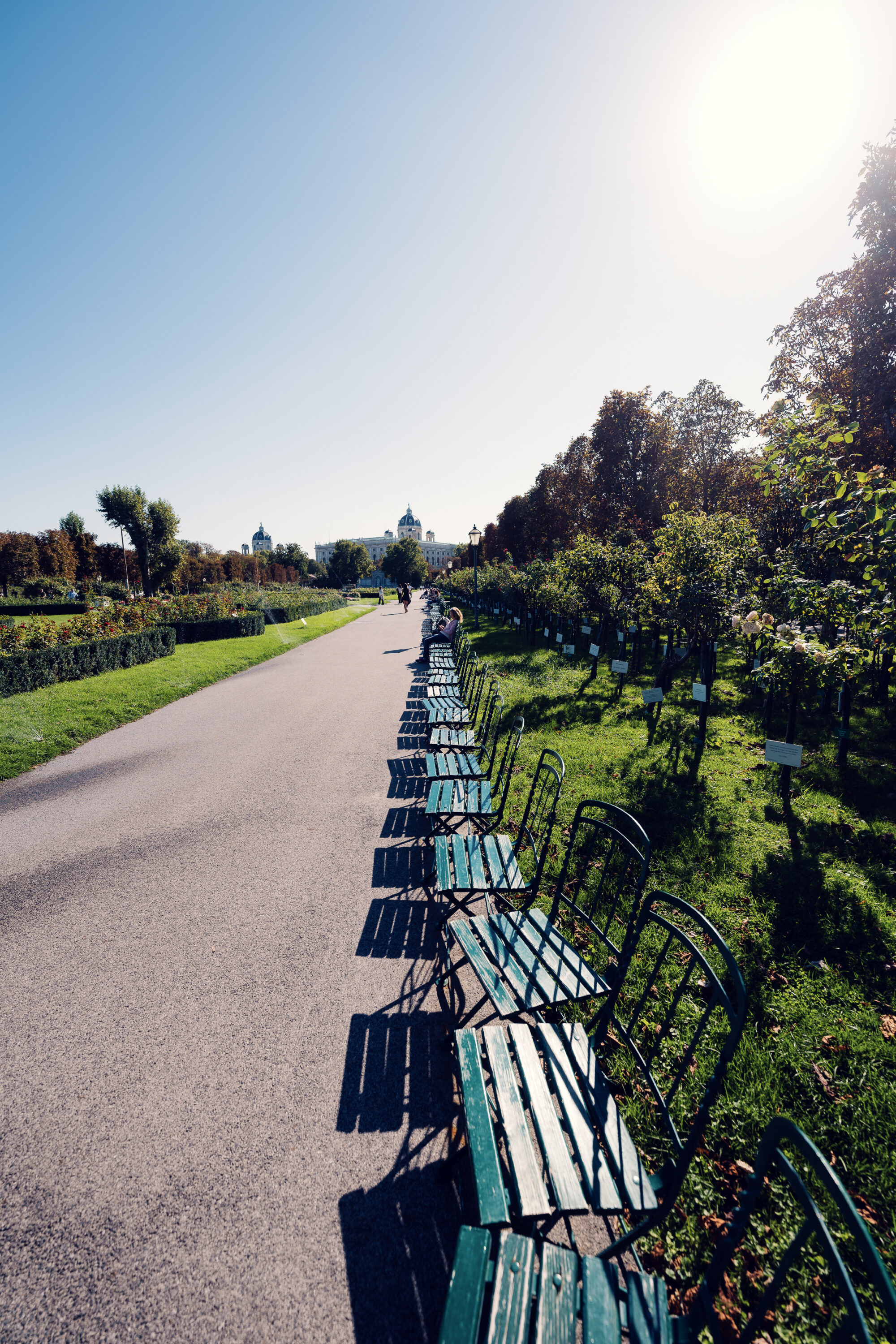
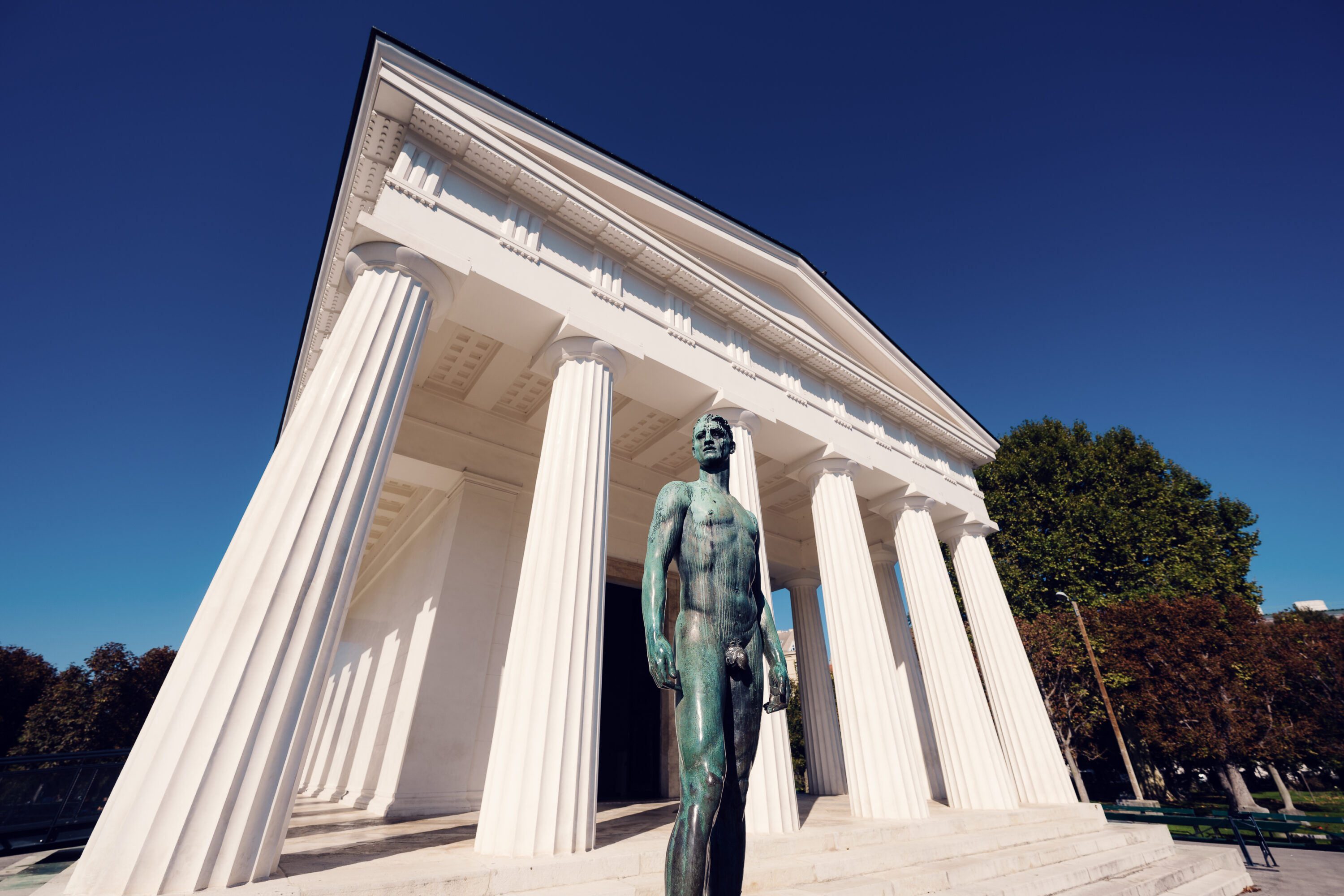
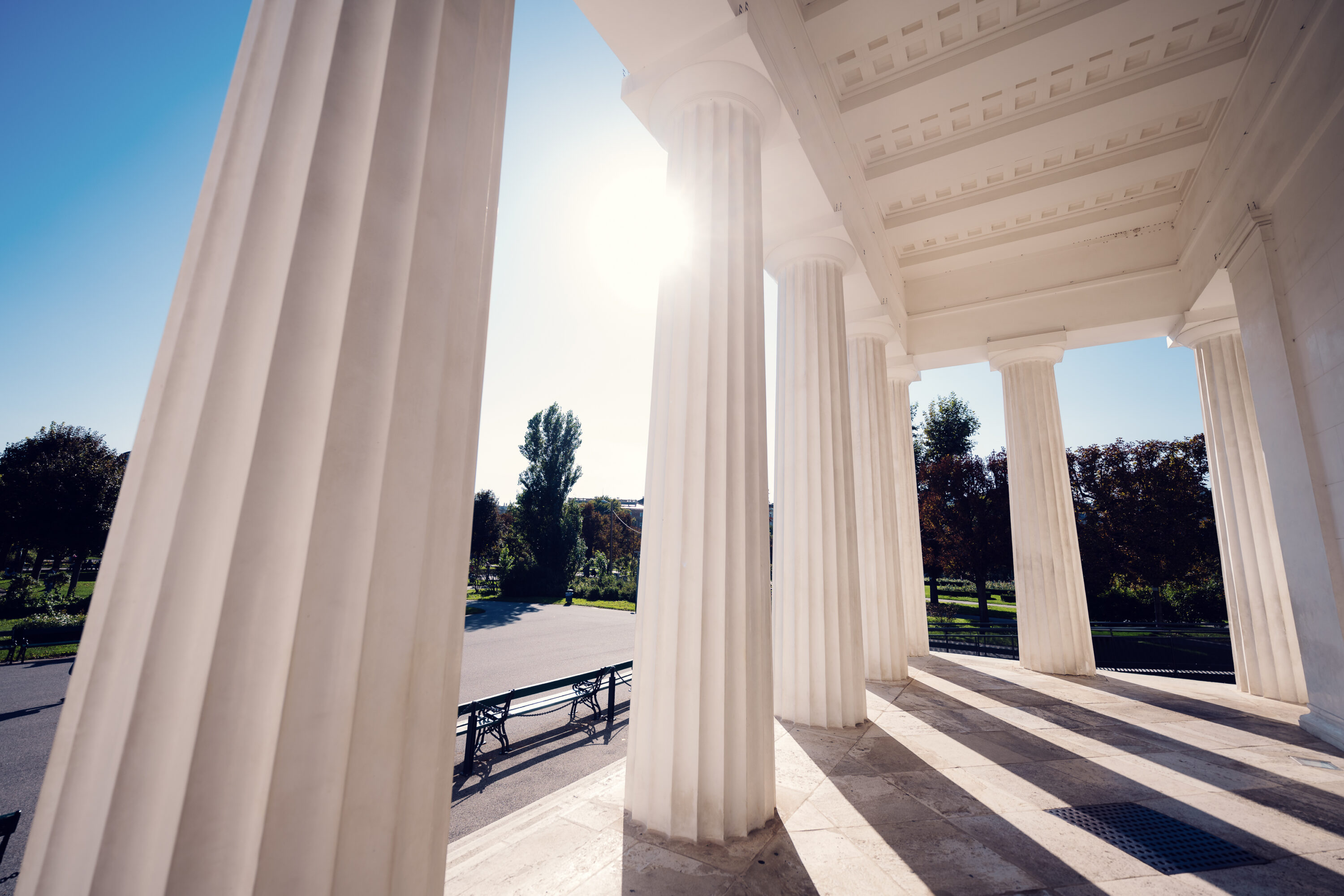
Created on former Hofburg fortifications and opened as a court-owned public park, the Volksgarten is a graceful echo of imperial Vienna’s city planning under the Habsburgs. The Volksgarten is a public park on the Hofburg grounds, renowned for its rose gardens and the neoclassical Theseus Temple. Designed in the early 19th century, it’s now a calm public park lined with rose beds, marble fountains, and wide gravel paths. At its center stands the Theseus Temple - a neoclassical pavilion modeled after the Temple of Hephaestus in Athens. It’s minimal, photogenic, and provides a striking contrast to the surrounding greenery. In late spring and early summer, the rose gardens reach full bloom, creating one of the city’s most romantic seasonal views. The park is also a quiet and scenic pause between museums or nearby sights.
Why go: For a refined pause in the city - floral, neoclassical, and deeply Viennese.
Entry Ticket: Free park entry.
Make it Special: Rose season: Late May - June = peak blooms; early mornings are typically calmest.
Also Consider: At the Volksgarten, you can sponsor a rose (“Rosenpatenschaft”) with a personalized plaque - supporting the garden’s upkeep for several years - though availability is often limited.



9. Spanish Riding School

The Spanish Riding School is a preserved courtly tradition - precise, elegant, and surprisingly moving. Housed in a striking Baroque hall inside the Hofburg, it’s the only institution in the world where classical dressage has been practiced continuously for over 450 years. Watching the Lipizzaner stallions train or perform is a slow, deliberate ritual that reflects centuries of refinement. The setting is refined and immersive, revealing the spirit of imperial Vienna through precision, ritual, and a sense of quiet power.
Why go: To experience imperial tradition through movement, discipline, and a unique sense of ceremony.
Entry Ticket: Spanish Riding School Training
Make it Special: Spanish Riding School performance
Also Consider: Vienna Pass includes entry.


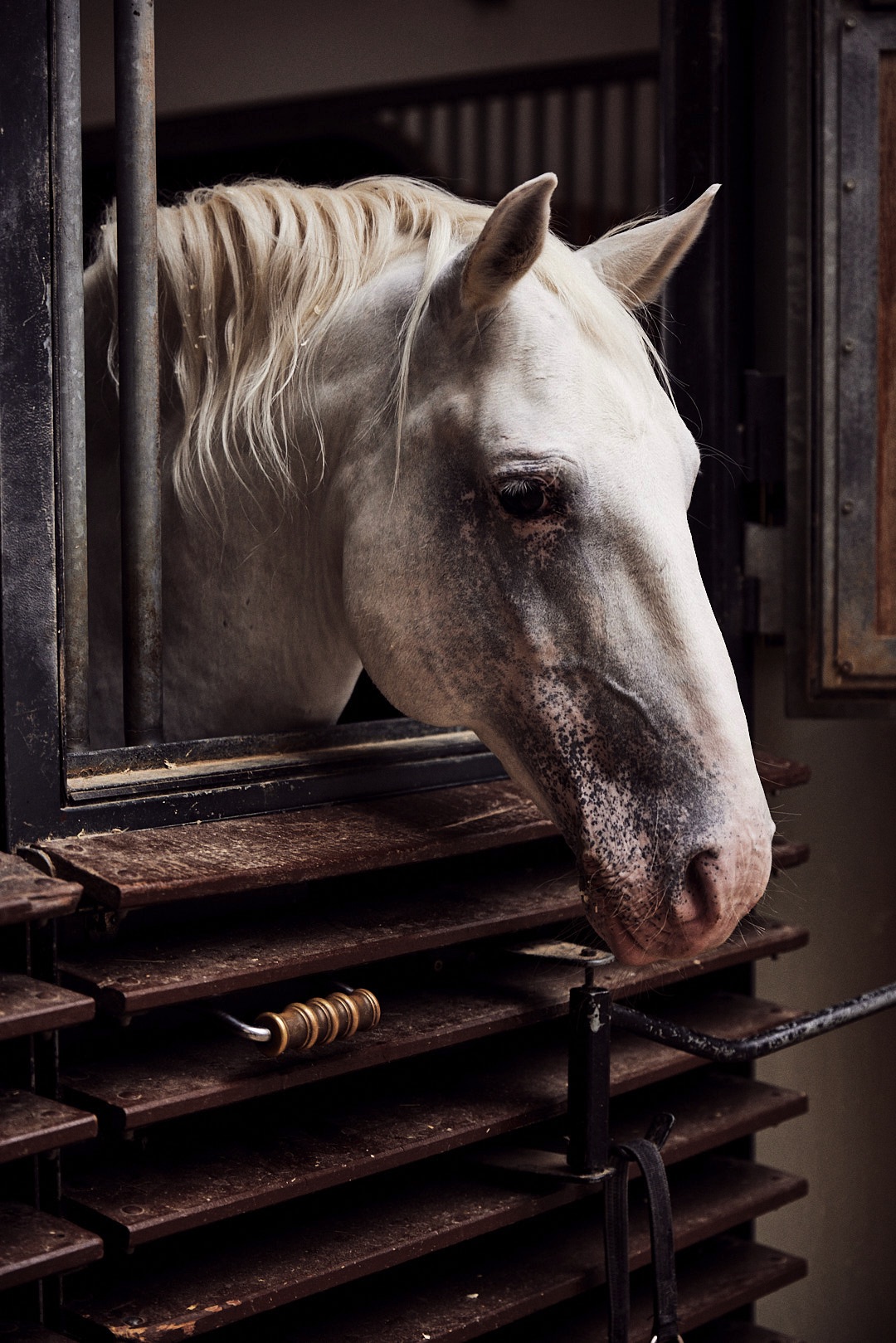


The images are provided by the Spanish Riding School. Copyright: Peter Rigaud & Julie Brass.
10. Imperial Treasury (Kaiserliche Schatzkammer)
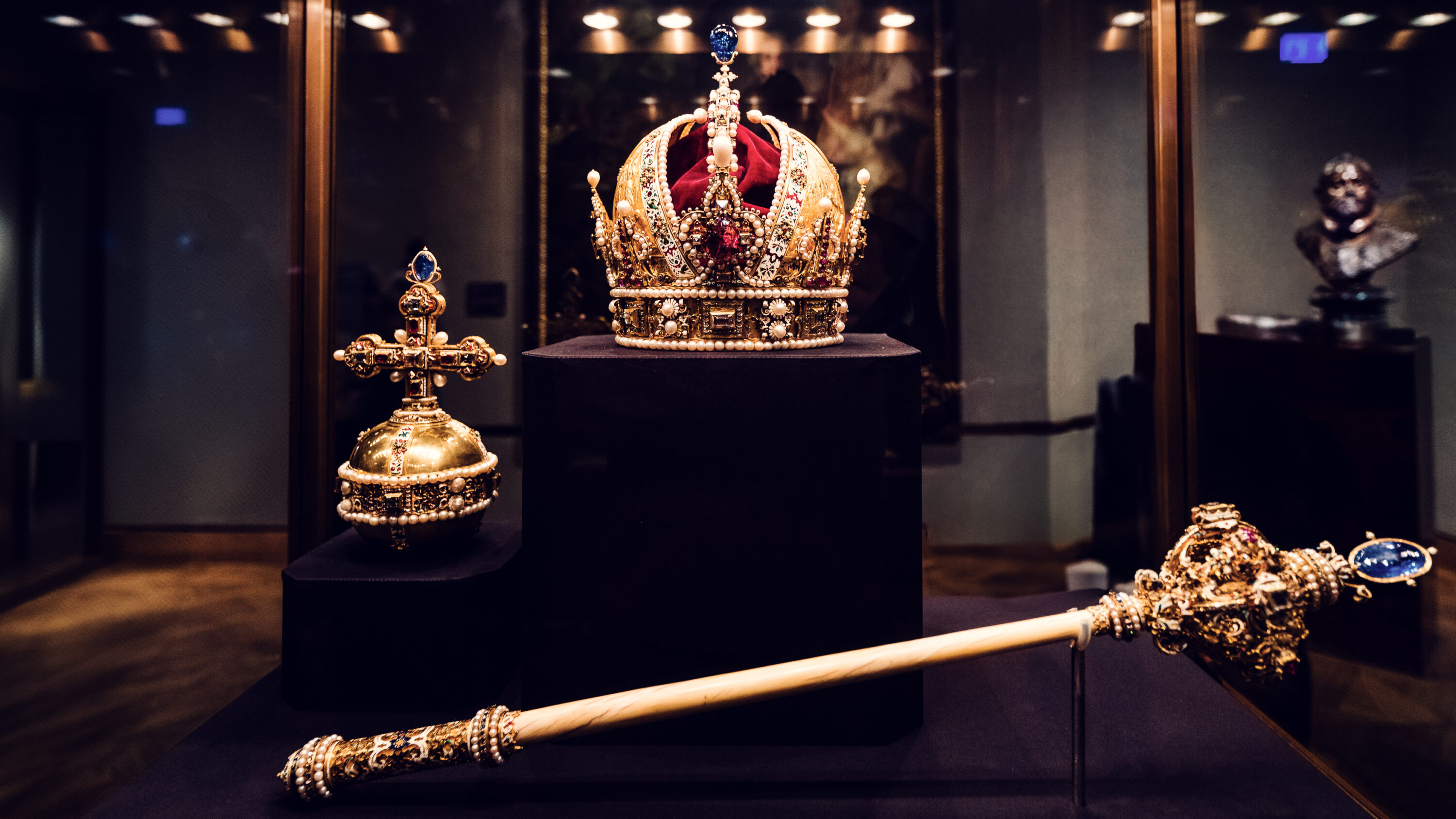
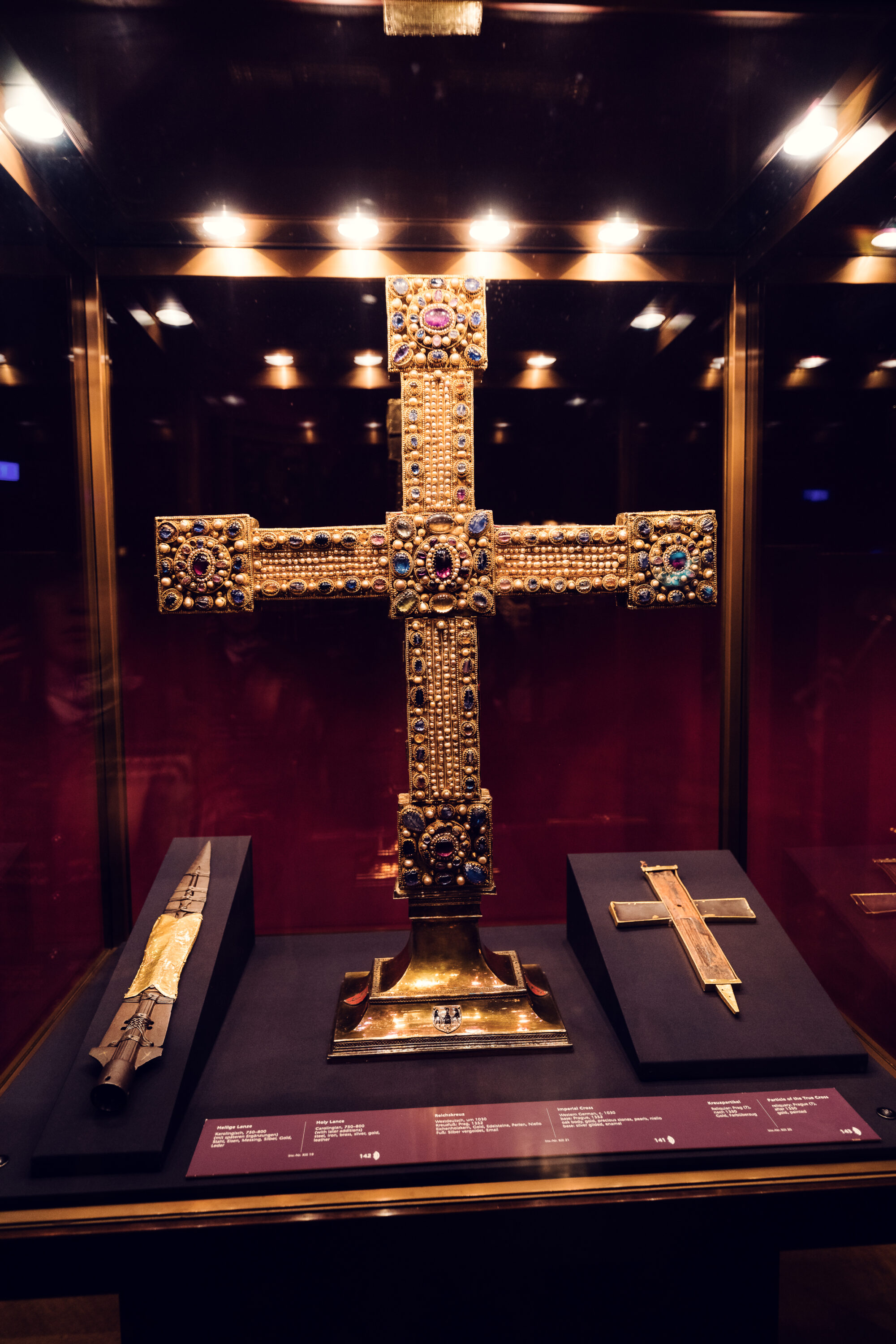
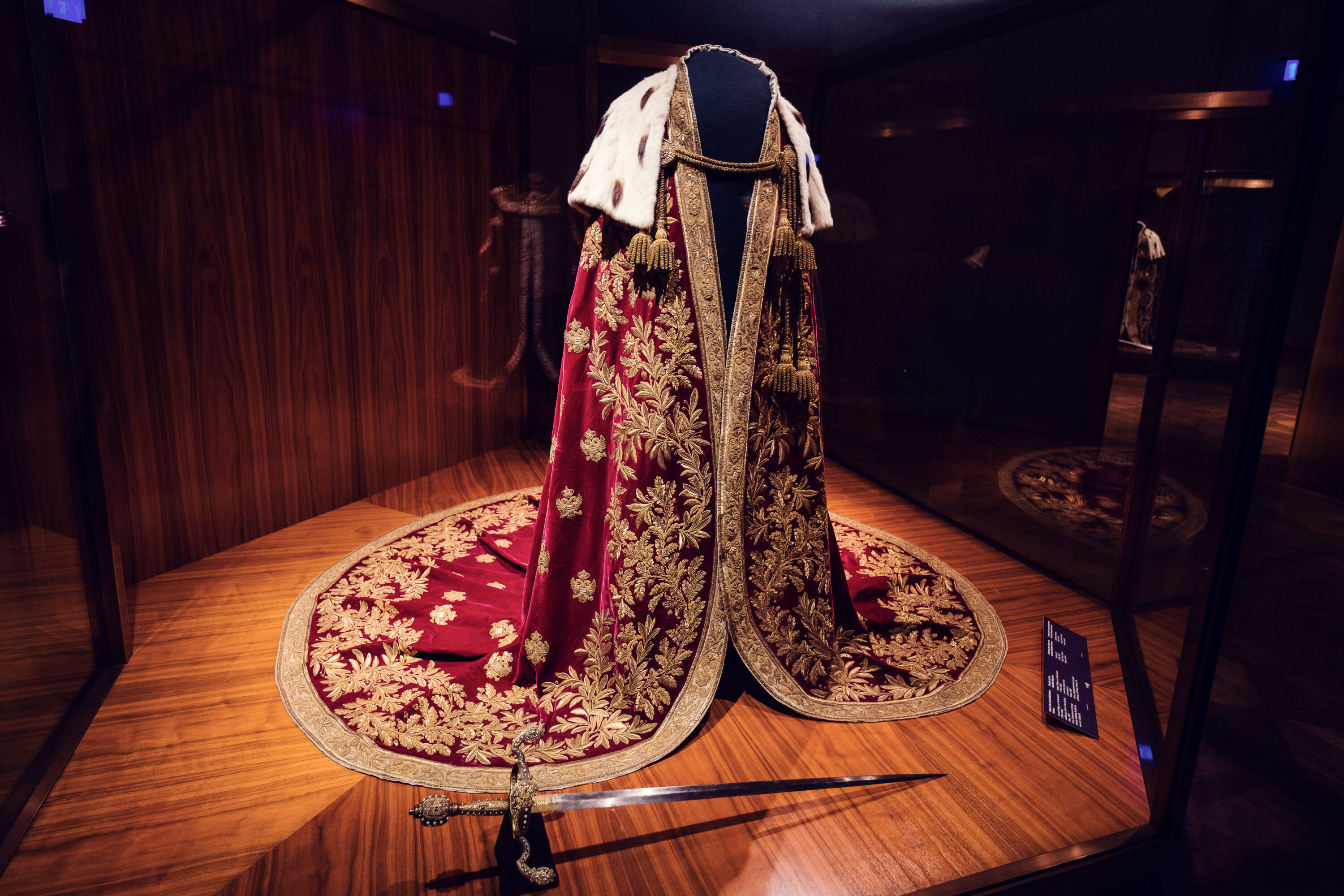
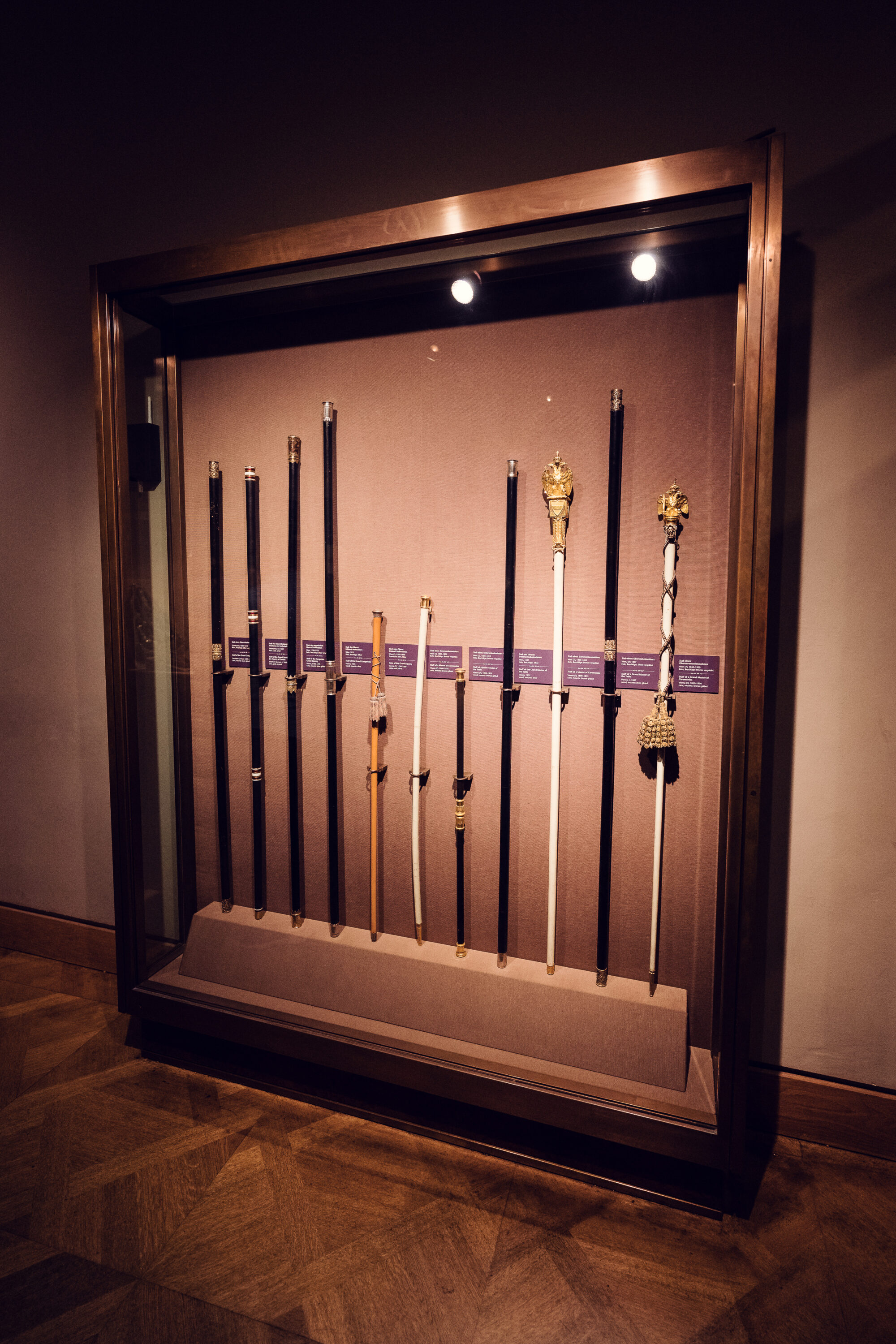
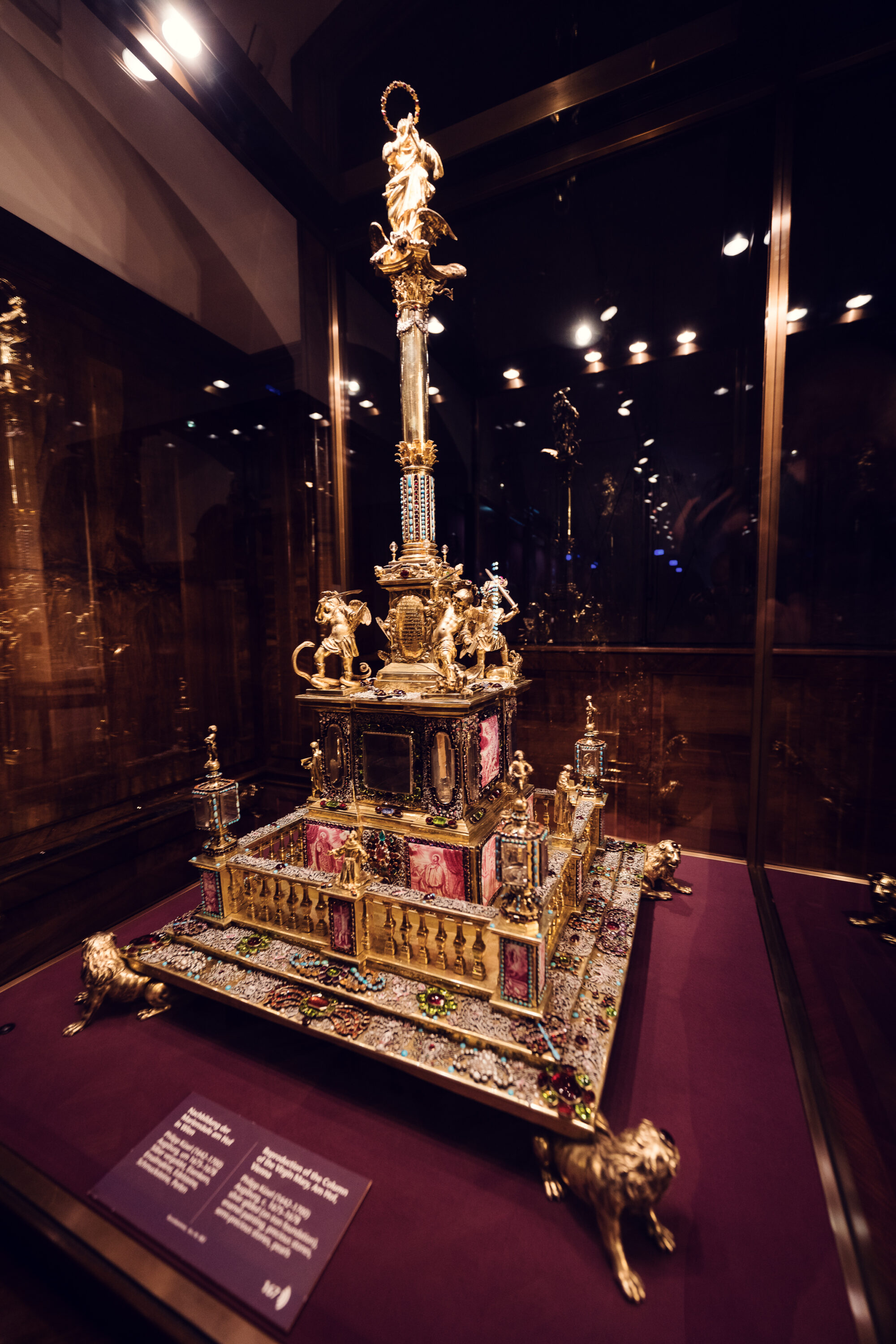
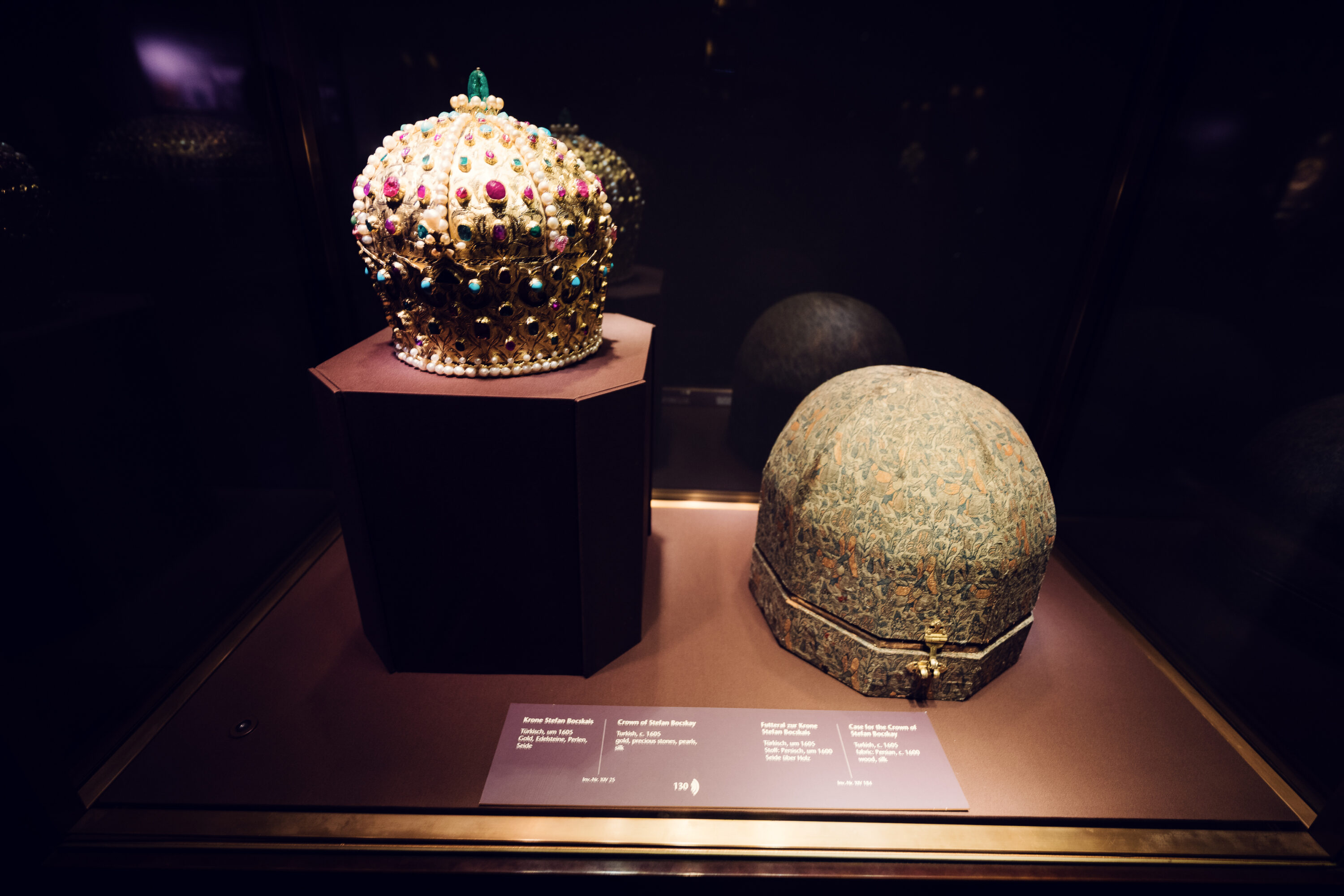
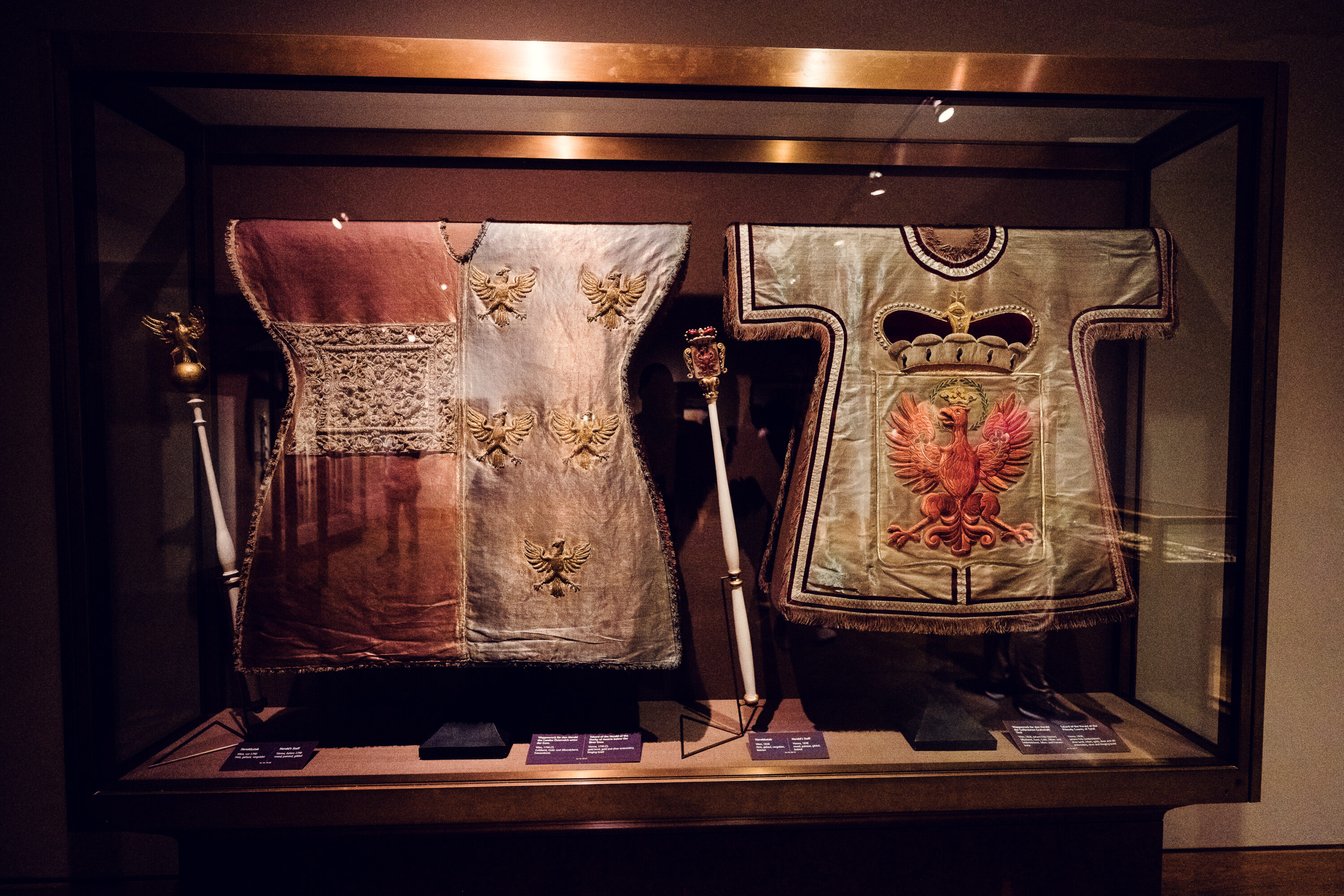
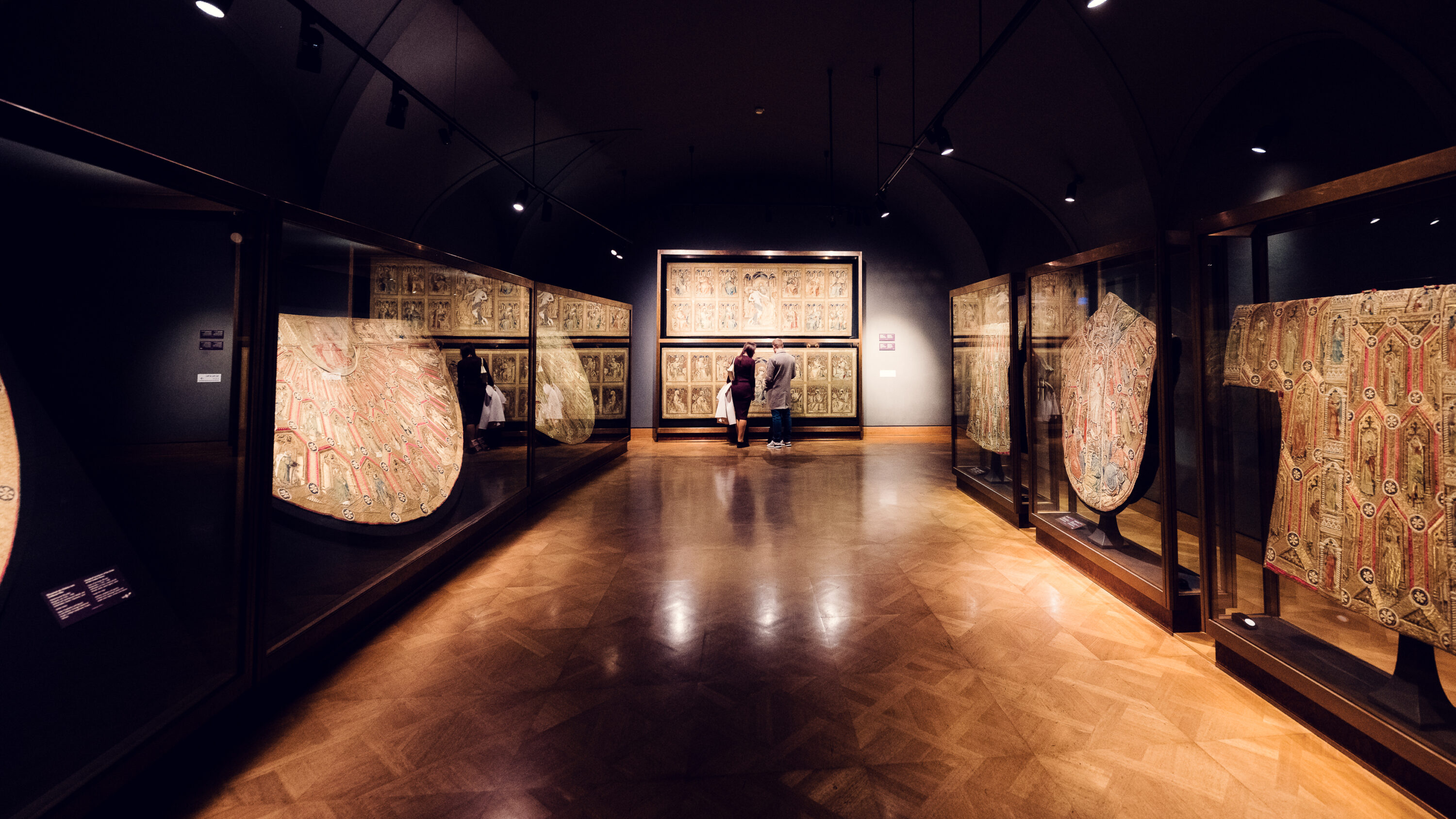
Located within the Hofburg, the Imperial Treasury holds one of Vienna’s most remarkable collections. Here, the Habsburgs’ most powerful symbols are on display: crowns, coronation robes, jewel-encrusted relics, and the insignia of the Holy Roman Empire. The collection reveals how the dynasty shaped its public image through splendor, ritual, and divine association. It’s a rare opportunity to encounter history through objects that were created to project authority on the grandest scale - a fascinating, tangible glimpse into the legacy of imperial Vienna.
Why go: To see the jewels, crowns, and sacred relics that once defined the image of imperial power - quietly impressive and full of meaning.
Entry Ticket: Imperial Treasury
Make it Special:Time your visit around a Sunday service in the Hofburg Chapel (when the Vienna Boys’ Choir sings in season). Head straight to the Imperial Treasury afterward - right then the crowns and relics feel alive.
Also Consider: Imperial Treasury and Kunsthistorisches Museum Combo; Vienna Pass includes entry.

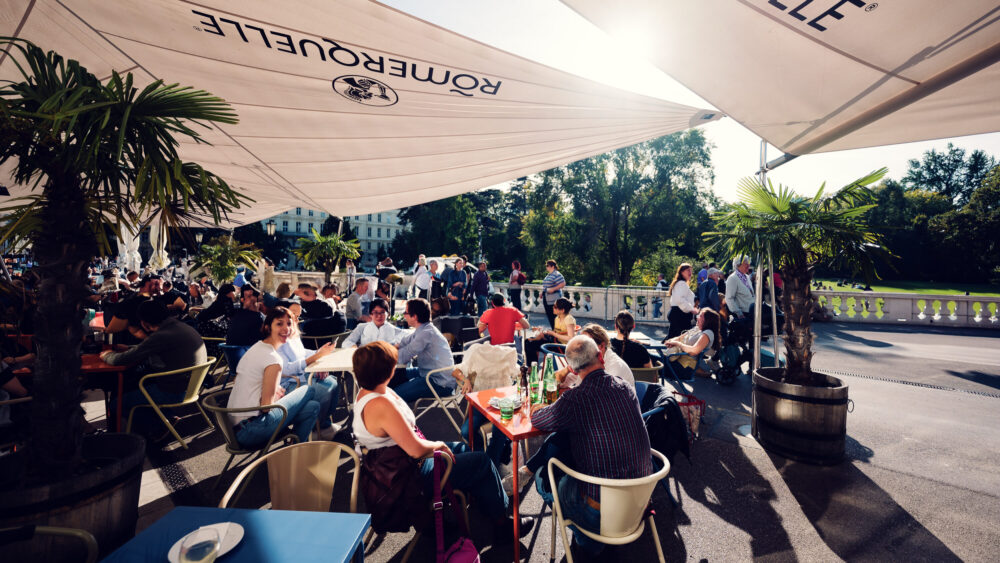
Vienna’s imperial legacy is woven through its grand palaces and ceremonial halls, and it continues in the quieter corners of daily life. After exploring the city’s most storied landmarks, take a moment to slow down in one of its historic cafés - once the meeting places of aristocrats, artists, and intellectuals. Some even held the coveted title of k.u.k. Hofzuckerbäcker (Imperial & Royal Court Confectioner), including Demel and Gerstner, while Café Sacher (as part of Hotel Sacher) was a k.u.k. Hoflieferant (court purveyor) - pedigrees still reflected in their cakes and confections today. With high ceilings, marble tabletops, and the soft clatter of porcelain, these coffeehouses retain the elegance of a bygone era. Discover more in our dedicated guide to Viennese coffeehouse culture.