
Fall in Love with

Hofburg Palace

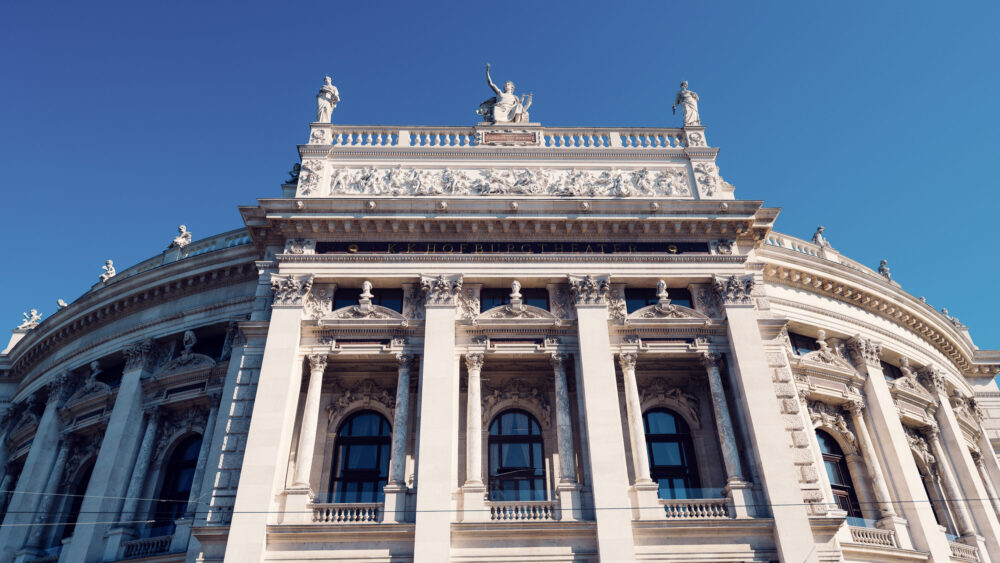
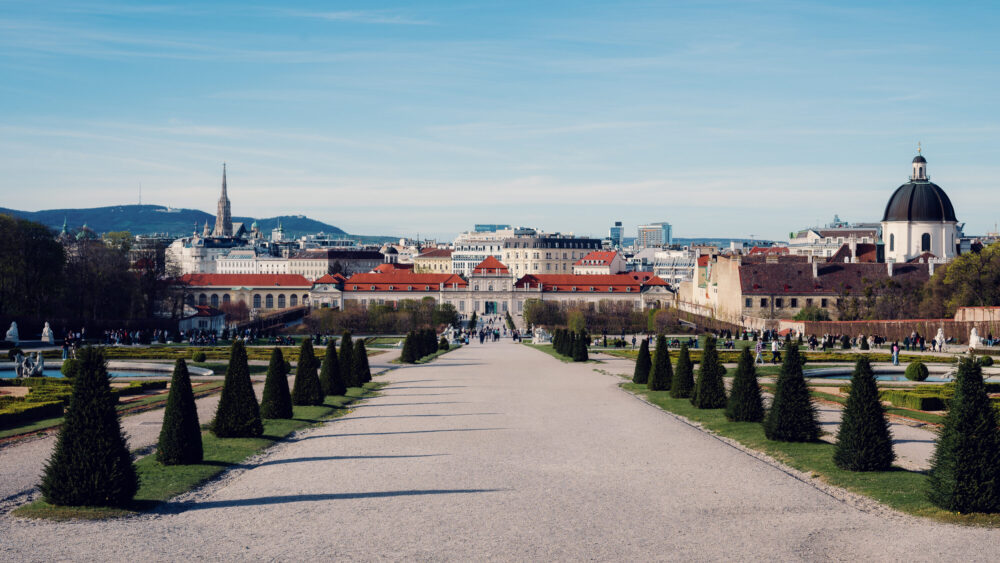
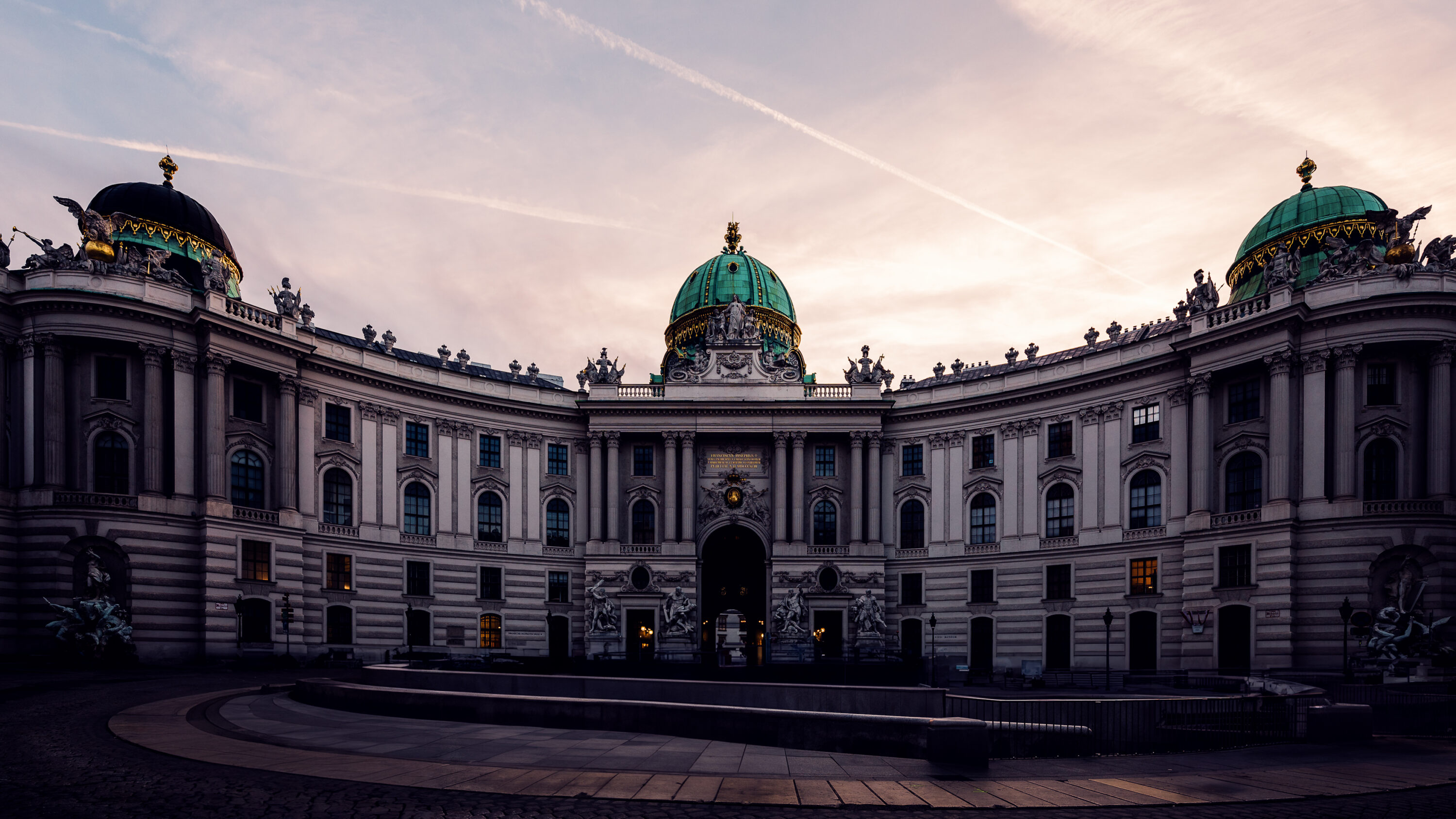
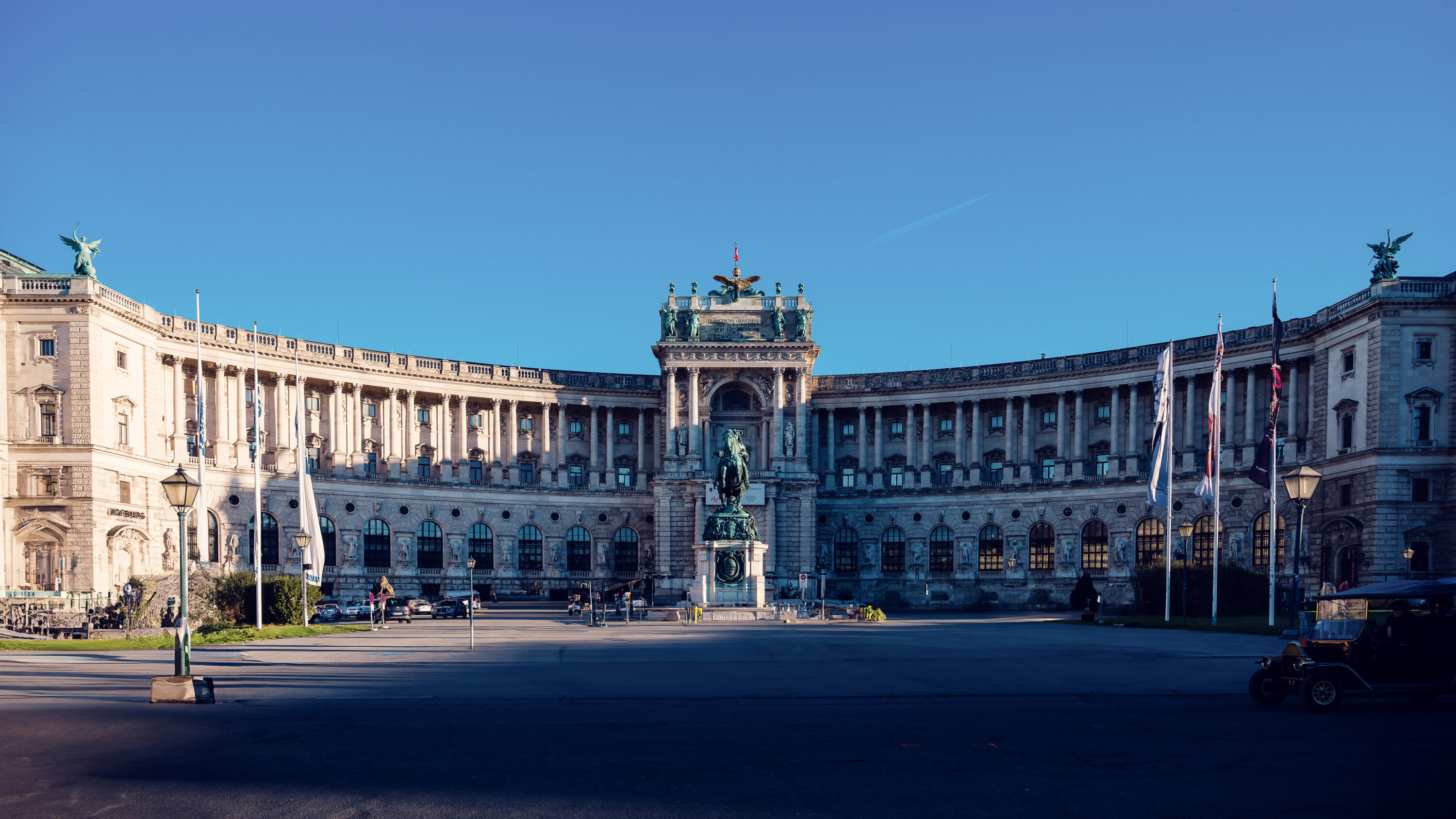
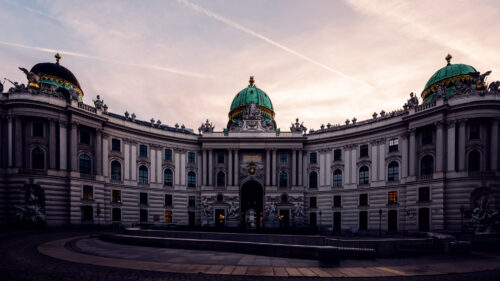
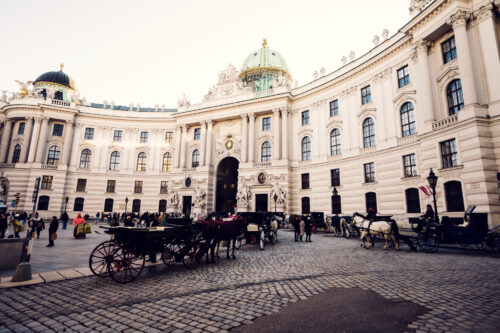
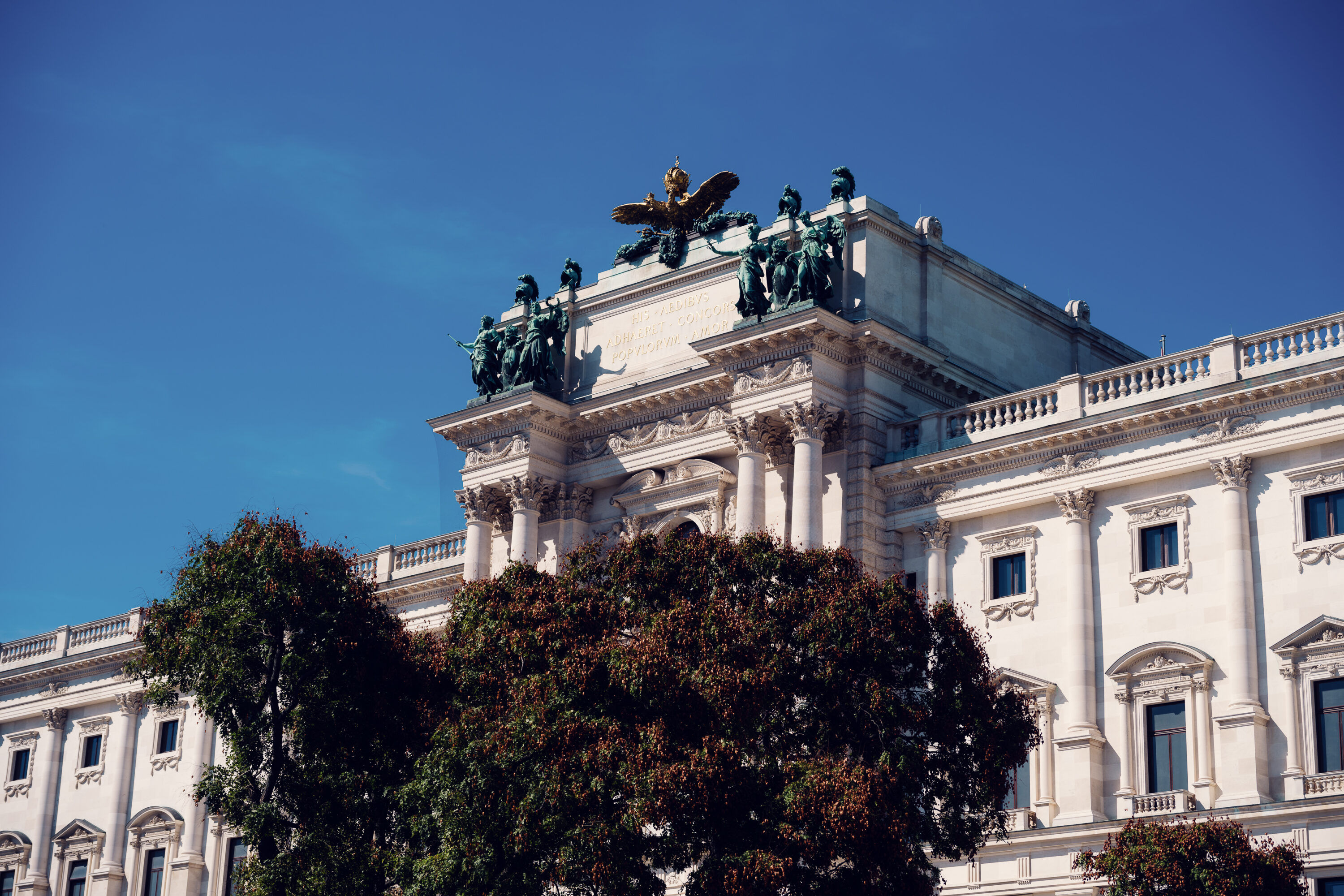
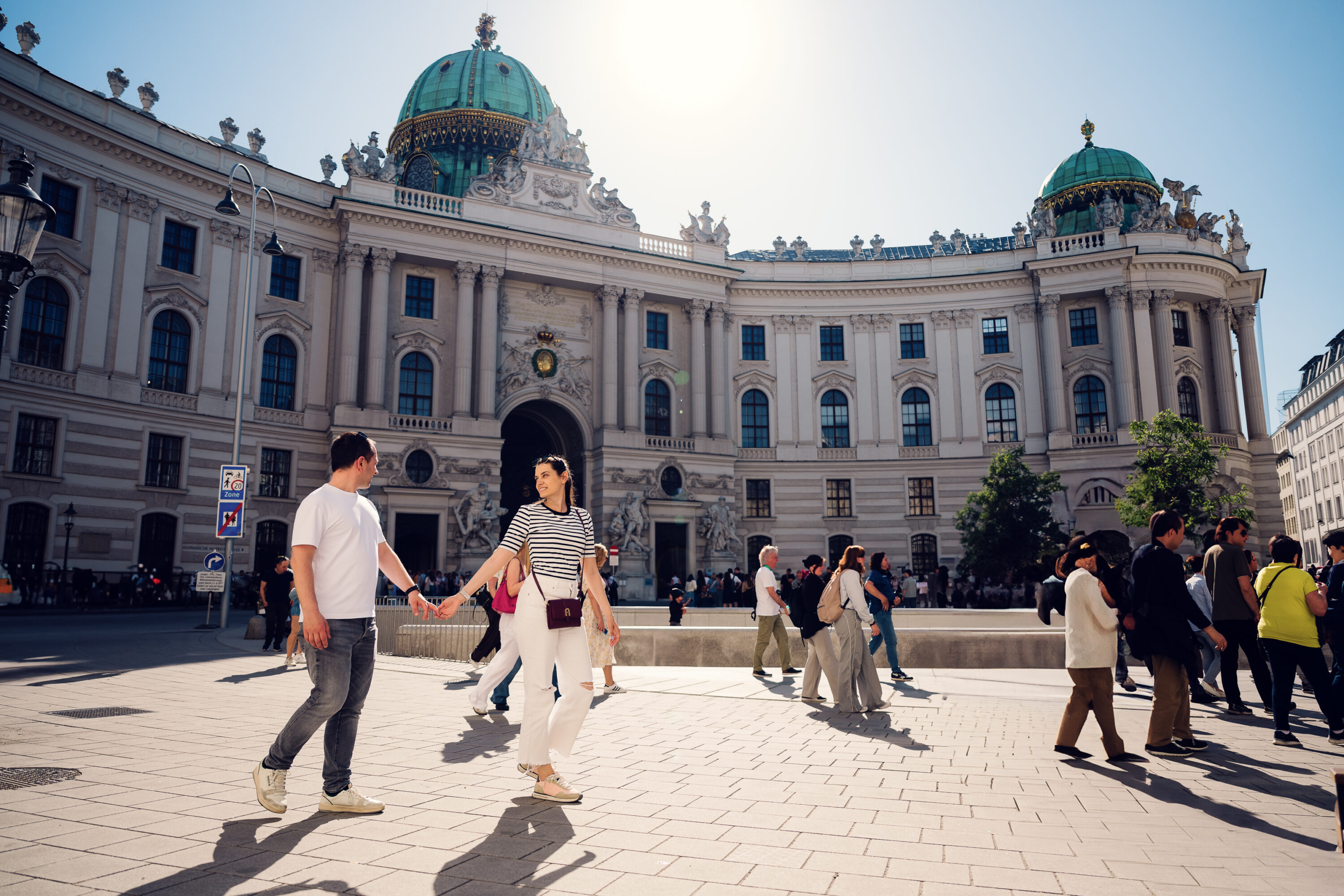
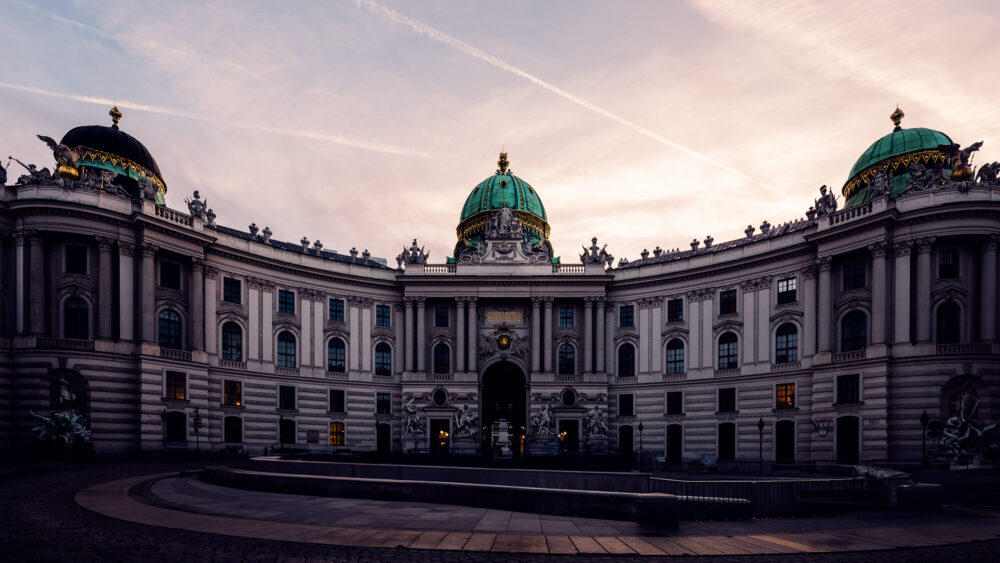
Panoramic view of Hofburg Palace from Kohlmarkt, capturing its regal presence in Vienna.
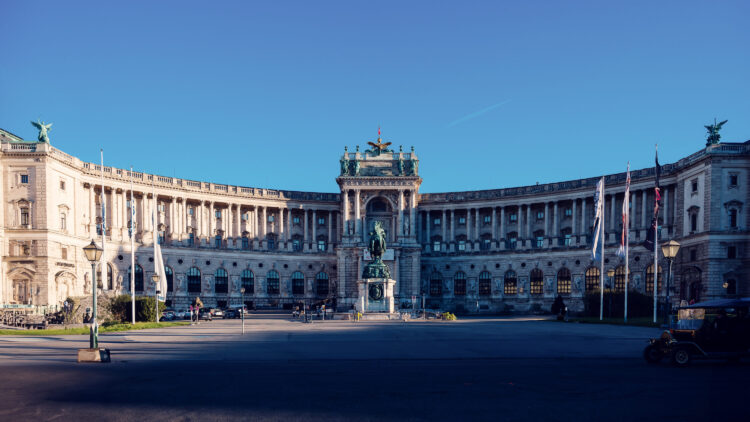
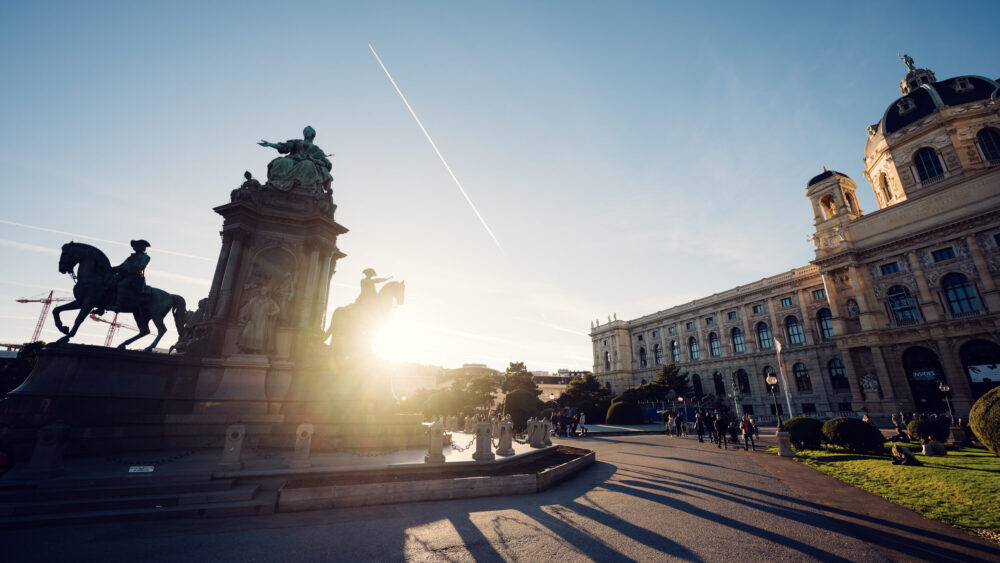
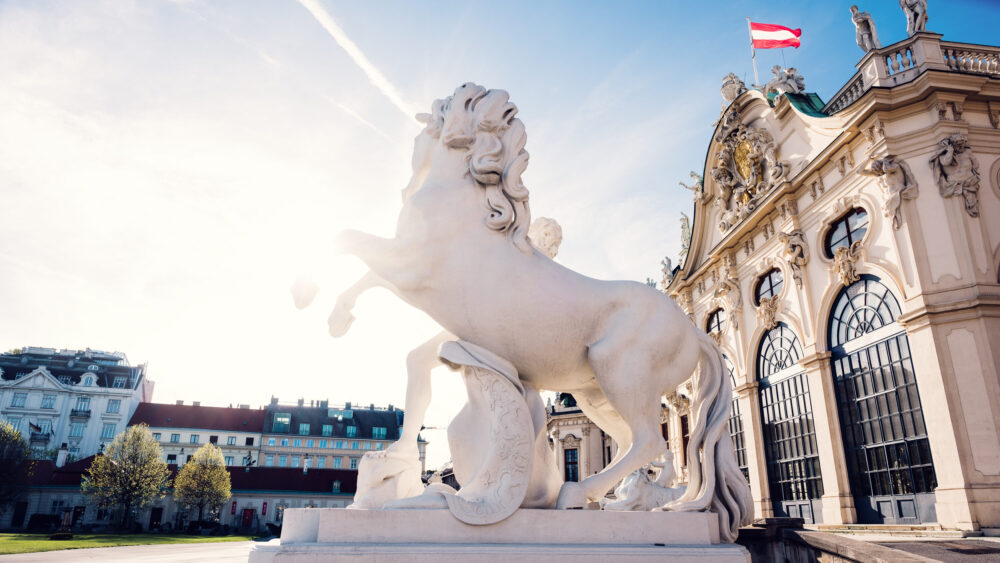
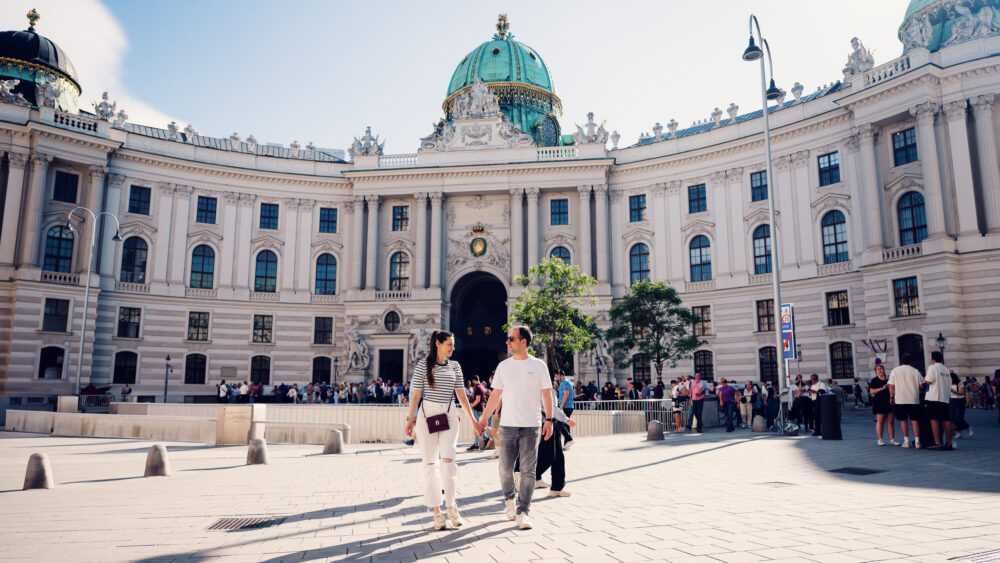
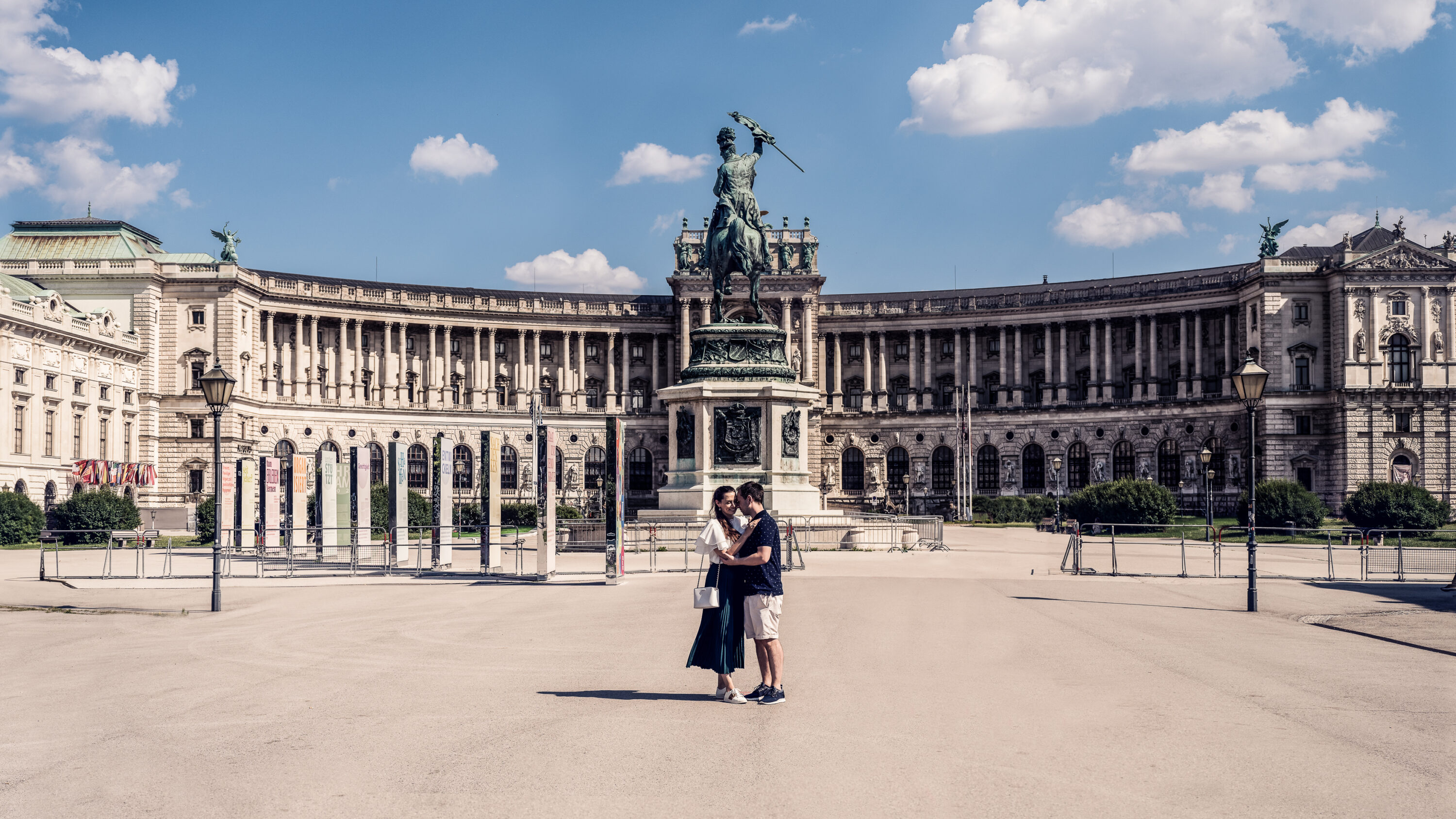
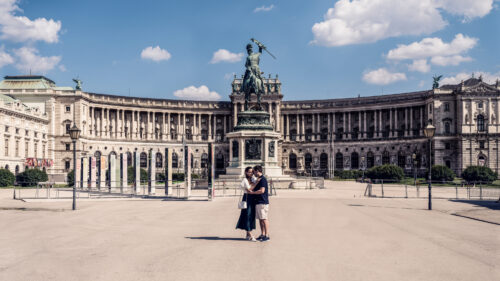
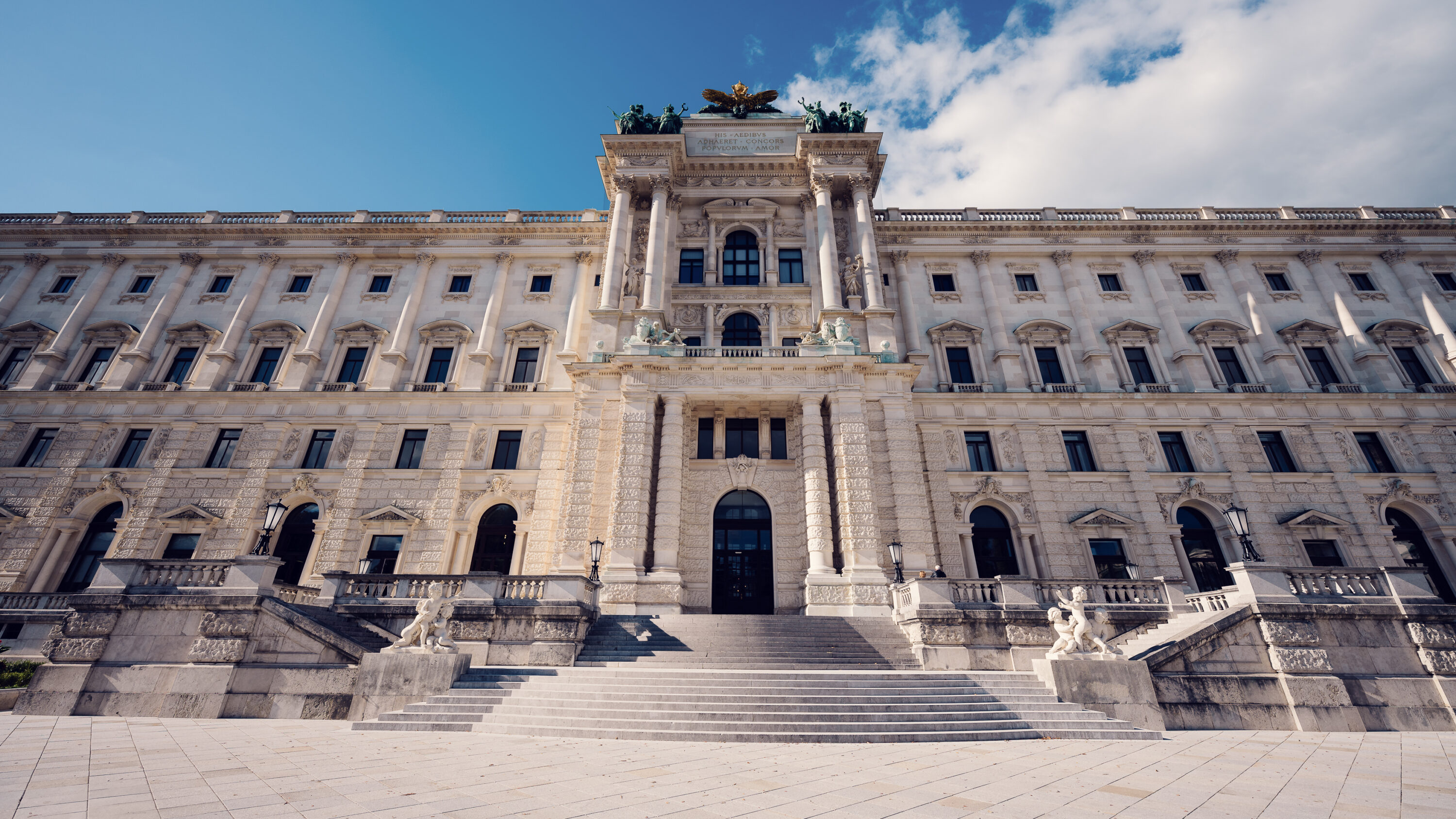
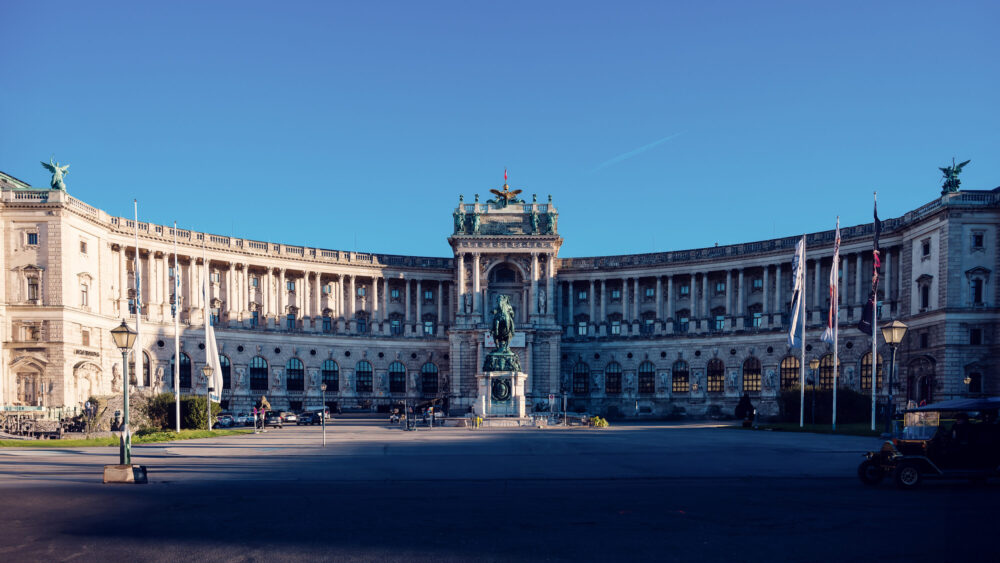
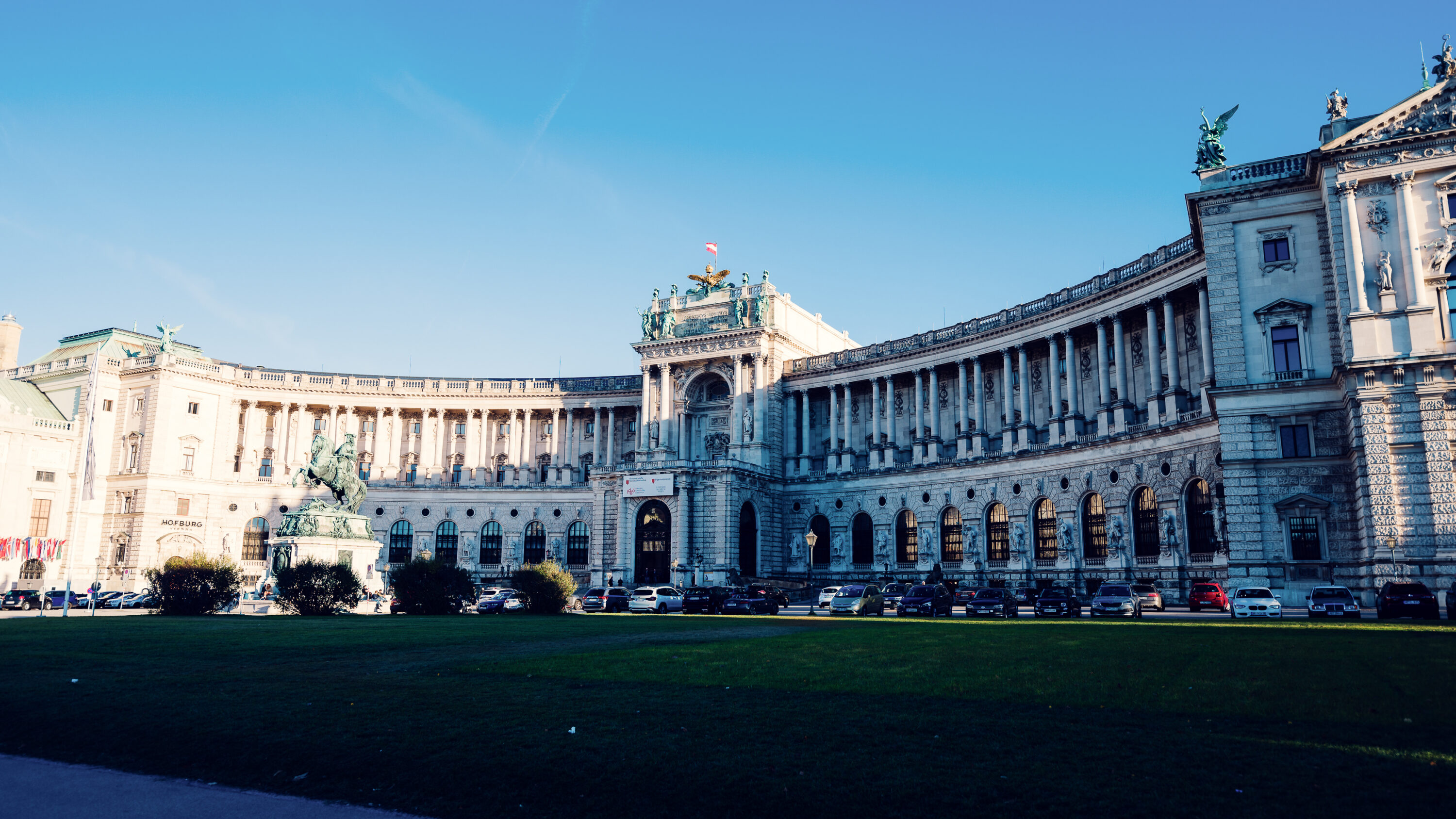
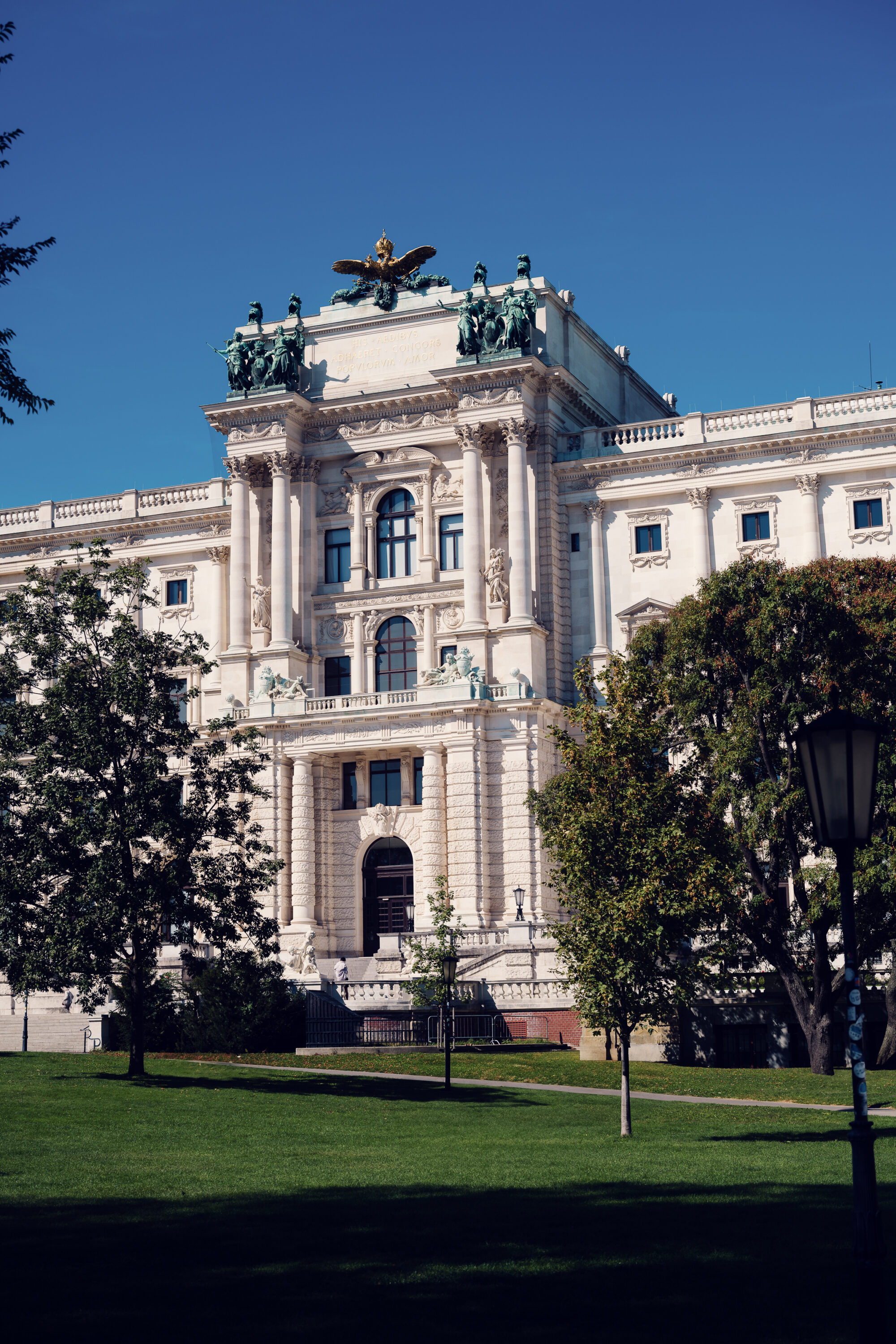
Magnificent Neue Burg at Heldenplatz on a bright summer day.
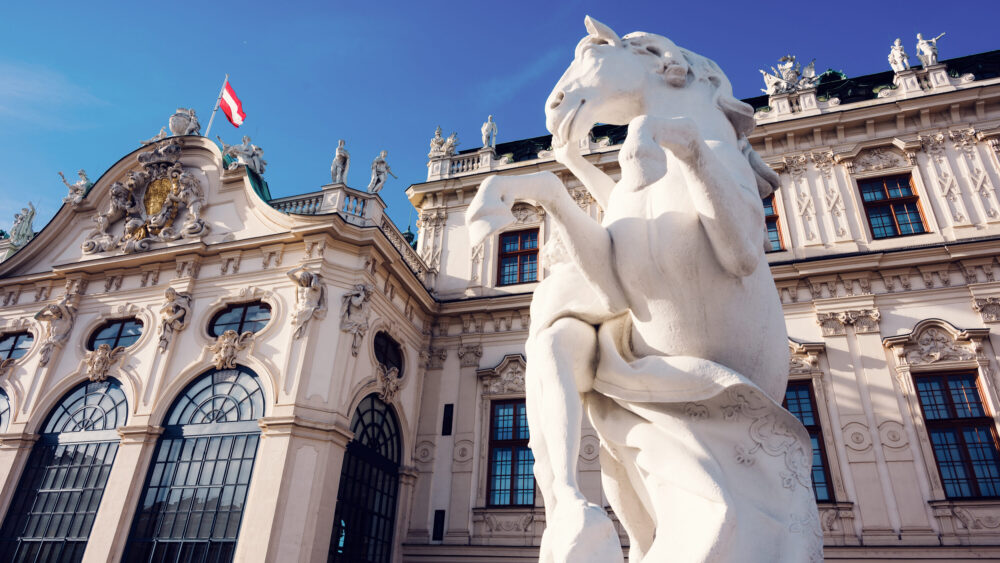
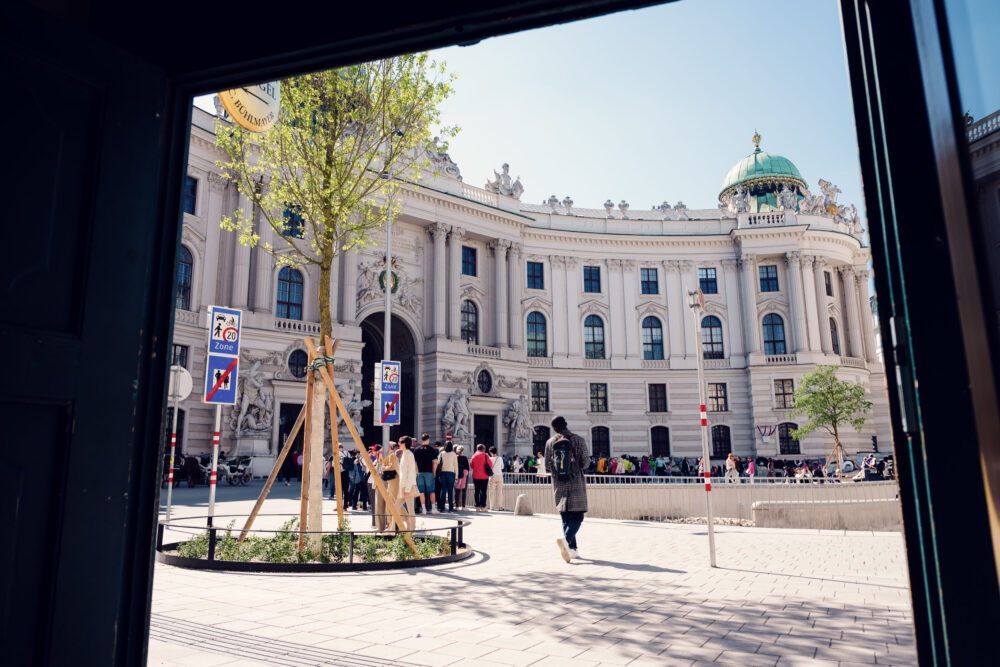
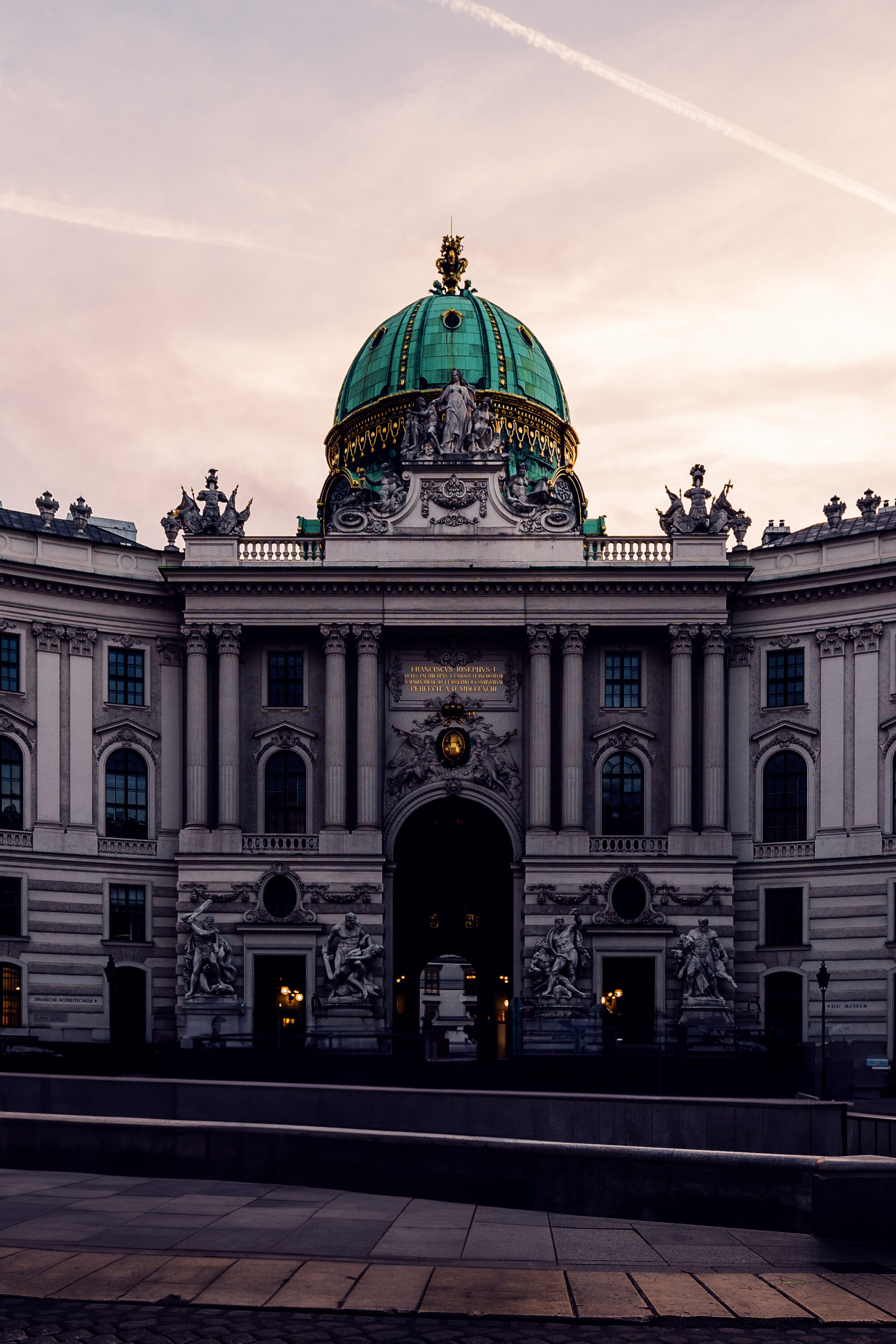
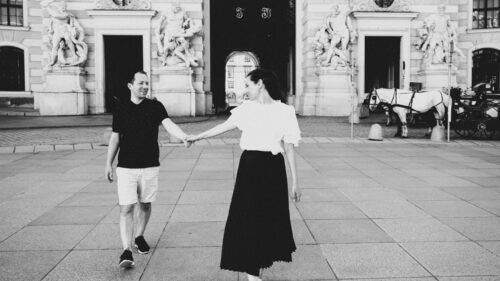
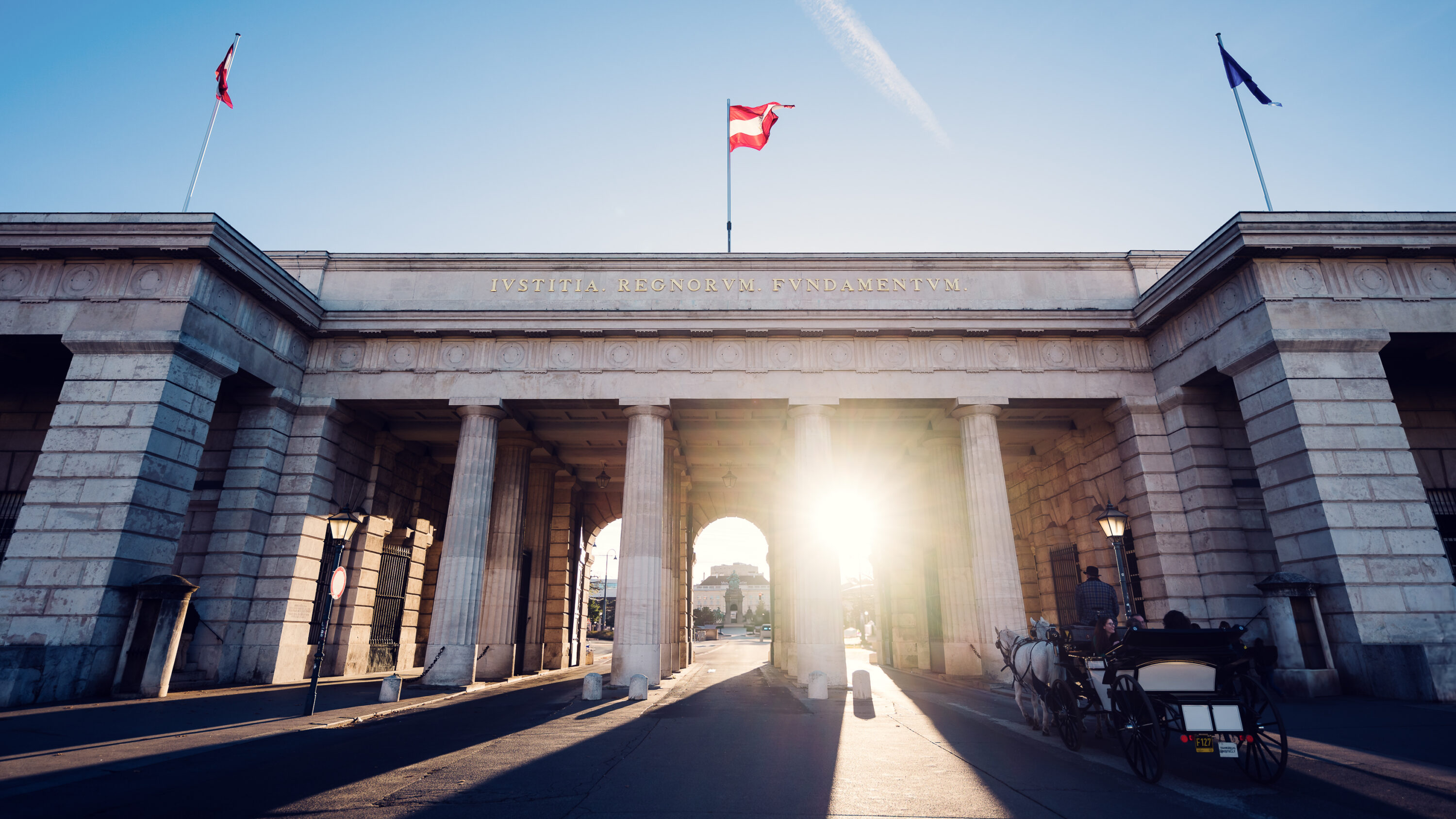
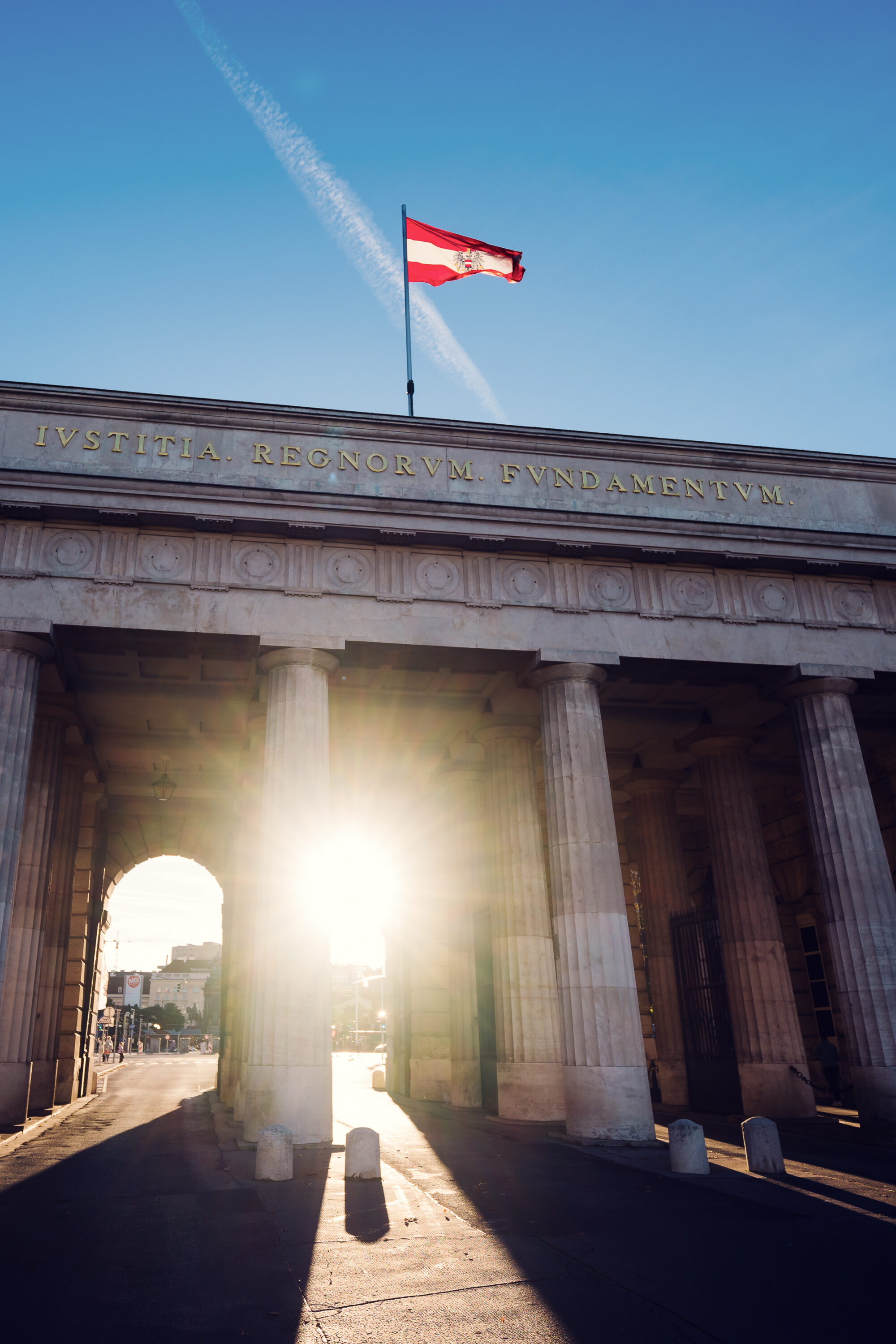
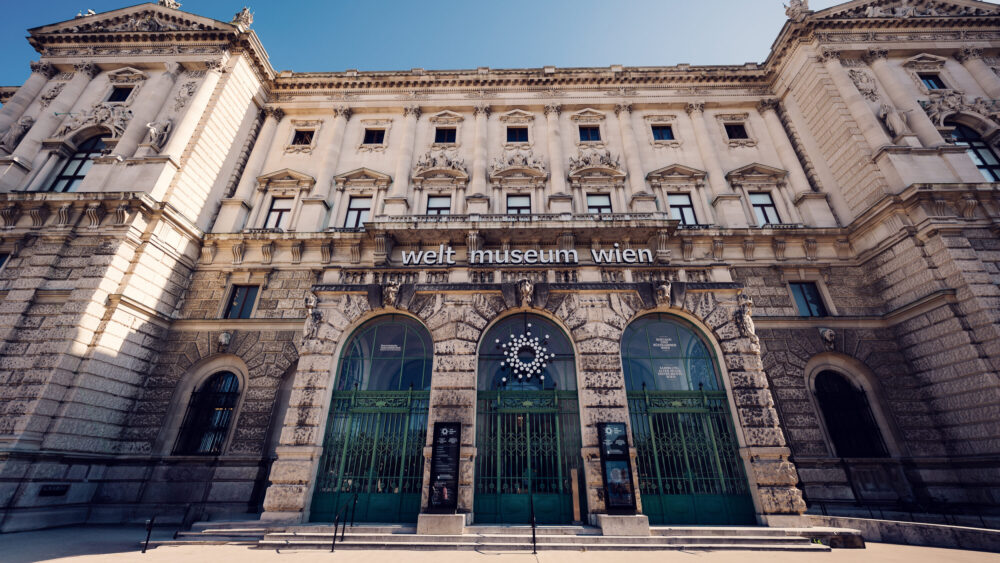
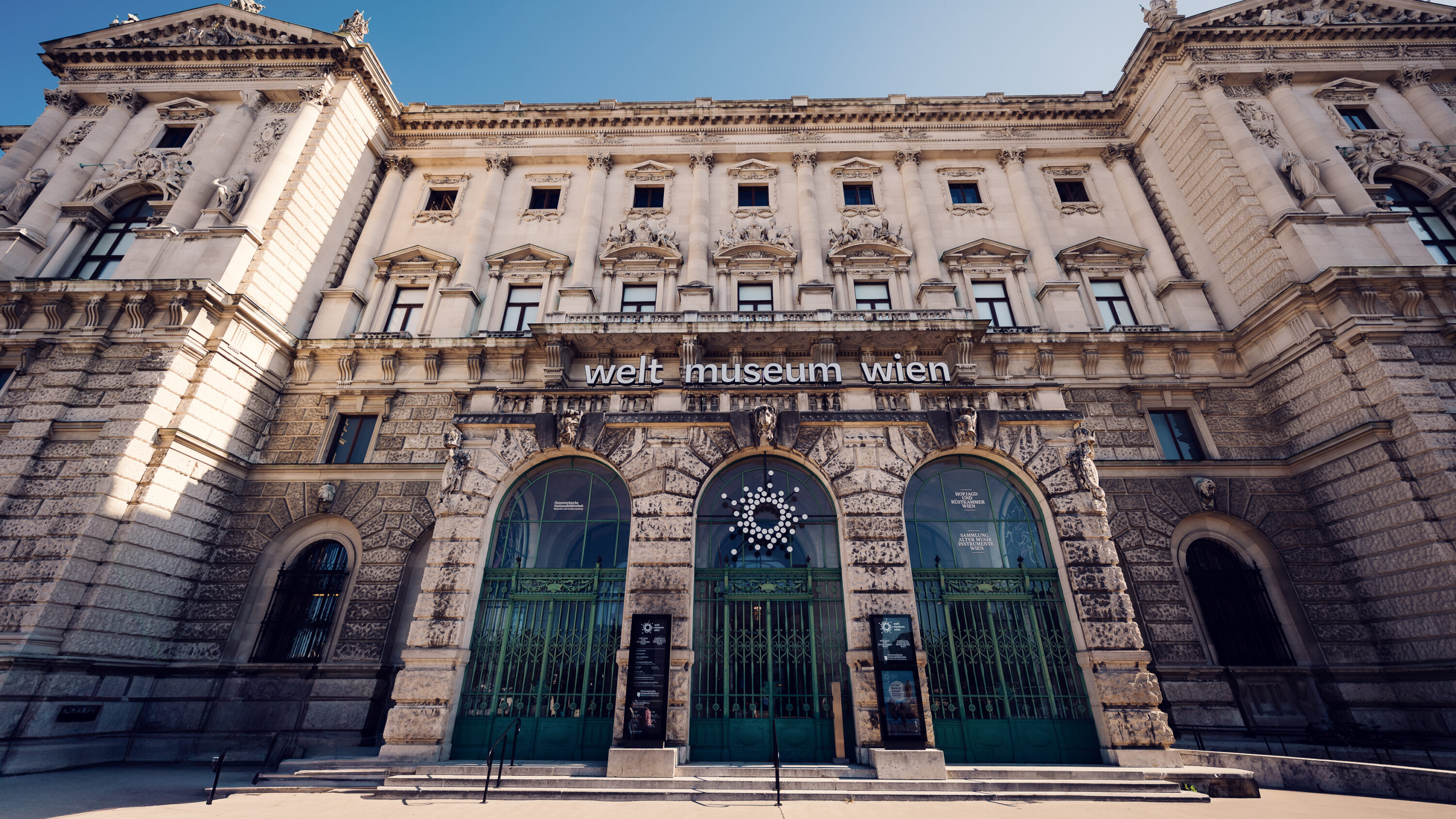
Hofburg Palace's main entrance welcoming visitors to explore its rich history.
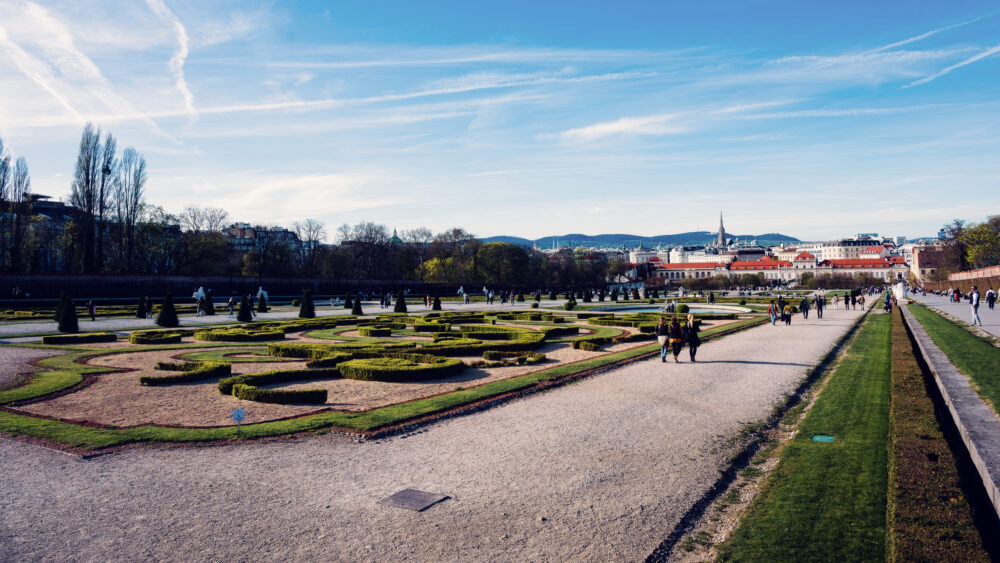
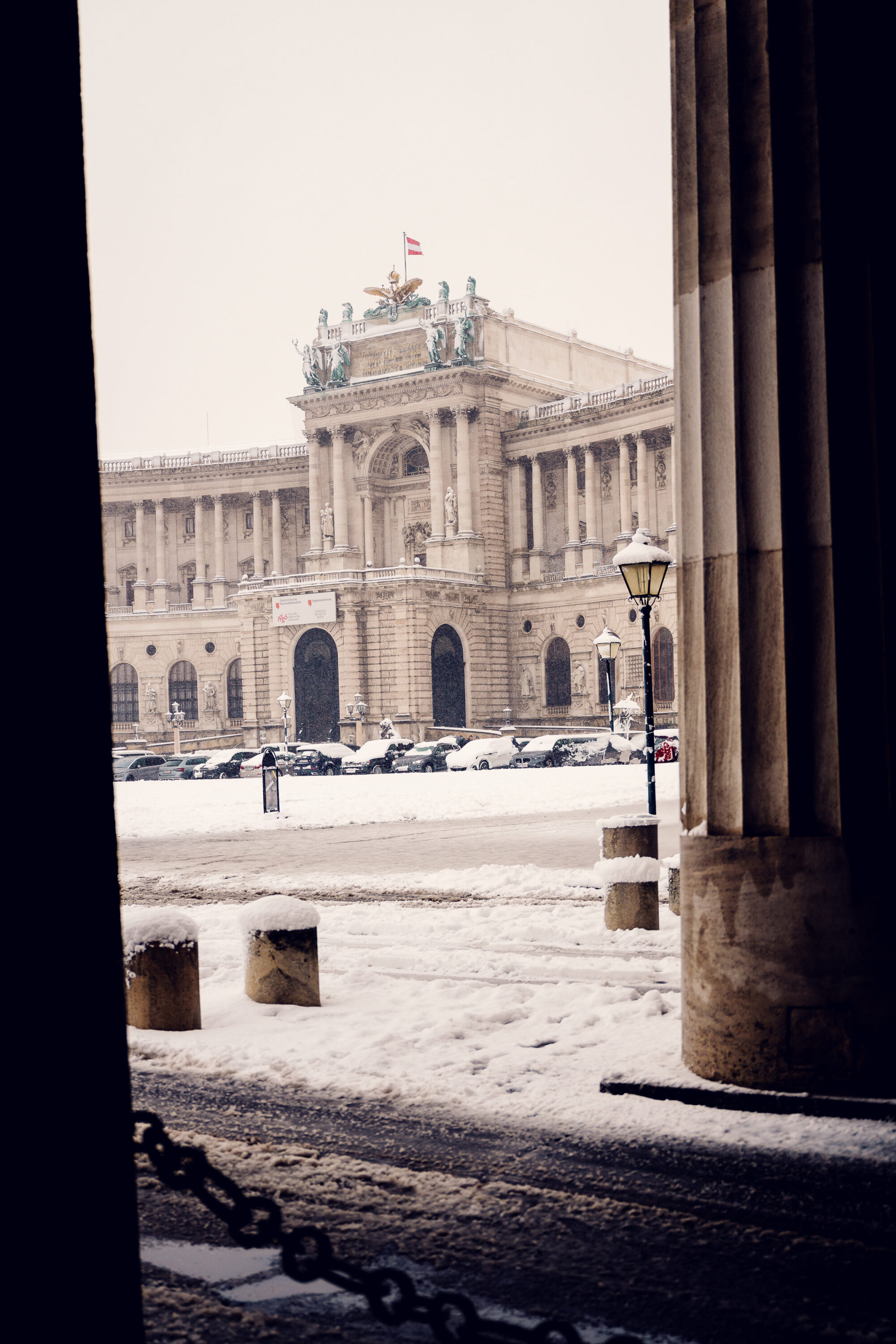
Scenic view of Hofburg Palace from the Heldenplatz, capturing its majestic architecture.
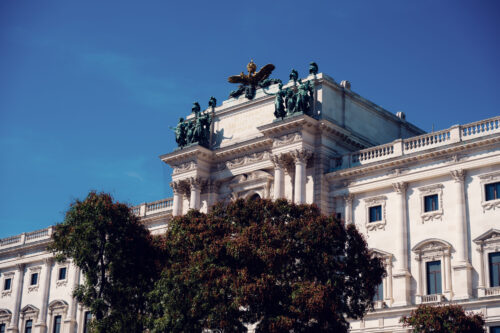
Stunning view of Hofburg Palace from Kohlmarkt, highlighting its grand architecture.
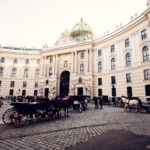
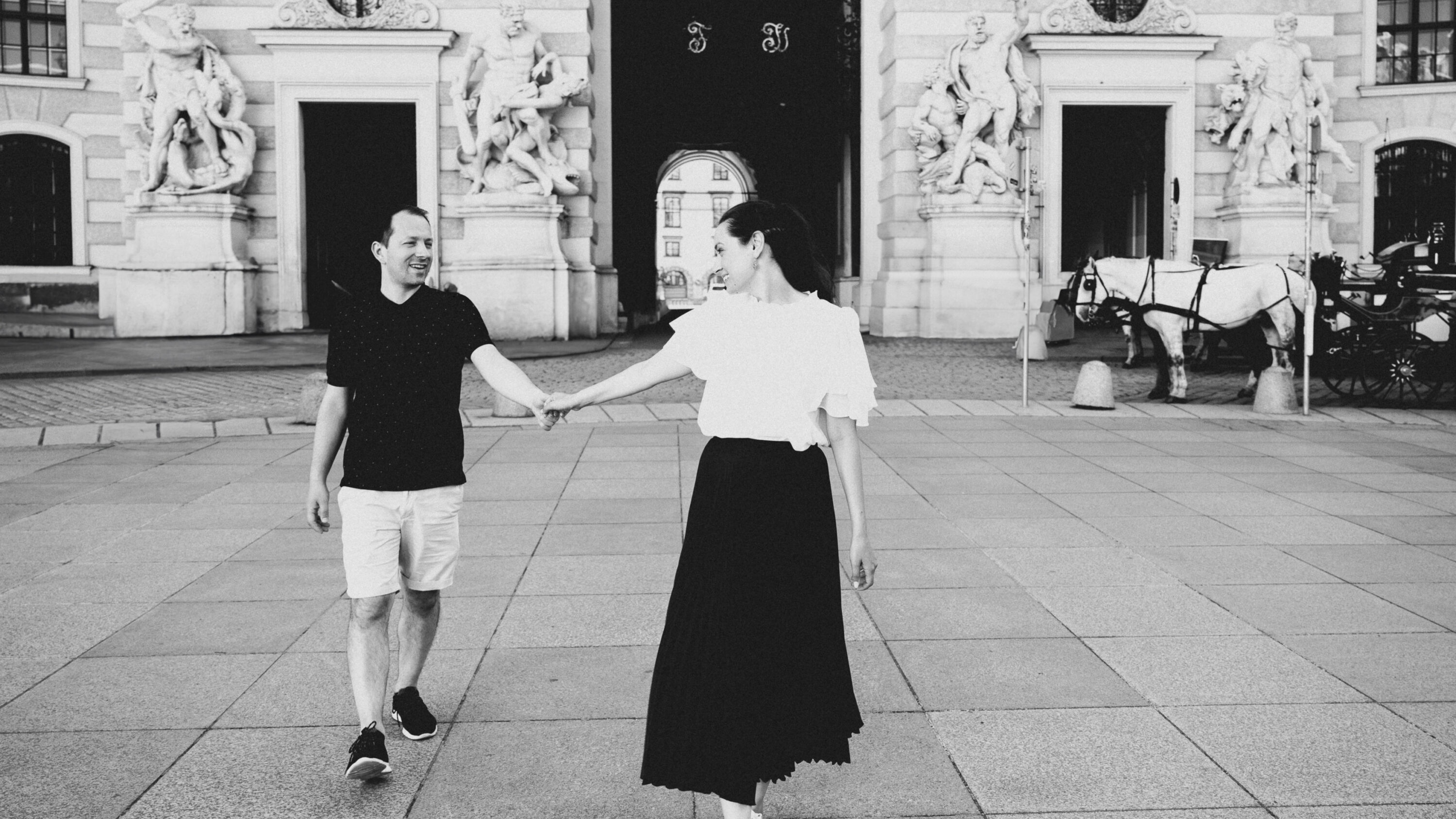
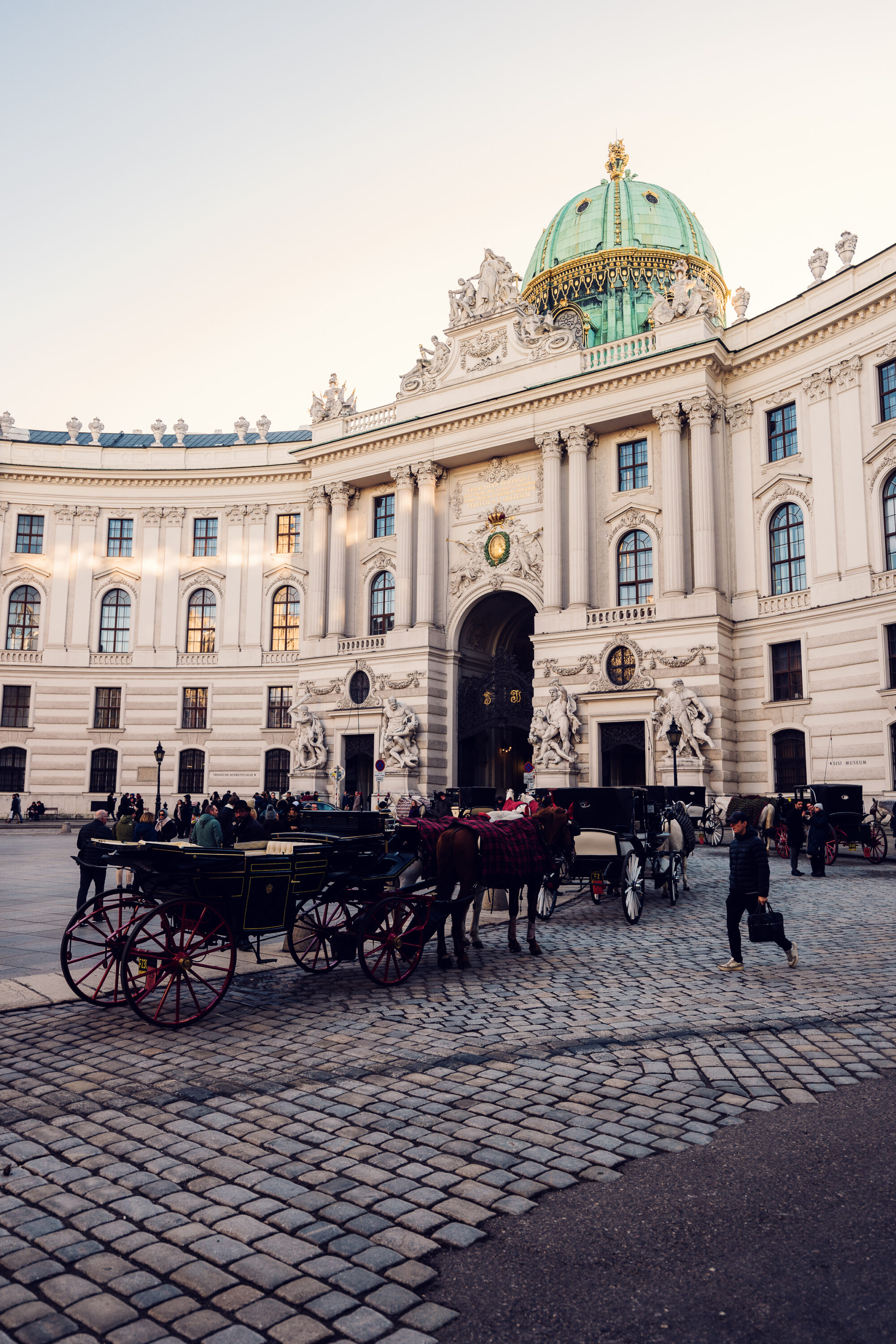
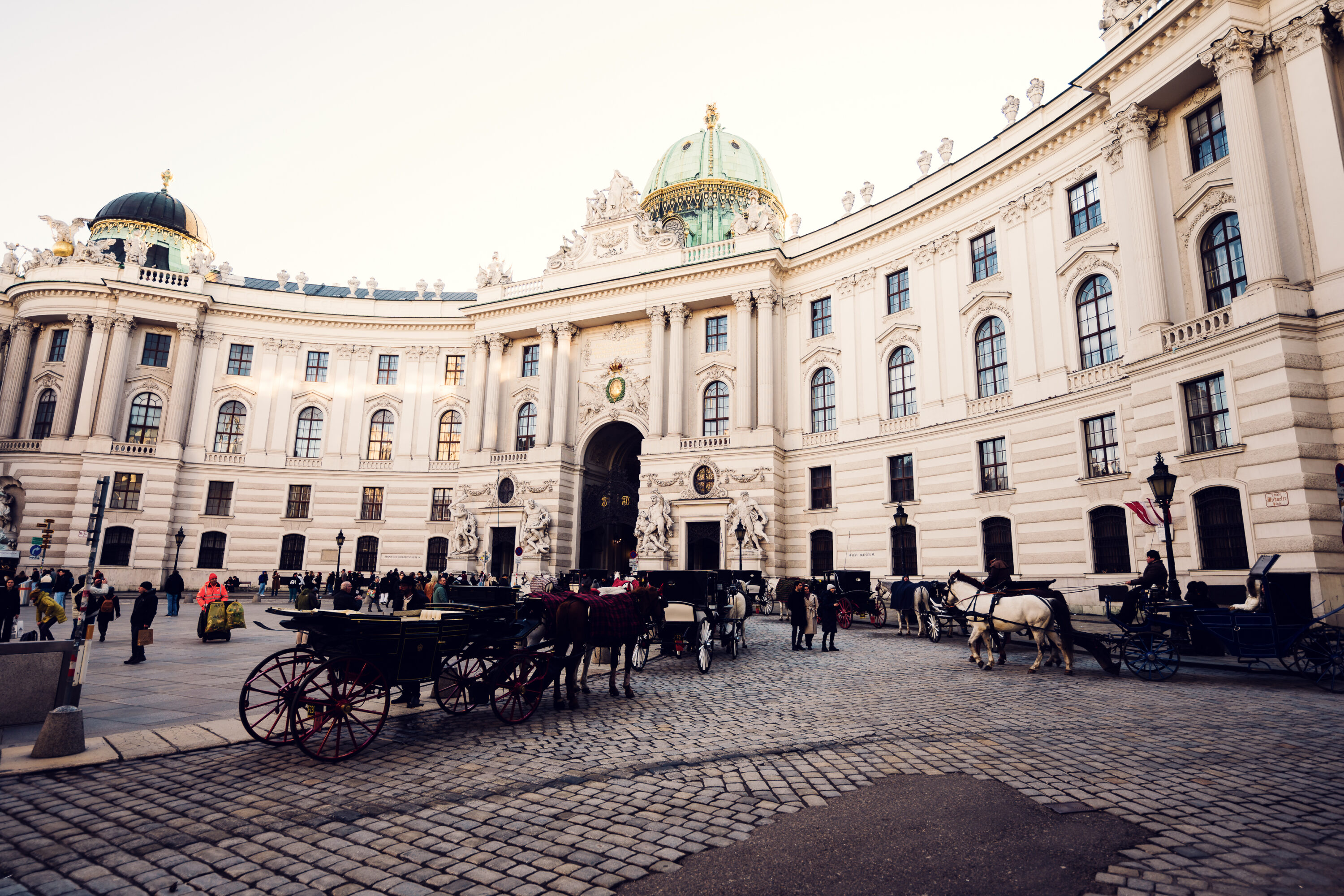
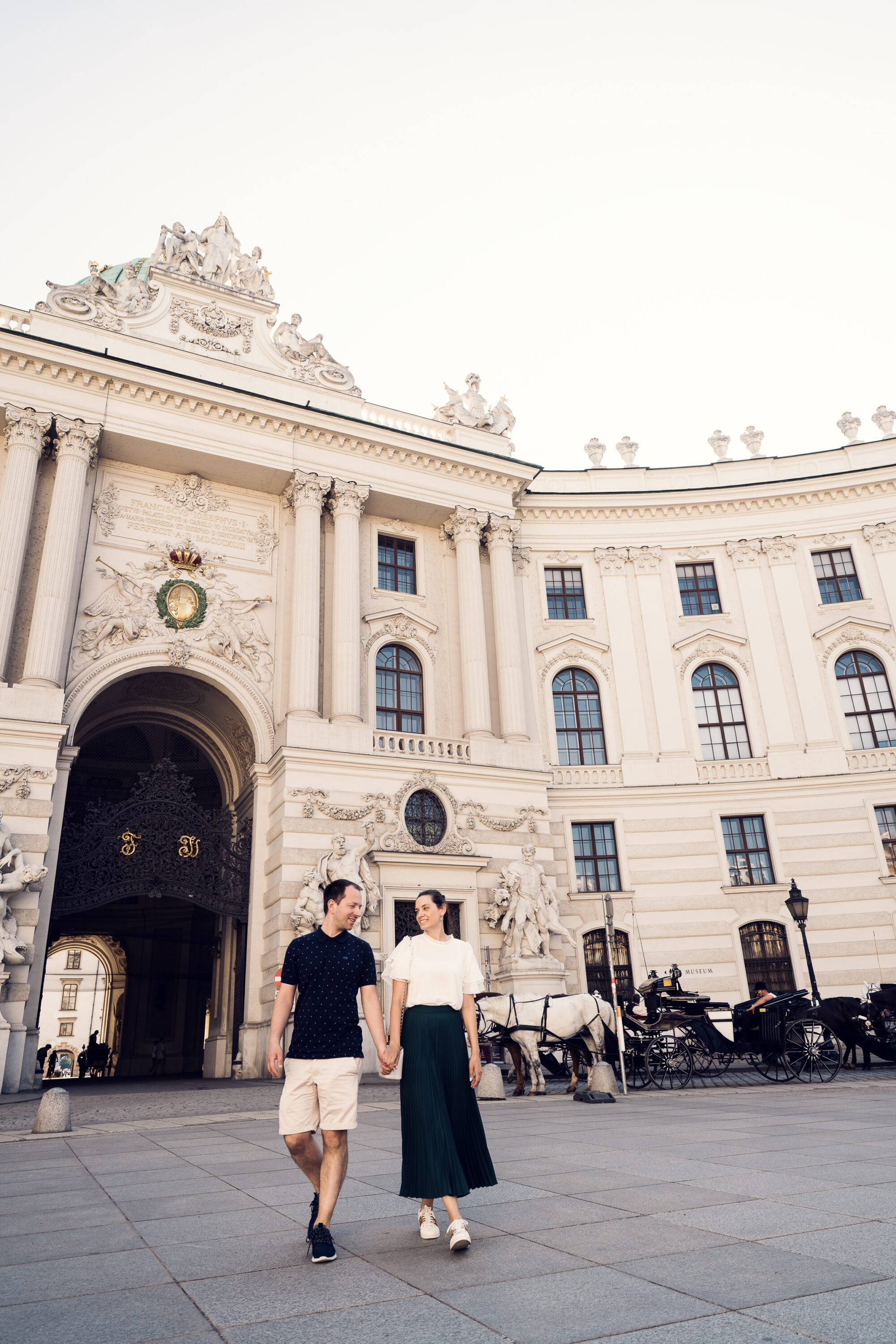
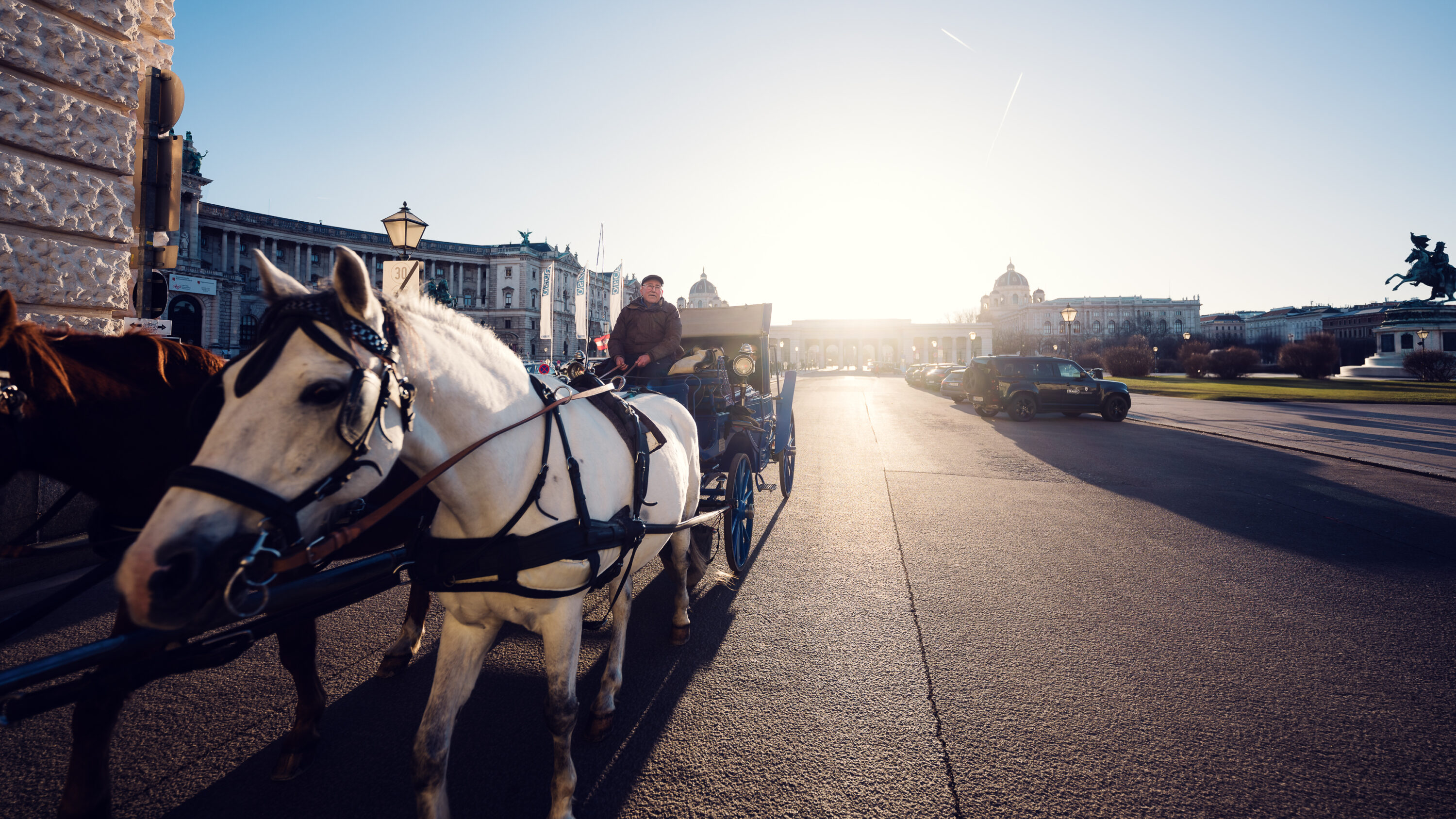
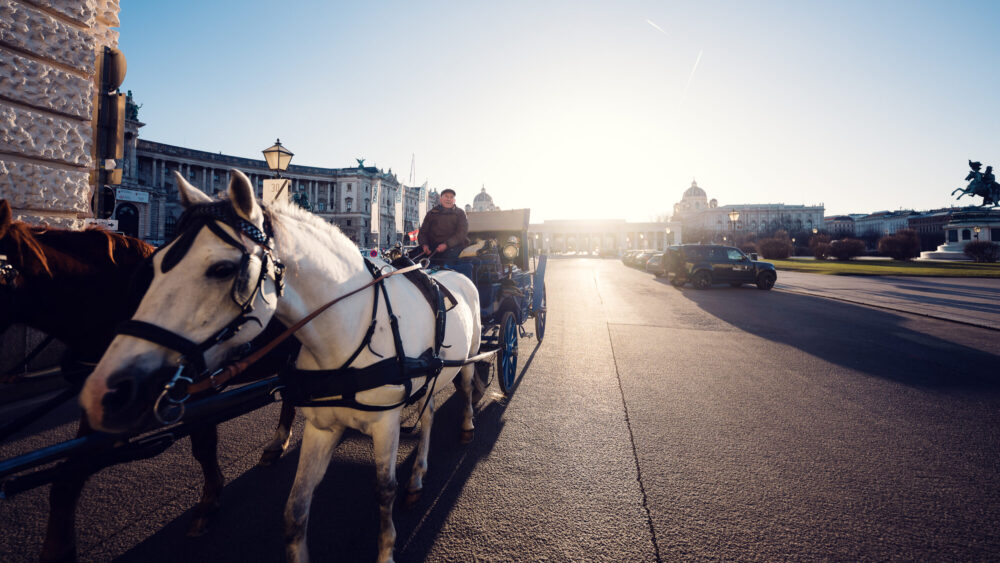
Picturesque view of a fiaker in front of Hofburg Palace, blending history and tradition.
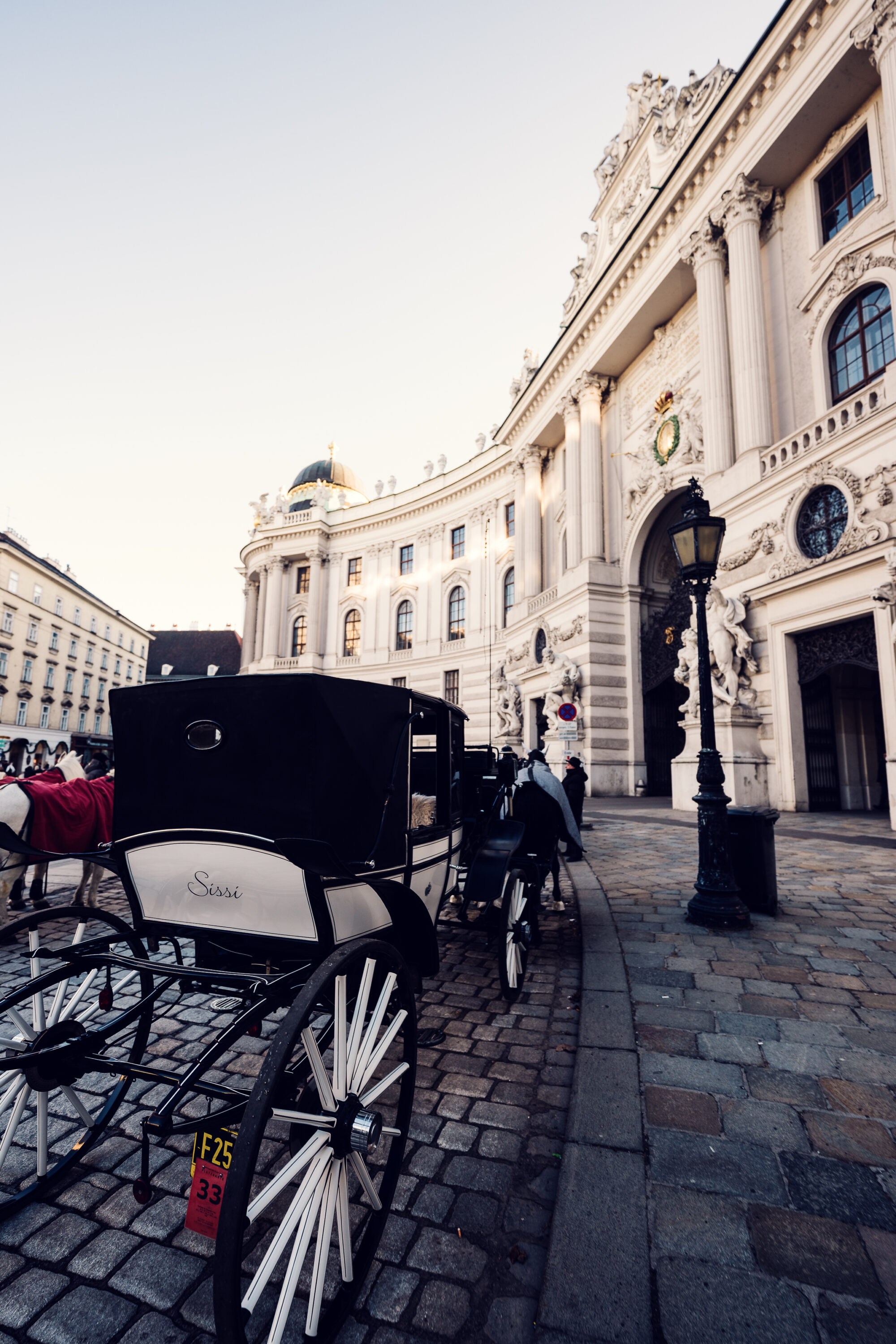
Traditional fiaker carriage in front of Hofburg Palace, offering a classic Viennese experience.

Hofburg Palace

Affiliate disclosure: Links marked with * are affiliate links; we may earn a commission at no extra cost to you; our recommendation remains independent.

The Hofburg is a grand imperial palace located in the heart of Vienna, serving as the former residence of the Habsburg dynasty. This sprawling complex is a testament to centuries of Austrian history and power, featuring a blend of architectural styles from Gothic and Renaissance to Baroque, Rococo, and Neo-Baroque/Neoclassicism, reflecting its long building history. Today, the Hofburg houses several museums, the Austrian National Library, the Imperial Treasury, and the offices of the Austrian President. Visitors can explore the opulent Imperial Apartments, and the Sisi Museum dedicated to Empress Elisabeth. If you’re inspired to visit the museum, we warmly recommend the following ticket.

Opening Hours Website Wheelchair AccessSource: Google Maps
Address:
Hofburg Palace
1010 Wien

Tickets


Muvamo Opinion

The Hofburg Palace is one of Vienna’s most important landmarks, and it’s easy to see why. It’s huge, full of impressive architecture, and packed with history. Once the center of the Habsburg Empire, this was where emperors ruled, decisions were made, and royal lives played out – both in public and behind closed doors. Today, the palace is home to several key museums and collections that offer a clear and often personal look into the lives of the people who shaped centuries of European history.

During our visit, we focused on four main areas: the Imperial Apartments, the Sisi Museum, and the Imperial Treasury.

The Imperial Apartments were a highlight. Each room tells part of the story of Emperor Franz Joseph and Empress Elisabeth (Sisi). You see their personal spaces, including workrooms, bedrooms, and salons. The style is formal, but there’s a real sense of how they lived day to day. Franz Joseph’s routine was strict and simple, while Sisi’s rooms reflect her more private, restless personality.

The Sisi Museum gives a deeper look at Empress Elisabeth. It’s not just about how she looked, though her beauty and style are well-known. What stood out to us was how independent she was, and how she struggled with the strict rules of court life. Her letters, clothes, and even her exercise equipment help tell the story of someone who wanted more than what her role allowed.

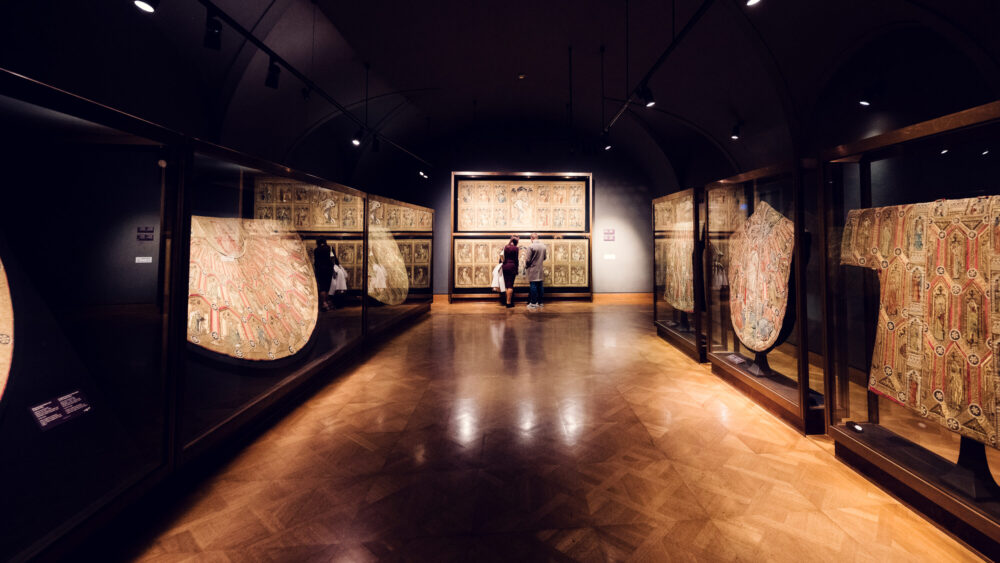
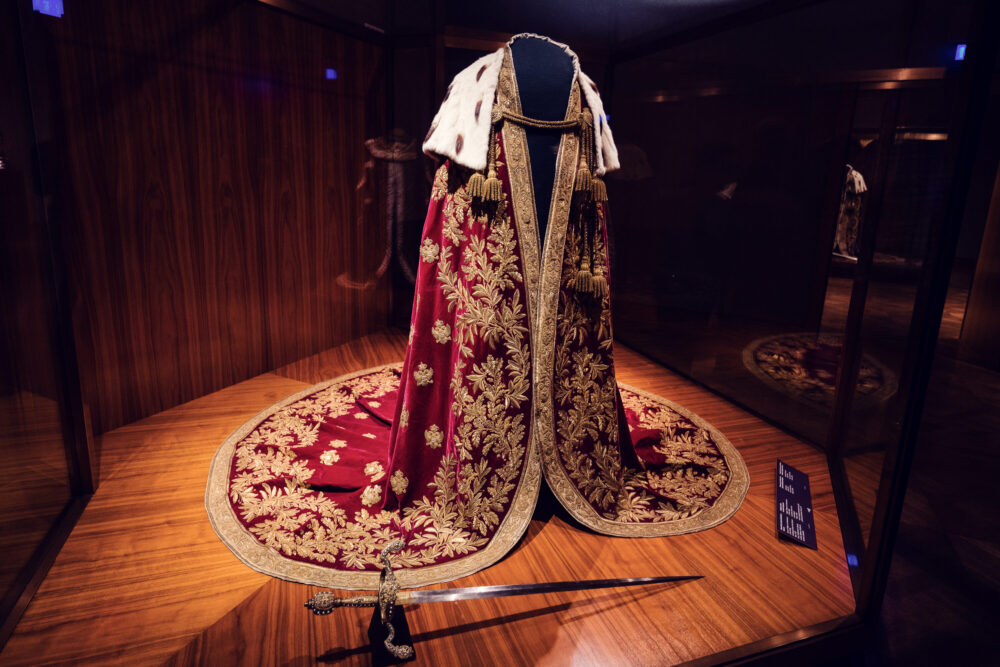
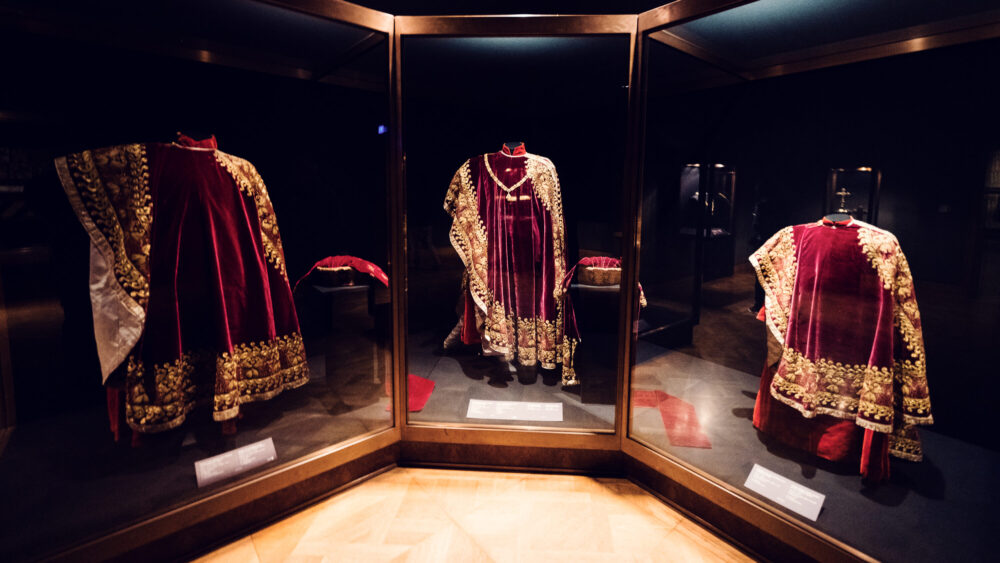
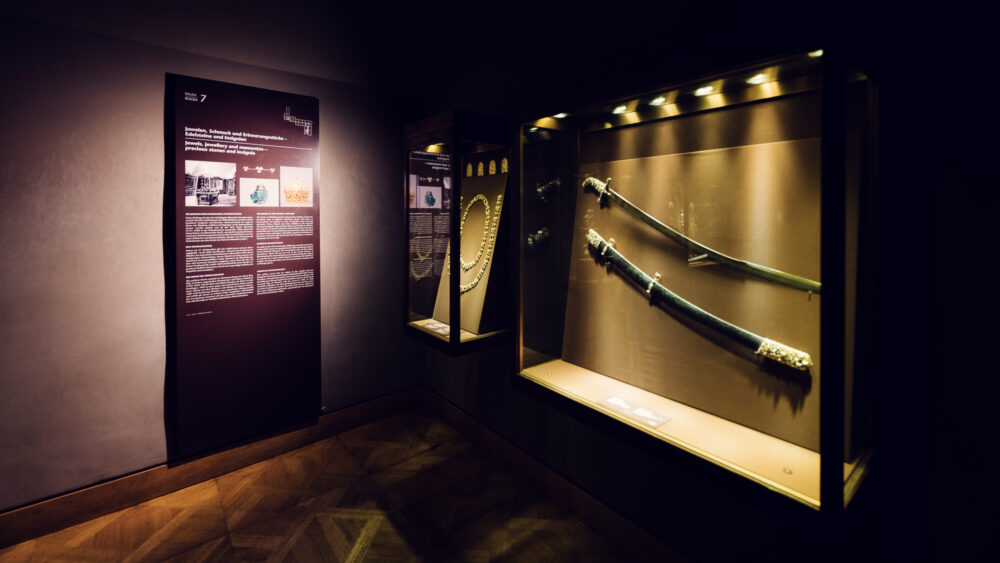
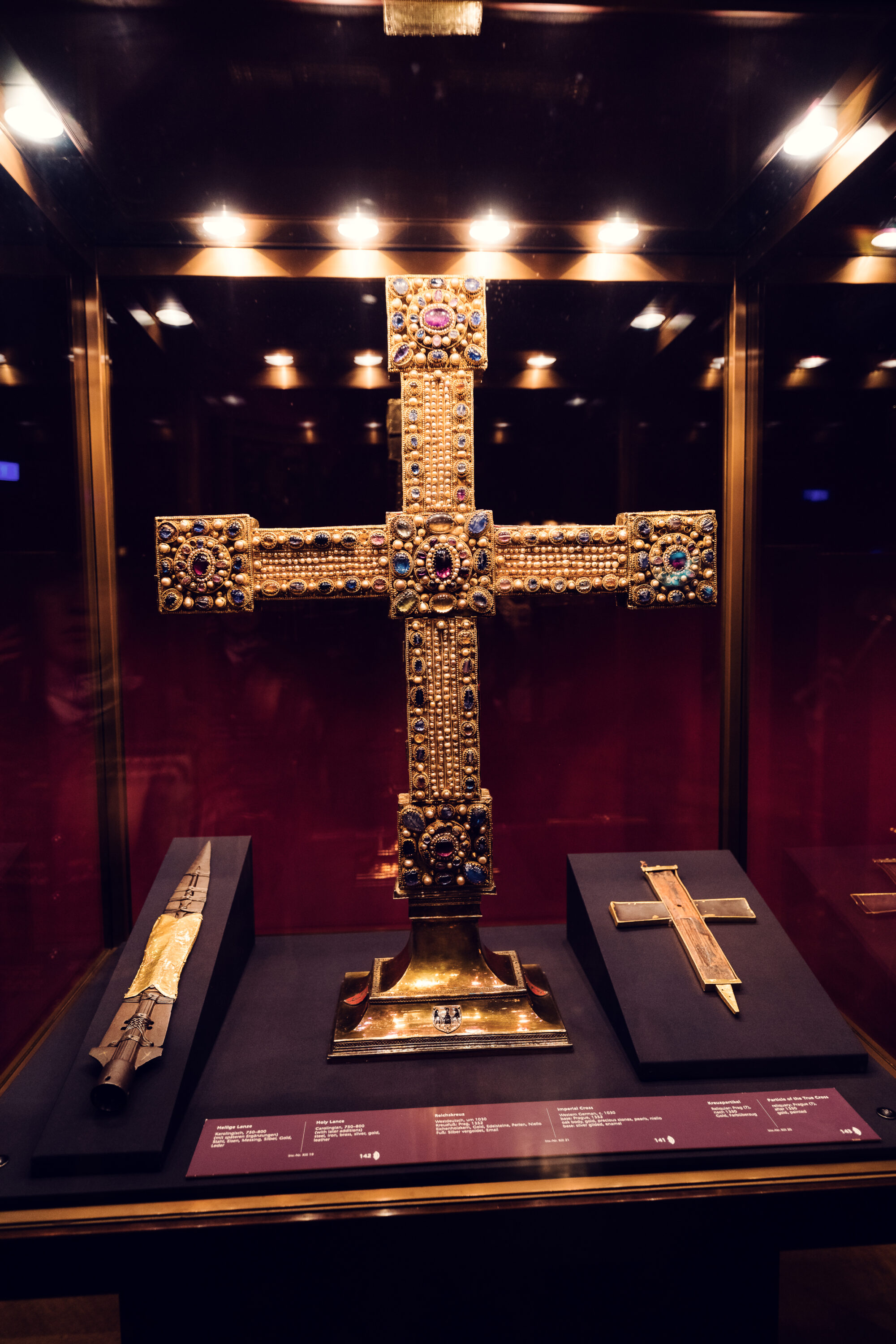
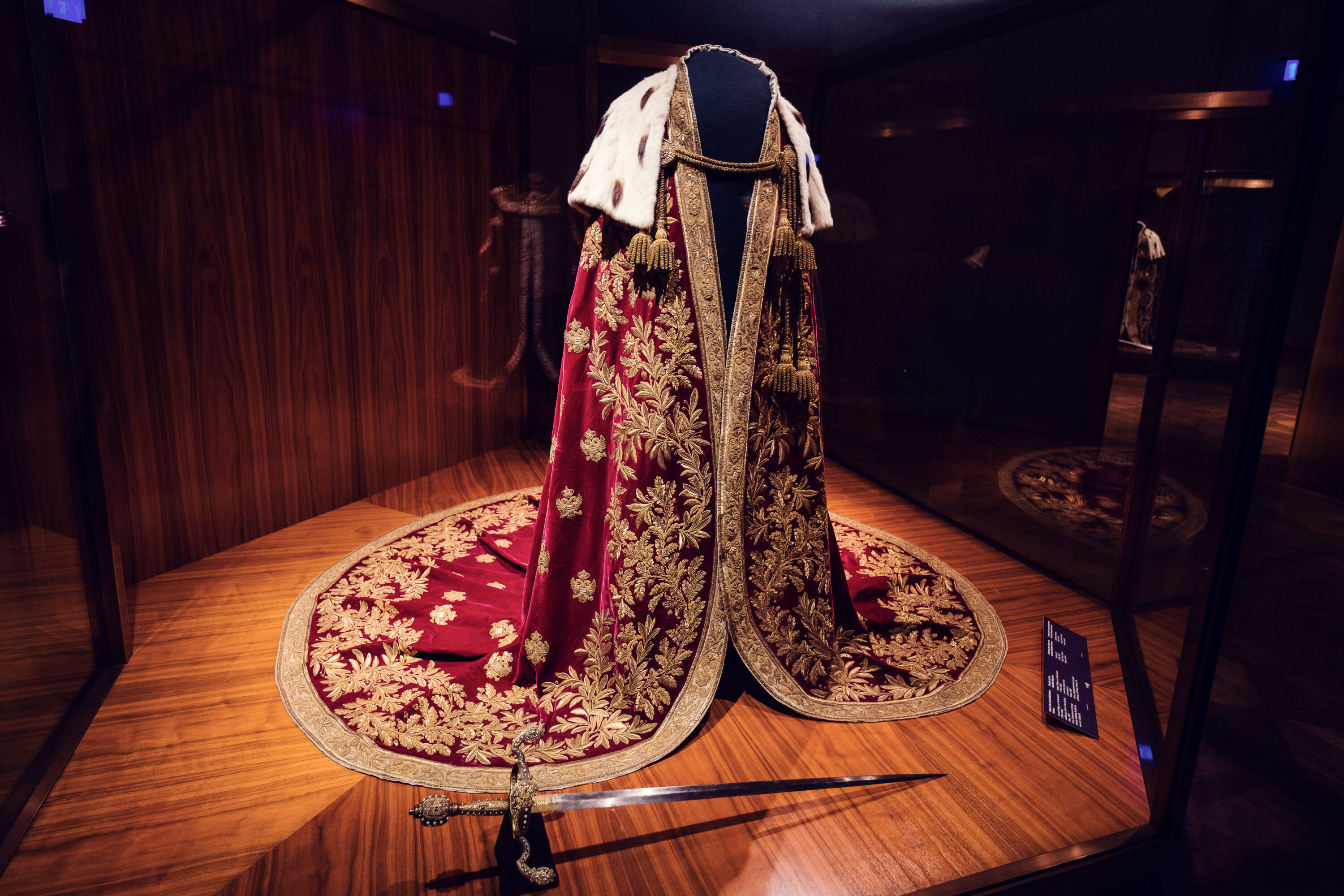
The Imperial Treasury adds a different dimension. Here, you’ll see the crown jewels, royal robes, and religious items used in ceremonies. Some of the objects are incredibly detailed and valuable. But beyond their beauty, they show how important symbolism was to royal power.

What makes Hofburg worth visiting, especially for thoughtful travelers, is the mix of impressive surroundings and real personal stories. Hofburg is about wealth and luxury, how people lived, led, and sometimes felt trapped in a world they didn’t choose. The experience helps you understand the complexity of royal life – not just the ceremonies, but the quiet moments behind them.

Guided Tours & Activities

  • Skip-the-Line Sisi Museum, Hofburg & Gardens Tour: Breeze past the queues and follow a historian guide through Empress Elisabeth’s lavish apartments, the curated Sisi Museum, and the tranquil palace gardens, hearing vivid stories that illuminate Vienna’s most enigmatic royal.
  • Spanish Riding School Behind-the-Scenes Tour: Go beyond the grand arena to visit the Lipizzan stallions’ stables, tack rooms, and baroque Winter Riding Hall, while your guide reveals 450 years of training secrets and the artistry behind each elegant performance.

Gastronomic Discoveries

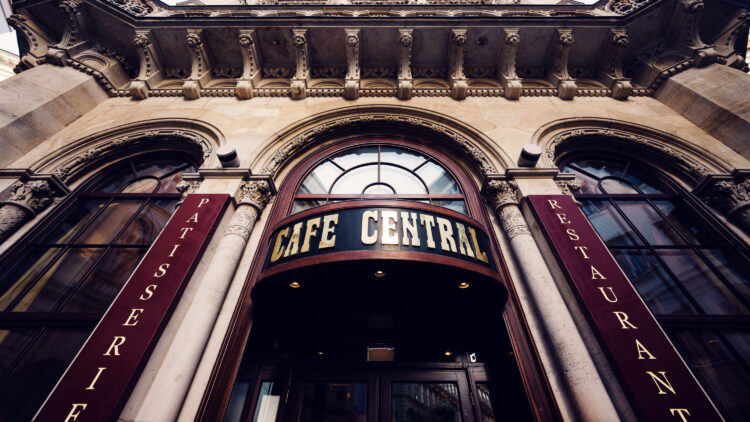
  • Don’t miss trying a traditional Viennese coffee in the nearby Café Central, once frequented by historic figures.

Hidden Gems

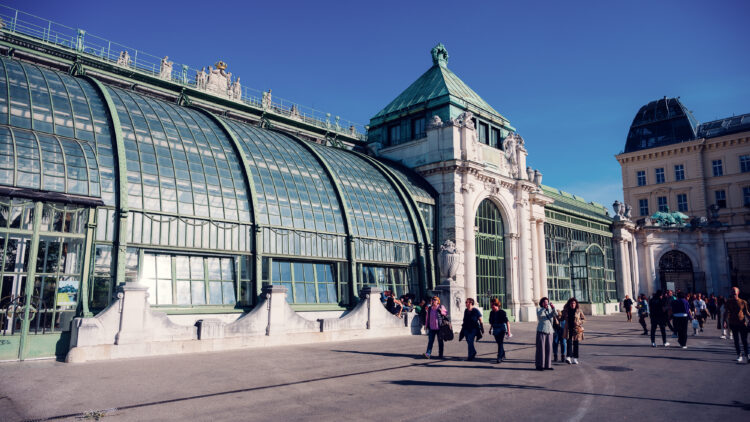
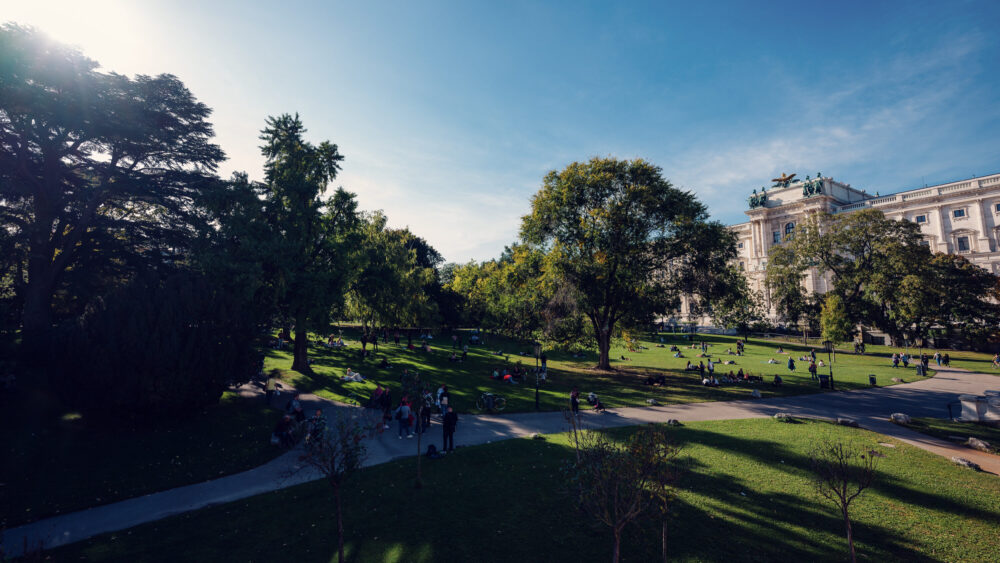
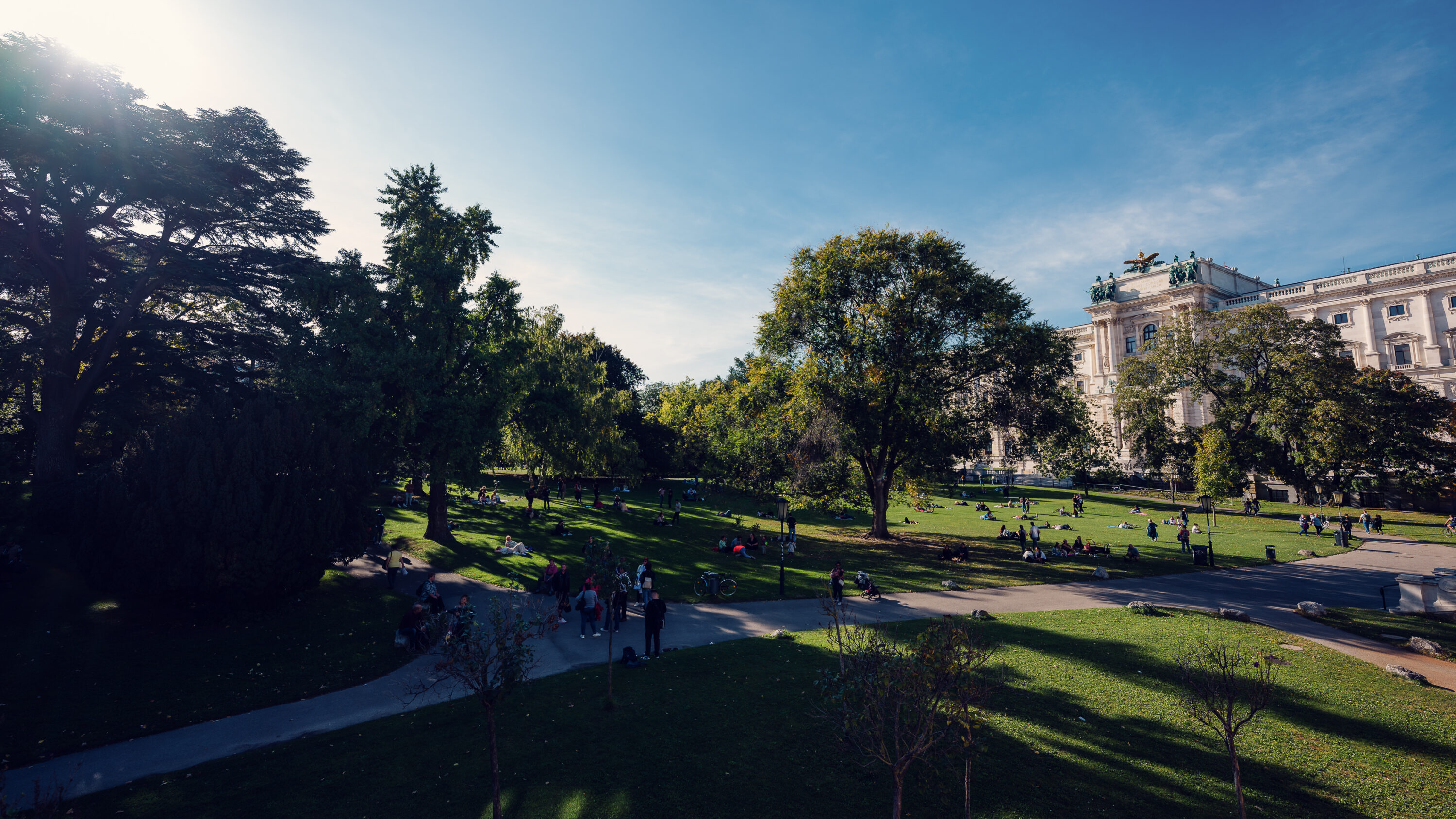
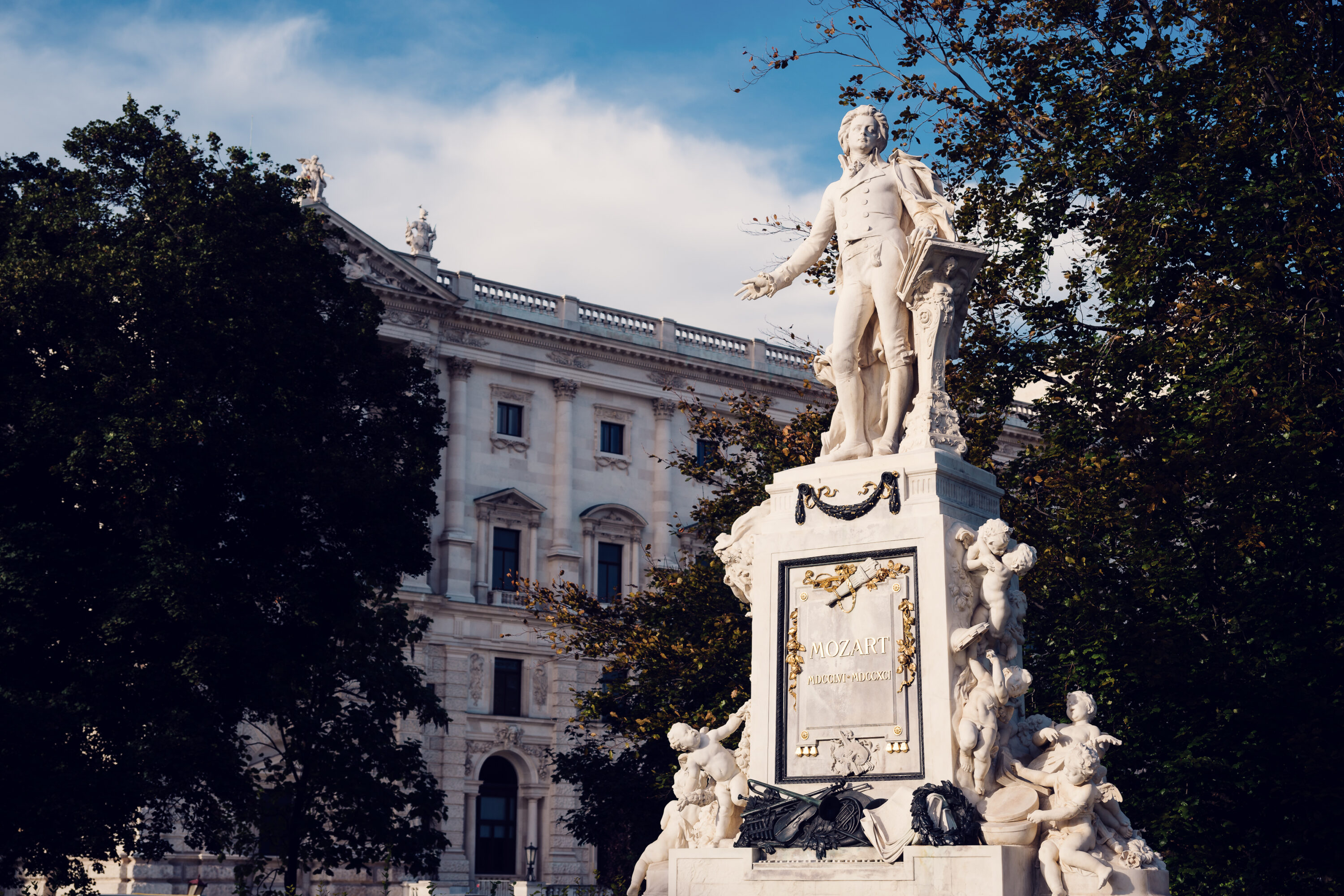
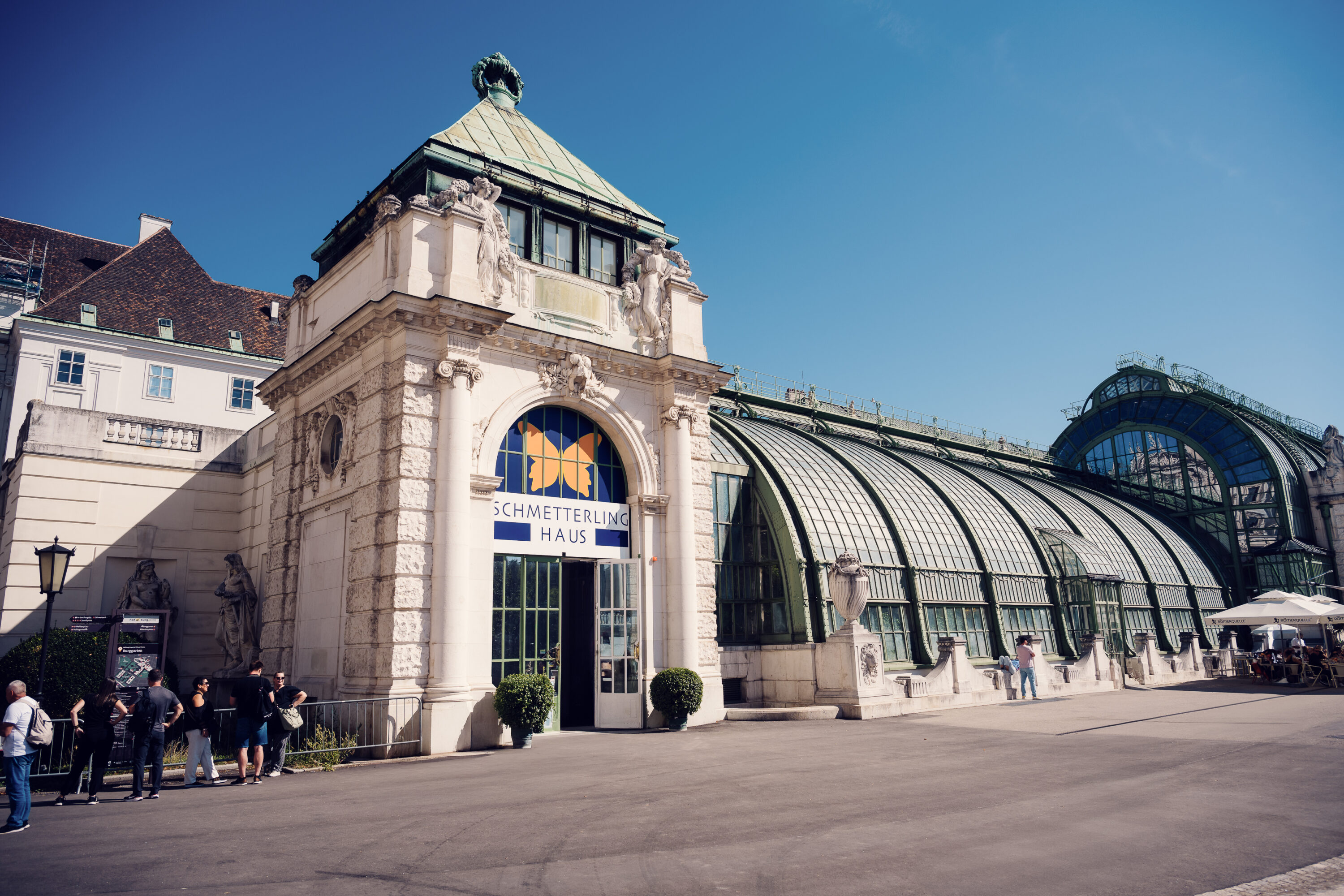
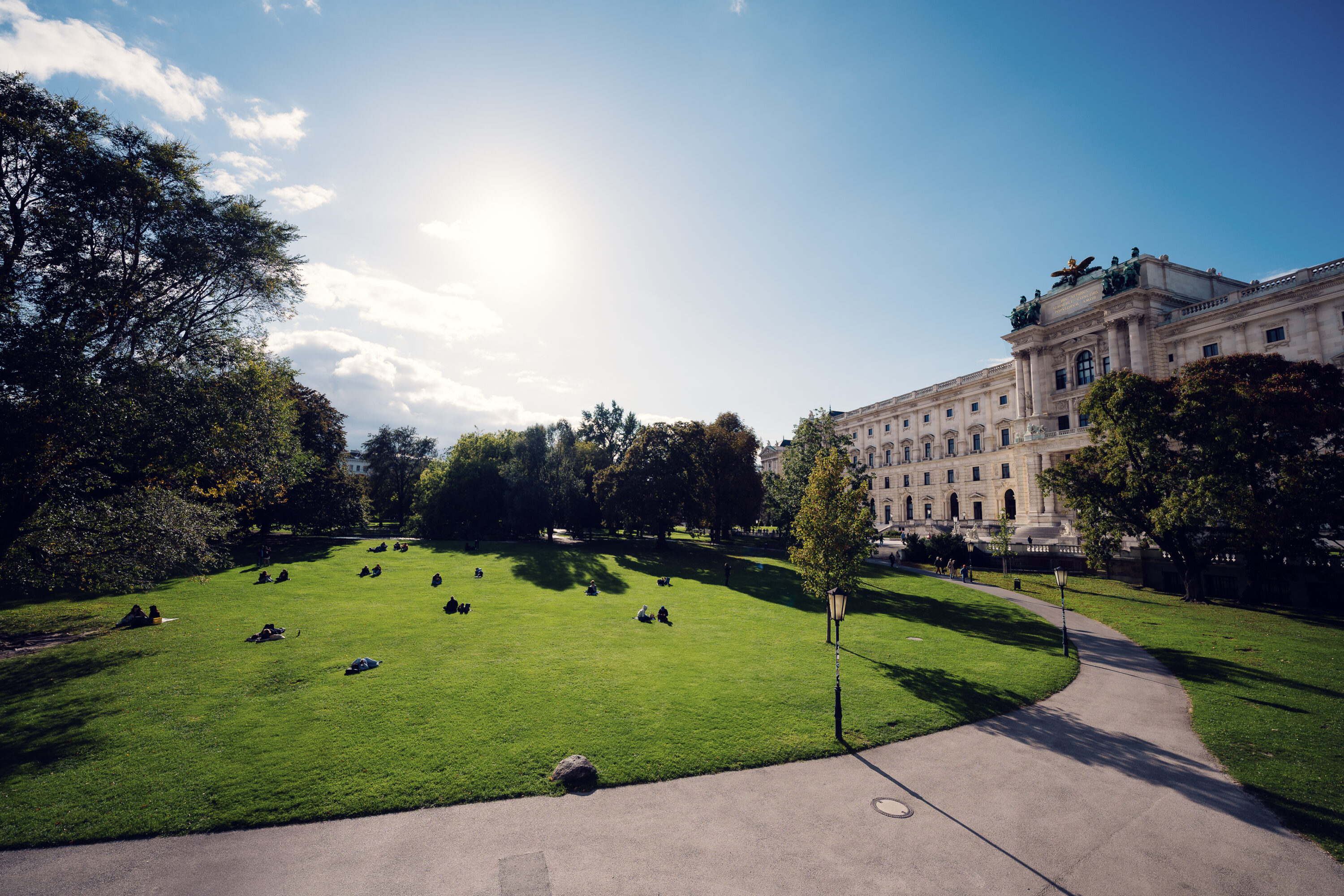
  • Seek out the Burggarten for a serene escape within the city, boasting beautiful statues and the Palmenhaus, a stunning greenhouse café.
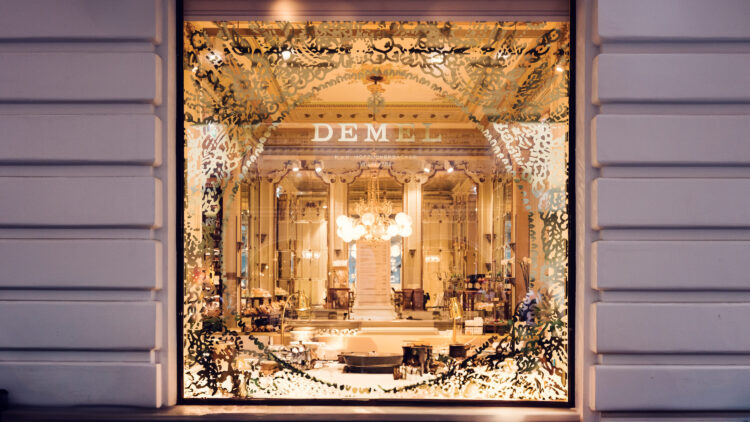
  • Visit Kohlmarkt with its luxurious shops or the famous Café Demel.

Our Little Extras

  • Visit late afternoon to catch the golden hour light reflecting beautifully on the palace façade.
Photo Spots & POIs
Panoramic view of Hofburg Palace from Kohlmarkt, capturing its regal presence in Vienna.
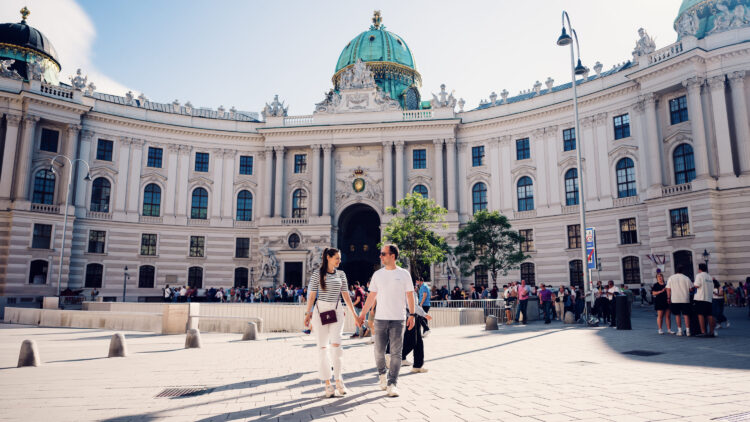
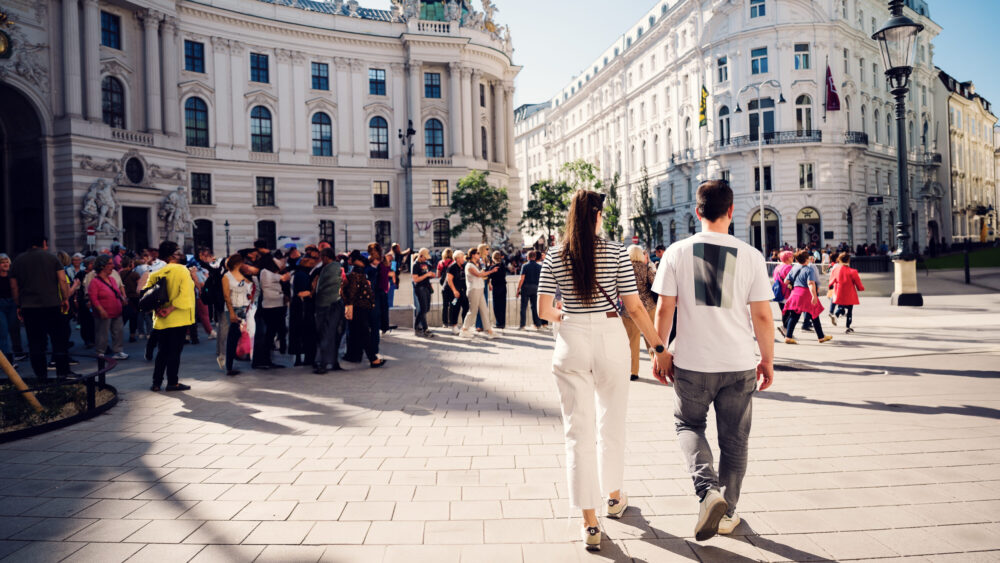
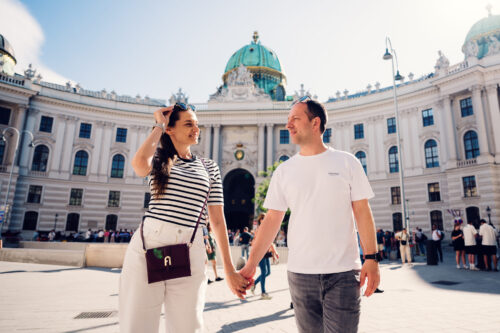
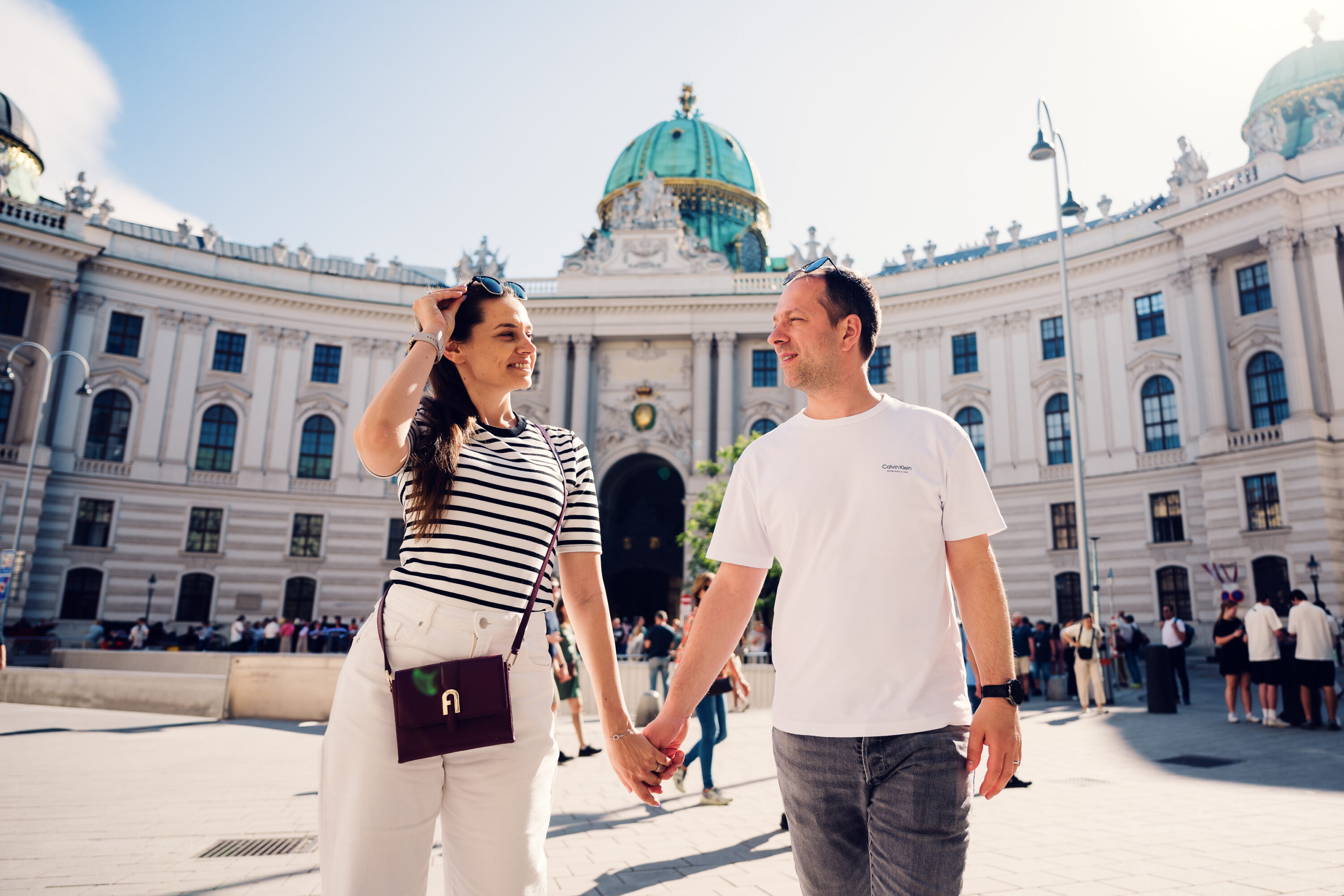
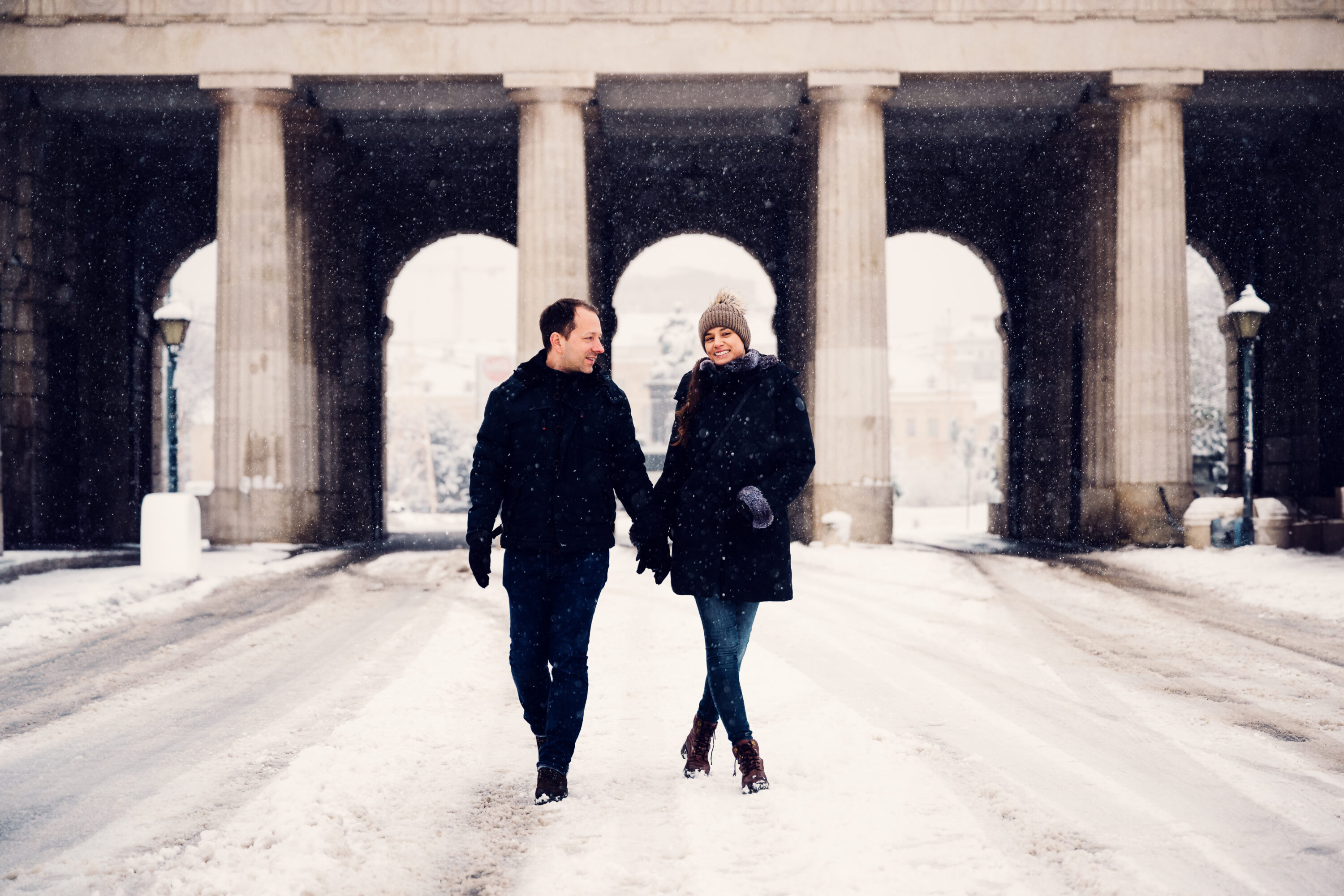
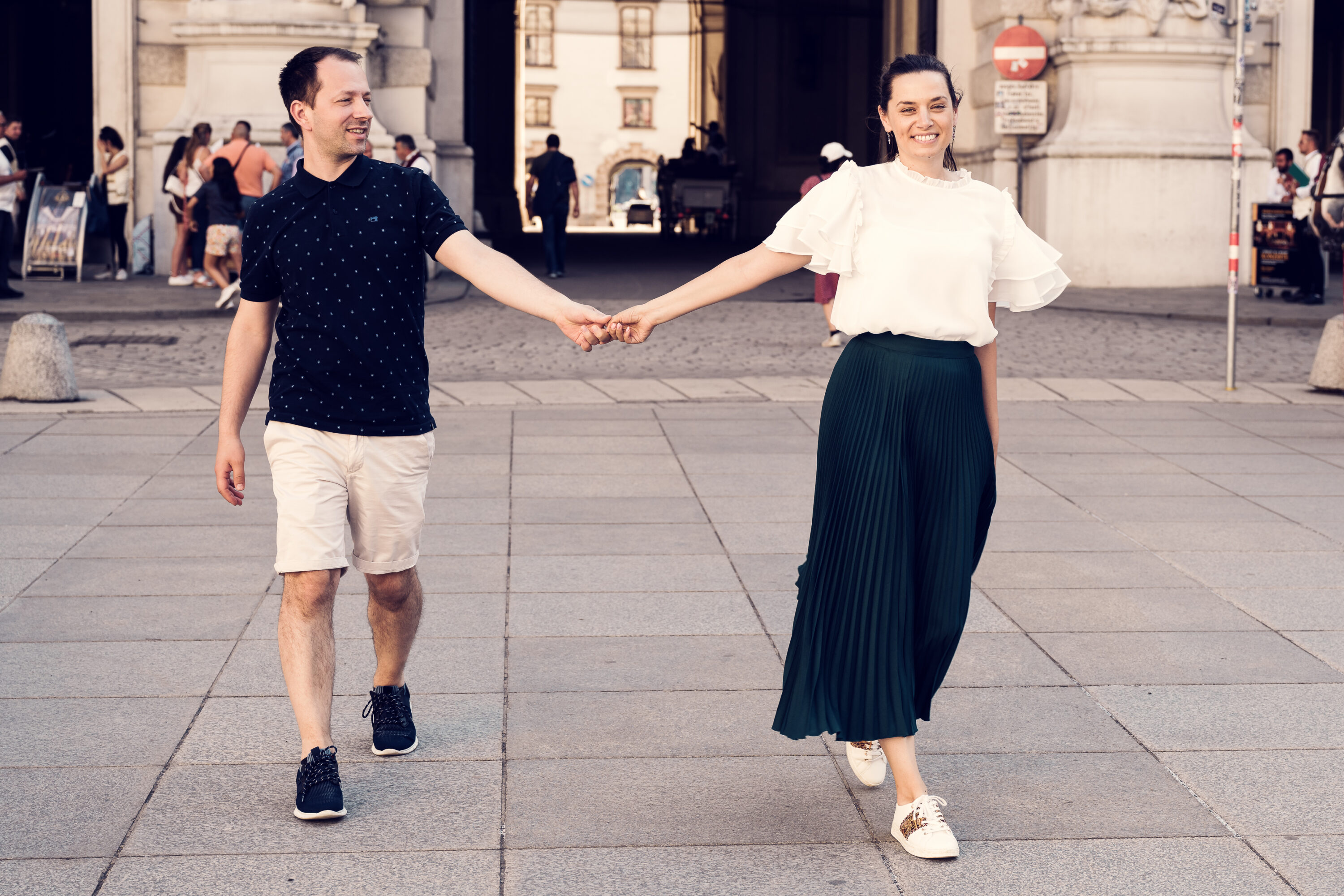
Panoramic view of Hofburg Palace from Kohlmarkt, capturing its regal presence in Vienna.Elegant fiaker parked outside Hofburg Palace, showcasing Vienna's historic charm.Traditional fiaker carriage in front of Hofburg Palace, offering a classic Viennese experience.Hofburg Palace's main entrance welcoming visitors to explore its rich history.Adriana and Mario hand in hand at Michaelerplatz.

Michaelerplatz

The oval plaza in front of the Hofburg’s Michaelertor pairs imperial grandeur with modernist flair, thanks to the stark, white-stone Looshaus opposite the green-copper dome. Peer through the glass-covered excavations to spot remnants of a Roman outpost beneath the cobbles, then turn back to photograph fiaker carriages circling one of Vienna’s most emblematic gateways.

Map
Photos More
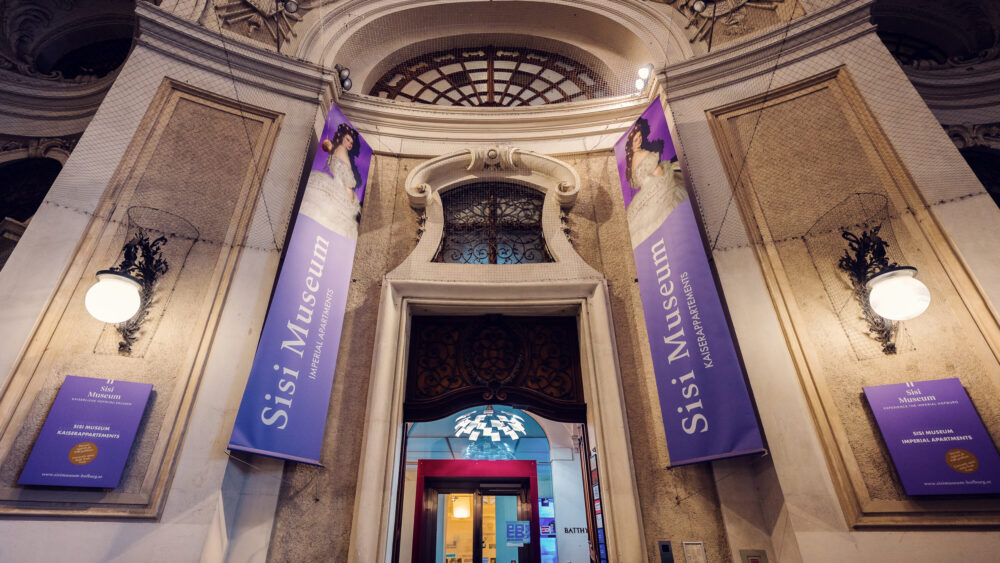
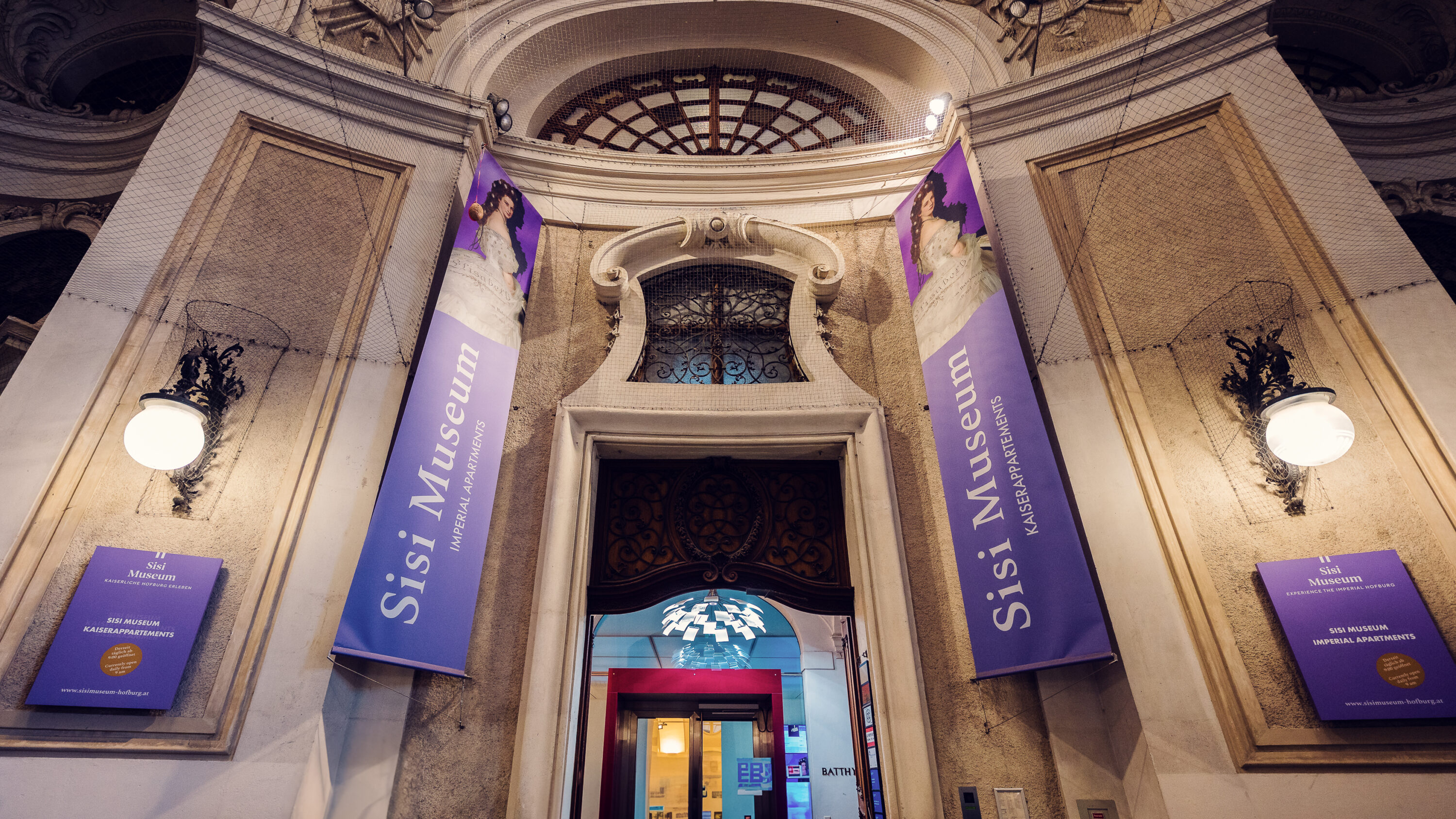
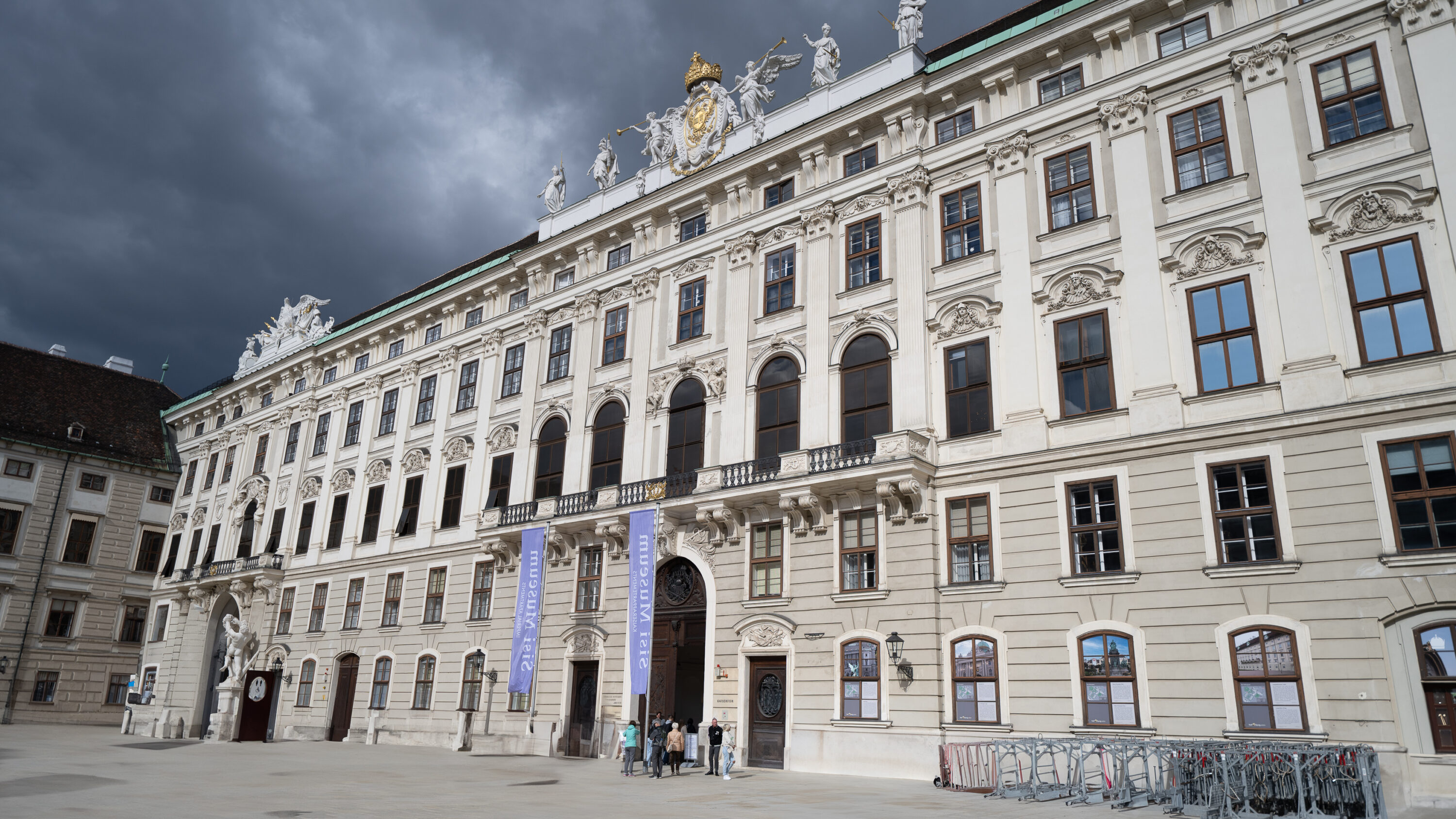
Historic entrance gate to the Sisi Museum section of Hofburg Palace Vienna.
Historic entrance gate to the Sisi Museum section of Hofburg Palace Vienna.Exterior of the Sisi Museum located in the historic Hofburg Palace Vienna with its impressive Neoclassical facade.

Imperial Apartments & Sisi Museum

Walk through the richly furnished private rooms of Emperor Franz Joseph and the famously restless Empress Elisabeth, still hung with silk wall coverings and heavy brocade. The adjoining Sisi Museum layers myth and reality through her personal letters, riding gear, and dazzling array of emerald-studded court dresses.

Map
Photos More
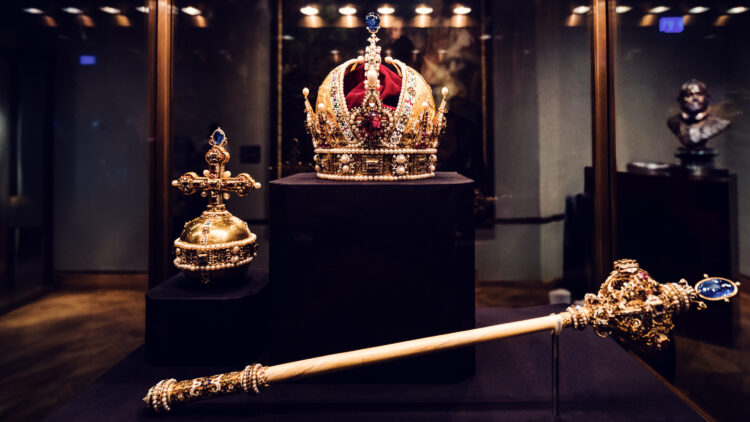
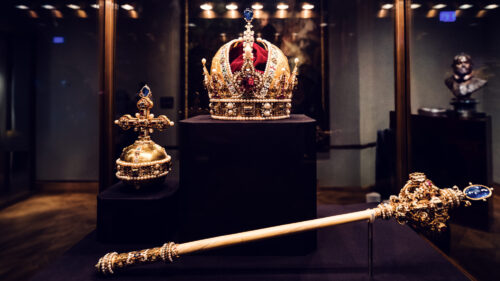
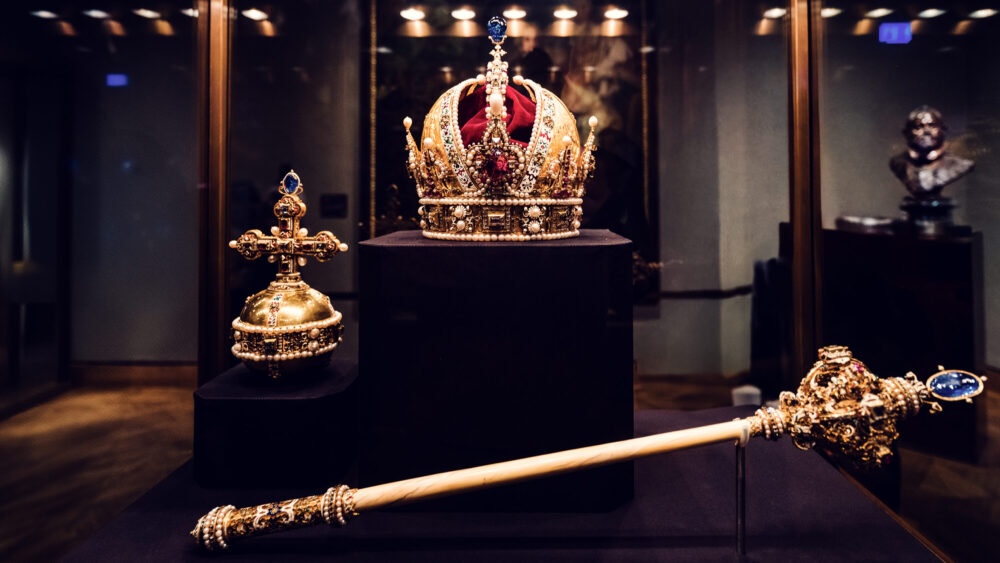
Magnificent Imperial Crown of Rudolf II (1602) at Vienna's Imperial Treasury, where masterful Renaissance goldsmithing meets royal symbolism.
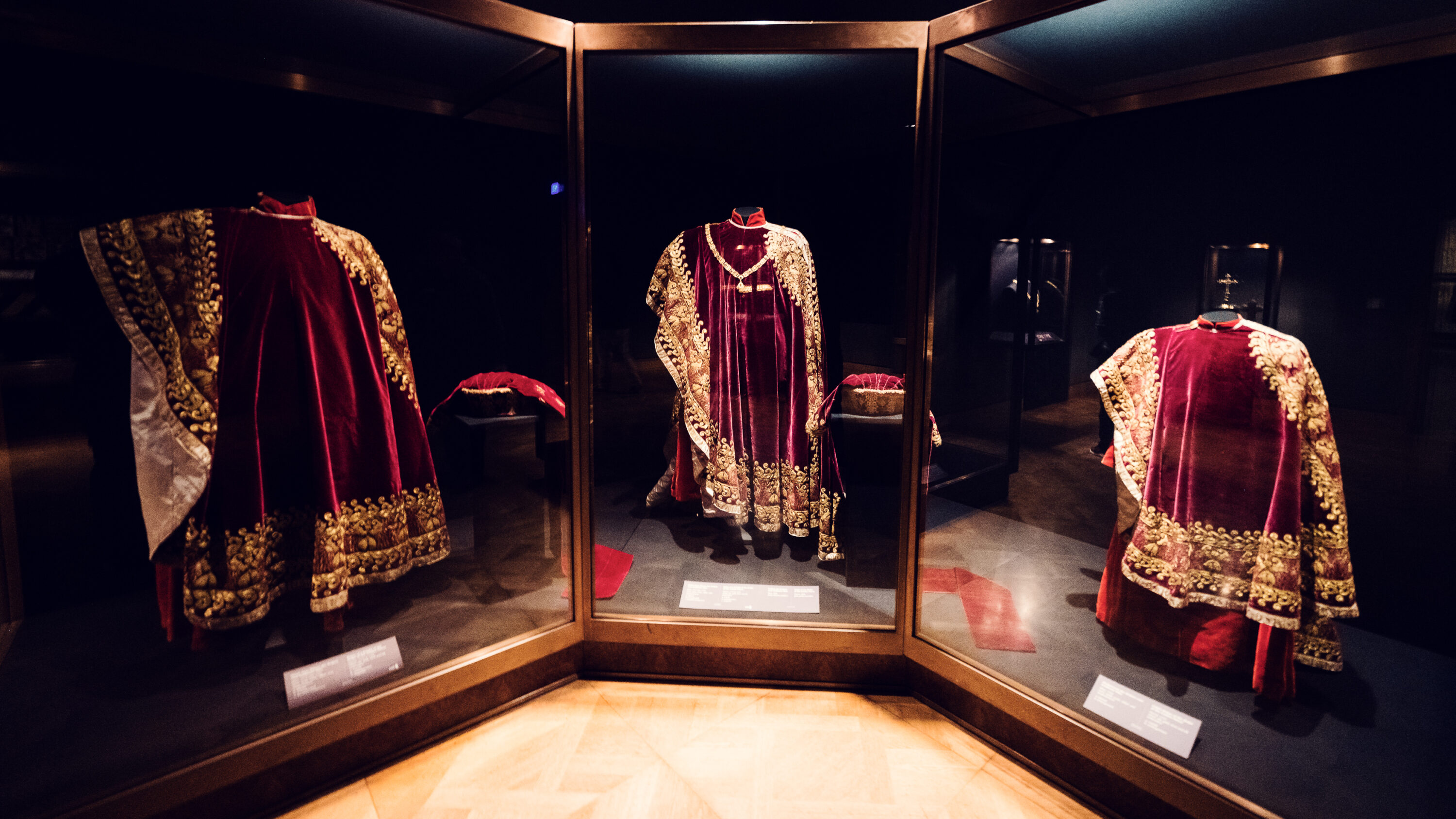
Magnificent Imperial Crown of Rudolf II (1602) at Vienna's Imperial Treasury, where masterful Renaissance goldsmithing meets royal symbolism.Resplendent collection of Imperial Vestments at Vienna's Imperial Treasury, where centuries of Habsburg ceremonial grandeur comes alive through exquisite ecclesiastical robes.Imperial Cross (Reichskreuz) at Vienna's Imperial Treasury, a masterpiece of medieval goldsmithing and one of the most significant religious treasures of the Holy Roman Empire.Majestic Imperial Austrian Emperor's Mantle at Vienna's Imperial Treasury.

Imperial Treasury

This vault glitters with centuries of Habsburg power: the Holy Roman Imperial Crown, the magnificent 1602 Crown of Rudolf II, and relics said to include a fragment of the True Cross. Each showcase ties jewels and regalia to the dynastic intrigue that once rippled through Europe.

Map
Photos More
Spanish Riding School, Vienna, 2023, Copyright www.peterrigaud.com
Spanish Riding School, Vienna, 2023, Copyright www.peterrigaud.comSpanish Riding School, Vienna, 2023, Copyright www.peterrigaud.comSpanish Riding School, Vienna, 2023, Copyright www.peterrigaud.com

Spanish Riding School

Beneath crystal chandeliers in the baroque Winter Riding Hall, snow-white Lipizzan stallions rehearse airs above the ground with military precision. Morning exercise or a full performance reveals centuries-old training that fuses art, athleticism, and imperial pageantry.

Map
Photos More
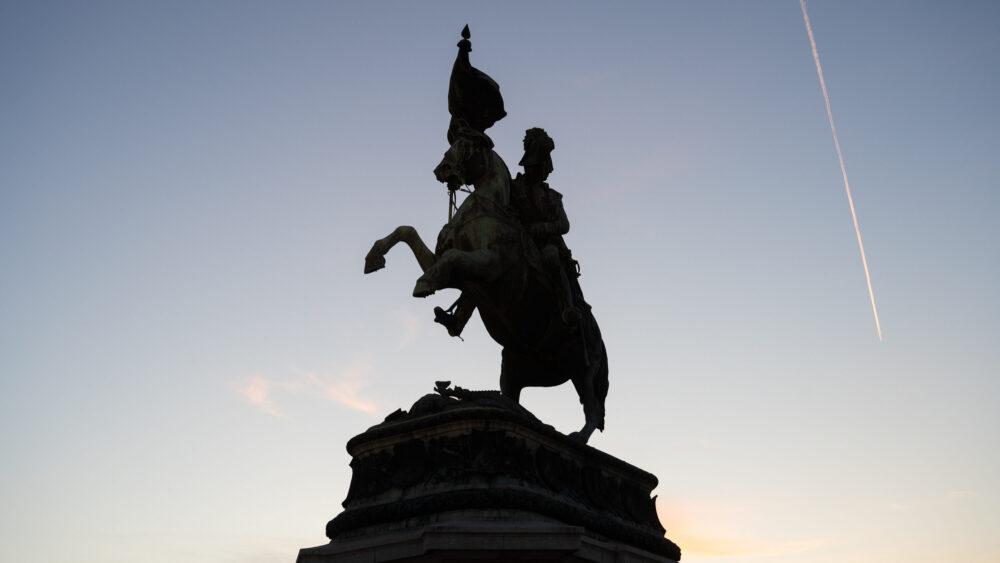
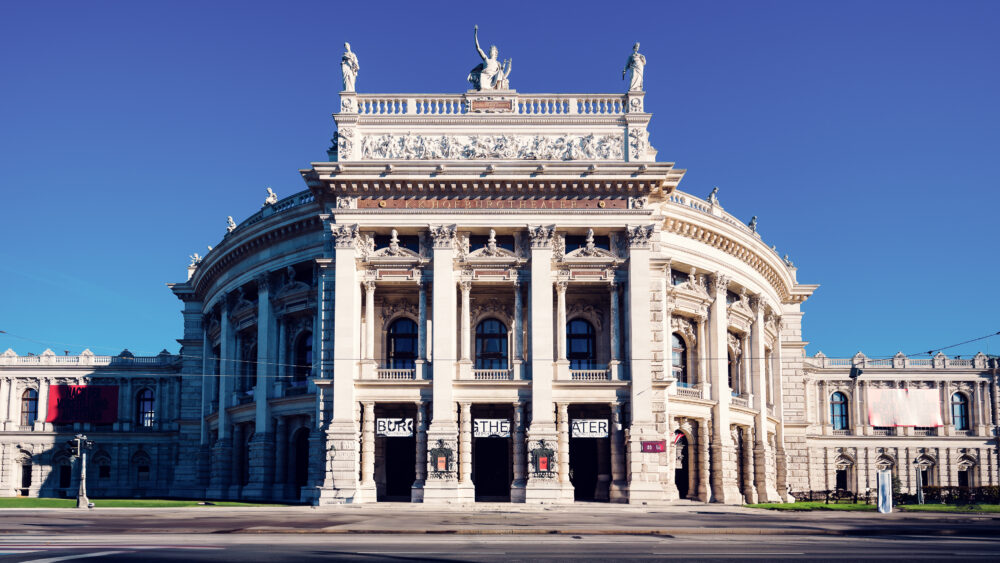
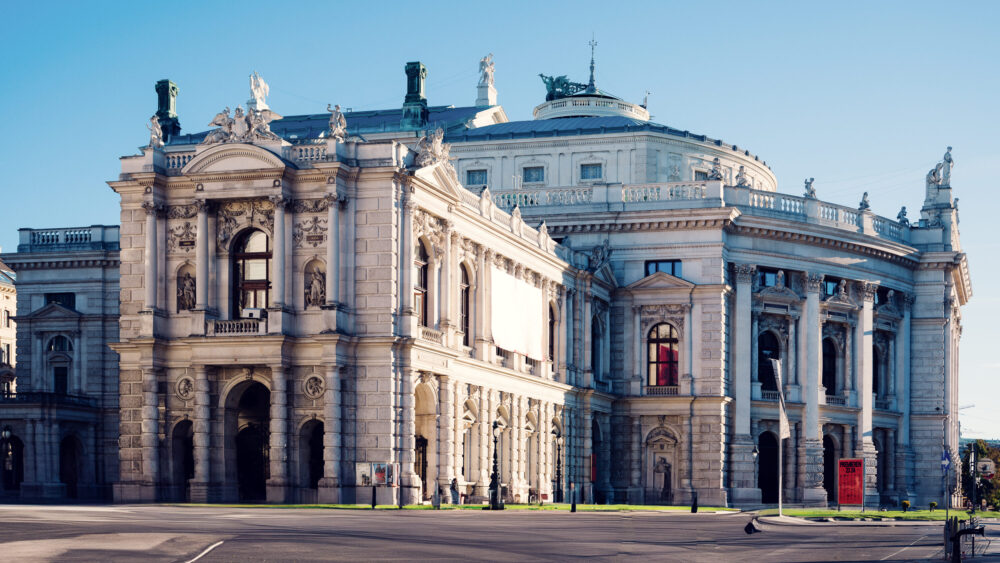
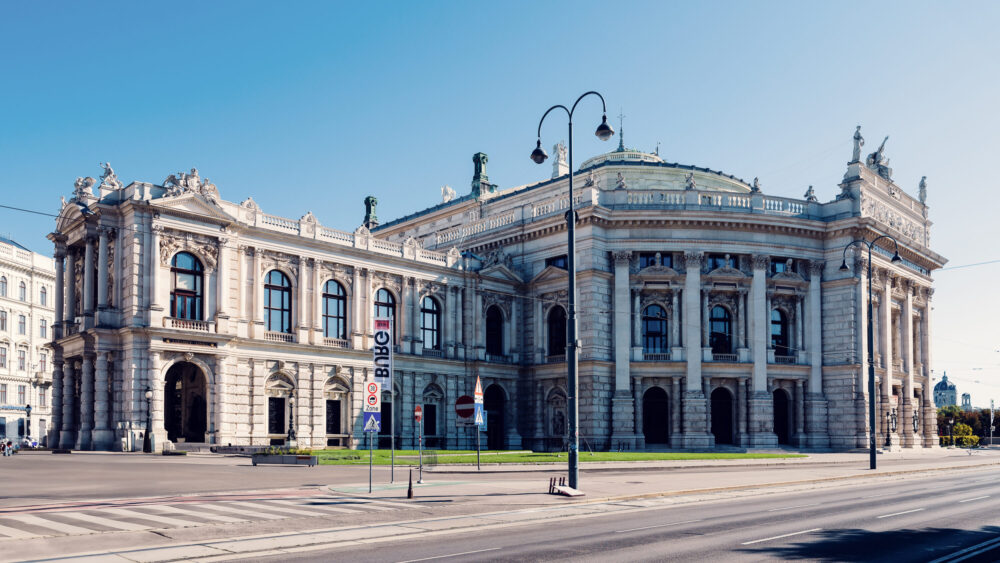
Magnificent Neue Burg at Heldenplatz on a bright summer day.
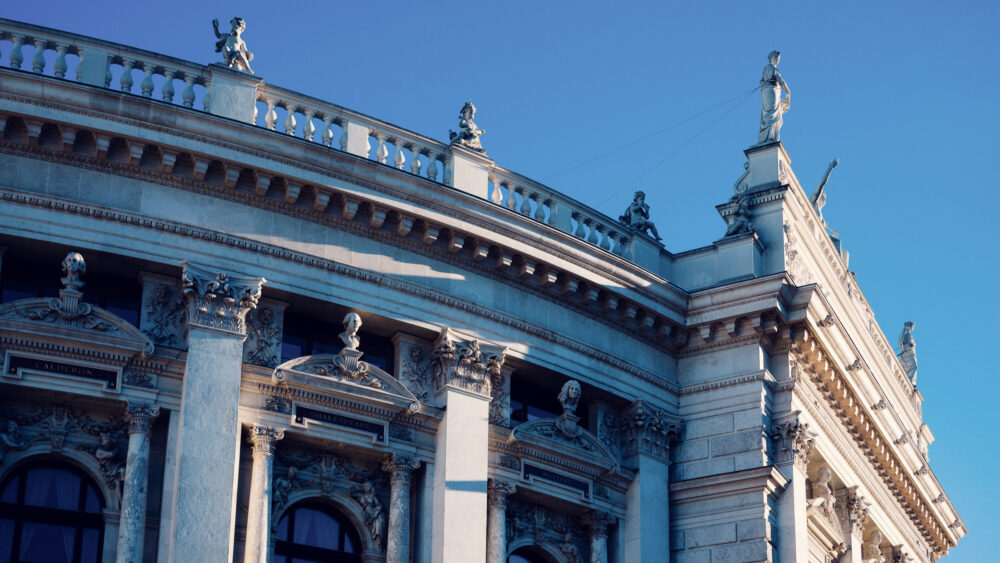
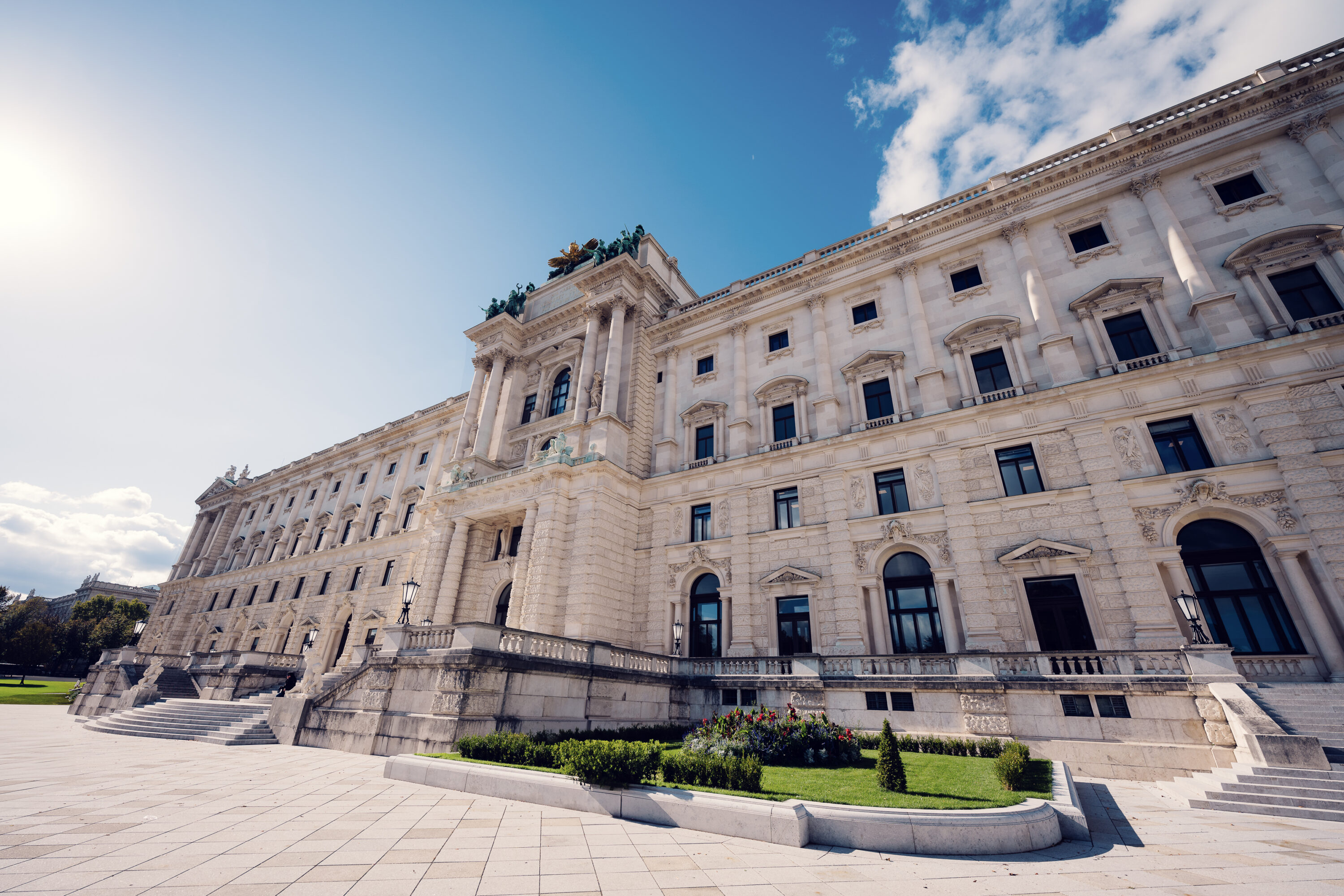
Magnificent Neue Burg at Heldenplatz on a bright summer day.Grand facade of the Hofburg Palace viewed from Burggarten, showcasing Vienna's imperial grandeur.Imposing architecture of the Hofburg Palace, reflecting Vienna's rich imperial legacy and cultural significance.Stunning view of the Hofburg Palace from Burggarten, highlighting its majestic architecture.Scenic view of Hofburg Palace from the Heldenplatz, capturing its majestic architecture.Summer view of the Neue Burg, showcasing its impressive architecture at Heldenplatz.

Neue Burg

The Neue Burg is the newest – and last – wing of Vienna’s Hofburg Palace. Built between 1881 and 1913, it was meant to crown a vast “Imperial Forum” that the Habsburgs never finished. Its long, curved front on Heldenplatz served as a stage for military parades and royal appearances in the final years of the monarchy. Today the halls that once showed off imperial power house several museums, preserving armor, finds from ancient Ephesus, and objects from cultures around the world.

Map
Photos

Hofburg Palace: Imperial Grandeur at the Heart of Vienna

Hofburg Vienna highlights over 600 years of European history. This imperial palace, with its extensive buildings, gardens, and courtyards, was the winter residence of the Habsburg dynasty, rulers of the Austro-Hungarian Empire. Today, it showcases the cultural, political, and social evolution of Vienna and Europe.

The Hofburg’s origins date back to the 13th century, expanding over the centuries with each ruler adding to its architectural diversity. The result is a fascinating mix of styles – from Gothic and Renaissance to Baroque, Rococo, and Neoclassicism – making the Hofburg a showcase of European architectural evolution.
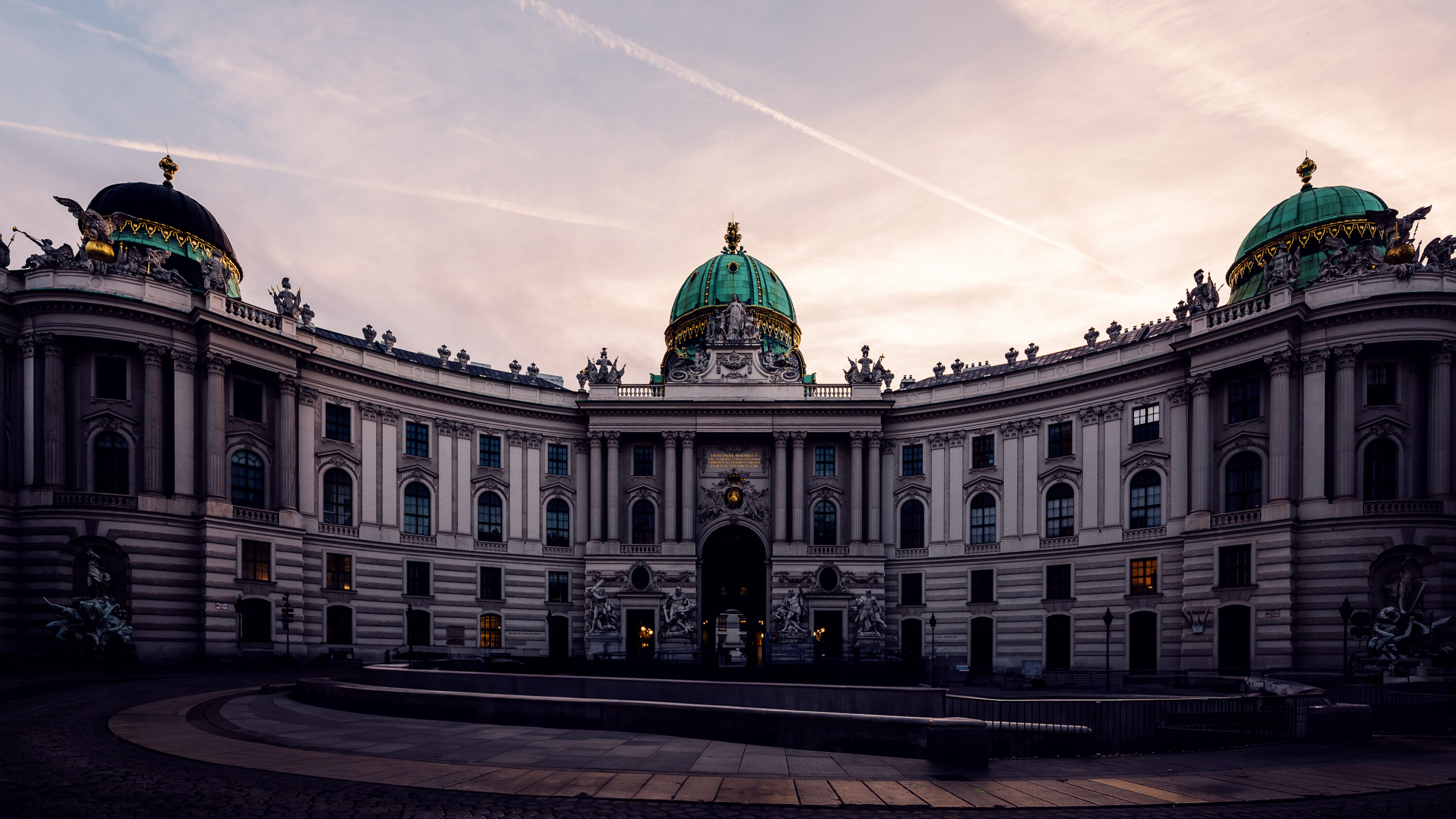
Hofburg Palace - 1
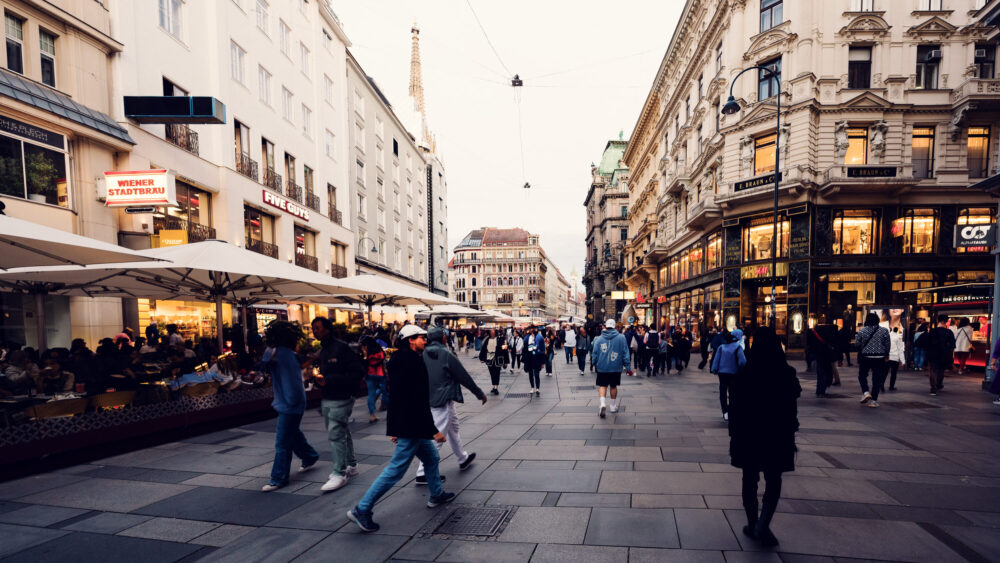
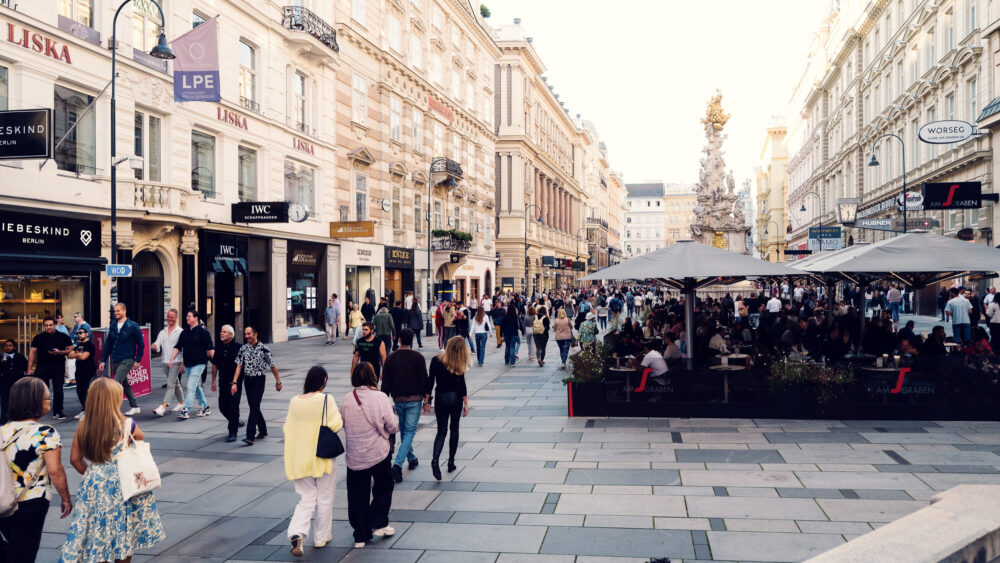
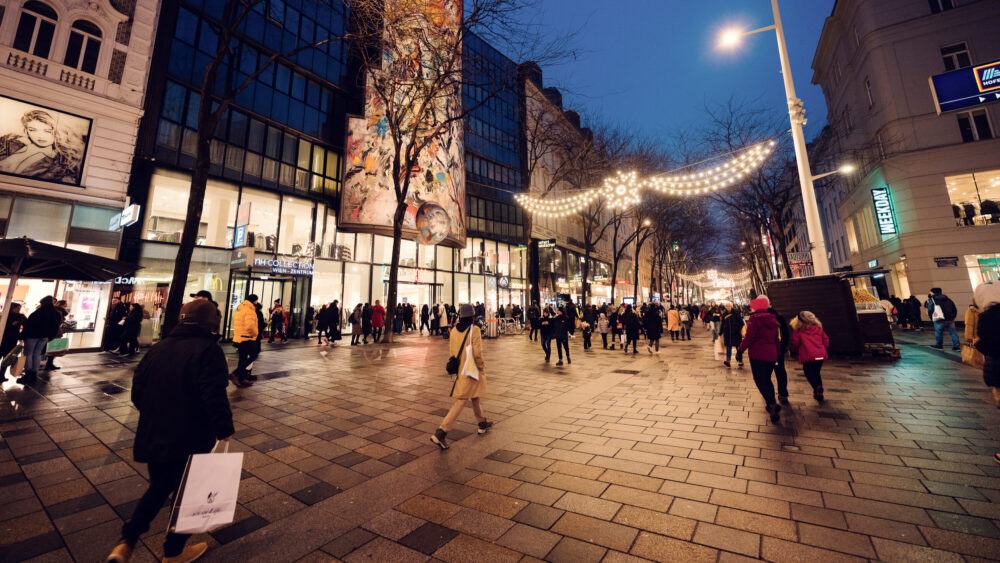
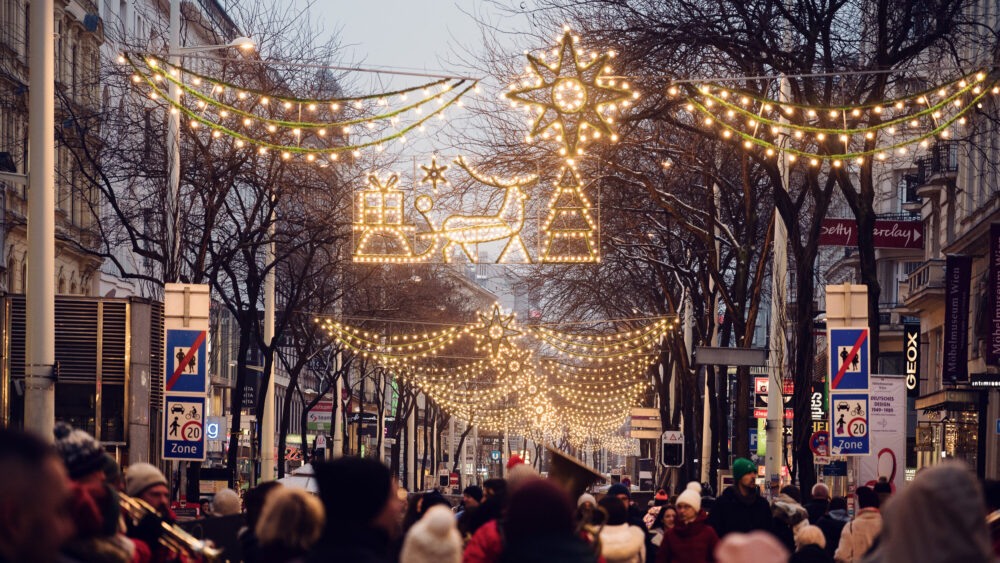
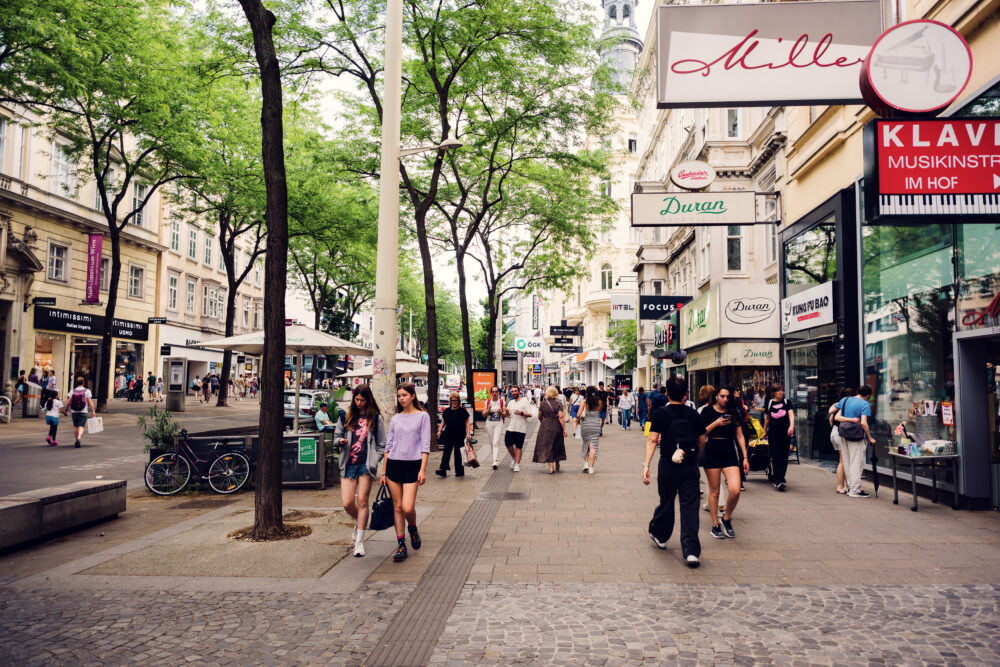
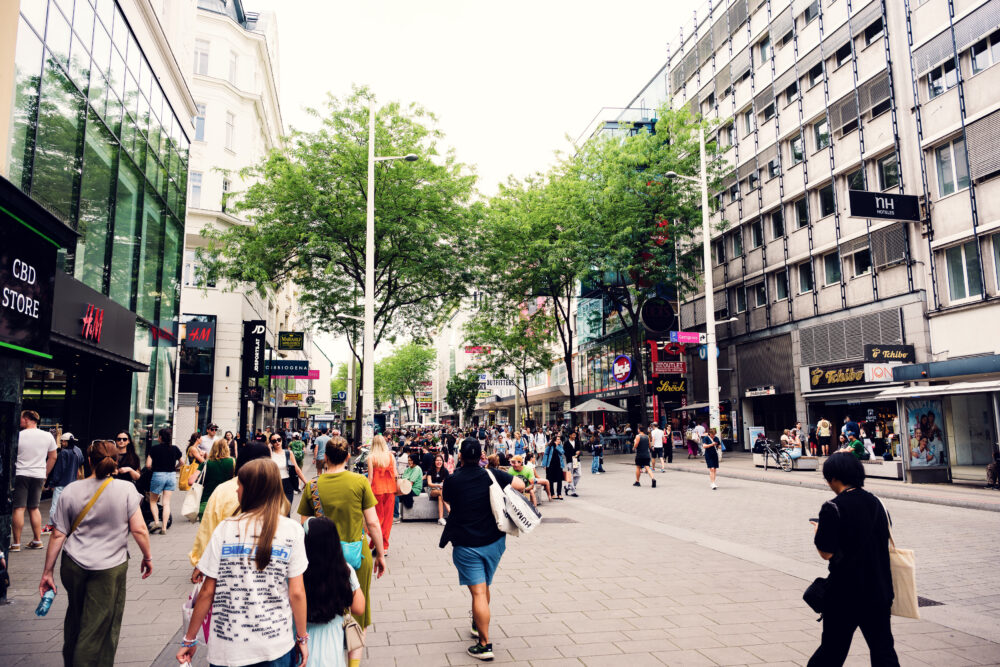
Standing here on one of Vienna’s most elegant shopping streets, you get this incredible perspective of the Hofburg Palace.

Walking through its corridors, you tread the same paths as some of the most influential figures in European history. Emperor Franz Joseph I, known for his duty-bound reign, and Empress Elisabeth (Sisi), whose beauty and tragic life story have captivated many, lived here. The palace complex includes several must-visit sites, each offering a unique window into the lives of its former inhabitants and the empire they governed.

The Imperial Apartments provide a look into the private lives of the Habsburgs, furnished as they were in the empire’s prime. The Sisi Museum is dedicated to Empress Elisabeth, displaying personal artifacts that reveal her complex personality and struggles within court life. The Imperial Treasury in Hofburg houses a remarkable collection of crown jewels, including the stunning Imperial Crown of the Holy Roman Empire.
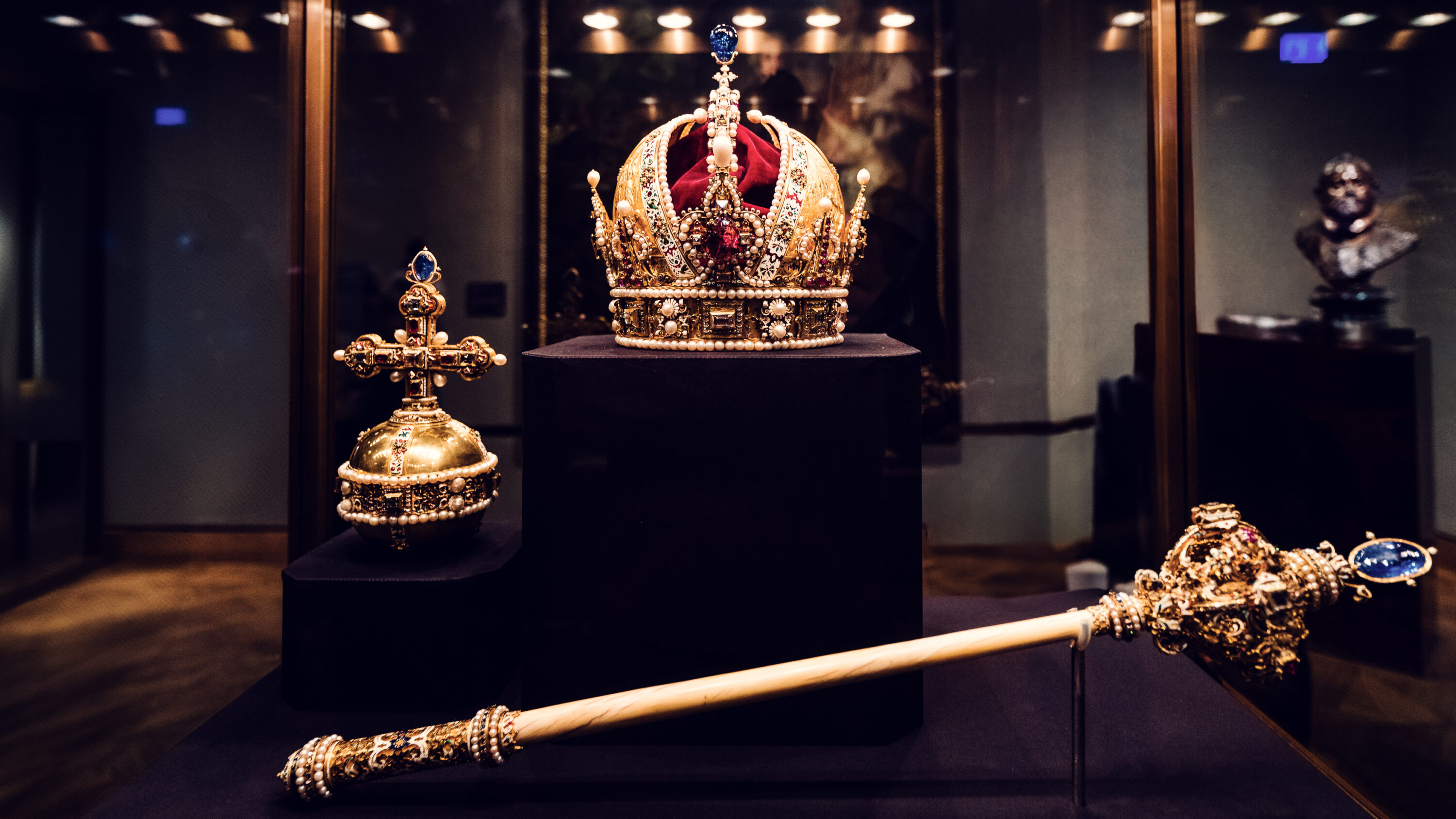
Magnificent Imperial Crown of Rudolf II (1602) at Vienna's Imperial Treasury, where masterful Renaissance goldsmithing meets royal symbolism.
The crown jewels are one of the highlights of the Imperial Treasury.

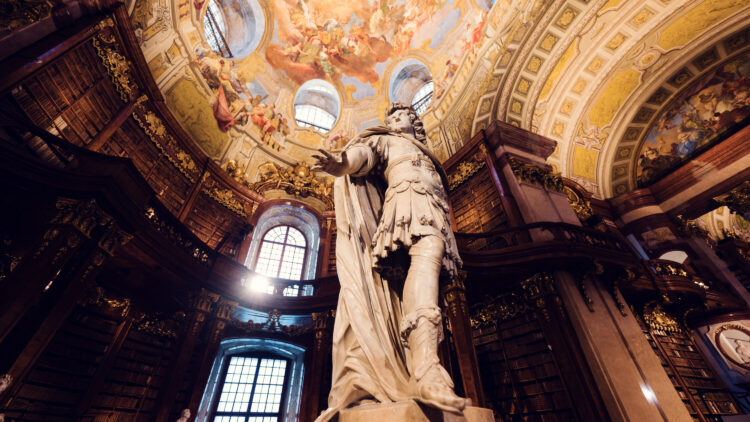
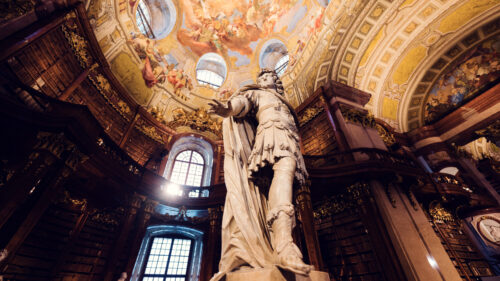
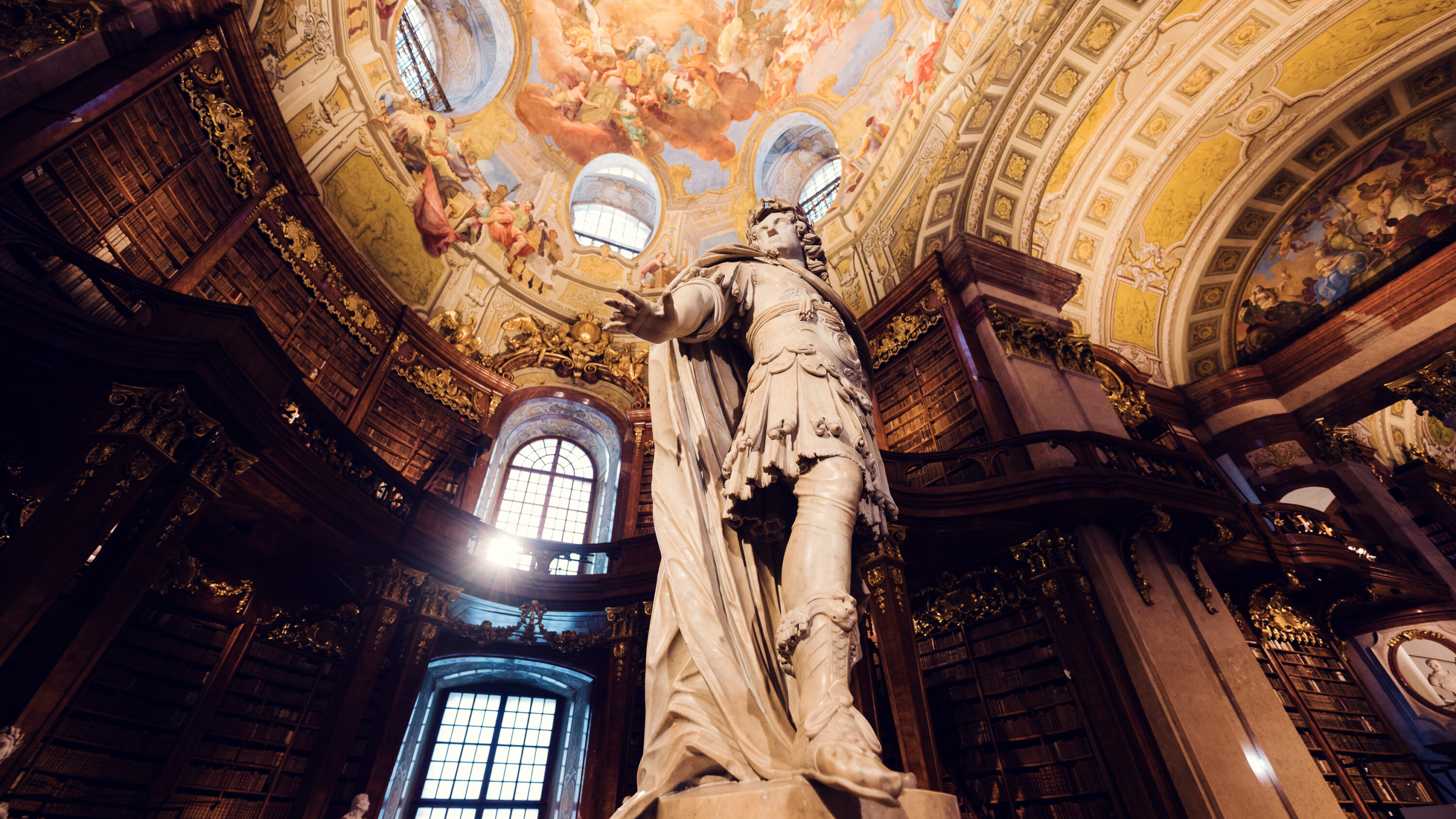
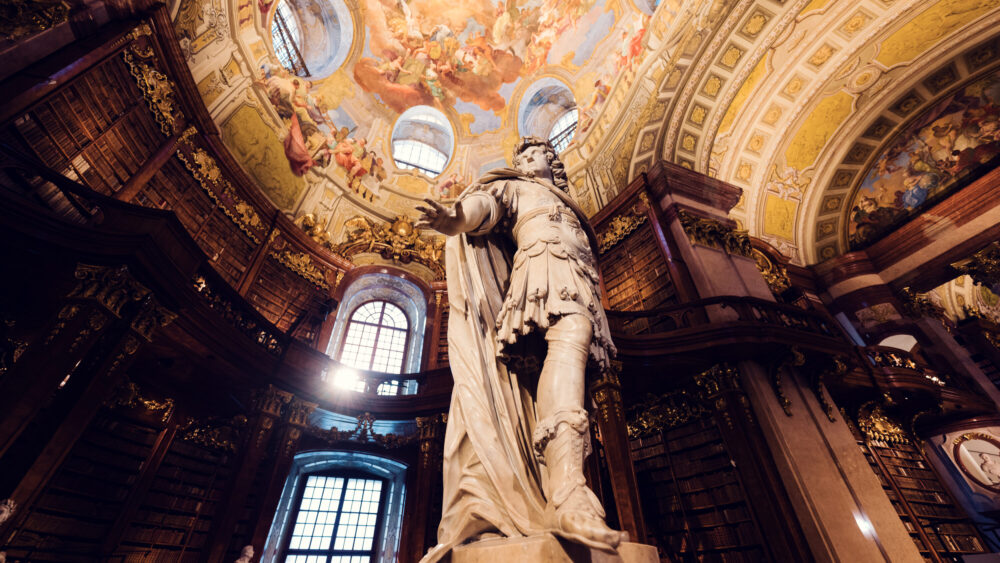
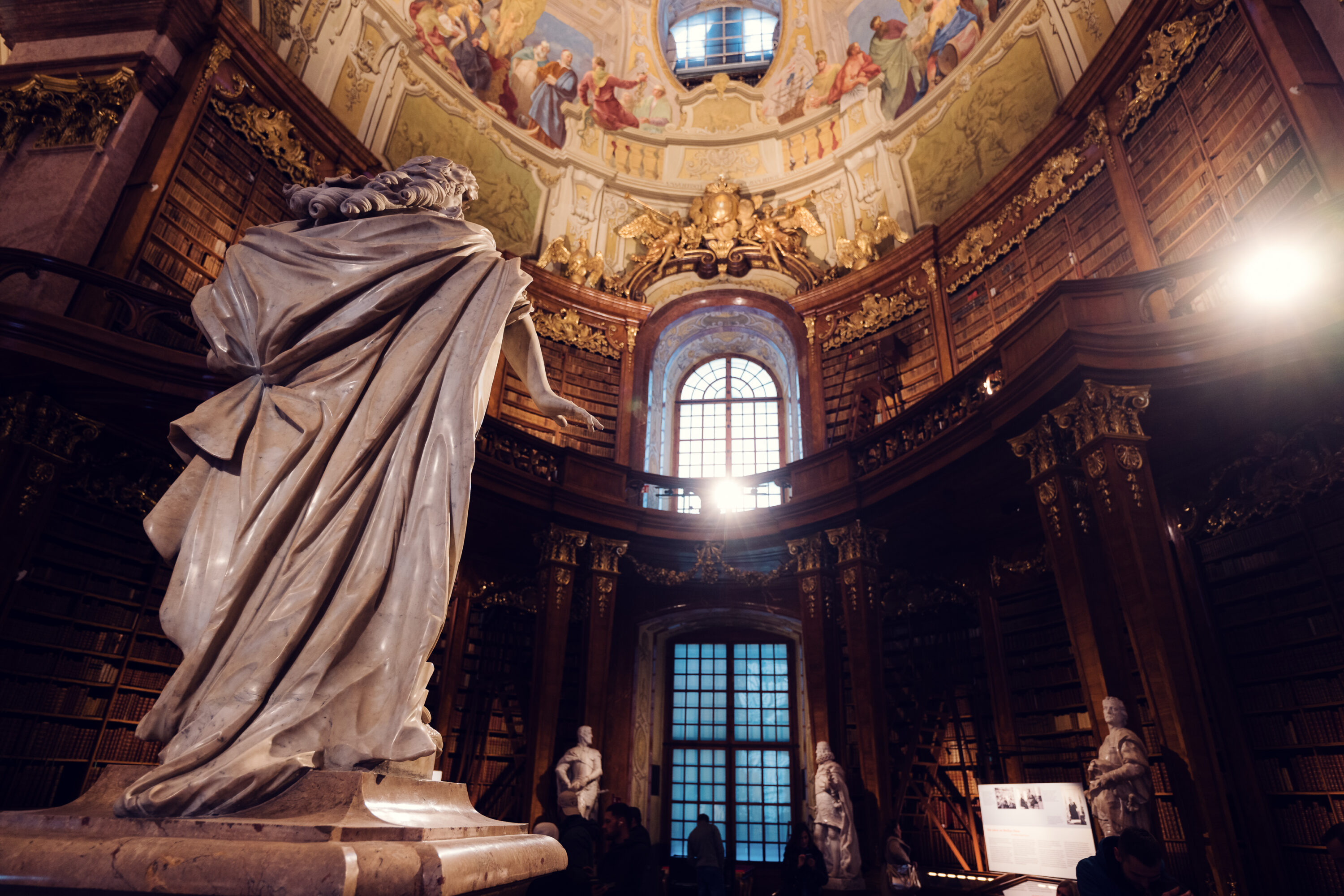
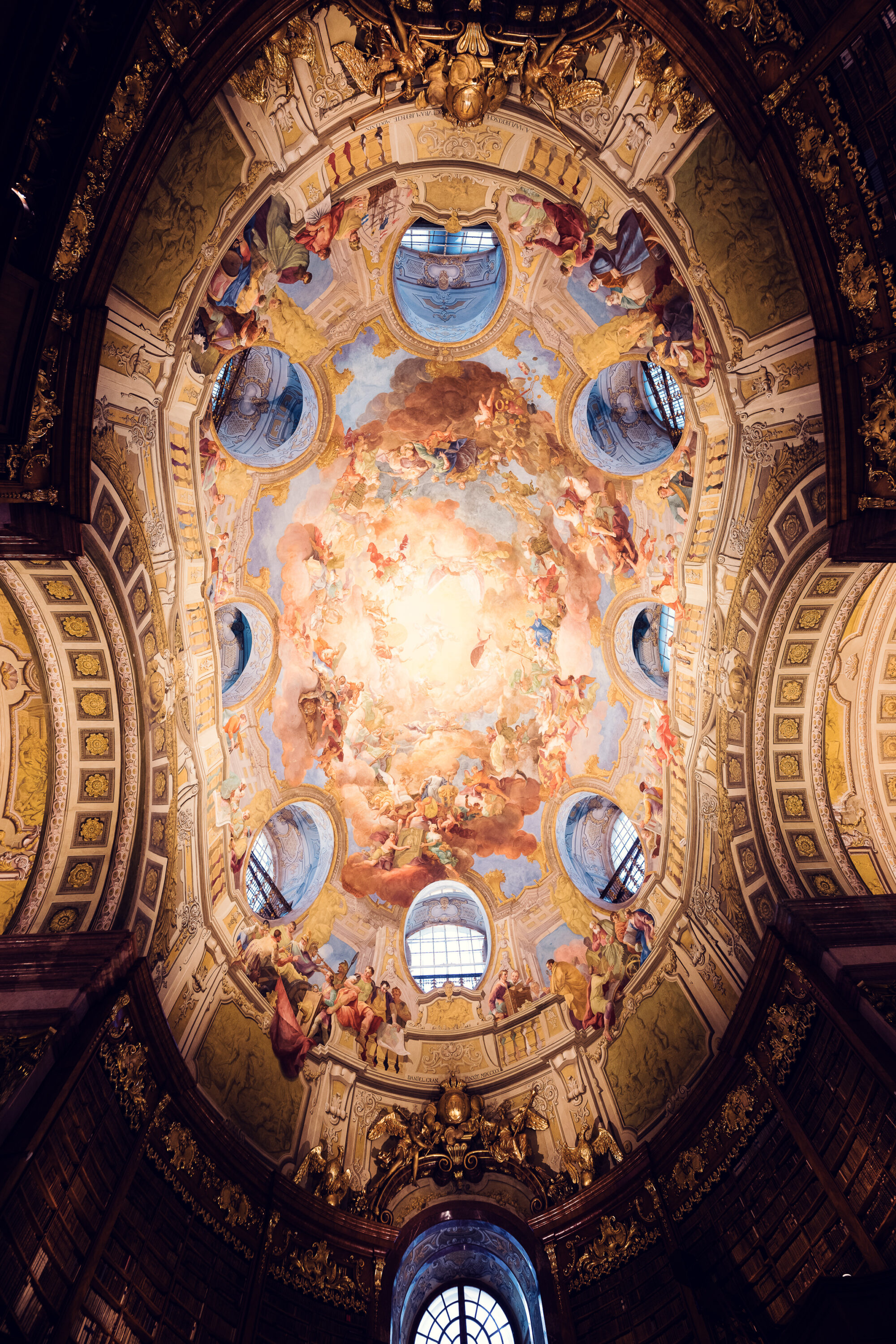
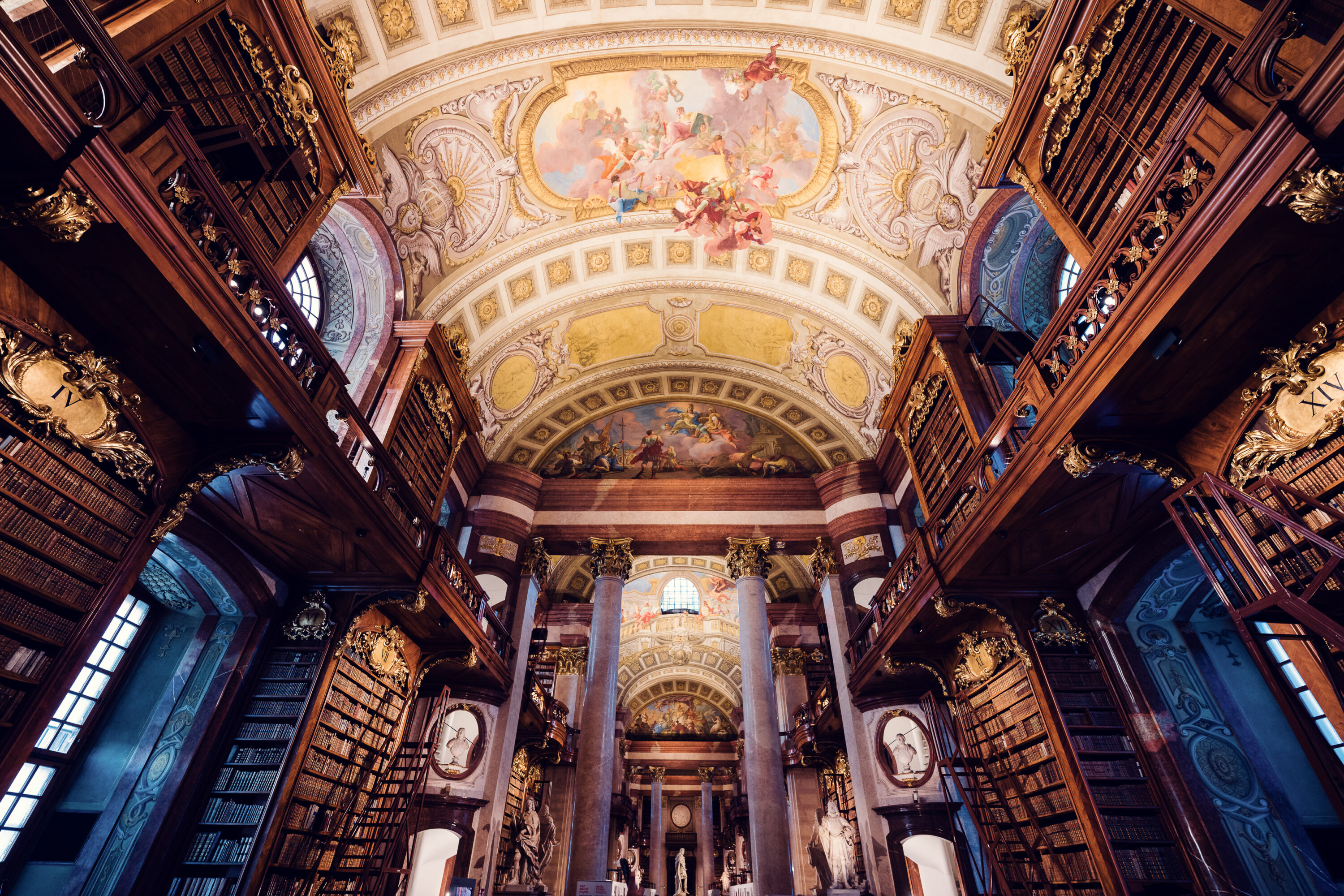
Additionally, the Hofburg houses the Austrian National Library, a Baroque masterpiece with millions of books, including rare manuscripts. The Spanish Riding School offers a chance to witness traditional equestrian skills practiced for centuries. The Burgkapelle, where the Vienna Boys’ Choir performs, is both acoustically perfect and historically significant.

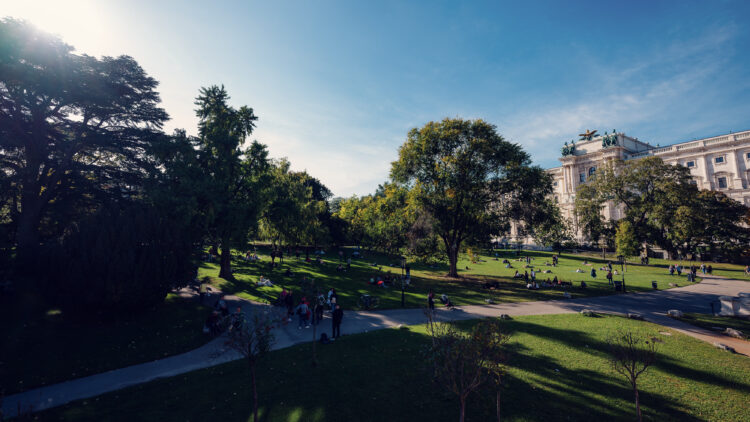
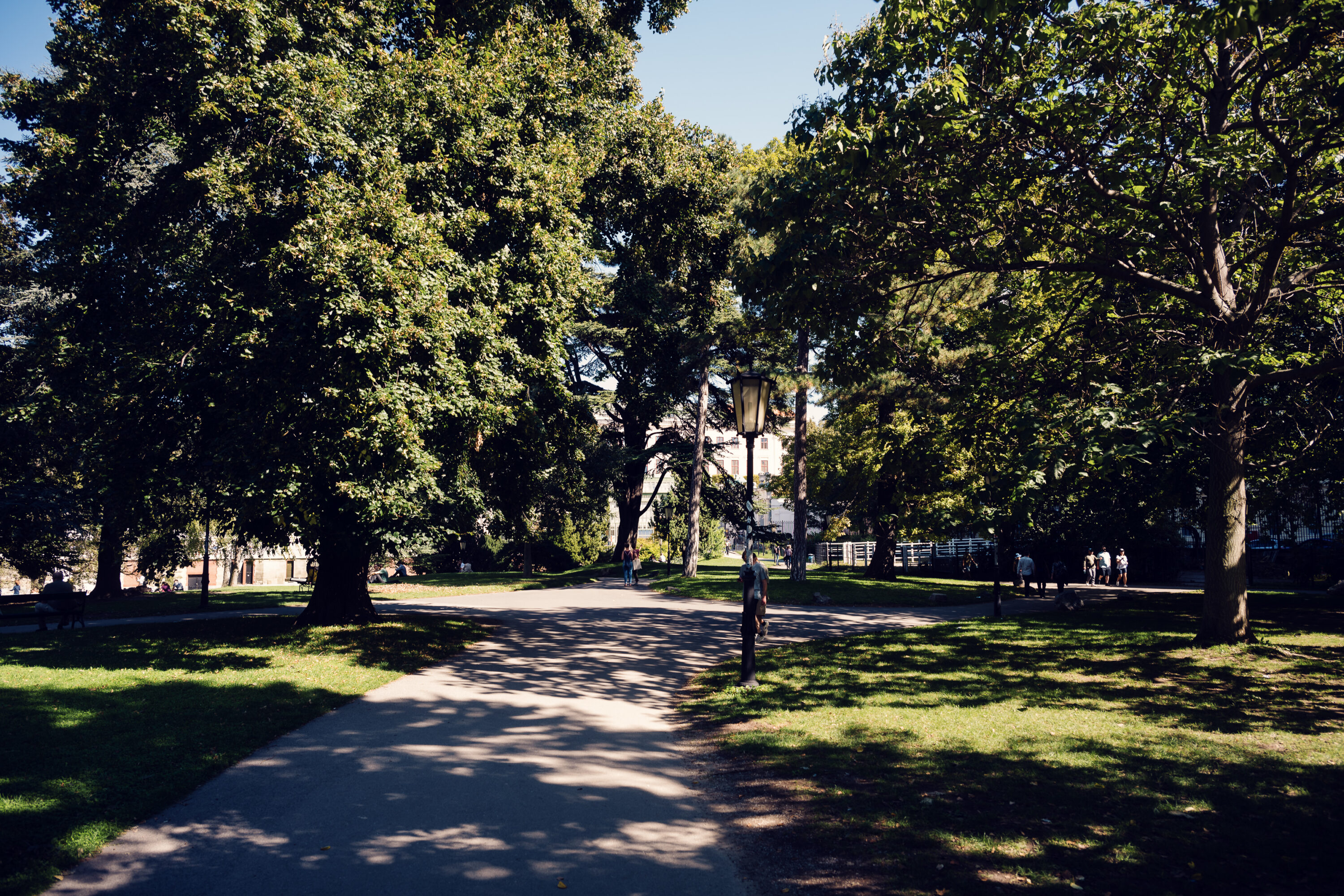
The Hofburg’s influence extends to the surrounding gardens and squares, which have witnessed countless historical events, from imperial weddings to revolutionary uprisings. The Volksgarten, with its meticulously arranged flower beds and monuments, offers a peaceful retreat, while Heroes’ Square (Heldenplatz) has been the site of pivotal moments in Austrian history.

The Hofburg Vienna offers a wealth of cultural, historical, and artistic riches that reflect the legacy of one of Europe’s greatest dynasties.

Tickets for Hofburg Palace

We recommend booking your tickets online in advance, especially on busy days. It’s more convenient than buying on the day and helps you secure your preferred time slot and avoid queues at the entrance.