Fall in Love with

Schlumberger Kellerwelten

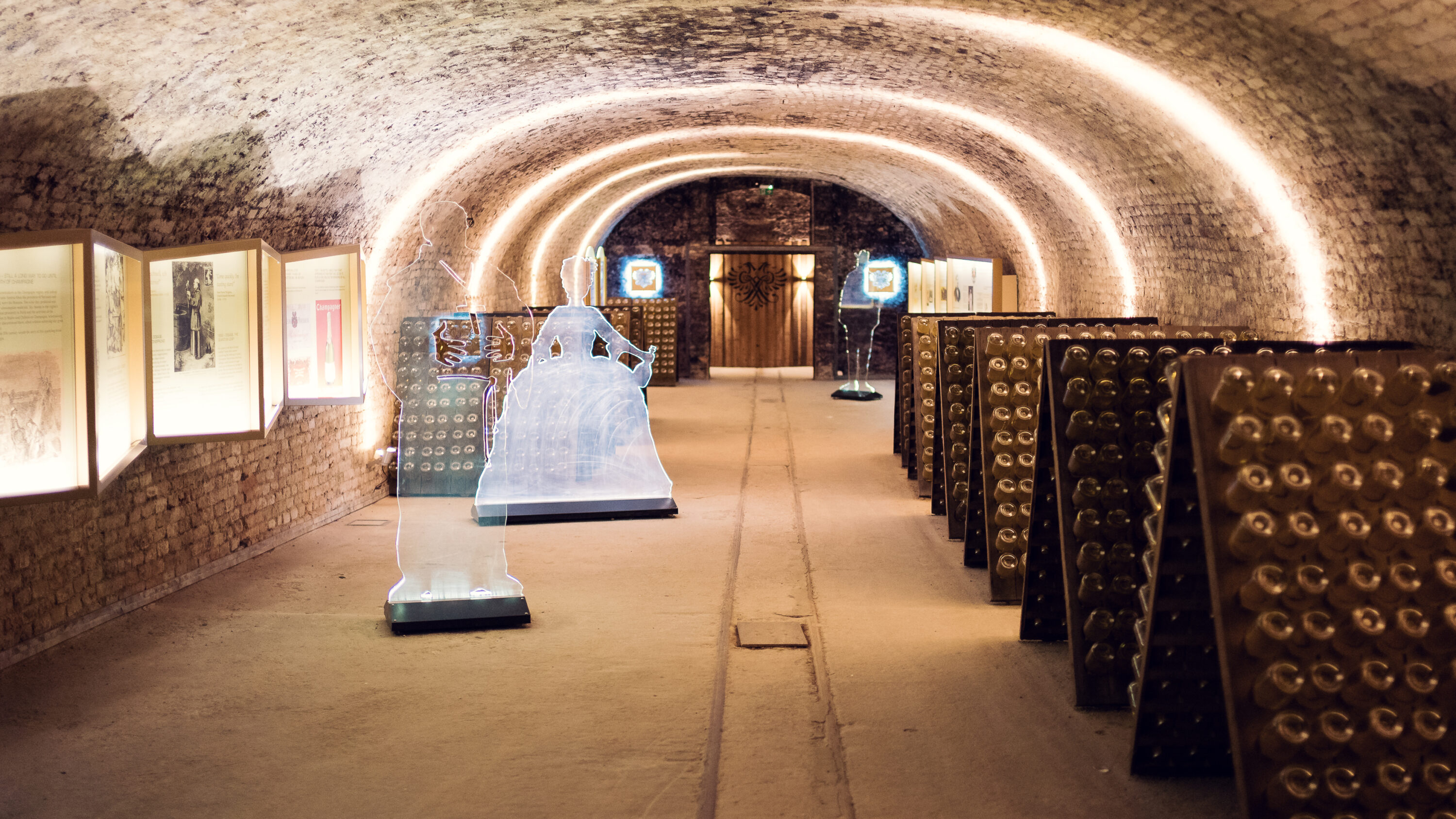
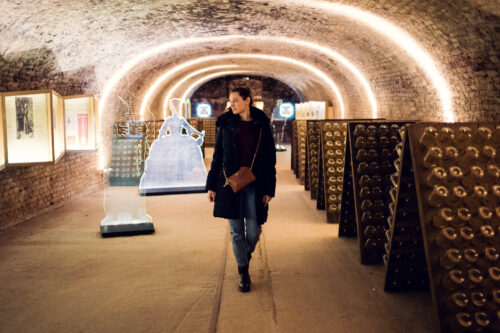
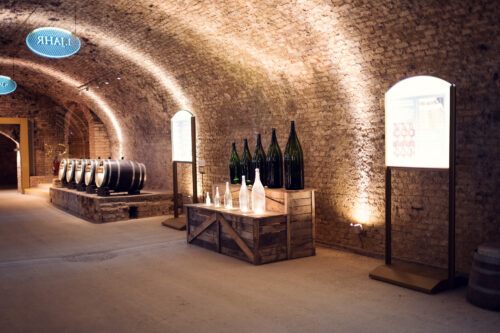
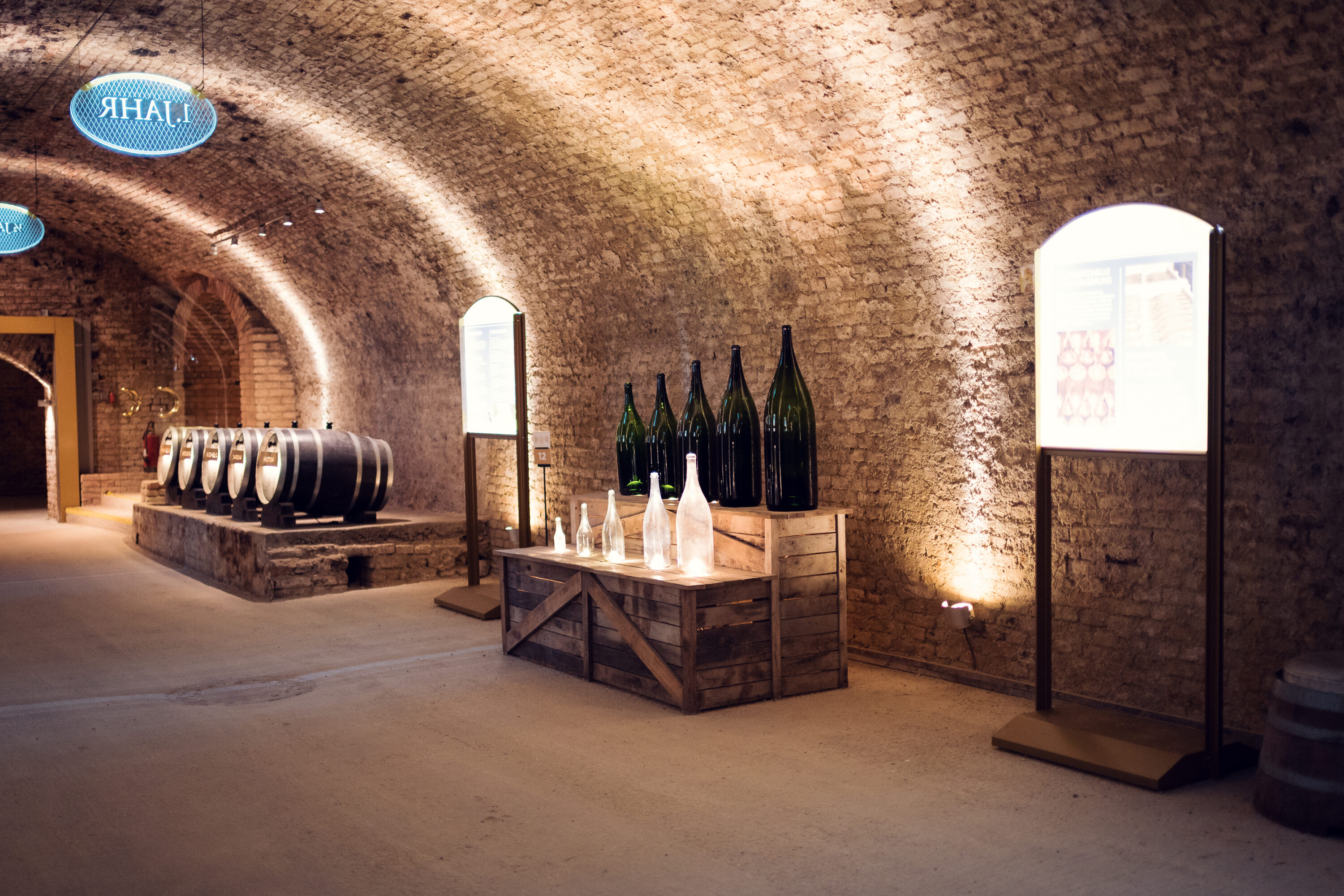
Vaulted cellar hall with information displays, riddling racks, and an ice sculpture at Schlumberger Kellerwelten.
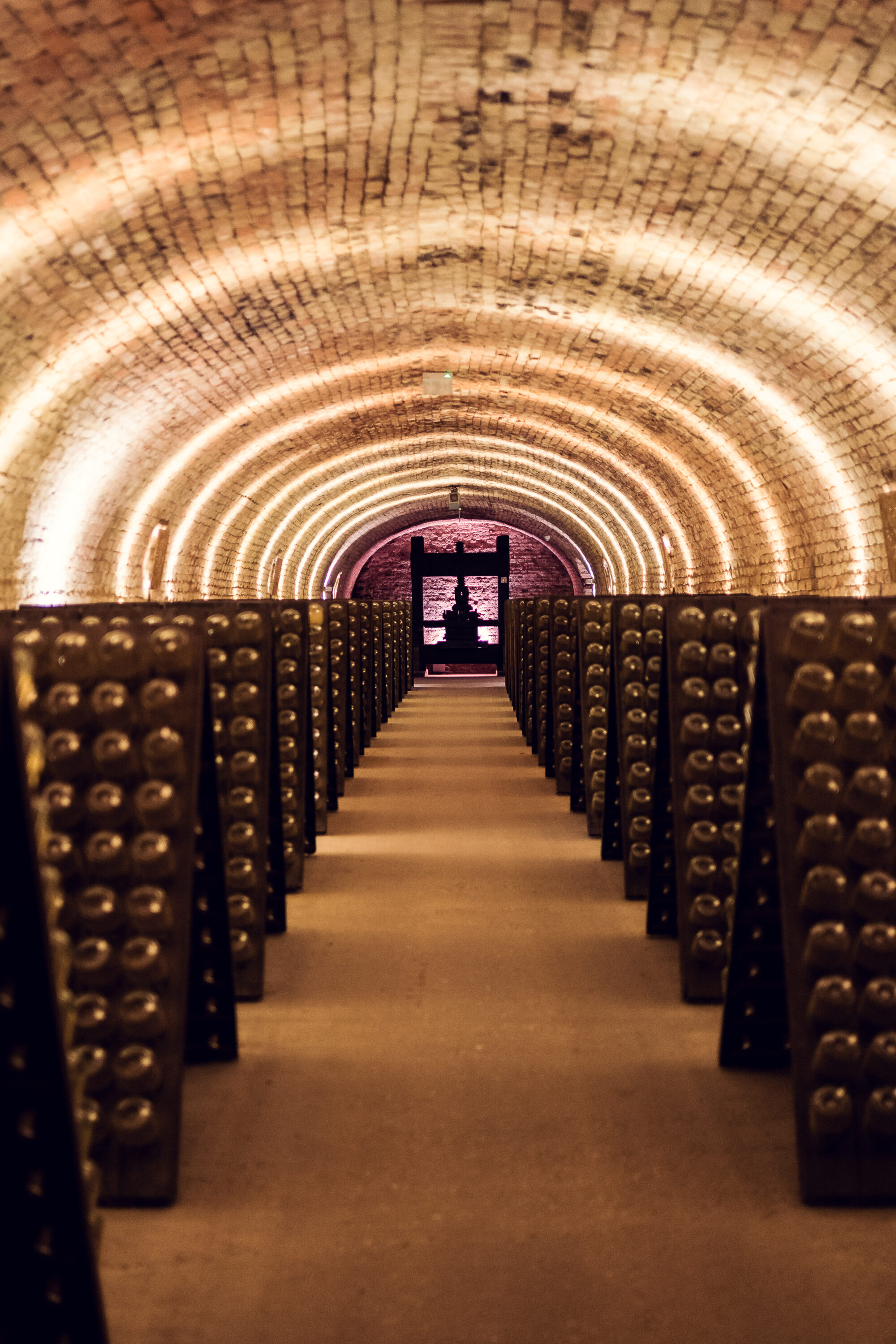
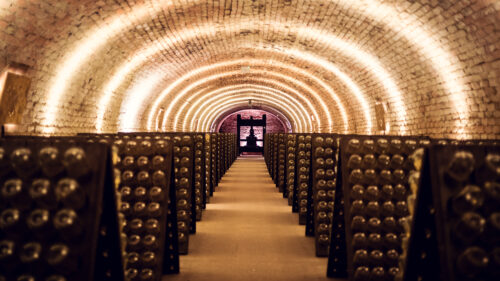
Brick-vaulted tunnel lined with riddling racks holding thousands of sparkling wine bottles at Schlumberger Kellerwelten.
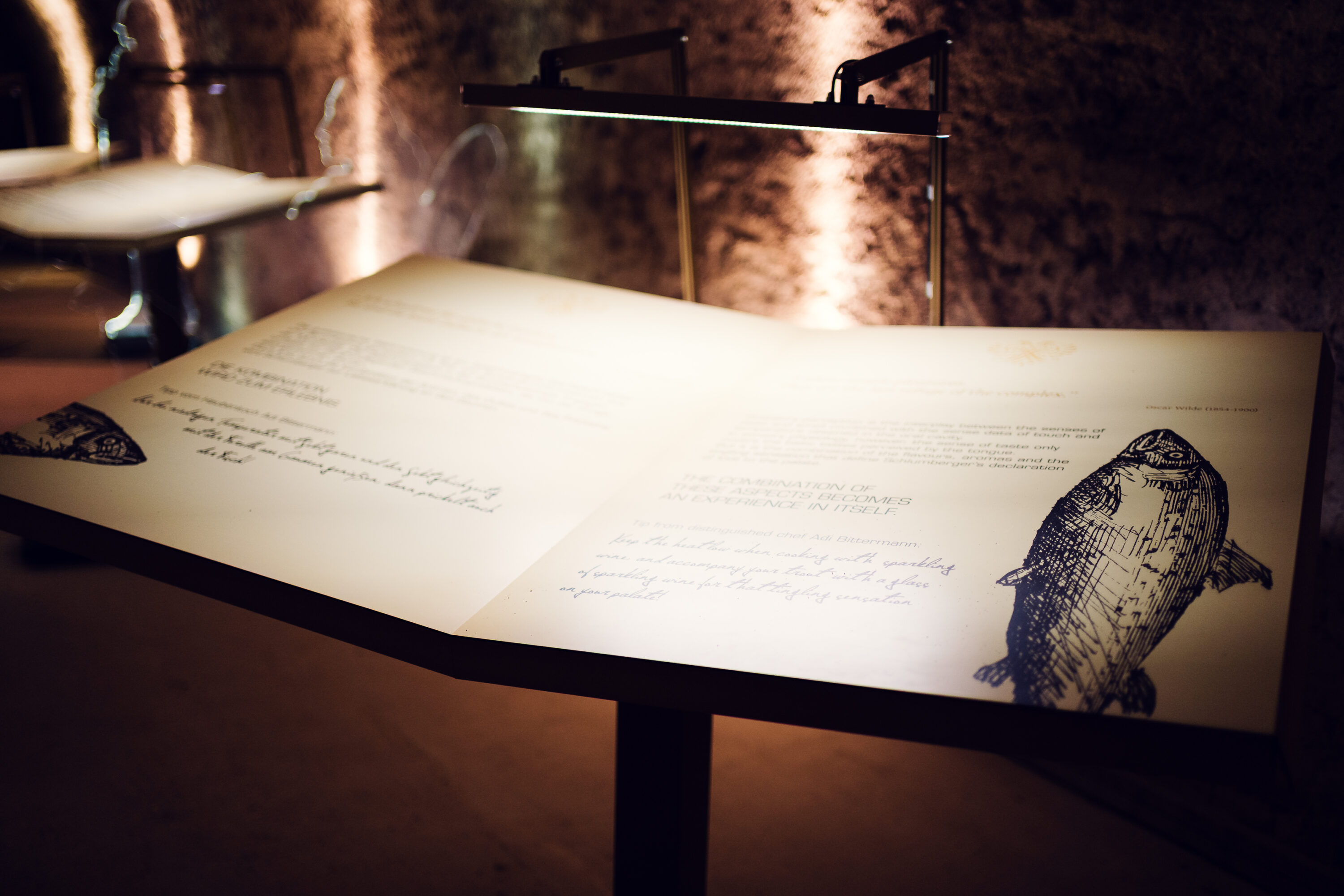
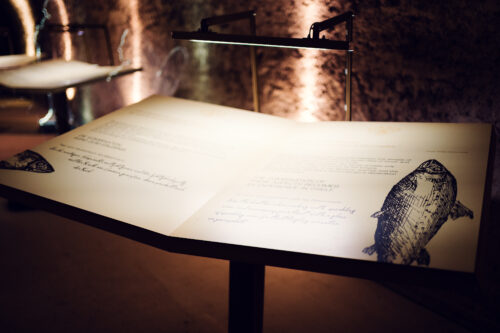
Illuminated historical document with handwritten text and an illustration of a wine bottle in the Schlumberger museum.
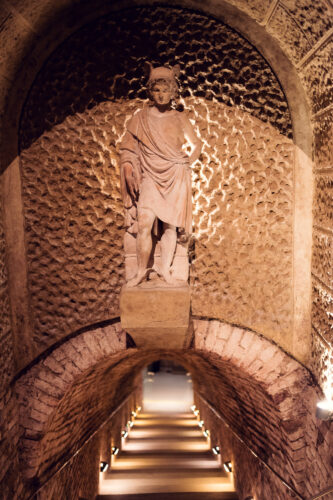
Portrait-format view of the illuminated barrel-vaulted cellar tunnel with riddling racks at Schlumberger Kellerwelten.
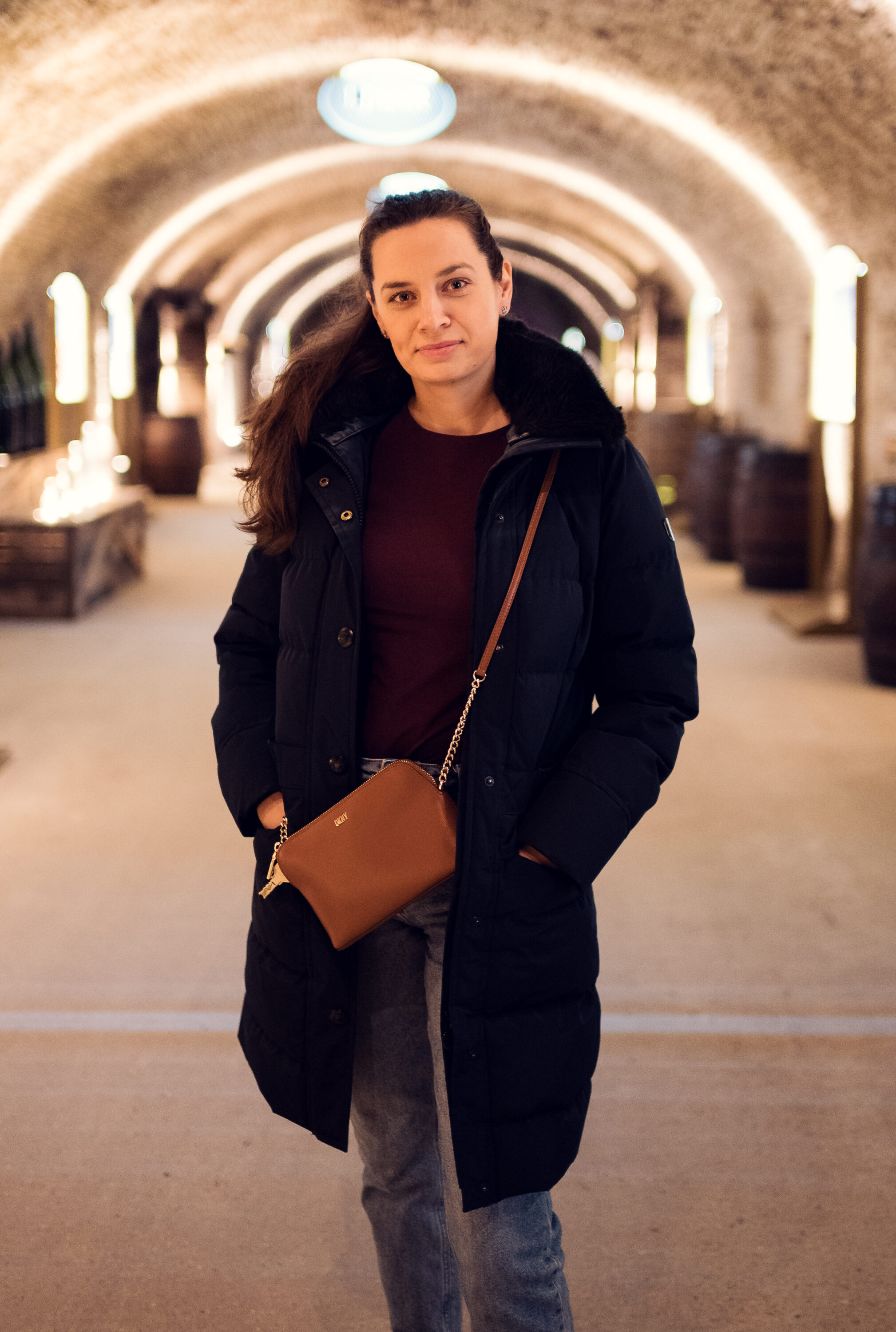
Adriana standing in the vaulted Schlumberger cellar corridor during a guided tour.
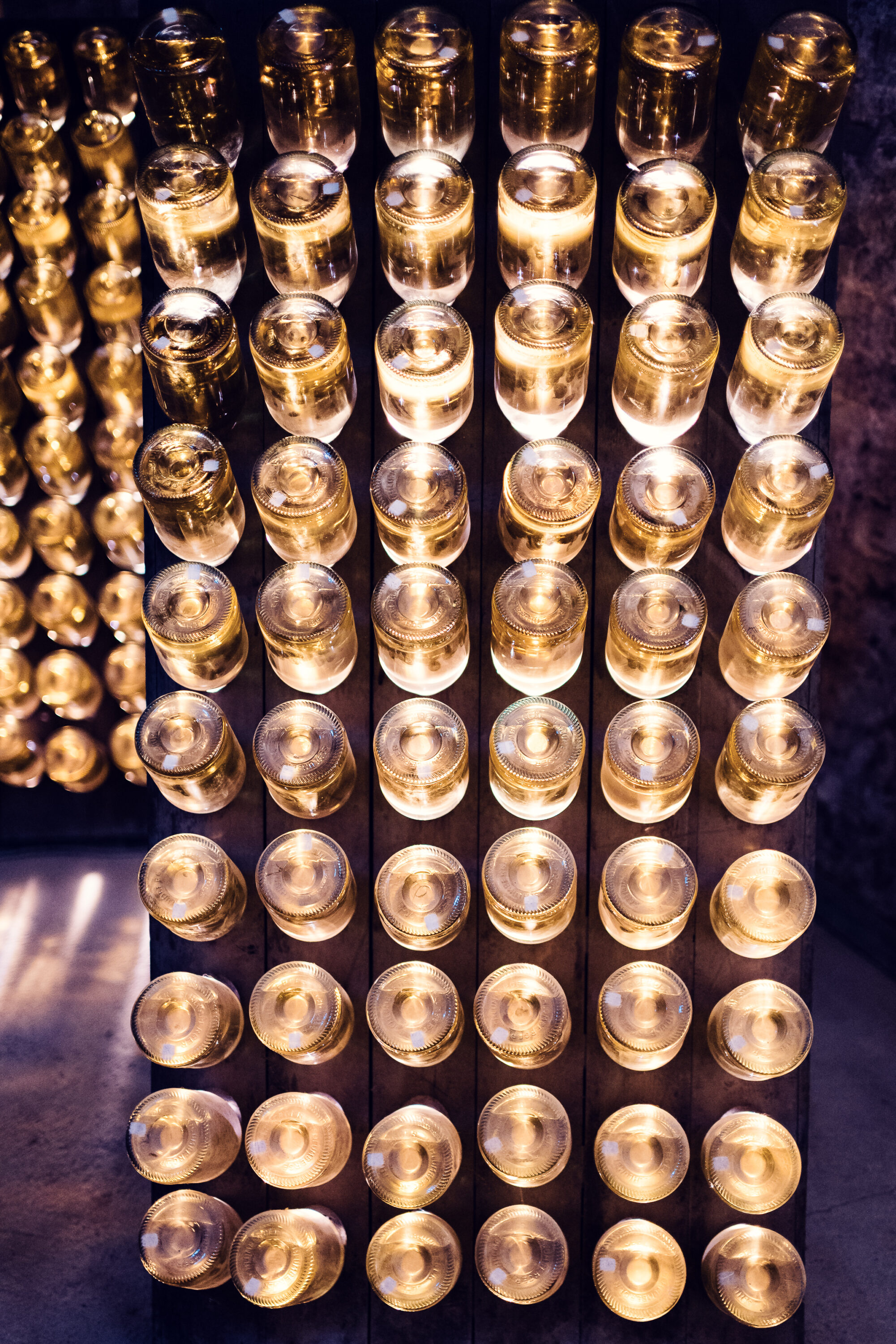
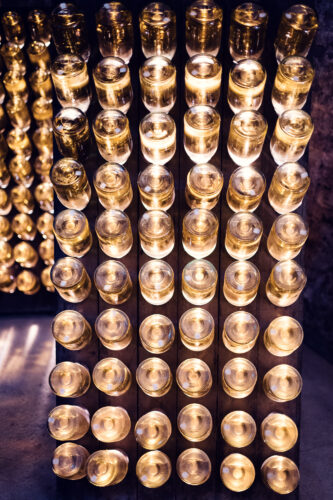
Close-up of backlit sparkling wine bottles stacked bottom-up on riddling racks at Schlumberger Kellerwelten.
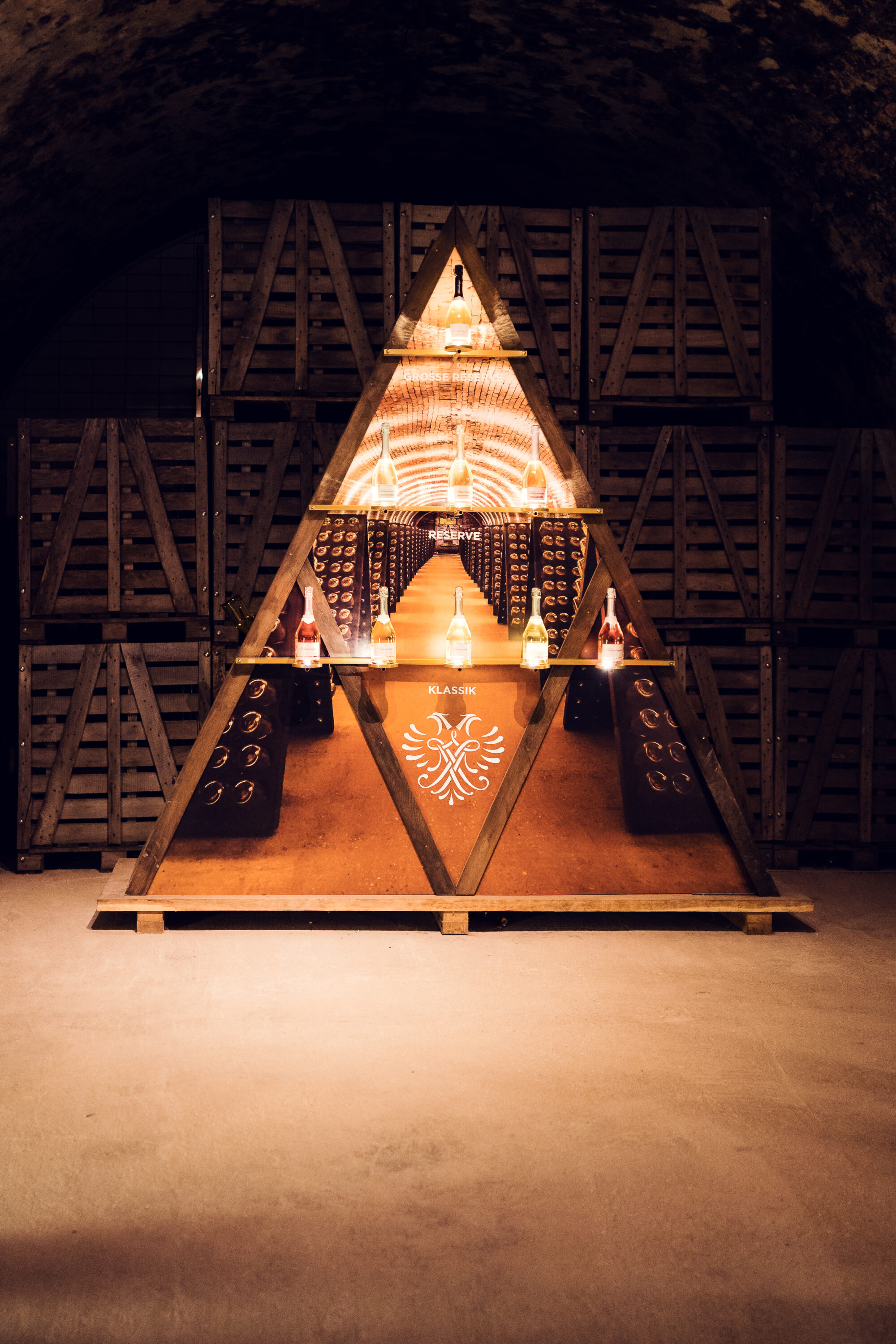
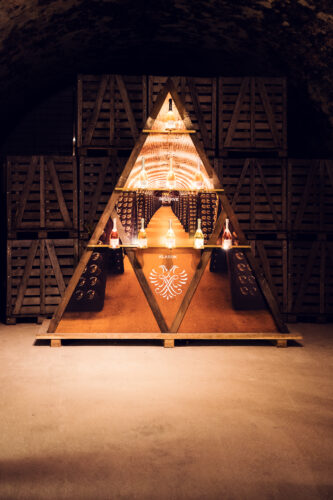
Triangular wooden display installation with Schlumberger bottles and the eagle crest surrounded by stacked crates in the cellar.

Schlumberger Kellerwelten

Map 90 min
Affiliate disclosure: Links marked with * are affiliate links; we may earn a commission at no extra cost to you; our recommendation remains independent.

The Schlumberger Kellerwelten is Austria's oldest sparkling wine cellar, located in Vienna's 19th district Döbling, in the historic neighbourhood of Heiligenstadt.

Founded in 1842 by Robert Alwin Schlumberger – who learned his craft at Ruinart in Reims, the oldest Champagne house in the world – the cellar stretches across 2.4 kilometres of underground vaults, some dating back over 300 years. Visitors can explore the labyrinth on self-guided audio tours or join guided sessions on Fridays and Saturdays, learning how Schlumberger produces its sparkling wines using the Méthode Traditionnelle – the same technique used in Champagne. Every tour ends with a tasting, and depending on which package you book, you'll try anything from the signature Sparkling Brut to single-varietal reserves.

The Kellerwelten also houses the Art Floor, a contemporary gallery space, and an Escape Room set in the year 1880. It's a side of Vienna that most visitors never discover – and one of the most atmospheric cellar experiences you'll find anywhere in Europe.

Opening Hours +43 1 3682258631 Website Wheelchair AccessSource: Google Maps
Address:
Heiligenstädter Straße 39
1190 Wien

Tickets


Muvamo Opinion

The Schlumberger Kellerwelten has been producing sparkling wine in Vienna since 1842 – which already makes it one of the more unusual things you can do on a Saturday afternoon in the city.

We joined the guided tour and spent about an hour there learning exactly how traditional bottle-fermented sparkling wine gets made, from the first cuvée decisions down to the moment the frozen yeast plug gets expelled by the bottle’s own pressure. Both formats have their merits. The self-guided audio tour (available in 8 languages) lets you move at your own pace and linger where things get interesting. The guided tour adds a human layer – someone who actually knows the process and can answer the inevitable question about why riddling (the manual turning of bottles to shift yeast sediment) looks so simple but turns out to be genuinely hard. Either way, you’re getting the same cellars and the same story.

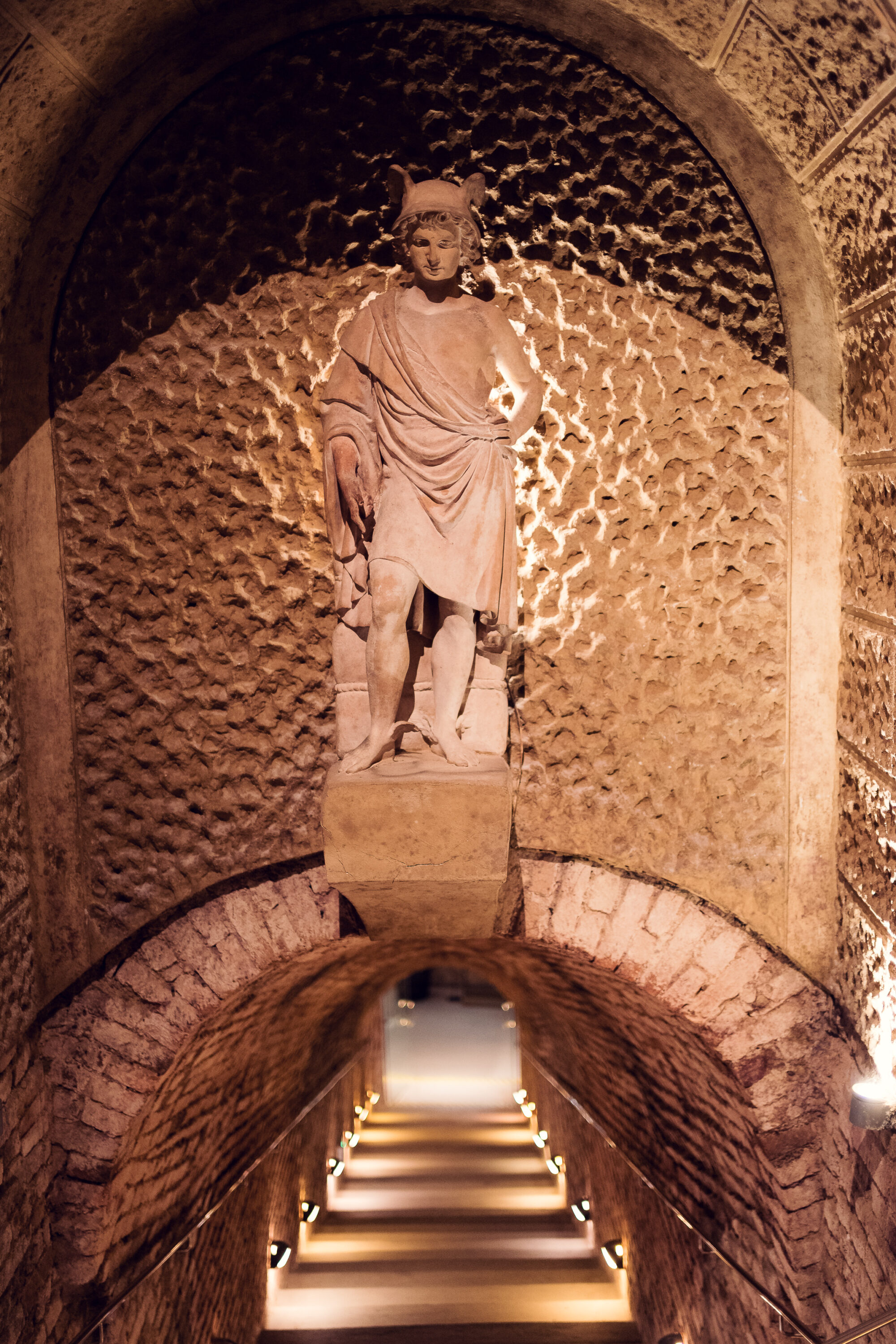
The DOM-Keller is the architectural high point of any visit to the Schlumberger Kellerwelten – a cathedral-vaulted underground space originally connected to Karl Ritter von Ghega, the engineer behind the Semmering Railway. The proportions are unexpectedly grand: 500 square metres of vaulted ceiling overhead, warm lighting on old brick.

Tastings at the end are where it all comes together. Depending on the package you choose, you’ll finish with one or more glasses of sparkling wine – crisp, fine perlage, distinctly Austrian in character. At €13-23 per person including tastings, it’s serious value for what you get – a rare combination of genuine heritage, interesting production knowledge, and sparkling wine that you actually want to drink.

Helpful Hints

  • Book your ticket online in advance – capacity is limited and online booking is recommended.
  • Schlumberger Kellerwelten opening hours: Thursday 4-8pm, Friday and Saturday 12-8pm.
  • Guided tours at the Schlumberger Kellerwelten run in German on Fridays and Saturdays at 4pm and 6pm.
  • Self-guided audio tours are available in 8 languages (German, English, Italian, French, Spanish, Russian, Japanese, Chinese) – download free to your phone or pick up a device on-site.
  • Getting there: U4 or U6 to Spittelau (a short walk from the station) or tram D to Radelmayergasse.
  • The Schlumberger Kellerwelten cellar vaults stay at around 13-15°C year-round. Bring a light jacket even in summer – you’ll be underground for 45-60 minutes.
  • Various discount cards (Vienna Pass, NÖ-Card, ÖAMTC, Vienna City Card) are accepted – check the website for current details, as redemption methods vary by card.
  • The on-site shop sells all Schlumberger products at Ab-Hof (cellar-door) prices.

Gastronomic Discoveries

  • Heuriger Mayer am Pfarrplatz is a short tram ride away in Heiligenstadt – a perfect follow-up for local wine and traditional Viennese bites in a building where Beethoven once lived.

Hidden Gems

  • The Escape Room (opened 2022) is set in the actual historic cellar vaults, not a purpose-built room. The storyline revolves around finding Robert Alwin Schlumberger's lost recipe in 1880. For groups of 2-6, prices range from €20-42.50 per person depending on group size.

Our Little Extras

  • Combine a cellar visit with dinner in nearby Heiligenstadt or Nussdorf for a full wine-district evening. The area has some of Vienna's best Heurige spots.
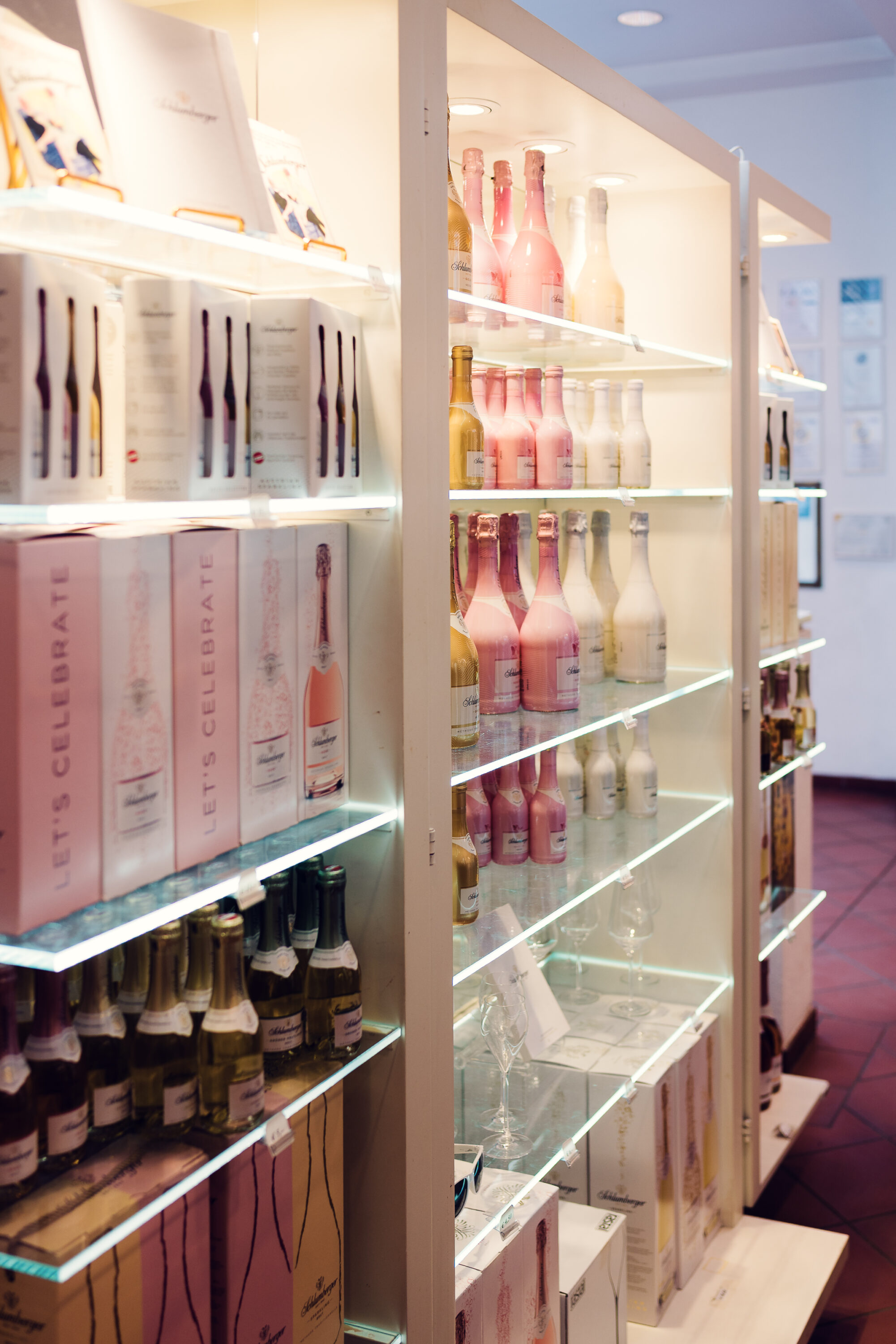
  • Schlumberger bottles make excellent souvenirs - they're distinctly Austrian, beautifully packaged, and the kind of thing your friends won't find at home.

From Reims to Vienna: The Birth of Austrian Sparkling Wine – Schlumberger Kellerwelten

The story of Schlumberger begins not in Vienna, but in Reims - the capital of Champagne. Robert Alwin Schlumberger, born in Stuttgart in 1814, had to abandon his studies after his father's death and entered a merchant's apprenticeship. His path eventually led him to Ruinart Père et Fils, the oldest Champagne house in the world, founded in 1729. There, he trained as a cellar master and rose to become production manager, learning every detail of the méthode traditionnelle - the painstaking process of creating sparkling wine through secondary fermentation in the bottle.
Schlumberger Kellerwelten - 1
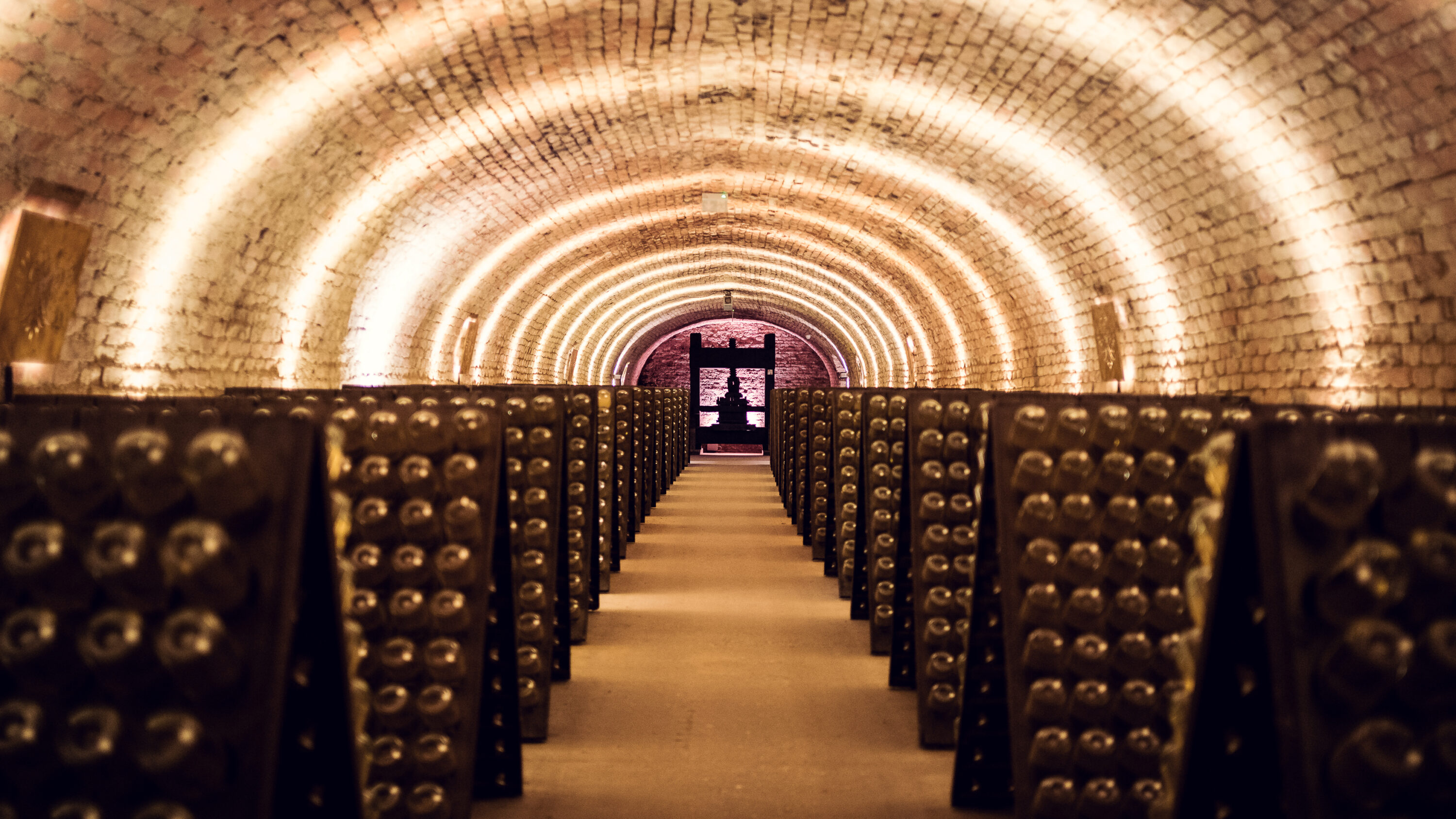
Thousands of bottles rest in traditional riddling racks inside the 300-year-old brick-vaulted cellars.

His life changed direction during a boat trip on the Rhine in 1841, when he met Sophie Kirchner, the daughter of a Viennese factory owner. Their courtship was swift, but Sophie's parents refused to let her move to France. Instead, Robert followed her to Austria - and brought the art of Champagne production with him.

A Sparkling Rise to Imperial Favour

In 1842, he founded his company and began producing sparkling wine from Austrian grapes using the French method - the first person to do so in the country. He initially established production at vineyards in Bad Vöslau, south of Vienna, on the slopes of the Goldeck hillside. The quality was extraordinary. By 1846, Schlumberger had released its first sparkling wine and was already winning medals, and the "Schlumberger Champagner" quickly became the favourite drink of Viennese high society. At the 1862 World Exhibition in London, his "Sparkling Vöslauer" made it onto Queen Victoria's wine list. His son Otto later received the k.u.k. Hoflieferant (Imperial and Royal Court Supplier) appointment in 1895, cementing the brand's prestige.
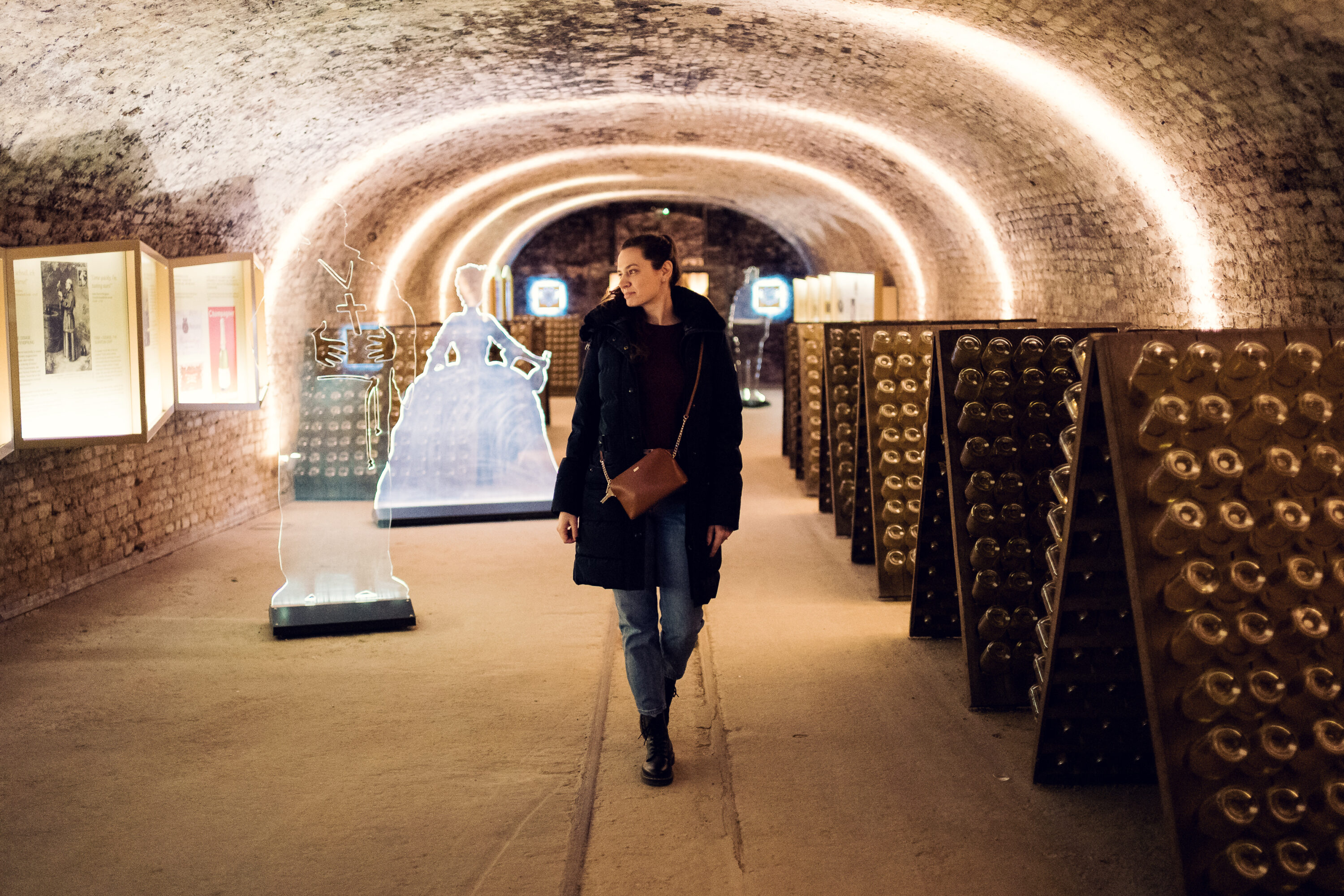
Schlumberger Kellerwelten - 2
The atmospheric exhibition route winds through vaulted chambers lined with historic displays and riddling racks.

Robert Alwin Schlumberger was also a pioneer beyond sparkling wine. He was the first to cultivate Cabernet Sauvignon and Merlot in Austria, importing the vines from France and planting them at his Vöslau vineyards. In 1878, he was ennobled with the title "Edler von Goldeck" in recognition of his contributions to Austrian winemaking. He died in 1879, and the company continued under his sons Otto, Gustav, and Robert II.

The Cellars: 300 Years Underground

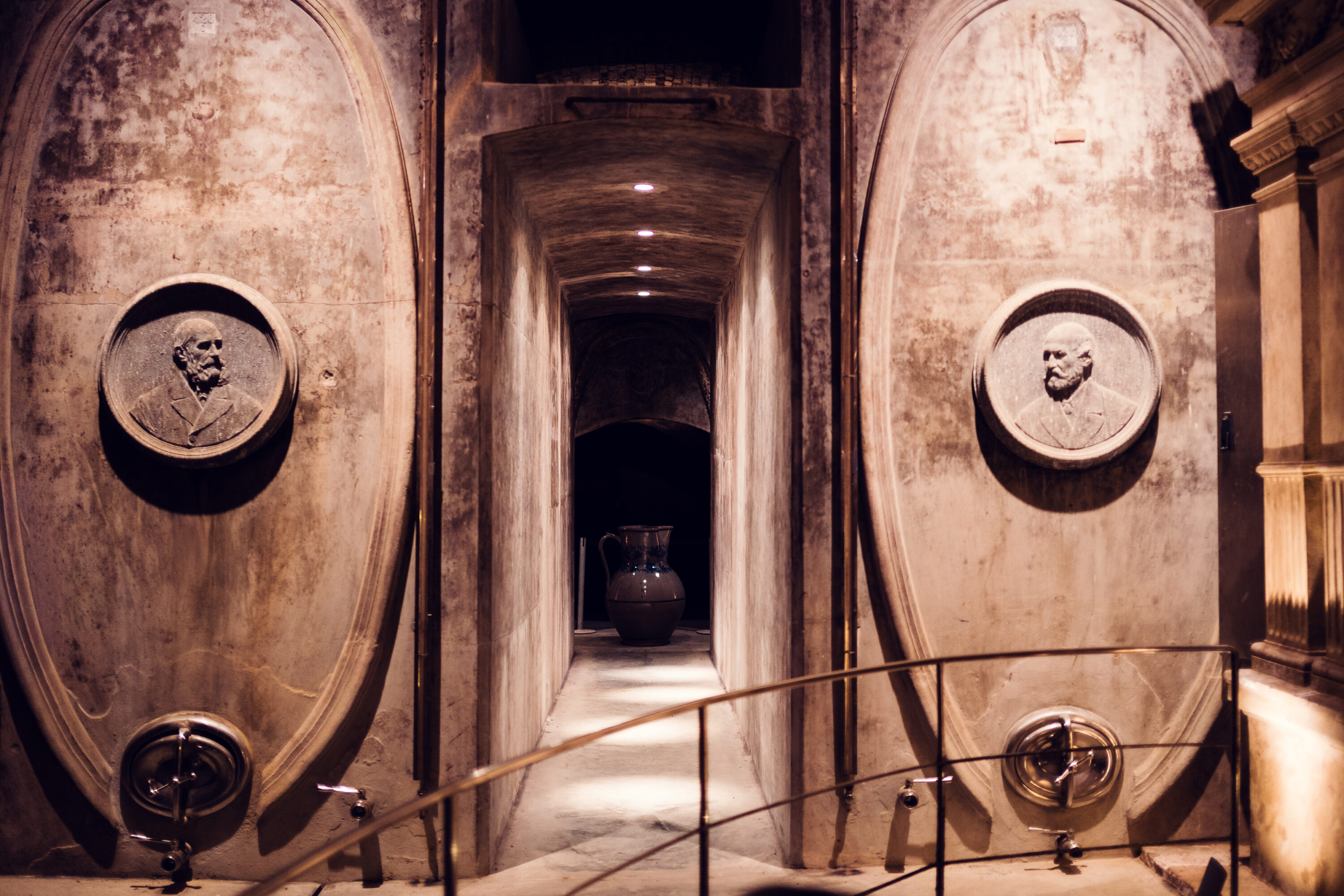
The cellars in Heiligenstadt that visitors walk through today have their own remarkable story. The vaults date back over 300 years, but it was Karl Ritter von Ghega who expanded and connected them to their current scale in the mid-19th century. Ghega later became famous as the engineer behind the Semmering Railway, the world's first mountain railway and the first railway line inscribed on the UNESCO World Heritage List in 1998. His work at the Schlumberger Kellerwelten is less well known, but the cathedral-shaped DOM-Keller with its distinctive portal remains an extraordinary piece of underground architecture.

Through Wars, Treaties, and New Beginnings

The company weathered significant upheaval in the 20th century. After the Treaty of Saint-Germain in 1919, Austrian producers could no longer use the word "Champagner" for their products, despite using the identical production method. The collapse of the Habsburg Empire also destroyed traditional export markets, and the original production facility in Bad Vöslau had to be liquidated. The family maintained ownership through both world wars, before Robert Schlumberger IV sold his holding to the Underberg Group in 1973.
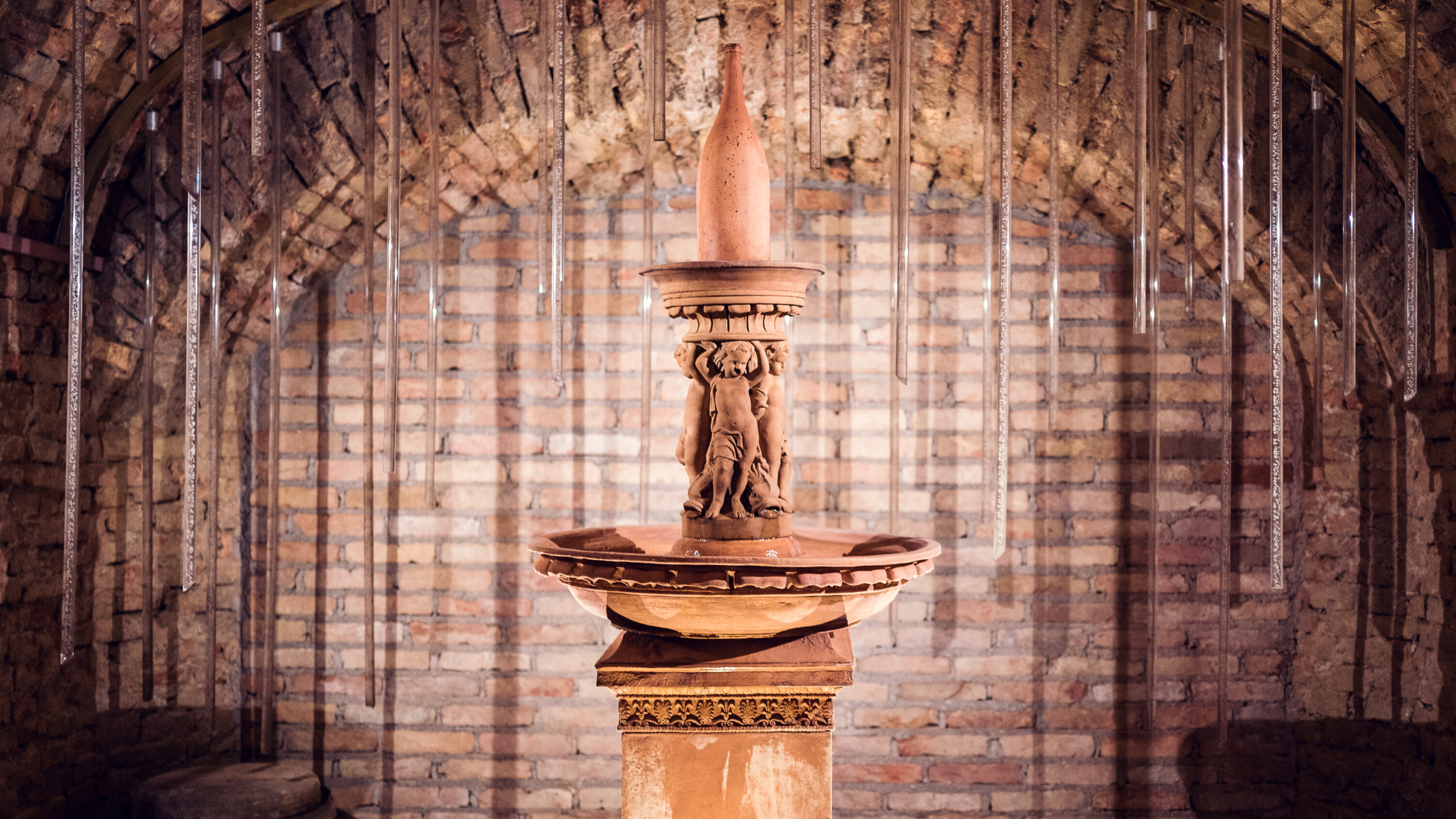
Schlumberger Kellerwelten - 3
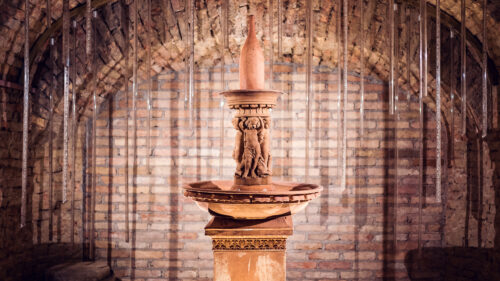
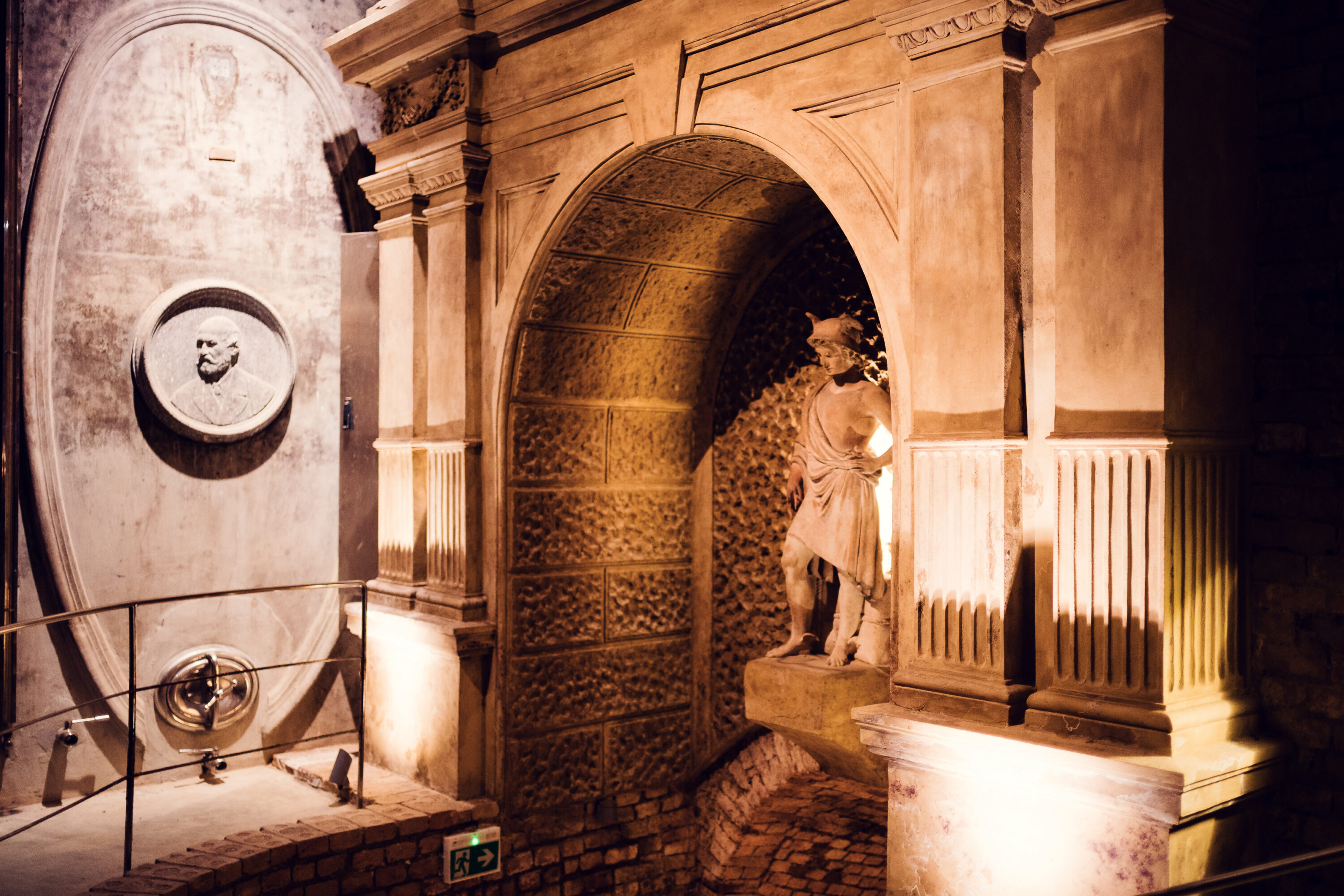
A decorative fountain sculpture marks one of the ornamental chambers deep inside the cellar complex.

Today, Schlumberger remains Austria's largest and most established sparkling wine producer. The company became the first sparkling wine cellar in the German-speaking world to receive ISO 9001 certification in 1994, and every bottle is still produced exclusively from Austrian grapes using the traditional method. In 2025, Schlumberger opened a new production facility in Müllendorf, Burgenland, while the headquarters and the Schlumberger Kellerwelten visitor experience remain in their historic home on the Heiligenstädter Straße - where vast numbers of bottles continue to mature in the same conditions that Ghega's engineering made possible over 170 years ago.
Tickets

We recommend booking your tickets online in advance, especially on busy days. It’s more convenient than buying on the day and helps you secure your preferred time slot and avoid queues at the entrance.