
Fall in Love with

Desert House Schönbrunn

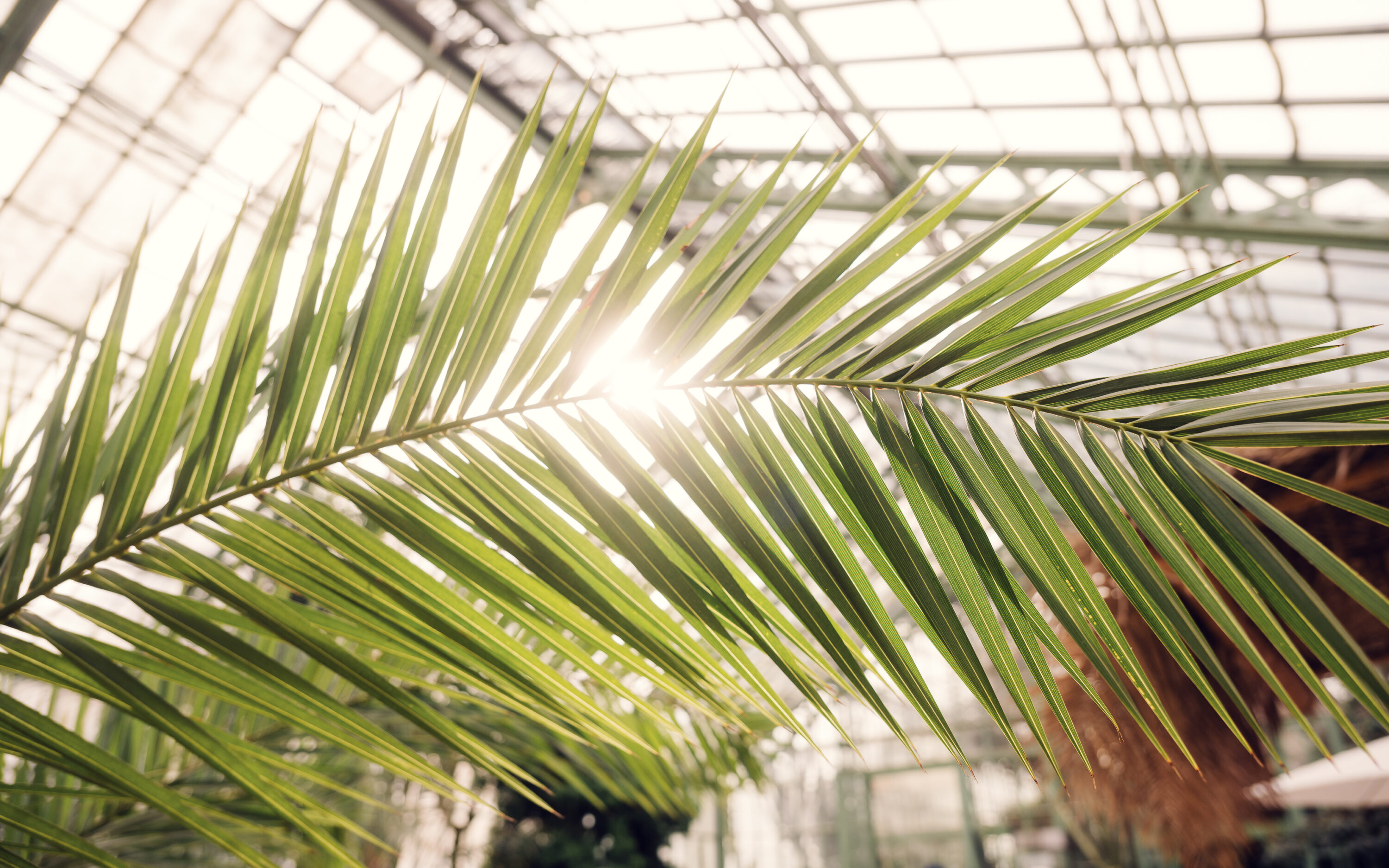
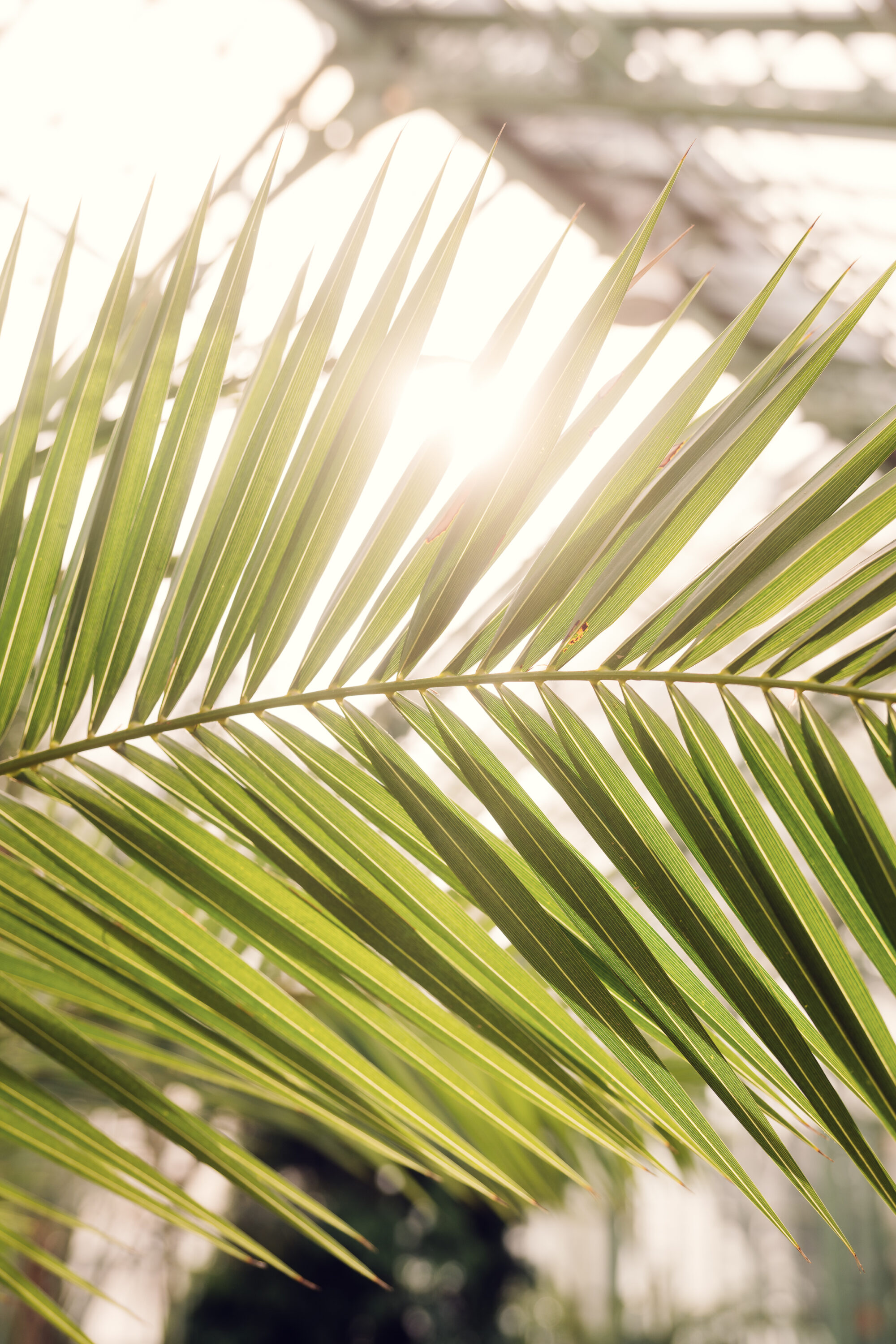
Sunlight filtering through a palm leaf at the Desert House Schönbrunn.
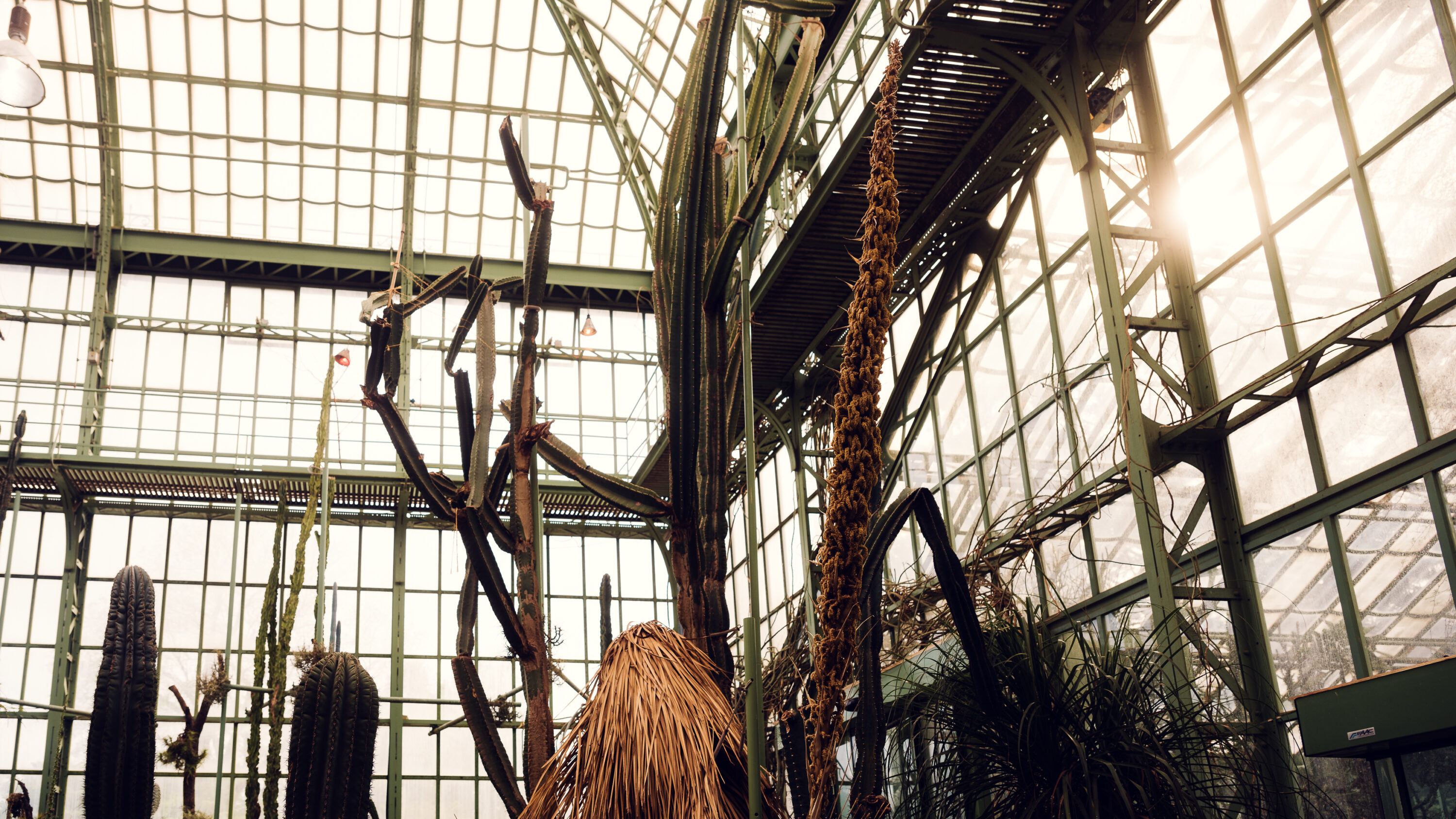
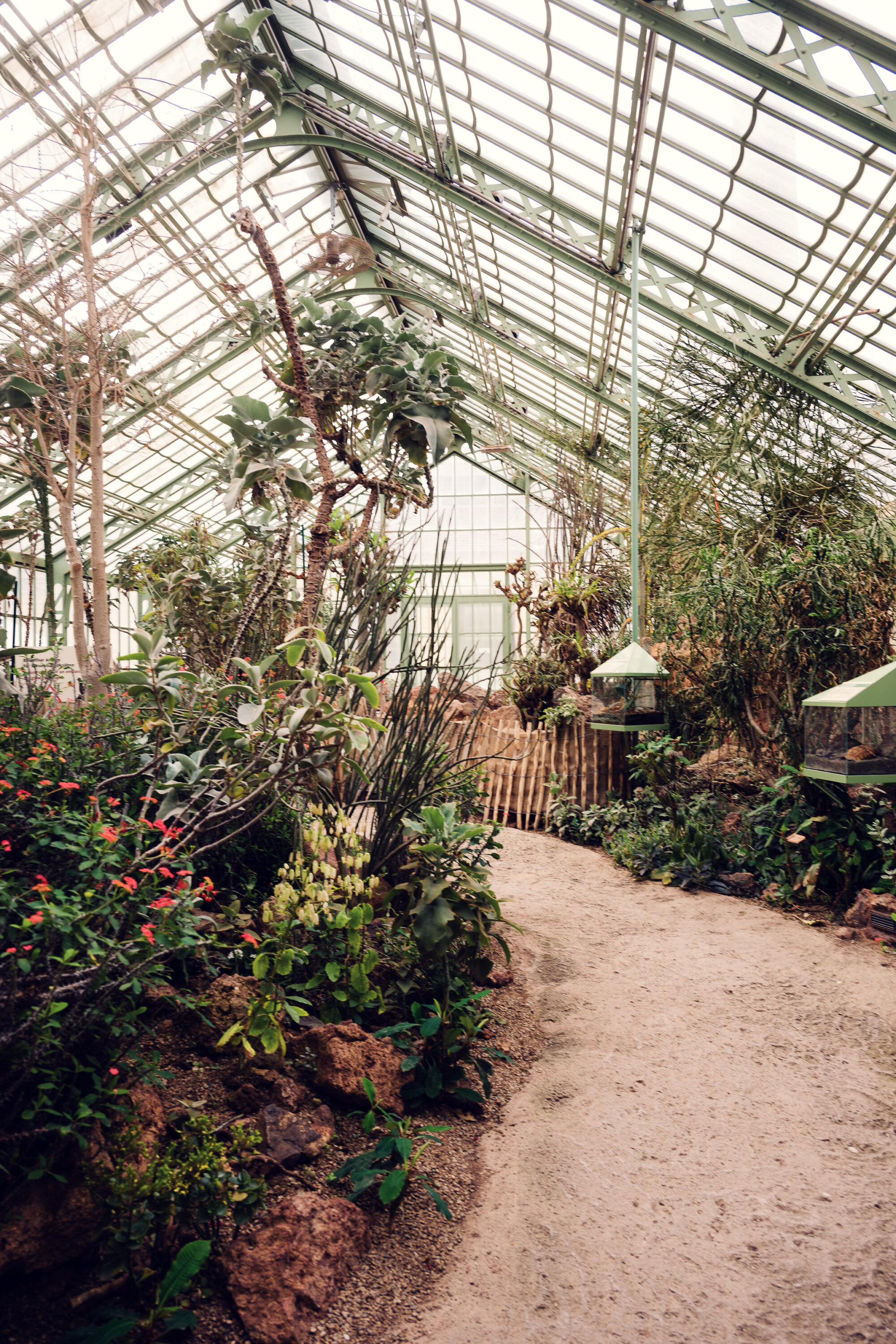
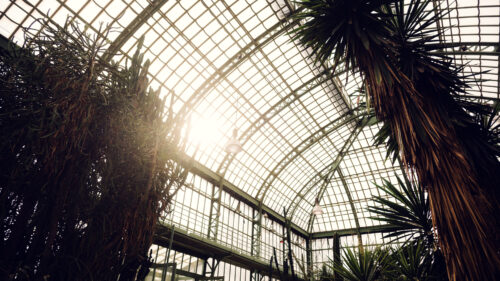
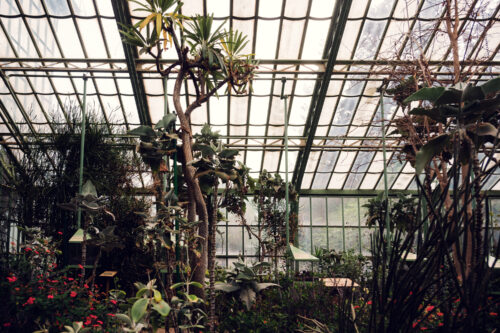
Sunlight streams through the glass panels of the Desert House Schönbrunn greenhouse.
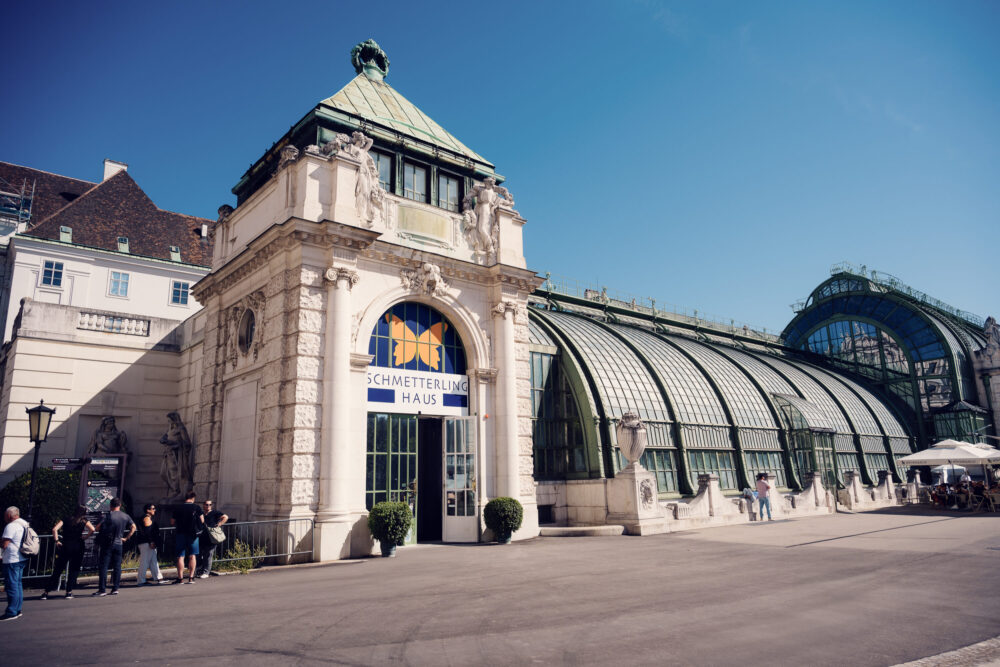
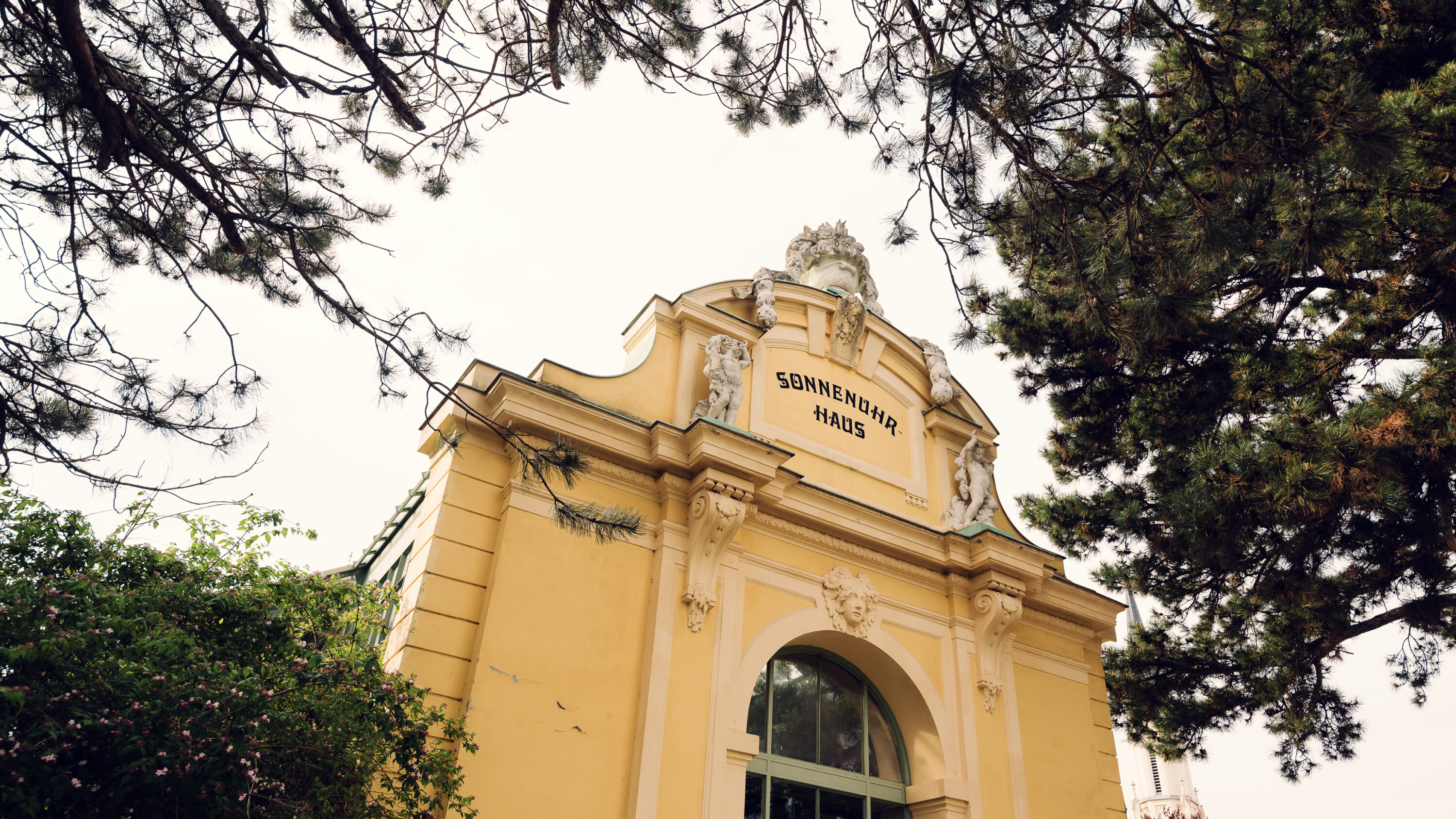
The entrance to the Desert House Schönbrunn.
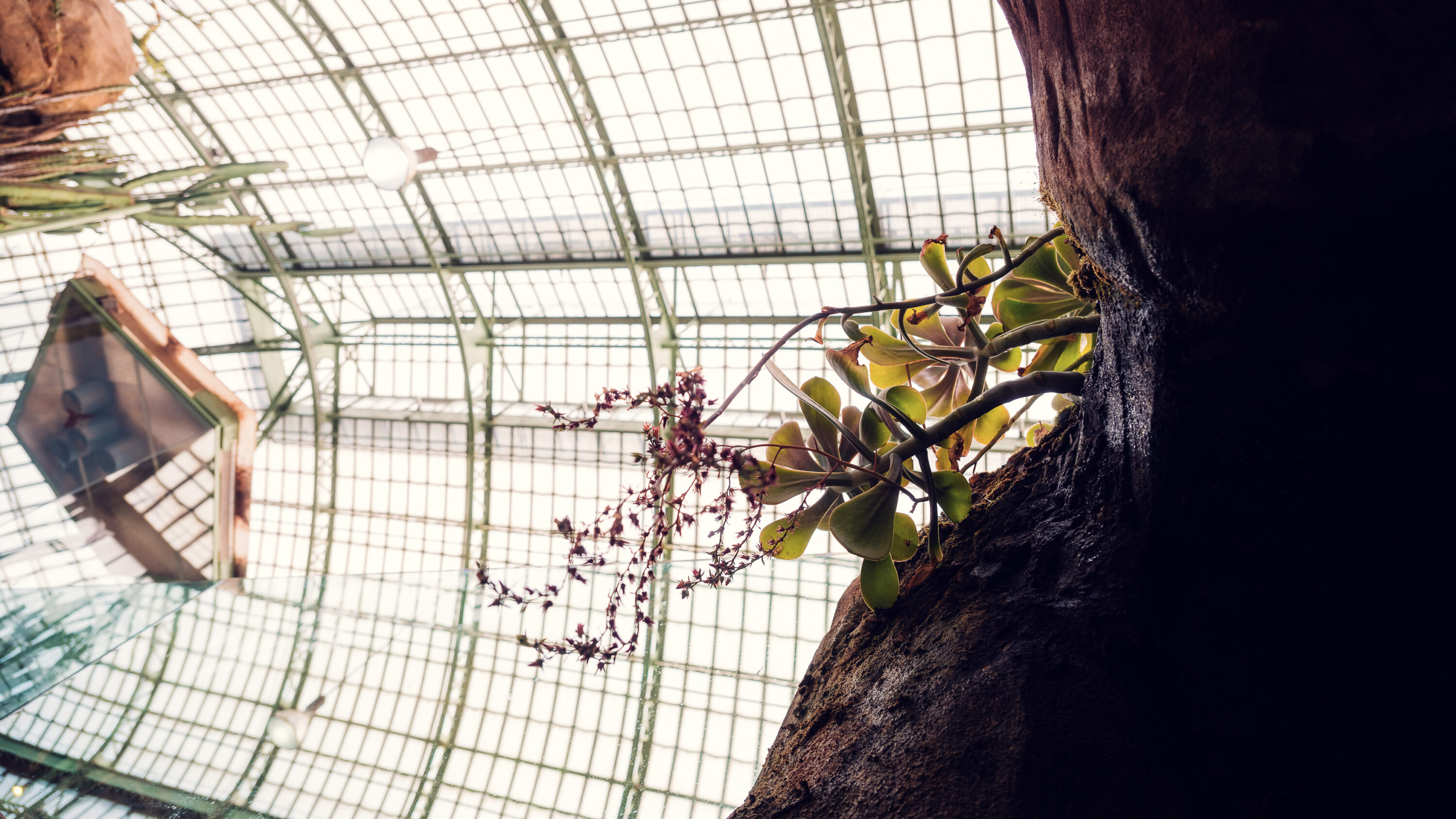
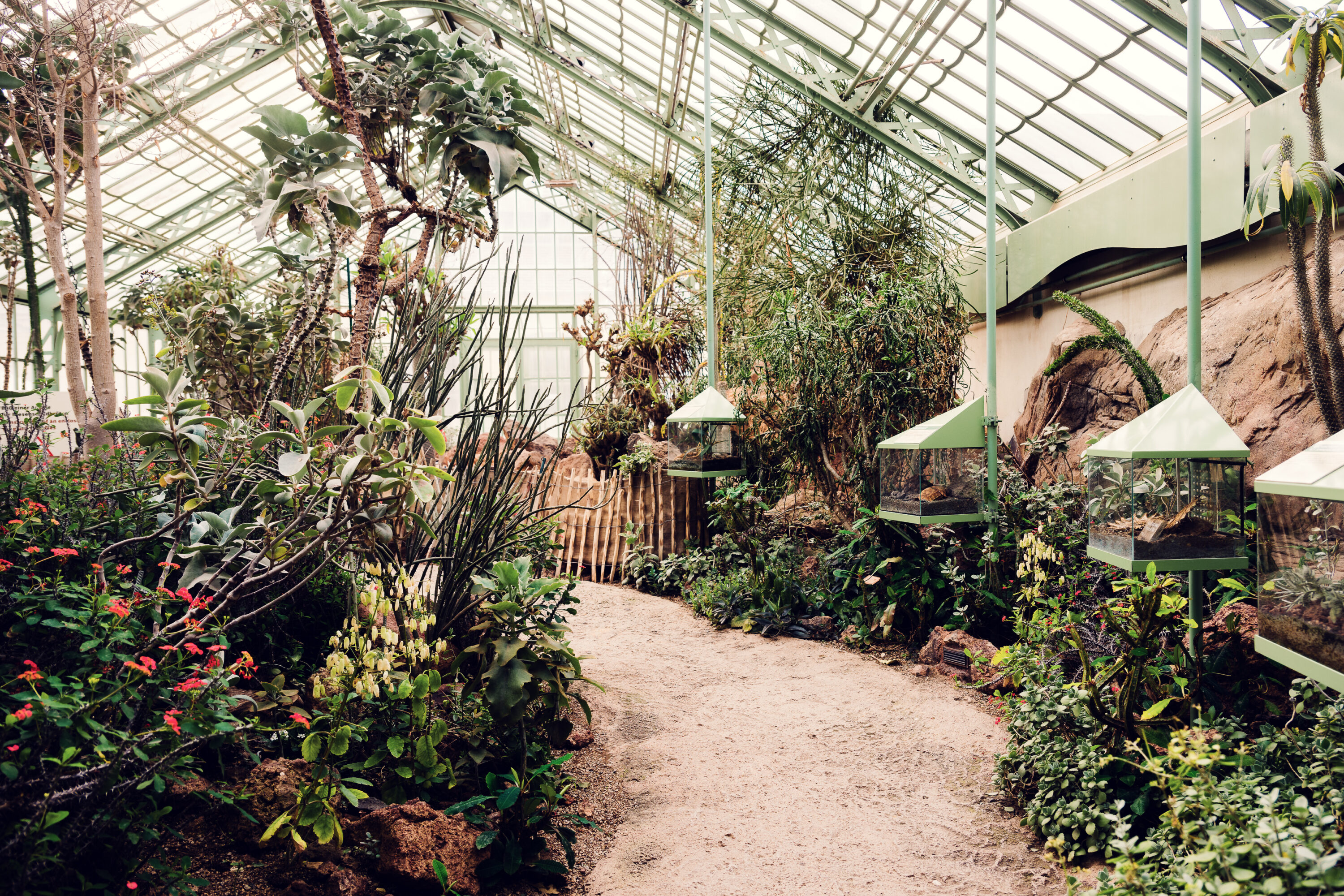
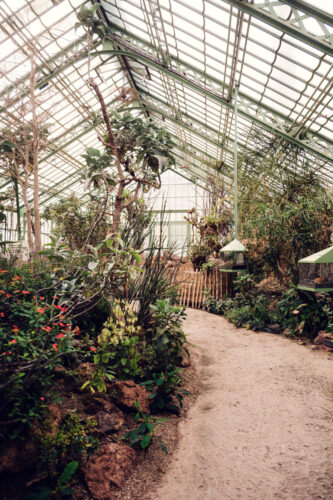
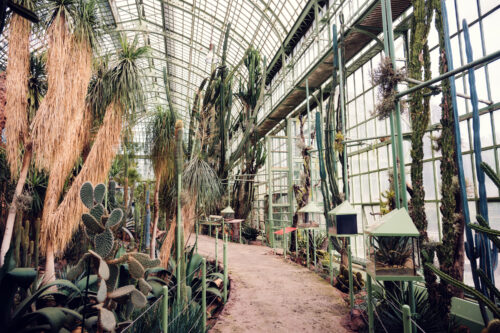
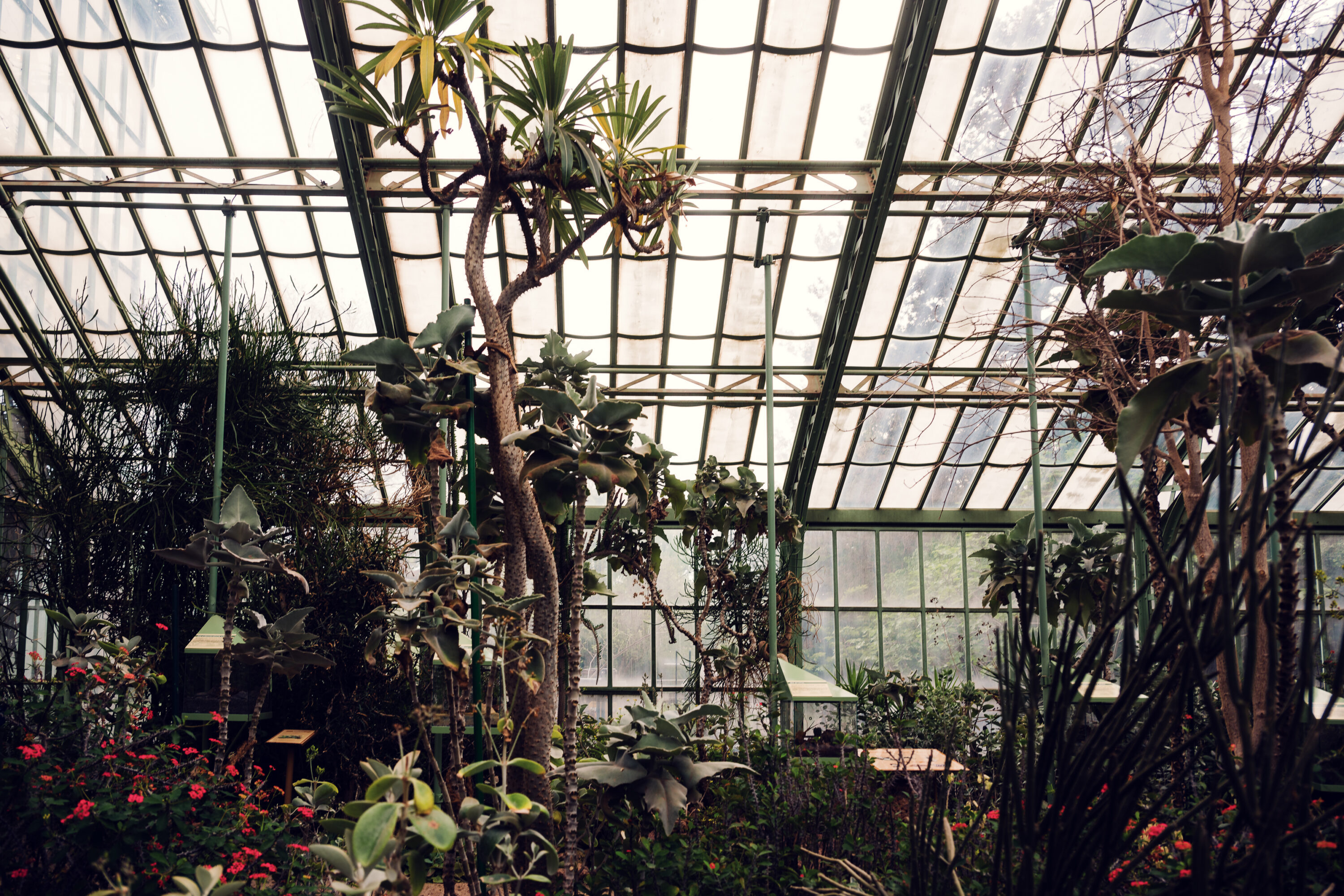
Lush plants growing alongside architectural structures inside the Desert House Schönbrunn.
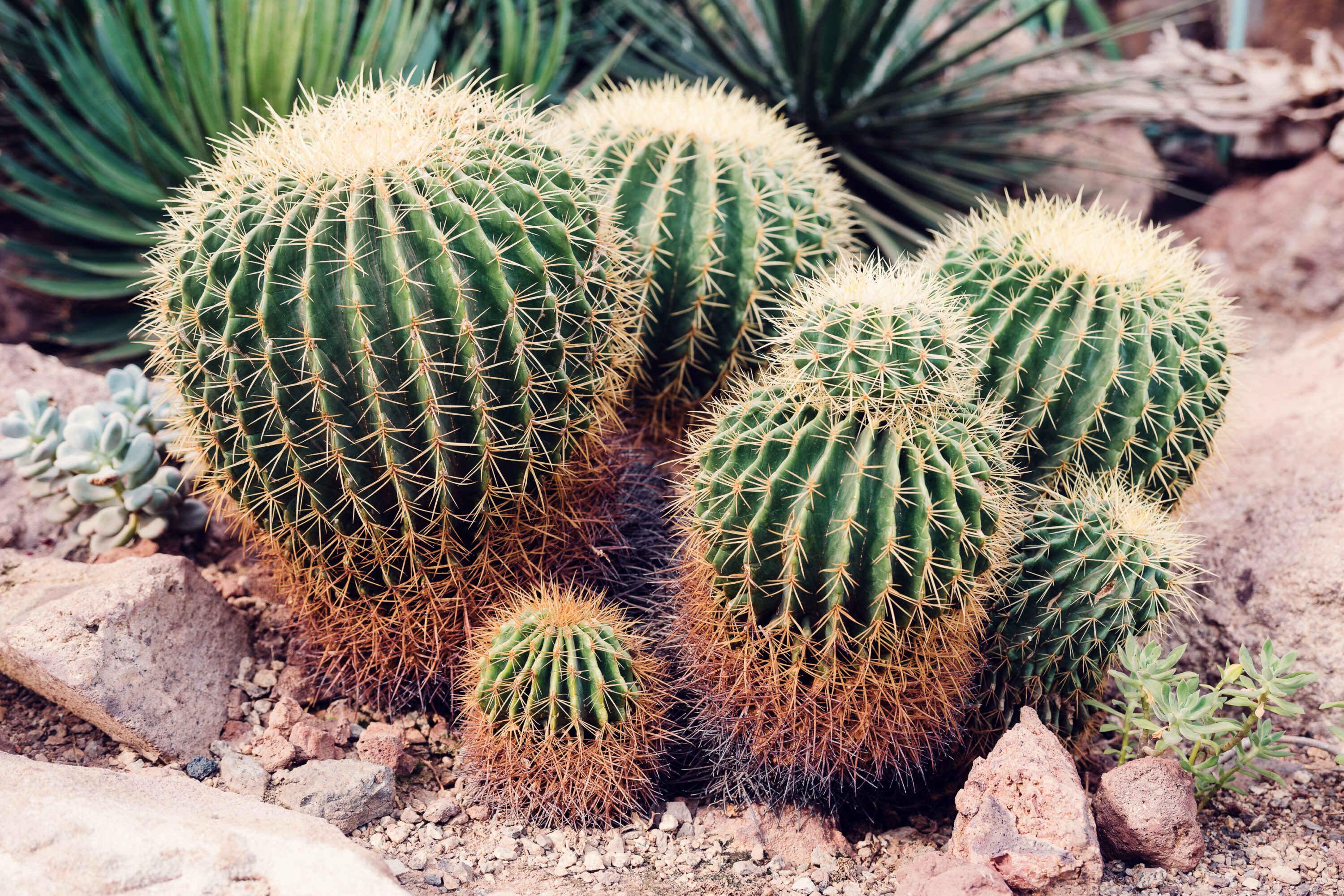
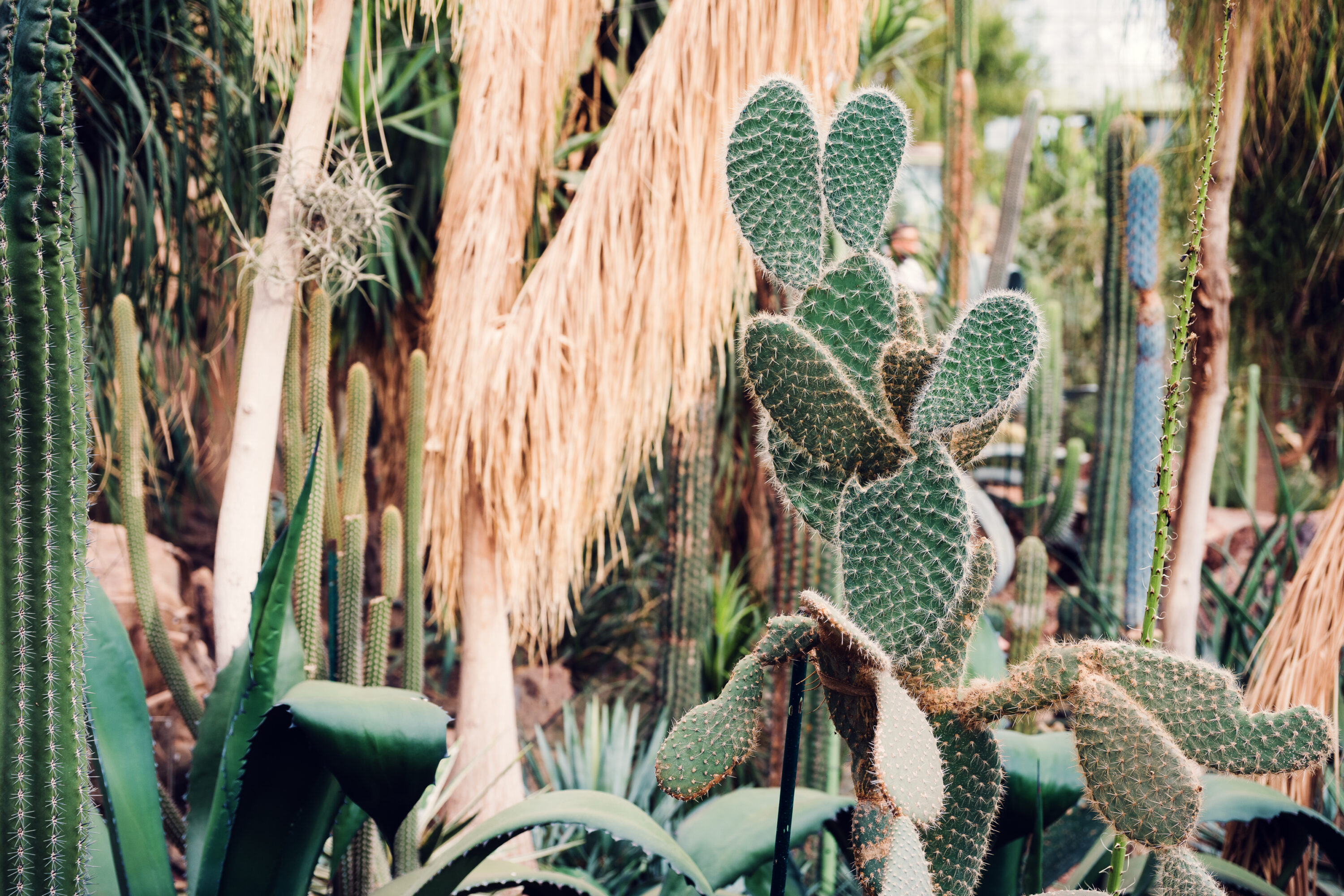
Diverse desert plants under the glass roof of the Desert House Schönbrunn.
Warm sunlight falling through the glass ceiling of the Desert House Schönbrunn.
A close-up of a palm leaf in Sunlight at the Desert House Schönbrunn.
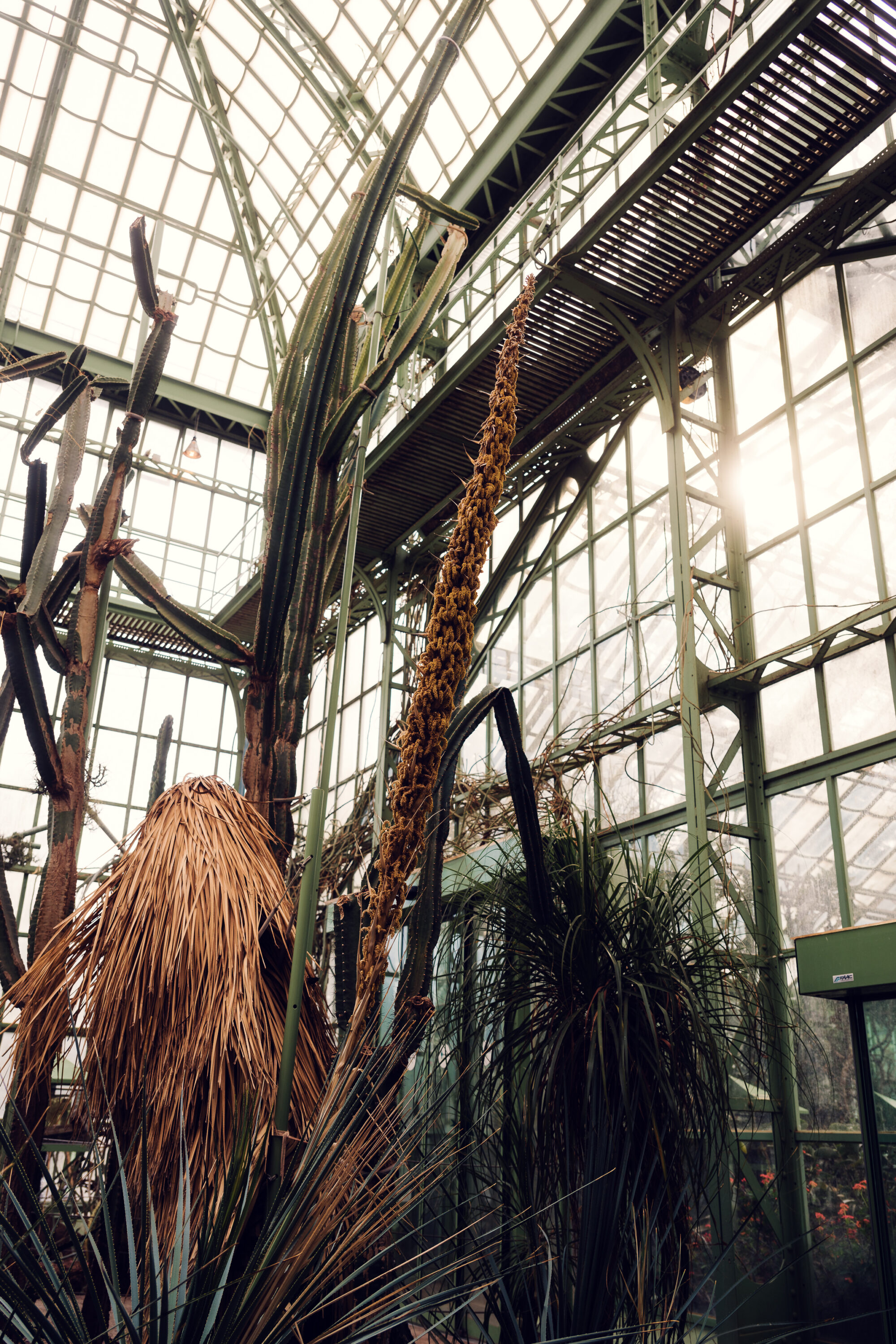
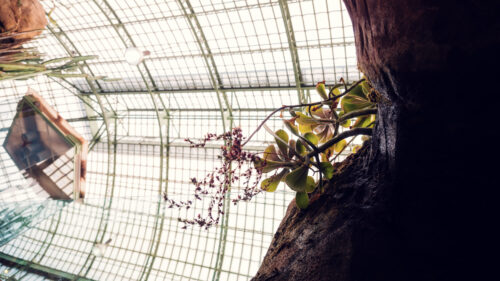
Tall plants arching toward the ceiling inside the Desert House Schönbrunn.
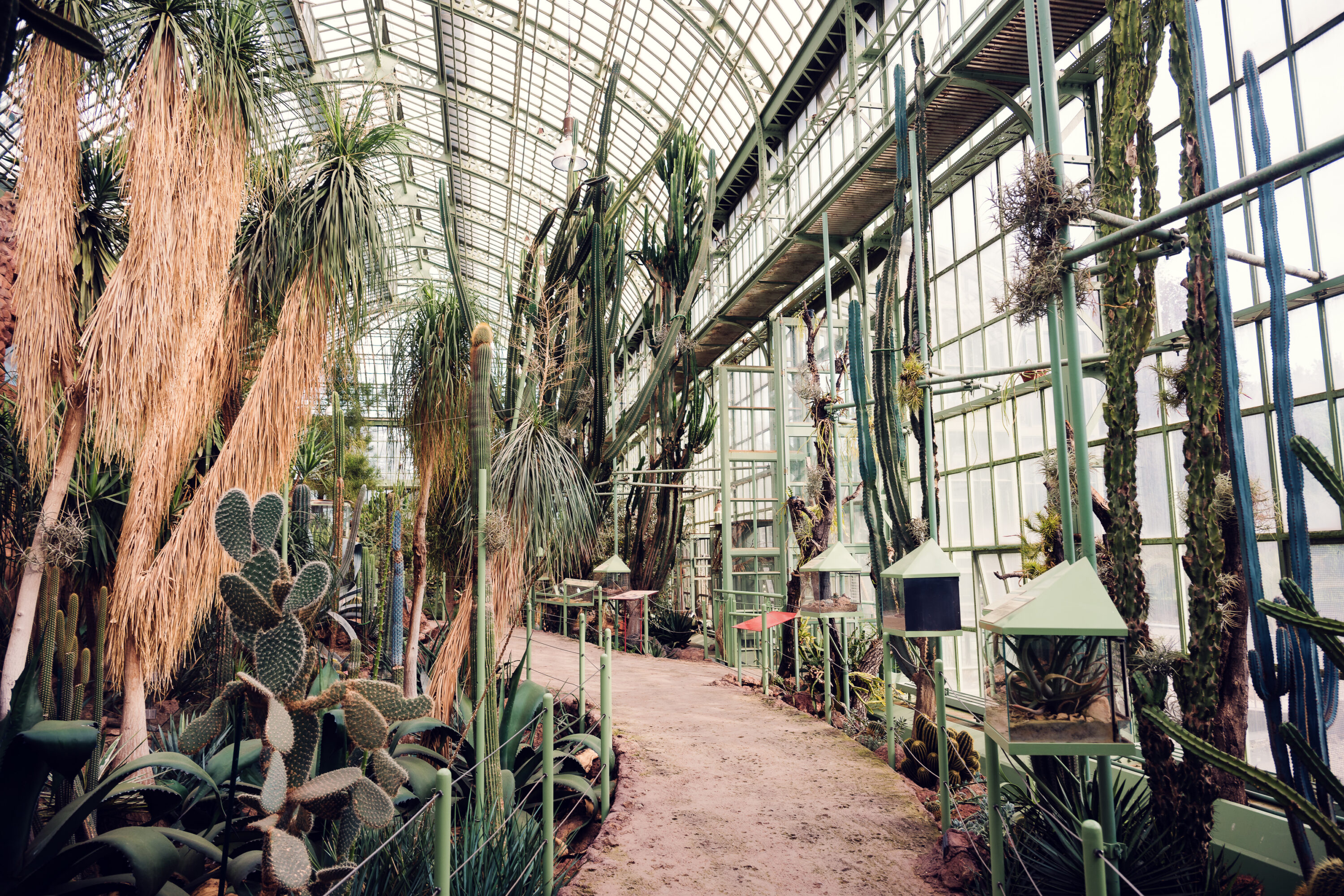
Bright interior of the Desert House Schönbrunn with its characteristic glass roof structure.
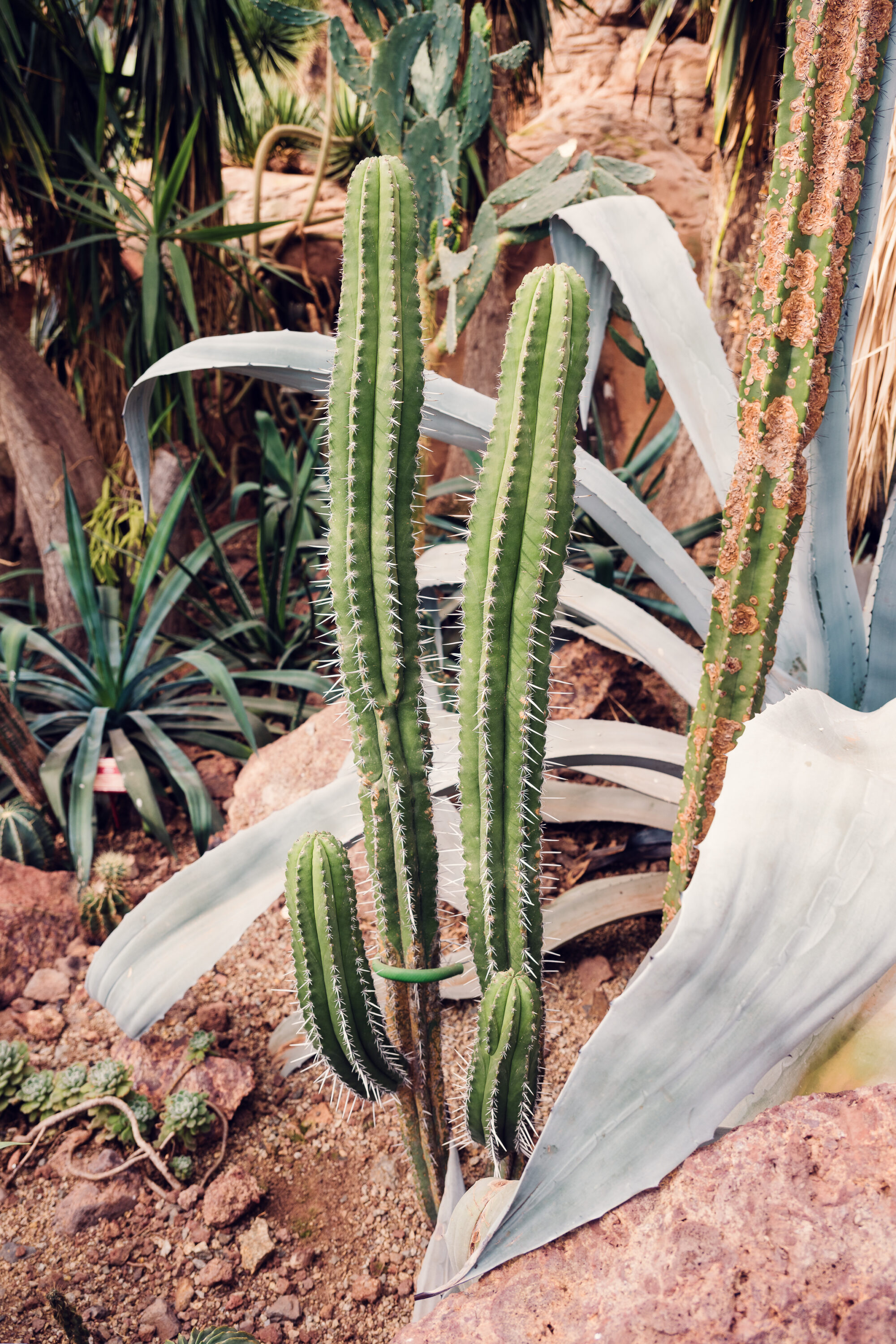
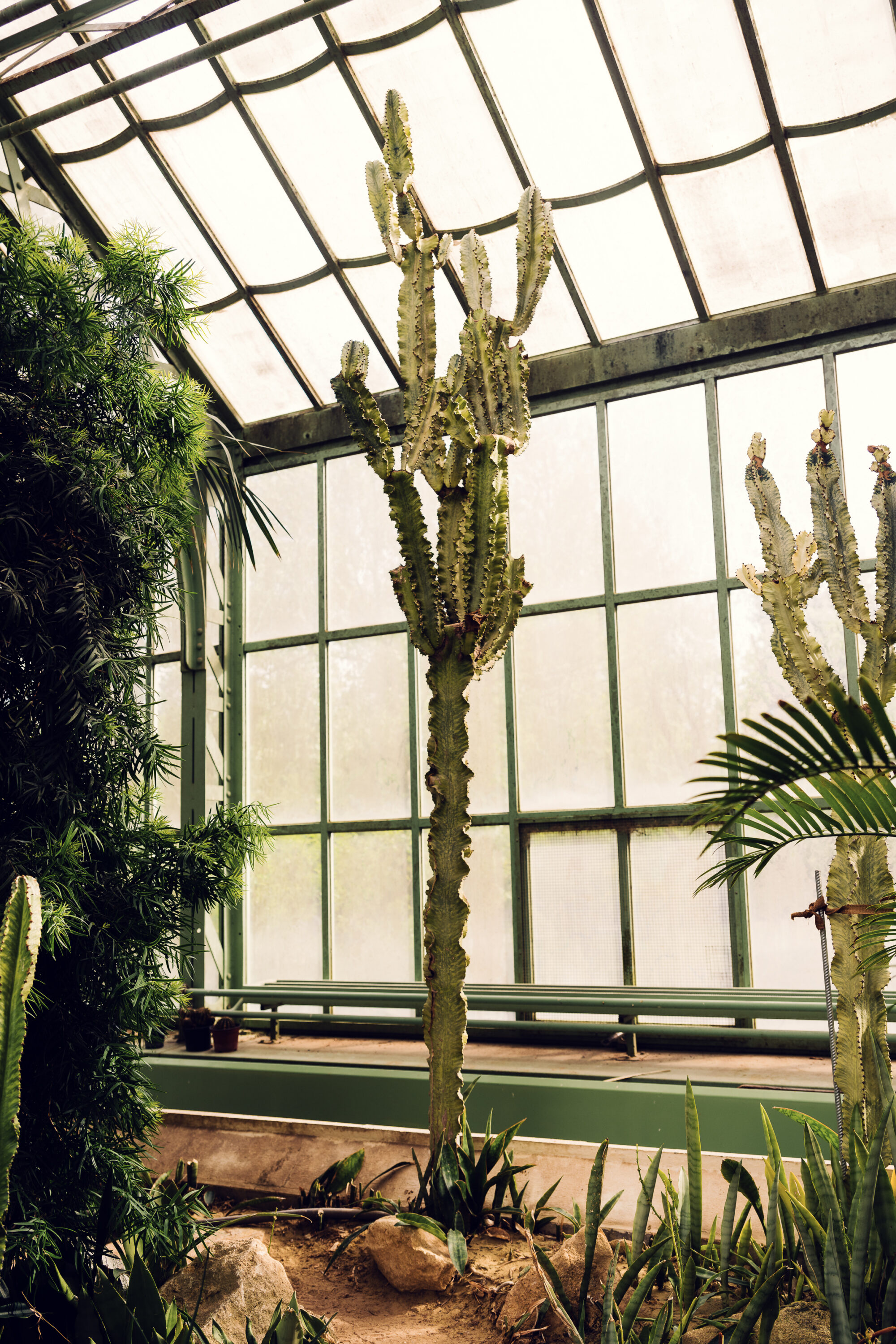
A pair of tall, slender cacti rise from the sandy soil, surrounded by other desert plants in the Desert House Schönbrunn.

Desert House Schönbrunn

Map 30 mins
Affiliate disclosure: Links marked with * are affiliate links; we may earn a commission at no extra cost to you; our recommendation remains independent.

The Desert House Schönbrunn (Wüstenhaus Schönbrunn) is a surprisingly captivating botanical and zoological experience located beside the Schönbrunn Zoo and Palace Gardens in Vienna. Housed in a restored early‑20th‑century glasshouse, this indoor desert ecosystem is home to fascinating flora and fauna from arid regions worldwide - from cacti and succulents to meerkats, desert lizards, and nocturnal animals.

Originally built in 1904 under Emperor Franz Joseph I, it was reimagined as the Wüstenhaus in 2004. Today, it provides a serene contrast to the ornate palace surroundings and offers a deeper appreciation for desert biodiversity, ecological education, and historic architecture.

Opening Hours +43 1 87792940 Website Wheelchair AccessSource: Google Maps
Address:
Desert House Schönbrunn
1130 Wien

Muvamo Opinion

The Desert House Schönbrunn creates a distinctive atmosphere, sharply contrasting with the vibrant gardens outside.

Just steps away from the grand palace and lively zoo, this serene glasshouse offered something more reflective. The historic architecture, especially the iron-framed windows and filtered sunlight, creates an atmosphere that’s both elegant and peaceful.

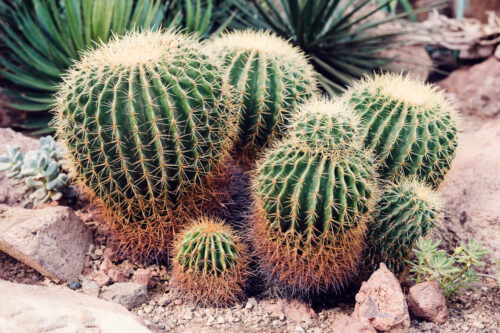
You’ll walk past rows of rare cacti, peer into enclosures with playful meerkats, and explore a nocturnal room that feels more like a natural cave than a zoo exhibit. For design-minded travelers or anyone with a fascination for textures, organic forms, and eco-focused education, this is a deeply satisfying stop.

It’s also incredibly photogenic - think soft lighting, desert tones, and striking plant shapes.

Beyond plants, the Desert House emphasizes the importance of conservation and sustainability in preserving these unique ecosystems.

Helpful Hints

  • Best Time to Visit: Early morning or late afternoon to avoid the heat.

Gastronomic Discoveries

Our Little Extras

Desert House Schönbrunn: Behind the Glass

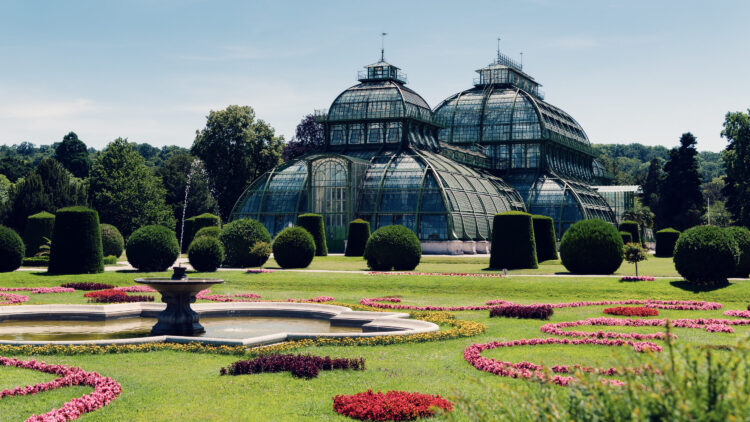
The Desert House Schönbrunn is housed in a former imperial greenhouse from 1904, originally part of the grand botanical ambitions of the Habsburg monarchy. At the time, such glasshouses symbolized power, prestige, and a fascination with global plant life. The building’s elegant Art Nouveau architecture remains largely intact today.
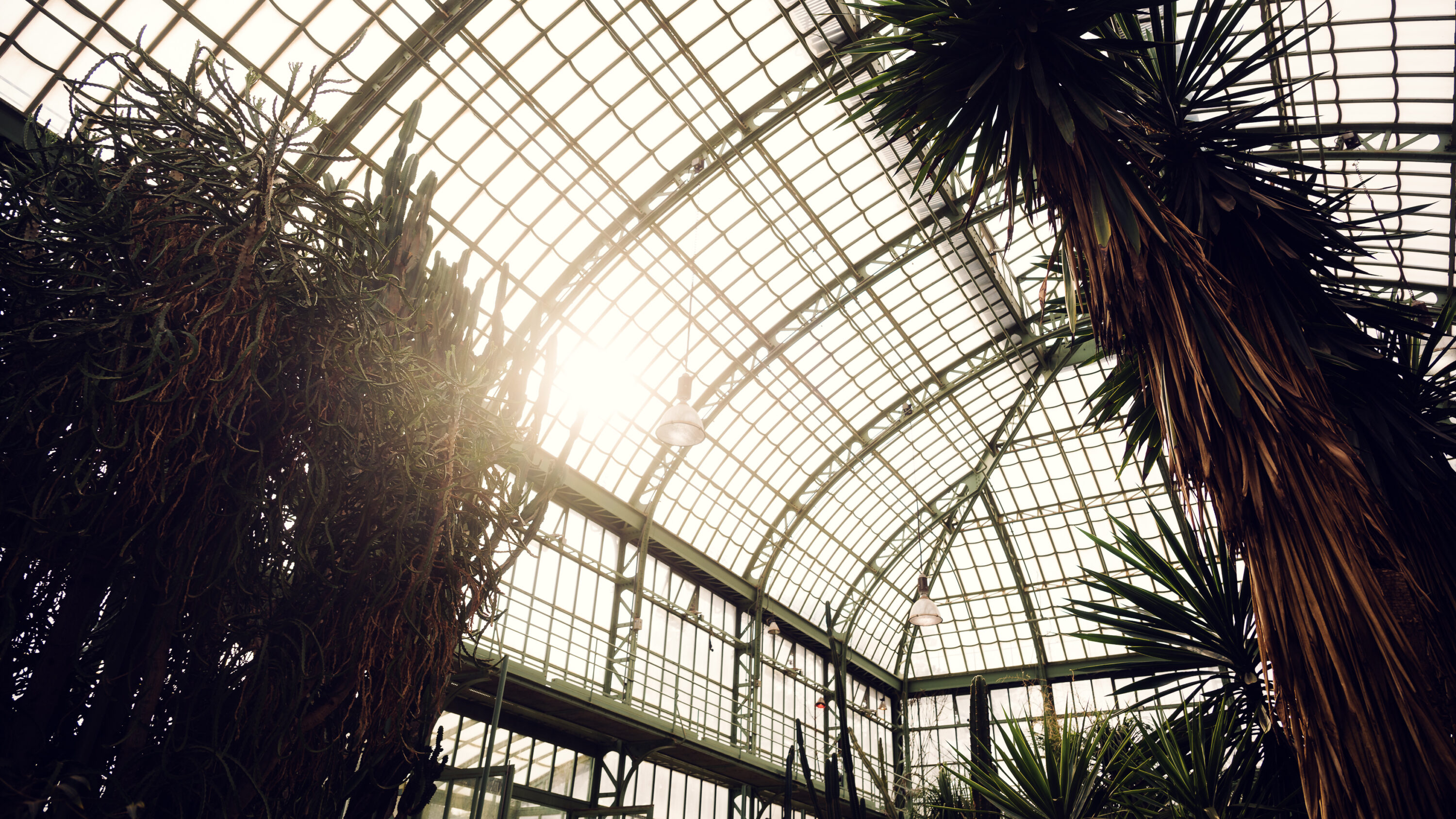
Sunlight streams through the glass panels of the Desert House Schönbrunn greenhouse.
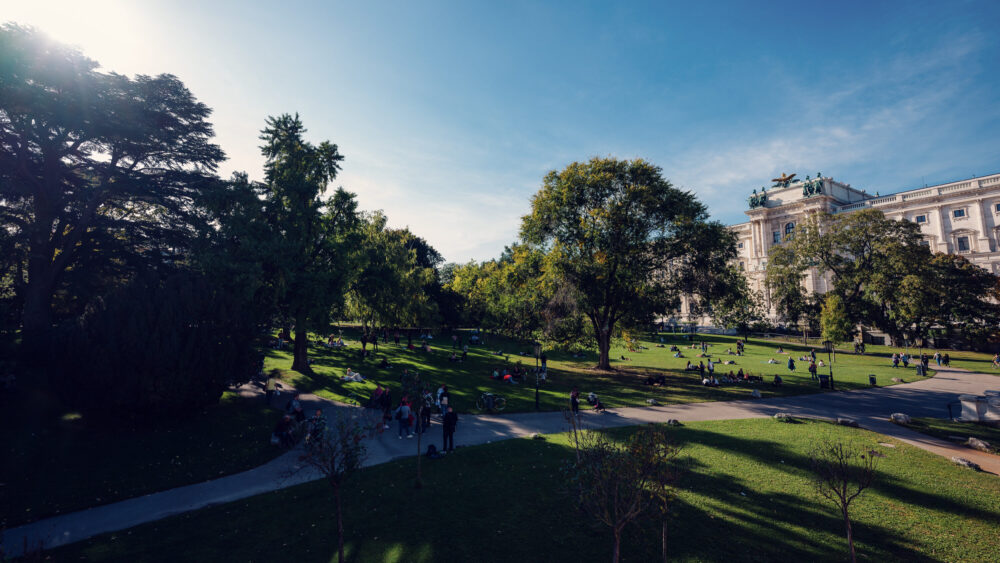
Sunlight filters through the glass roof of Desert House Schönbrunn, illuminating its desert flora.

In 2004, the space reopened as the Wüstenhaus, shifting its focus to education and conservation, specifically highlighting the adaptability and diversity of desert ecosystems. Inside, you’ll find curated environments inspired by deserts from Africa, the Americas, and Asia, populated by succulents, insects, nocturnal species, and reptiles.

The interior is carefully climate-controlled to reflect real desert conditions, giving visitors a tactile sense of how these plants and animals survive and thrive in extreme environments. Alongside the immersive design, interpretive signage offers accessible explanations of each ecosystem’s function and importance.

This elegant repurposing of imperial architecture into a forward-thinking, sustainable exhibit is a prime example of Vienna’s modern-meets-history ethos. While the Schönbrunn Palace dazzles with imperial opulence, the Desert House offers an experience of quiet depth and natural wonder.