
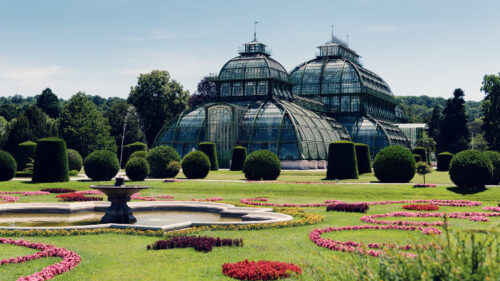
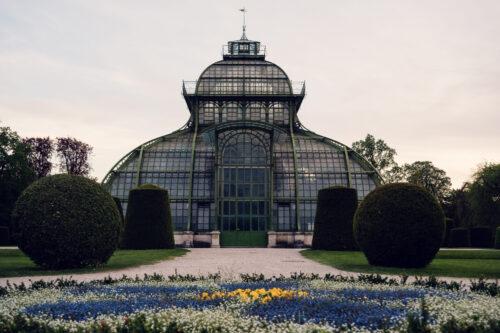
Panoramic view of the Palm House Schönbrunn rising behind a carpet of seasonal blooms.
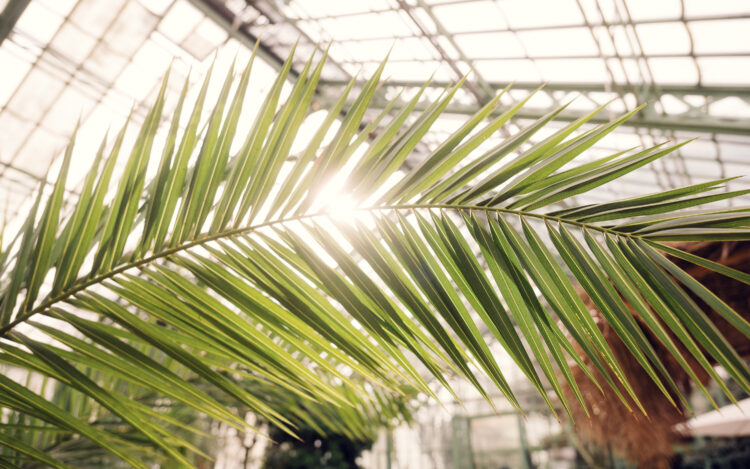
Morning sun streaming through the glass roof of the Palm House.
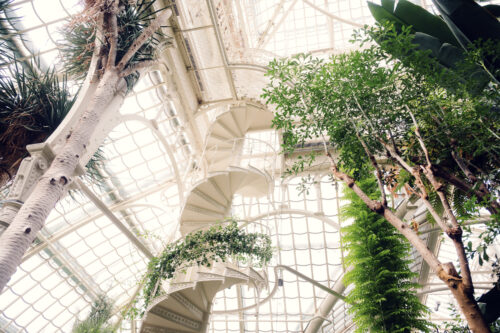
Elegant iron spiral staircase within the Palm House.
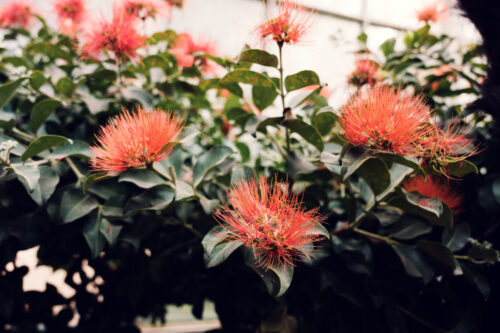
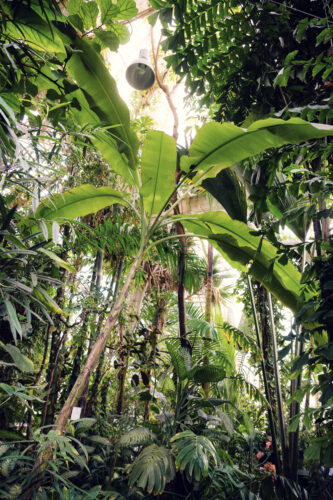
Tropical plants inside one of the climate zones at Palm House Schönbrunn.
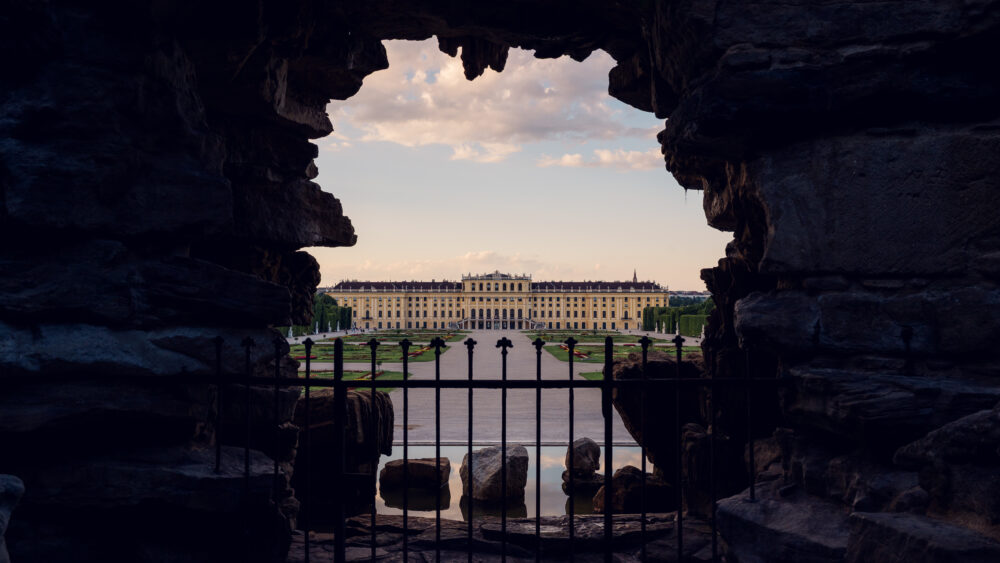
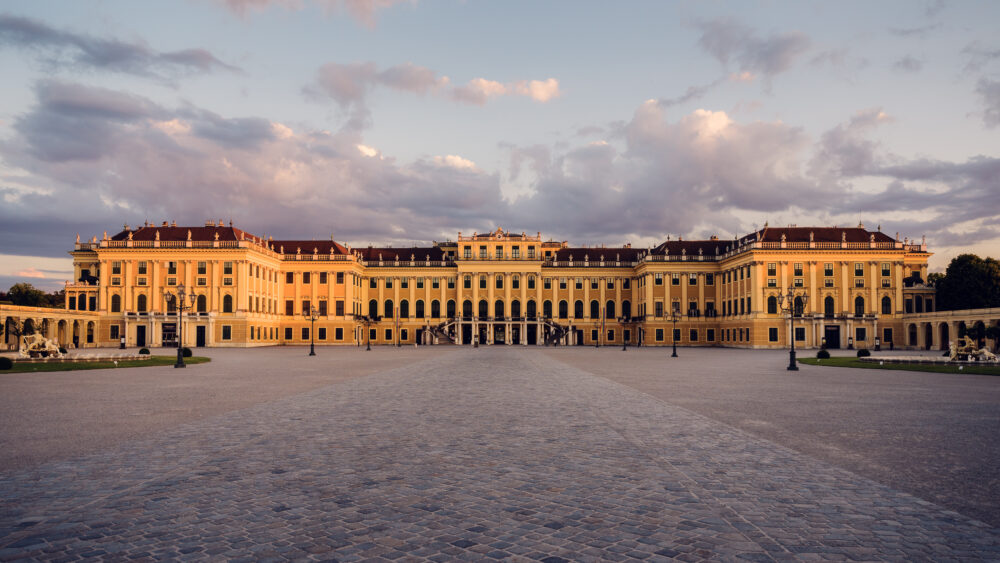
The Palm House stretching across the formal gardens at Schönbrunn.
The Palm House Schönbrunn seen from the garden path.
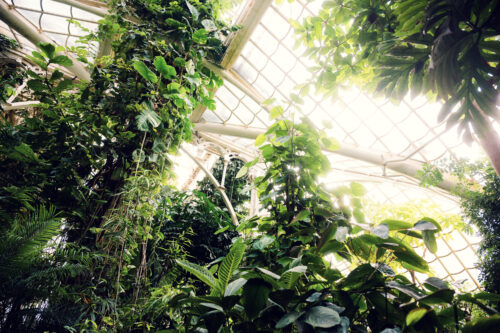
Dense tropical foliage under the glass roof of Palm House Schönbrunn.
Architectural details of the central pavilion at Palm House Schönbrunn.
Glasshouse interior at Palm House Schönbrunn in Vienna.
Interior view of the Palm House Schönbrunn with tropical plants.
Fall in Love with

Palm House Schönbrunn

Explore the Palm House Schönbrunn, a beautiful glasshouse with exotic plants, located in Vienna's Schönbrunn Palace gardens.

01 / 05
01 / 05

Palm House Schönbrunn

Admission
€9
Plan for
30 mins
indoors
Where
Schönbrunn
13th district

Tickets & prices

Palm House Schönbrunn

TicketAdultsReduced
Tickets
Admission€9€7
Reduced: pupils and apprentices up to 18, people with disabilities (50% or more)
Adults, group of 10 or more€8
Reduced, group of 10 or more€6
Annual passes & cards
Annual pass€39€33
Reduced: pupils and apprentices up to 18, people with disabilities (50% or more)
Passes & combined tickets
Combined ticket Palm House and Desert House€13.50€10.50
Reduced: pupils and apprentices up to 18, minimum-pension recipients, people with disabilities (50% or more)
Combined ticket Palm House and Desert House, adults, group of 10 or more€12
Combined ticket Palm House and Desert House, reduced, group of 10 or more€9
Combined ticket Palm House and Zoo€33.50€20.50
Adults: only at the Palm House ticket desk
Reduced: only at the Palm House ticket desk; pupils and apprentices up to 18, minimum-pension recipients, people with disabilities (50% or more)
Combined ticket Palm House and Zoo, adults, group of 10 or more€31
only at the Palm House ticket desk
Combined ticket Palm House and Zoo, reduced, group of 10 or more€17.50
only at the Palm House ticket desk
Combined ticket Palm House, Desert House and Zoo€38€24
Reduced: pupils and apprentices up to 18, minimum-pension recipients, people with disabilities (50% or more)
Combined ticket Palm House, Desert House and Zoo, adults, group of 10 or more€35
Combined ticket Palm House, Desert House and Zoo, reduced, group of 10 or more€20.50

The Palm House in Schönbrunn Palace's gardens is a remarkable greenhouse that contains a diverse array of tropical plants from various parts of the world under a single roof. Built between 1881 and 1882, the palm house Schönbrunn is the largest of its kind in Europe. It combines historical architecture with a lush collection of botanical wonders, attracting botanists and visitors with its variety of climates and exotic landscapes.

Plan your visit

Opening Hours
Daily 10:00 - 17:00All hours
Getting there
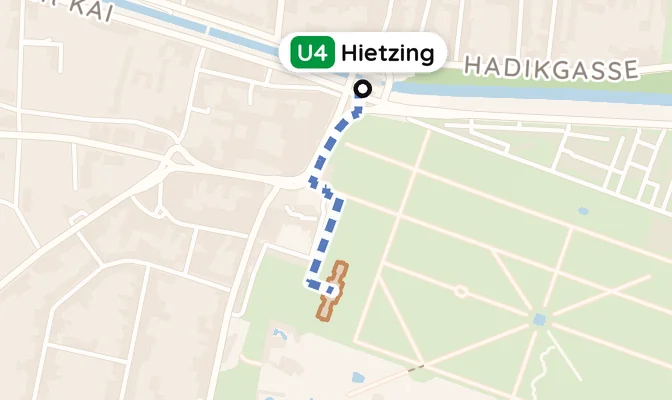
Kastanienallee, 1130 WienU4 Hietzing · 6 min walkSchönbrunn · 13th district
Good to know
Website · bundesgaerten.at

Opening hours

Palm House Schönbrunn

Monday10:00 - 17:00
Tuesday10:00 - 17:00
Wednesday10:00 - 17:00
Thursday10:00 - 17:00
Friday10:00 - 17:00
Saturday10:00 - 17:00
Sunday10:00 - 17:00

Next: Thu 24 December: 10:00 - 15:00

Last admission: 30 minutes before closing

Changes in the next 12 months

Seasons

1 May - 30 SepDaily 10:00 - 18:00
from 1 OctDaily 10:00 - 17:00

Special days

Thu 24 Dec10:00 - 15:00

Muvamo Opinion

Exploring the Palm House Schönbrunn reveals three distinct climate zones across its pavilions - tropical (warm), temperate, and cold - each hosting plant species from the regions those climates represent. The warmest house rises around soaring palms and vivid tropical blooms, and the humid, earthy air instantly sets a lush, immersive mood.

In the central temperate pavilion (kept around mild minimums), you’ll find plants from Mediterranean regions, the Canary Islands, South Africa, the Americas, and Australia - lighter in feel but still captivating, with seasonal blossoms and aromatic herbs adding gentle fragrance. The northern cold house (maintained at lower minimums) focuses on cool-temperate flora from places such as China, Japan, the Himalayas, and New Zealand, showing yet another facet of nature’s variety.

The design heightens the experience: a 19th-century wrought-iron structure sheathed in roughly 45,000 glass panes floods the interior with natural light - an elegant setting that photographers and nature lovers find irresistible. Here, visitors can enjoy both the living collections and the architectural drama in one continuous space.

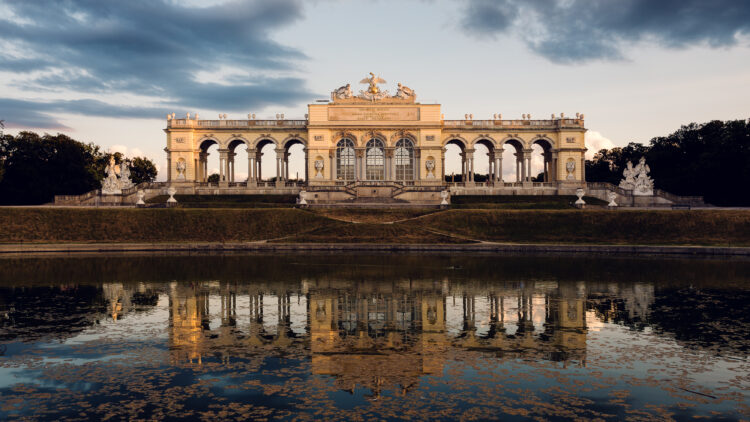
Set within the UNESCO-listed Schönbrunn Palace and Gardens, the Palm House pairs perfectly with a wider visit - combine it with a stroll to the Gloriette or time at Tiergarten Schönbrunn (Vienna Zoo) for a full day amid history, landscape, and wildlife.

Gastronomic Discoveries

Hidden Gems

  • Look out for the small iron spiral staircase near the back - it adds a beautiful visual detail and makes for a great photo composition framed by lush greenery.

Our Little Extras

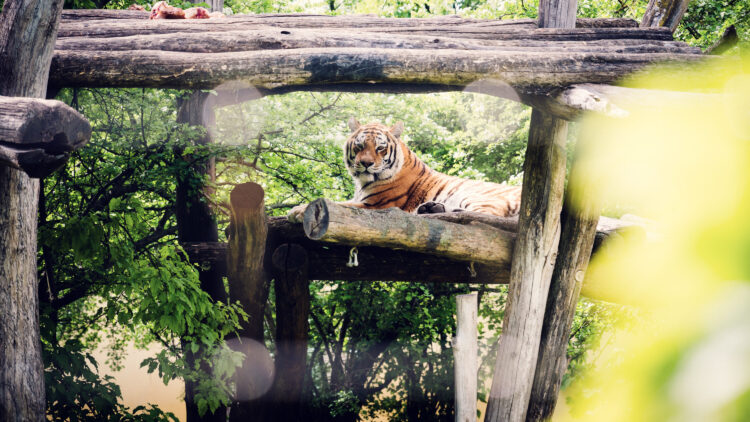
  • Don’t miss the nearby Schönbrunn Zoo, perfect for rounding out a day spent exploring the area’s natural beauty.

Palm House Schönbrunn - A Glasshouse Shaped by Time and Empire

The Palm House Schönbrunn is a striking example of 19th-century European glasshouse design, built between 1881 and 1882 during the reign of Emperor Franz Joseph I. Located in the western gardens of Schönbrunn Palace, it was part of the Habsburgs’ broader vision to promote imperial modernity through architecture, science, and global botanical exploration. Designed by Franz Xaver Segenschmid, the building incorporates over 600 tons of wrought iron and nearly 45,000 glass panes, making it one of the largest and most advanced greenhouses of its era.

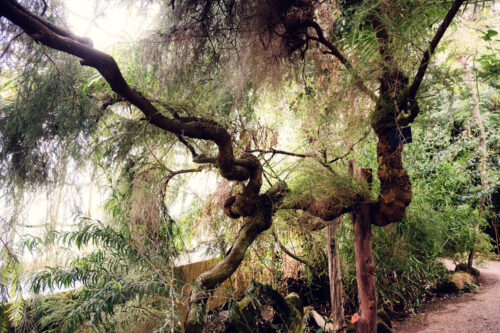
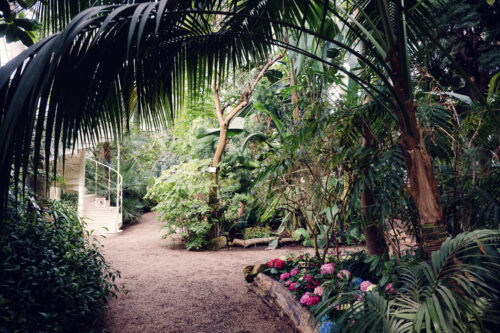
Pathway through the Palm House Schönbrunn lined with arching tropical plants.
Lush greenery and exotic species thrive inside the Palm House Schönbrunn, Vienna’s grand 19th-century glasshouse.

The Palm House served as both a research space and a living museum, showcasing exotic plants collected from across the empire and beyond. During the height of the Austro-Hungarian monarchy, its botanical collection reflected the dynasty’s ambition to study and display the natural world.

Though it suffered damage during WWII and declined over the decades, a comprehensive restoration from 1986 to 1990 returned the structure to its former glory. Today, it houses over 4,500 plant species, including several that are endangered or extinct in the wild, reinforcing its role in modern conservation efforts.

What makes the Palm House Schönbrunn truly special is how it balances historic grandeur with contemporary relevance. Its graceful glass corridors and towering palms evoke the spirit of imperial Vienna, yet its mission now aligns with today’s priorities: sustainability, biodiversity, and the preservation of green spaces in urban life. It’s a quiet yet powerful symbol of Vienna’s ability to honor its past while embracing the future.