

- Why Visit Vienna in April?
- Vienna Weather in April - What to Expect
-
Events in Vienna in April
- Honoré Daumier: Mirror of Society at the Albertina
- Gustave Courbet: Realist and Rebel at the Leopold Museum
- Easter Market Am Hof
- Altwiener Easter Market Freyung
- Cherry Blossom Season
- Canaletto & Bellotto at the Kunsthistorisches Museum
- Easter Market Schönbrunn Palace
- KAWS: Art & Comix at Albertina Modern
- Steiermark Frühling
- Vienna City Marathon
- Anni Albers: Constructing Textiles at the Lower Belvedere
- Top Things to Do in Vienna in April
- Where to Eat in Vienna in April
- Day Trips from Vienna in April
- Is April a Good Time to Visit Vienna?
Why Visit Vienna in April?
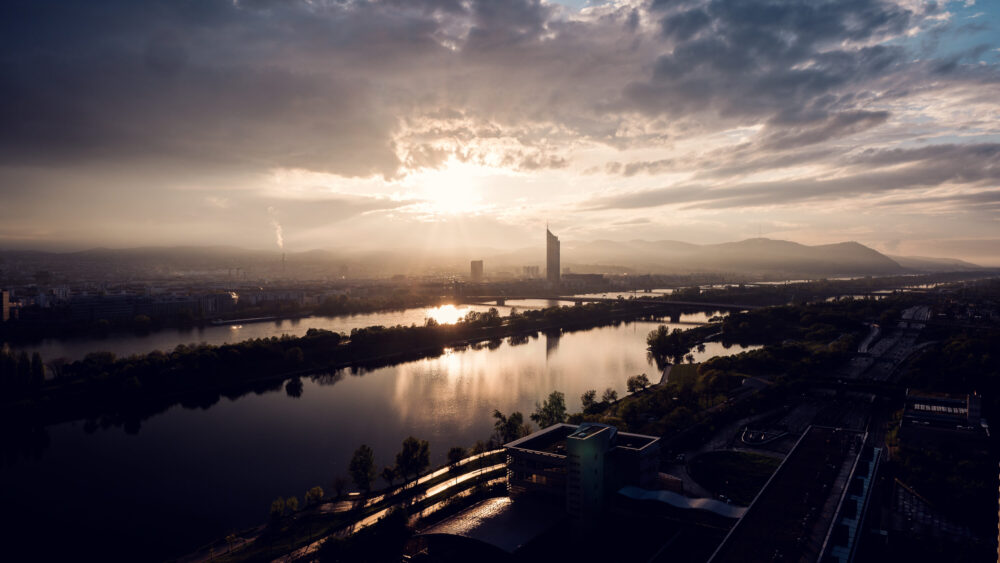
April is when Vienna properly wakes up. The parks are in full bloom, outdoor café terraces start filling up, and the city takes on that particular spring energy where everyone seems to be in a slightly better mood. For us, it's one of the best months to visit.
You'll still have the advantage of manageable queues at top attractions like Schönbrunn Palace and the Kunsthistorisches Museum, but now with noticeably warmer days that make walking the city a genuine pleasure. Easter brings a festive layer to the experience - markets with hand-painted eggs in palace courtyards, braided bread at baroque squares, and the kind of spring rituals that feel authentically Viennese rather than staged for visitors.
The cultural calendar is excellent: the Vienna State Opera runs a full program, blockbuster exhibitions are in swing, and toward the end of the month, the Vienna City Marathon transforms the entire Ringstrasse into one big event. And if you time it right, you'll catch the cherry blossoms - a few short weeks where Vienna turns pink in the most photogenic way possible.
Vienna Weather in April - What to Expect
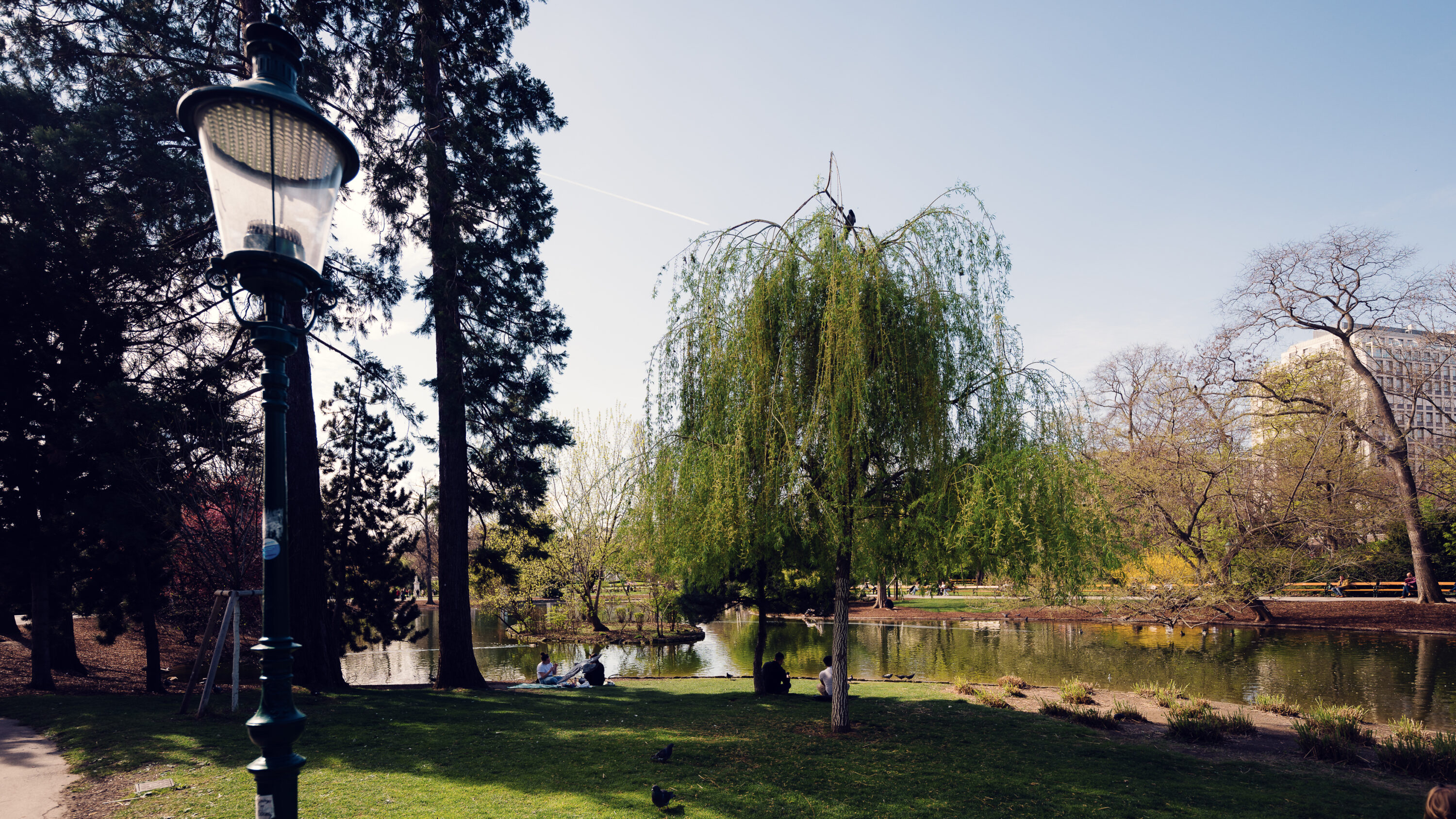
Let's talk numbers. Average daytime highs in April climb from around 13°C at the start of the month to a pleasant 16-18°C by the end. Nights are still cool, typically between 4°C and 8°C. The overall monthly average sits at about 11°C - a significant jump from March and the point where Vienna starts to feel genuinely spring-like.
April brings roughly 40-50mm of rain spread across about 8-10 days, similar to March but often arriving as short afternoon showers rather than anything prolonged. Snow is essentially off the table. And here's where April really shines: you'll have around 13 to 14 hours of daylight, with sunsets pushing past 8pm by the end of the month. That extra light transforms your evenings - suddenly there's time for a stroll along the Donaukanal after dinner, or a golden-hour visit to the Gloriette.
The honest assessment? April can still surprise you with the occasional chilly, grey day - the Viennese have a saying about April weather being unpredictable ("April, April, der macht was er will"). But most days will feel like proper spring, and those sunny afternoons in the mid-to-high teens are genuinely lovely for exploring the city on foot.
What to Wear in Vienna in April
You can lighten up compared to winter, but don't go full summer just yet. A good approach: a T-shirt or light top, a medium-weight jacket or blazer, and a compact rain layer for those afternoon showers. By mid-April, you might get away with just a light sweater on sunny days.
Comfortable walking shoes remain essential - Vienna's cobblestoned center rewards good footwear. A pair of sunglasses is now genuinely useful (those 13+ hours of daylight add up), and a small umbrella stays in the bag just in case.
One thing we'd add: April evenings on a rooftop bar like the Aurora Rooftop Bar are increasingly tempting as the sun sets later - but it still drops to single digits after dark. Bring a warm layer for those moments.
Events in Vienna in April
April is one of Vienna's most event-rich months. Easter dominates the first half, the marathon energizes the second, and the cultural program runs at full speed throughout.
For a full overview of what's on in Vienna, visit our Events in Vienna page.
Top Things to Do in Vienna in April
Easter in Vienna
Easter is a genuinely big deal in Vienna, and 2026 is a particularly good year for it - Easter Sunday falls on April 5th, with Easter Monday (April 6th) a public holiday. That means most of the Easter markets are in full swing throughout the first week of the month.
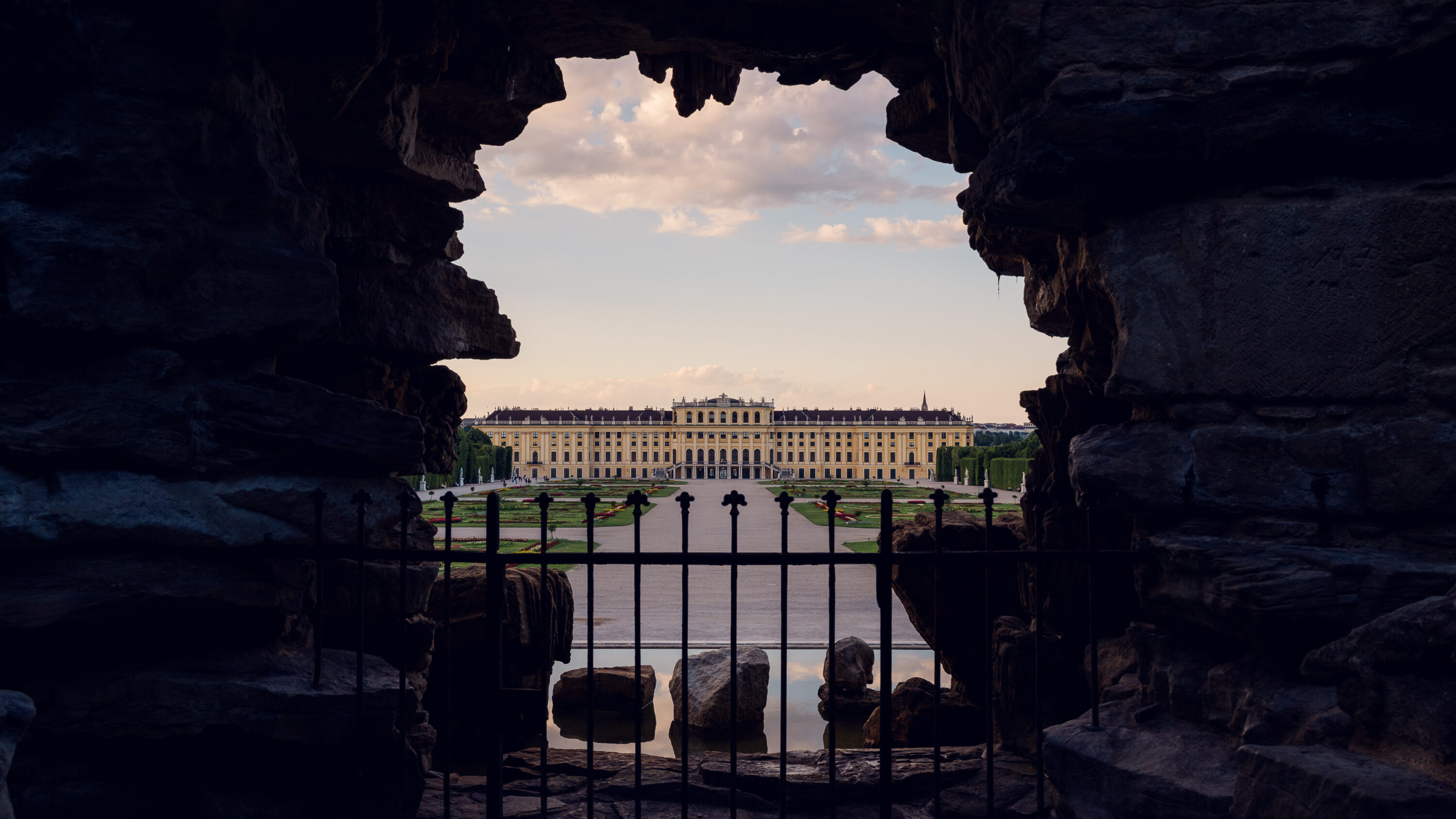
The Easter Market at Schönbrunn Palace is the showstopper - hand-painted eggs, spring flowers, traditional crafts, and all of it set against the yellow Baroque facade of the imperial palace. It runs until April 19th, well beyond Easter itself. The Altwiener Easter Market at Freyung is the most artisan-focused option, famous for its towering Eierberg of 40,000 hand-painted eggs - the largest egg mountain in Europe. And the smaller Easter Market at Am Hof is our pick for a quieter, more local-feeling experience with excellent handmade ceramics and Schinken im Brotteig (ham baked in bread dough).
A note on Easter Monday: it's a public holiday in Austria, so expect some shops and smaller restaurants to be closed. Major attractions, museums, and the Easter markets themselves stay open. It's a lovely day for a long walk through the city - the streets feel quieter than usual, and the parks are full of Viennese families doing exactly the same thing.
Cherry Blossoms & Spring in the Parks

If you've ever seen Vienna's cherry blossoms on social media and wondered whether the reality matches the photos - it does, and then some. The window is short (roughly two to three weeks somewhere between late March and mid-April, depending on the year), which makes catching them feel like a small reward.
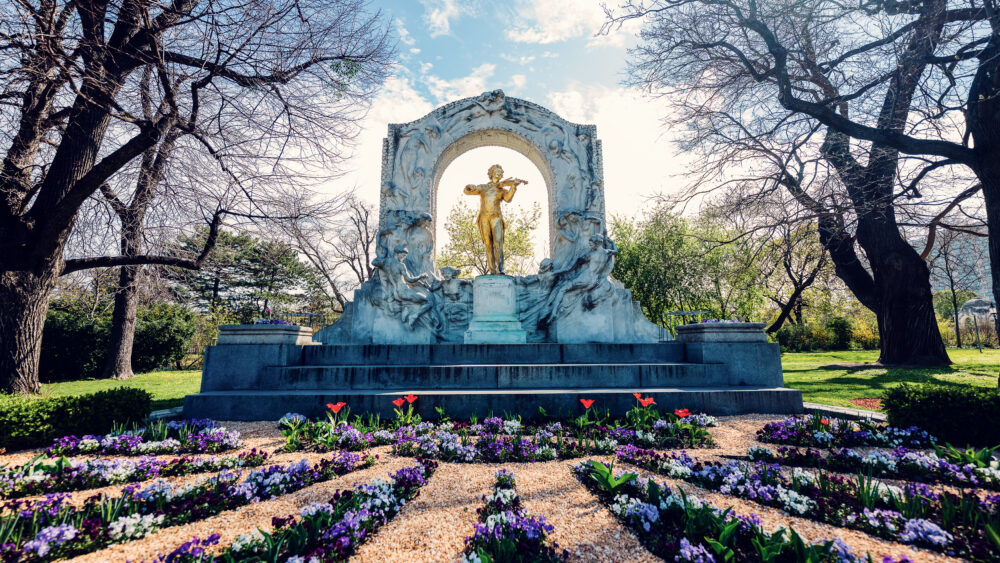
The most popular spot is the Stadtpark, where the cherry trees line the paths near the Johann Strauss Monument. But our actual tip is to go early - before 9am on a weekday, you'll have the paths almost to yourself and the morning light hitting the blossoms is far better for photos than the harsh midday sun.
For something most visitors never find: Setagayapark in Döbling (19th district) is a small Japanese garden with koi ponds, stone lanterns, and cherry trees planted as a gift from Tokyo's Setagaya ward. It's genuinely tiny - you can walk through it in ten minutes - but during peak bloom it's one of the most peaceful corners of the city. Take the D tram to Nussdorf and walk five minutes uphill.
Beyond cherry blossoms, April transforms Vienna's parks in a way that's hard to overstate. The Volksgarten starts showing its first magnolias and the rose garden begins to fill in. The Burggarten is where locals go to read on a bench during lunch - bring something from one of the bakeries on Augustinerstraße and do the same. And inside the Burggarten, the Schmetterlinghaus is a tropical greenhouse with hundreds of free-flying butterflies - a genuinely nice 30-minute stop, especially with kids.
For more viewpoint inspiration, check out: The Best Views in Vienna: Top 10 Viewpoints.
Museums, Galleries & the Klima Biennale
April 2026 has a cultural lineup that's unusually strong, even by Vienna's standards.
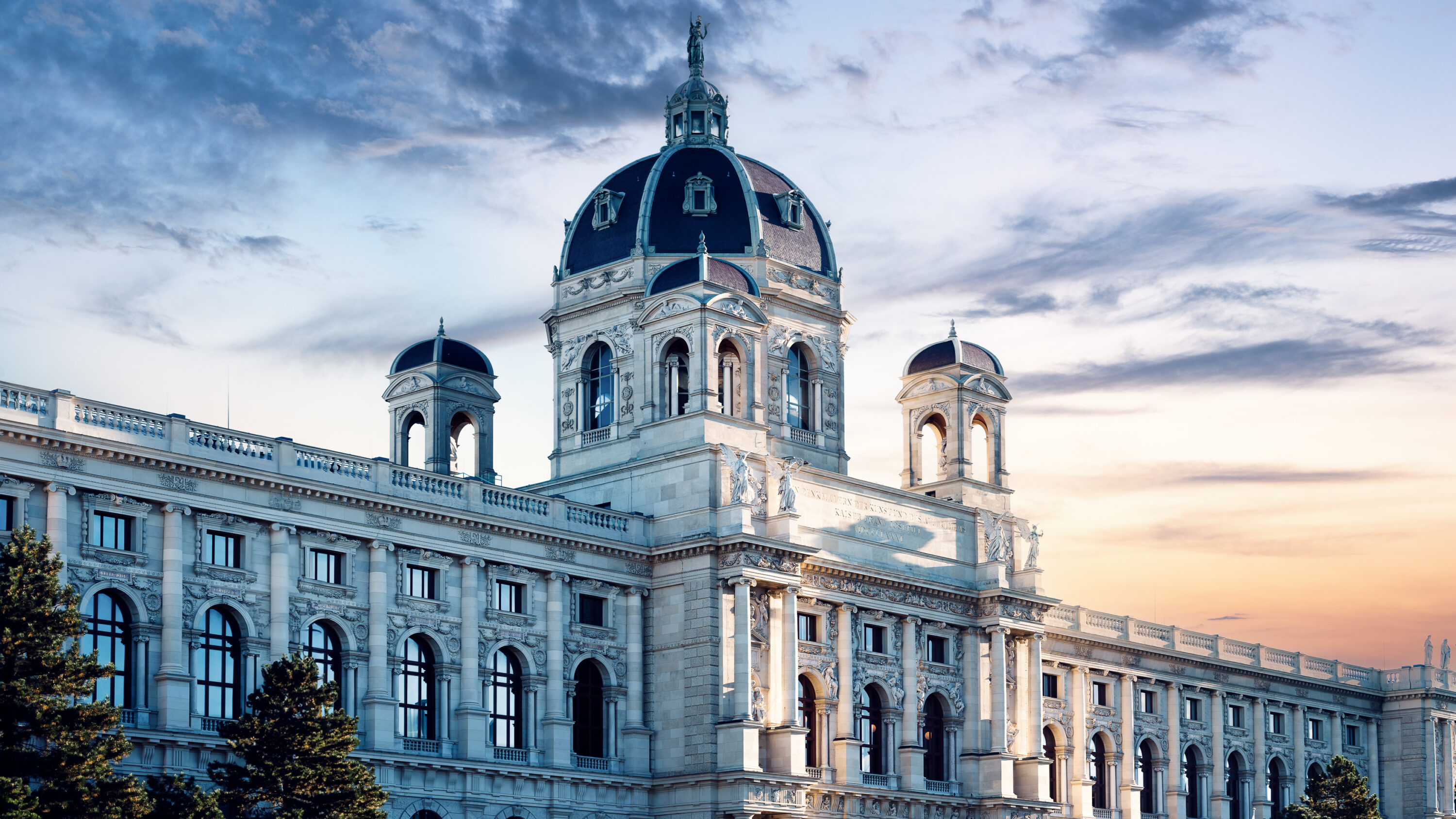
The headline is the Kunsthistorisches Museum's Canaletto & Bellotto exhibition (opening March 24), which brings together sixty paintings by the famous uncle-nephew duo of Venetian view painters. If you've ever stood in front of a Canaletto and wished you could step into 18th-century Venice, this is the closest you'll get. The KHM is also running a food-themed program throughout 2026 - culinary references in art, paired with dining in the spectacular Kuppelhalle café.
What's genuinely new for April: the Klima Biennale Wien (April 9 - May 10), a city-wide art-and-climate festival centered around the KunstHausWien in the 3rd district. Under the theme "Unspeakable Worlds," the festival features the main exhibition "Seeds" at KunstHausWien alongside "(No) Funny Games," a program of site-specific art installations across Karlsplatz and other public spaces. The first edition in 2024 drew over 225,000 visitors. It's free-access for much of the outdoor program and worth exploring even if you only have an afternoon.
At the Albertina, the Honoré Daumier retrospective continues through May - the first major Daumier show in Vienna in four decades. And the Leopold Museum has Gustave Courbet's first Austrian solo exhibition, a strong pairing with the museum's permanent Schiele and Klimt collection.
For a deeper dive into all of Vienna's museum highlights, head to our dedicated guide: Museums in Vienna: The Most Inspiring Places for Art and Culture.
Palace Gardens in Full Bloom

If you visit Schönbrunn Palace in April, do something most visitors skip: walk past the main parterre garden and head left toward the Kronprinzengarten (Crown Prince Garden). It's a walled orchard and flower garden that's been restored to its original Baroque design, and in April the fruit trees and early beds are coming alive. Combine it with the Easter market (running until April 19) and the climb to the Gloriette for one of the most rewarding half-days in the city.
At the Belvedere, the gardens between Upper and Lower Belvedere are planted in a formal Baroque cascade, and April is when the first of 4,000 alpine plants in the Alpengarten (Alpine Garden) start their show - rhododendrons and rockery plants bloom from mid-month. The Alpengarten is a separate section that most visitors walk right past, and it's free with a Belvedere ticket. Over 100 Japanese bonsai trees are on display here too.
For the full story on Vienna's imperial side, check out our dedicated post: Imperial Vienna: Top 10 Royal Experiences & Landmarks.
Schanigarten Season: Vienna Moves Outdoors
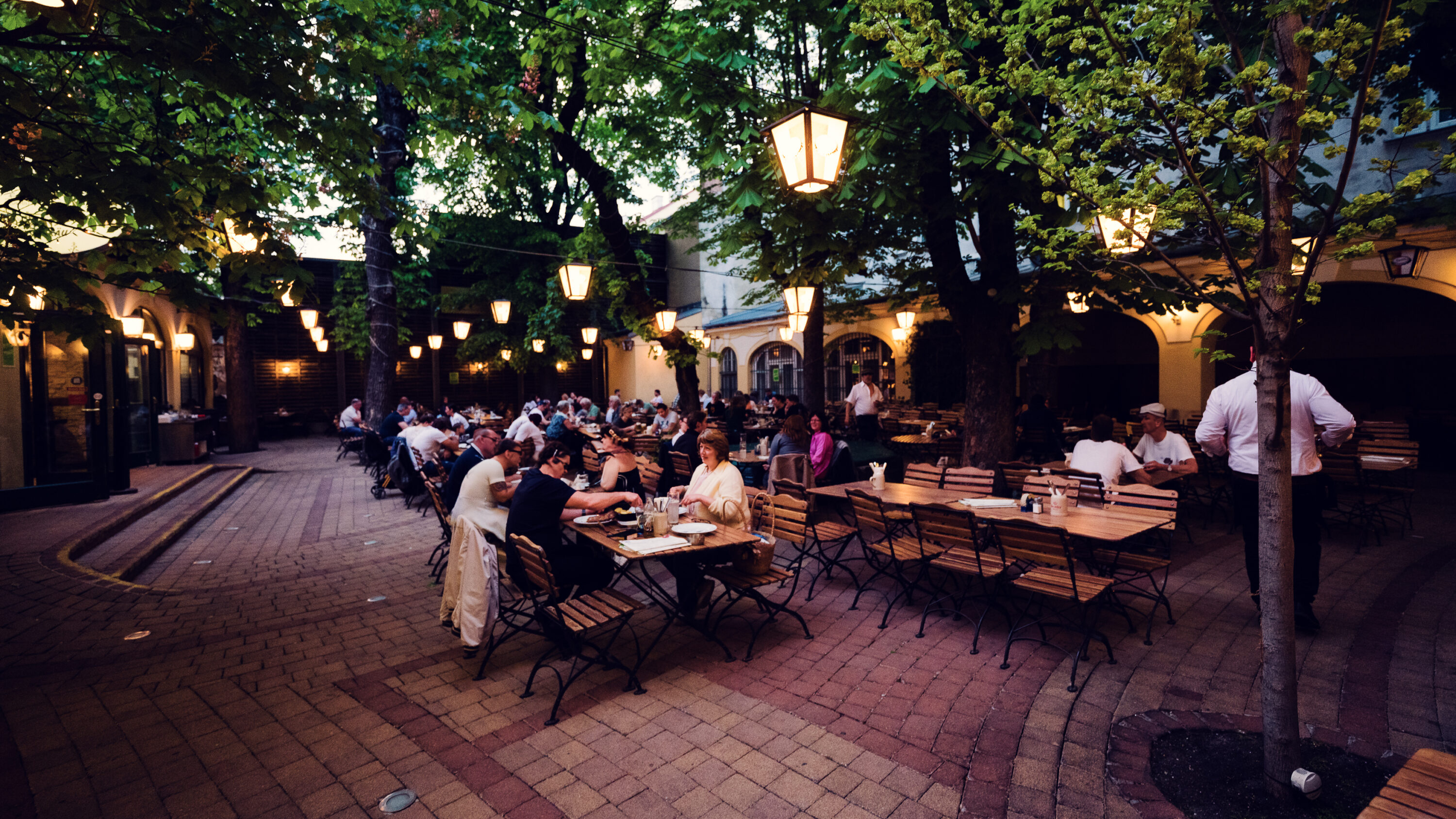
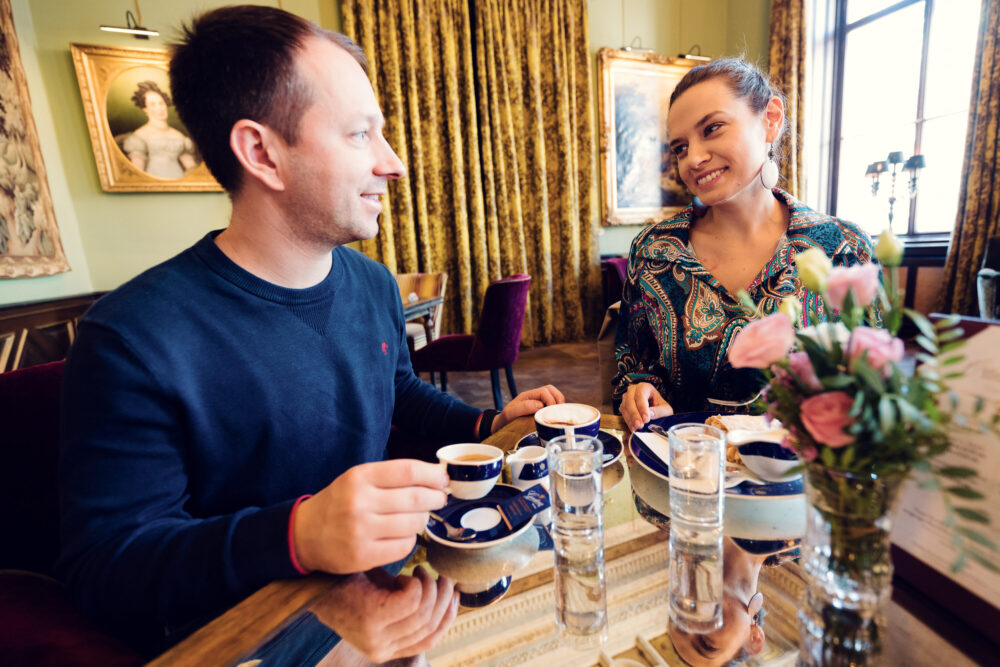
April is when Vienna's famous Schanigarten season hits full stride. The term is quintessentially Viennese - it refers to the outdoor seating that cafés and restaurants set up on public pavement, pedestrian zones, and even parking spots. The tradition dates back to around 1750, when coffeehouse owner Johann Jakob Tarone, of Italian descent, received permission to place tables and chairs in front of his establishment on the Graben. How the name "Schanigarten" actually came about is one of Vienna's great little etymological debates - some trace it to "Gianni's Garten" (Gianni being the Italian form of Tarone's first name), others to the Viennese habit of calling every waiter or helper "Schani" and shouting "Schani, trag den Garten raus!" Today there are around 3,500 Schanigärten across the city, and the first proper spring days trigger a citywide migration from indoor tables to outdoor chairs.
The best people-watching Schanigarten? Café Landtmann next to the Burgtheater, where the terrace faces the Ringstrasse and a constant stream of trams, cyclists, and very well-dressed Viennese. For something more tucked-away, the Palmenhaus in the Burggarten has outdoor tables directly overlooking the park - the setting is exceptional. And on the Spittelberg in the 7th district, the narrow cobblestoned streets fill with small tables from neighbourhood restaurants - a village-within-a-city feeling that's hard to find elsewhere.
A Schanigarten tip that locals know: the stretch of Praterstraße in Leopoldstadt (2nd district) has quietly become one of the best outdoor dining strips in the city. Café Ansari (Georgian-influenced cooking), Mochi (outstanding Japanese) and Ramasuri (relaxed all-day café) all sit side by side with their terraces shaded by mature trees.
The Donaukanal Wakes Up
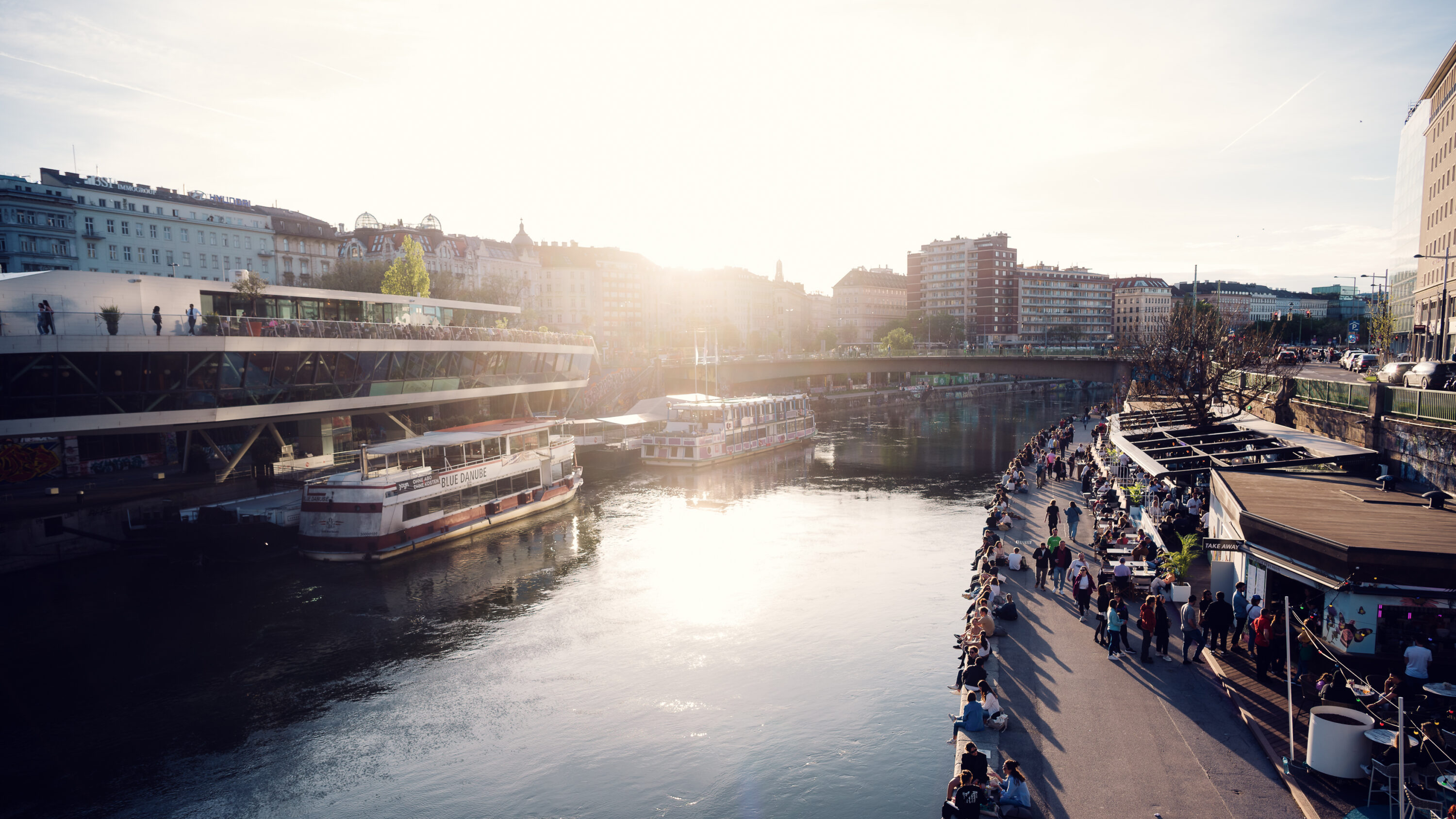
If there's one spot where you can feel Vienna shifting gears from winter to summer, it's the Donaukanal. By mid-April, the pop-up bars along the canal's banks start opening for the season. Strandbar Herrmann, Tel Aviv Beach, and Adria Wien set up their deckchairs and cocktail bars, and on the first truly warm evening it feels like half the city has the same idea.
What makes the Donaukanal special is the street art. The concrete walls along the canal are Vienna's largest legal graffiti gallery, constantly evolving, and walking from Schwedenplatz south toward the Urania building you'll pass dozens of murals that change with every visit. On weekends, you'll often catch artists mid-work.
For proper cocktails in a more refined setting, the Loos American Bar (designed by Adolf Loos in 1908, barely bigger than a living room, impossibly beautiful) and Kleinod Bar near Stephansplatz are both year-round essentials. And April is when rooftop season properly begins: the Aurora Rooftop Bar, Lamée Rooftop with its cathedral views, and the MQ Libelle terrace all become genuinely enjoyable without needing a blanket.
Classical Music & Opera
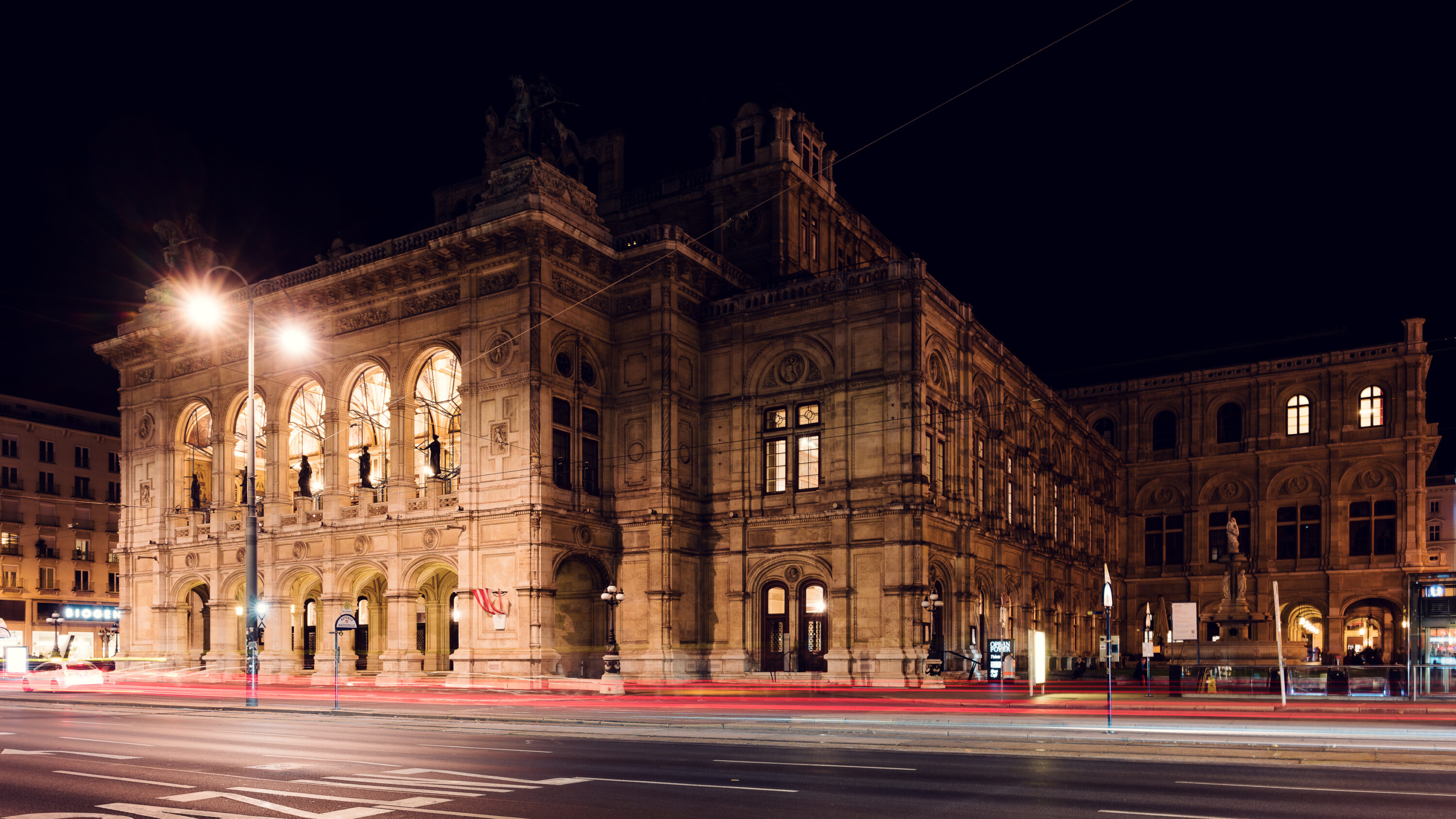
April at the Vienna State Opera brings one of the most dramatic productions of the season: Wagner's "The Flying Dutchman" on April 25th, featuring Andreas Schager and Tomasz Konieczny under conductor Bertrand de Billy. If you've ever wanted to try a Wagner opera, this one is the most accessible entry point - compact, emotionally direct, and visually spectacular.
Every Saturday in April, the Vienna Philharmonic members present chamber music matinees in the Gustav Mahler Hall inside the State Opera - a more intimate (and far easier to book) way to hear world-class musicians. These sell for a fraction of main-stage prices and the acoustic quality is outstanding.
Outside the opera house: the Peterskirche runs evening concerts in its lavish Baroque interior from around €24 - the visual impact of hearing classical music surrounded by gold, frescoes, and candlelight is something a modern concert hall simply can't replicate. And the Karlskirche hosts Vivaldi's "Four Seasons" and other works in one of Vienna's most photogenic churches.
For a comprehensive guide to Vienna's classical music scene: The Ultimate Guide to Classical Music in Vienna.
The Vienna City Marathon
On April 19th, the entire city becomes a race course. The Vienna City Marathon draws over 30,000 participants from more than 100 countries, and the route reads like a greatest-hits tour: starting at the UN City, crossing the Danube on the Reichsbrücke, running through the Prater (on the exact stretch where Eliud Kipchoge broke the two-hour marathon barrier in 2019), past the State Opera, through to Schönbrunn, and finishing on the Ringstrasse in front of the Burgtheater.
Even if you're not running, marathon Sunday is worth planning around. The finish line atmosphere between Burgtheater and Rathaus is electric. Saturday features the family-oriented Vienna 5K around the Ringstrasse, plus children's races - a nice, low-key way to experience the event without the full commitment.
Practical note: major road closures affect the city center from early morning until mid-afternoon on Sunday. The U-Bahn runs normally and is your best option for getting around. If you're not interested in the race, treat it as your museum day - they'll be noticeably quieter than usual.
Where to Eat in Vienna in April
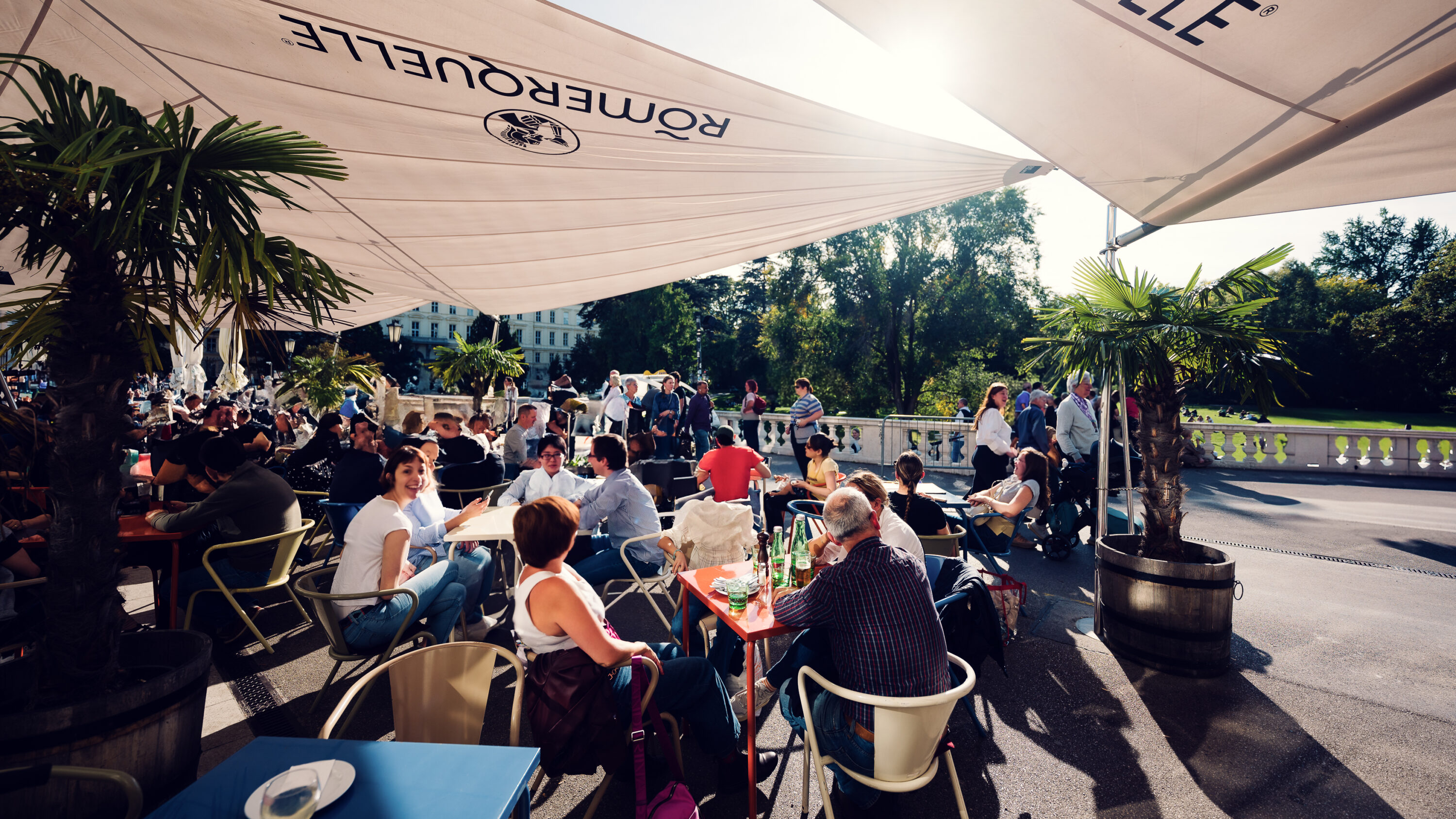
April changes the way you eat in Vienna. Not because the food is different - the Schnitzels are just as plate-sized, the Tafelspitz just as perfectly simmered - but because you can finally eat it outside. The city's restaurants roll out their terraces, and a meal that was already good becomes an event when you add cobblestones, church bells, and a view.
Seasonally, this is when Spargel (white asparagus) starts appearing on menus across the city. The Viennese take their asparagus season seriously - you'll find it at traditional restaurants like Plachutta and Meissl & Schadn, usually served with hollandaise, potatoes, and ham. It's a short window (roughly mid-April through June), and when it's good, it's very good.
For outdoor dining specifically: Motto am Fluss on the Donaukanal opens its river-facing deck, and a late lunch there with the water reflecting the afternoon light is one of April's quiet pleasures. The Naschmarkt hits its stride - the outdoor tables at the market restaurants fill up fast on sunny days, and browsing the stalls for Kärntnernudeln, Turkish breads, and Mangalitza salami is its own kind of meal.
Easter food tip: at the markets, look for Schinken im Brotteig (ham baked in bread dough) at Am Hof, and at Freyung the organic farmers' stalls at the back sell Waldviertel poppy seed pastries, farmhouse cheese, and braided Osterstriezel that's worth the trip on its own.
Mid-April: The Steiermark Frühling festival at Rathausplatz (April 8-12) is five days of Styrian food and wine. The Backhendl (fried chicken) stalls are the real draw - pair one with a glass of Schilcher rosé and you've got the best-value lunch in the city center.
For the full picture, check out our complete guide: Where to Eat in Vienna.
Day Trips from Vienna in April
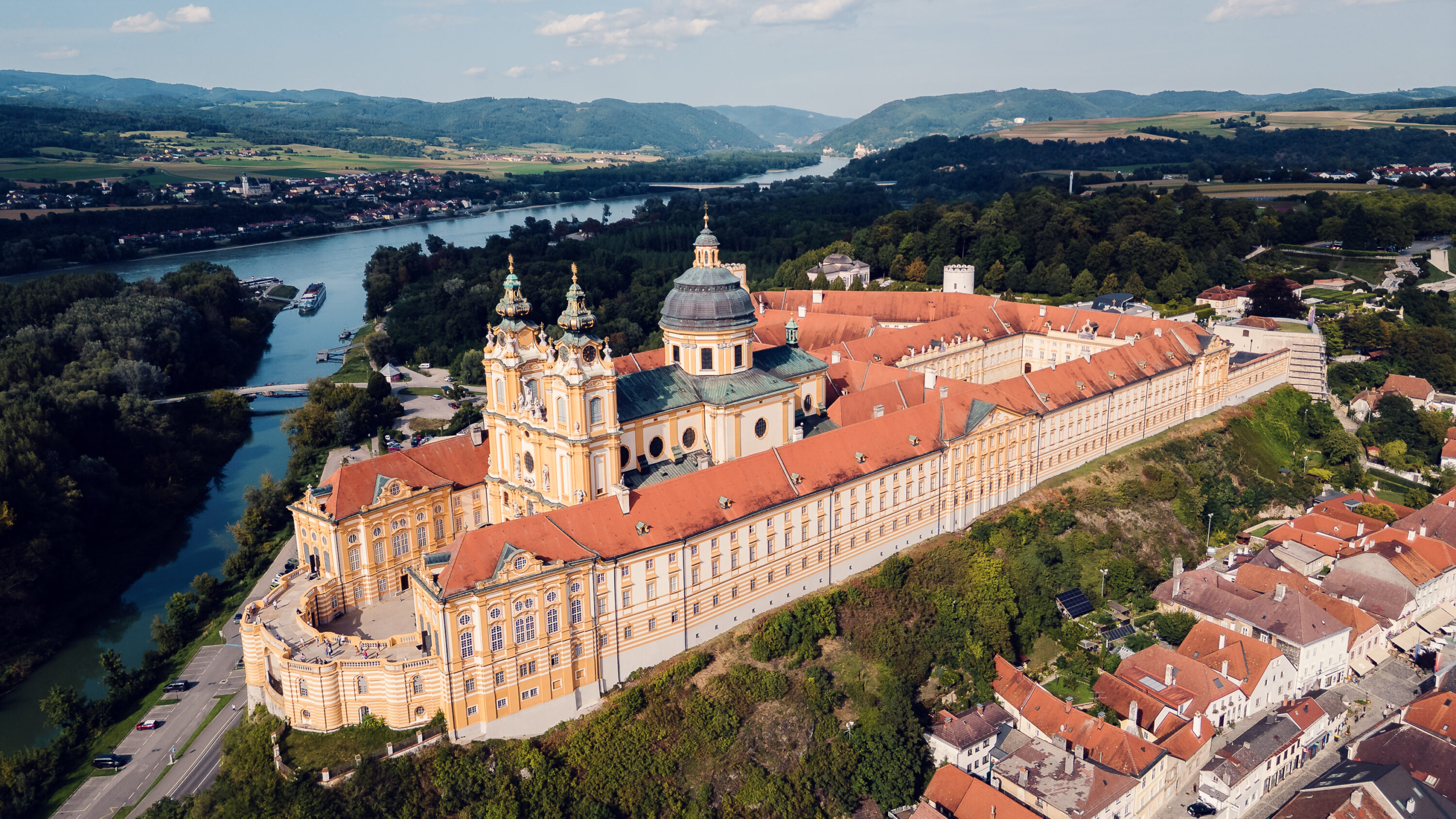
April opens up day trip options that simply weren't available a month ago. The Danube boats are running again, the hiking trails are dry, and several seasonal destinations hit their peak.
The Wachau Valley is the standout. In early-to-mid April, the Wachau's famous Marillenblüte (apricot blossom) covers the hillside terraces in white and pink - the effect against the Danube and the medieval towers of Dürnstein is genuinely photogenic. This is also when the river cruise companies restart their regular schedules, so the classic Melk-to-Dürnstein boat trip is back on the table. Arrive by train to Melk (about 75 minutes from Wien Westbahnhof), tour the abbey, catch the boat downstream through the valley, and return by train from Krems.
Closer to the city, April marks the beginning of Heurigen season. Many of Vienna's traditional wine taverns in Grinzing, Neustift am Walde, and Nussdorf open their gardens this month - check ahead, as each Heuriger has its own opening calendar (the green bush or "Buschen" hung above the door means it's open). Mayer am Nussberg has vineyard views that feel a world away from the city center, and you can reach it by public transport.
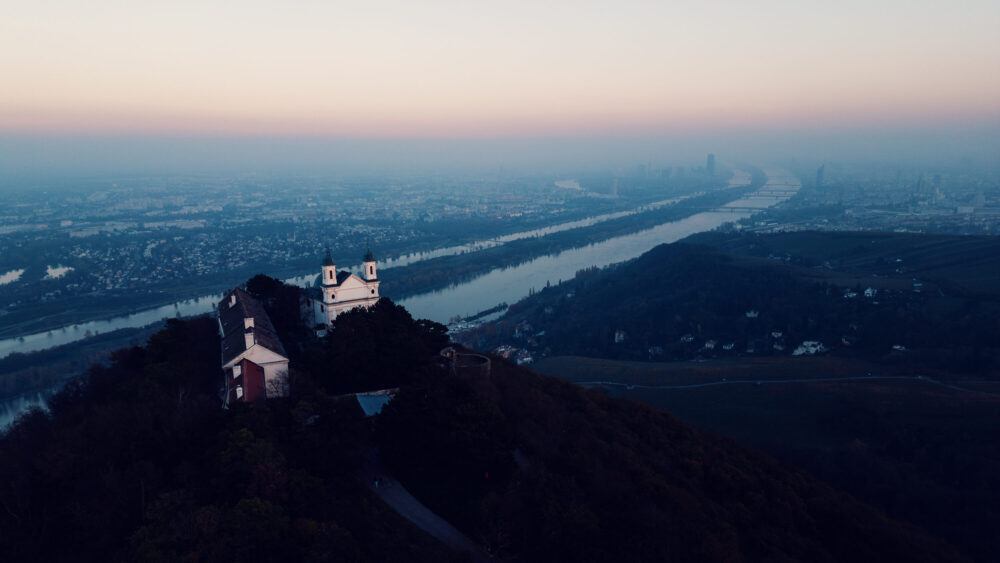
For hikers, the Vienna Woods trails are at their best in spring. The beech forests are just leafing out, the air smells of wild garlic (Bärlauch), and the paths are neither muddy nor dusty. The trail from Kahlenberg down through the vineyards to Leopoldsberg takes about 90 minutes and the Danube views are sweeping.
For more ideas, check out our full guide: Day Trips from Vienna.
Is April a Good Time to Visit Vienna?
The short answer: yes, and with fewer caveats than March.
April gives you the Vienna essentials - world-class museums, opera, imperial architecture, outstanding food - wrapped in weather that's warm enough to actually enjoy walking the city. The terraces are open, the parks are blooming, the Donaukanal bars are back, and the Easter markets add a festive layer you won't find in other months. Prices remain below summer levels, and while the city is busier than in winter, it's nothing like the July crush.
What makes 2026 particularly compelling: the Klima Biennale fills the city with art installations from April 9th, the KHM's Canaletto show is a once-in-a-generation exhibition, and the Easter markets run well into the month. Layer on the marathon, the Steiermark Frühling food festival, and the beginning of Heurigen season in the hills, and you've got a month where there's almost too much to fit in.
The one thing to watch: Easter week (April 3-6) brings public holiday closures. Good Friday and Easter Monday mean some shops and restaurants shut, and the Naschmarkt is closed on Sundays and holidays. Plan around it, and it's a bonus - the city has a relaxed, festive energy that week.
Helpful Tips for Visiting Vienna in April
Getting around: Vienna's public transport (U-Bahn, trams, buses) is excellent. A 24-hour, 48-hour, or 72-hour travel pass is the most convenient option. During school holidays (March 28 - April 6, 2026), children under 14 travel free on public transport.
Vienna PASS: If you're planning three or more museum visits, compare the Vienna PASS against individual tickets. It includes skip-the-line access at many popular spots. For more info you can find our dedicated guide here: Best Vienna City Pass & Tickets.
Easter closures (April 3 & 6): Good Friday and Easter Monday are public holidays. Major museums stay open, but shops, supermarkets, and some restaurants close. Stock up on essentials the day before.
Marathon Sunday (April 19): Significant road closures from early morning. The U-Bahn runs normally. Best day for museums if you're not watching the race.
Klima Biennale (from April 9): Much of the outdoor program around Karlsplatz is free. Check biennale.wien for the full schedule.
Opera tickets: Book the State Opera weeks in advance for fixed seats. Standing room tickets (from a few euros) are available day-of, but arrive early to queue.
Naschmarkt: Closed Sundays and public holidays. Saturday mornings include the flea market - worth browsing.
Cash: Most places accept cards, but market stalls, smaller cafés, and Würstelstände sometimes prefer cash. Keep €20-30 on hand.
For more practical advice, head to our comprehensive FAQ: Vienna Travel Tips.
Planning your Vienna trip? Explore all our Vienna guides, spots, and walking tours for detailed recommendations on every corner of this extraordinary city.