
Fall in Love with

Freyung

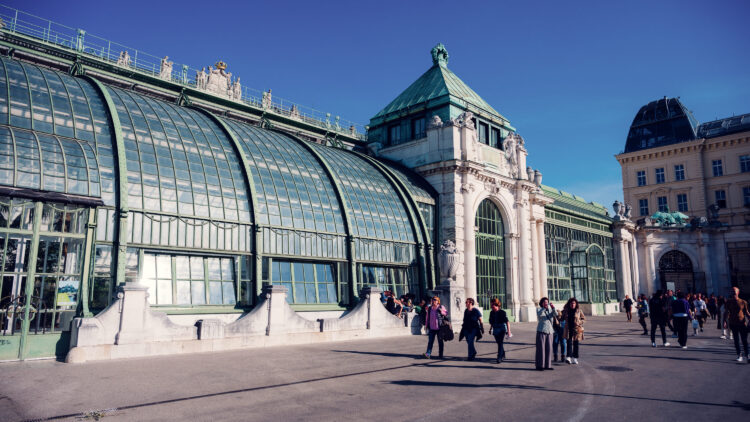
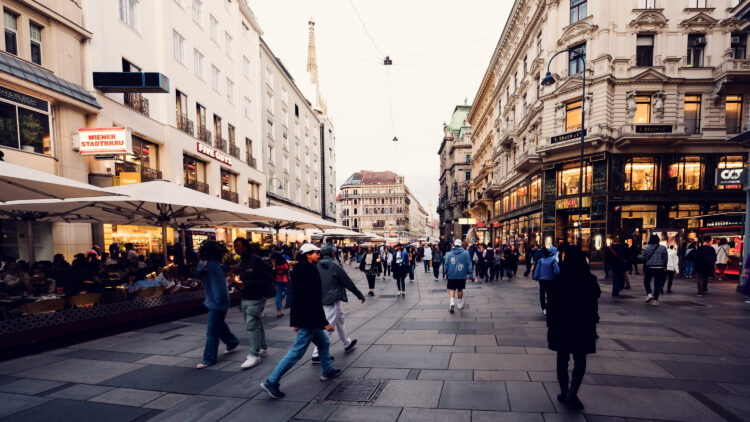
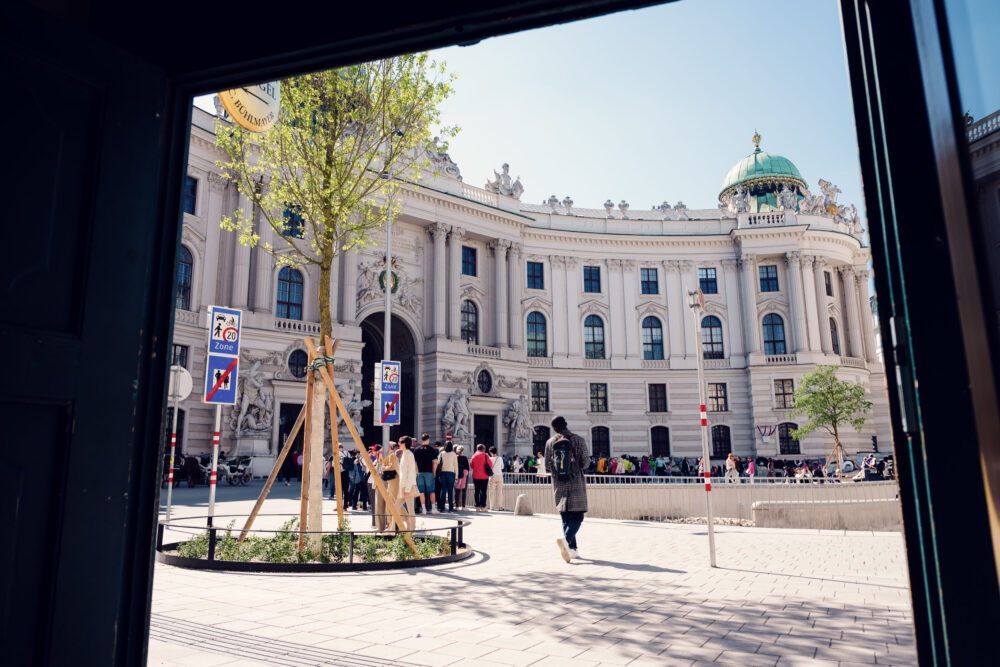
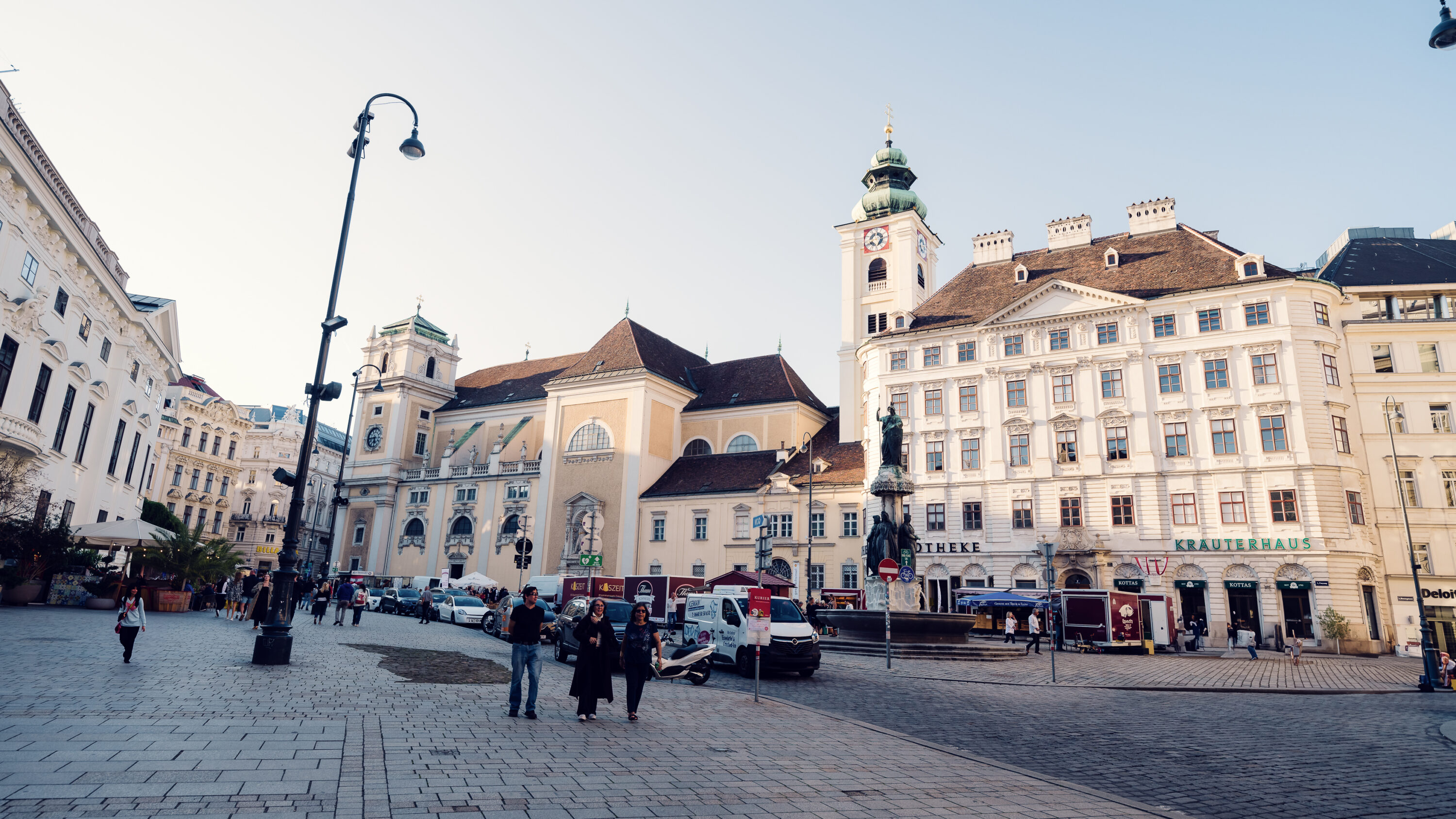
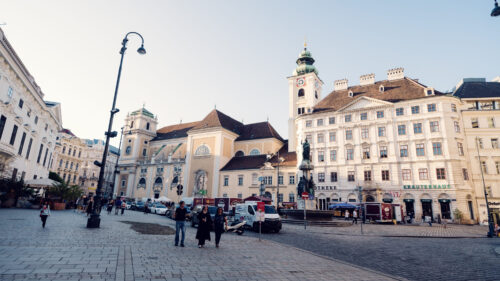
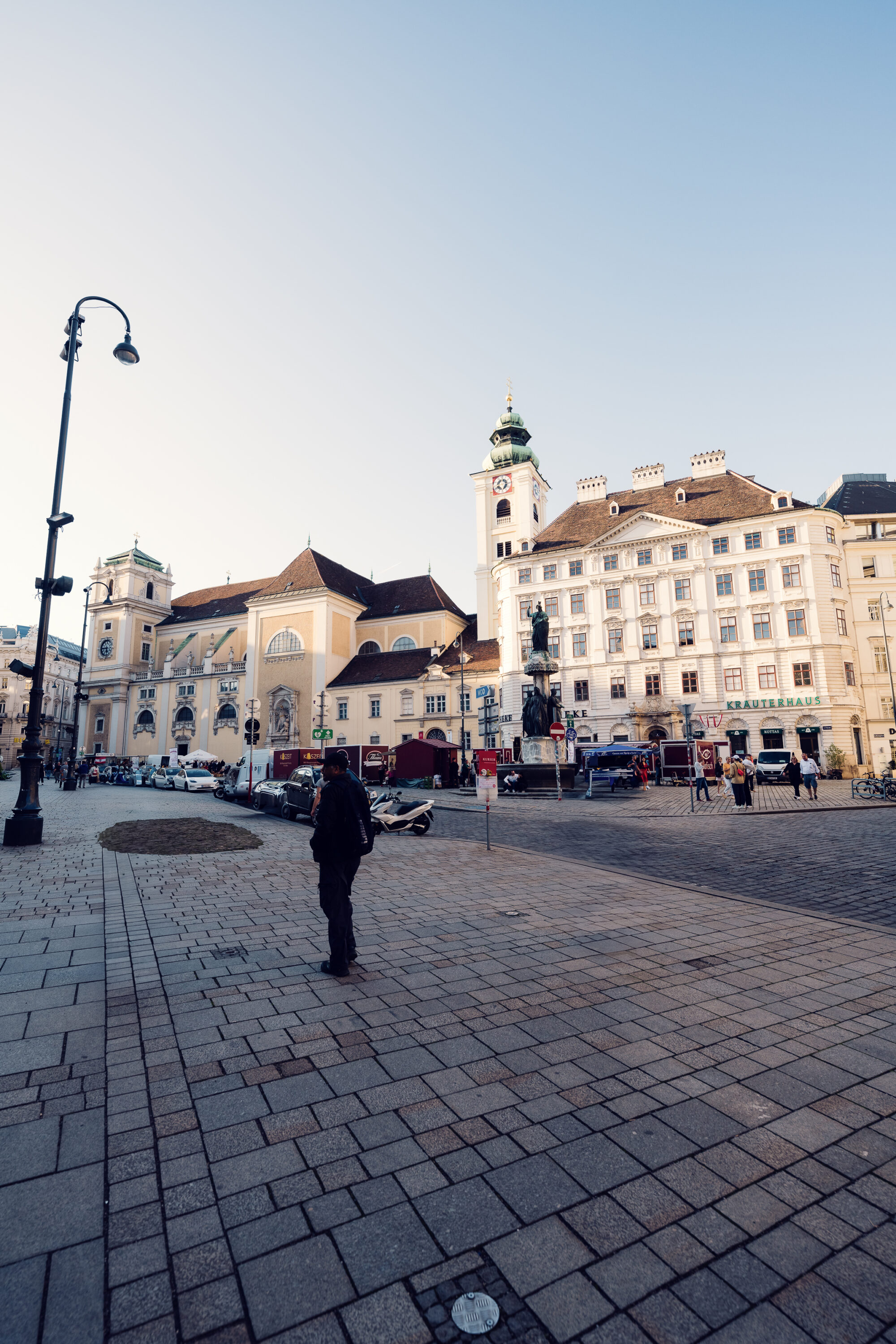
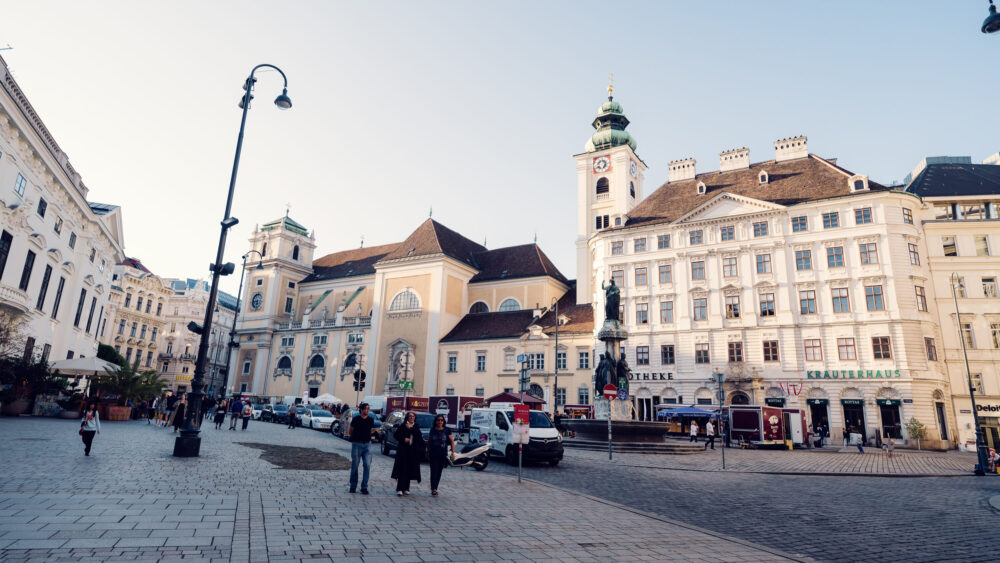
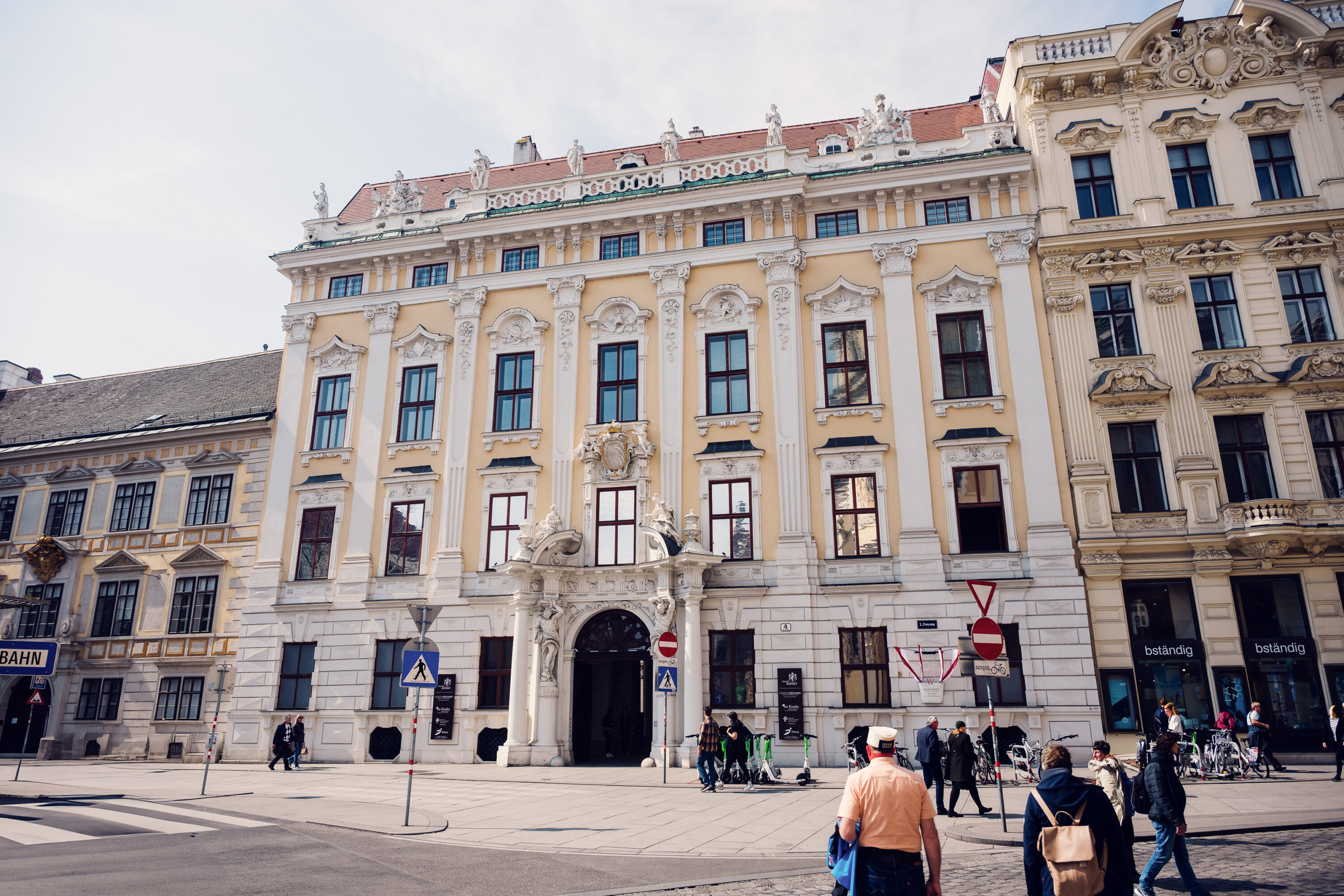
Wide view of Freyung Square with historic buildings in Vienna.
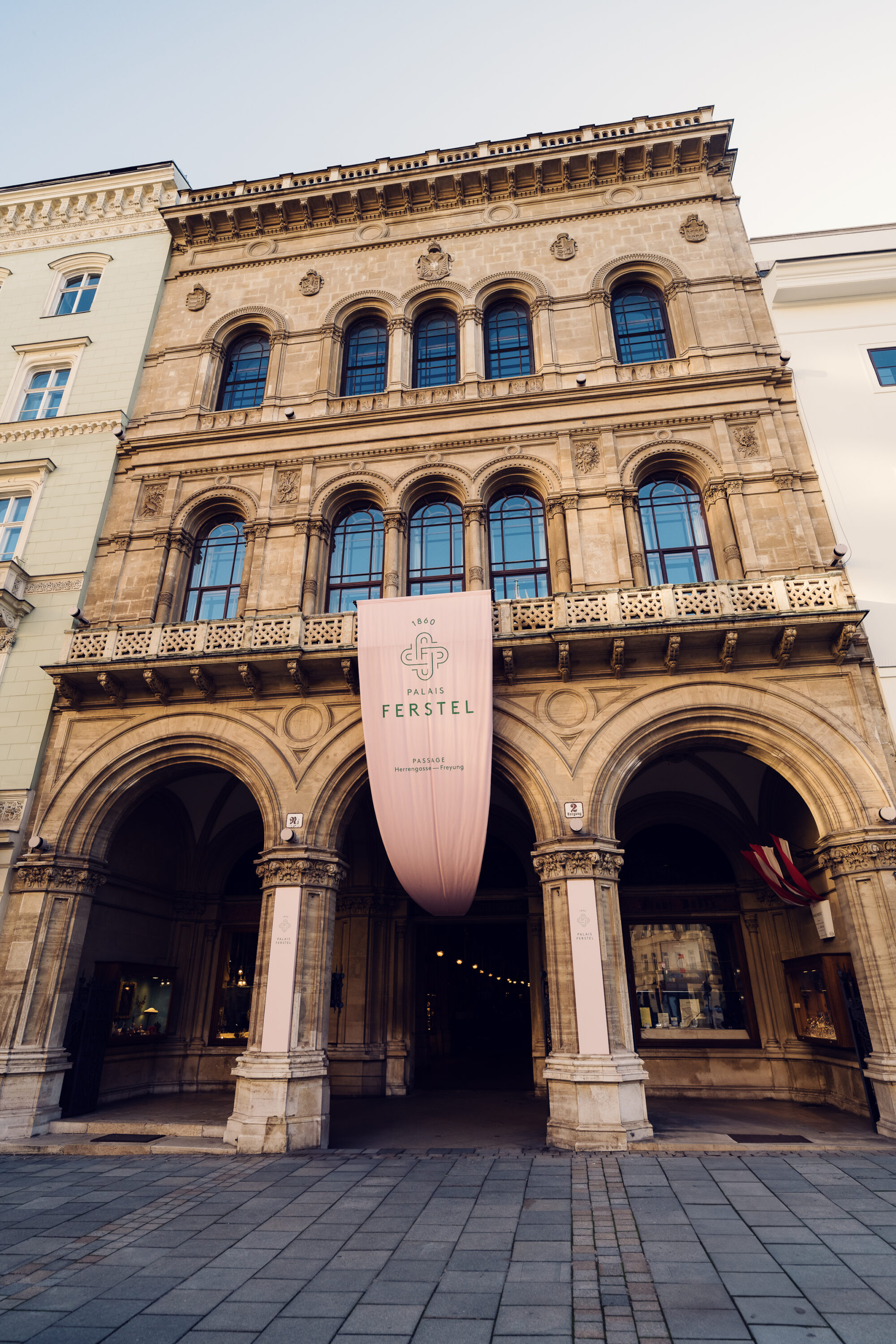
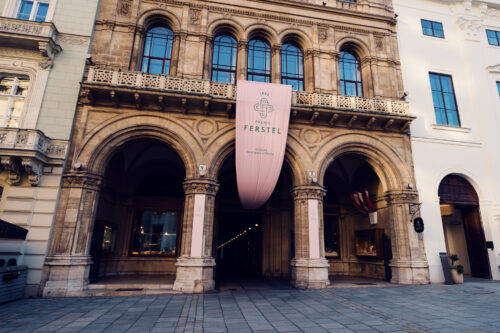
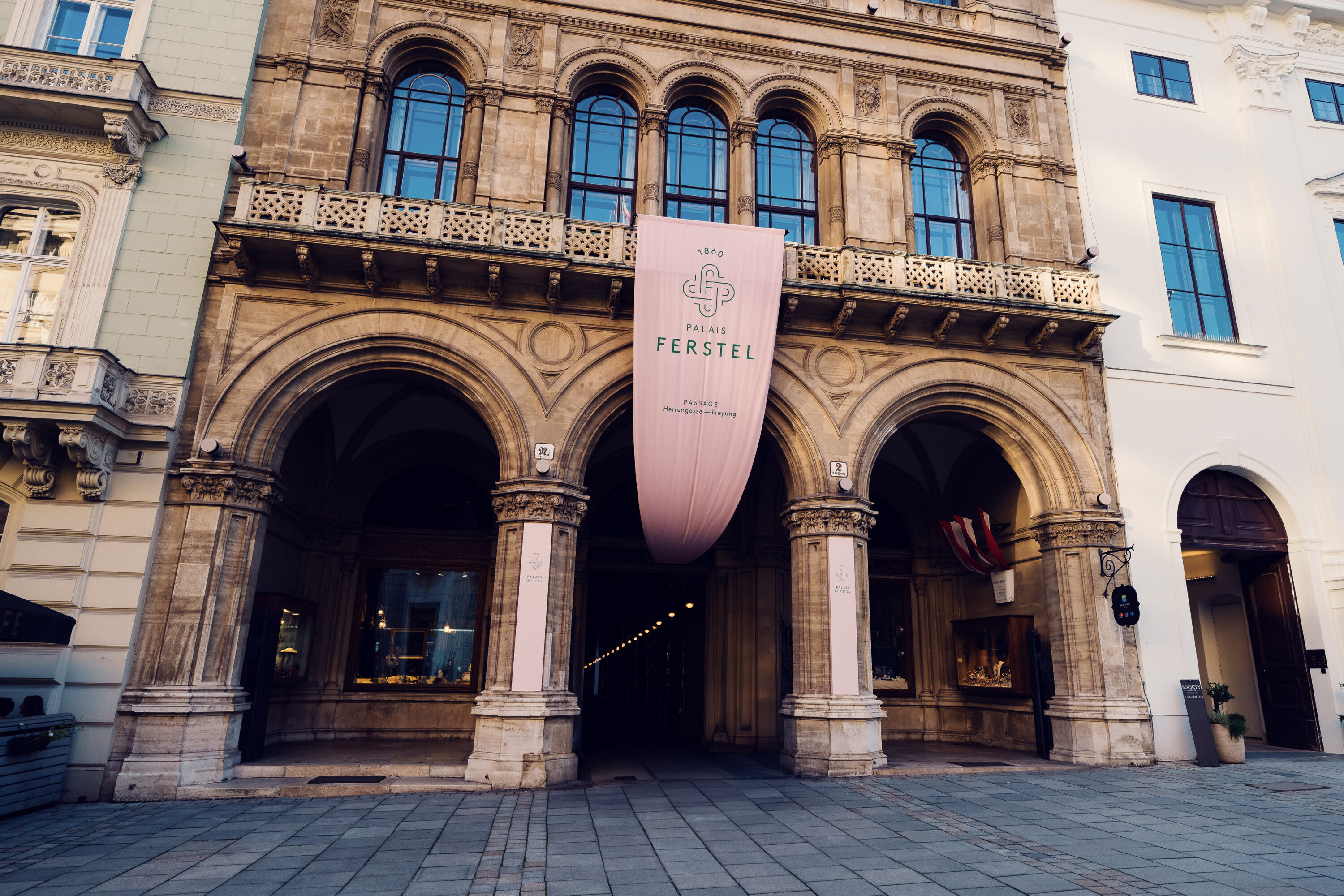
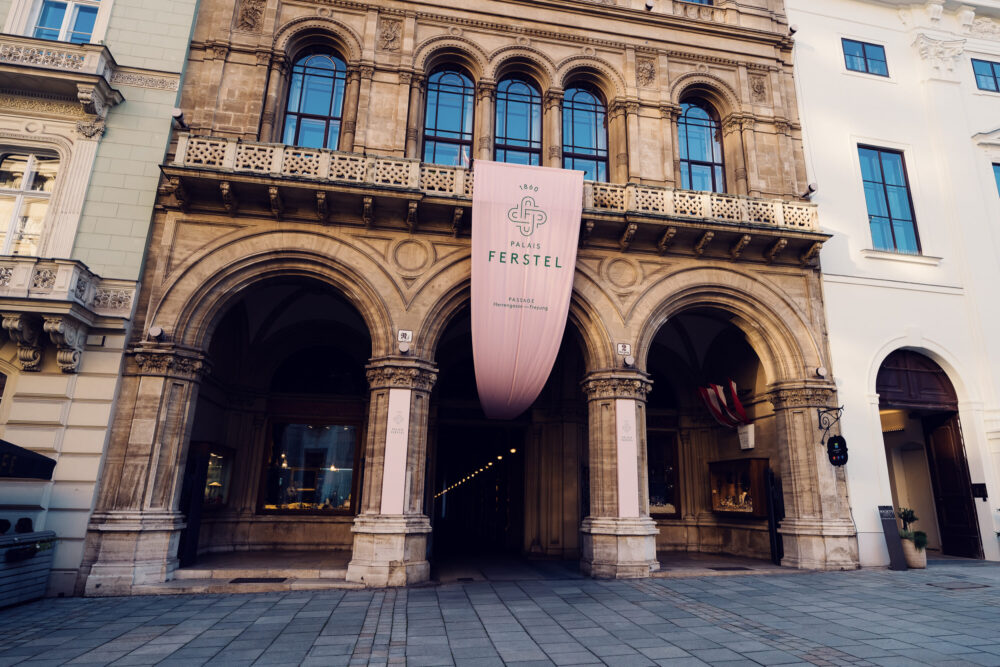
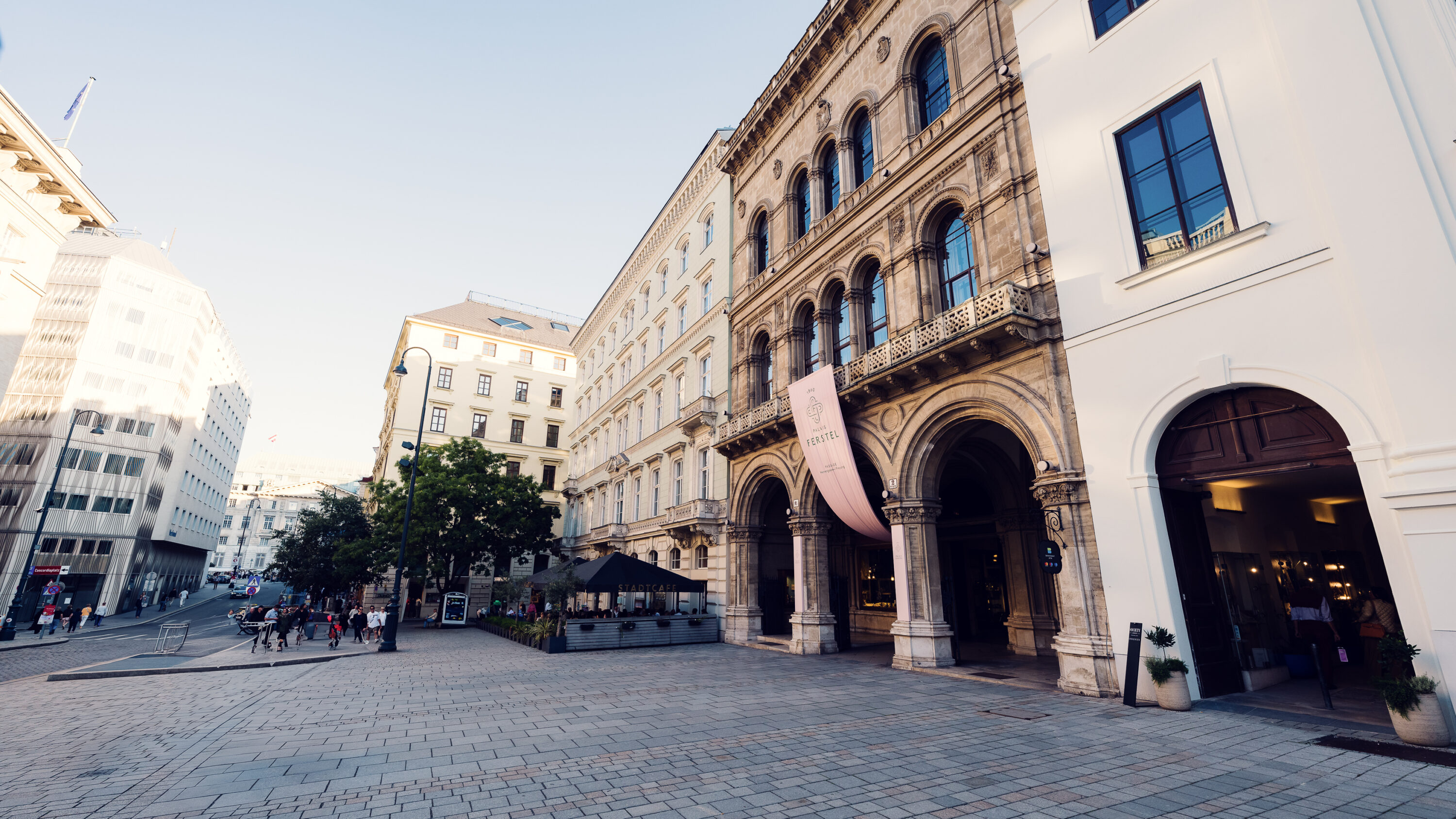
Palais Ferstel in Vienna with its neo-Renaissance facade and ornamental details.
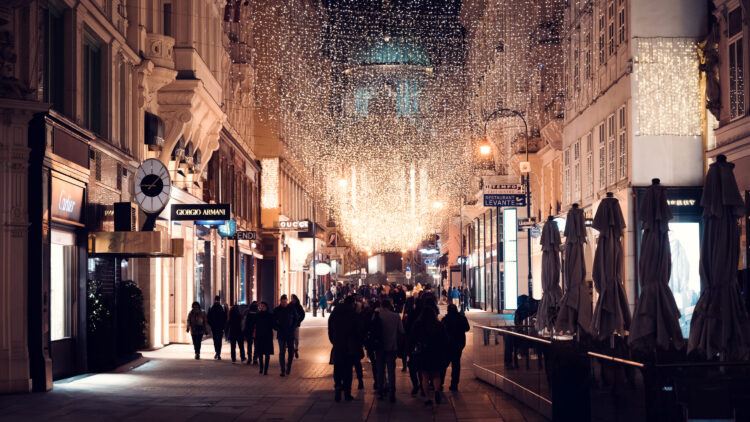
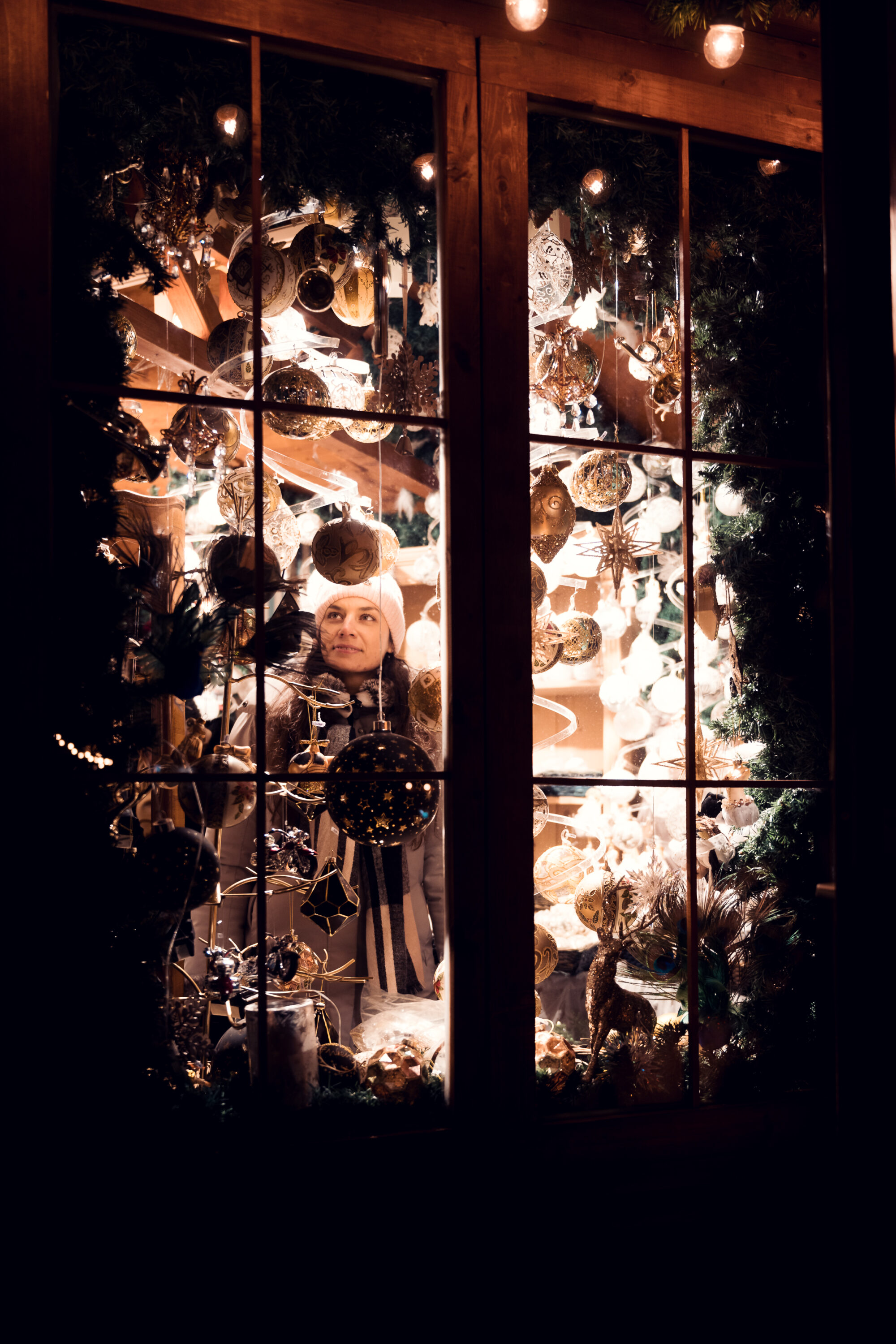
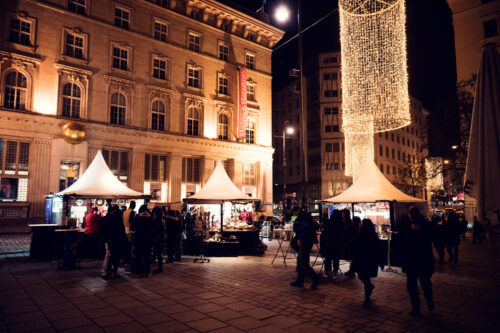
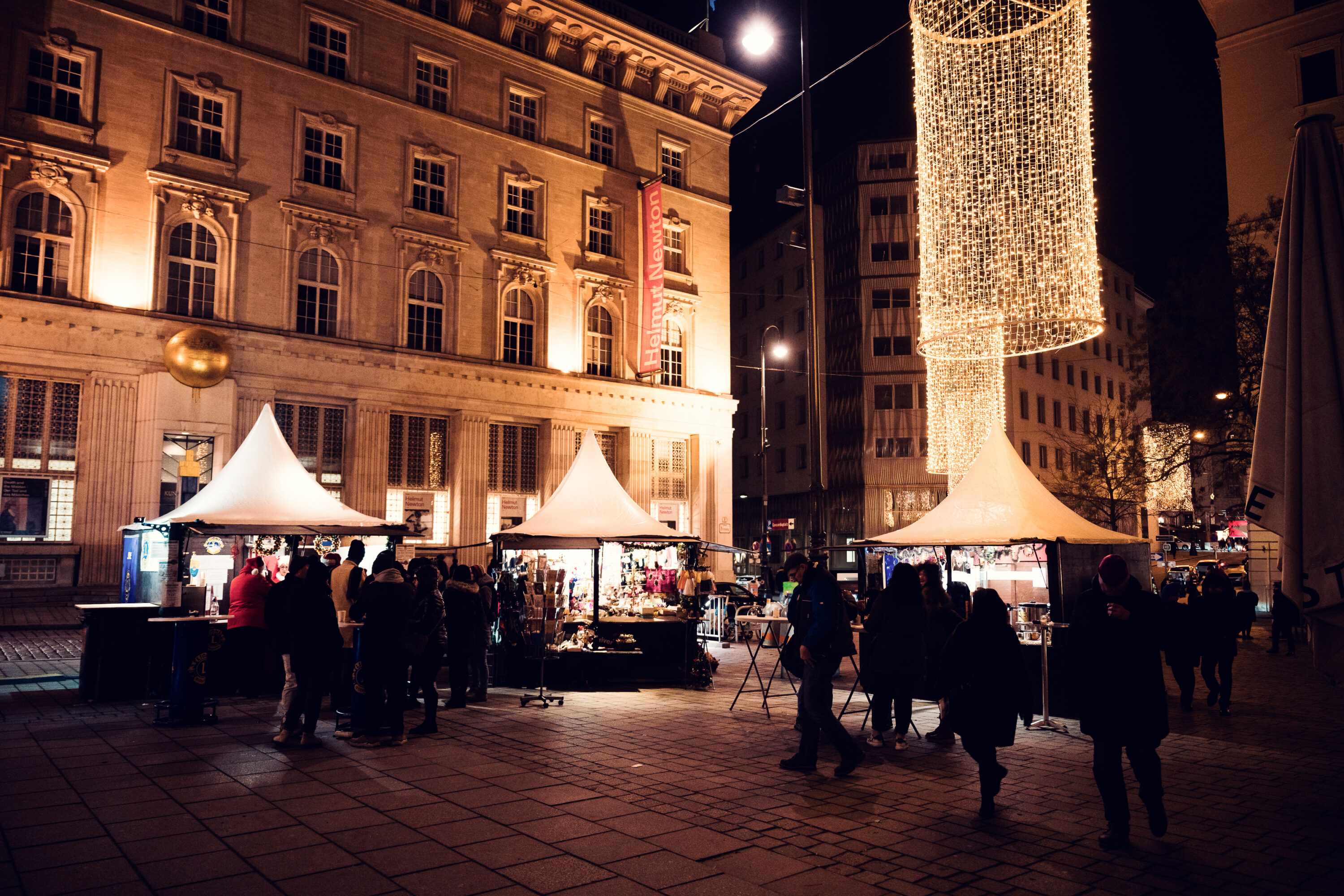
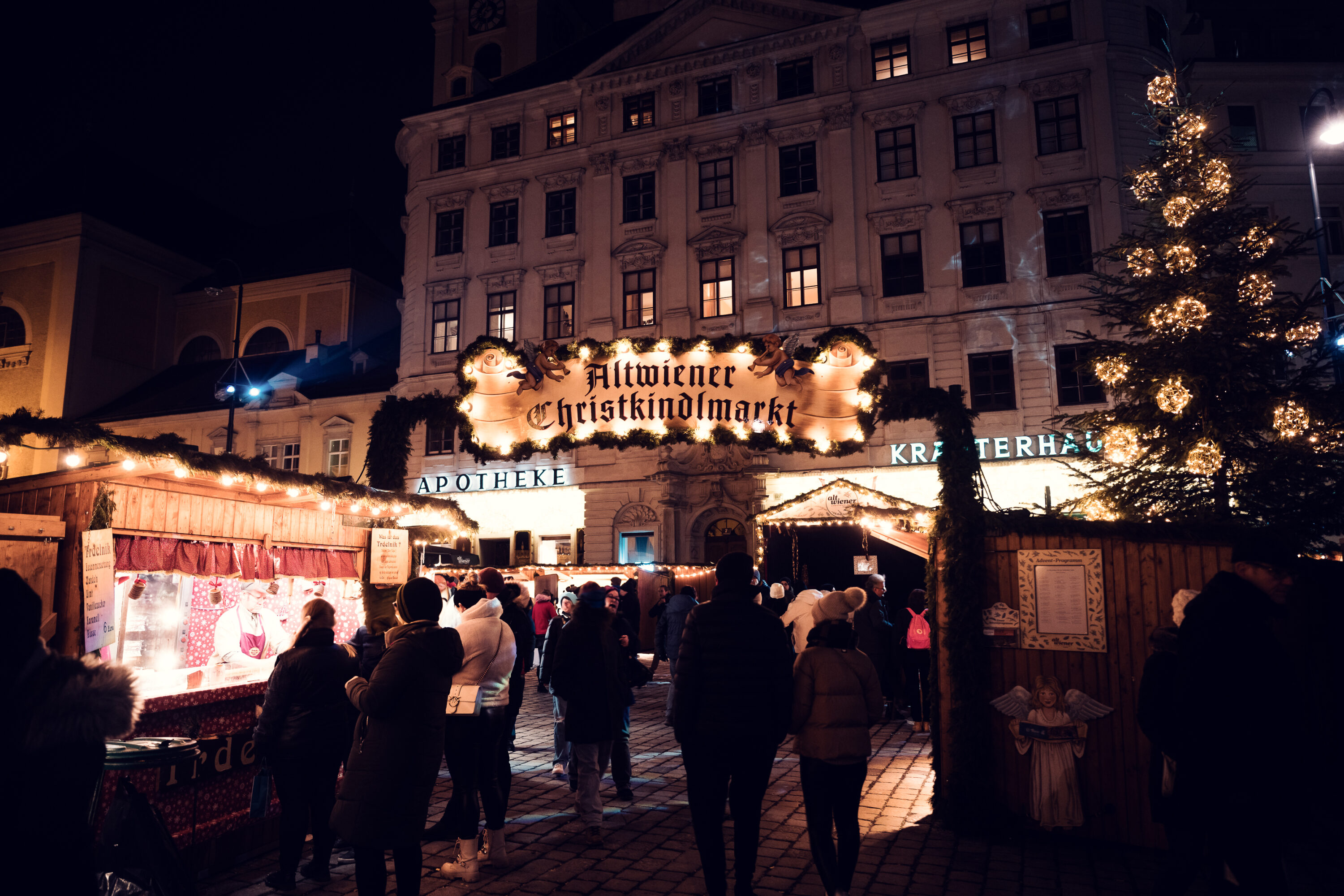
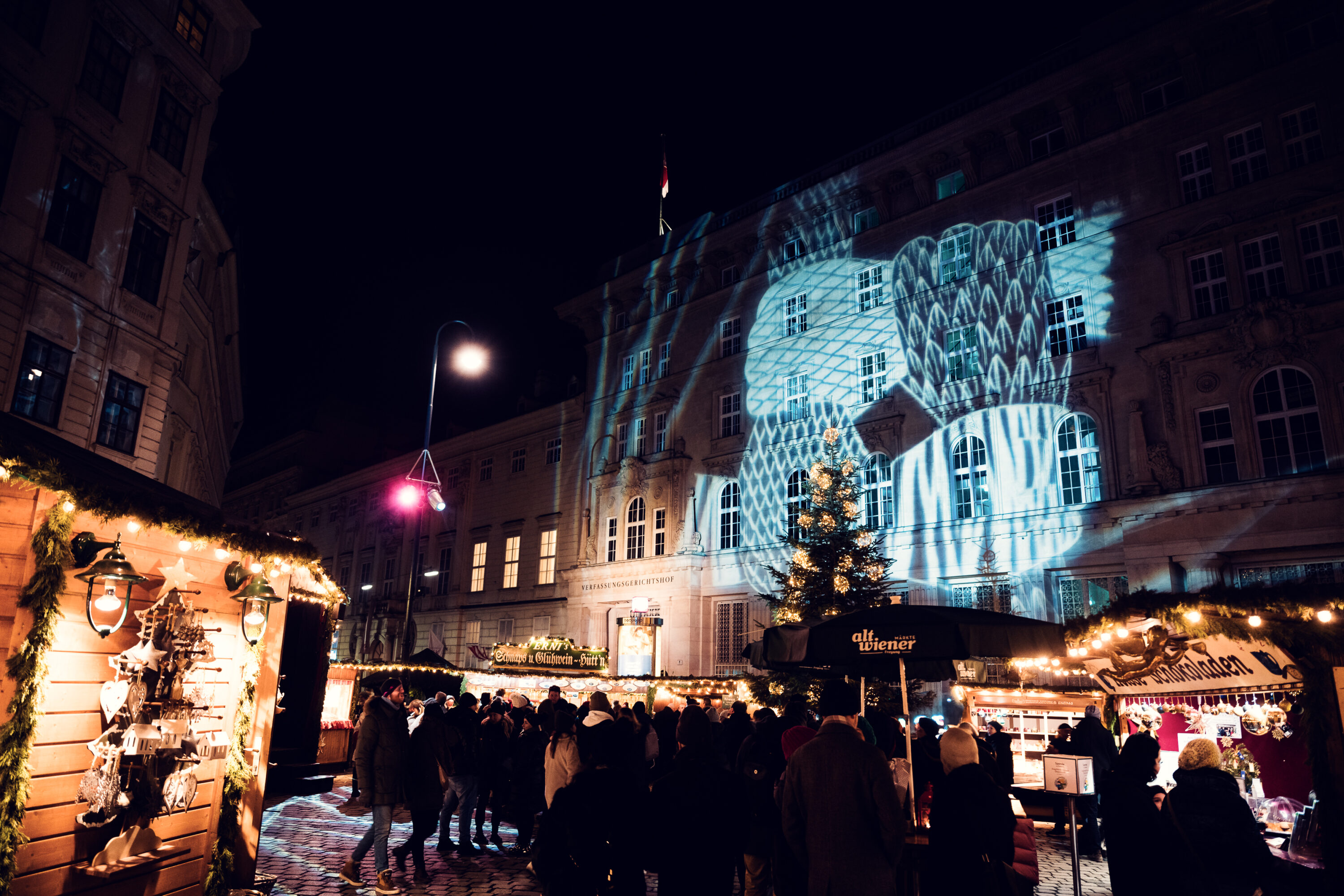
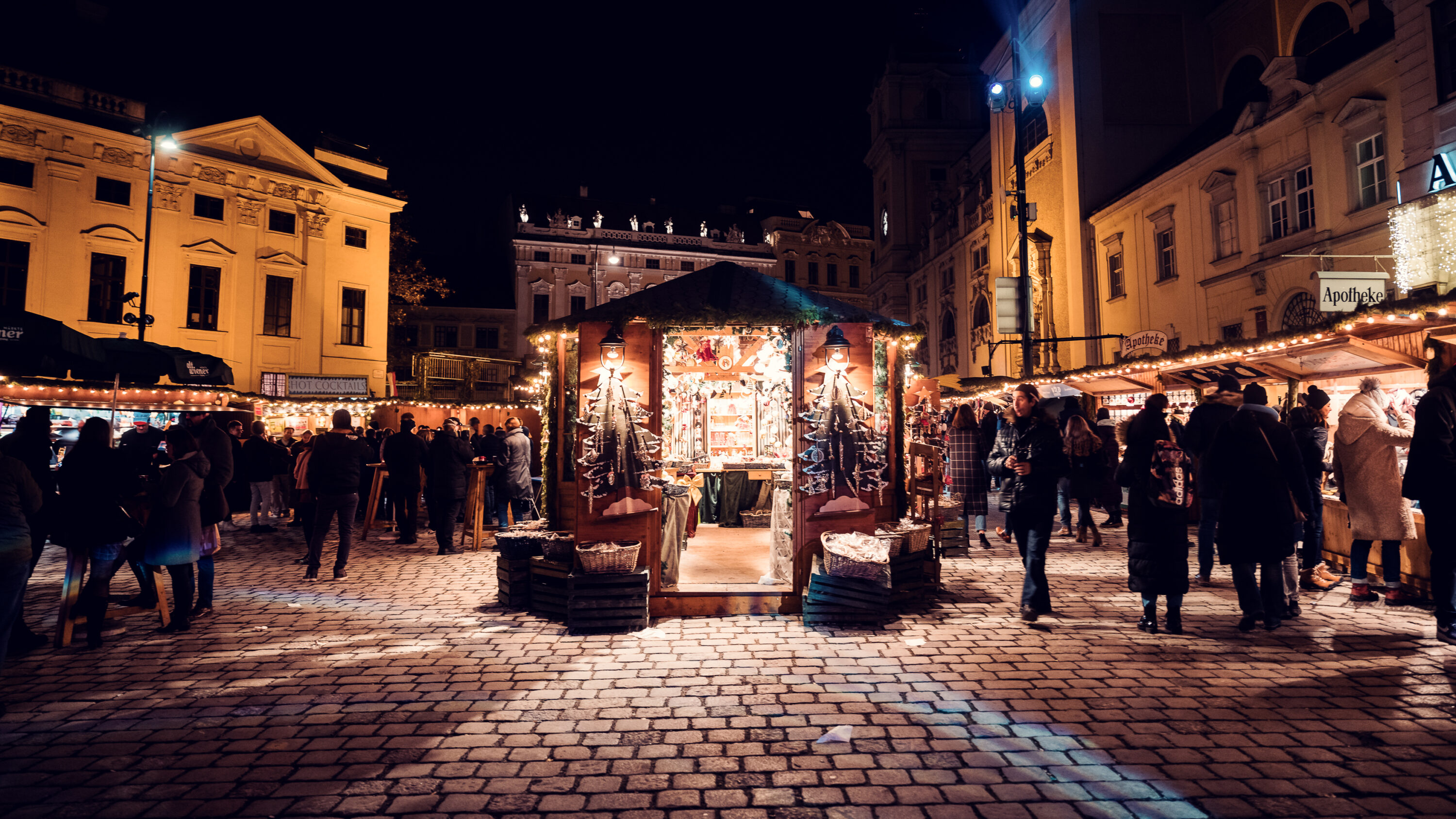
Festive atmosphere at the Freyung Christmas market, with twinkling lights.
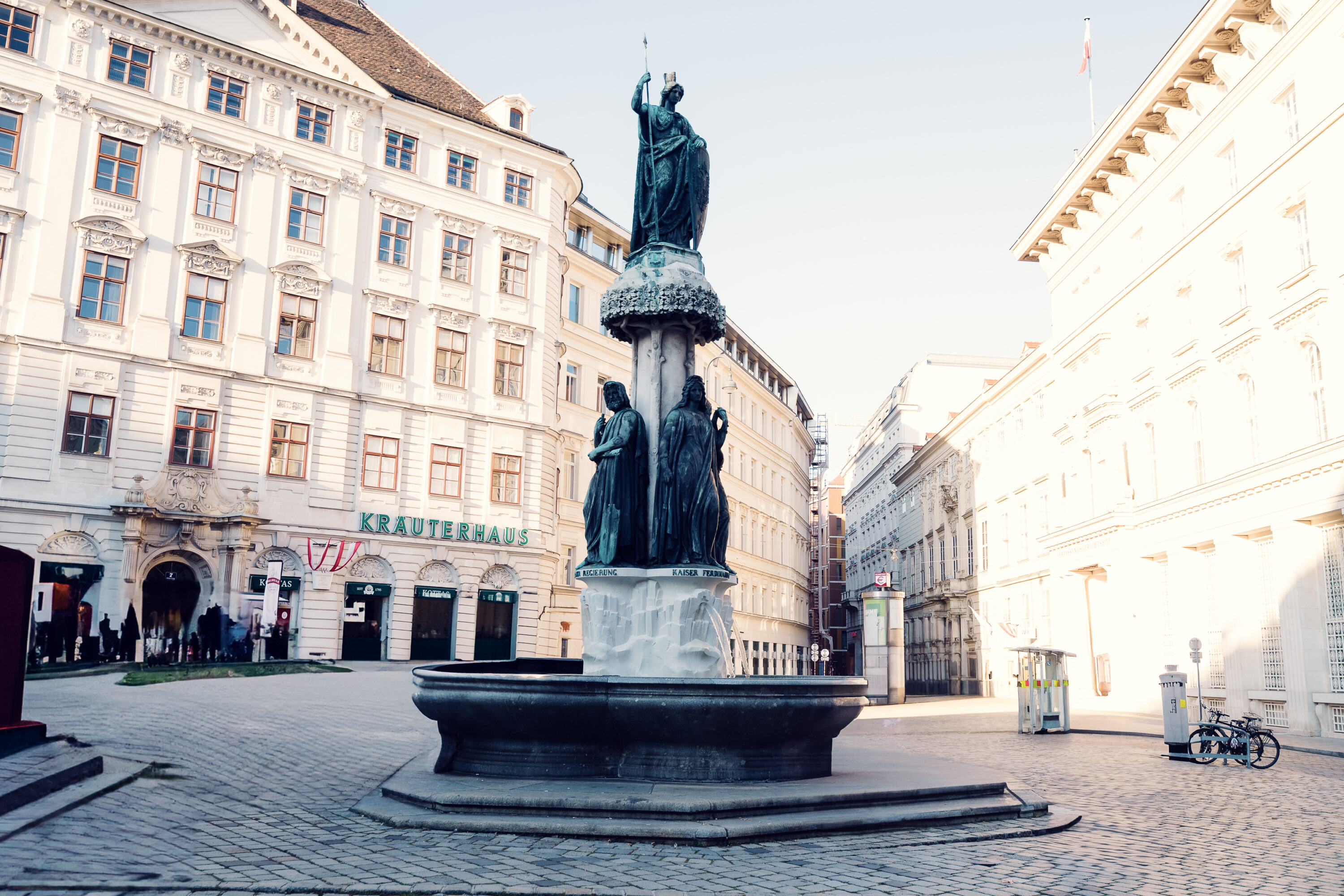
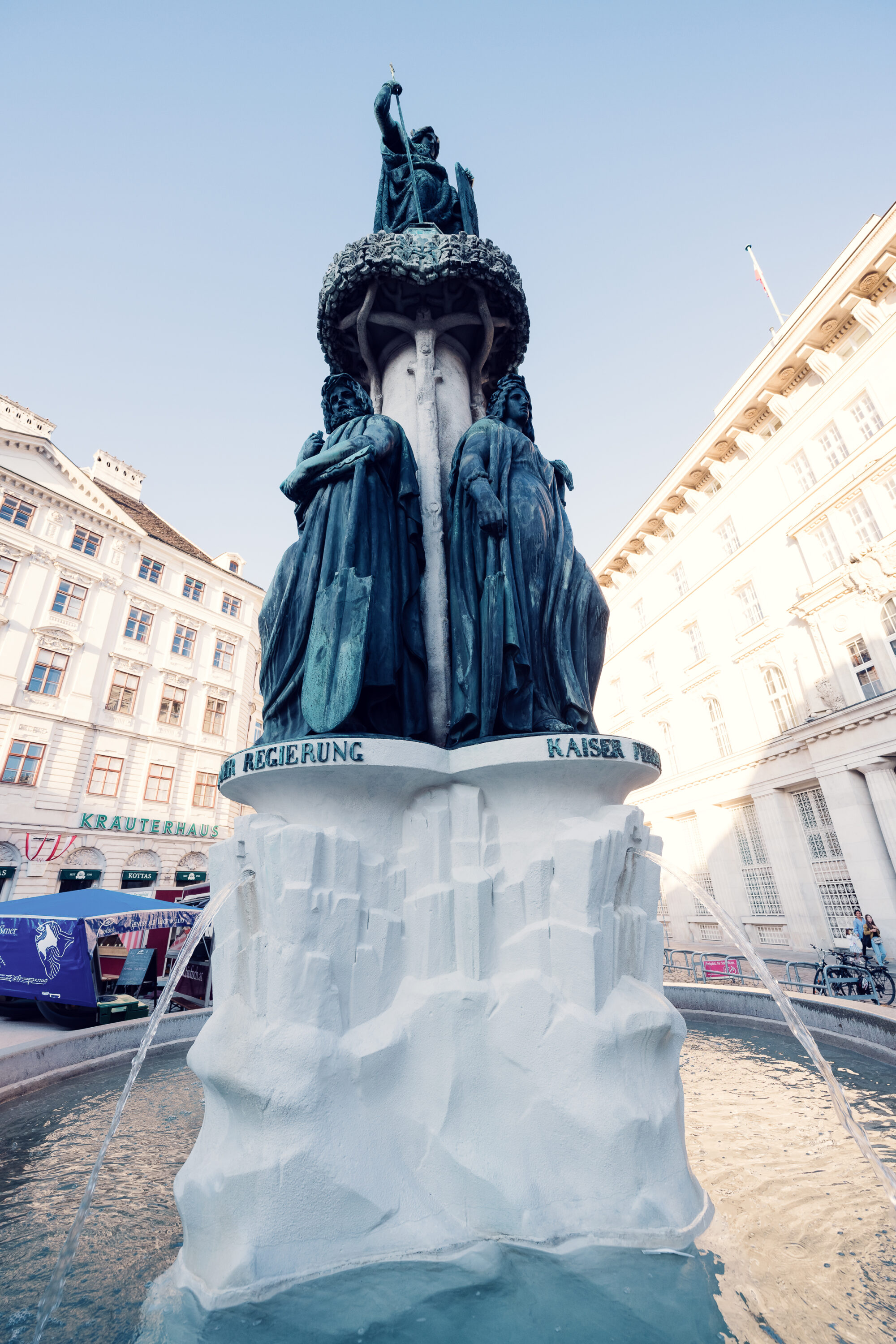
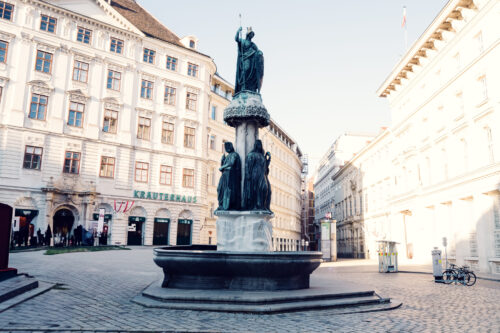
Austria Fountain at Freyung Square surrounded by historic buildings in Vienna.
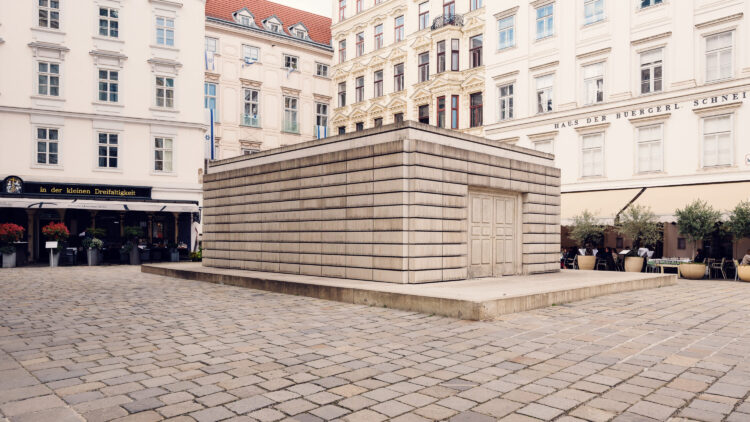
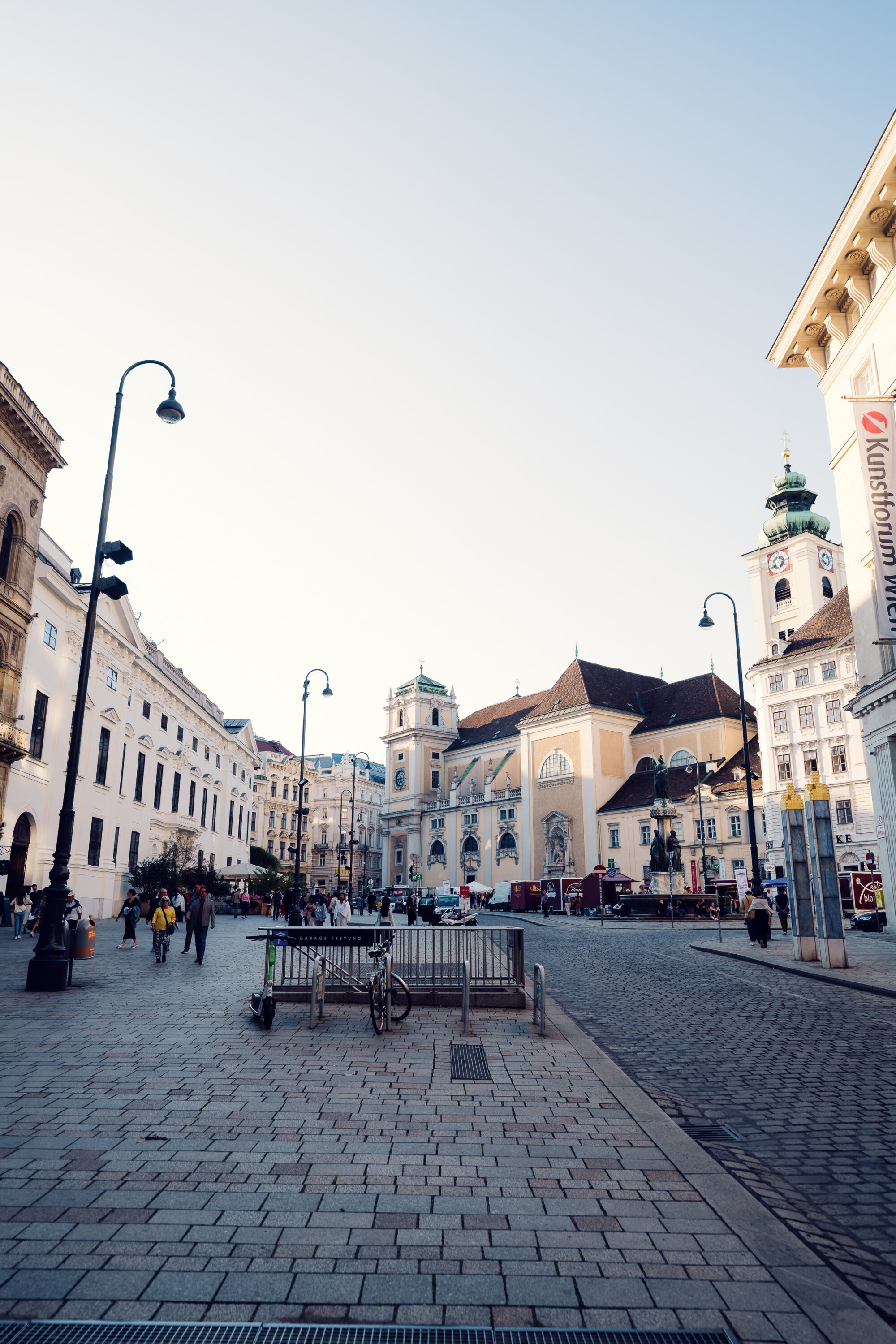
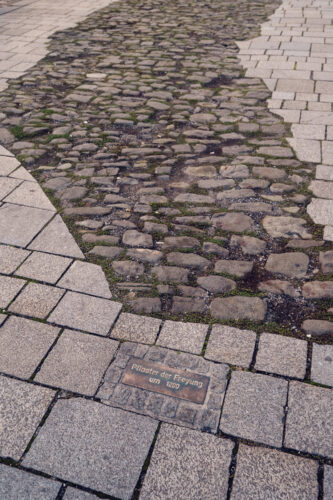
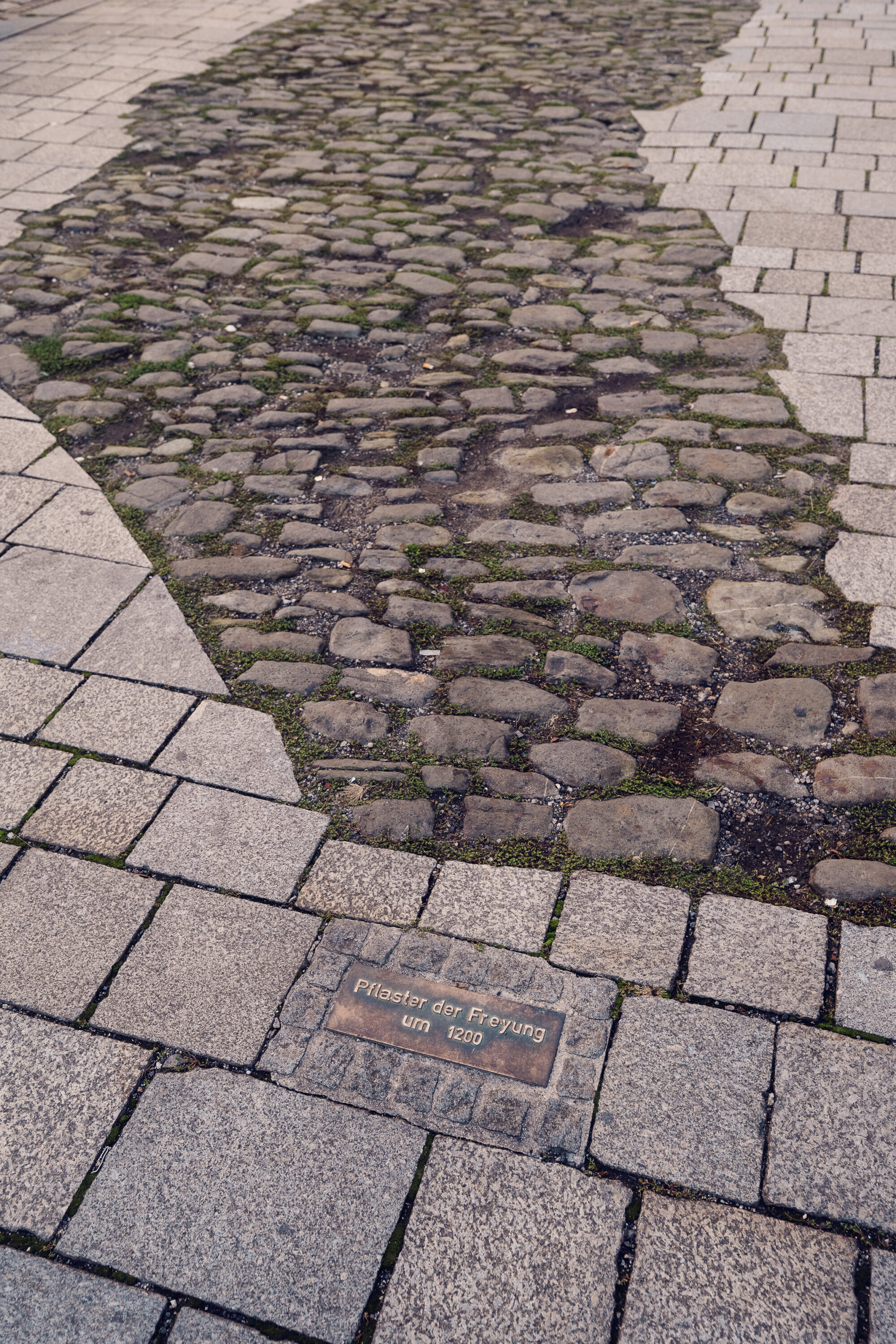
Freyung Square with cobblestones and surrounding historic architecture in Vienna.
Ornate entrance portal of Palais Ferstel in central Vienna.
Close-up of the Austria Fountain sculpture at Freyung Square in Vienna.
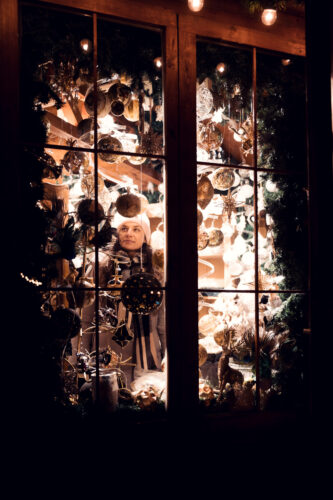
Handmade Christmas ornaments at the Freyung Christmas market in Vienna.

Freyung

Affiliate disclosure: Links marked with * are affiliate links; we may earn a commission at no extra cost to you; our recommendation remains independent.

Vienna's Freyung Square, combines centuries-old architecture with a lively city vibe. Baroque palaces and medieval buildings set the scene, while seasonal markets fill the square with local crafts and food. Street performers, small shops, and cafés keep the atmosphere energetic, making it a great spot to experience Vienna’s history alongside its modern-day culture.

Events

Altwiener Christkindlmarkt Freyung

~Nov 14, 2026 Dec 23, 2026
Estimated
Vienna's most traditional Christmas market, running since 1772. No gimmicks - just beautifully crafted ornaments, nativity scenes, and the smell of beeswax candles.
~Nov 14, 2026 Dec 23, 2026
Estimated

Altwiener Easter Market Freyung

~Mar 20, 2027 Apr 06, 2027
Estimated
Vienna's most artisan Easter market, famous for its towering Eierberg of 40,000 hand-painted eggs - Europe's largest egg mountain. Folk music, organic farmers' stalls, and braided Easter bread under baroque facades.
~Mar 20, 2027 Apr 06, 2027
Estimated
Address:
Freyung
1010 Wien

Muvamo Opinion

Freyung Square in Vienna gives a vivid sense of the city’s heritage alongside its everyday life. Historic landmarks like Palais Kinsky and Palais Ferstel highlight Vienna’s architectural richness, while seasonal Christmas and Easter markets bring locals together for handmade crafts, traditional foods, and a festive vibe.

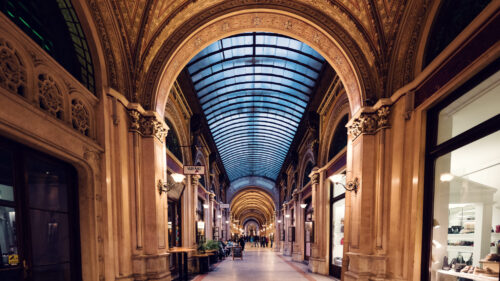
Even outside market season, the area stays lively thanks to nearby cafés and the covered Ferstel Passage - home to the Danube Mermaid (Donaunixen) Fountain. There’s a relaxed elegance to the square that feels both grand and approachable - ideal for travelers who value atmosphere as much as sightseeing. It’s also just a few minutes’ walk from other key historic sites, so it naturally fits into a broader exploration of Vienna’s Old Town. If you appreciate spots that feel authentic yet quietly refined, Freyung offers that perfect balance.

Helpful Hints

  • Markets: Visit during Easter or Christmas for seasonal markets full of crafts, decorations, and food.
  • Explore the Architecture: Visit the Palais Kinsky and the  Palais Ferstel. The Ferstel Passage inside is a hidden gem for shopping and has a few cafes to rest in.

Gastronomic Discoveries

Hidden Gems

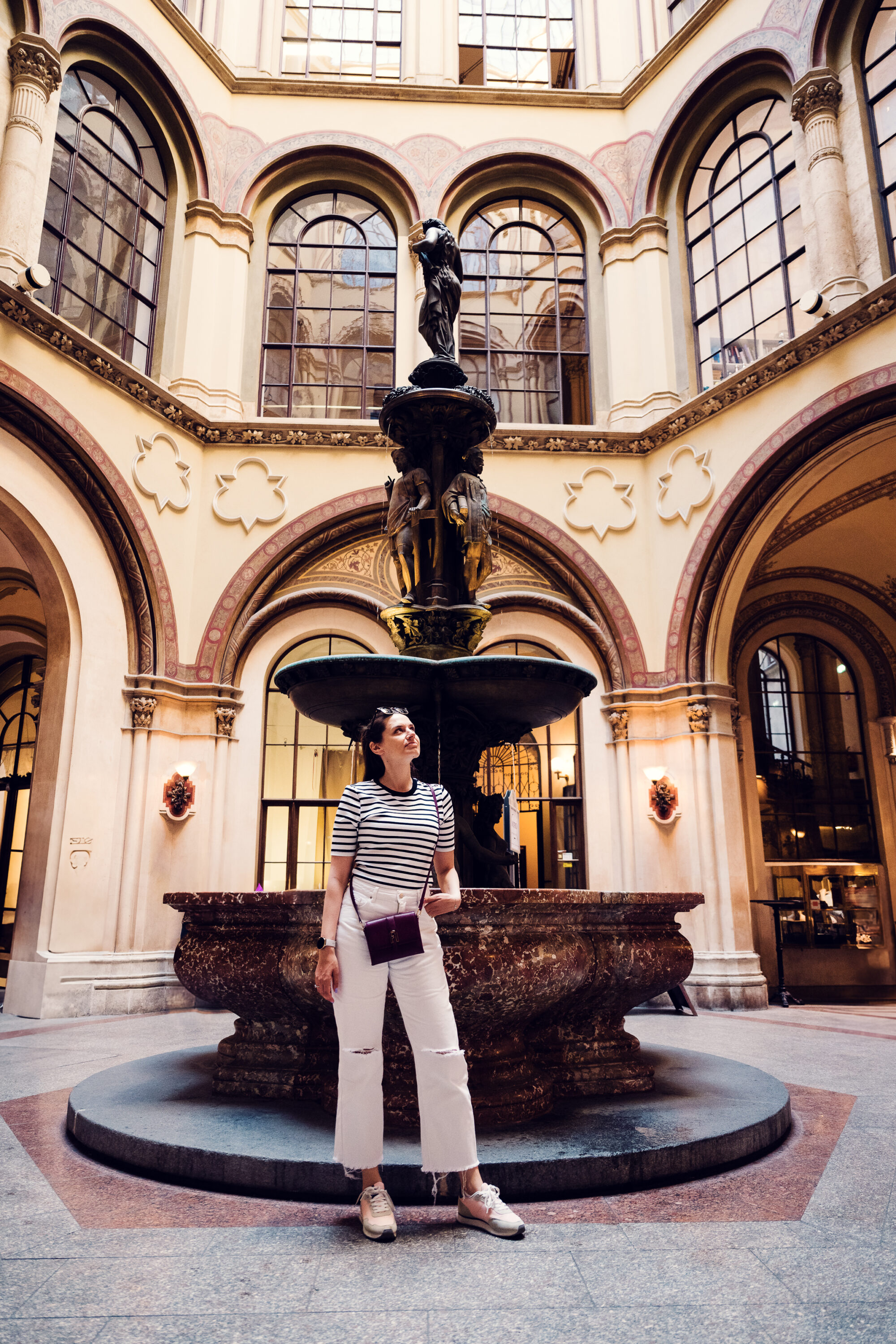
  • Visit the Mermaid Fountain in the Ferstel Passage. This beautiful, tucked-away fountain, known as the Donaunixenbrunnen or "Danube Mermaid Fountain," is hidden within the covered arcade of the passage.

Our Little Extras

  • Local Shops: Look for small, local artisan shops around the square for unique Viennese souvenirs.
Photo Spots & POIs
Grand entrance of Palais Ferstel in the heart of Vienna.

Palais Ferstel

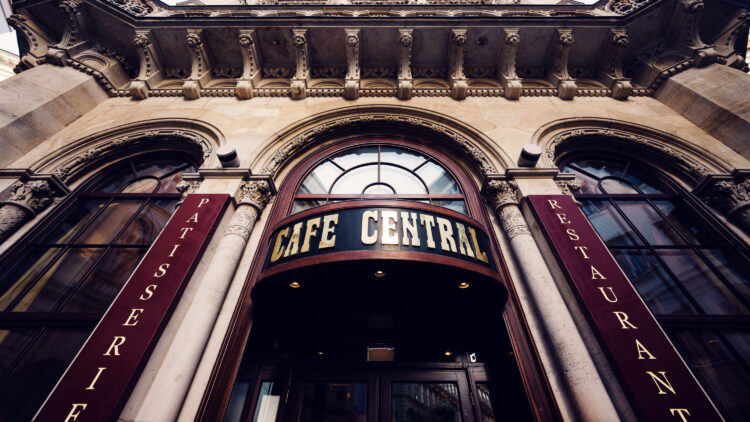
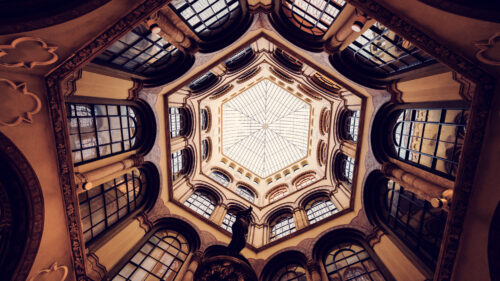
Built in 1860-1864 by Heinrich von Ferstel in a Venetian Renaissance style, Palais Ferstel originally housed both the Vienna Stock Exchange and the Imperial-Royal Austrian National Bank. Today its magnificent arcade courtyard hosts Café Central, boutique shops and elegant event spaces, offering a striking contrast to the surrounding baroque façades of the Freyung.

Map
Photos
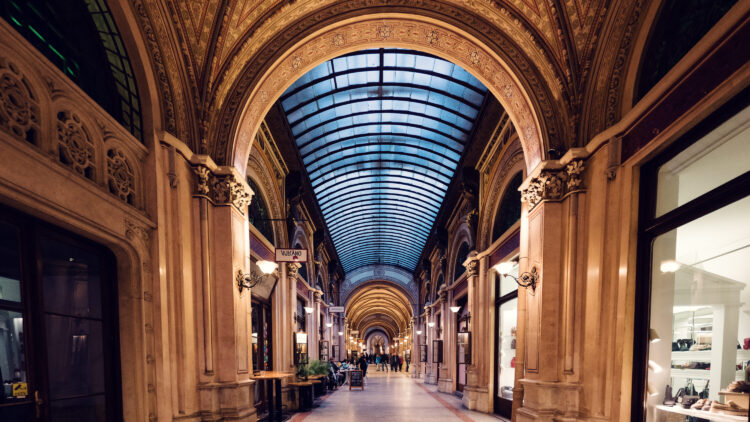
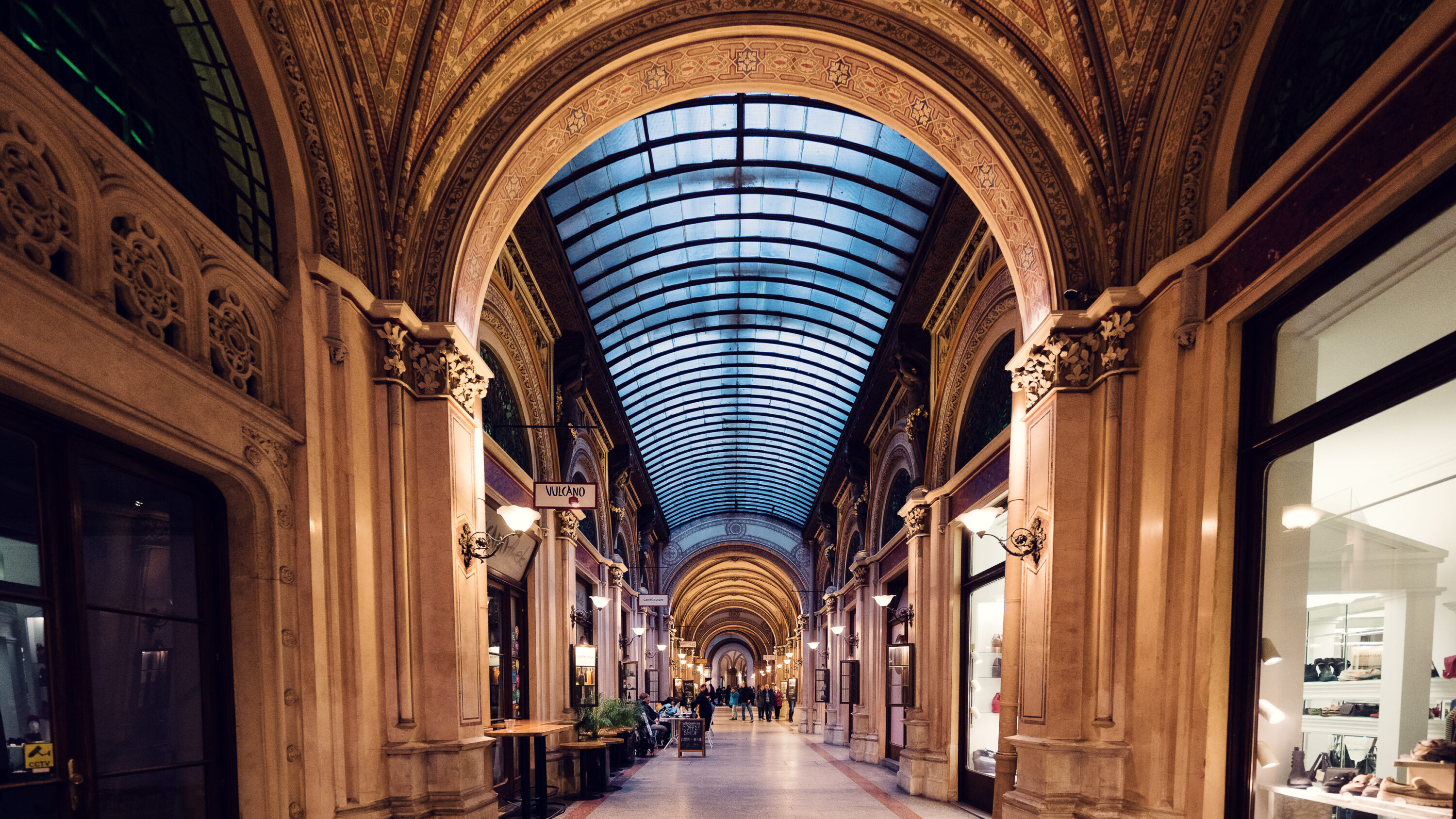
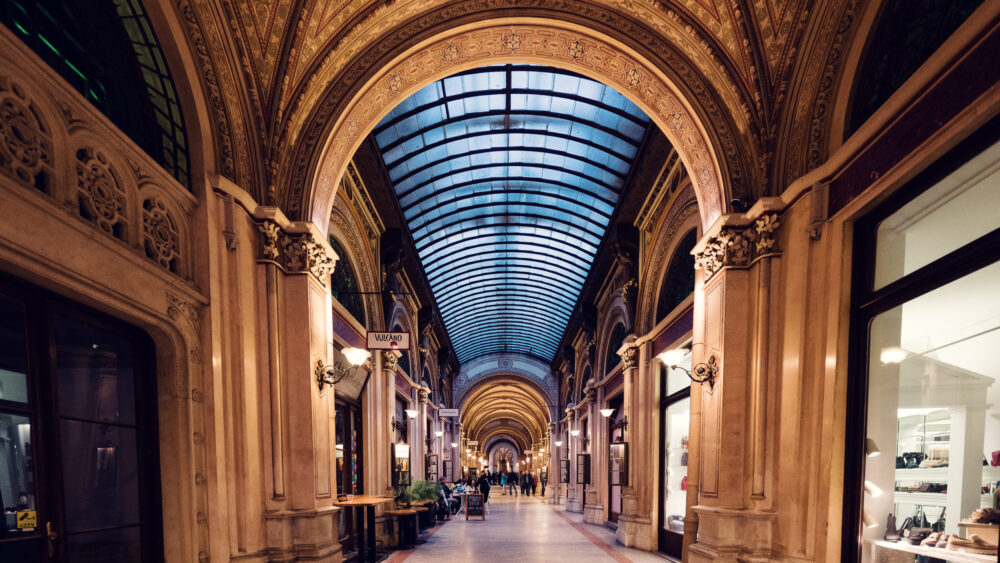
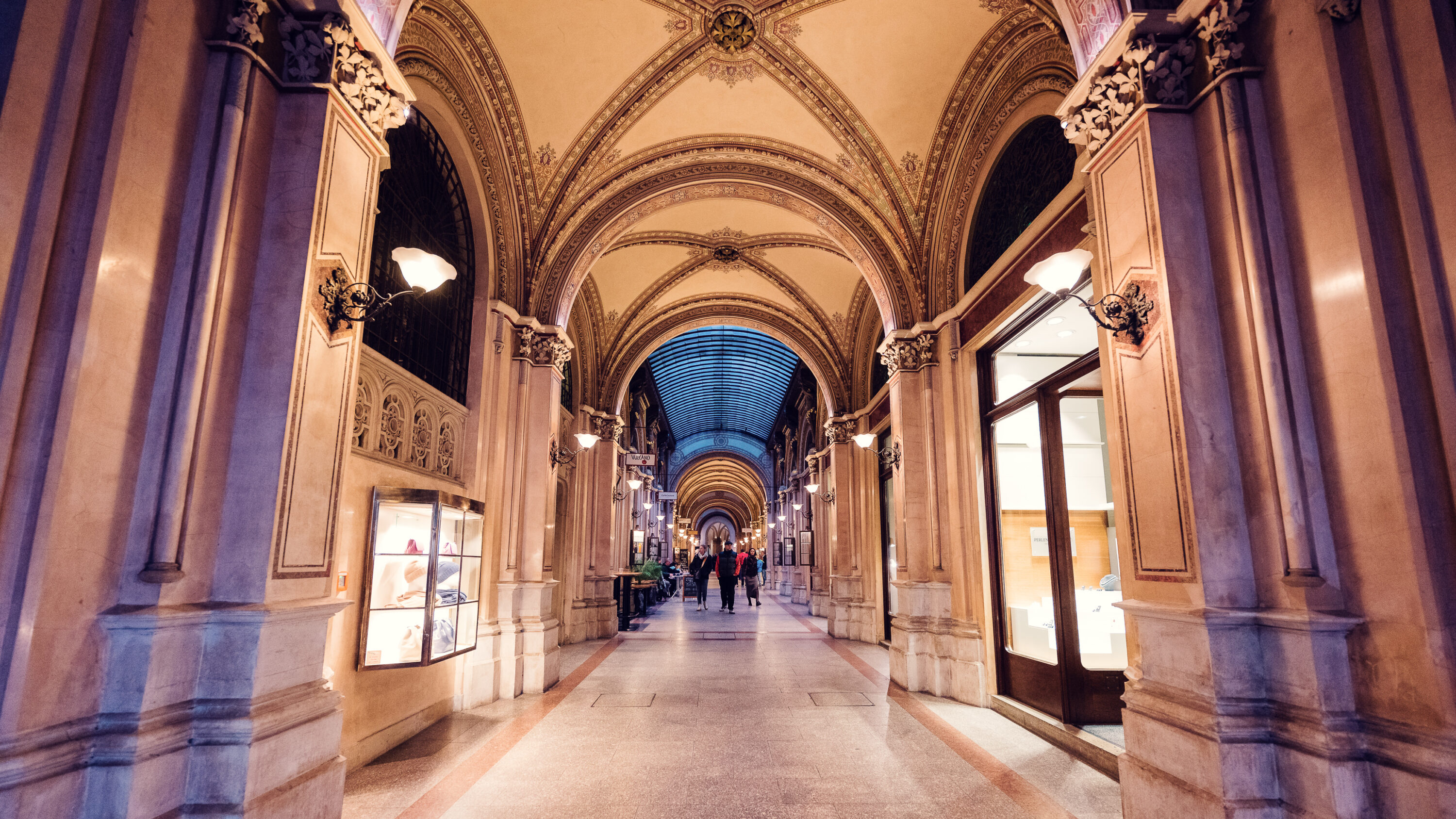
Boutiques and cafes inside the Ferstel Passage in Vienna.
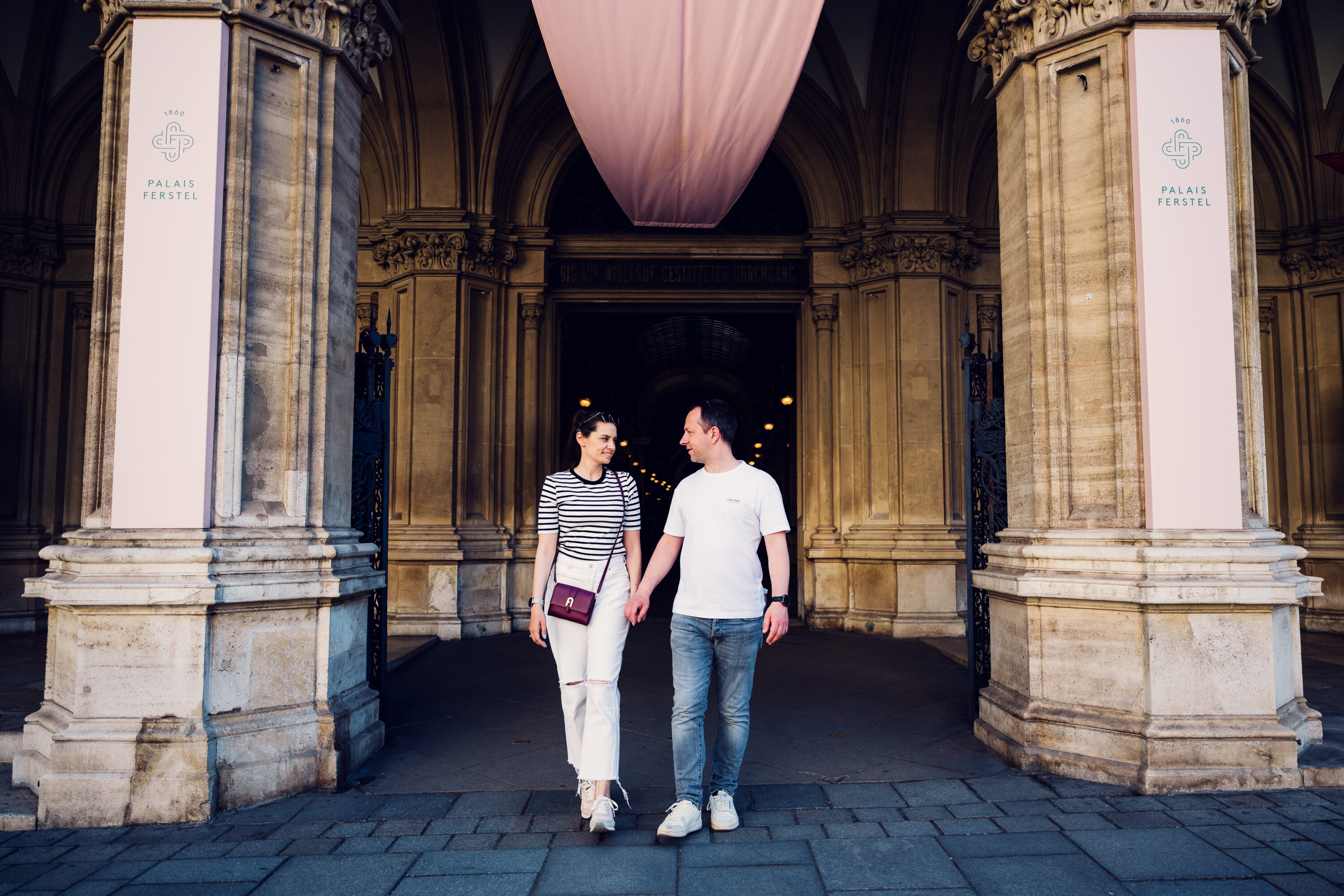
Boutiques and cafes inside the Ferstel Passage in Vienna.Shop windows and passageway inside the Ferstel Passage in Vienna.Adriana and Mario at the grand entrance of Ferstel Passage.Adriana at the ornate fountain inside Ferstel Passage in Vienna.

Ferstel Passage

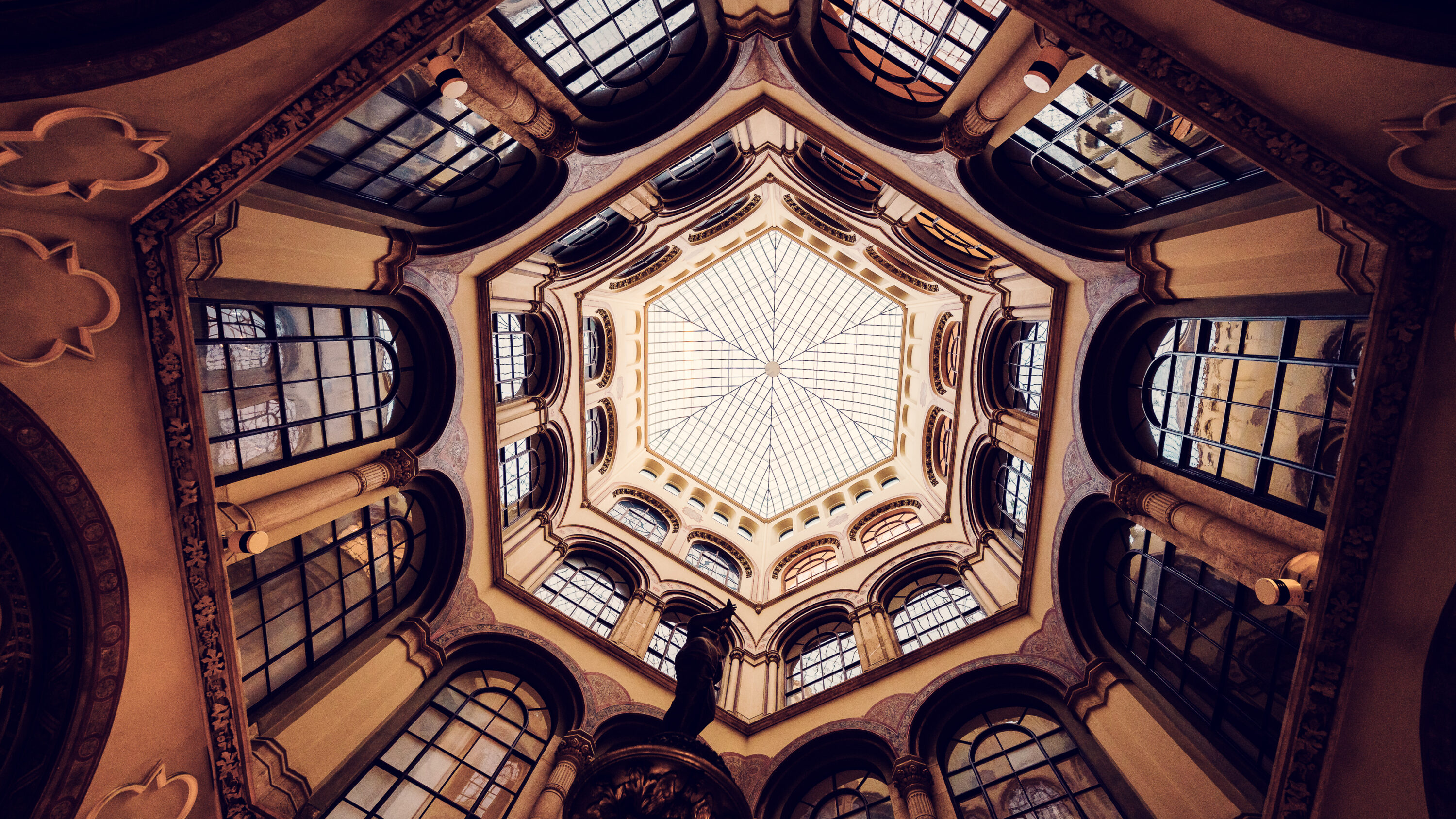
Dating from 1865 and also designed by Heinrich von Ferstel, this covered arcade links Freyung with Herrengasse. Its wrought-iron lanterns, original mosaic-tile floor and central fountain (sculpted by Theodor Friedl) make it a tranquil spot for coffee, window-shopping and photography.

Map
Photos More
Wide view of Freyung Square with historic buildings in Vienna.

Schottenkirche (Church of the Scots)

Founded in the 12th century by Irish-Scottish Benedictine monks and rebuilt in Baroque style in the 17th-18th centuries, Schottenkirche combines Romanesque foundations with rich stucco work and ceiling frescoes by Daniel Gran. The hushed, light-filled interior offers a serene counterpoint to the bustle of the square outside.

Map
Photos
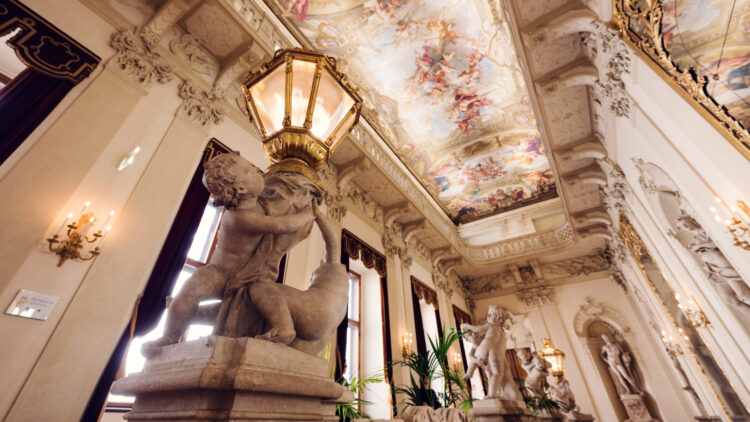
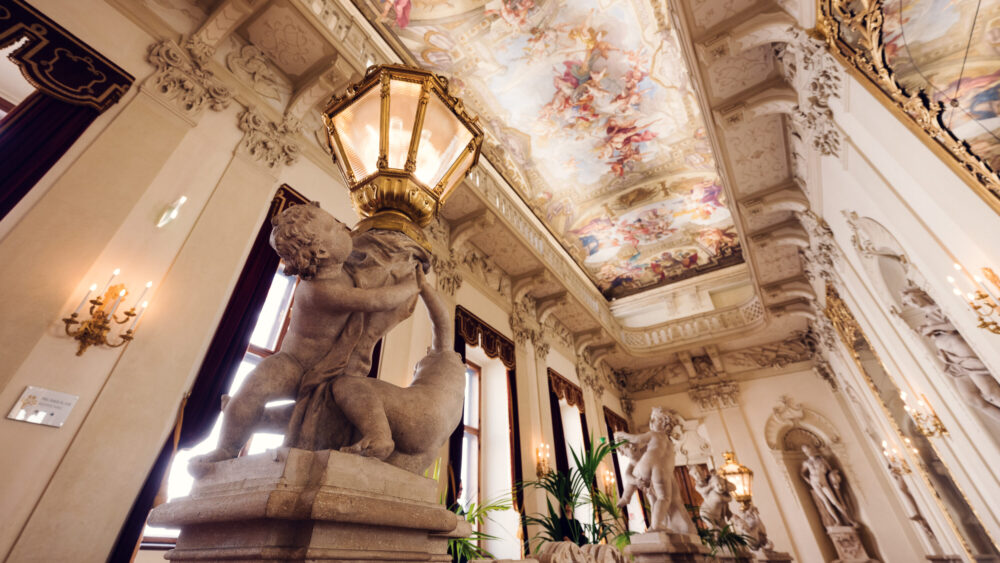
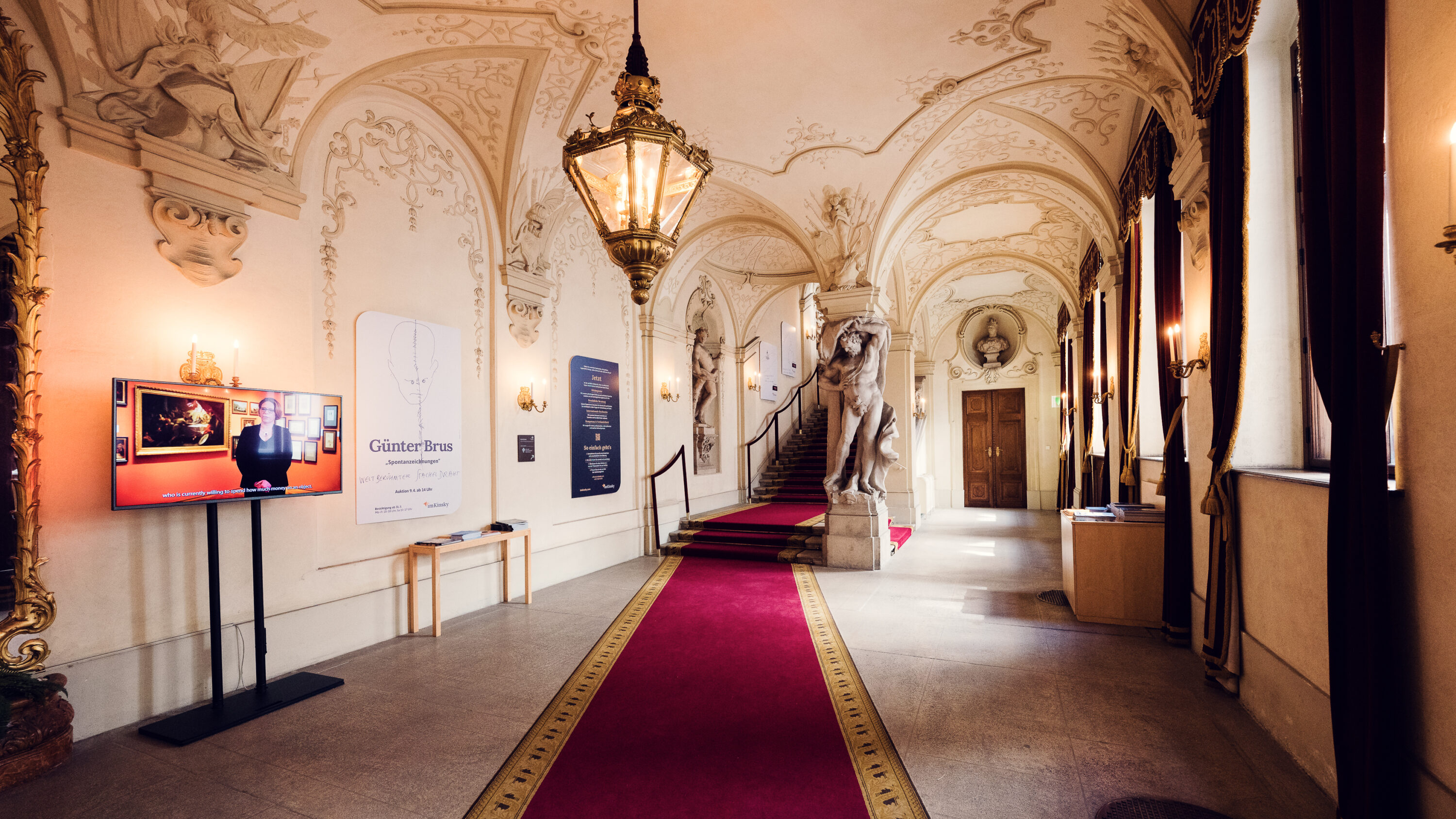
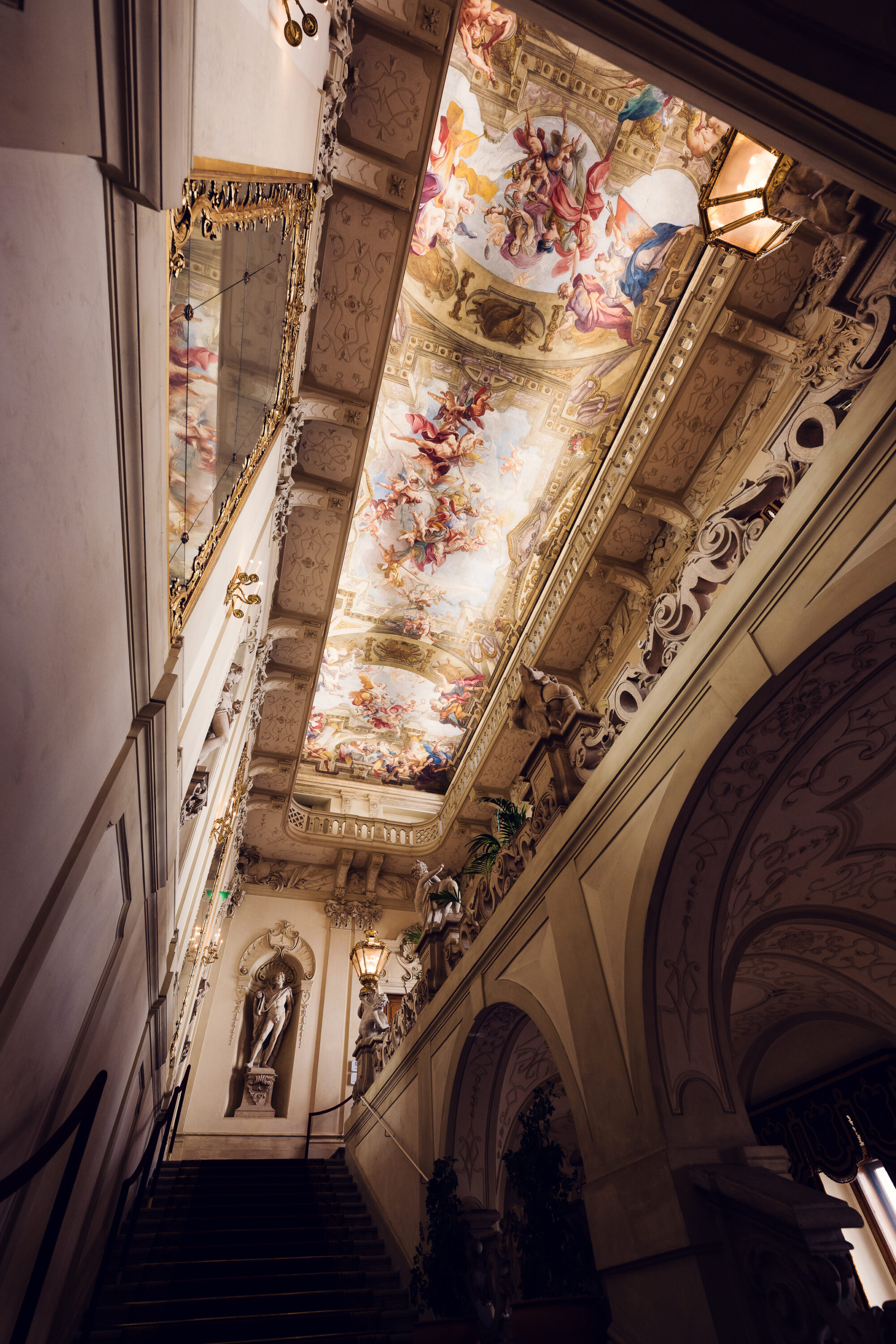
Baroque antechamber in Palais Kinsky with stucco decorations and gilded details.
Baroque antechamber in Palais Kinsky with stucco decorations and gilded details.Ornate salon with period furniture inside Palais Kinsky in Vienna.Ceiling frescoes and gilded decorations in a chamber of Palais Kinsky Vienna.Baroque facade of Palais Kinsky with ornate stucco decorations on Freyung Square in Vienna.

Palais Kinsky

Constructed 1713-1724 to Johann Lucas von Hildebrandt’s Baroque designs for the Kinsky family, Palais Kinsky boasts a grand marble staircase, frescoed reception rooms and ornate stucco. Now home to the im Kinsky auction house and occasional exhibitions, even a glimpse into its elegant inner courtyard reveals its aristocratic grandeur.

Map
Photos More

History of Freyung

Freyung, a historic square in Vienna's Innere Stadt, holds deep roots in medieval history, filled with architectural treasures from various eras. Its name traces back to the Old High German word "freiung," meaning "asylum" or "sanctuary," symbolizing its role as a haven for fugitives in the 12th century. This tradition began with the Schottenstift (Scottish Abbey), a Benedictine monastery founded by Irish monks, often called "Scots" at the time.
Freyung - 1
Historic Palais Ferstel overlooking the Freyung in central Vienna.

Over the centuries, Freyung grew into a vibrant center of trade, especially bustling on market days and during festivals. The Schottenstift played a major role in its development, drawing wealthy patrons and noble families who built impressive residences here, many of which still stand today. Among these is the renowned Palais Kinsky, an early 18th-century baroque palace constructed for Count Wirich Philipp von Daun, with its ornate façade and detailed stucco work representing the opulence of Vienna’s aristocratic era. Another architectural highlight, the Palais Ferstel, completed in 1860, and originally served as home to the Austrian National Bank and Vienna's Stock Exchange. Its elegant Ferstel Passage remains one of the city’s stylish shopping destinations.

The 19th‑century Danube Mermaid (Donaunixen) Fountain in the Ferstel Passage (which opens onto the Freyung) features a Danube water‑nymph figure that adds historic charm and a subtle nod to the river. The passage fountain is a popular photo stop for visitors exploring the Freyung area, helping to enhance the square’s appeal.
Freyung - 2
Christmas market at Freyung Square, Vienna, filled with twinkling lights, seasonal treats, and holiday cheer.
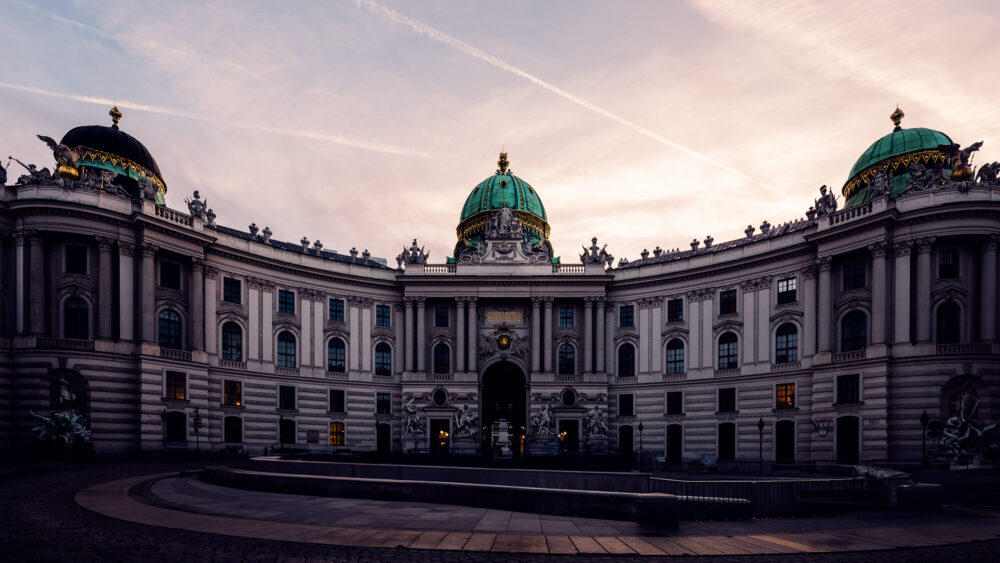
Freyung is still a beloved part of Vienna, coming to life each year with seasonal markets, especially around Easter and Christmas.
Today, Freyung blends the grandeur of its noble past with the vitality of contemporary boutiques and cafes, maintaining its charm and historical significance. It captures Vienna’s evolution from its medieval roots to a lively modern-day square, making it a memorable stop for anyone seeking to connect with the city’s enduring spirit.