
Fall in Love with

Mozarthaus

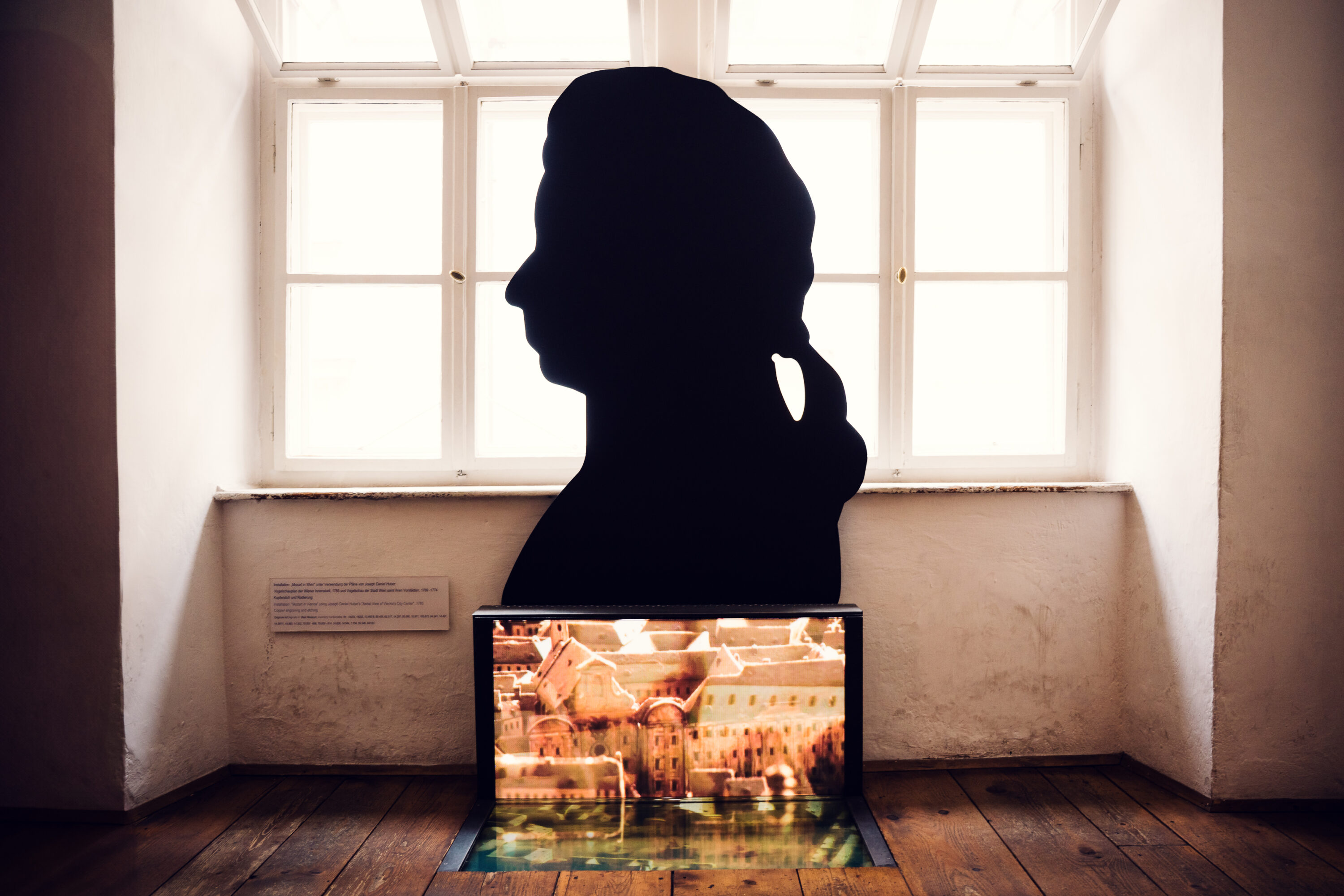
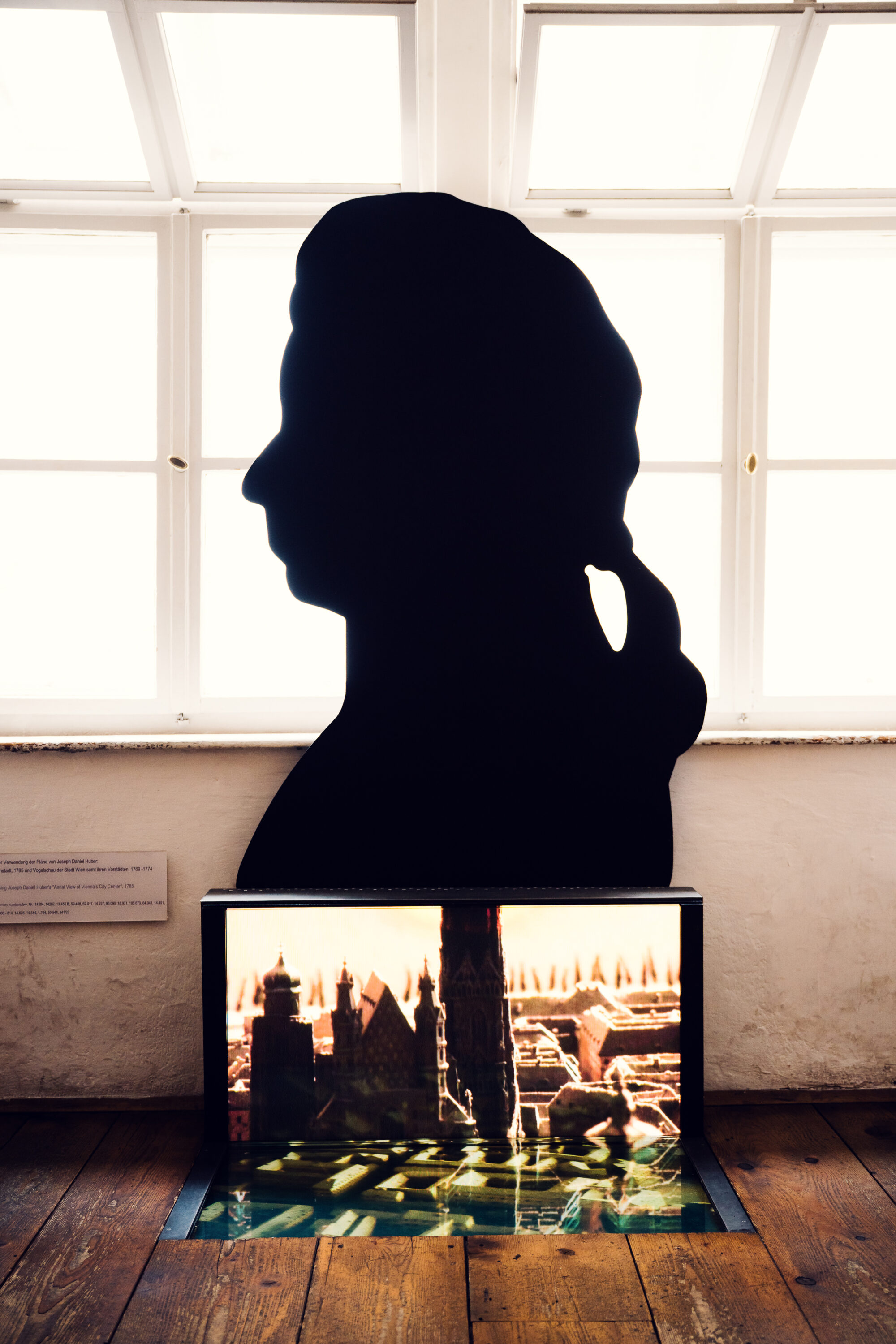
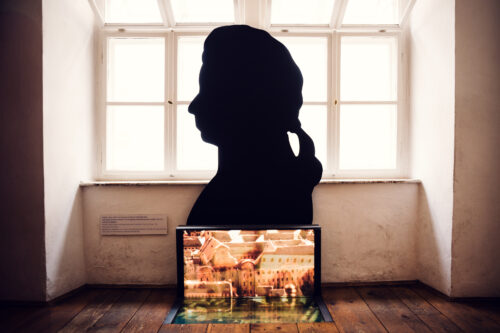
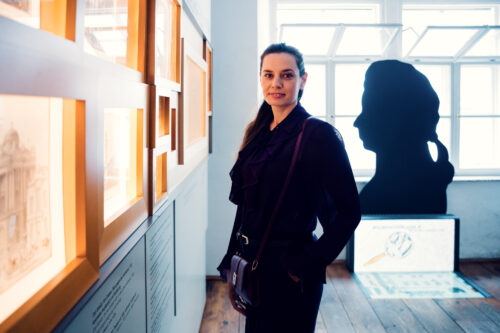
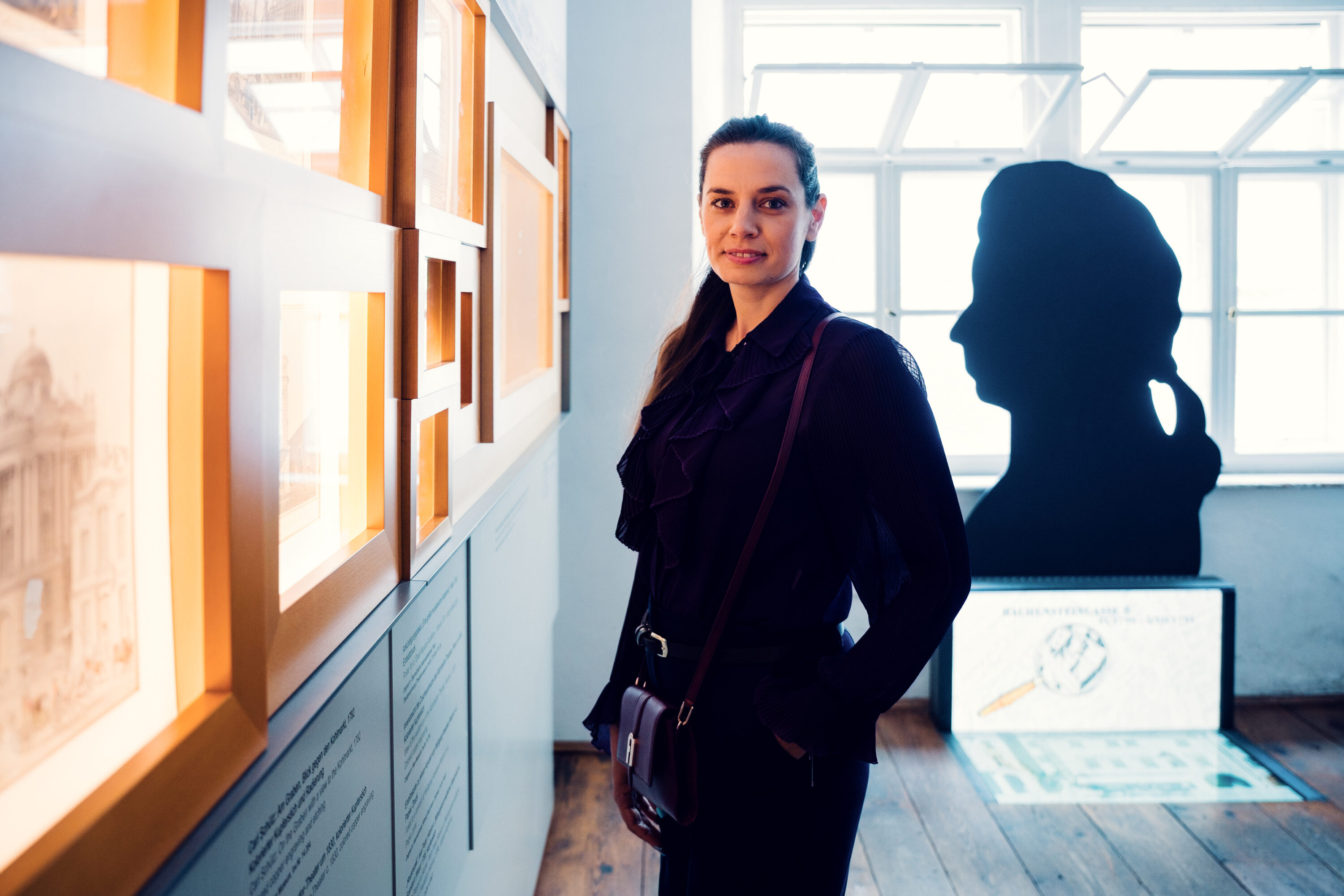
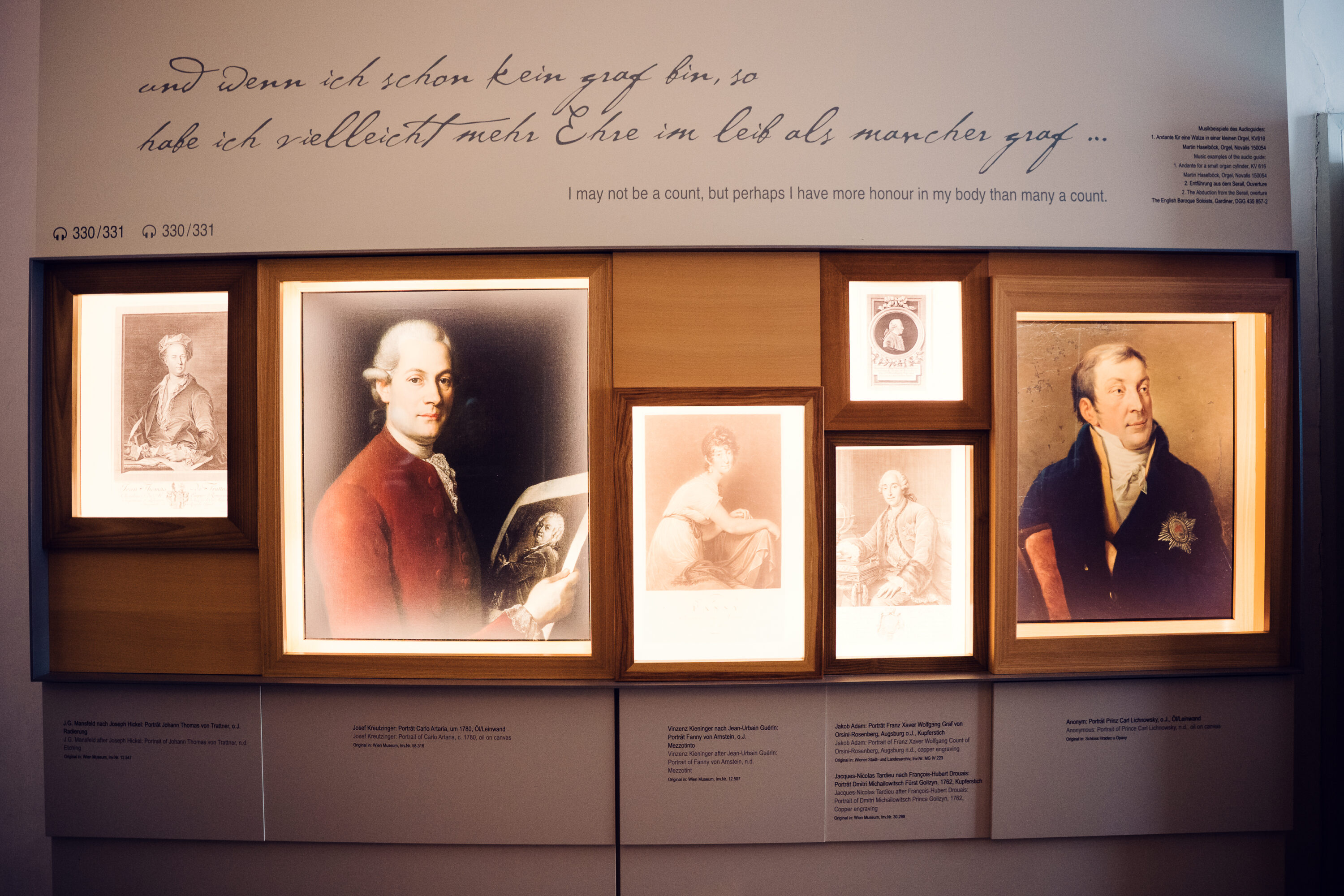
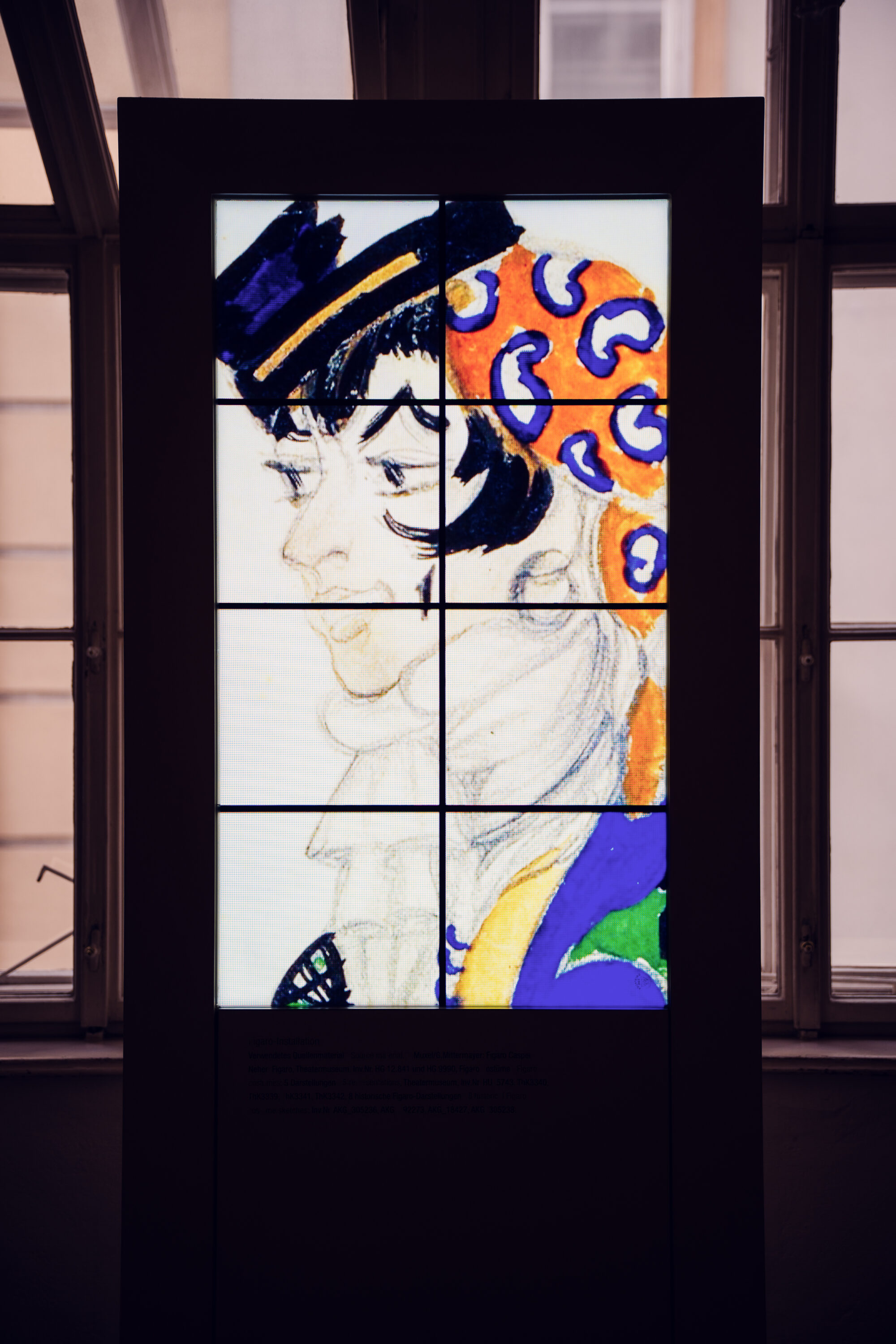
Artistic portrait of Wolfgang Amadeus Mozart head display at Mozarthaus.
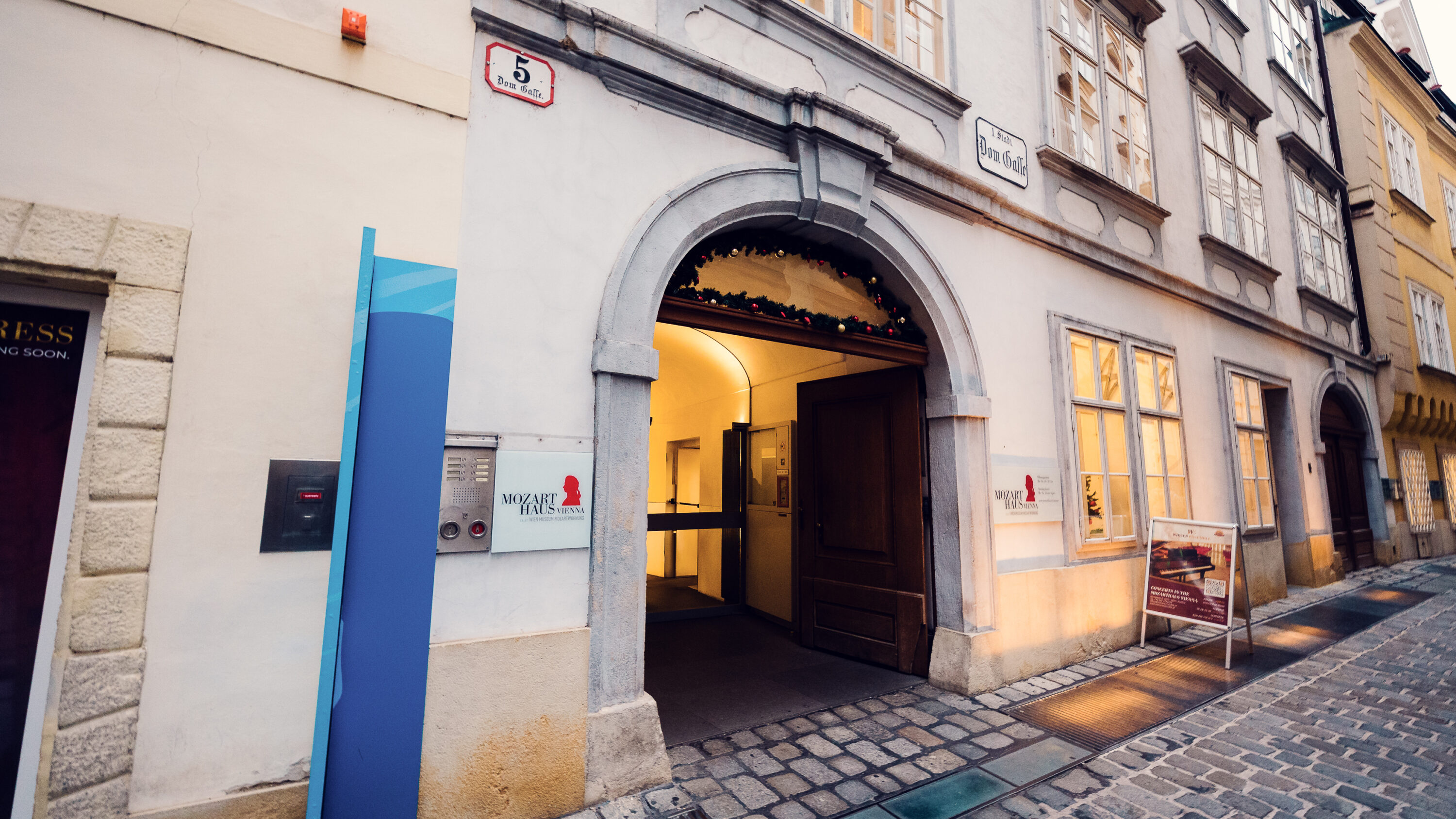
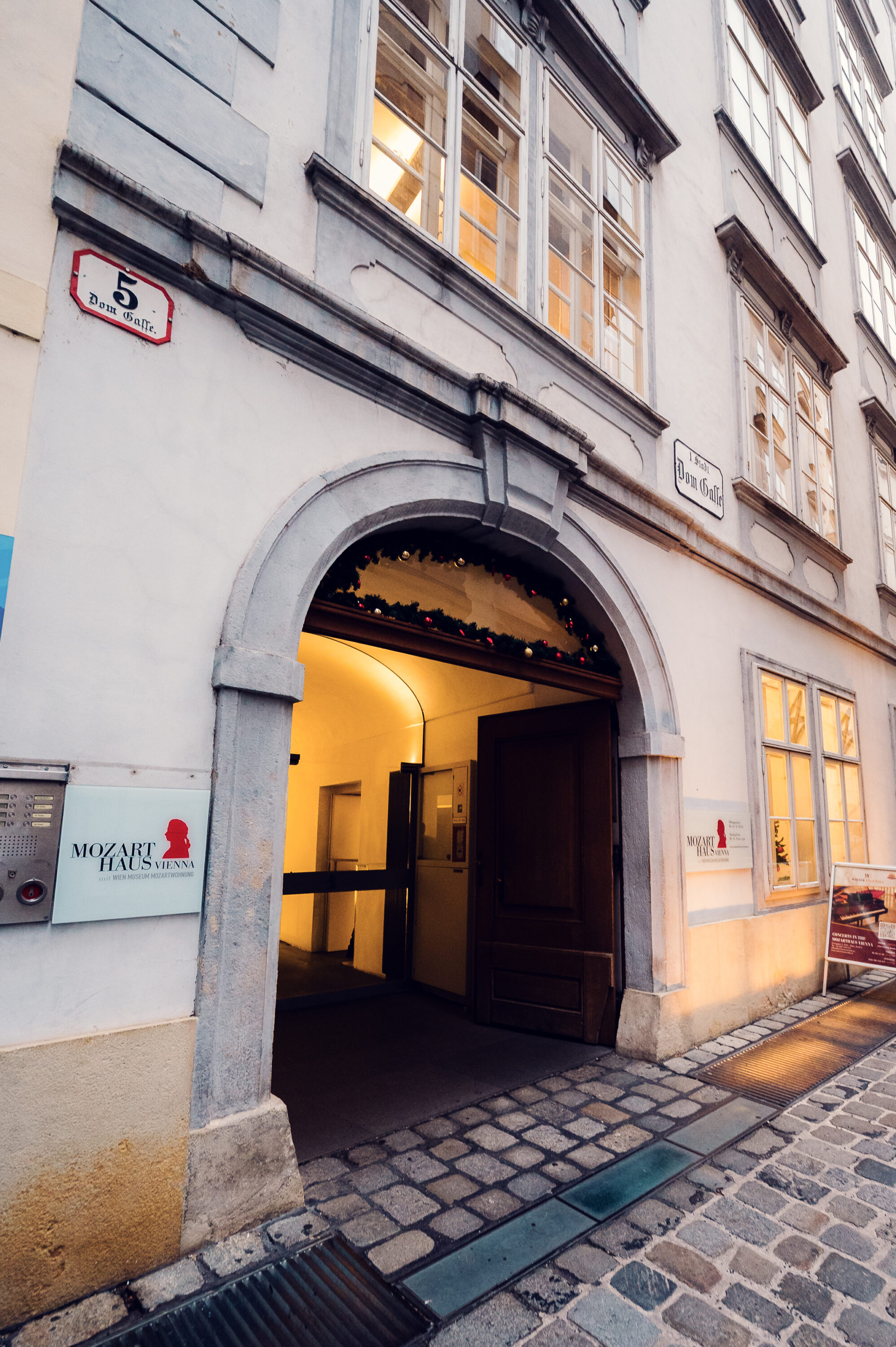
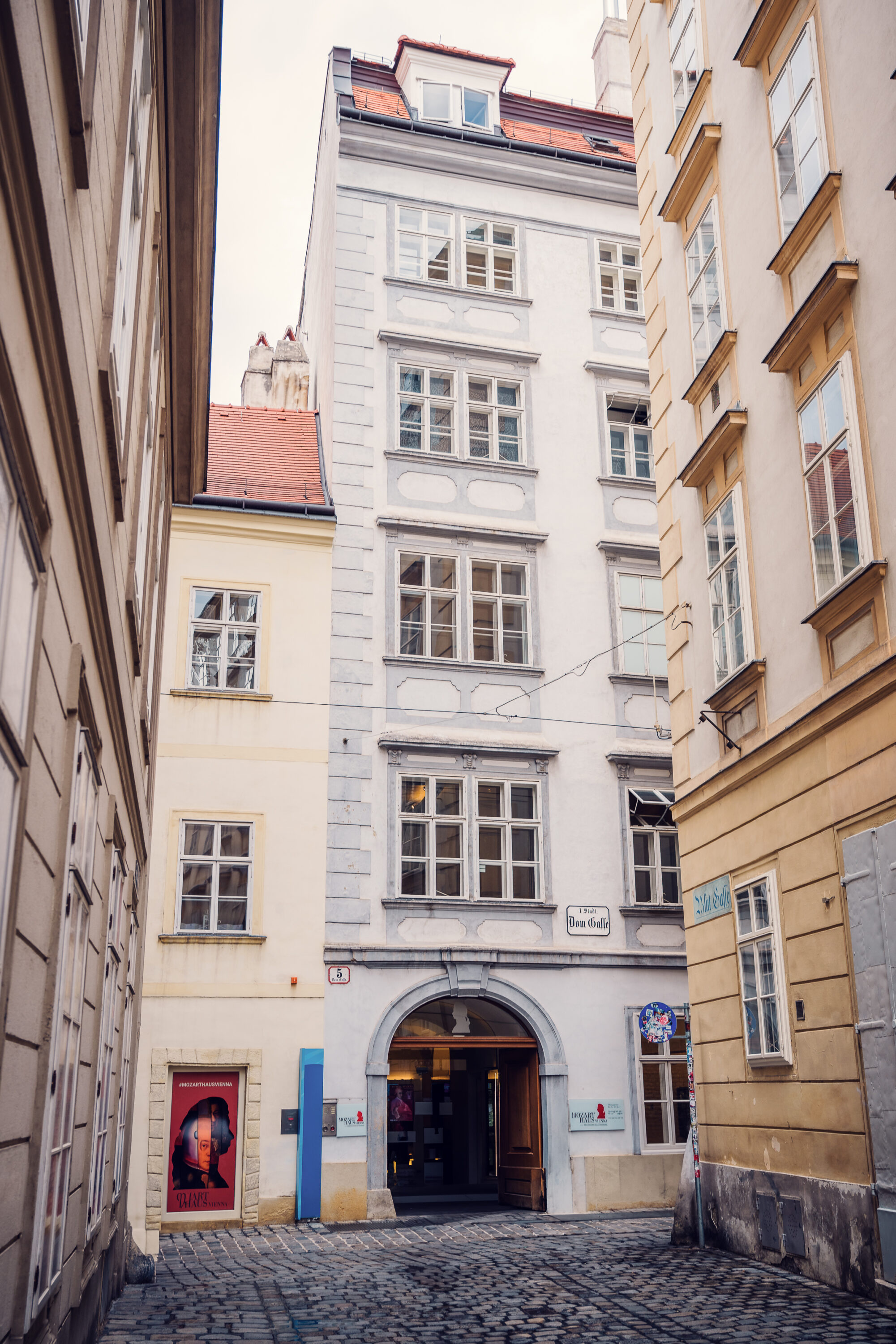
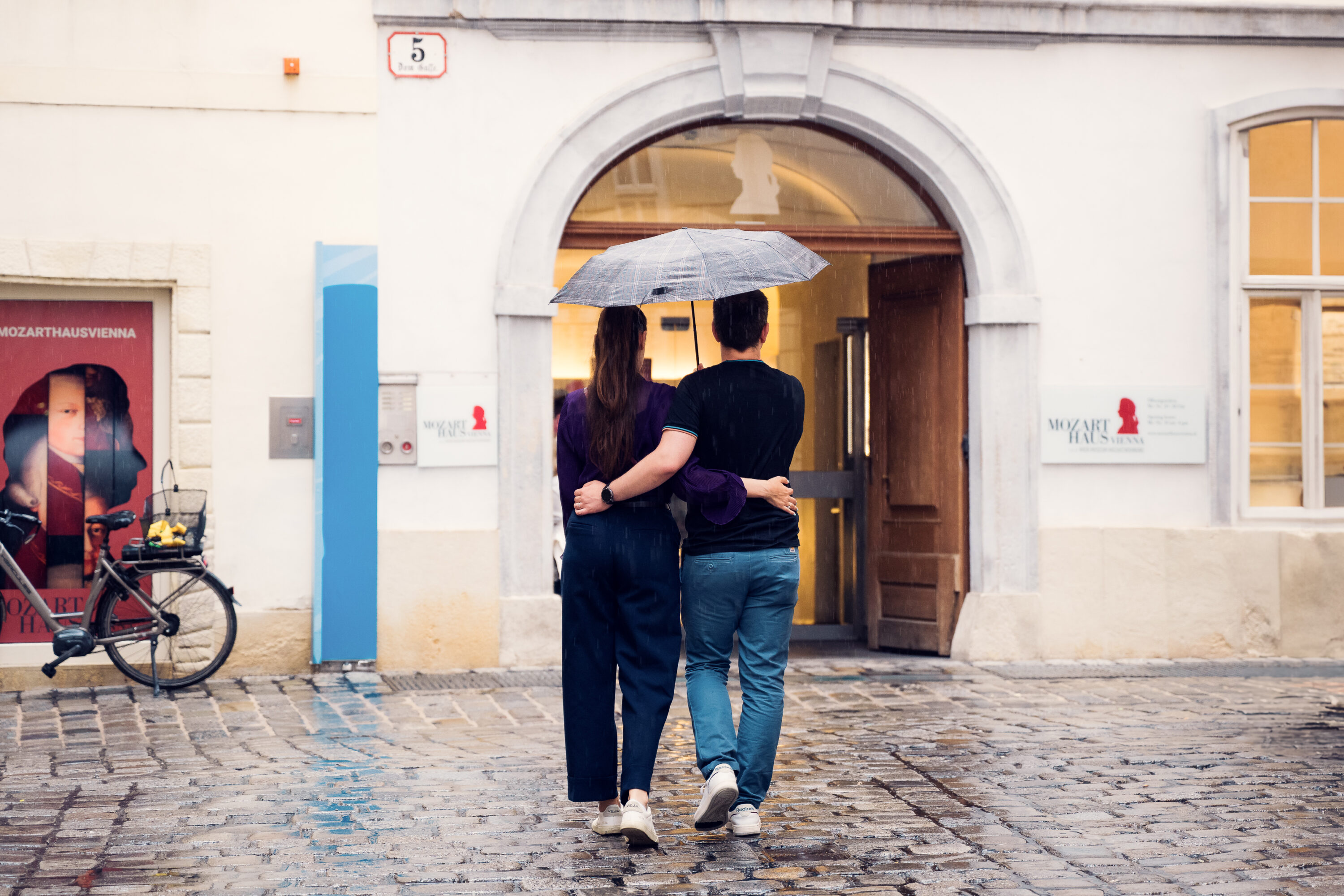
Mozarthaus Vienna exterior facade on Domgasse street in Vienna's historic center.
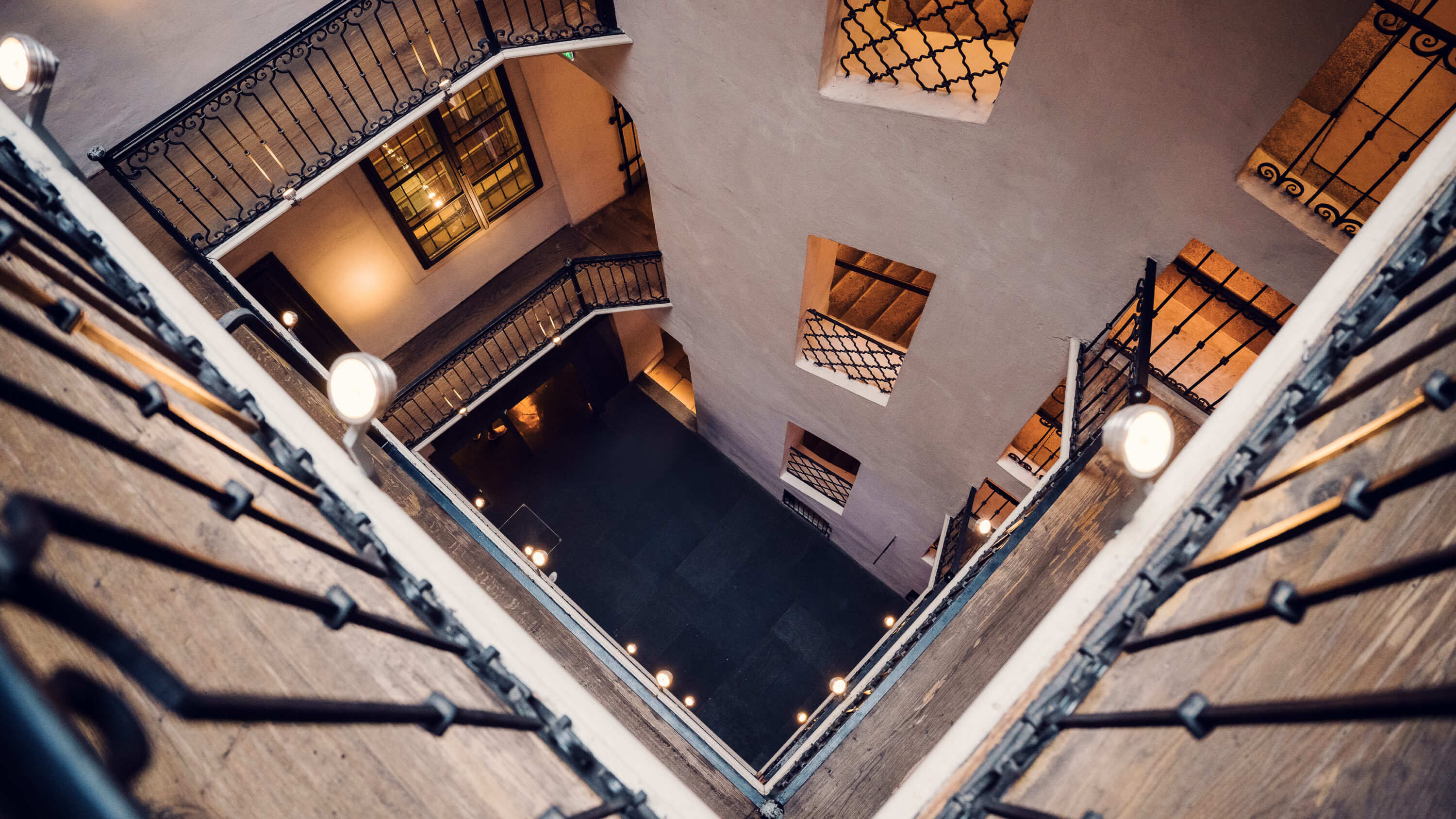
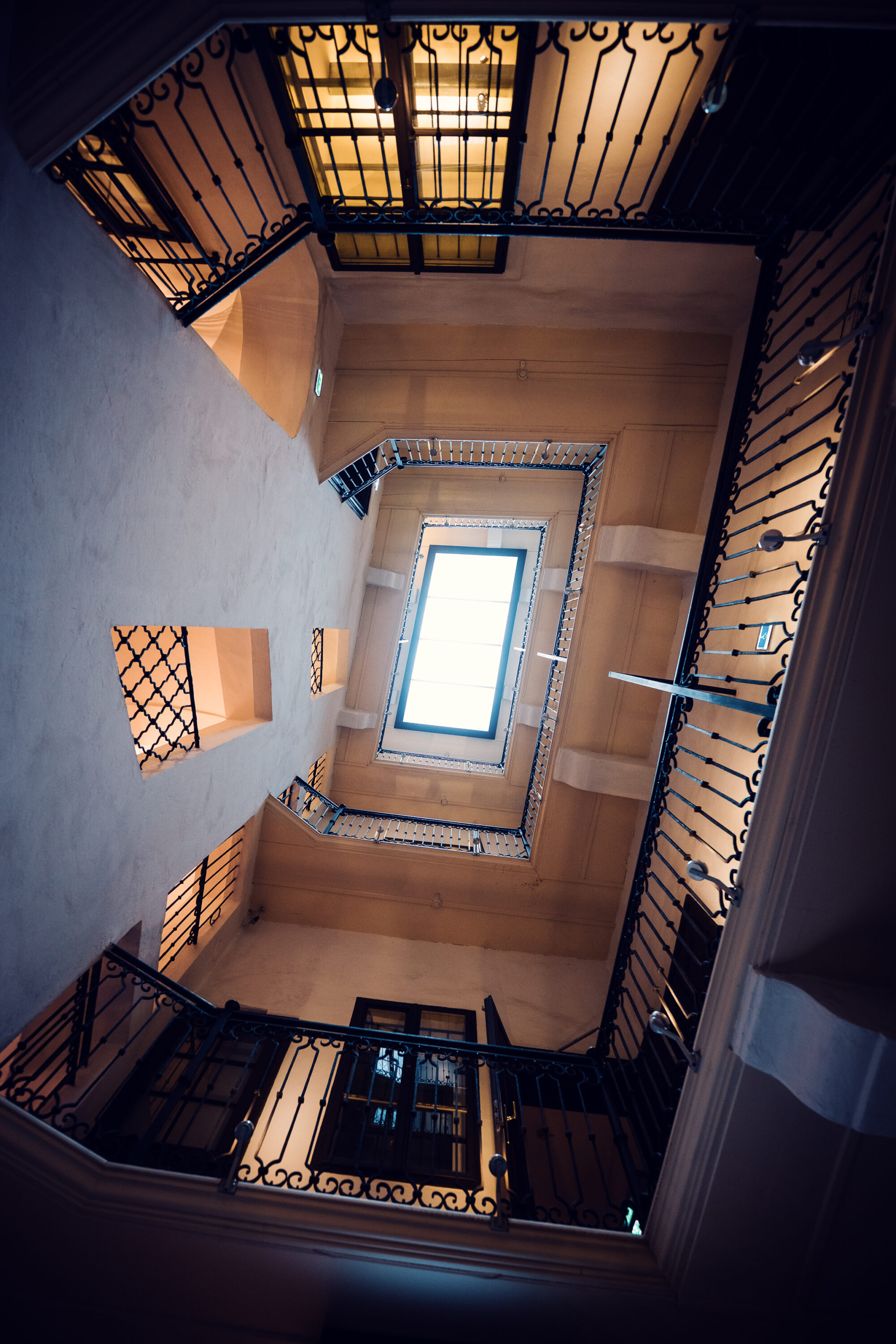
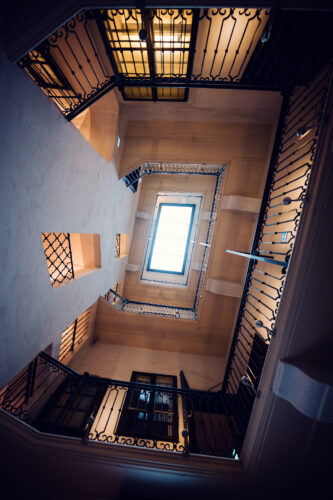
Mozarthaus staircase with period handrails and historical atmosphere.
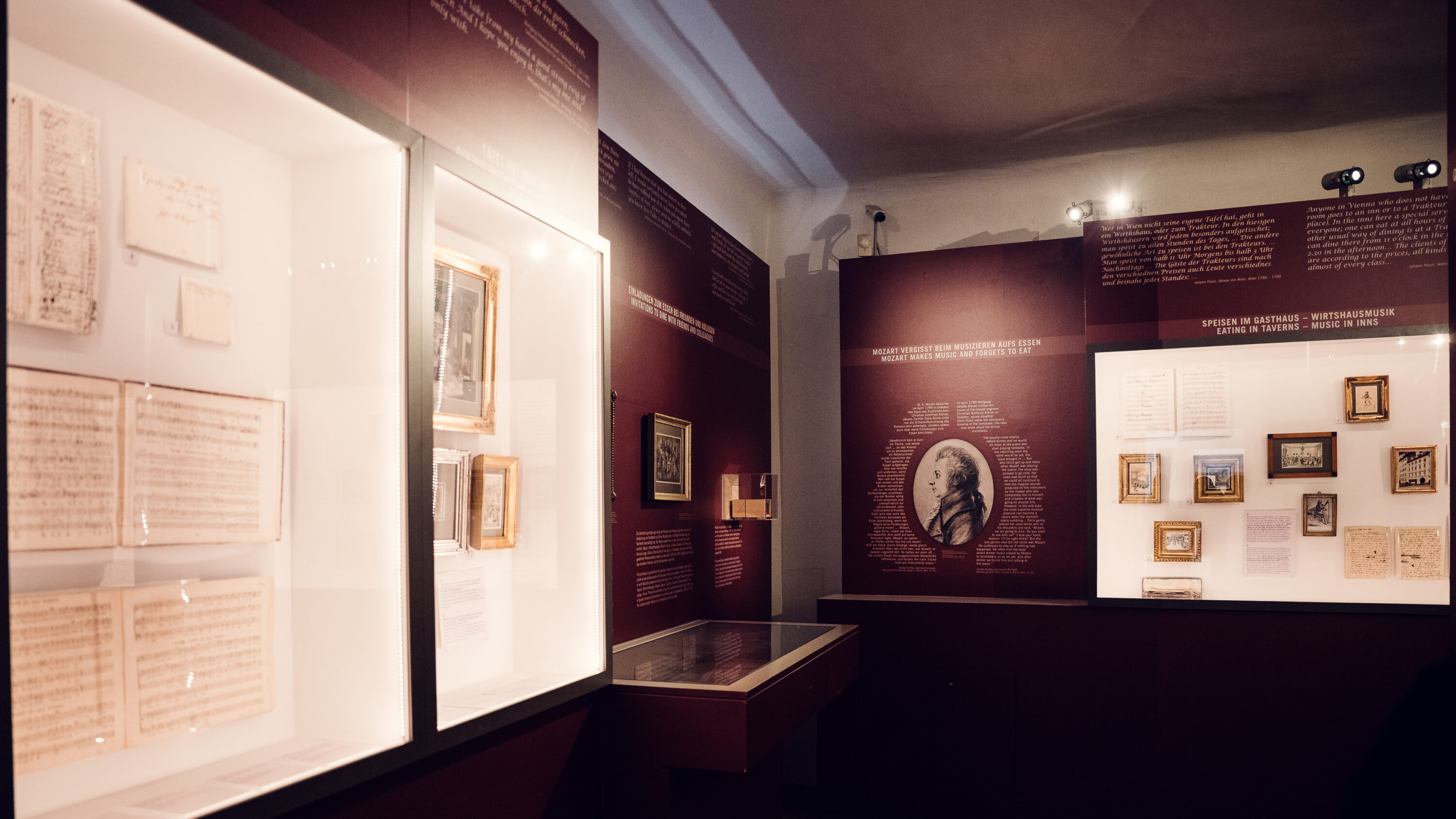
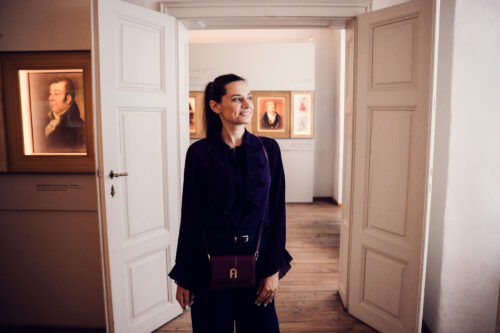
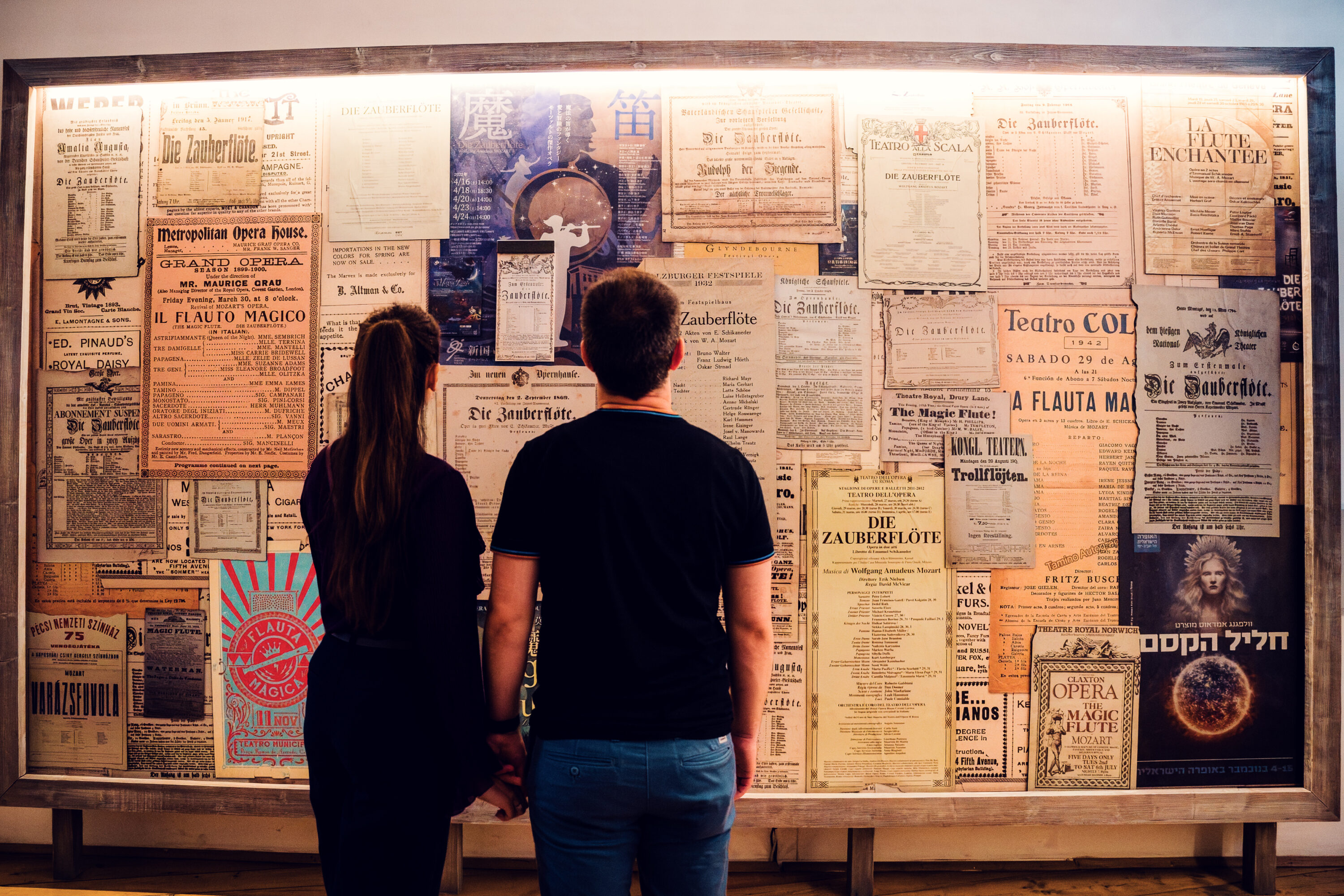
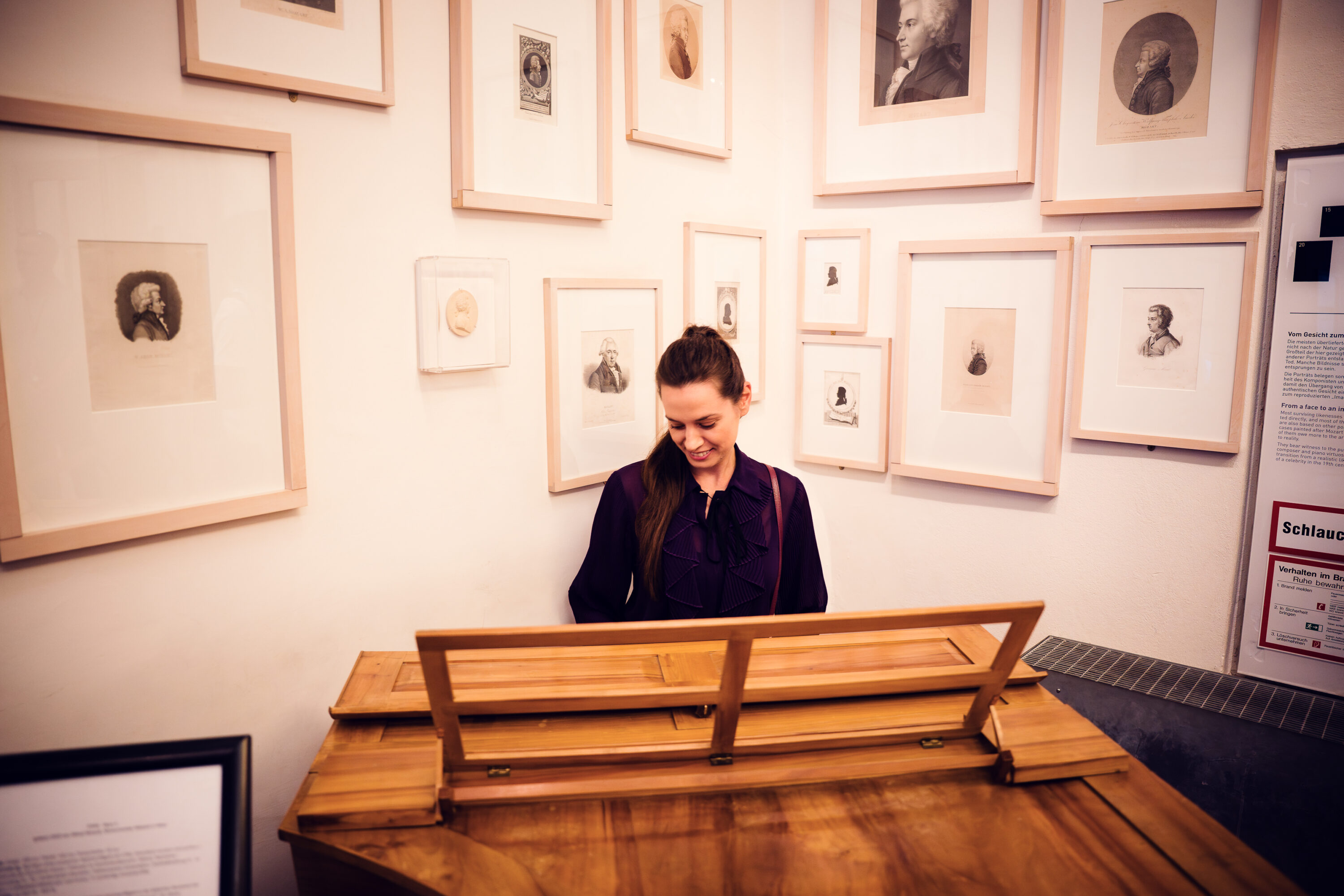
Mozart House Vienna interior exhibition room displaying composer's personal artifacts.
Mozarthaus staircase with period handrails and historical atmosphere.
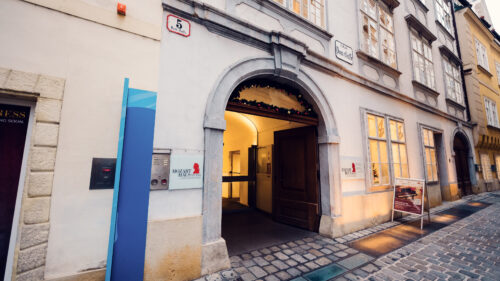
Mozarthaus entrance with classical baroque architecture details.

Mozarthaus

Affiliate disclosure: Links marked with * are affiliate links; we may earn a commission at no extra cost to you; our recommendation remains independent.

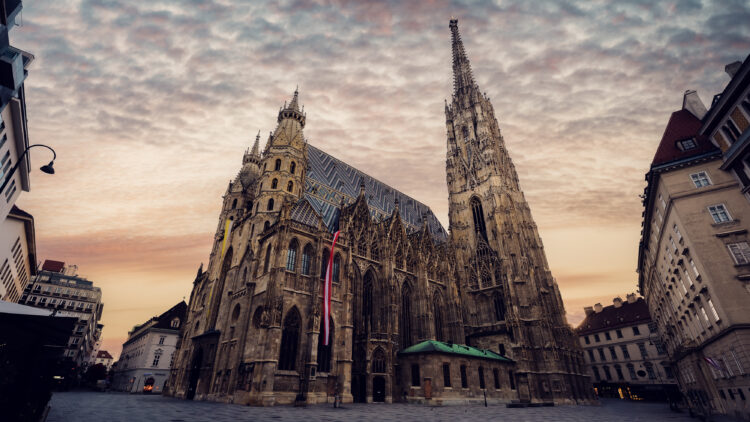
Mozarthaus Vienna is the only surviving apartment of Wolfgang Amadeus Mozart in the city, tucked just behind St. Stephen’s Cathedral. The composer lived here from 1784 to 1787, during the most prolific period of his career. Today, the space has been thoughtfully transformed into a museum spread across three exhibition floors, offering an immersive look at Mozart’s life, his creative process, and the musical world of 18th-century Vienna.

While the top floors explore Mozart’s Vienna in a broader cultural and historical context, the highlight remains his actual apartment on the first floor, where he composed some of his most iconic works, including The Marriage of Figaro. Elegant, quietly atmospheric, and never overwhelming, Mozarthaus offers a more intimate cultural encounter than many larger museums.

Opening Hours +43 1 5121791 Website Wheelchair AccessSource: Google Maps
Address:
Domgasse 5
1010 Wien

Muvamo Opinion

Mozarthaus Vienna is understated, and that subtlety is what makes it feel authentic. We found ourselves quietly absorbed in the calm atmosphere of the place – a refreshing change from the more theatrical museums scattered across the city. The setting is elegant but understated, allowing Mozart’s legacy to take center stage without distraction.

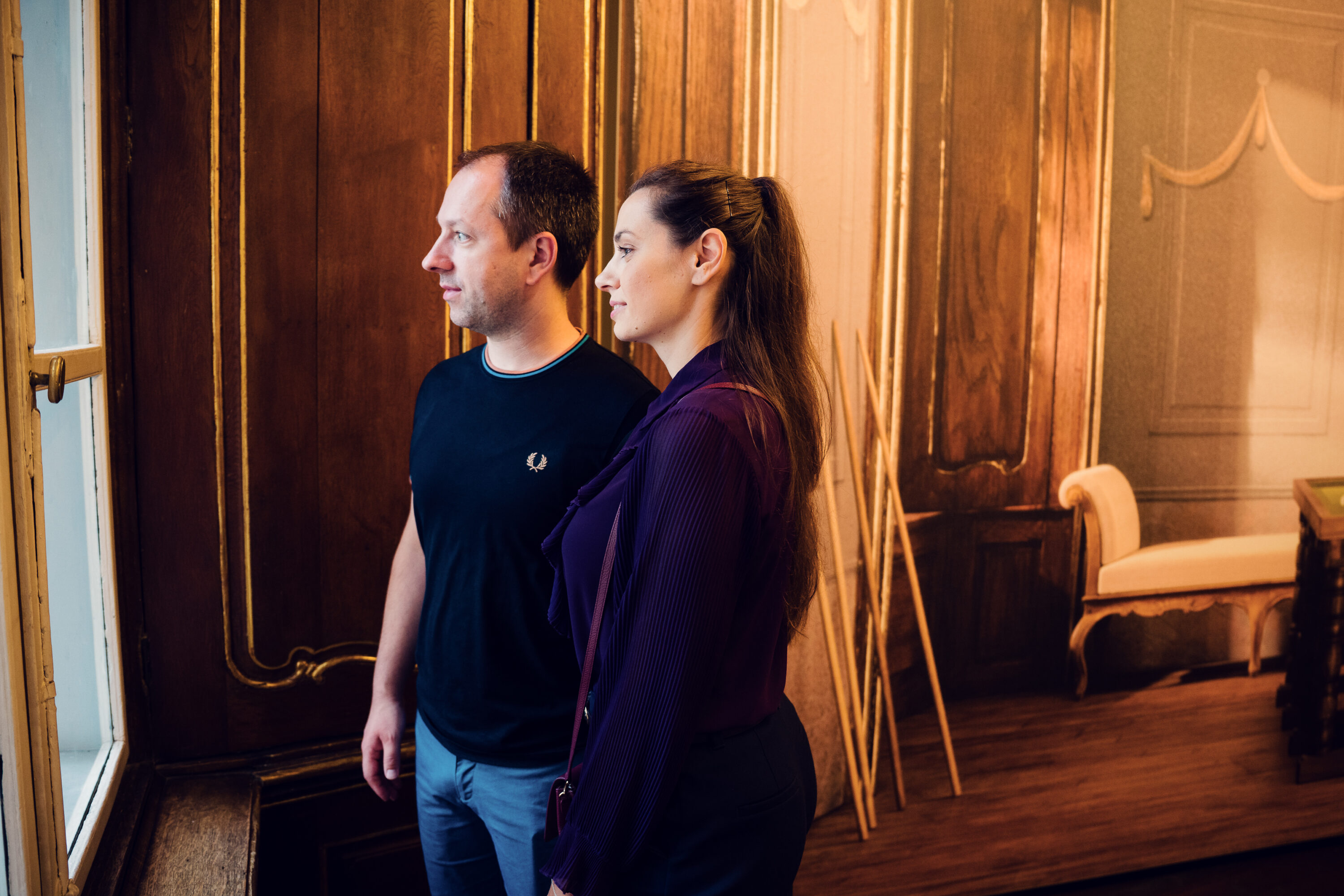
For travelers who love music, culture, or simply thoughtful storytelling, this is one of Vienna’s strongest cultural experiences. The apartment is beautifully preserved, with details that give you a palpable sense of place – the light filtering through the tall windows, the original layout of rooms, and the context-rich wall panels that invite you to pause. You’ll likely appreciate the absence of crowds; it’s never chaotic here, so you’re free to take your time.

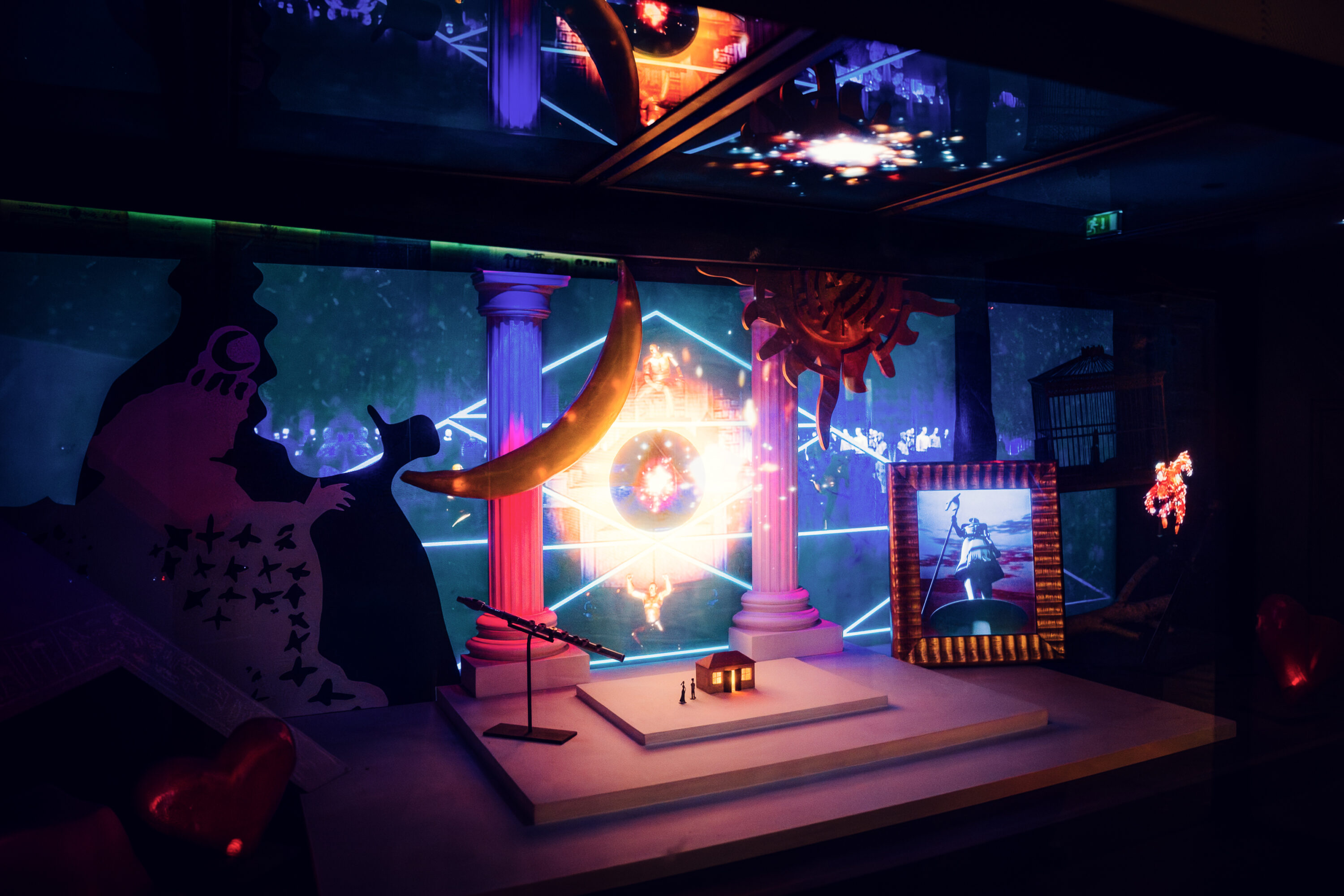
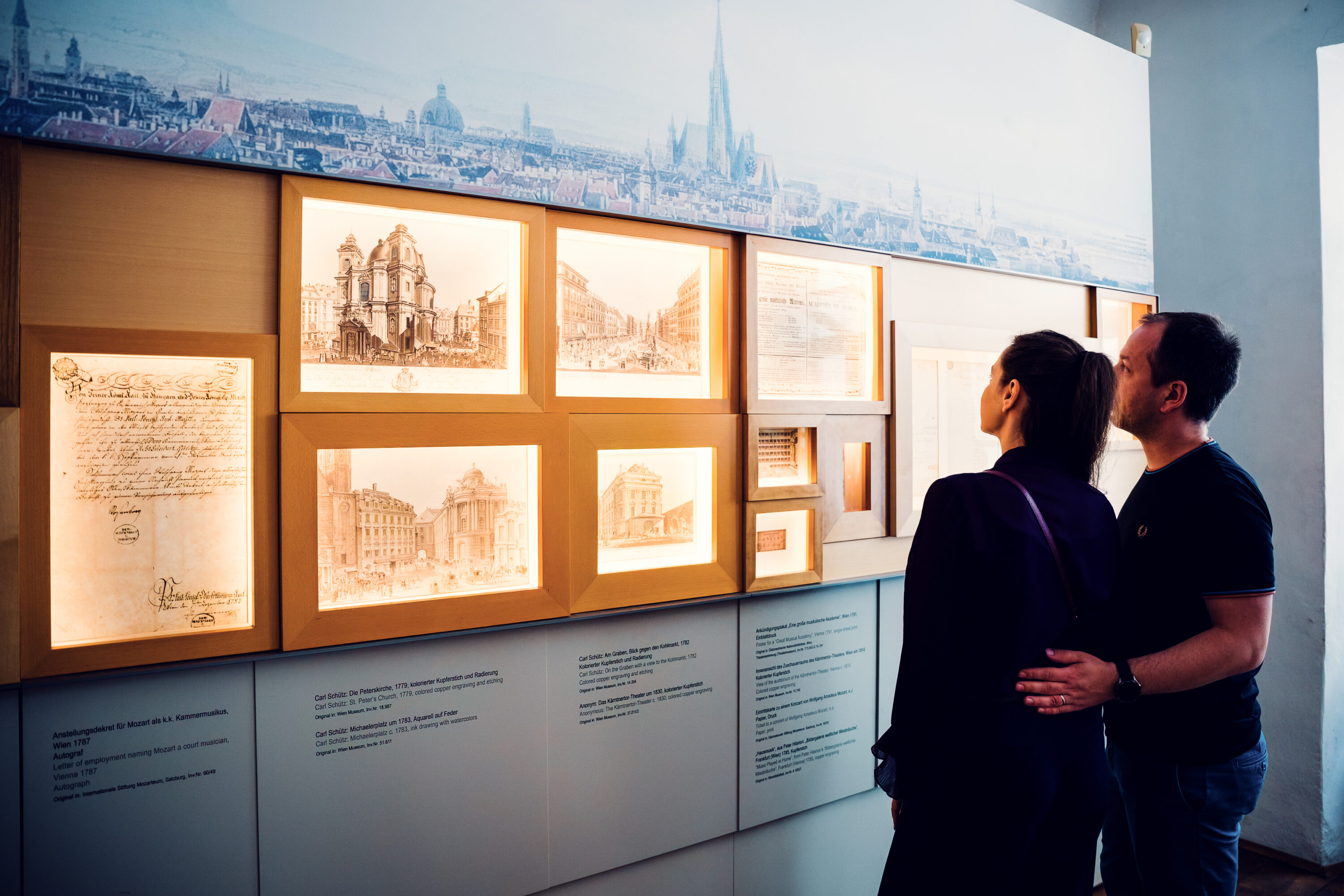
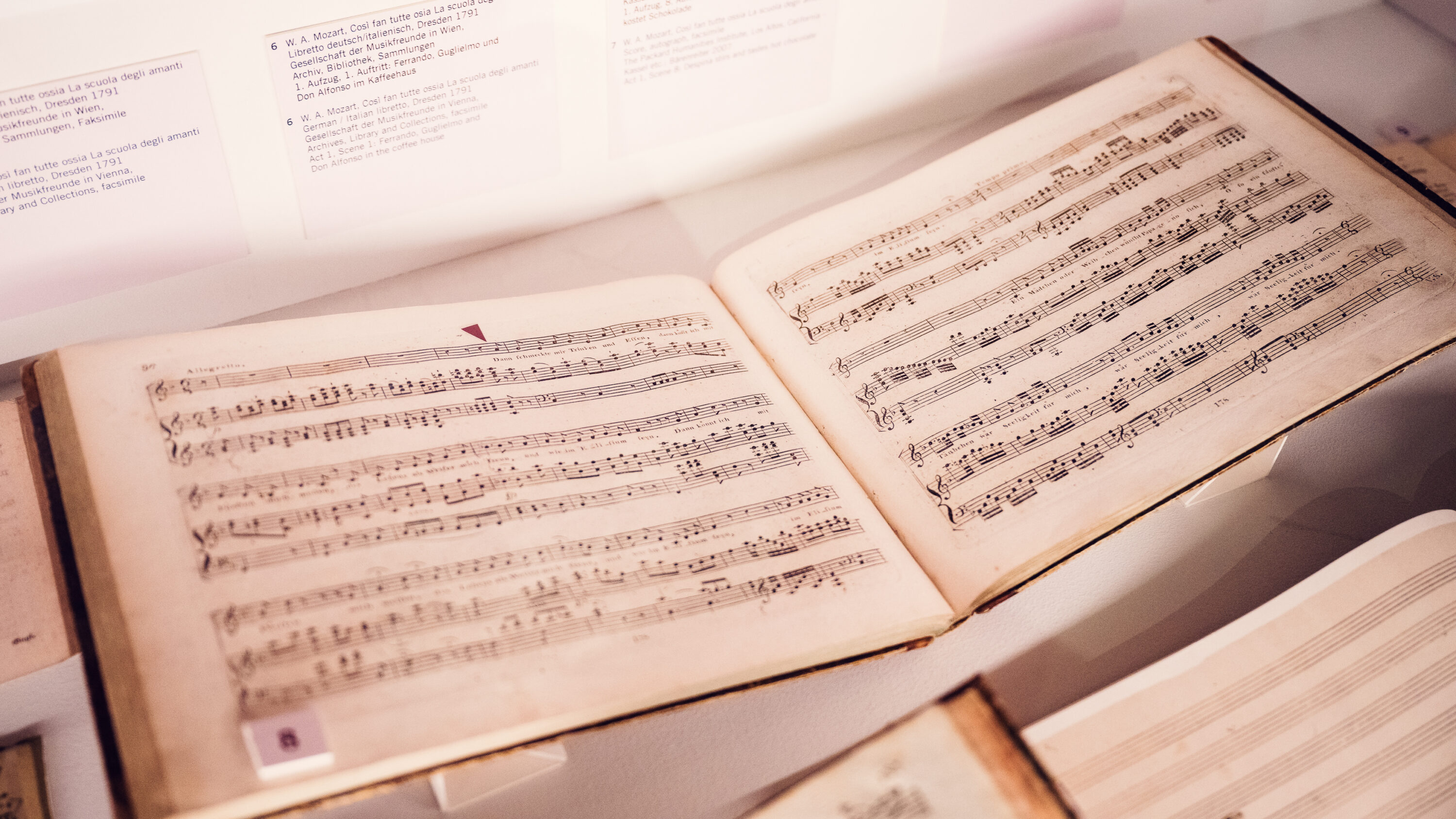
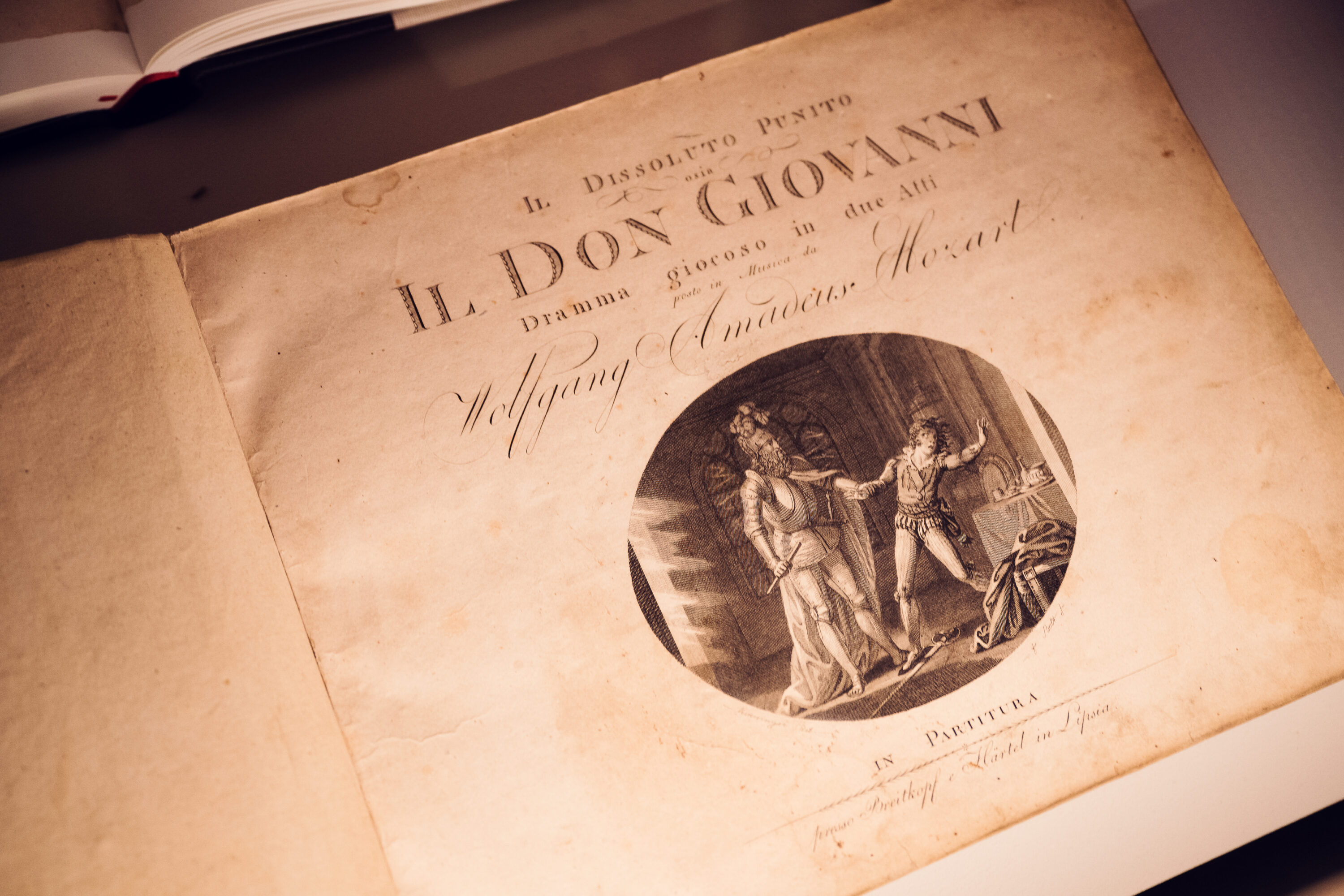
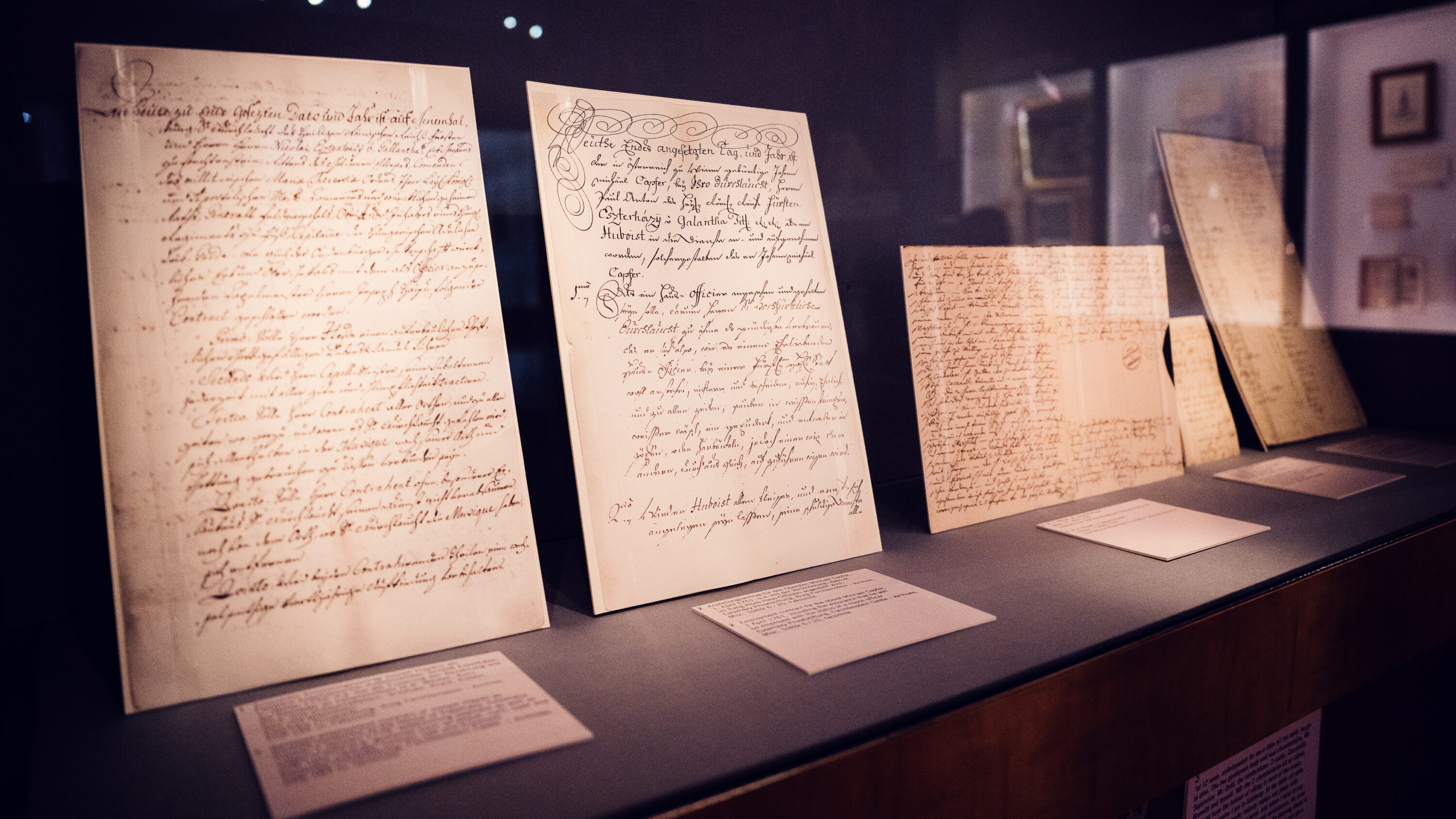
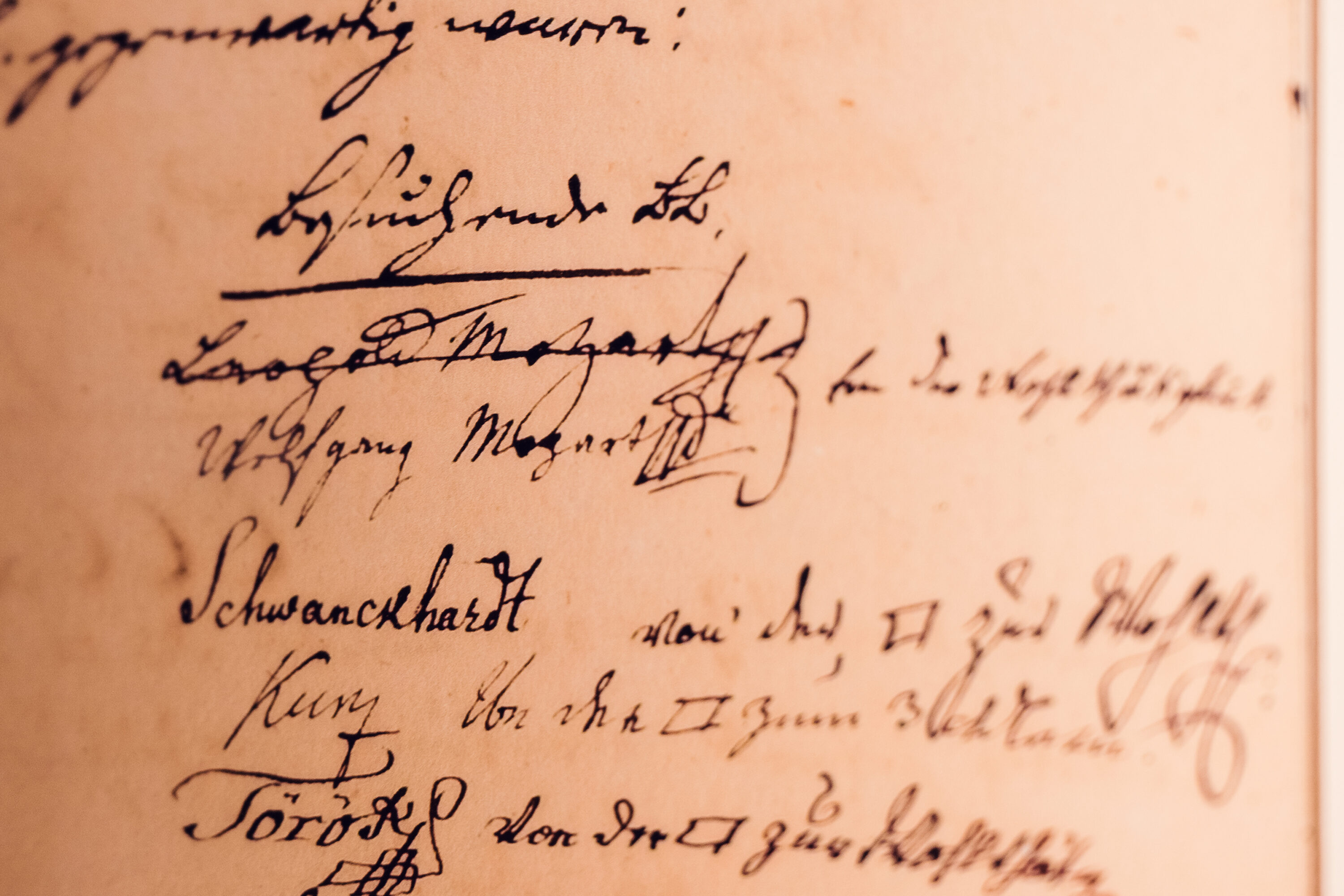
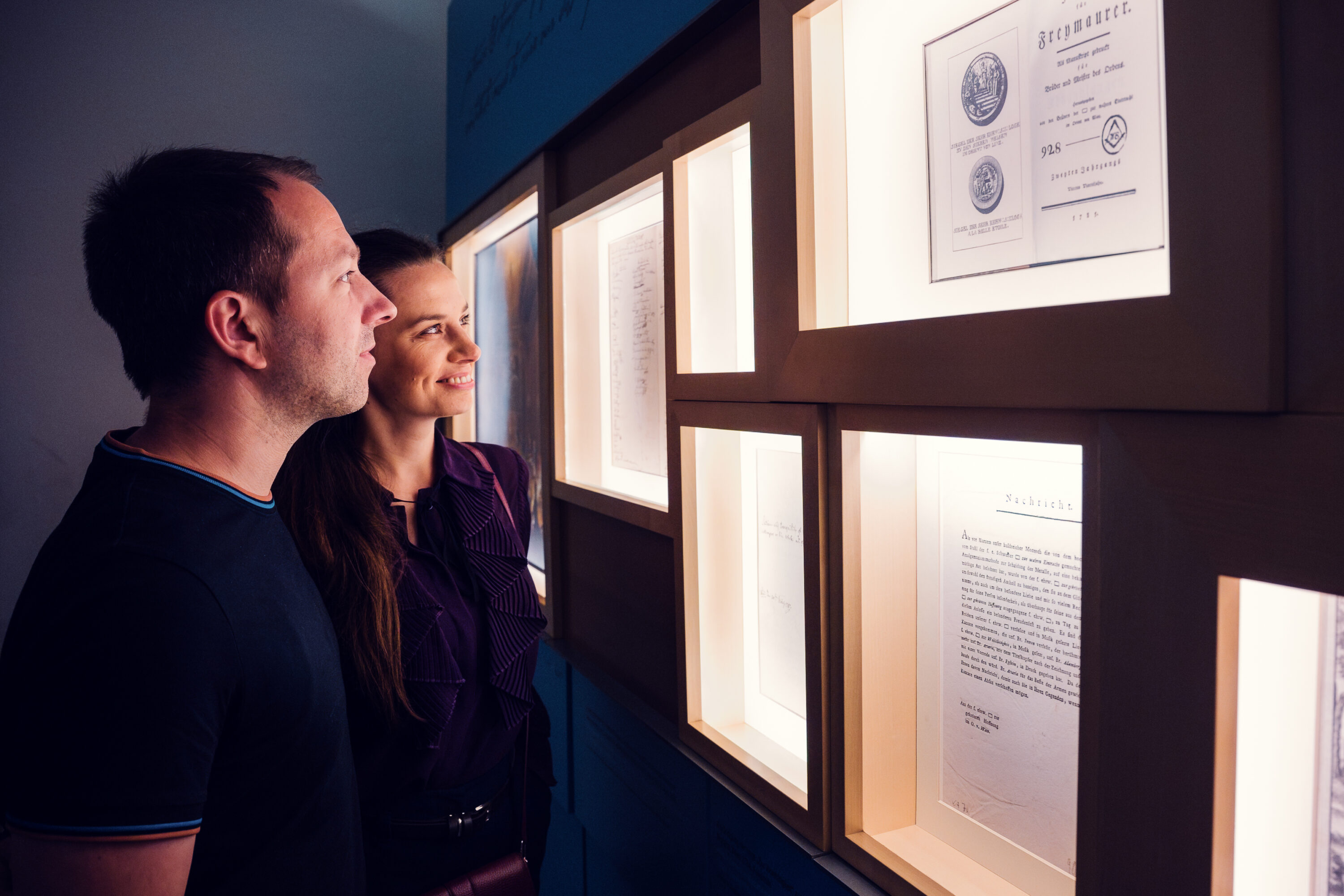
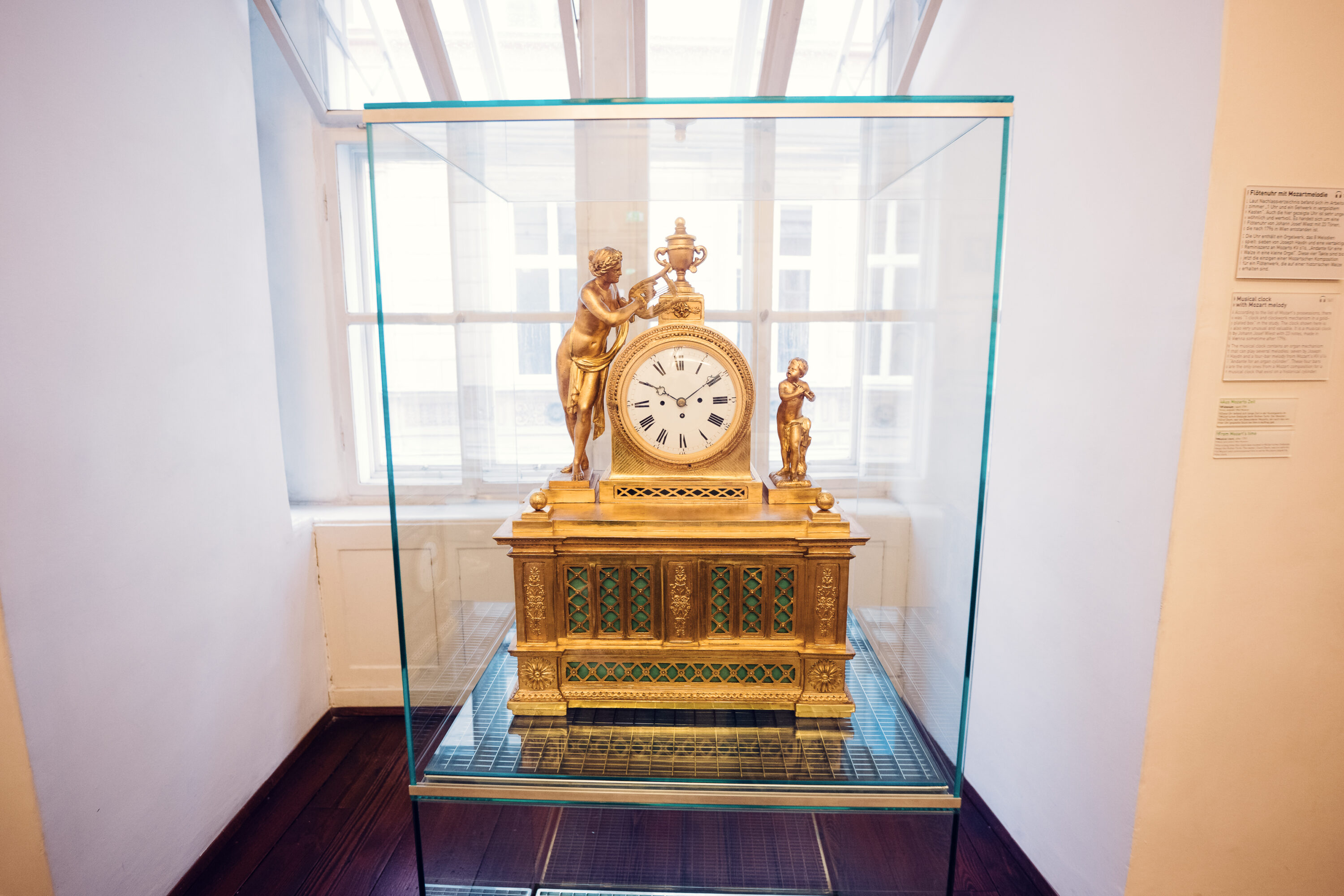
Upstairs, the exhibits expand on his influence, collaborations, and the vibrant cultural life of late 18th-century Vienna. You’ll encounter period displays and multimedia that bring Mozart’s world to life, with audio guides for listening and – during special exhibitions – occasional loaned originals such as letters or scores.

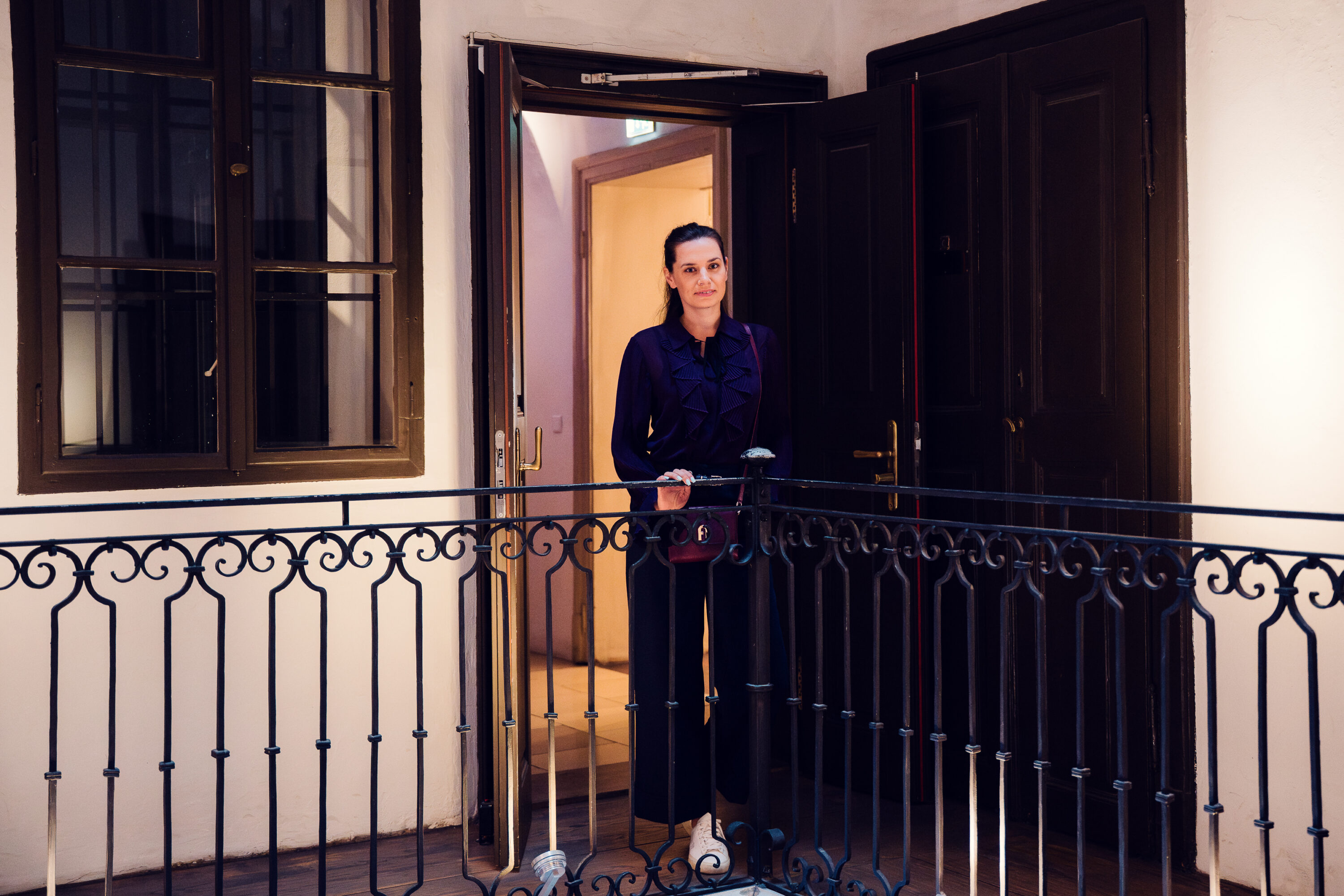
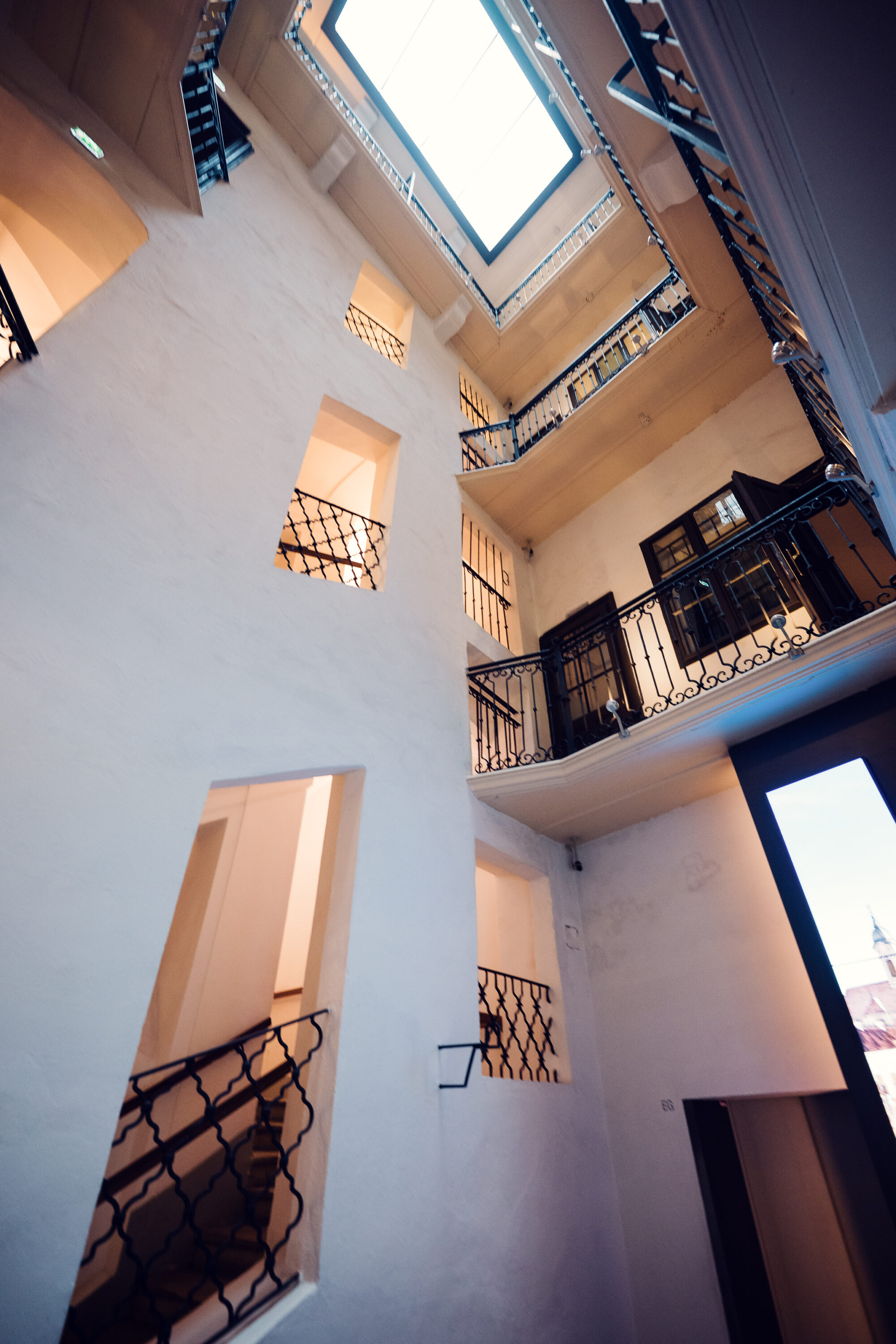
Design-conscious visitors will appreciate the minimalist visual language of the exhibition, balancing period details with modern clarity. And yes, it’s quietly photogenic. The staircases, views over the inner courtyard, and even the signage have an understated charm.

Guided Tours & Activities

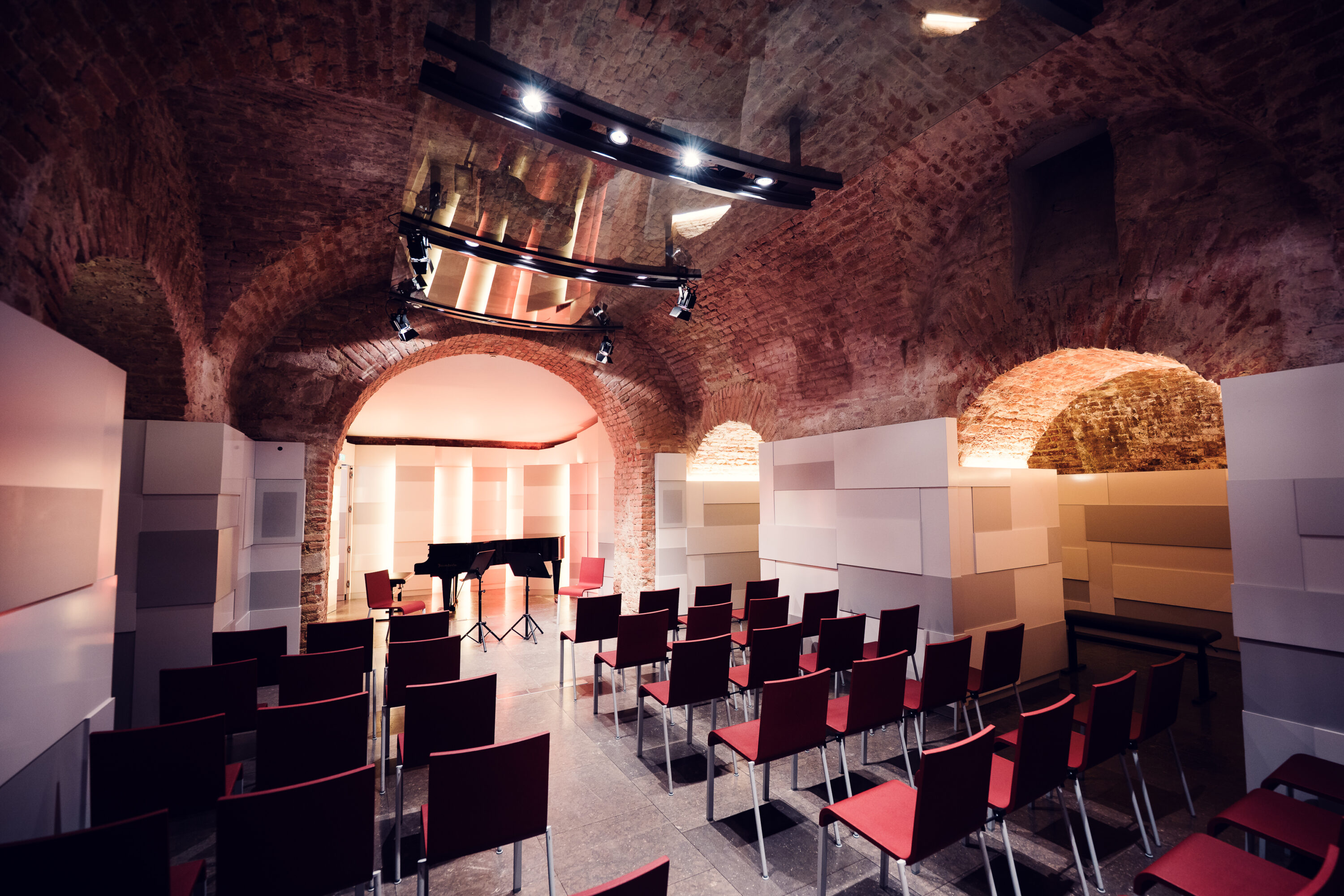
  • Classical Concerts at Mozarthaus: Spend an elegant evening at Mozarthaus as the acclaimed Wiener Ensemble performs favourites by Mozart, Strauss, and other masters of the city’s golden age.

Helpful Hints

  • Book your tickets online to avoid queuing at the entrance.

  • Use the provided audio guide – it’s genuinely informative and well-paced.

Gastronomic Discoveries

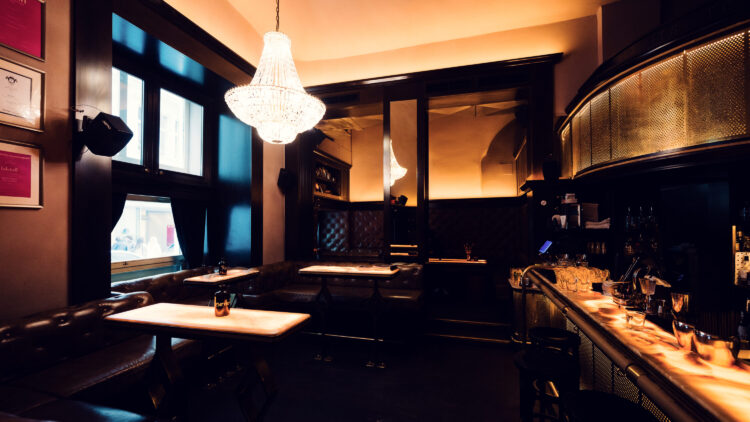
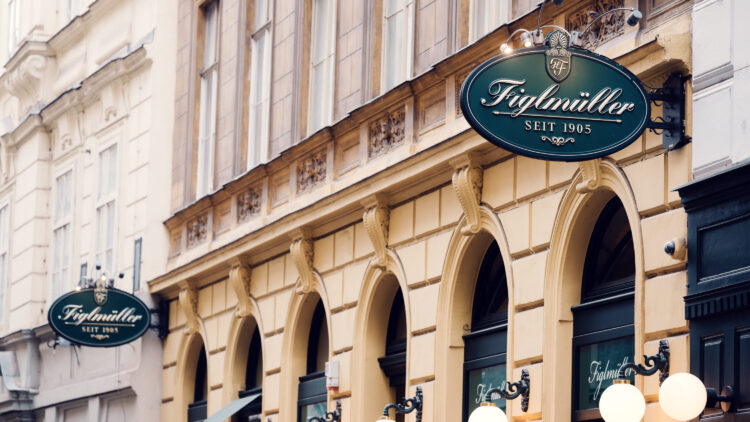
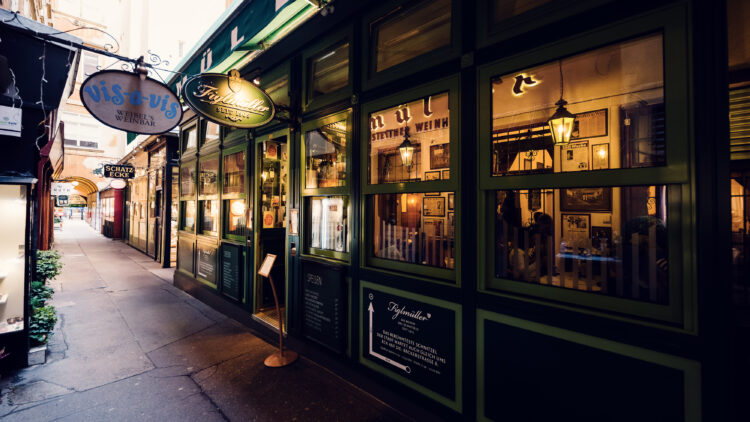
  • Just around the corner, Figlmüller Bäckerstrasse serves the original  Wiener Schnitzel. Perfect for a hearty, iconic Viennese lunch.

Mozarthaus – Behind the Doors of Mozart’s Vienna Home

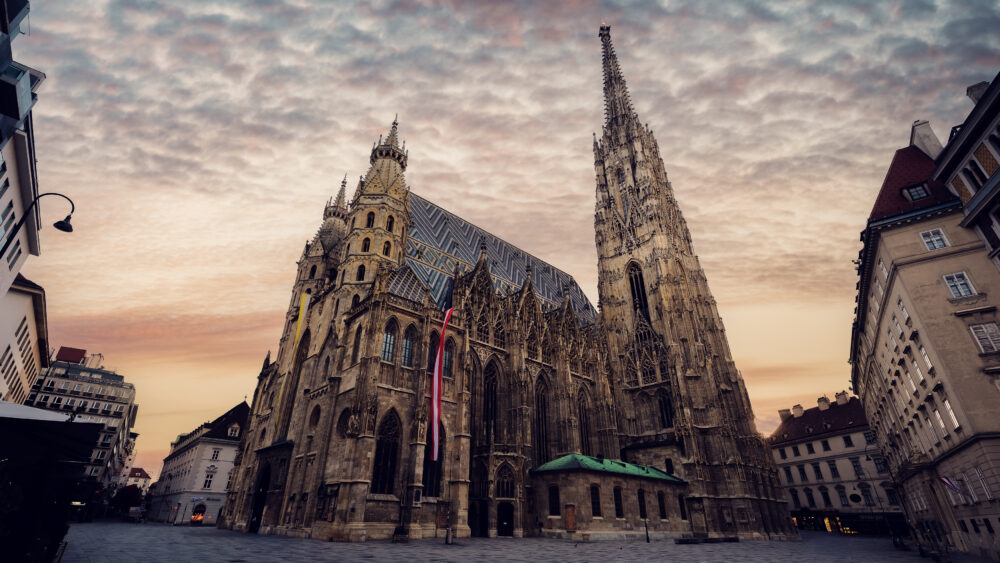
Mozarthaus Vienna sits quietly on Domgasse 5, just behind the bustling square around St. Stephen’s Cathedral. While Mozart lived in at least a dozen different places during his time in Vienna, this is the only one that still stands today – and fortunately, it’s the most significant.

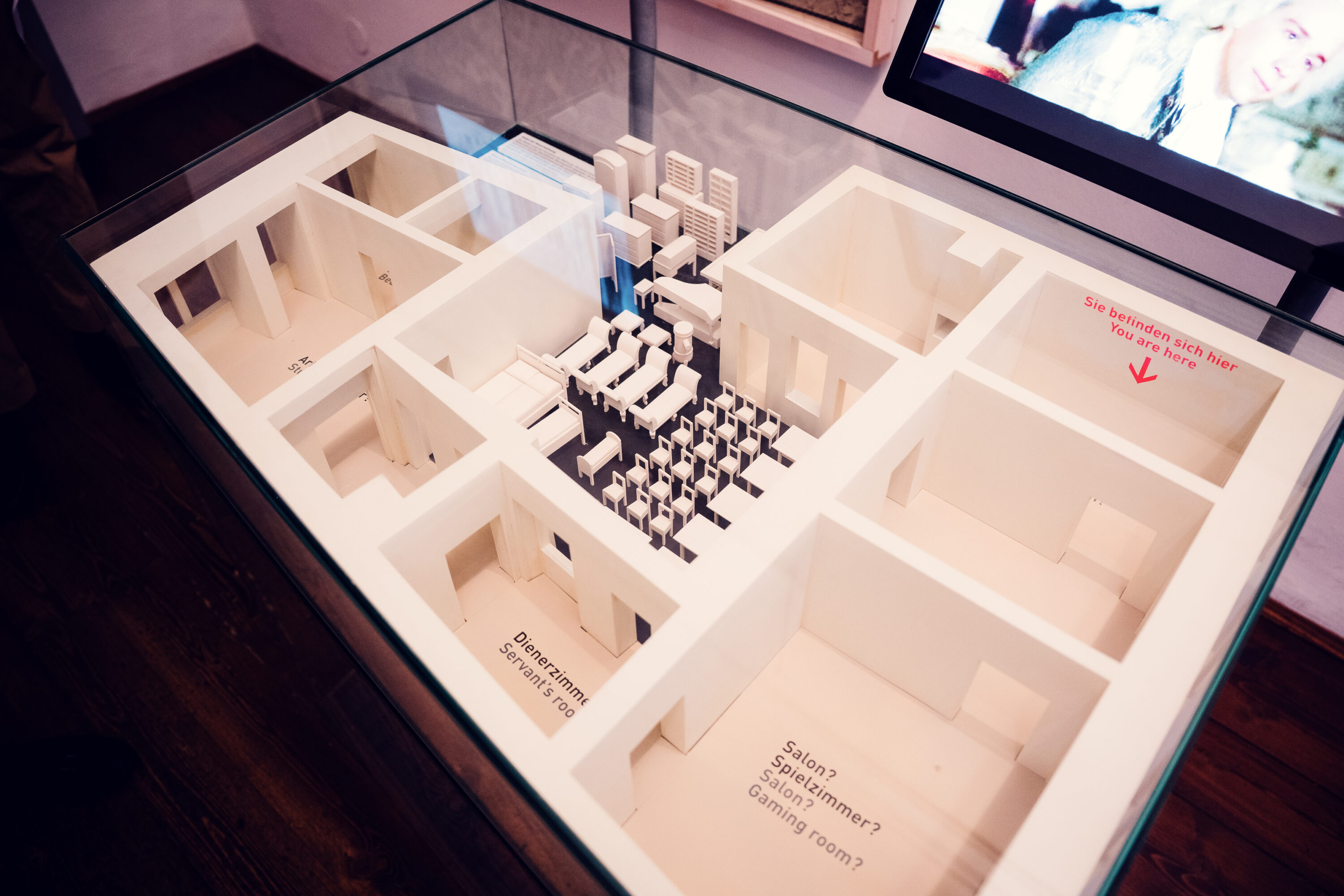
Mozart moved here in 1784, during a productive and prosperous period of his life. The apartment was elegant for its time, with four large rooms, a kitchen, and antechambers – far from the “starving artist” myth that often surrounds him. During these years, he was at the height of his fame, drawing crowds at salons and theaters, enjoying imperial patronage, and working on now-iconic pieces including The Marriage of Figaro and multiple piano concertos.
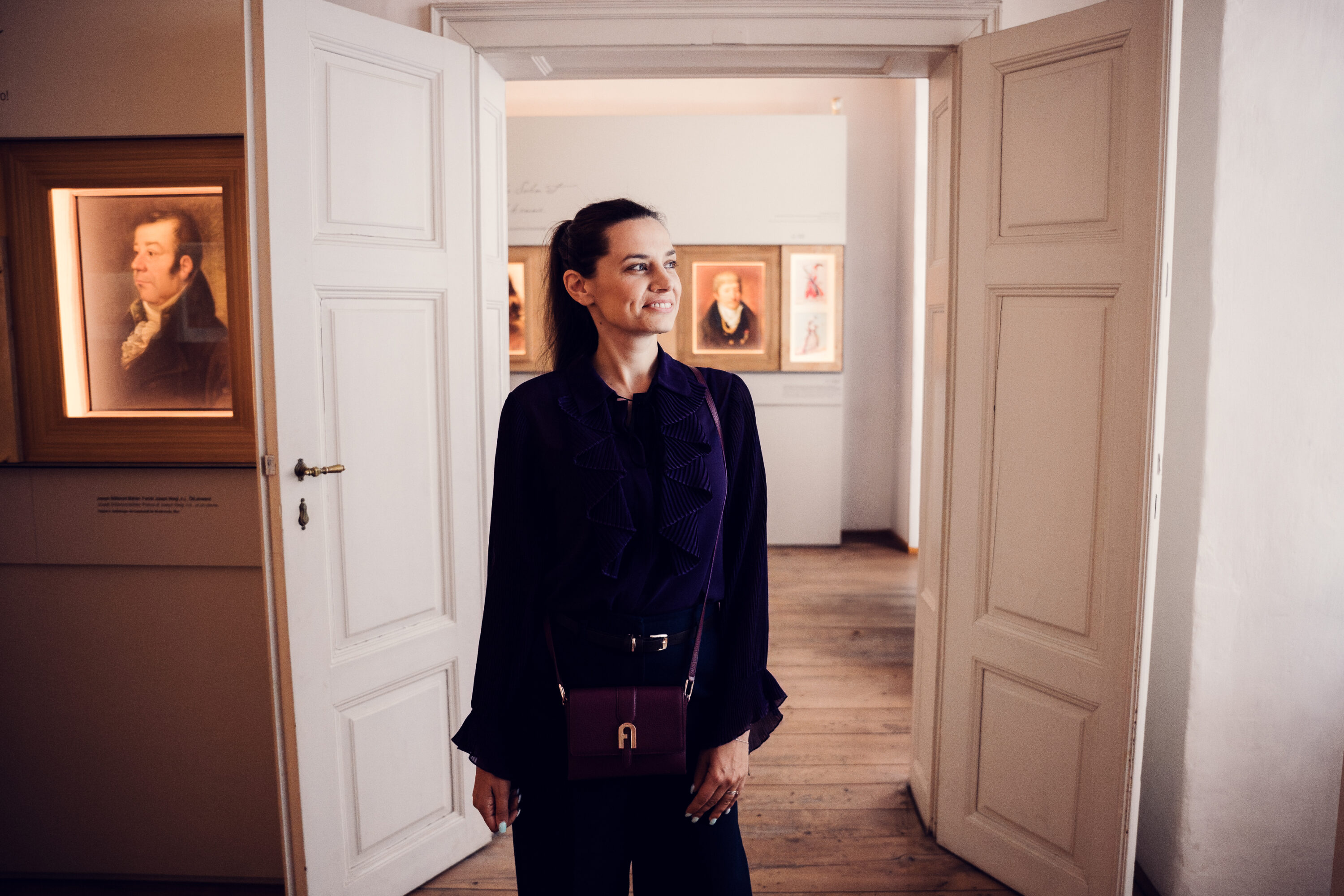
Mozarthaus - 1
Inside Mozarthaus Vienna, the composer’s only preserved residence in the city.

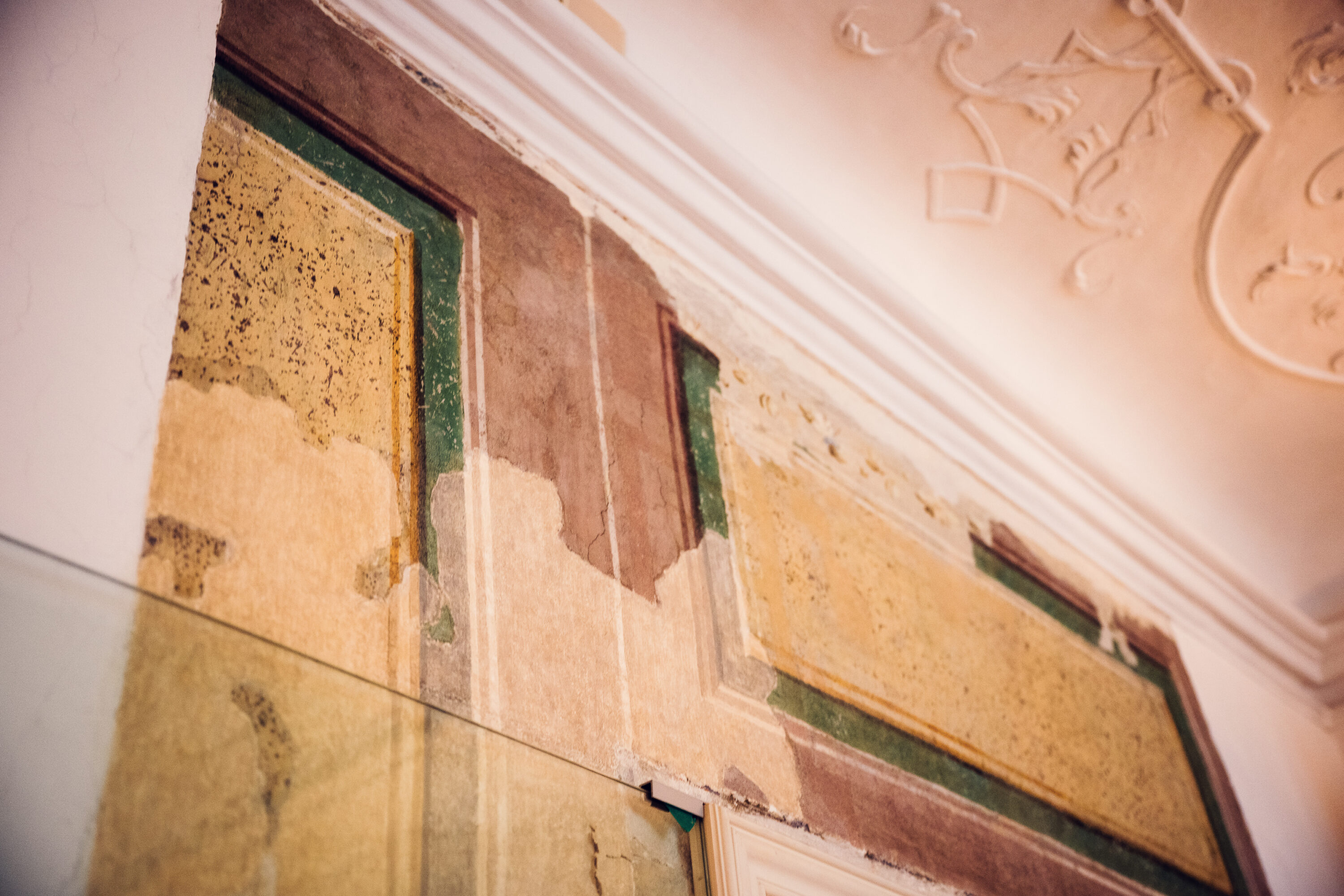
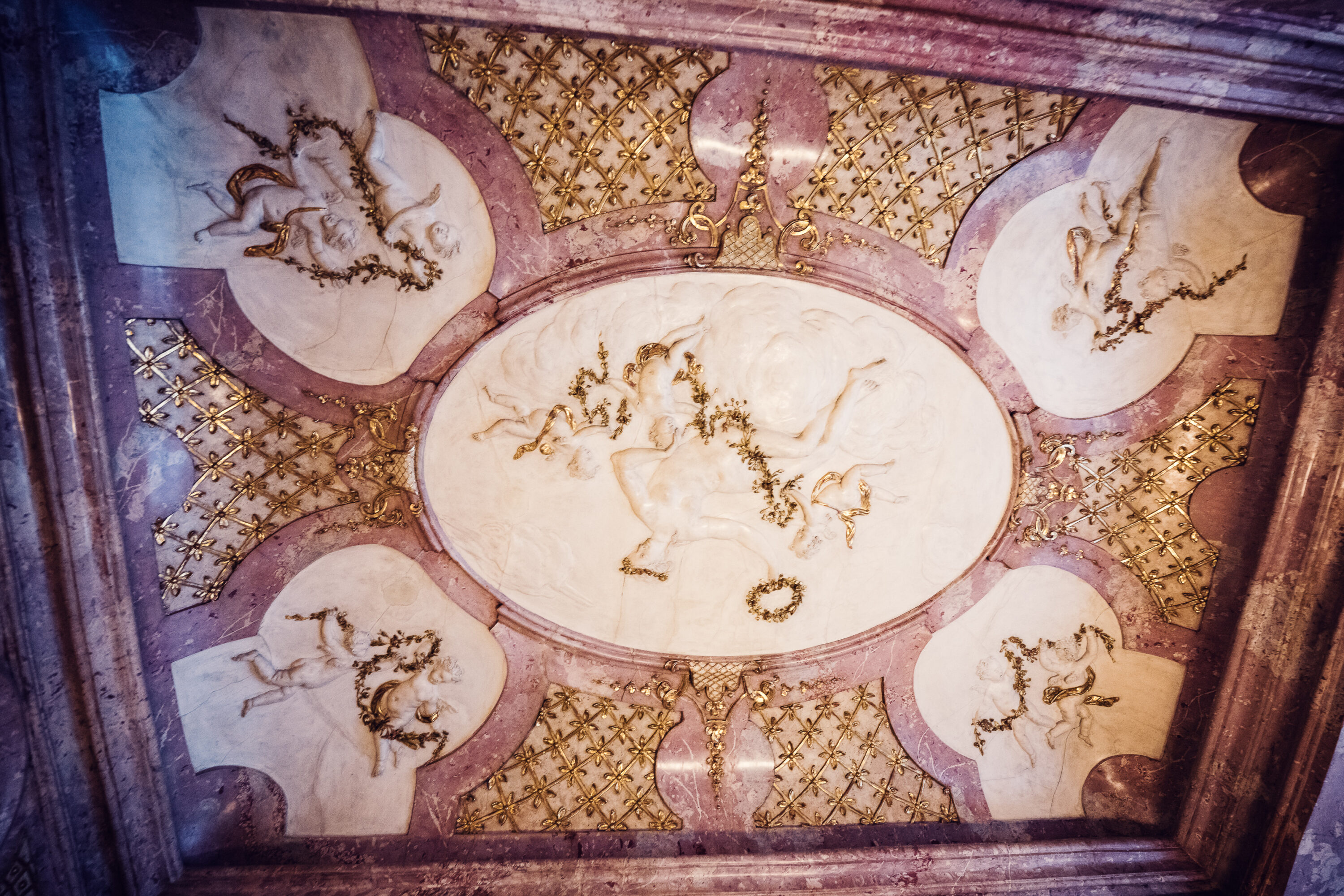
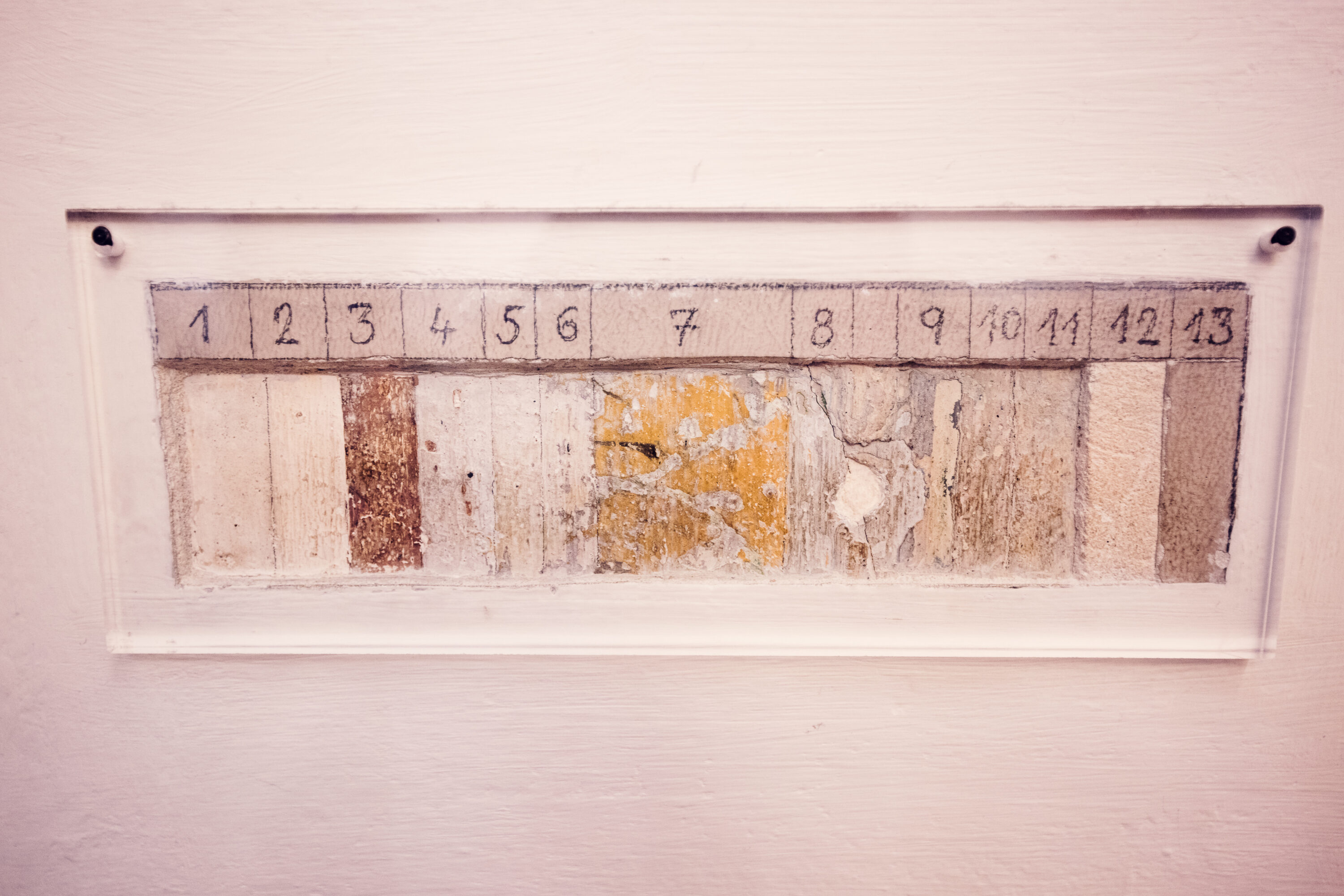
The museum opened in 2006, timed with Mozart’s 250th birthday. Restoration retained original stucco ceilings and historical murals in parts of the building. The result is a space that feels historically grounded yet thoughtfully presented for today’s audience.

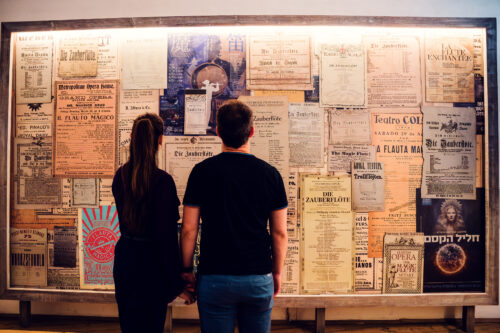
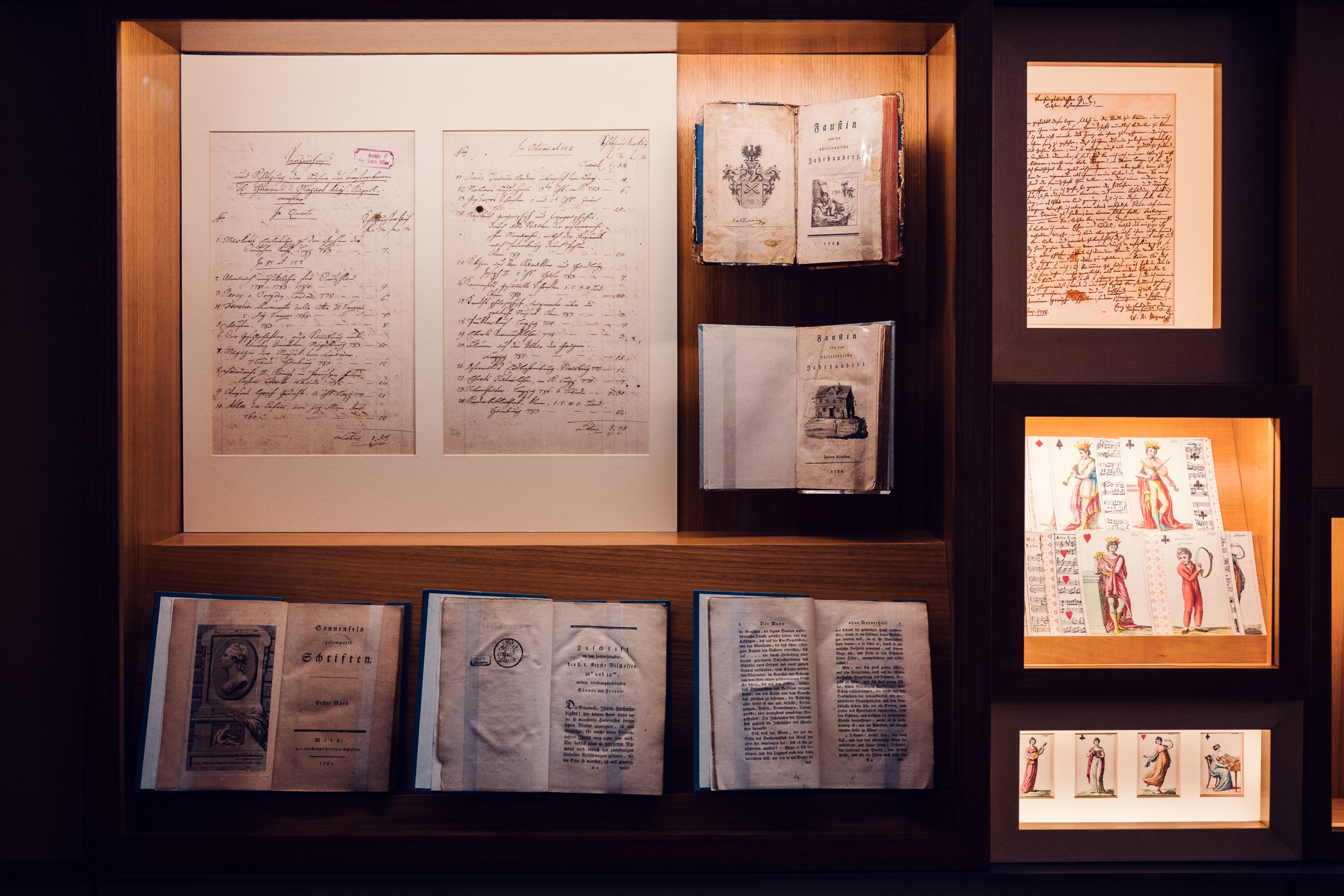
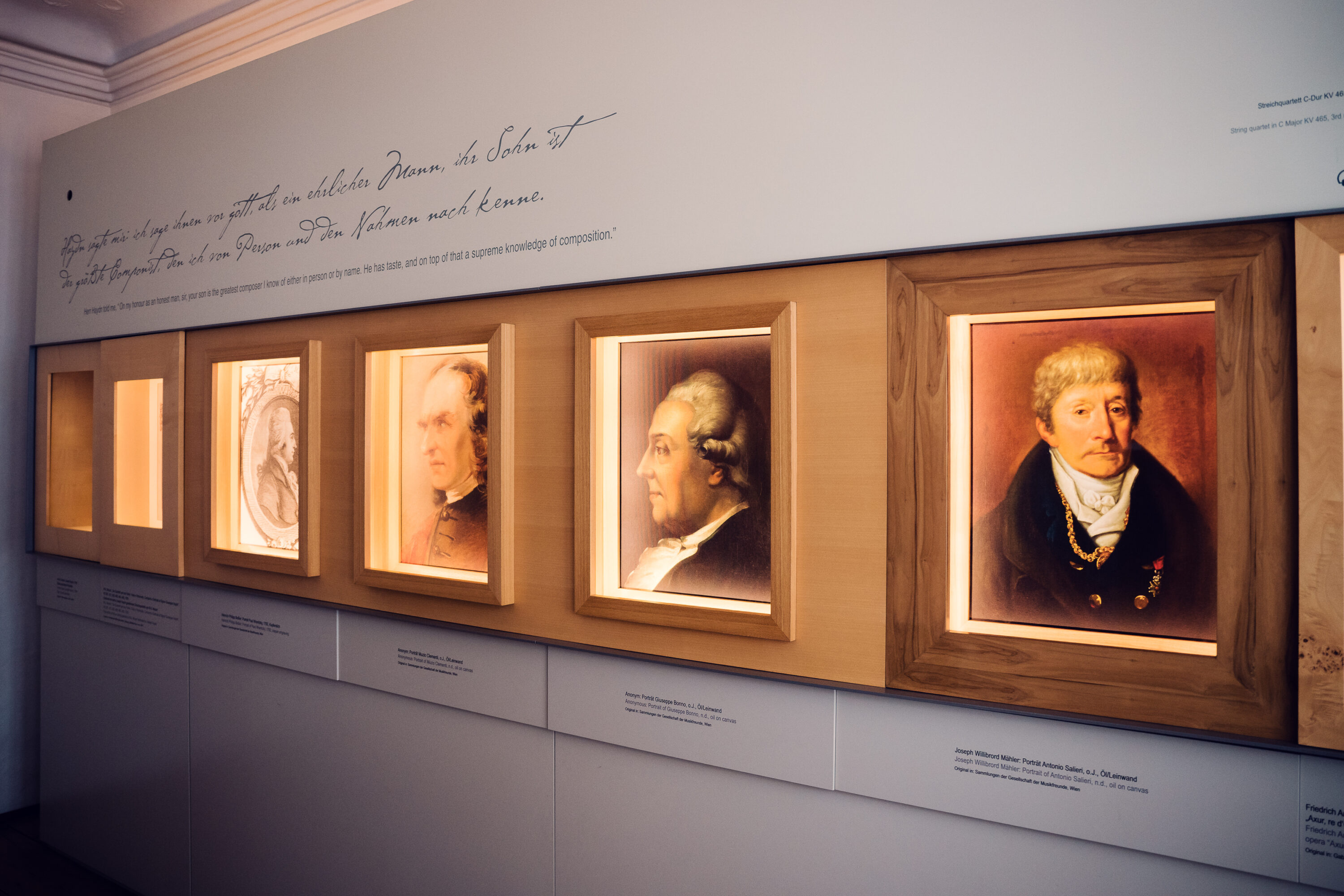
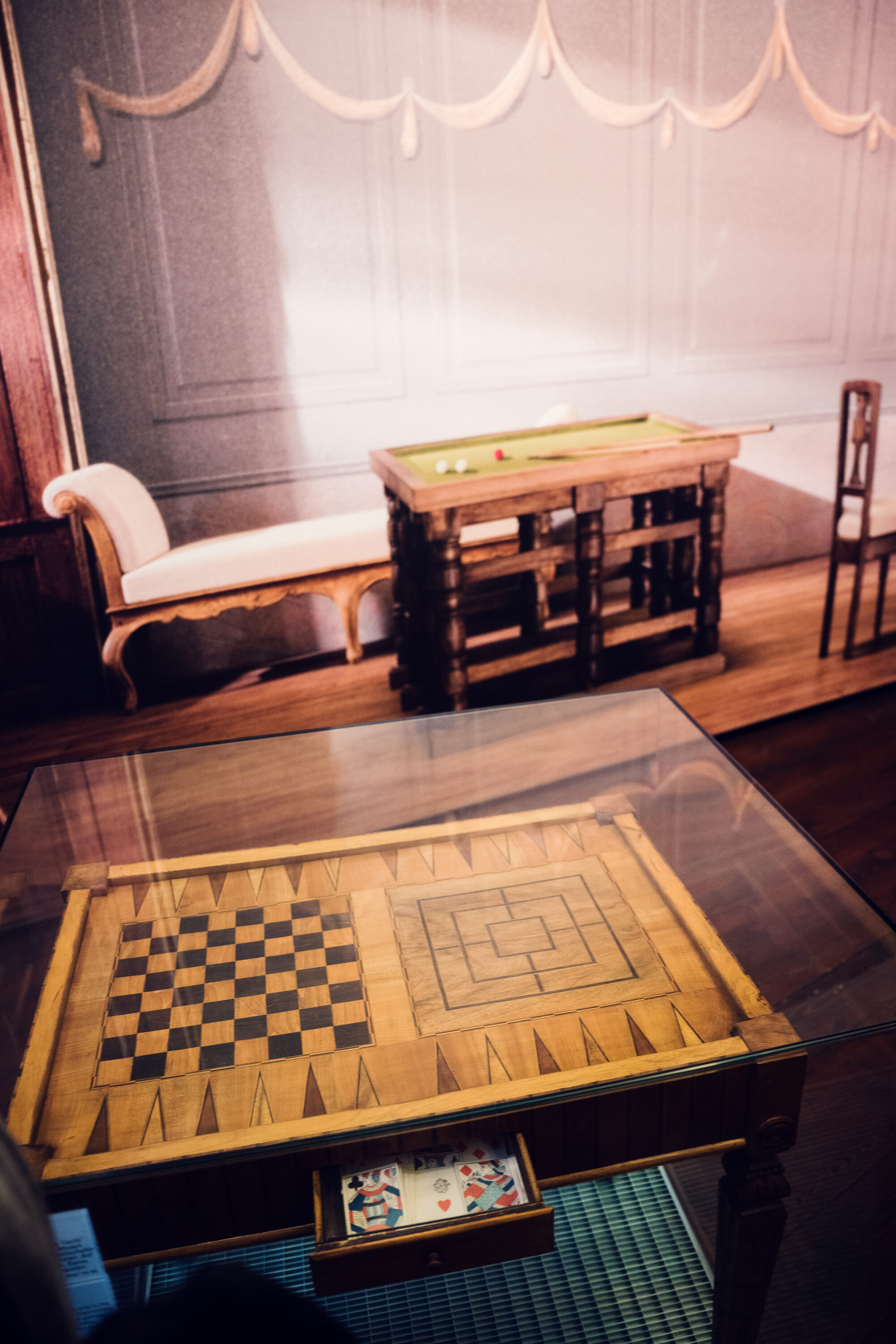
Each floor is themed. The third floor explores Mozart’s life in Vienna, the second his musical world, and the first houses the original apartment. You’ll find thoughtfully curated period displays and multimedia, occasional loaned originals – such as select letters in special exhibitions – and evocative 18th-century furnishings.
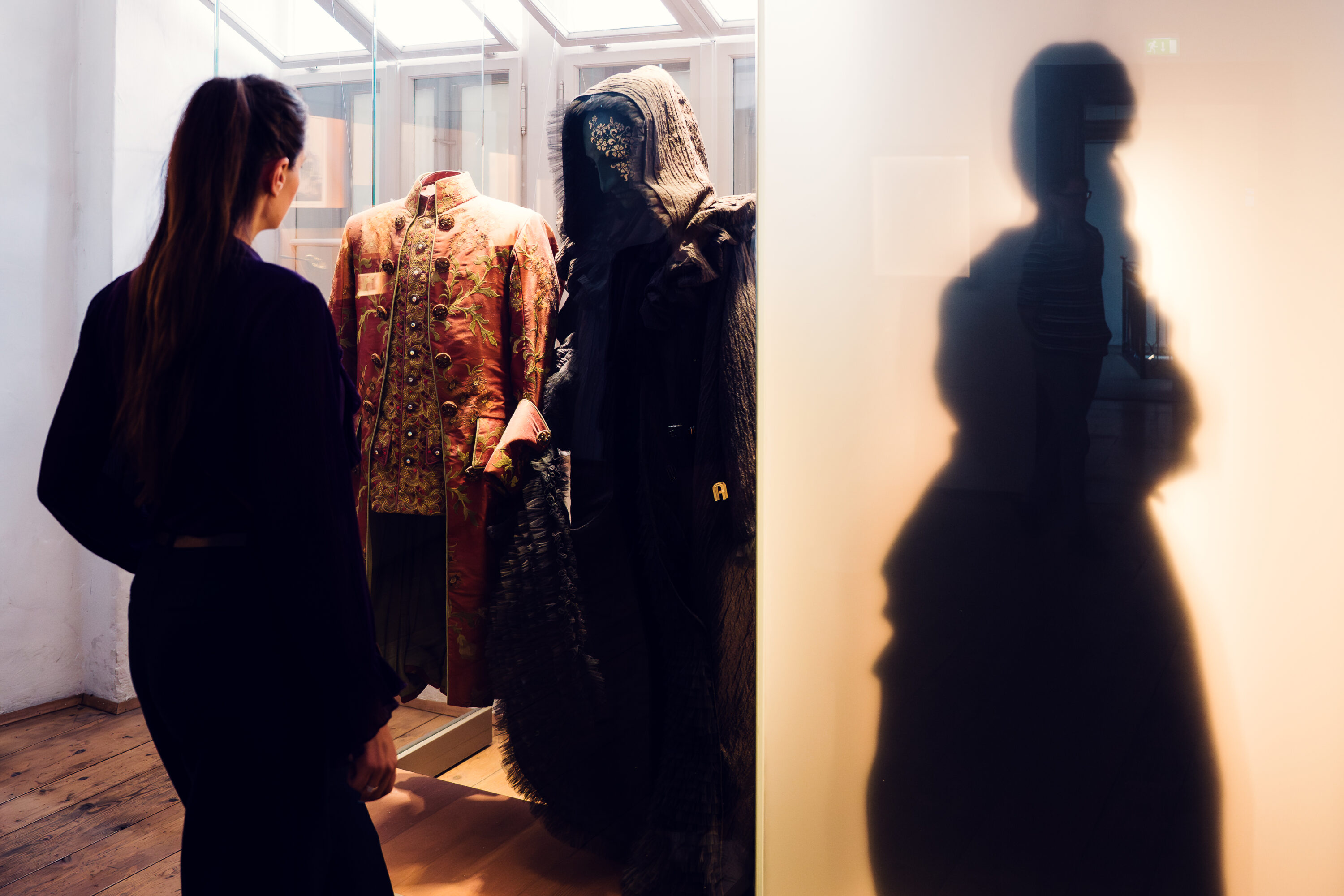
Mozarthaus - 2
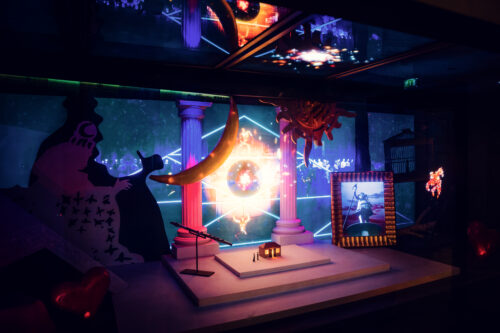
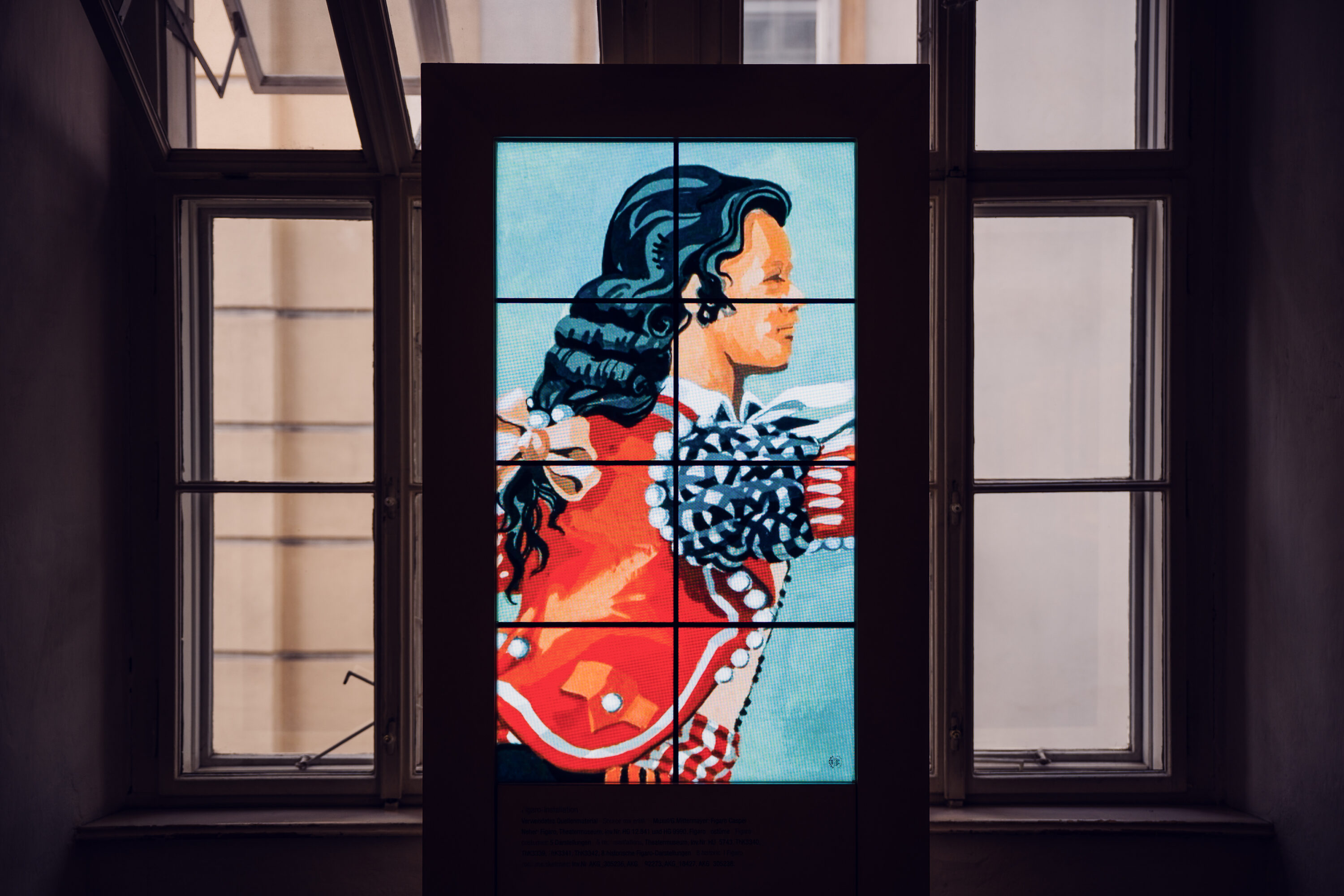
Period costumes and playful shadows inside Mozarthaus Vienna.
The museum thoughtfully avoids the common caricatures of Mozart. He isn’t depicted as a flawless prodigy or a tragic outsider, but as a multifaceted individual. Alongside his undeniable musical brilliance, the exhibition reveals the more grounded realities of his life – financial instability, shifting personal relationships, and the challenges of working within an evolving and competitive cultural scene.
Ultimately, Mozarthaus invites you into the life and mind of a man who helped shape Western music. It’s a testament to creative legacy, and how art, when created with genius and humanity, truly outlives its maker.