




St. Stephen's Cathedral, Vienna: A Journey Through Time
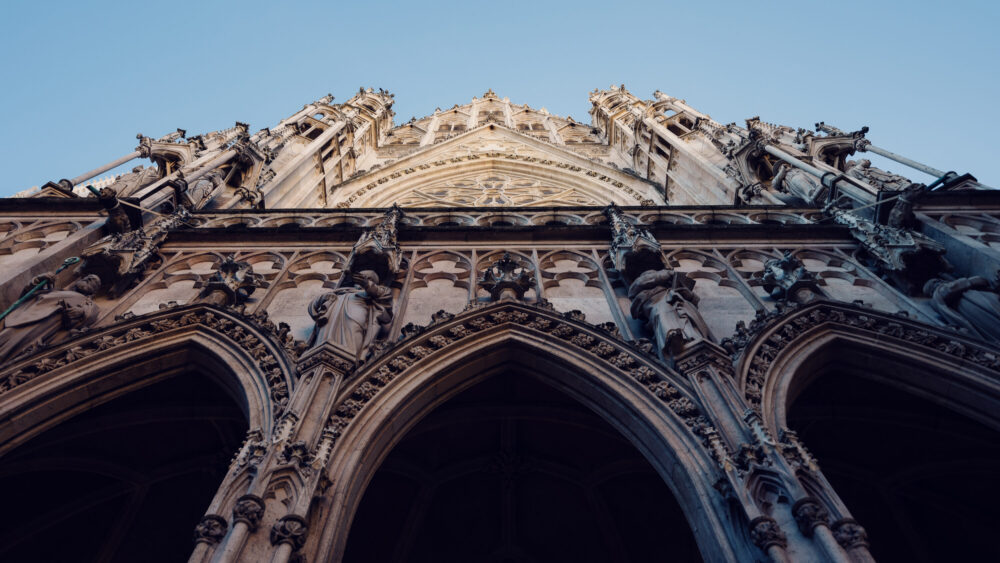
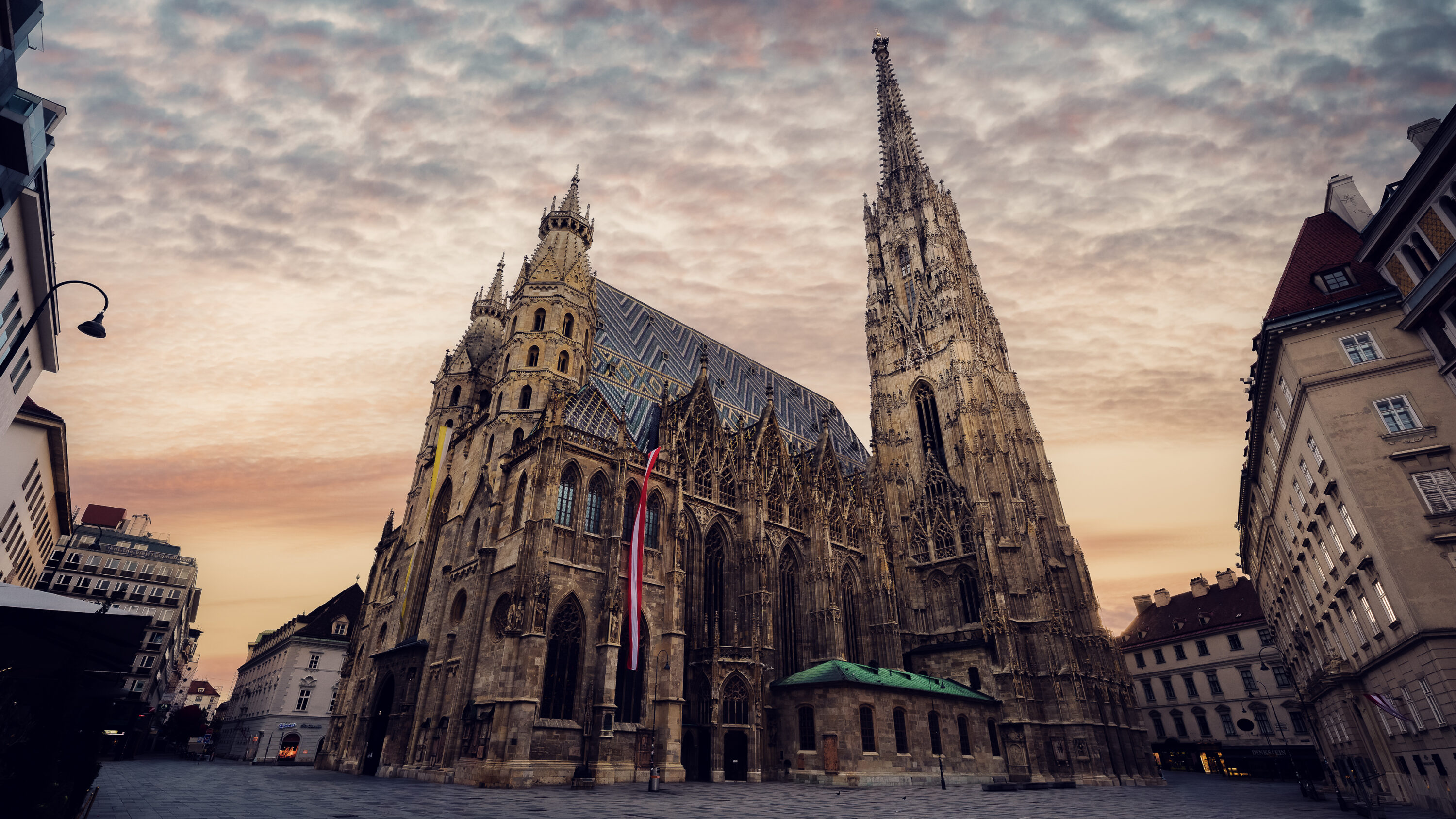
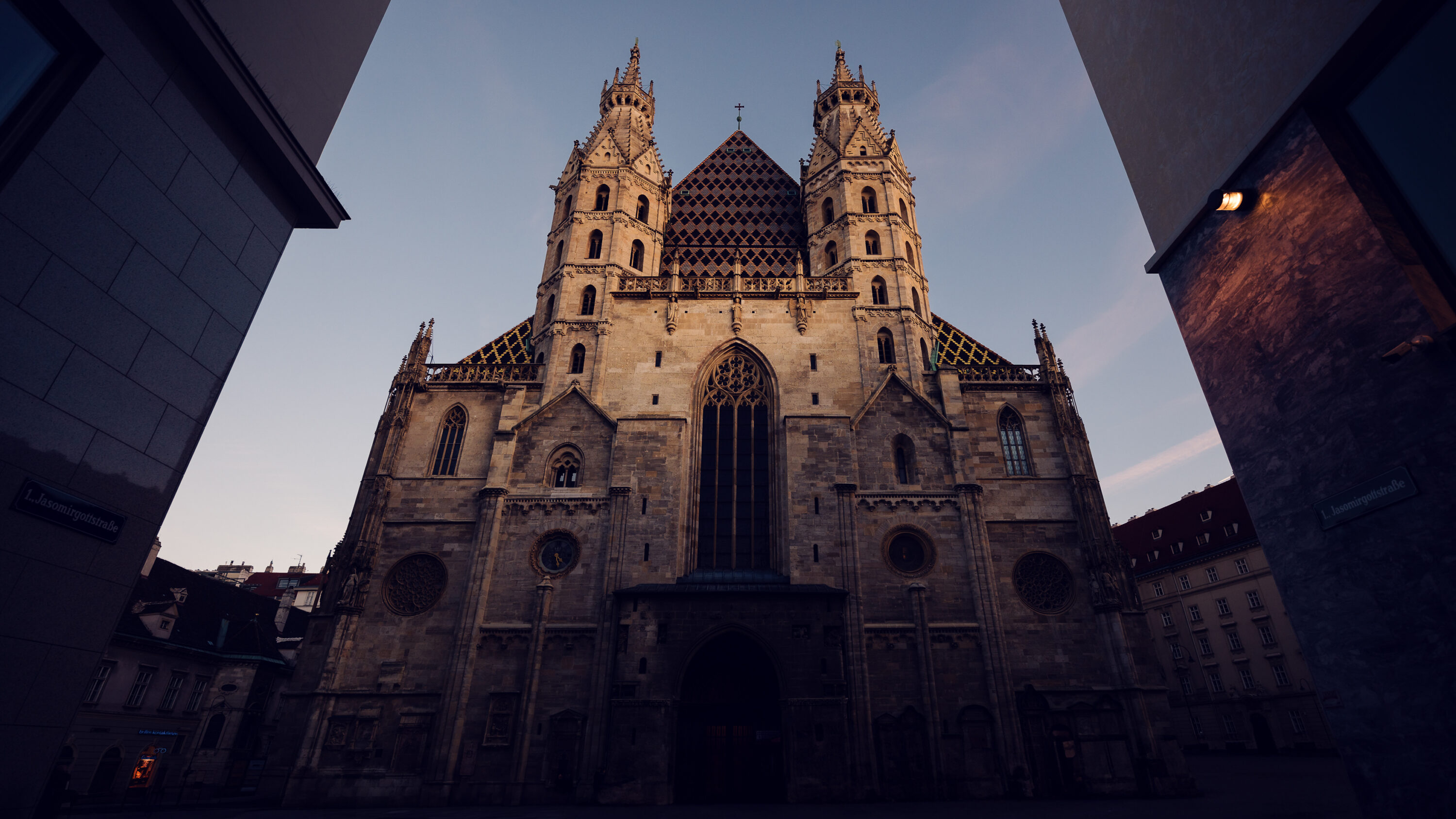
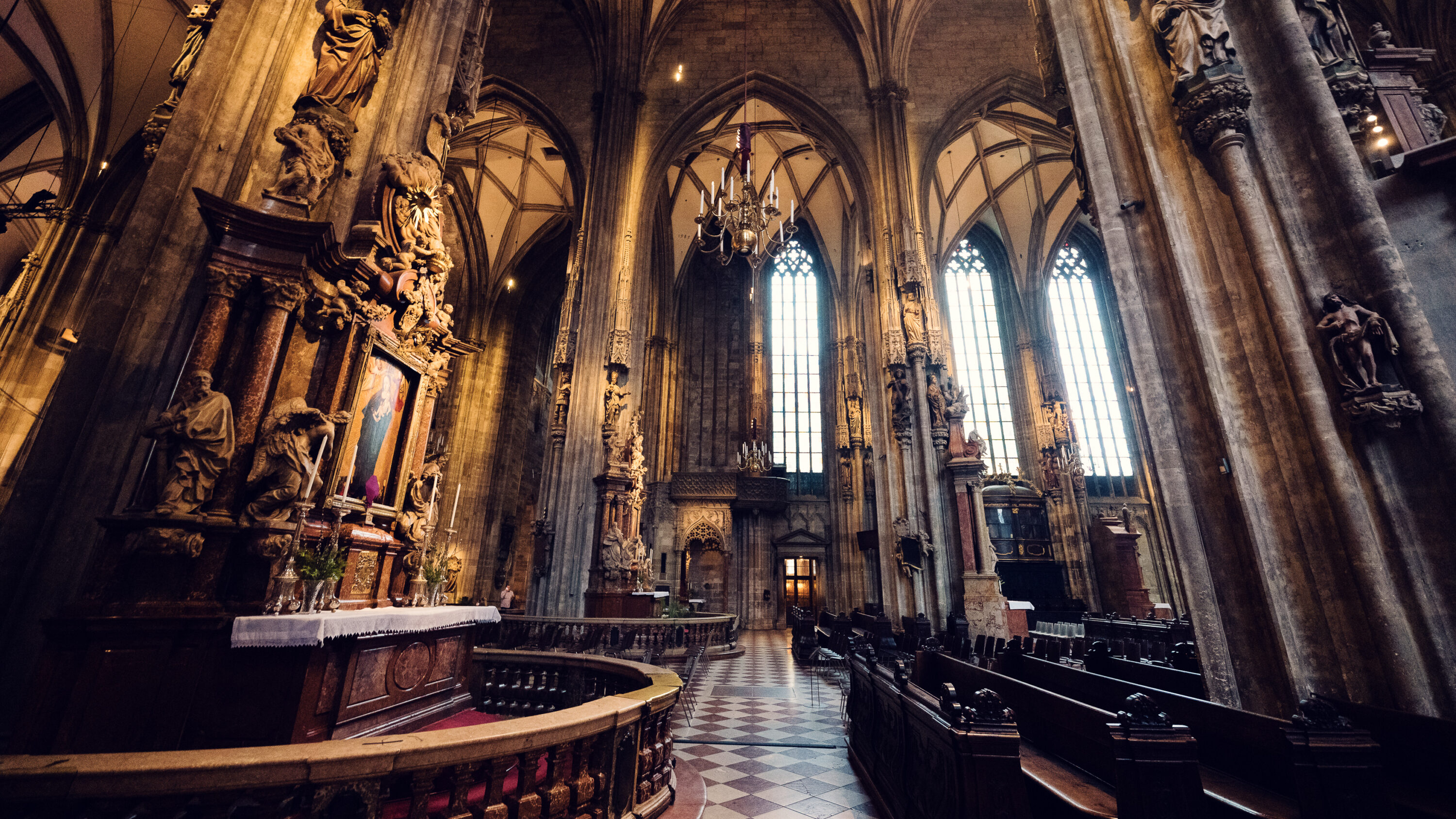
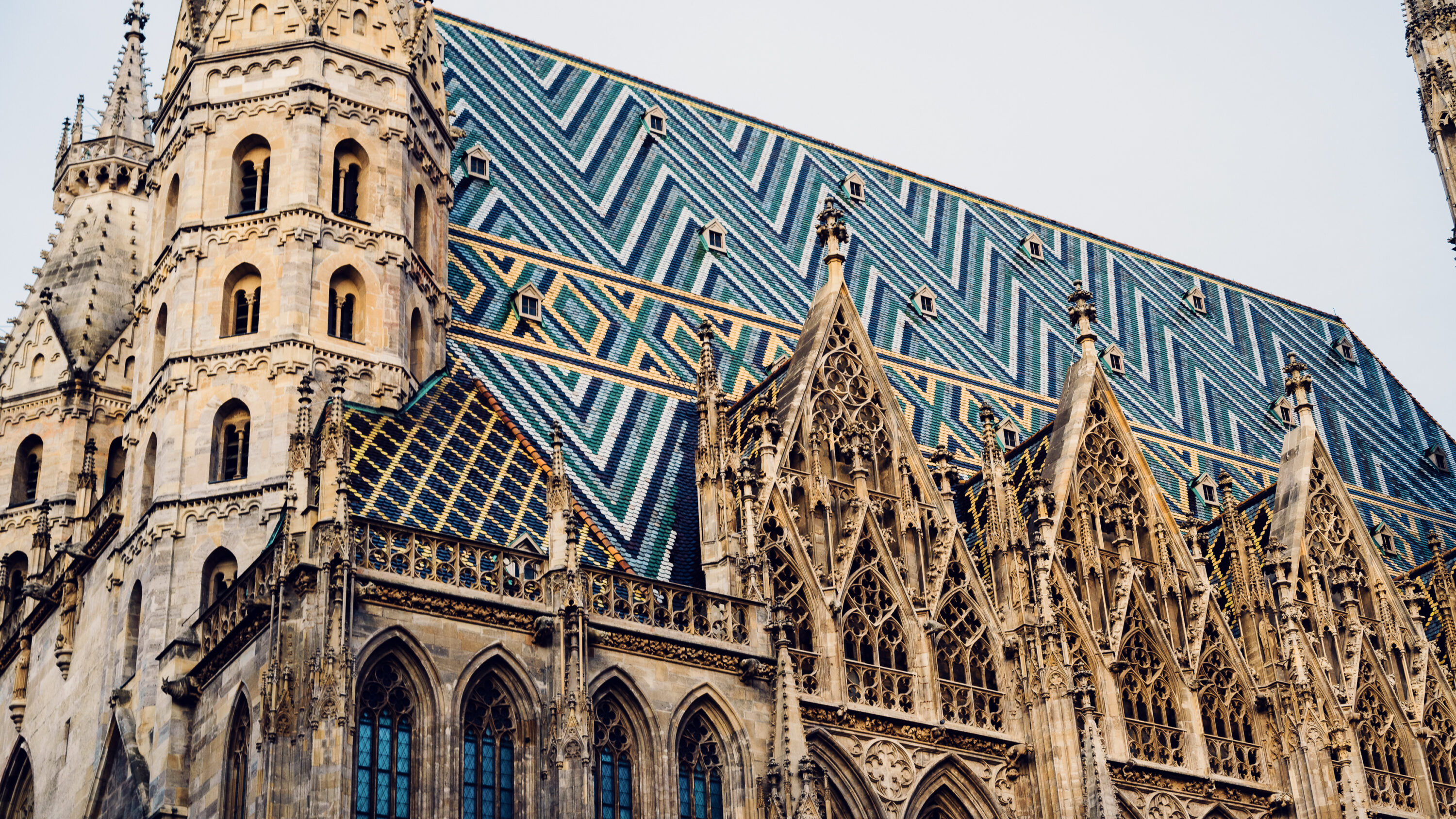
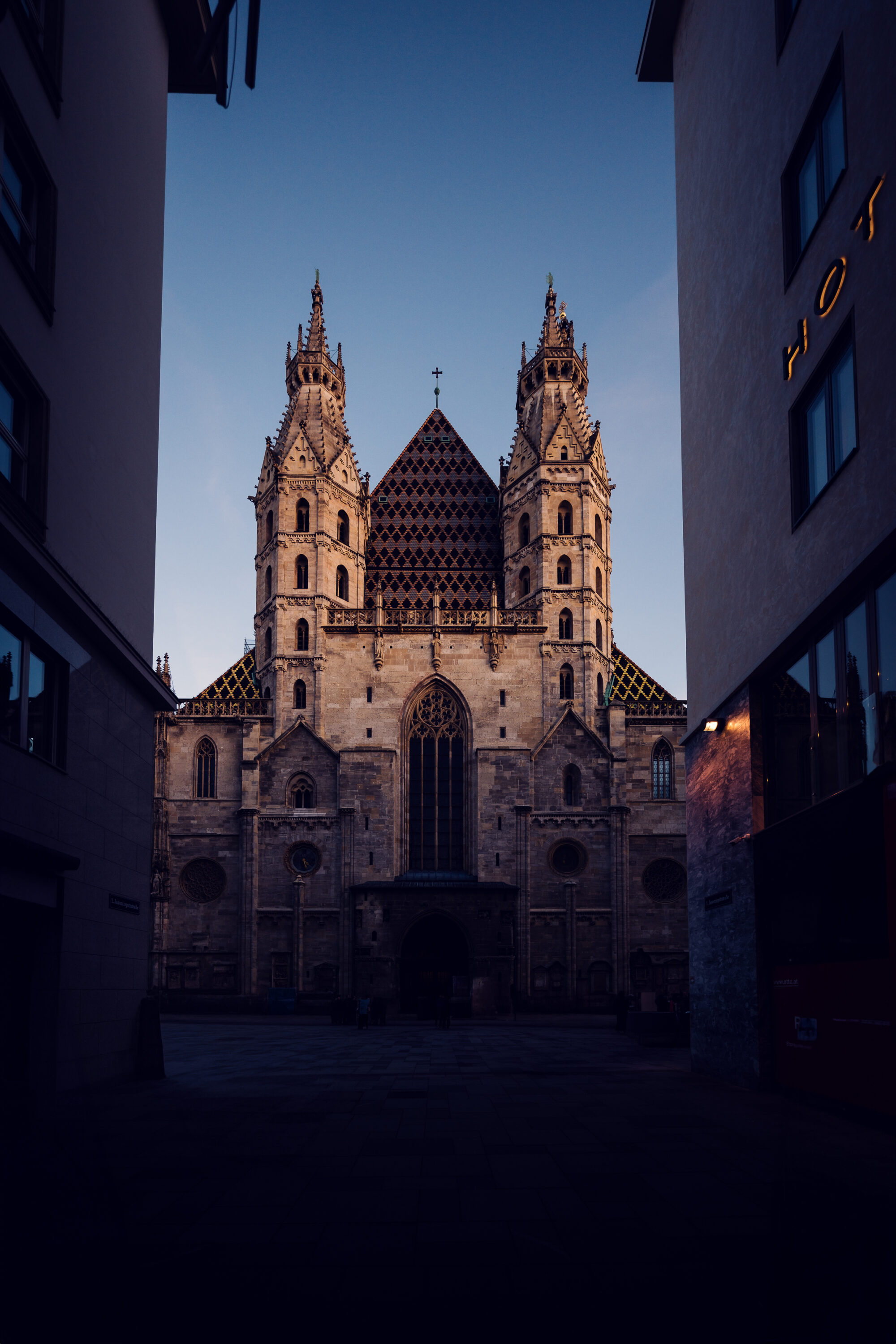
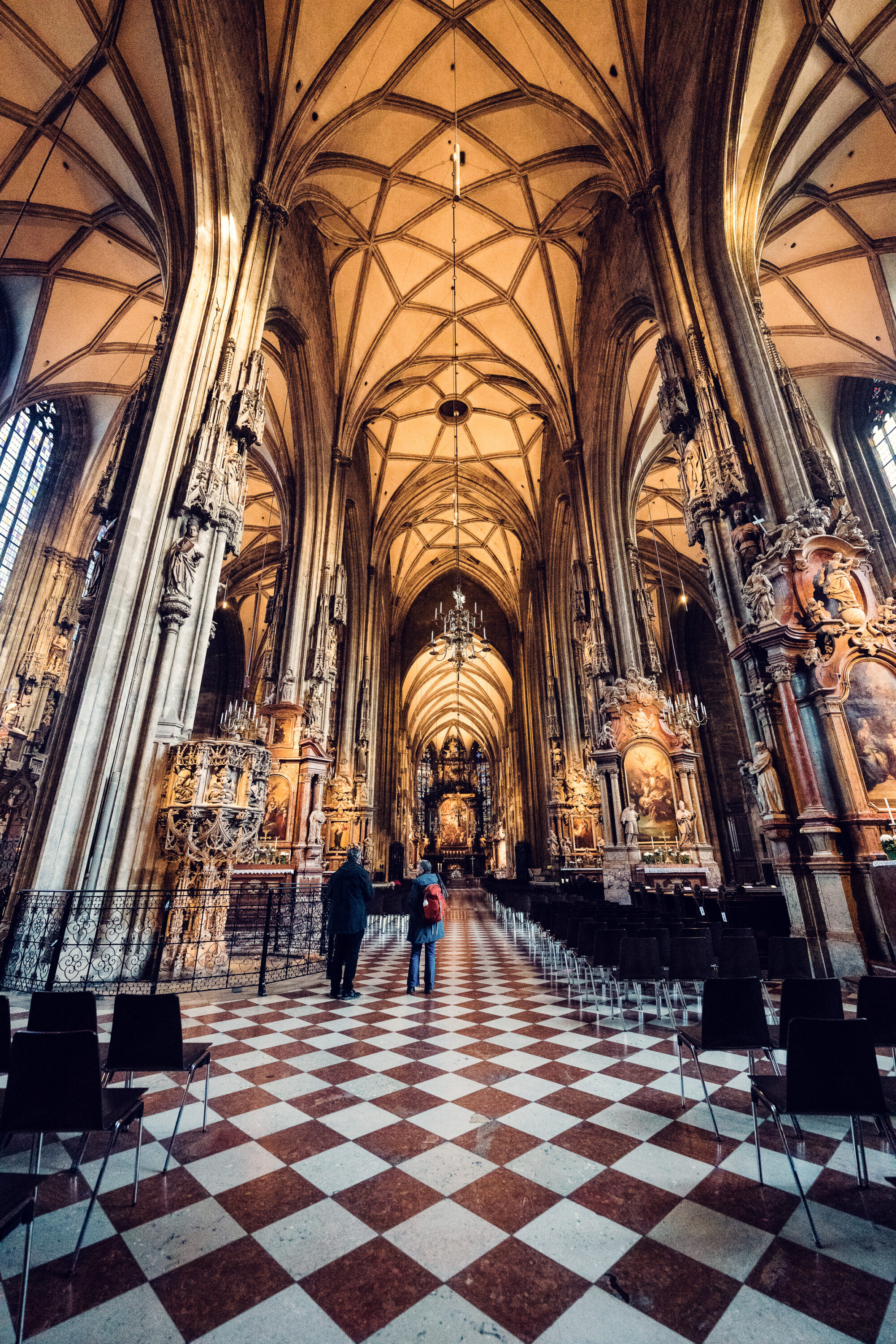
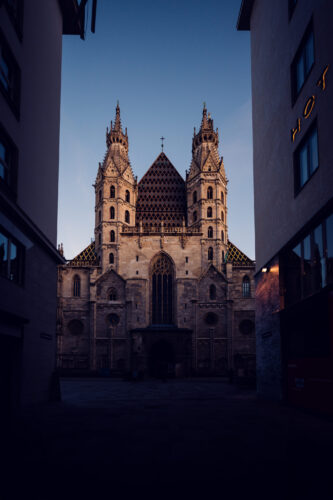
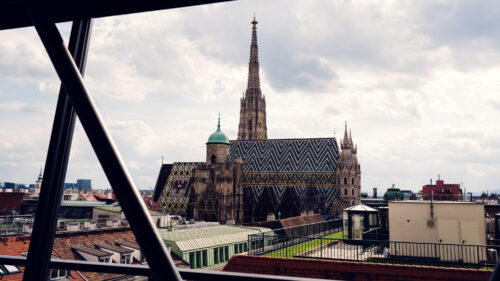
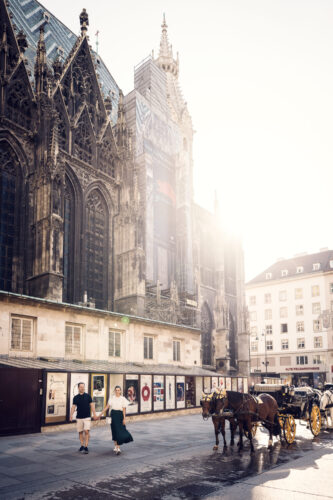
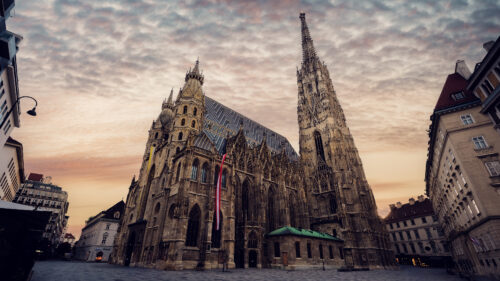
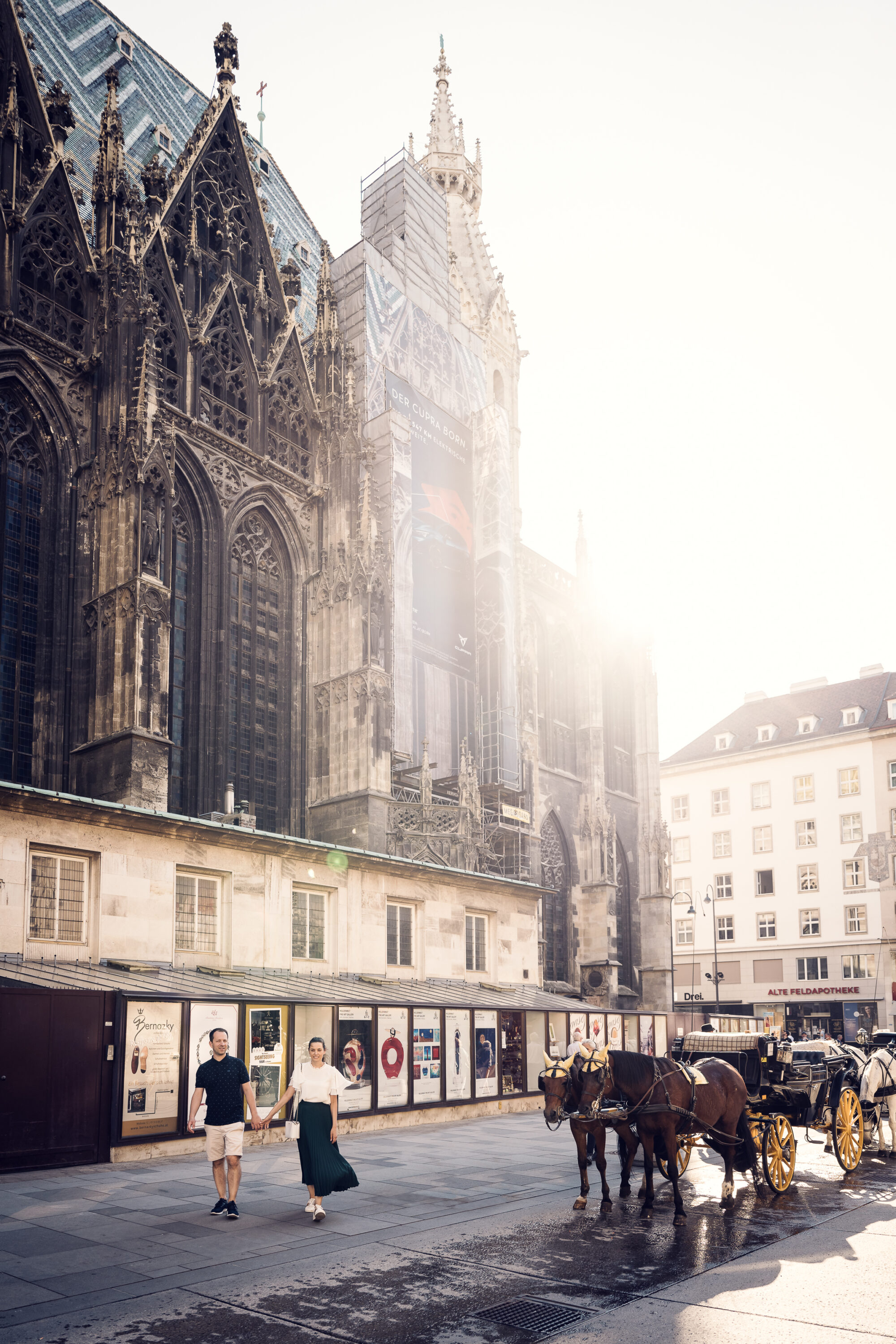
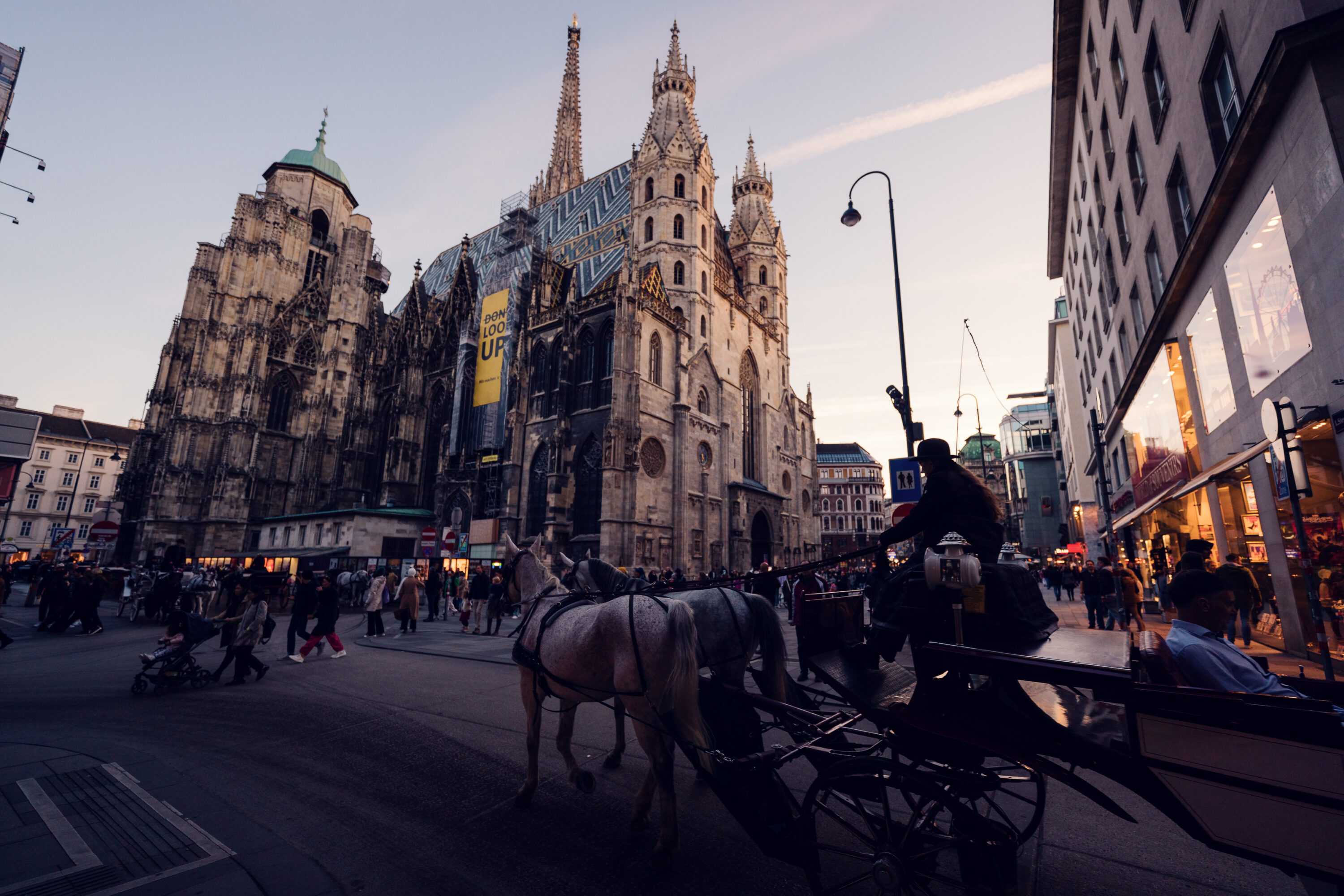
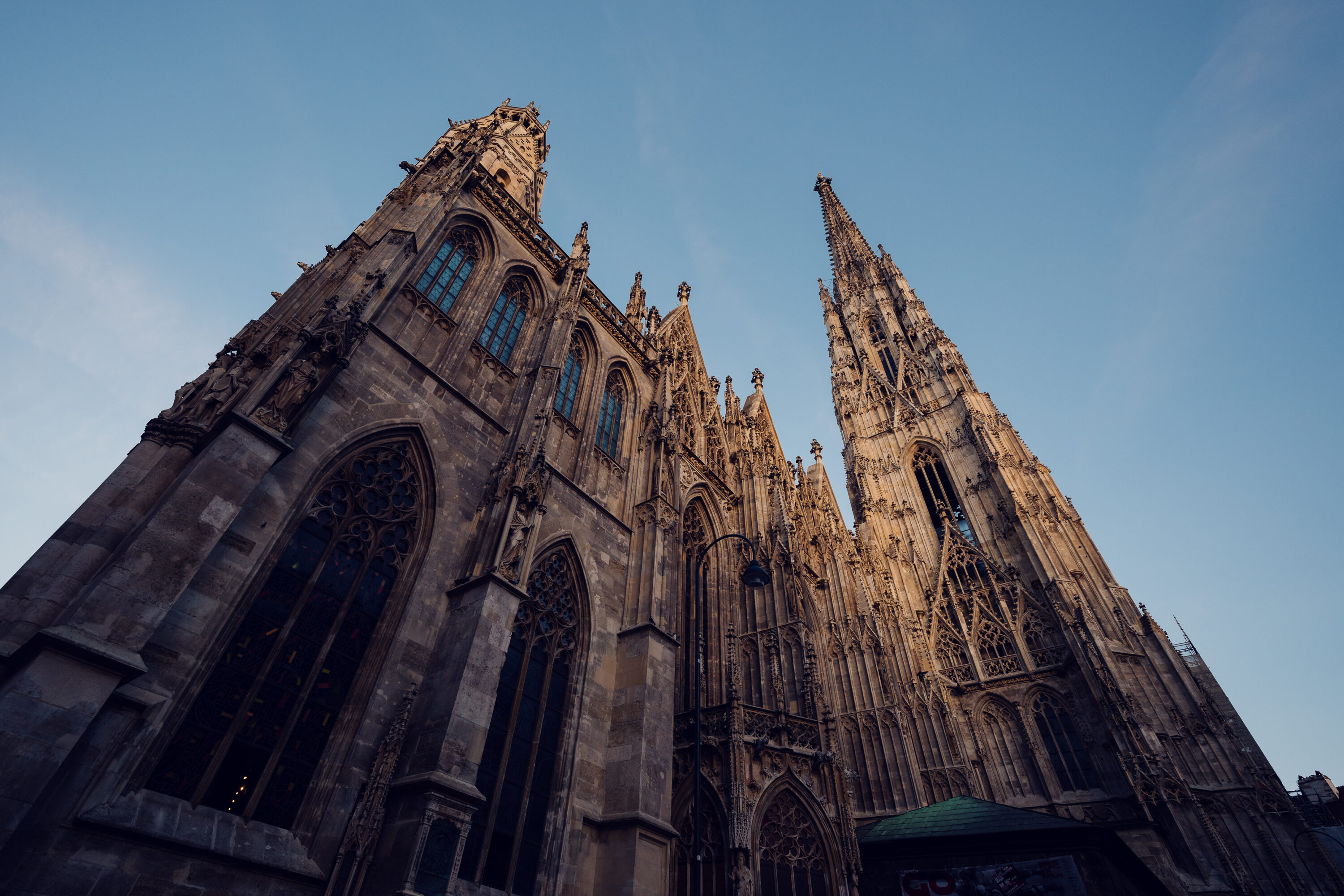
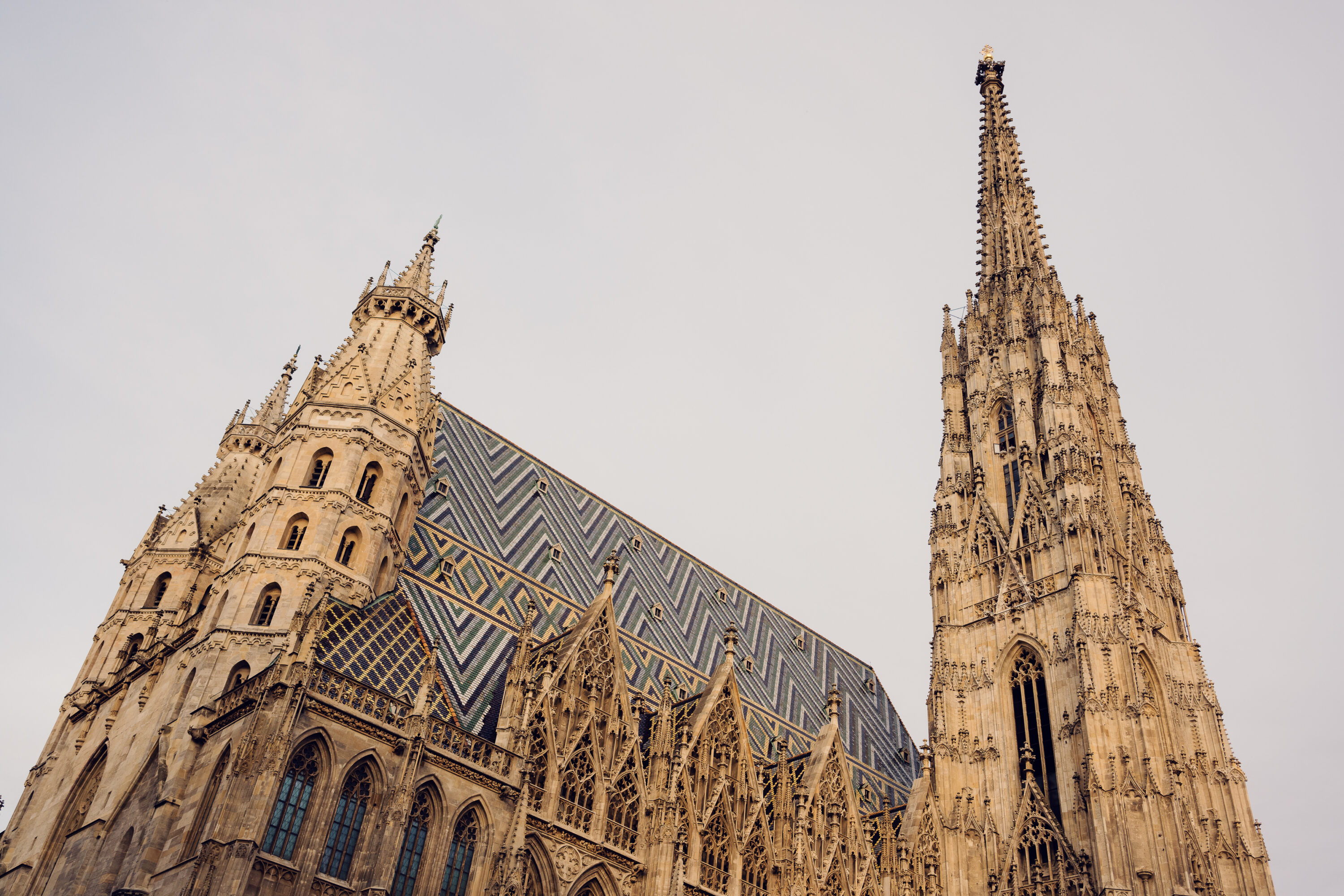
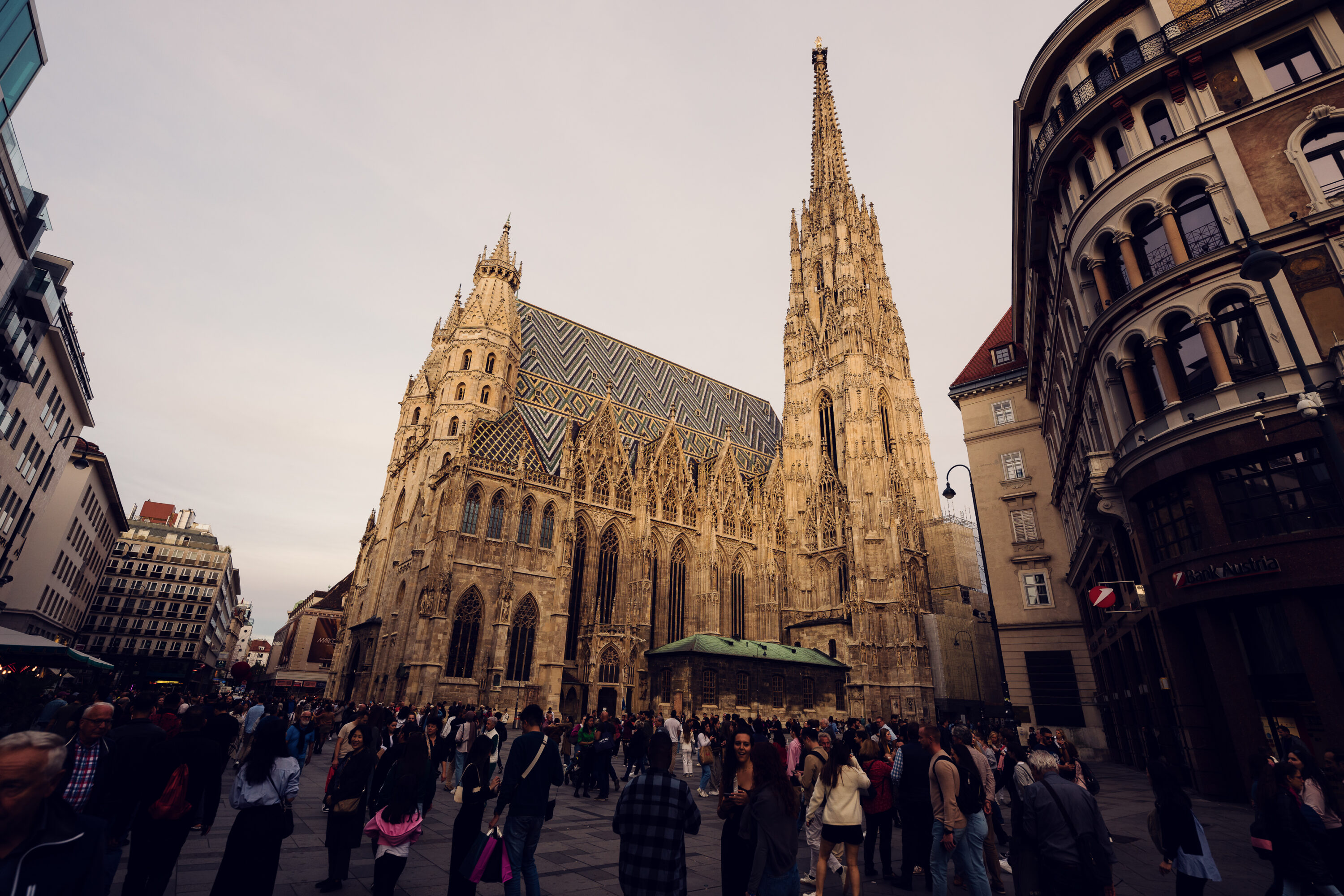
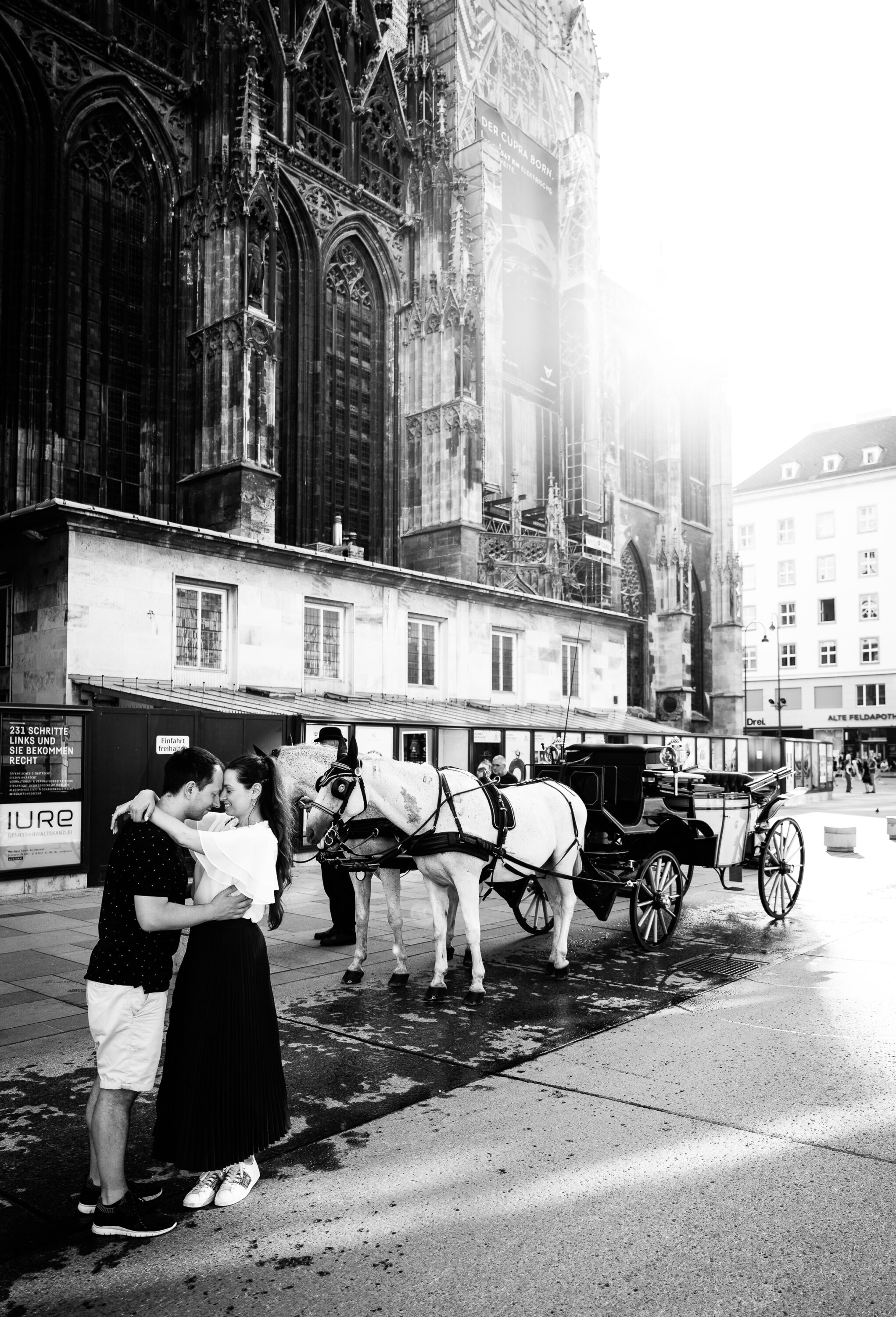
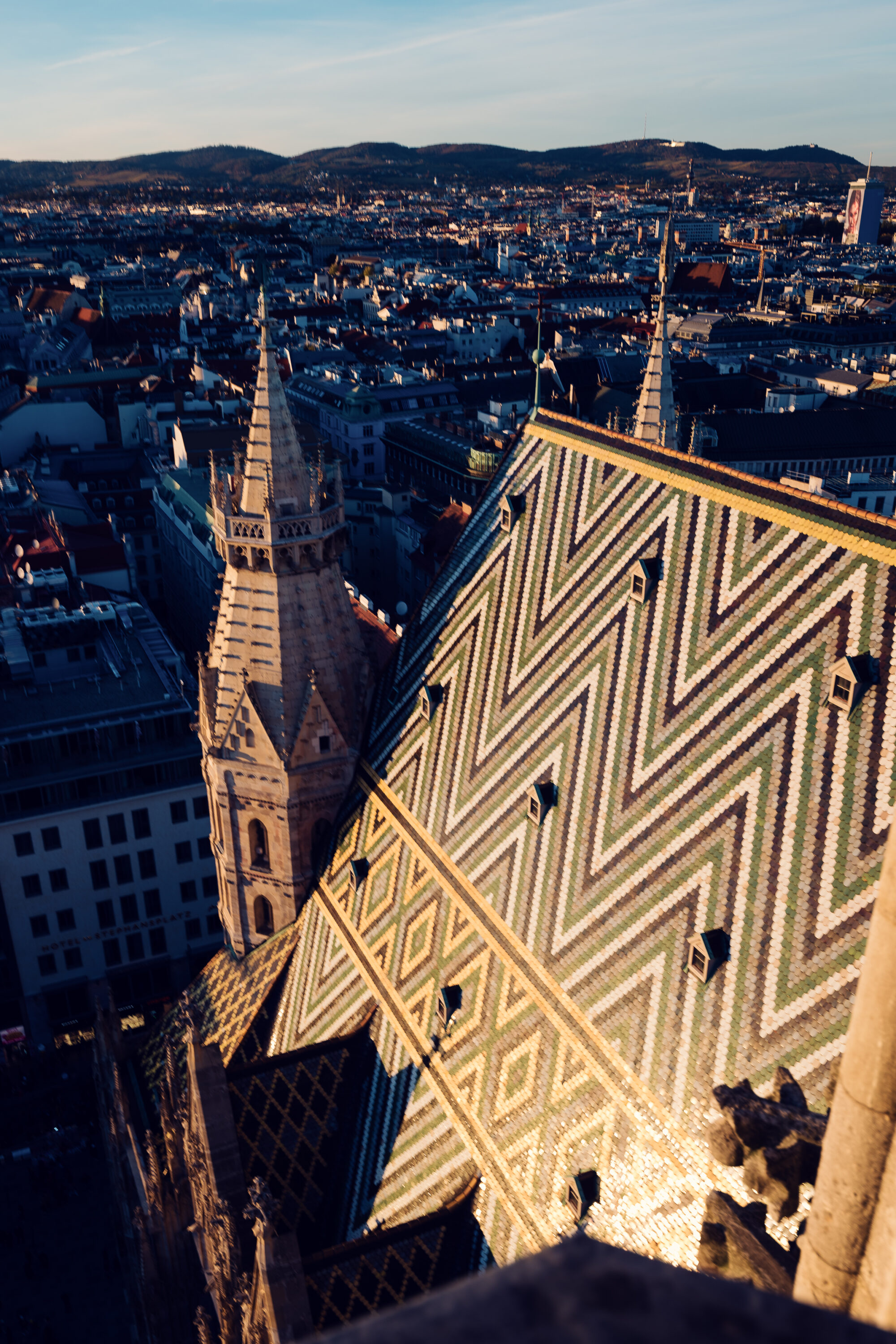
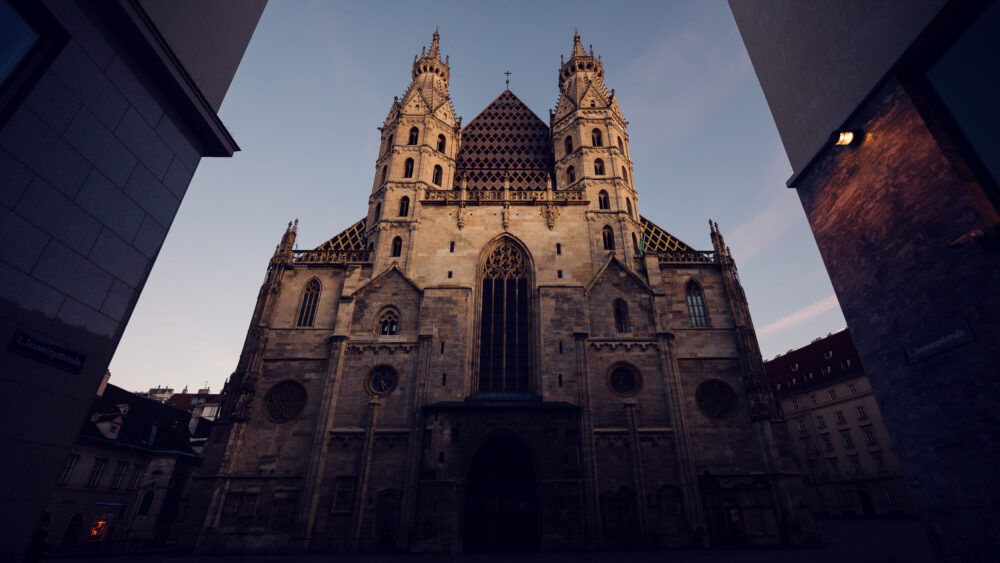
In the heart of Vienna stands St. Stephen's Cathedral, known locally as Stephansdom. The present building is predominantly Gothic, but it preserves notable Romanesque features such as the Giant Gate (Riesentor) and the Heathen Towers.
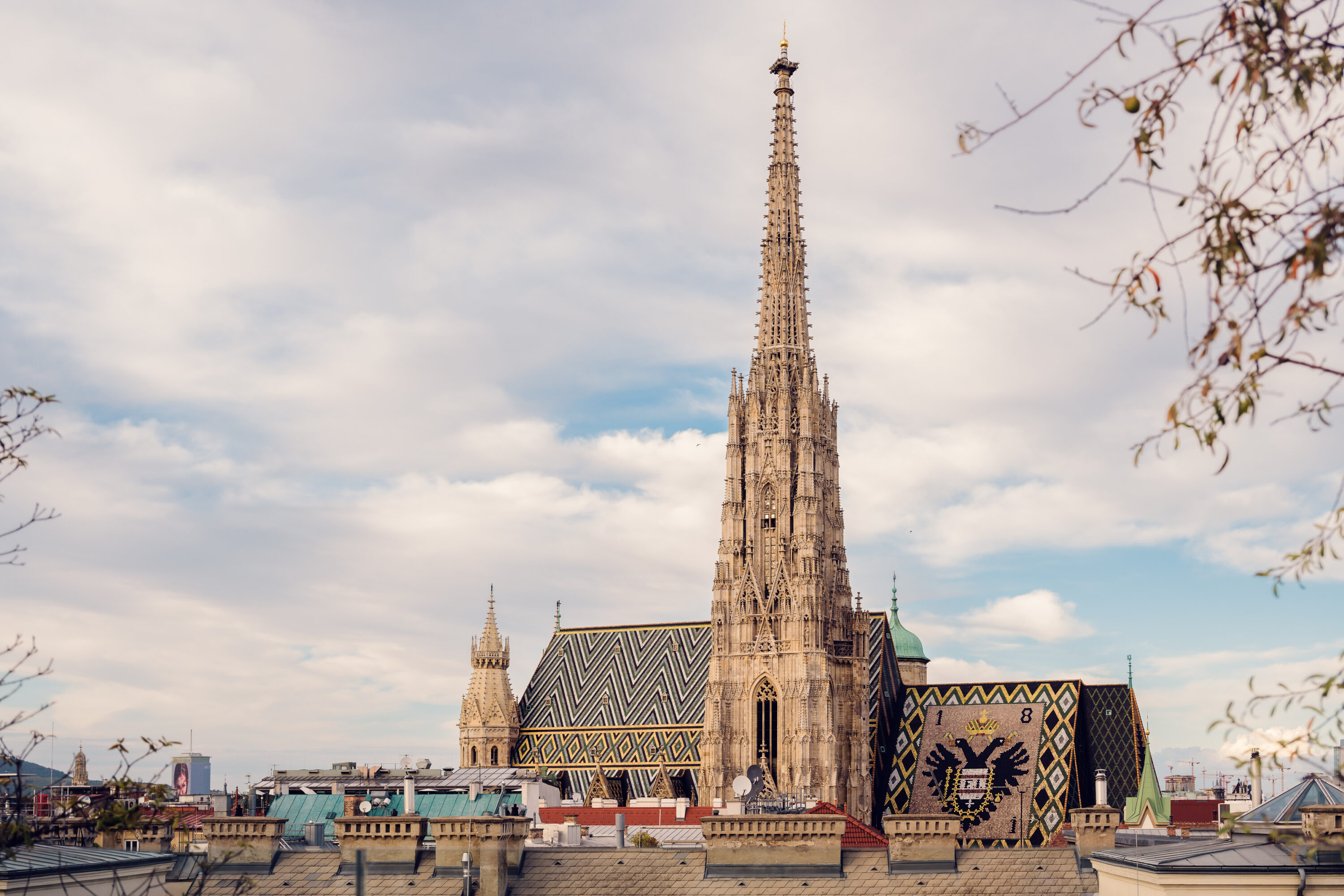
The origins of St. Stephen's Cathedral date back to the 12th century, when a Romanesque church dedicated to St. Stephen was established. As Vienna's importance grew, so did the need for a grander structure. The initial foundations were laid around 1137, with the west front and its giant gate completed by 1230.
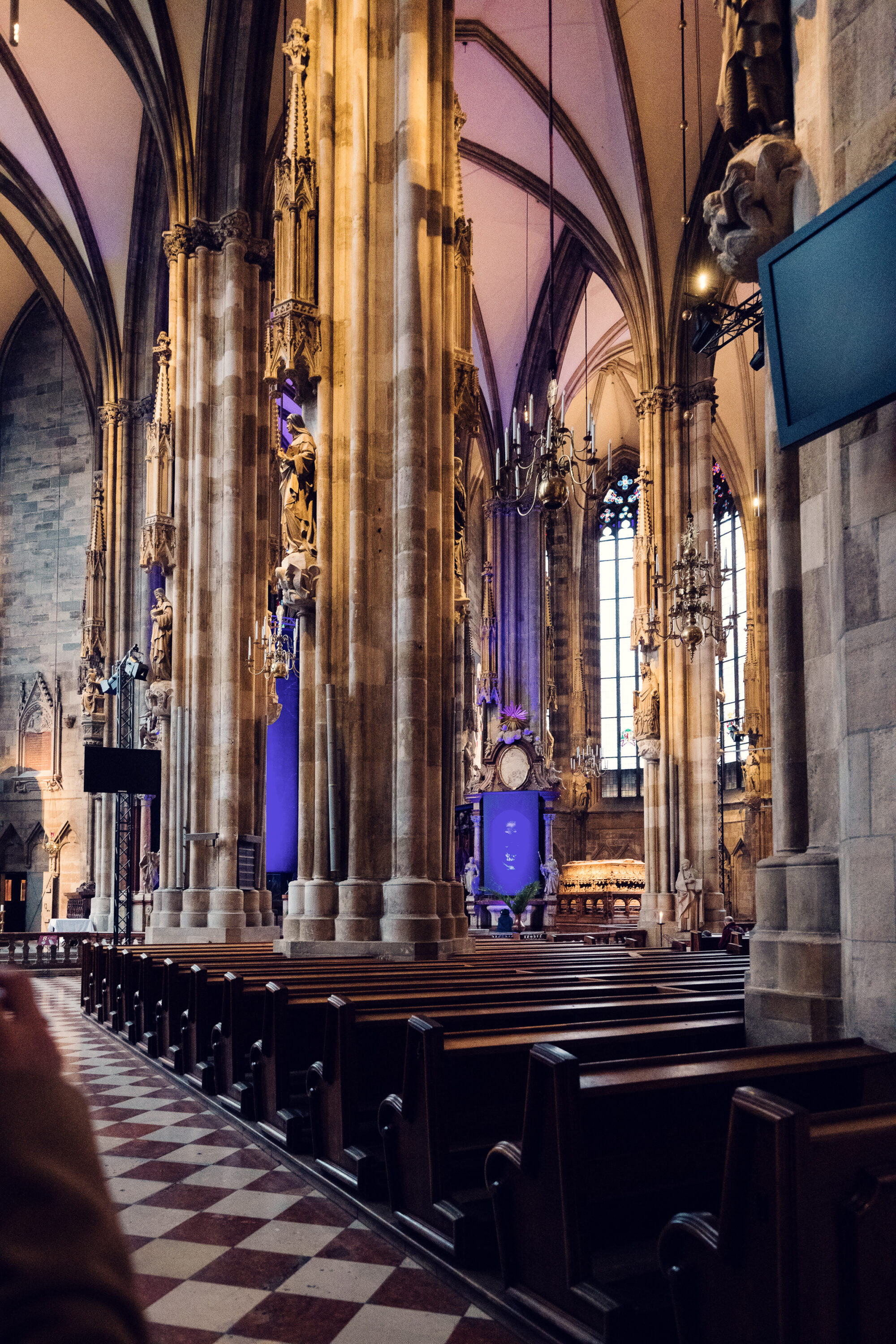
In the 14th century, Rudolf IV of Austria continued an earlier Gothic expansion - begun in 1304 under King Albert I - completing the three-naved eastern extension known as the Albertine Choir, which gave the cathedral its elongated shape.
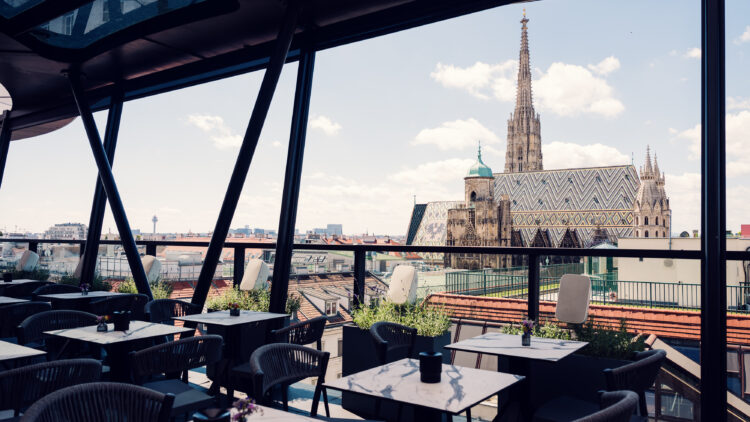
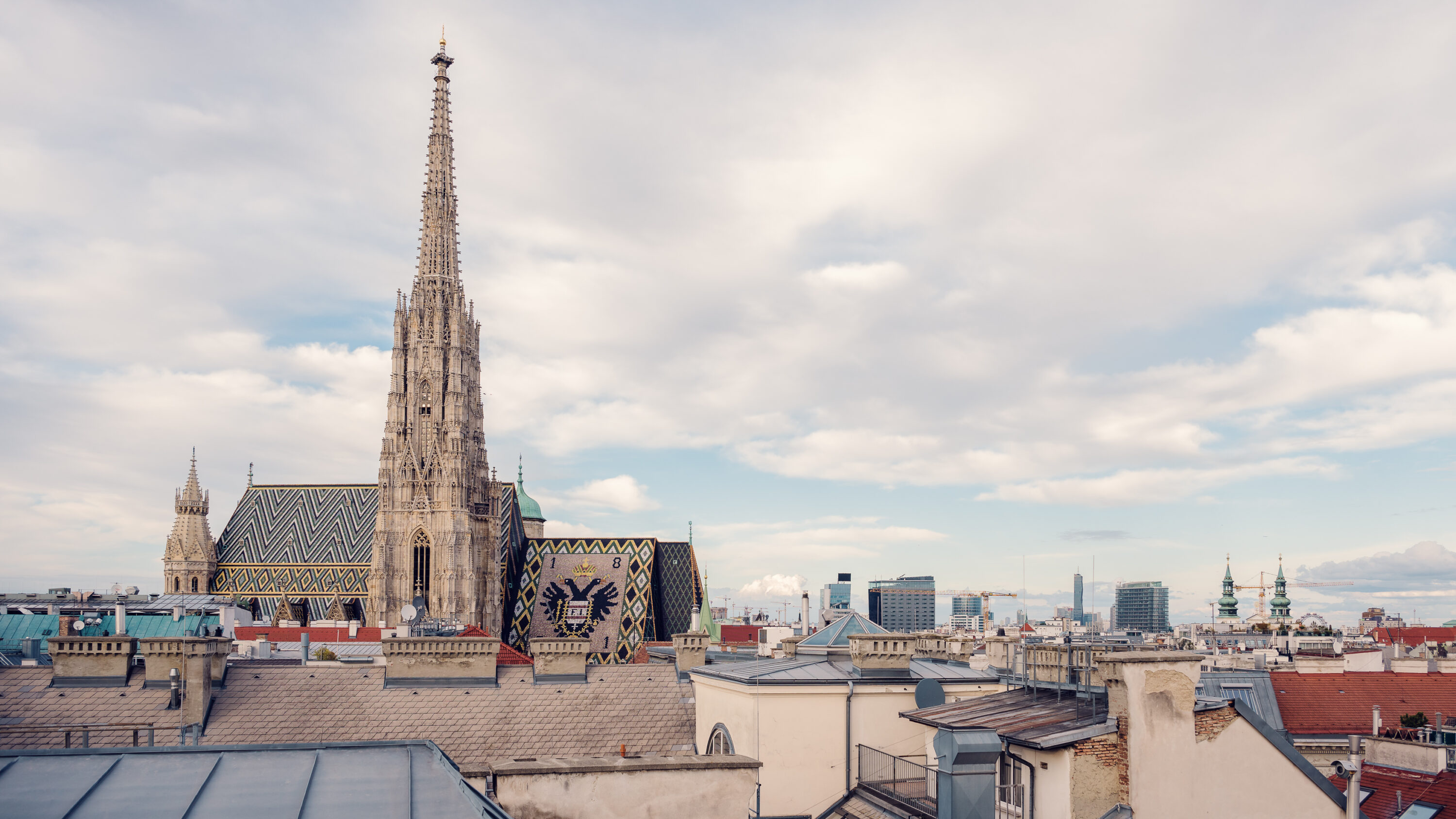
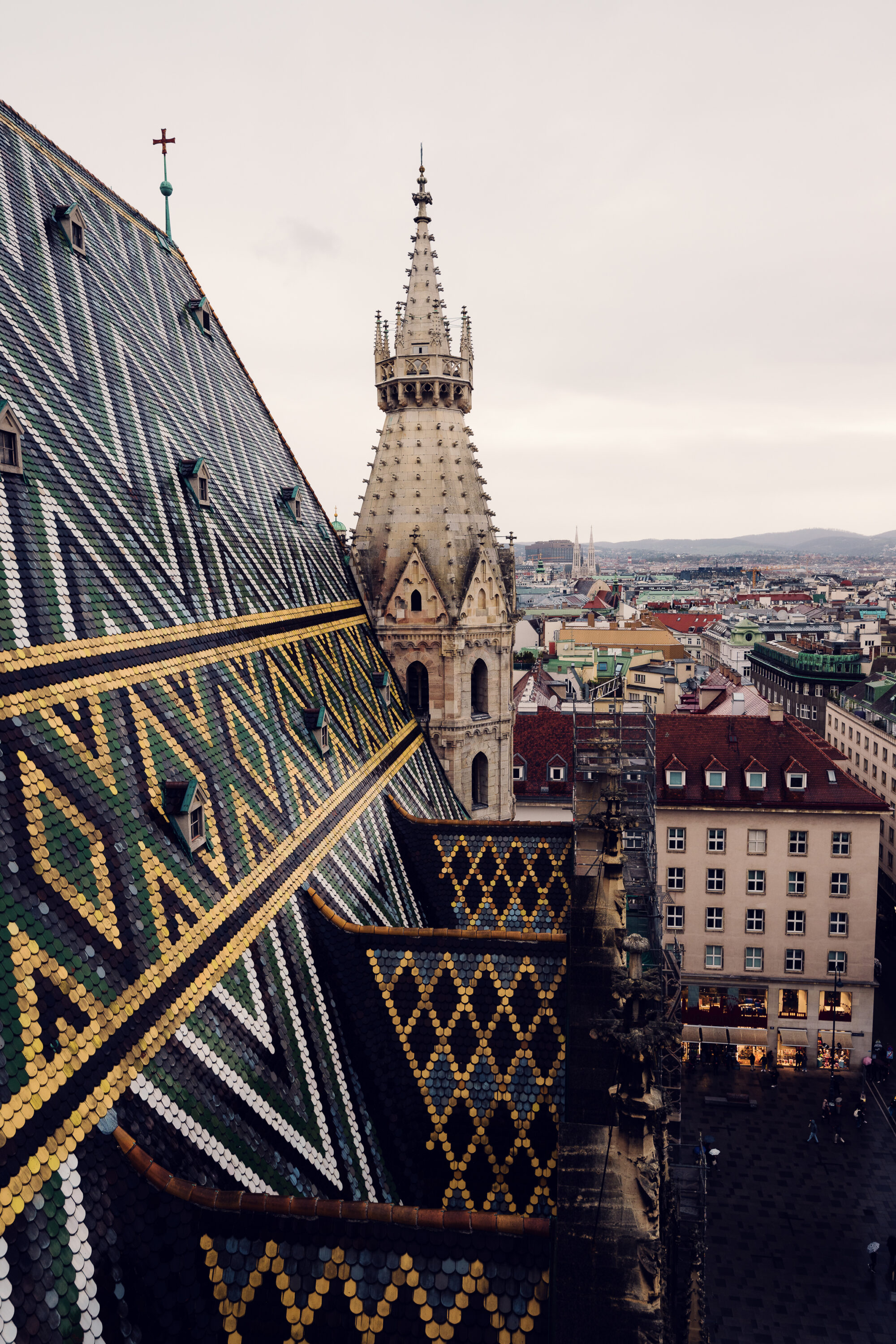
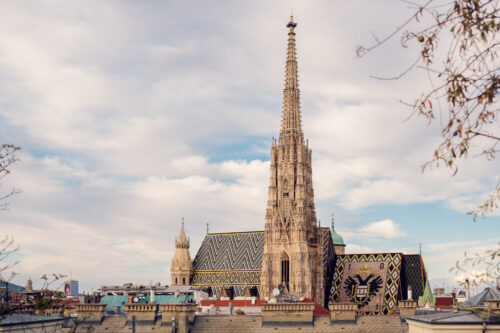
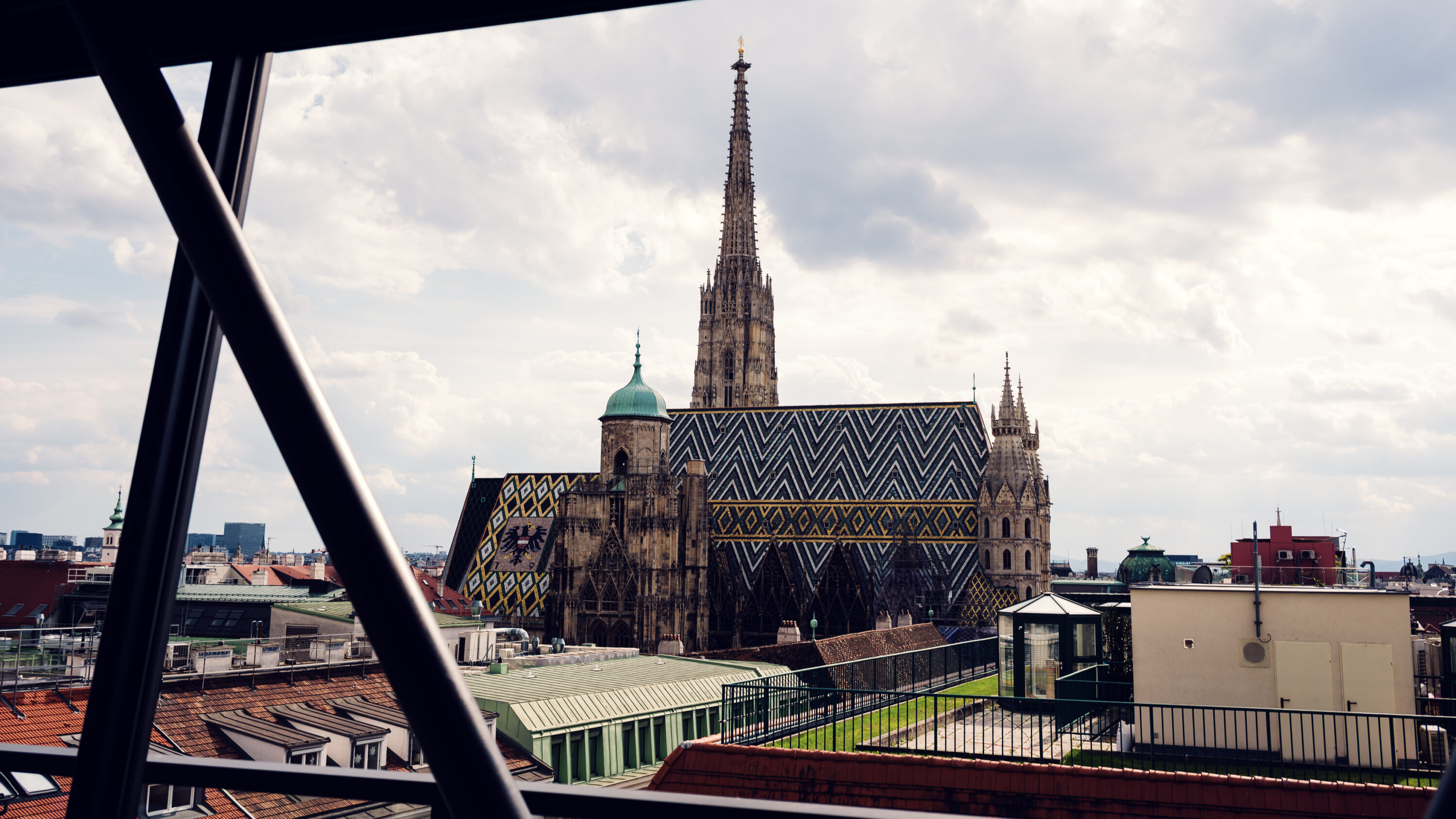
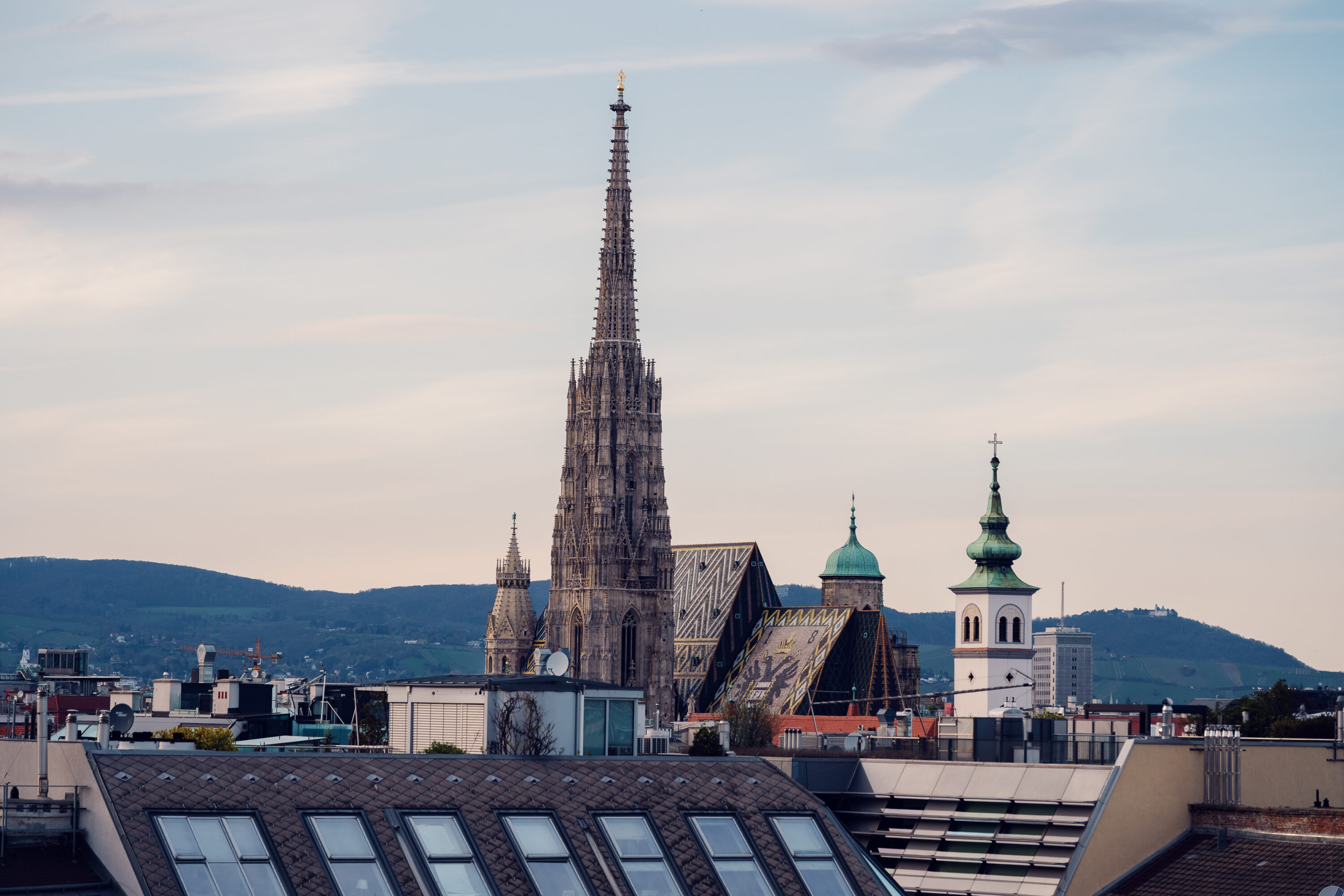
The 15th century saw the addition of the cathedral's most iconic feature: the south tower. Completed in 1433, this 136-meter-high spire became a symbol of Vienna's influence in Central Europe.
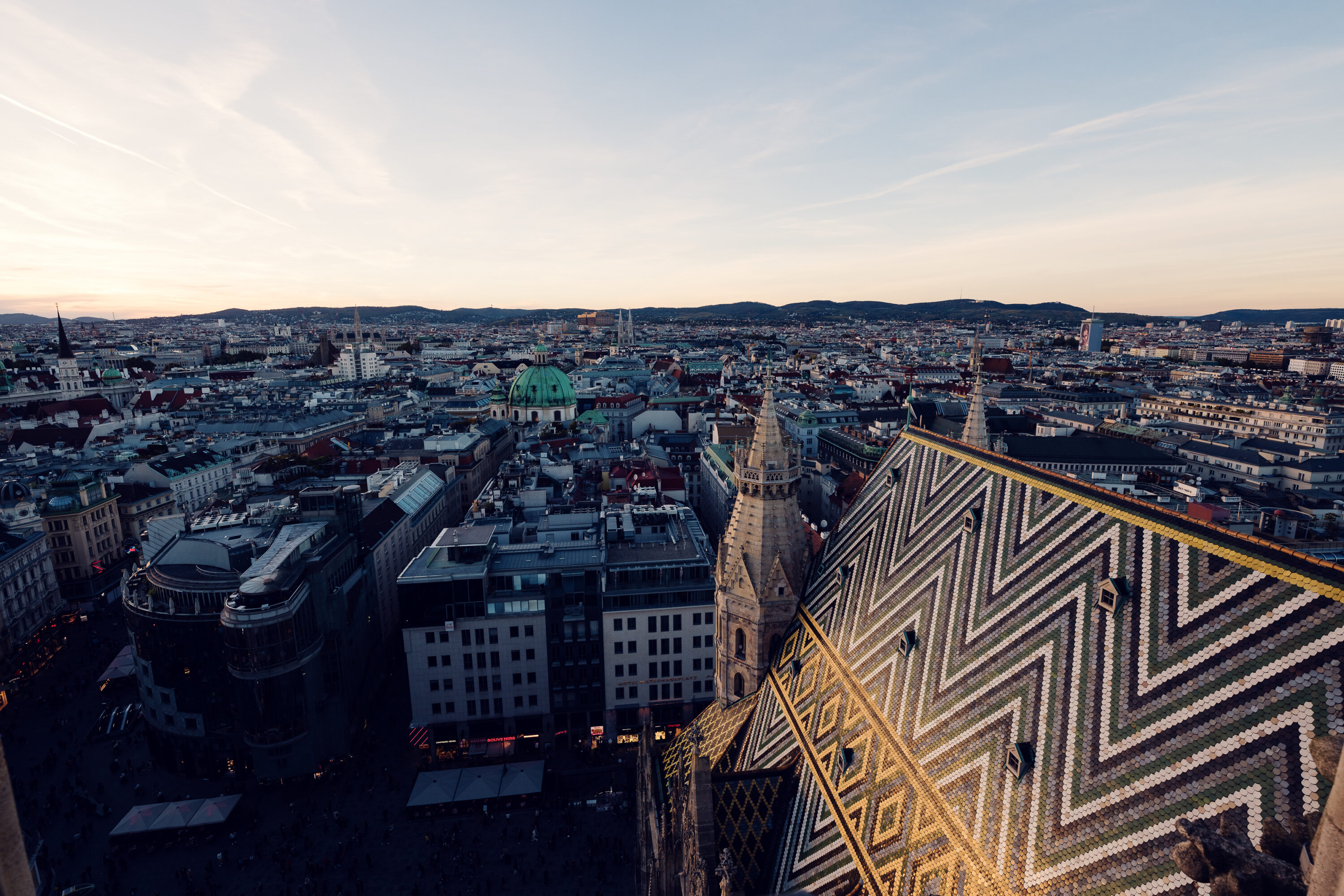
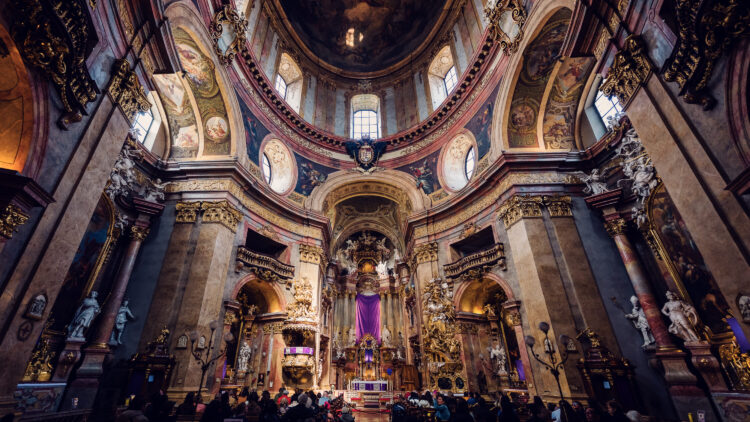
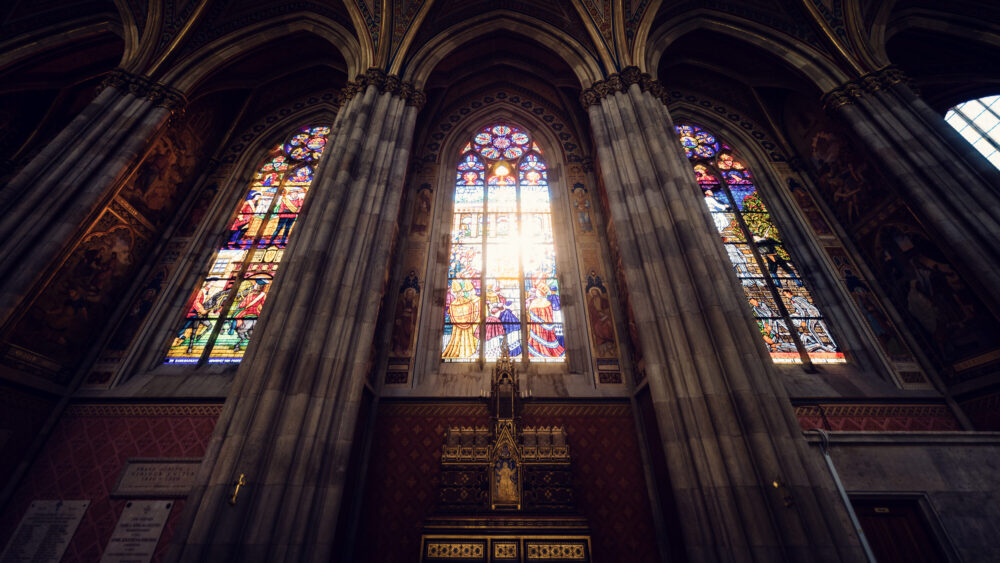
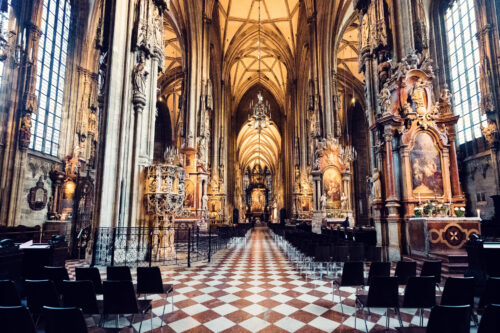
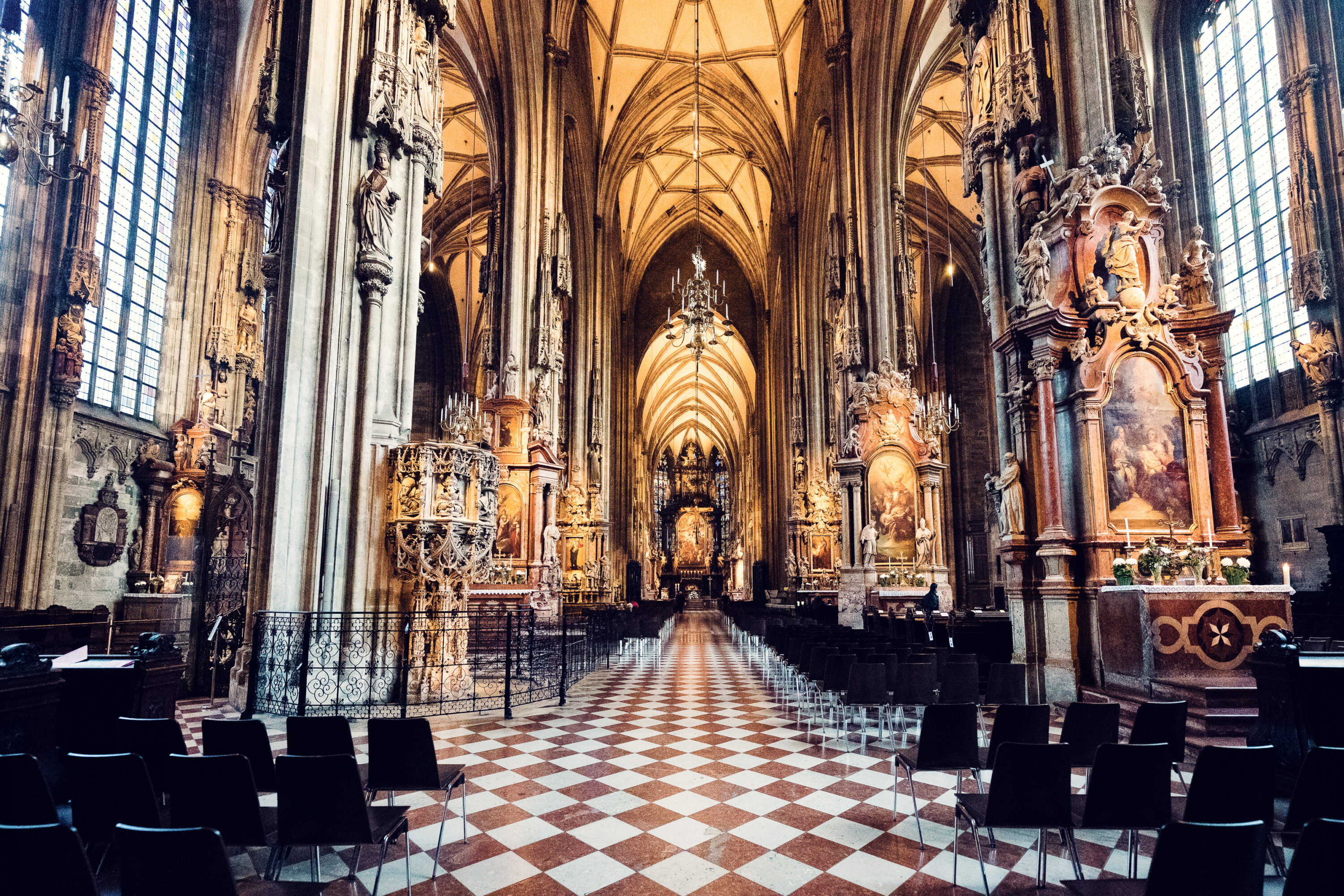
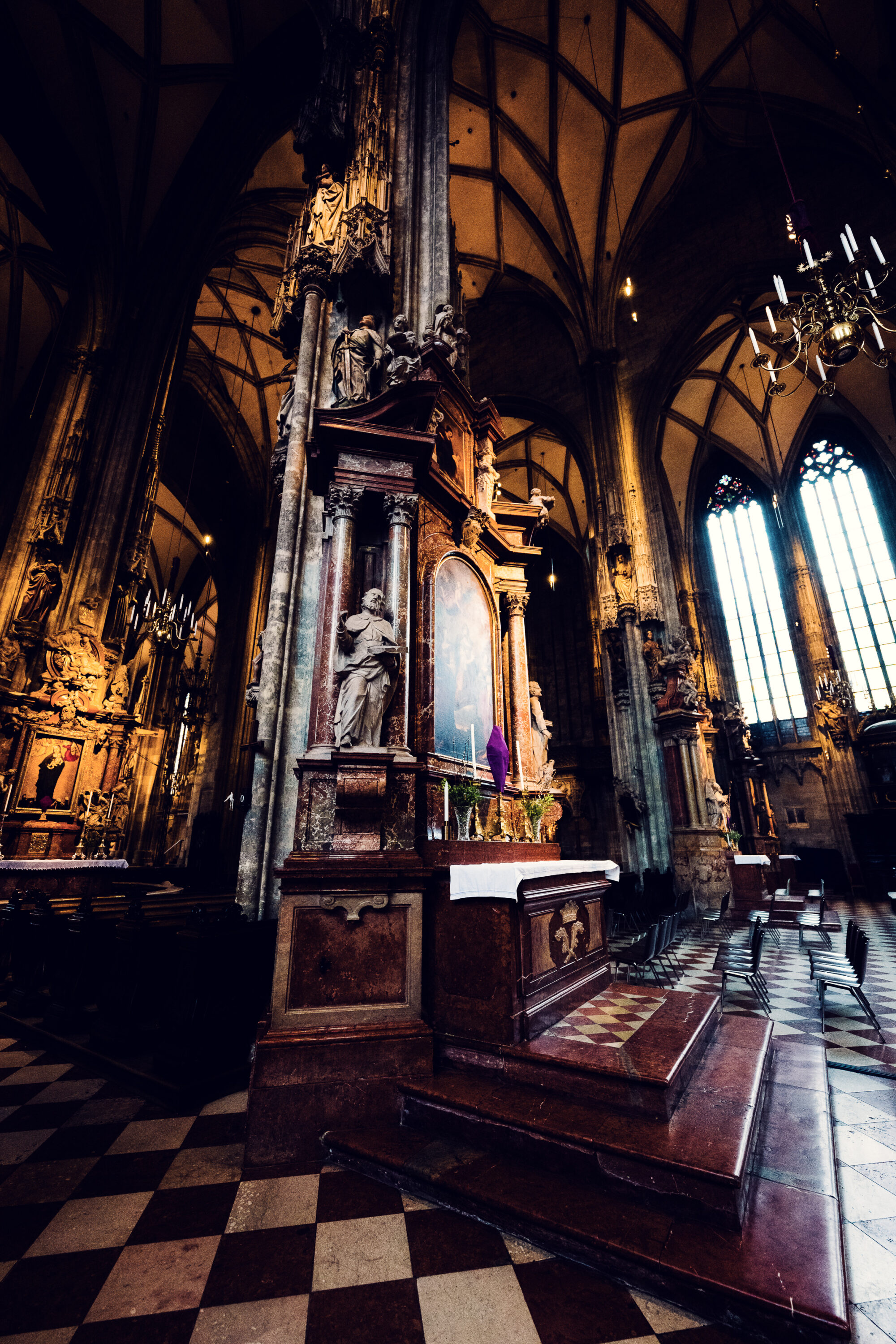
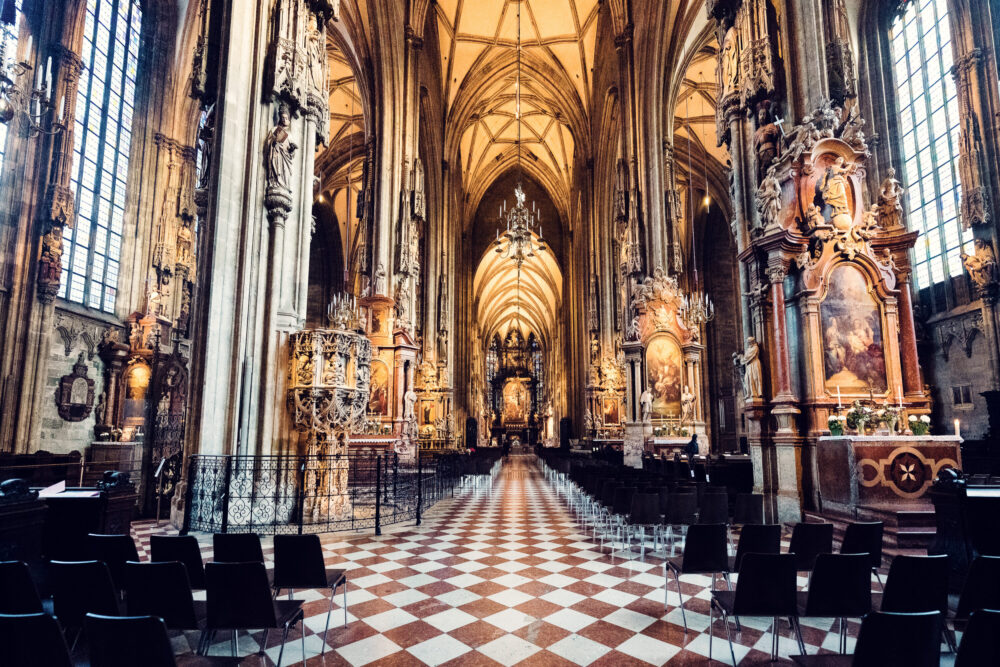
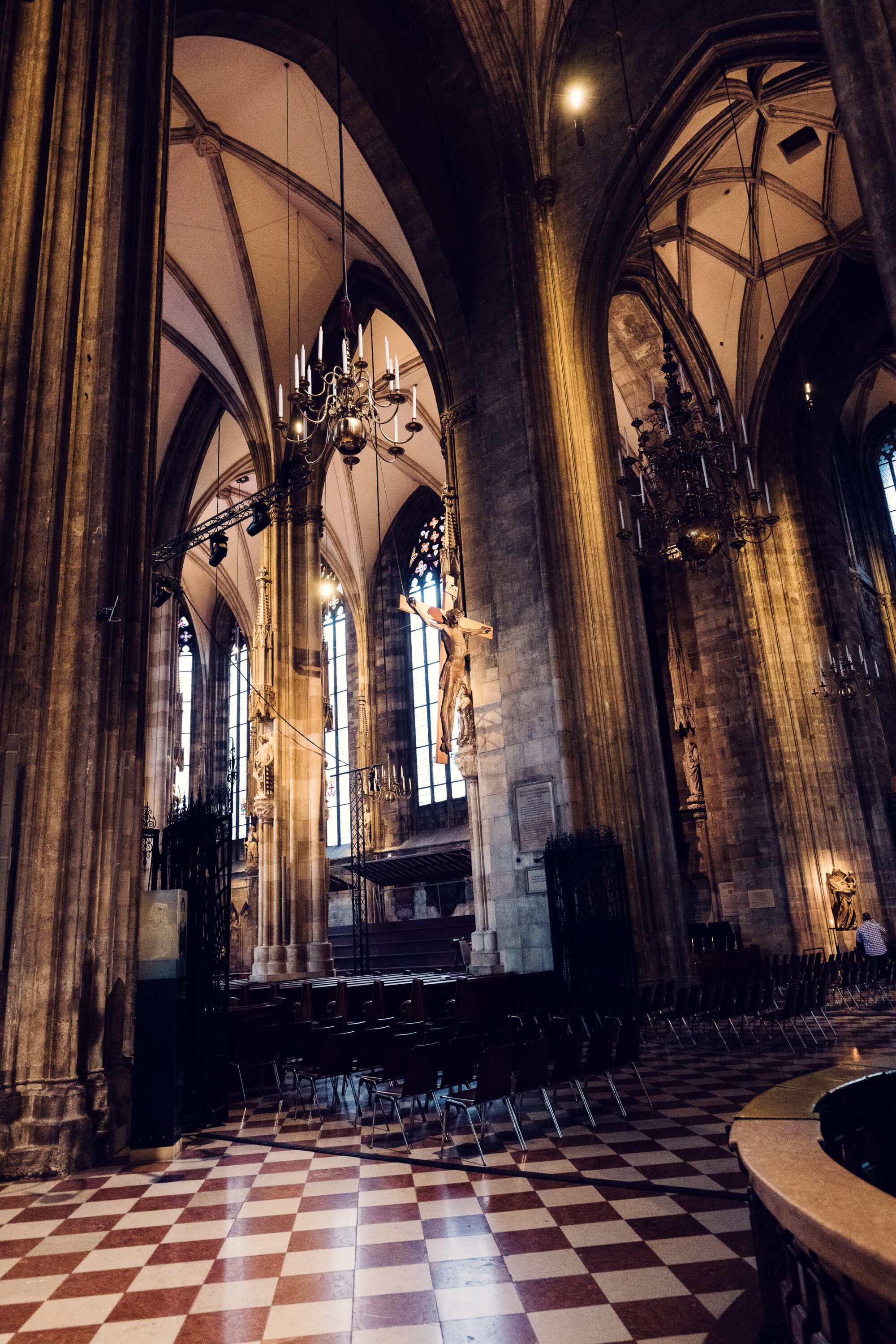
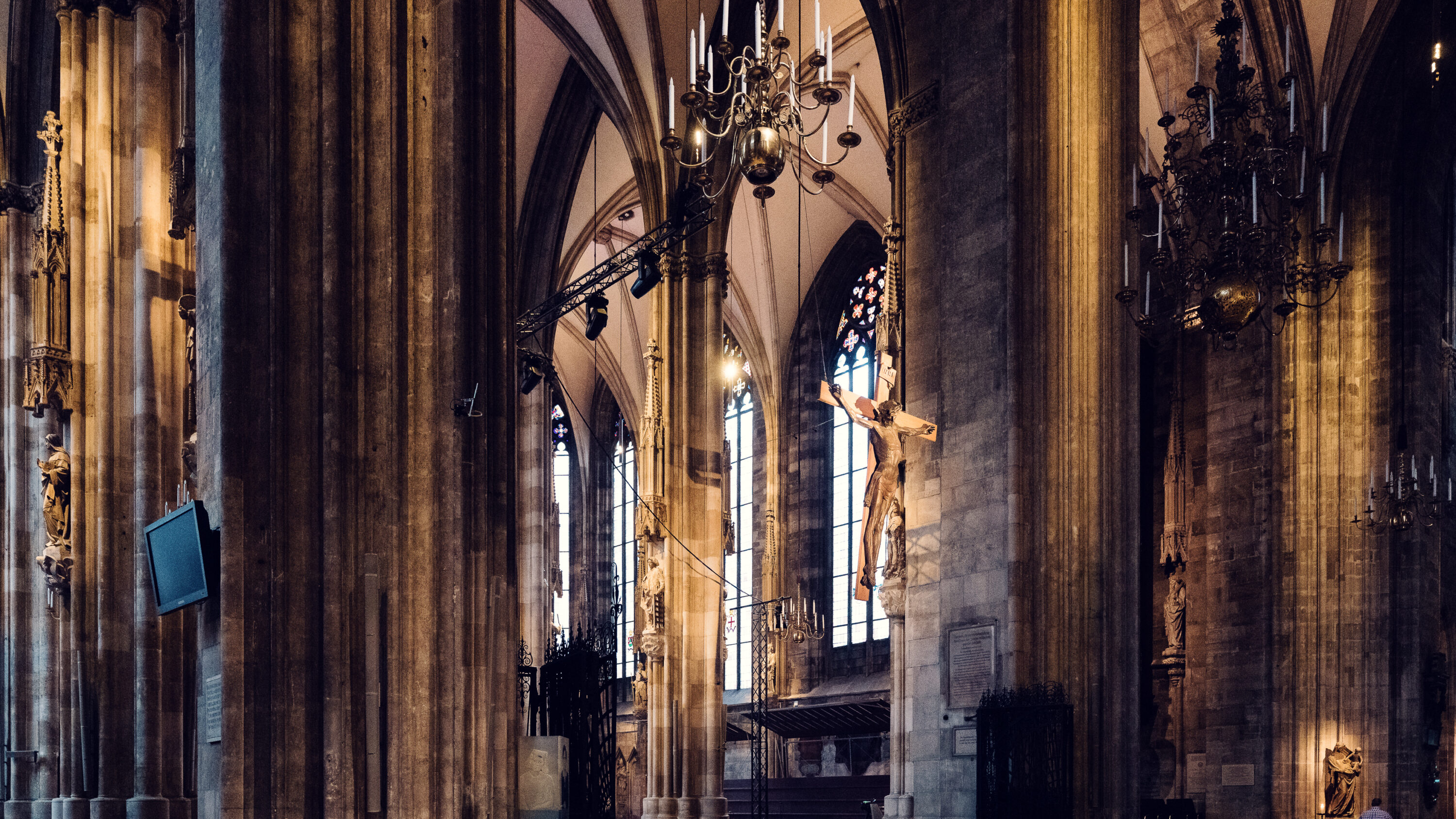
St. Stephen's endured many challenges, including major fires and damage during the Turkish sieges of 1529 and 1683s. Each event led to renovations and restorations. The great Baroque High Altar was installed between 1641 and 1647, while additional Baroque side-altars and interior decoration continued into the 18th century, blending that style into the Gothic structure.
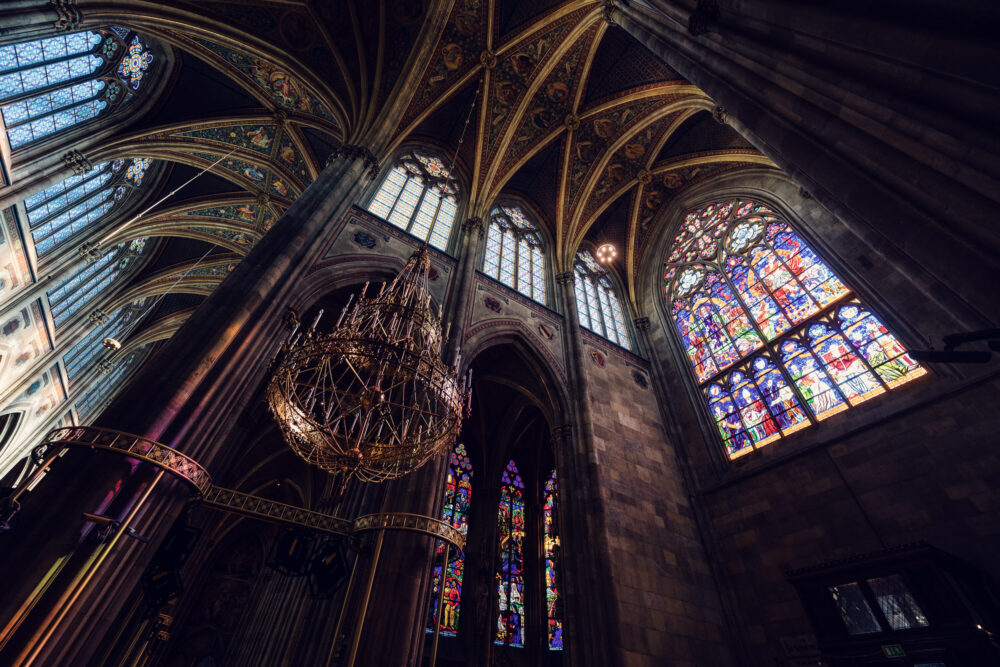
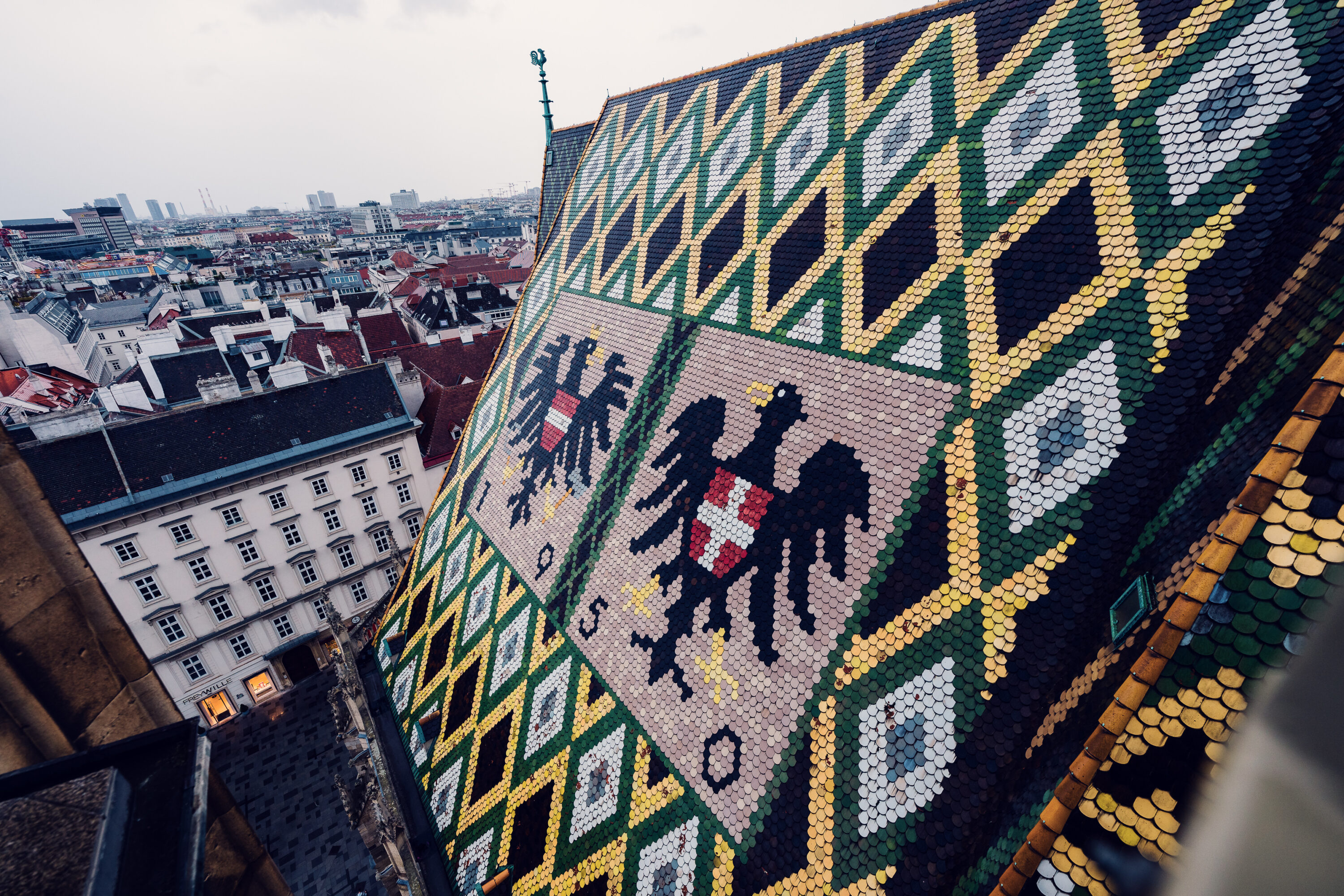
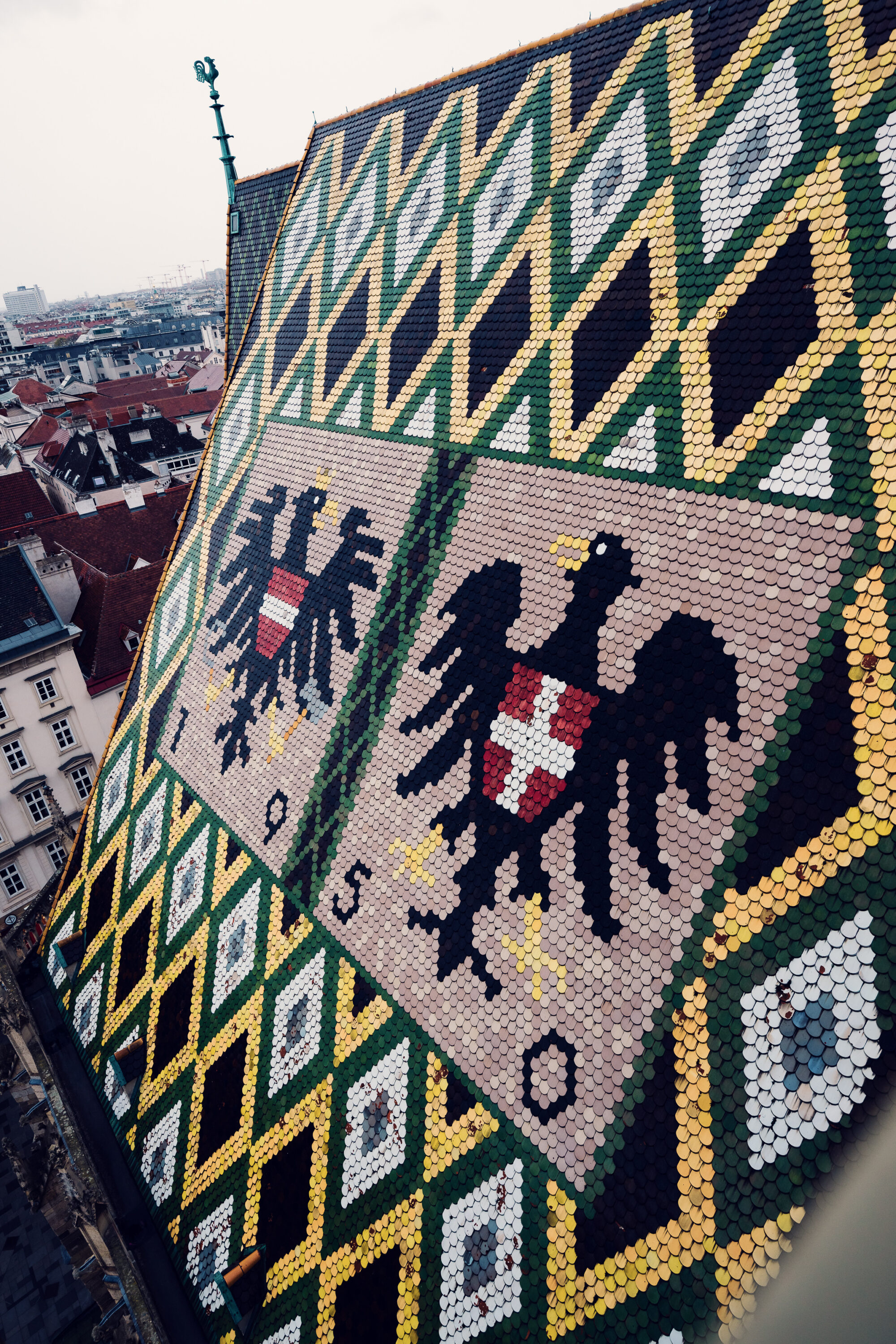
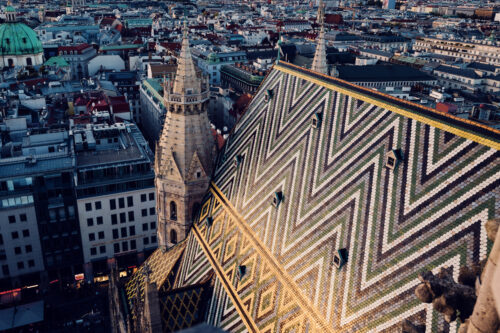
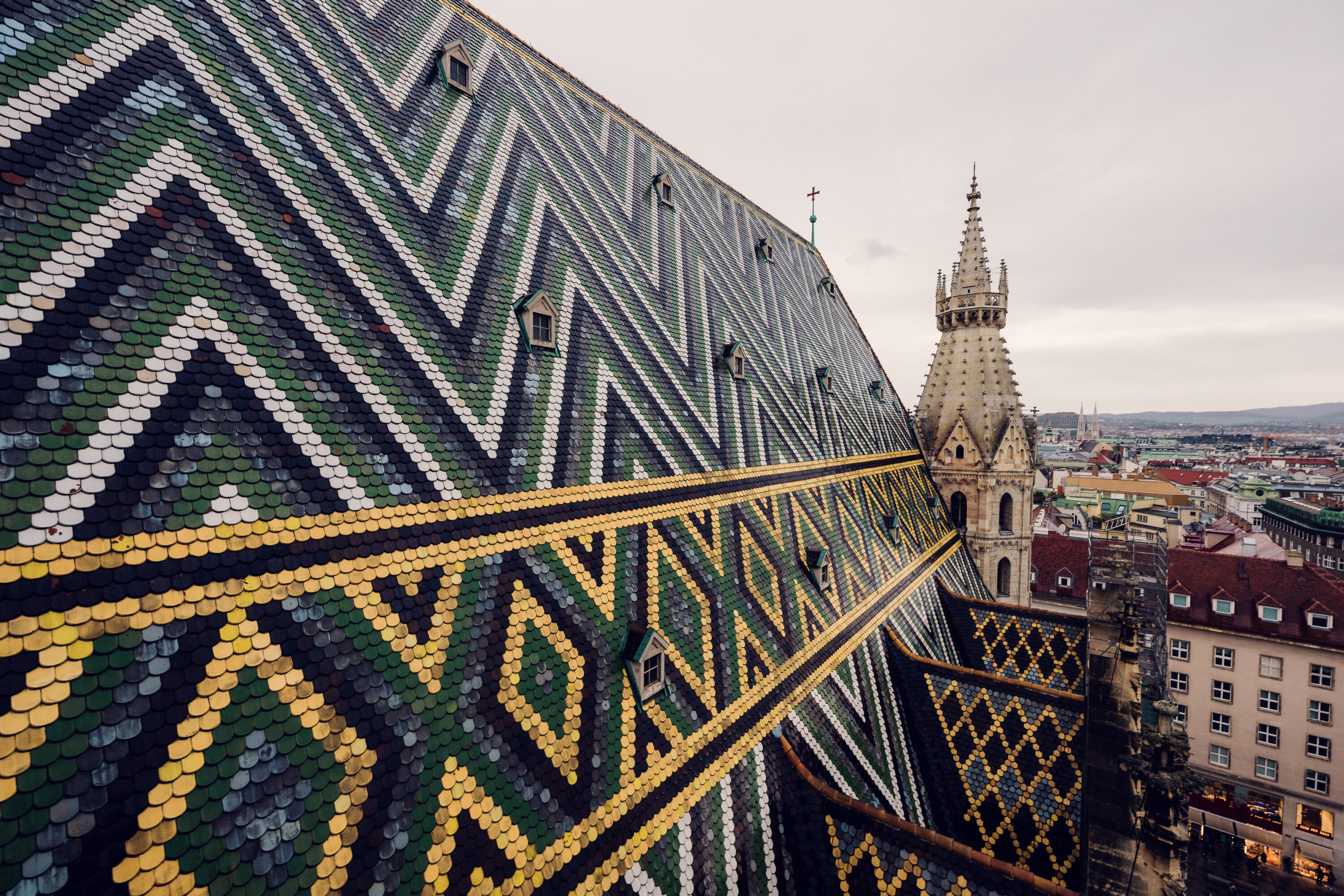
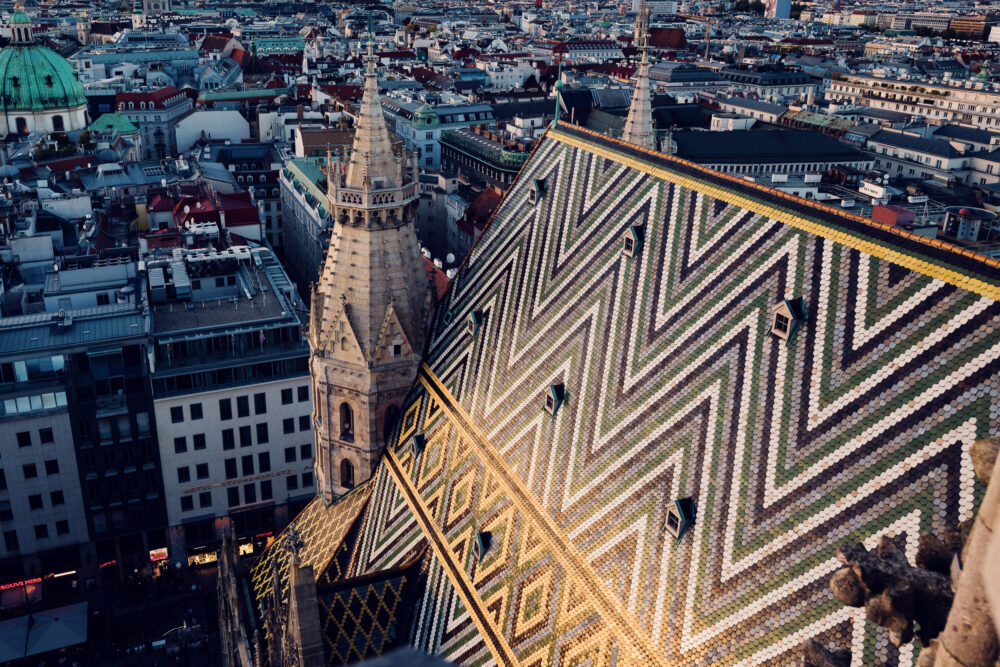
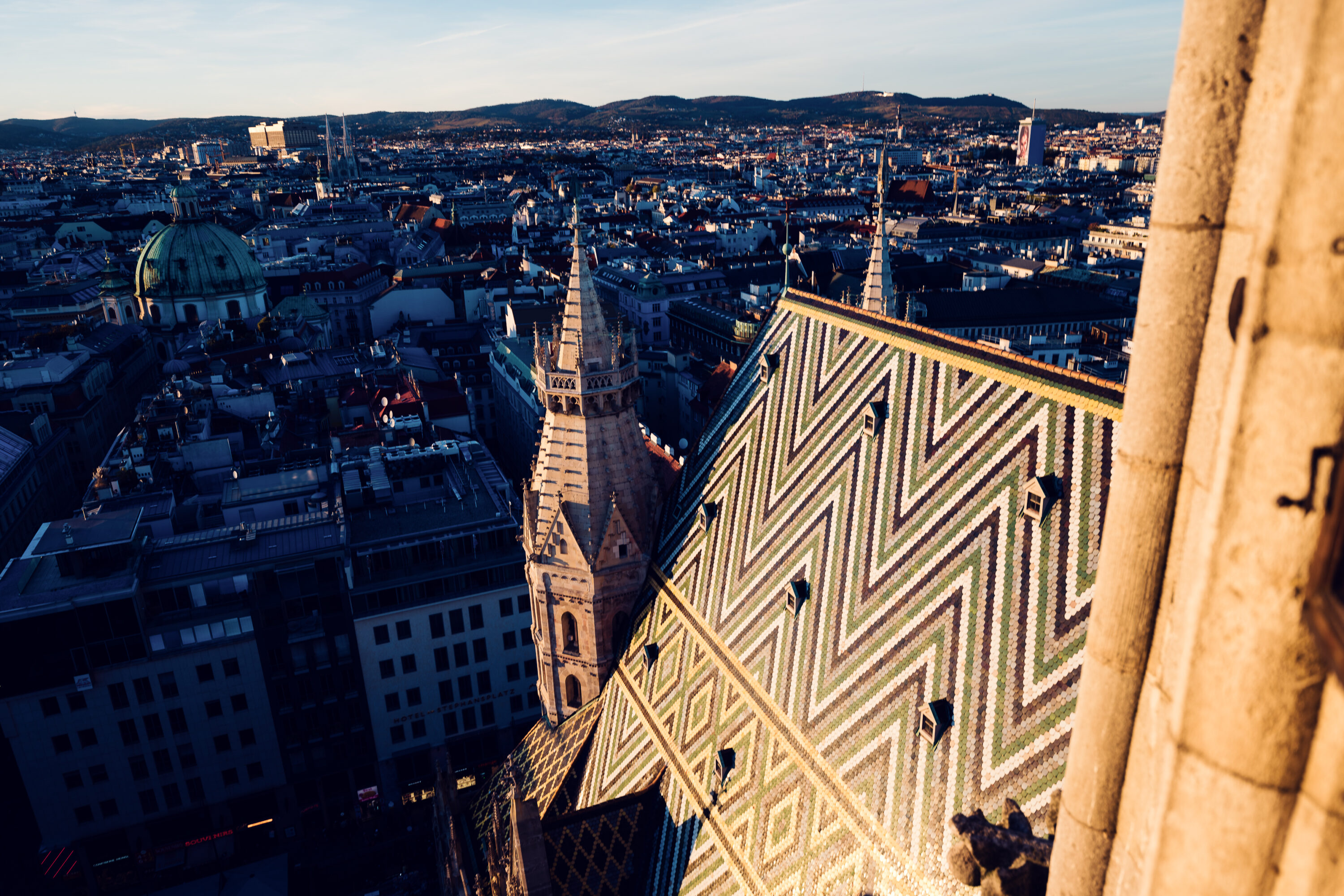
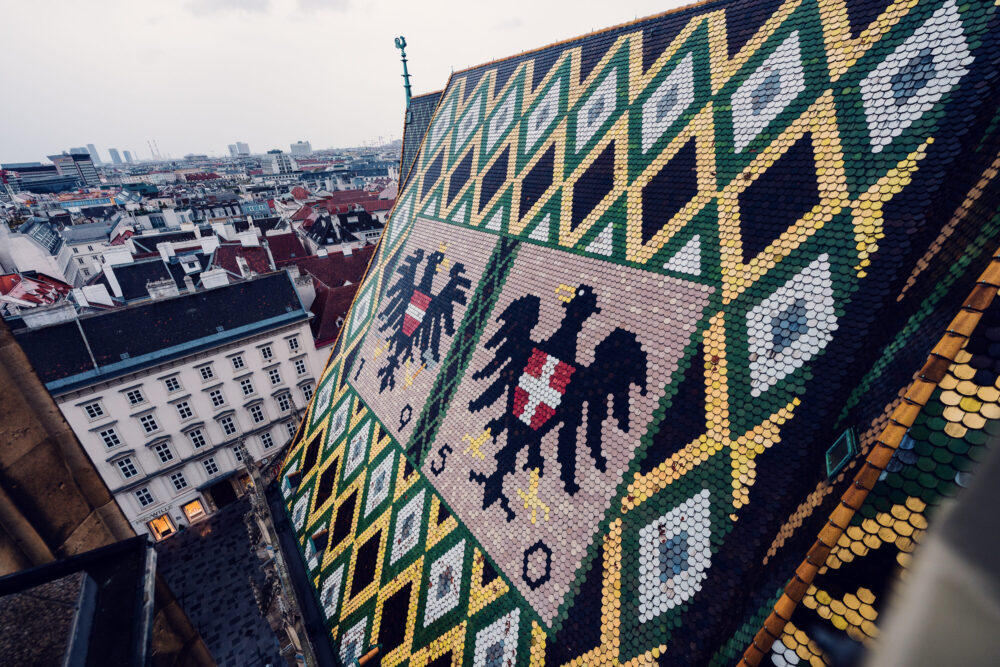
In April 1945, fires sparked by nearby fighting during the final days of World War II destroyed the timber roof and much of the interior, though the stone walls and many artworks survived. Over the next two decades, collective efforts restored the cathedral to its former glory.
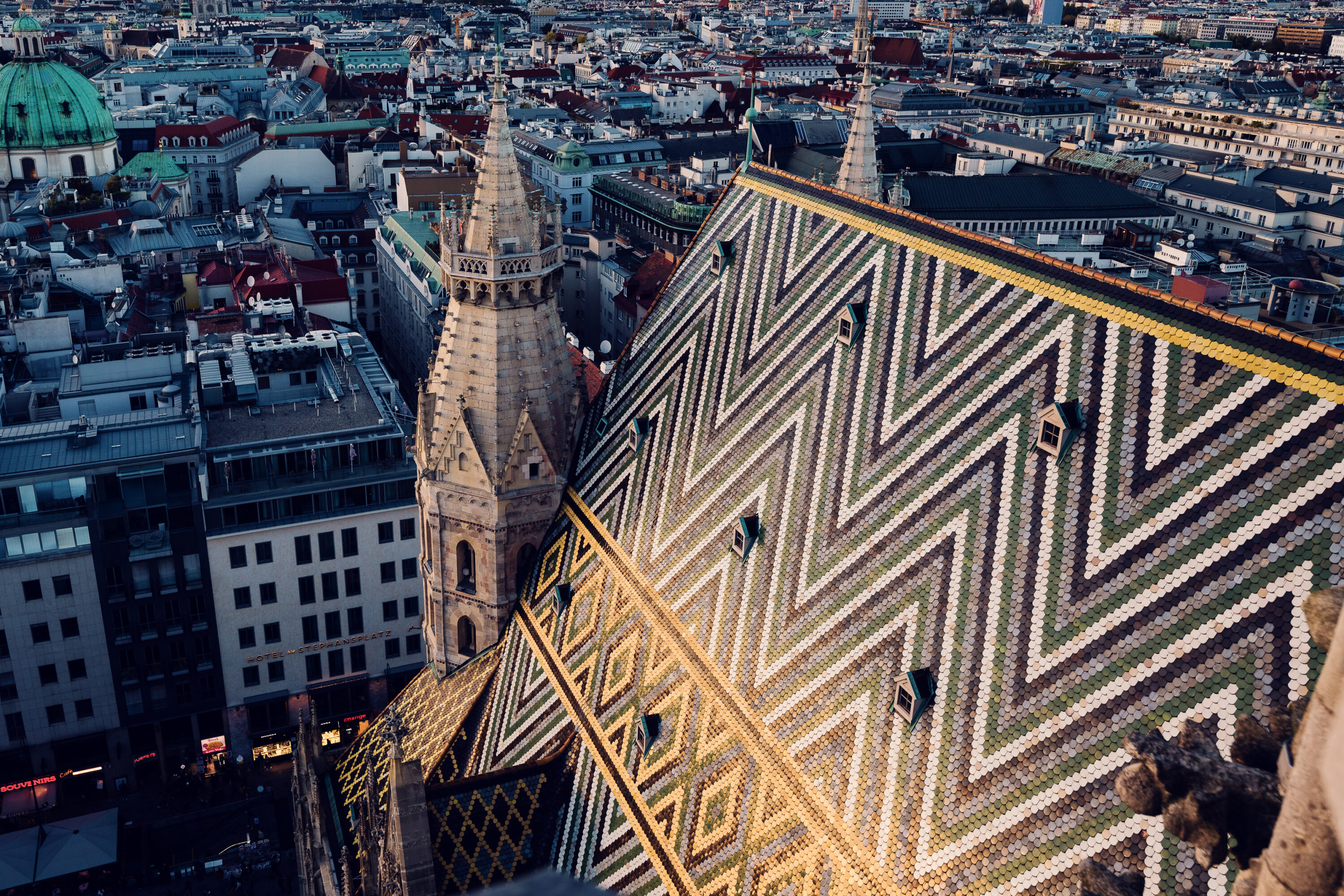
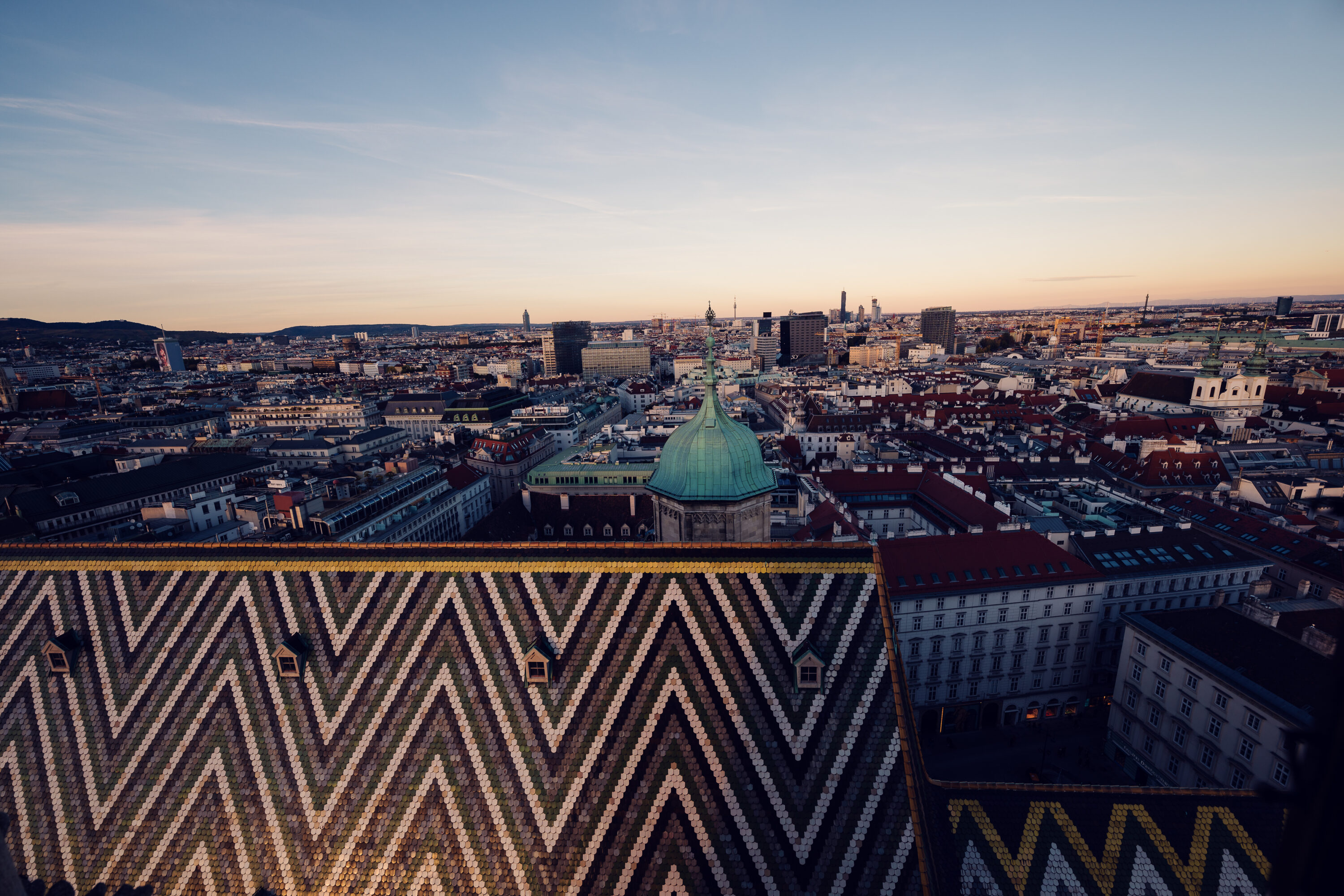
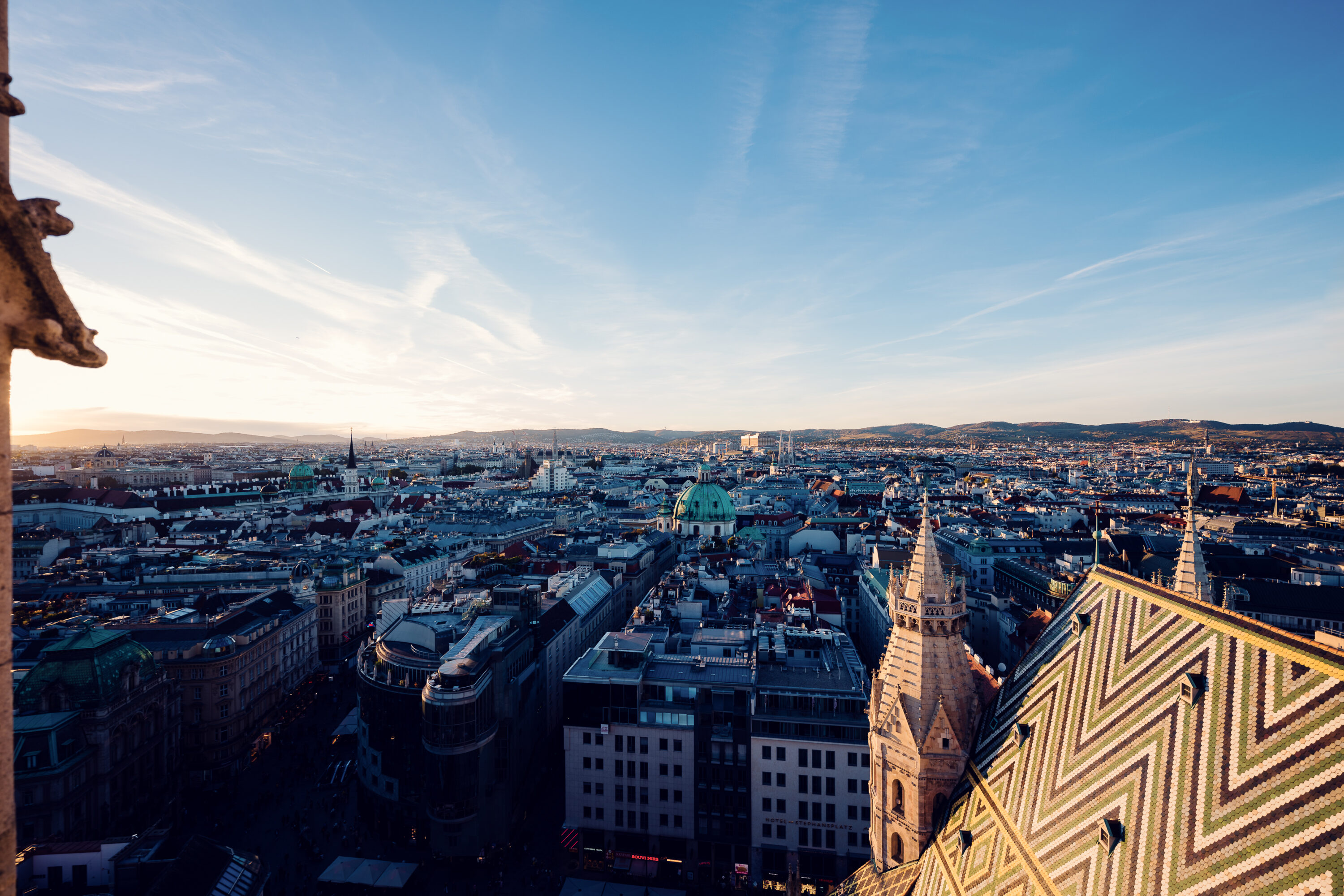
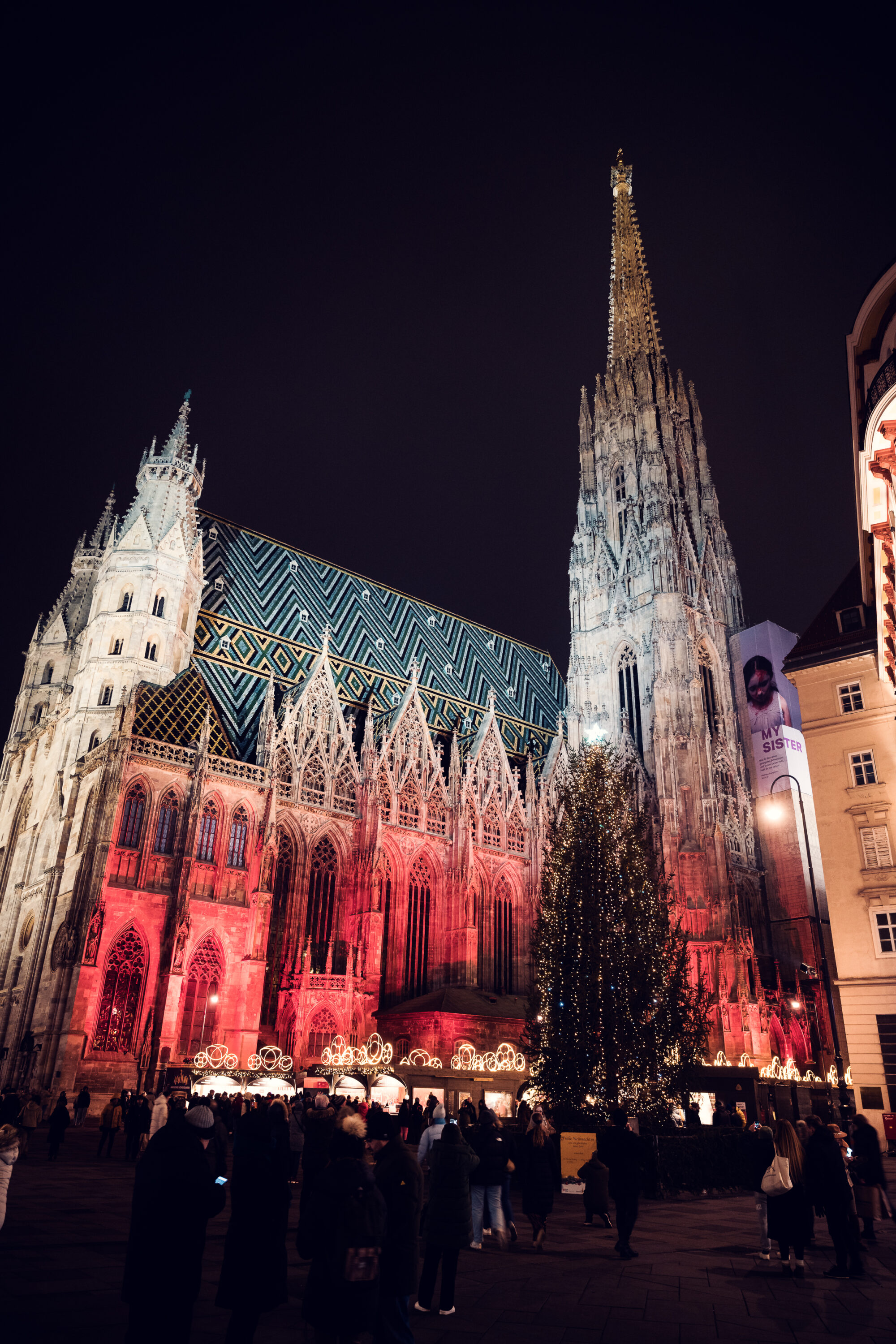
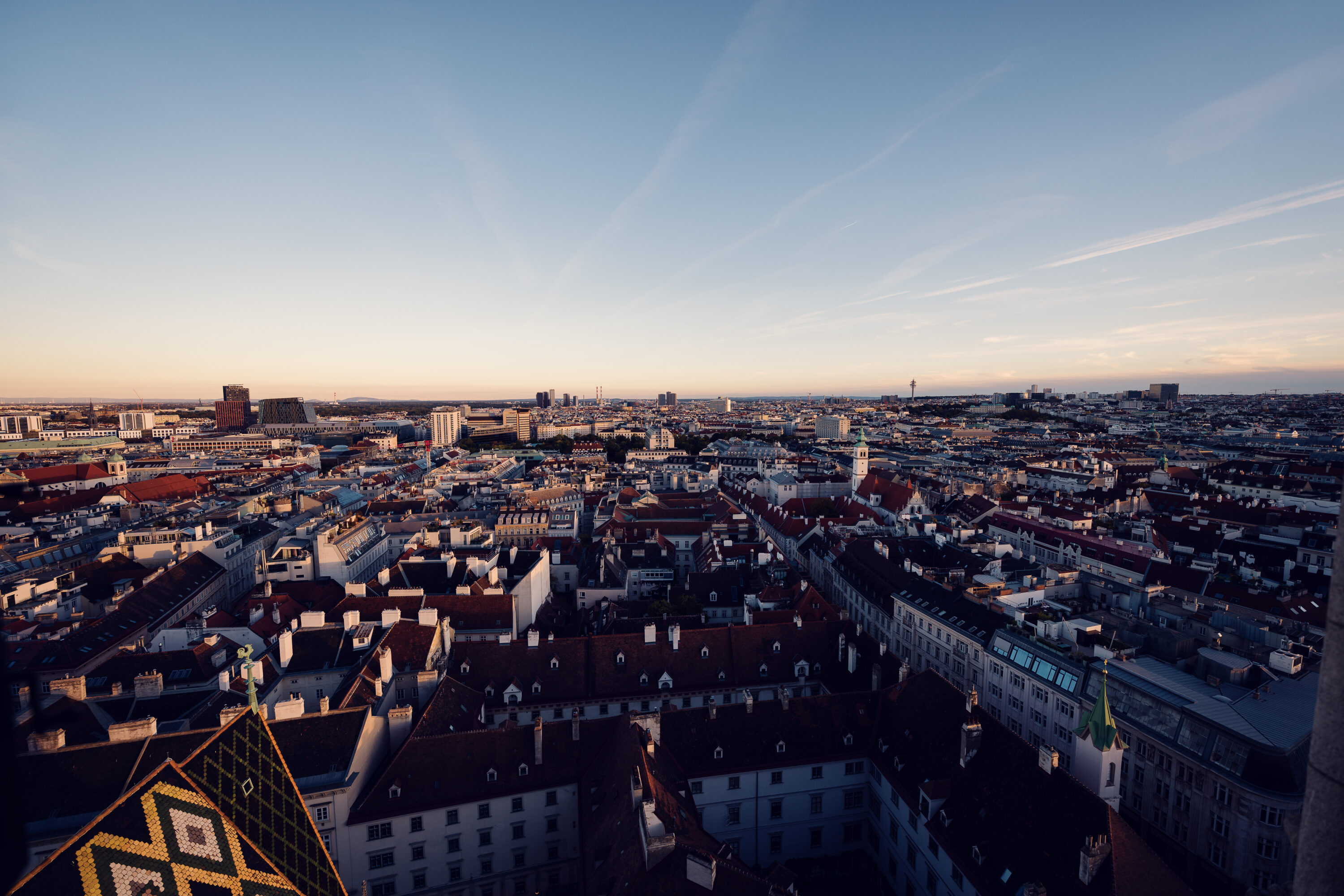
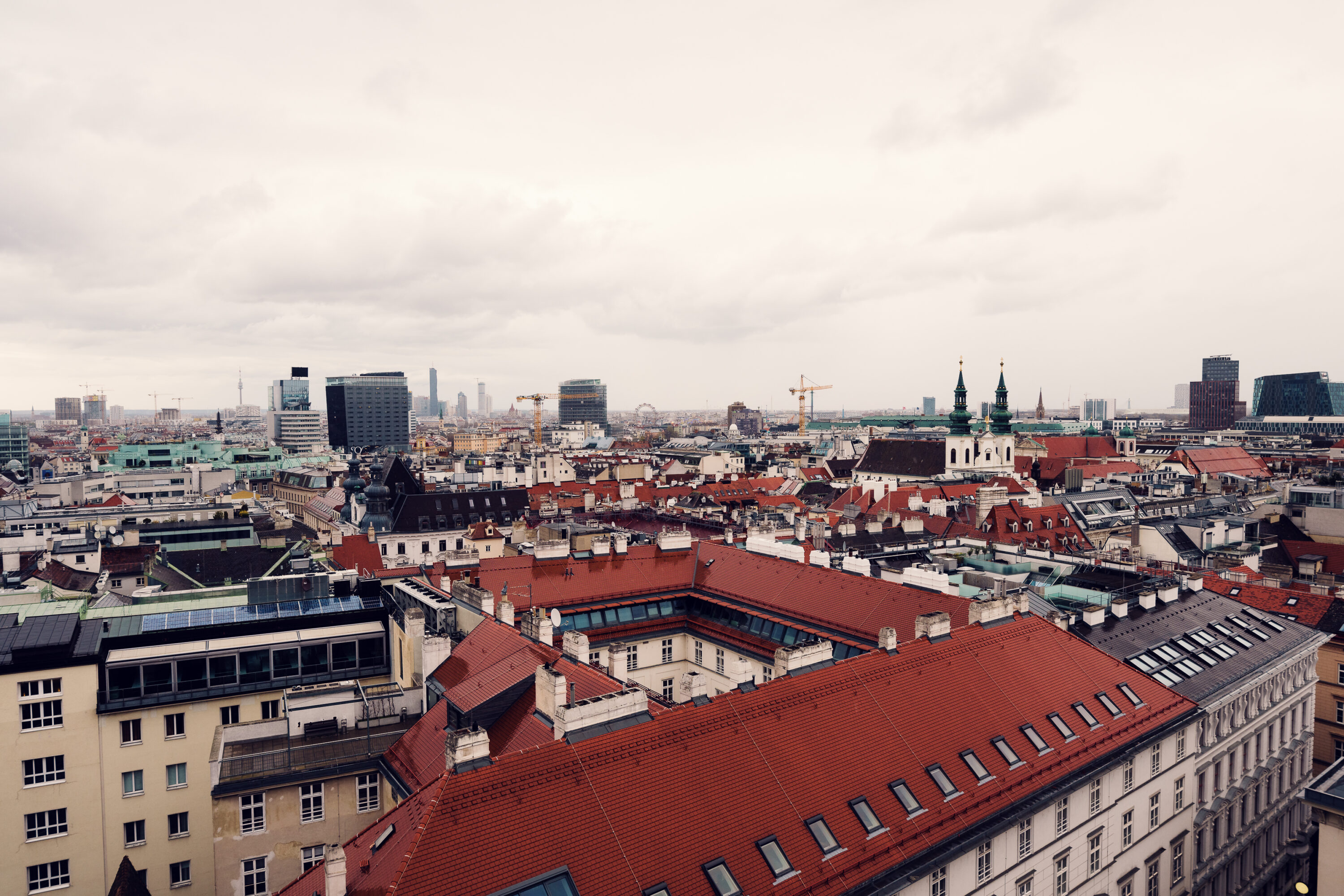
Today, St. Stephen's Cathedral is a religious institution and a symbol of Vienna's resilience and artistic spirit. It hosts cultural events, such as organ concerts and art exhibitions, and offers panoramic views of Vienna from its towers. The catacombs, containing the remains of over 11,000 individuals along with various artifacts, offer insight into its mysterious past.