
From Copa Cagrana to Vienna's Urban Beach - Pier 22 & Copa Beach
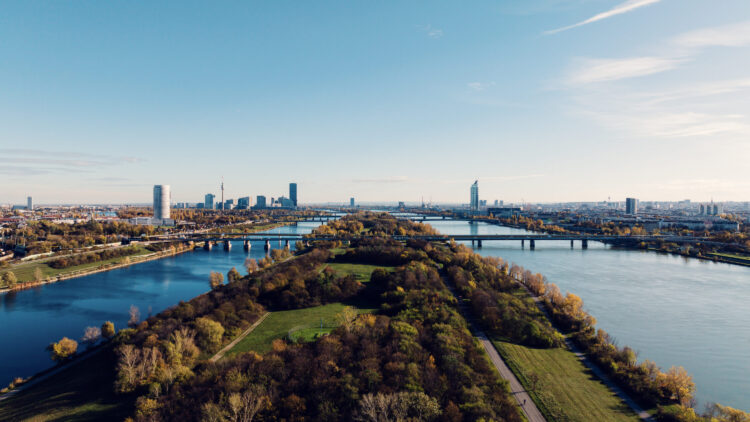
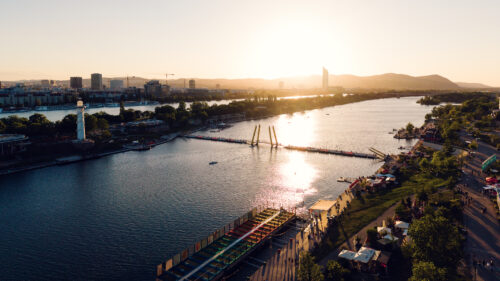
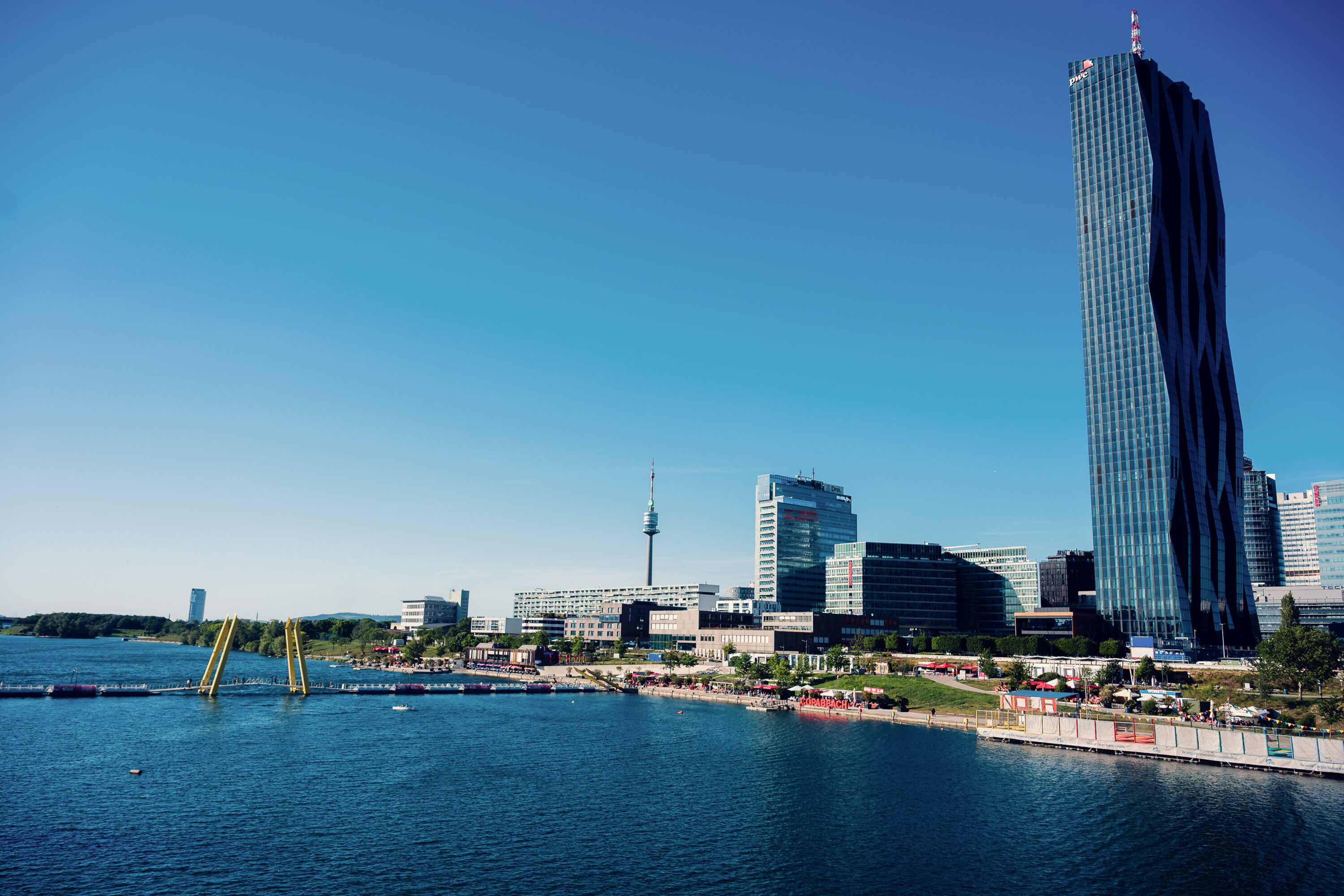
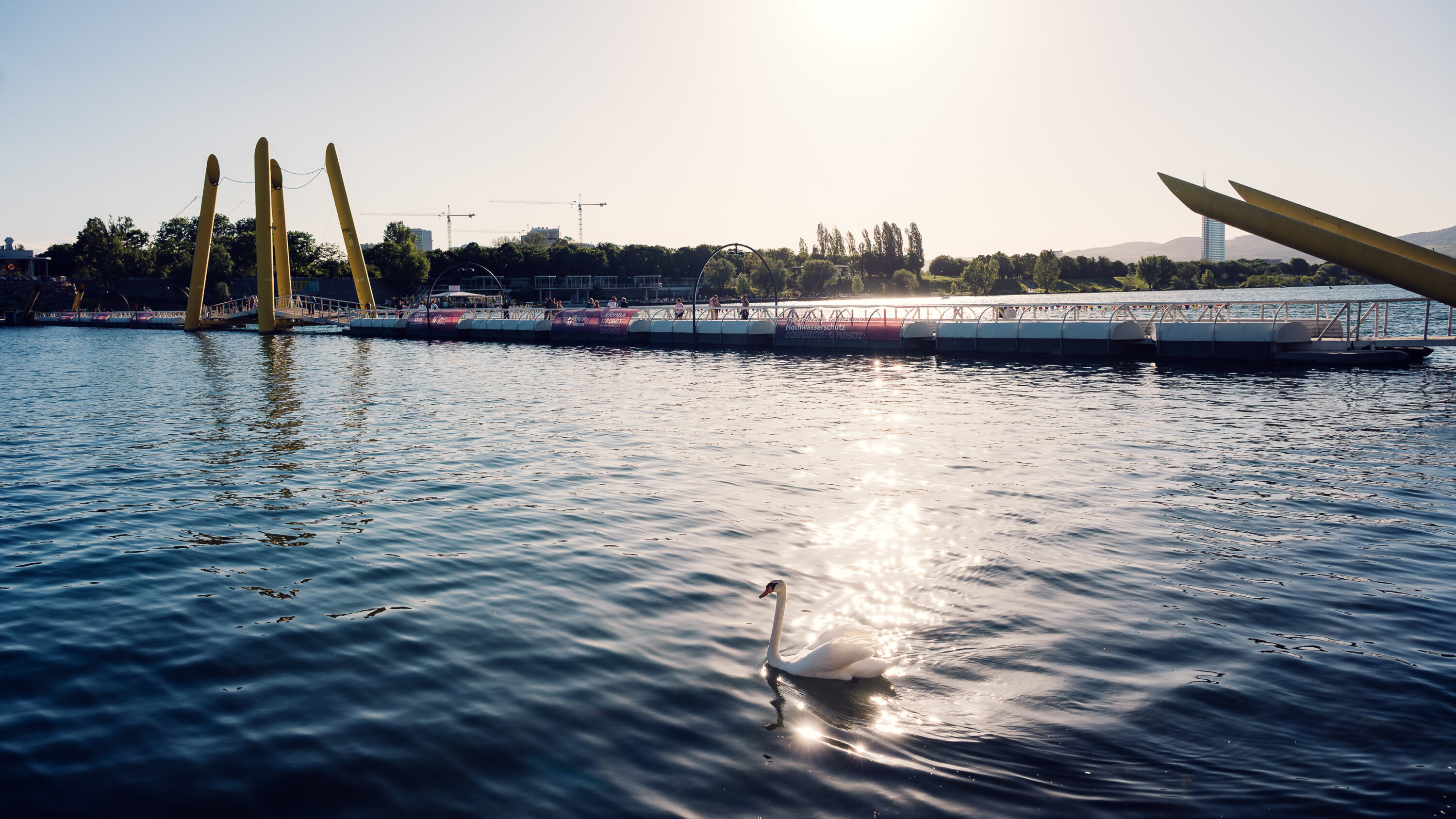
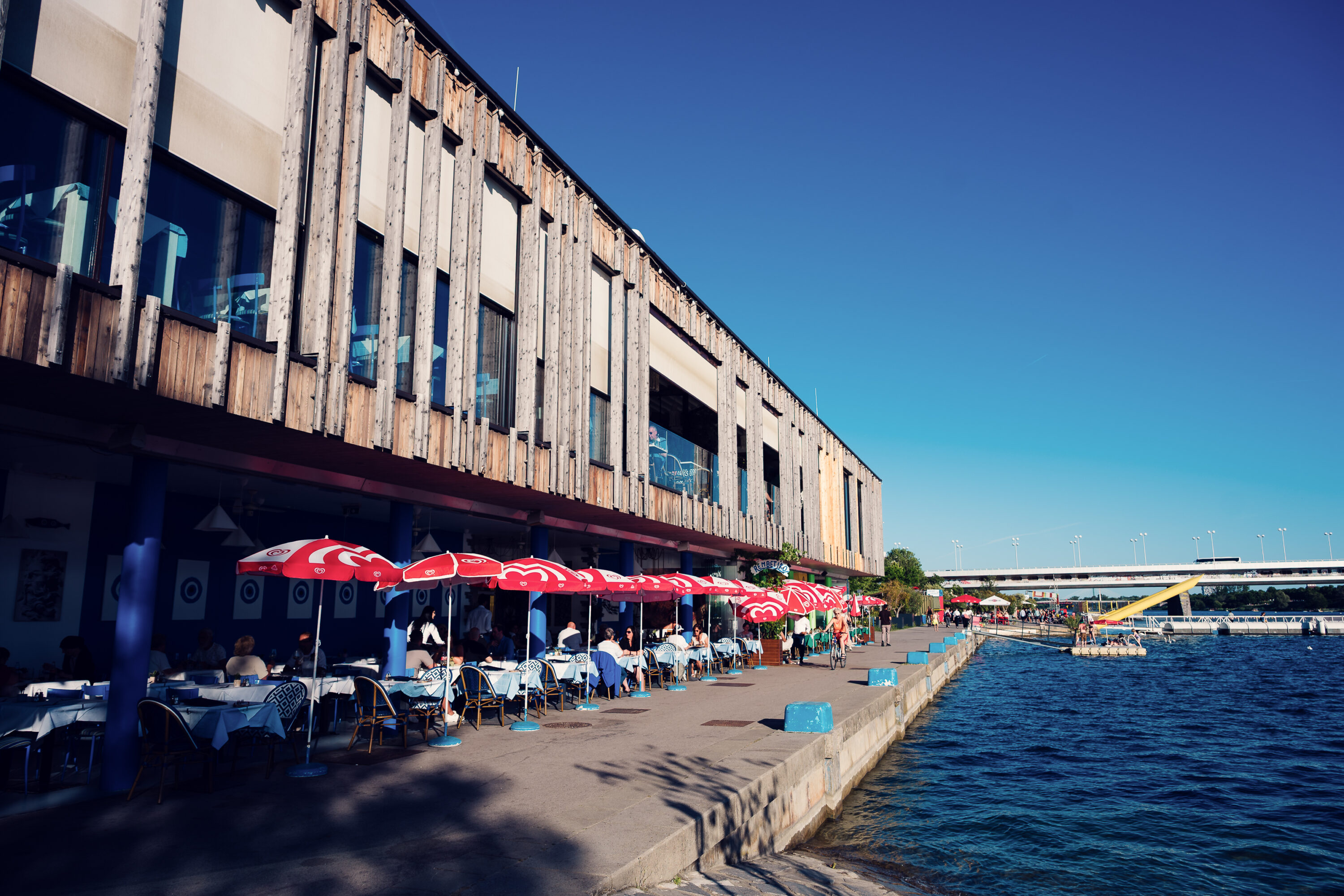
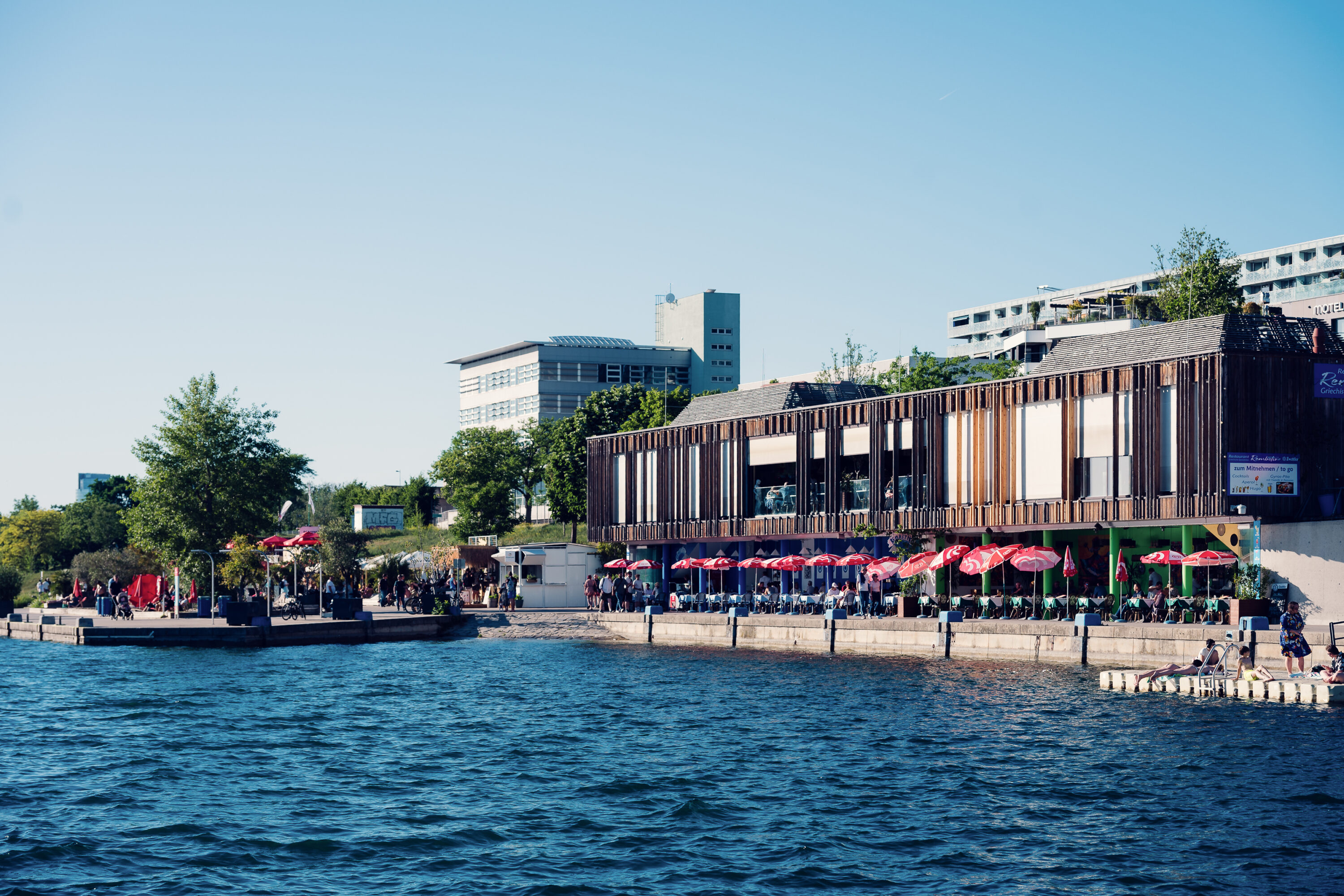
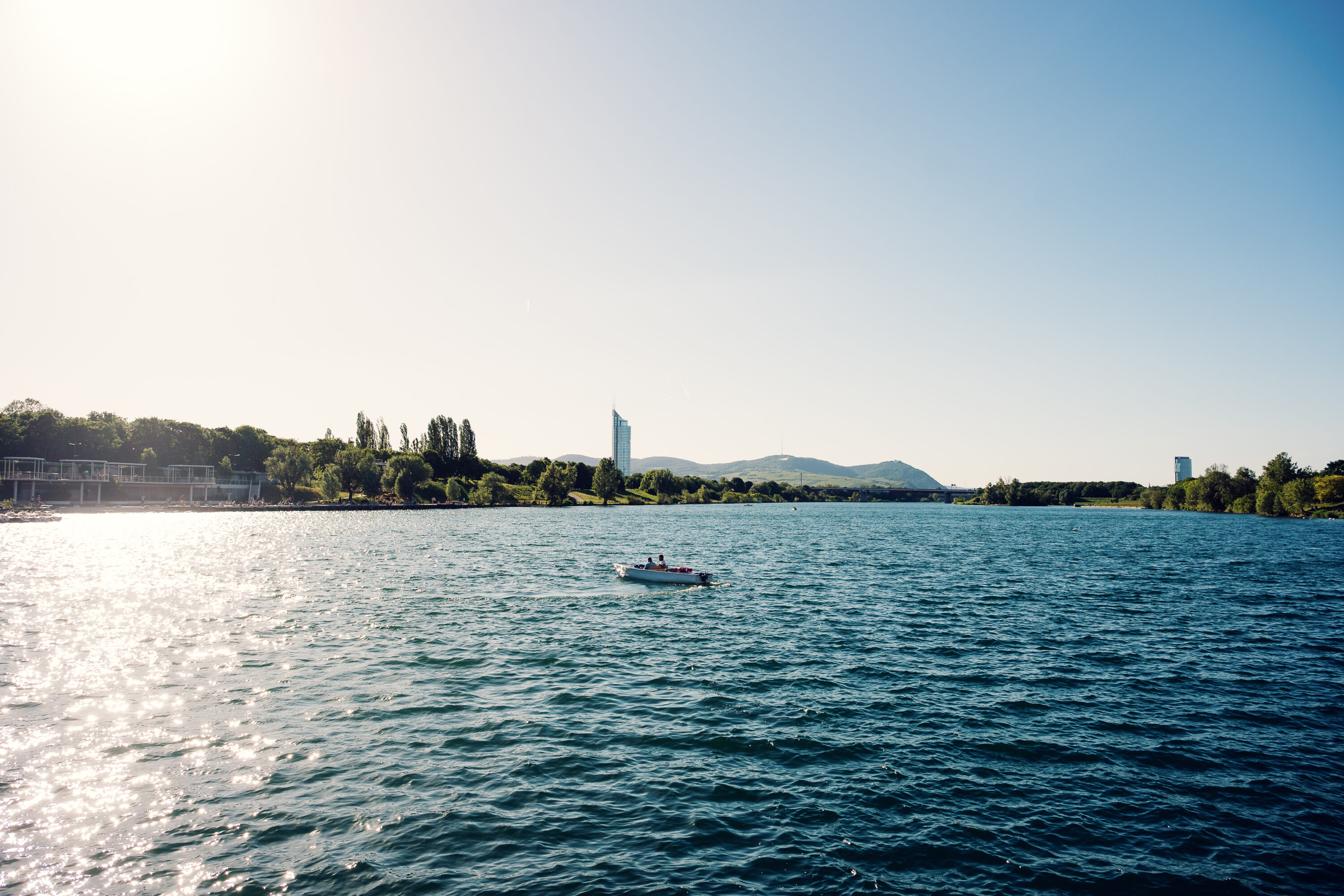
The story of this stretch of the New Danube mirrors Vienna's broader relationship with its river. When the Danube Island was built between 1972 and 1988 as a massive flood protection project, the 21-kilometer artificial island was primarily an engineering solution. Recreation came second. But Viennese residents quickly claimed the riverbanks as their summer living room, and by the mid-1980s, a loose collection of bars, food stalls, and seasonal clubs had established itself near the Reichsbrücke. This was the Copa Cagrana - named with a wink to Rio's Copacabana, though the reality was considerably more rough-edged.
For decades, the Copa Cagrana worked. The atmosphere was casual, the beer was cold, and nobody asked for reservations. But by the 2010s, the infrastructure had aged badly. The wooden bar structures were deteriorating, accessibility was poor, and the area had become visually cluttered. The city decided on a complete reimagining.
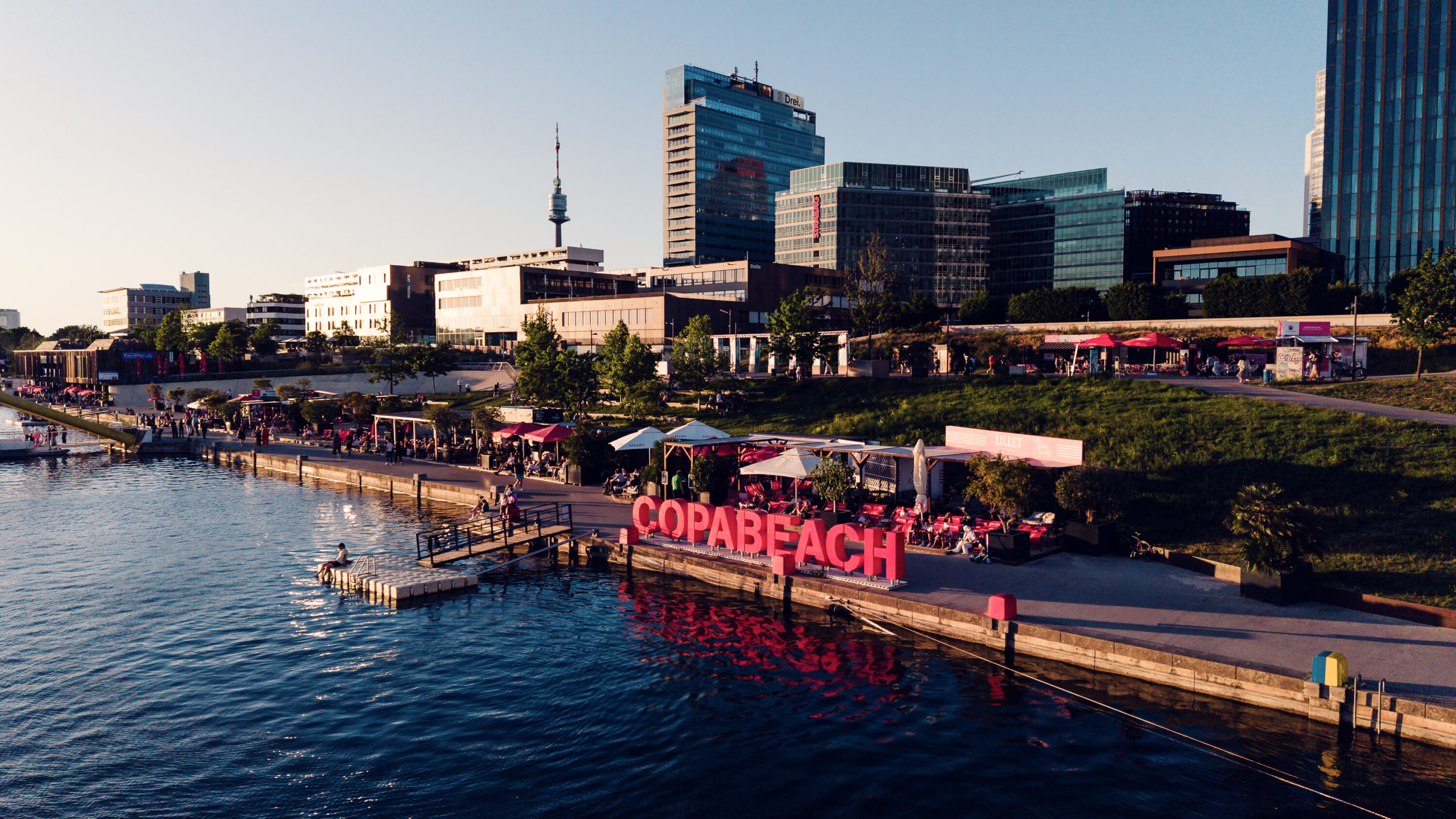
Copa Beach - The Mainland Makeover
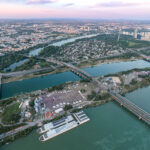
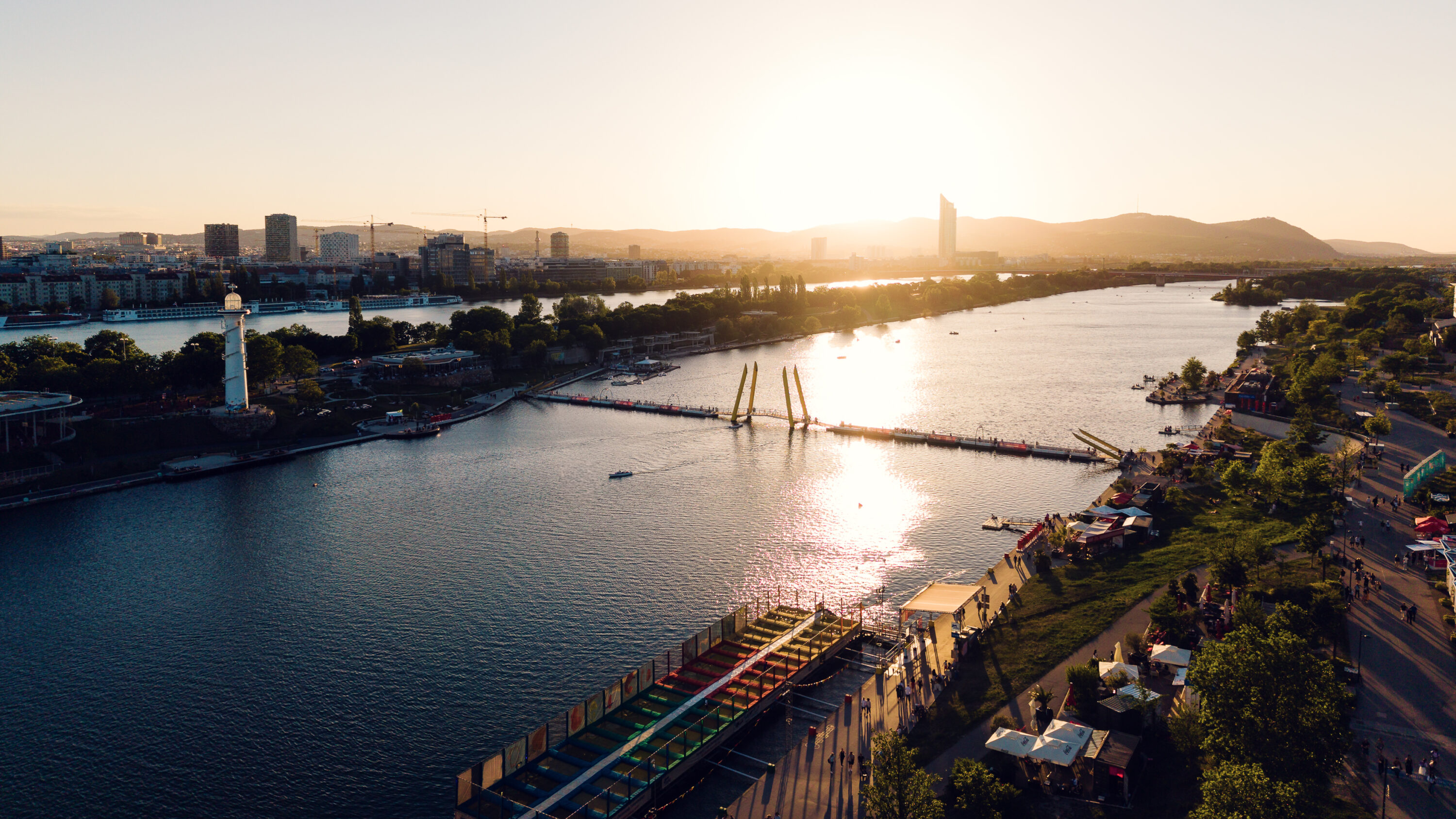
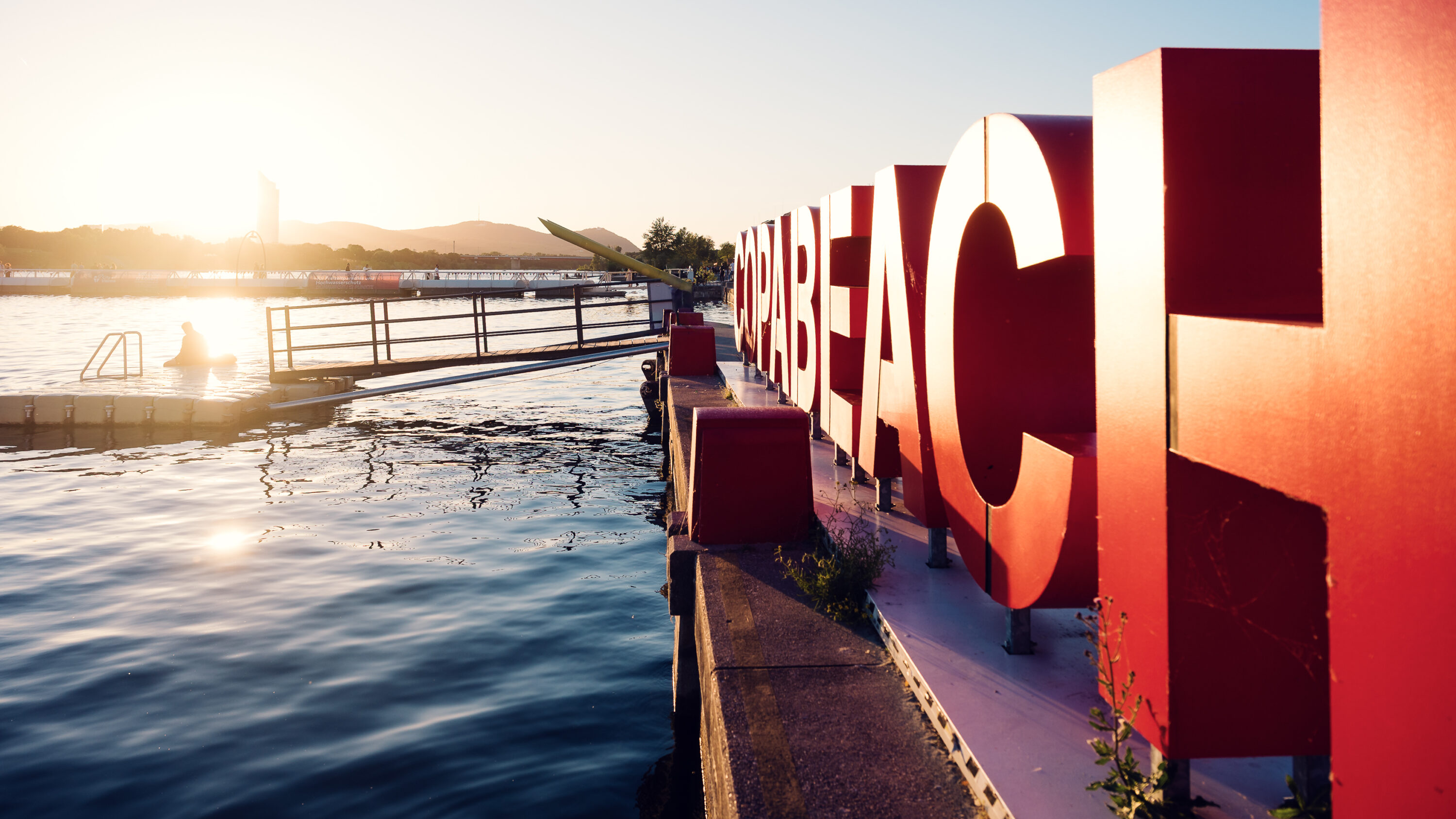
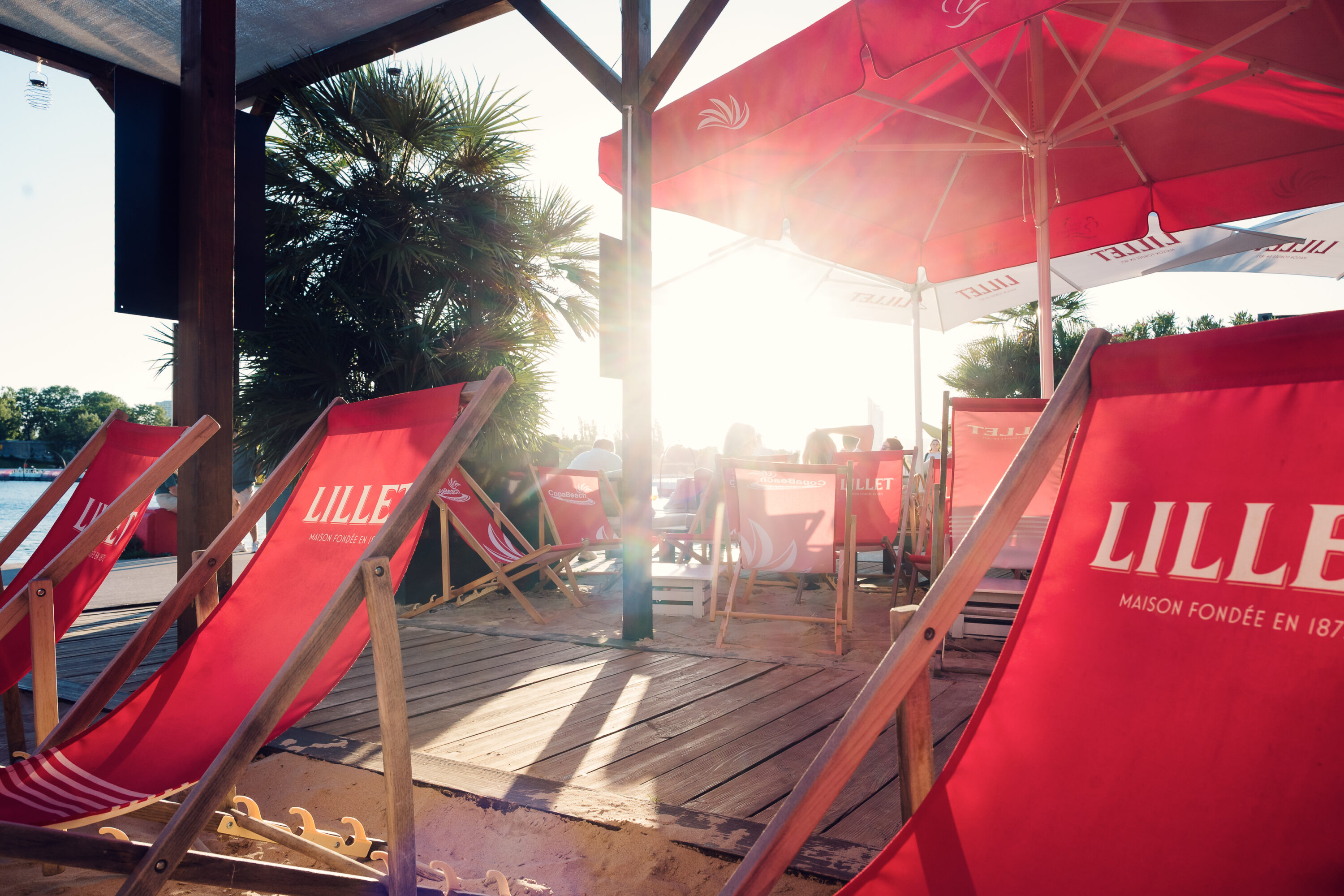
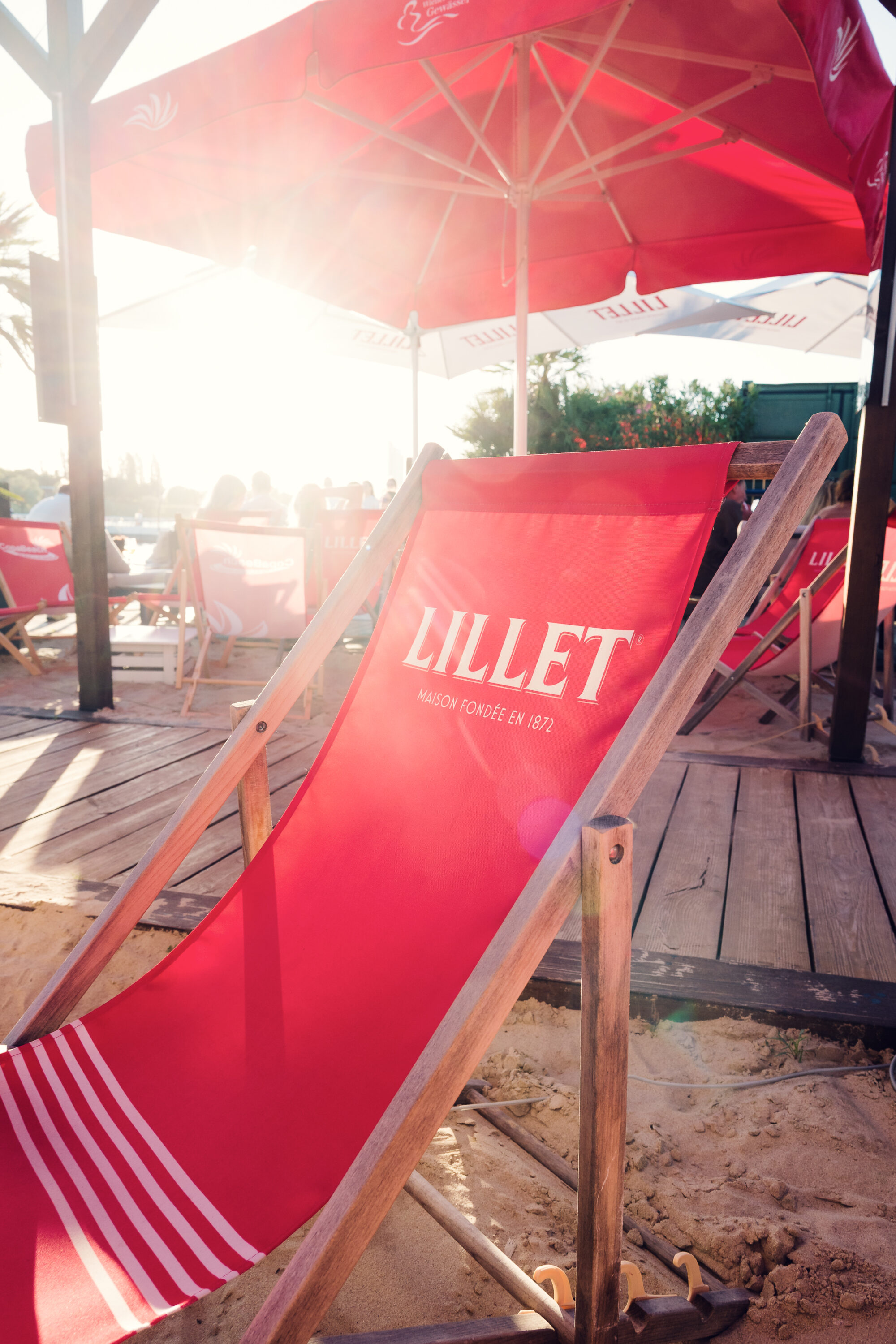
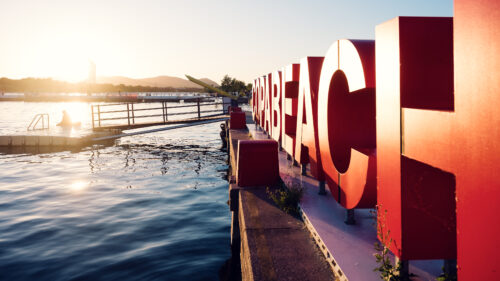
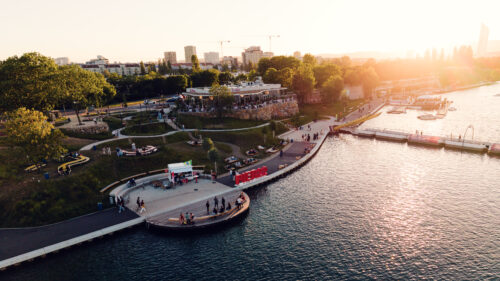
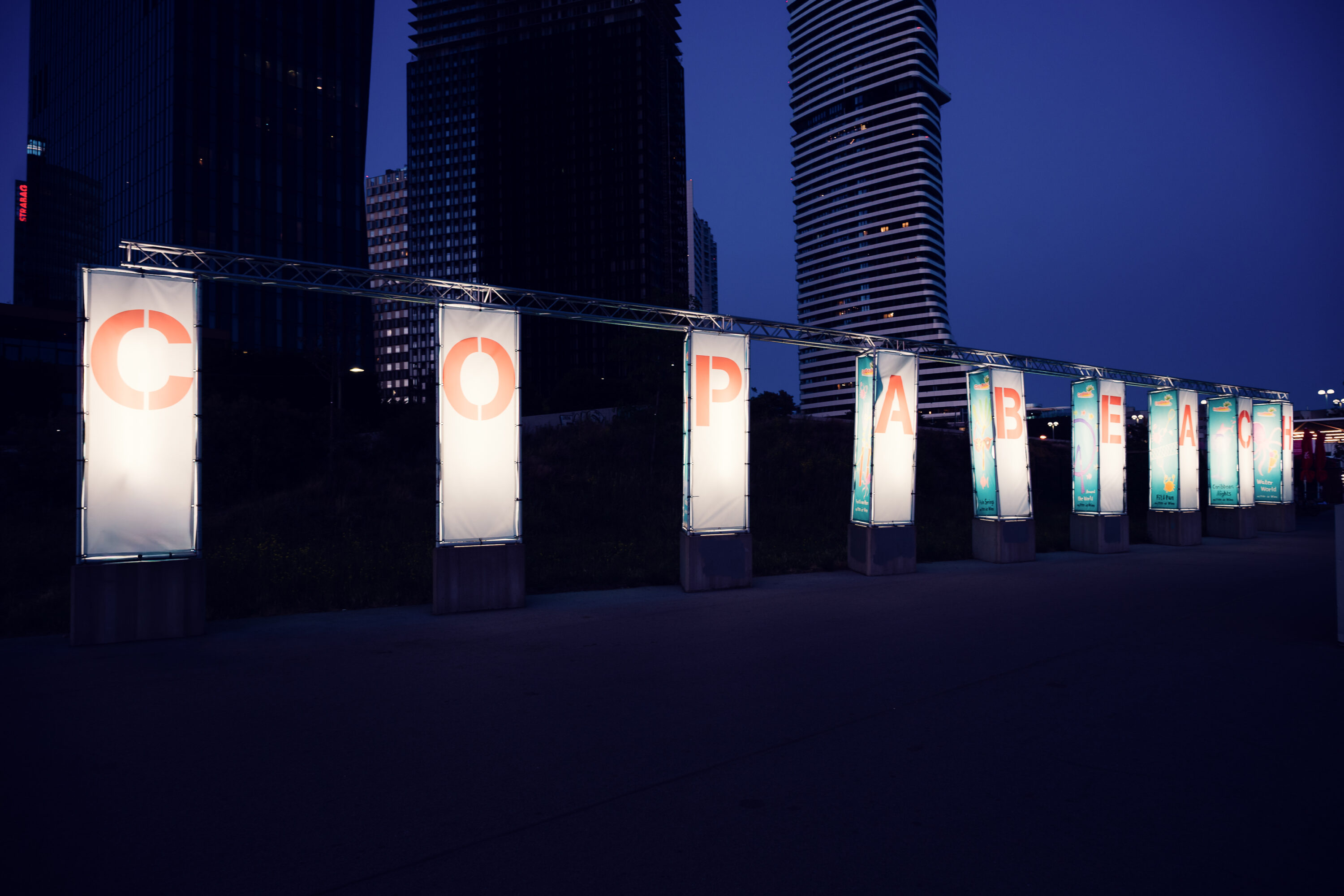
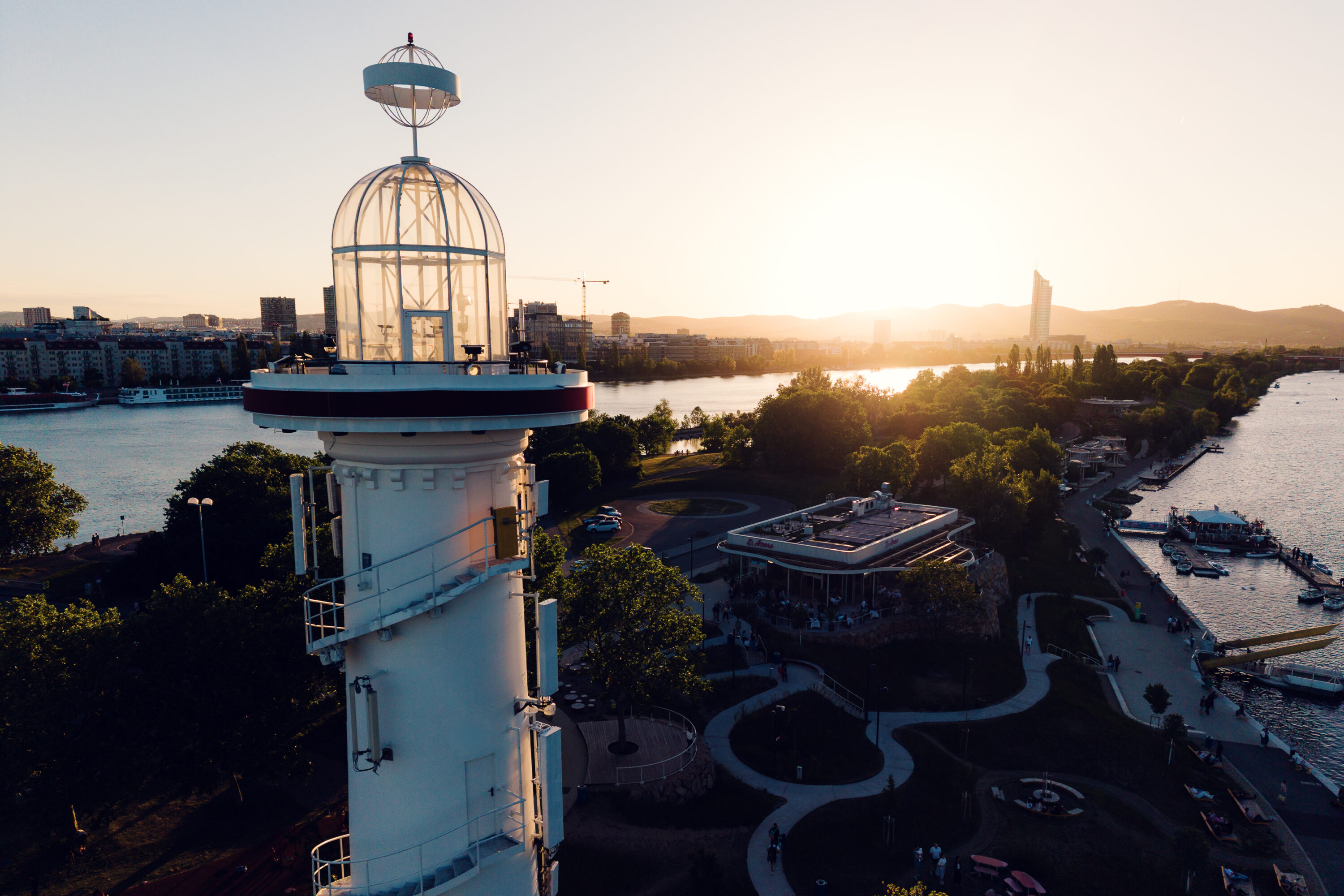
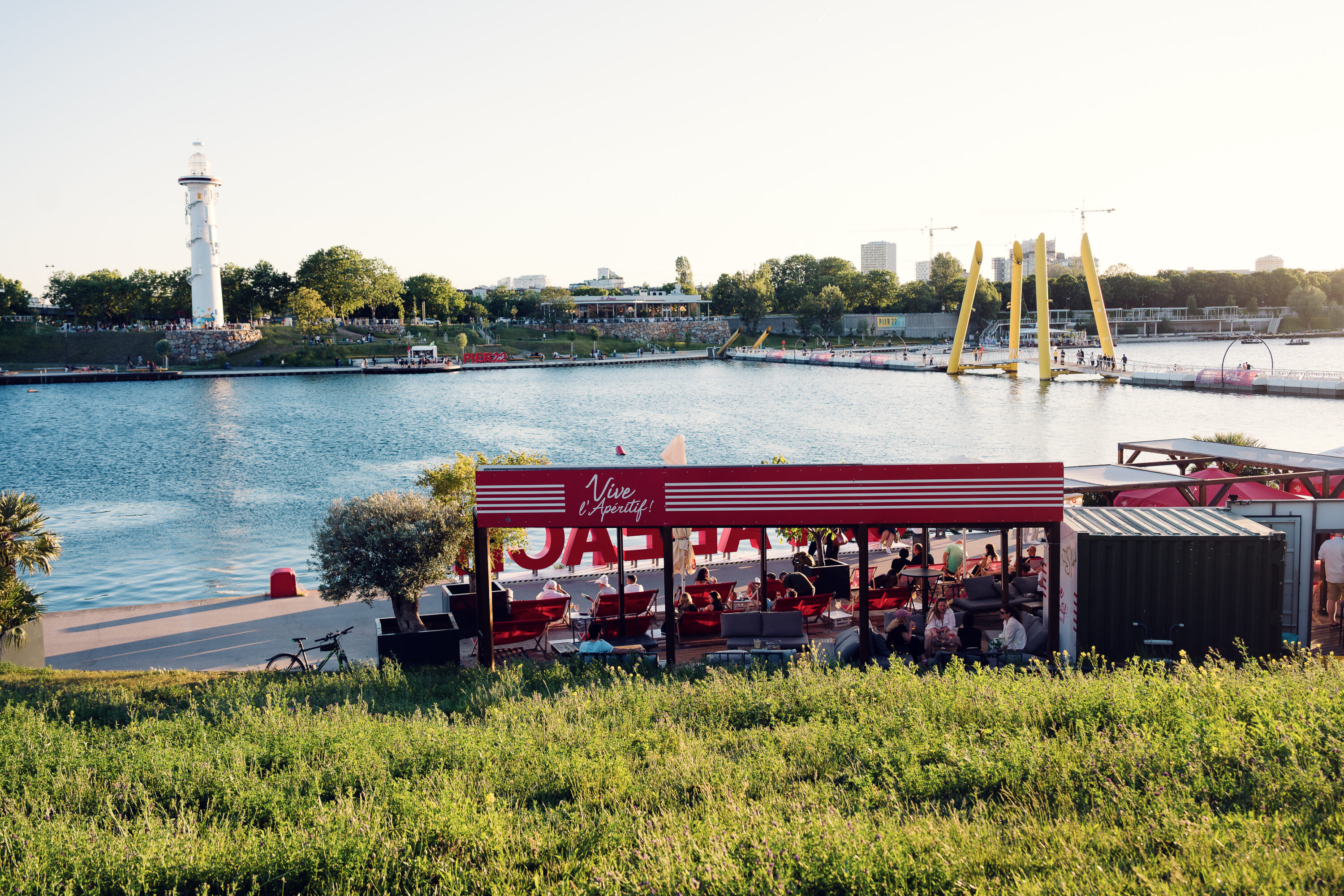
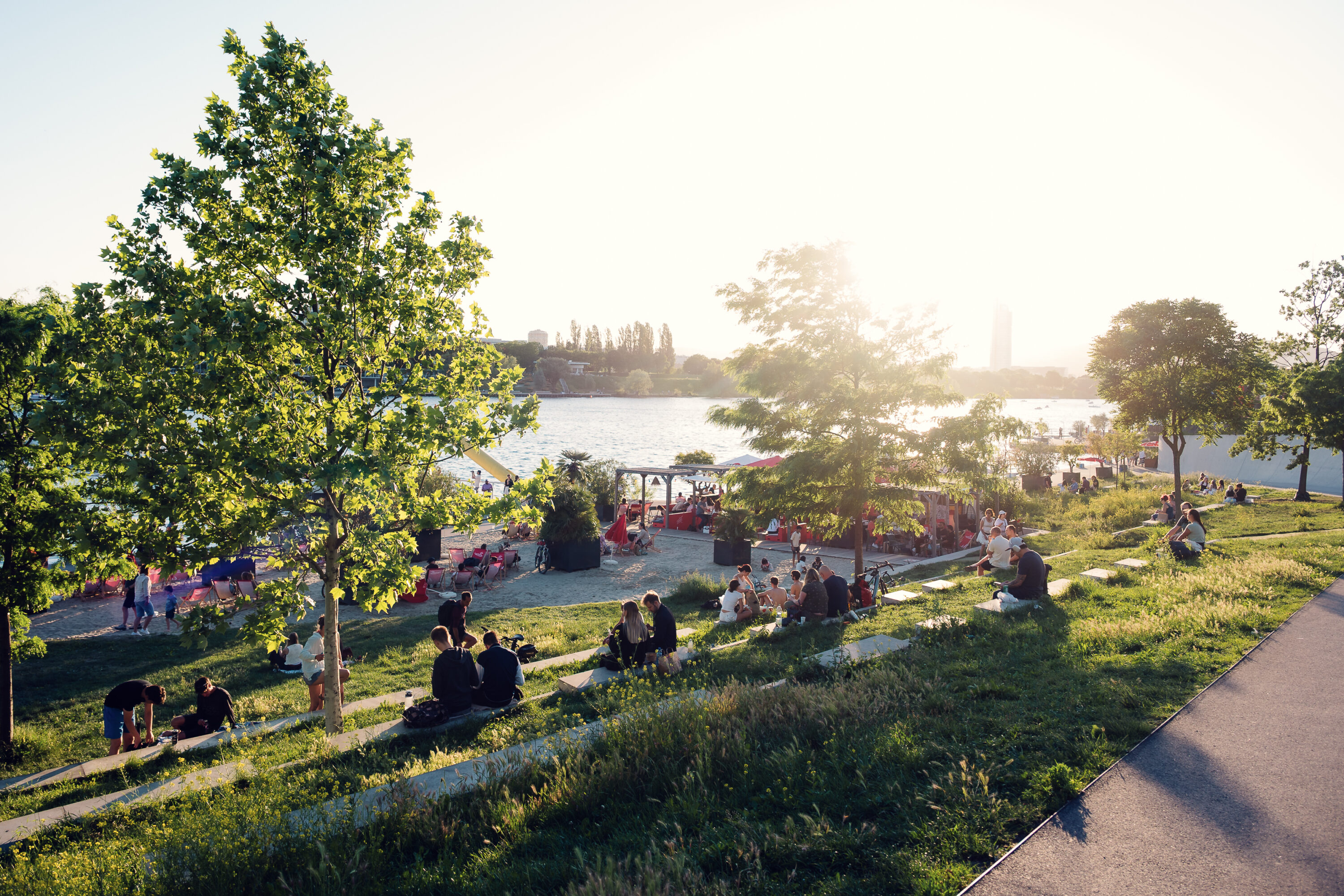
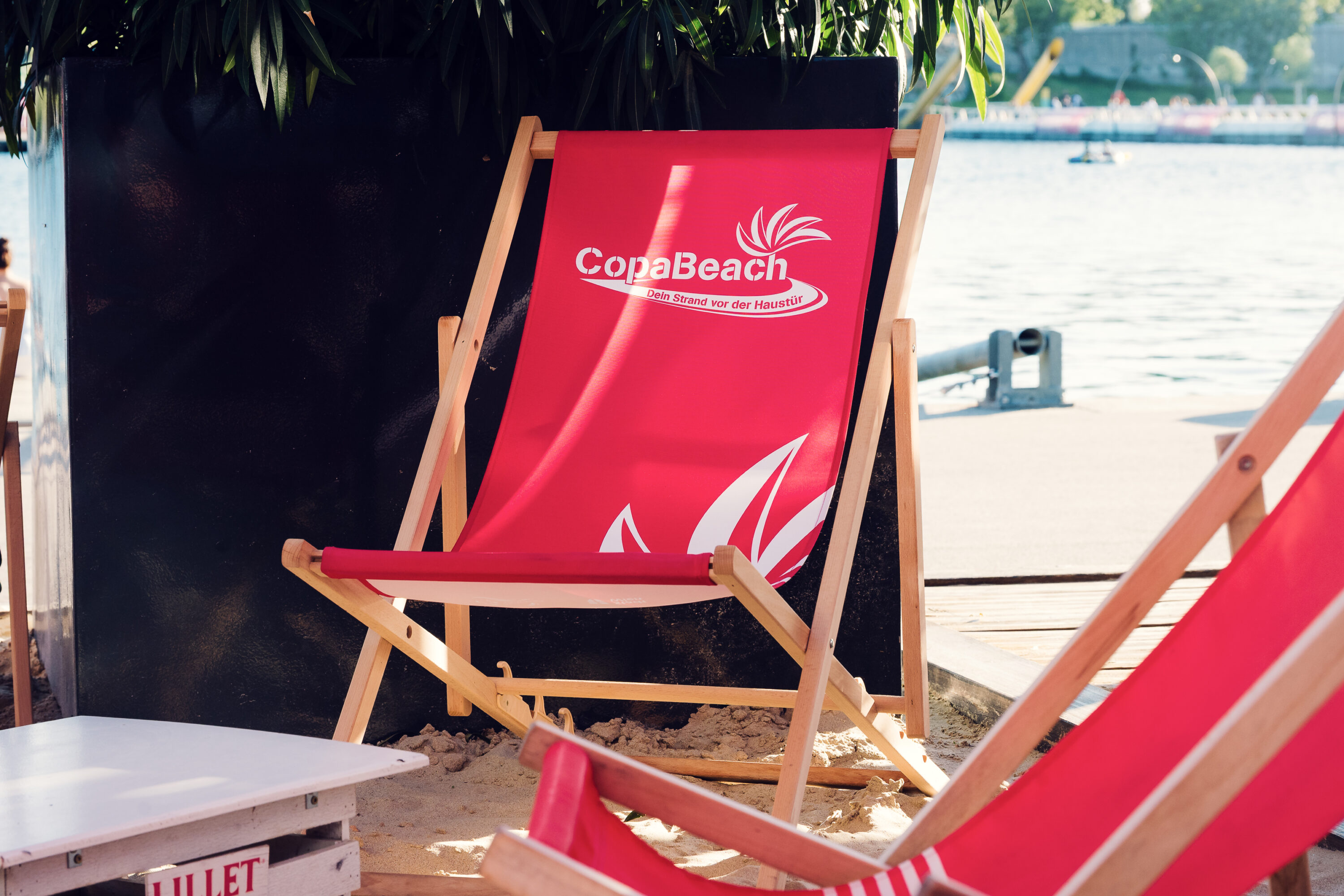
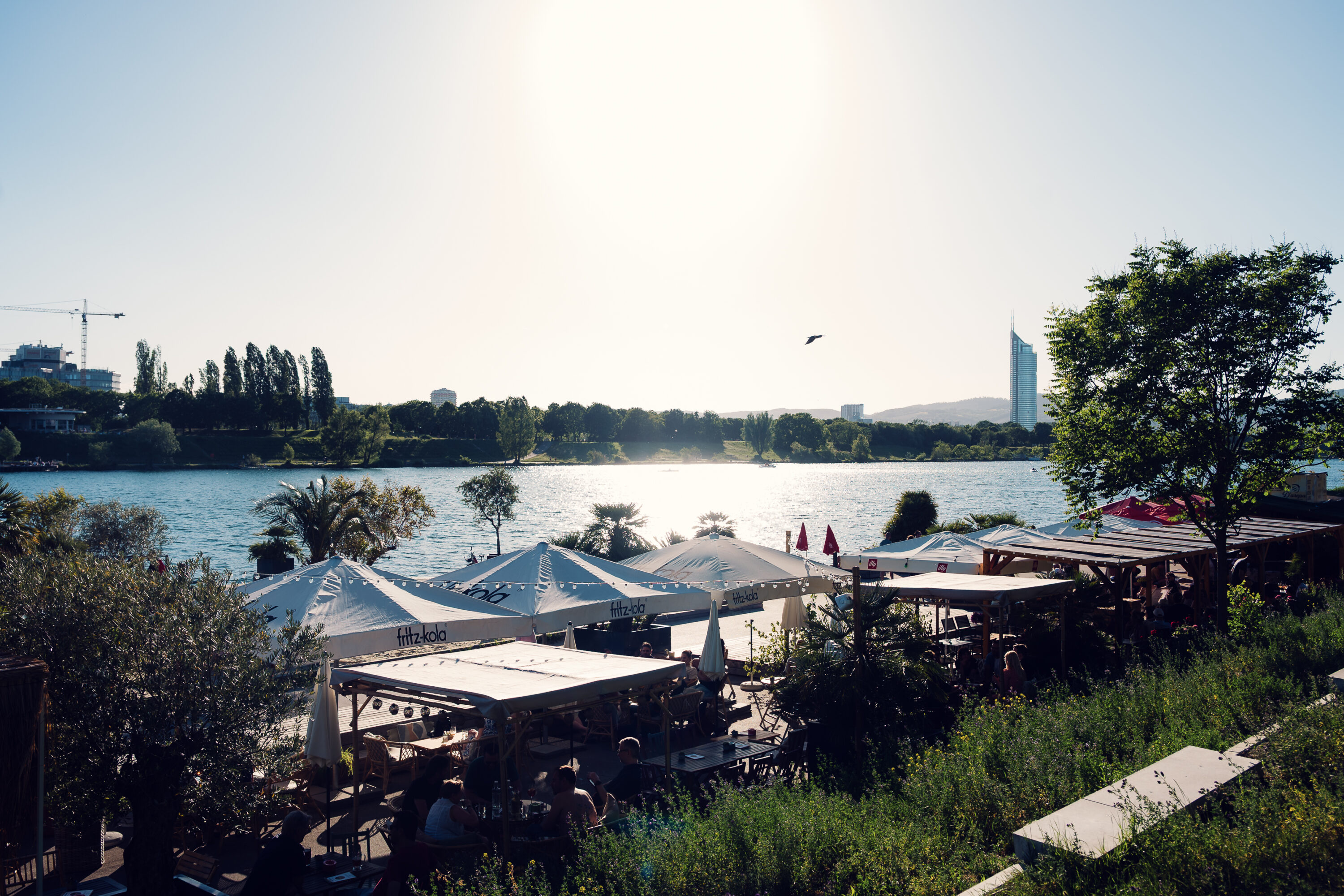
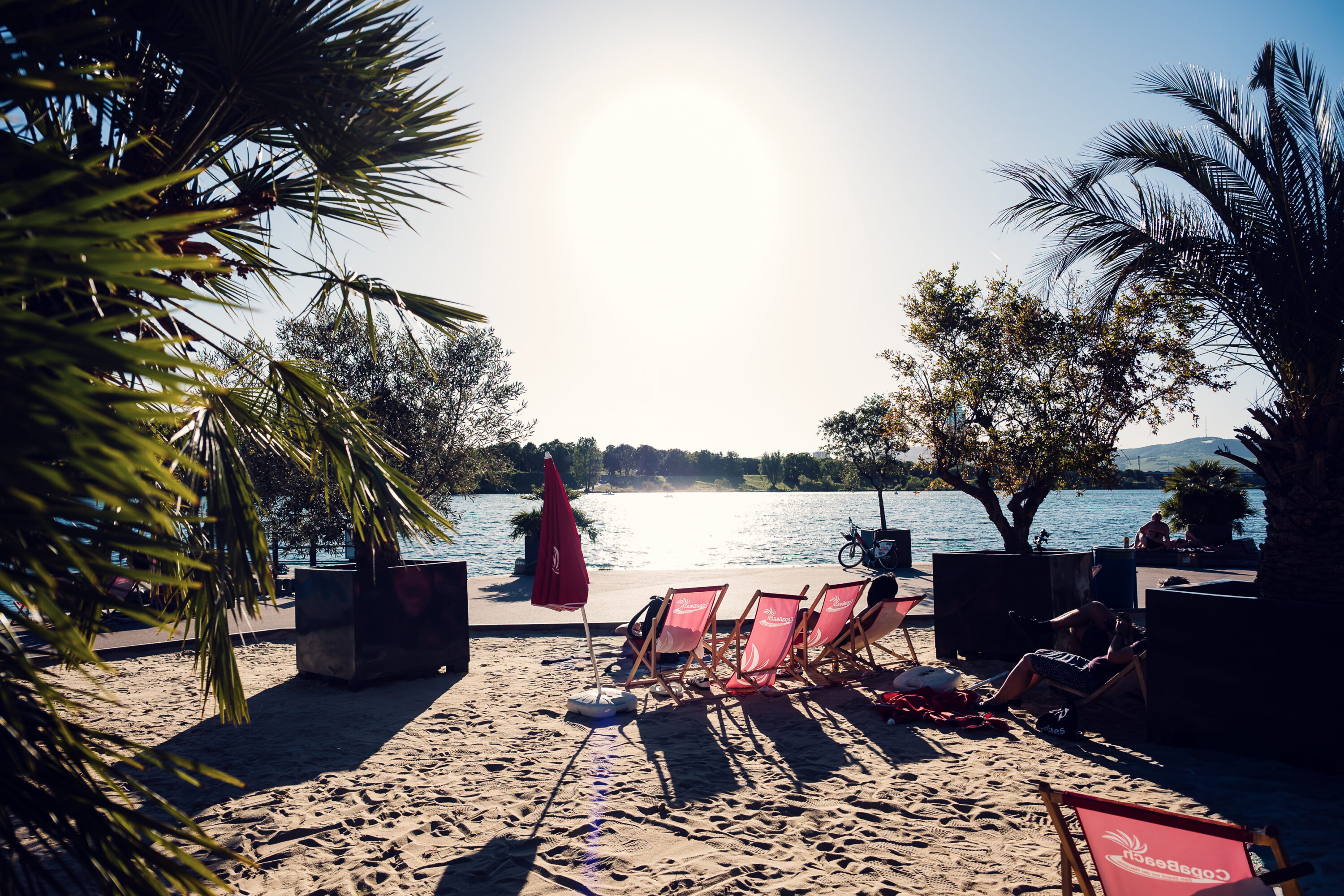
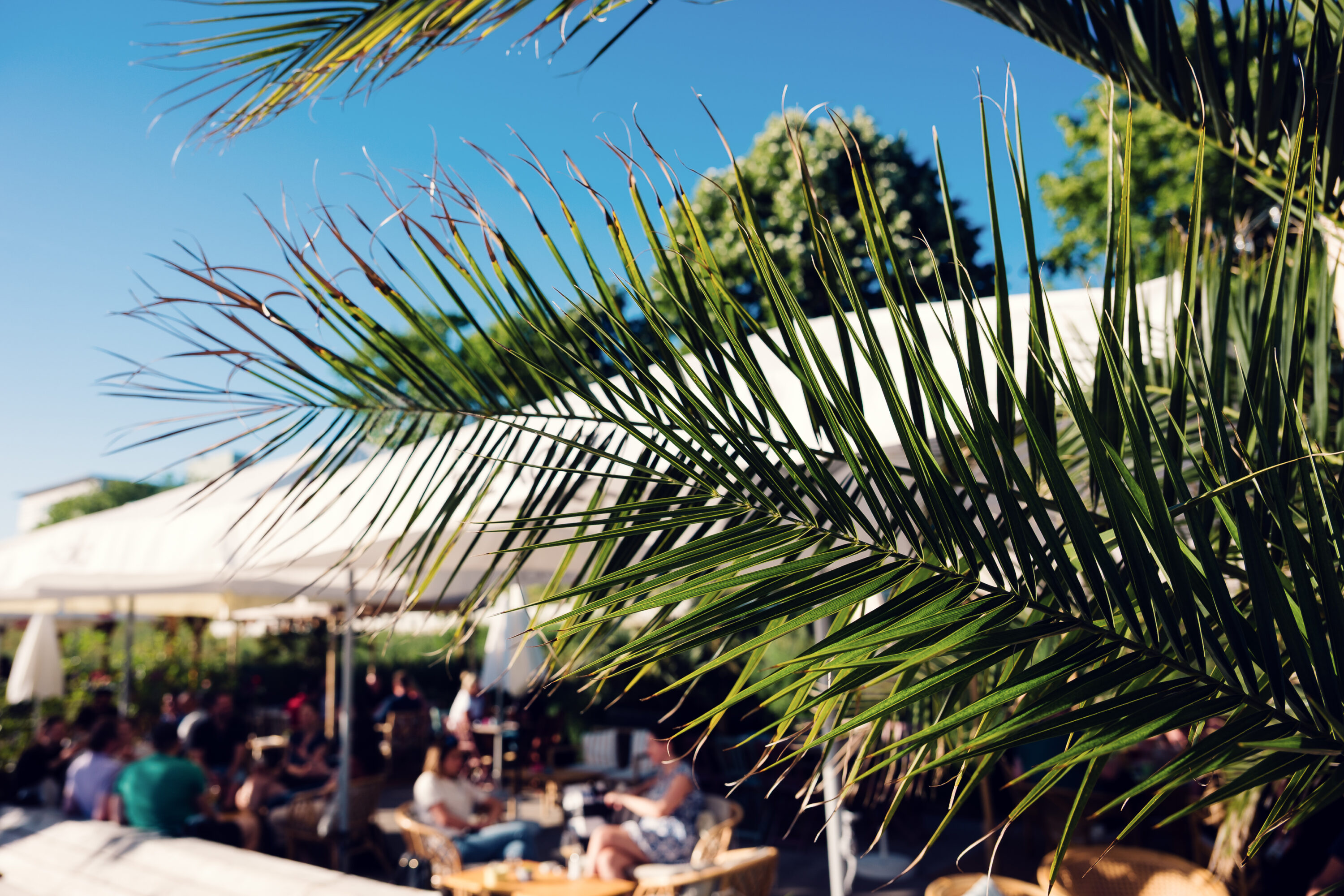
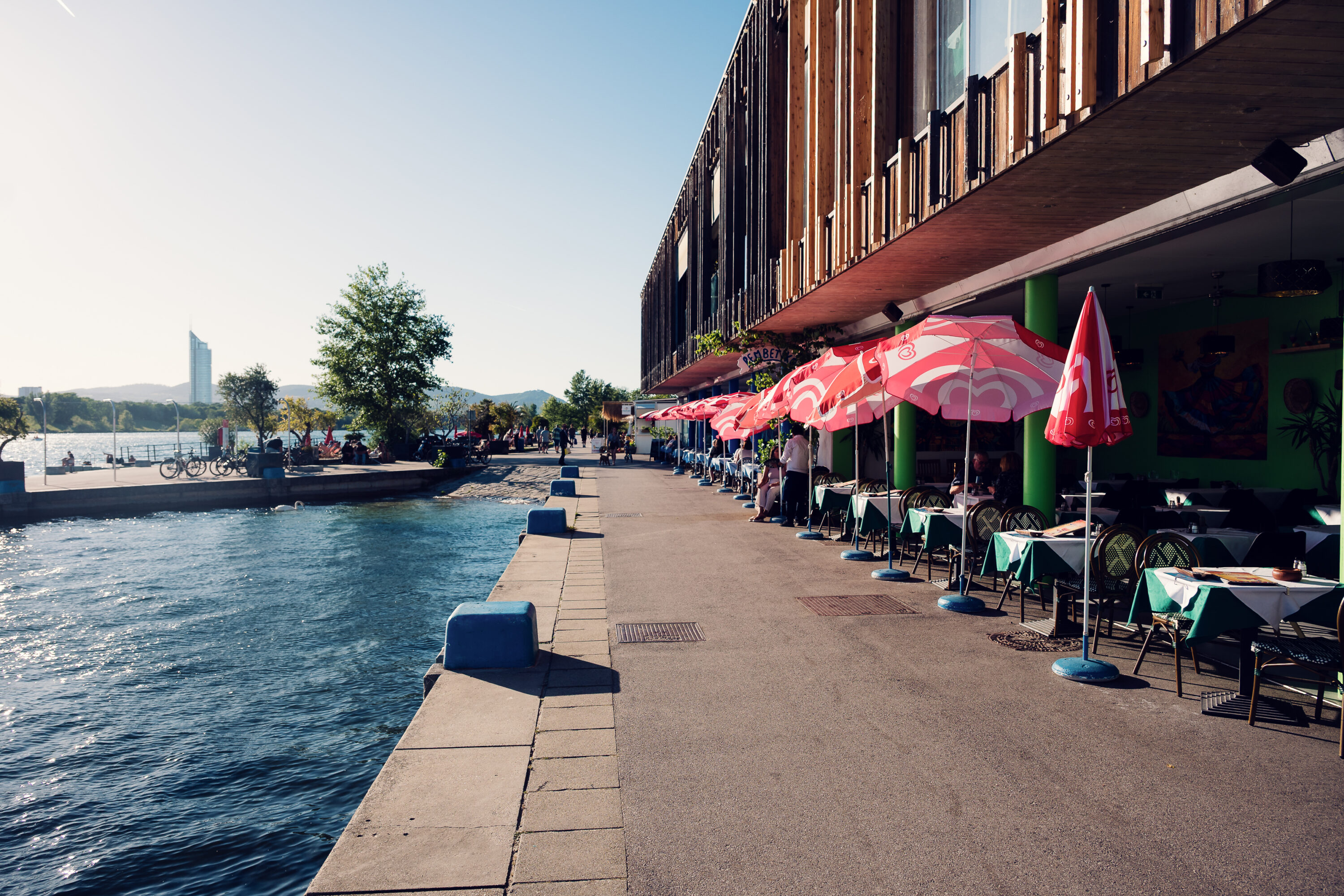
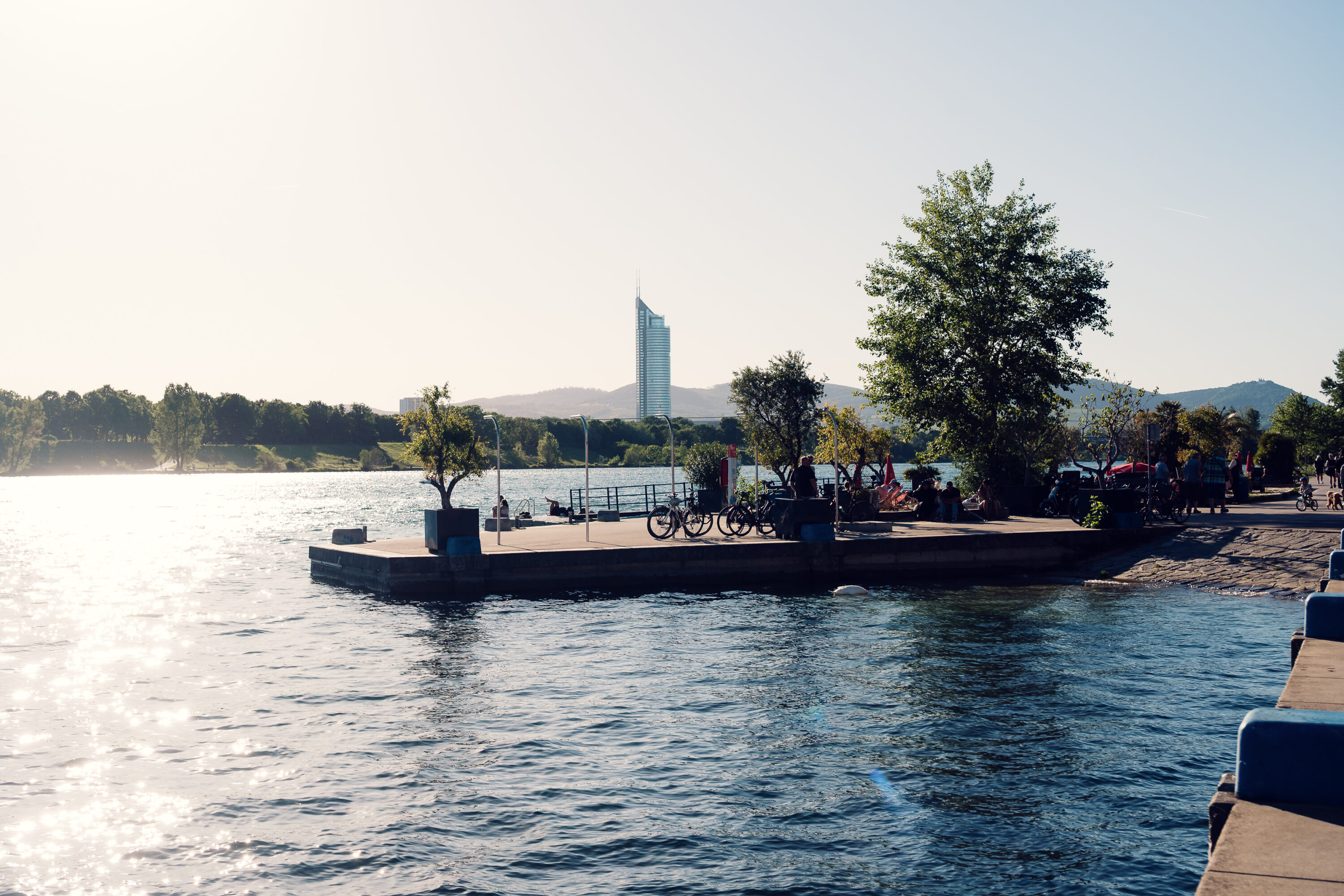
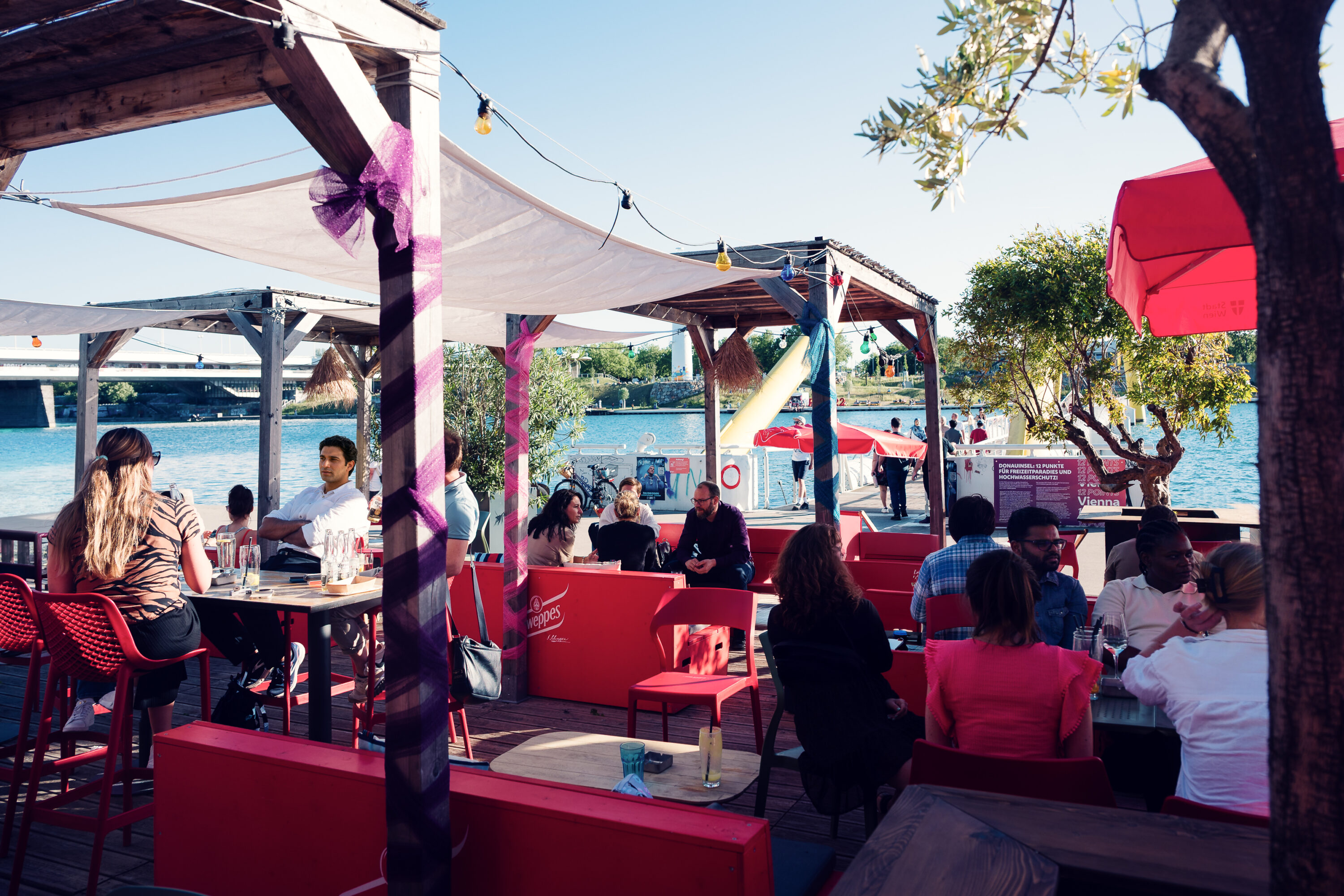
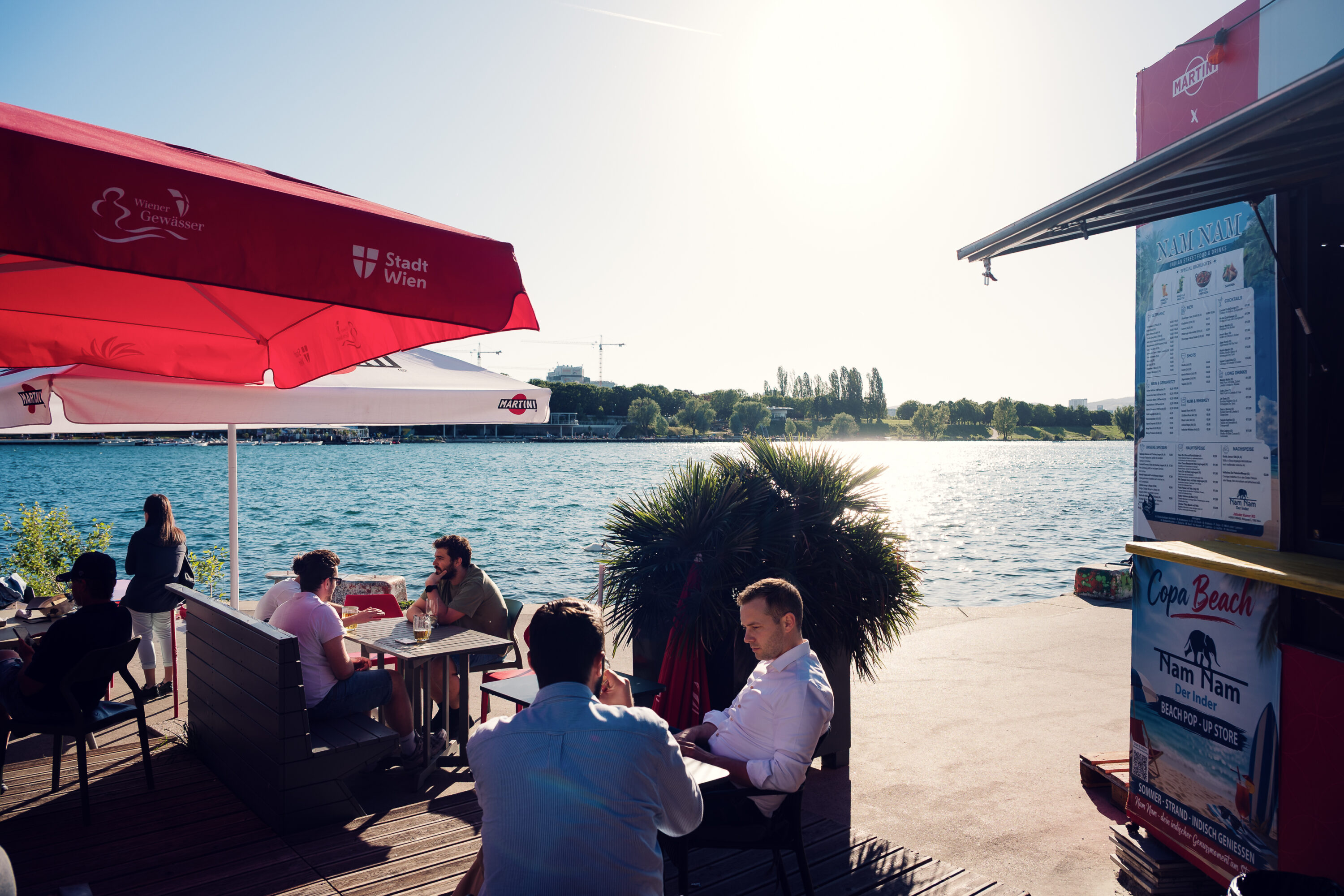
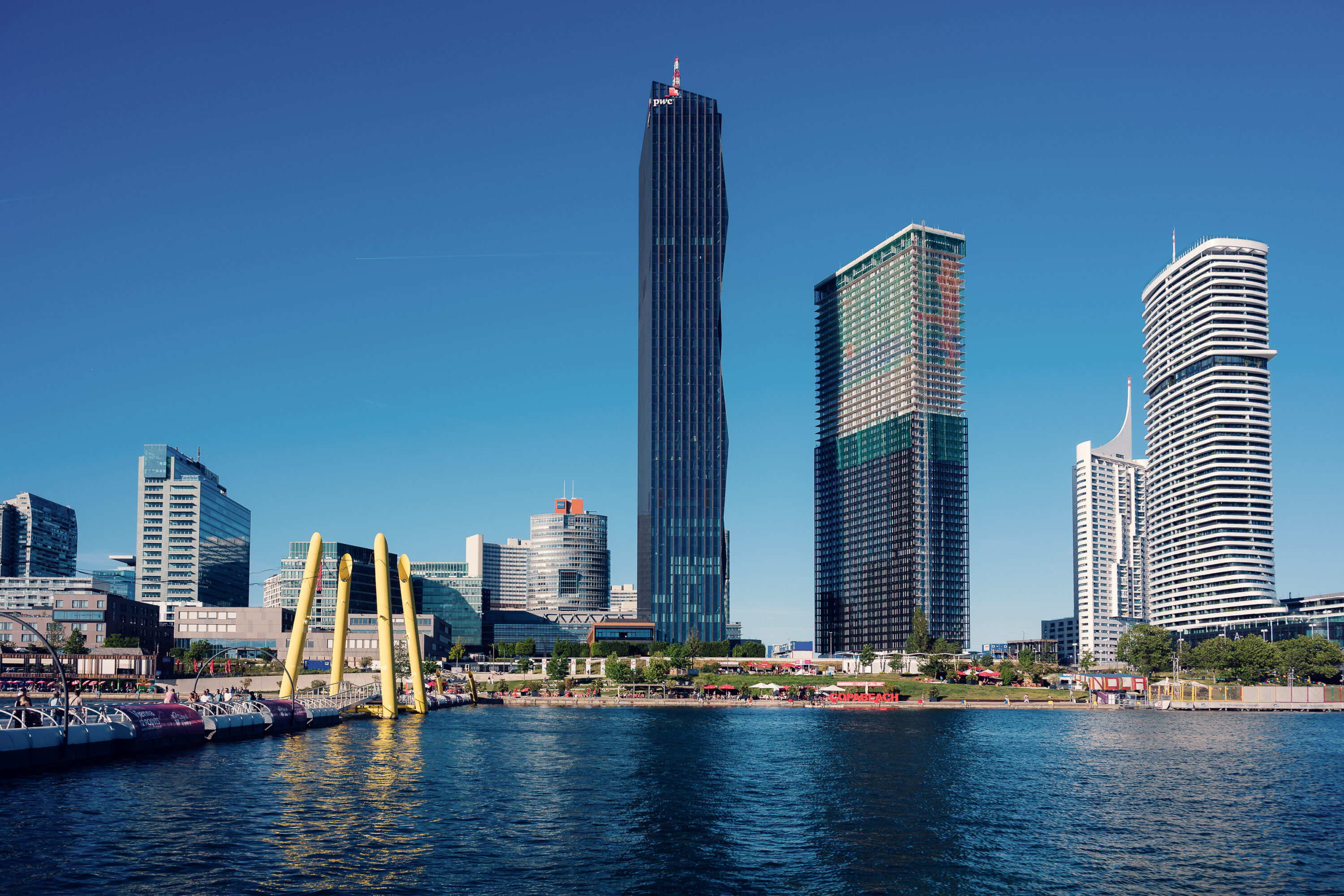
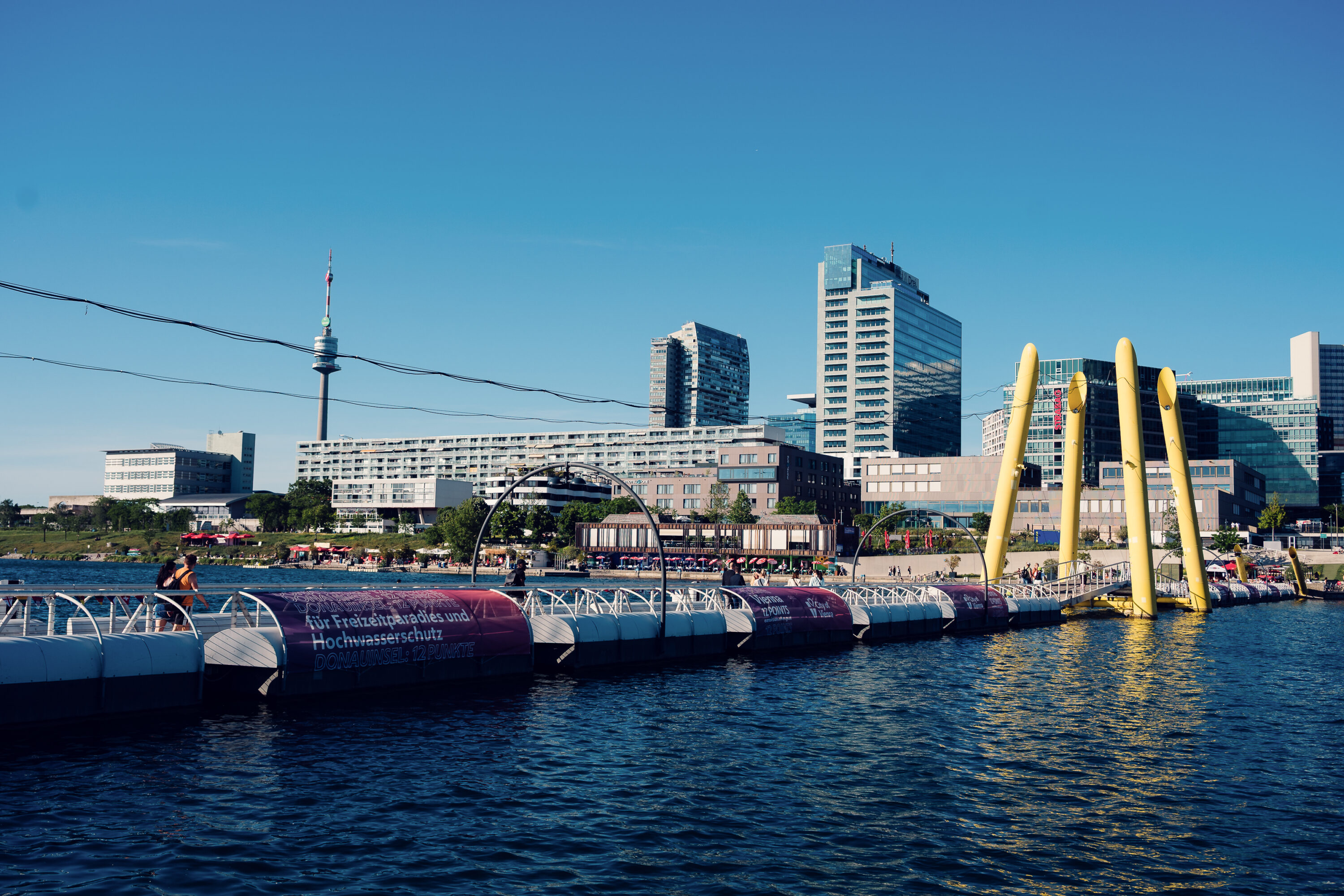
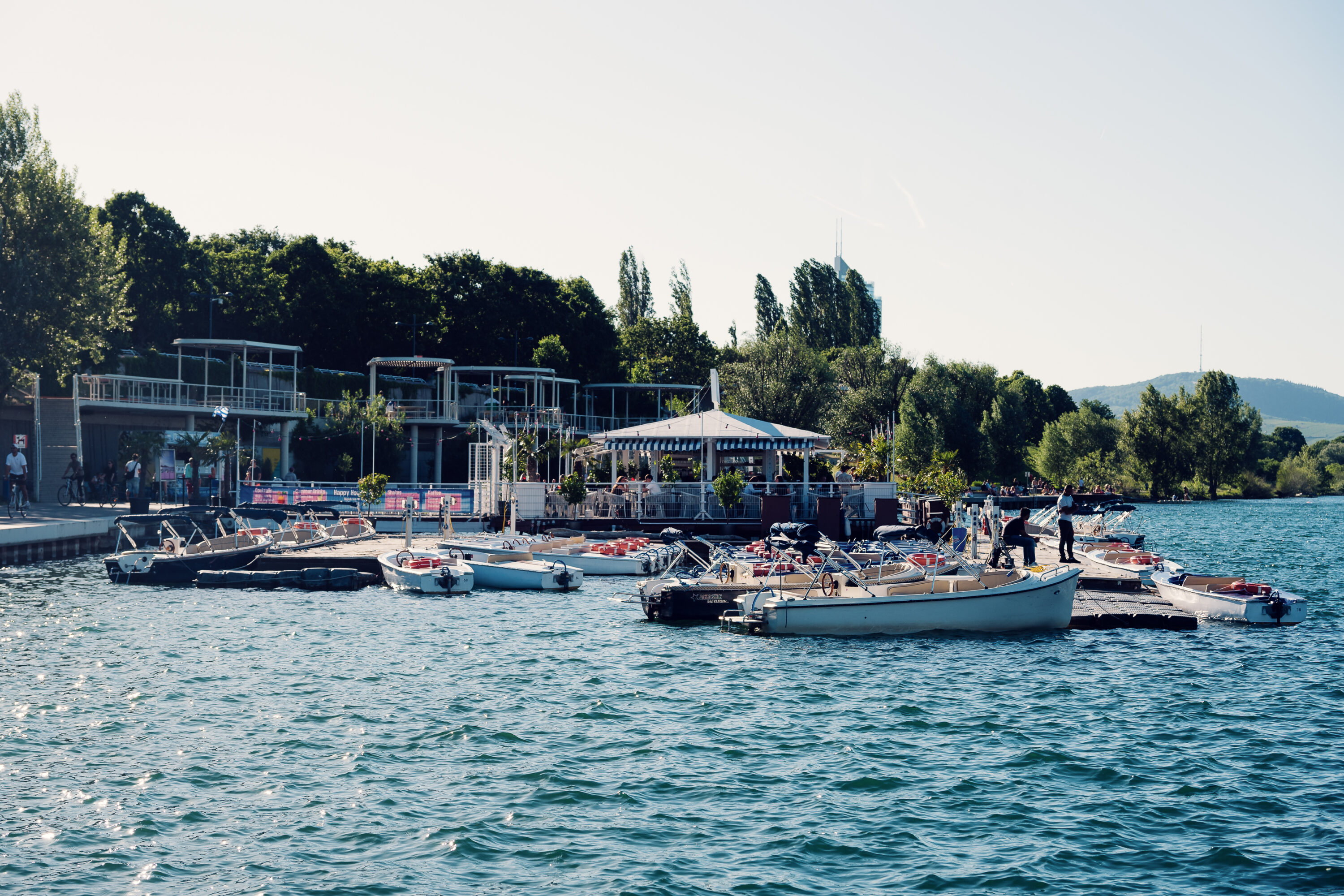
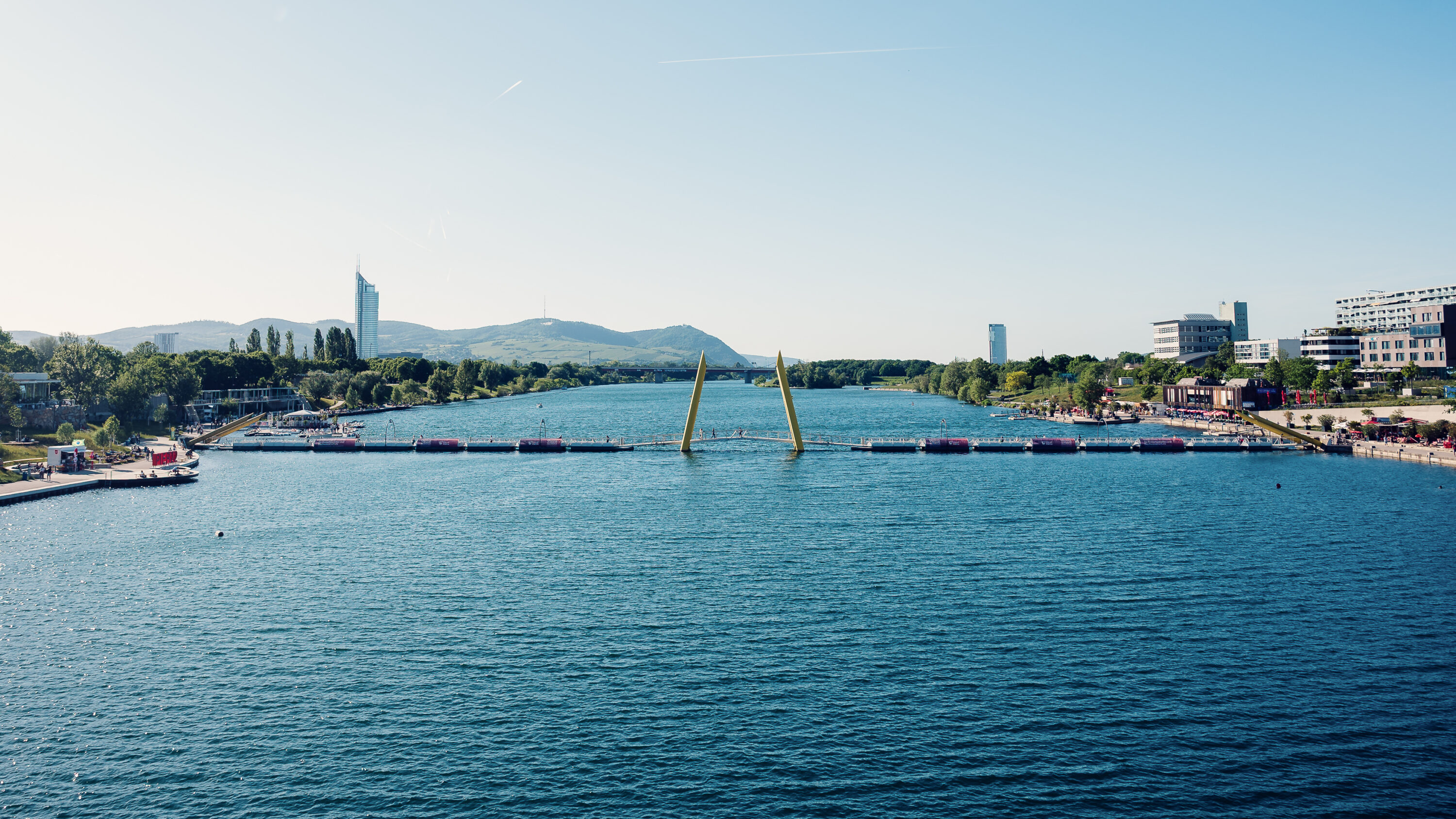
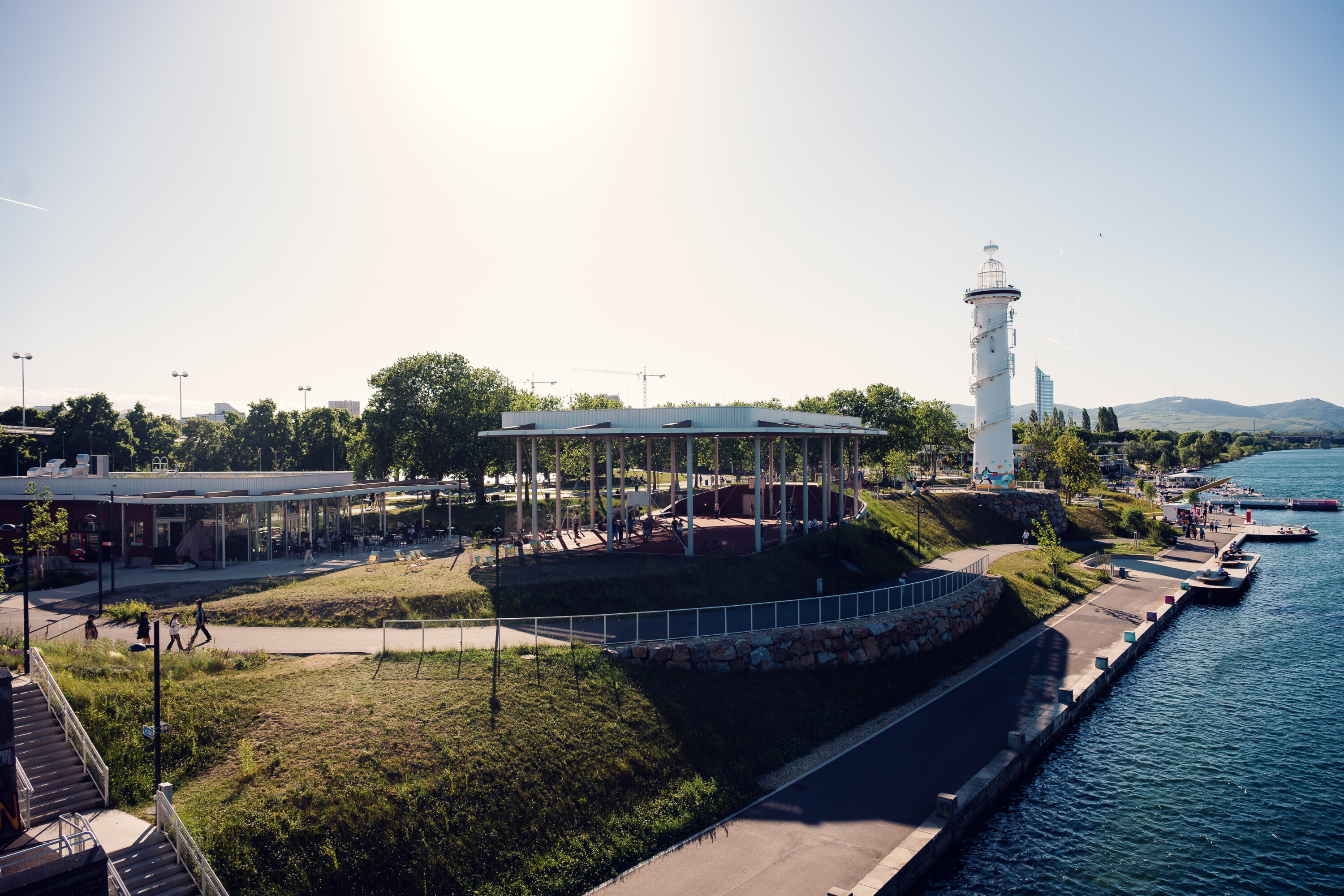
Between 2018 and 2020, the mainland side of the waterfront was transformed into what's now called Copa Beach. The design prioritized open sightlines, green spaces, and free public access alongside a curated selection of restaurants and bars. Two sandy beaches were created, along with shower facilities, loungers (free of charge), and generous lawn areas. The 500-meter promenade was divided into three zones: a quieter city-side area, a central gastro strip, and a waterfront bathing zone. Mediterranean planting - olive trees, oleanders, palms - replaced the old concrete aesthetic. For a broader look at Vienna's waterfront, the Donaukanal offers a completely different character just a few kilometers upstream.
Pier 22 - The Island Transformation
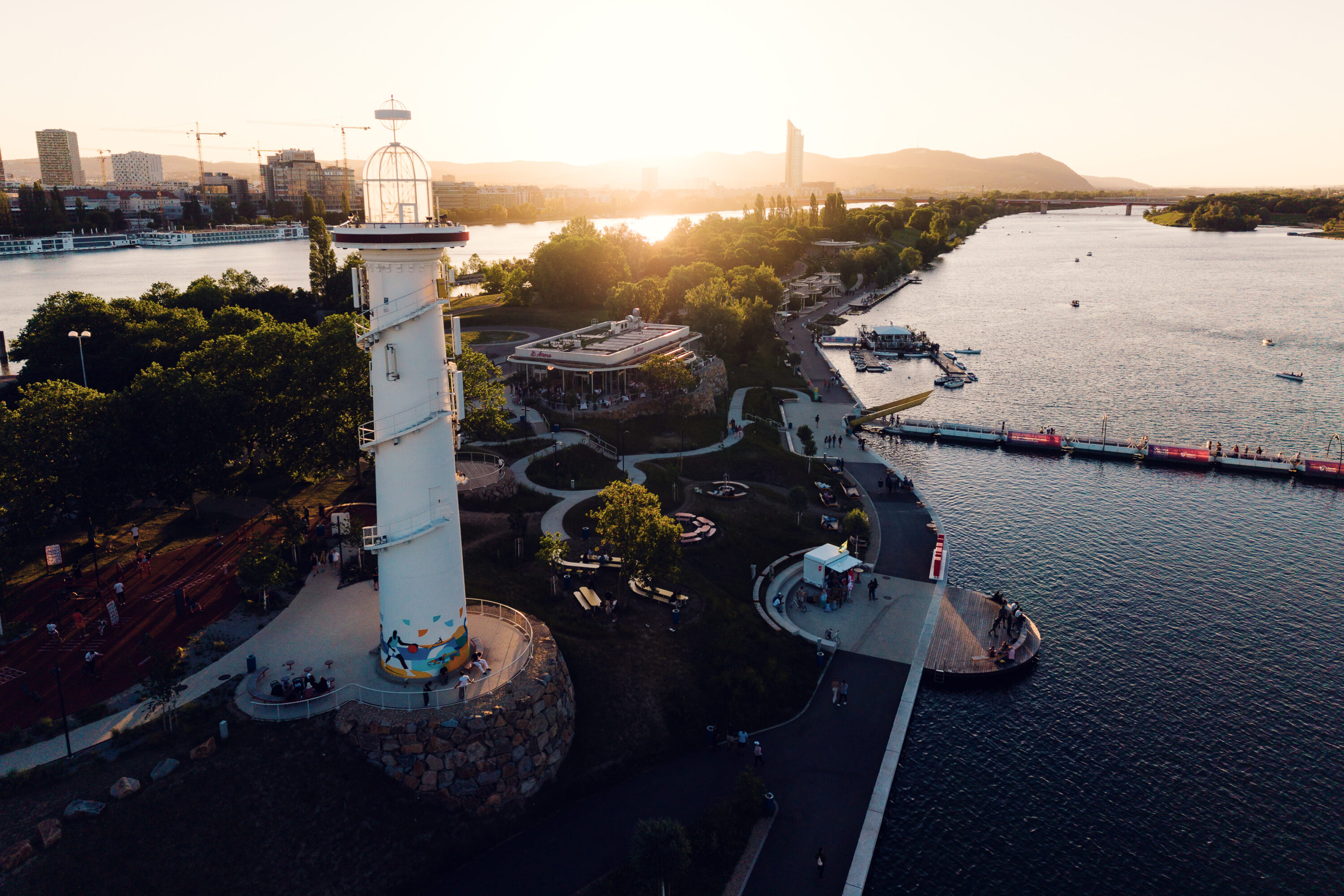
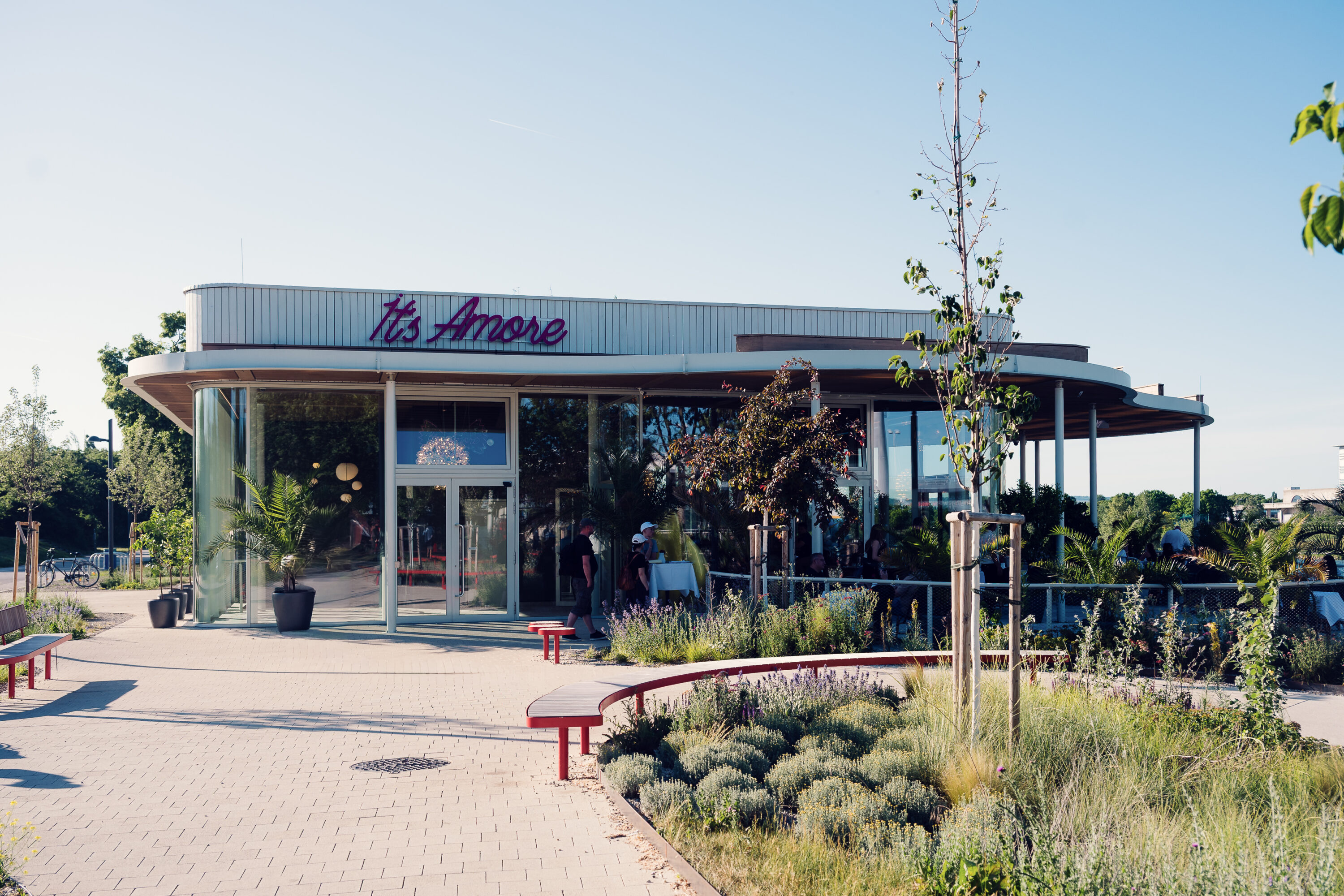
Across the water, the bigger transformation was yet to come. The "Sunken City," as the Danube Island counterpart was known, had been a dense patchwork of aging bar structures with almost no free public space at the water's edge. Starting in 2023, the city commissioned architecture studio mostlikely to redesign the entire 13,000-square-meter area. The project was executed in three construction phases:
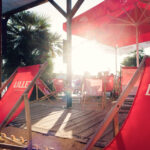
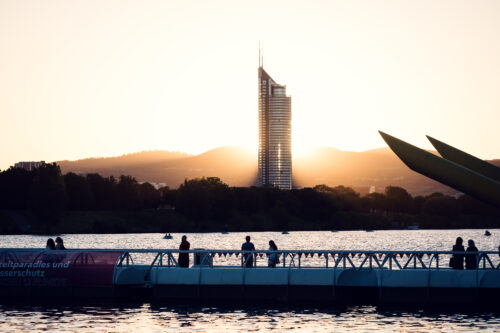
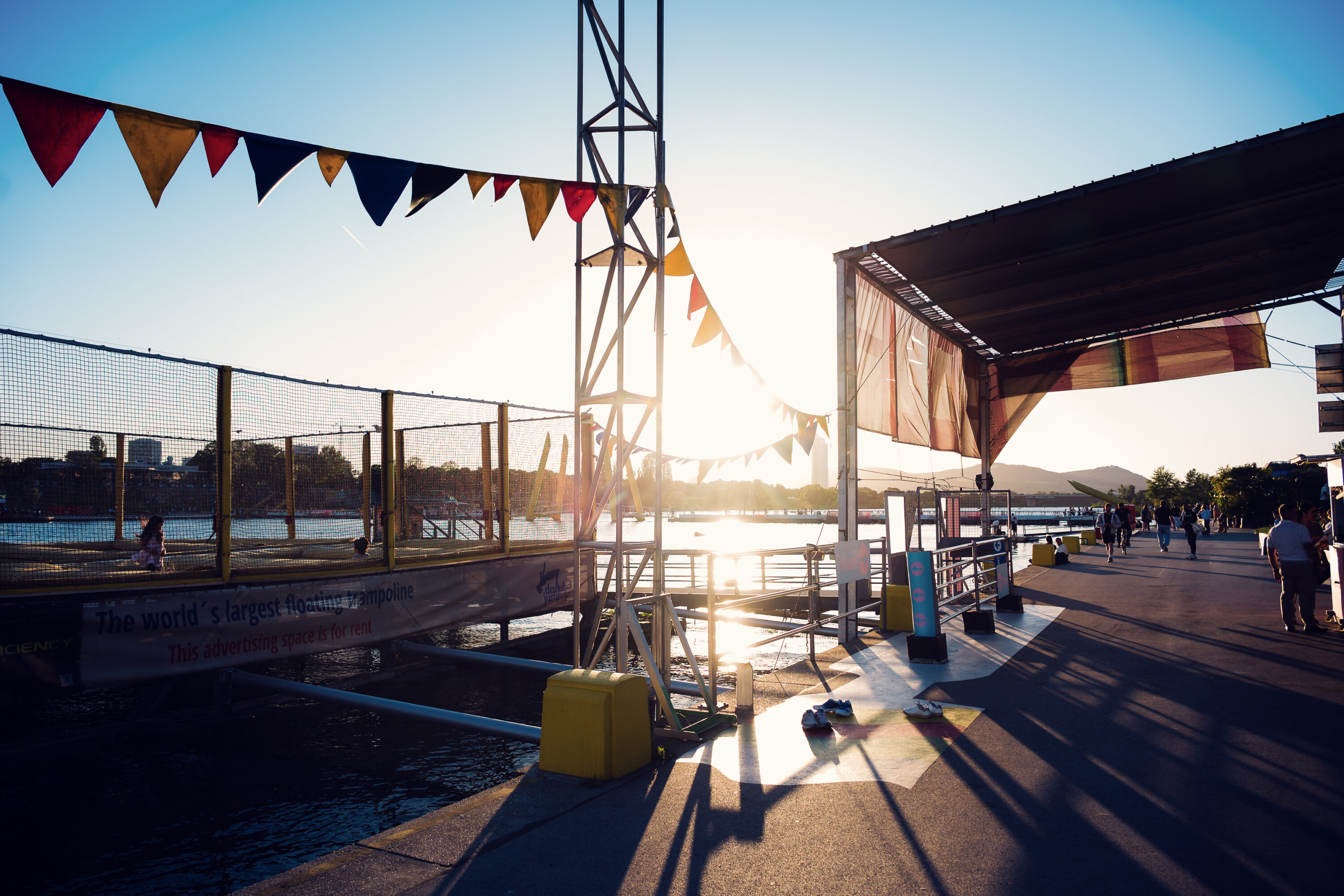
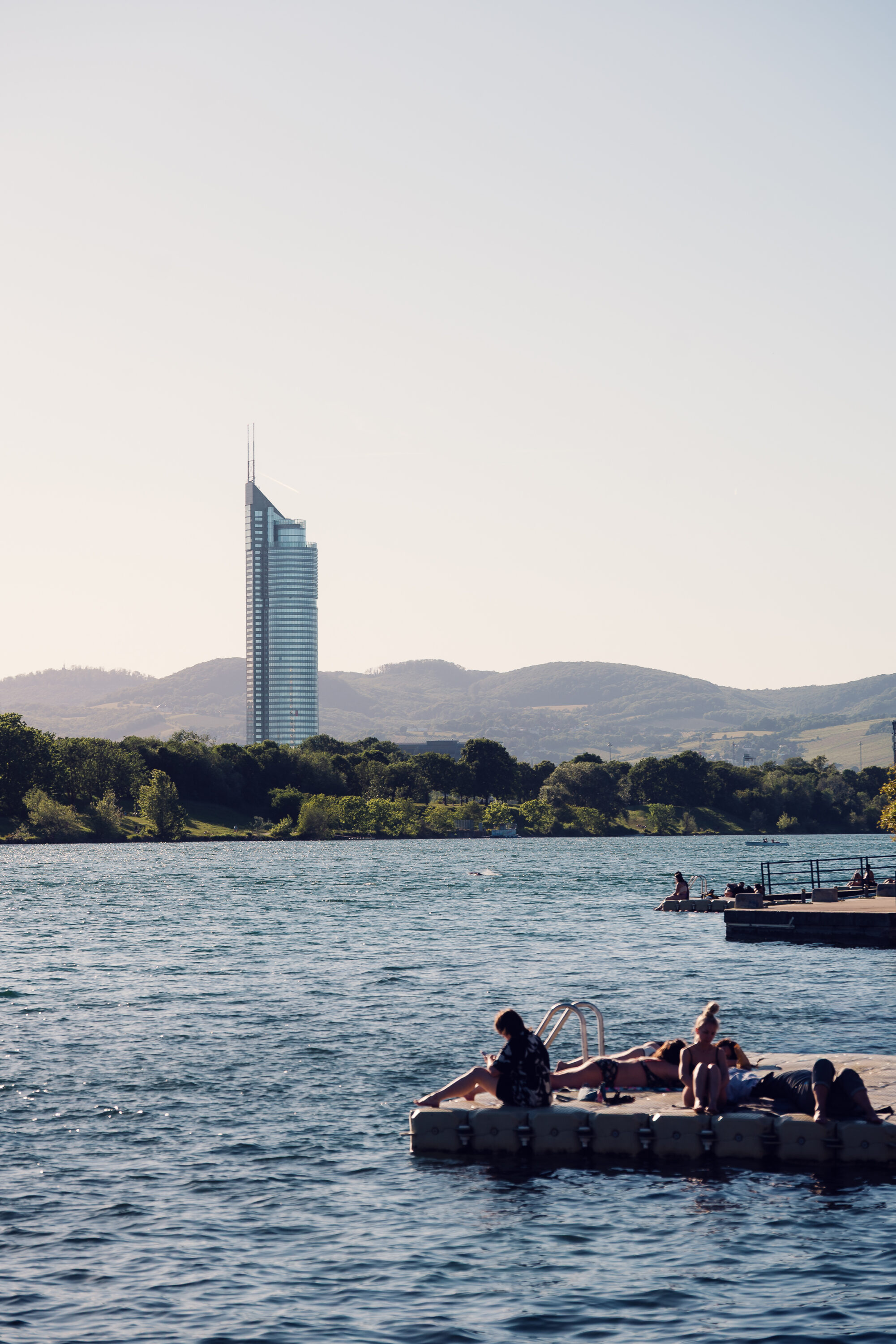
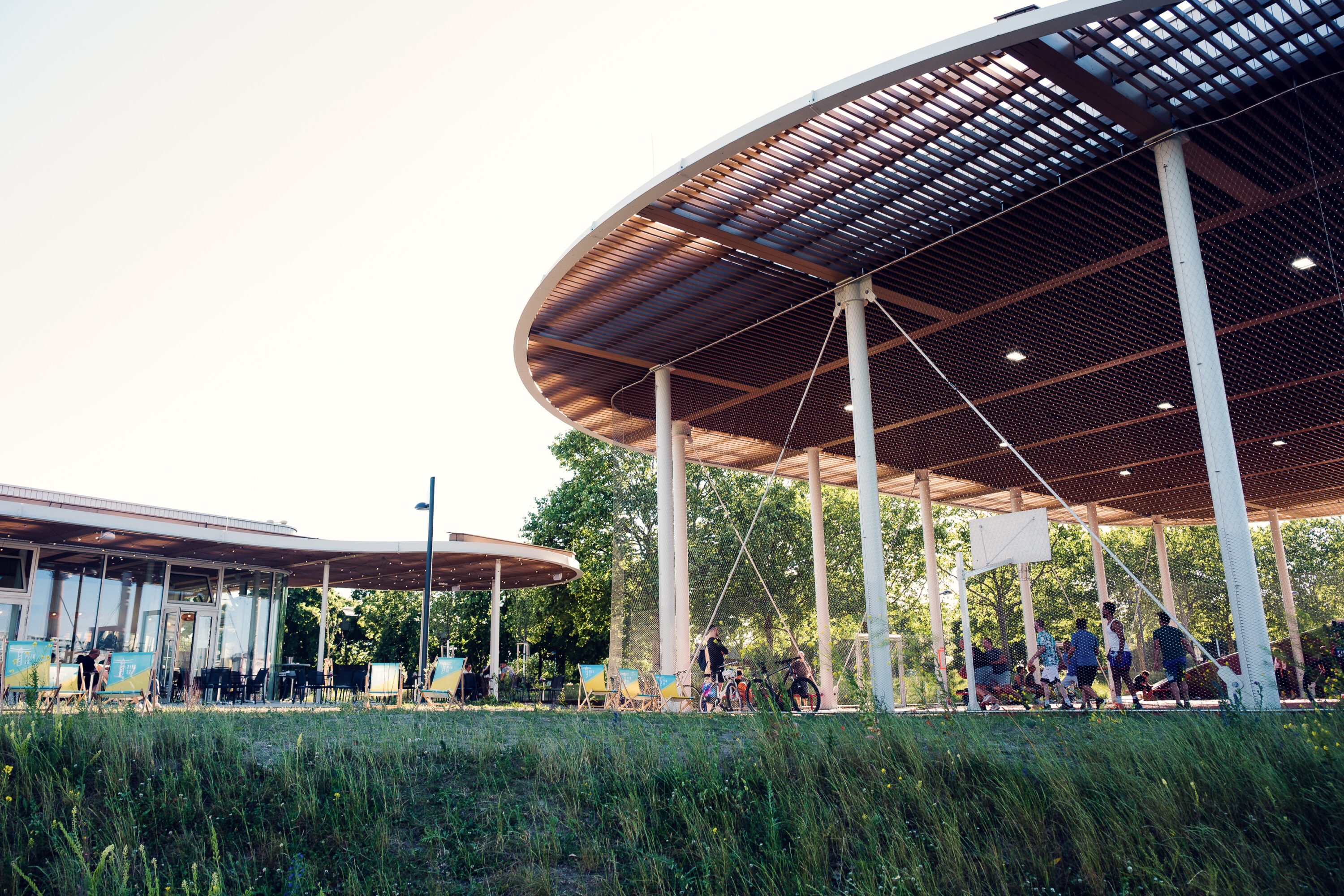
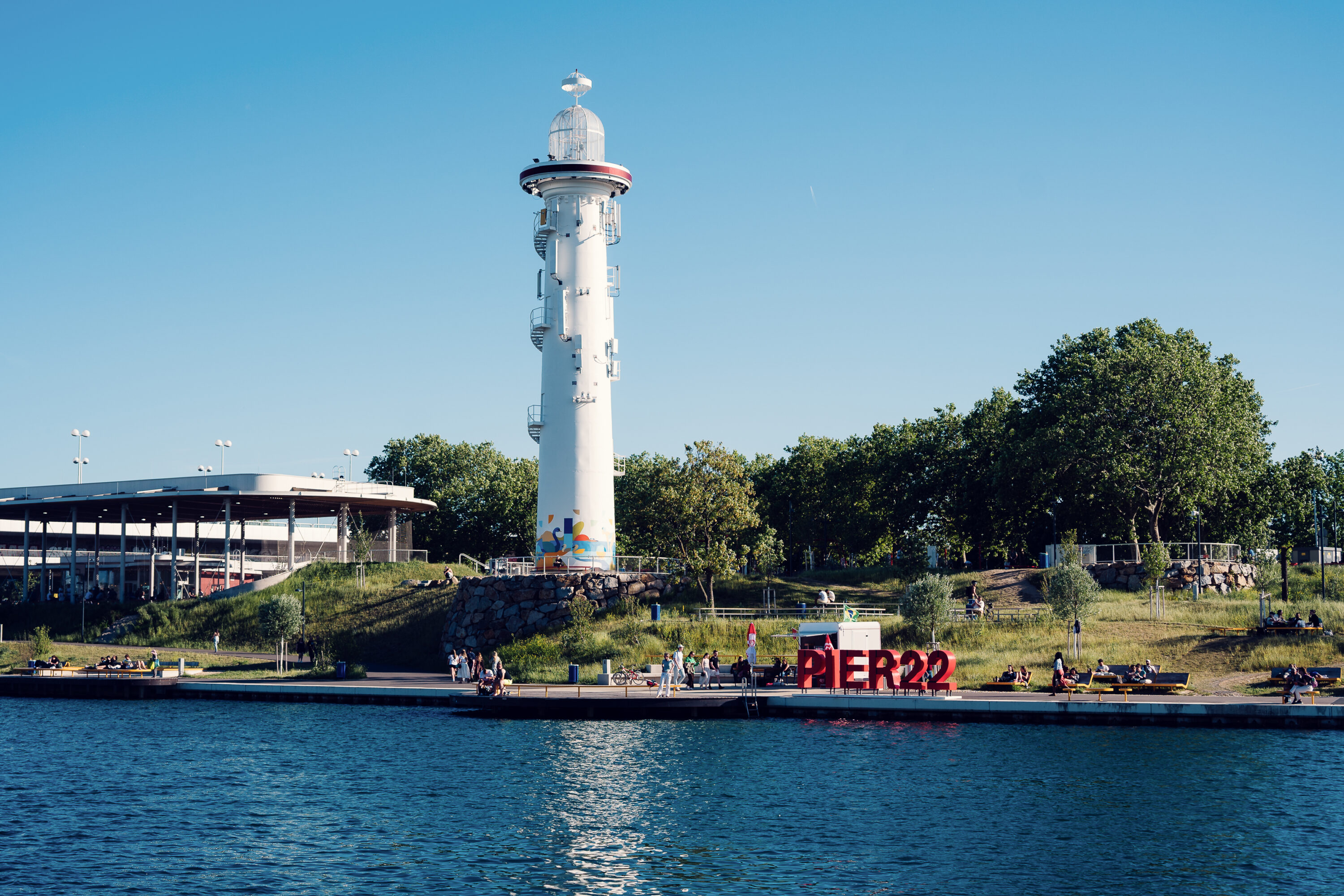
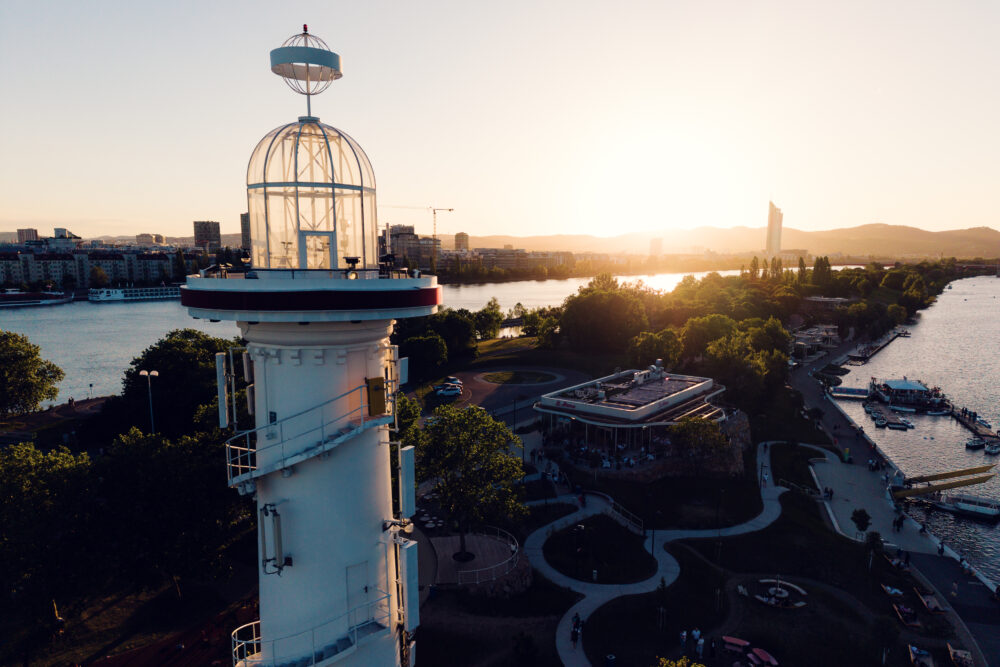
The first section (completed summer 2024) introduced barrier-free swimming platforms with planted green islands, lounging nets, wooden decks, and shaded seating areas. The second section (completed summer 2025) added an outdoor fitness landscape, additional bathing spots, and drinking fountains. The covered multi-sport court with 90 photovoltaic elements opened in autumn 2025; the final 2026 stage added the Insel-Restaurant, which officially opened on 18 May 2026.
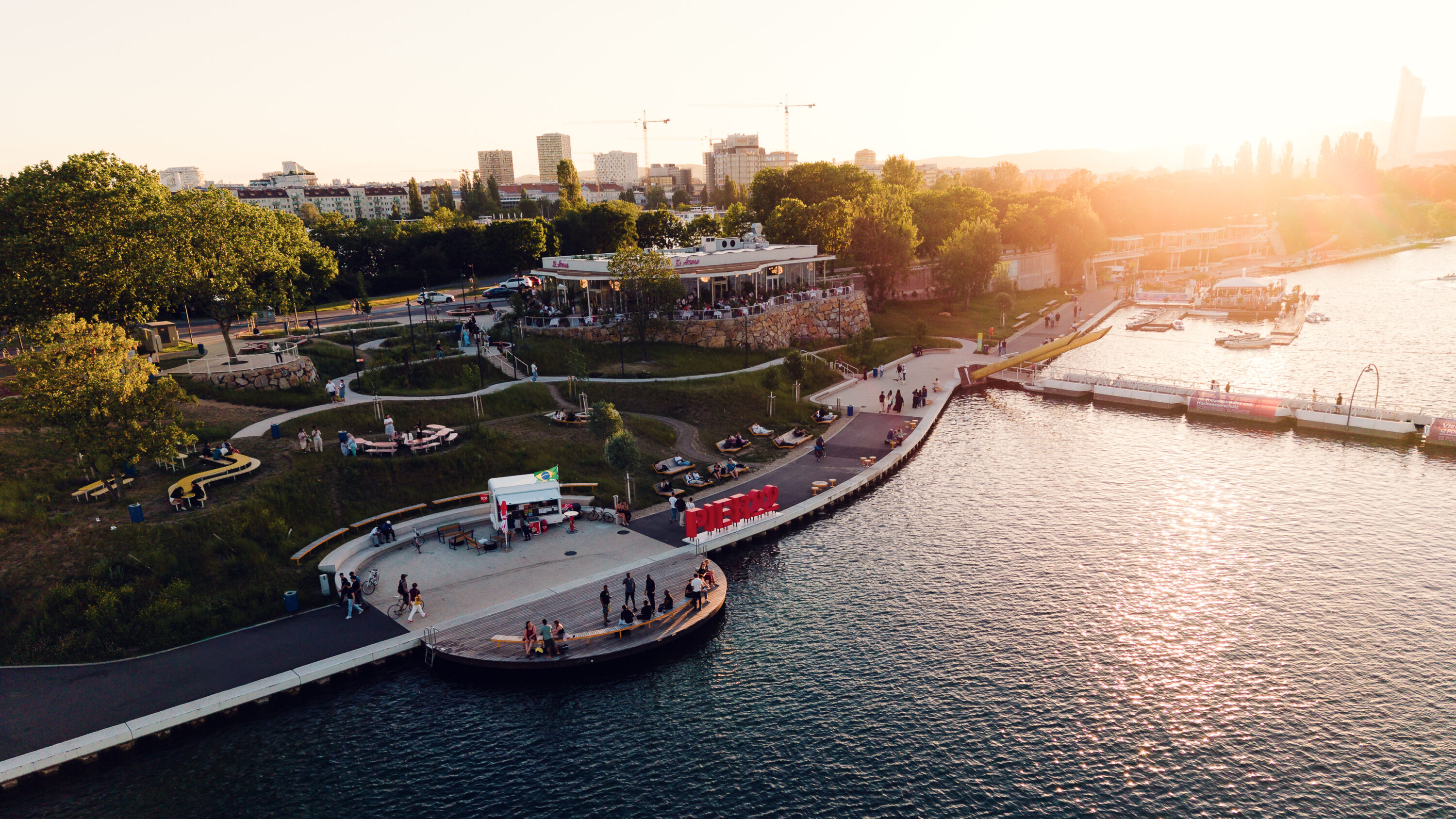
The name "Pier 22" was chosen through a public vote - over 9,000 people participated, and it won clearly. The "22" nods to Vienna's 22nd district, Donaustadt, where the area is located.
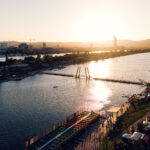
The result is a public waterfront space that has changed how this stretch of the New Danube is used. Where the former Sunken City was built up and dominated by bars, restaurants, and nightlife, Pier 22 is deliberately more open, green, and consumption-free. Together with Copa Beach on the opposite bank, it has made swimming and spending time by the New Danube feel easier, more accessible, and less dependent on paying for a table or a drink.