
A Dance Master's House Becomes Mozart's Home - Mozart Residence Salzburg
From Dance Lessons to Musical History
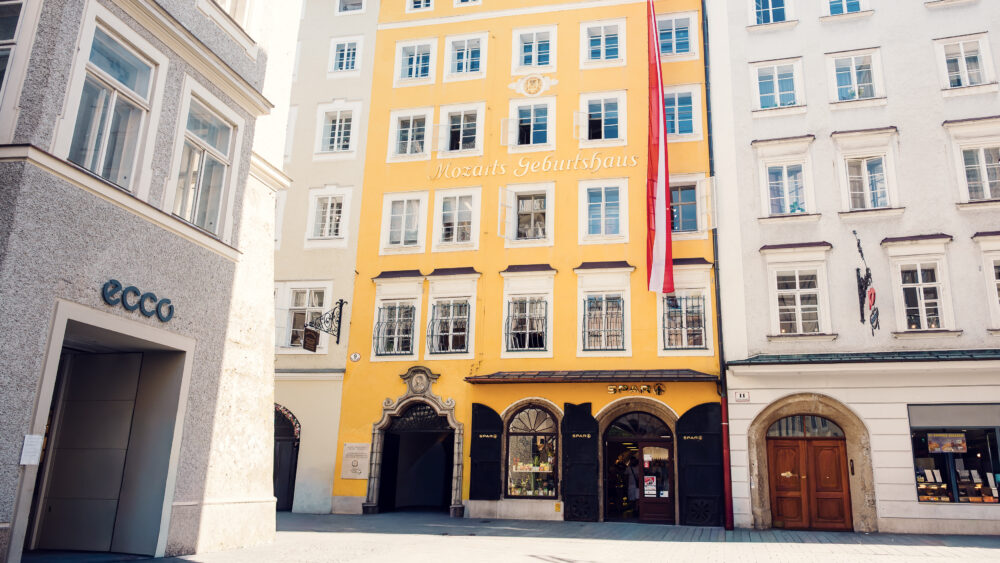
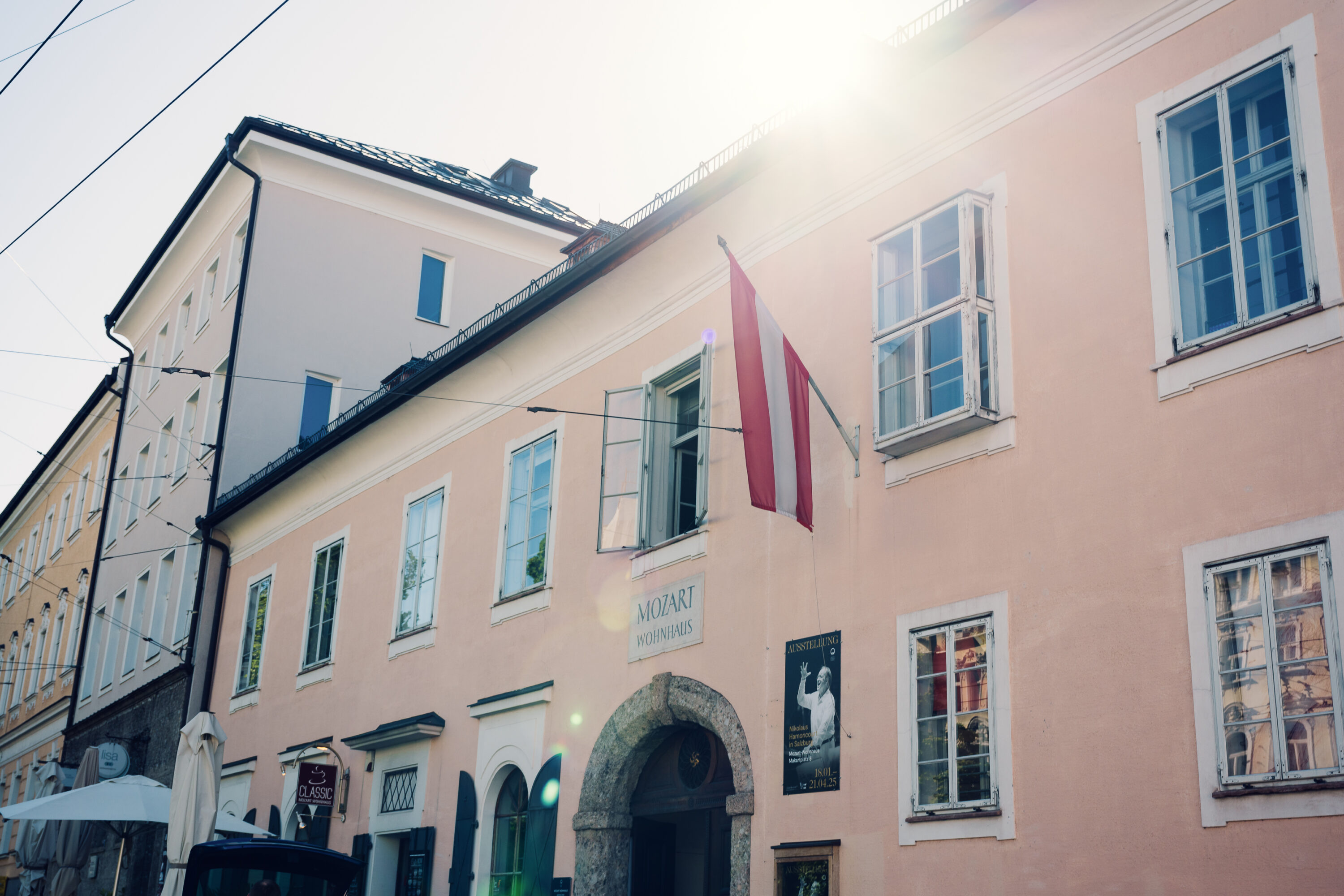
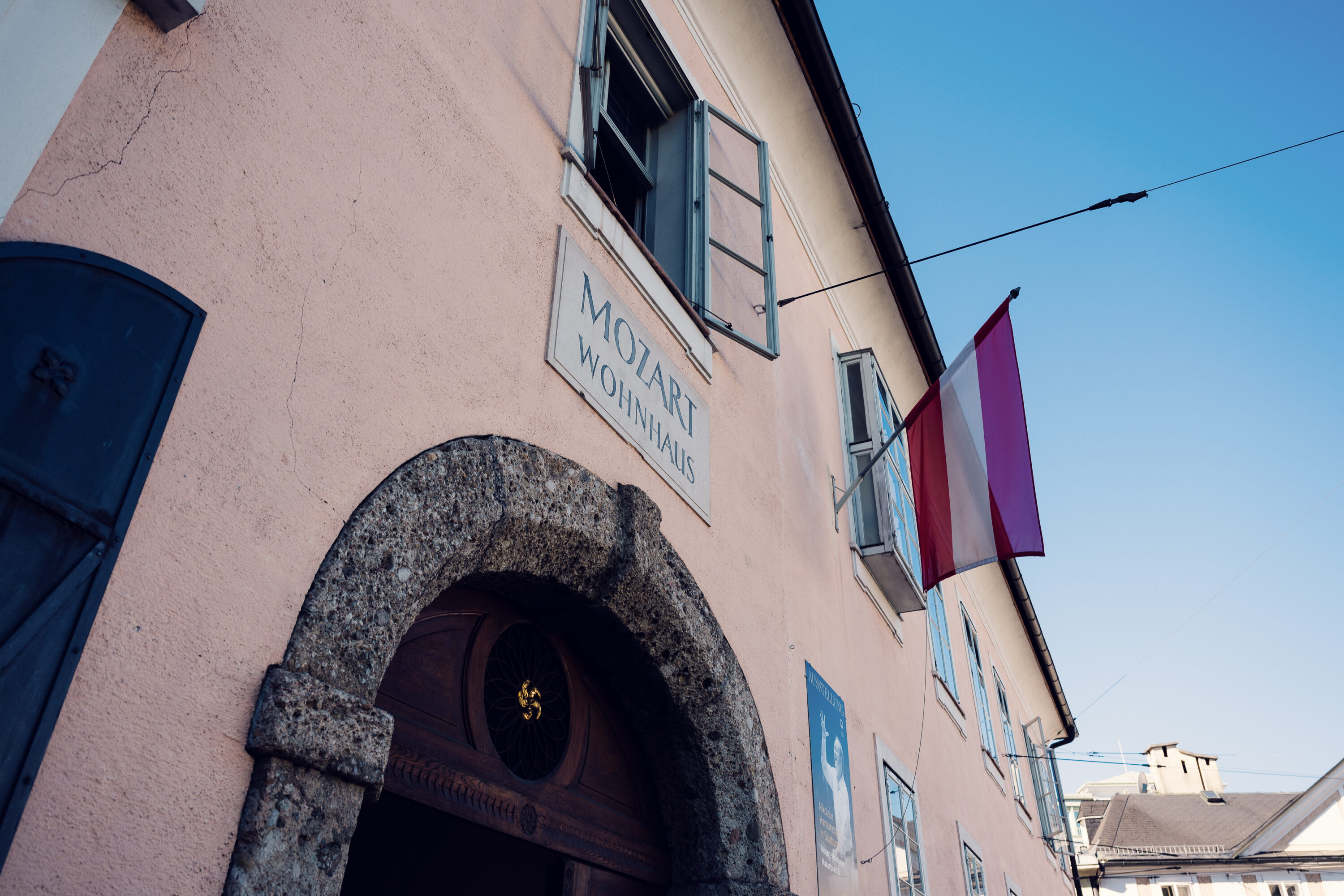
The building at Makartplatz 8 first appears in records in 1617. Until 1685 it actually consisted of two separate structures. Its defining identity took shape in 1711 when court dancing master Lorenz Spöckner received permission to give dance lessons to Salzburg's nobles, preparing them for life at court. By the census of 1713, the house was already known as the "Tanzmeisterhaus" (Dance Master's House). Spöckner's son Franz Gottlieb bought the building from his mother in 1739 and continued the family tradition.
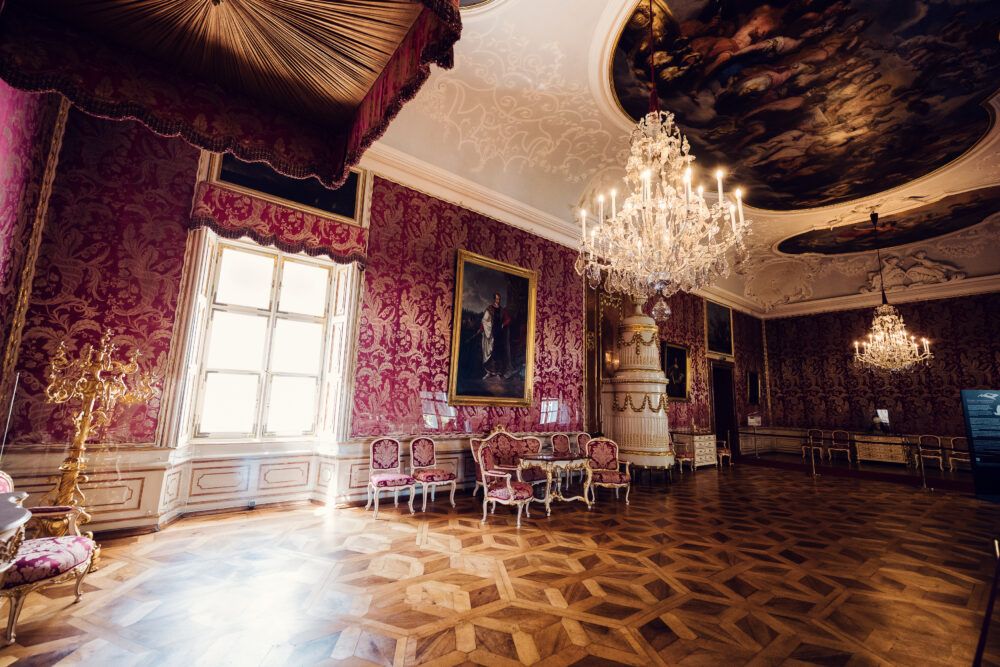
The Mozart connection began in 1773. Leopold Mozart, his wife Anna Maria, and their two children had outgrown their apartment on Getreidegasse. The family needed space for social gatherings and musical performances that the cramped birthplace couldn't provide. As friends of the Spöckner family, the Mozarts moved into a spacious eight-room apartment in the Tanzmeisterhaus shortly after returning from their third trip to Vienna.
Mozart's Formative Years
Wolfgang Amadeus was 17 when the family settled into the Mozart Residence. Over the next eight years, he composed a large portion of his Salzburg works here, including symphonies, concertos, and church music for the court of Prince-Archbishop Colloredo. The apartment served not just as the family home but also as a place for social gatherings and music-making. The larger apartment allowed the Mozart family to host social gatherings more appropriately than their former home on Getreidegasse.
The family's time at the Tanzmeisterhaus was marked by departures. Anna Maria died in Paris in 1778 while traveling with Wolfgang on the journey to Mannheim and Paris. Sister Nannerl married in 1784 and moved to St. Gilgen. Wolfgang himself left Salzburg for Munich in November 1780 and never returned to live there, heading for Vienna and artistic independence the following year. Leopold lived on alone in the apartment, and from 1785 with his grandson Leopold Alois Pantaleon, who had been entrusted to his care. Leopold Mozart died on 28 May 1787, ending the family's connection to the house.
Destruction and Reconstruction
After Leopold's death, the building passed through several owners. On 16 October 1944, an Allied air raid destroyed two-thirds of the structure. The surviving portion was purchased by the International Mozarteum Foundation in 1955. An office building was constructed on the bomb-damaged section of the Mozart Residence, creating an awkward architectural hybrid for several decades.
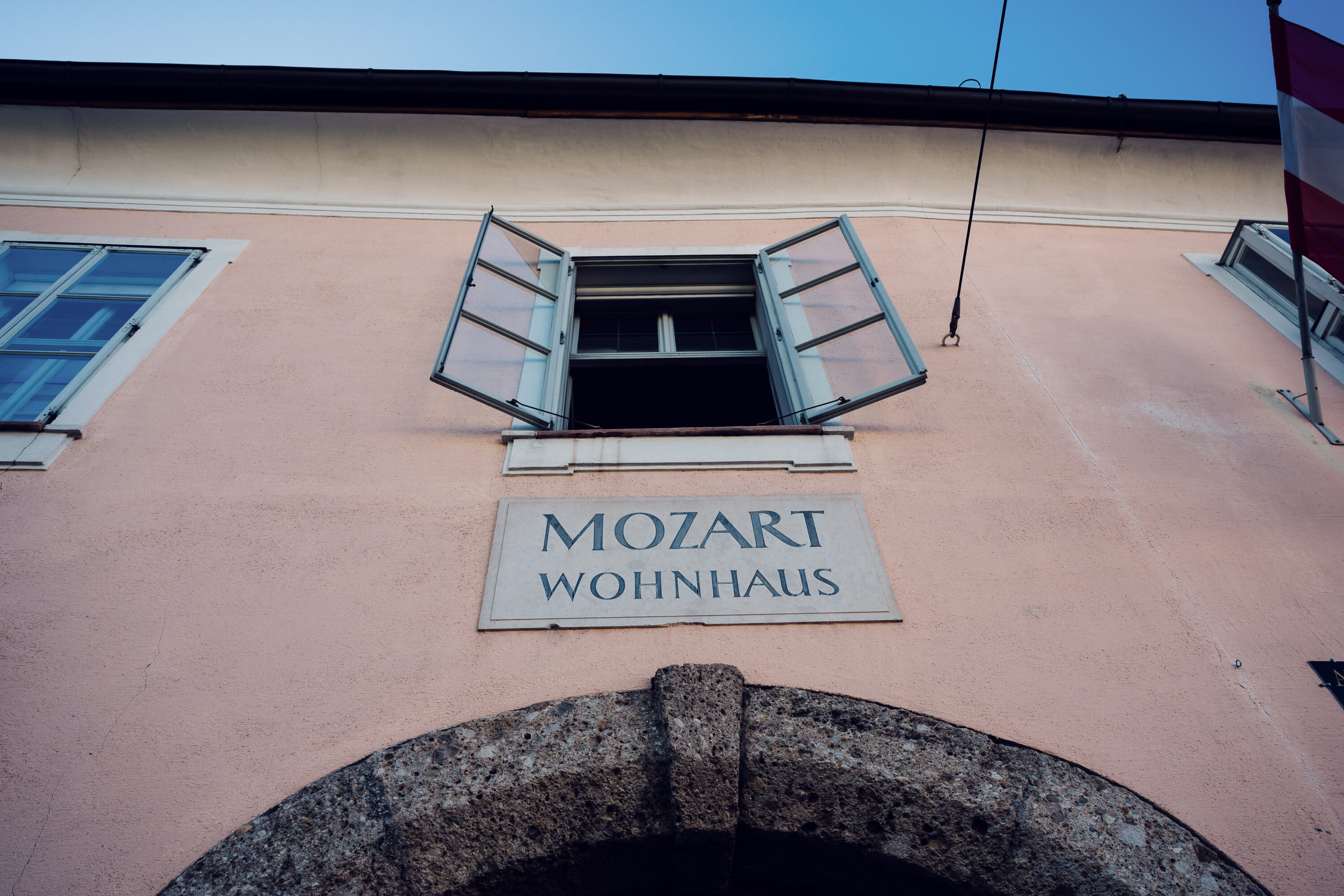
The turning point came in 1989 when the Foundation acquired the office building too. After the office building was demolished, the Mozart Residence was reconstructed according to the original plans, and in 1994 Elsa Prochazka carefully renovated and reorganized the museum using modern museum technology to protect the exhibits. The restored Mozart Residence Salzburg opened to the public on 26 January 1996, Mozart's 240th birthday.
The Museum Today
The museum centers on the former eight-room apartment, with the Autograph Vault in the basement and the Magic Flute House in the courtyard. The heart of the collection includes Mozart's original pianoforte, the della Croce family portrait, and hundreds of documents and letters. The basement houses the Autograph Vault, where the Mozarteum Foundation stores over half of all known documents connected to the Mozart family, including roughly 200 original Mozart letters and more than 100 autograph music manuscripts.
The Magic Flute House in the courtyard adds a Vienna chapter to the Salzburg story. This small wooden cottage is where Mozart reportedly composed parts of The Magic Flute in 1791, originally standing in the garden of the Freihaustheater in Vienna. The Mozarteum Foundation acquired the Magic Flute House in 1873, it was ceremonially transferred from Vienna to Salzburg in 1877, and after restoration it reached its final location in the courtyard of the Mozart Residence in 2022.