
A Square Named for the Cathedral Chapter: Kapitelplatz
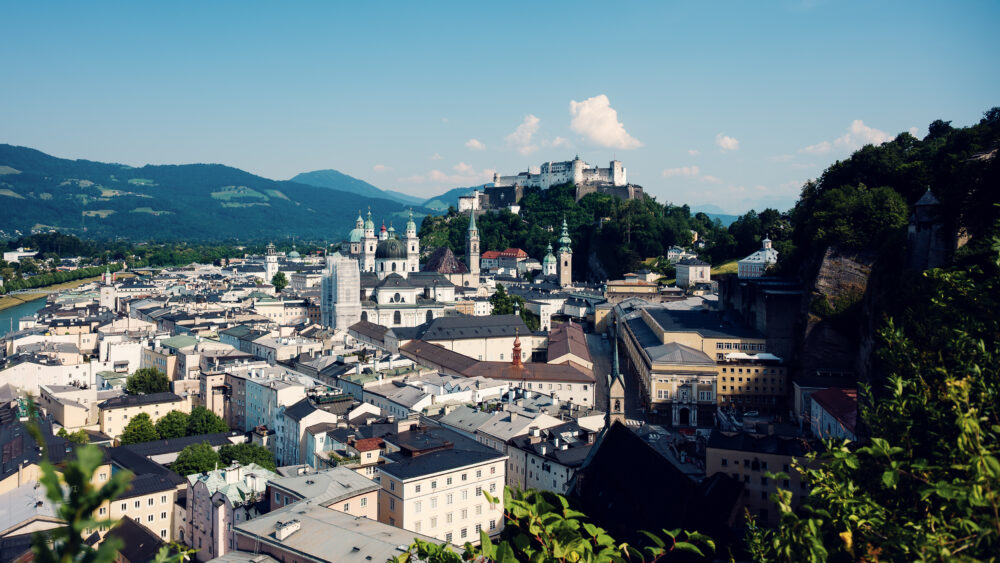
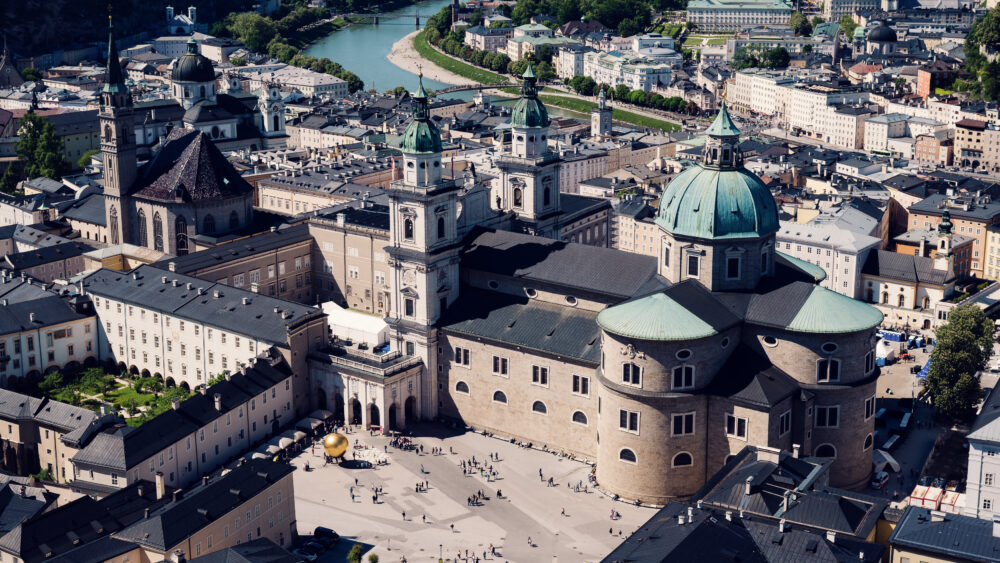
Kapitelplatz owes its name to the cathedral chapter, the college of canons whose residences and offices shaped this part of Salzburg's church quarter. Their houses stood along the neighbouring lanes, and the open ground in front of them became the square we cross today. This was the heart of Salzburg's church quarter, and the square was its front garden.
For much of its life, Kapitelplatz wasn't a place to linger. The high clergy kept to grand, self-contained residences, and ordinary city life largely stayed outside the gates. When Salzburg's prince-archbishopric came to an end in 1803, the palaces remained but slowly changed hands and purpose, with former chapter buildings later serving as church offices, archives, university rooms and administrative spaces. The buildings framing the square still trace the outline of that vanished world, even though the old prince-archbishopric is gone and what was once a clerical enclave gradually opened into the shared public space it is today.
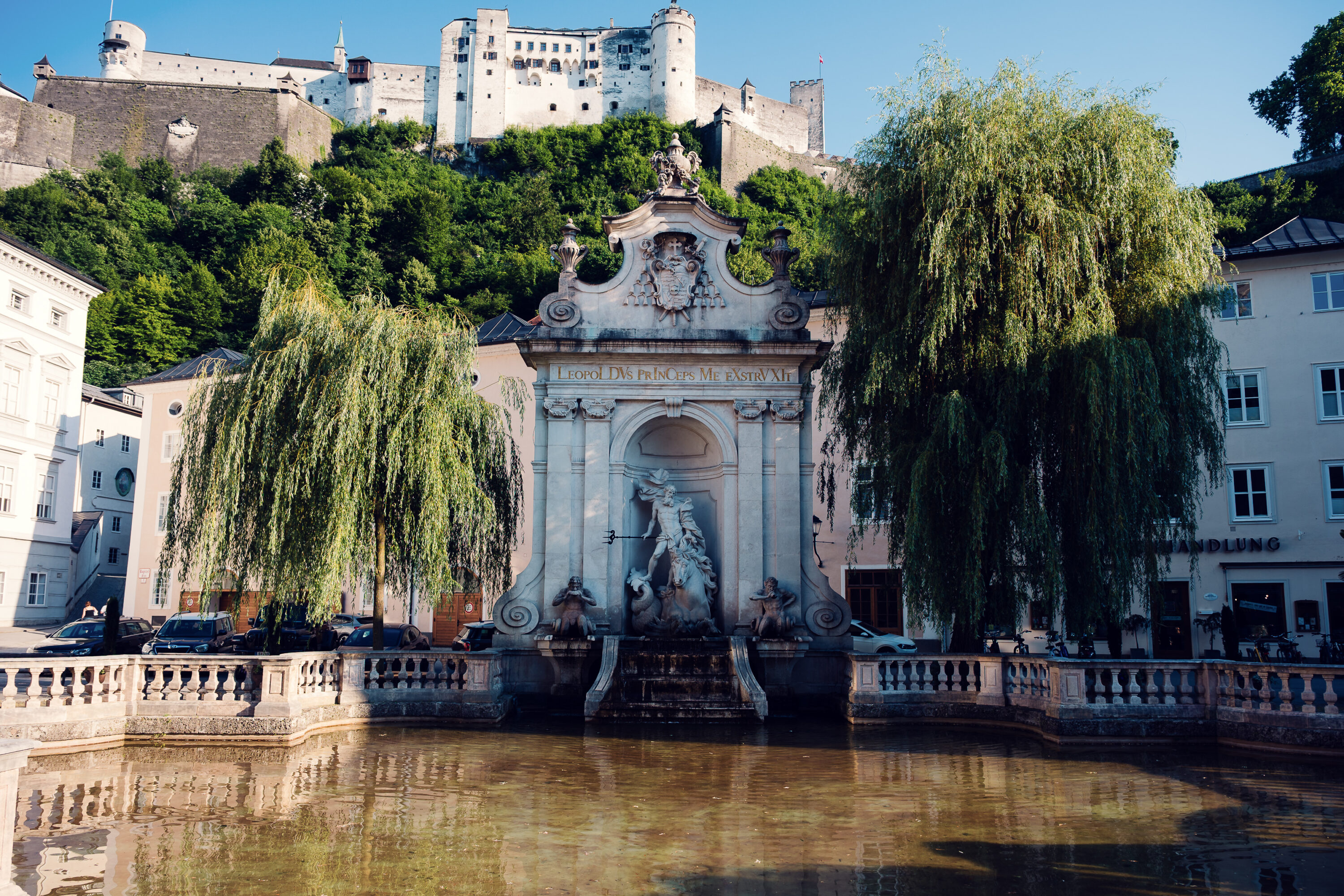
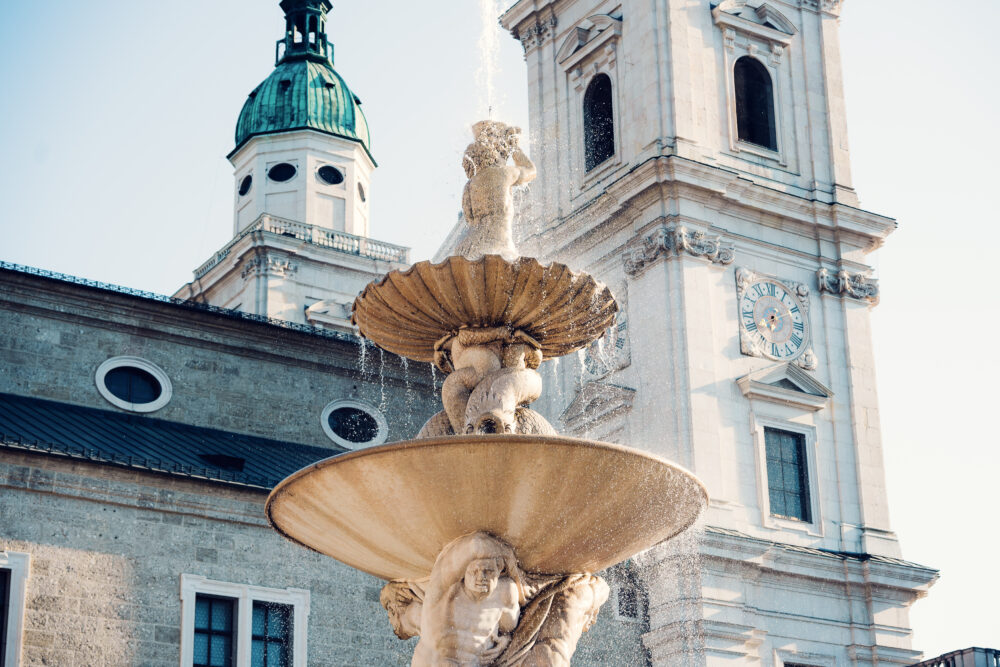
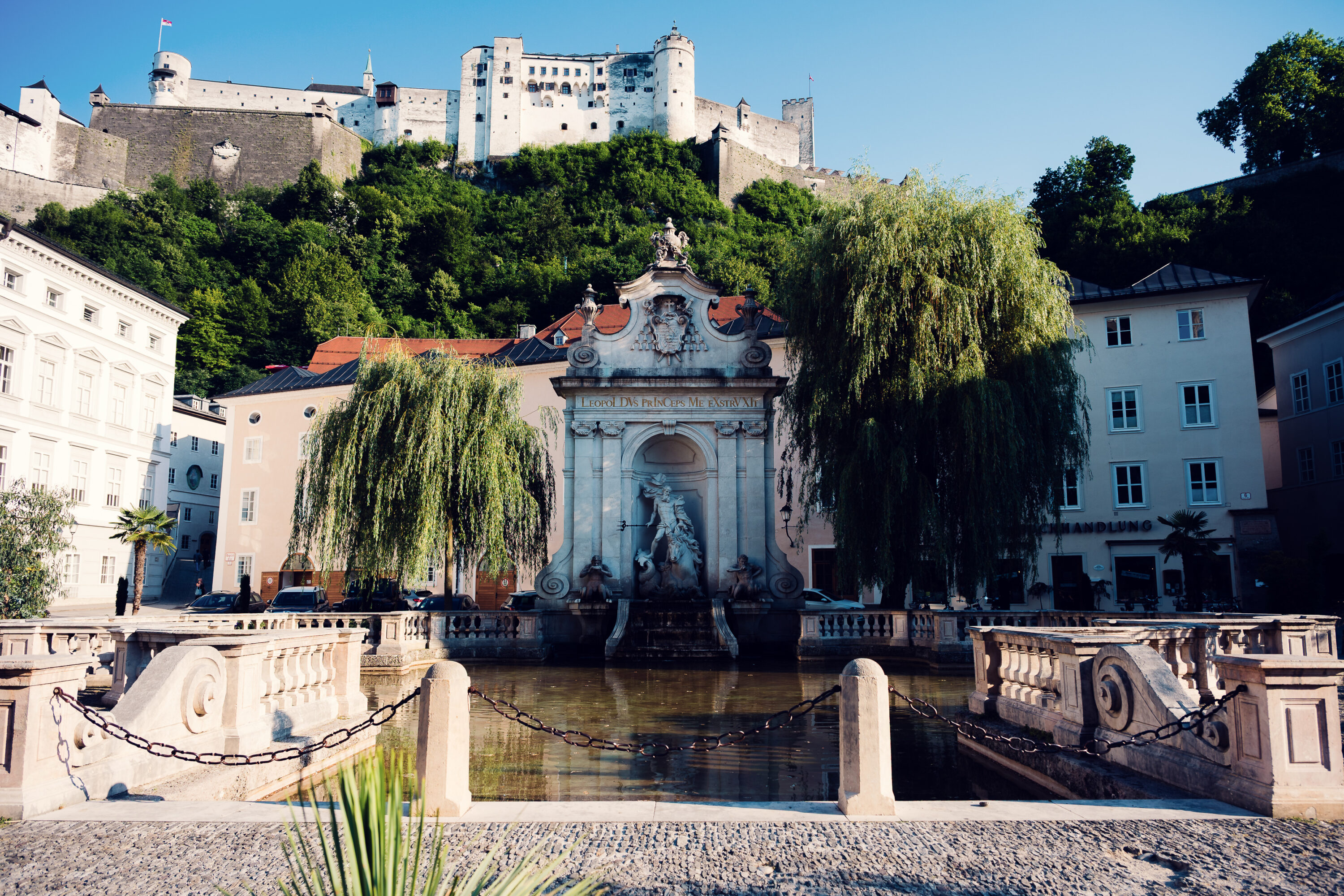
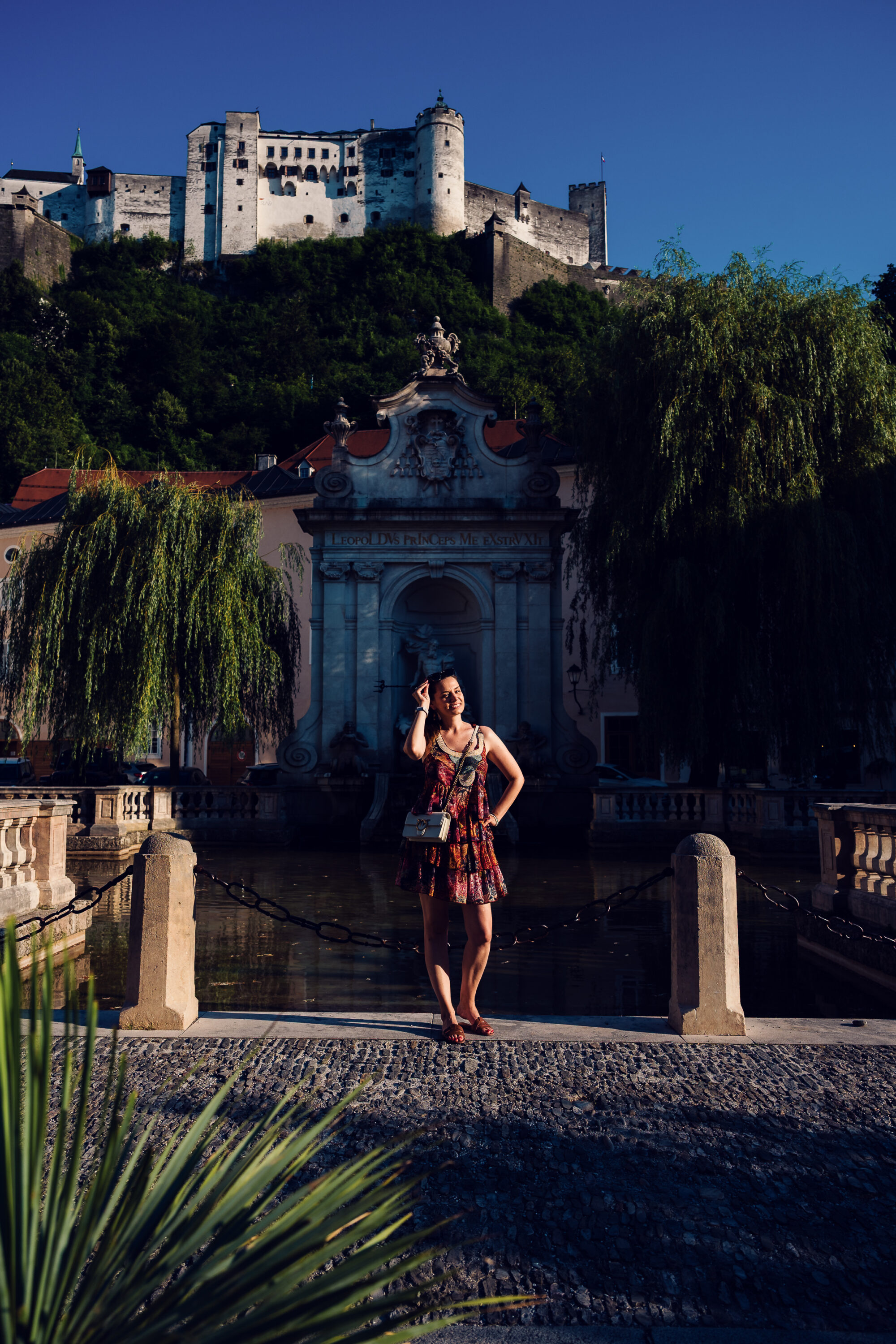
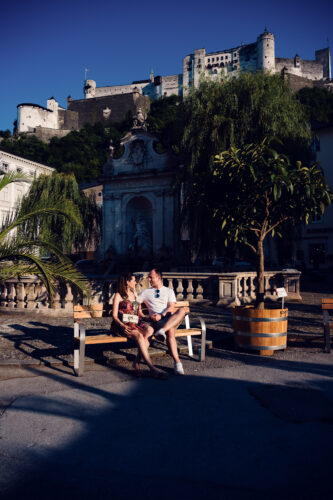
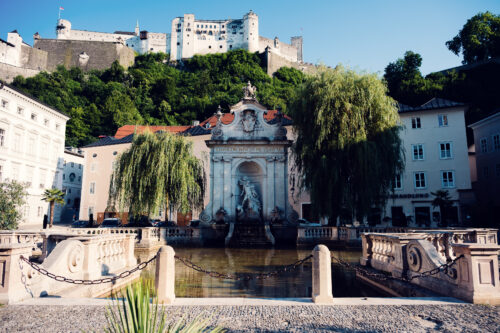
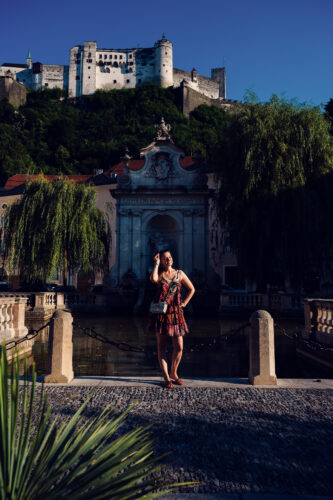
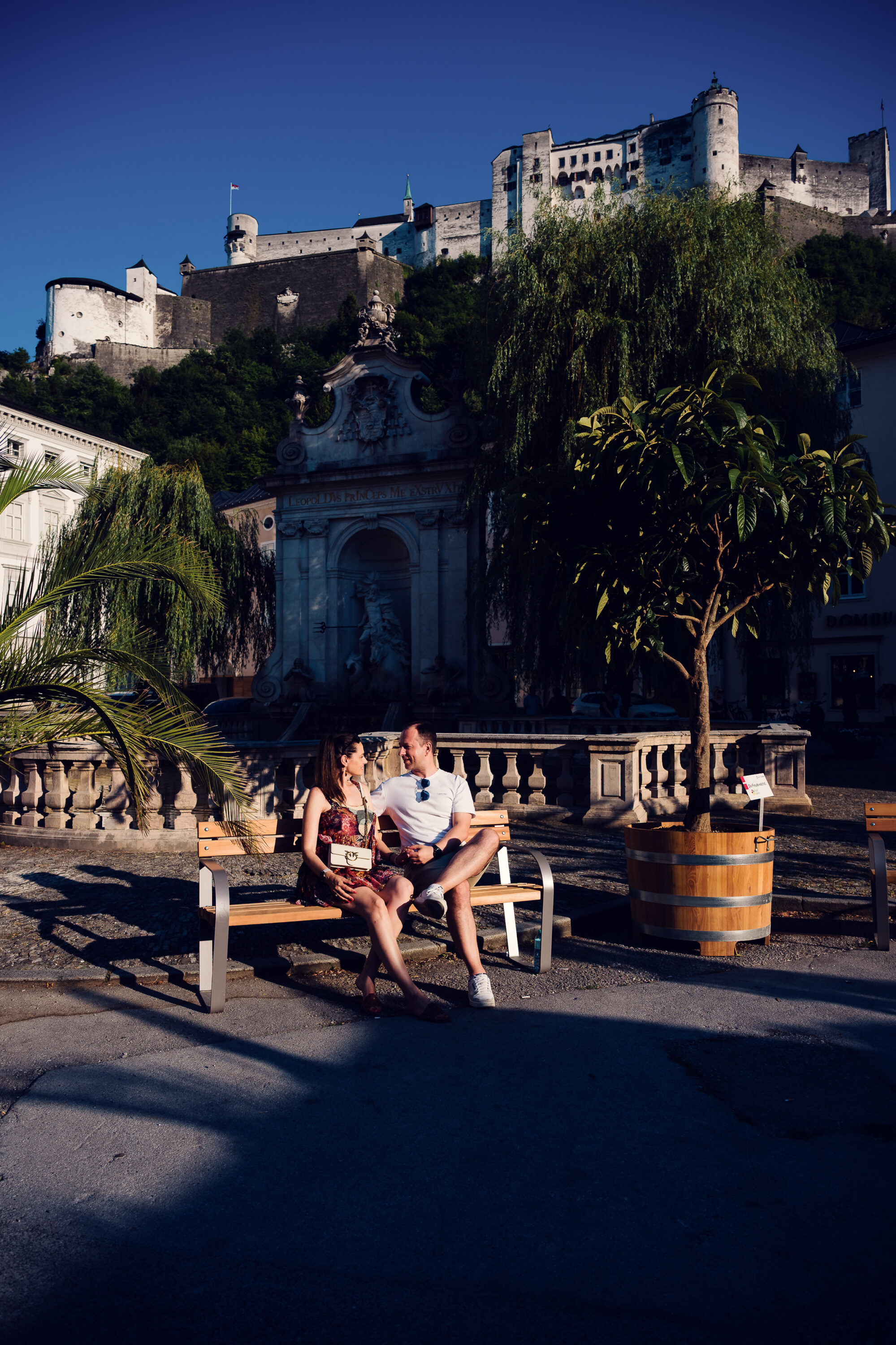
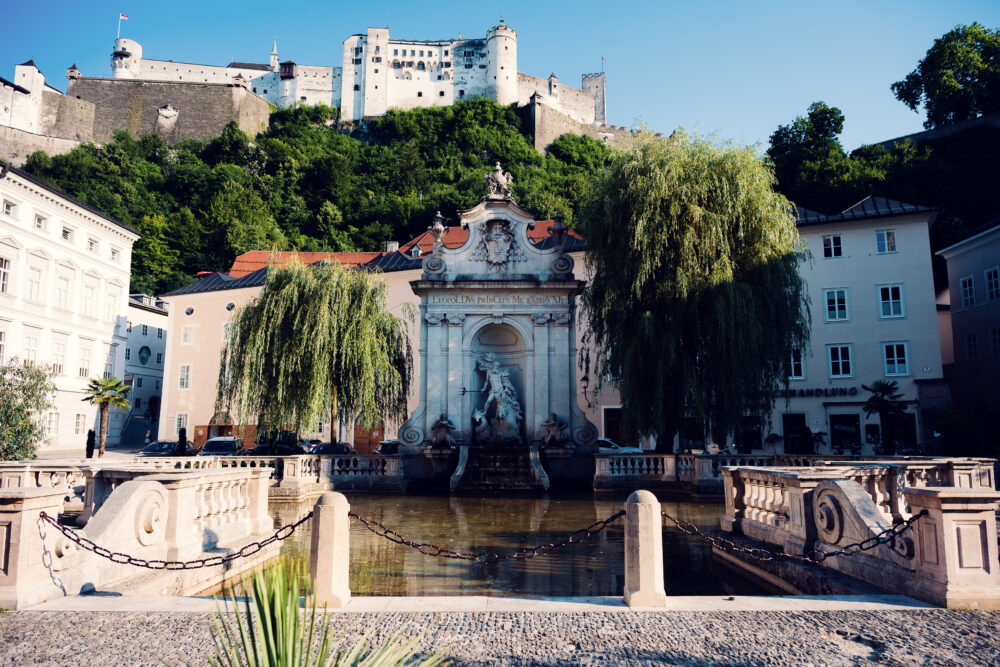
One of the oldest layers on the square is the Kapitelschwemme, the Baroque horse pond set back against the fortress rock. There's been a watering place here since medieval times, and it once carried a winged Pegasus, the same figure you'll now find across the river in the Mirabell Gardens. The fountain standing today came out of Salzburg's great Baroque century, when a prince-archbishop swapped the plain old pond for something far more theatrical: a monumental Neptune with trident and crown, riding a water-spouting sea steed down a ramp built so that real horses could once walk to the water. Modelled on the fountains of Rome, it still earns the comparison out loud, and coins glint on its floor where visitors drop them in, Trevi-style. It quietly answers the city's other great fountain over on Residenzplatz, just across the Cathedral, so that Salzburg's spiritual quarter sits between two Baroque water displays.
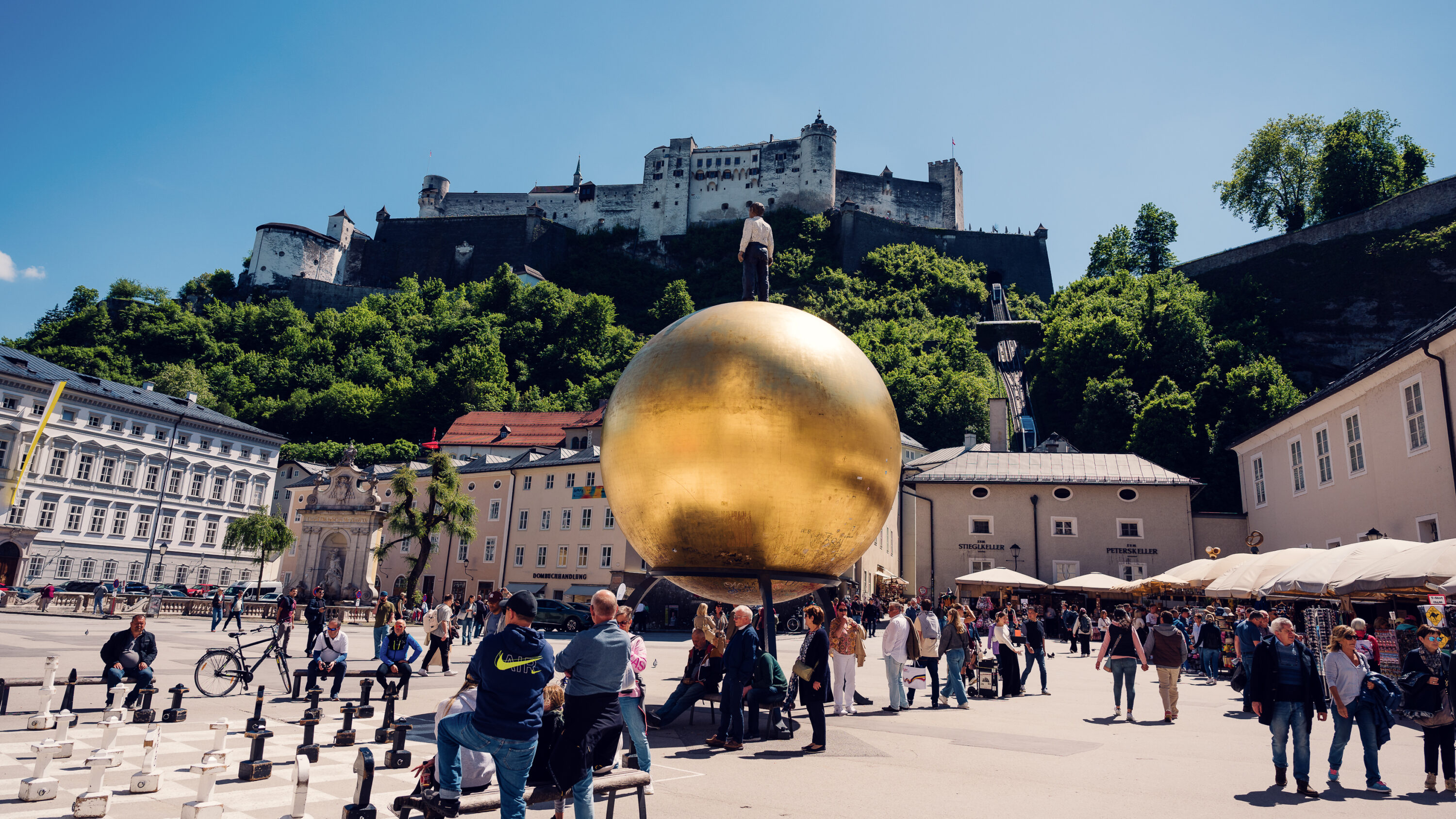
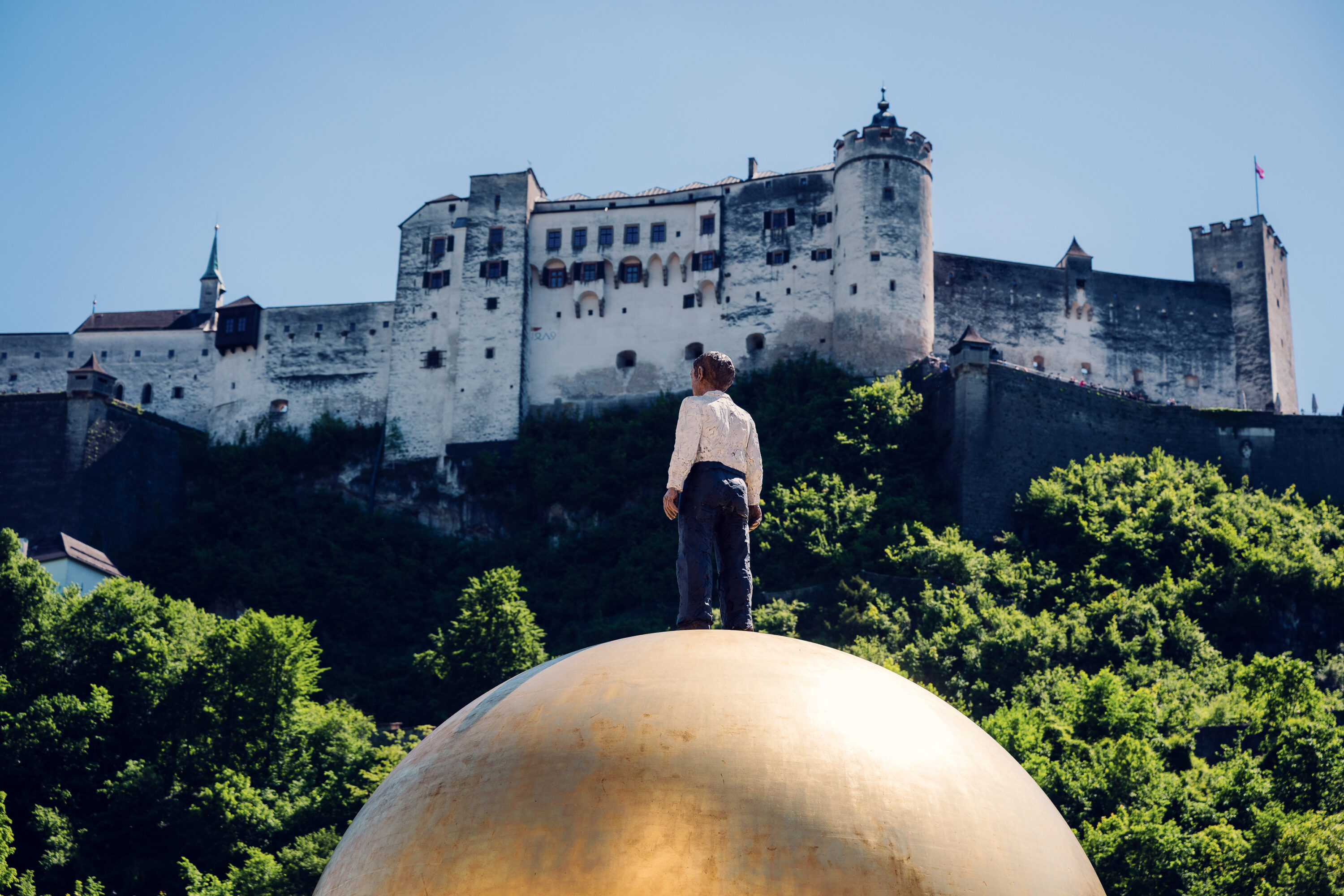
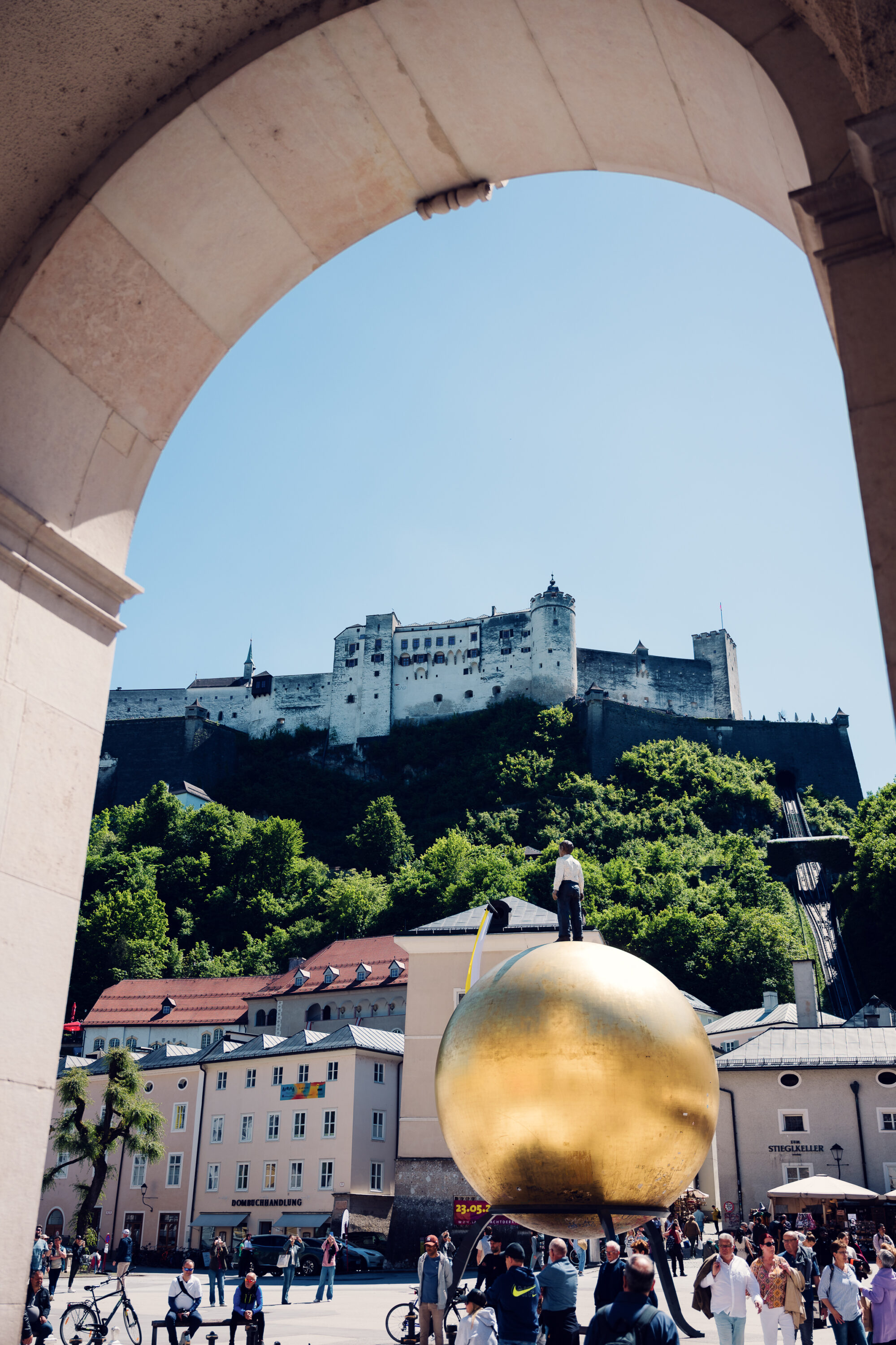
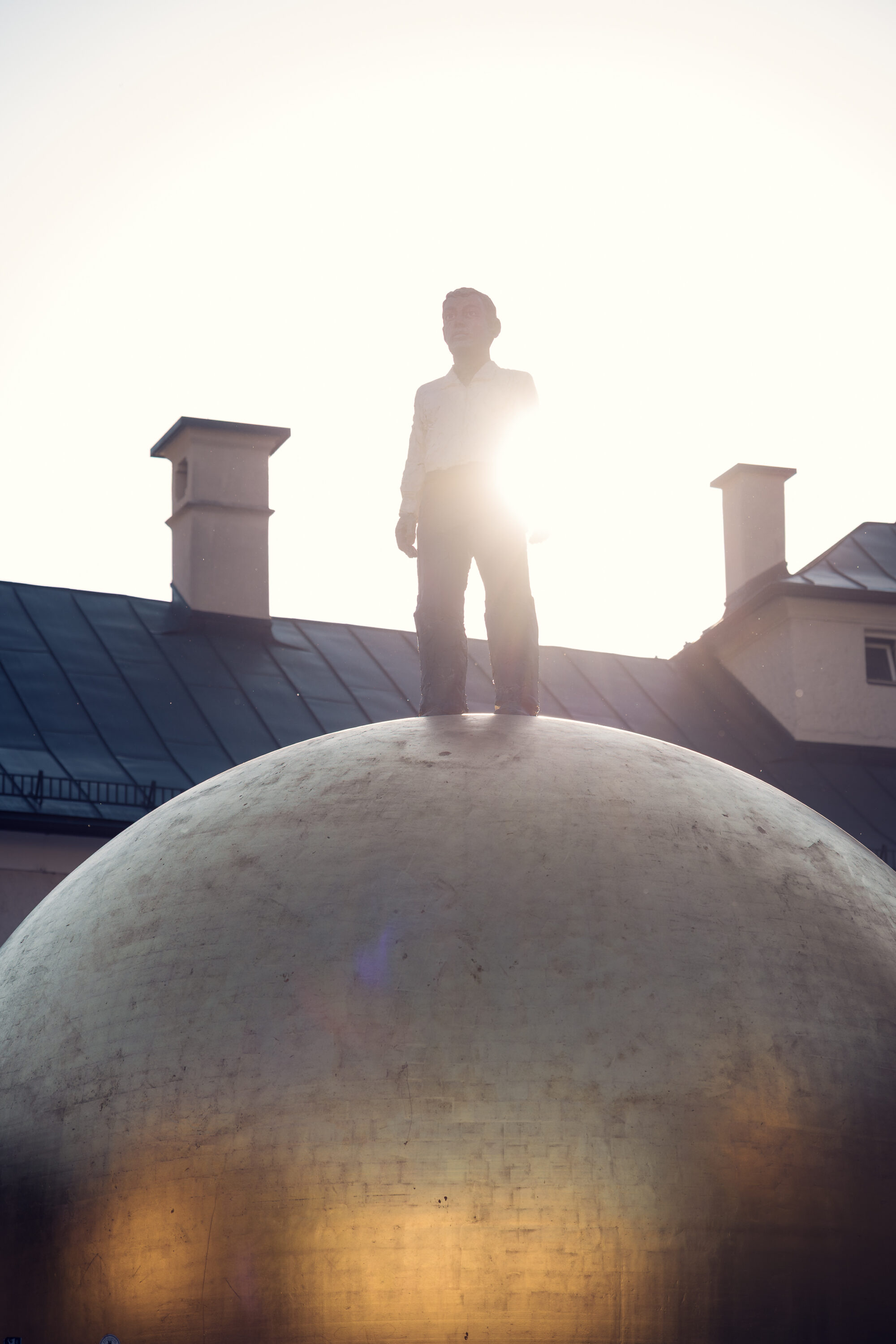
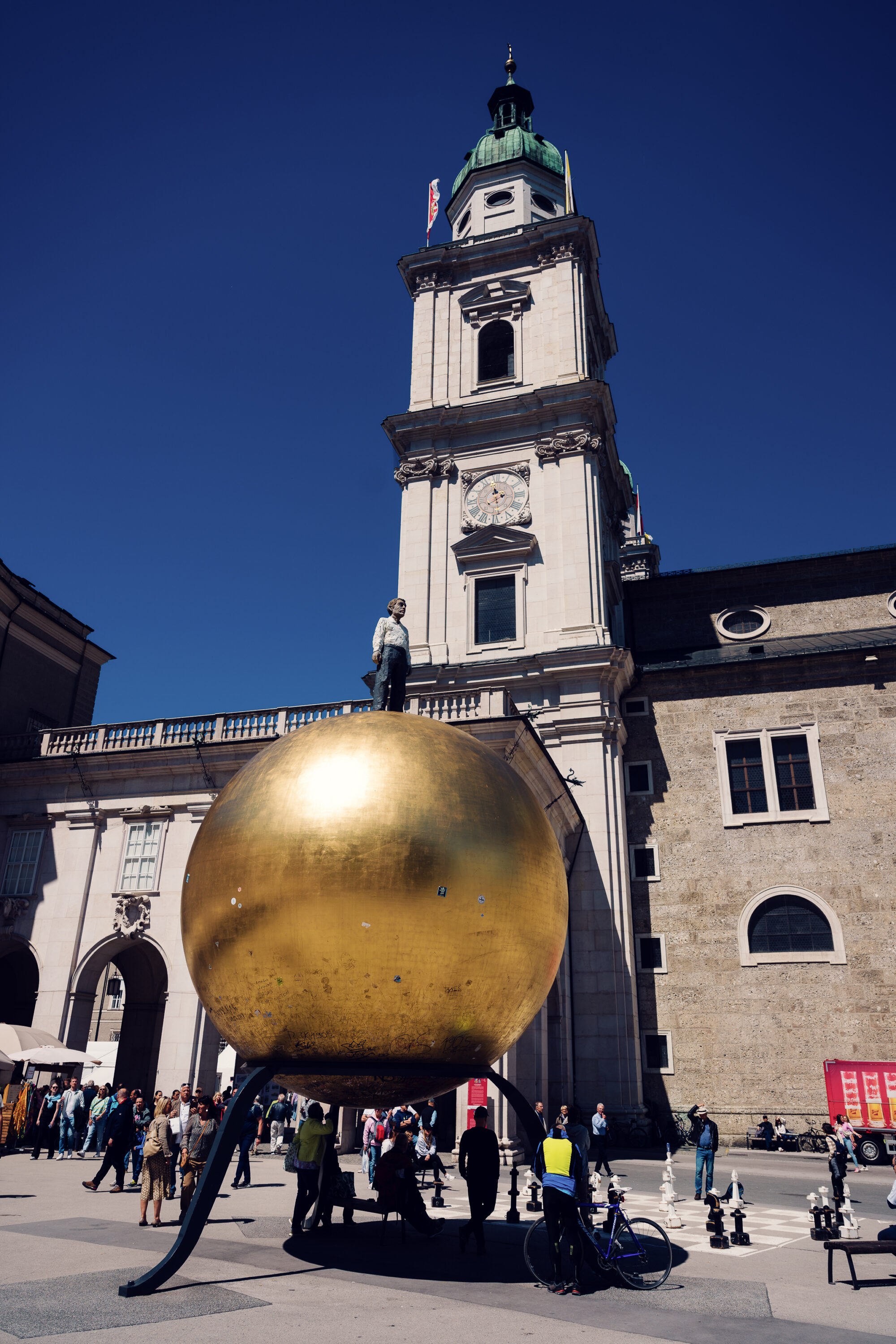
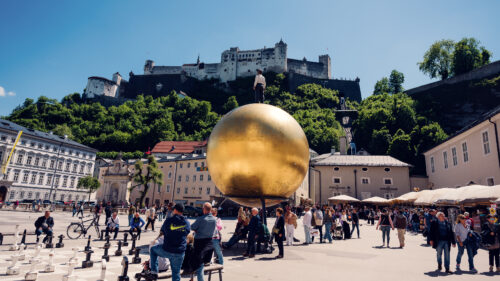
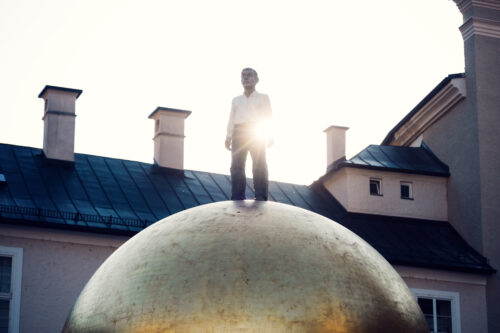
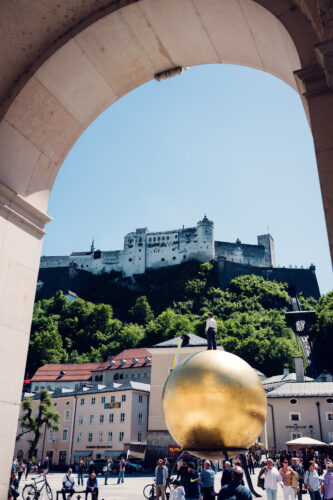
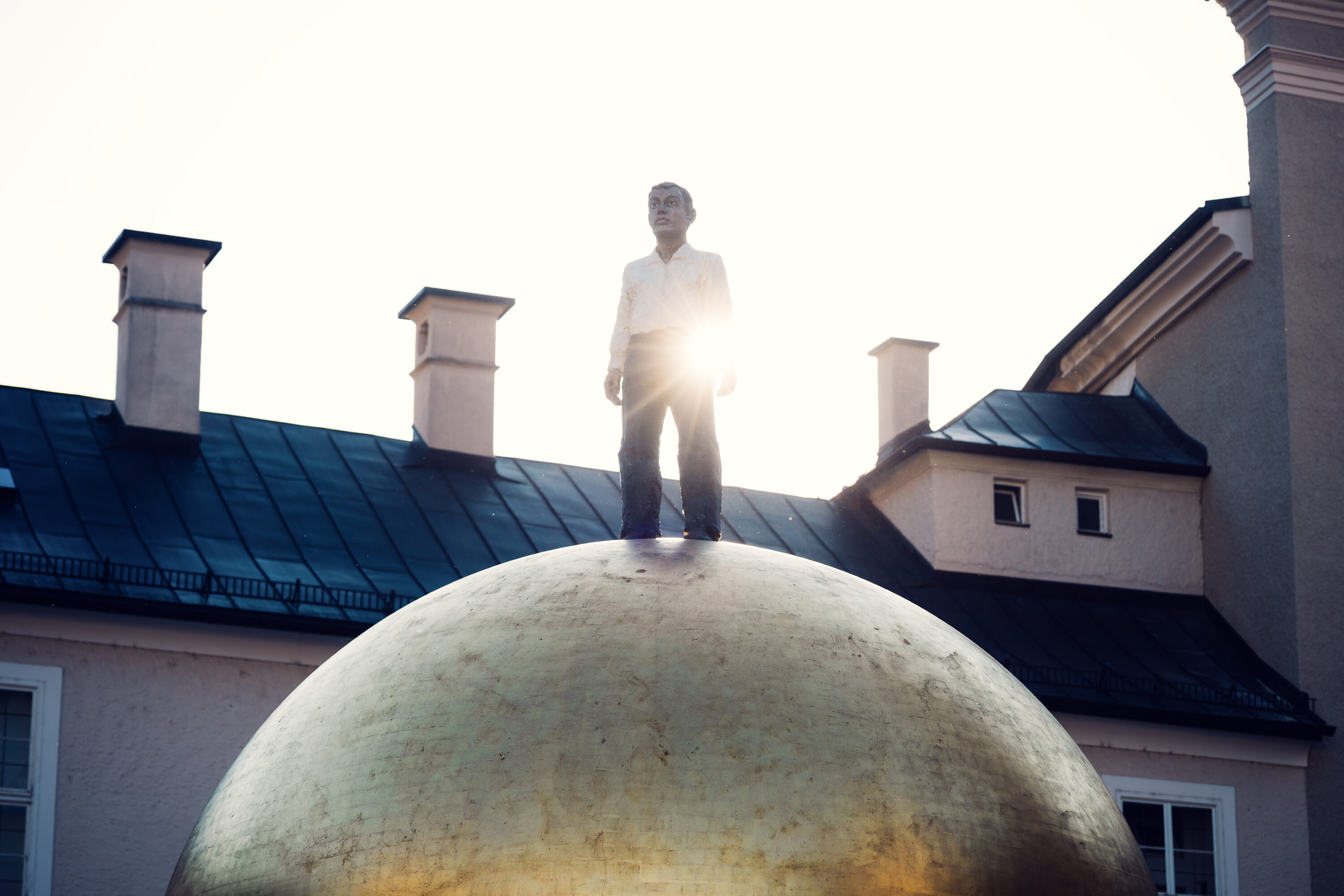
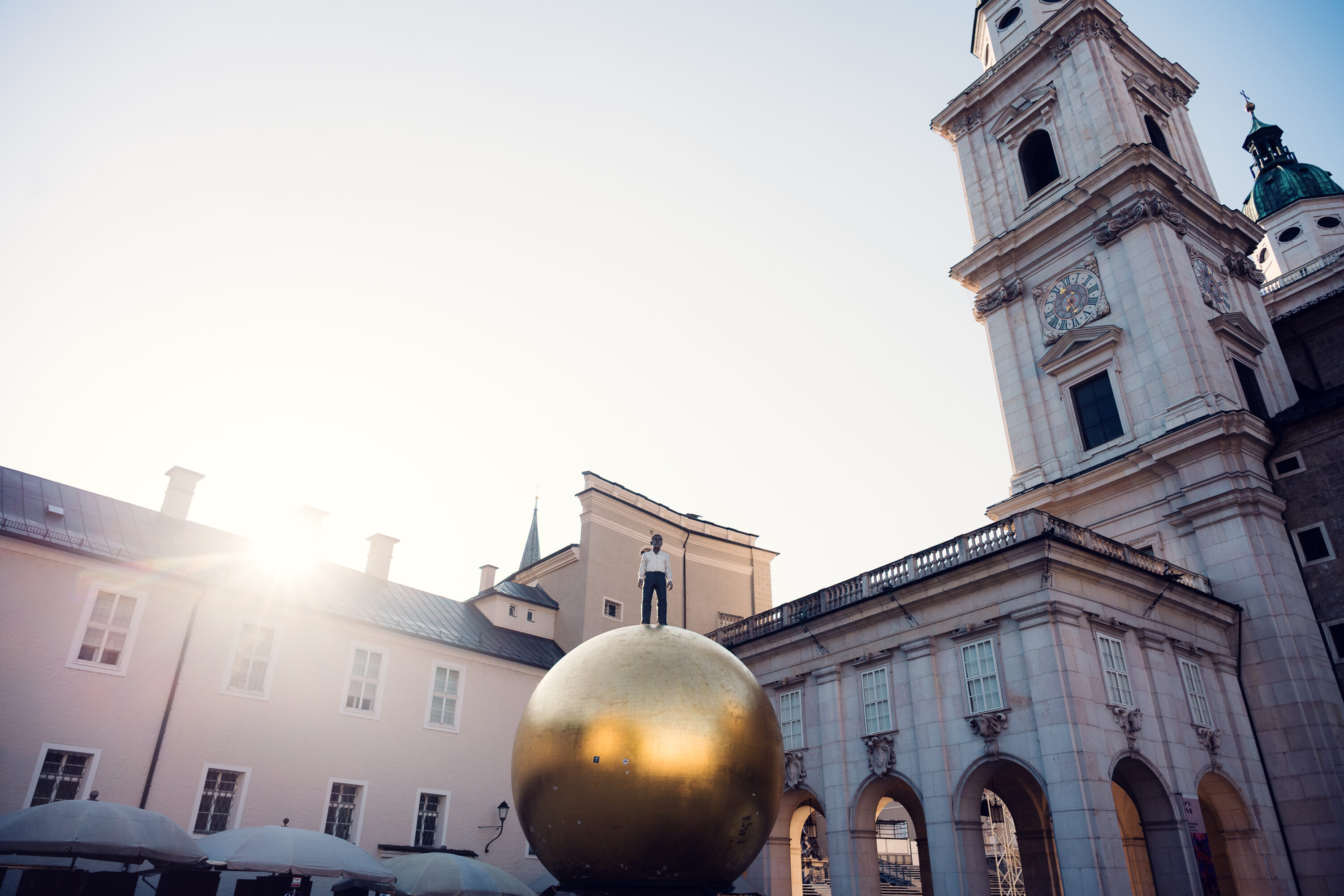
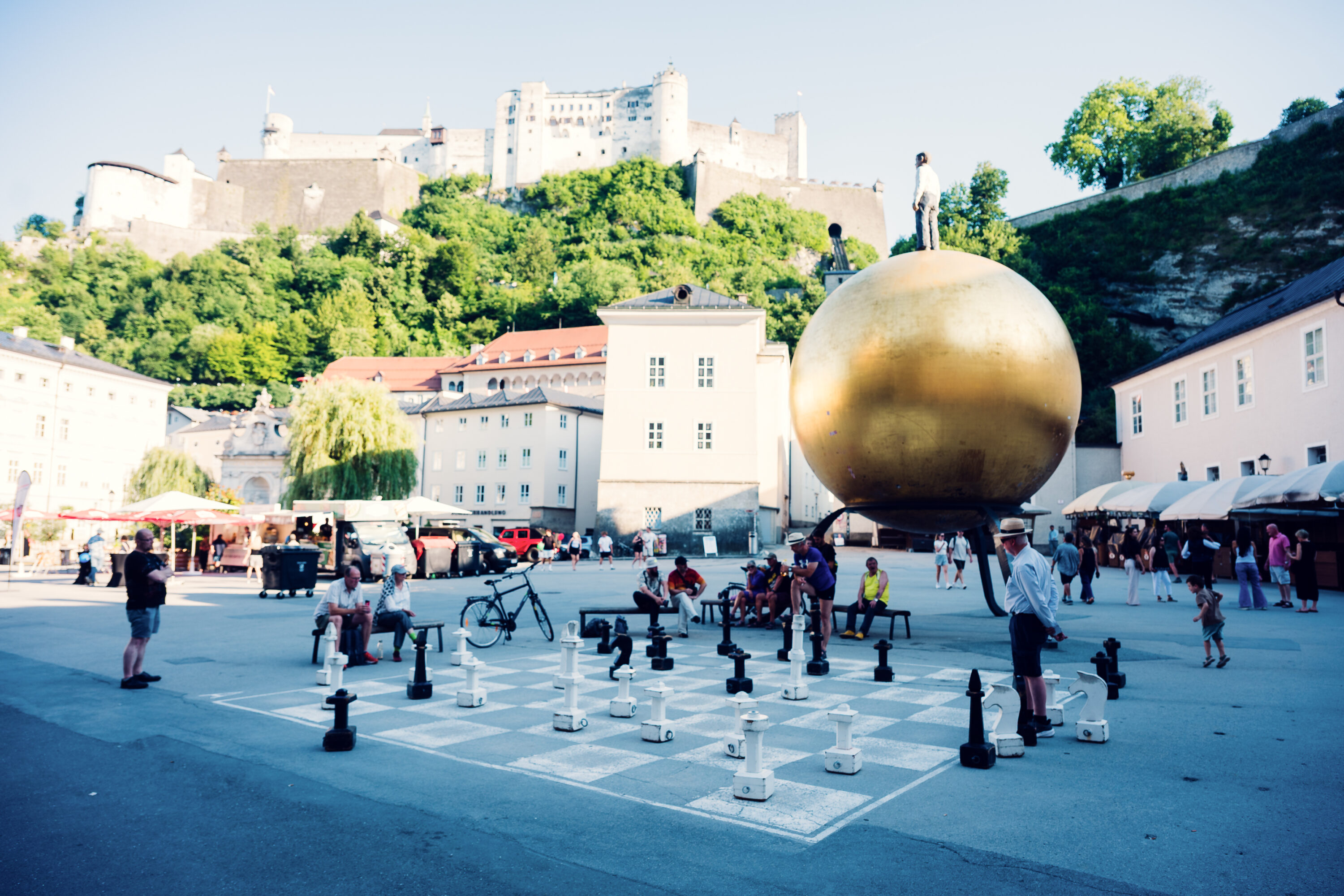
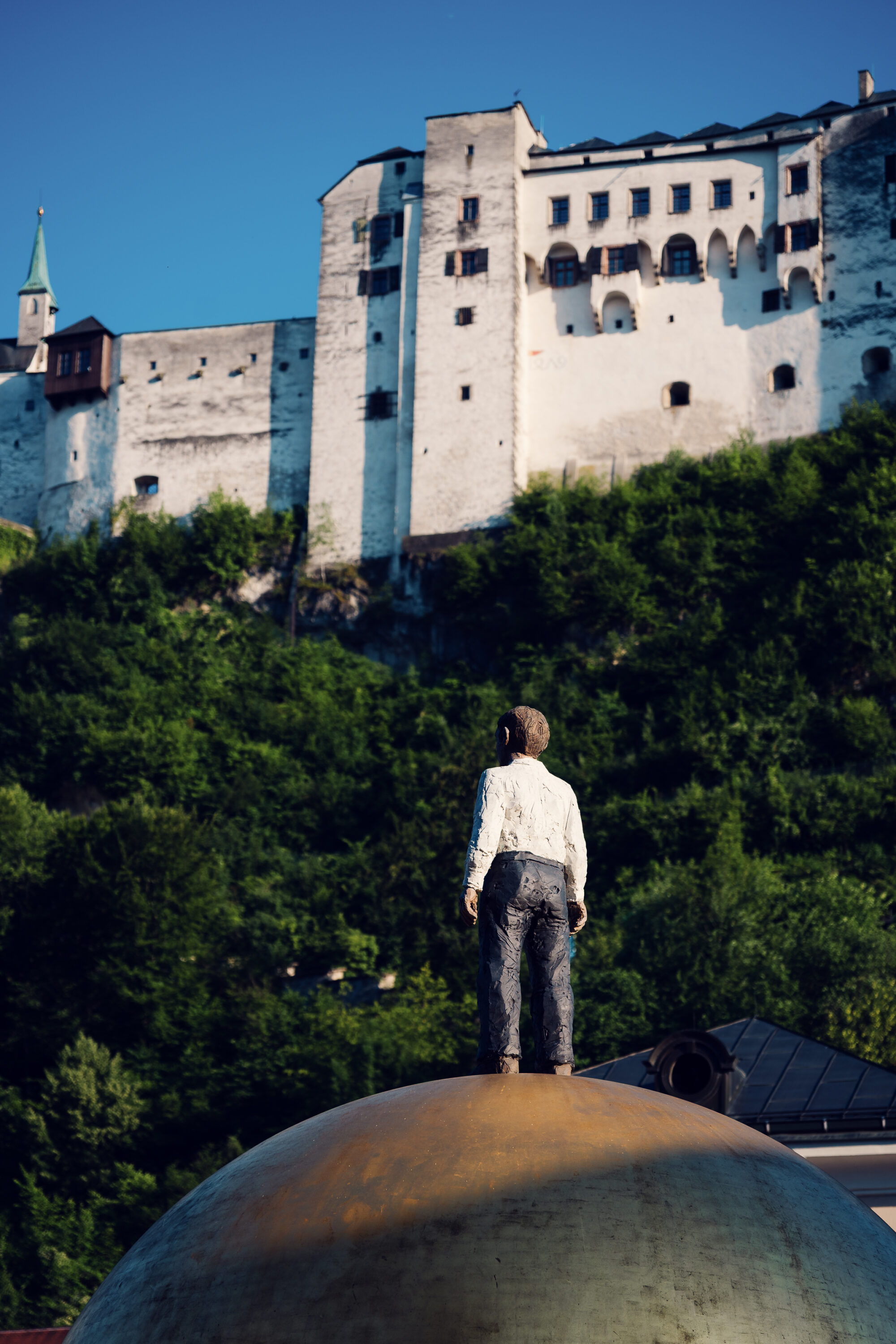
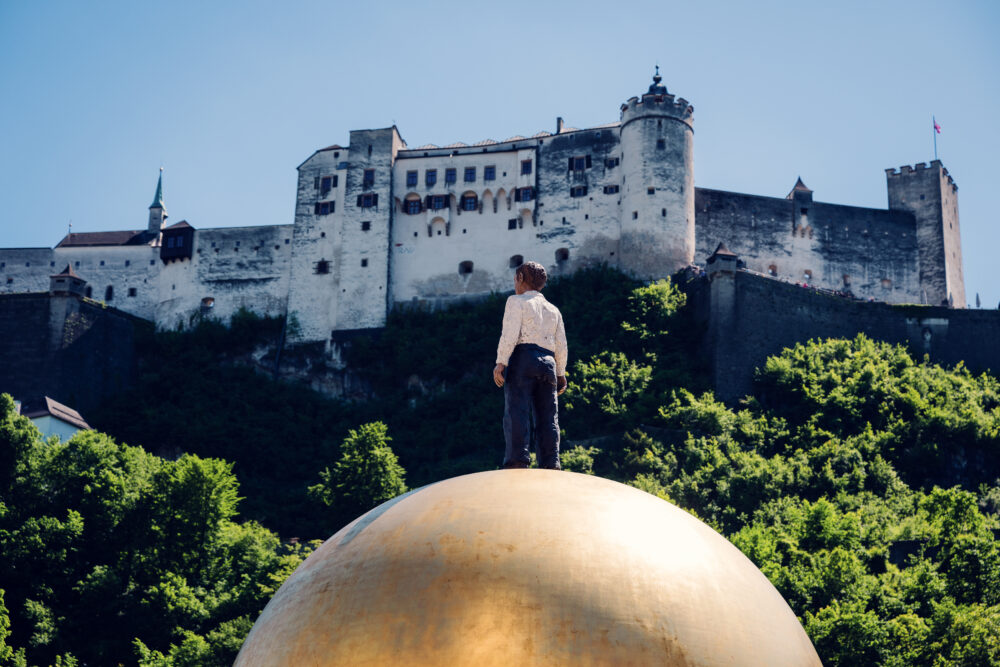
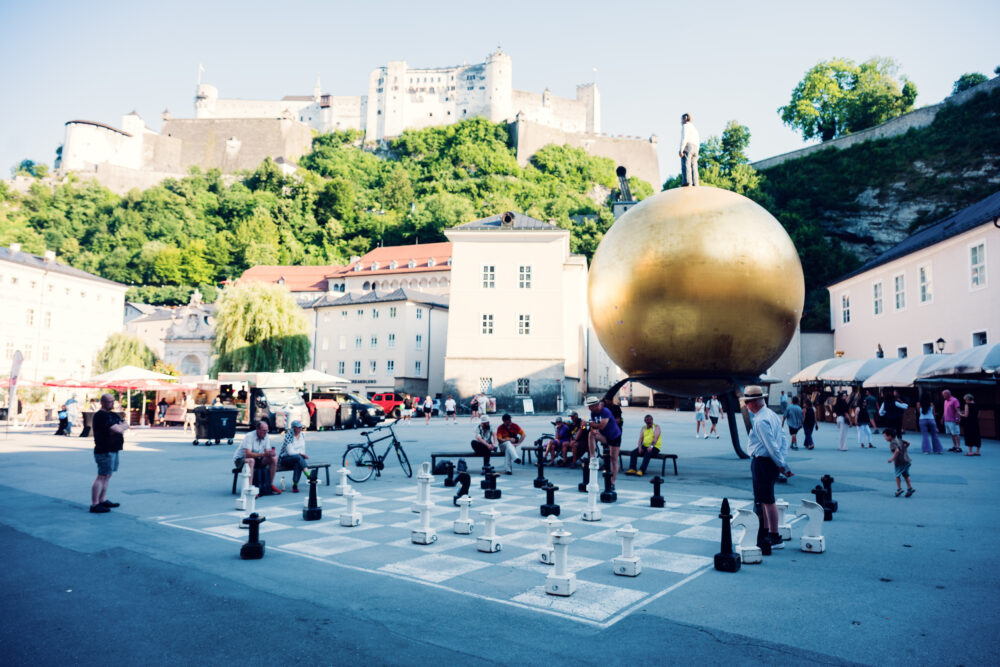
The newest arrival could hardly be more different. Sphaera, a golden sphere topped by a life-size man, is the work of sculptor Stephan Balkenhol and belongs to Salzburg's Walk of Modern Art, the city's series of contemporary public artworks. Plain-faced and still, the figure looks toward the fortress while the medieval city carries on beneath him, and the contrast of gilded modern man against ancient stone has turned it into one of the signature images of Kapitelplatz.
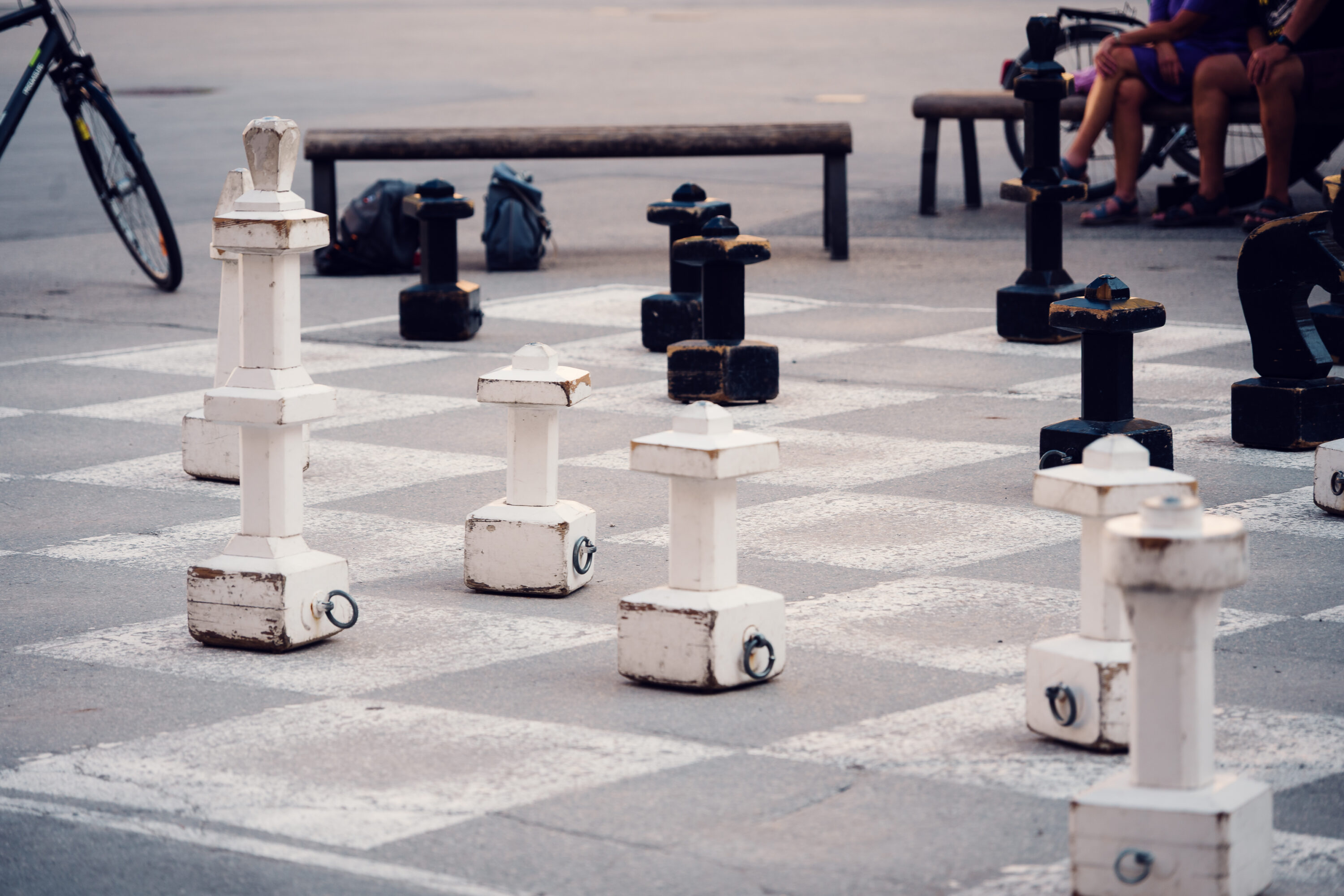
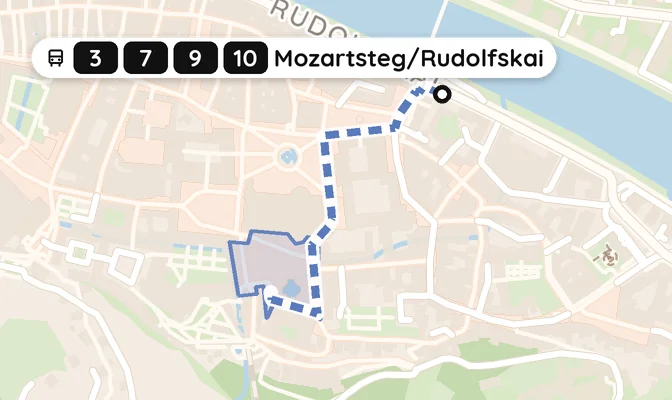
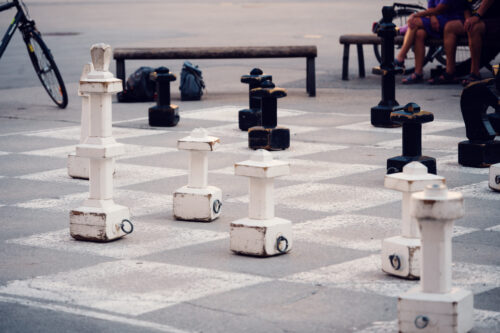
Between the fountain and the sculpture, Kapitelplatz has settled into its present role as a broad, easy meeting place. A giant chessboard draws players and onlookers, market stalls come and go through the season, and a steady stream of visitors passes through on the way to the FestungsBahn funicular up to Hohensalzburg Fortress, the Petersfriedhof, or the Cathedral. For a square that spent so long as the preserve of canons and prince-archbishops, it wears its openness lightly.