
From Hans Makart to Marko Feingold: The Story of the Makartsteg
The crossing was originally named after Hans Makart, the Salzburg-born painter who became one of the defining society artists of late-nineteenth-century Vienna; for many decades it was also officially known as the Museumssteg before the name Makartsteg again became common. In 2021 the city officially renamed it the Marko-Feingold-Steg. Marko Feingold, who died in 2019 at the age of 106, survived the concentration camps of Auschwitz, Neuengamme, Dachau and Buchenwald, later served for decades as president of Salzburg's Jewish community, and remained a tireless voice against forgetting. The renaming turned the bridge into a quiet daily memorial in the centre of the city, and each year the city stages an exhibition here connected with his legacy and Salzburg's culture of remembrance. In practice both names are still in use: official signage and those exhibitions carry the Feingold name, while the older name Makartsteg remains common in many visitor sources and everyday references.
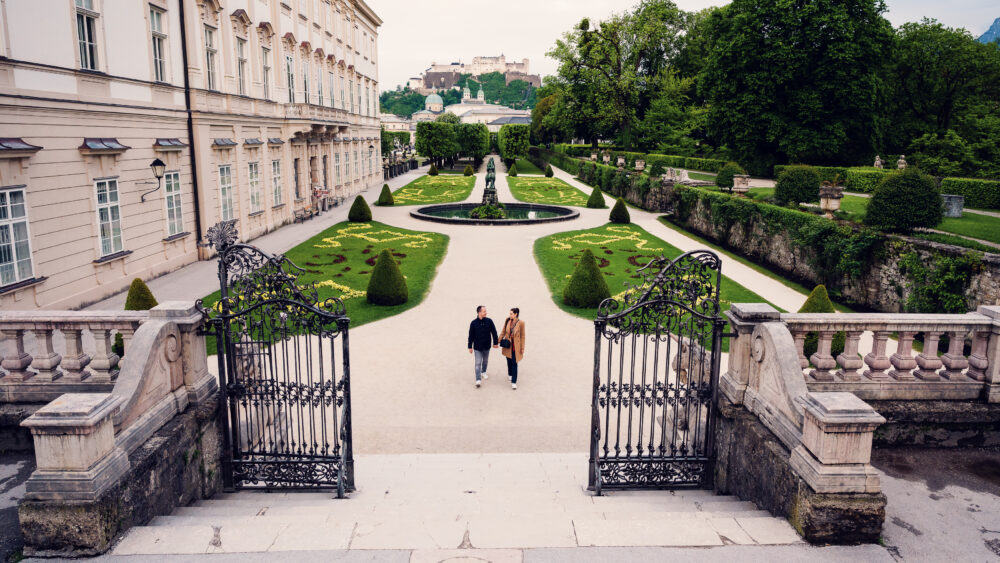
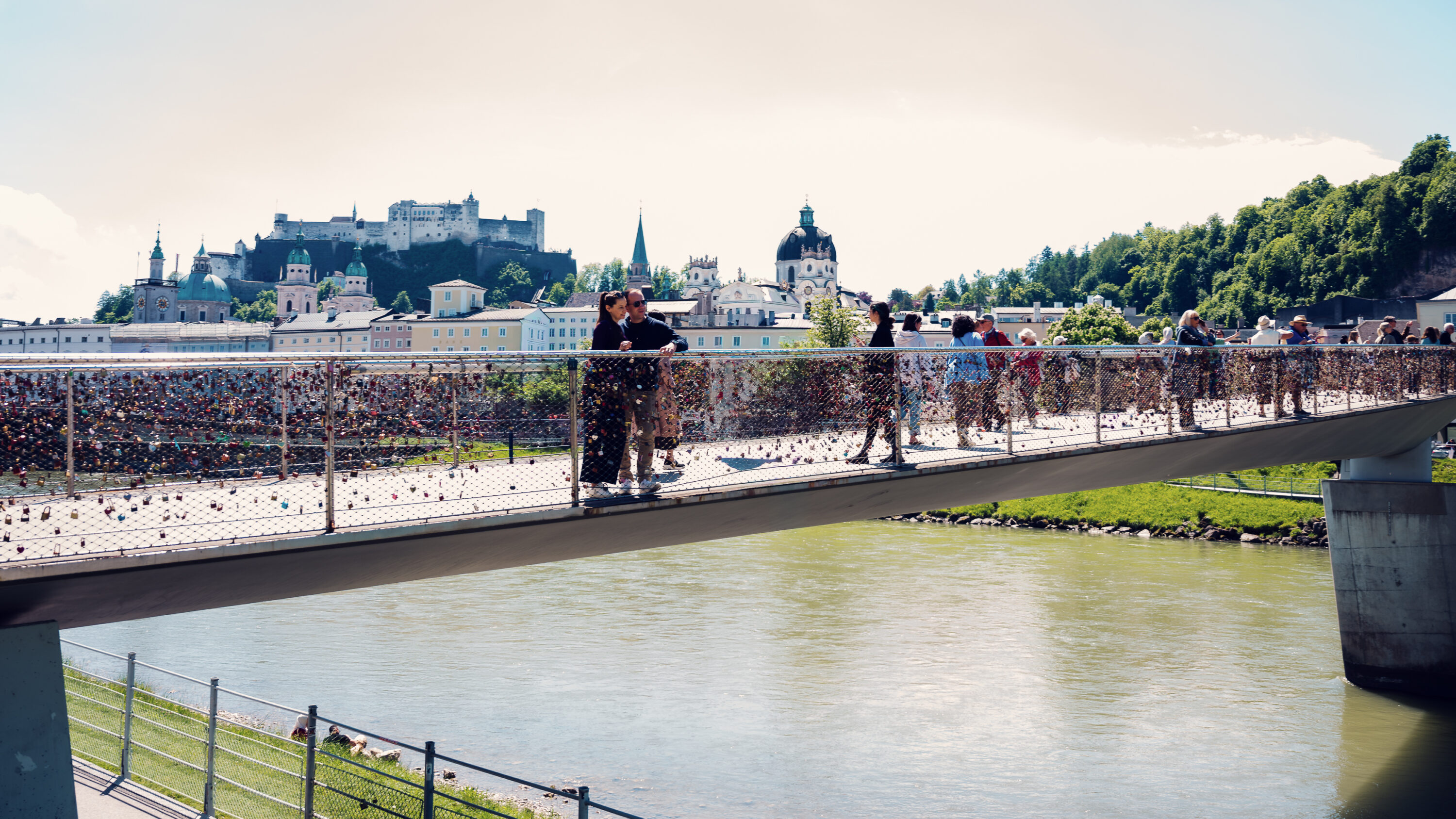
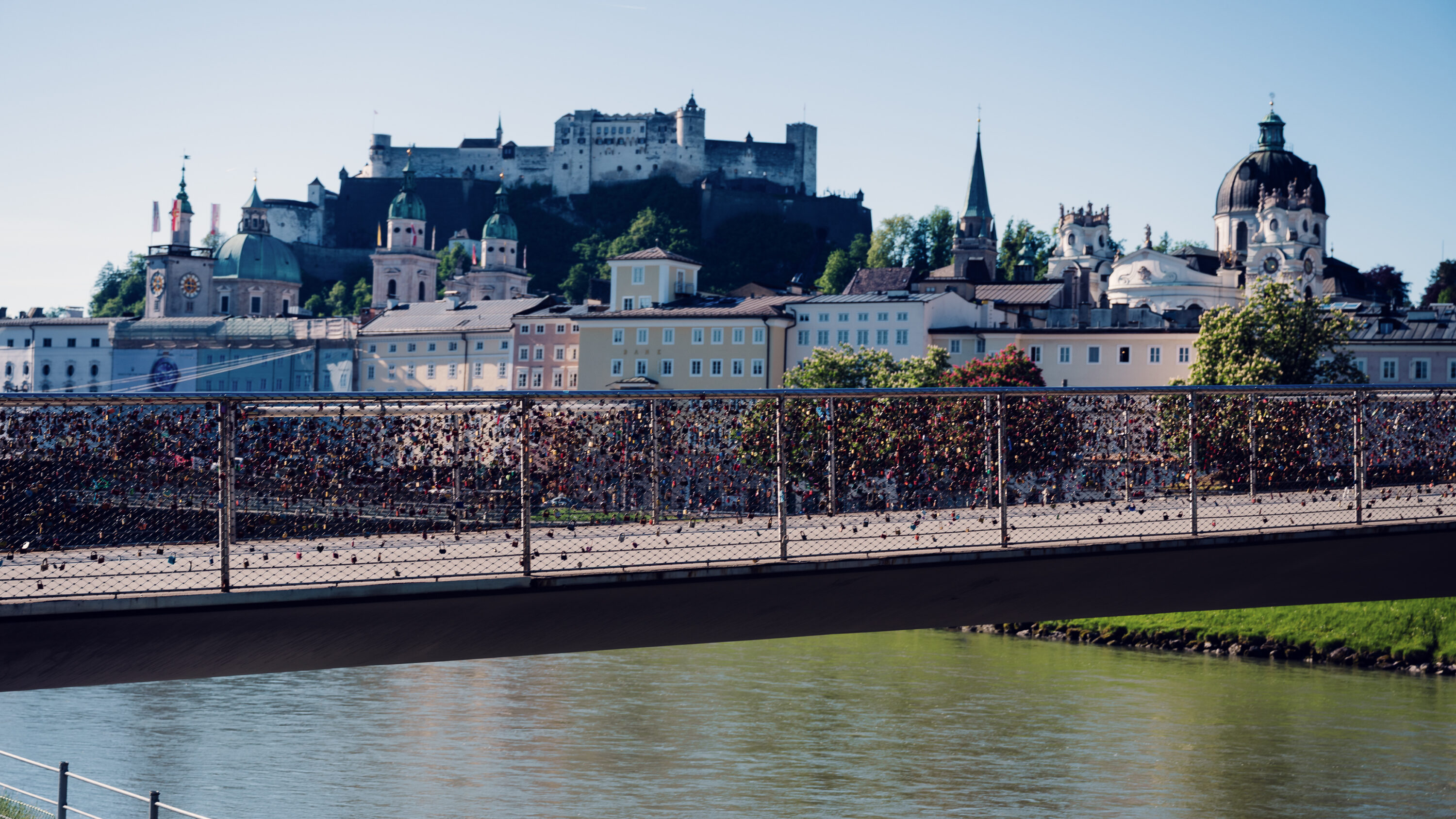
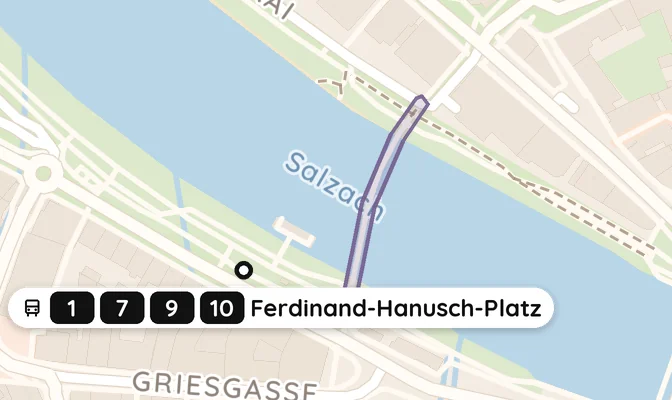
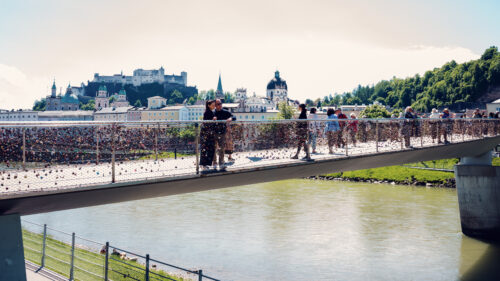
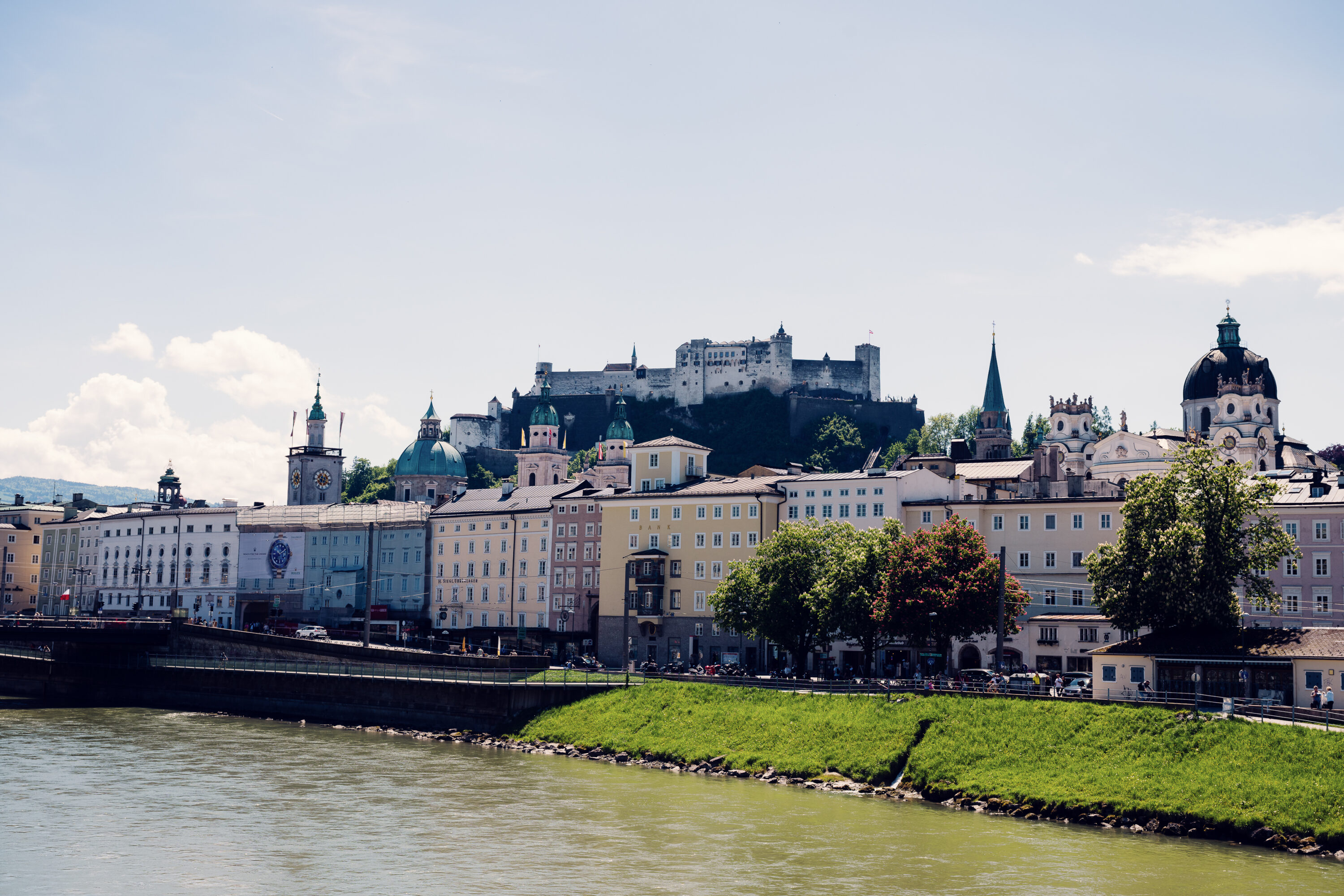
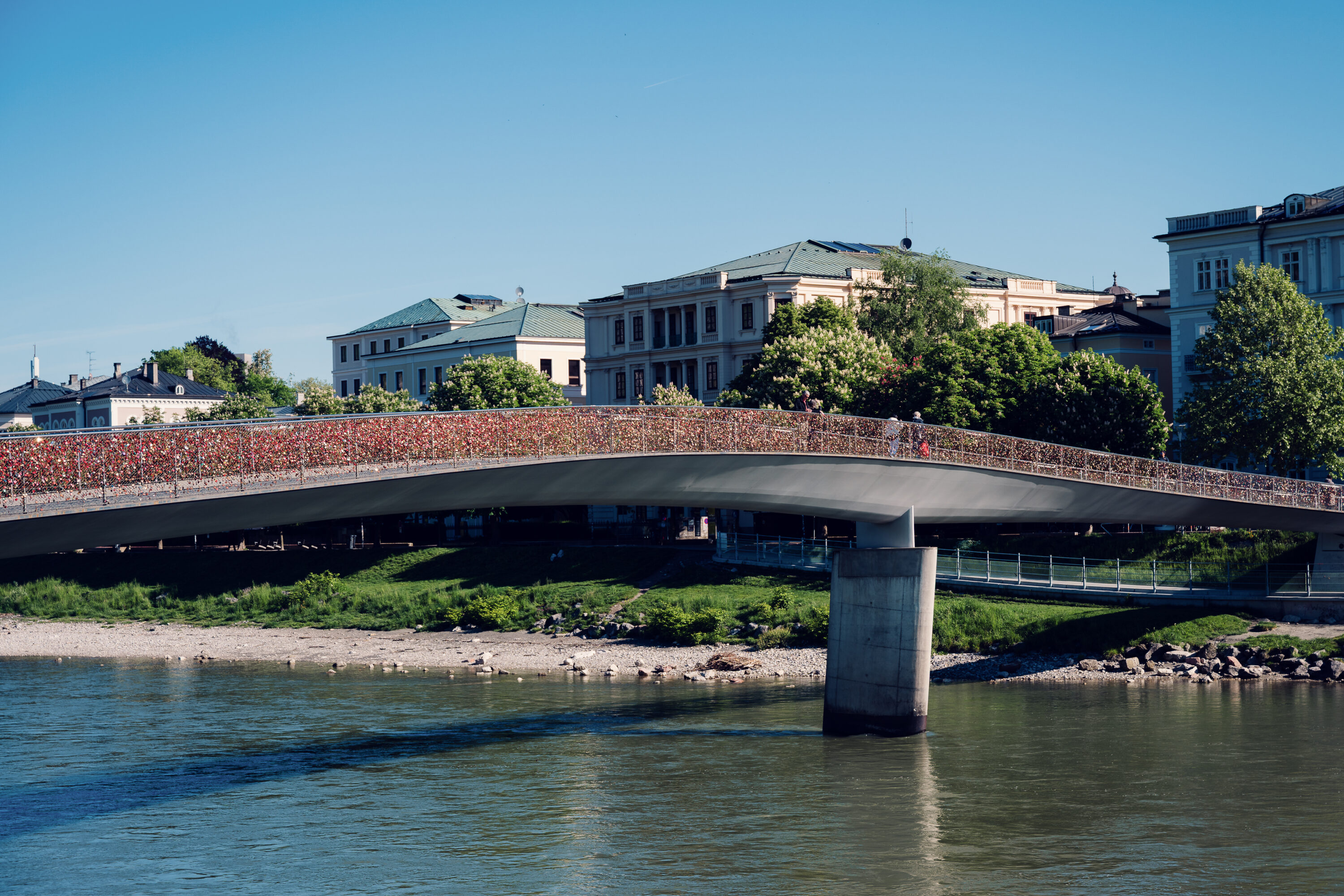
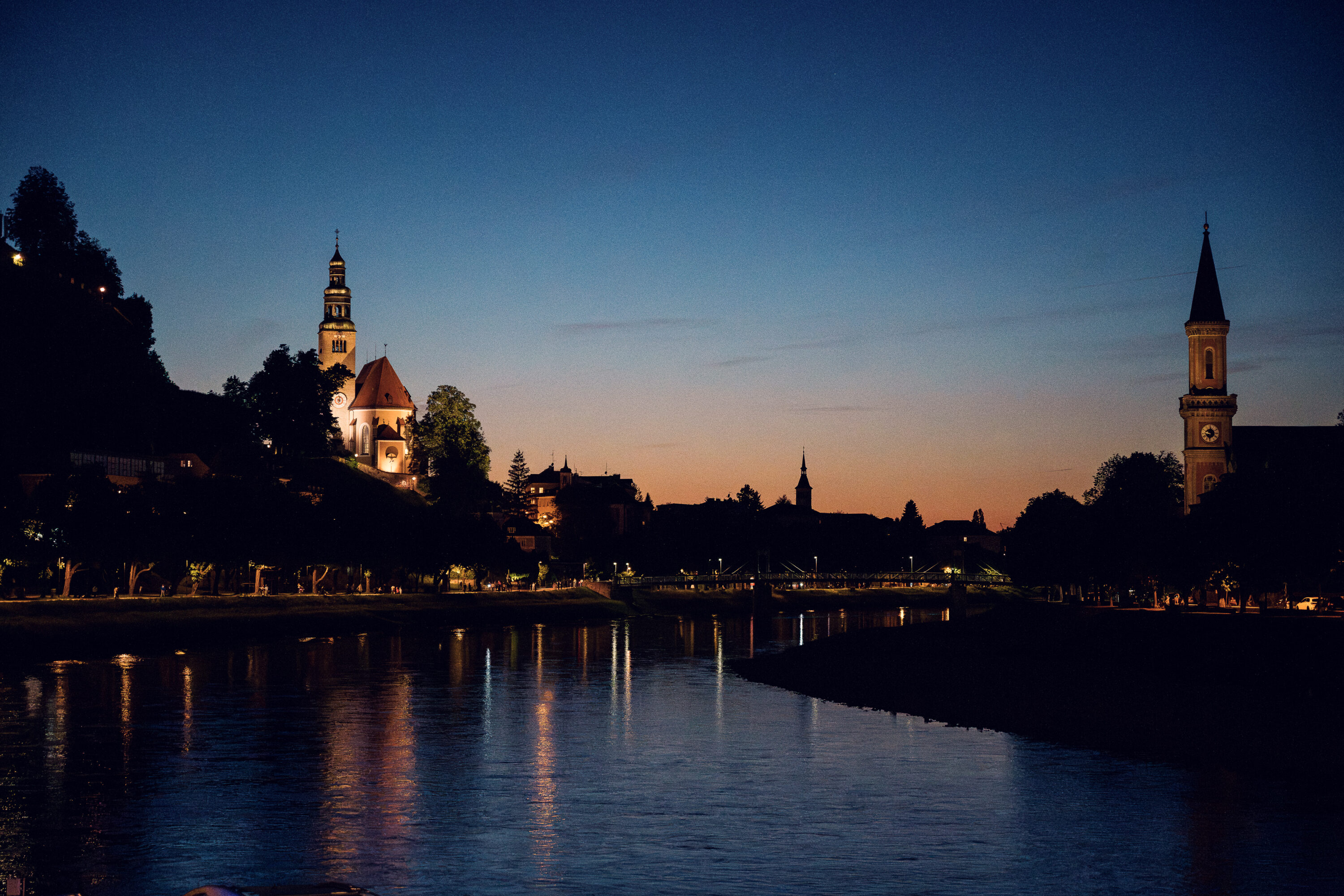
There has been a footbridge on this spot since the early twentieth century. The first, a filigree Art Nouveau structure, opened in 1905. It was replaced decades later by a steel span that quickly earned the nickname the swinging bridge, because it visibly trembled under the weight of foot traffic. By the end of the century, with around 20,000 people crossing every day, that bridge was worn out, and an international competition was held for its successor. The Salzburg firm Halle 1 won, and the current Makartsteg opened in 2001 with a riverside festival that drew tens of thousands of people. Its deck curves in two directions at once and rests on a single asymmetrically placed river pier, which is why the perspective on the city shifts as you walk and why the structure still looks contemporary today. For all its design, the bridge stays first and foremost a working connection, carrying pedestrians and cyclists between the left-bank Old Town and the right bank near Makartplatz and the Mirabell Gardens.
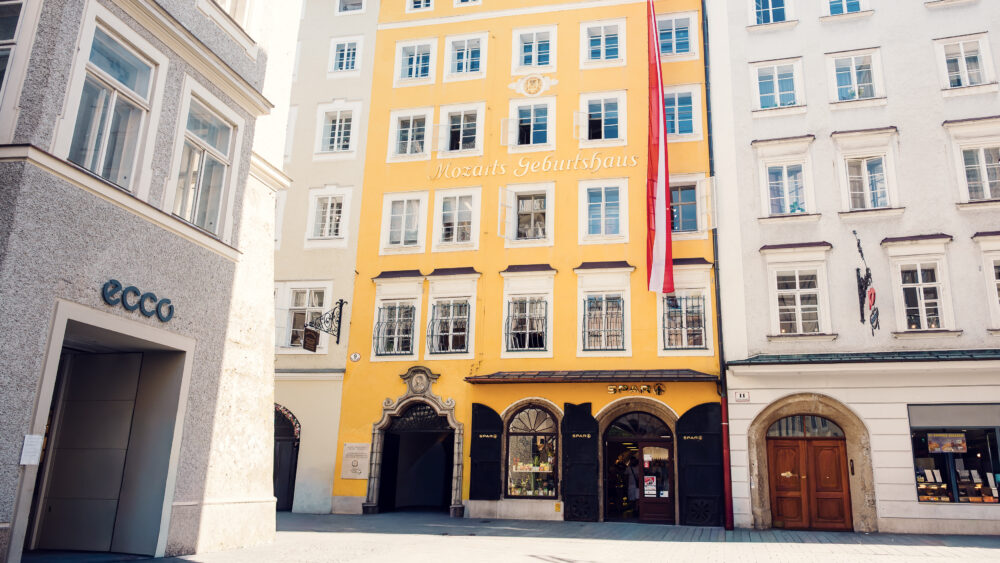
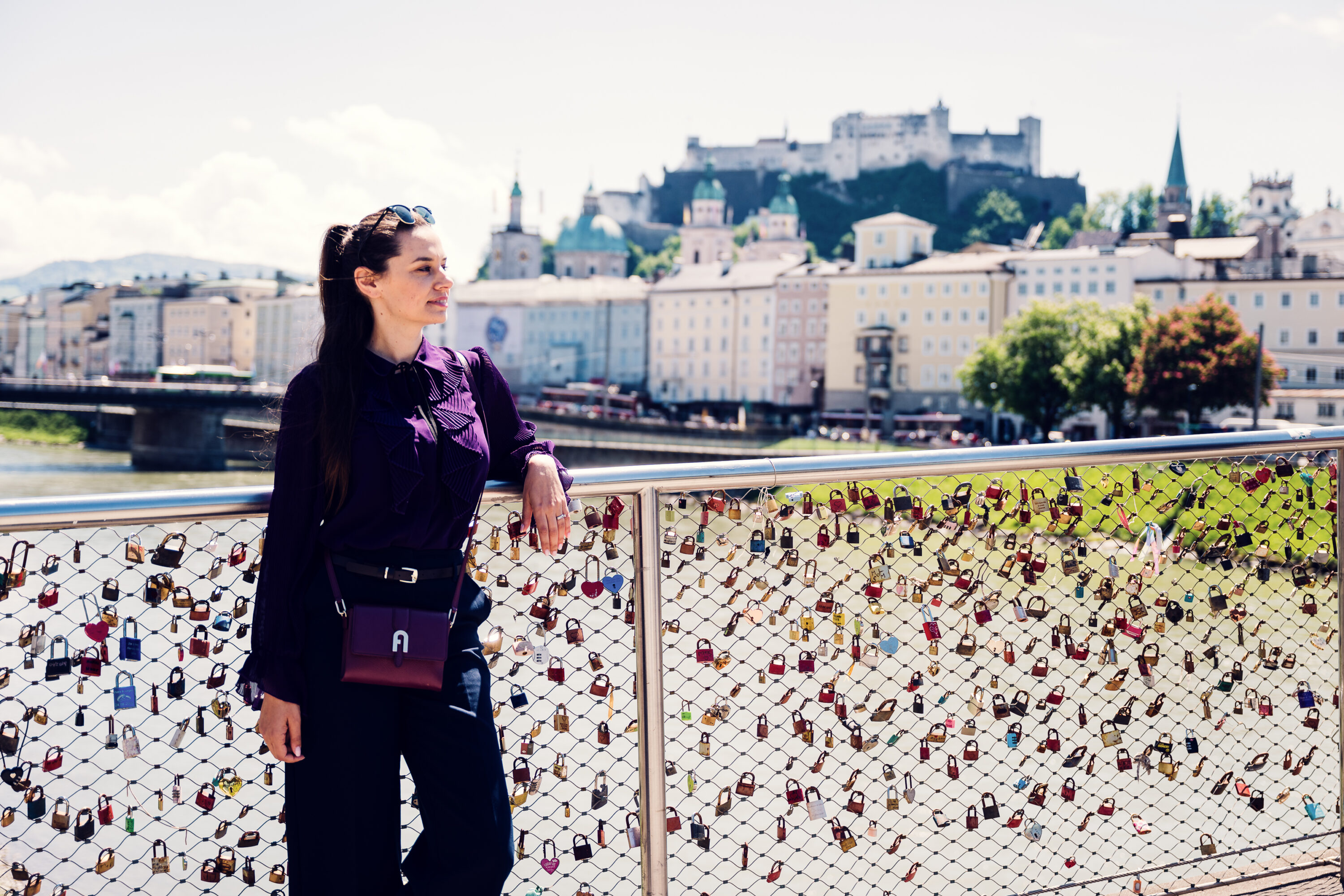
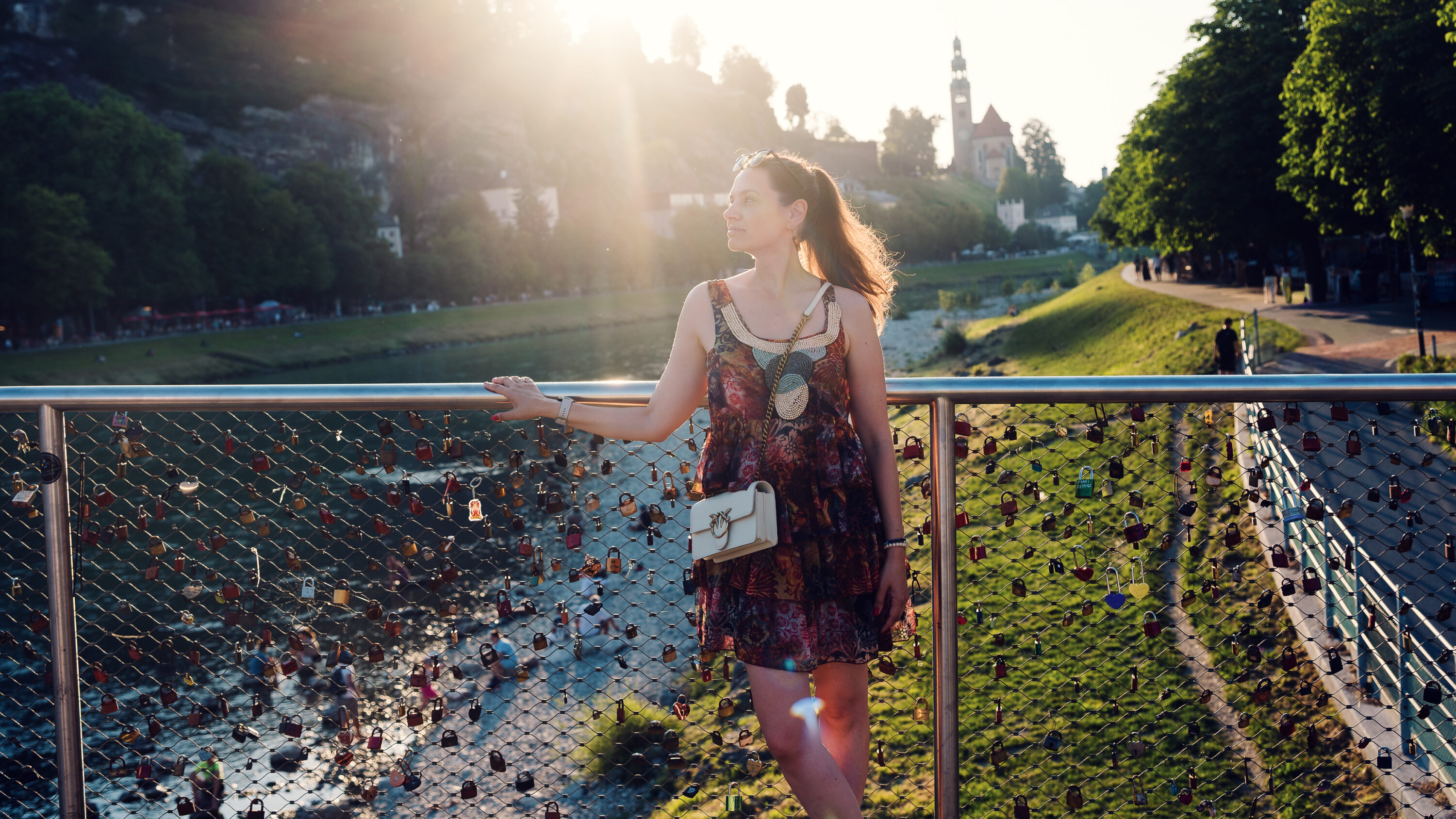
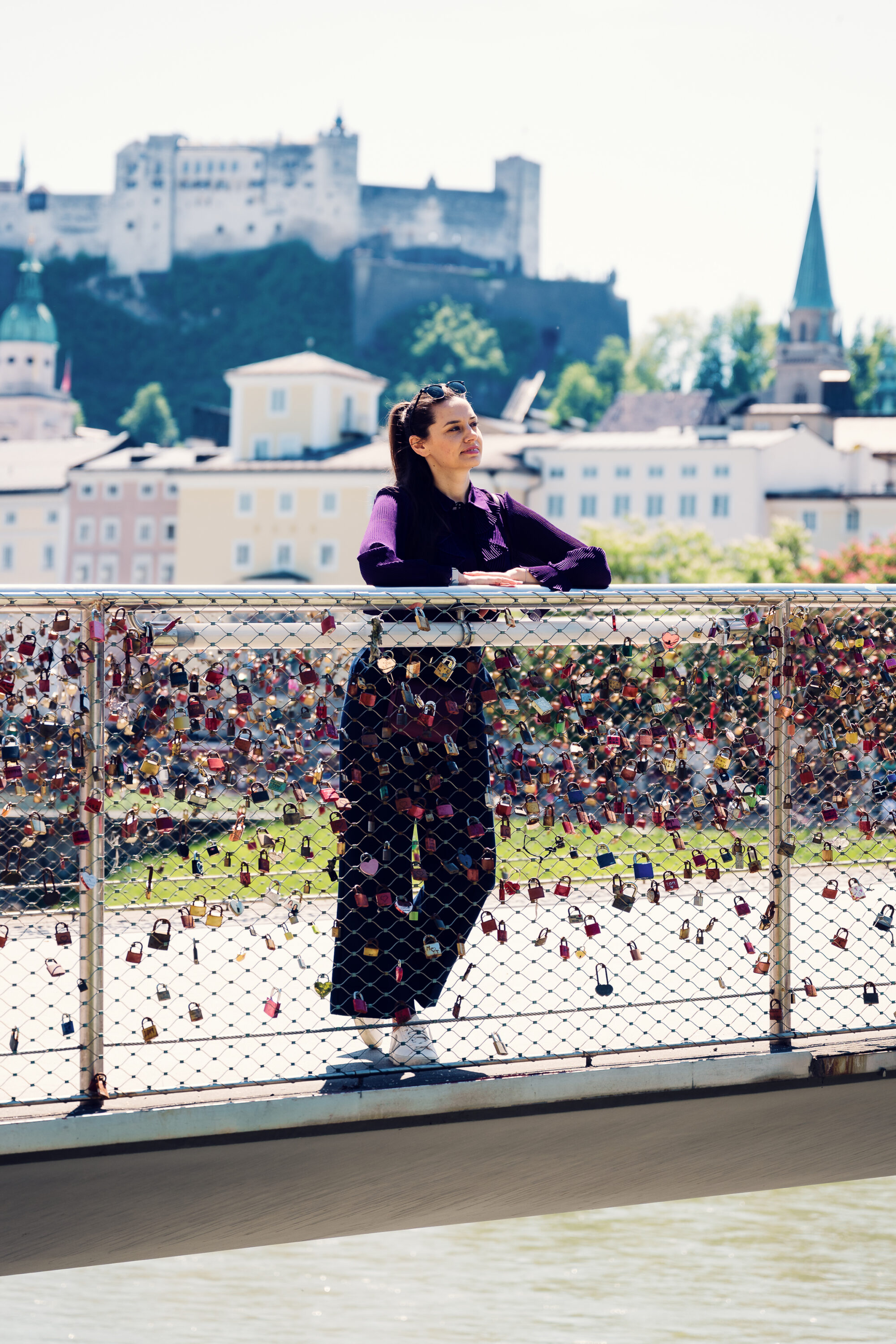
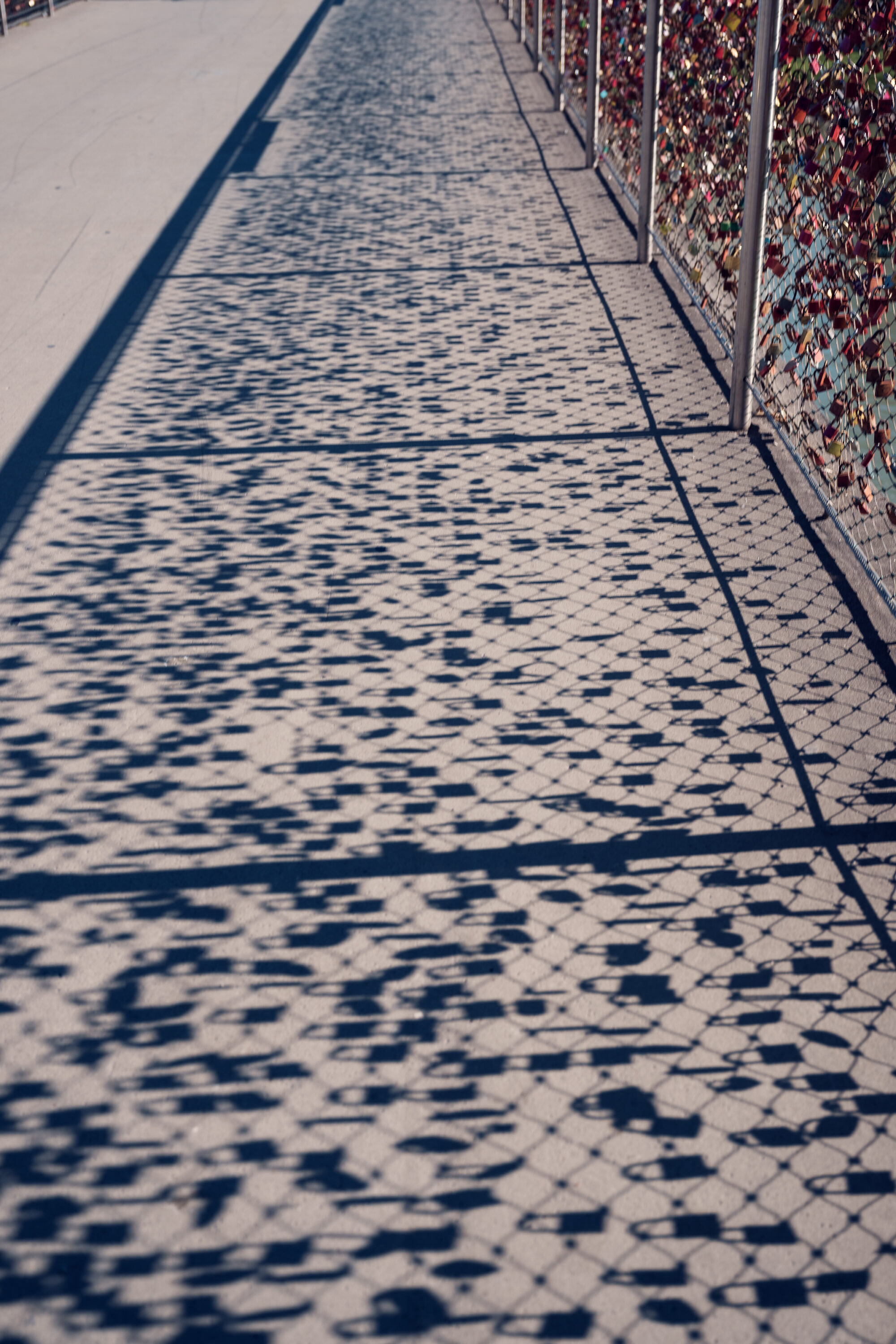
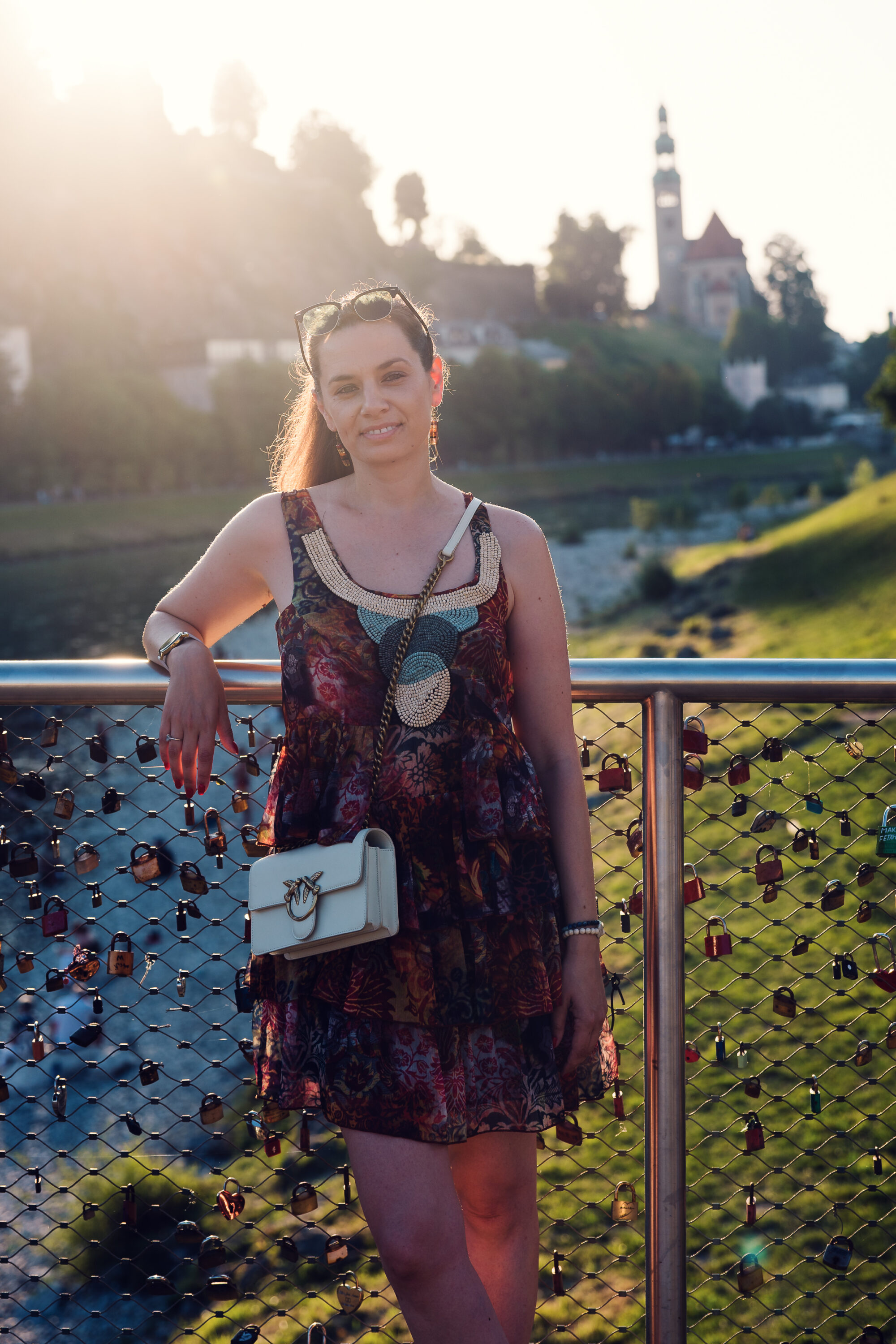
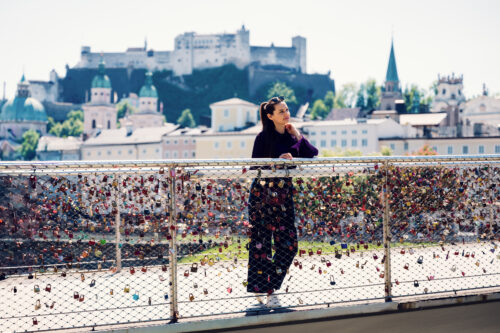
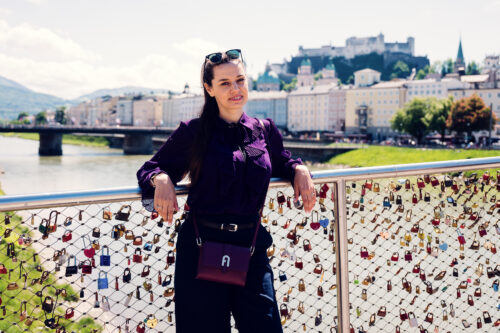
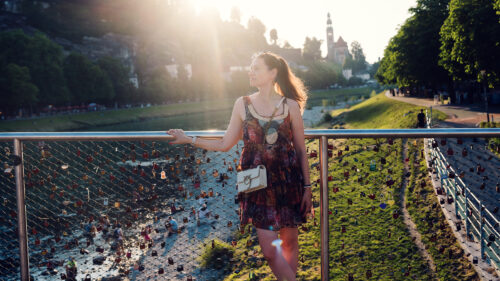
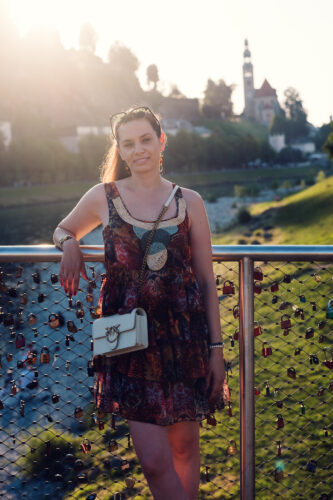
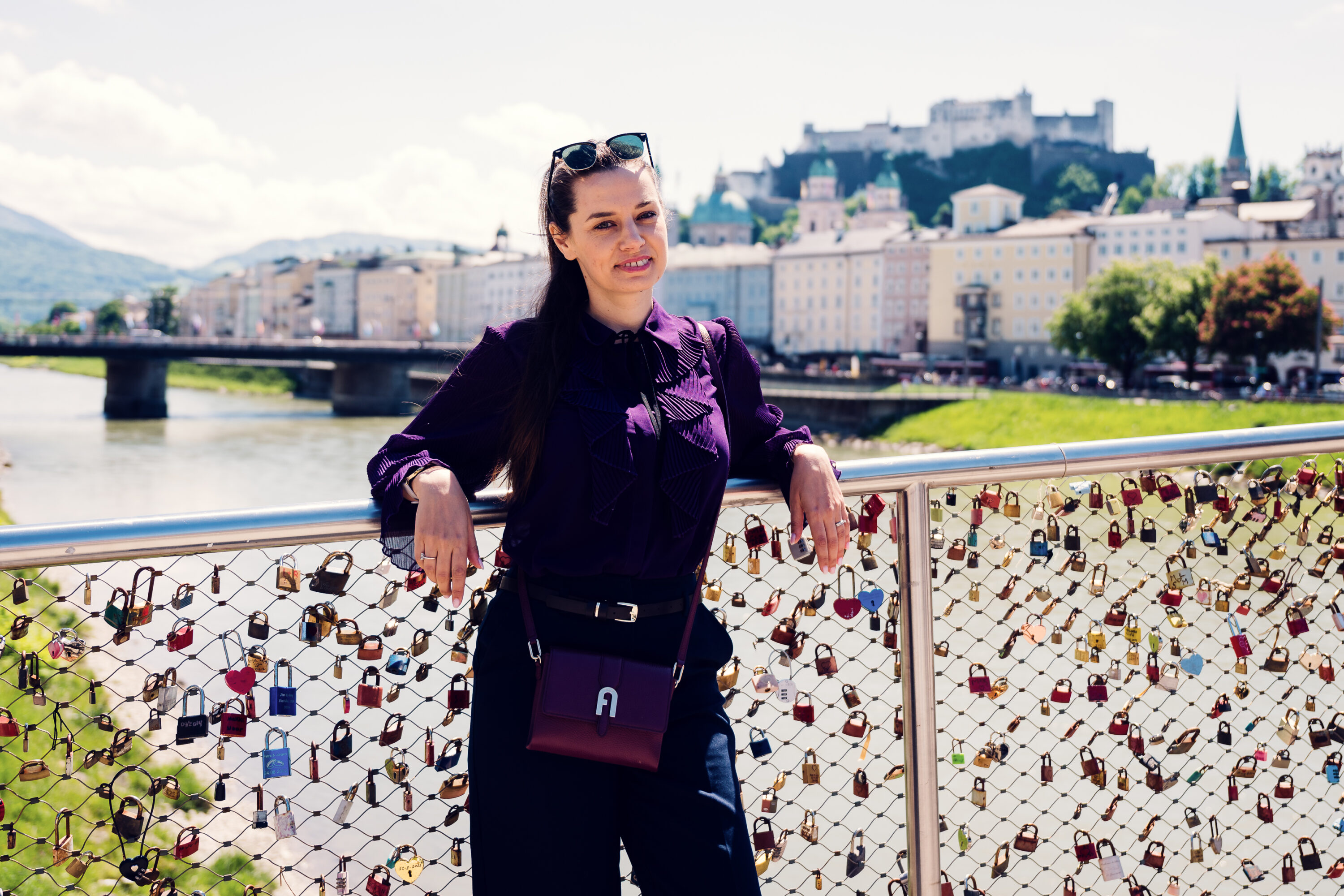
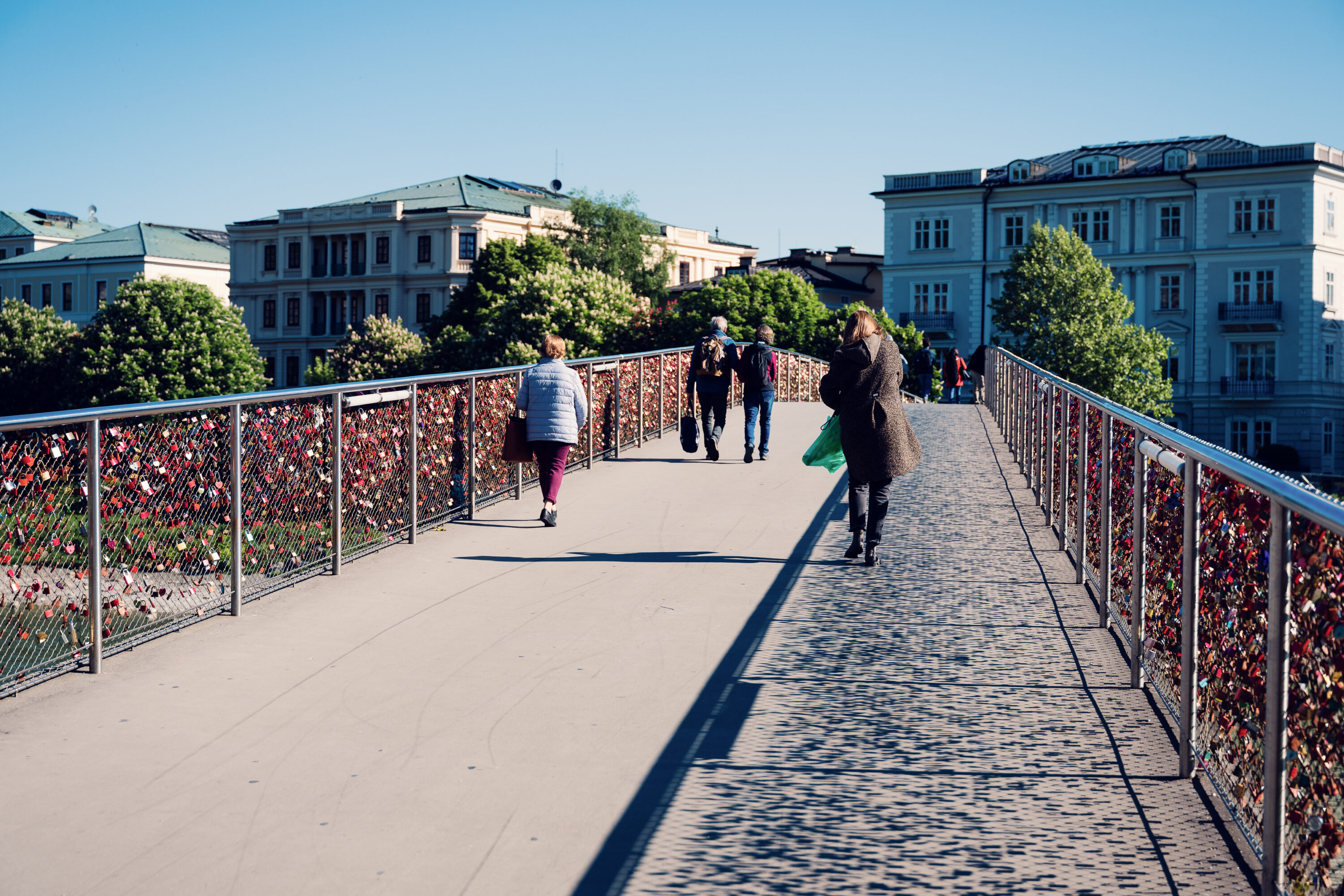
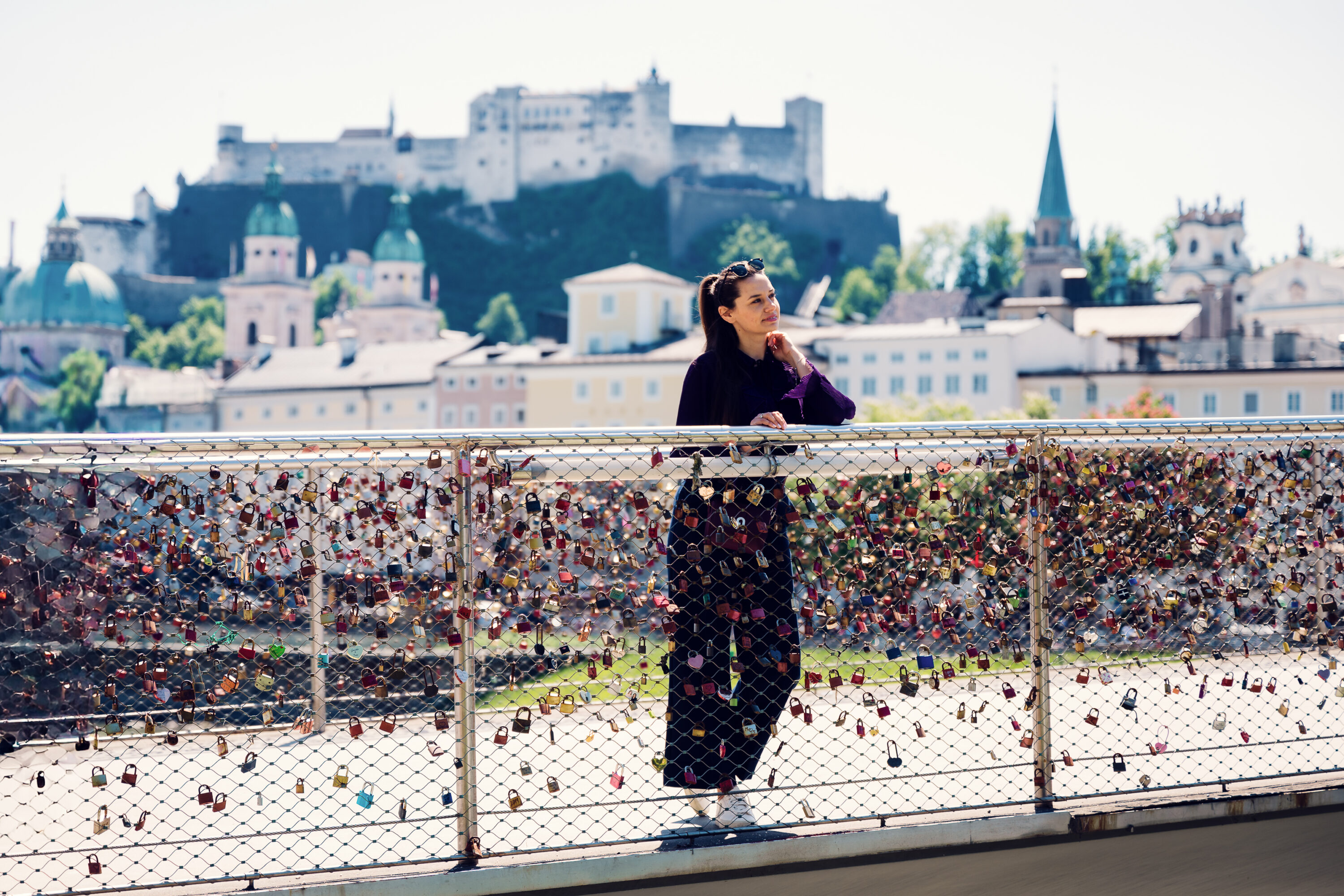
The padlocks came later. By the mid-2010s, couples were clipping engraved locks to the steel mesh and dropping the key into the Salzach, and the habit spread until the railings disappeared under colour. It's a tradition Salzburg shares with Paris, Cologne and dozens of other river cities, and like those cities Salzburg has had to manage the sheer weight of it. Every year, the city removes part of the locks for safety reasons, mainly to protect the railing mesh rather than because of the bridge's overall load-bearing capacity, and new ones reappear within days. Shops a few streets back, near Mozart's Birthplace, will sell and engrave a lock on the spot for anyone who wants to add their own. For all the debate about whether they're romance or litter, the locks have become part of how Salzburg sees this stretch of the river, and part of why the Makartsteg is one of the most photographed spots in town.