
From Toll Bridge to Free View: The Story of the Müllnersteg
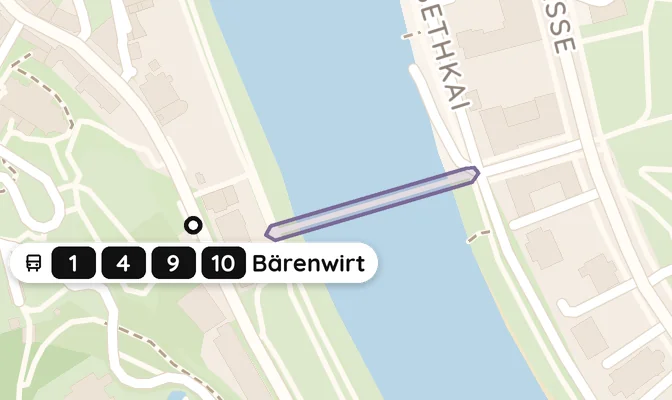
For most of Salzburg's history, crossing the Salzach in the city meant using its single main bridge, so a footbridge here filled a real gap. A first wooden crossing went up in the 19th century and was soon replaced by a sturdier bridge on stone piers. Its formal name was the Franz-Karl-Gehbrücke, after a Habsburg archduke, but that never really caught on. Locals named it instead after Mülln, the district it reaches on the western bank, and the Müllnersteg is what it's been called ever since. The old official name is technically still on the books, though the change was never formally made.
Crossing wasn't free. A small toll house stood at one end, and anyone heading over paid a single Kreuzer for the privilege. Toll bridges were common on the river back then, and the fee was small enough that few thought twice about it, but the habit of paying gave the crossing an identity of its own. That coin became the bridge's most enduring nickname, the Kreuzersteg, which older Salzburgers kept using long after the toll itself was dropped at the end of the 1890s. It's the kind of detail that sticks to a place: a name earned one coin at a time, still remembered generations later, even by people who never paid it.
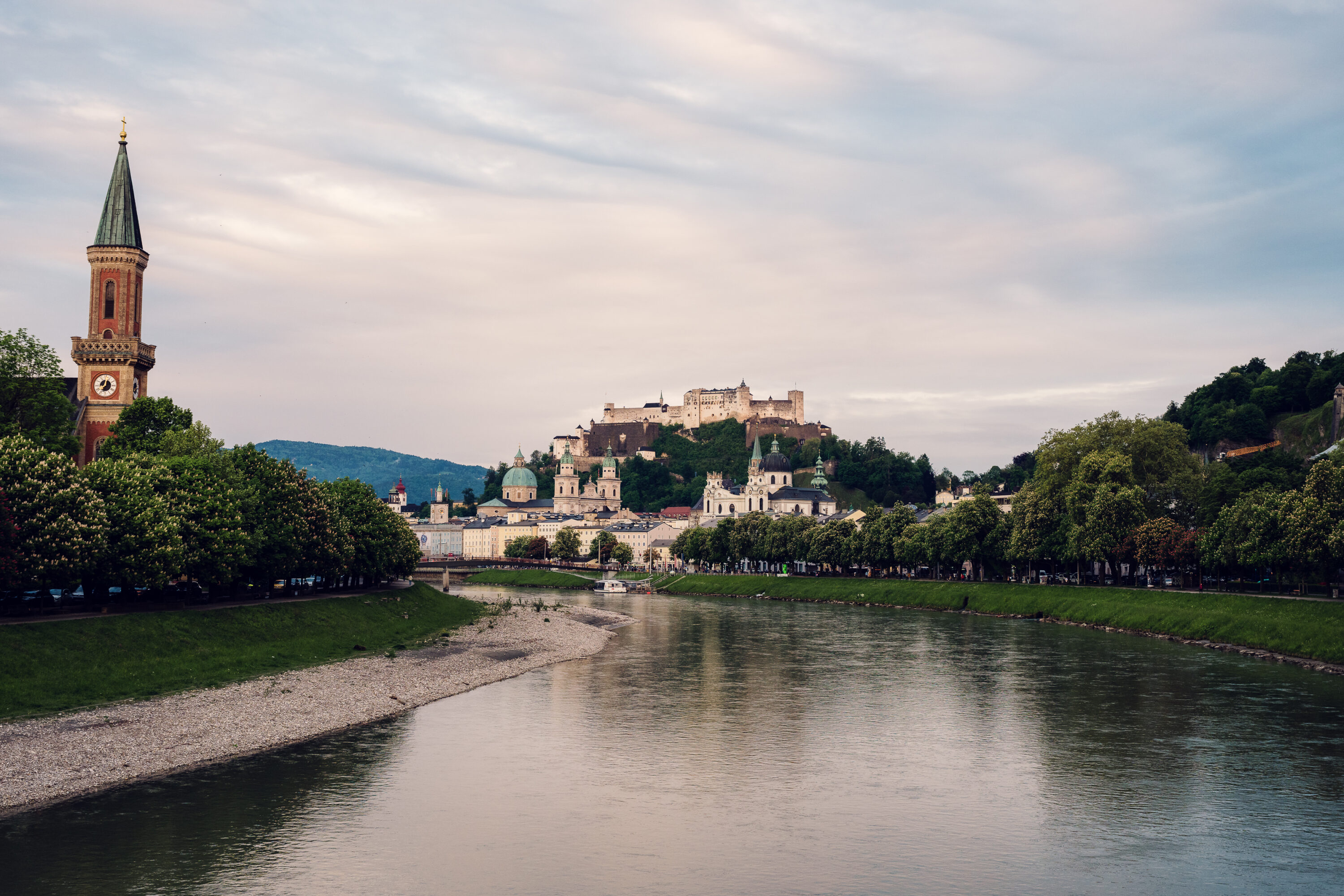
There was a point when the Müllnersteg nearly became something much bigger. Planners floated the idea of widening it into a proper road bridge for carriage and cart traffic across the river. In the end the city built a road crossing further downstream instead, and the Müllnersteg kept its quieter role as a bridge for people on foot. The structure took damage during the Second World War and was patched up afterward, and it carried on serving the neighbourhoods on both banks for decades, but by the end of the century it had reached the end of its working life.
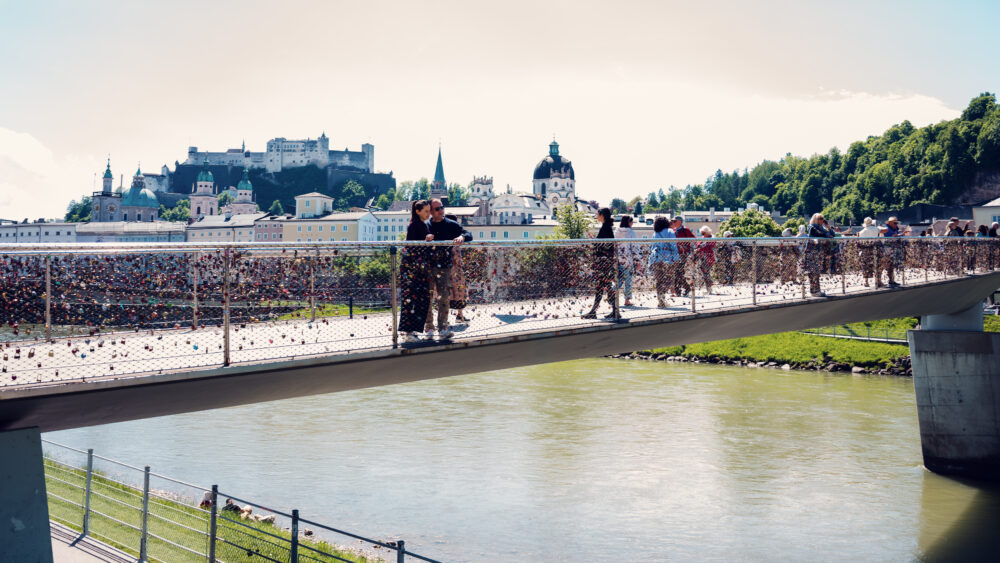
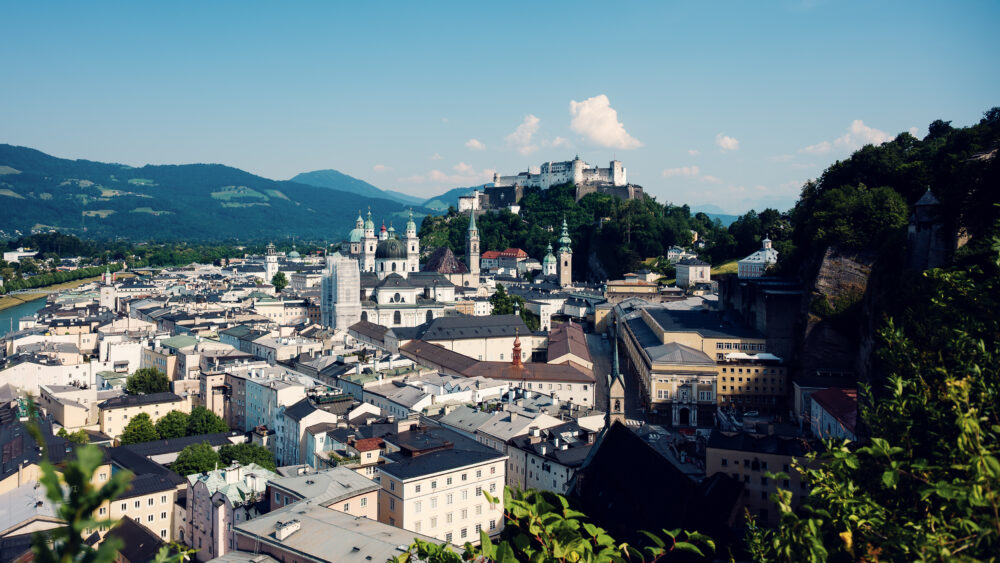
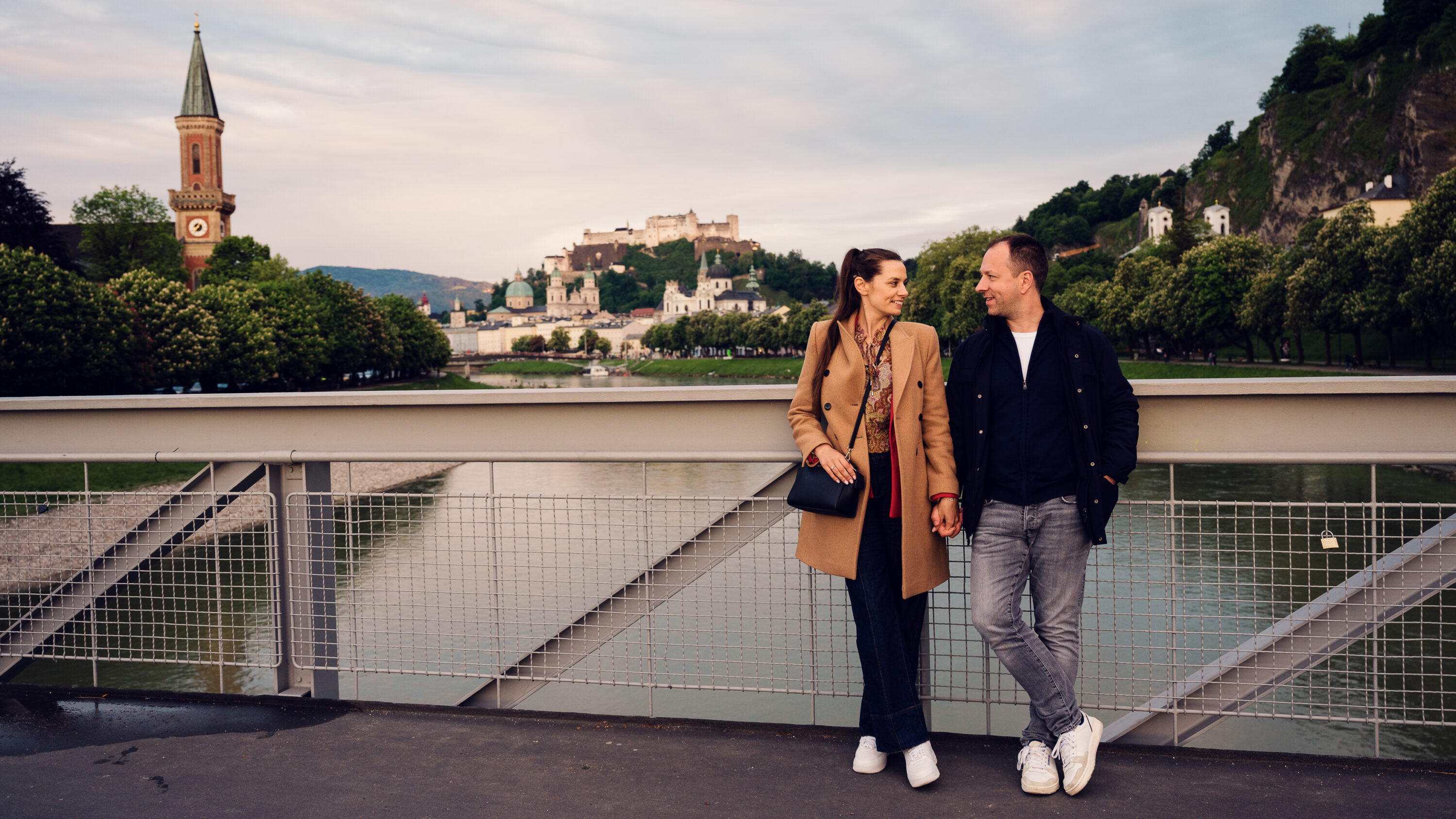
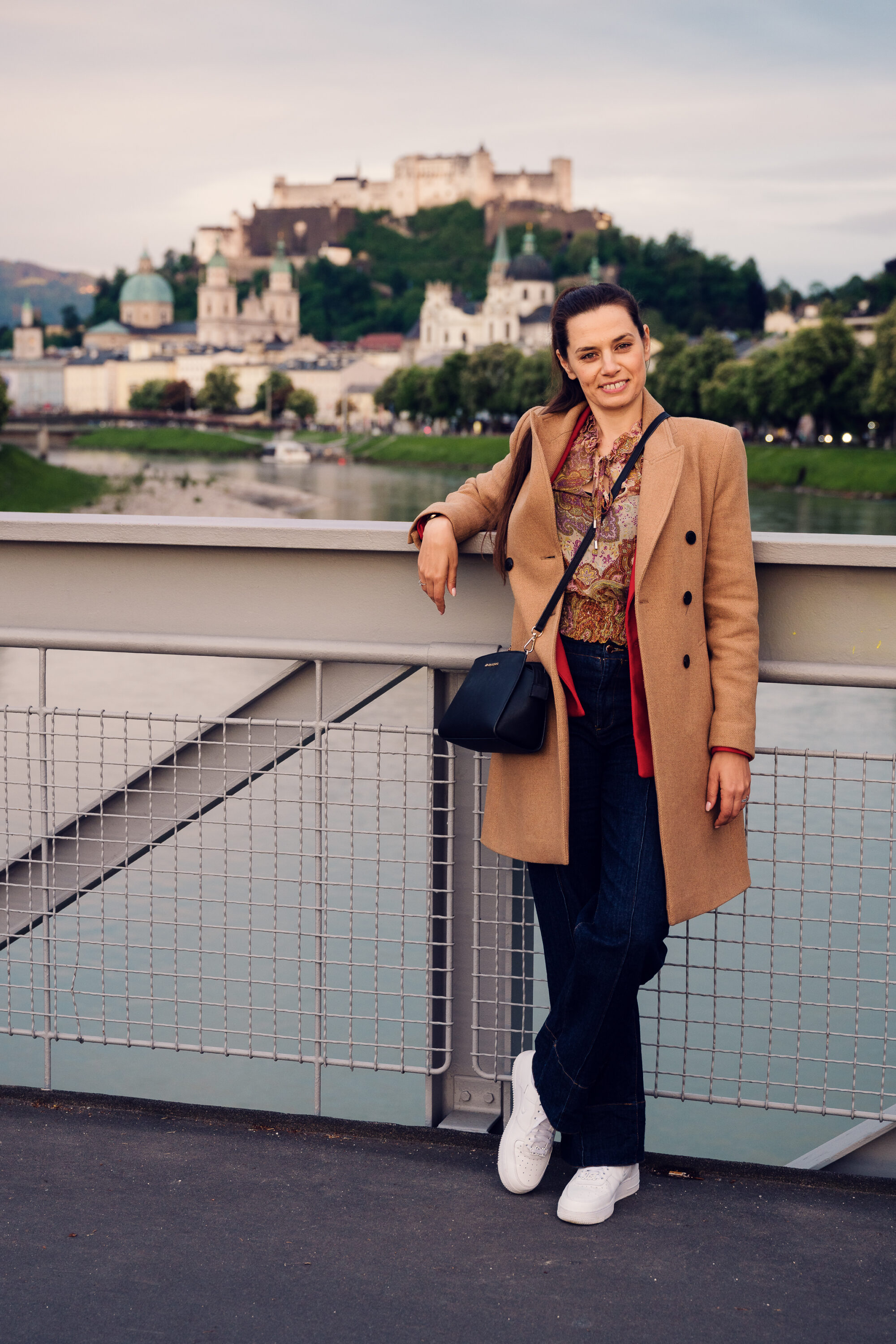
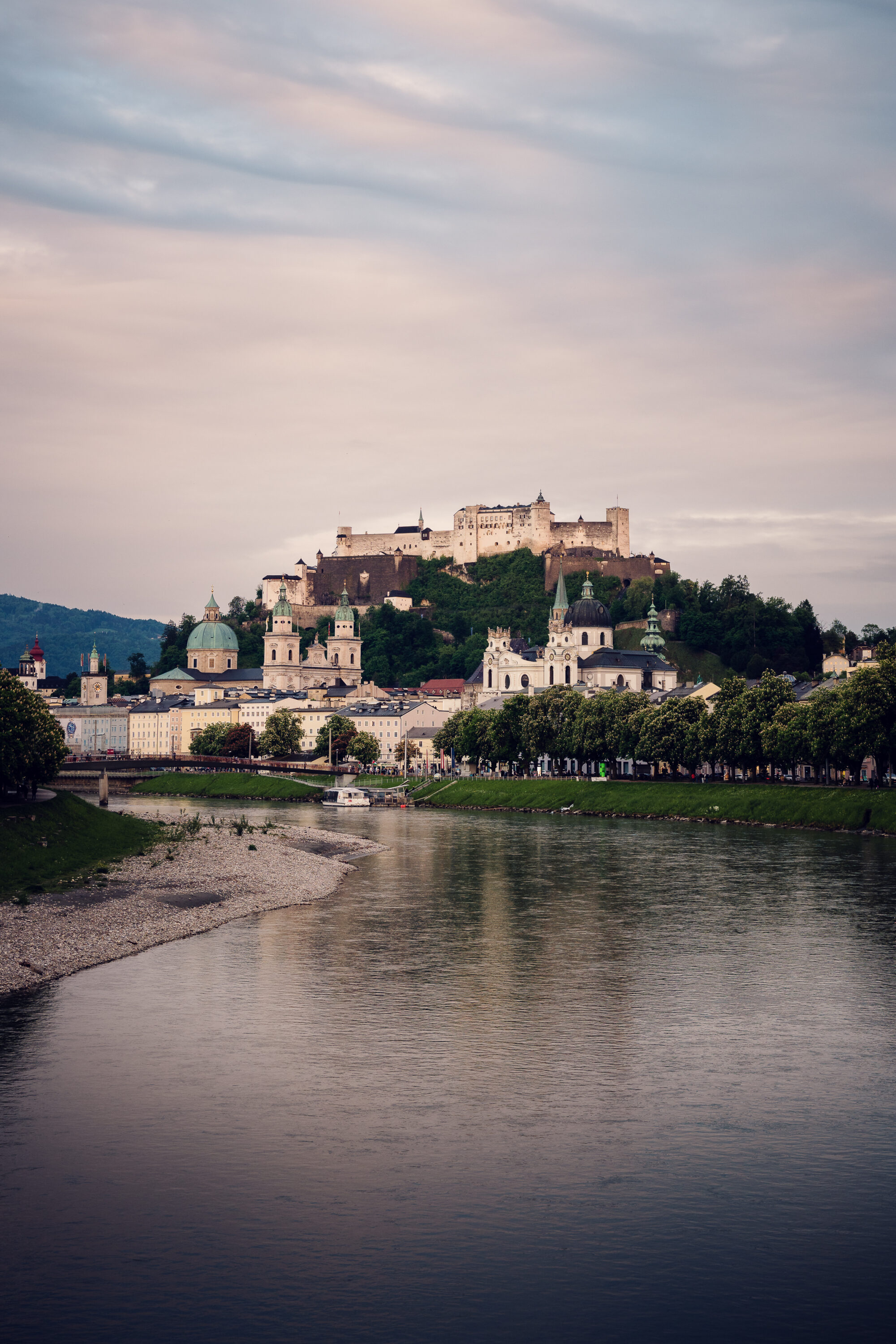
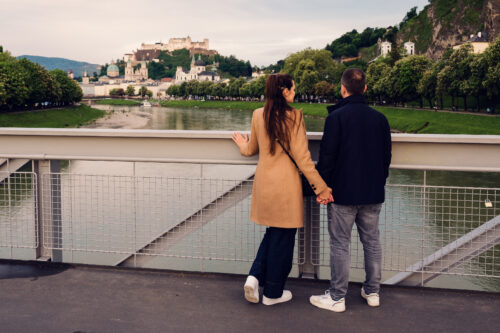
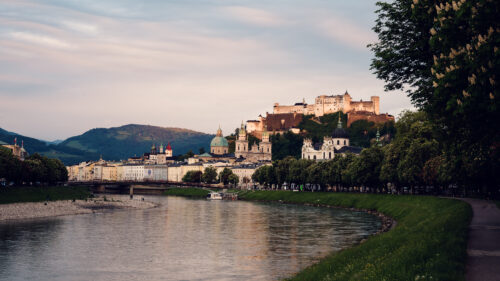
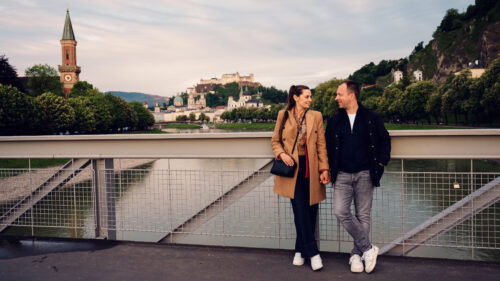
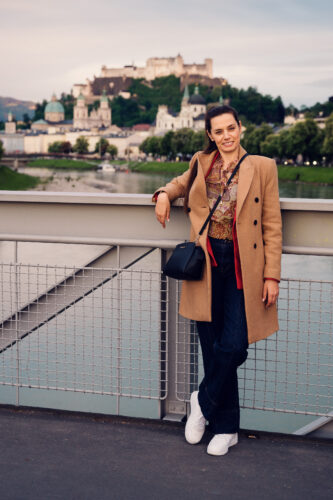
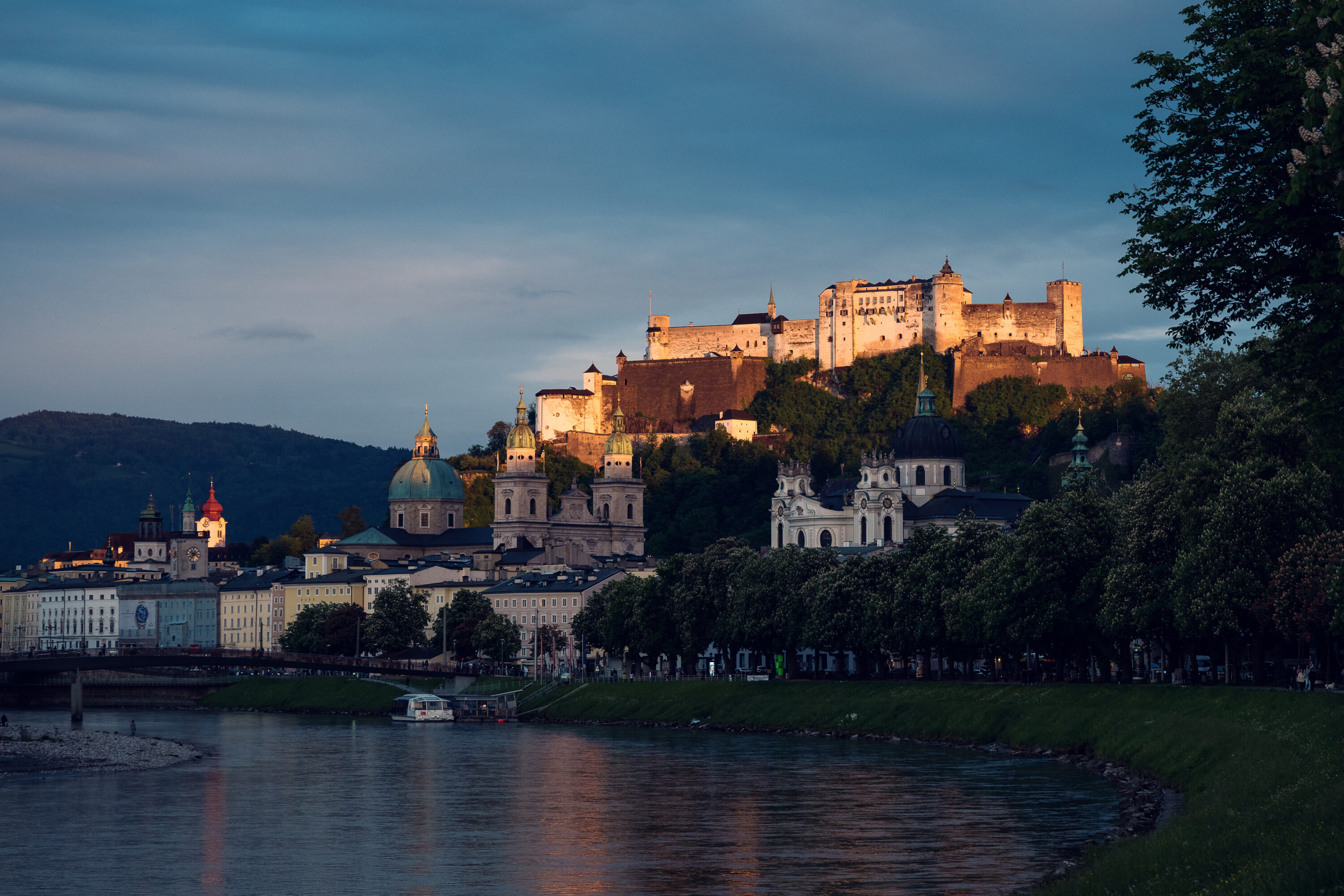
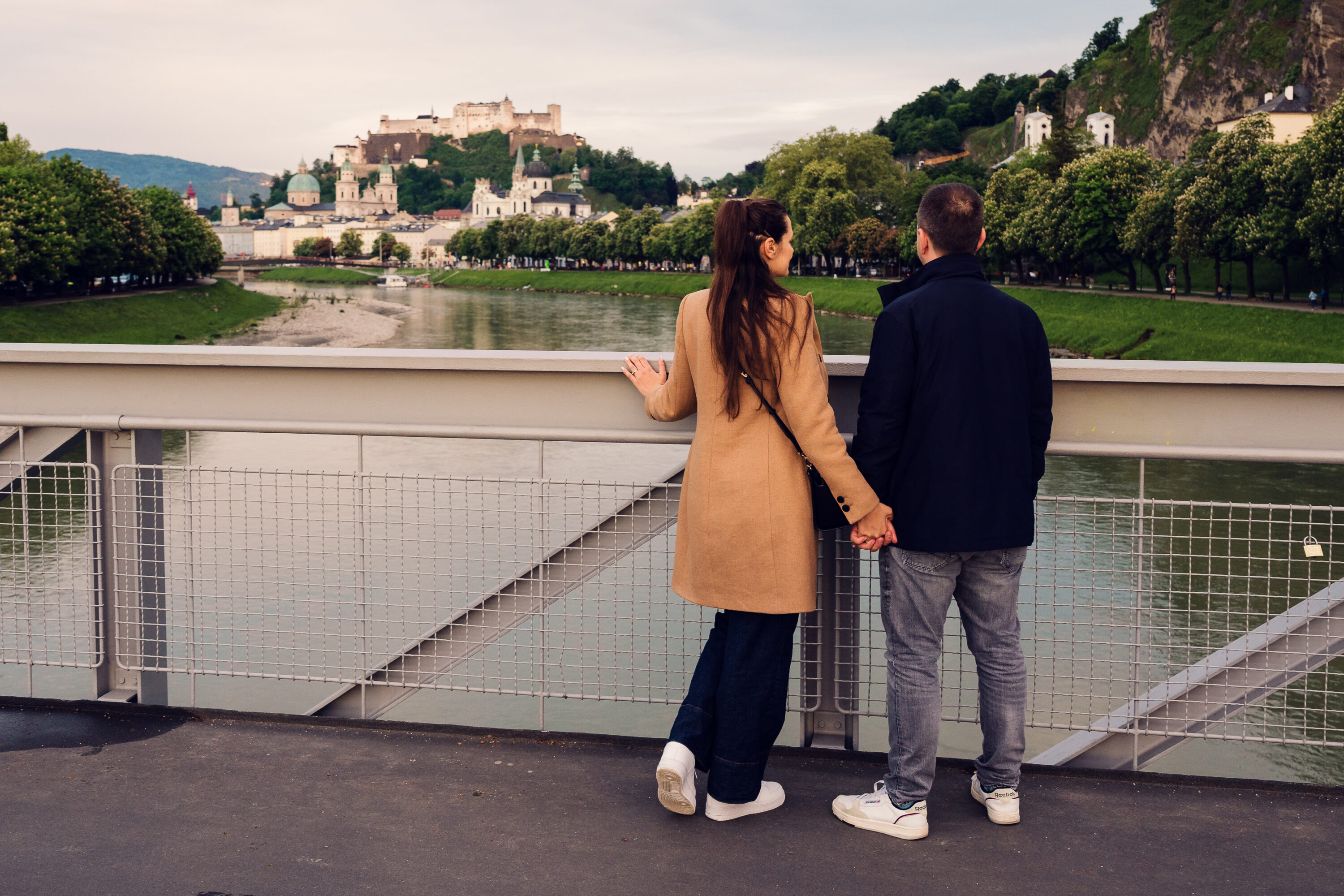
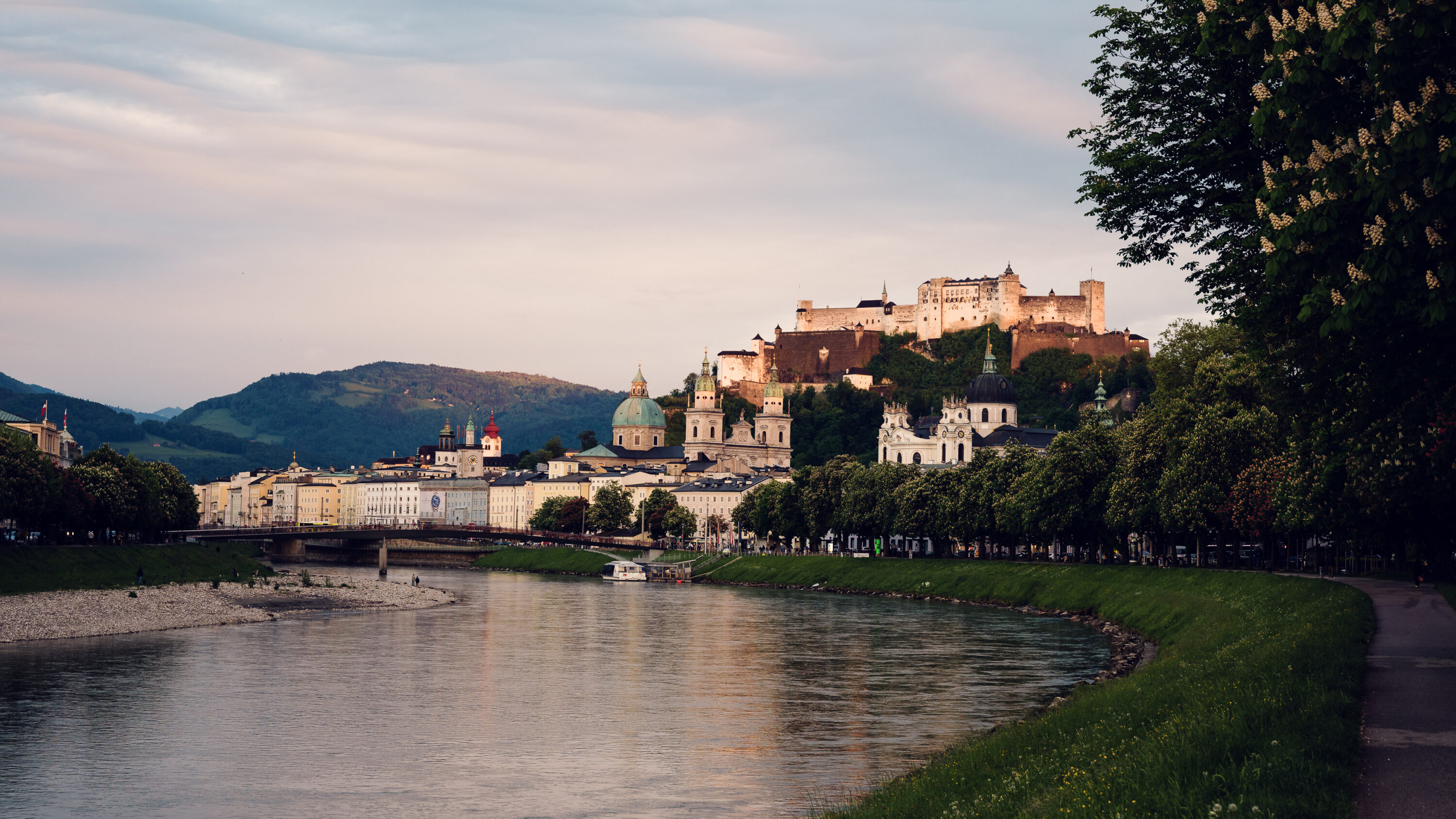
The bridge you cross today was rebuilt in the mid-1990s, the old span taken down and replaced by the slim steel structure now carrying walkers and cyclists over the water. It was given a thorough overhaul a couple of decades later to keep up with the heavy daily traffic it still sees, from commuters and students to visitors lining up a photo. For all the changes in material and design, the Müllnersteg's job has stayed the same: linking the two banks for anyone on foot or on two wheels, and giving them a reason to slow down halfway across. What hasn't changed across any version is the reason to stop on it: a modest, well-placed crossing that has quietly given Salzburg one of its finest free views for more than 150 years.