
The Sweet History of Salzburg's Most Famous Praline - Café Konditorei Fürst
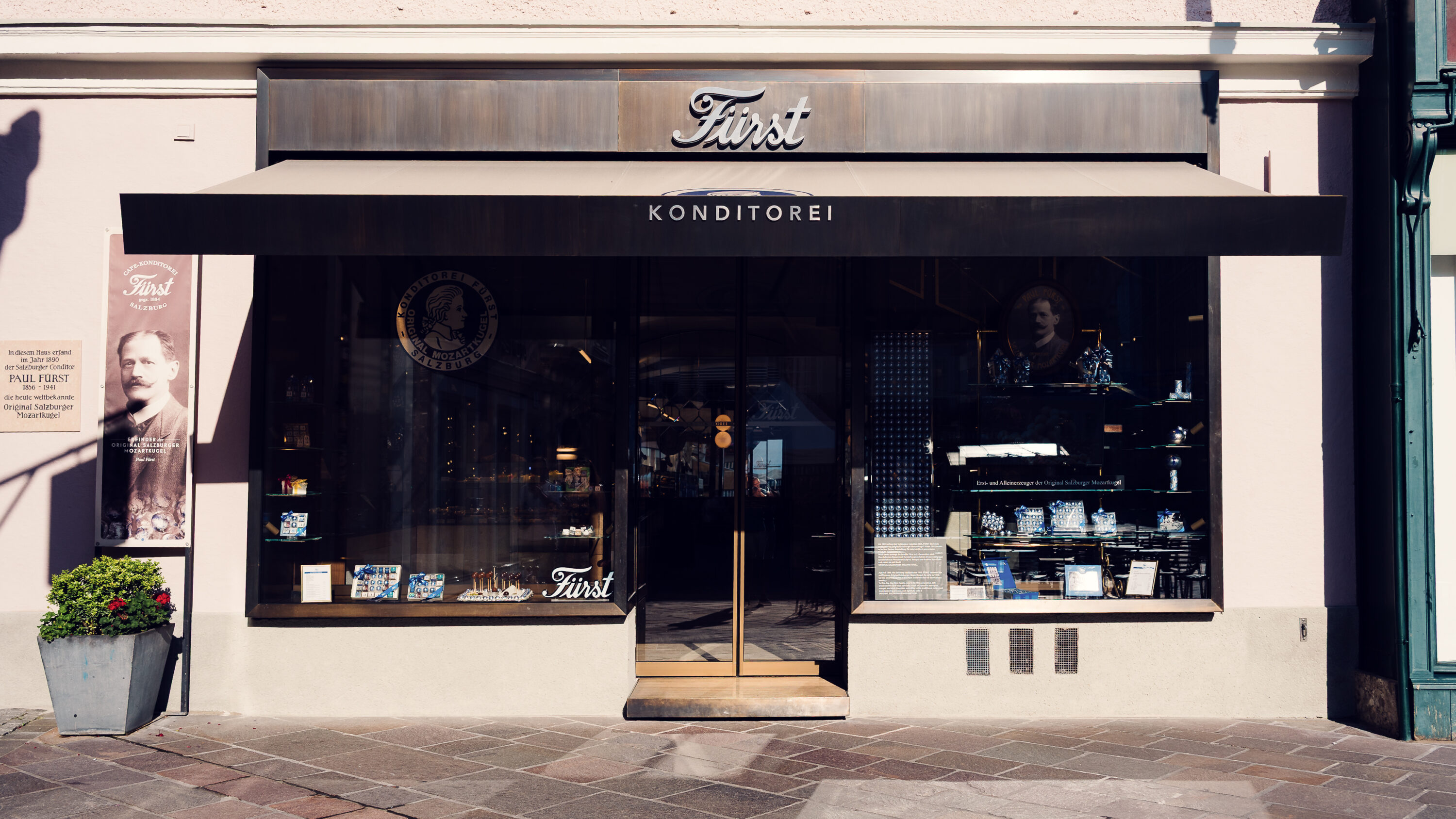
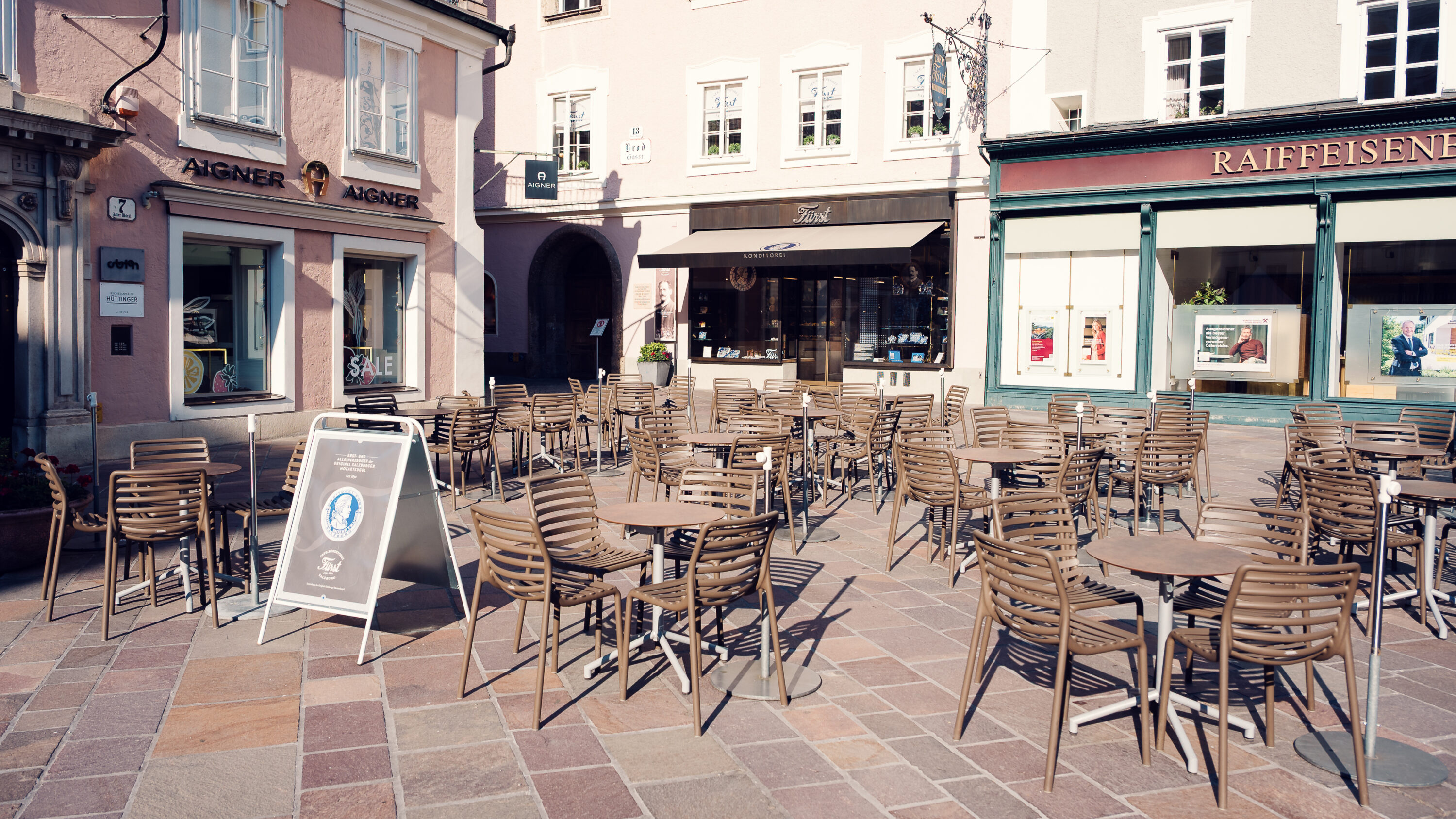
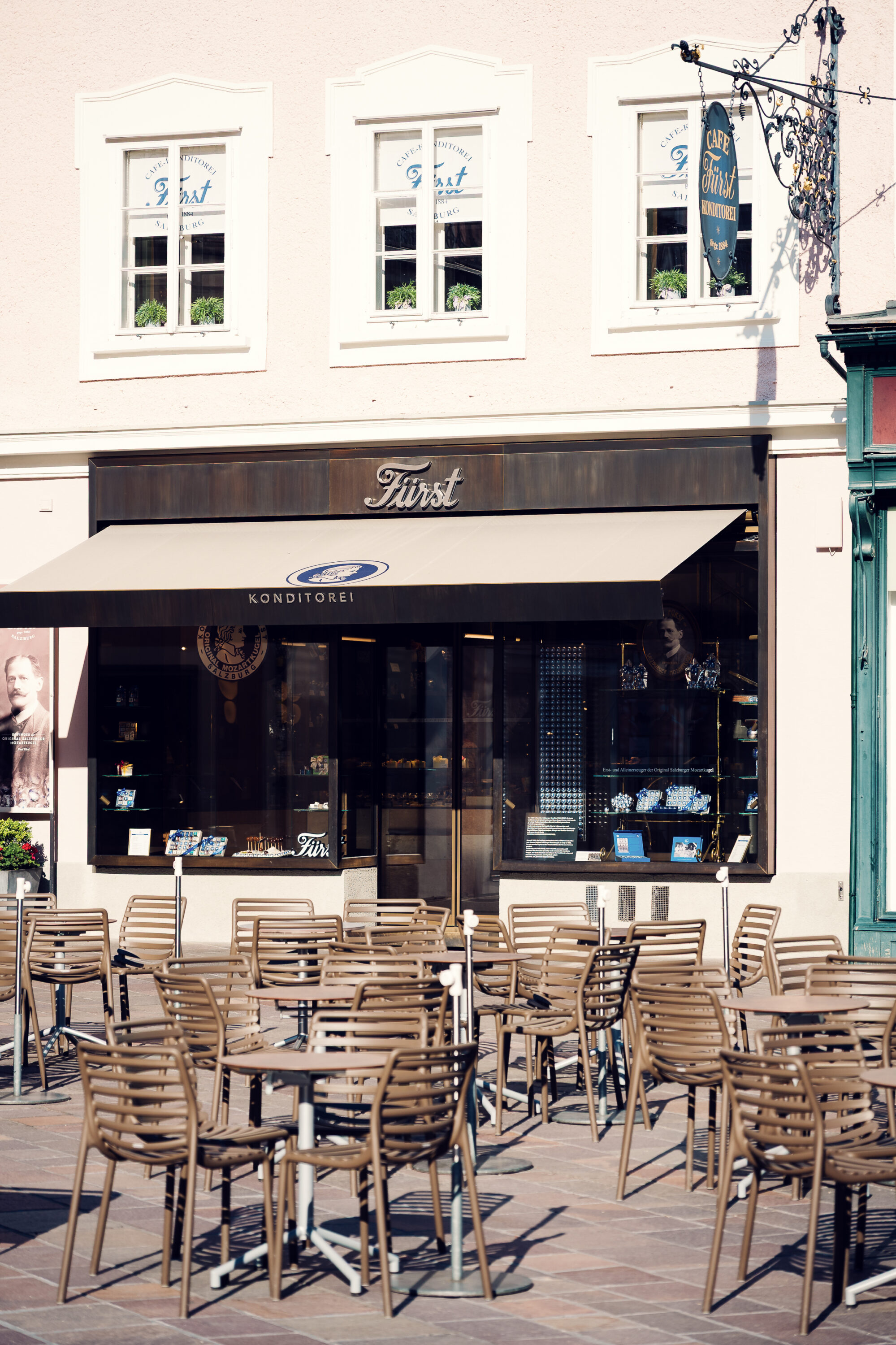
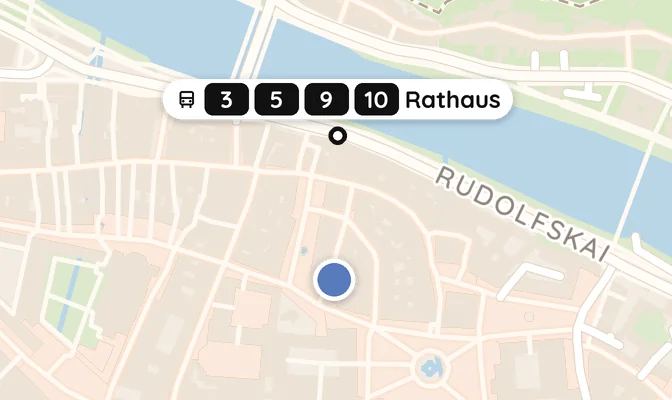
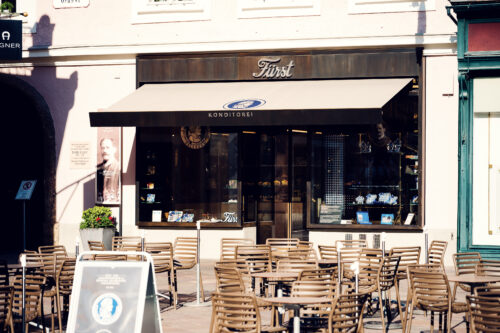
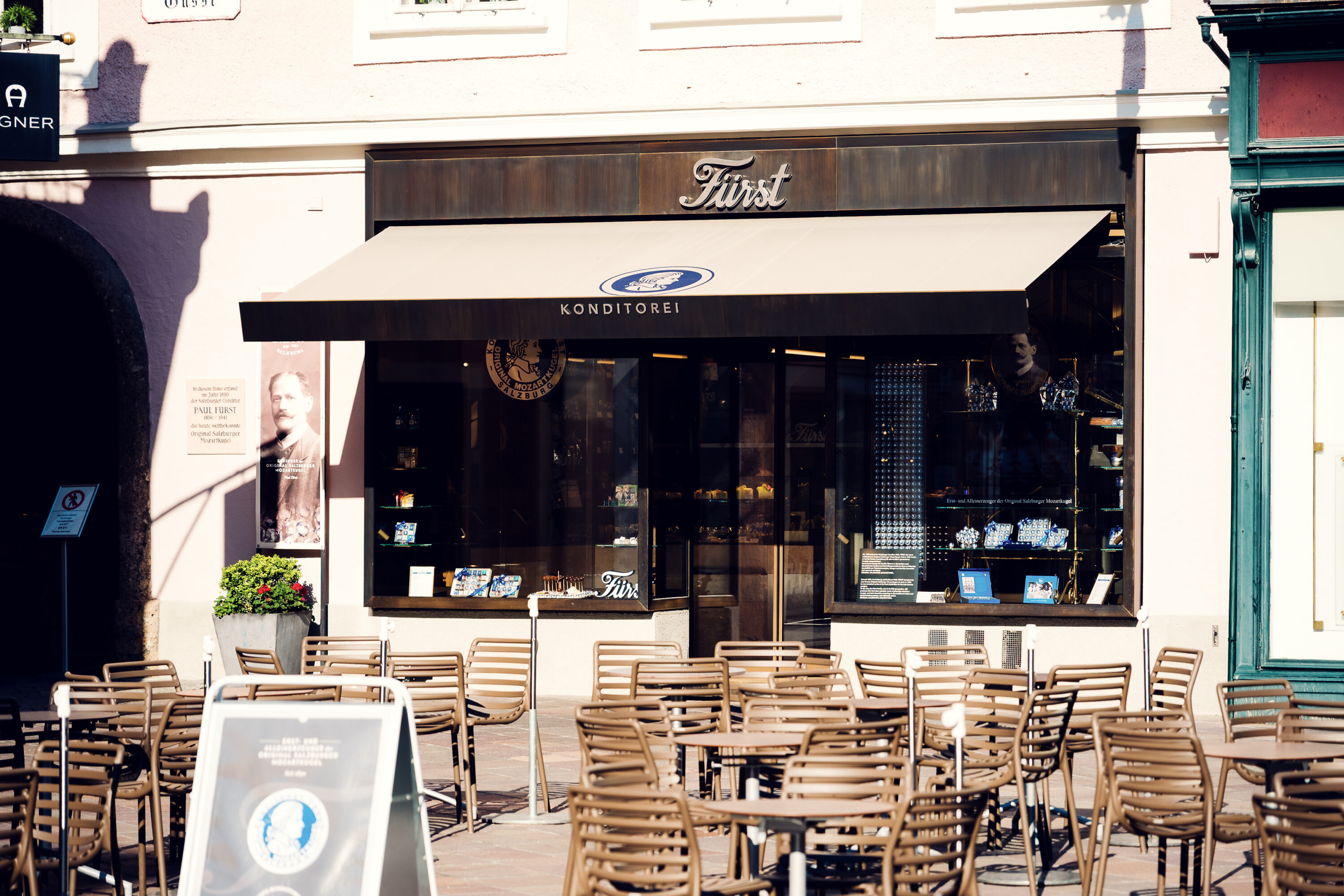
The Fürst story starts with a building, not a person. The house at Brodgasse 13, right on Salzburg's Alter Markt, had been linked to baking since the late medieval period - first documented as a court bakery in 1391. By the 19th century, the building was already associated with Salzburg’s confectionery trade. After completing his apprenticeship and further training in Vienna, Budapest, Paris, and Nice, Paul Fürst returned to Salzburg and opened his own patisserie at Brodgasse 13 in 1884. The shop found its audience quickly, drawing Salzburg's well-to-do crowd.
The Mozartkugel takes shape
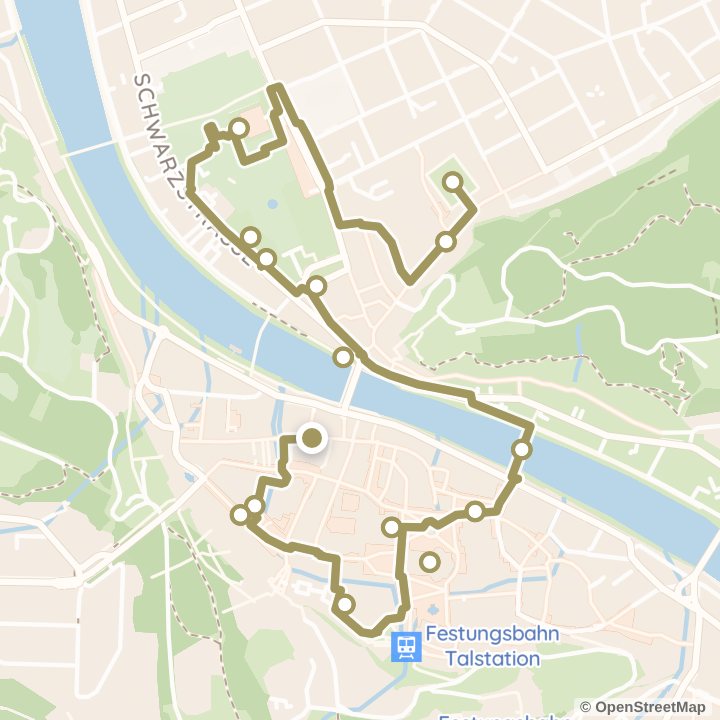
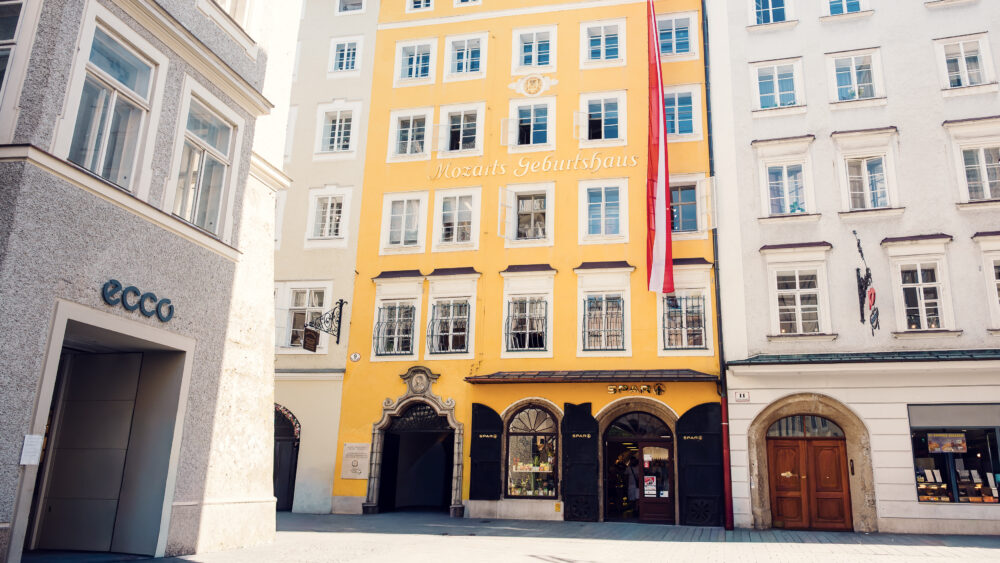
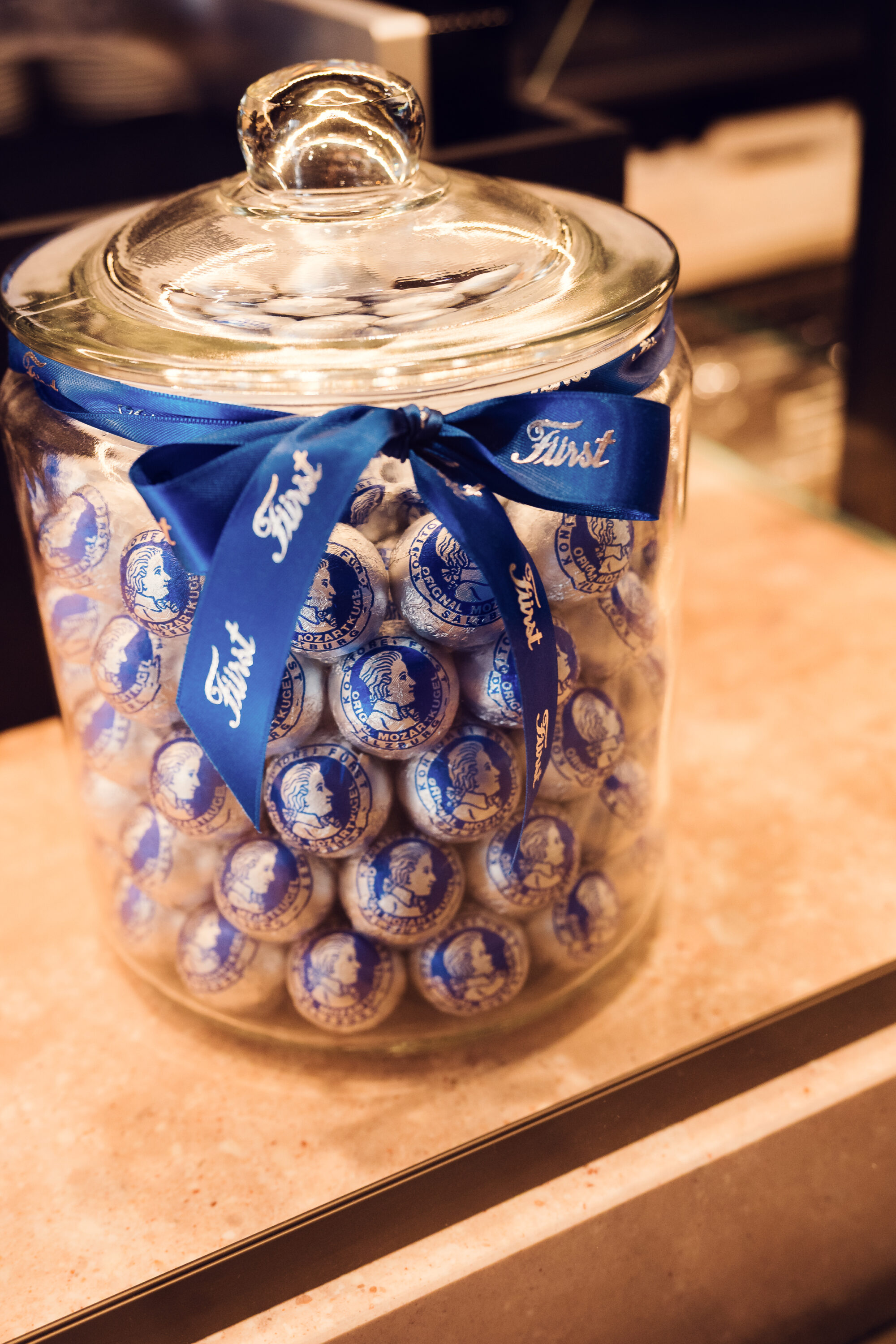
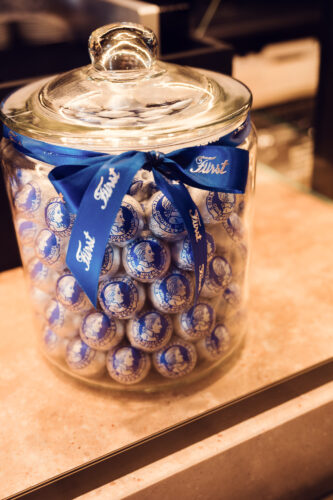
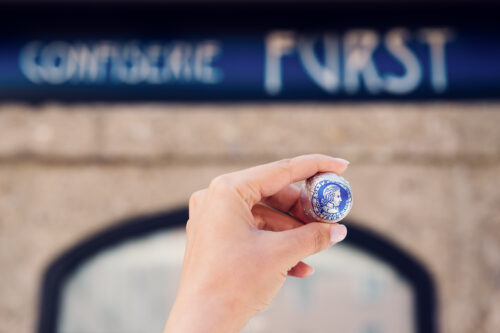
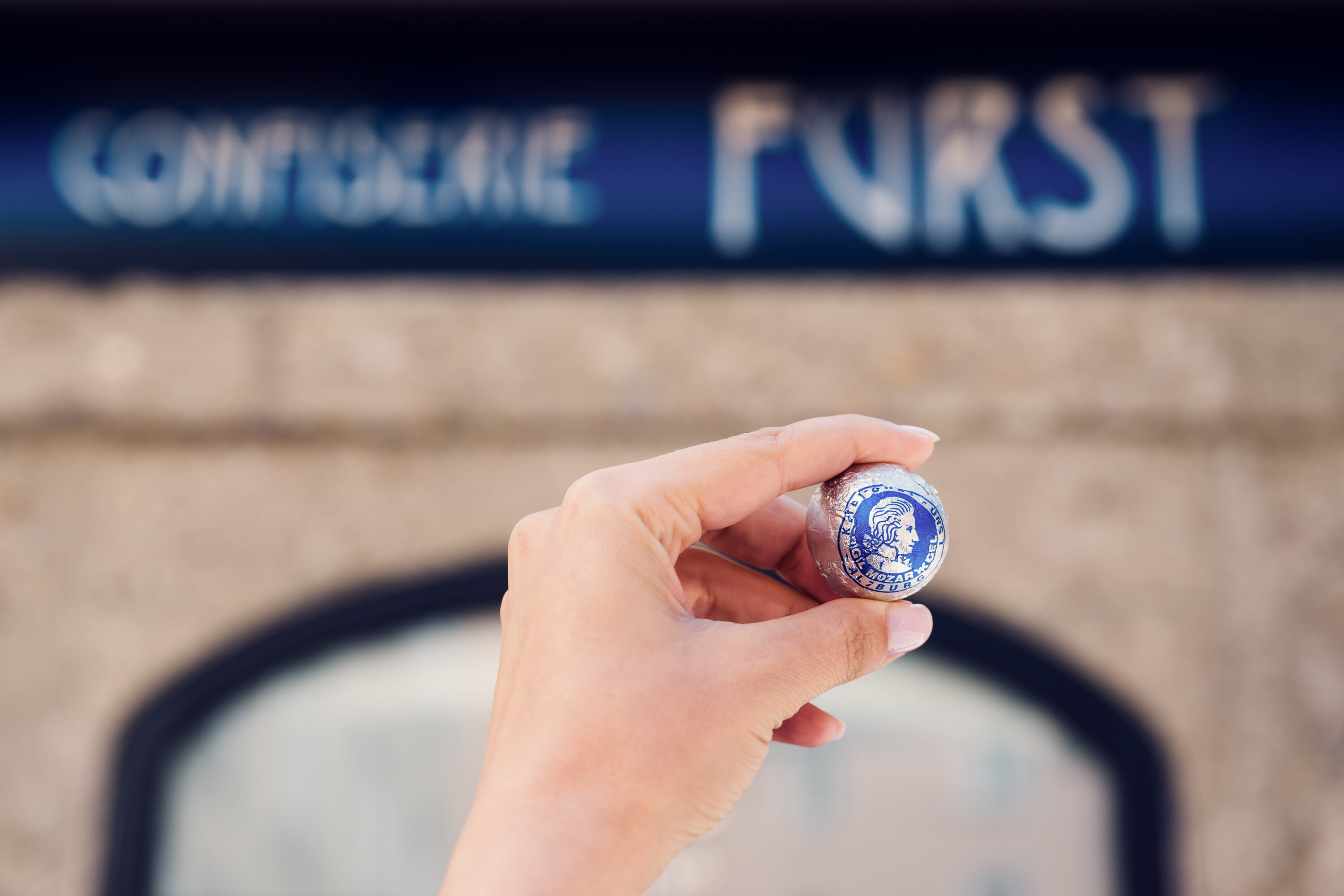
According to Café Konditorei Fürst’s own history, Paul Fürst developed the praline around 1890, around the centenary of Mozart’s death, as a tribute to Salzburg’s most famous composer. The recipe was simple in concept but technically demanding: a core of pistachio marzipan, wrapped in a layer of fine nougat, then dipped in dark chocolate. What made it unusual was the shape. To get a perfectly round praline, Fürst placed each one on a small wooden stick before dipping, then sealed the tiny hole with a dot of chocolate after removing the stick. He initially called them "Mozart-Bonbons," and it took a few years before the name "Mozartkugel" stuck. Today you can learn more about Mozart's life in Salzburg at Mozart's Birthplace on Getreidegasse and the Mozart Residence across the river.
The innovation gained international recognition in 1905, when Fürst received a Diplôme d'Honneur and medal at a Paris exhibition for both the recipe and the manufacturing technique. Orders surged - but Fürst had never patented his creation, and competitors in Salzburg and across Austria-Hungary were already producing their own versions.
Turbulence and return
The business went through rocky decades. The Brodgasse location was leased to other confectioners from the mid-1930s through the early 1960s. In the third generation, Herbert Fürst and his wife Gertrude revived the tradition of the original Alter Markt shop after the Brodgasse premises had been leased to other confectioners from 1934 to 1961. Under their care, Café Konditorei Fürst became a popular meeting point for Salzburg society again - known beyond the city for its cakes, confections, and of course the Mozartkugel.
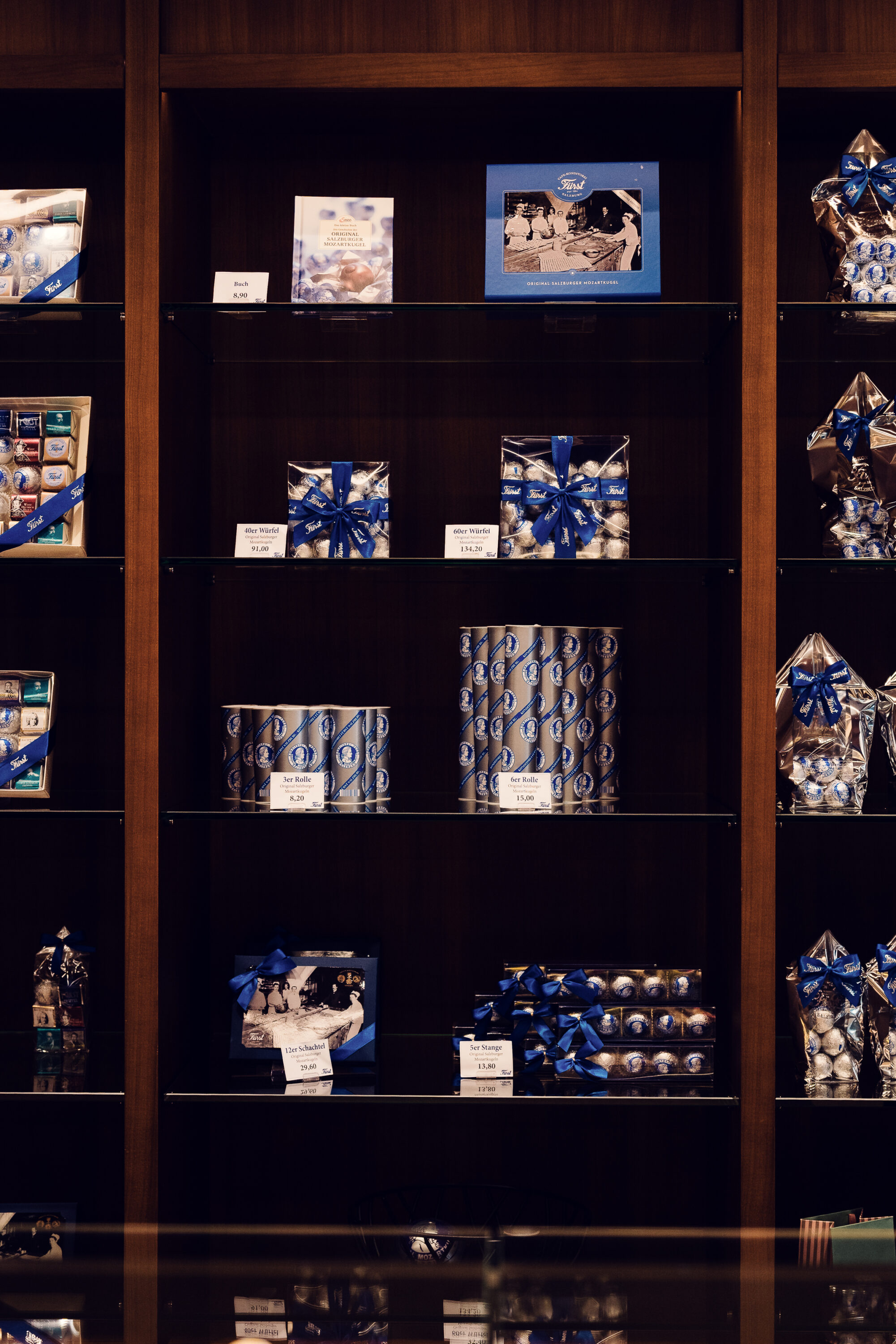
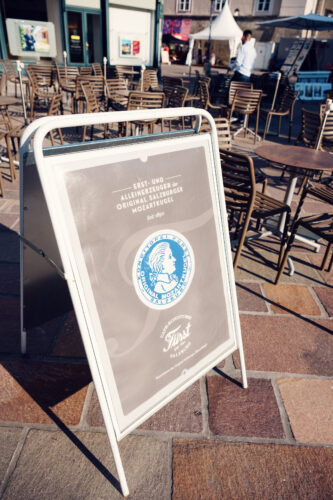
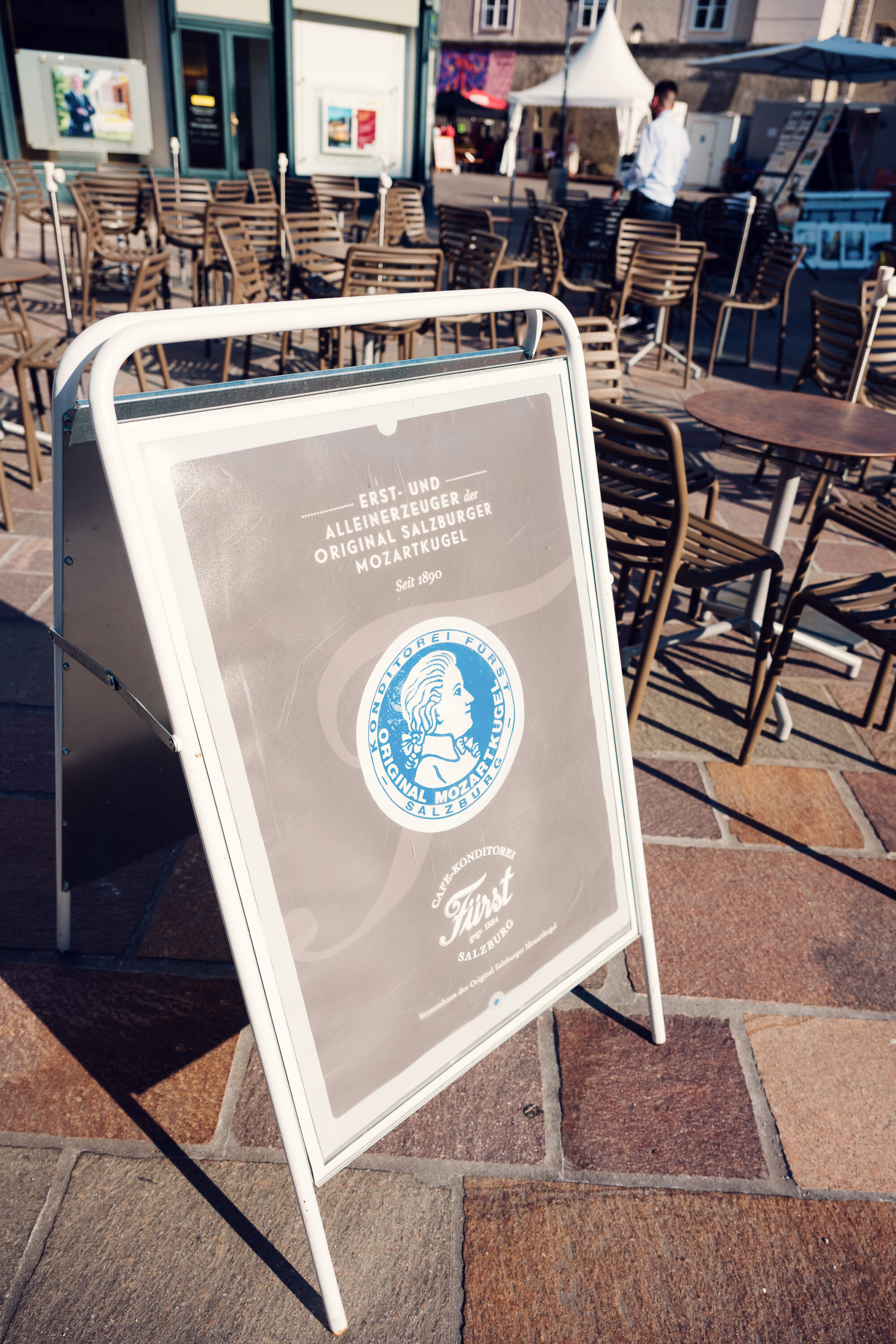
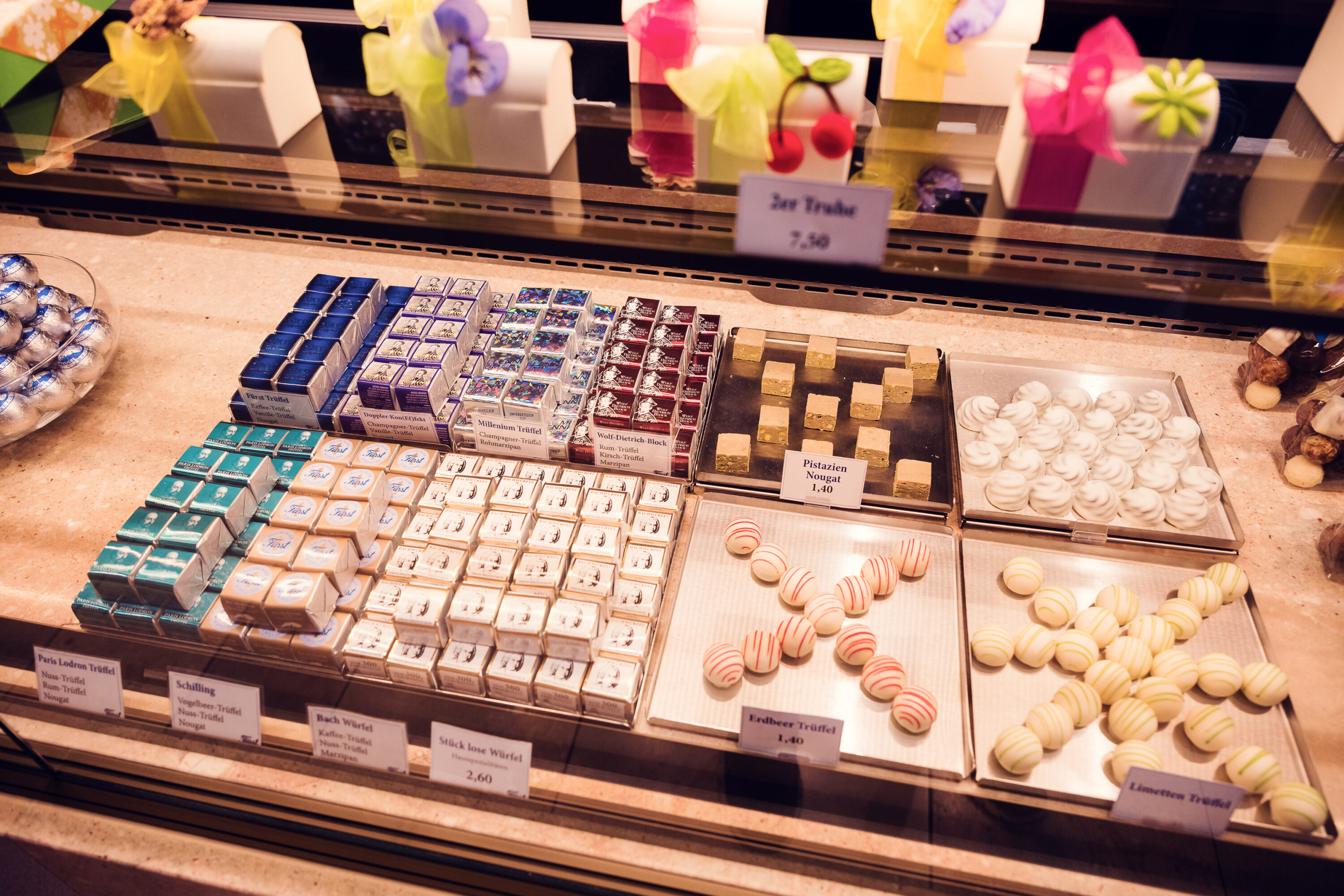
Norbert Fürst, the fourth generation, expanded the product line from the 1980s onward, adding the Bachwürfel, Wolf-Dietrich-Block, and several other house specialties, many of which have won their own gold medals. The Austrian Supreme Court confirmed the family's claim to the "Original" designation in both 1996 and 2017, establishing a clear legal line between Fürst's handmade version and the many industrial imitations on the market.
A new chapter
Martin Fürst, the fifth generation, took over in 2015. The biggest recent change came in 2024, when the new manufactory opened in nearby Elsbethen, with a 250 m² production area staffed by 21 pastry chefs, six of them master confectioners. The traditional stick method remains central, but production is now supported by modern special machines; each piece is skewered, dipped in dark chocolate, and finished with the characteristic chocolate seal.
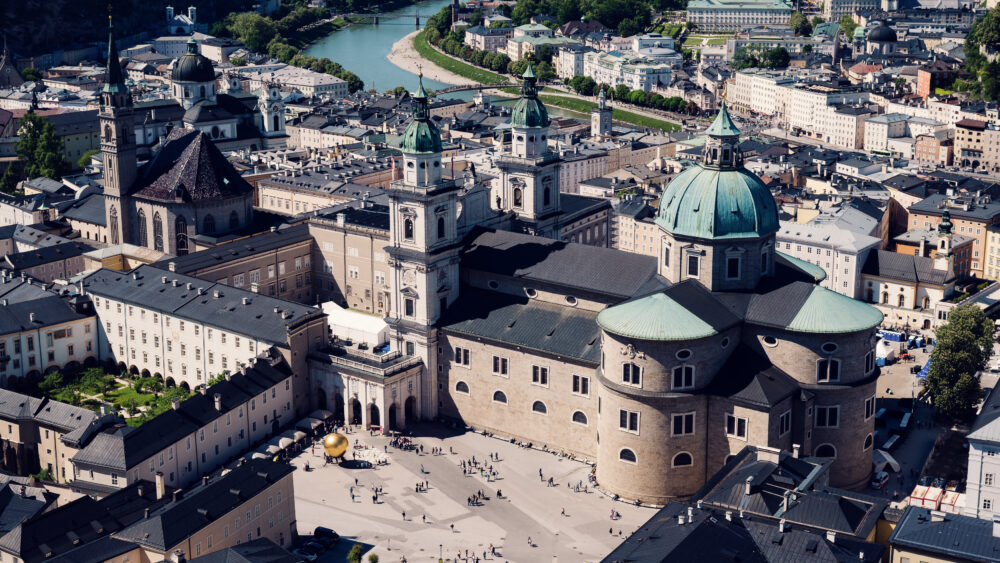
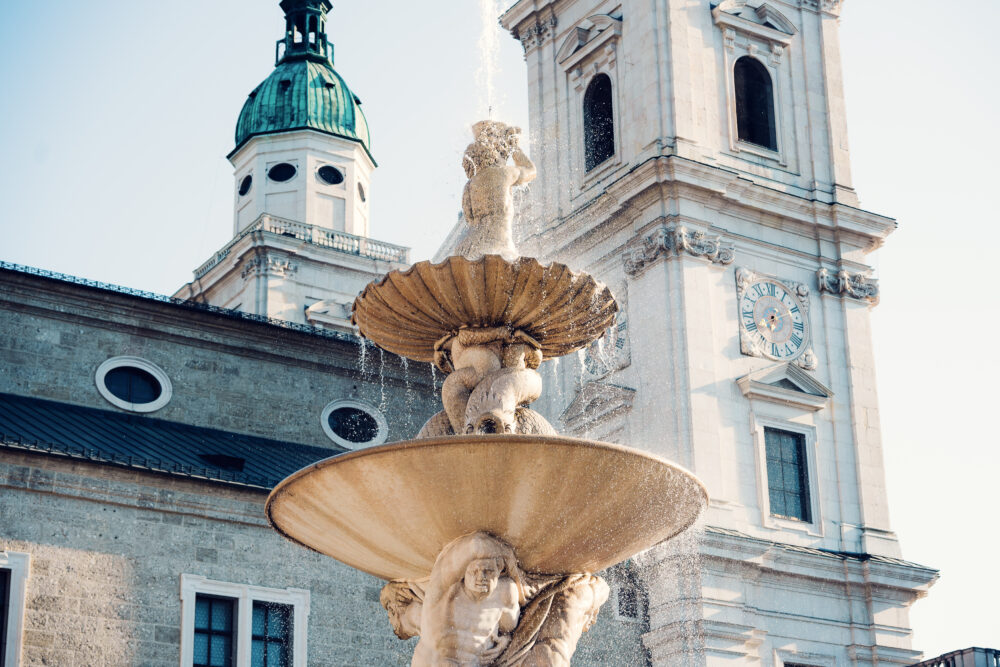
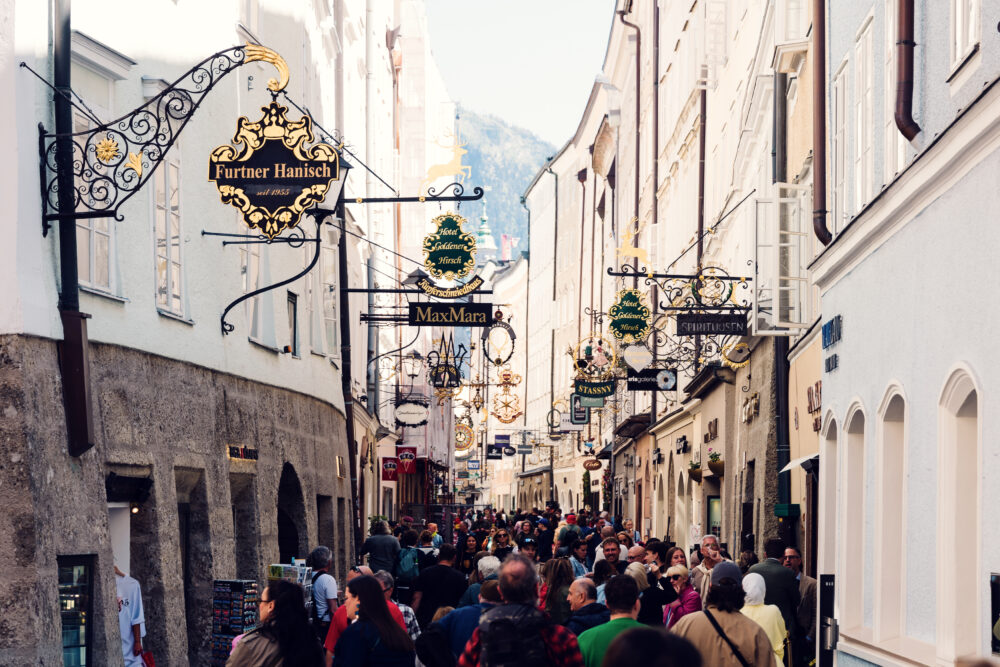
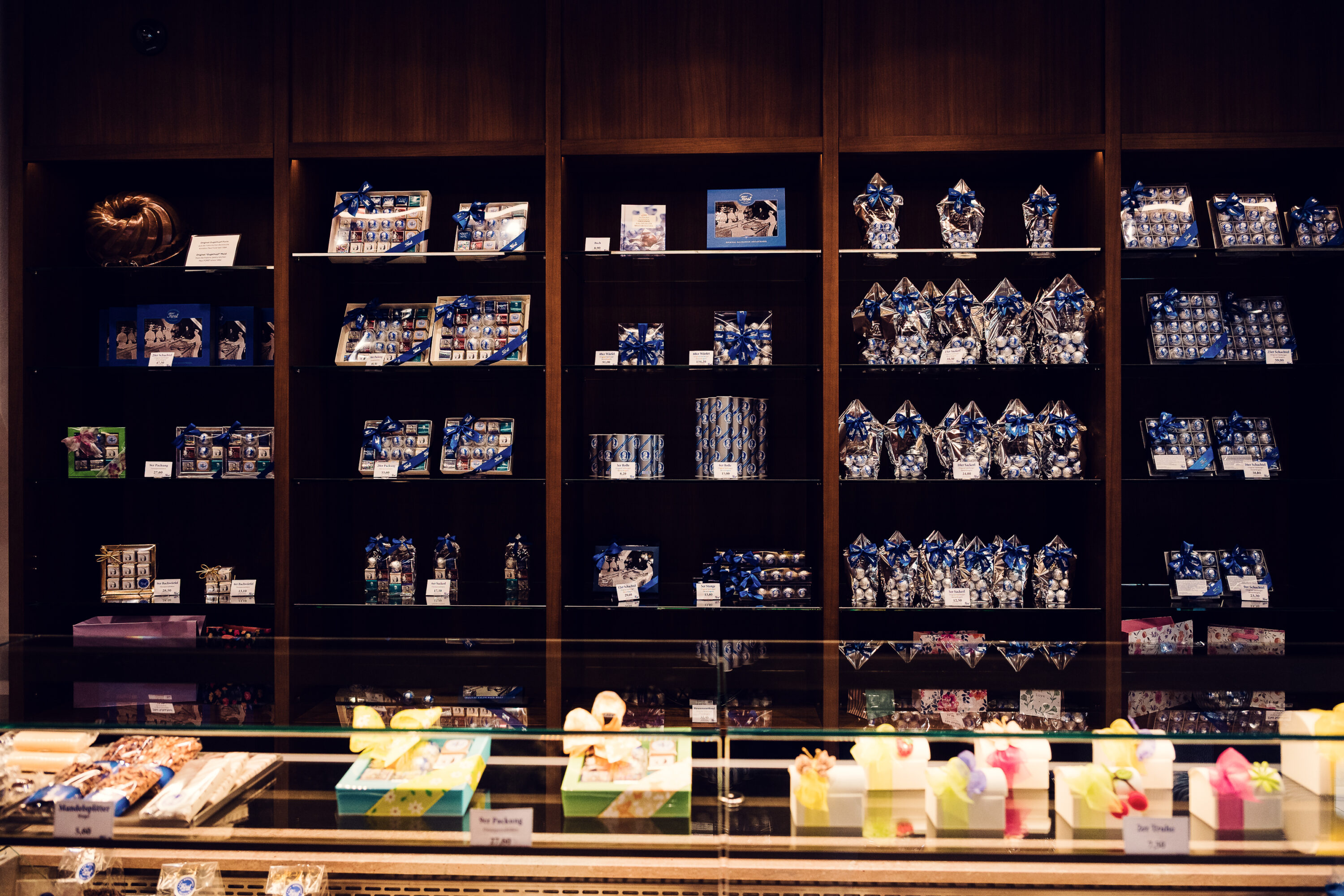
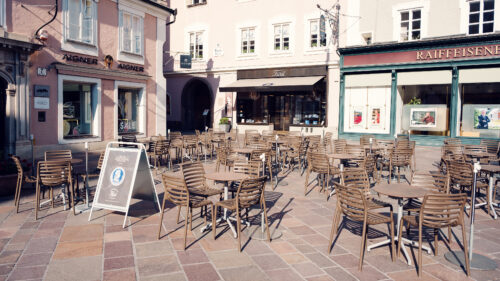
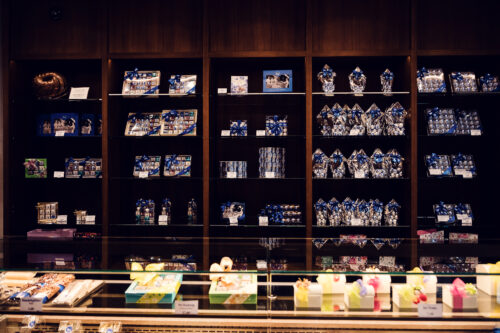
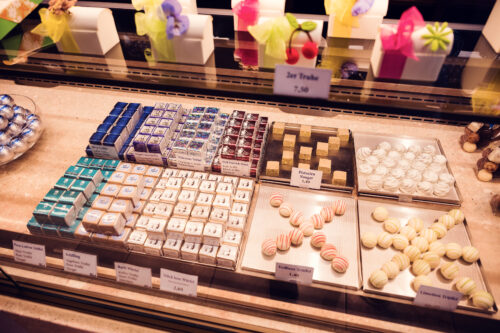
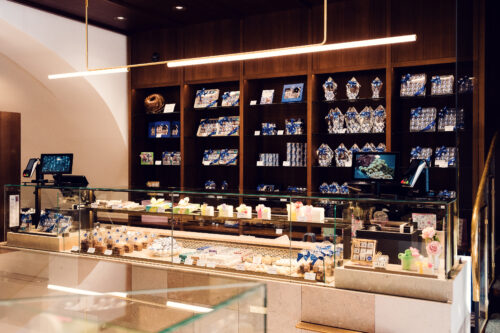
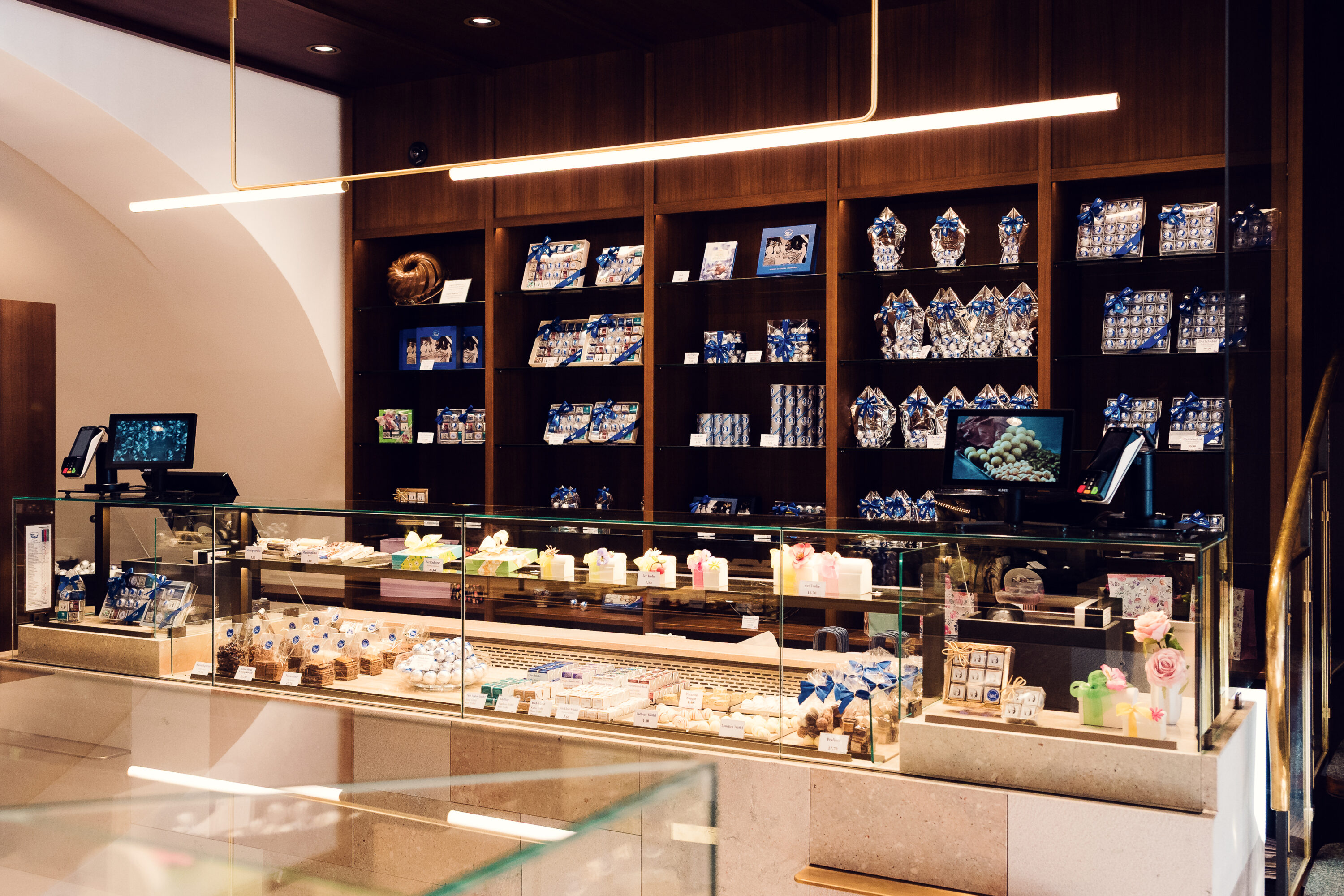
Today, Café Konditorei Fürst sells its pralines and confections at six locations - including a Getreidegasse shop and the newest addition at Residenzplatz (opened 2025), as well as through the Fürst online shop. The Brodgasse café remains the historic heart of the operation, and it’s still the best place to sit down with a coffee, a slice of cake, and a Mozartkugel while watching life on Alter Markt pass by.