


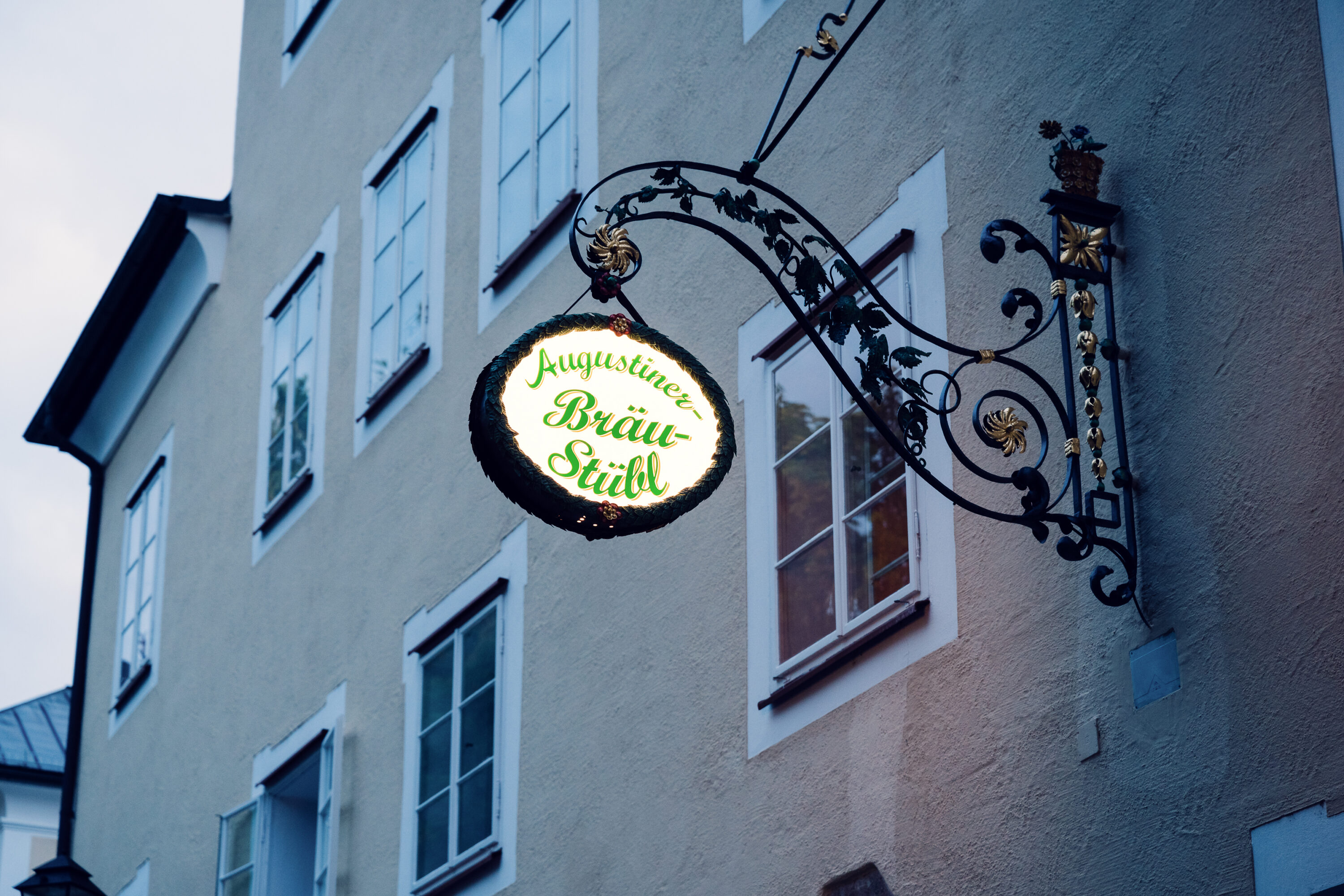


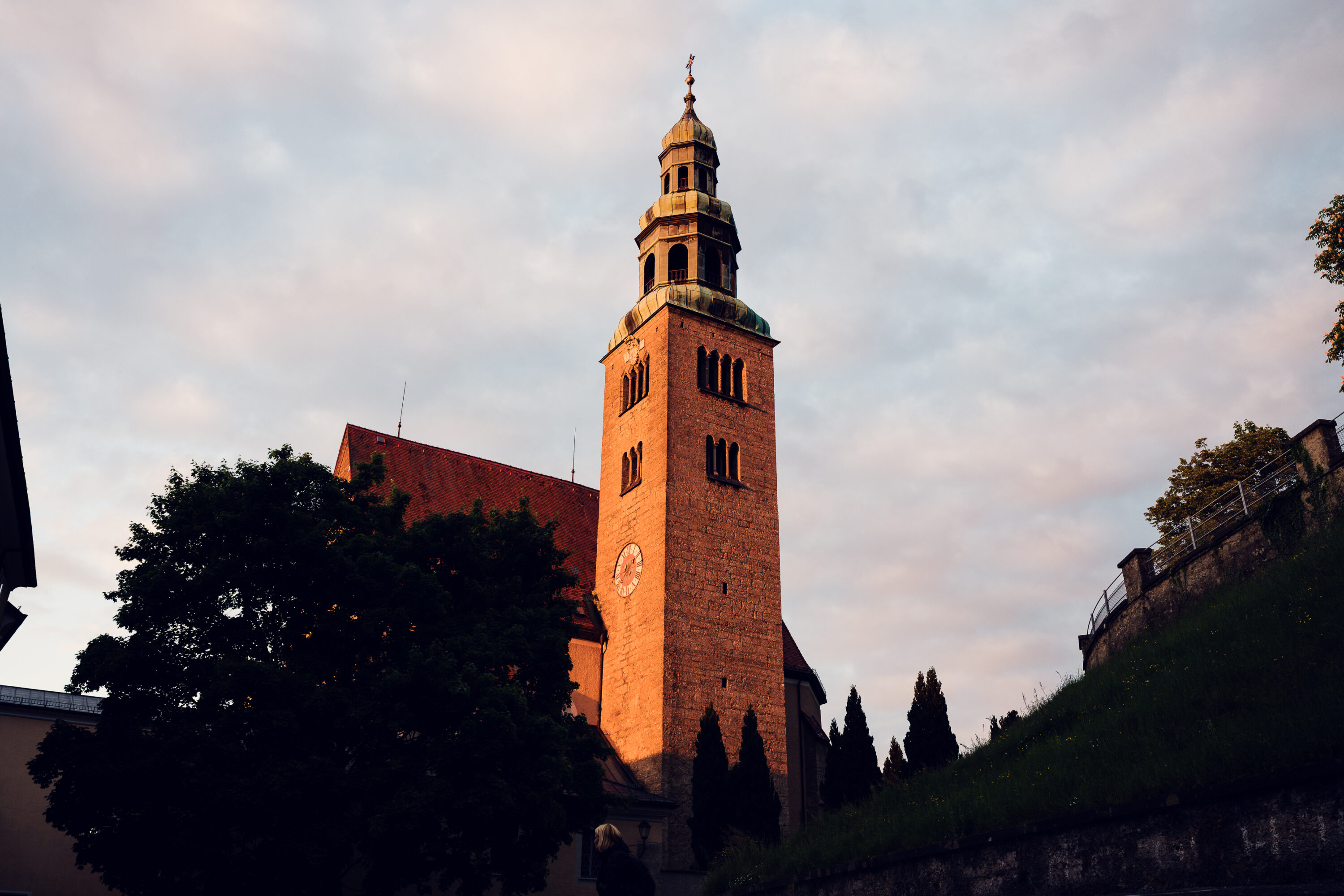
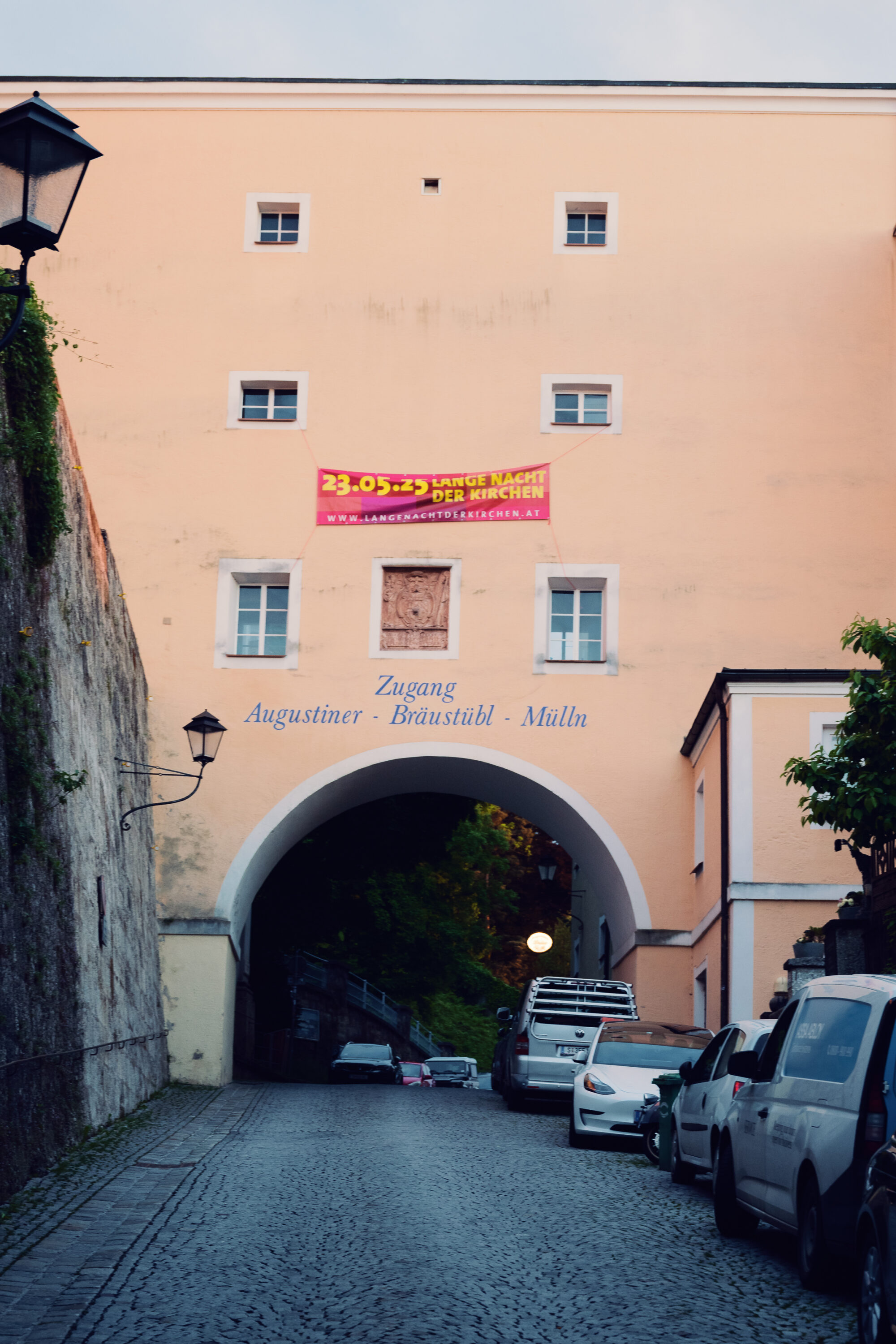

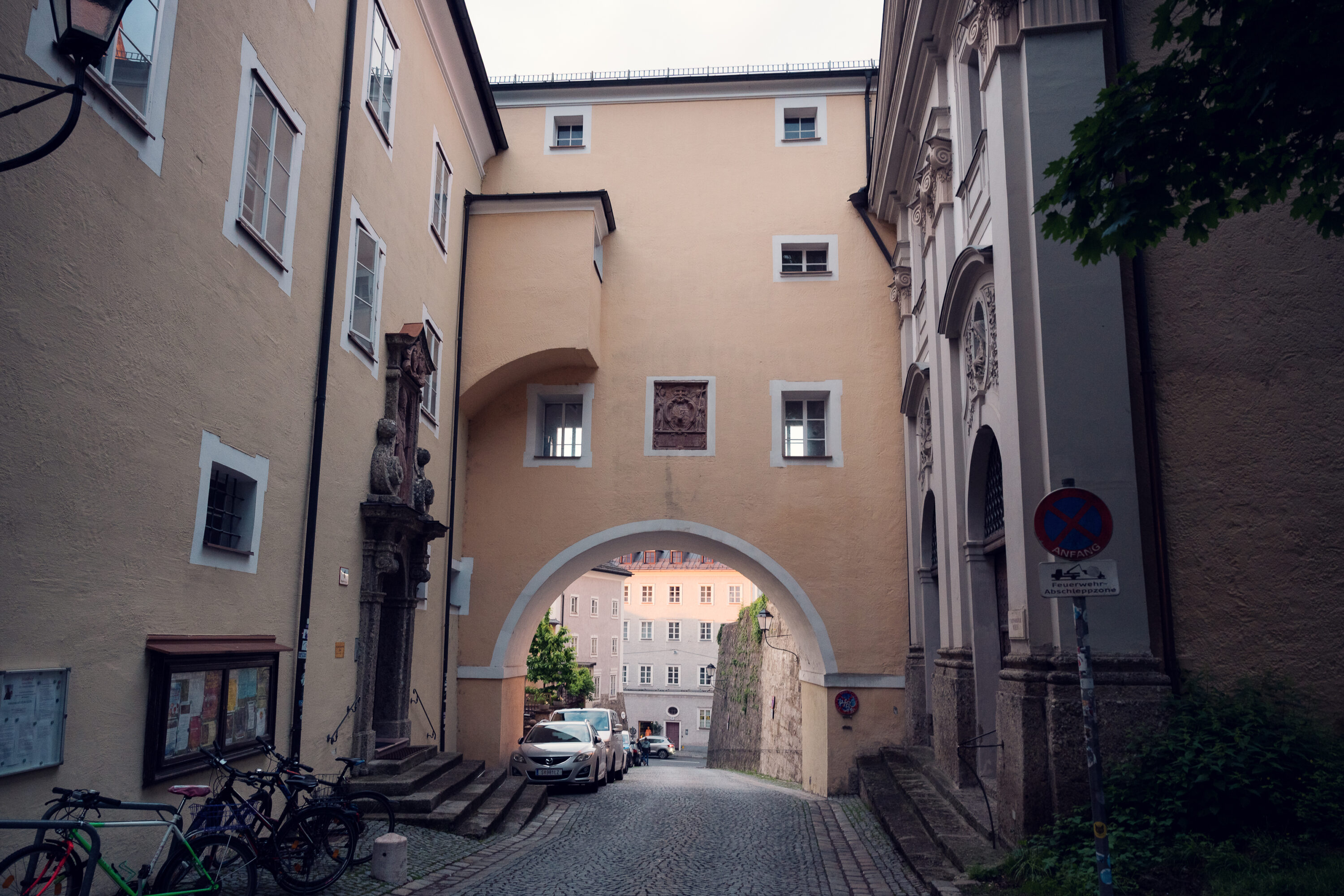
A Monastery Brewery at the Foot of the Mönchsberg - Augustiner Bräu Kloster Mülln
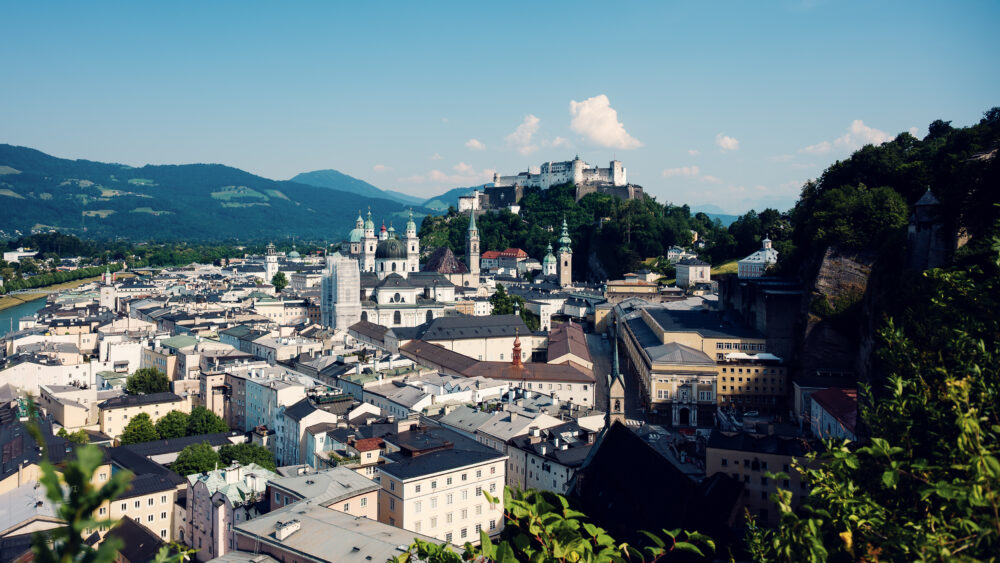
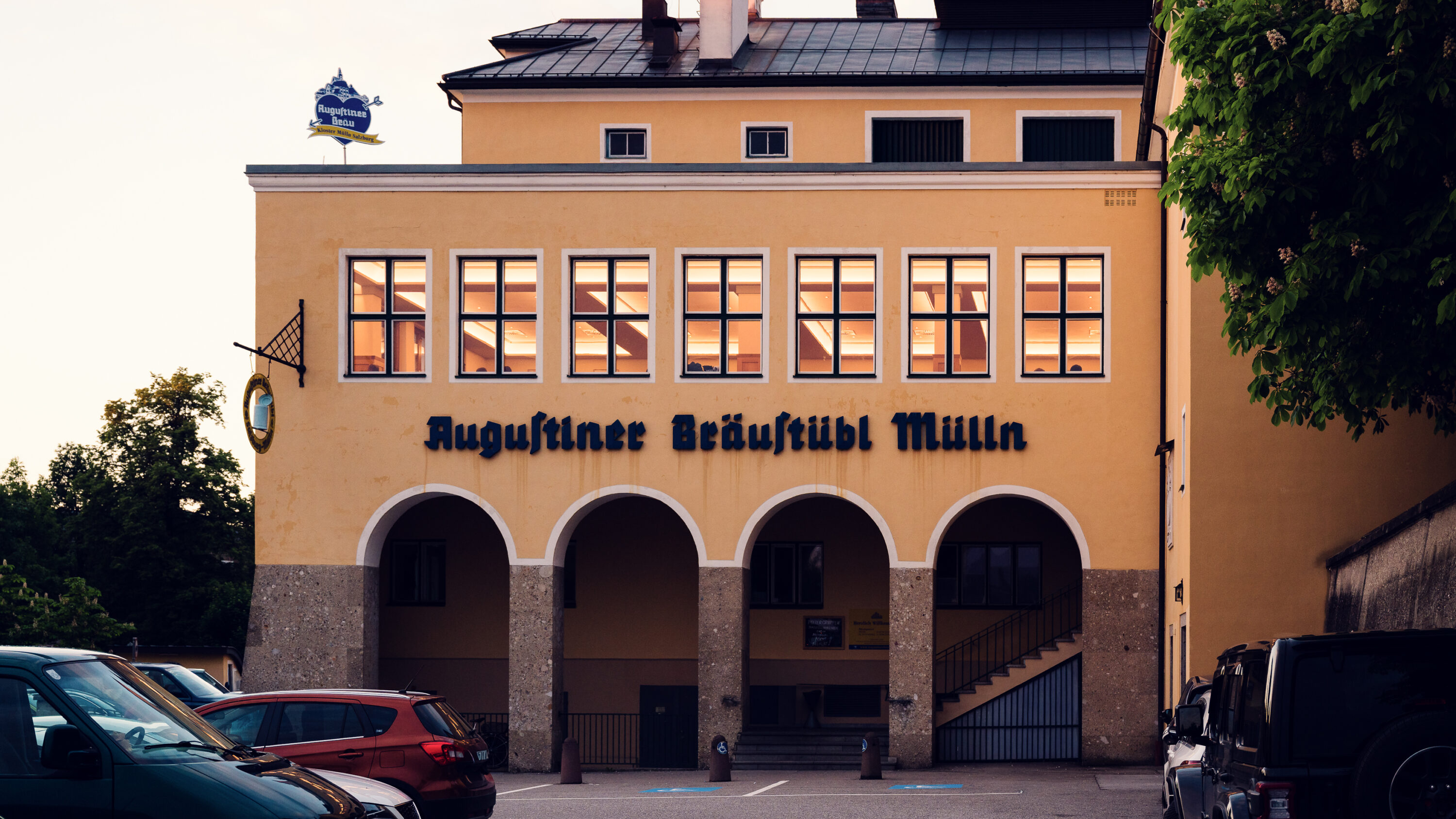
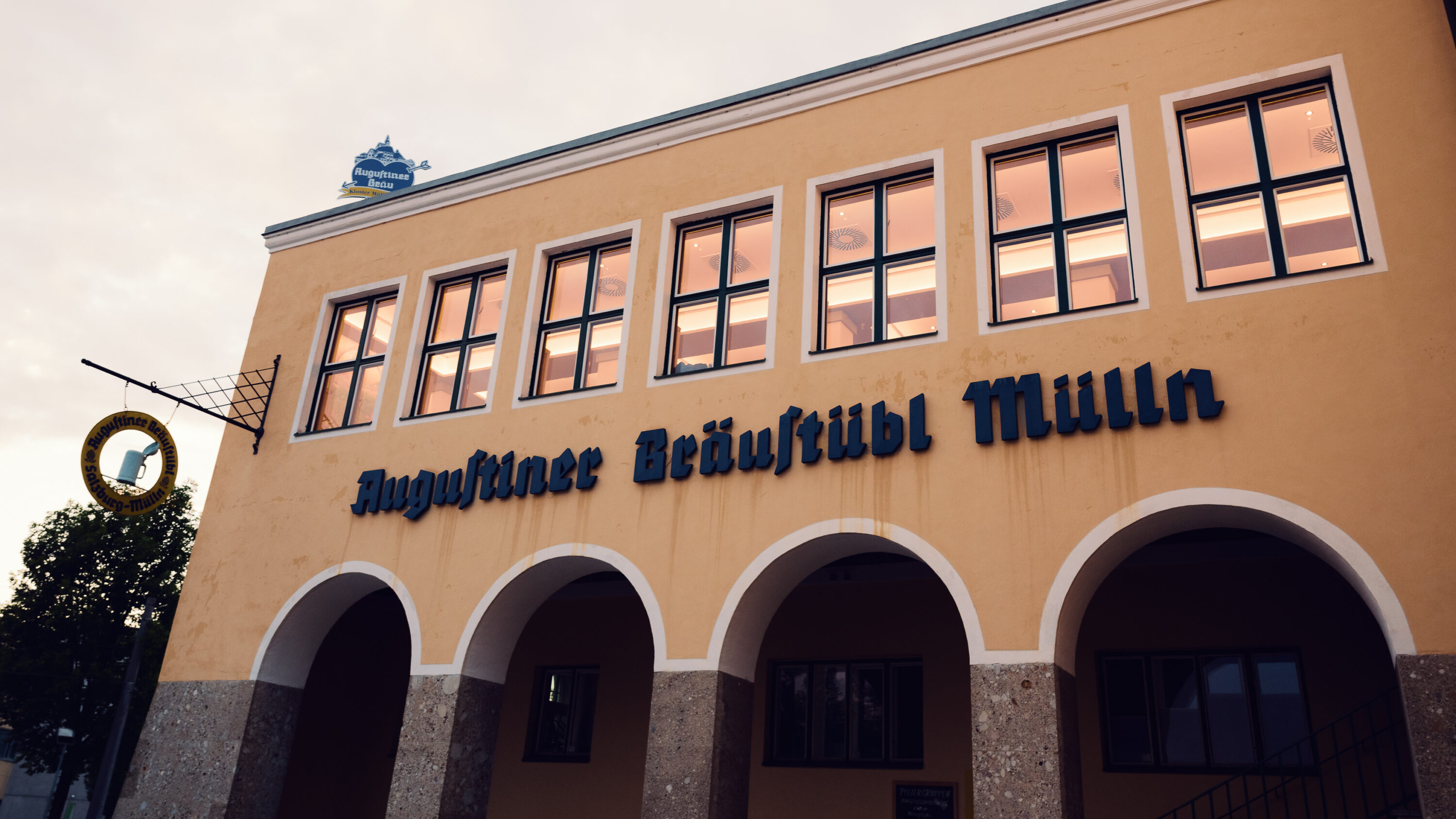
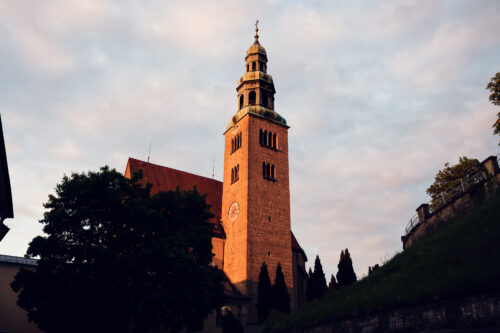
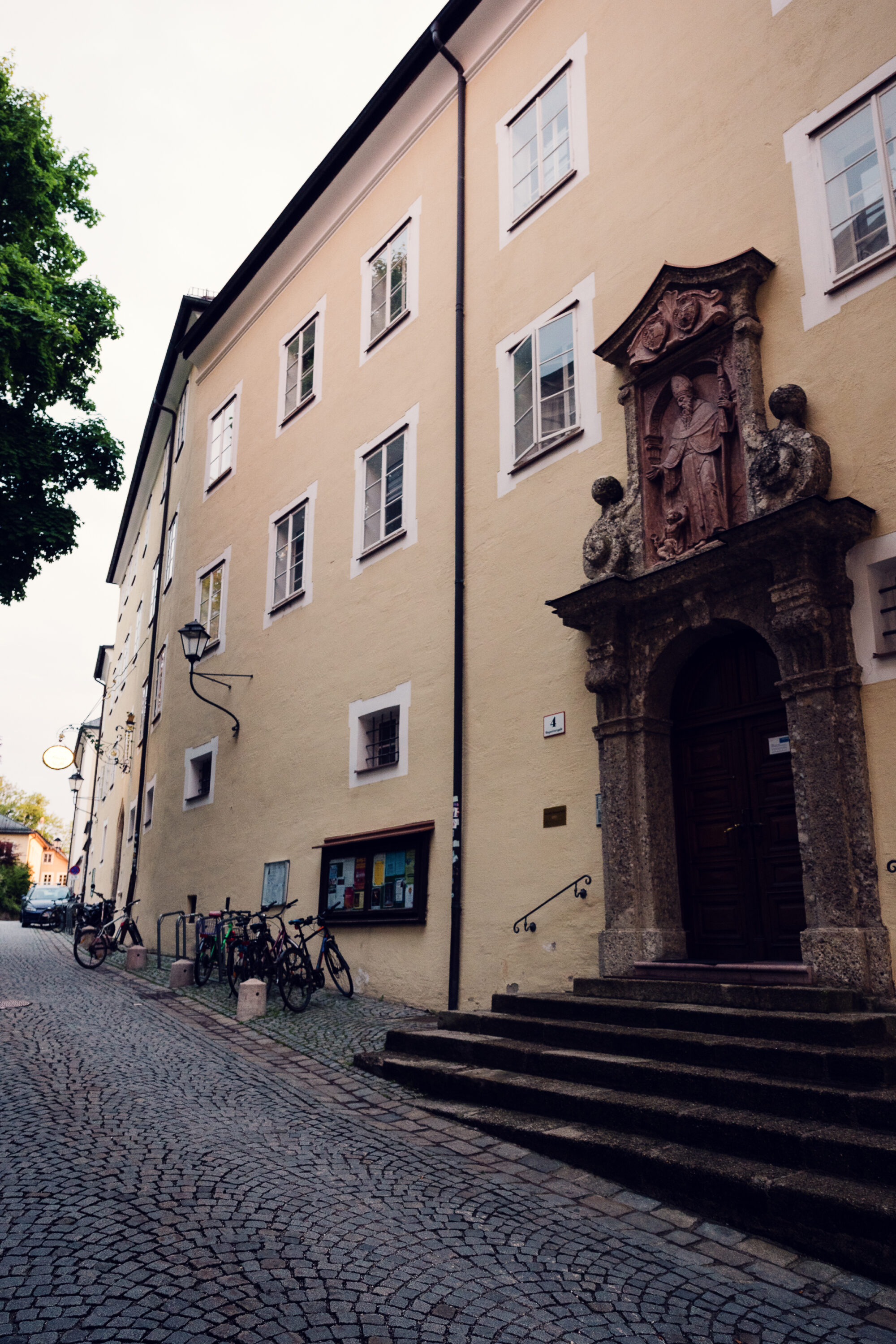
The story of the Augustiner Bräu Kloster Mülln begins not with beer, but with monks. In the early 17th century, Archbishop Wolf Dietrich von Raitenau brought Augustinian Hermits from Bavaria to Salzburg. They built a monastery in the Mülln district, on the northern slopes of the Mönchsberg, and in 1621 received permission to brew and sell beer. The Augustiner Bräu was born.
For nearly two centuries, the monks ran the brewery as part of monastic life, selling beer first at the monastery gate and later in dedicated taverns. The monastery grew to become the second-largest Augustinian monastery in the Bavarian-Austrian region, after its counterpart in Munich. The two share the same monastic roots but have always been entirely separate operations.
When secularization swept through the region, the monastery buildings were repurposed as army barracks. But the brewery survived. In 1835, the Benedictine Abbey of Michaelbeuern took over the former Augustinian monastery and brewery in Mülln, and it has remained involved ever since. Under the Benedictines, the beer garden expanded and the Augustiner Bräu Kloster Mülln began its transformation into the social institution it is today.
From Monks to Märzen - The Beer and the Brewing
The Augustiner Bräu Kloster Mülln brews its Märzen following the Reinheitsgebot (German Purity Law), using only hops, malt, yeast, and water. No preservatives, no shortcuts. What sets this brewery apart is its commitment to traditional methods: the beer wort is cooled in Austria's last remaining open Kühlschiff (cooling vessel), and fermentation takes place in open vats - both practices that have largely disappeared from modern brewing.
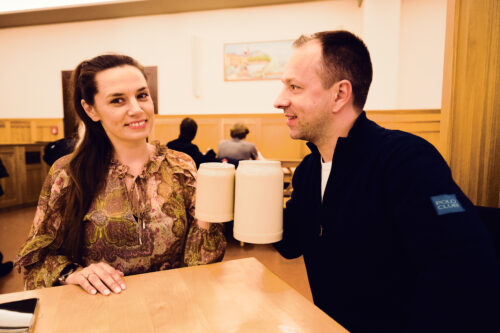
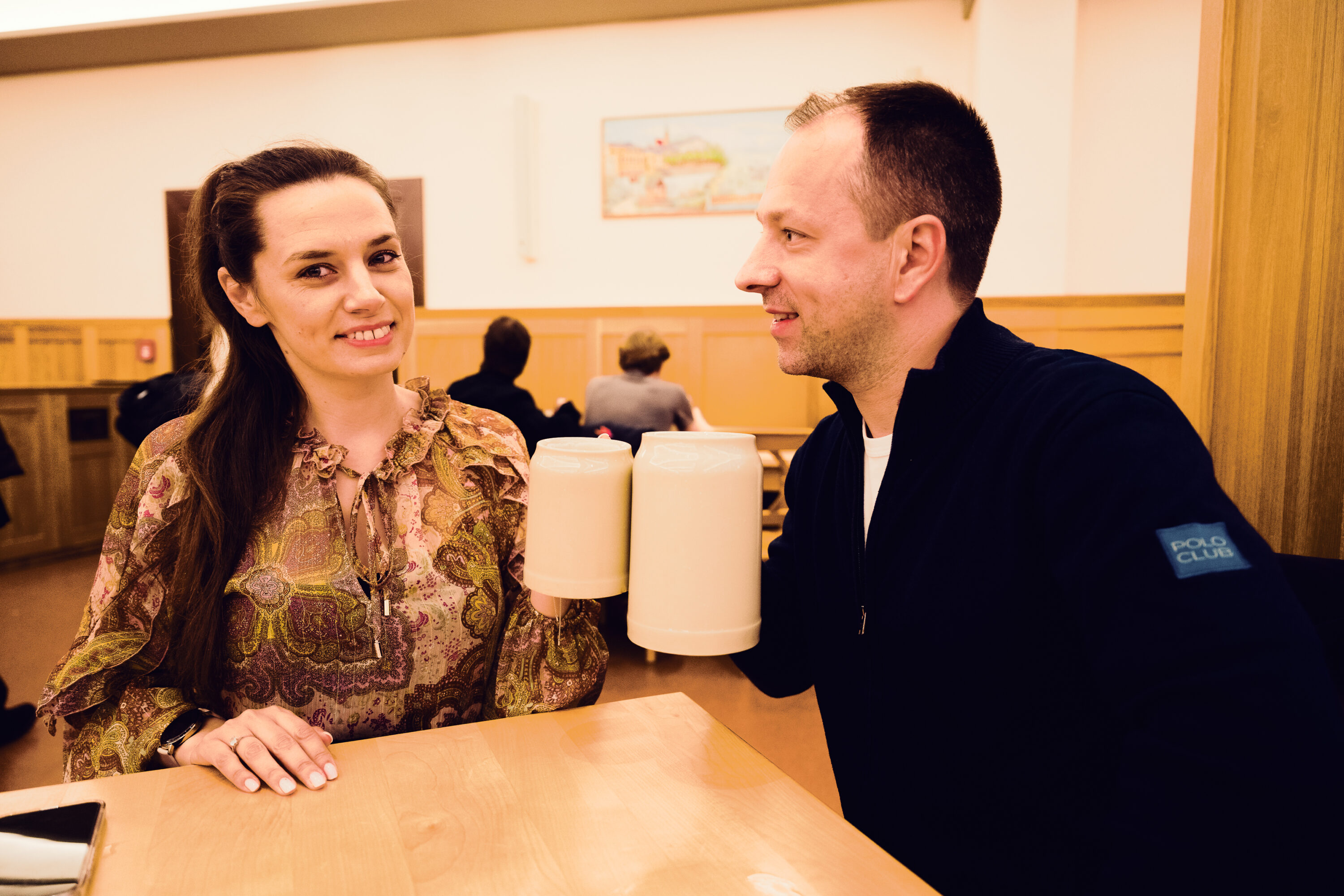
The flagship Märzen is available year-round. It's a classic Austrian lager at 4.6% ABV, lighter and more sessionable than its German cousins. During Lent, the brewery produces a stronger Fastenbier, and around Christmas, a rich Bockbier appears on tap. Beer is still tapped from wooden barrels and served in stone mugs, preserving a long-standing tradition. For details on seasonal availability and brewery tours, check the official website.
The brewhouse was rebuilt in the early 20th century and still exists in its original form, though the technology was modernized in 2012. The recipes and core process remain traditional. Annual output sits at over 15,000 hectoliters.
Five Halls, One Garden, and Centuries of Conversation
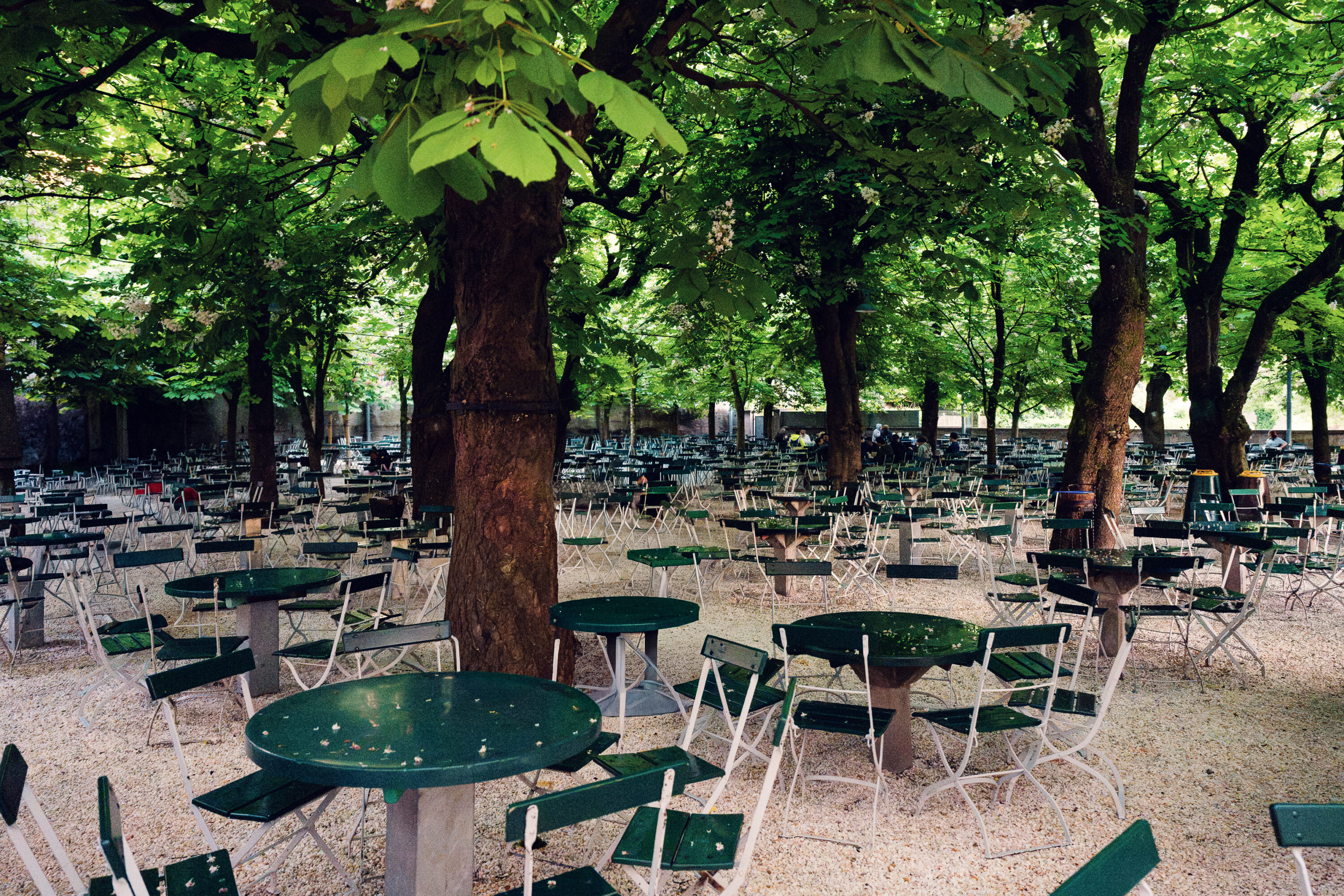
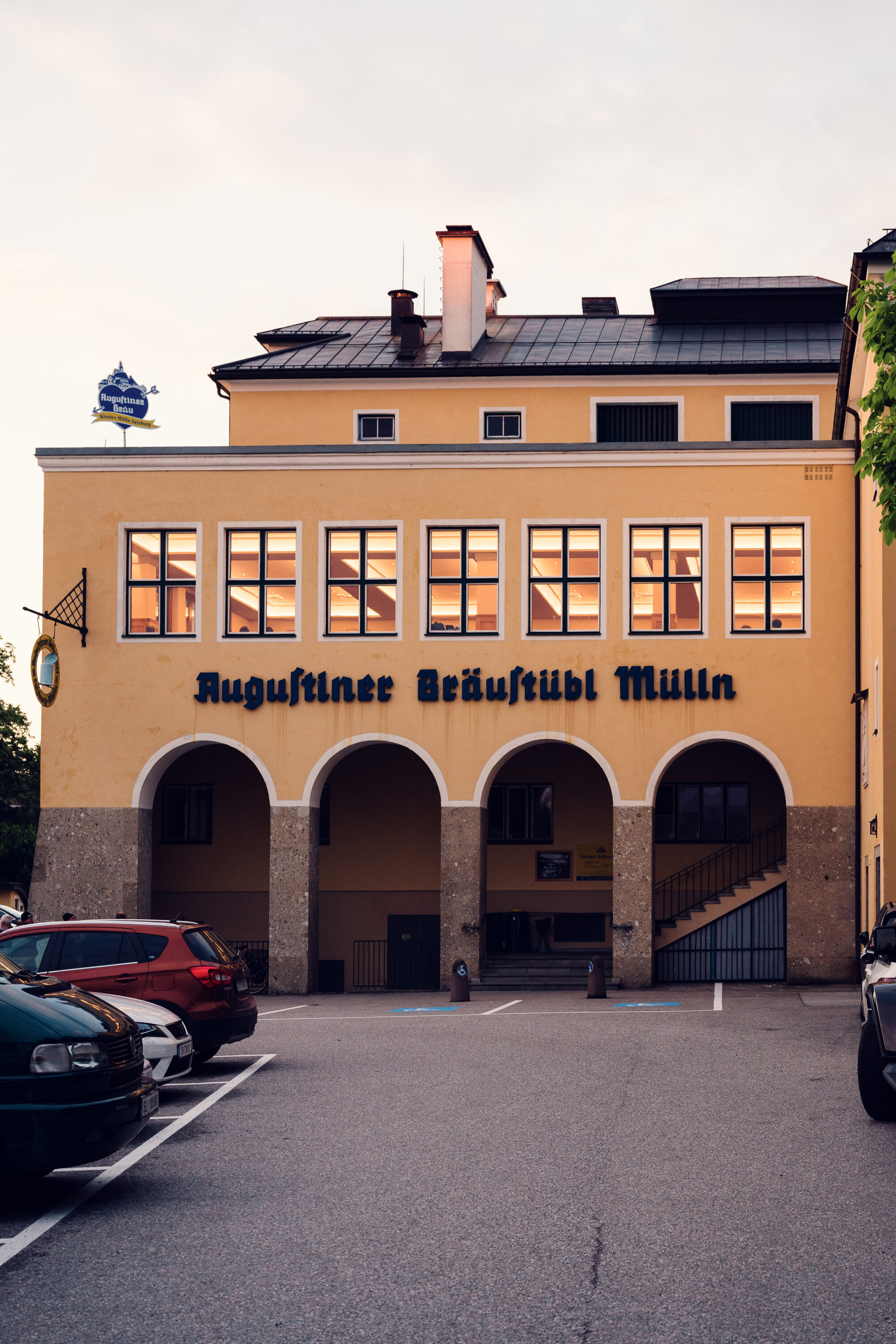
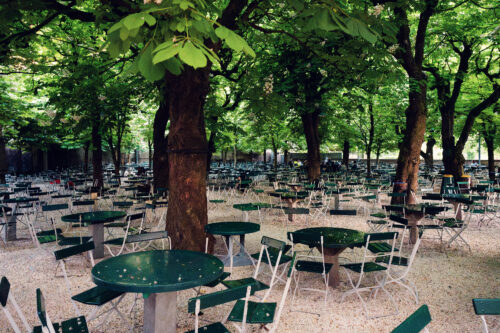
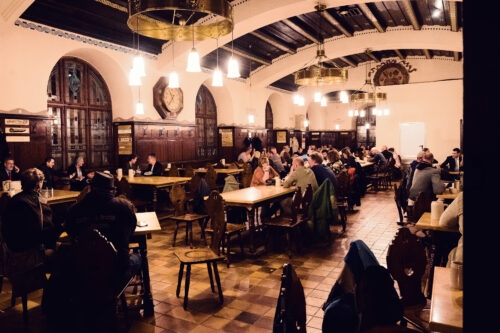
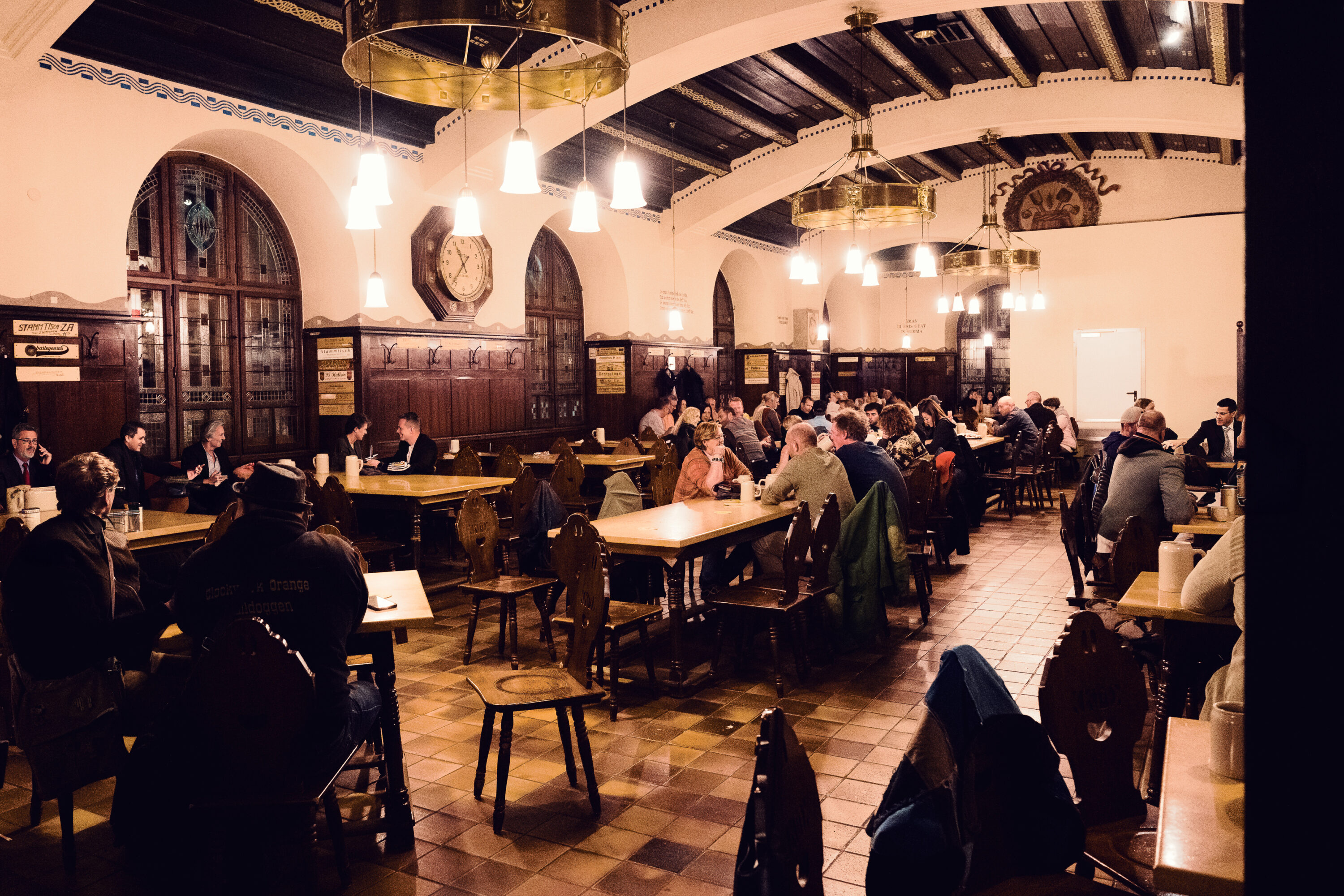
The Augustiner Bräu Kloster Mülln covers approximately 5,000 square meters of indoor space, making it the largest beer hall in Austria. Five main halls and several smaller rooms provide extensive seating indoors, with another 1,400 seats in the chestnut-shaded beer garden.
Each hall has its own personality. The Stockhammersaal, the largest with 242 seats, has walls covered in traditional inscriptions and drinking proverbs. The Abt-Nicolaus-Saal, the newest addition, is a remarkable piece of architectural recycling: it's actually the historic marble hall from Salzburg's main railway station, carefully dismantled and rebuilt within the Bräustübl complex.
At the Augustiner Bräu Kloster Mülln, there’s no classic waiter service: guests collect their beer and pick up food from the Schmankerlgang. The Schmankerlgang - a corridor of independent food vendors - offers an alternative for those who prefer to pick up something on the spot, from Kaspressknödel to Leberkäse to roast chicken.
Today, the Augustiner Bräu Kloster Mülln draws around 600,000 visitors annually and maintains over 240 Stammtische - permanently reserved tables for regular guests. The Benedictine Abbey of Michaelbeuern still holds a 50% stake in the brewery, and a Benedictine abbot serves as managing director. It's a place where ownership, tradition, and daily life haven't drifted apart.
The brewery is not to be confused with Augustiner-Bräu Munich, which shares Augustinian roots but followed its own path after secularization, has been privately owned since 1829, and is today majority-owned by the Edith Haberland Wagner Foundation.