
From Medieval Jewish Quarter to a Stylish Shopping Lane: Judengasse
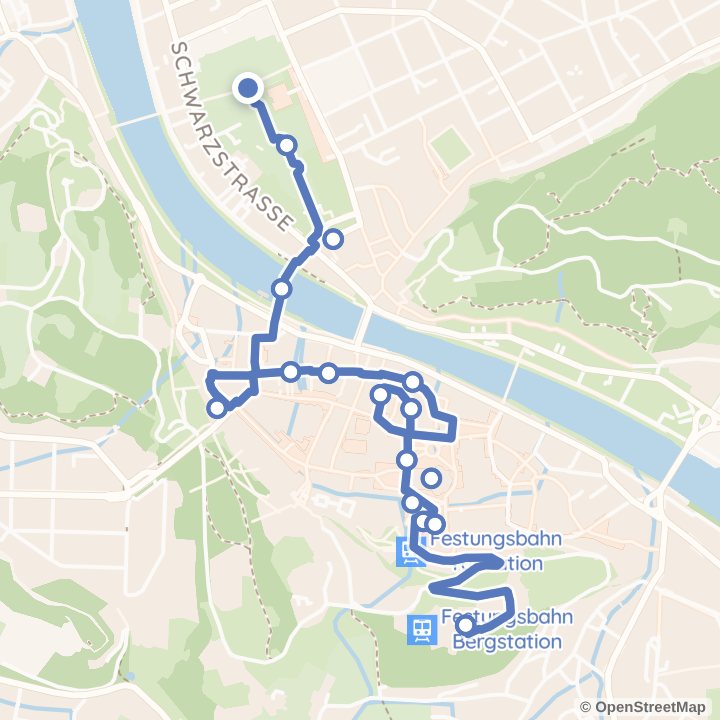
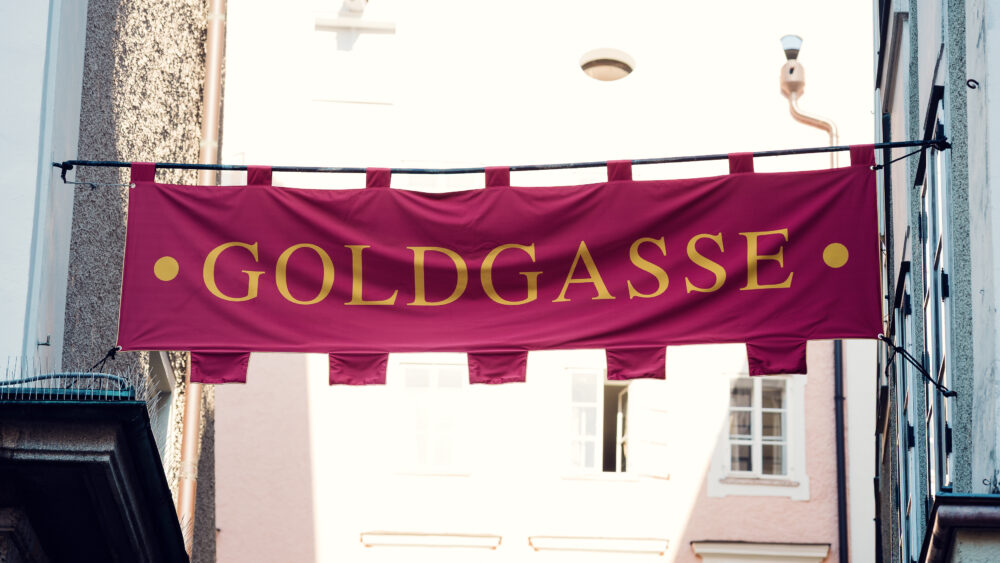
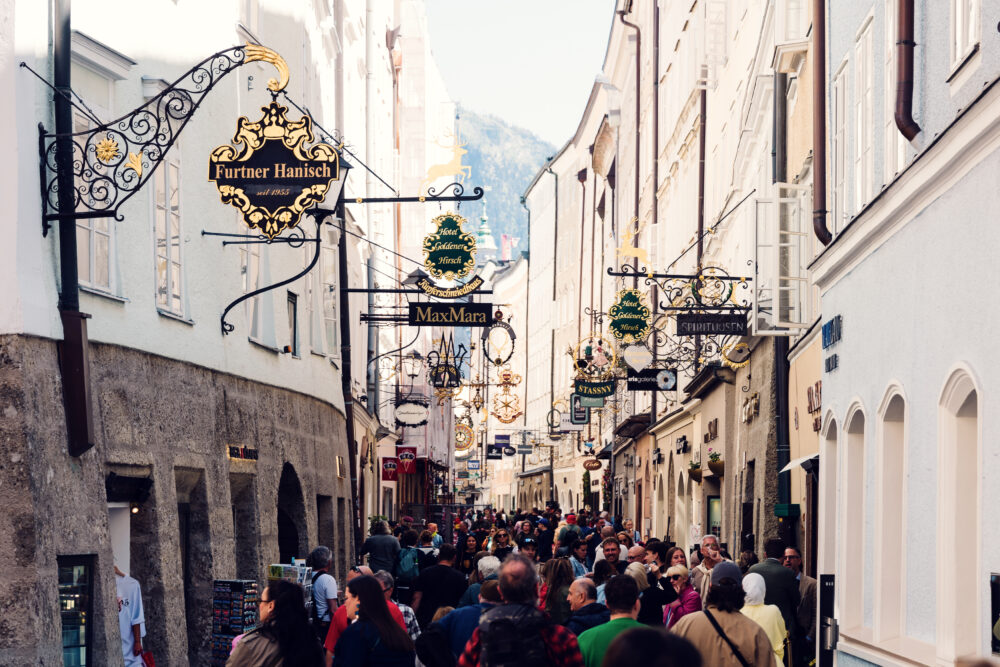
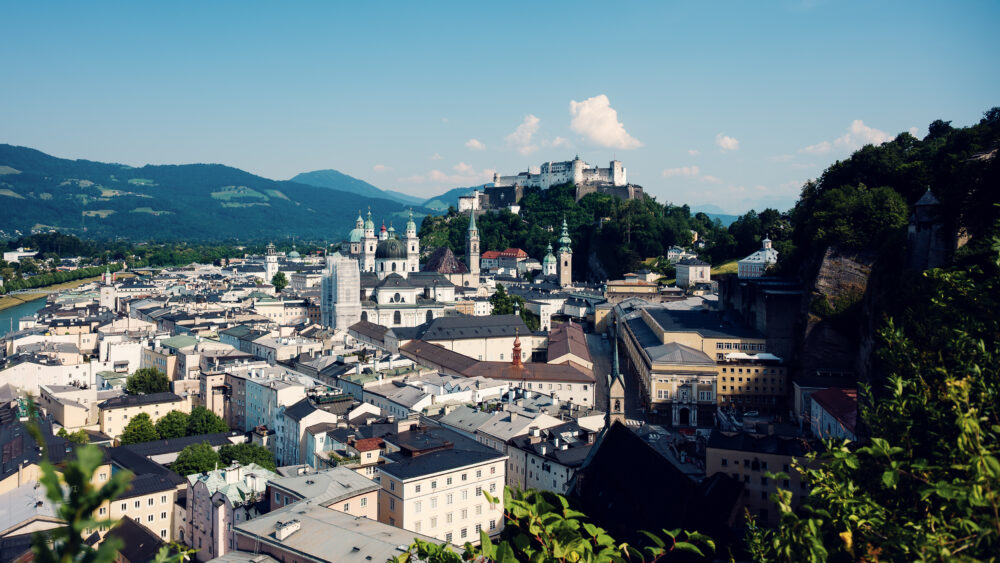
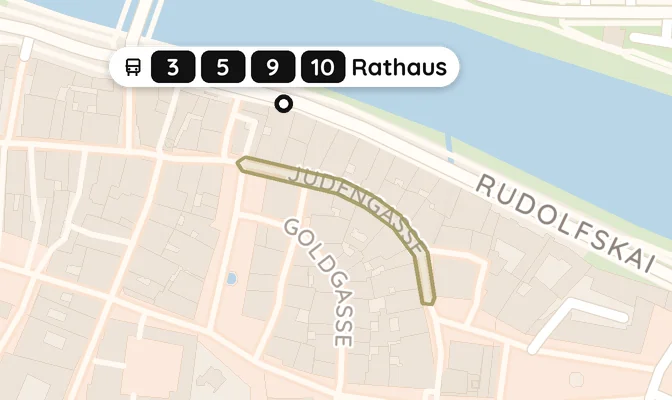
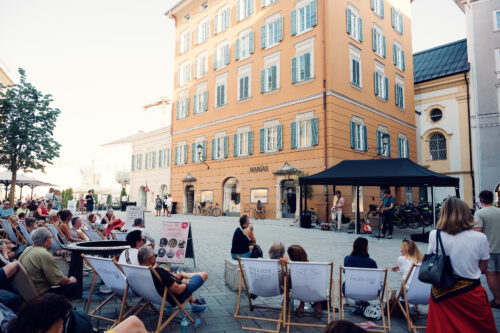
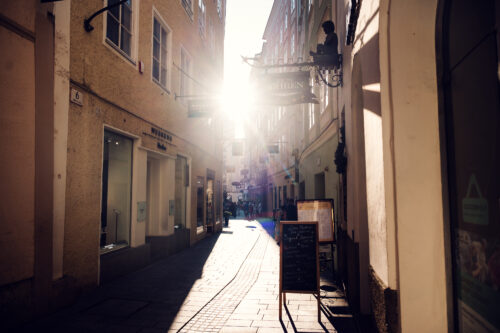
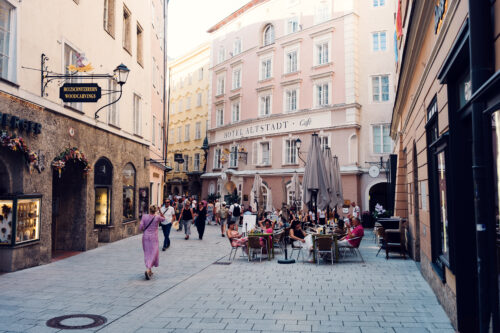
The Judengasse runs through the heart of Salzburg's Old Town, curving from the Alter Markt to the Waagplatz, and it forms the eastern continuation of the Getreidegasse shopping axis. It's counted among the oldest lanes in the historic centre, alongside the parallel Goldgasse and the Steingasse across the river. The lane was first documented under its current name in the 14th century, though the merchant settlement around the Waagplatz it grew out of is older still.
The Jewish community and its name
The street is named for the Jewish community that lived here in the Middle Ages. Until the persecutions and expulsions of the early 15th century, most of Salzburg's Jews had their homes and businesses along the Judengasse, close to the Waagplatz, which was then the city's market and court square. A prayer house, very likely a synagogue, is documented along the lane. Jewish merchants and moneylenders played a notable role in the medieval city's trade and finance, and the archbishops themselves borrowed from them. That history was not a gentle one: Salzburg saw waves of persecution and expulsion through the 14th and 15th centuries, after which the lane kept its name long after the community it named was gone.
Höllbräu, brewing, and a hotel
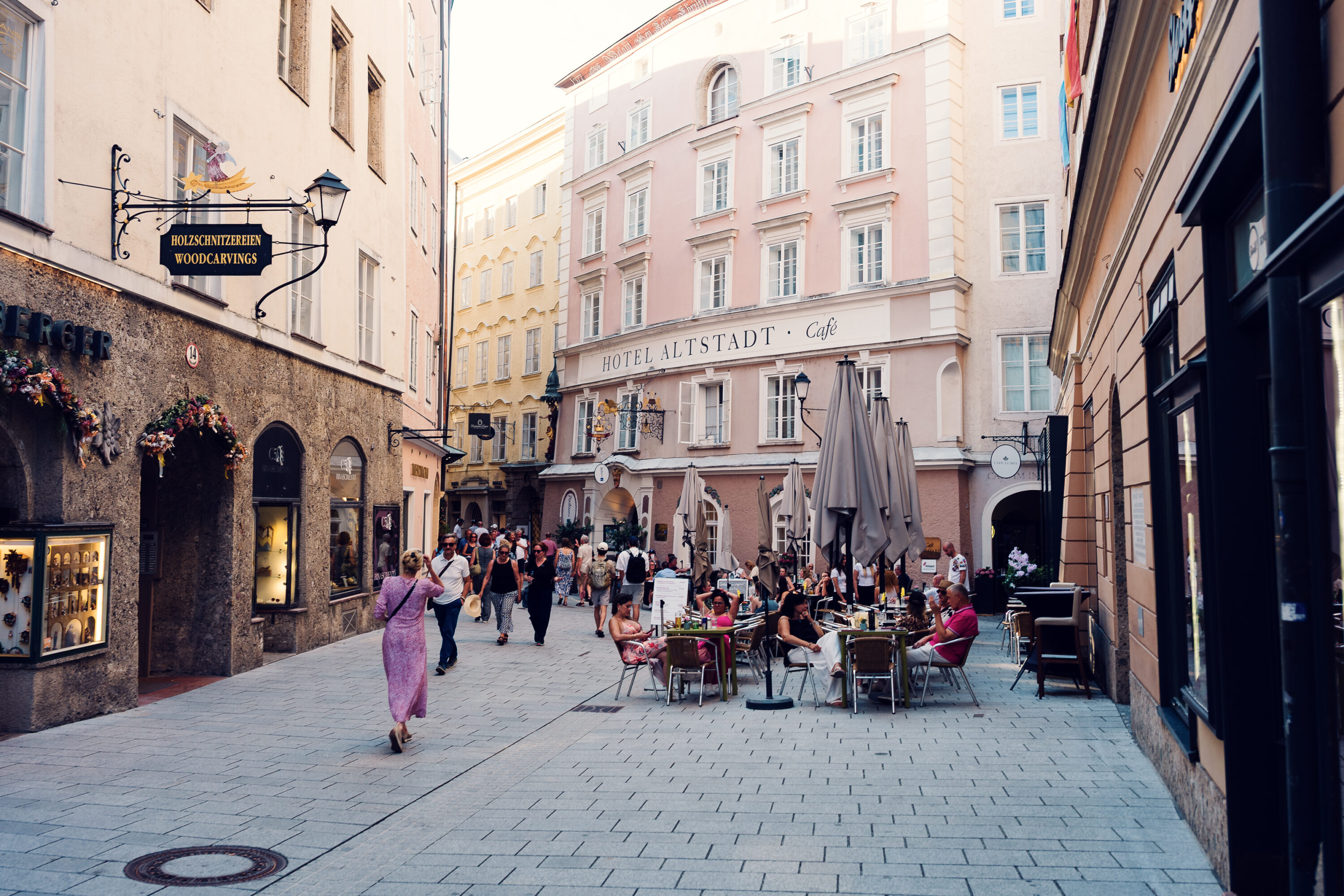
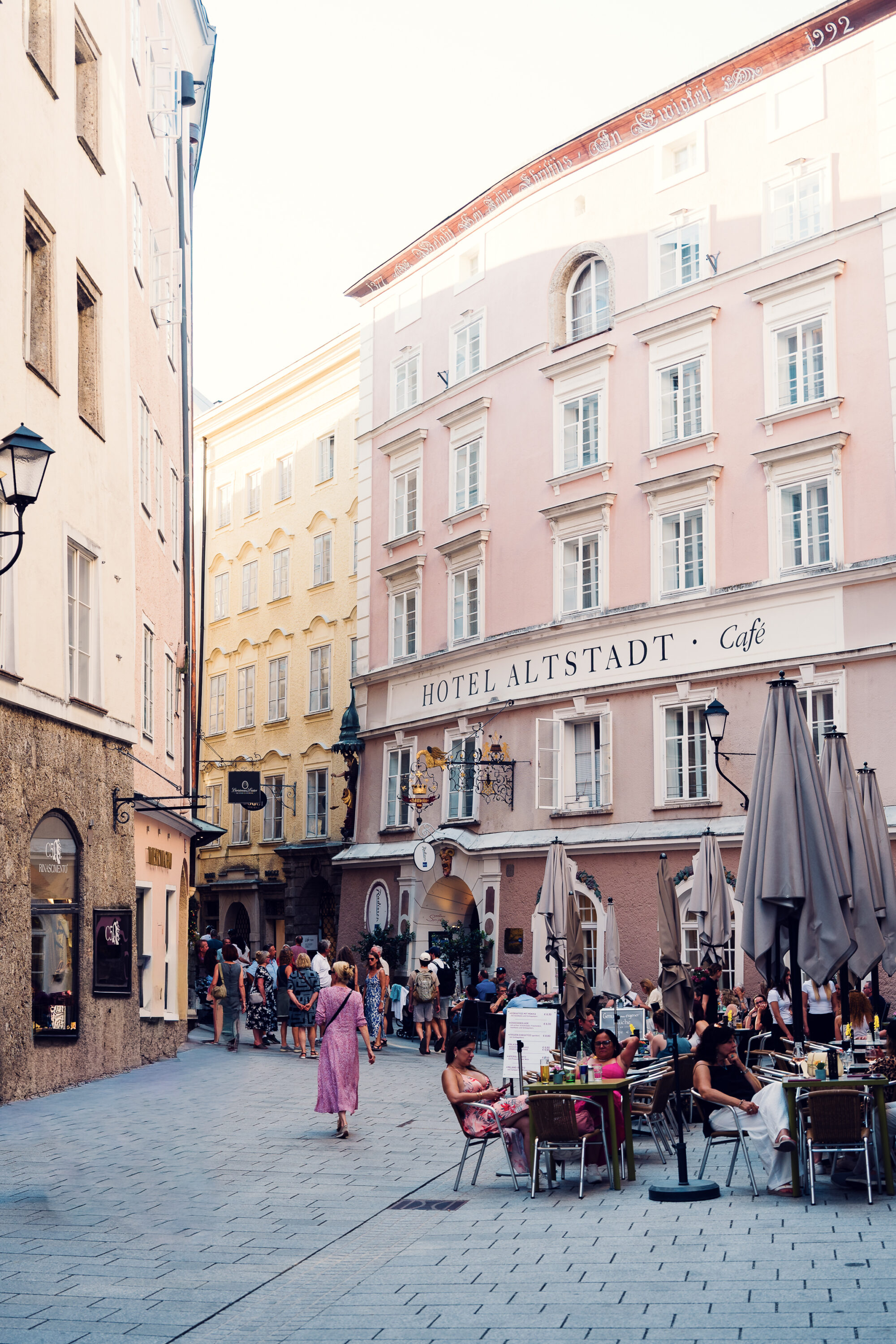
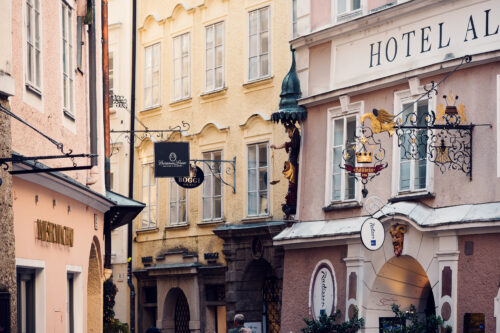
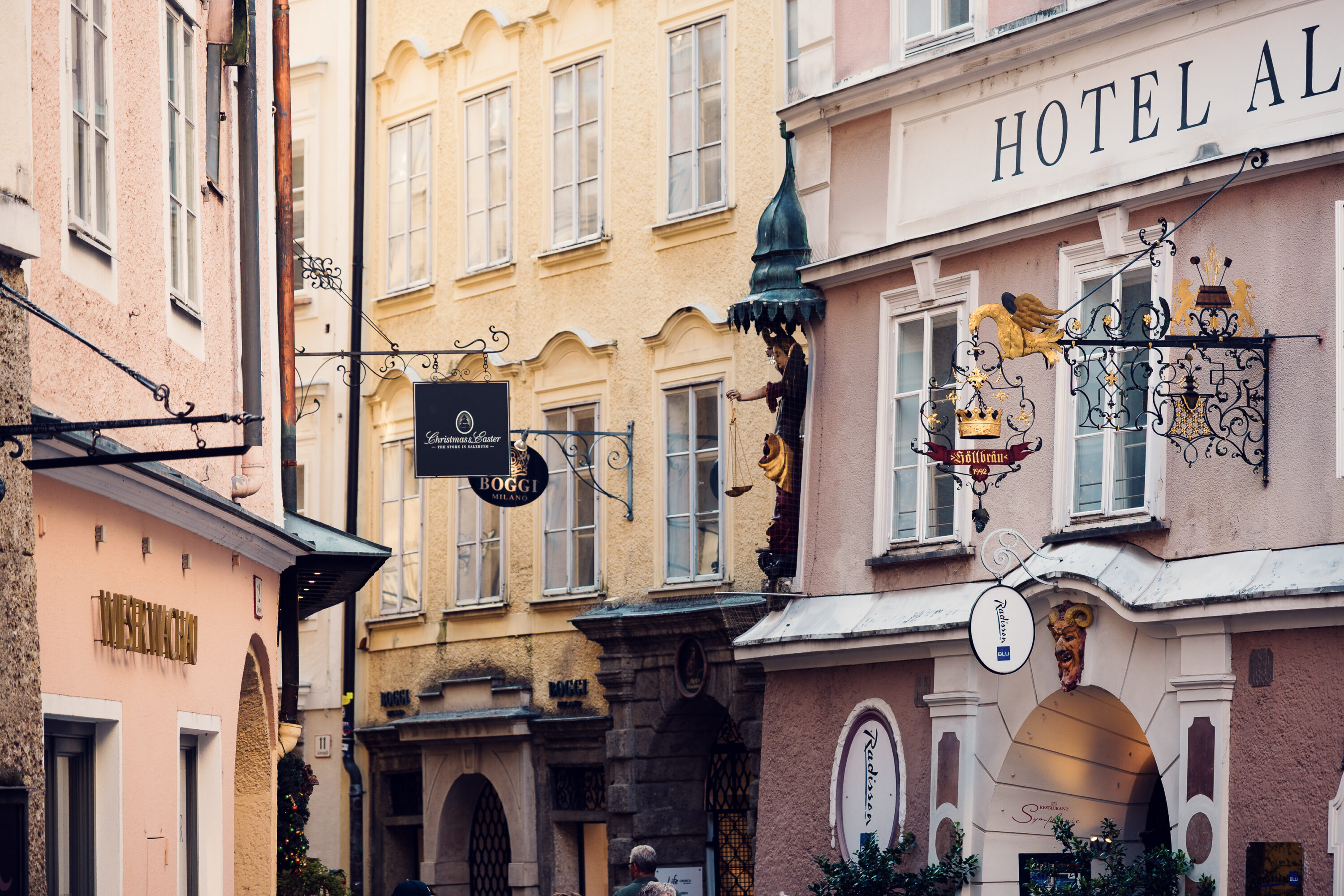
The same building that probably held the medieval prayer house later became one of Salzburg's old brewing houses, known as the Höllbräu. It brewed and poured its own beer for centuries, until cheap bottled beer shipped by rail made small in-house breweries unviable in the early 20th century. The building survives today as the Hotel Altstadt Radisson Blu, and a statue of Saint Michael, recognisable by his flaming sword and the scales of judgement, looks down over the lane from its facade.
Composers, schools, and signs
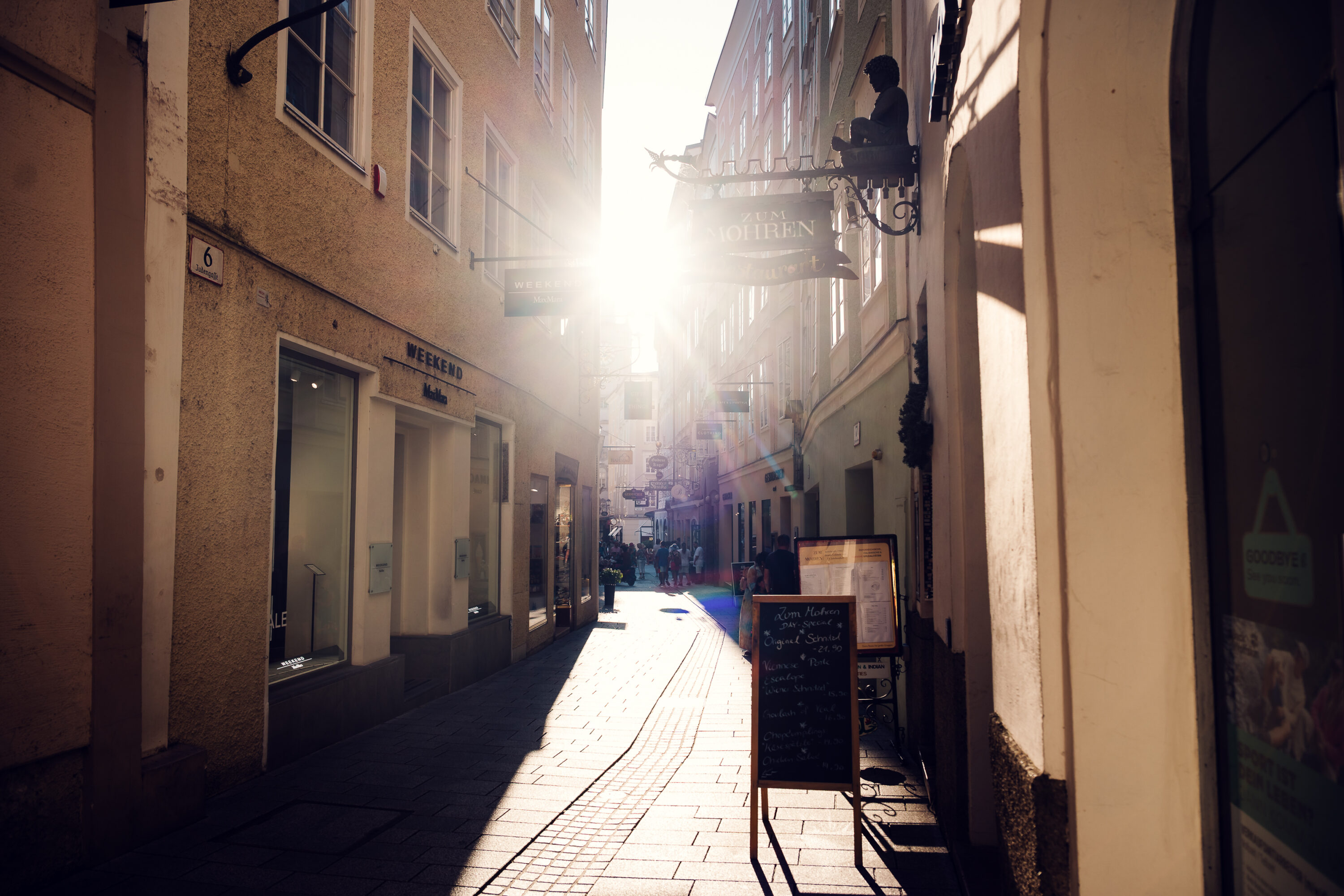
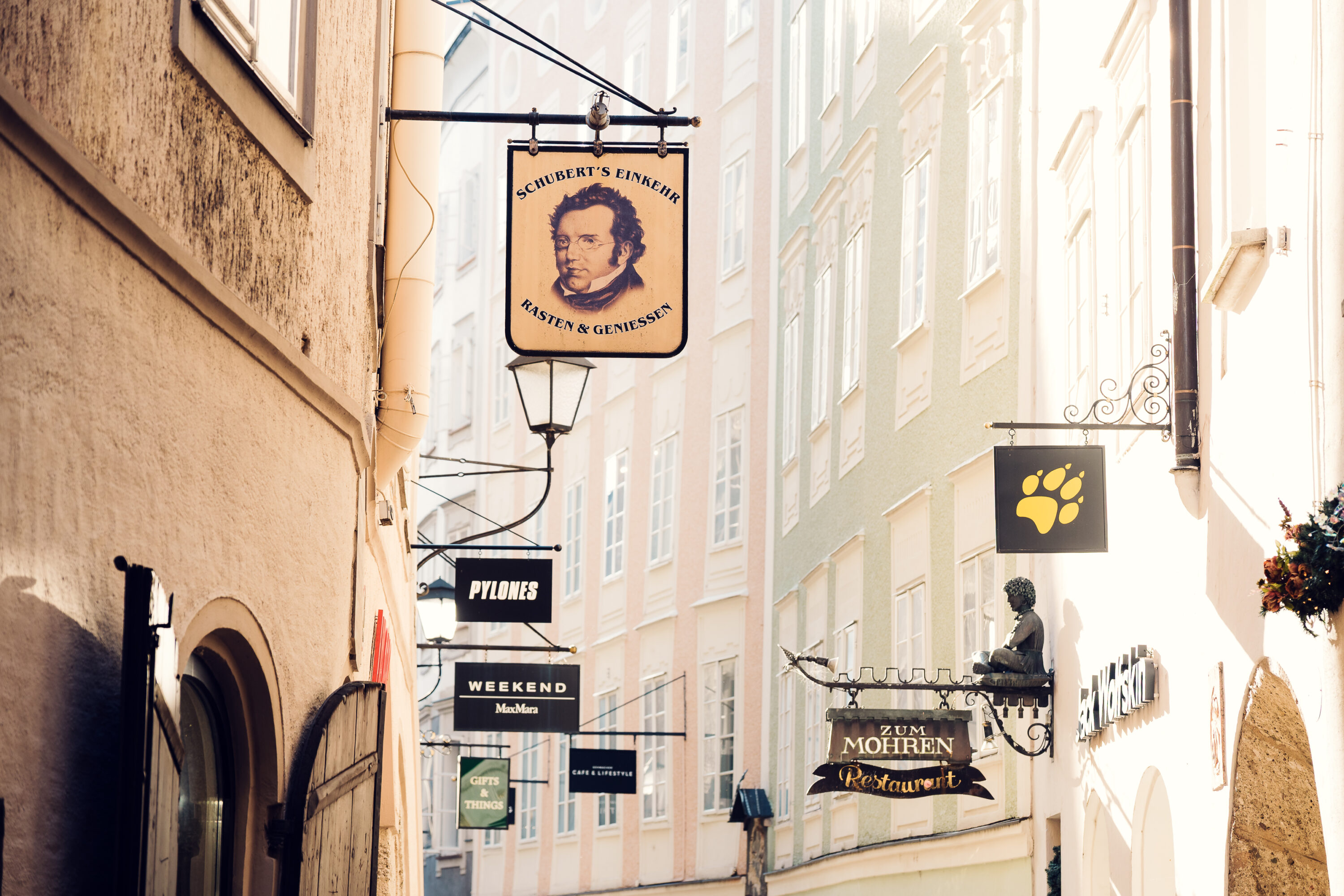
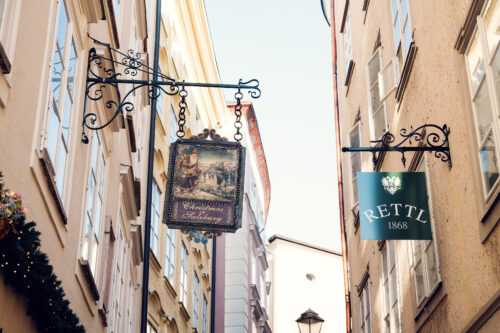
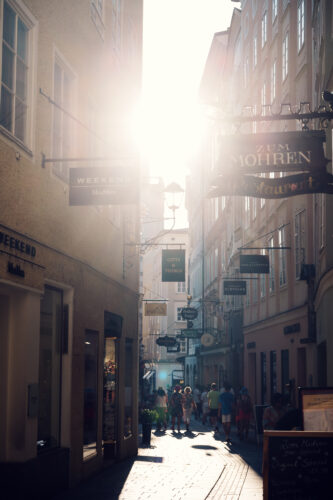
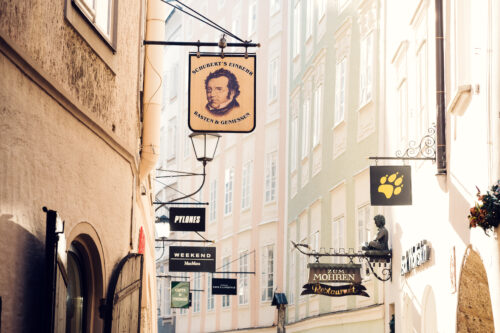
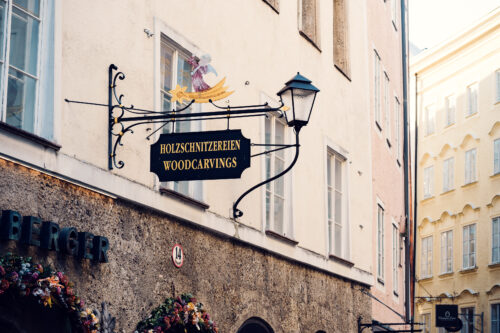
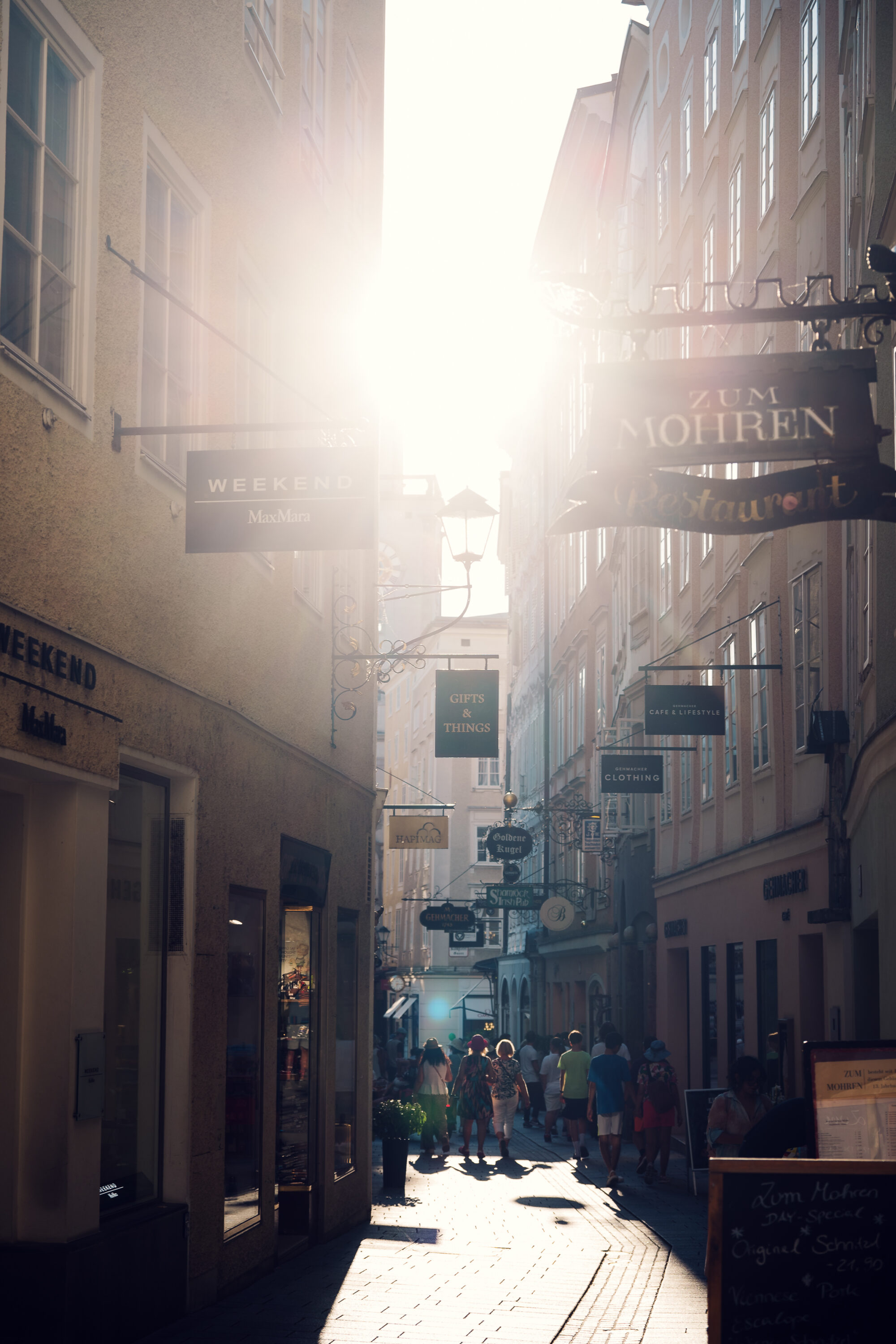
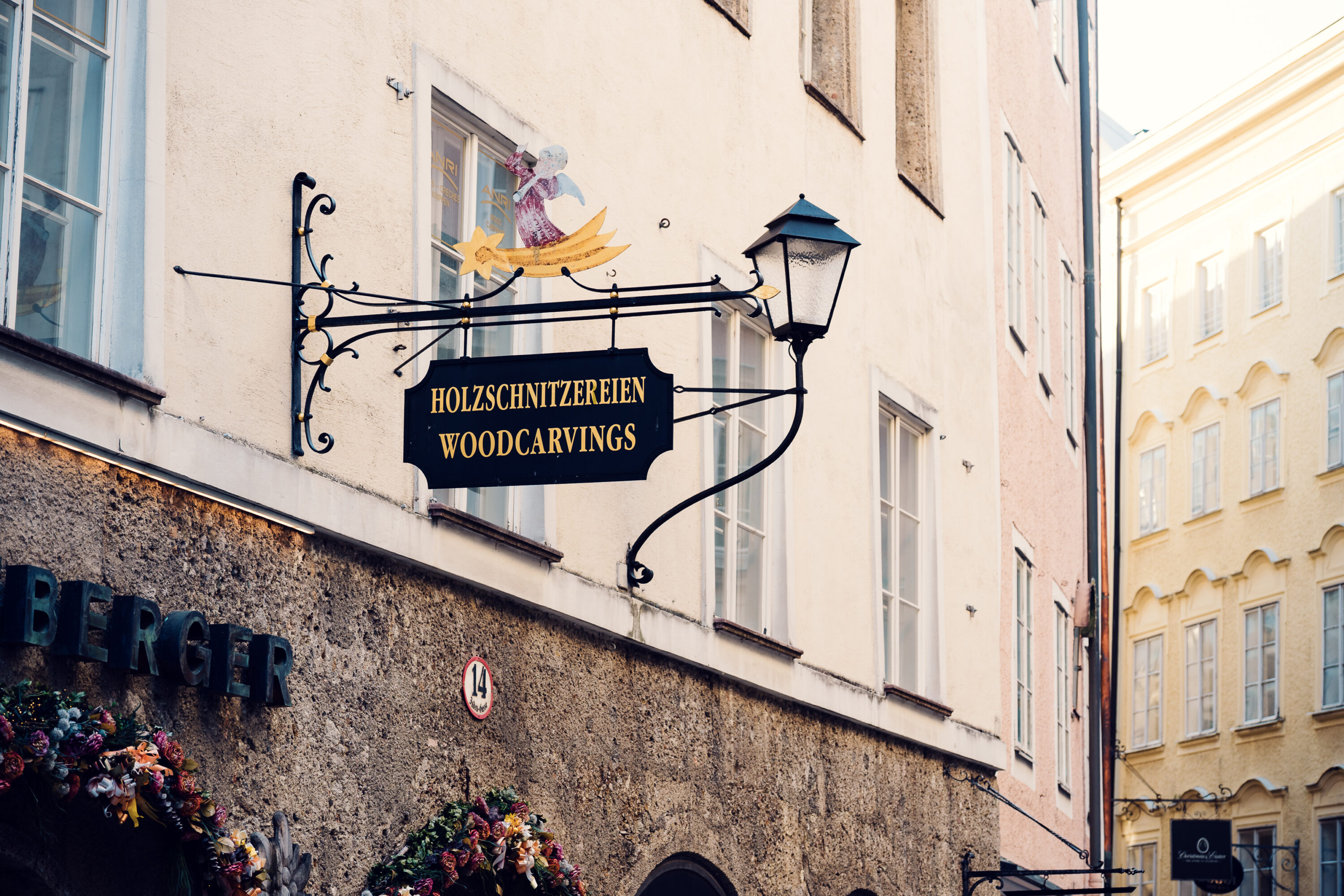
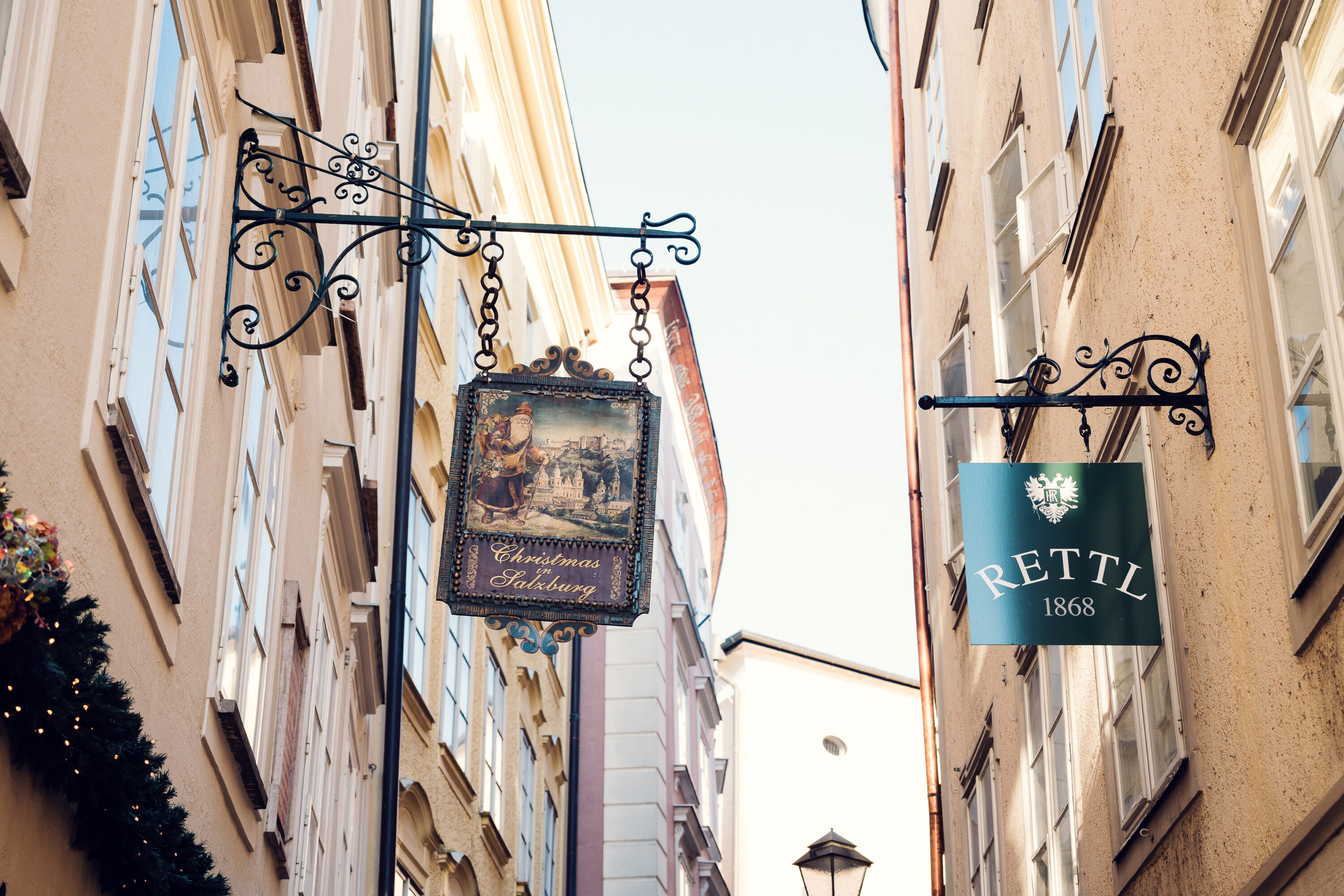
The Judengasse has collected its share of stories. Franz Schubert once stayed here as the guest of a local merchant, marked today by a memorial plaque. The lane is also associated with Gotthard Guggenmoos's early "Stummen- und Kretinenschule", one of Salzburg's first schools for children with hearing, speech and intellectual disabilities and often described as one of the earliest institutions of its kind in Europe. Overhead, the lane shares the Old Town's famous wrought-iron guild signs with the Getreidegasse, and you'll find the only purely Art Nouveau doorway in Salzburg along the way.
The Judengasse today
Today the Judengasse is one of the best-known shopping lanes in the historic district, lined with boutiques, international fashion labels, jewellers, chocolatiers, and traditional shops selling Easter and Christmas decorations year-round. Several of the bars along the Rudolfskai can be reached through its passages, so the same quiet daytime lane sits one doorway away from Salzburg's riverside nightlife. Near the Waagplatz end, Stolpersteine set into the pavement remember Regina and Dorothea Grindlinger, deported and murdered in 1942, a small and deliberate counterweight to all the shop windows.