
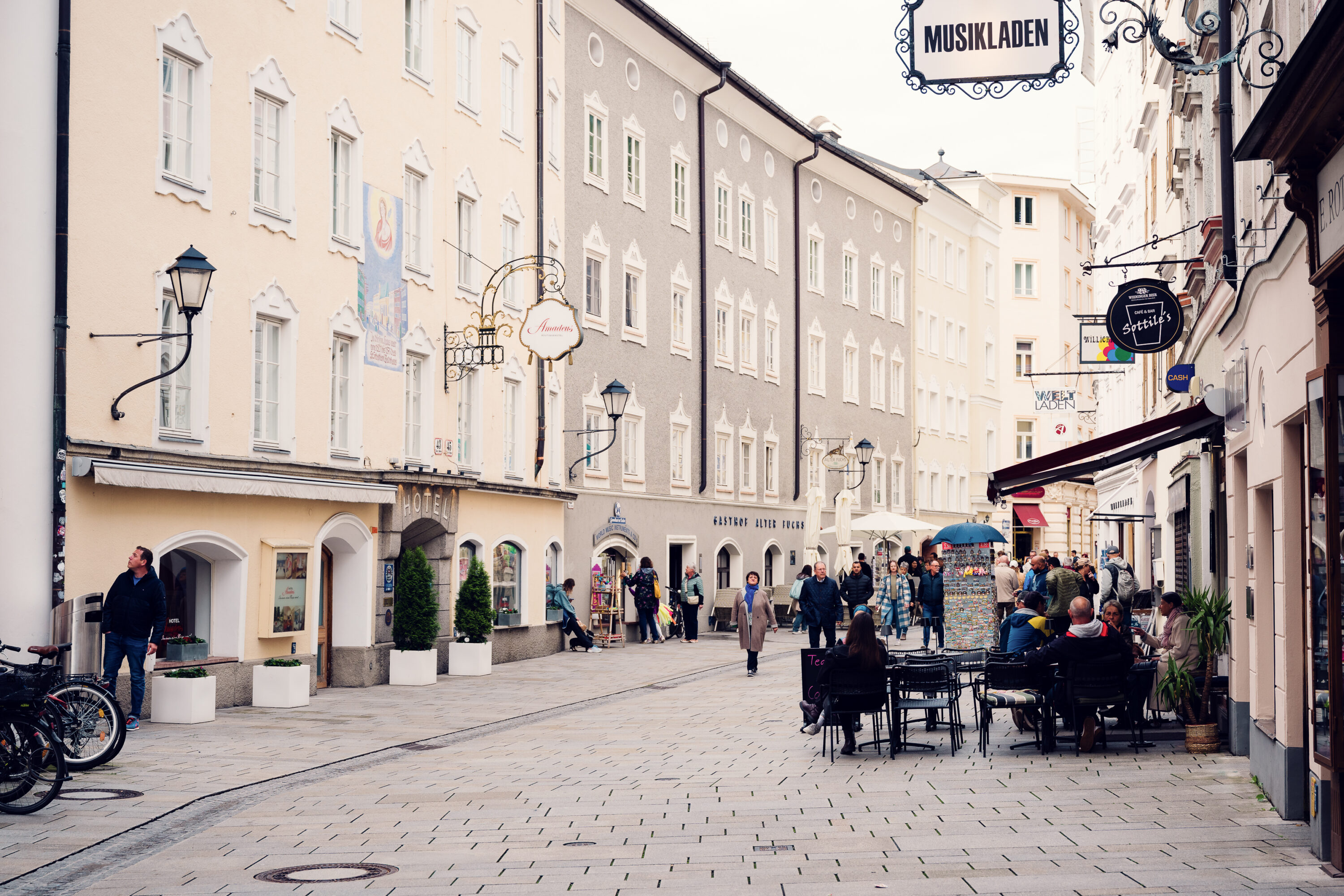
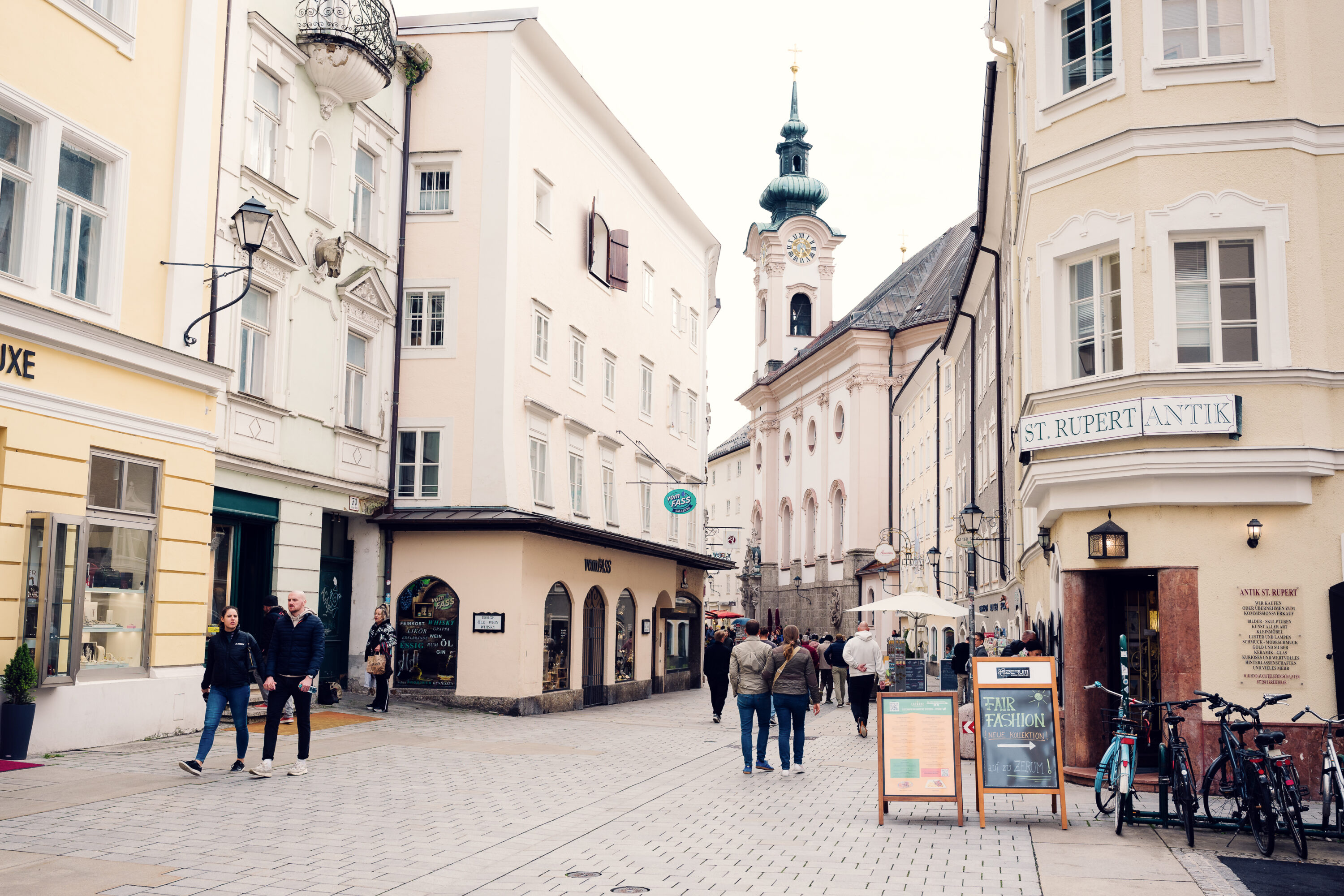
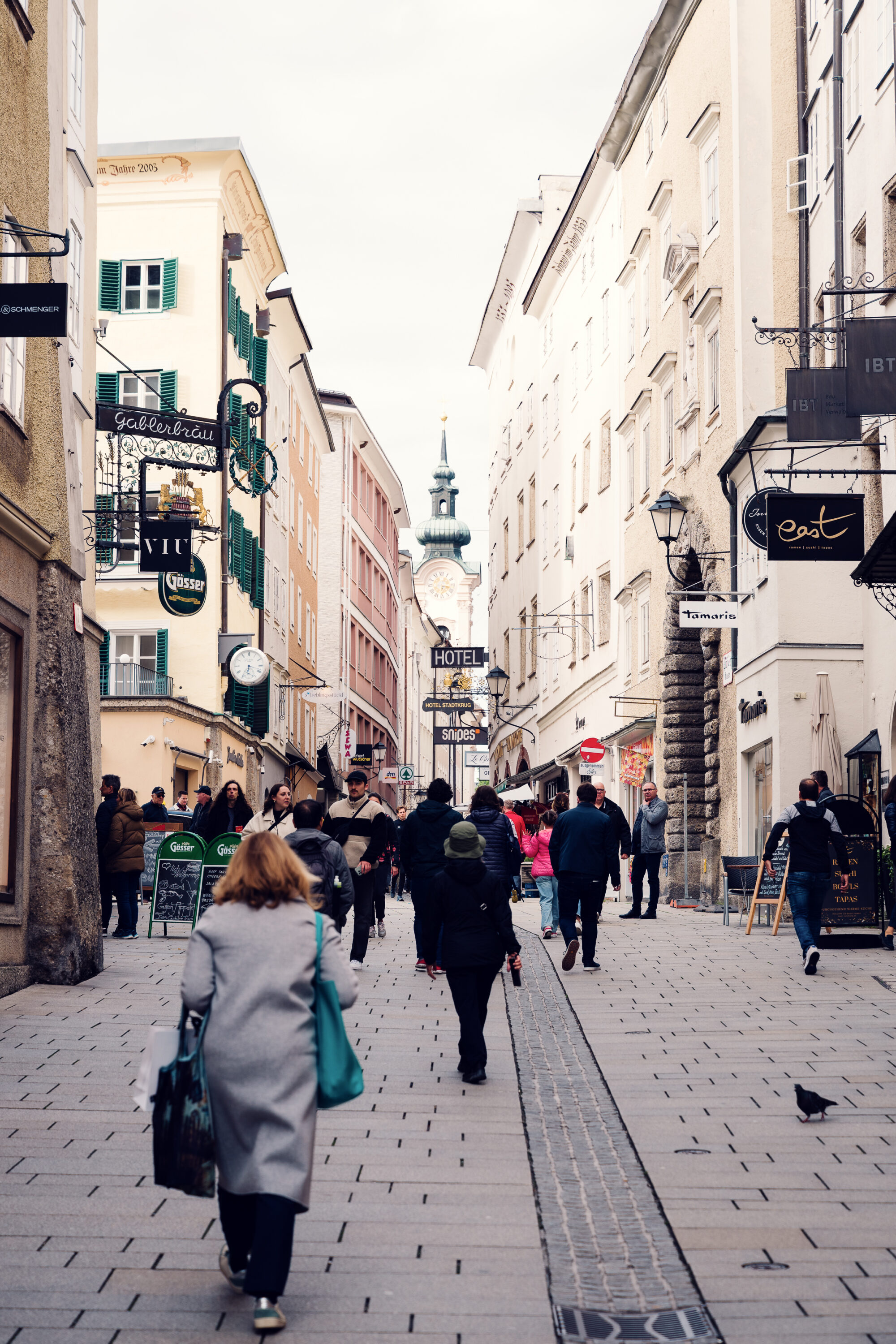
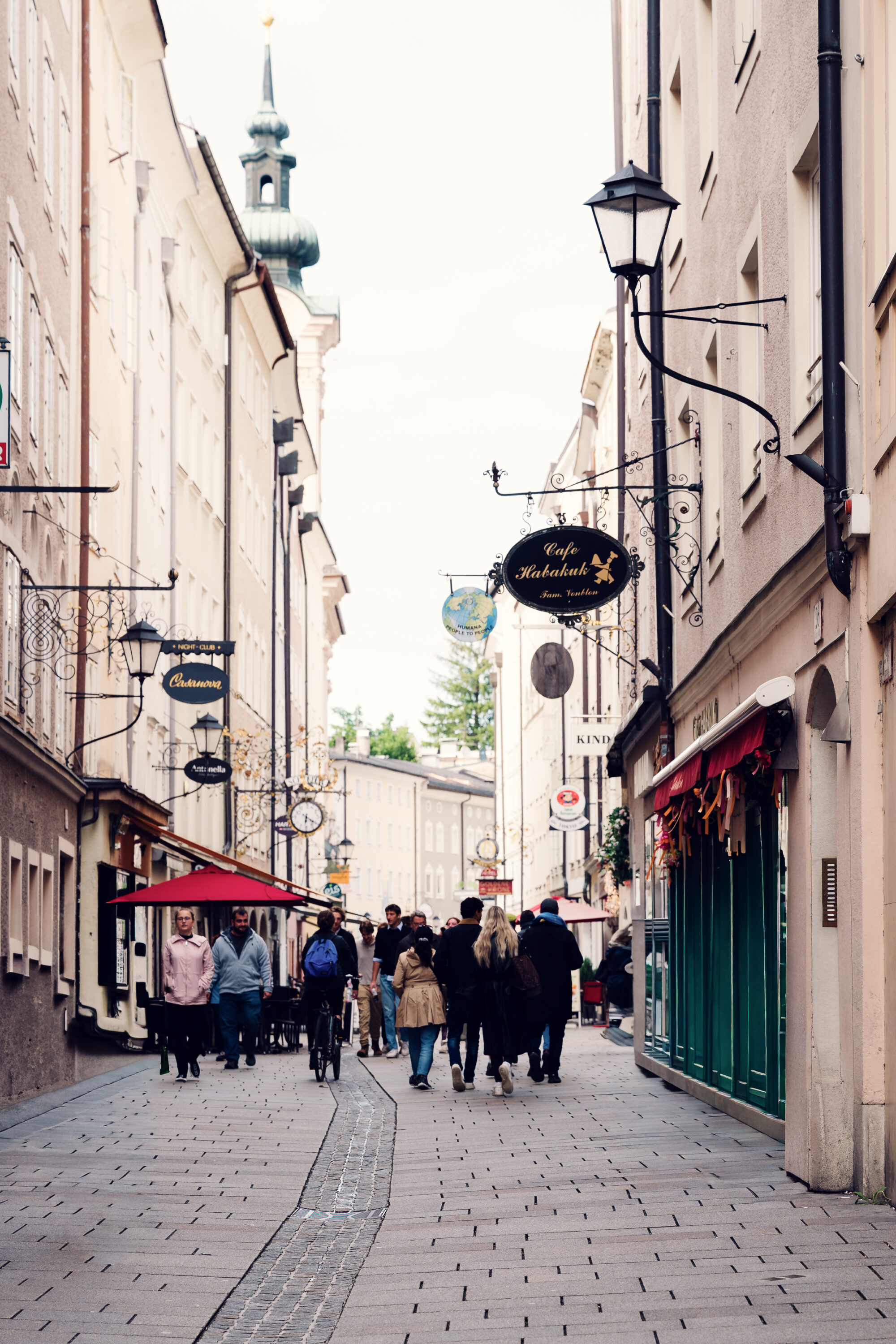
Salzburg's Shopping Street on the Right Bank - Linzergasse
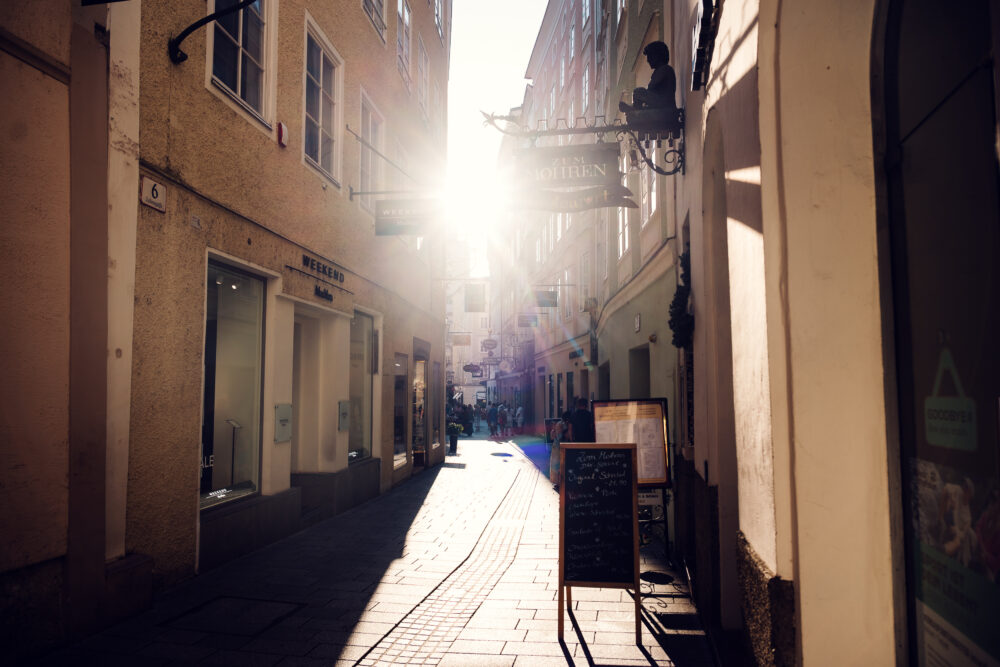
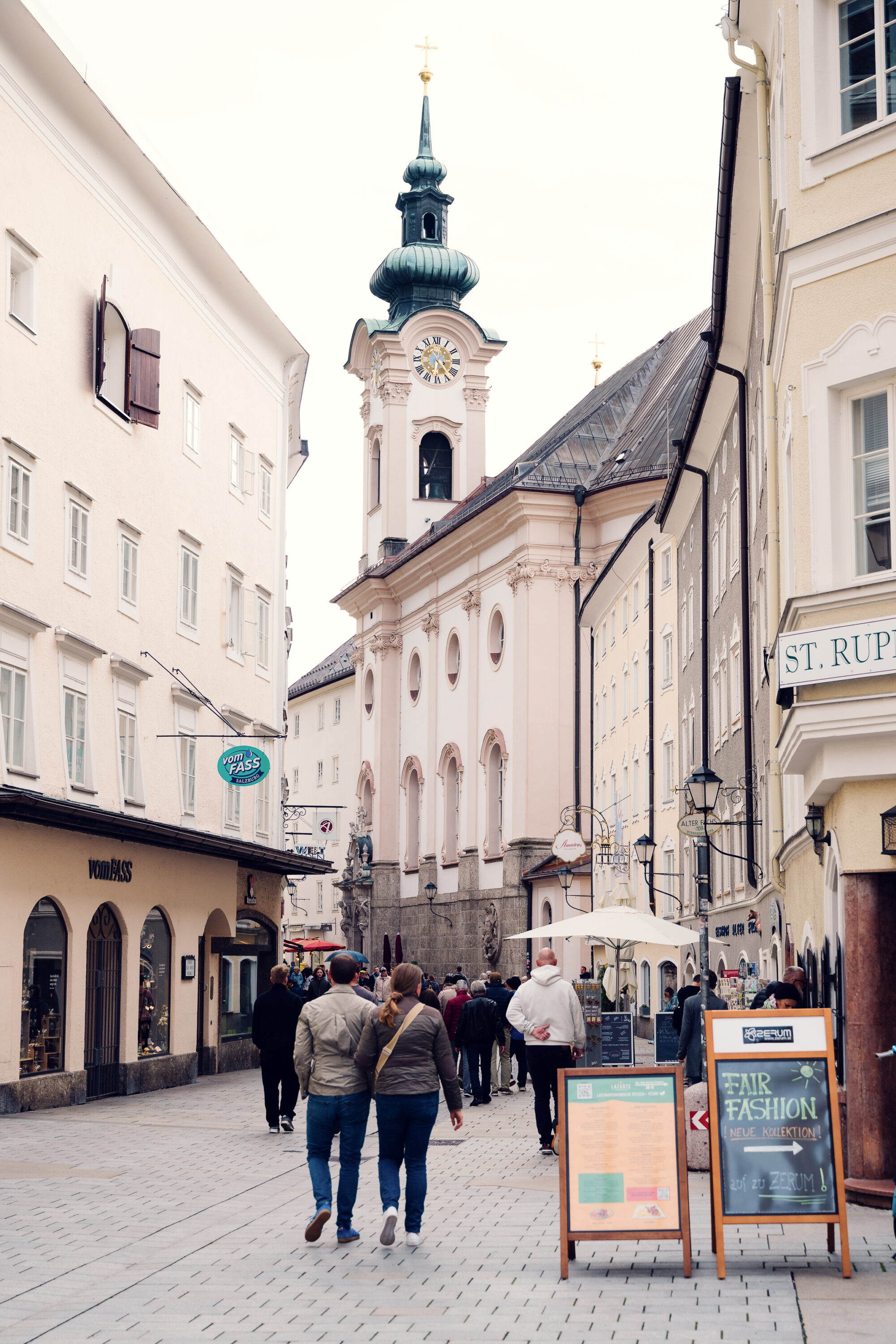
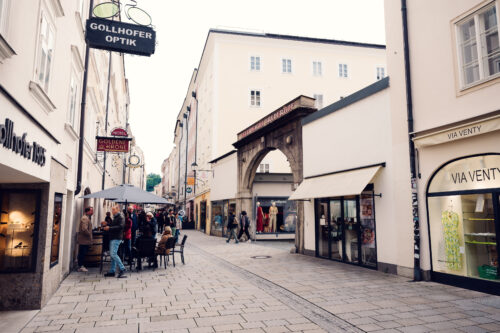
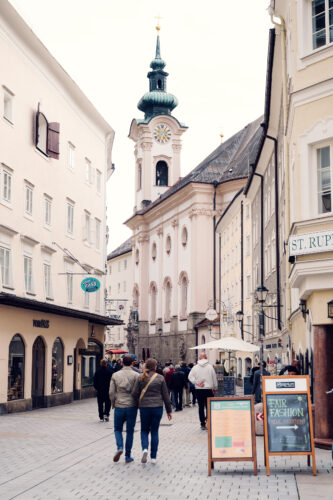
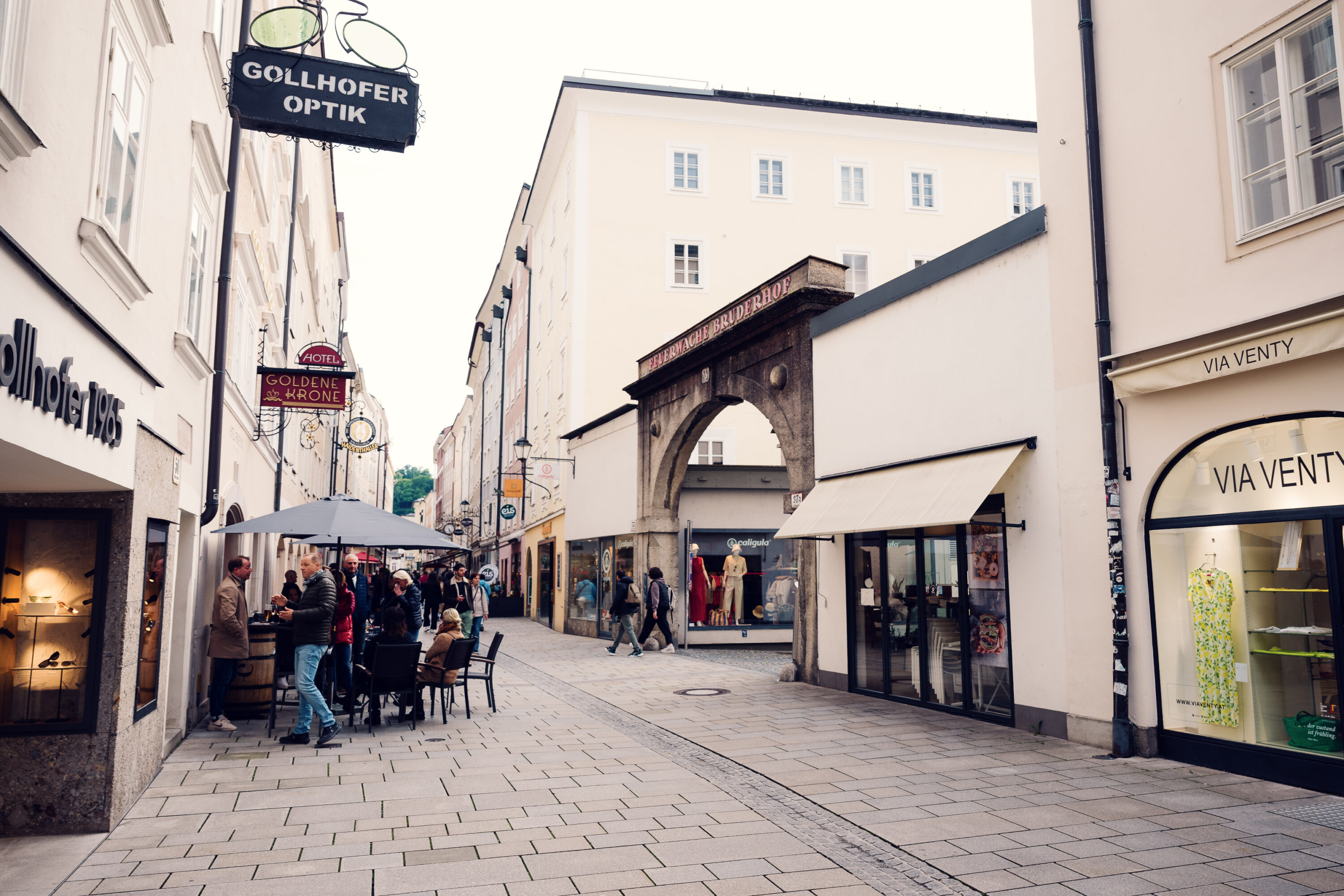
The Linzergasse has carried traffic since Roman times, when it formed the main thoroughfare of the districts on the right bank of the Salzach. For travellers leaving Salzburg toward Linz, Vienna and the north-eastern lands of the Habsburg Empire, this was the road out, and the street still carries that destination in its name. Where the Getreidegasse on the opposite bank served the city's wealthier merchants, the Linzergasse was the lane of smaller traders and craftspeople, a character it has held remarkably well.
A Road Named for Where It Led
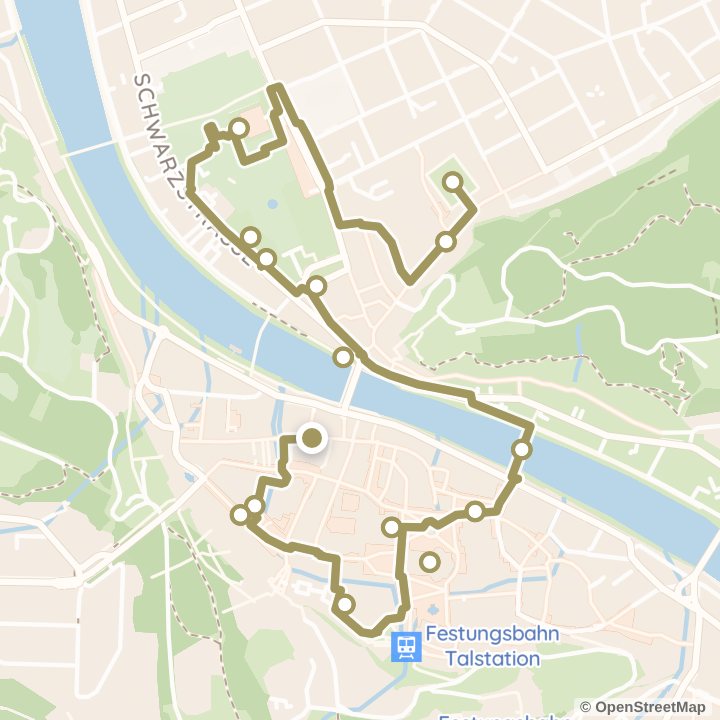
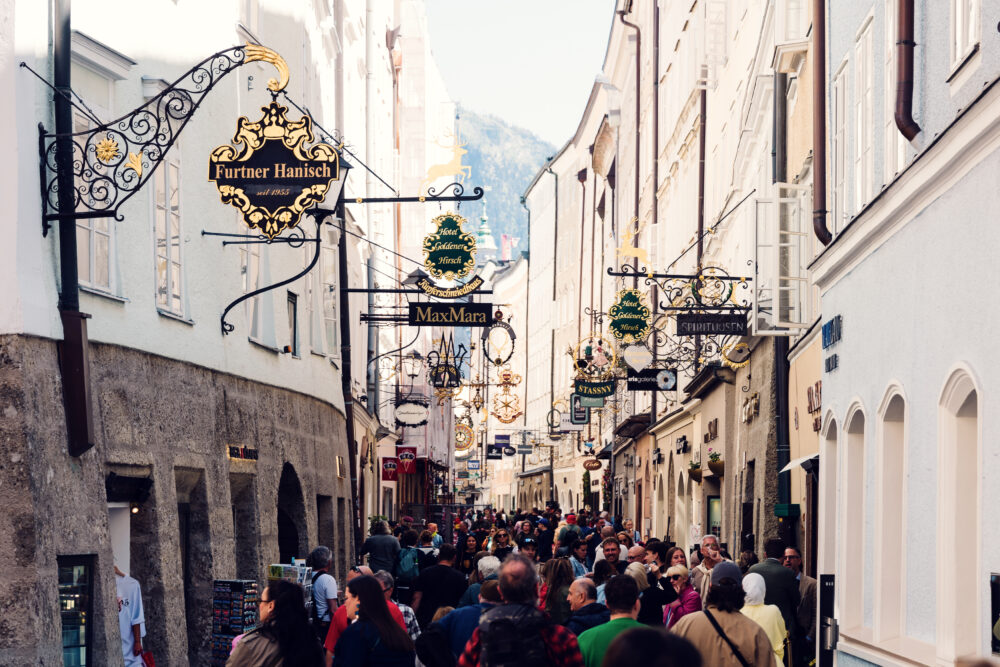
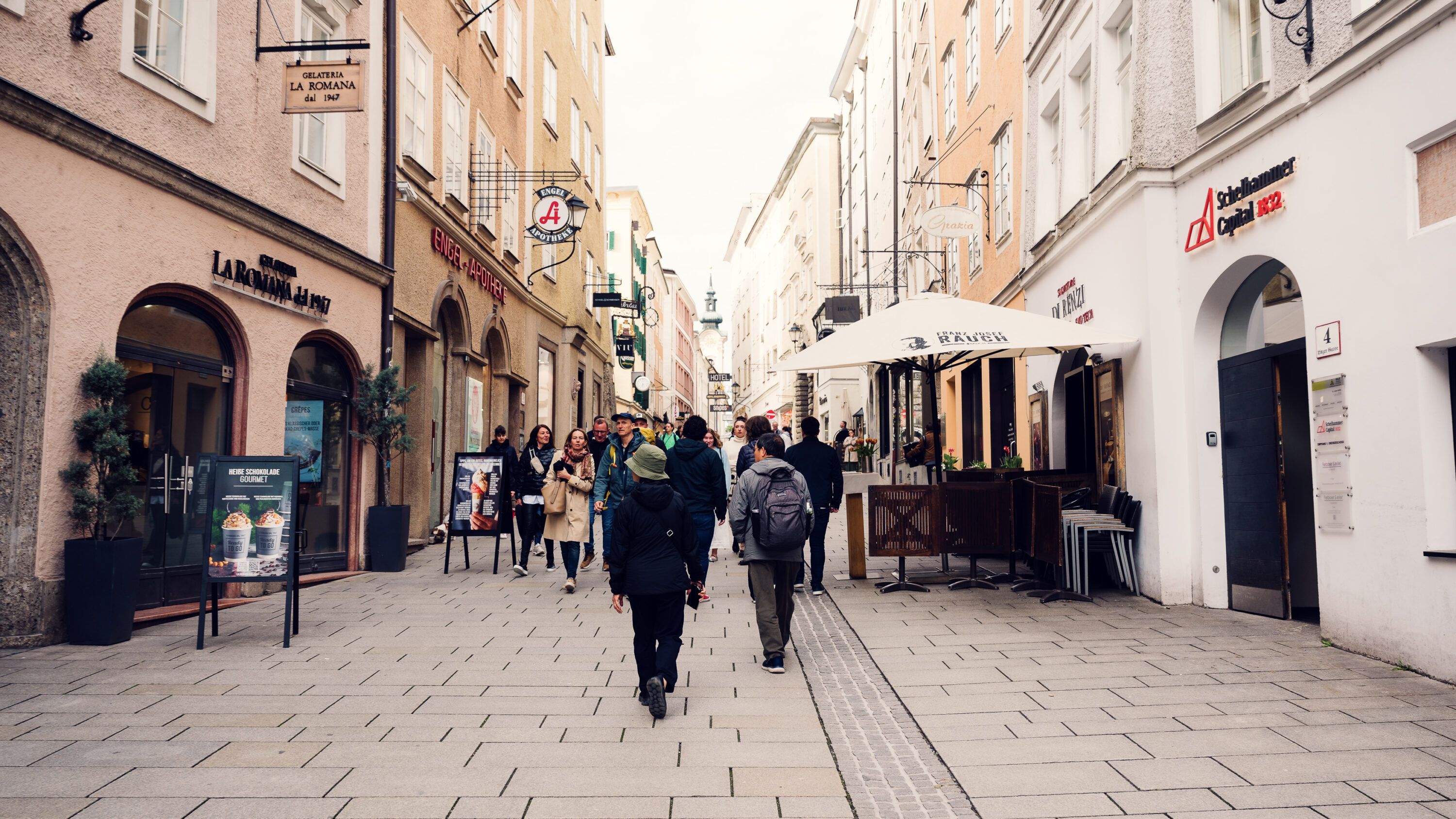
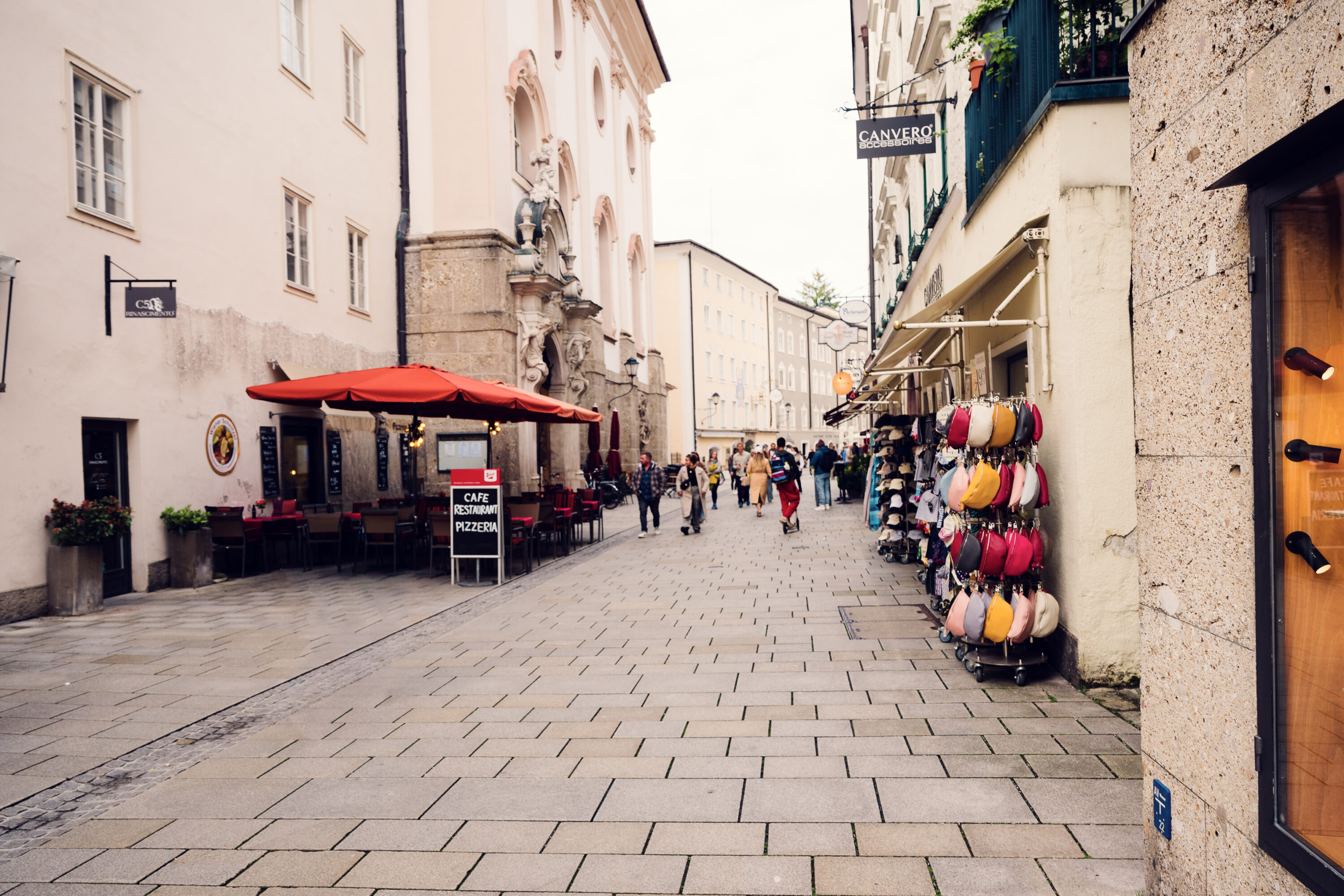
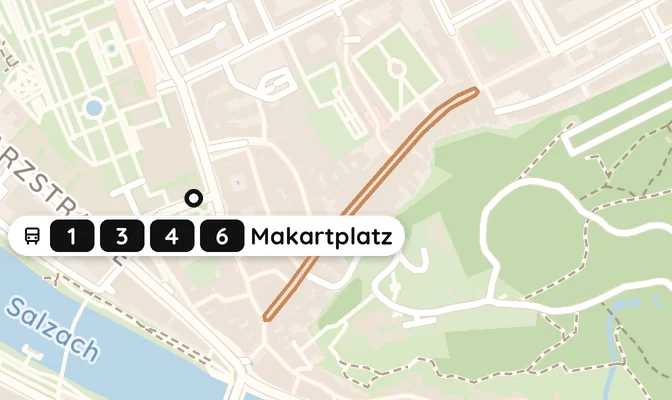
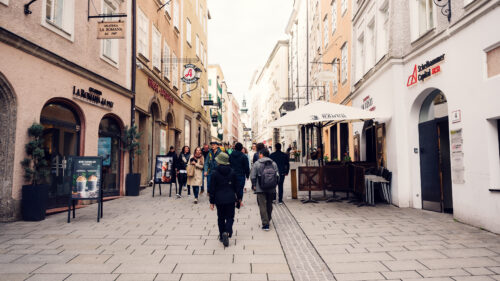
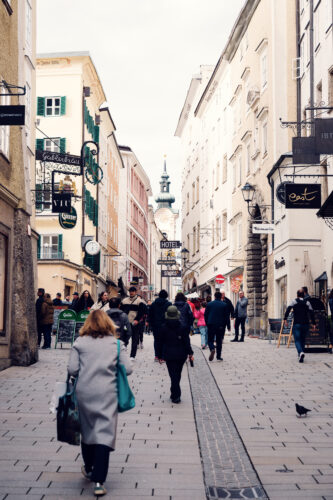
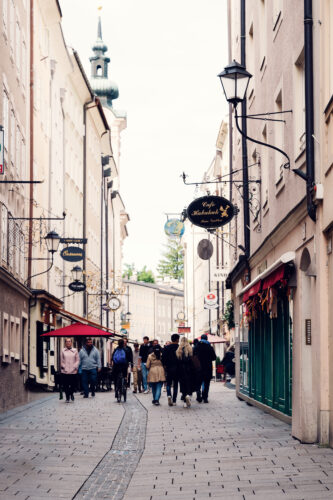
The street runs from the Platzl at the Staatsbrücke to Franz-Josef-Straße, the point where the medieval Linzertor gate marked the edge of town until its demolition in 1894. All overland traffic heading north-east once passed through here, which made the Linzergasse a street of inns, stables and shops serving people on the move. Many of its houses trace their records back to the 14th and 15th centuries, and although almost all were remodelled over the years, the narrow plots and tall burgher façades still follow the medieval pattern. It earned a nickname as the “little sister” of the grander Getreidegasse, though the two share the same hanging wrought-iron signs and the same long mercantile history.
Fire, Rebuilding and the Houses That Remember
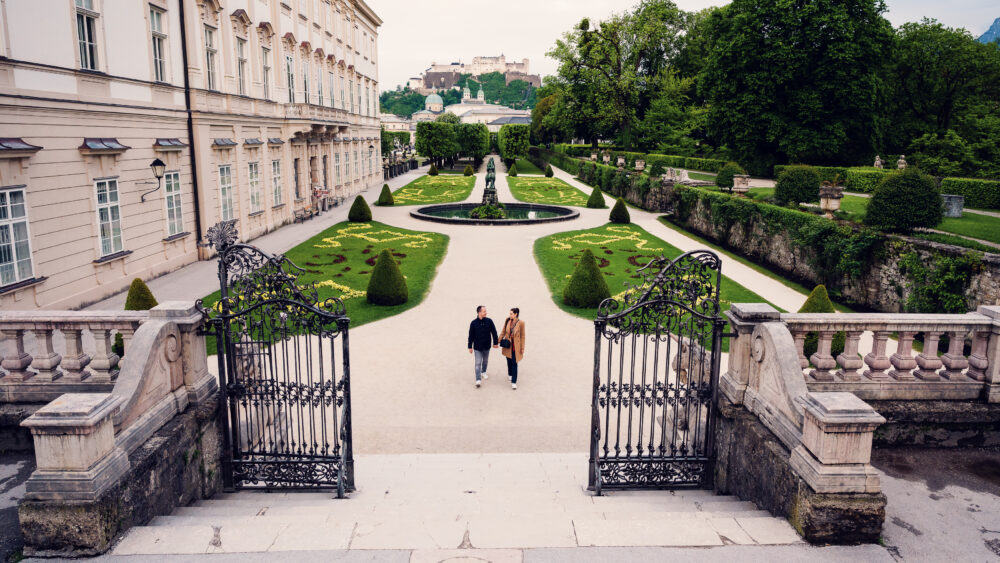
In 1818 a catastrophic fire tore through Salzburg's right-bank Neustadt, destroying or damaging more than 80 private and public buildings, including churches, Schloss Mirabell and the western row of houses along the Linzergasse. The damage was severe, but the merchants' houses were rebuilt almost in their entirety, which is why the street today looks coherent rather than patched. Several addresses carry stories worth slowing down for. The Engel pharmacy has traded on the Linzergasse since 1809, and the expressionist poet Georg Trakl, born in Salzburg in 1887, trained there as a pharmacy assistant. A few doors along, the Gablerbräu marks the birthplace of the opera singer Richard Mayr, remembered for his Baron Ochs in Strauss's “Der Rosenkavalier”. And in one of these houses the Renaissance physician Paracelsus spent the last months of his life in 1541.
Where the Street Climbs and Rests
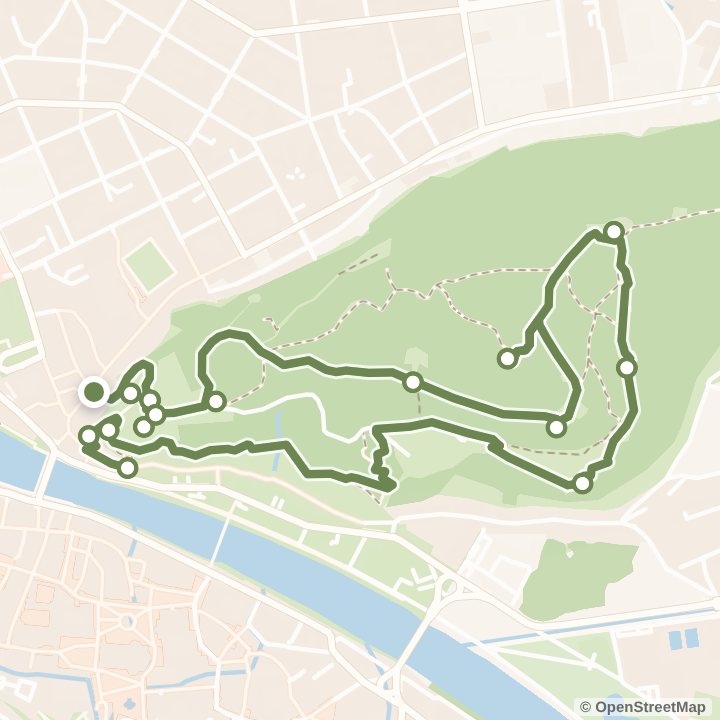
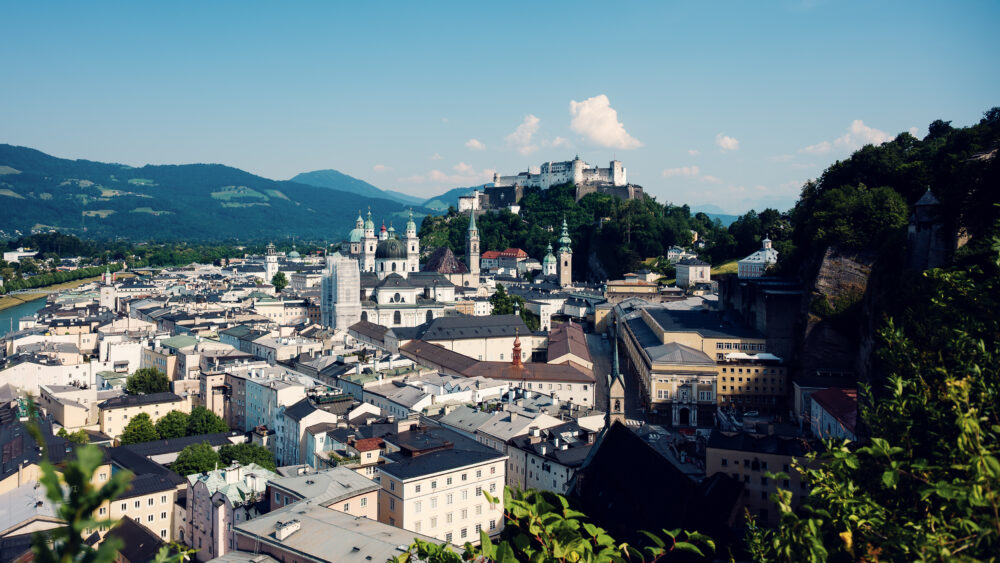
Two of the Linzergasse's best moments sit just off the shopping street. Partway along, a covered stairway climbs past the Stations of the Cross to the Kapuzinerberg and its Capuchin monastery, with a wide view over the old town at the top. At the upper end lies the Sebastiansfriedhof, a cemetery laid out around 1600 in the style of an Italian campo santo. Mozart's father Leopold and his widow Constanze are buried here, along with the physician Paracelsus, and the Gabriel Chapel at its centre holds the tomb of Prince-Archbishop Wolf Dietrich. It's a quiet stop, and an easy one to add to a walk up the street.