
Power, Piety, and Patronage - DomQuartier Salzburg
The Prince-Archbishops' Grand Design
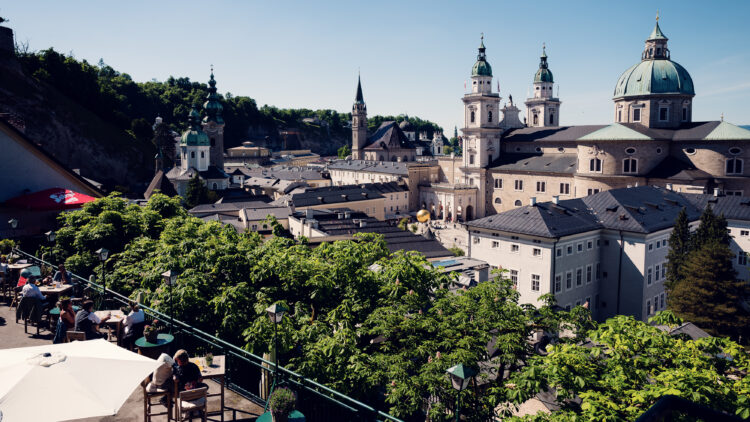
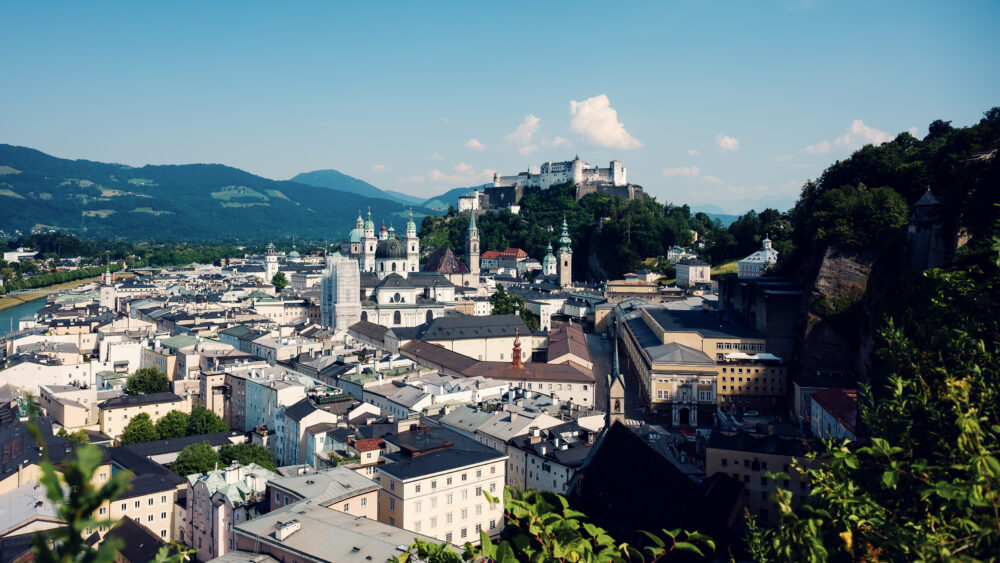
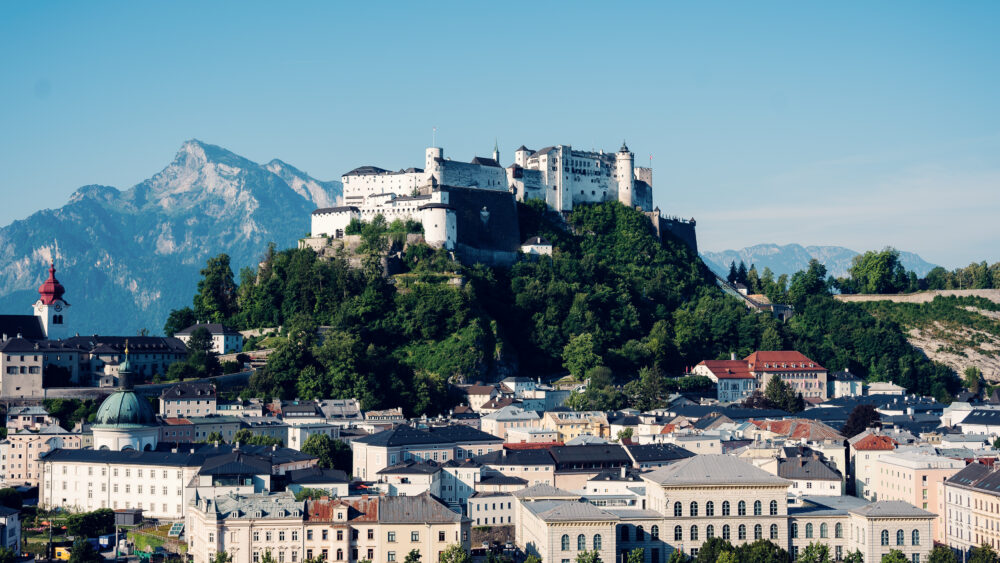
The story of the DomQuartier begins with the men who shaped Salzburg into the Baroque city it is today. From the late 16th century onward, a succession of prince-archbishops - rulers who held both spiritual and secular power - transformed a medieval Alpine town into something that visitors and diplomats compared to Italian cities.
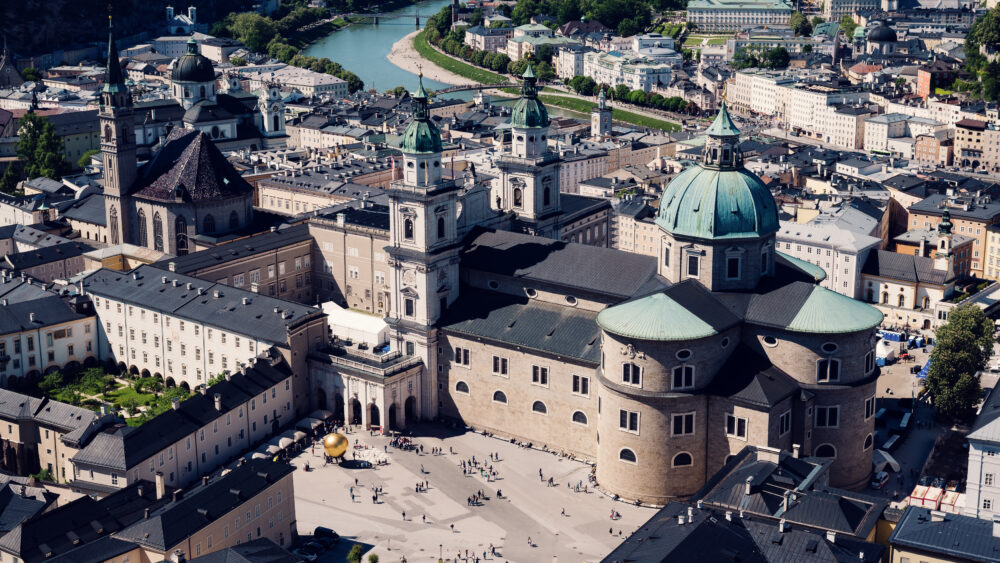
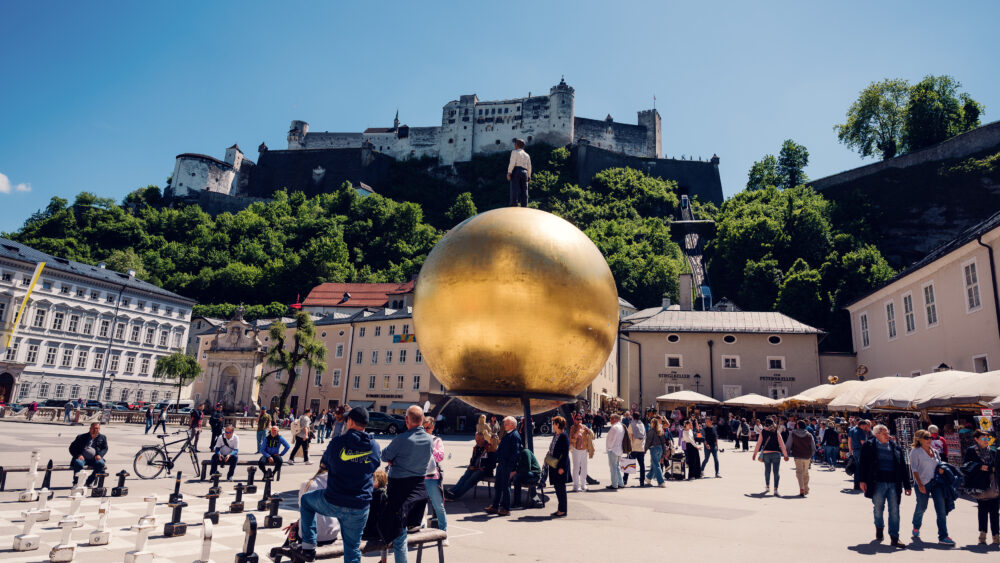
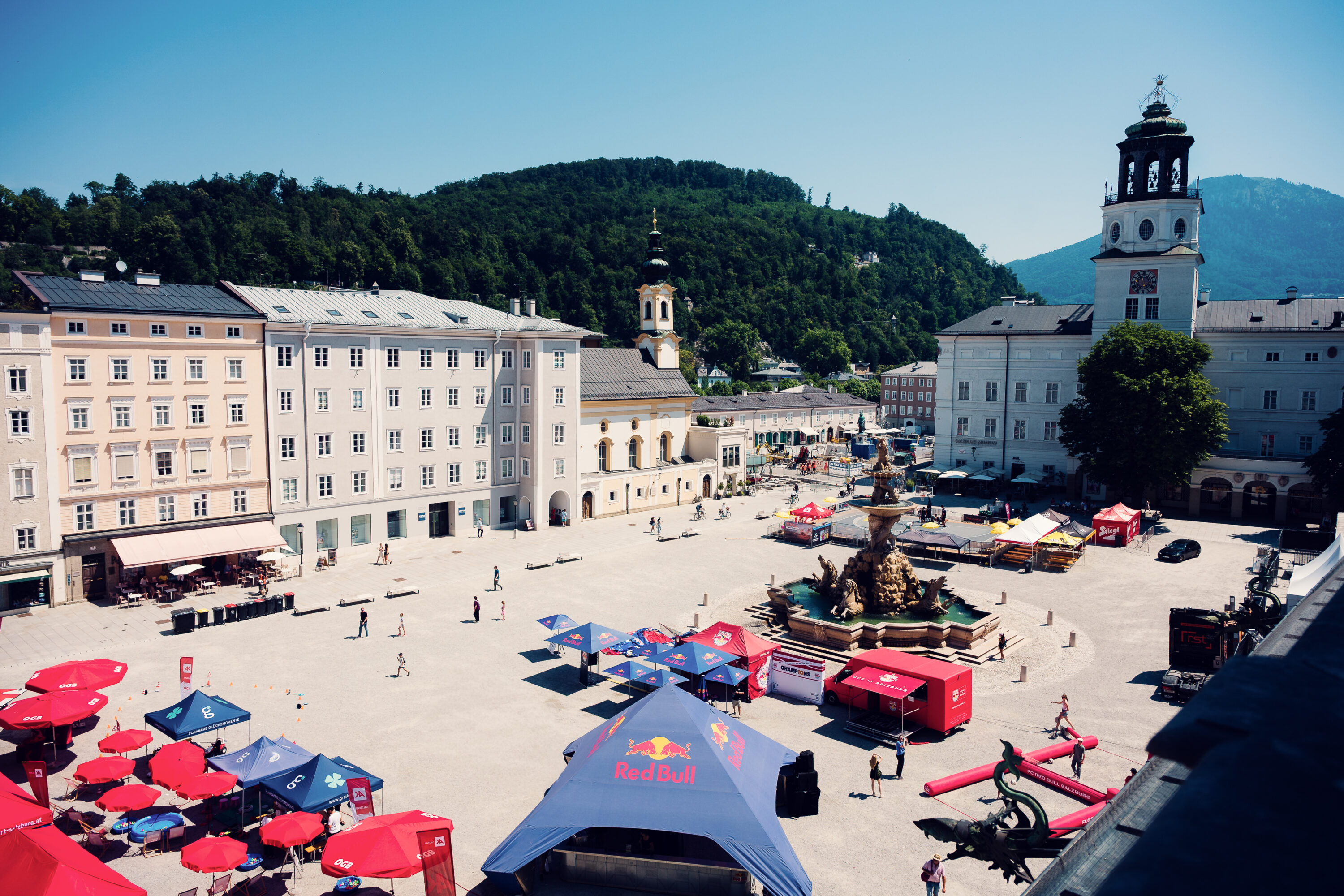
The most ambitious among them was Wolf Dietrich von Raitenau, who took office in 1587. Educated at the Collegium Germanicum in Rome and a devoted follower of Renaissance ideals, Wolf Dietrich set about remaking Salzburg in the image of the cities he admired. He demolished more than 50 medieval buildings to create the Residenzplatz and hired the Italian architect Elia Castello to redesign the Residenz from 1597. When a fire destroyed the Romanesque cathedral in December 1598, Wolf Dietrich commissioned Vincenzo Scamozzi - the successor to Andrea Palladio - to plan a replacement on a grand scale.
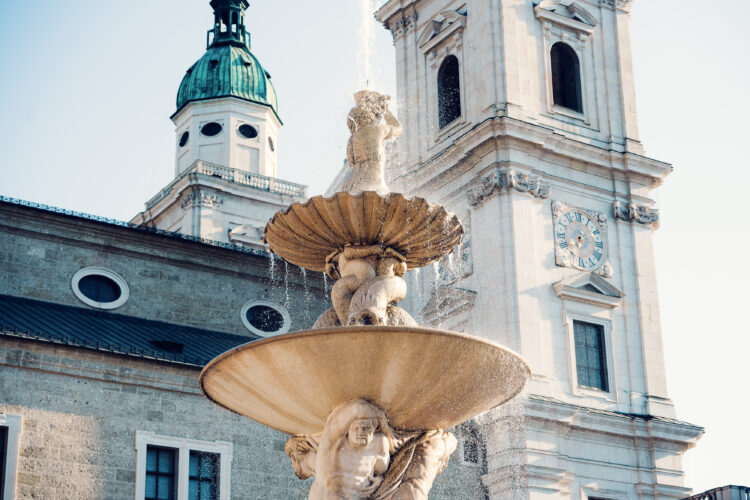
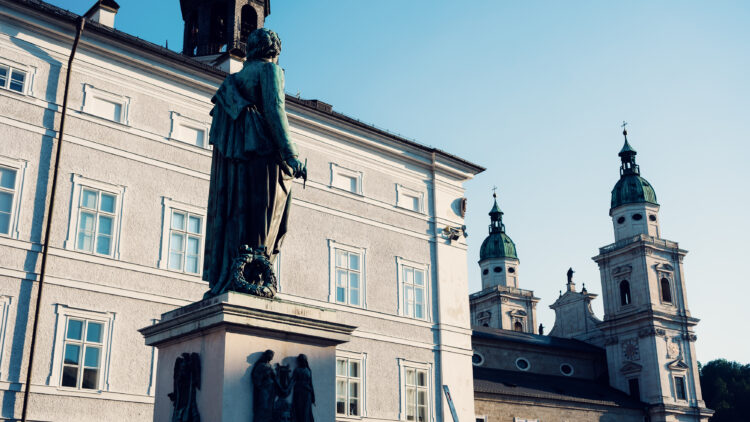
That plan was never realized in its original form. Wolf Dietrich lost power in 1612, and his successor, Markus Sittikus von Hohenems, commissioned a different architect: Santino Solari, who designed the current Salzburg Cathedral to his own plans. The cornerstone was laid in 1614, and Prince-Archbishop Paris Lodron consecrated the finished building in 1628 - considered the first early Baroque church building north of the Alps.
Residenz, Cathedral, and Monastery United
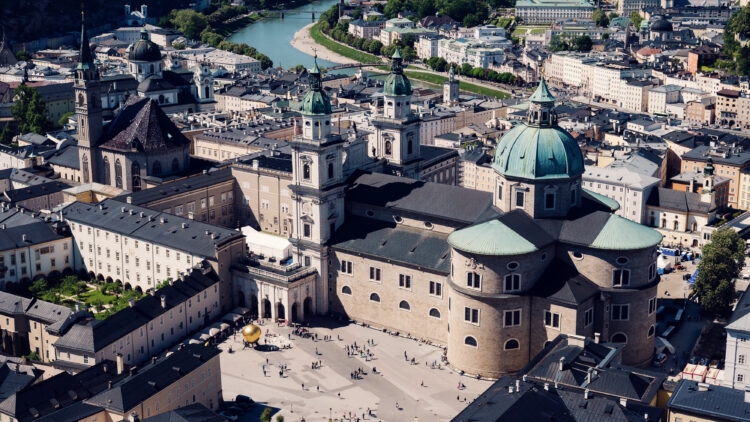
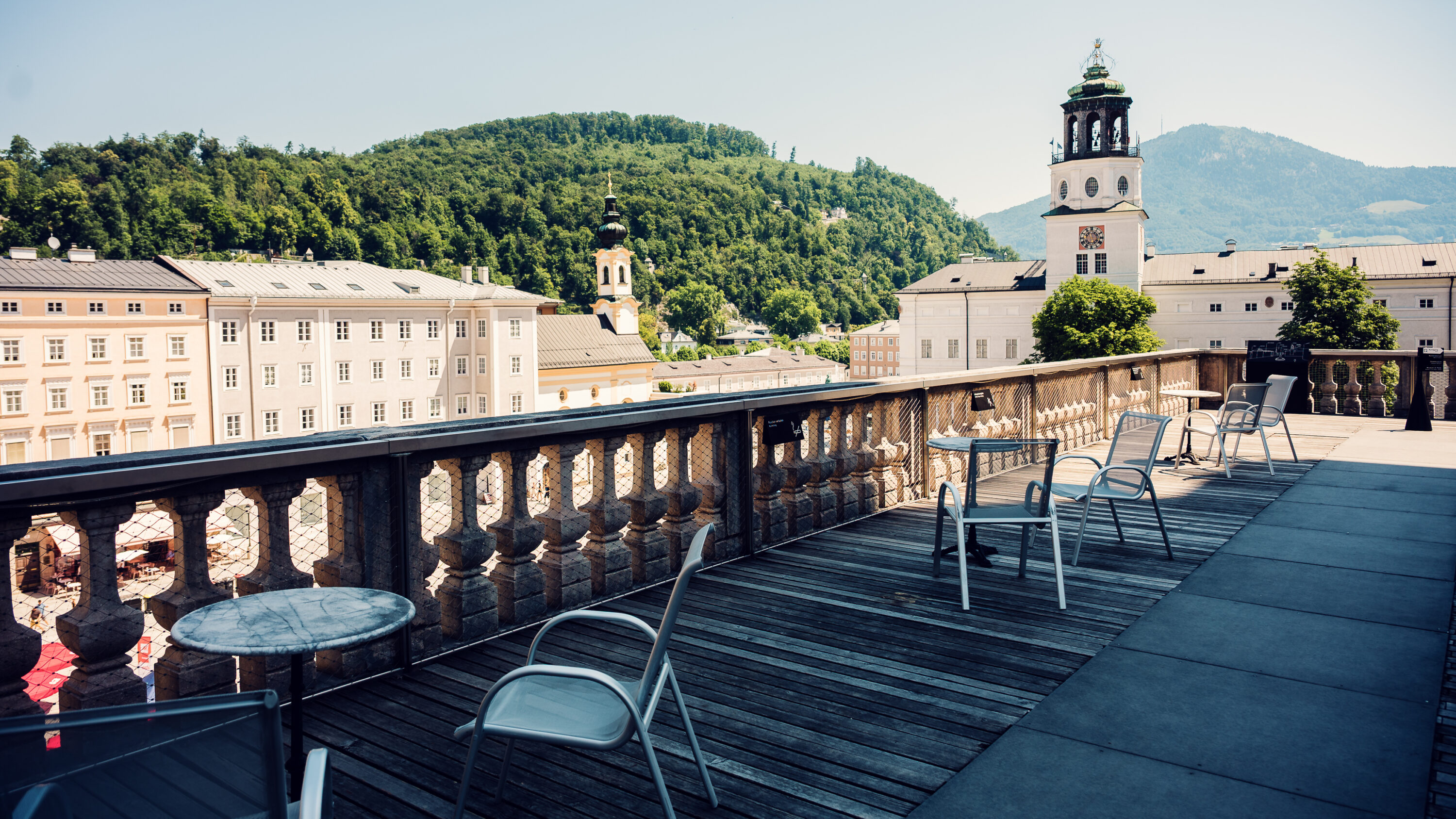
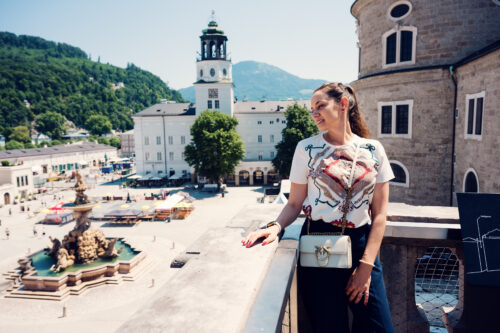
The result of this building campaign was a complex where palace, cathedral, and monastery stood side by side, connected by corridors and terraces that allowed the prince-archbishop to move between his secular quarters, his place of worship, and the monastic community without ever stepping outside. The architecture was the physical expression of his dual authority over church and state.
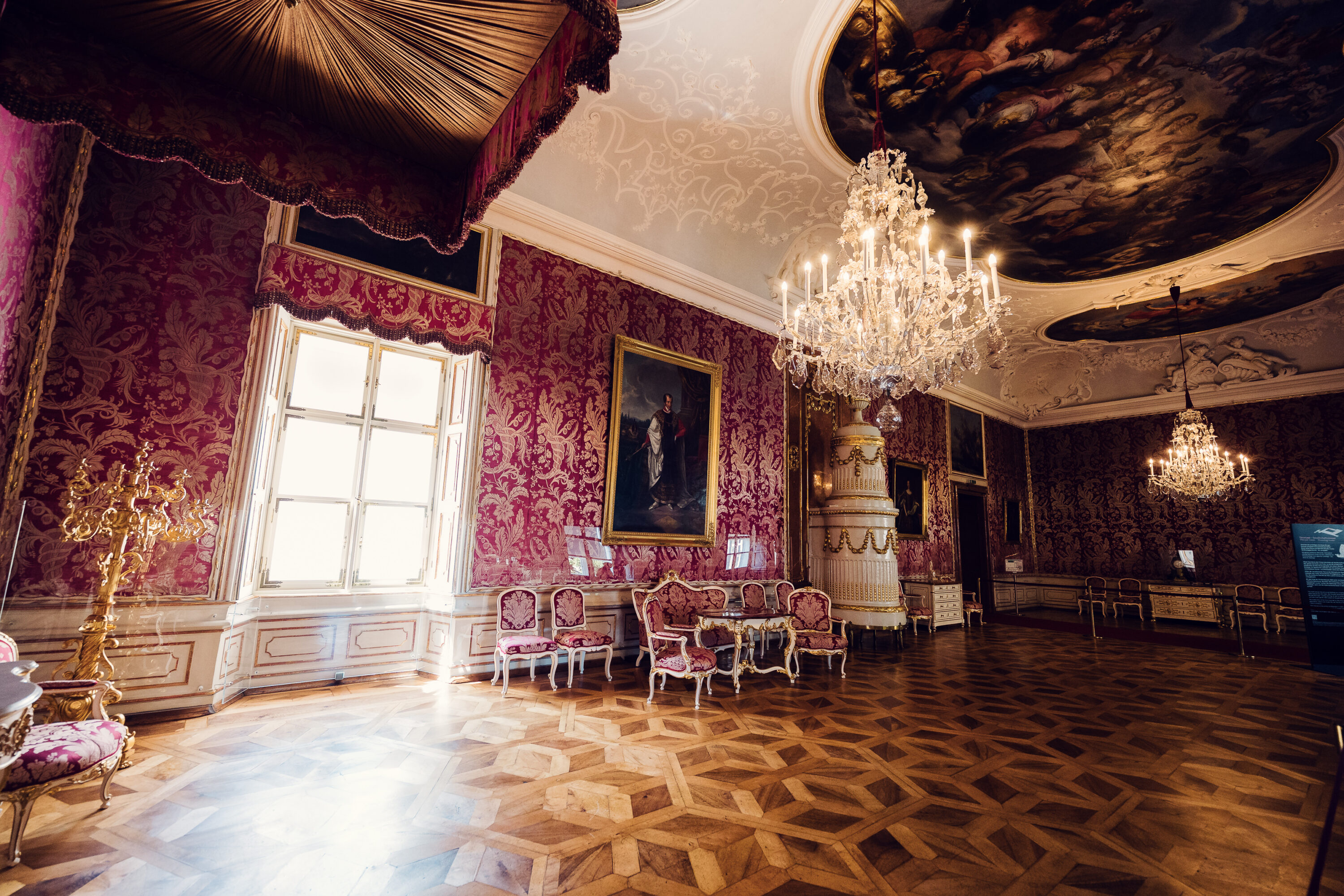
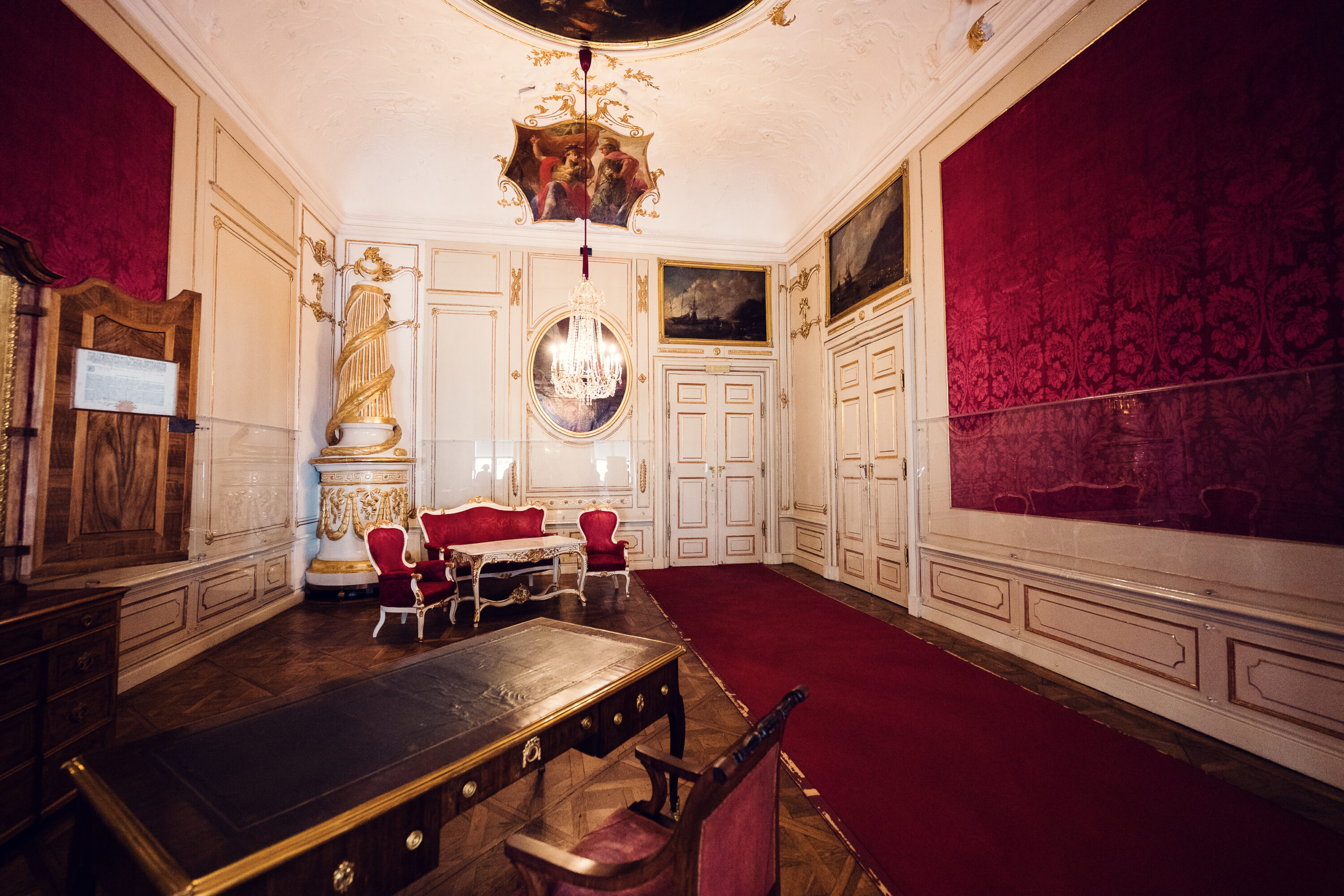
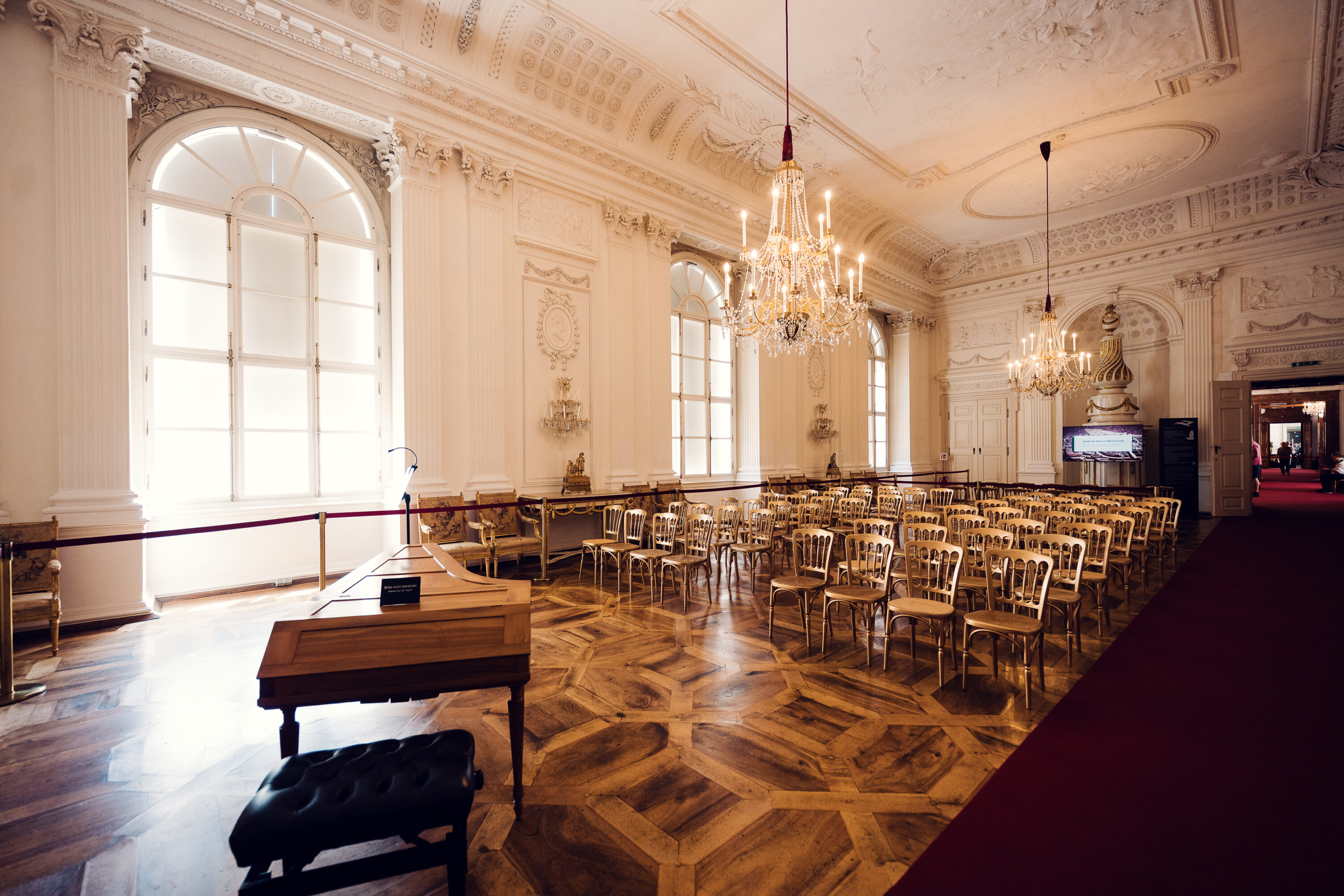
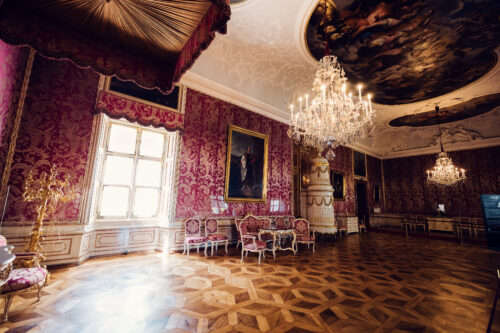
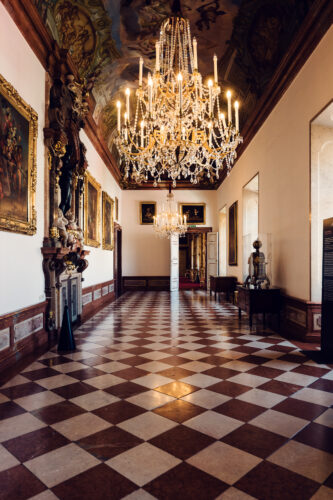
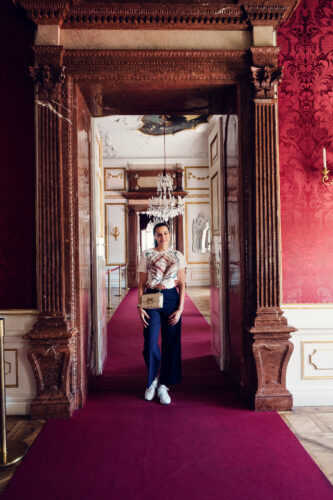
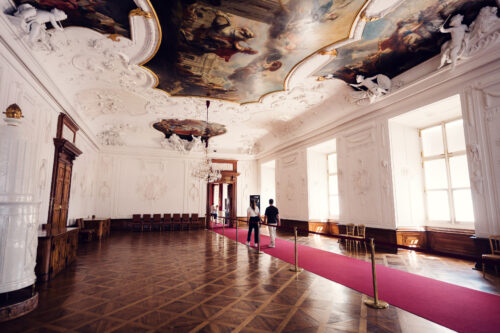
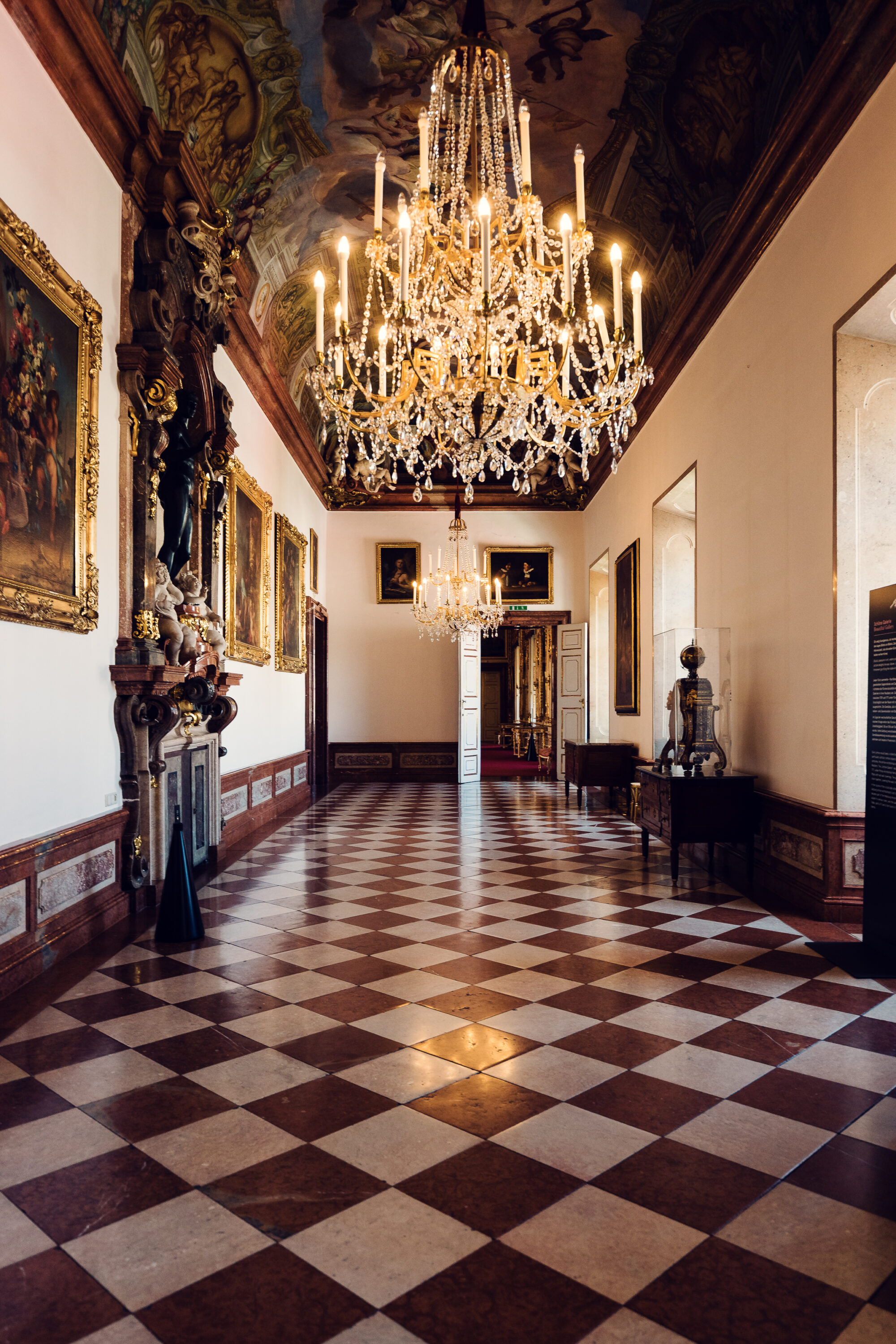
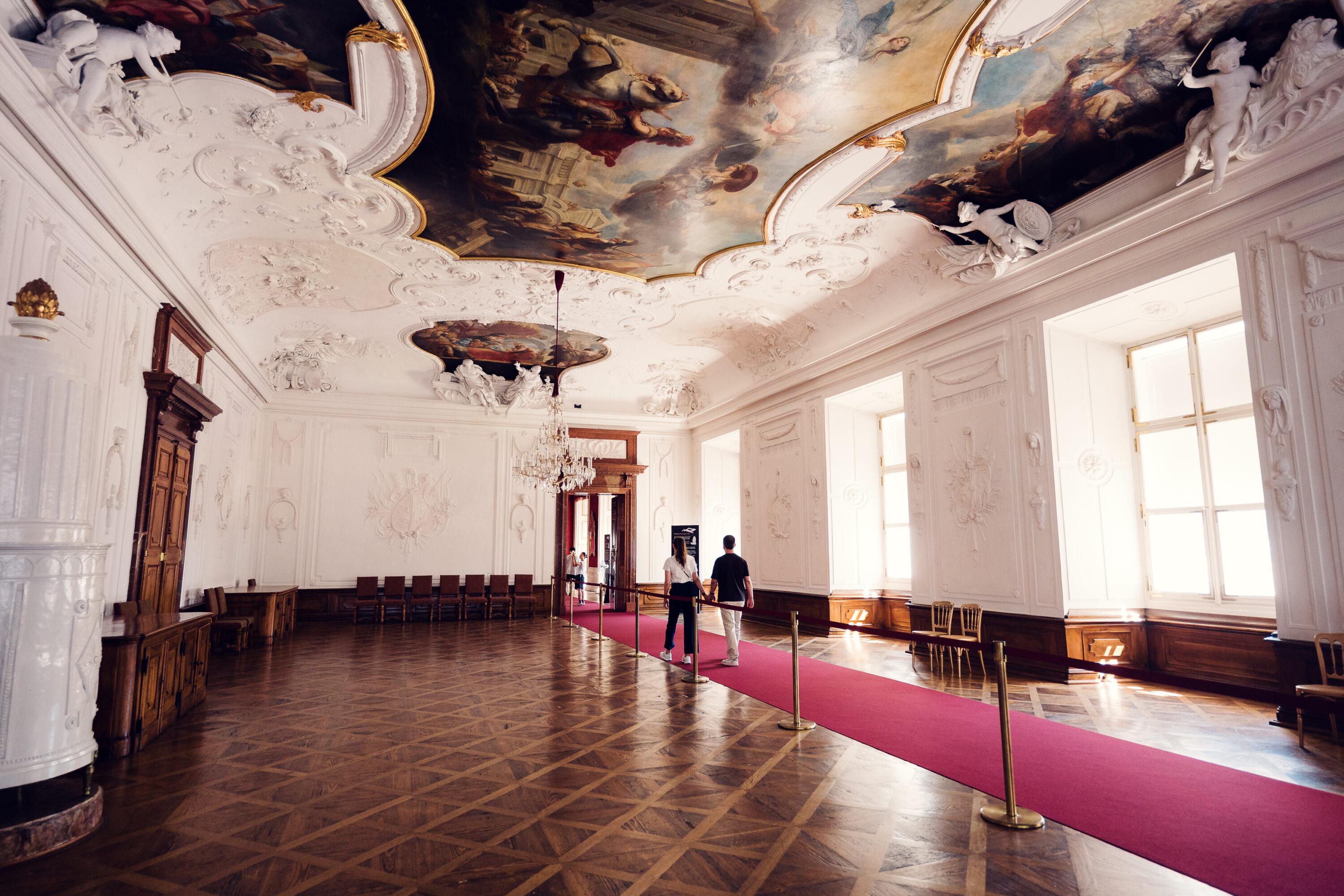
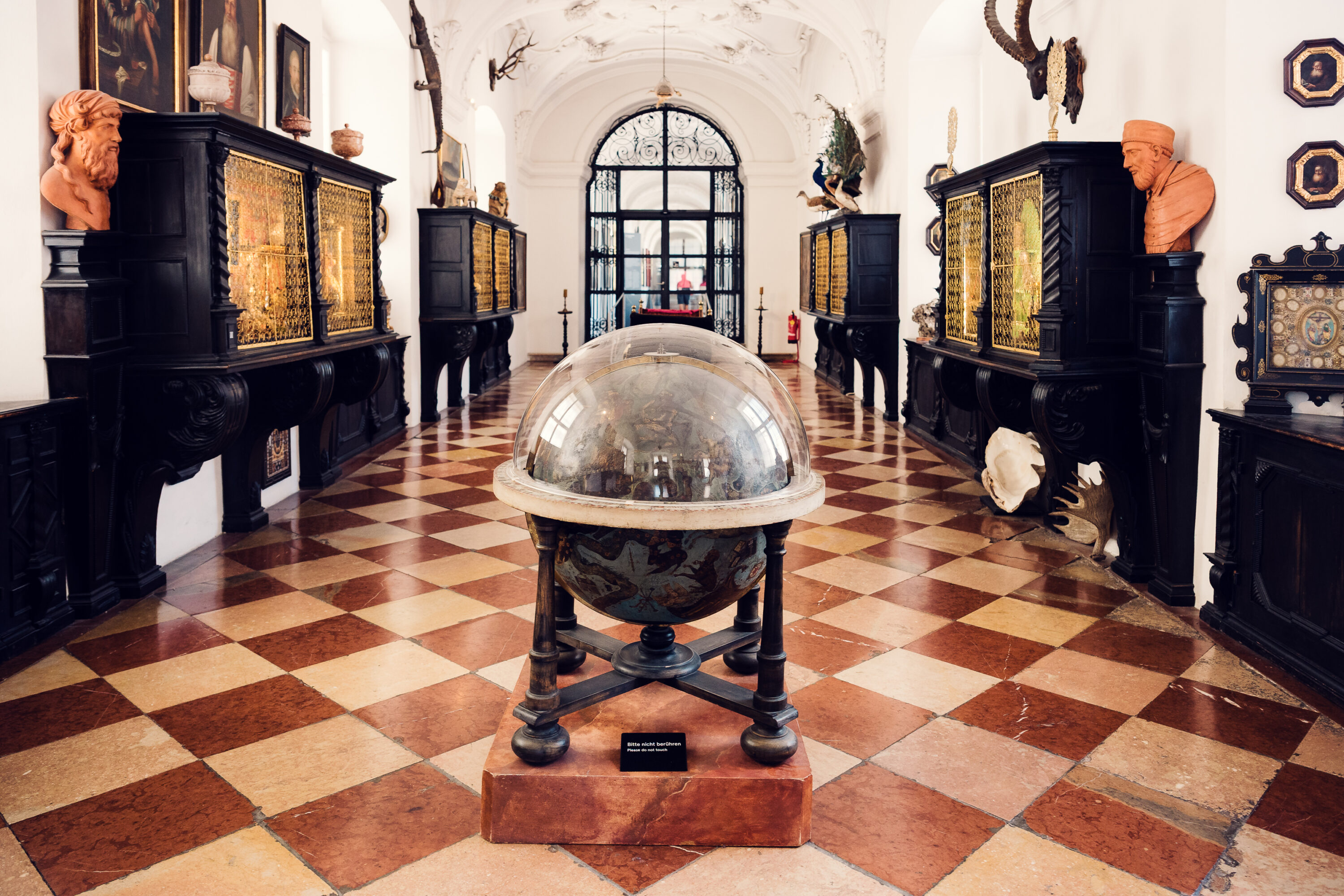
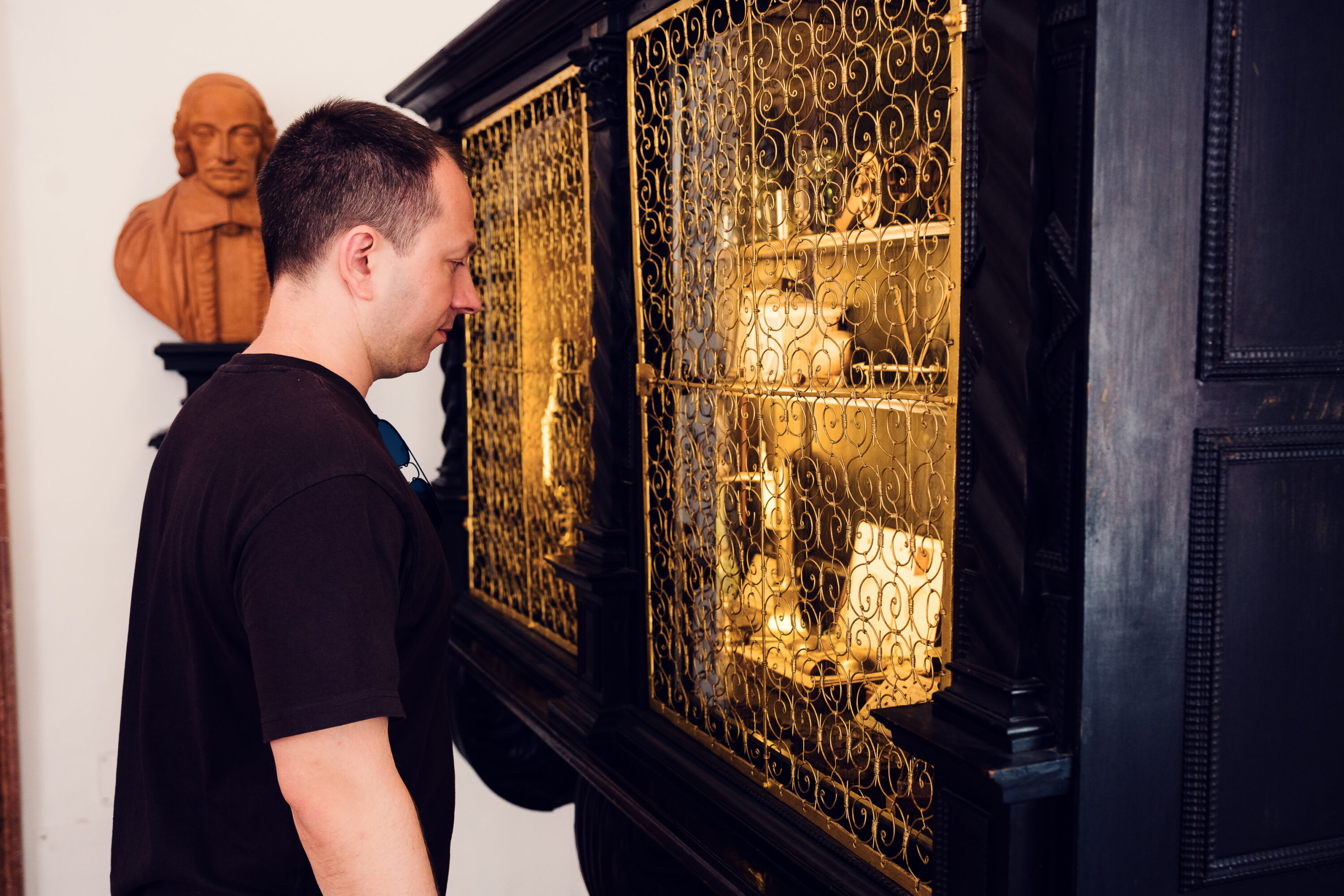
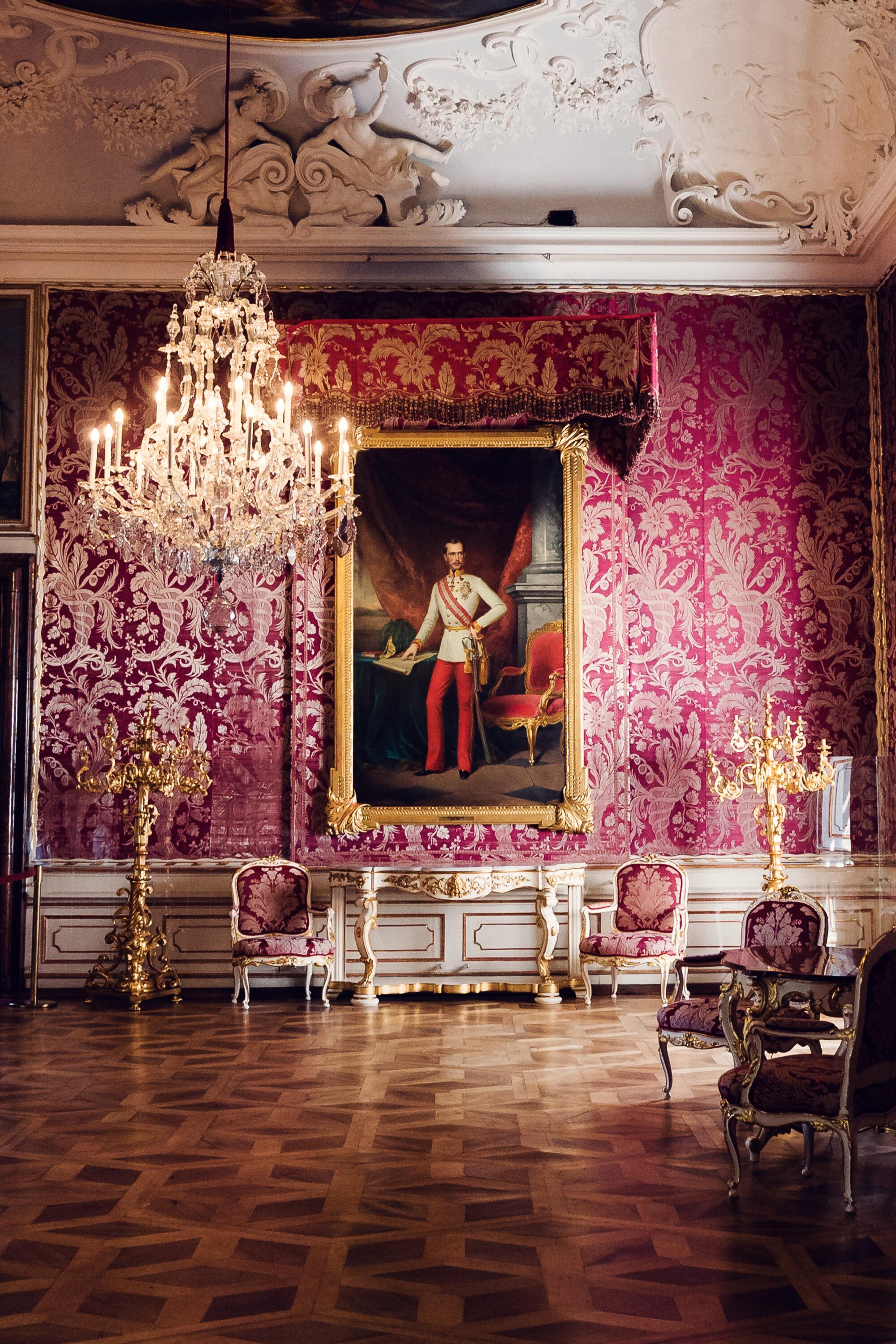
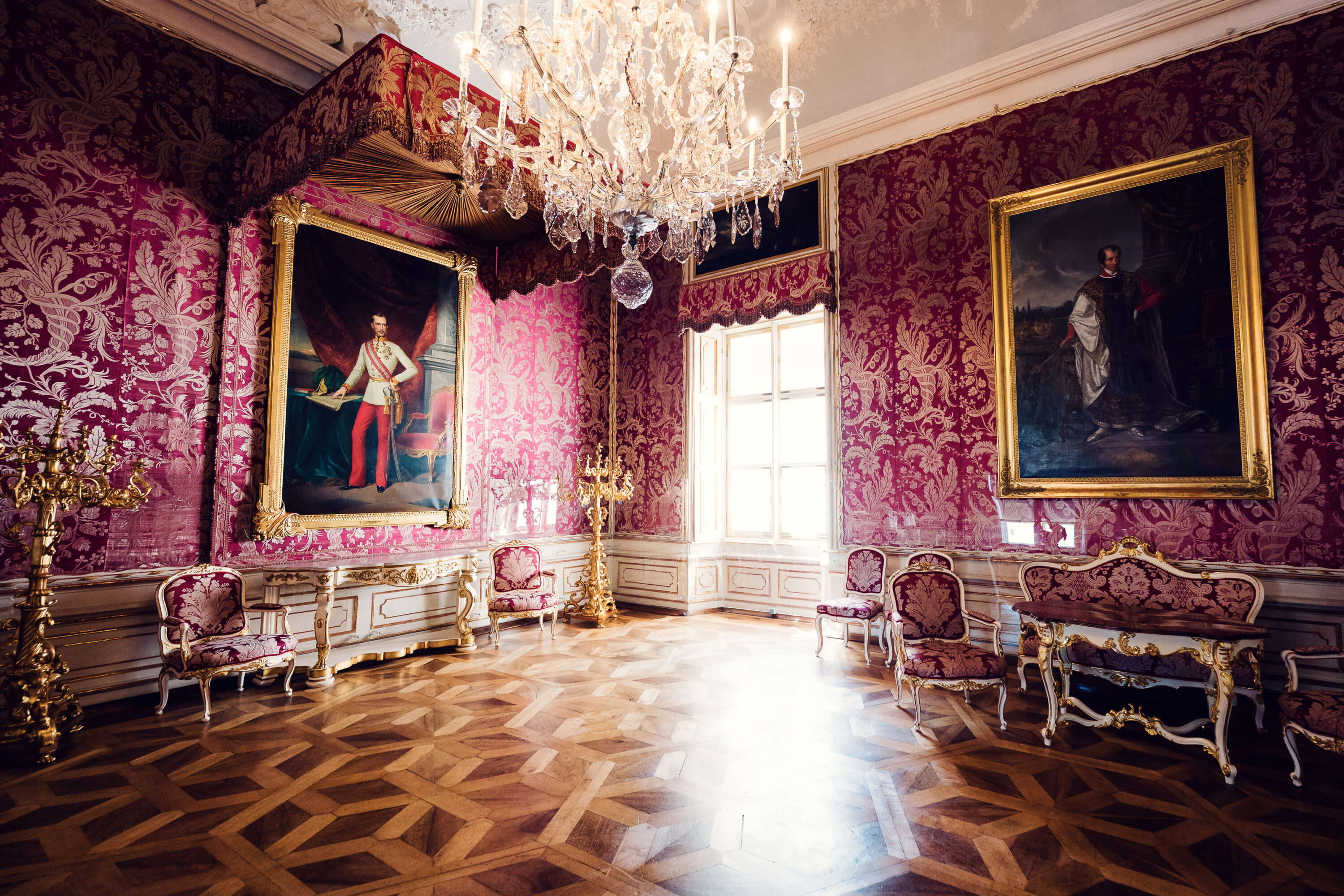
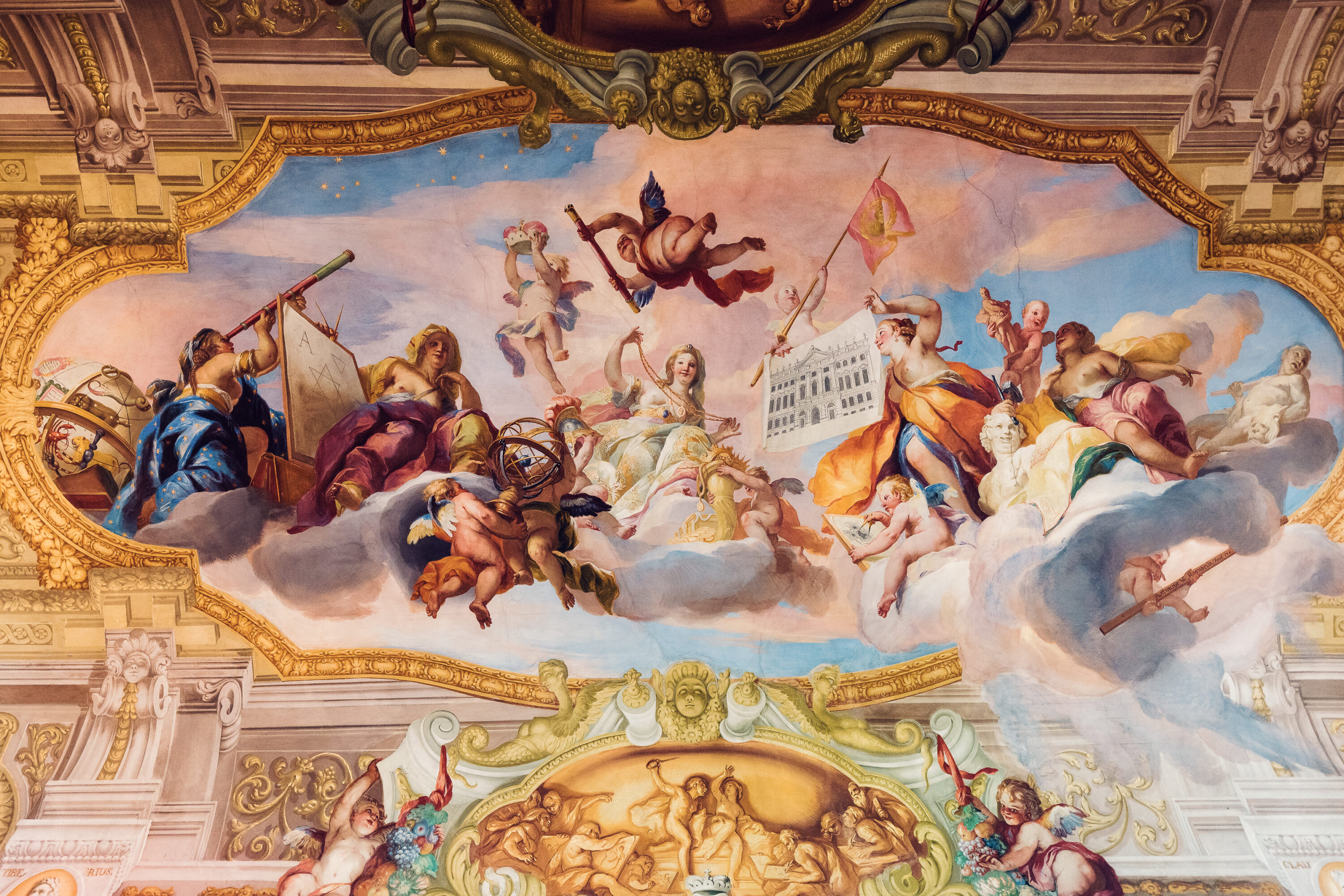
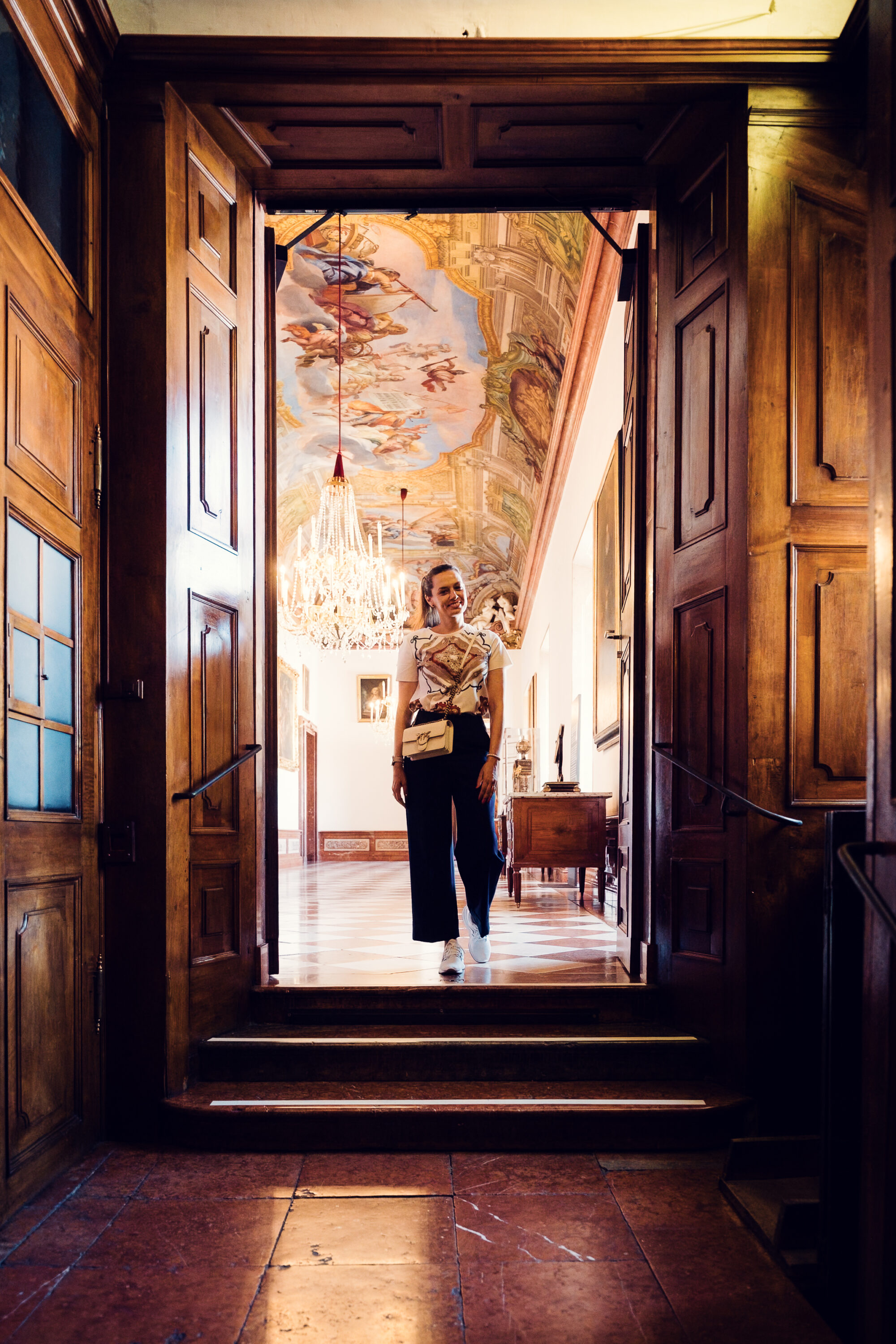
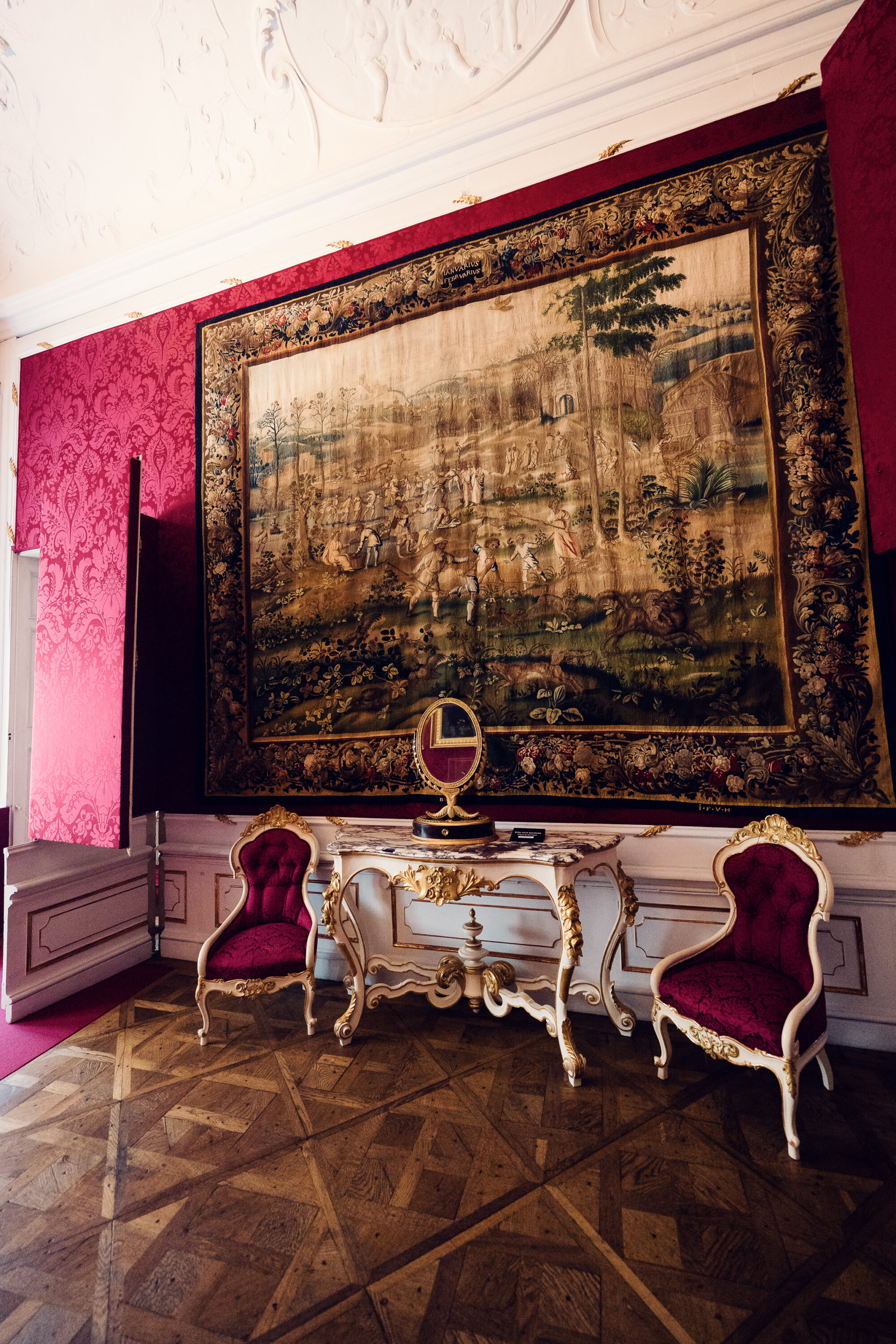
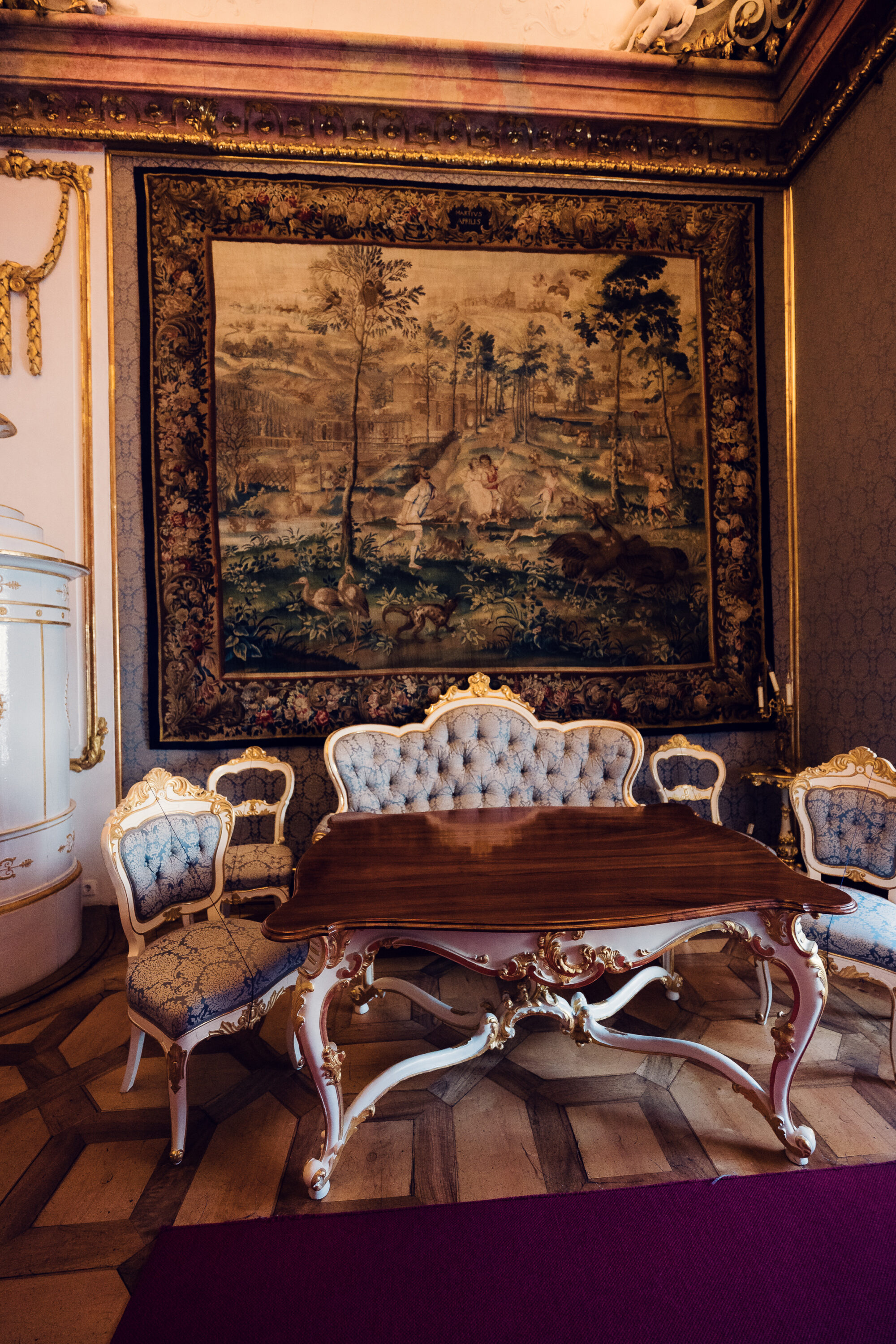
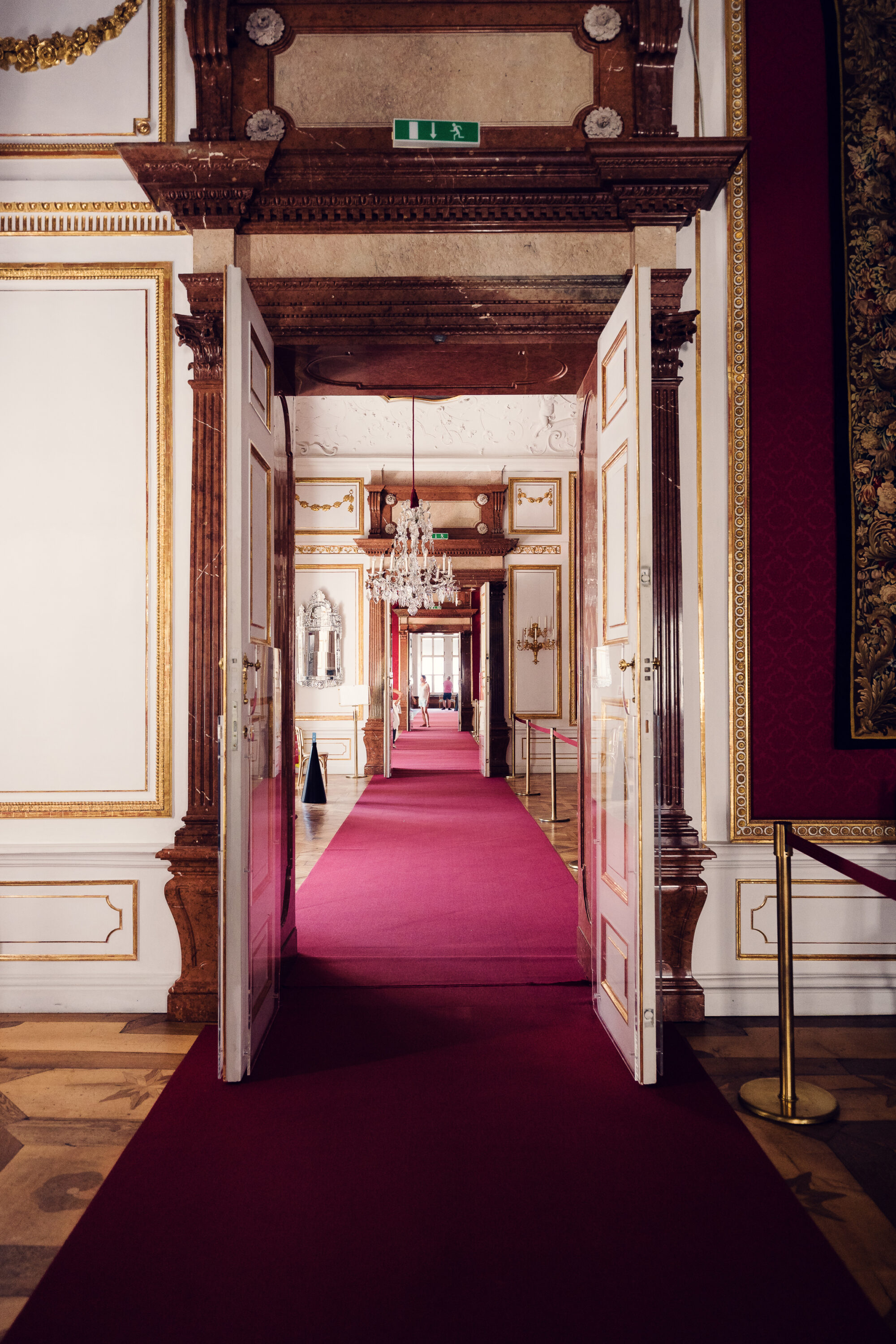
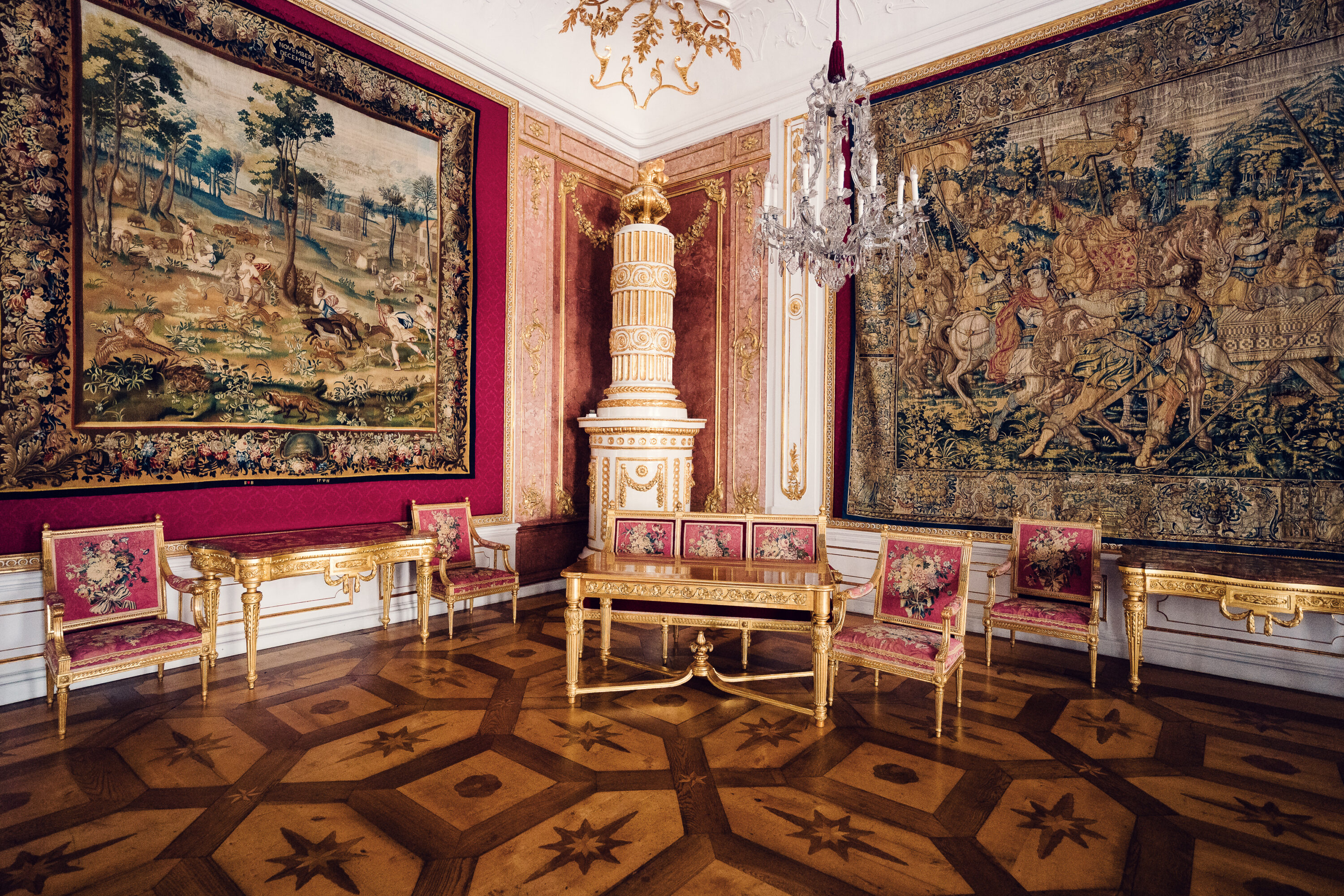
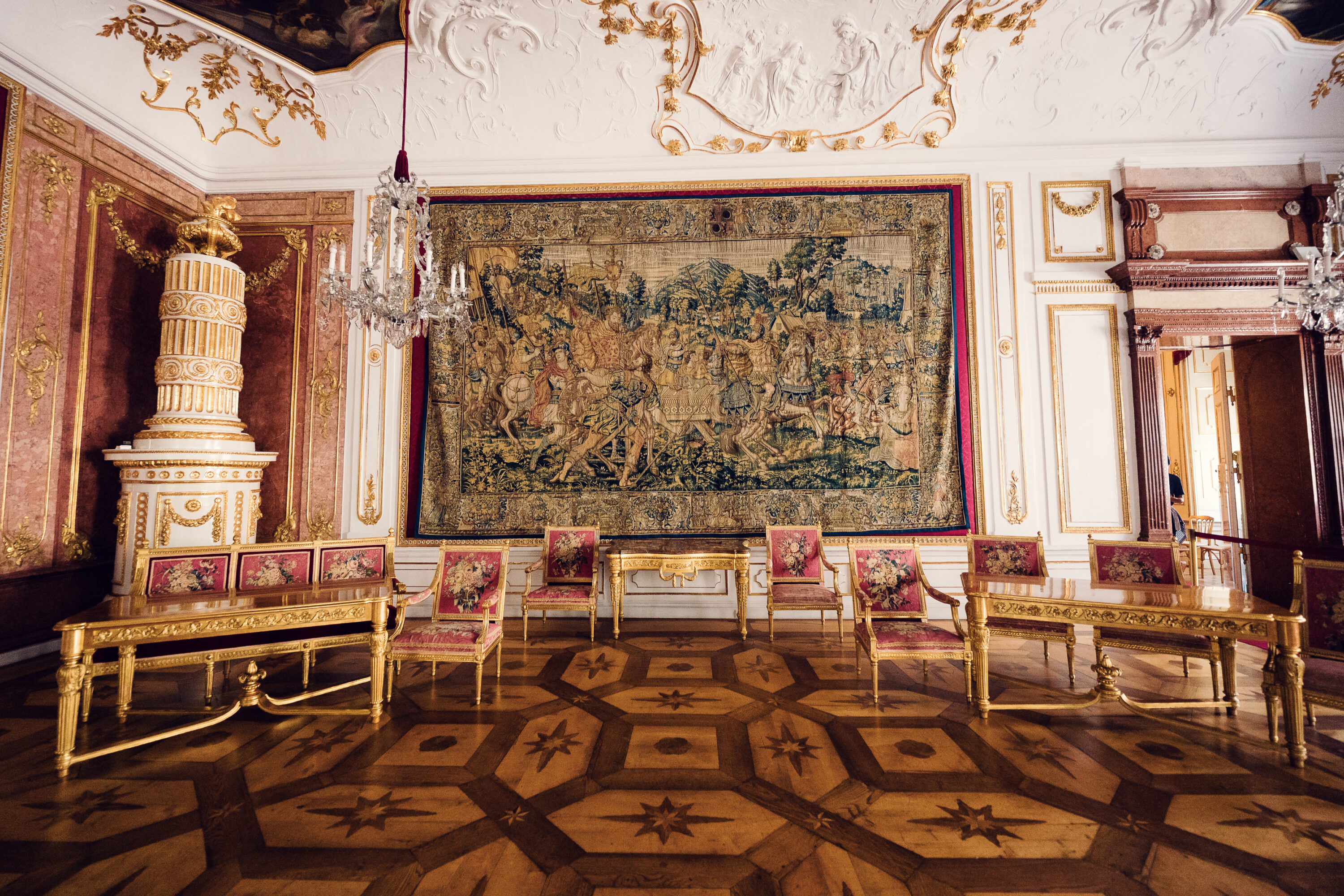
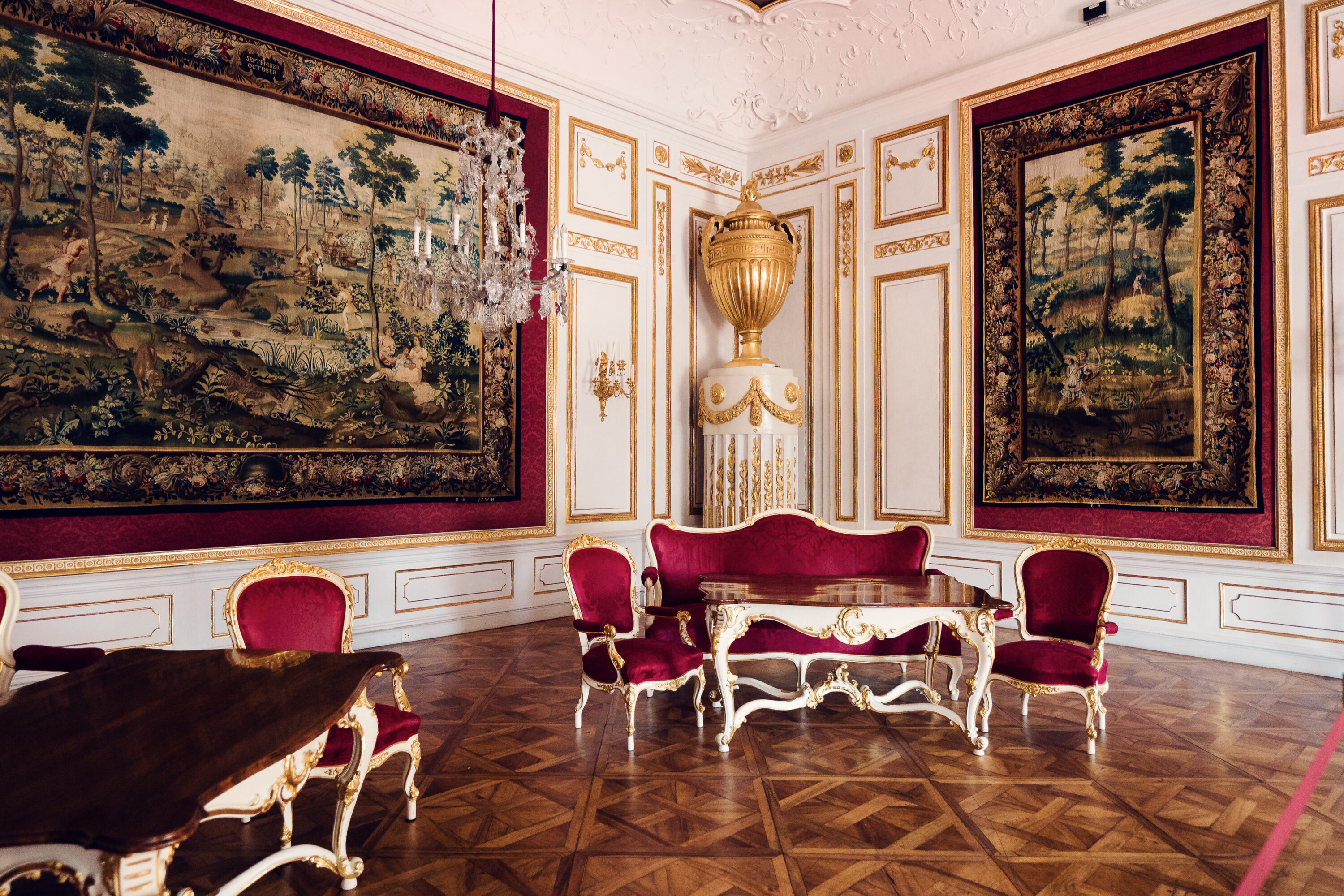
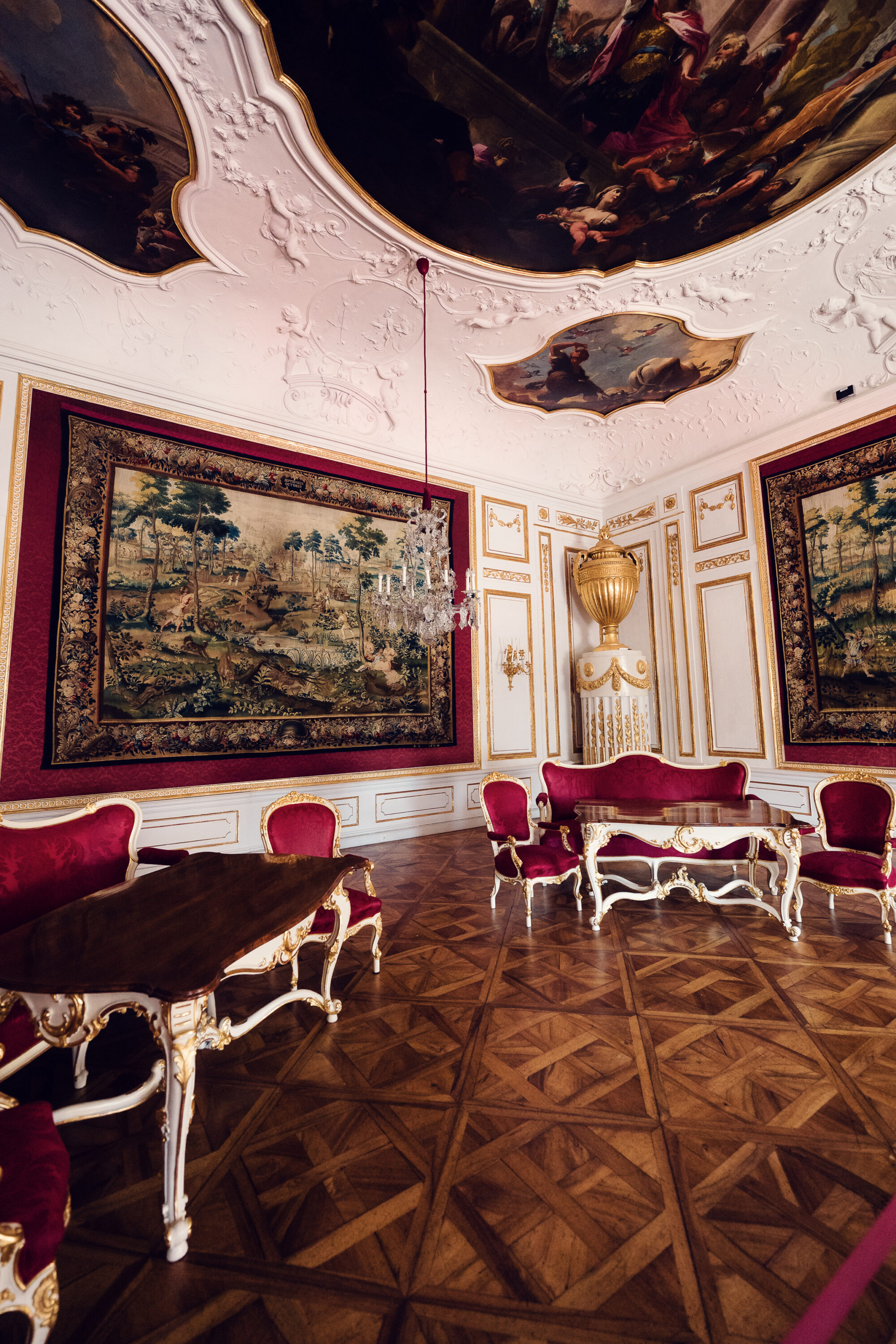
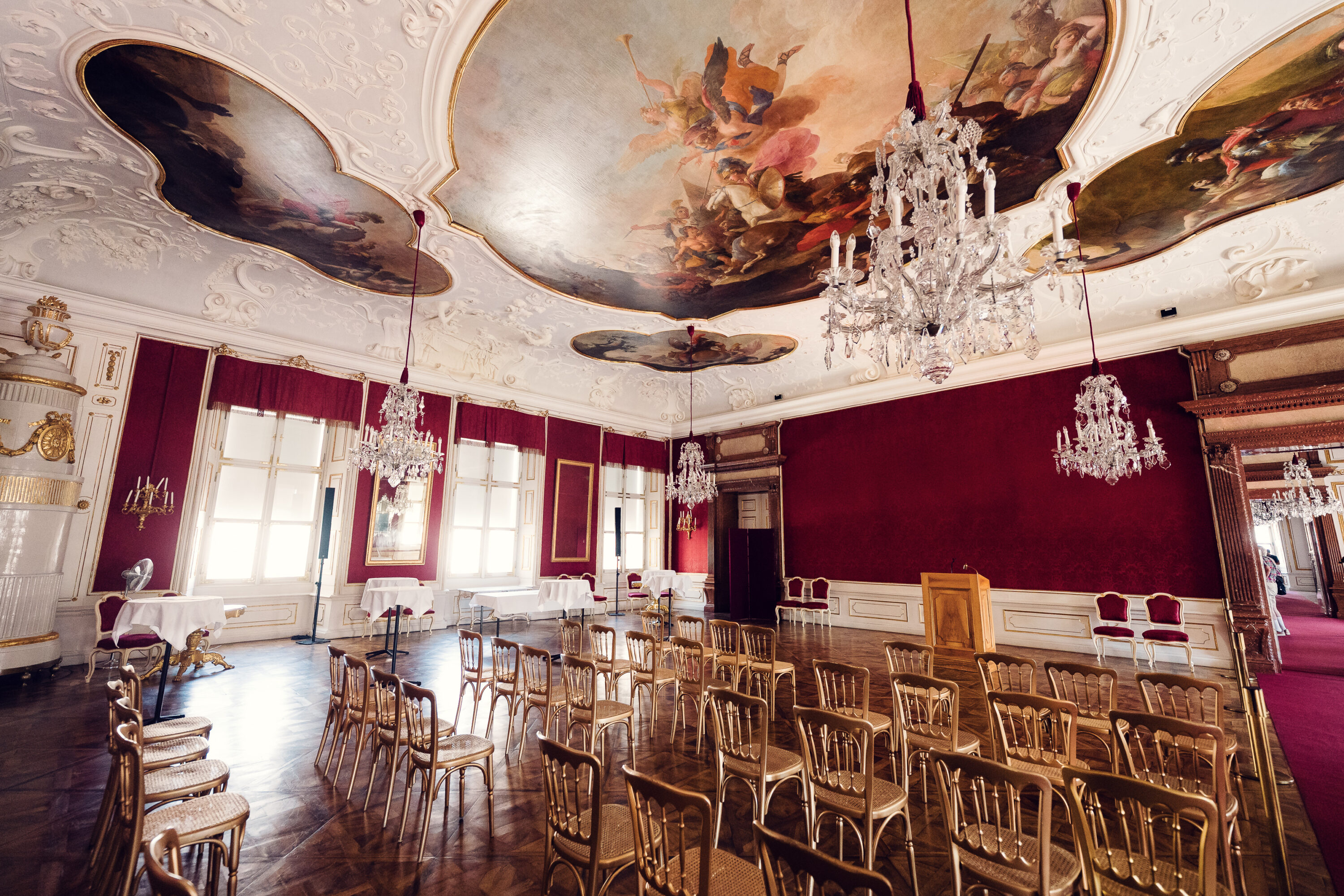
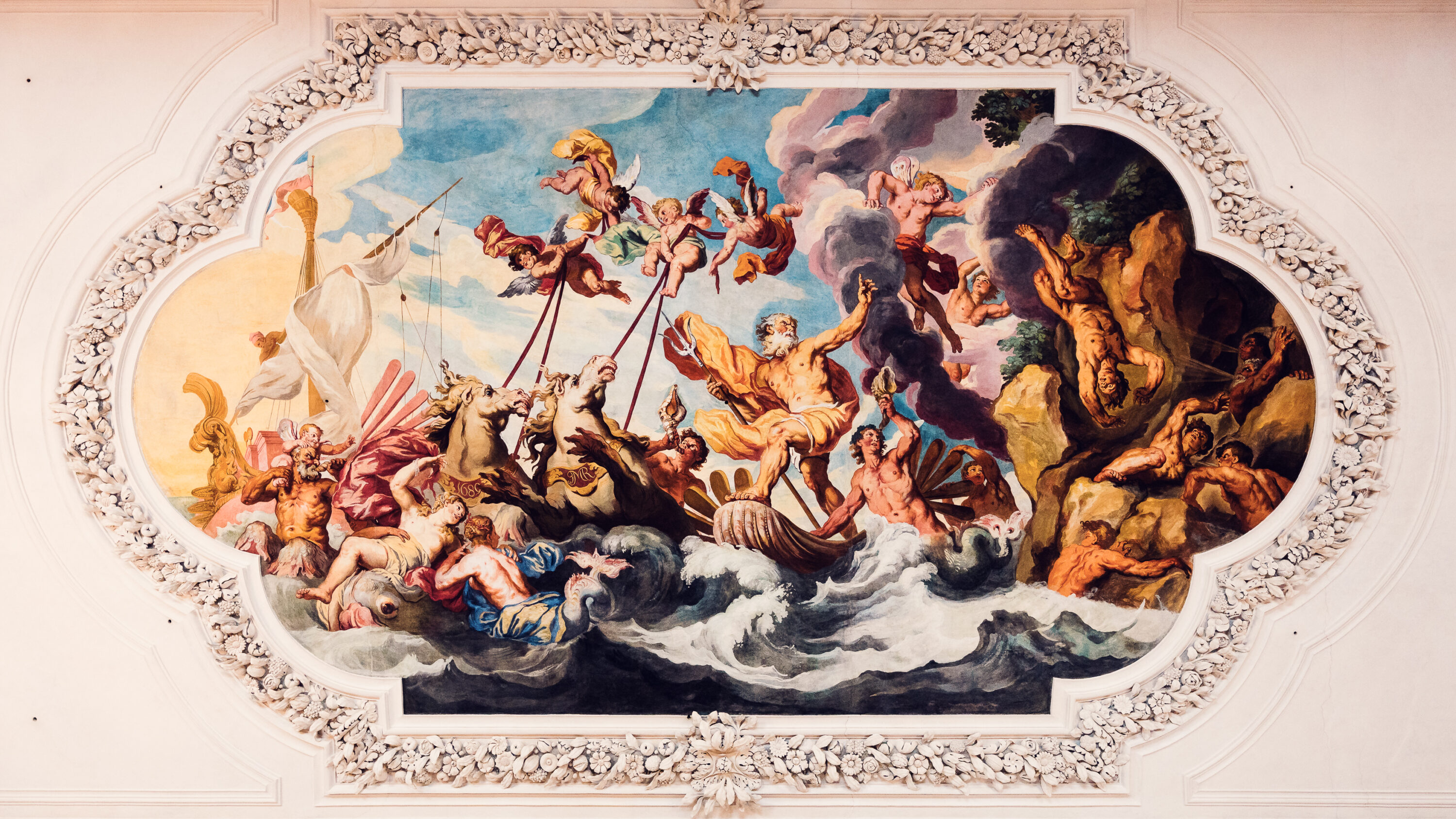
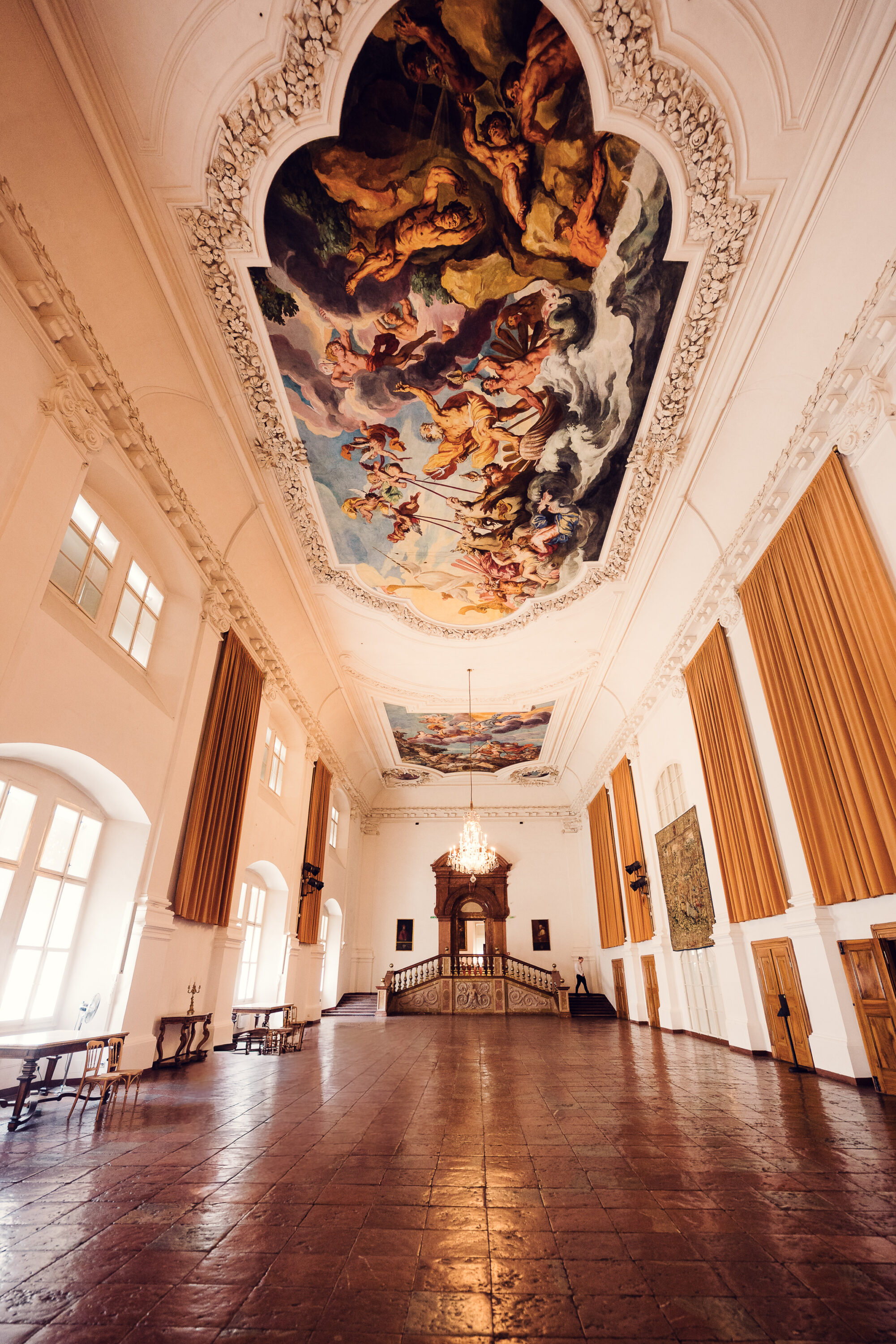
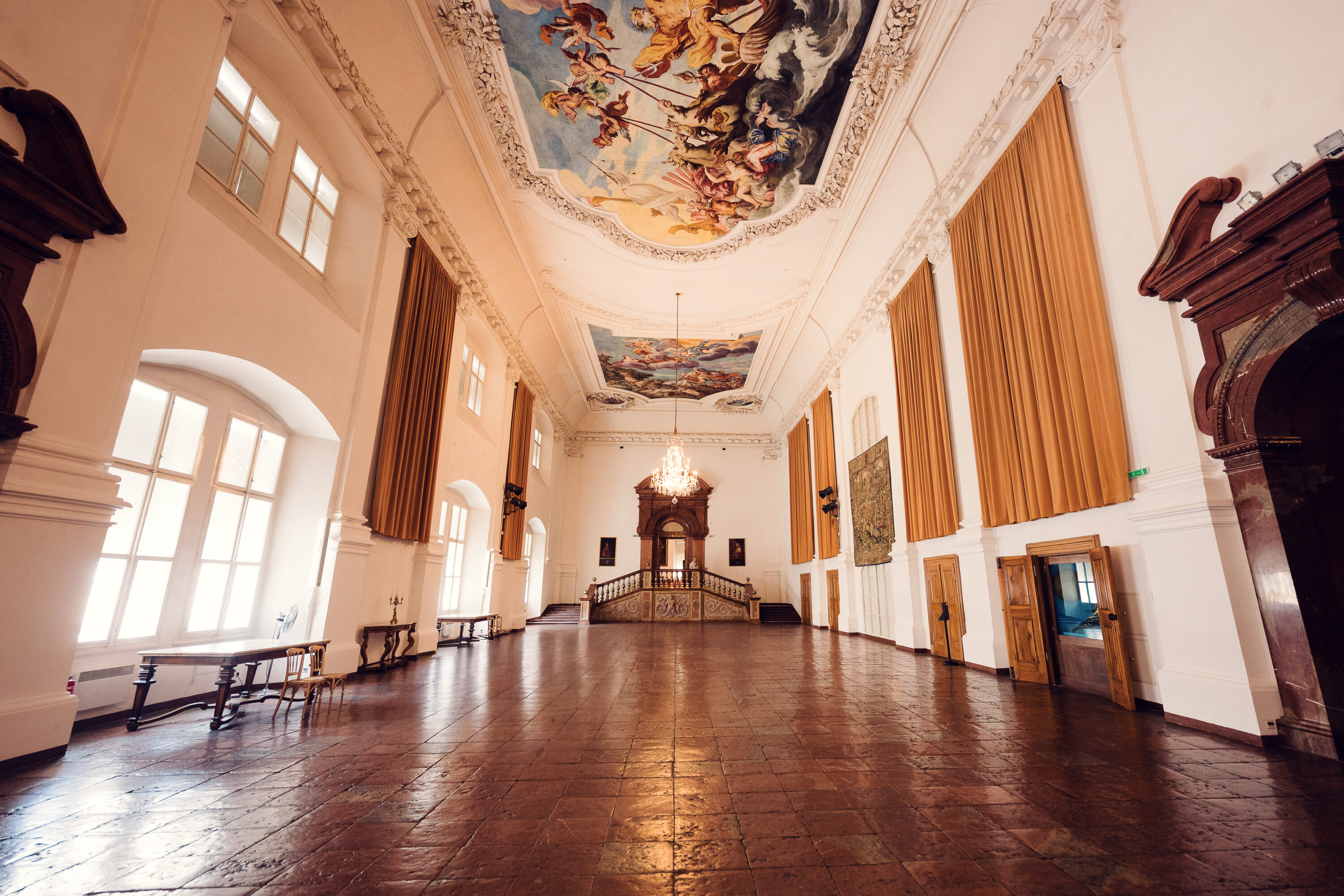
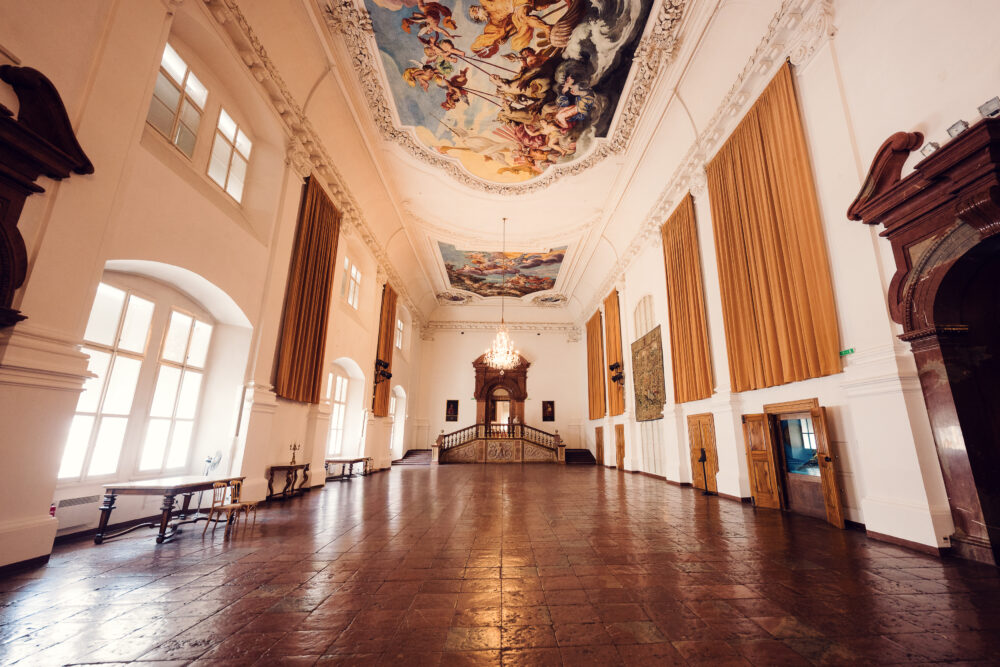
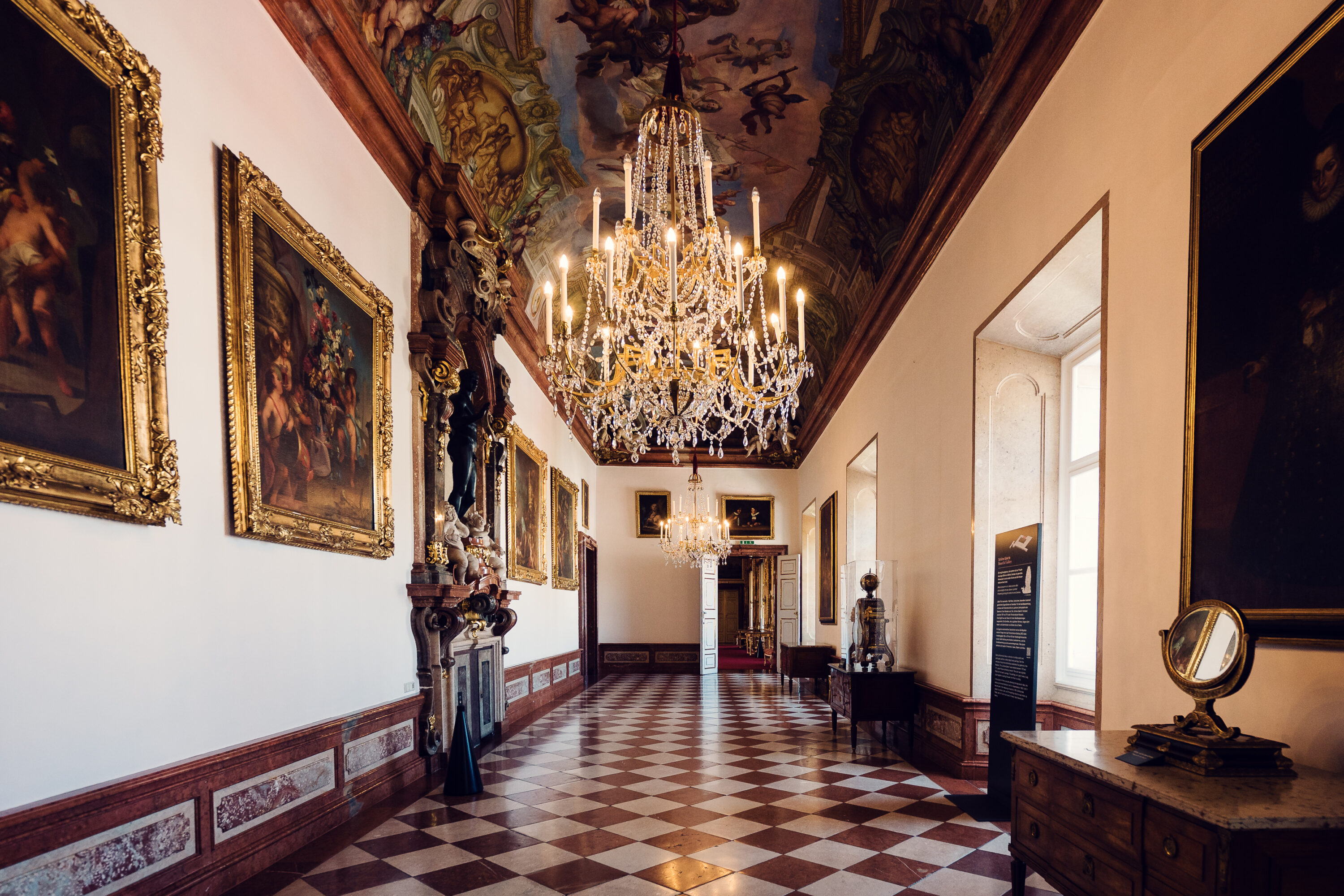
The State Rooms trace more than two centuries of style history, from the Renaissance through Baroque to Classicism, with later prince-archbishops repeatedly reshaping the Residenz's ceremonial interiors. The Carabinieri Hall's stucco and ceiling frescoes date from the time of Prince-Archbishop Johann Ernst Graf von Thun. Franz Anton von Harrach modernized the private apartments from 1709, modeling them on the Leopoldine Wing of the Hofburg in Vienna. Guidobald Graf Thun established the Kunst- und Wunderkammer, a Cabinet of Curiosities filled with exotic objects from art, nature, and technology - designed to astonish visiting dignitaries.
Secularization and Separation
This architectural unity lasted until 1803, when Napoleon's reorganization of Europe ended the prince-archbishopric as a political entity. The connecting passages between Residenz and Cathedral were sealed or demolished, and the buildings went their separate ways. The Residenz served the Habsburgs as an occasional imperial residence - Emperor Franz I received the oath of allegiance of the Salzburg estates here in 1816, and Franz Joseph later hosted Napoleon III and his wife Eugénie in the palace.
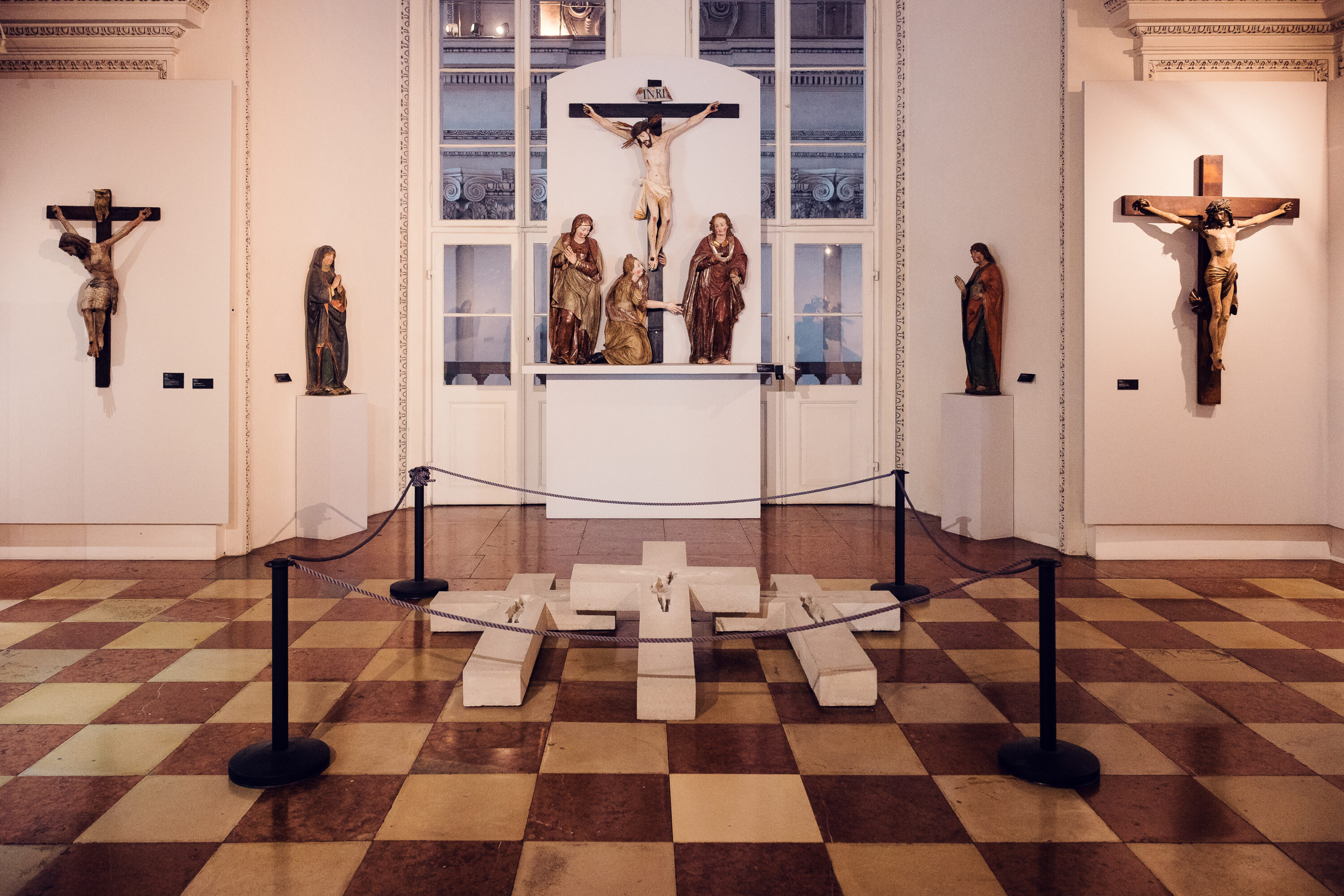
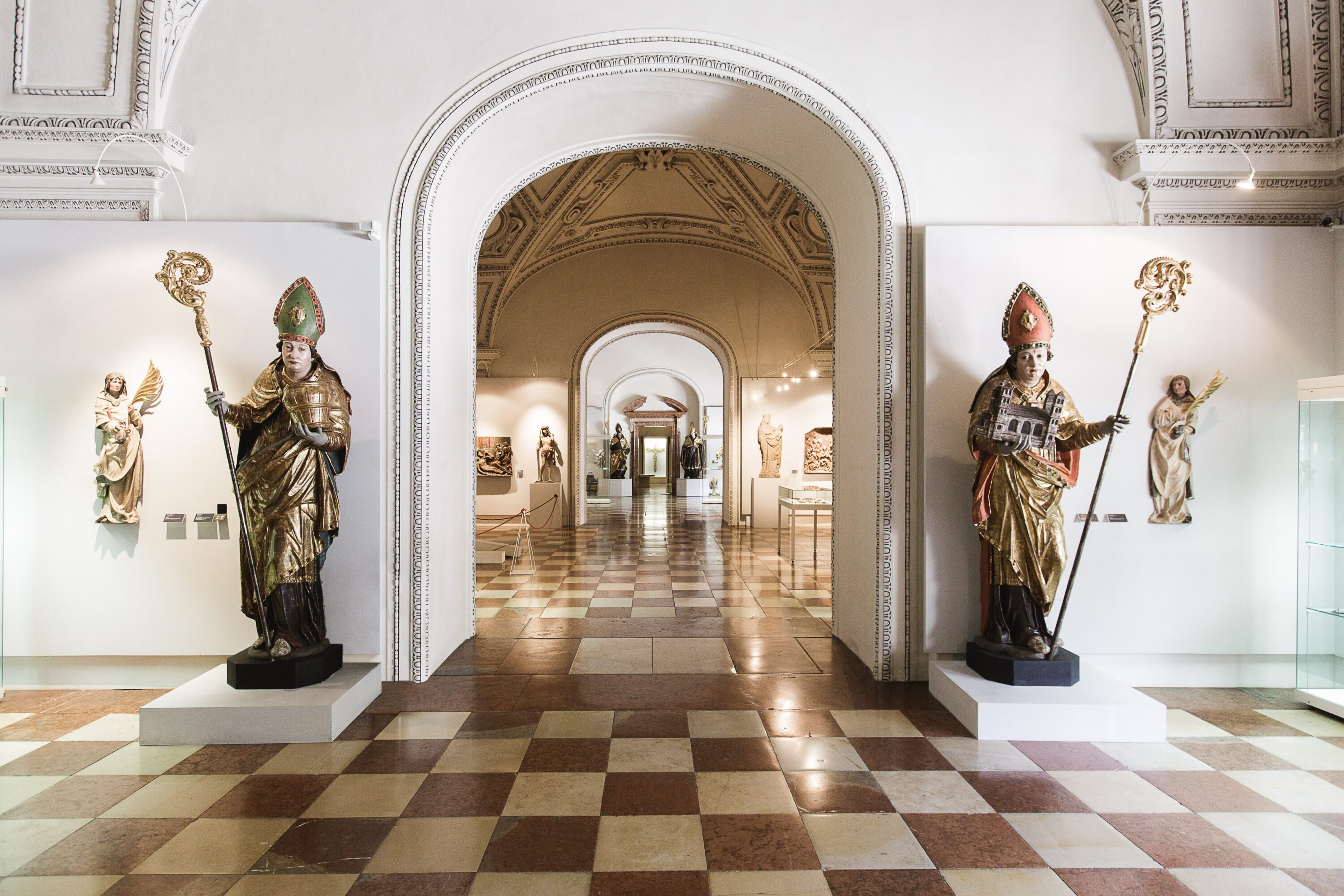
The Residenzgalerie was founded in 1923 to house European paintings in the upper floors. The Cathedral Museum opened in 1974 in the South Oratory, displaying liturgical art from across the Archdiocese. But for more than two centuries, there was no way to experience these spaces as the prince-archbishops once did - as a single, interconnected domain.
The DomQuartier Reopens
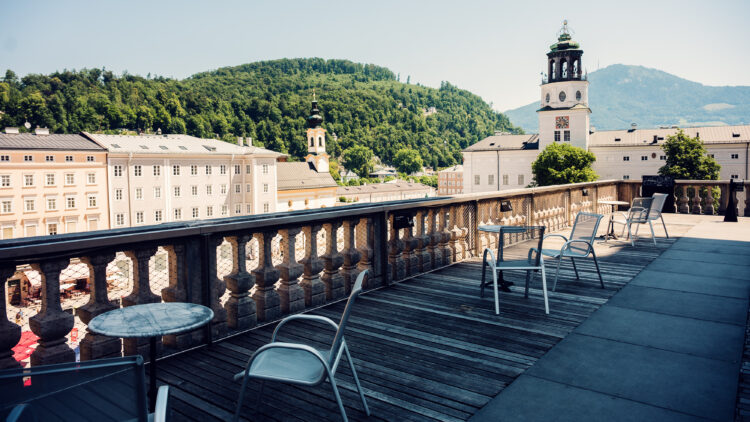
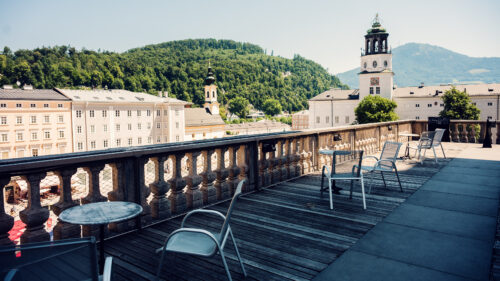
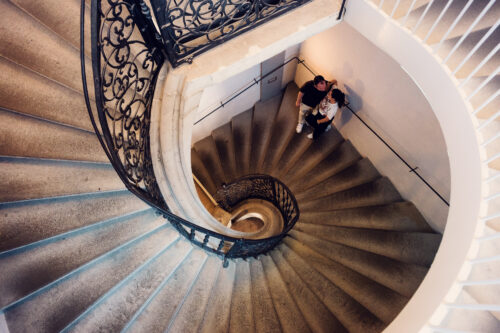
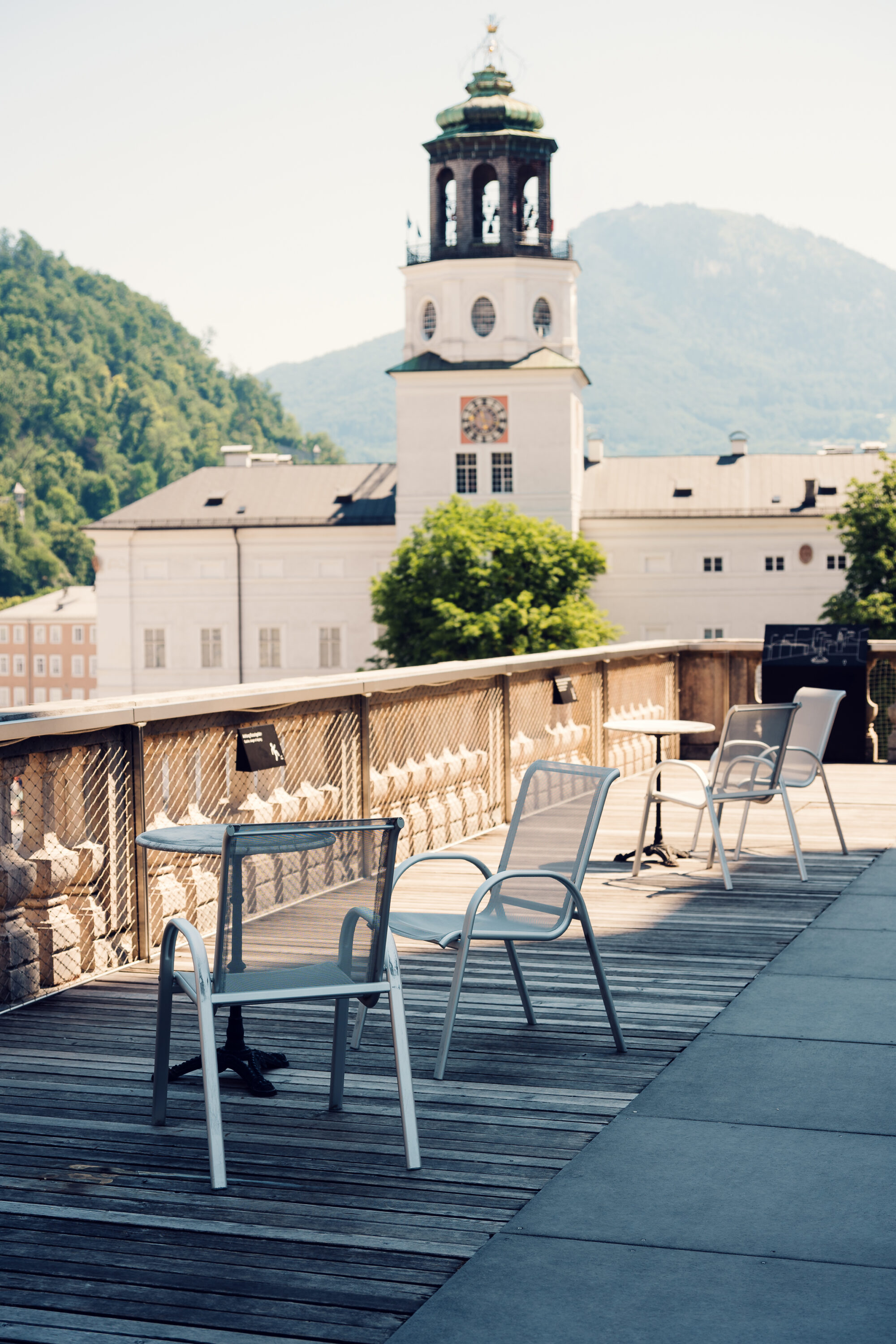
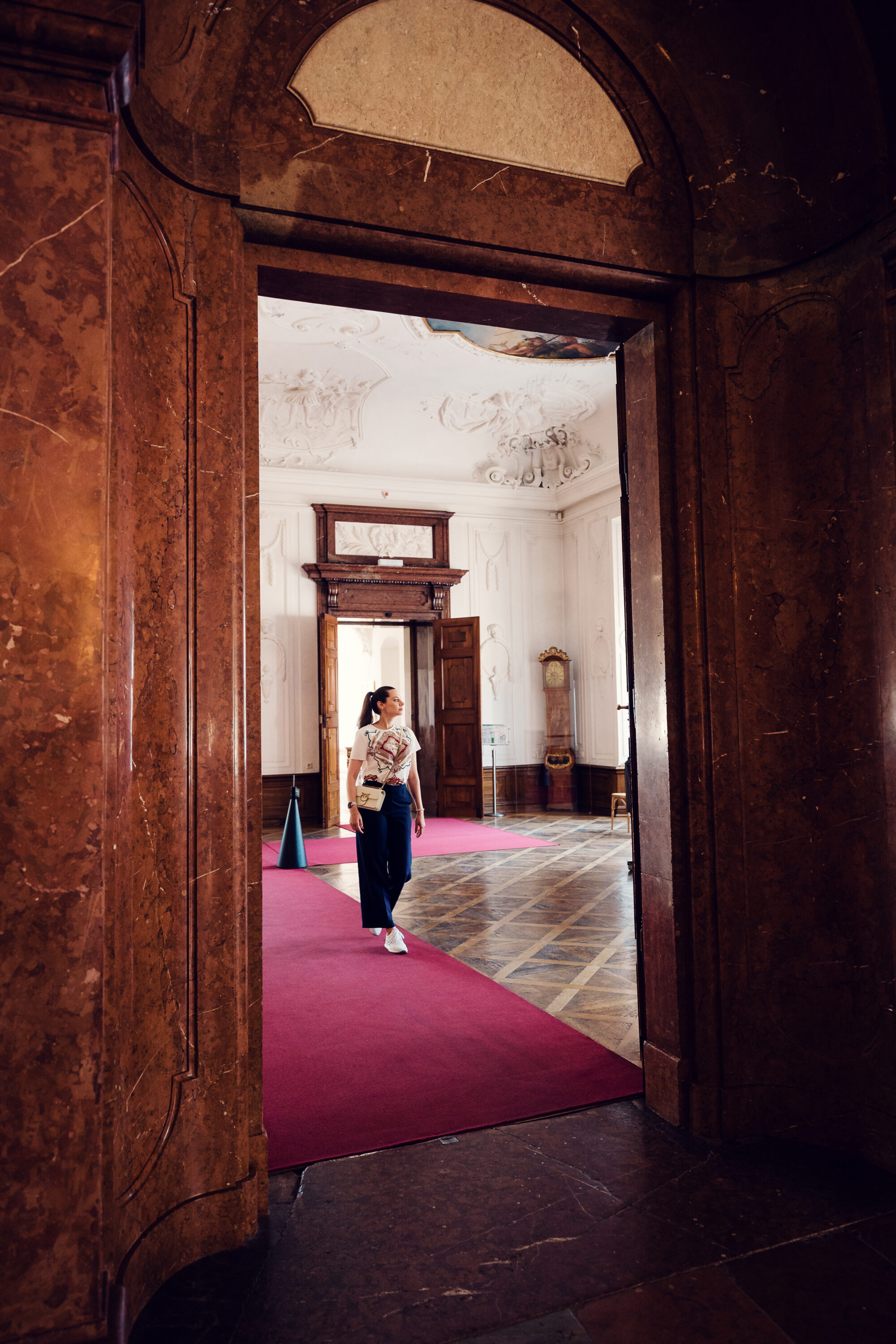
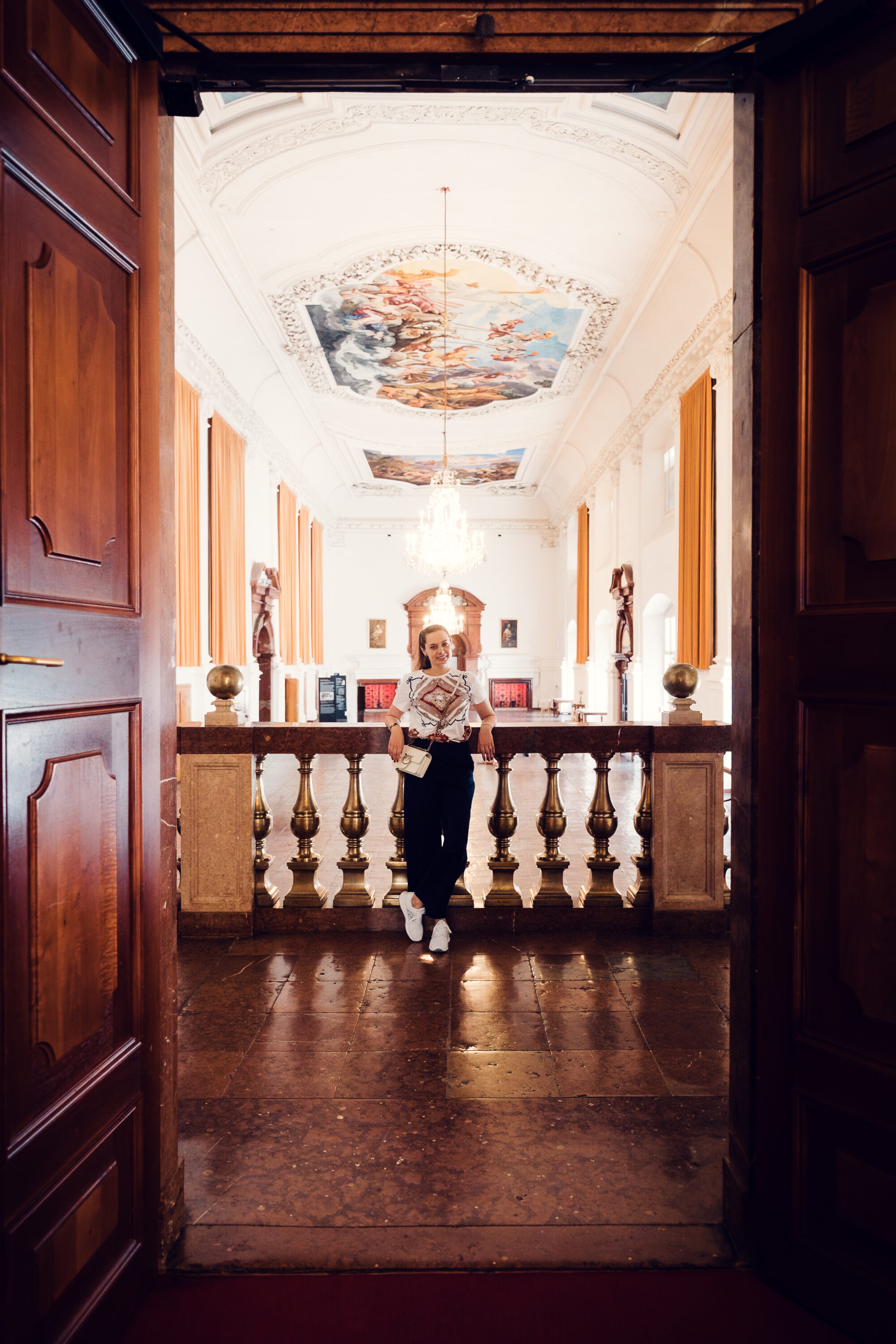
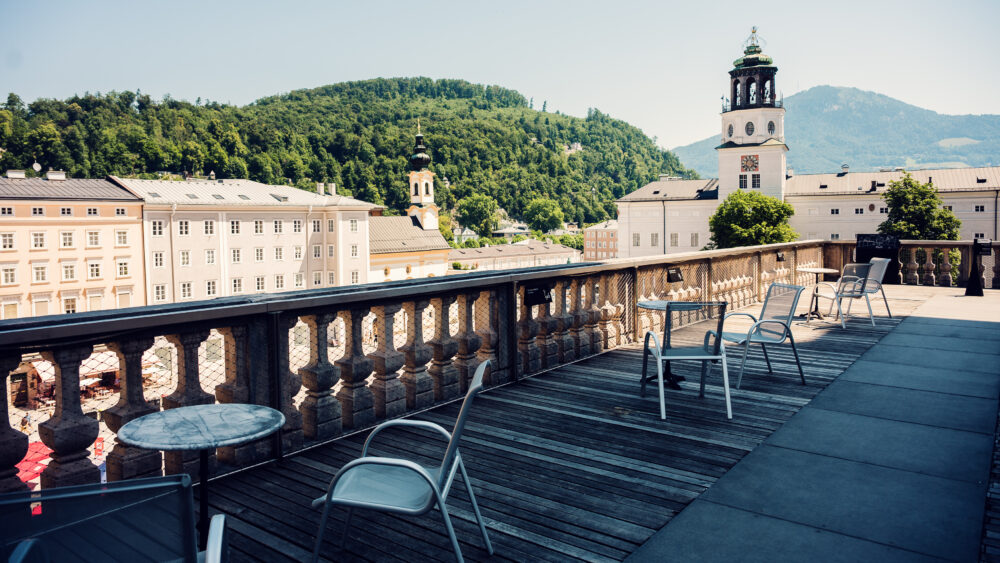
That changed in 2014, when the DomQuartier Salzburg project reopened the sealed passages and created a continuous museum circuit. The complex now includes the State Rooms, the Residenzgalerie, the Cathedral Arch Terrace, the Cathedral organ gallery, the Cathedral Museum with its Kunst- und Wunderkammer, and the Museum St. Peter in the Wallistrakt wing of the Benedictine Abbey.
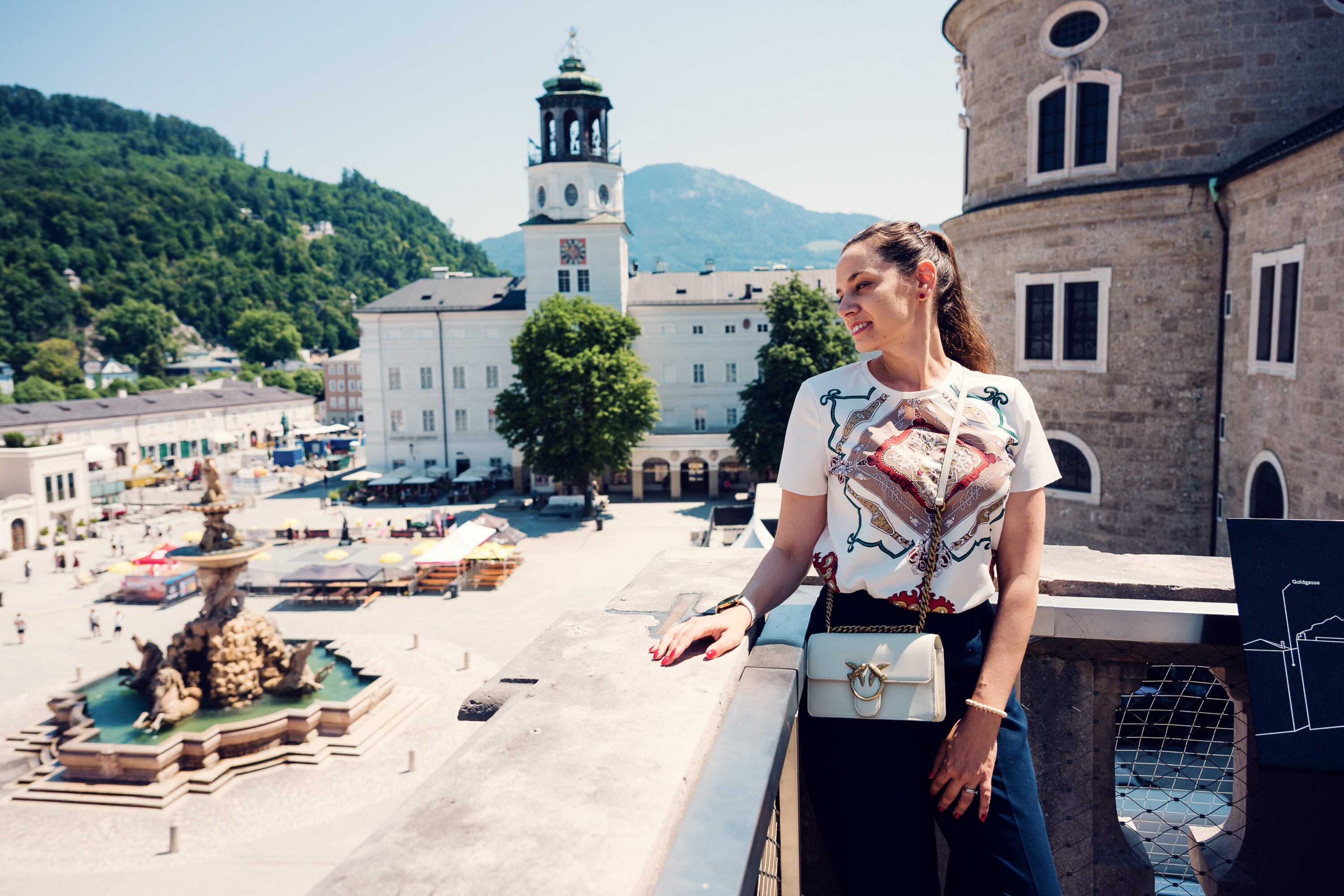
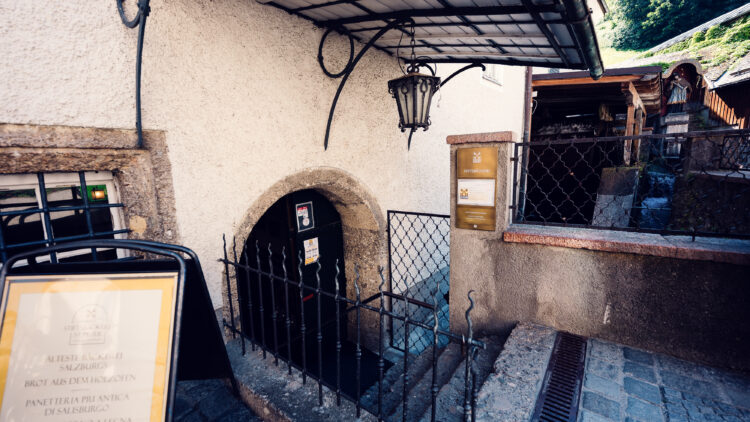
The Abbey of St. Peter itself has deep roots: it was founded in the late 7th century and is considered the oldest continuously operating monastery in the German-speaking world. Its collection of around 40,000 objects covers religious art, monastic history, and music, with the finest pieces displayed in the museum that opened as part of the DomQuartier.
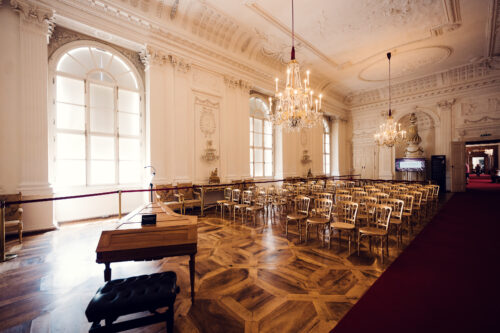
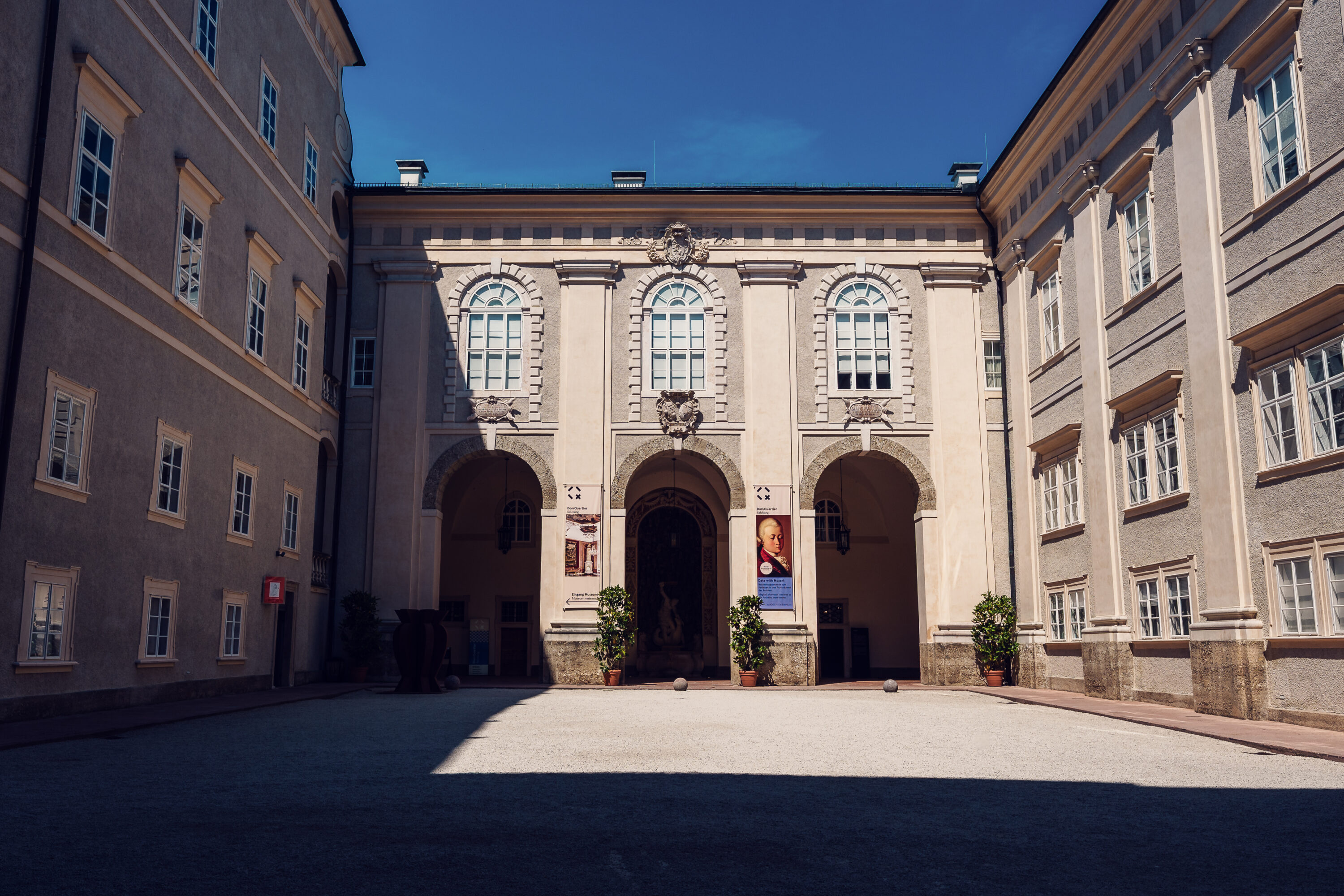
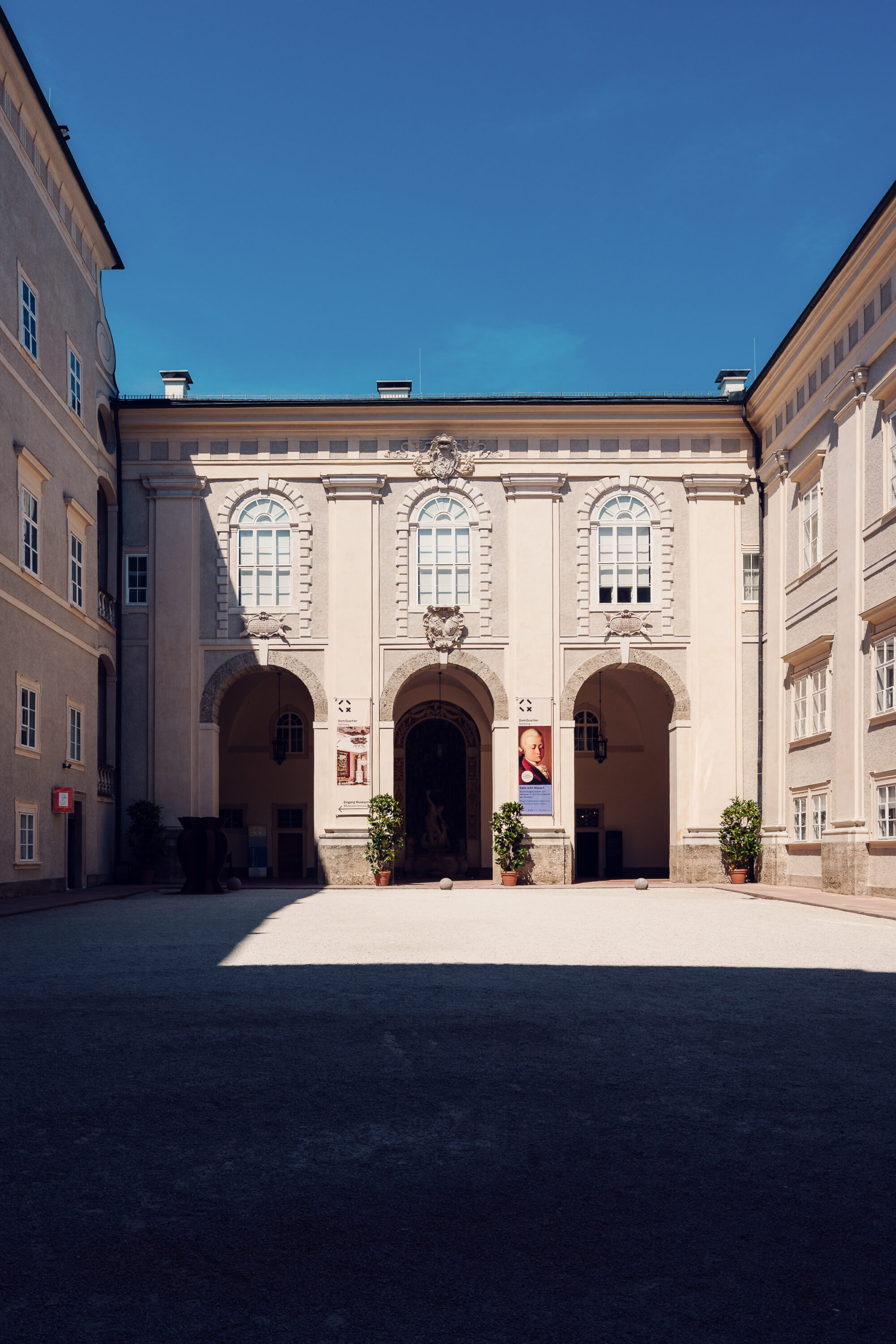
Today, the DomQuartier Salzburg also functions as a concert venue. The "Date with Mozart" series presents chamber music in the State Rooms - the very spaces where Mozart composed and performed as court musician to the prince-archbishops.