
A Wild Mountain the City Grew Around: Kapuzinerberg
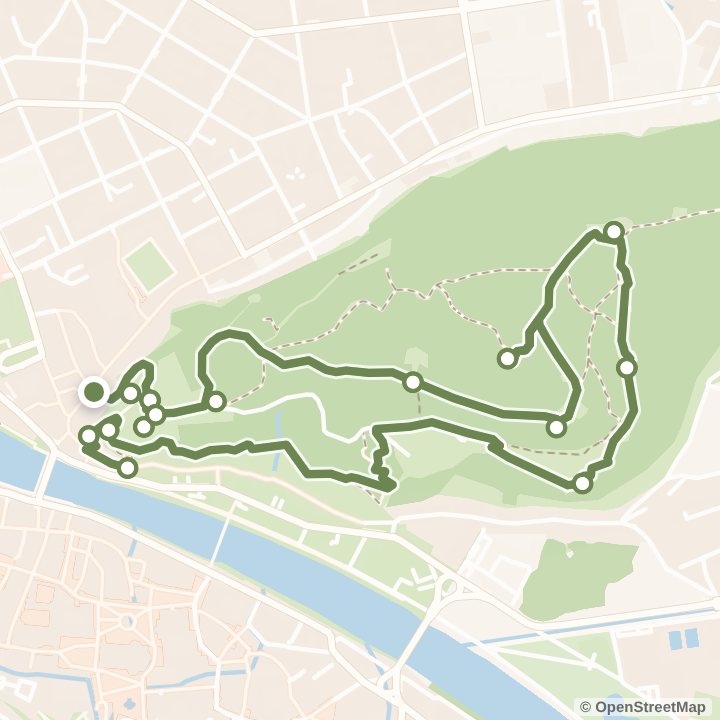
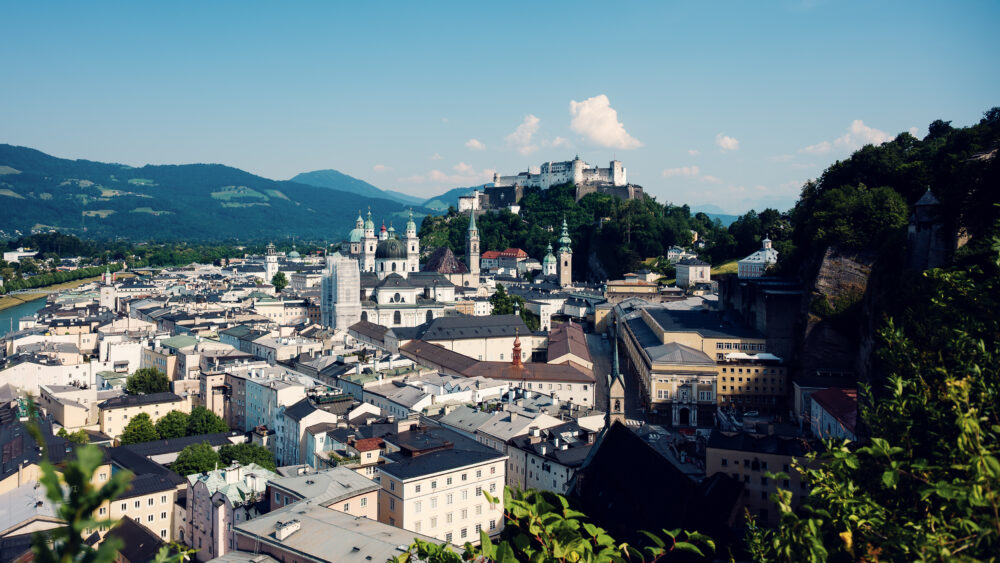
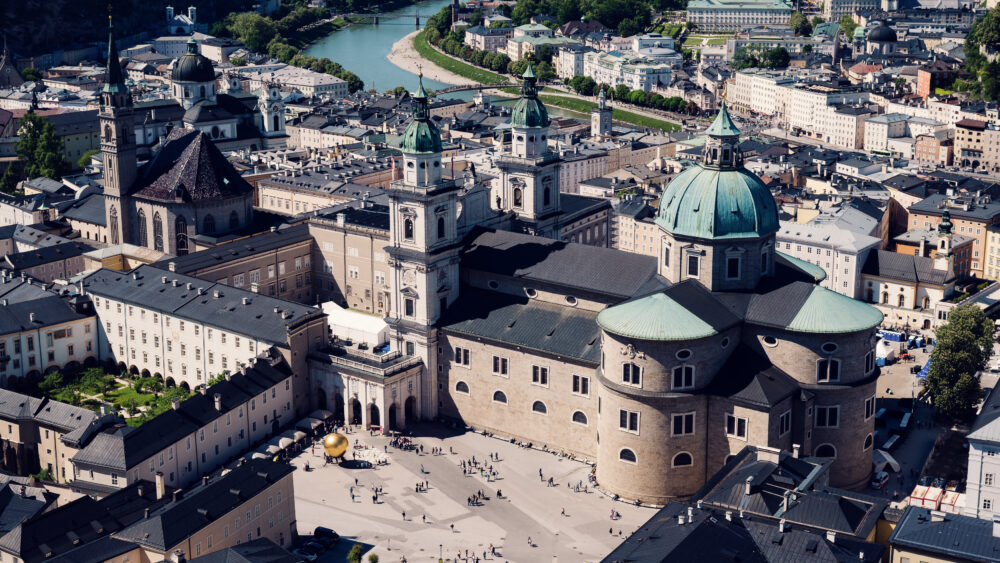
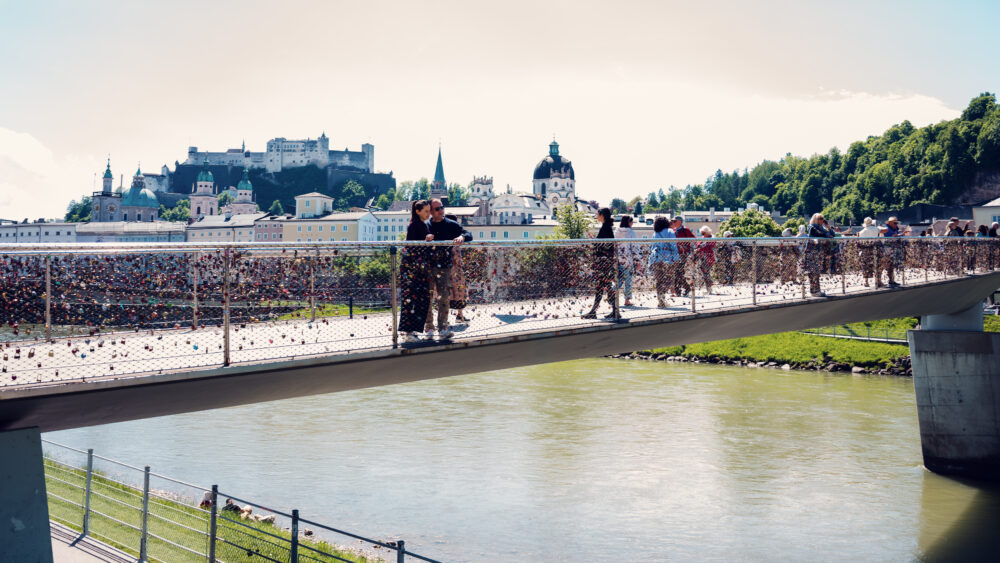
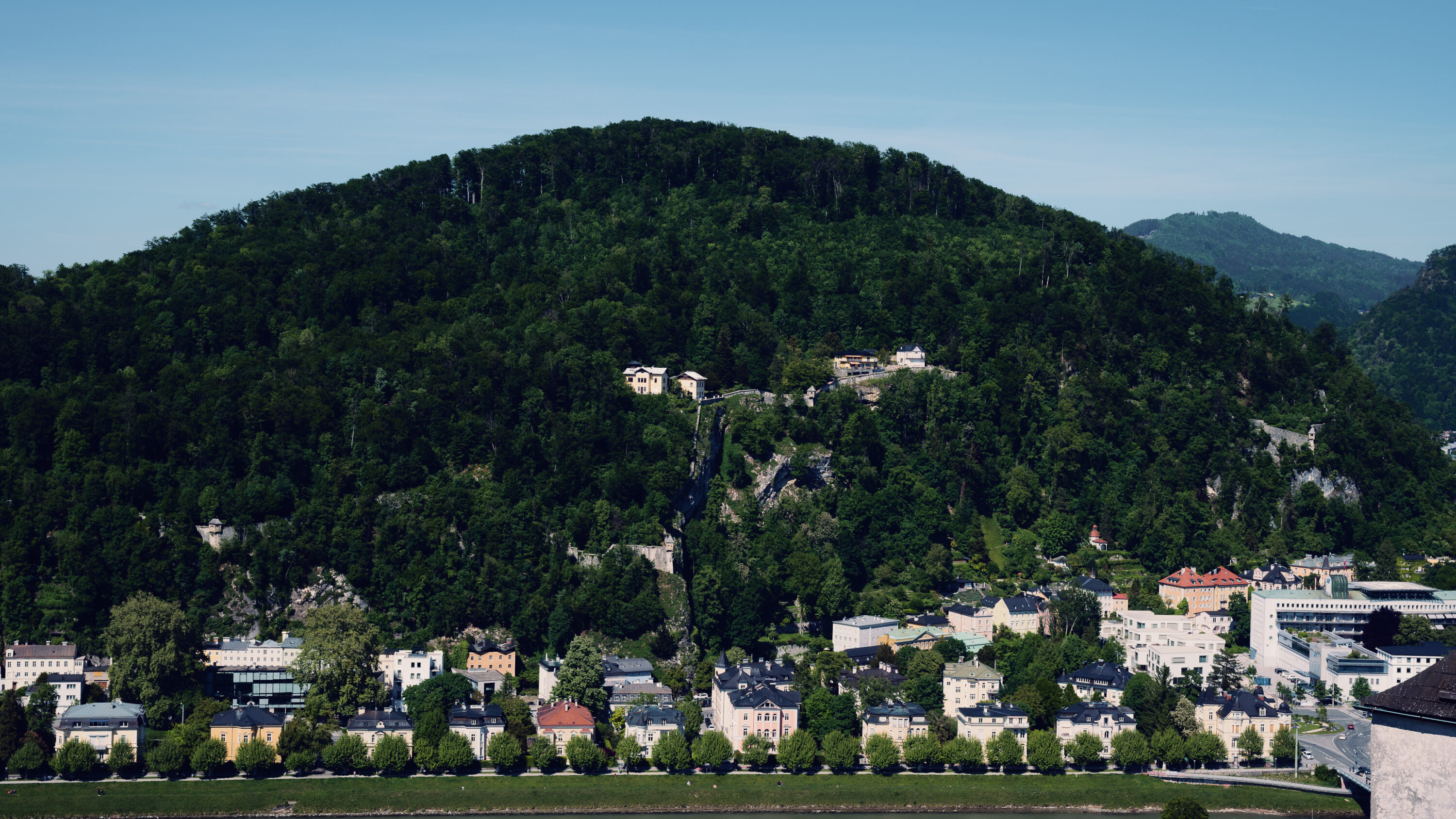
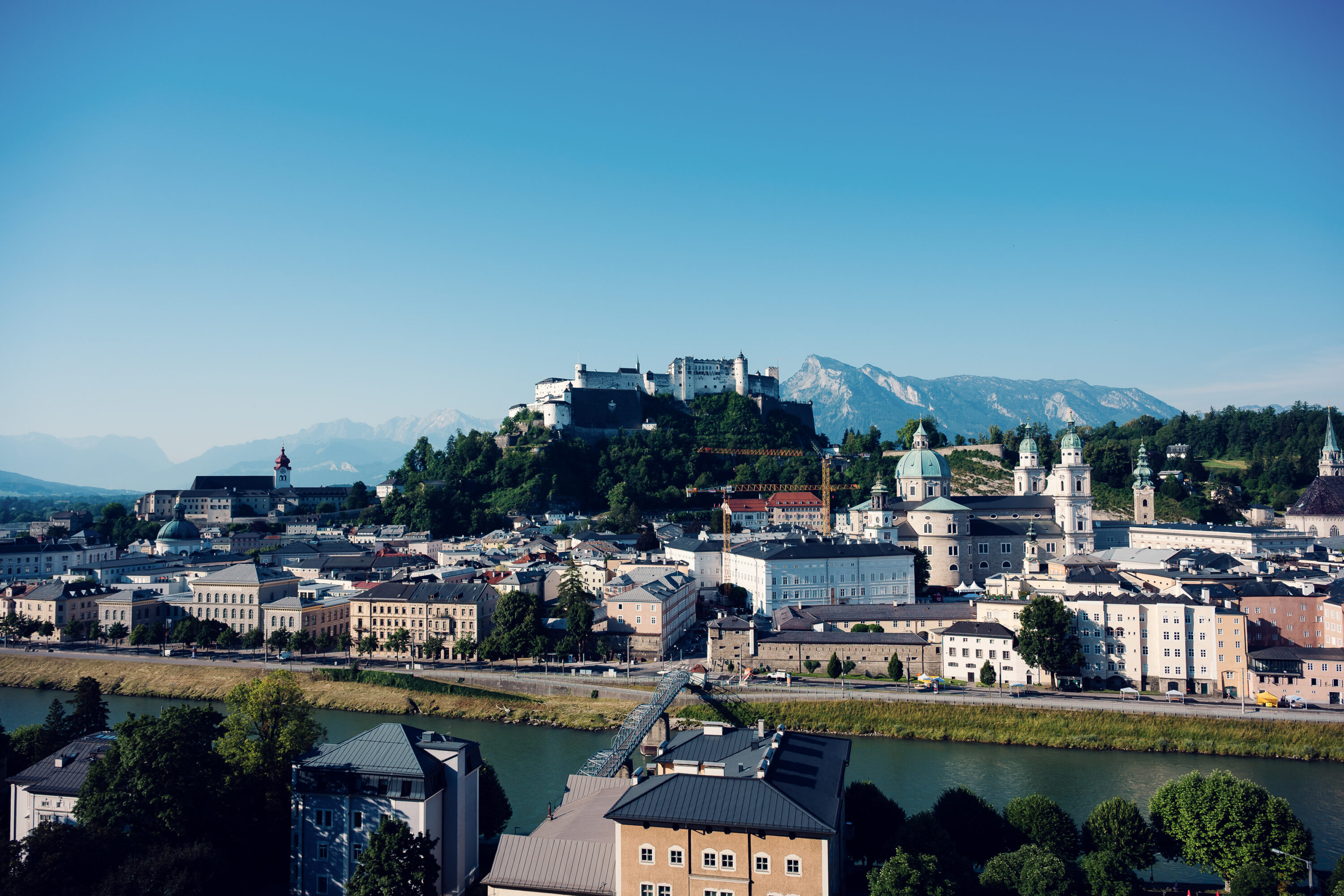
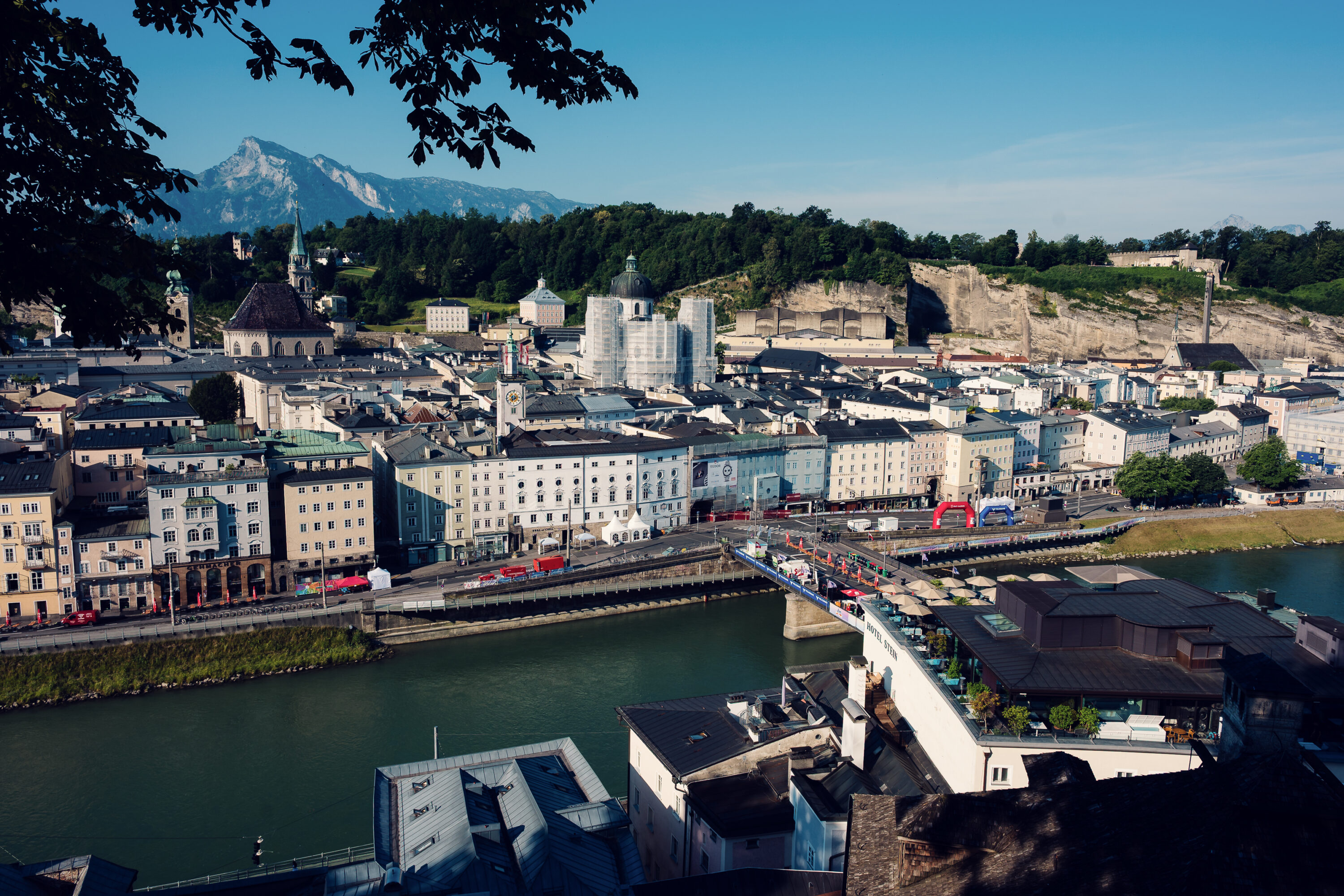
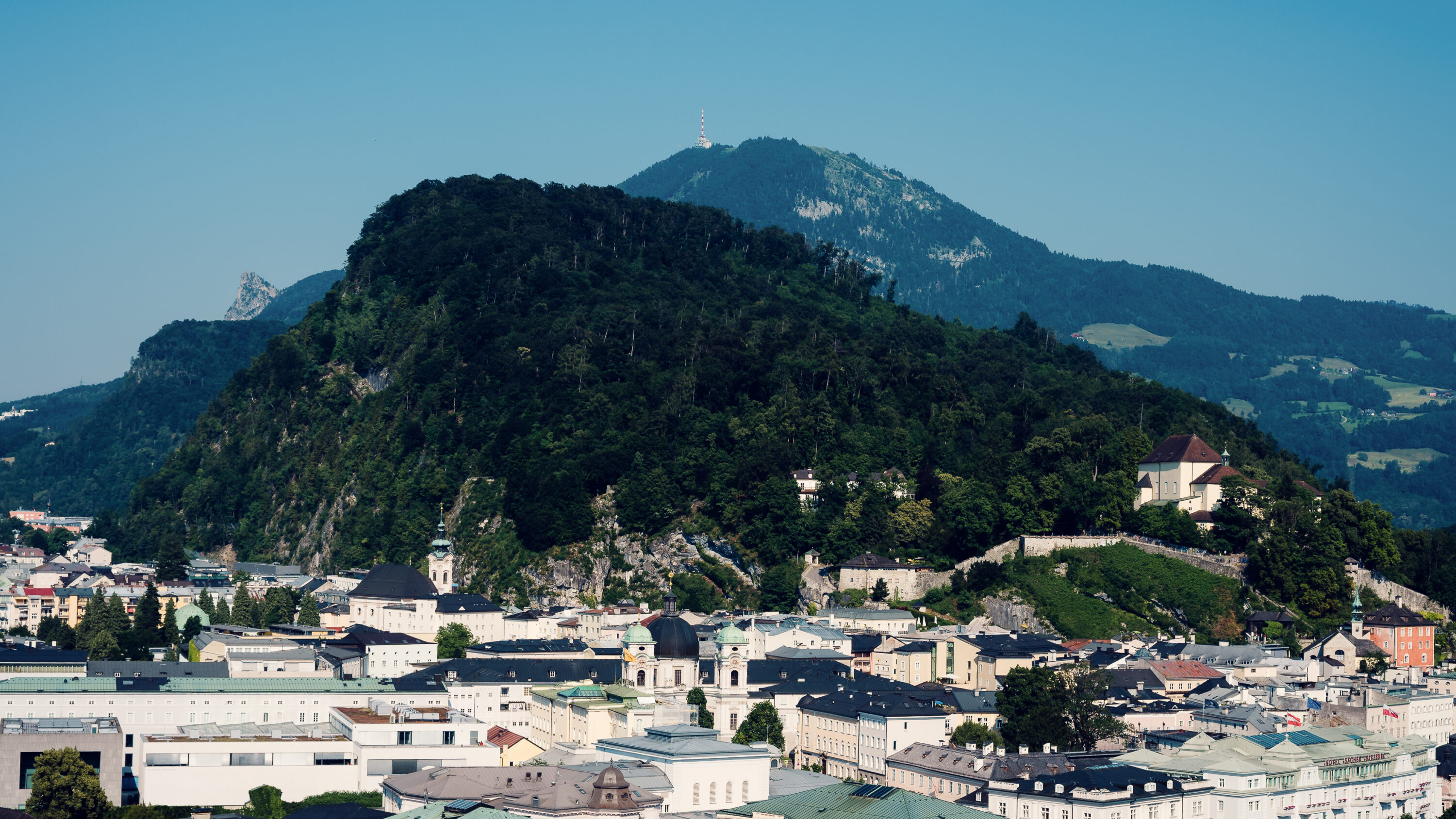
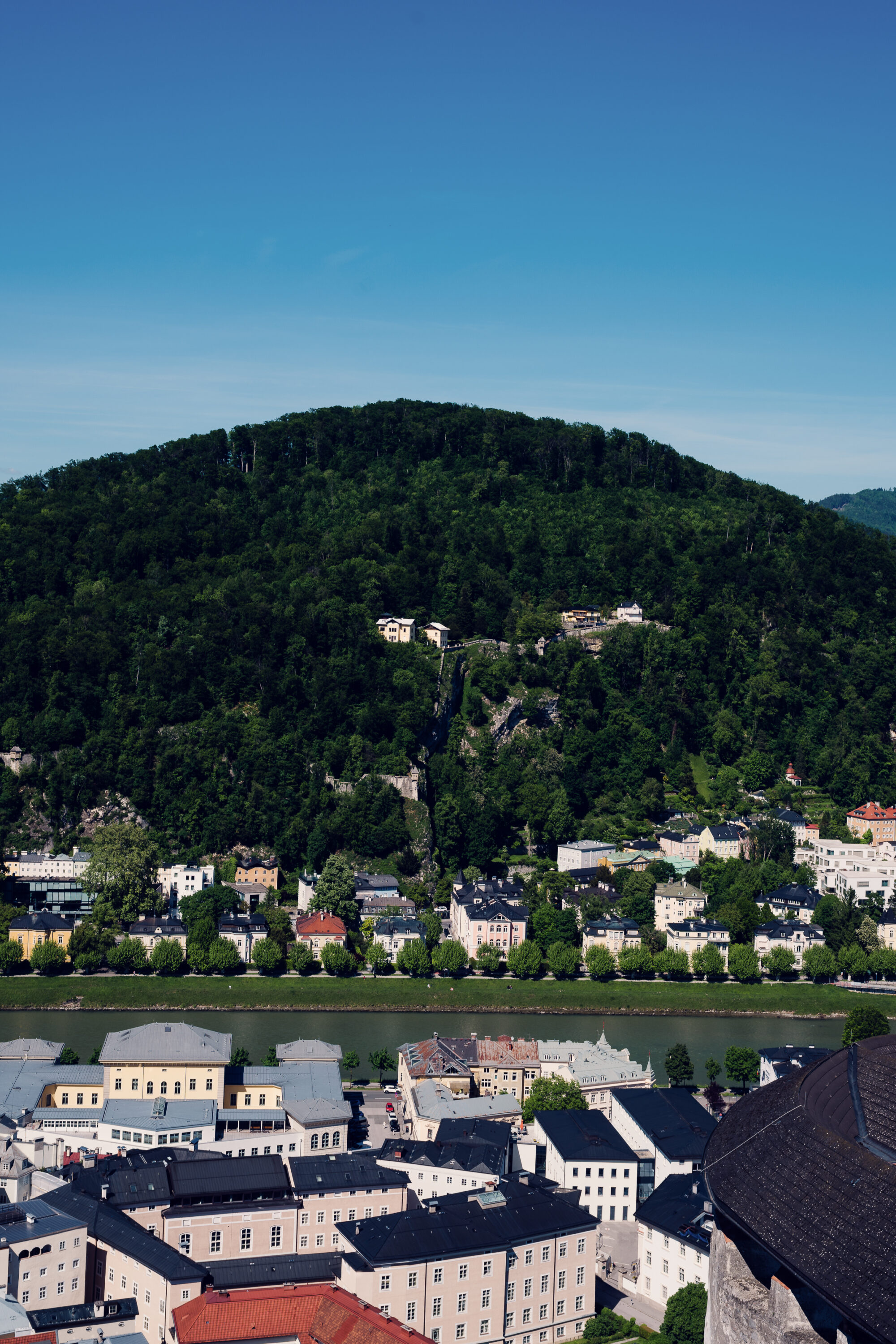
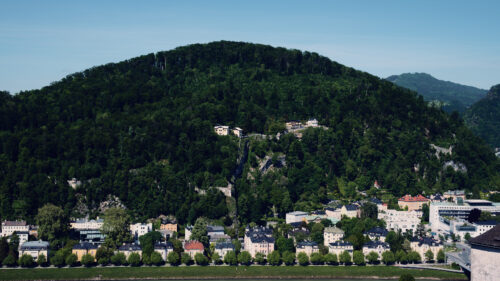
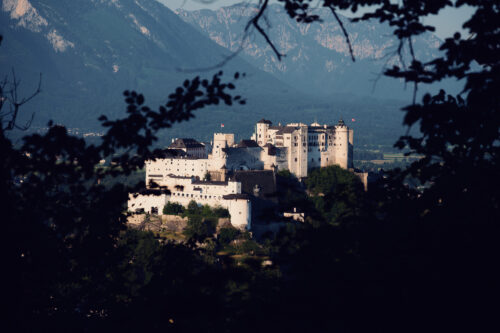
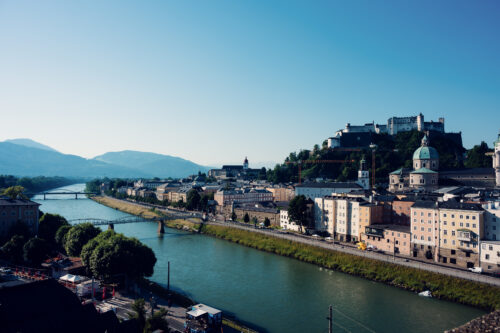
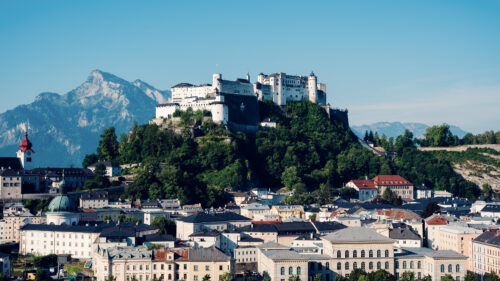
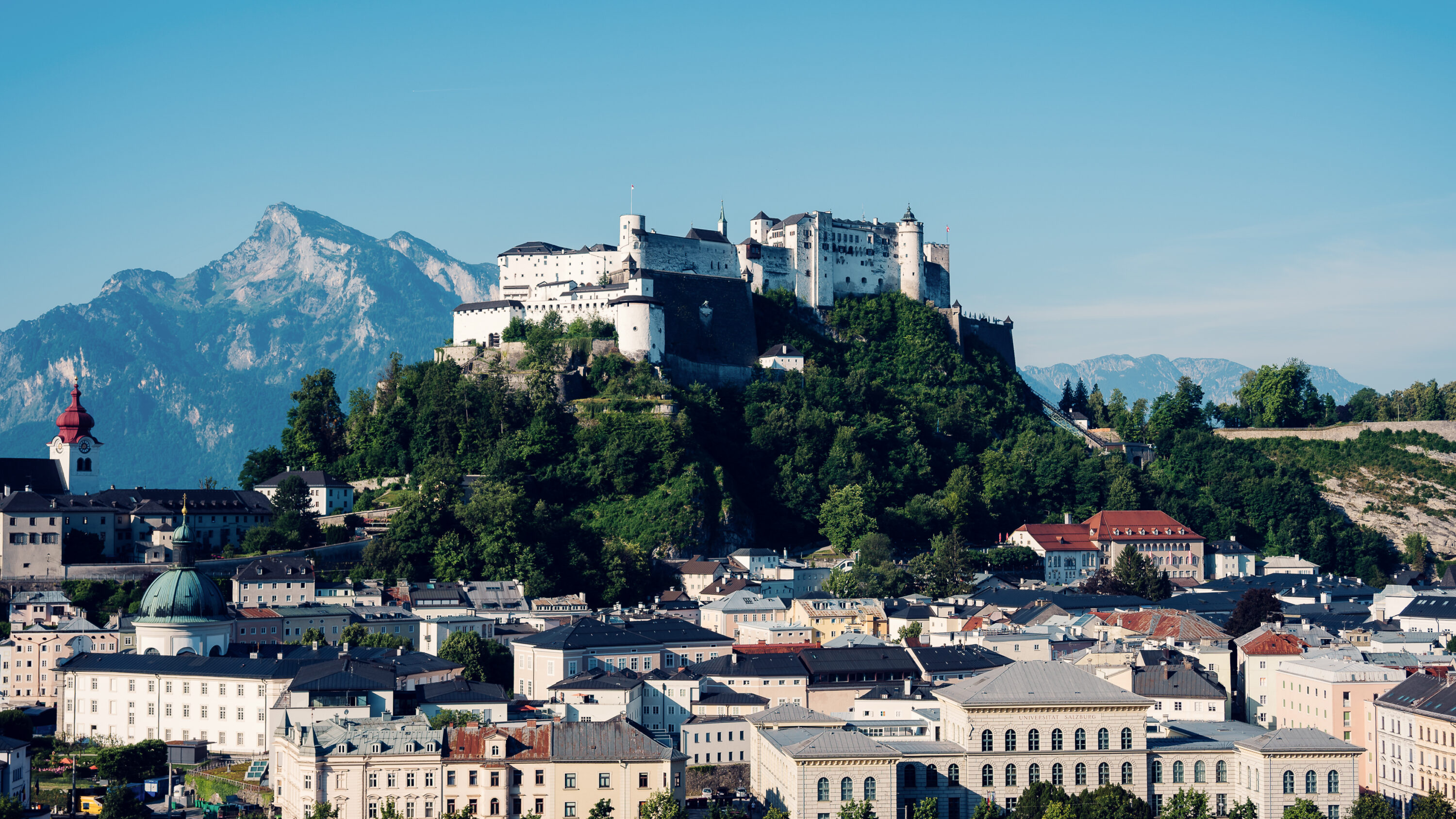
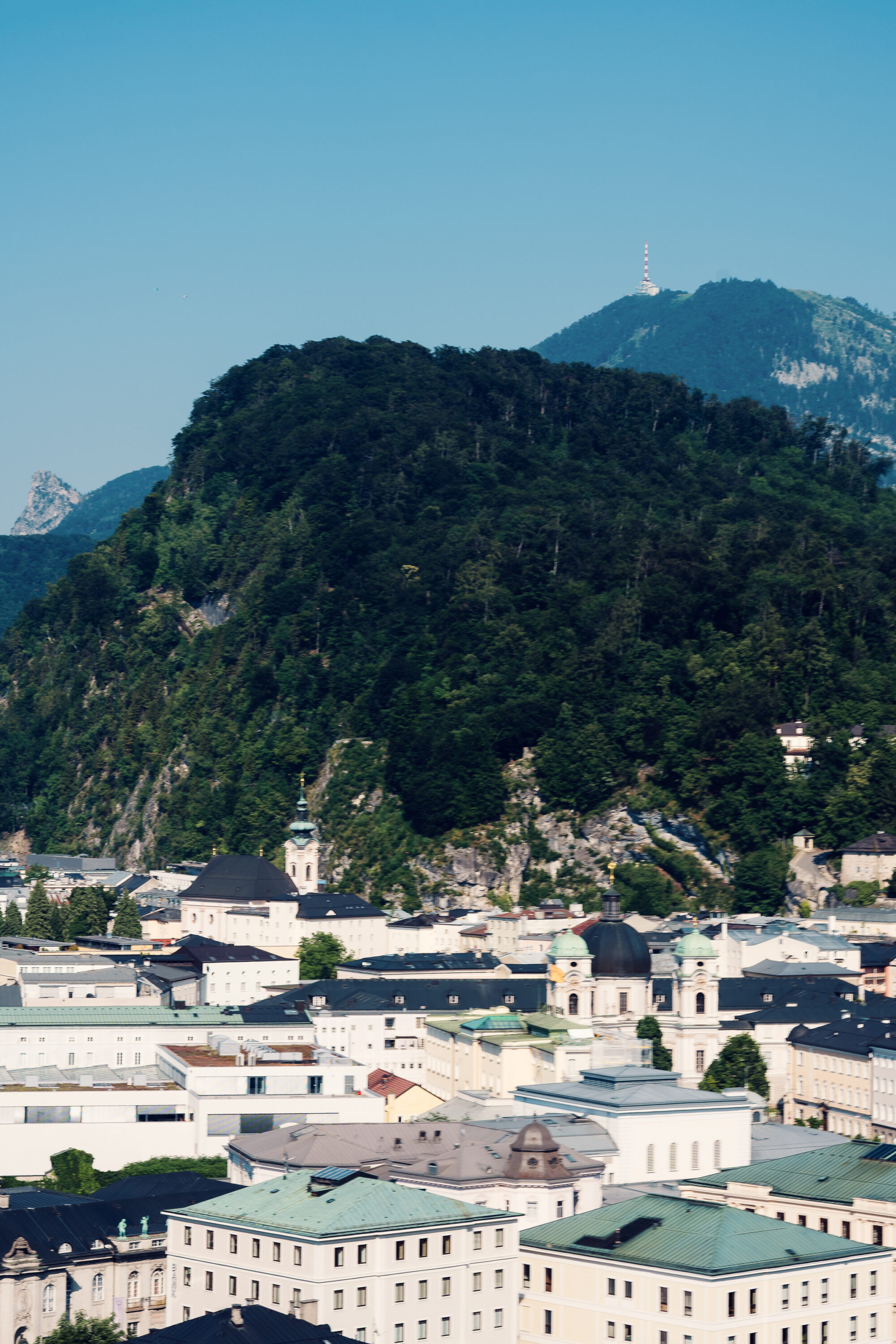
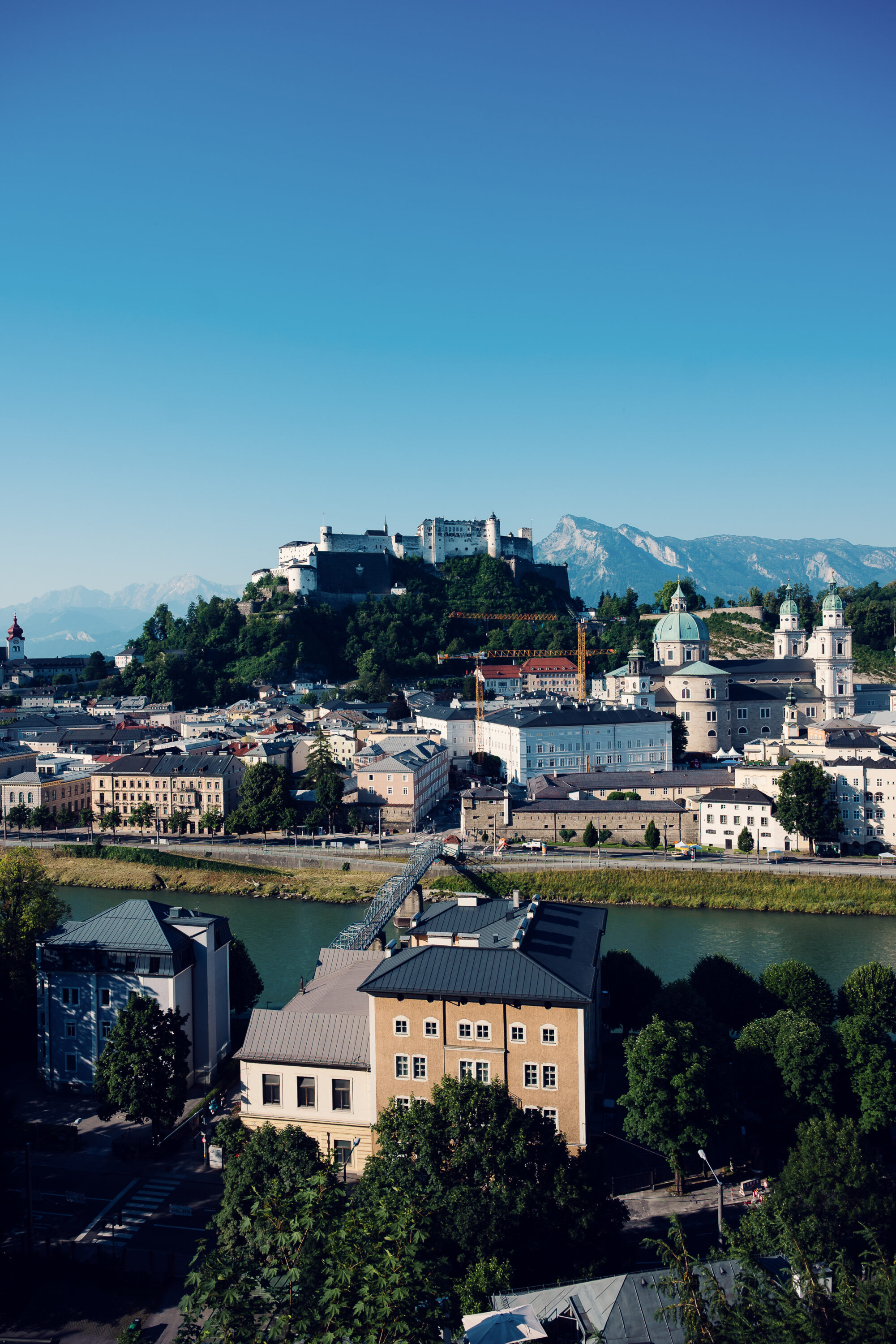
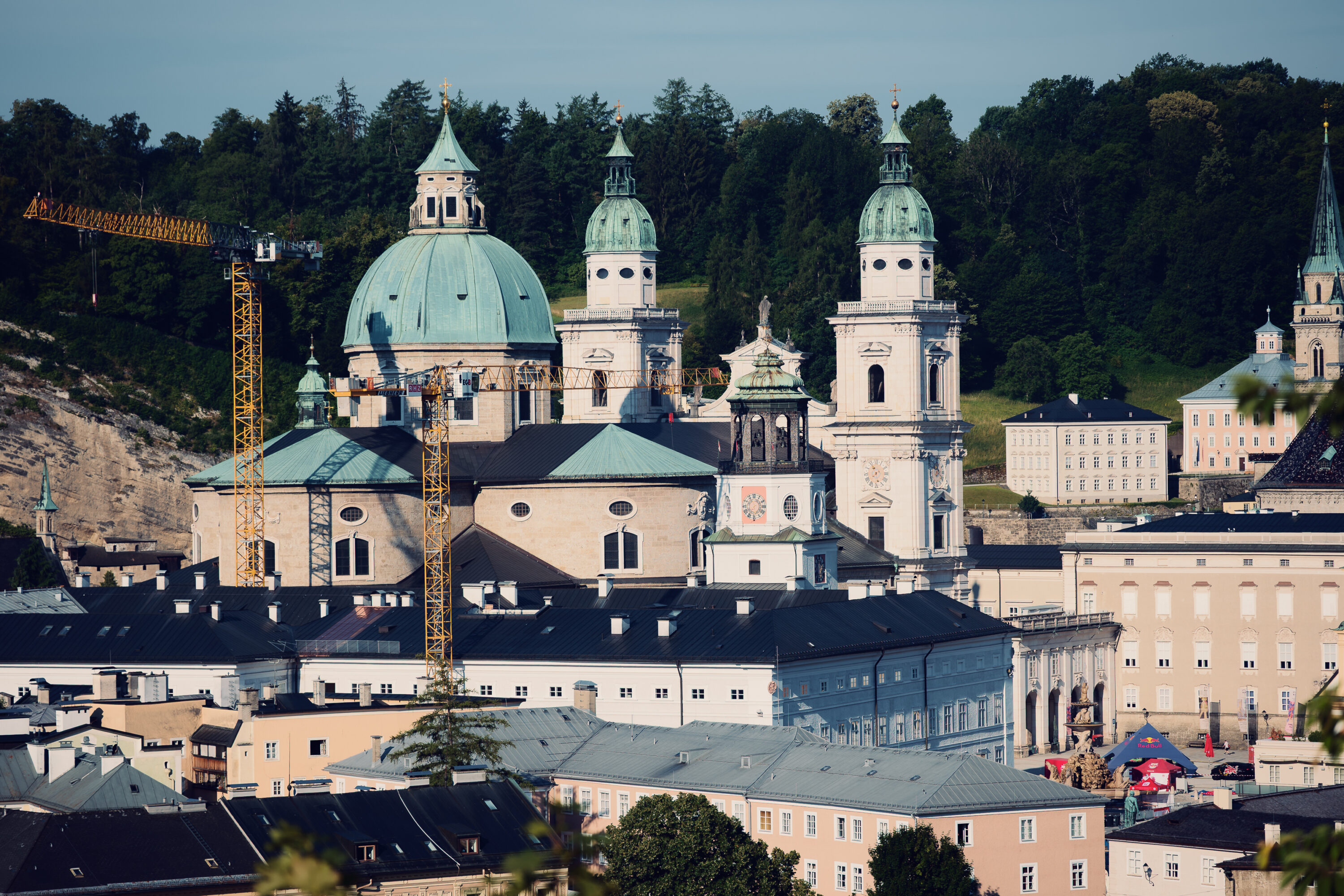
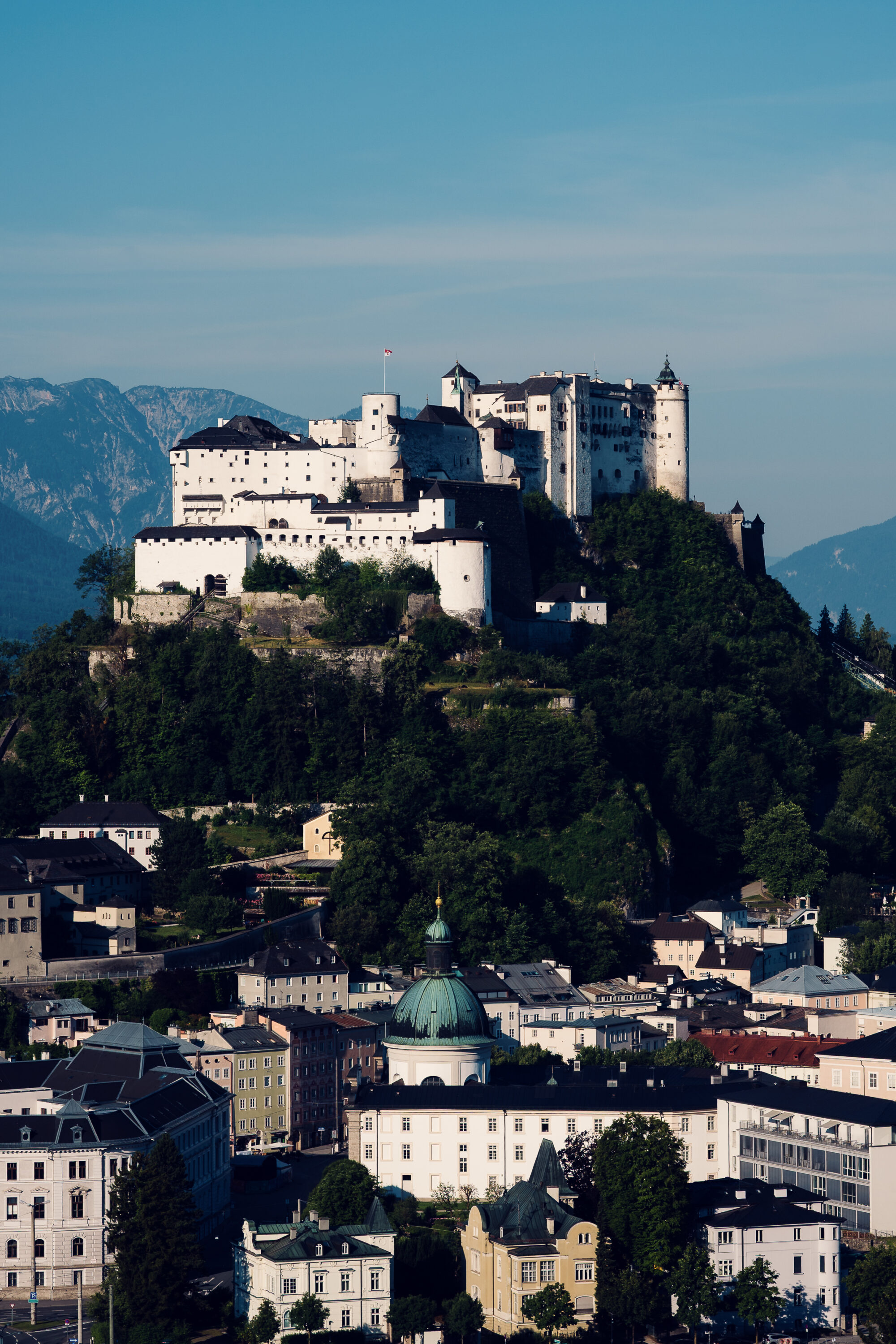
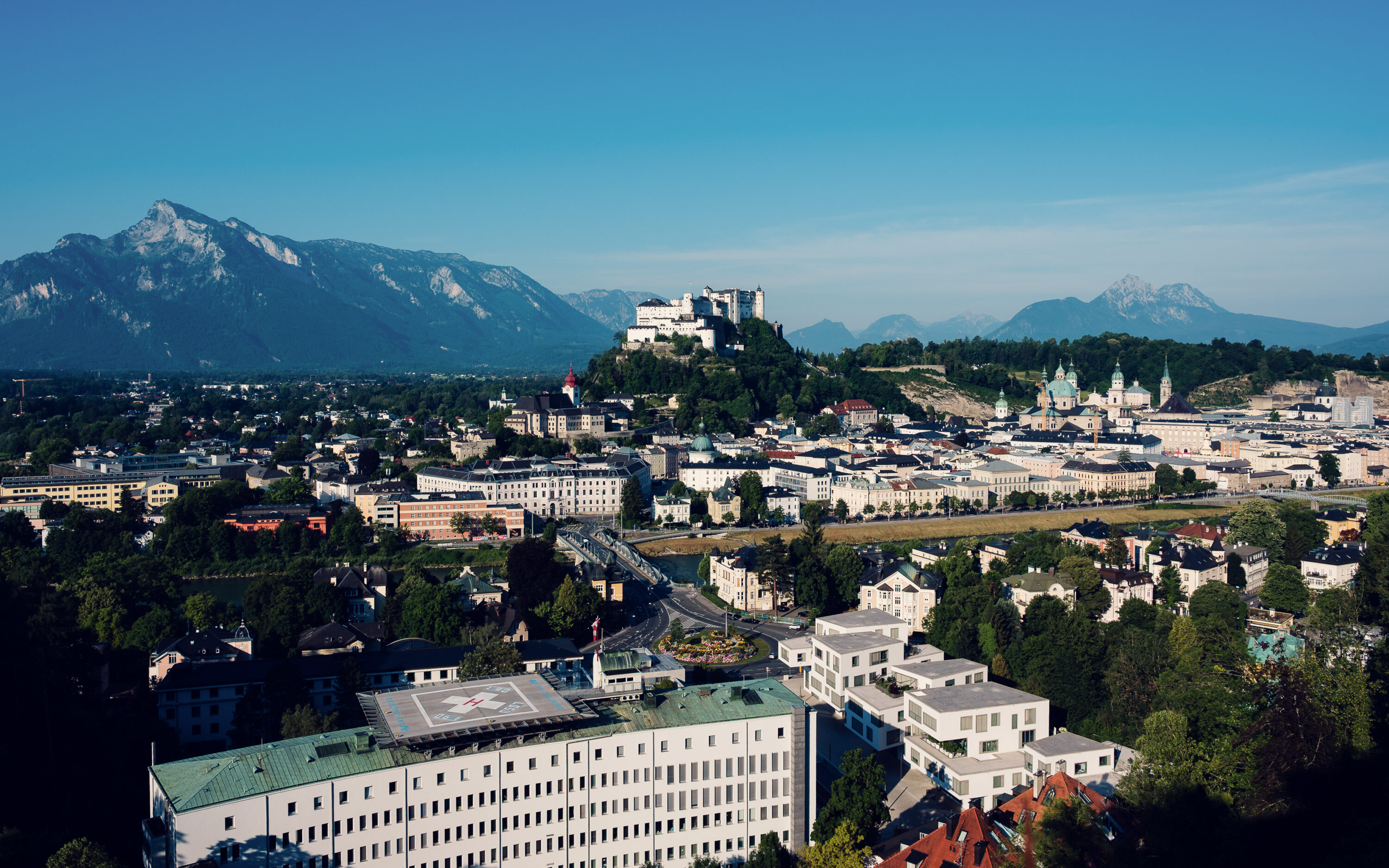
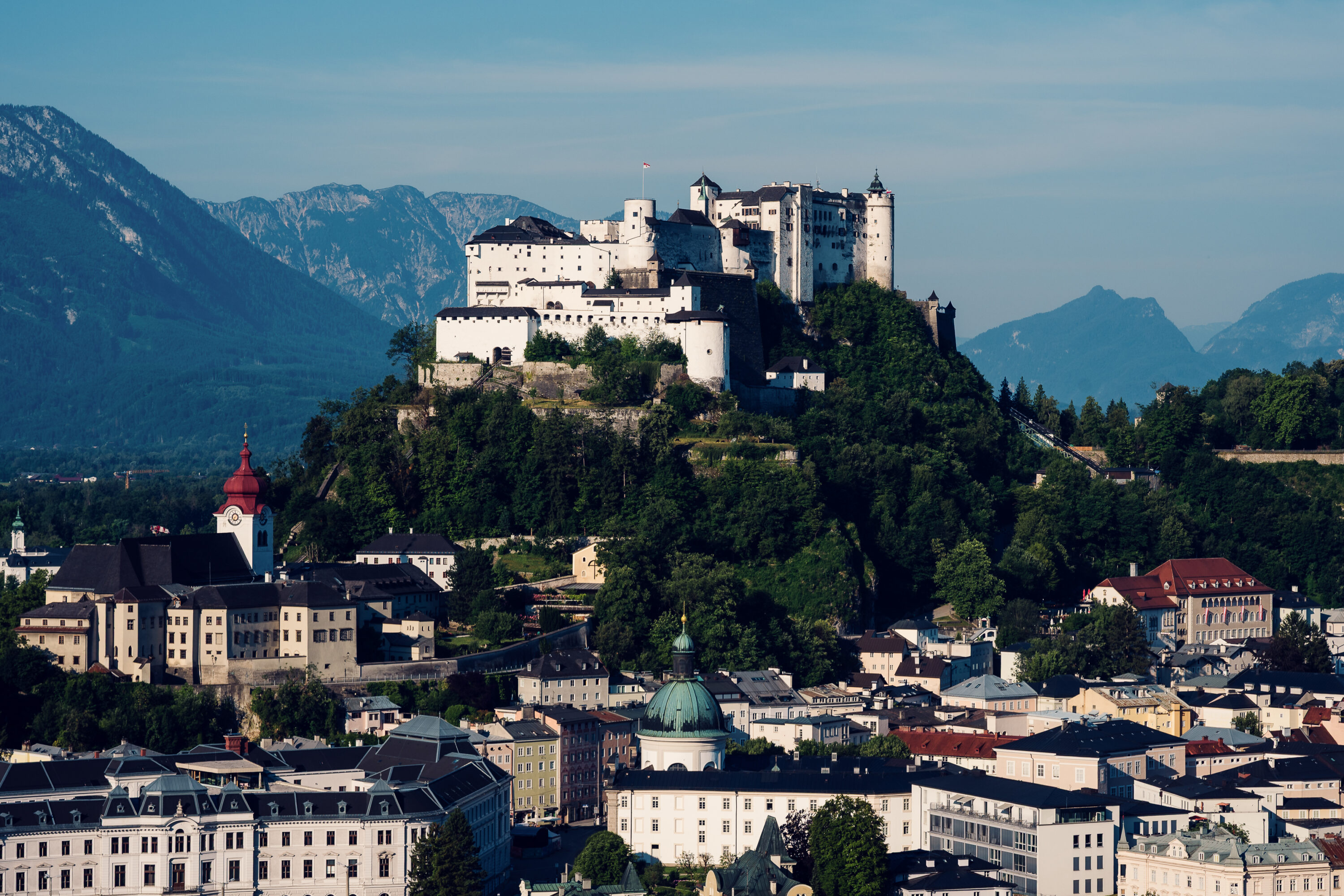
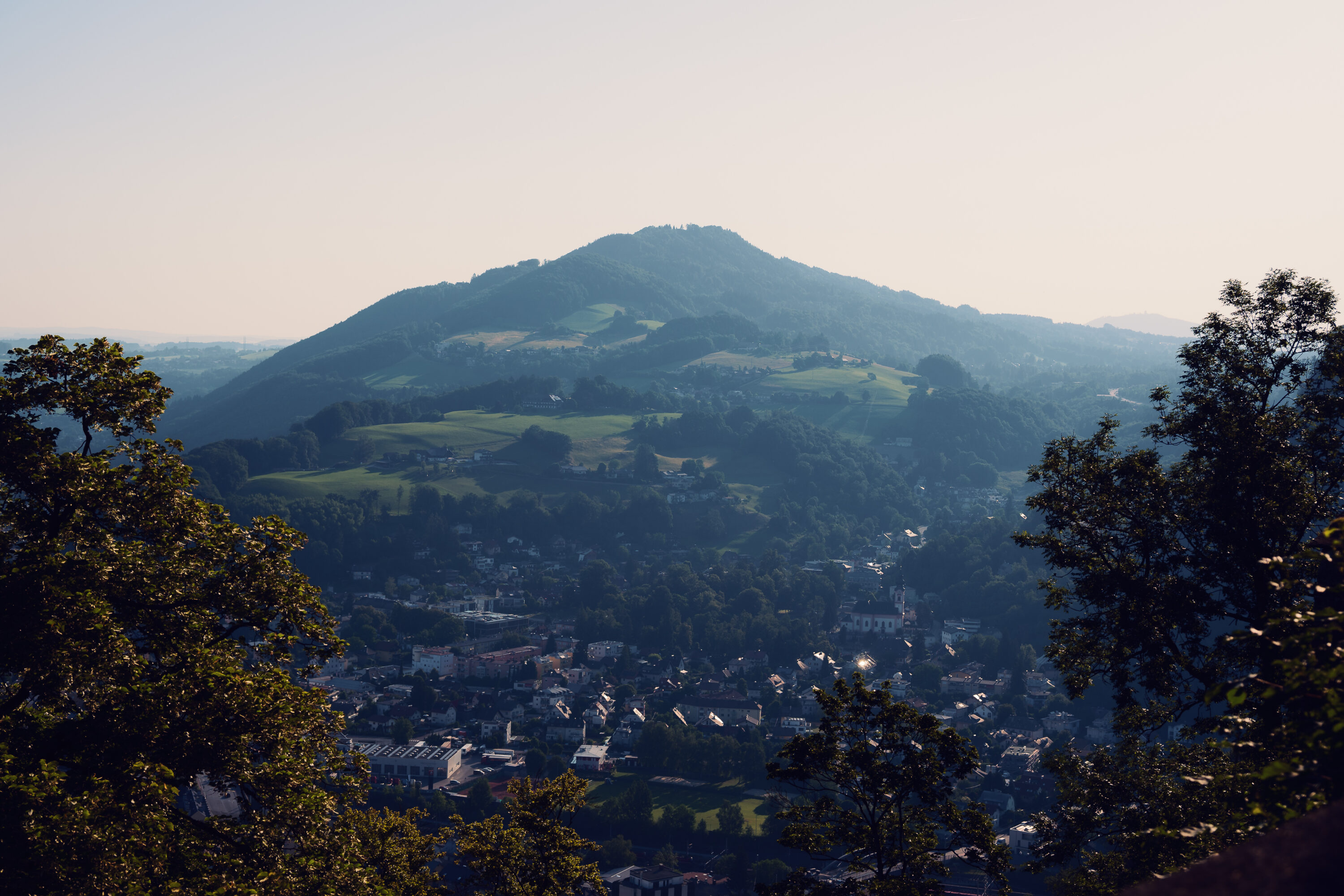
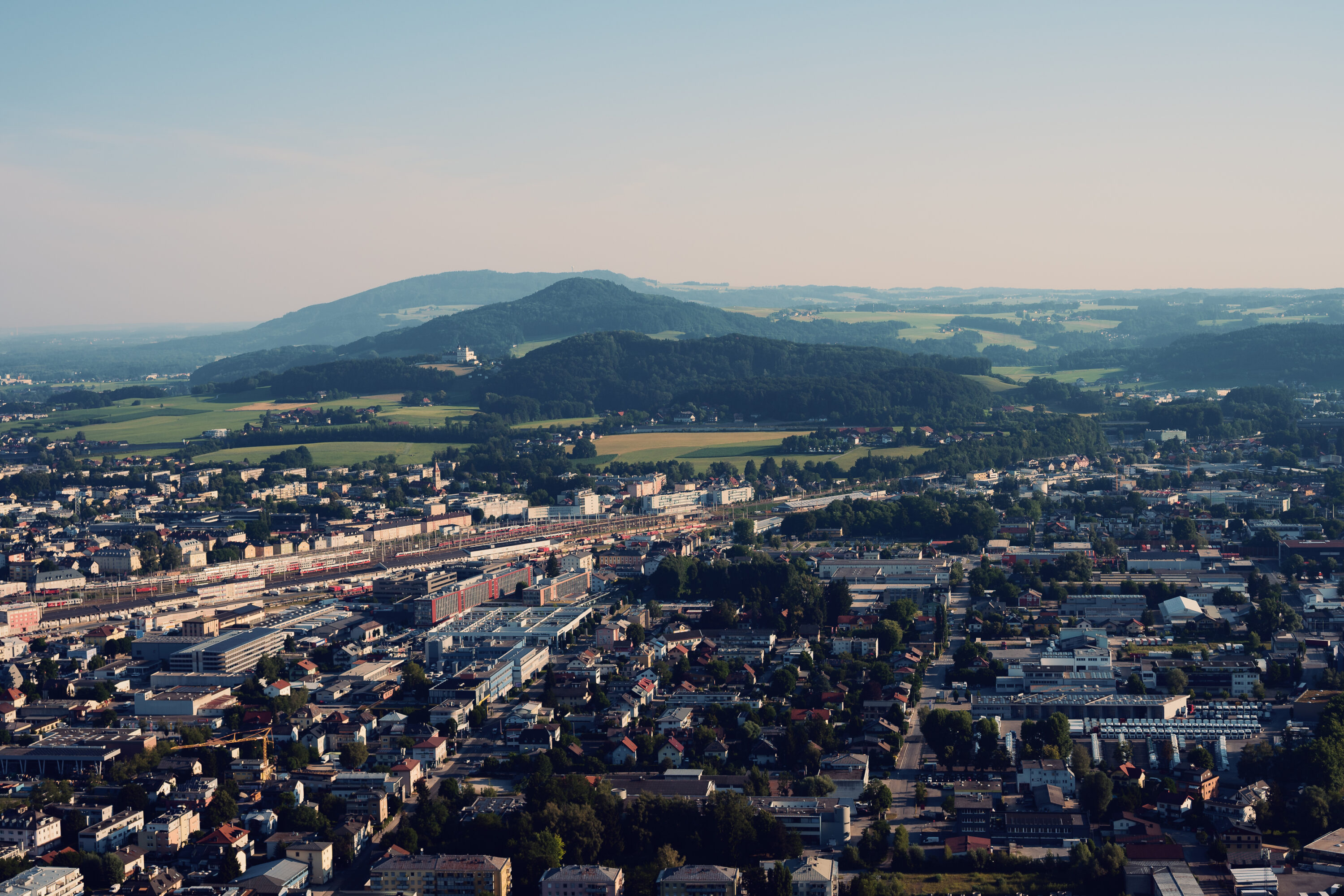
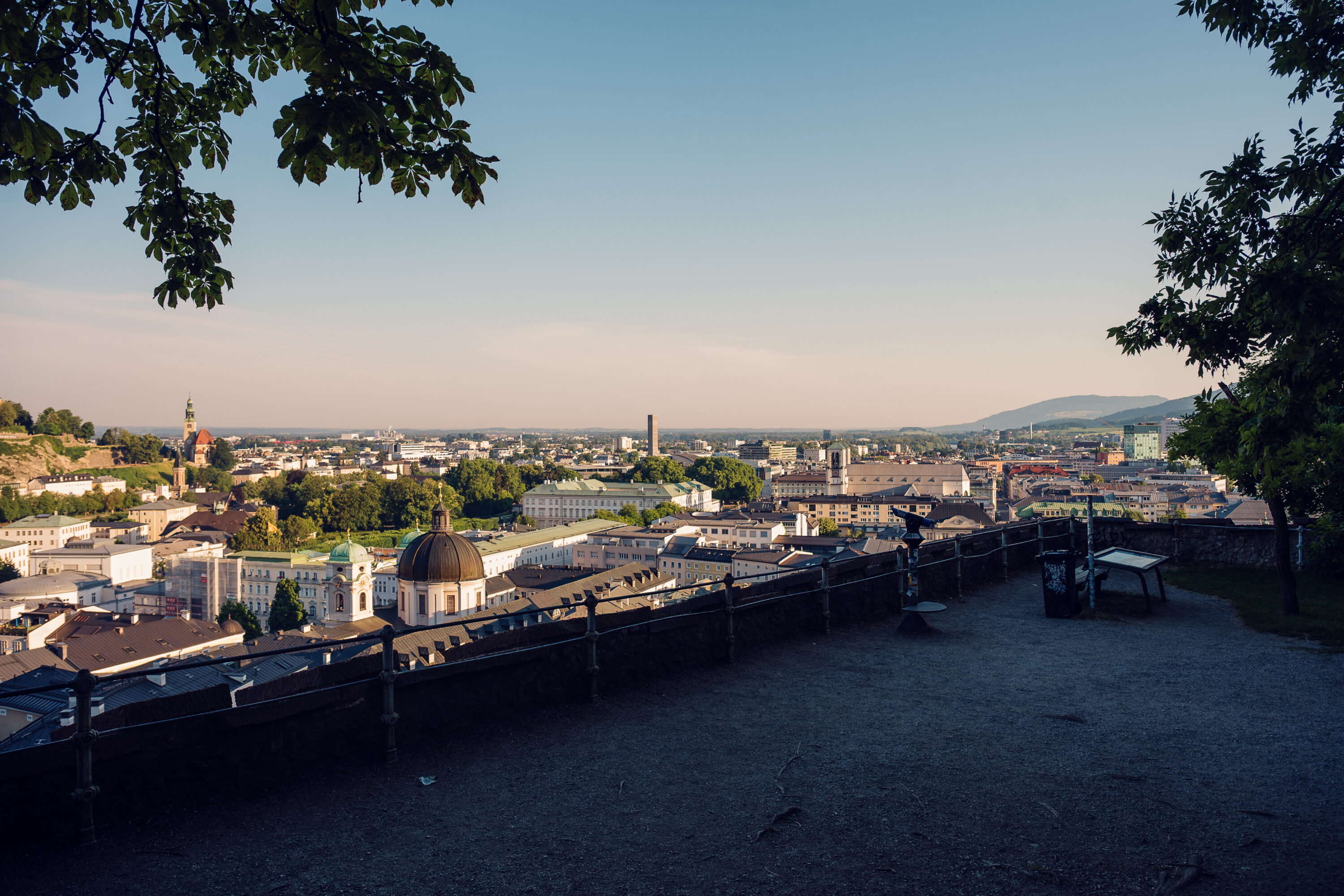
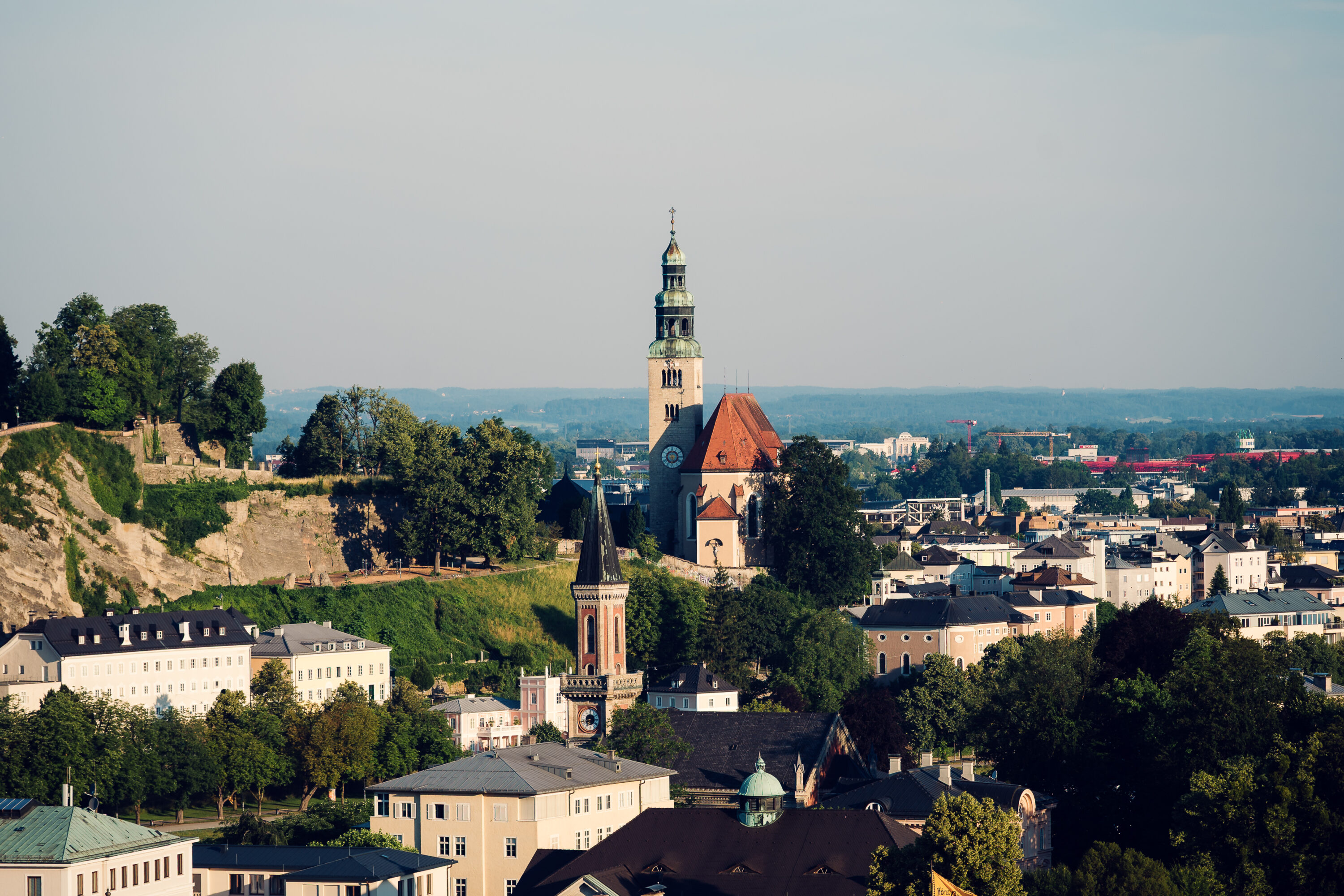
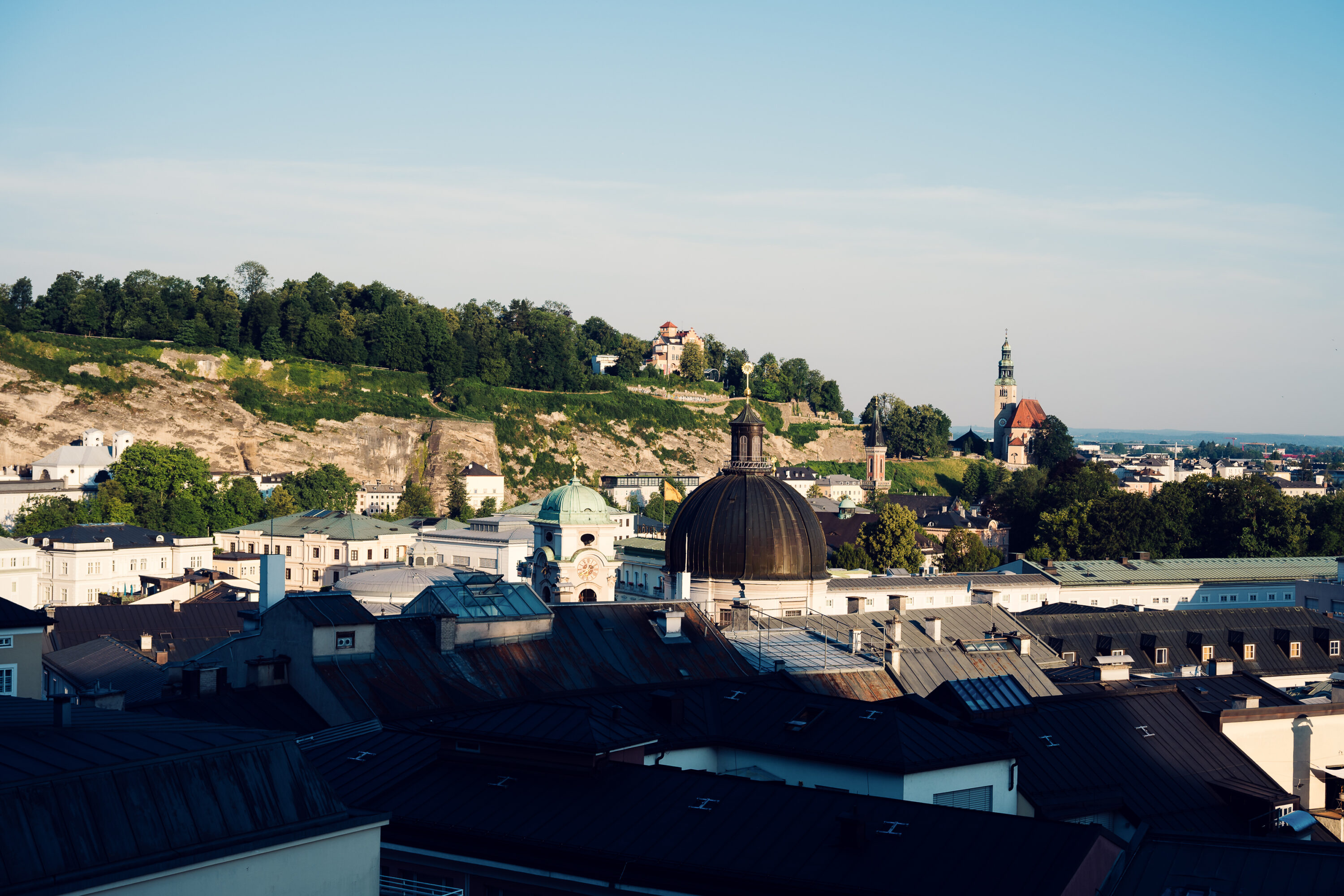
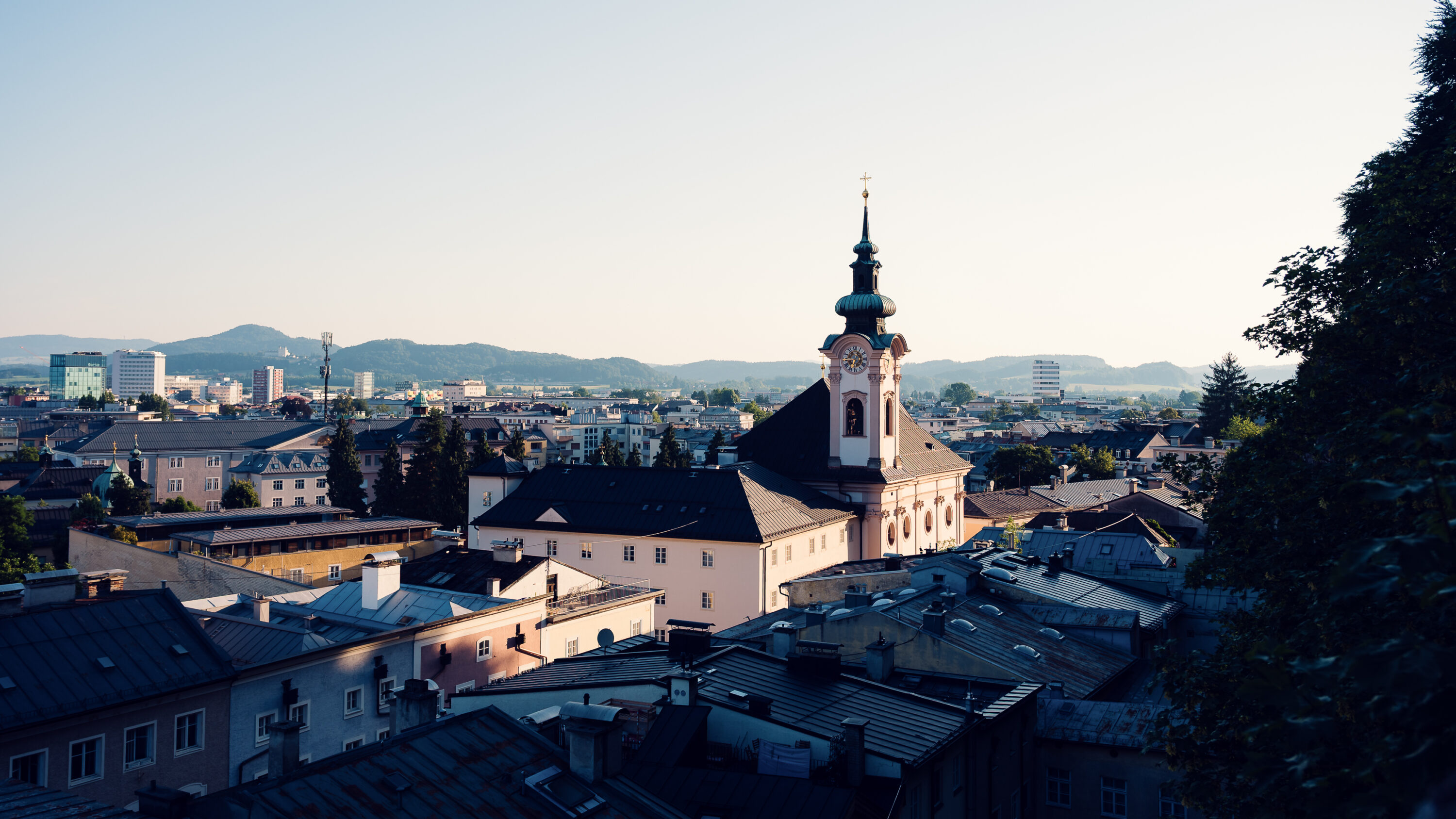
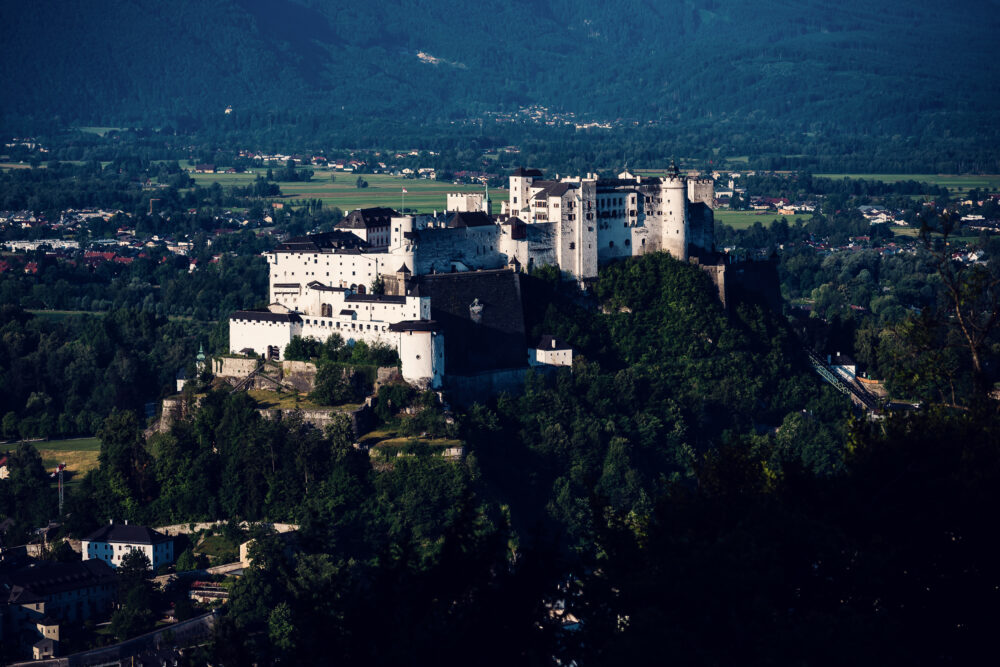
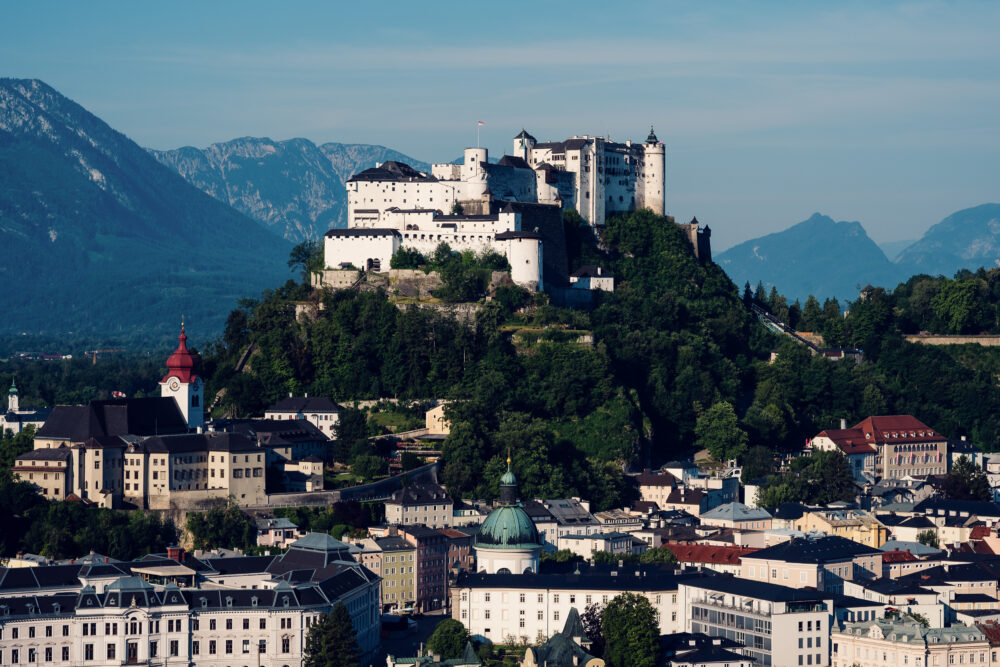
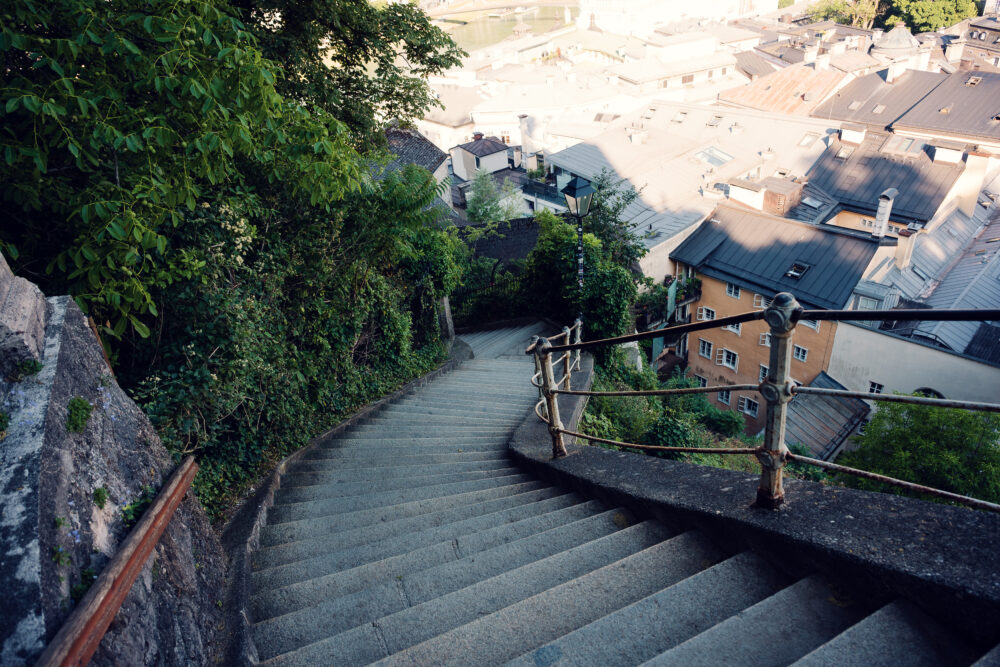
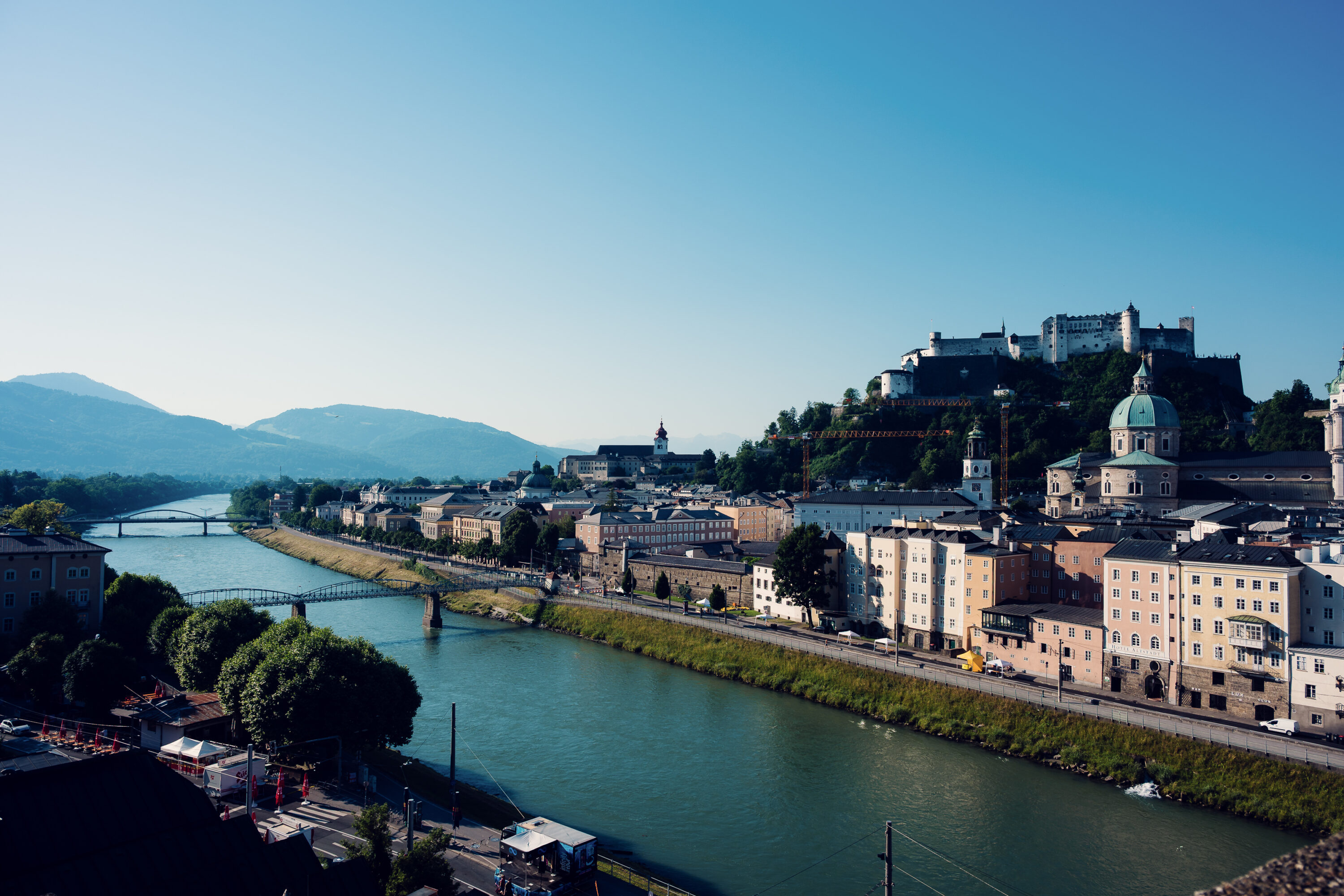
The Kapuzinerberg rises to about 636 metres above sea level, a little over 200 metres above the Old Town rooftops, which makes it the highest inner city hill directly framing Salzburg's historic centre. Together with the Mönchsberg and the Festungsberg, it forms the natural frame around the historic centre, and it has been part of the city's defences, its spiritual life, and its wildlife for centuries. The whole hill belongs to Salzburg's UNESCO World Heritage Site and is protected as a landscape conservation area.
From Trompeterschlössl to Capuchin Monastery
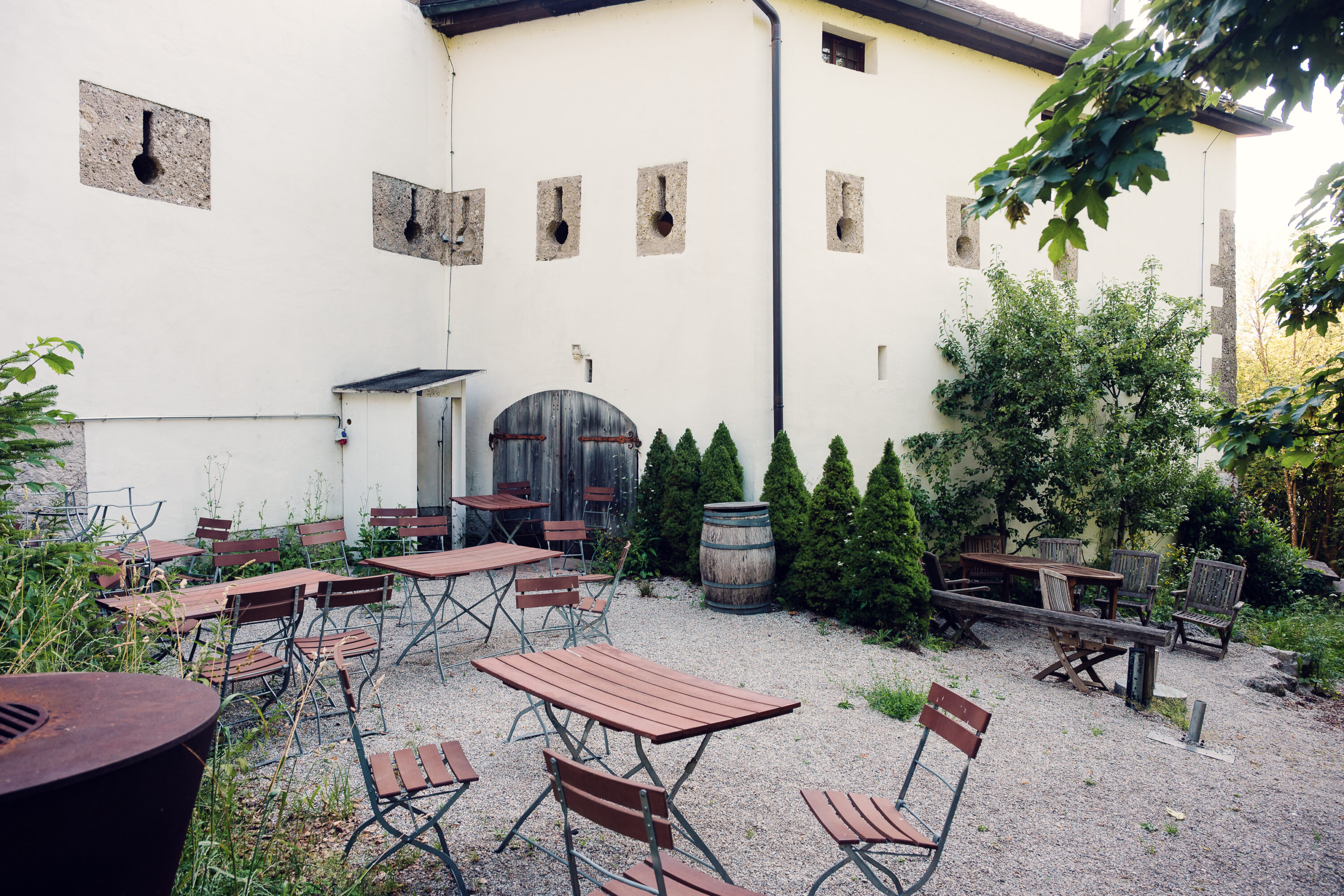
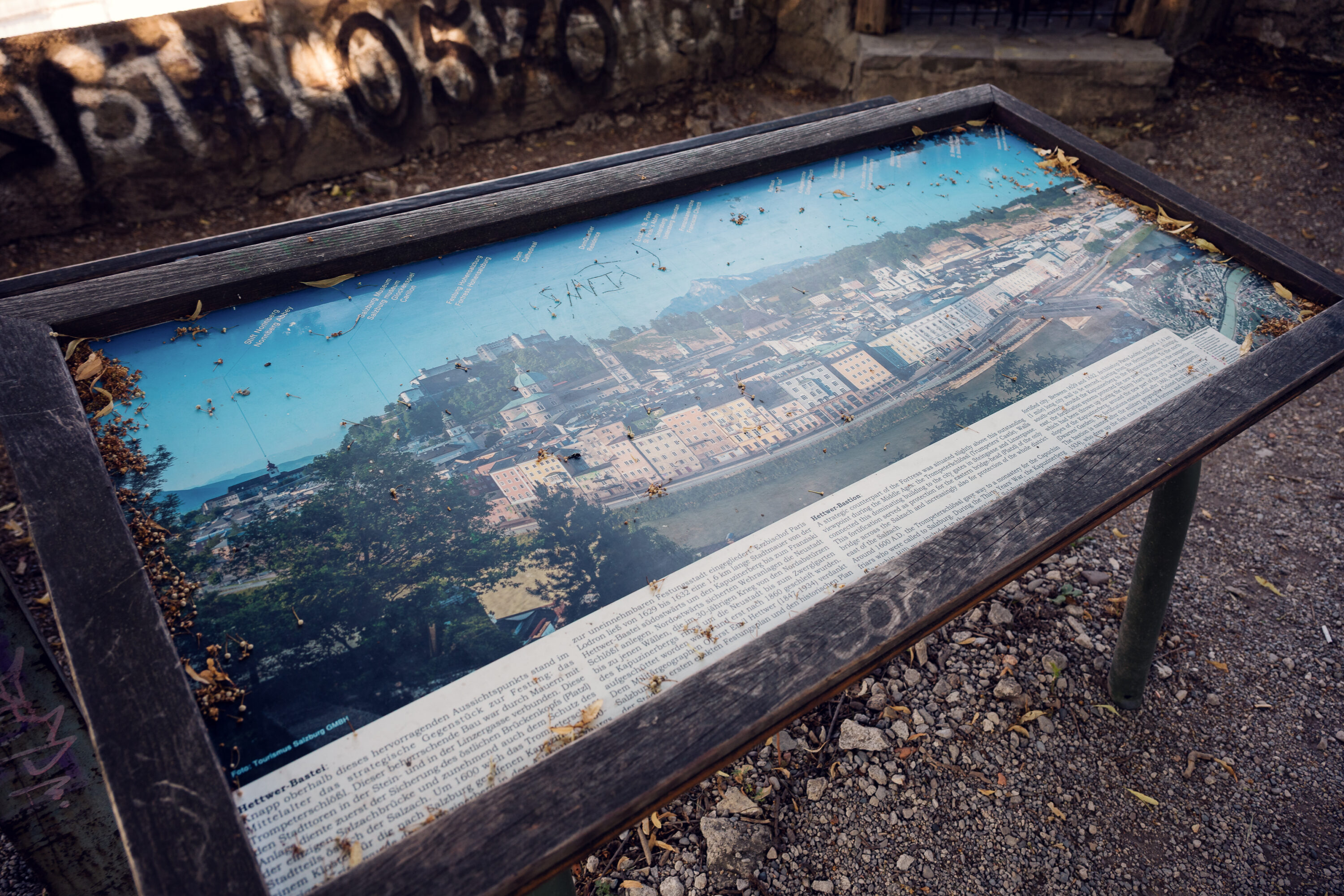
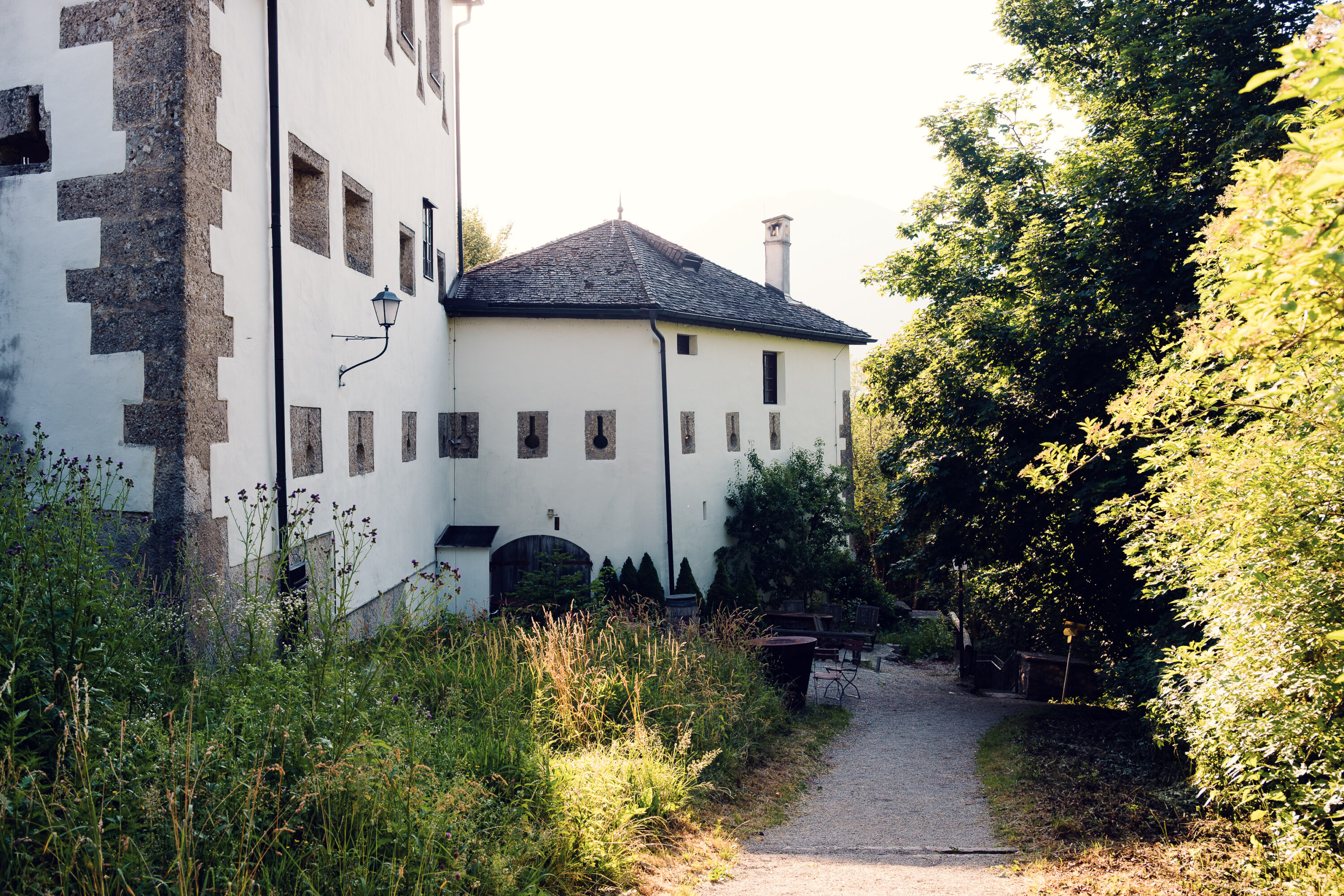
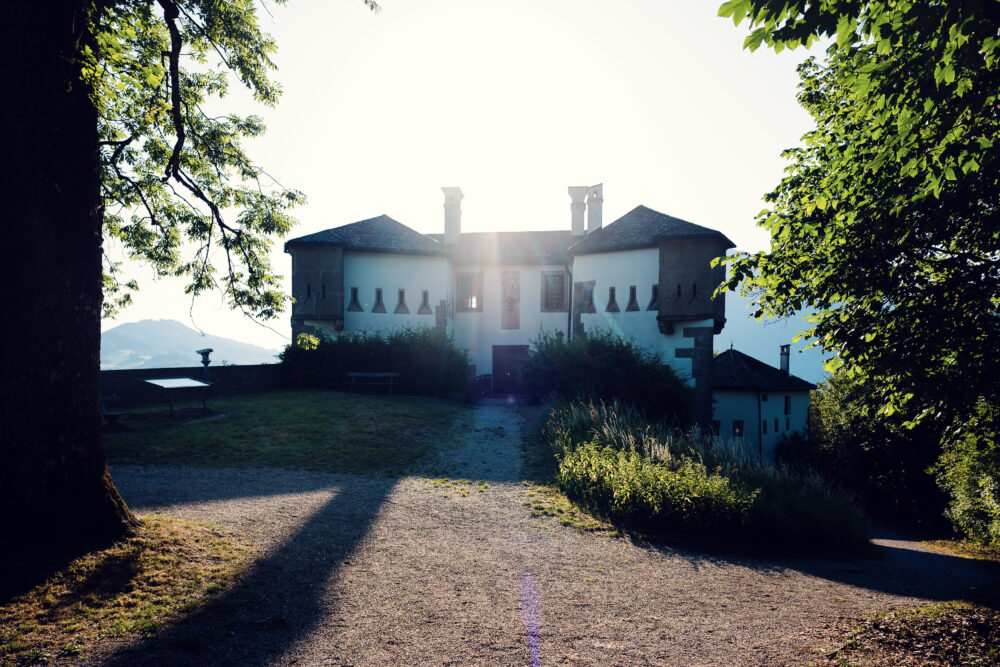
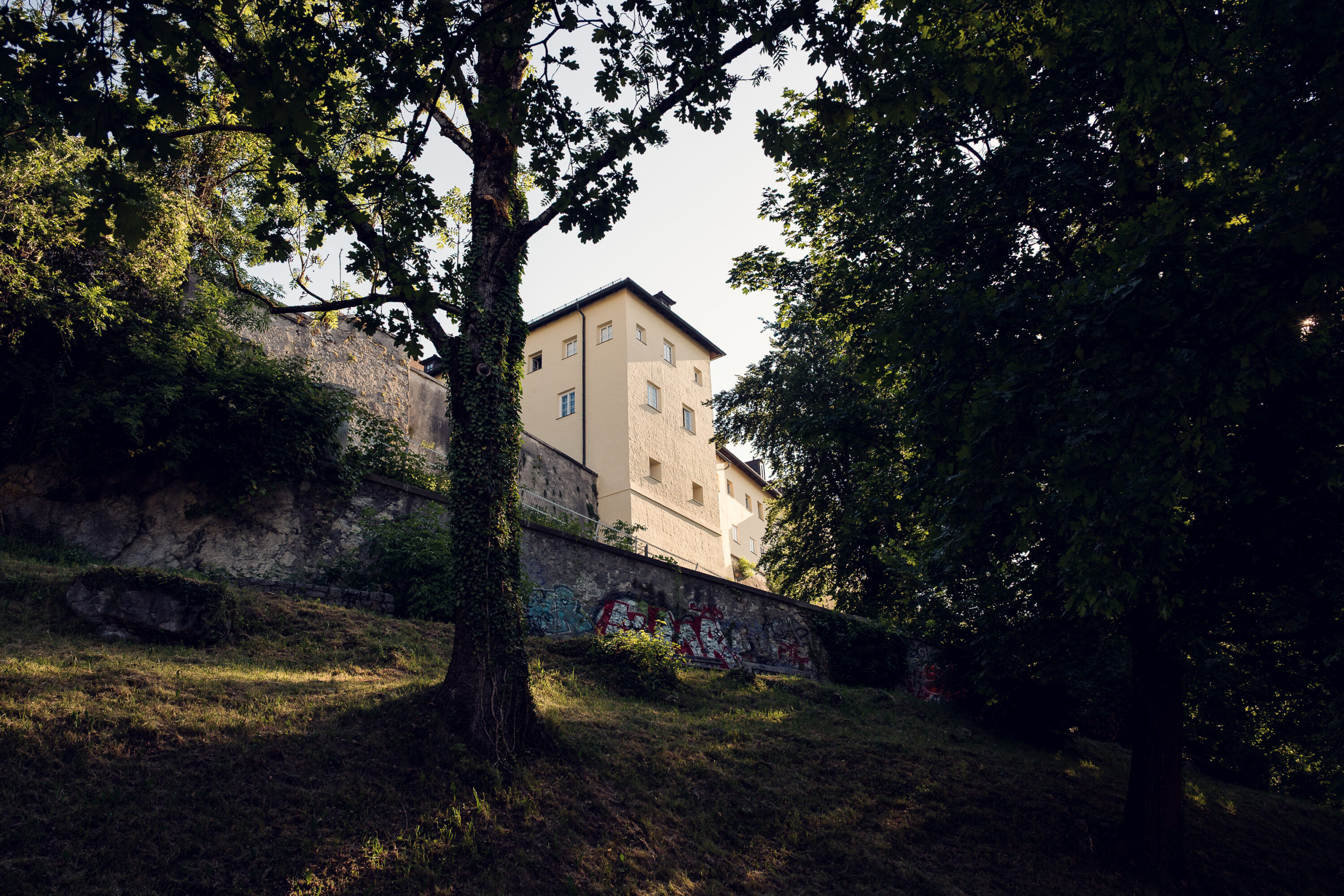
Long before the monks arrived, a medieval watchtower called the Trompeterschlössl stood where the monastery sits today, part of the chain of walls that defended the city. In the late sixteenth century, Prince-Archbishop Wolf Dietrich von Raitenau brought the Capuchin friars to Salzburg and had the old tower converted into a monastery, a stronghold of the Counter-Reformation on the Kapuzinerberg above the river. The cloister grew into its present shape over the following decades, and the inner portal still carries a late-Gothic oak door said to come from the old Romanesque cathedral. The community had its share of upheaval: French and Bavarian troops occupied the monastery during the Napoleonic era, and the Nazis evicted the monks with plans to flatten the site for a vast party forum that never got built. The friars returned after the war.
A Mountain Built for Defence
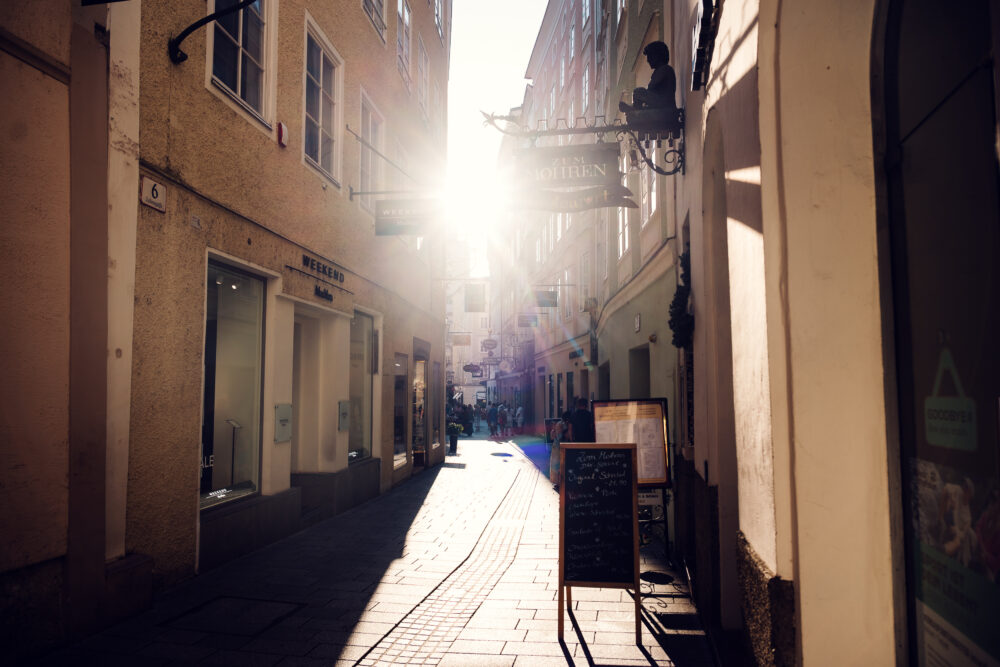
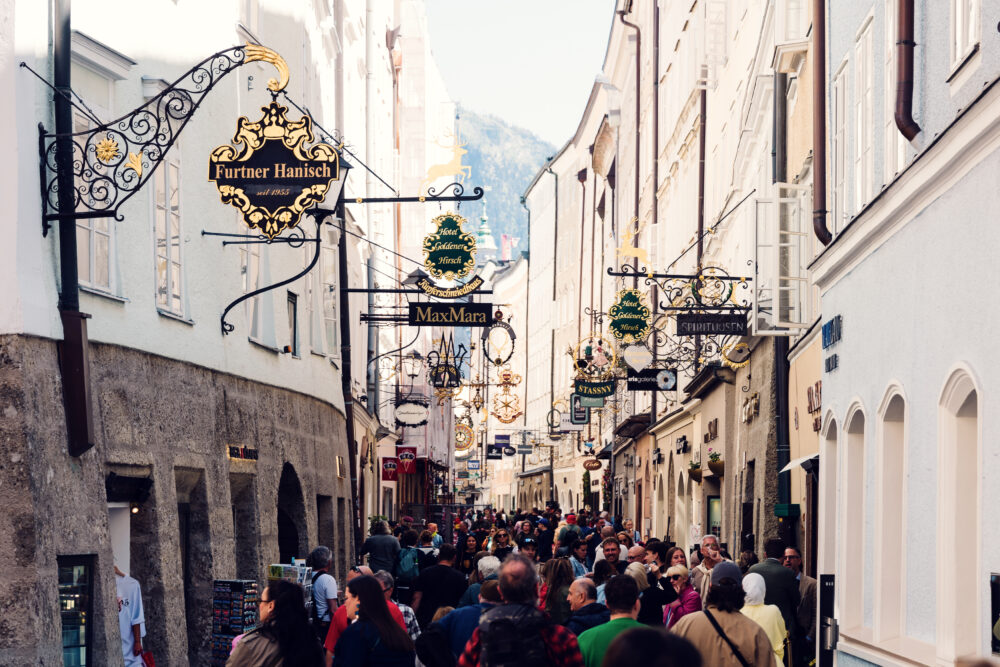
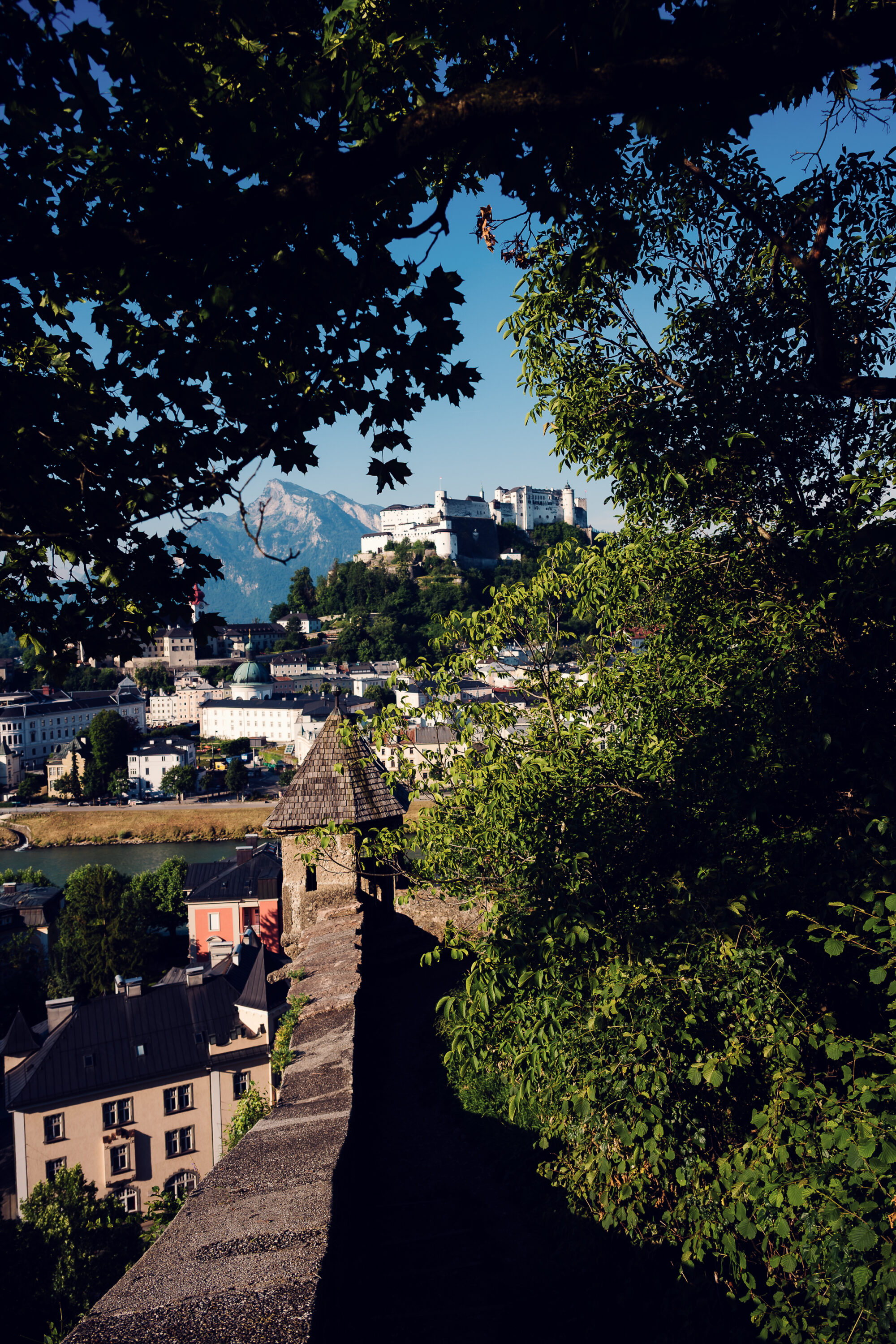
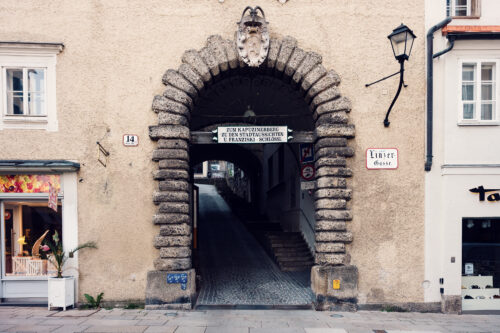
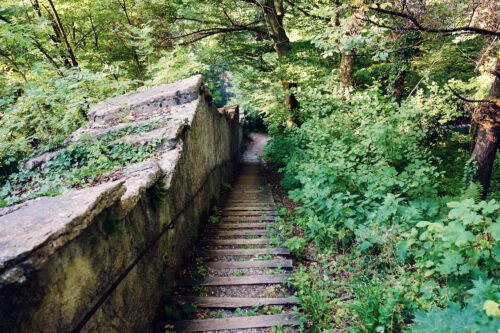
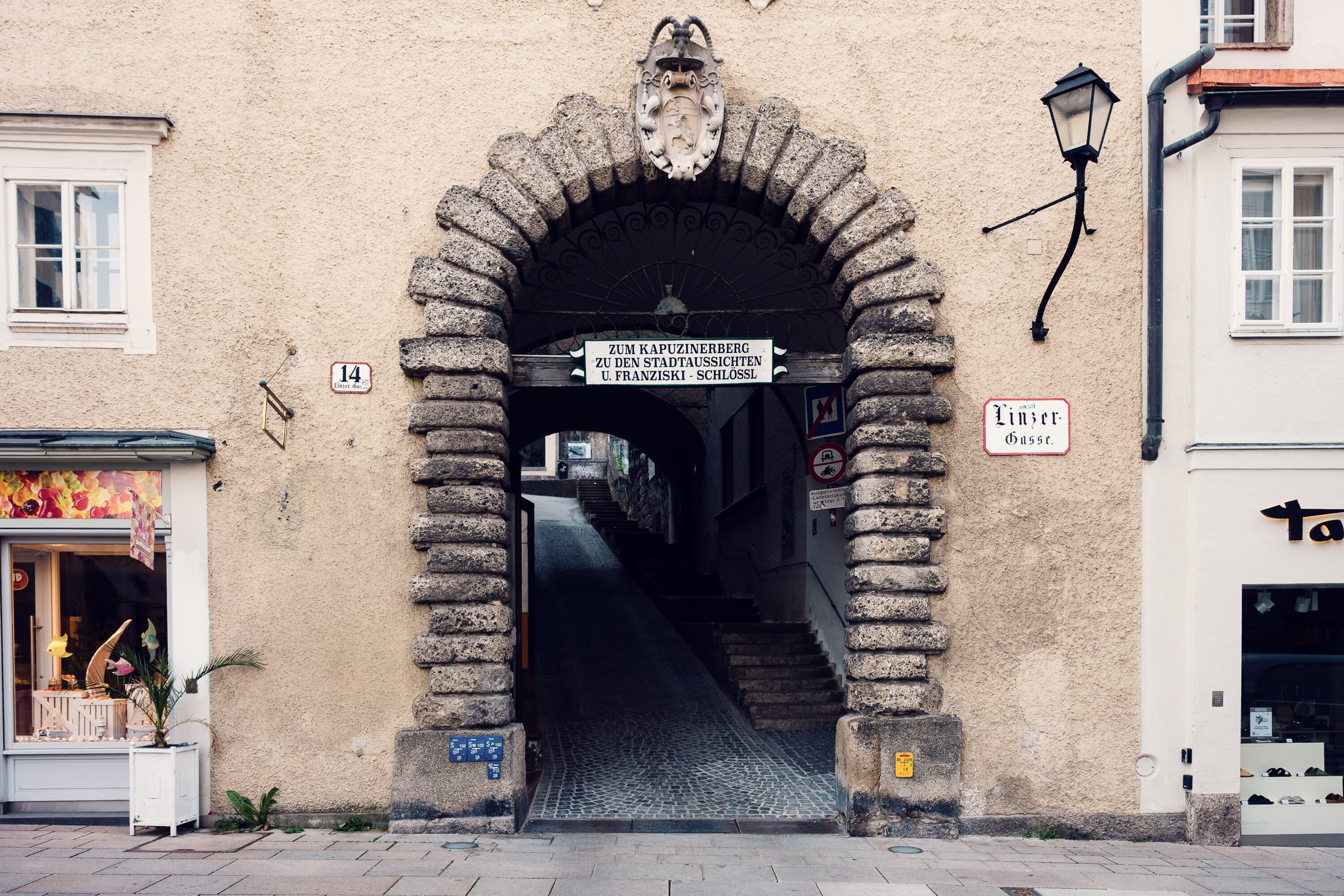
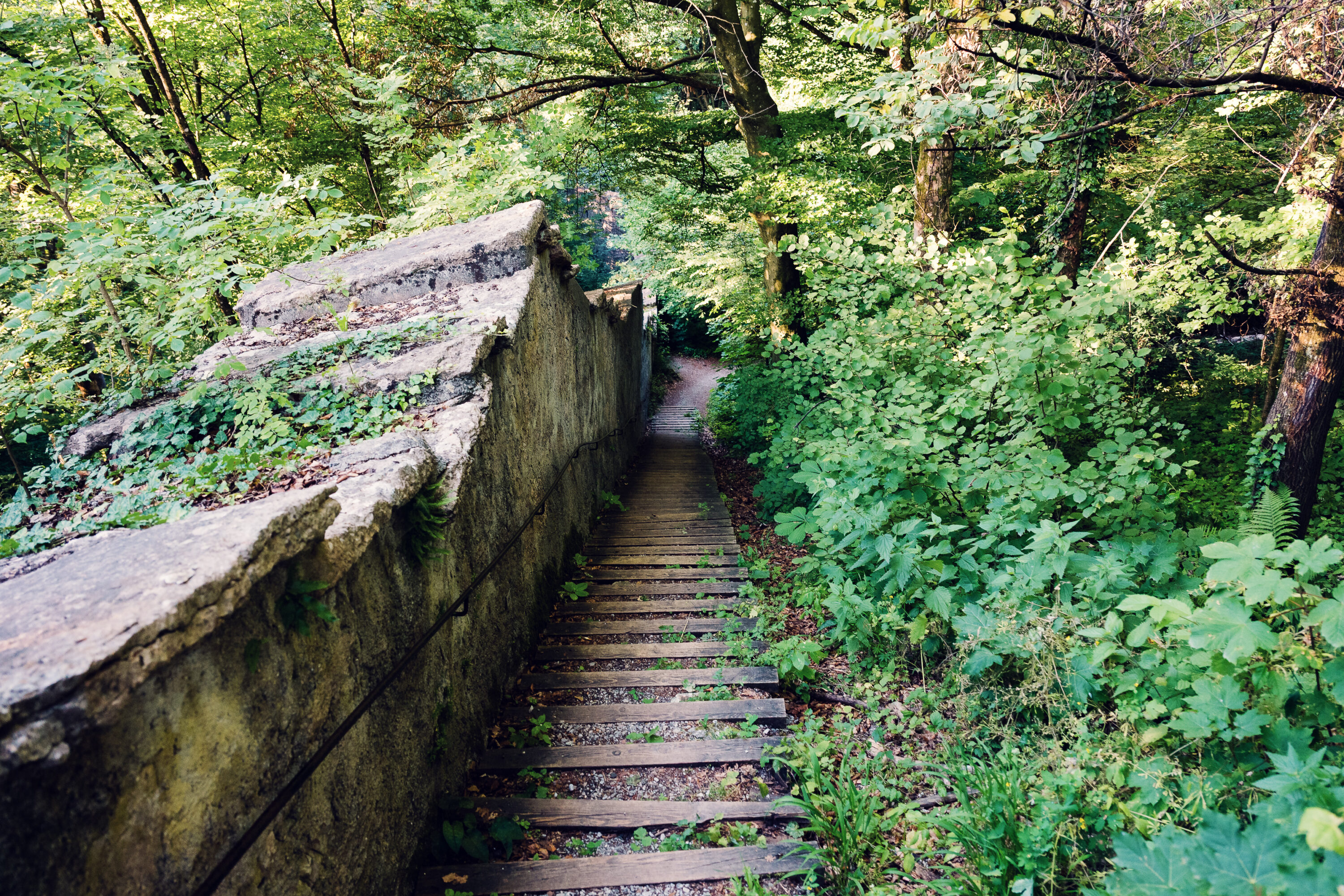
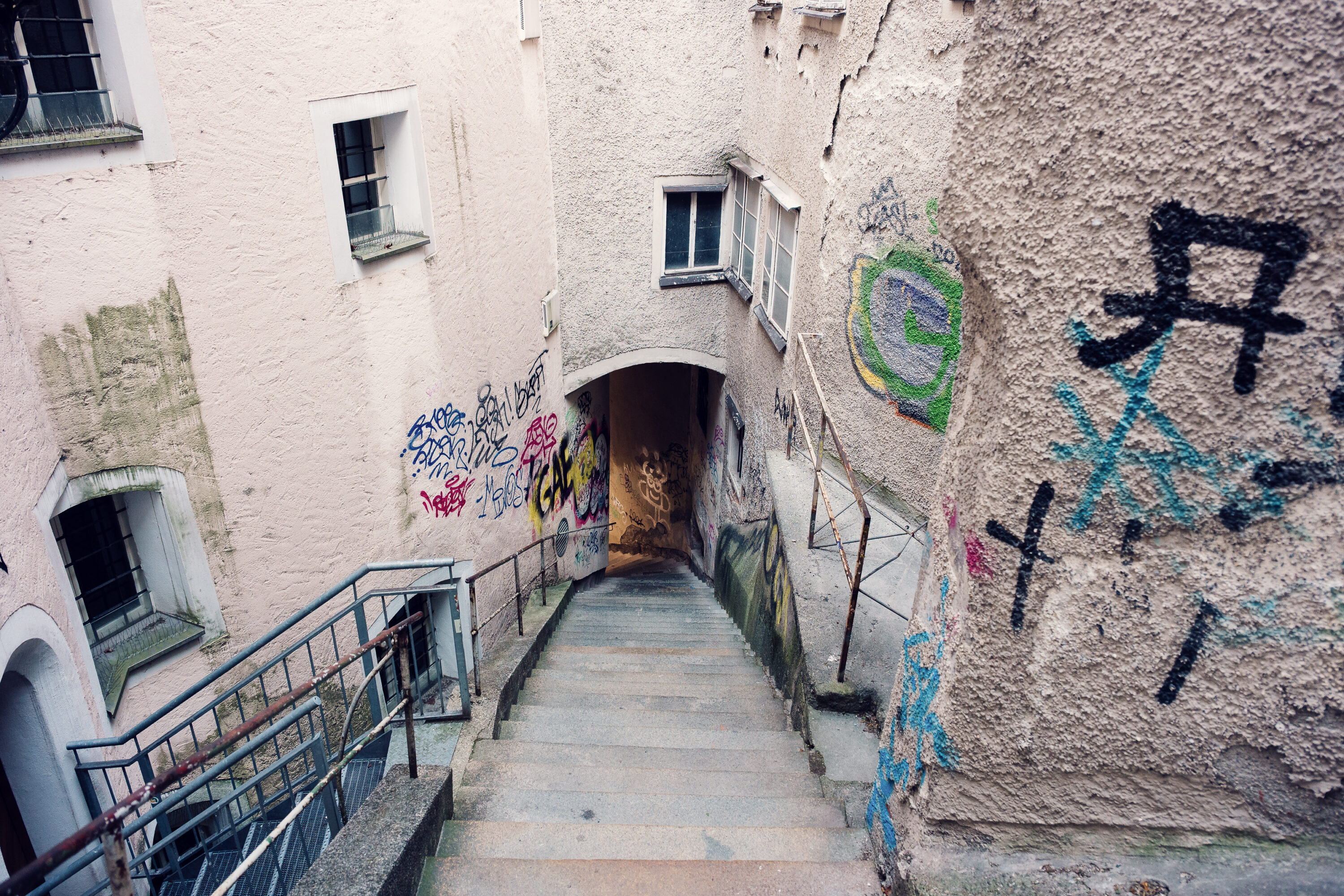
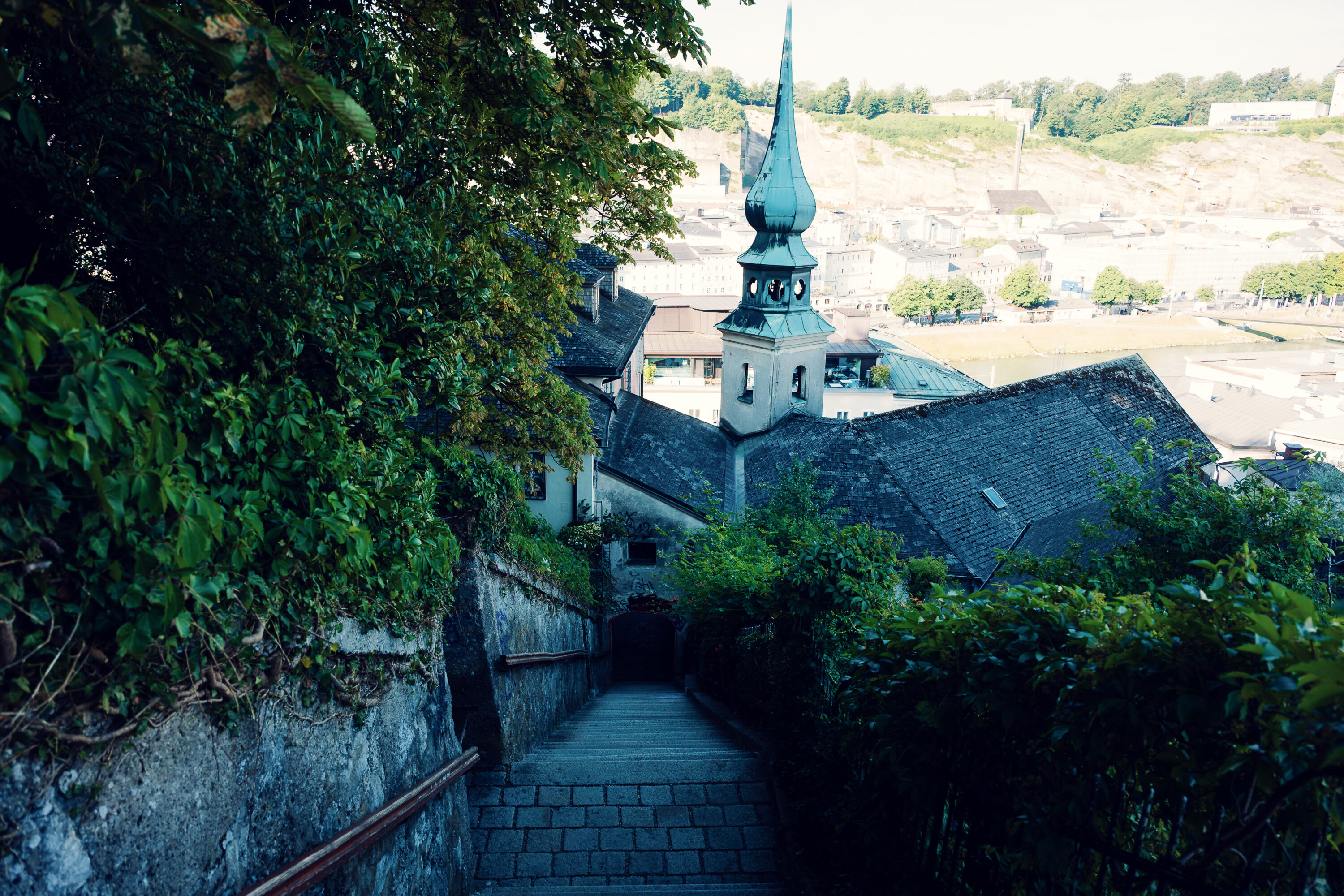
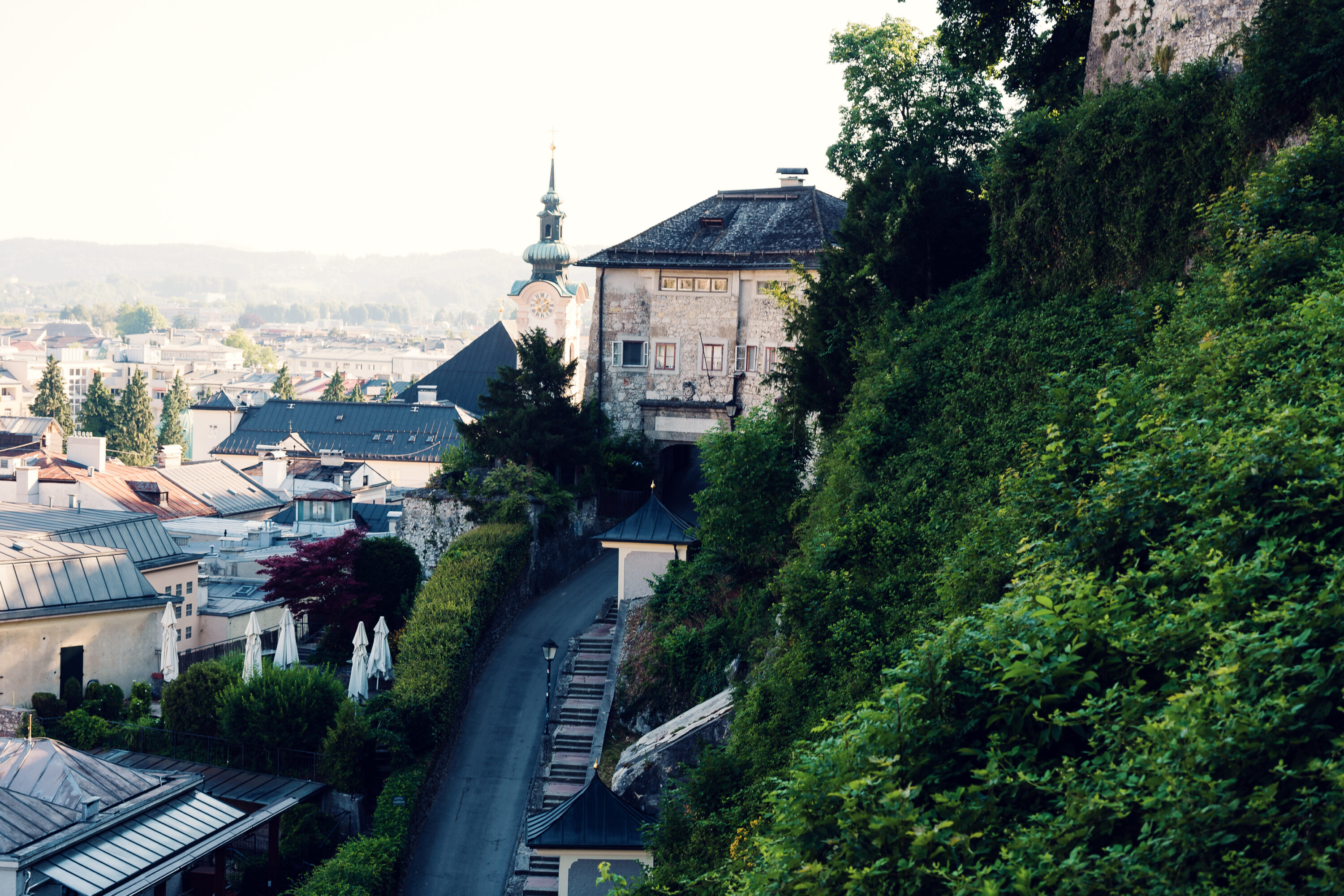
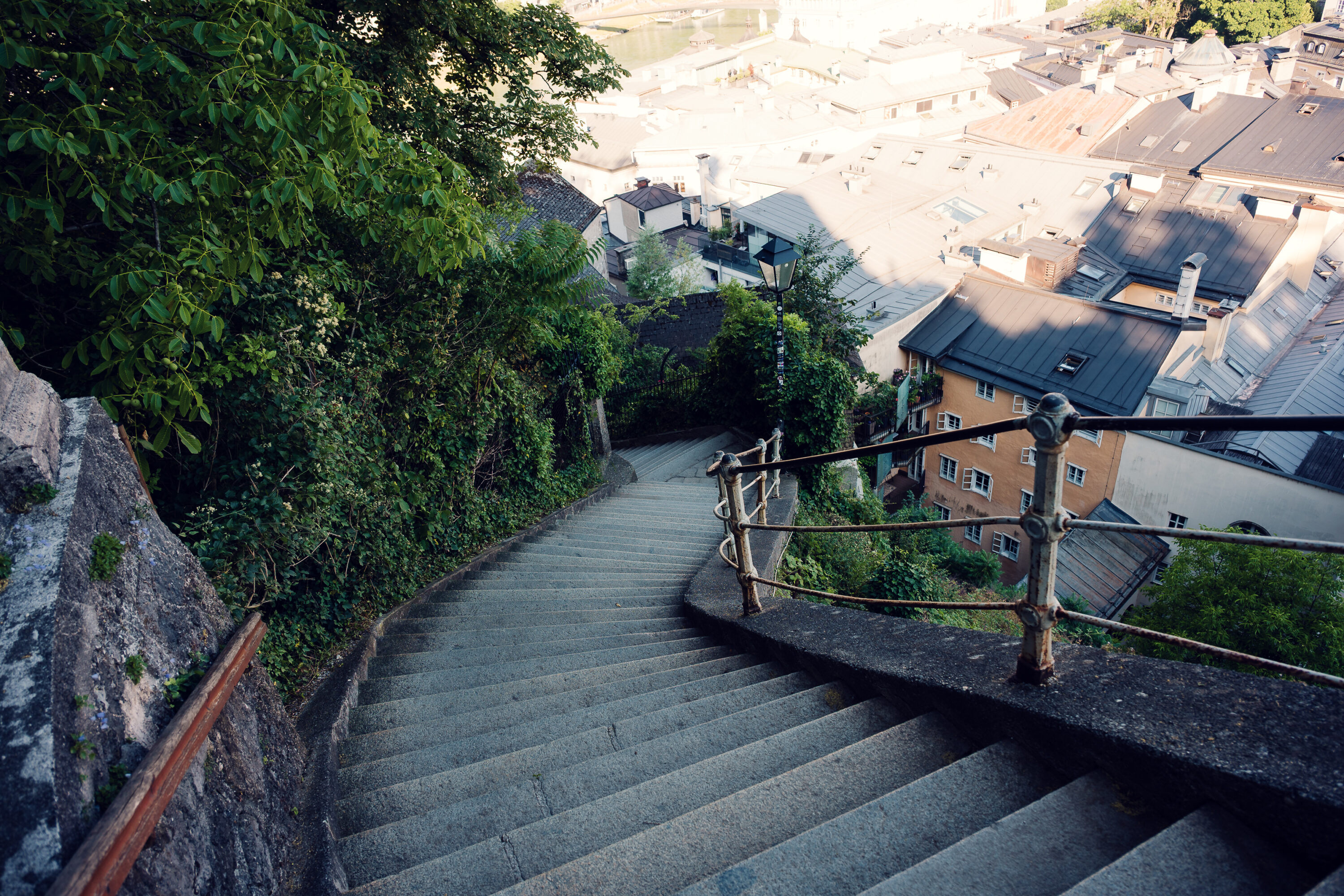
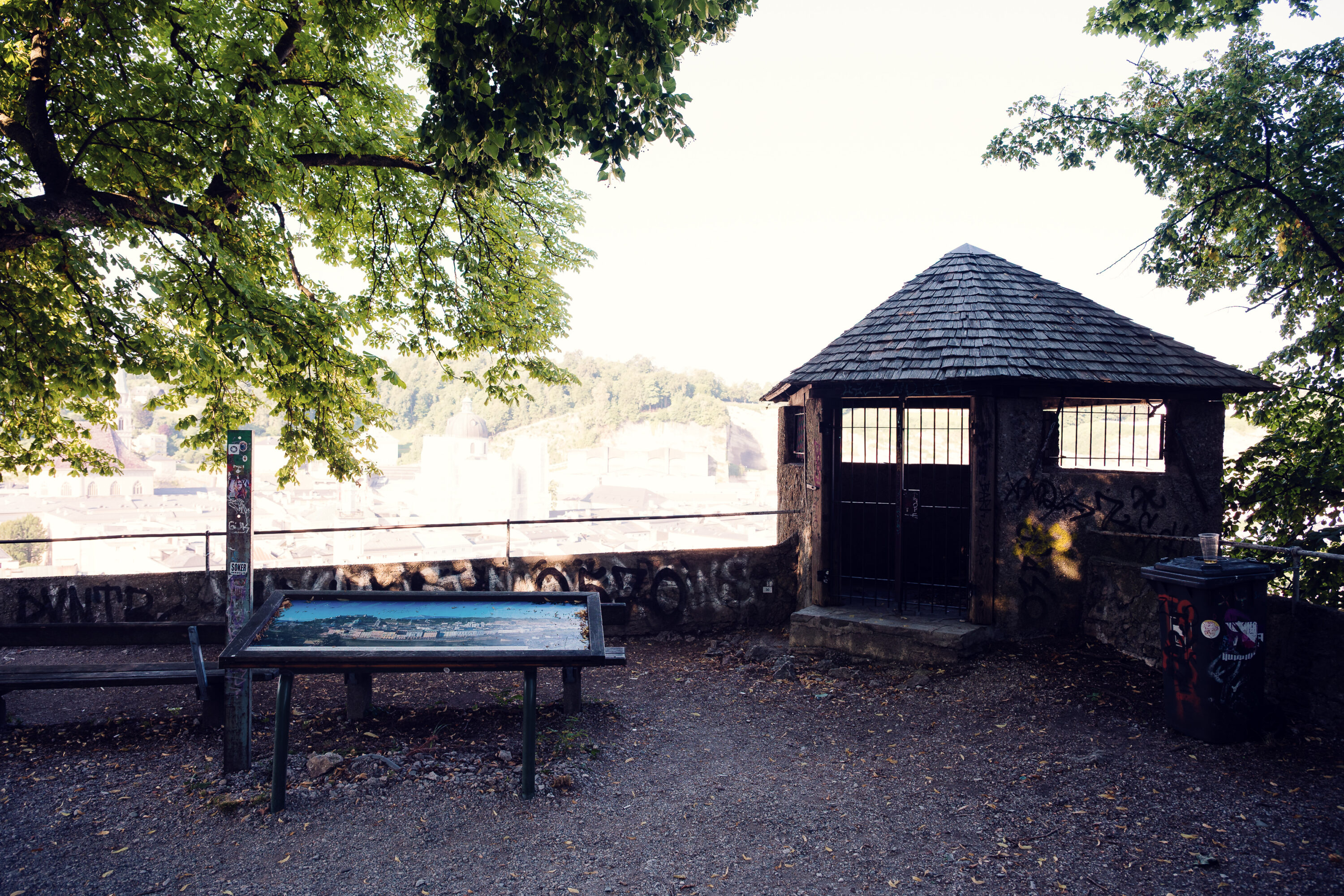
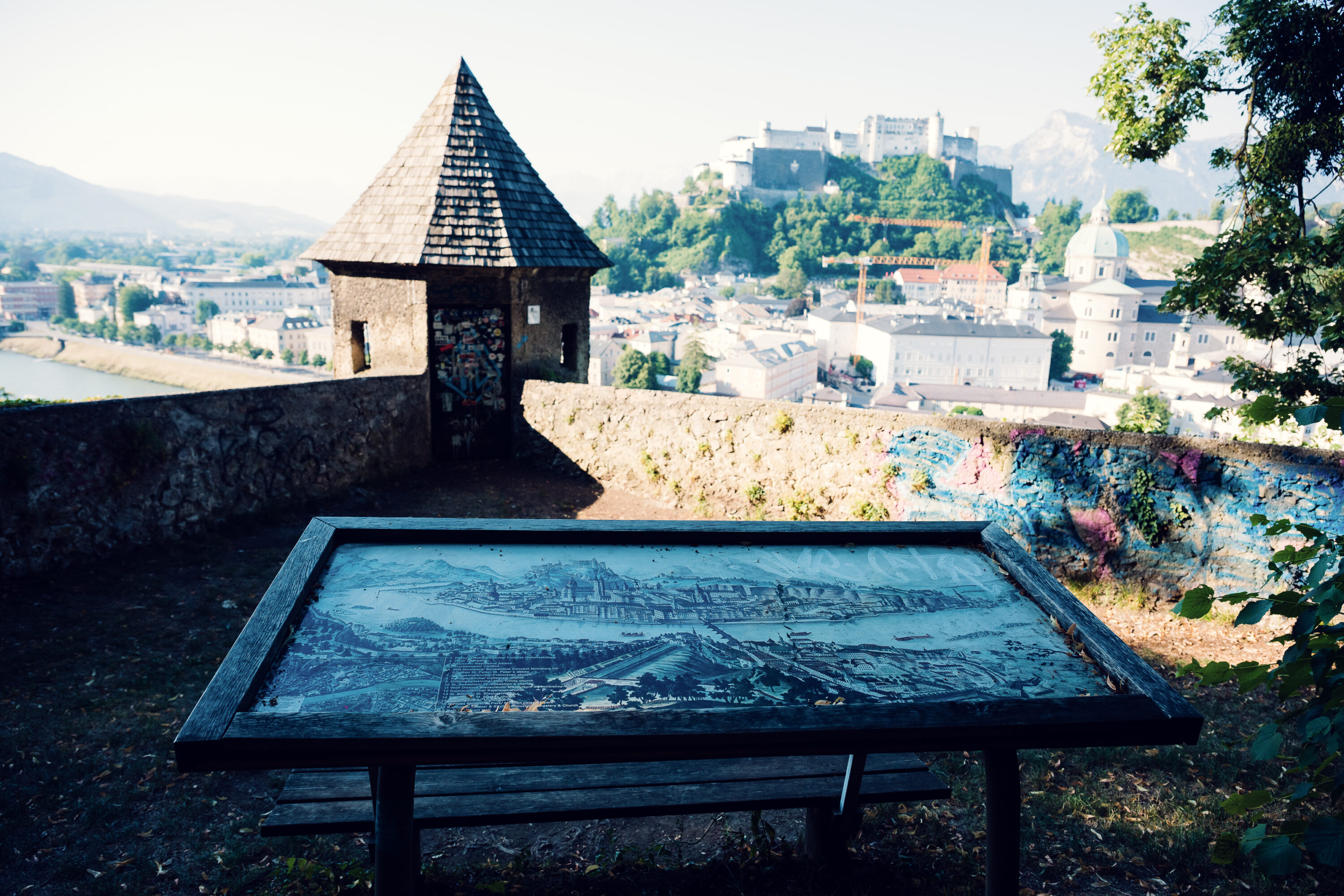
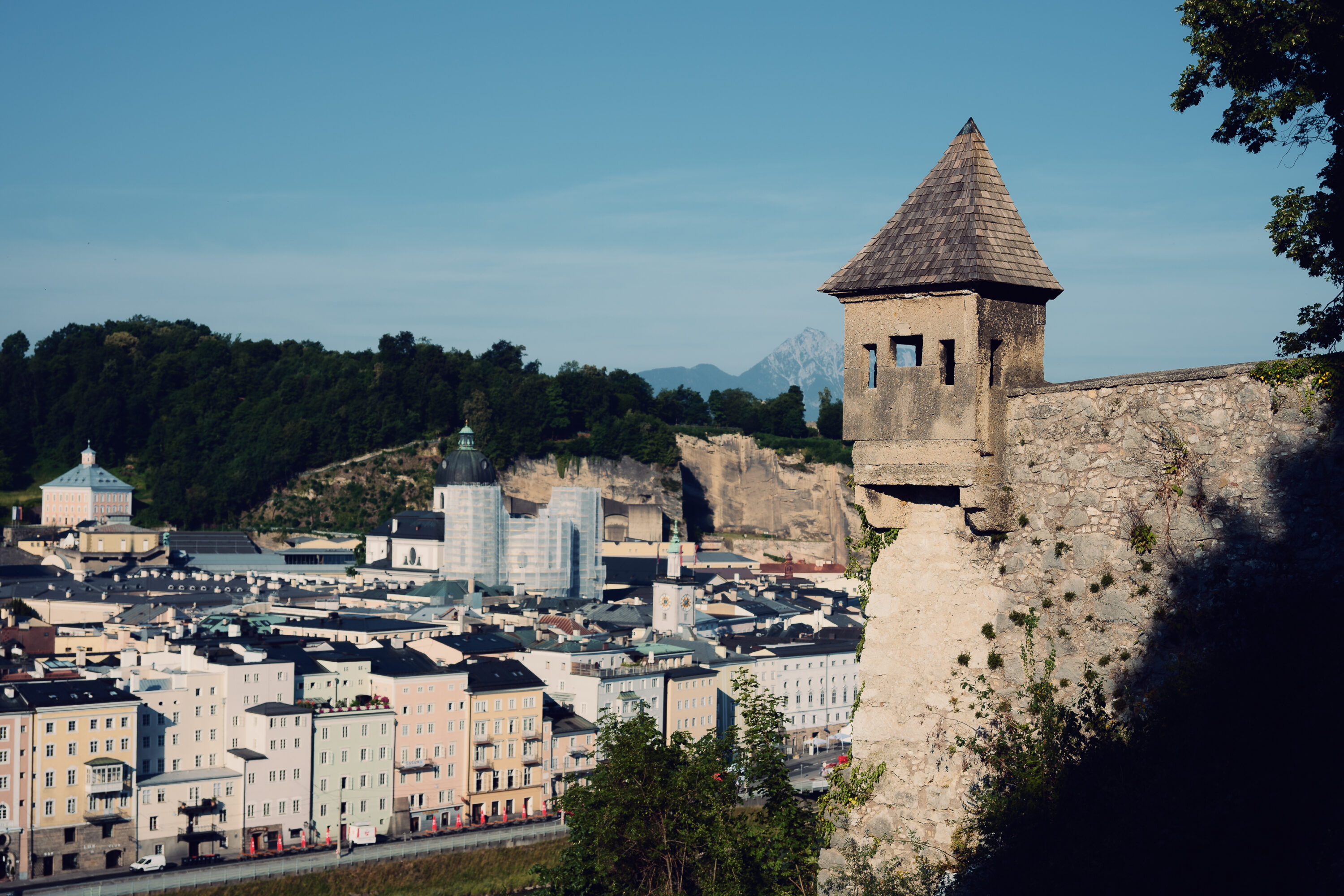
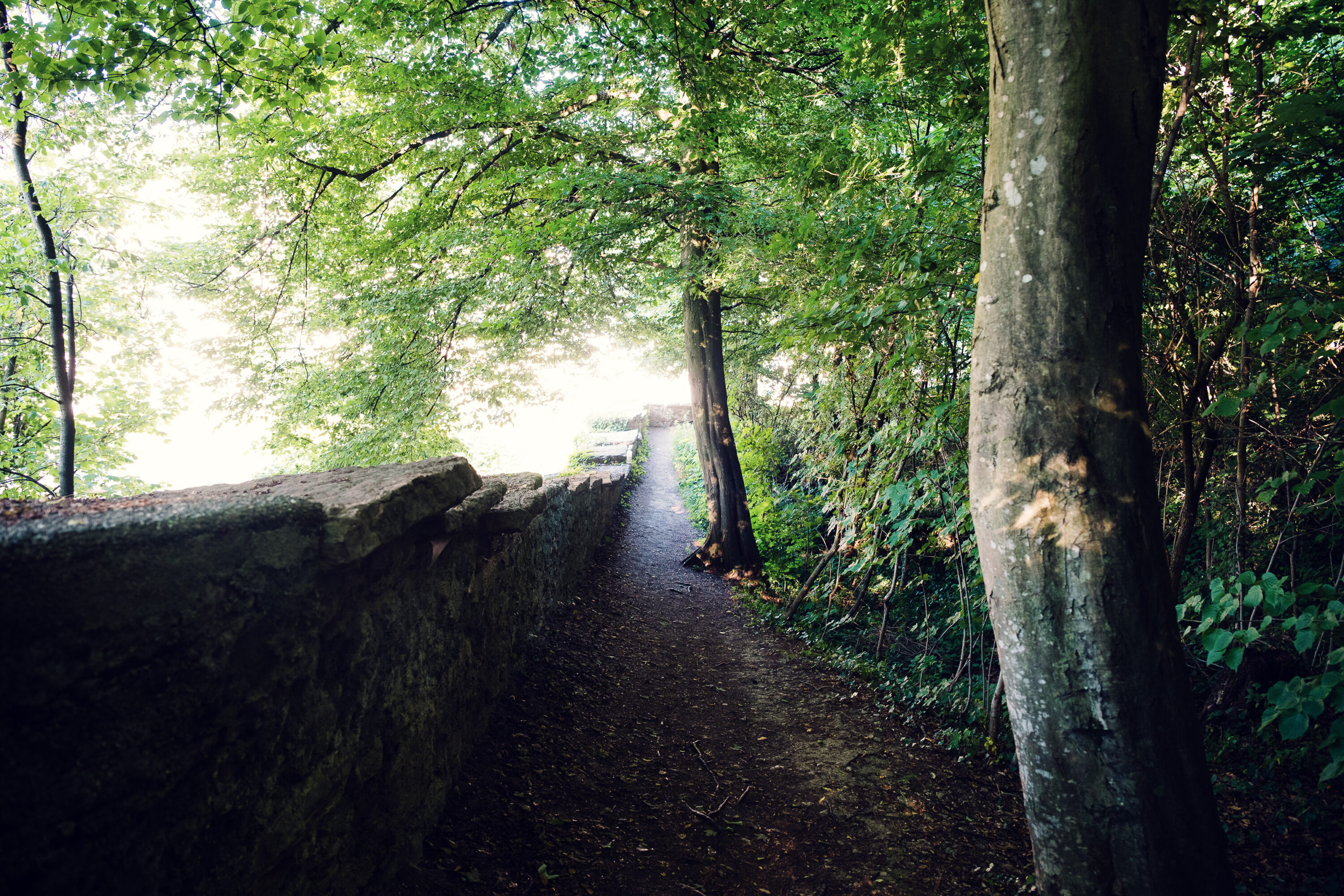
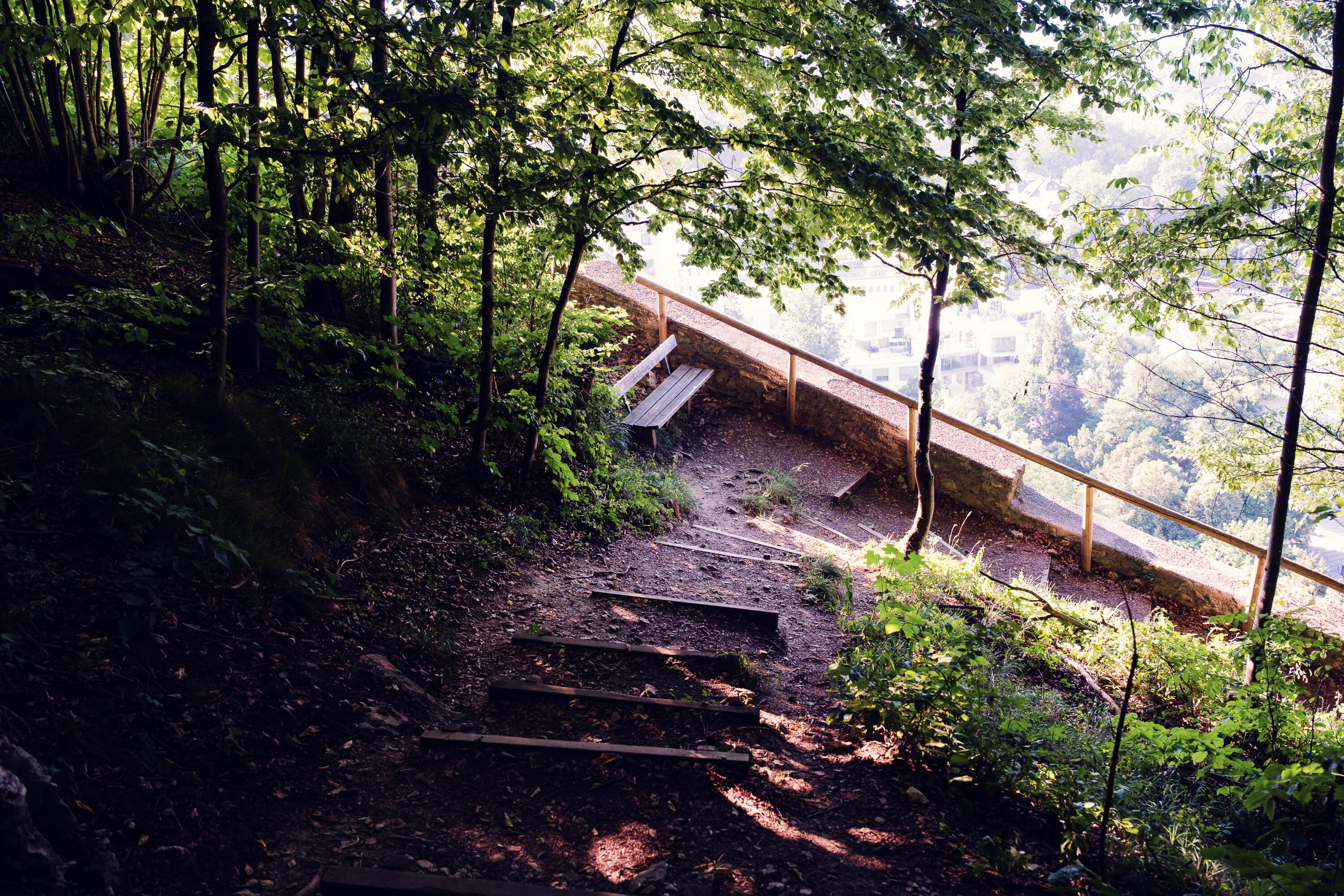
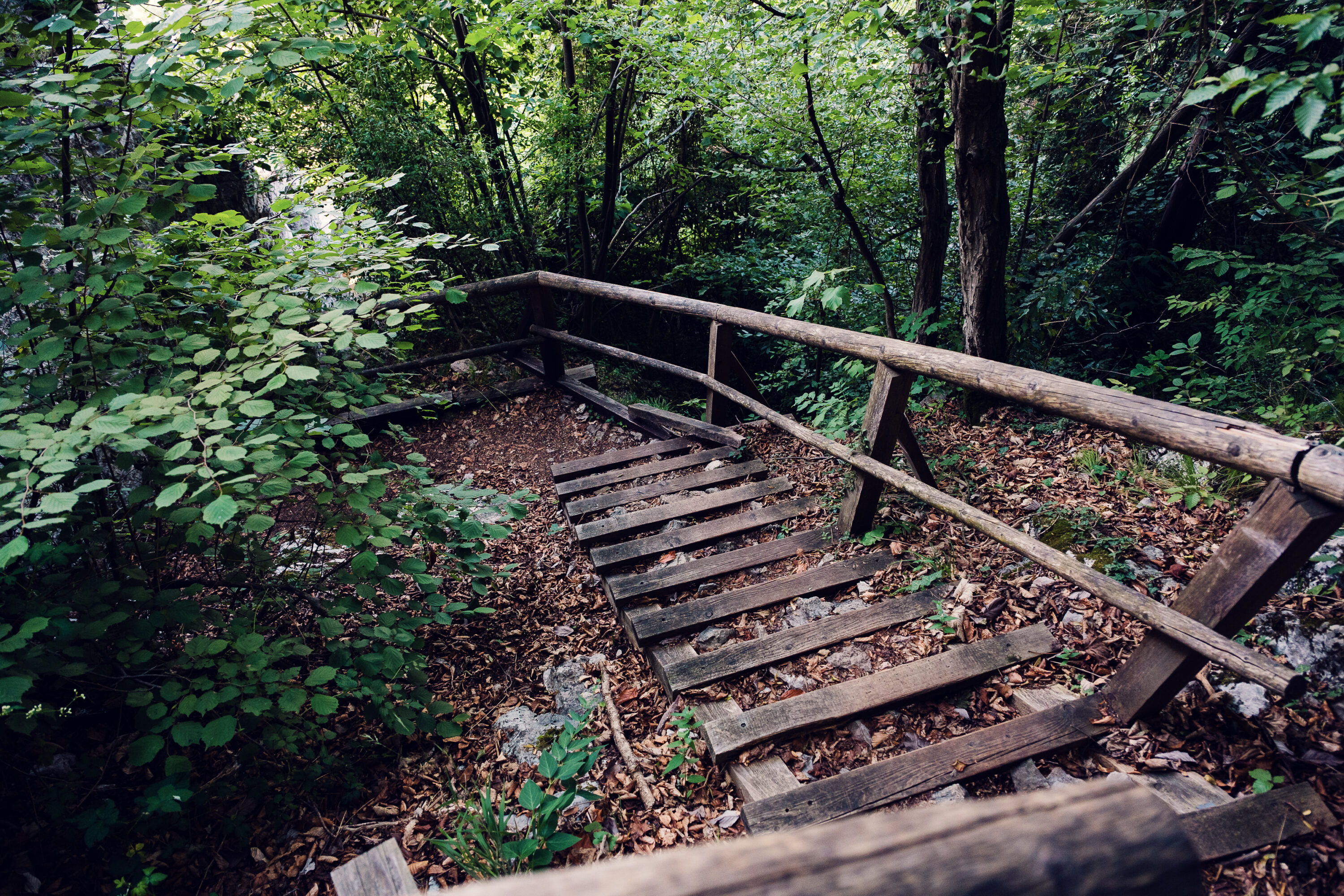
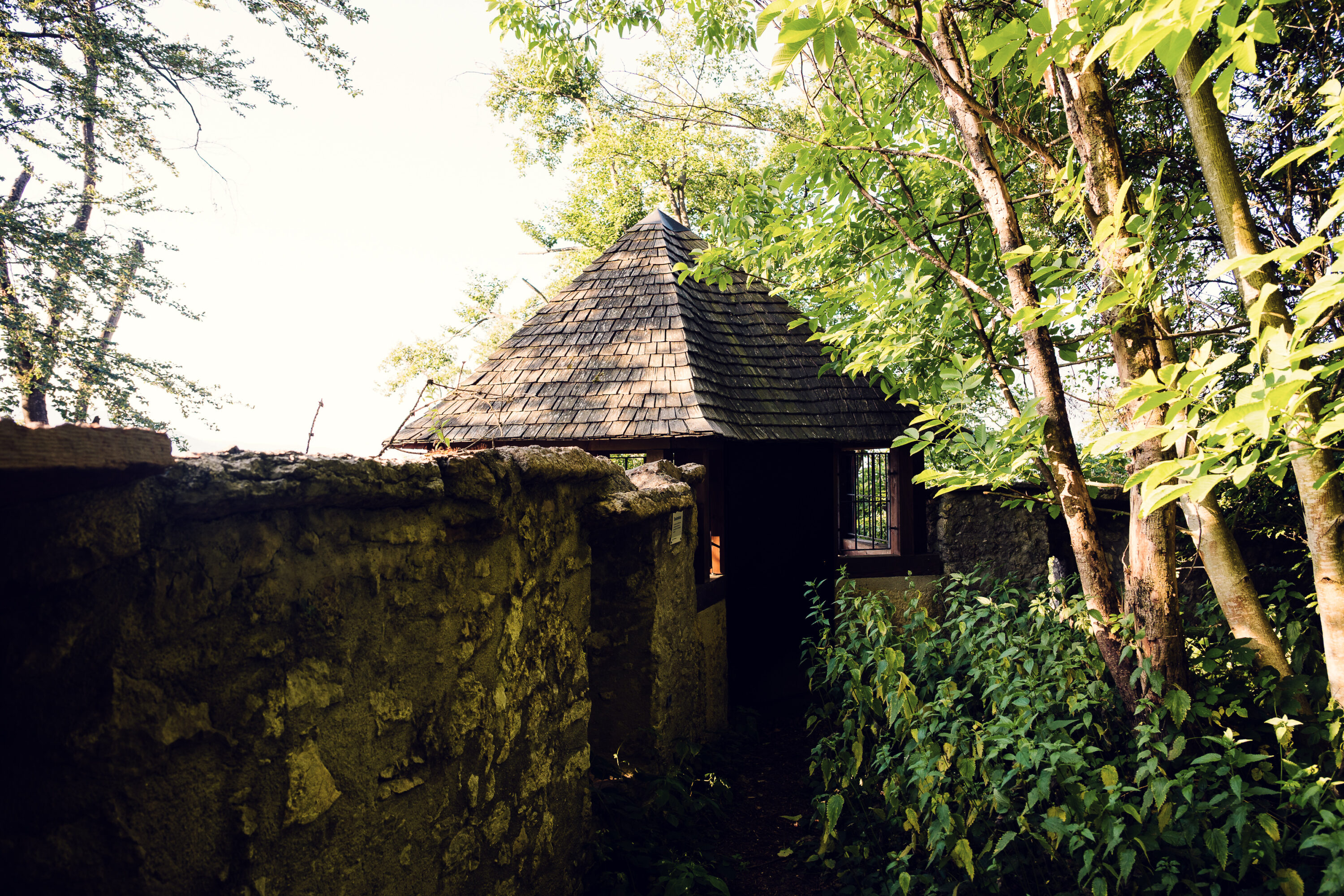
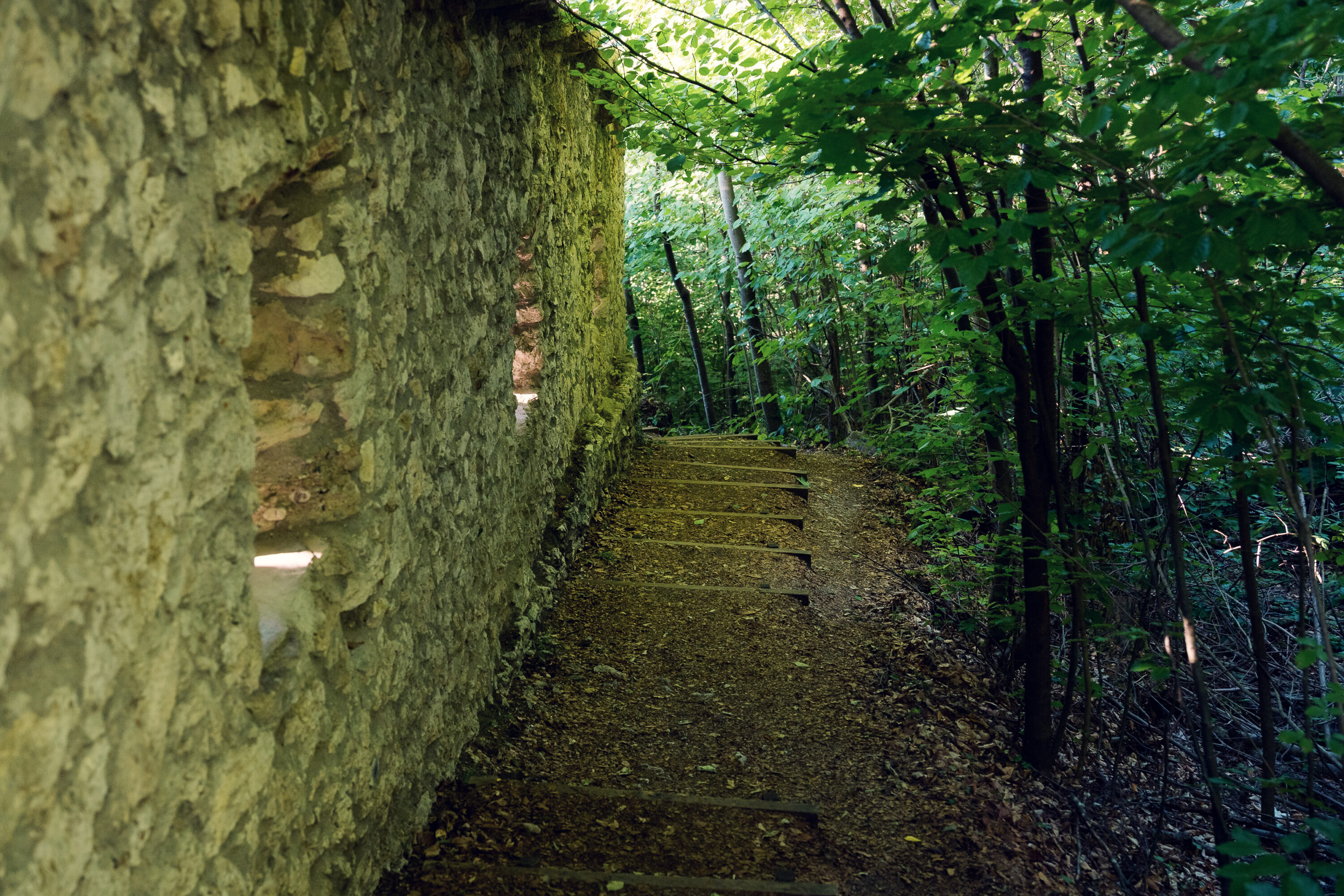
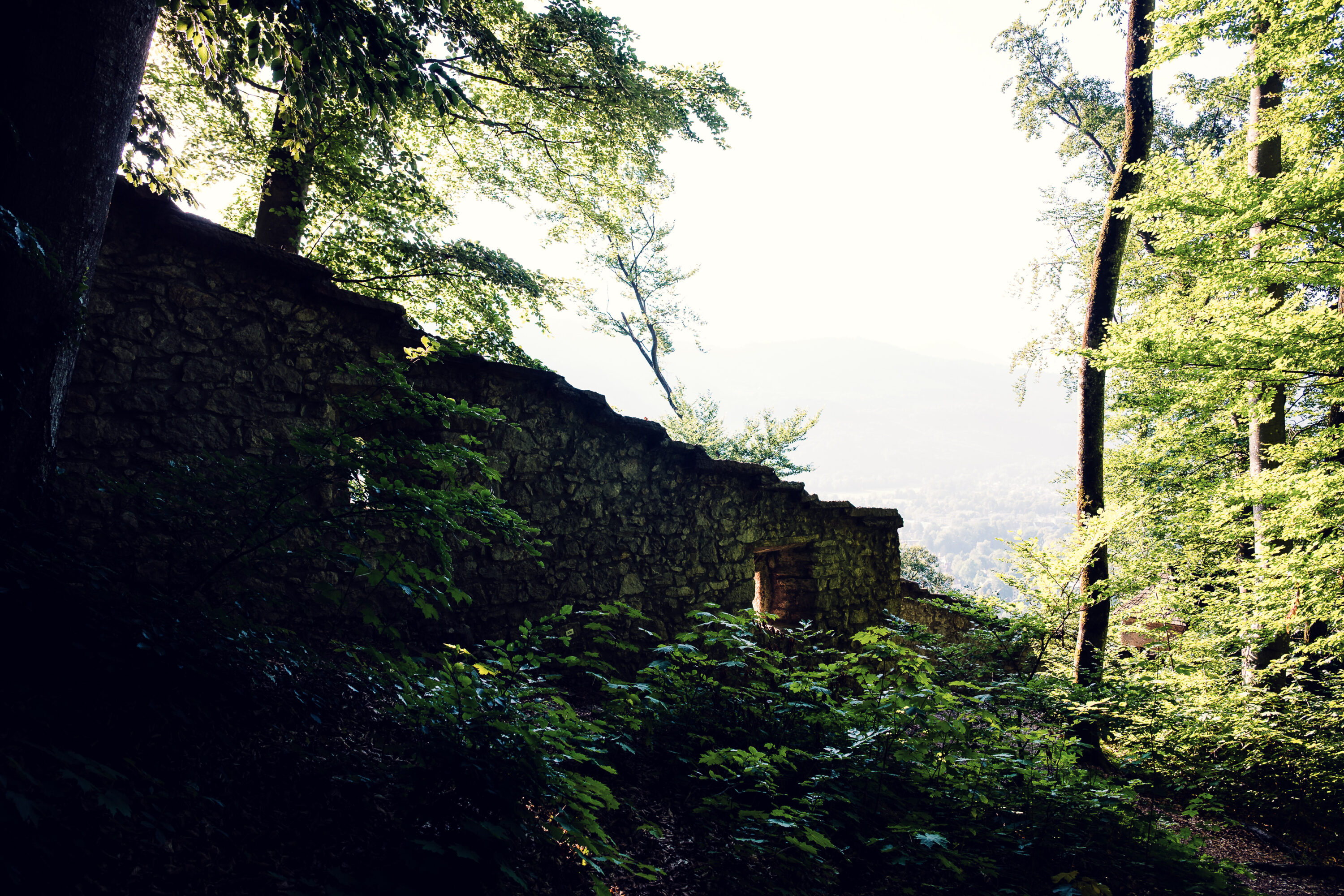
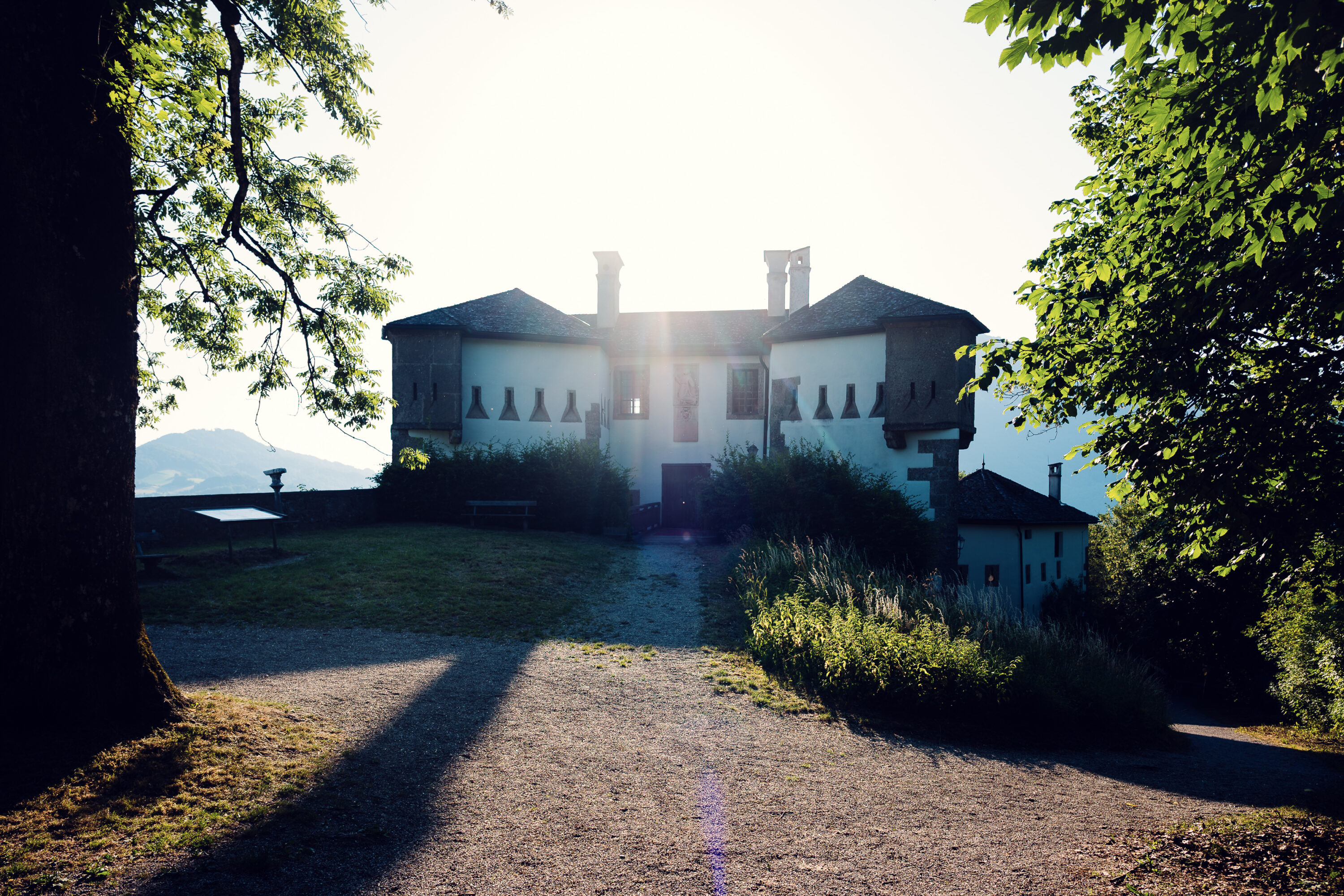
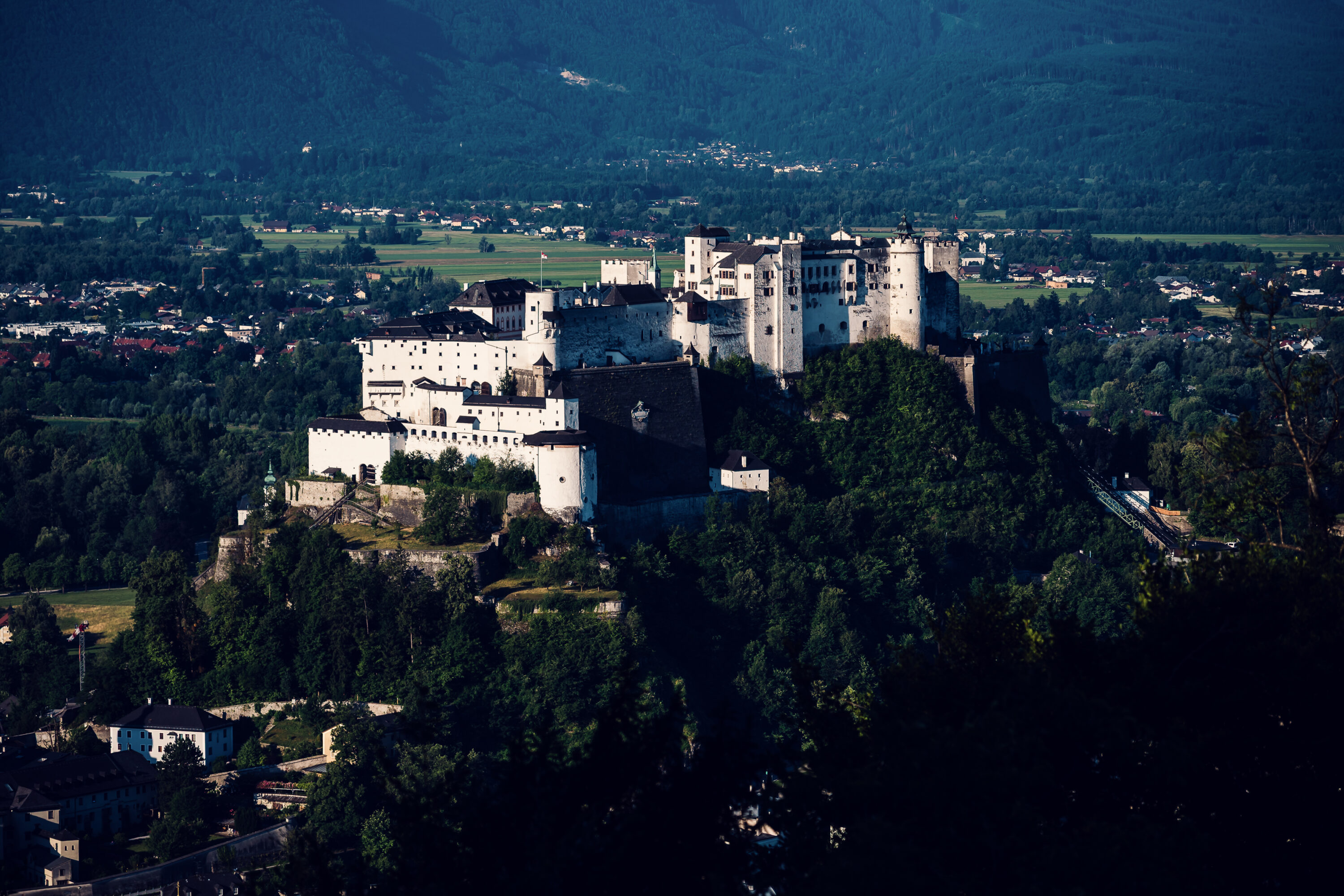
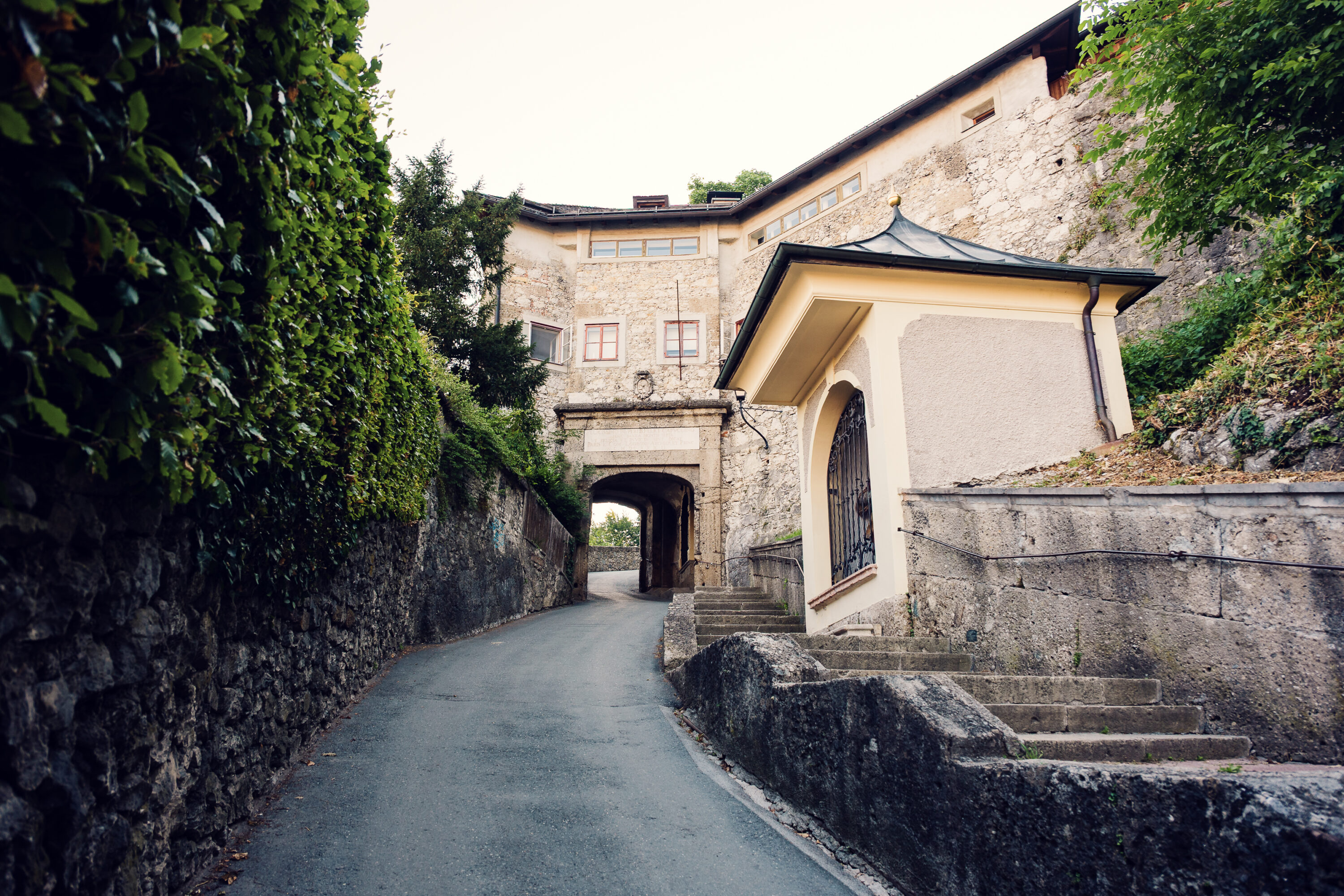
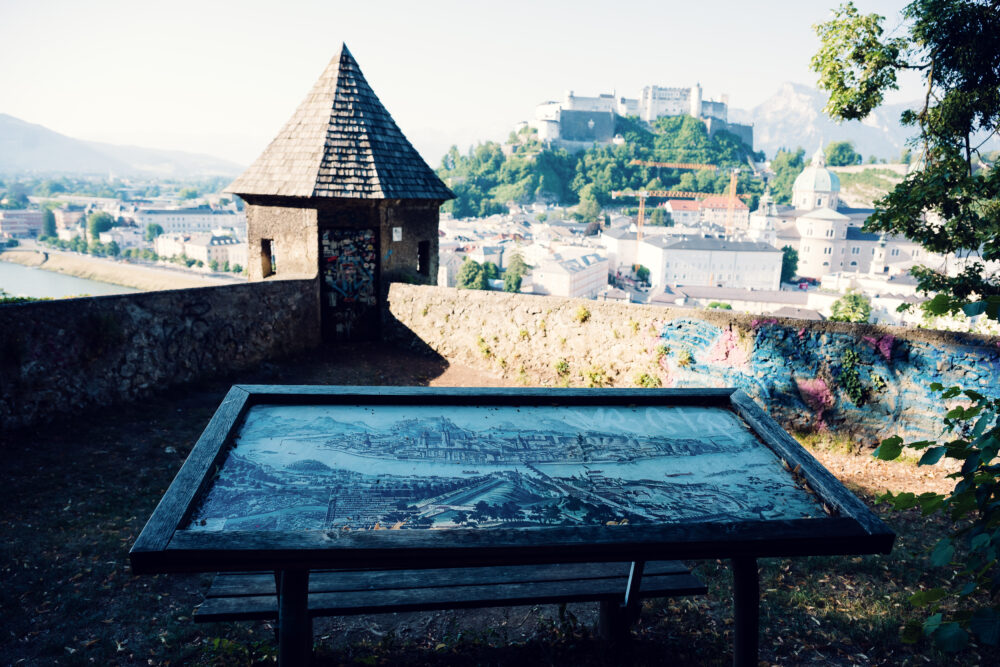
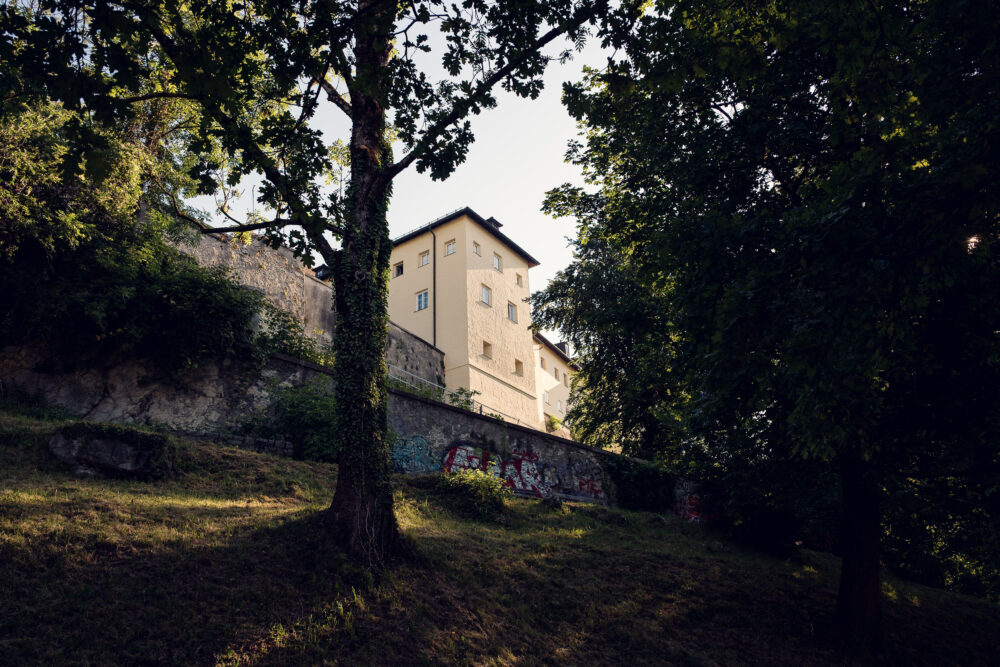
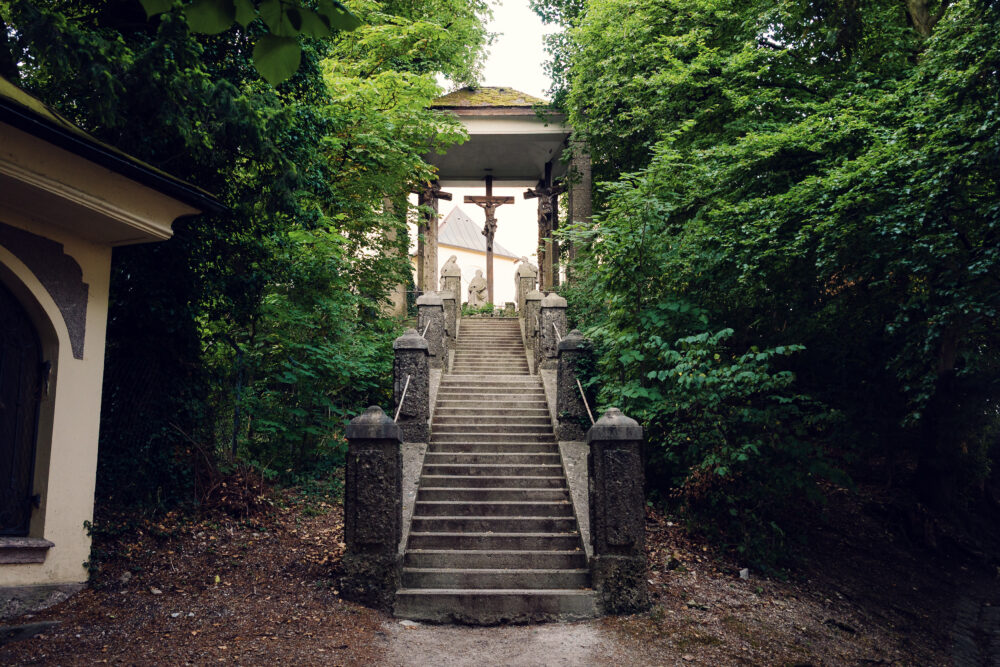
For much of its history the Kapuzinerberg was a fortress as much as a refuge. The climb from Linzergasse begins through the Franziskuspforte, marked with the coat of arms of Prince-Archbishop Markus Sittikus; further up, the Felixpforte belongs to the older defensive system expanded under Paris Lodron. From there, defensive walls run along the western, southern, and eastern flanks of the hill, following the rock for centuries. The Basteiweg, a narrow path tracing these ramparts and old watchtowers, still delivers some of the finest views on the Kapuzinerberg, though the upper section is steep and demands sure footing. At the summit stands the Franziskischlössl, designed by cathedral architect Santino Solari and built as the largest of the hill's fortifications. It later served as a hunting lodge and, from the nineteenth century, as a popular excursion tavern; the historic building still crowns the summit.
Stefan Zweig's Years on the Hill
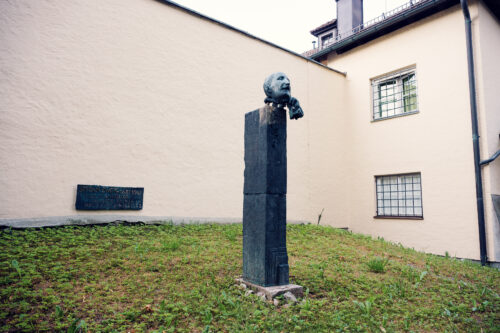
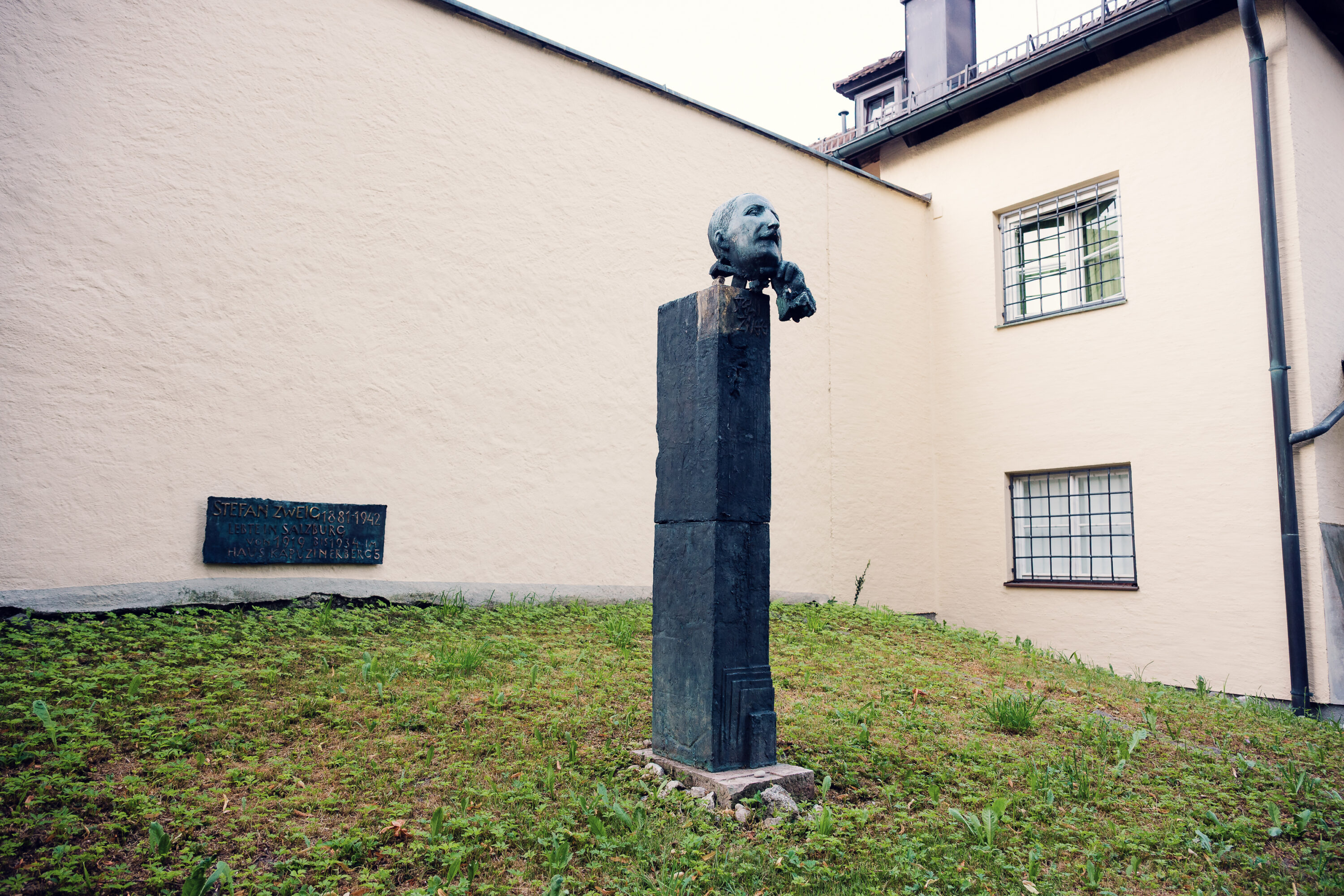
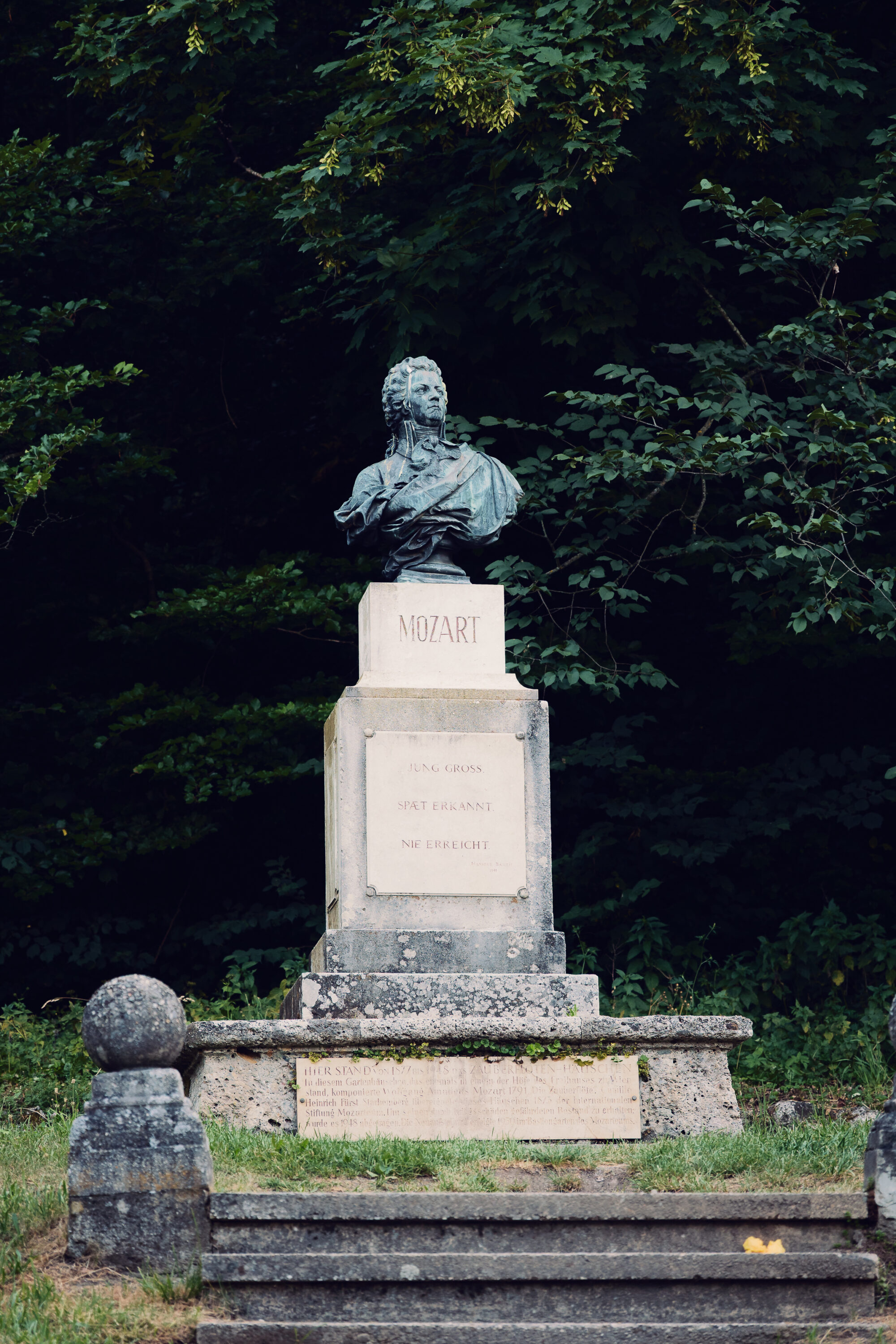
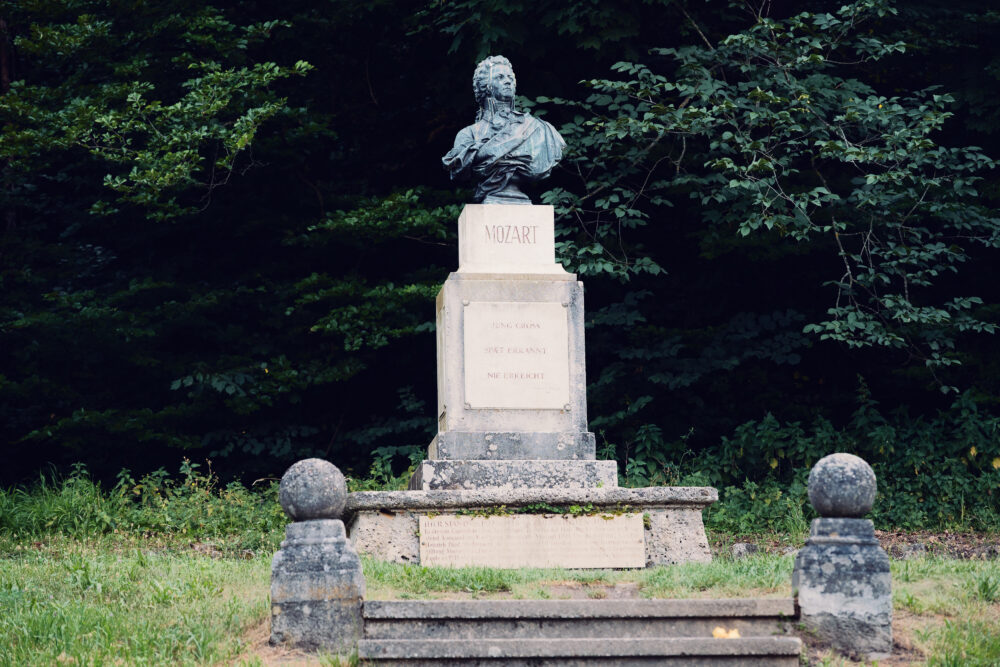
Halfway up sits the Paschinger Schlössl at Kapuzinerberg 5, the villa where the writer Stefan Zweig lived from 1919 to 1934. These were the most productive years of his career: here he wrote the biographies of Joseph Fouché and Marie Antoinette and the historical miniatures of his bestselling Sternstunden der Menschheit, while hosting visitors like Thomas Mann, James Joyce, and Arthur Schnitzler. The garden gate, a gift from his wife Friderike, was his own design. Zweig left Salzburg as the political climate darkened and emigrated to Britain, eventually taking his own life in Brazil. A memorial bust below the monastery marks his connection to the hill, and the main path up from Linzergasse now carries his name, the Stefan-Zweig-Weg. The villa itself is private and not open to visitors; it was bought by industrialist Wolfgang Porsche in 2020 and was reportedly listed for sale again in 2026.
A Wild Heart in the City
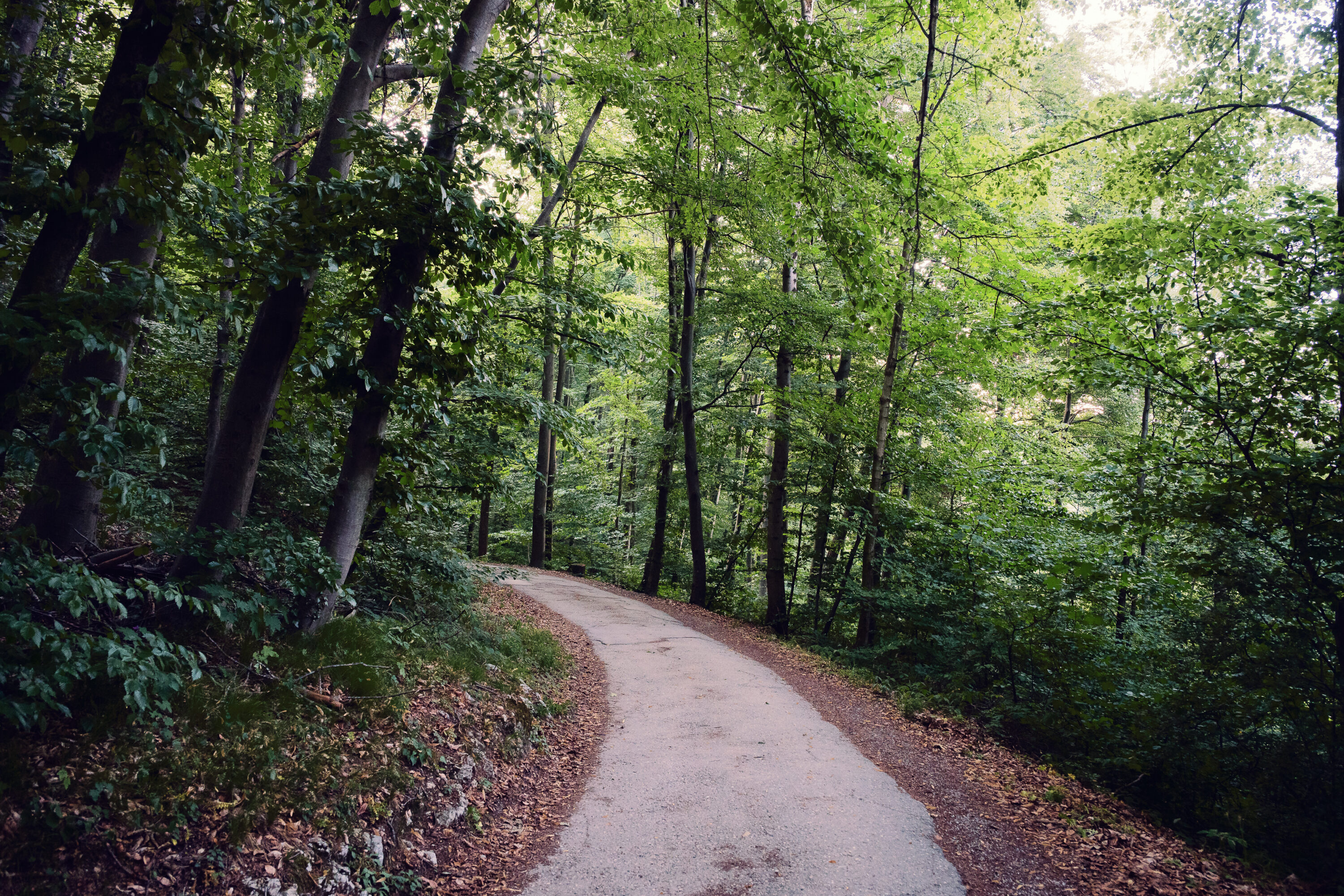
What sets the Kapuzinerberg apart from any other city sight is its wildlife. A colony of wild chamois, today numbering between ten and fourteen animals, lives on the steep northern rocks. Ravens nest in the cliffs, and the wooded slopes and small water habitats on the mountain support fire salamanders and alpine newts. The dense forest that covers the upper slopes of the Kapuzinerberg is why Salzburgers call this their green lung, a pocket of near-wilderness reachable within minutes of the Baroque centre.