
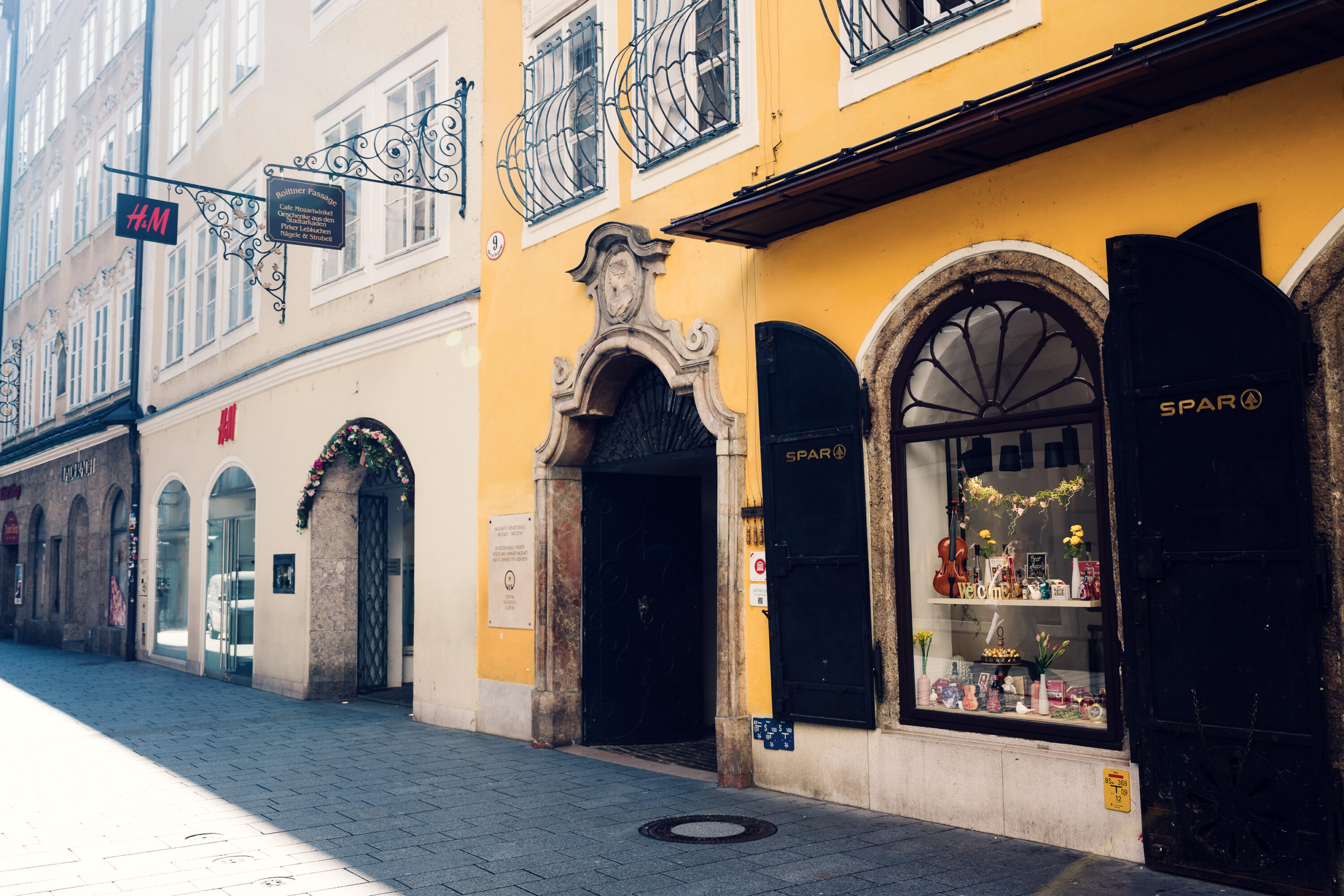
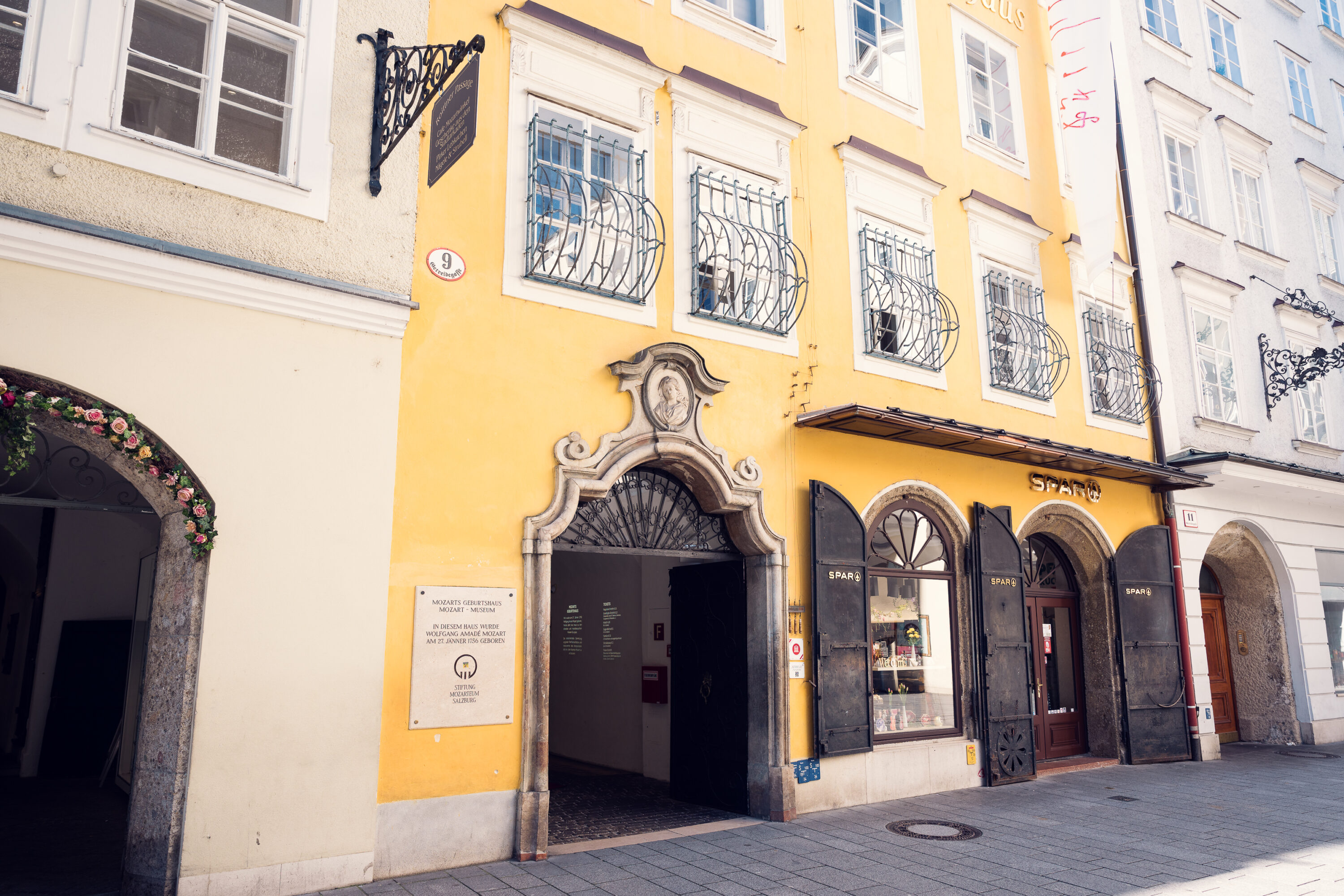
Where It All Began - Mozart's Birthplace
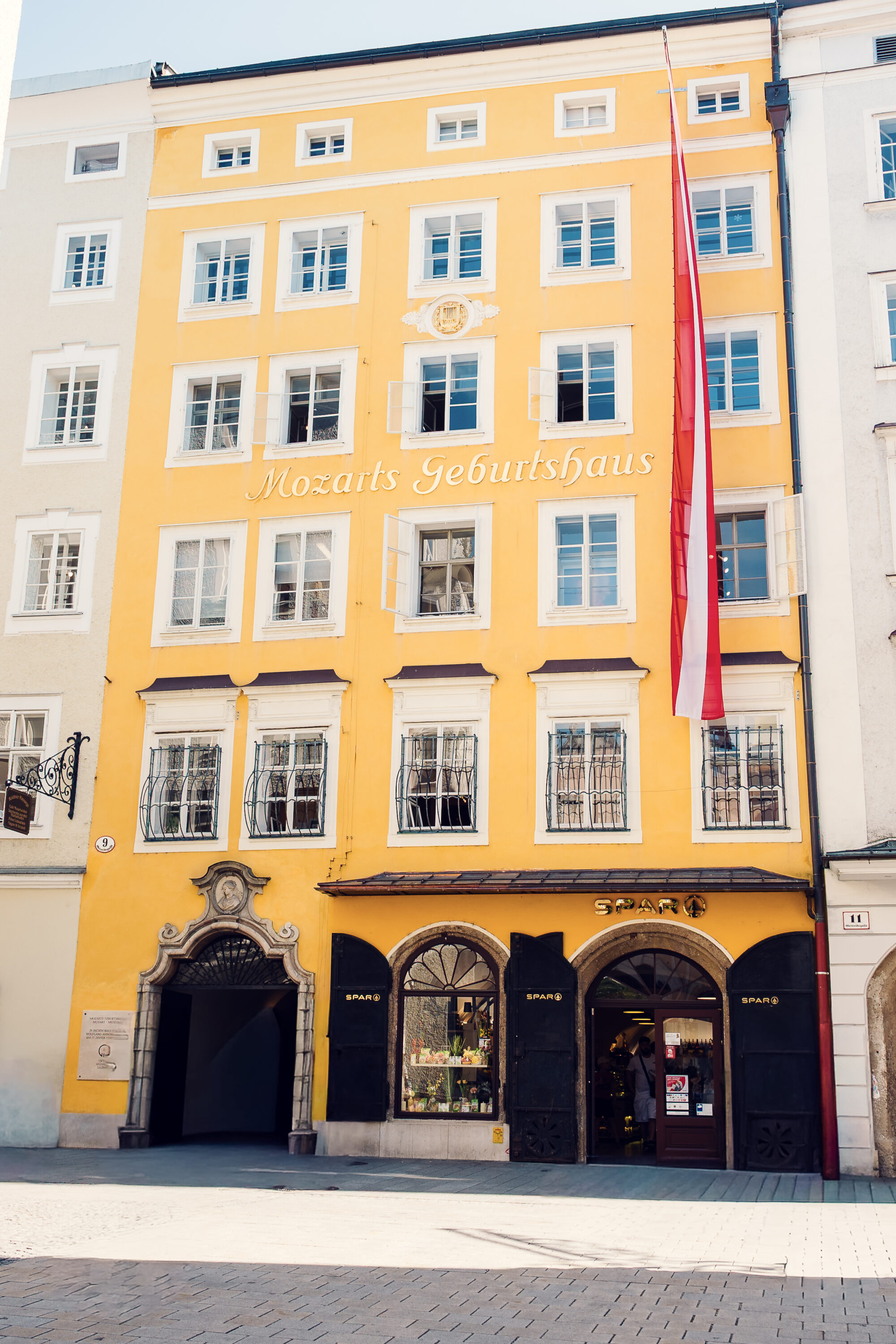
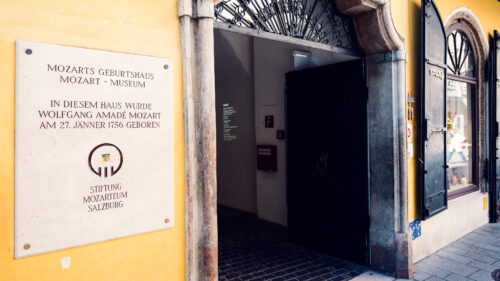
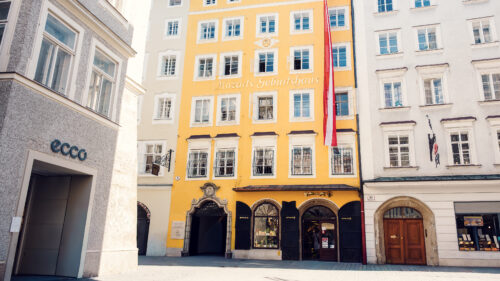
The Mozart’s Birthplace at Getreidegasse 9 was originally known as the Hagenauer House, named after its owner Johann Lorenz Hagenauer, a merchant and close friend of the Mozart family. The Mozarts moved into the third-floor apartment in 1747, and it was here, on January 27, 1756, that Wolfgang Amadeus Mozart was born - the youngest of seven children, though only he and his sister Maria Anna ("Nannerl") survived infancy.
His father, Leopold Mozart, was a respected violinist and composer employed at the court of the Prince-Archbishop of Salzburg. Leopold recognized his son's extraordinary talent early and devoted himself to nurturing it, turning the small apartment into both a home and a music school. Mozart had performed before imperial courts by age six, and before the family left Getreidegasse in 1773 he had already toured much of Western Europe and composed his first works.
From Family Home to Cultural Landmark
The Mozarts moved to larger quarters at Makartplatz (today's Mozart Residence) in 1773 because the Getreidegasse apartment had become too small for hosting the social gatherings expected of a rising musical family. After passing through various owners, the International Mozarteum Foundation opened a museum in the house on June 15, 1880, and acquired the entire building in 1917.
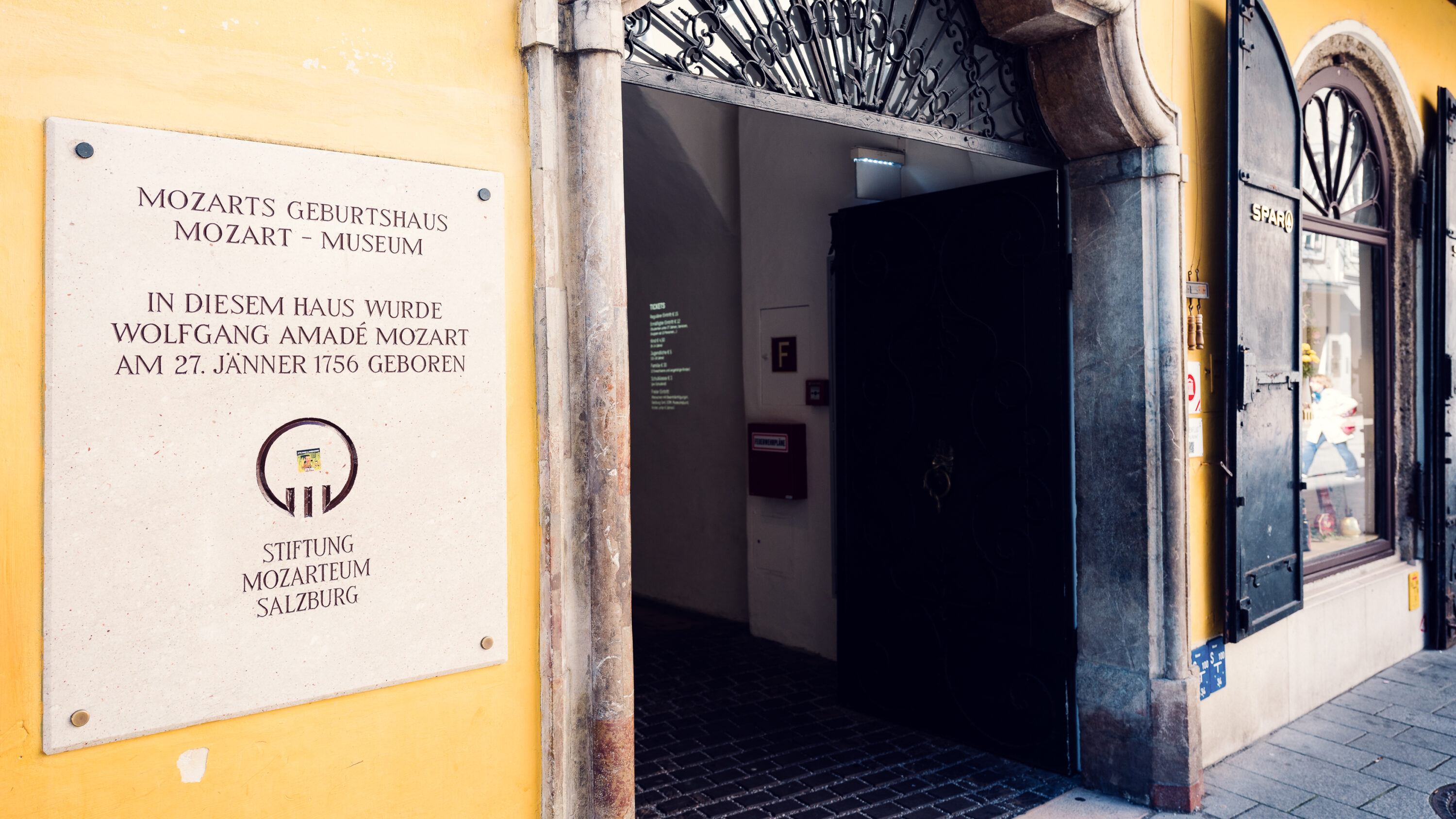
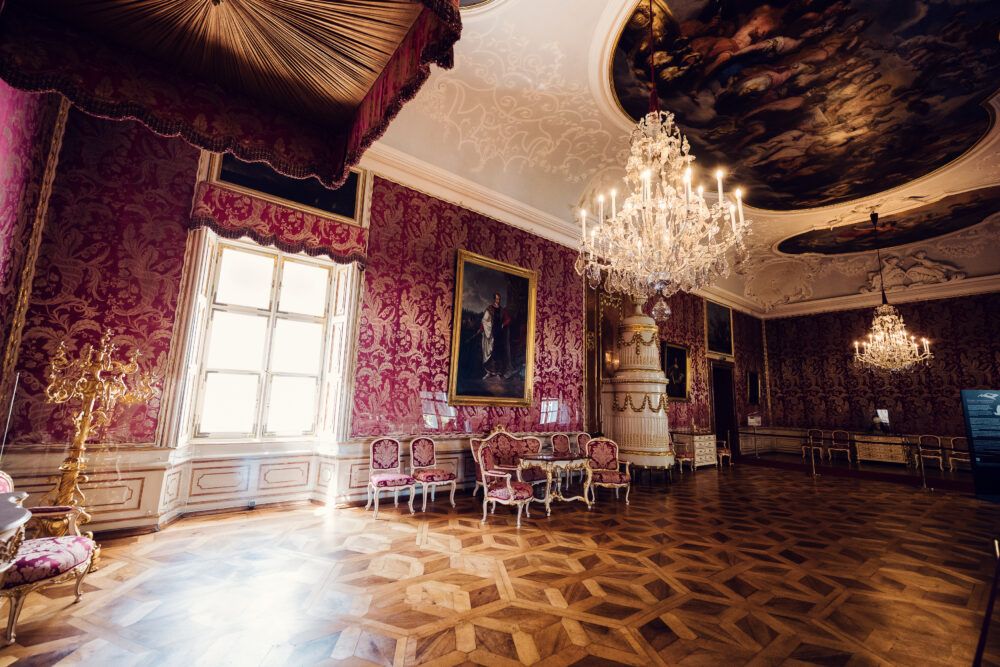
The Mozart’s Birthplace has been expanded and renovated several times since, most notably in the decades after World War II. Today, the three exhibition floors cover different aspects of Mozart's life and work. The top floor is dedicated to his family and birth, including a recreation of the apartment's original kitchen and living spaces furnished with period pieces. The second floor focuses on Mozart's work as an opera composer, featuring miniature stage sets (dioramas) that illustrate the reception of his operas across centuries. The first floor hosts rotating exhibitions organized by the Mozarteum Foundation.
The Collection
Among the most significant objects at Mozart’s Birthplace are are Mozart's childhood violin, crafted by Salzburg court luthier Andreas Ferdinand Mayr around the 1740s and donated to the Foundation in 1896, and his concert violin, identified as an instrument from the Klotz workshop in the Bavarian Alps. You'll also find family portraits (including the well-known unfinished oil painting by his brother-in-law Joseph Lange from 1789), original letters, and personal documents that trace both the family's daily life and Wolfgang's rapid artistic development.
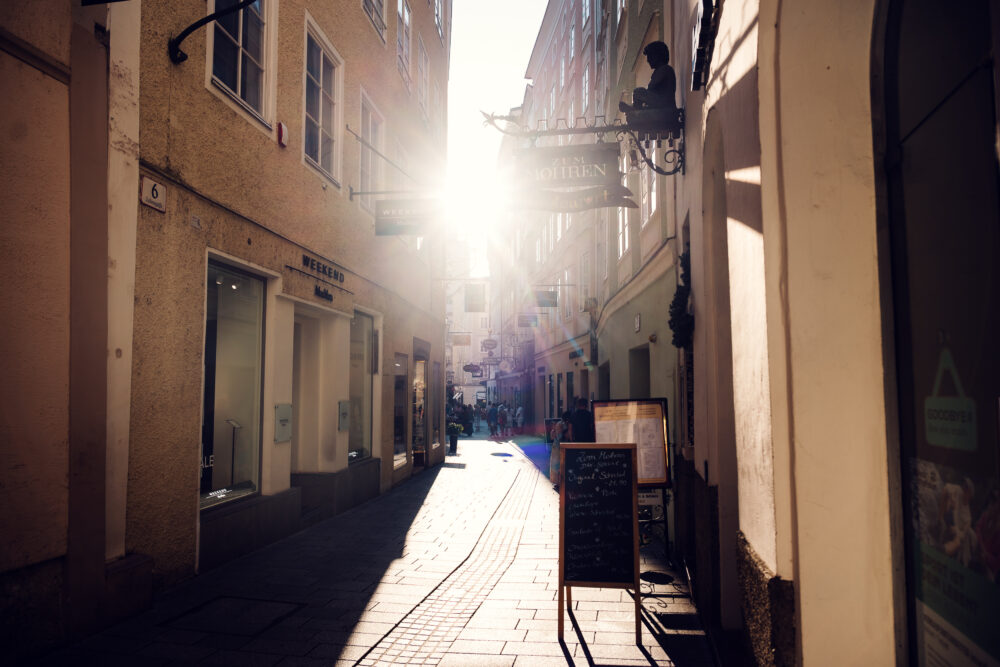
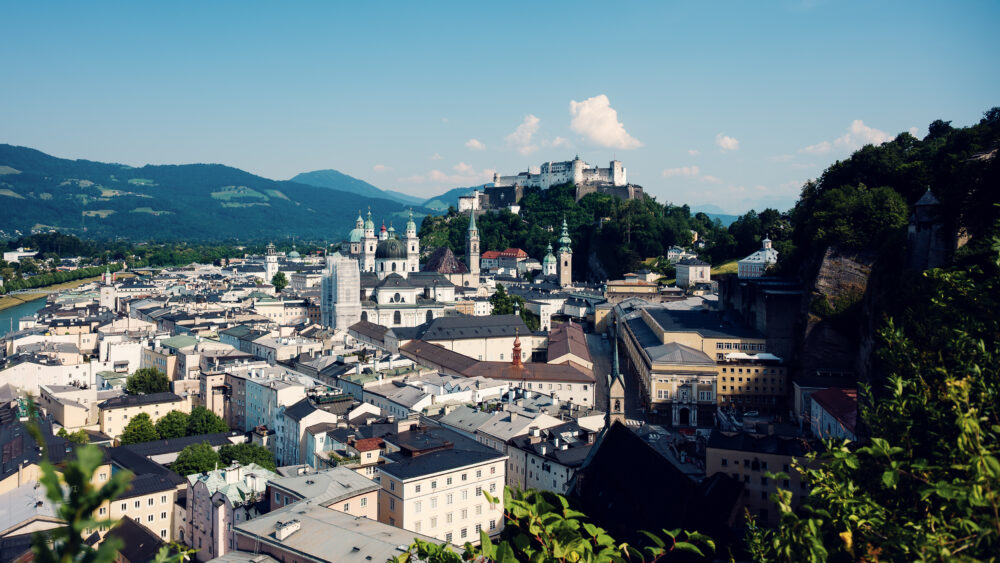
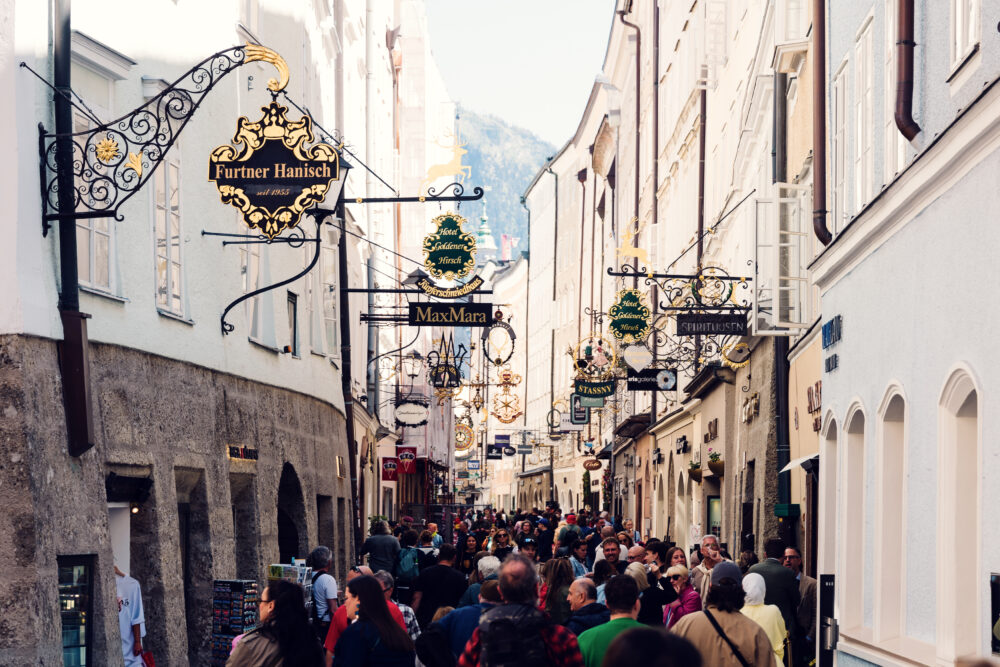
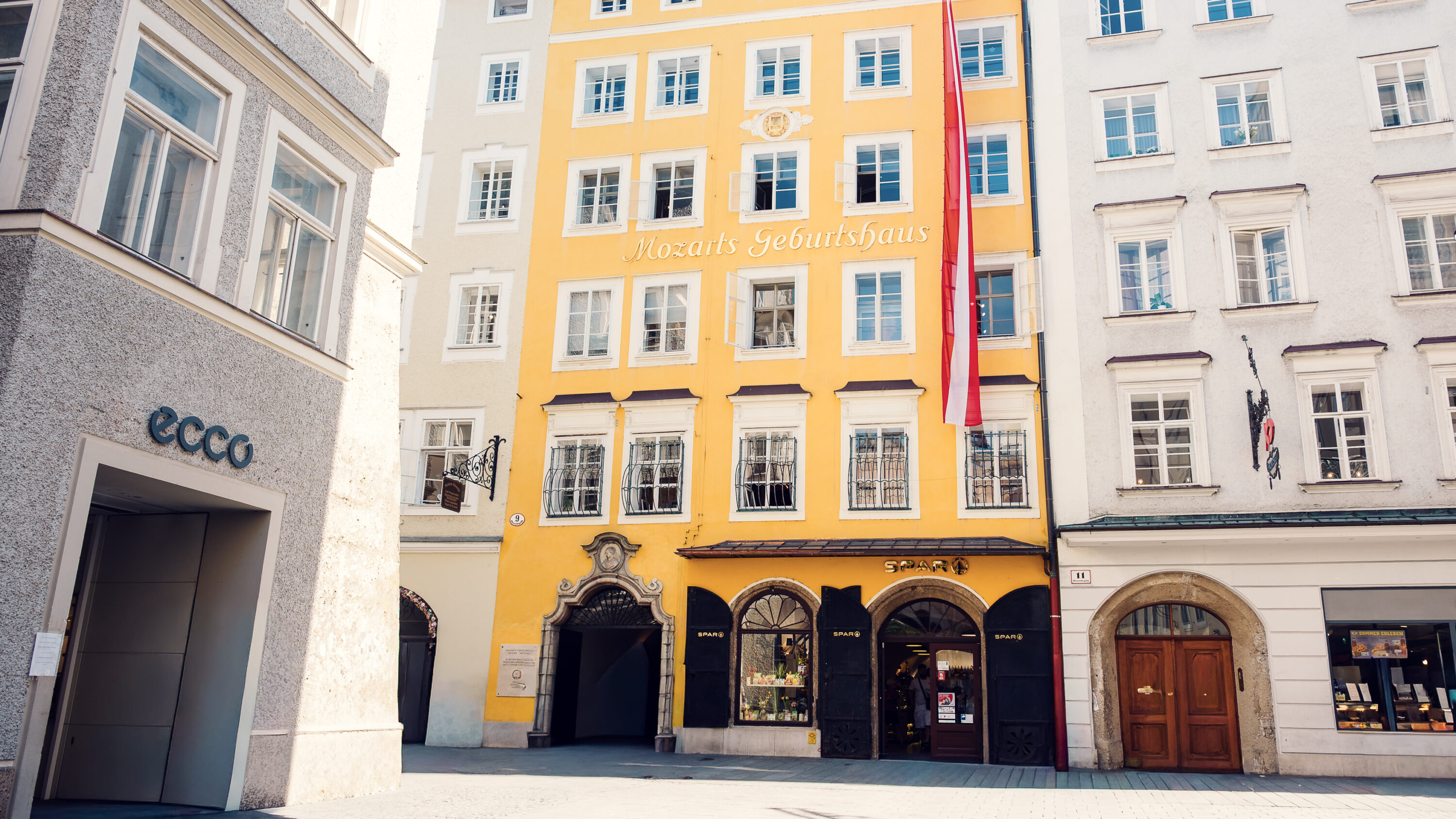
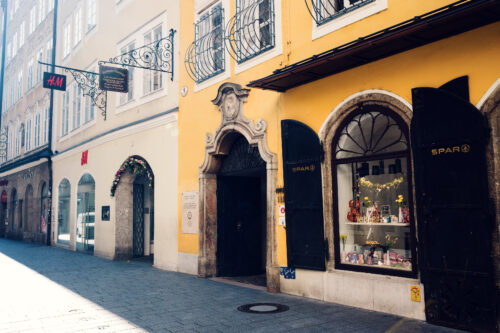
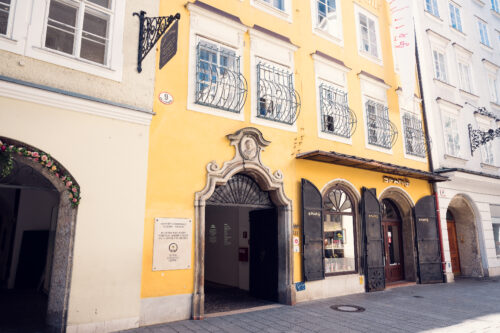
The building itself is a fine example of medieval Salzburg architecture and sits within the city's UNESCO World Heritage-listed Old Town. The house is known for its yellow facade on Getreidegasse, and Mozart's Birthplace is one of the most visited museums in Austria.