
From Medieval Monks to Modern Loaves - Stiftsbäckerei St. Peter
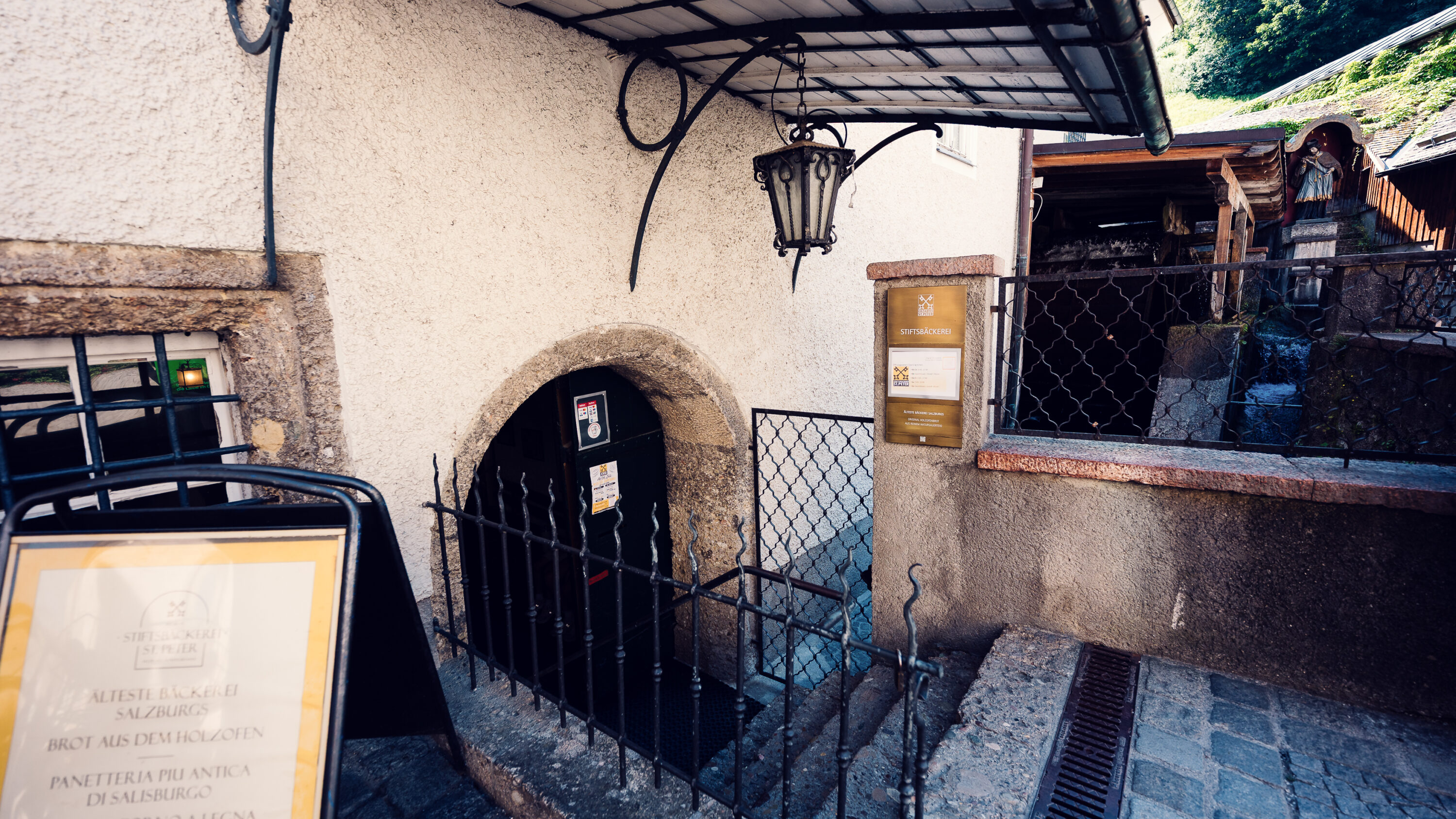
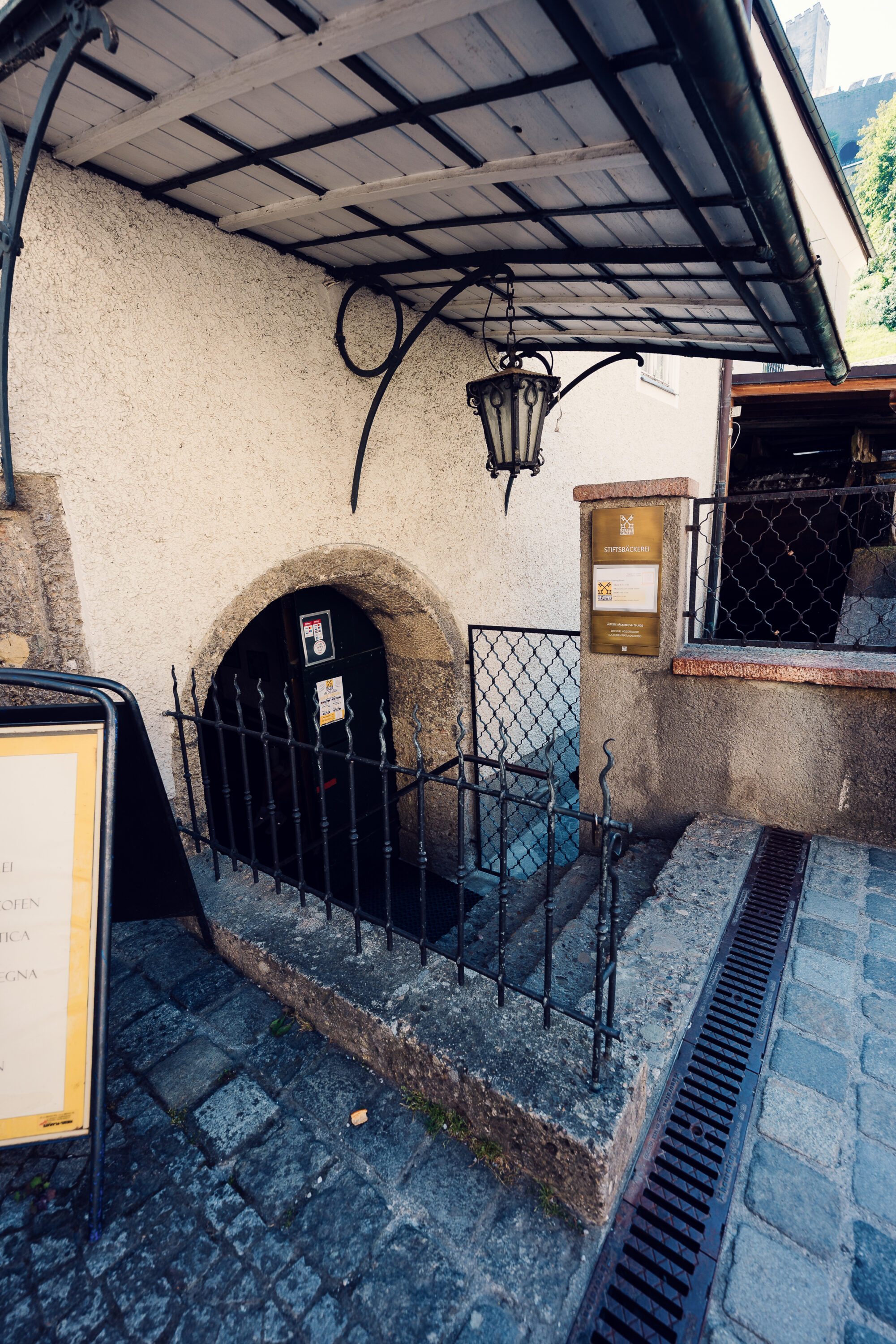
The story of the Stiftsbäckerei St. Peter begins not with bread, but with water. In the mid-12th century, under Archbishop Konrad I, engineers carved a 400-meter tunnel - the Stiftsarmstollen - through the Mönchsberg to divert the Almkanal into the city. At the point where the water emerged from the rock, the monks of St. Peter's Abbey built a grain mill and, beside it, a bakery. The Stiftsbäckerei St. Peter grew from this combination of flowing water, milled grain, and wood-fired baking - a production logic that still defines the bakery today.
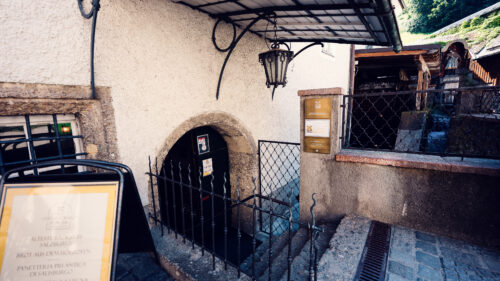
The monks of the Benedictine Archabbey had likely baked bread since the monastery's founding, but the documented history of the mill dates to around 1160. From that point on, the Stiftsbäckerei St. Peter grew alongside the abbey. In 1455, a fire destroyed the mill and bakehouse. Abbot Wolfgang Walcher ordered an immediate rebuild, and the vaulted stone structure he commissioned still stands today - the same room where the Stiftsbäckerei St. Peter sells and bakes bread more than five centuries later.
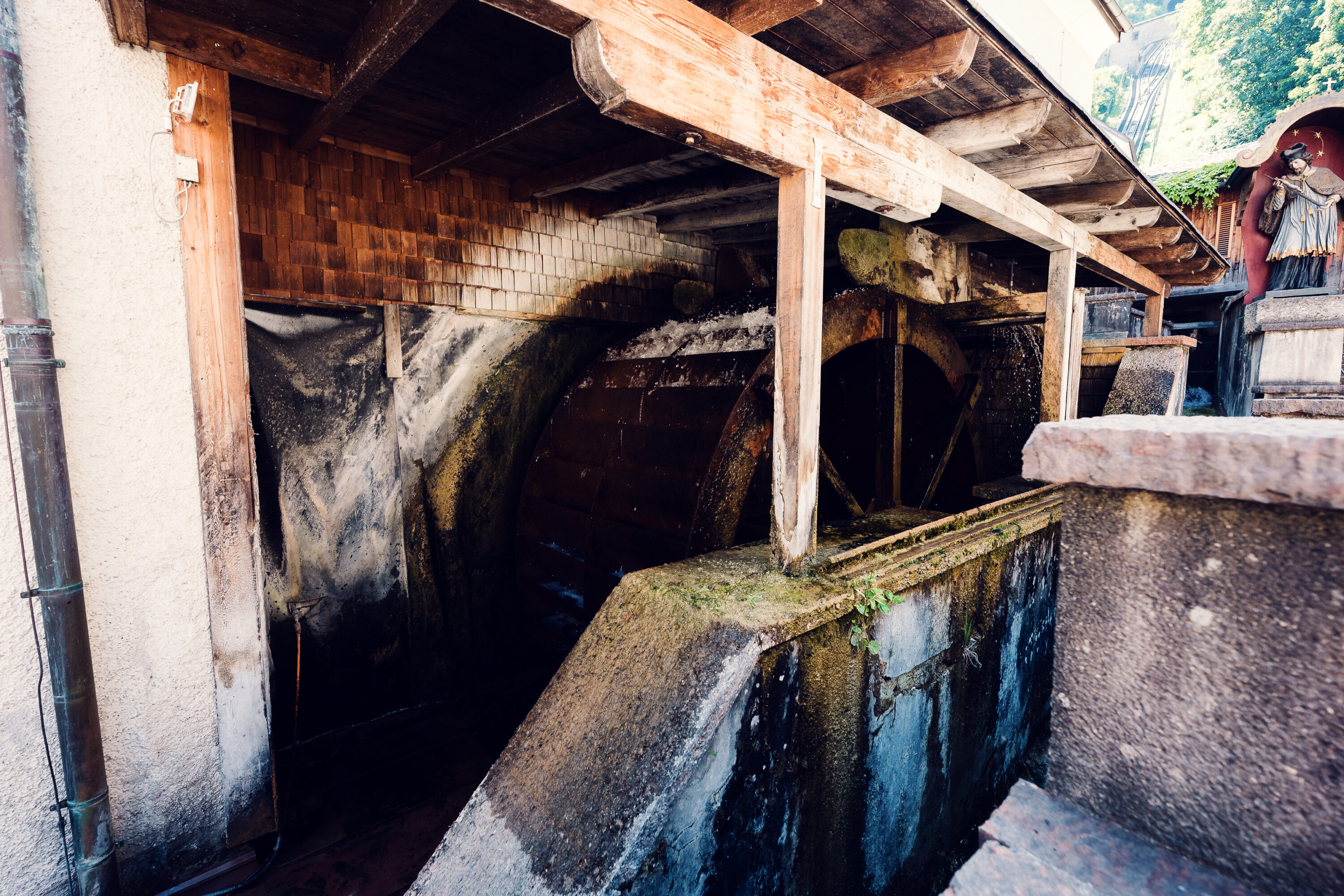
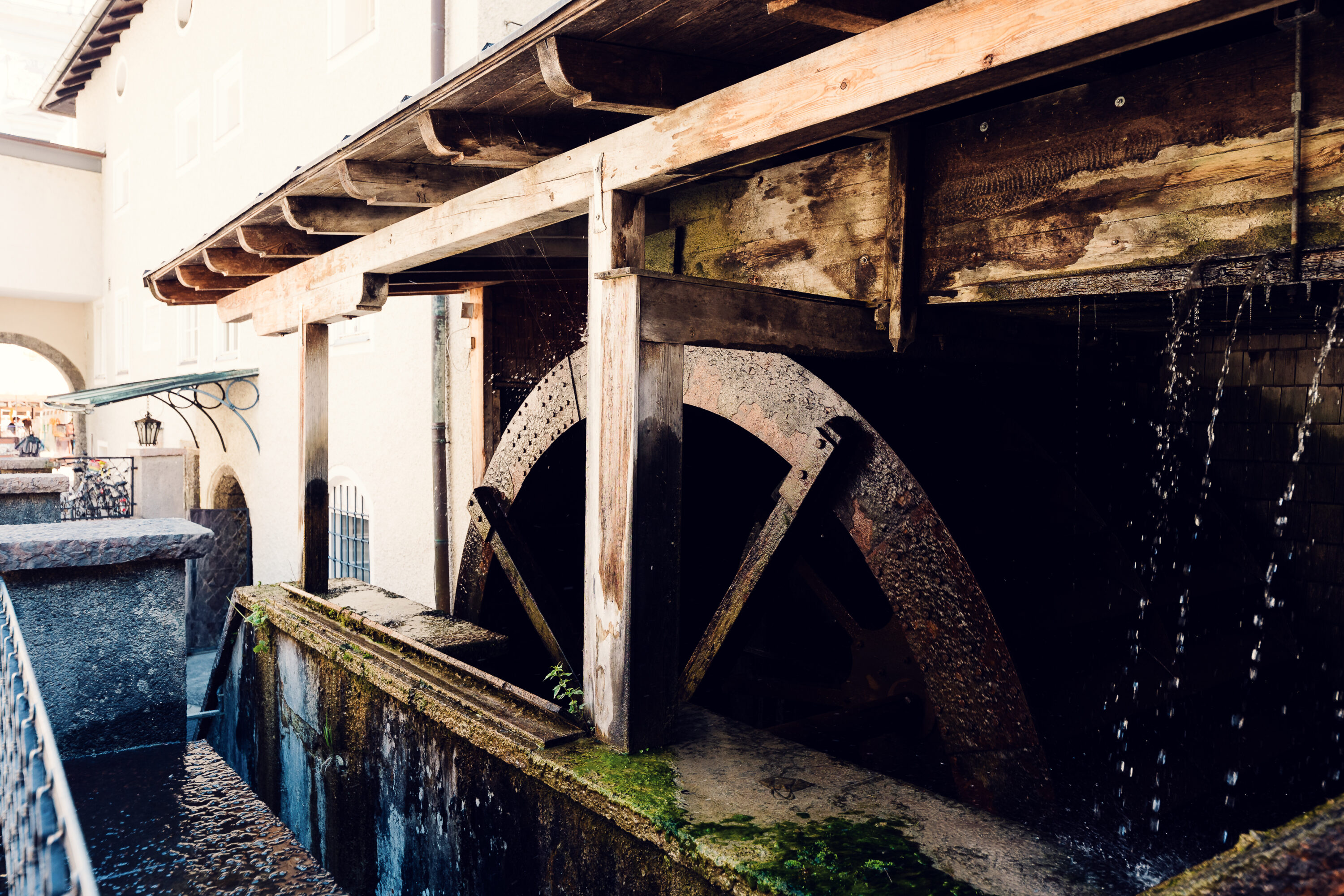
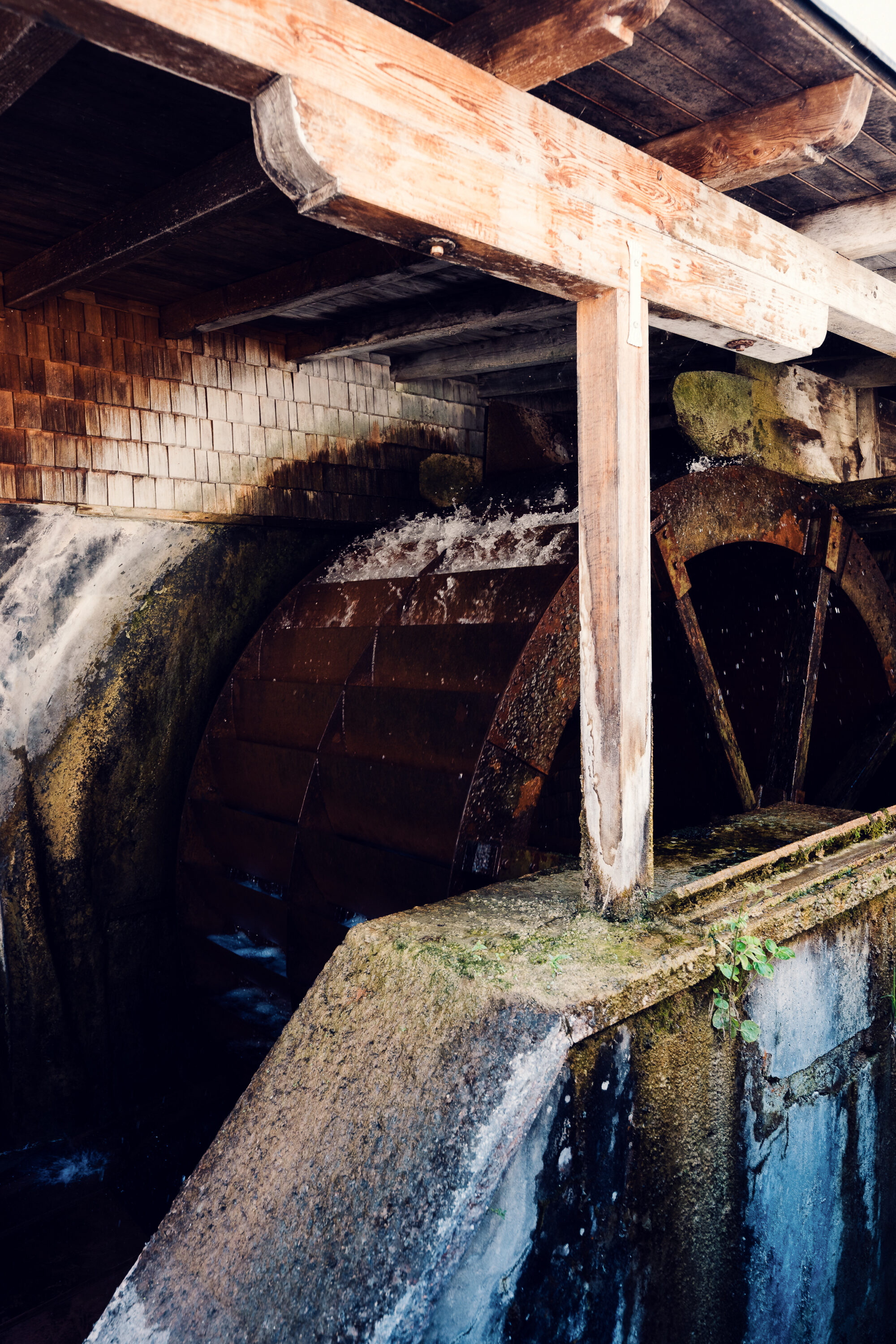
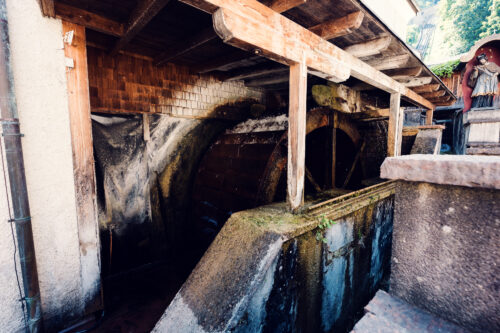
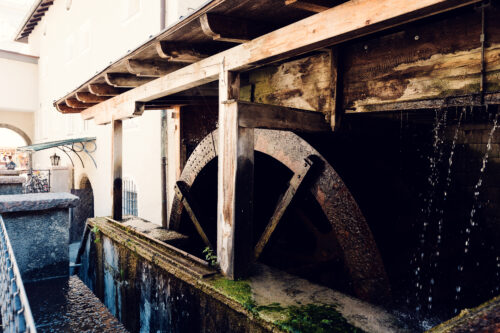
The historic iron mill wheel of the Stiftsbäckerei St. Peter, still powered by the Almkanal.For most of its history, the Stiftsbäckerei St. Peter received its flour from the Pfistermühle, a mill adjacent to the abbey. When that operation closed in 1966, the supply shifted to the Stifts- und Salzachmühle, another mill belonging to St. Peter's. In 2010, the Stiftsbäckerei St. Peter began grinding rye flour on site again, using a restored stone mill powered by the Almkanal. A small hydroelectric plant installed in 2006, driven by a rebuilt wooden waterwheel, generates around 90,000 kilowatt-hours per year - enough to power the mill and feed surplus electricity back into the grid.
The baking method at the Stiftsbäckerei St. Peter follows a centuries-old tradition. The bread is baked in a directly fired wood oven: wood is burned inside the baking chamber, the embers and ash are removed, and the loaves are placed where the fire has just heated the stone. Instead of modern convection baking, the method relies on the stored heat of the oven. Sourdough at the Stiftsbäckerei St. Peter is started the day before, left to develop its characteristic aroma overnight, then mixed the next morning with nothing but rye flour, water, and salt.
In late 2025, the longtime operators of the Stiftsbäckerei St. Peter - the Grabmer family, who had run it for 61 years - retired. Simon Dematté, a trained baker from the former Bio-Bäckerei Itzlinger, took over as the new tenant of the Stiftsbäckerei St. Peter, continuing the wood-fired tradition with abbey-owned wood, Almkanal energy, and the bakery's traditional directly fired oven.
Today, the Stiftsbäckerei St. Peter remains a rare Austrian bakery where the process from milling rye to baking the loaf can still be experienced under one roof. The Almkanal water system that powers the Stiftsbäckerei St. Peter has shaped this site since the Middle Ages.