
The Goldsmiths' Lane: A Short History of the Goldgasse
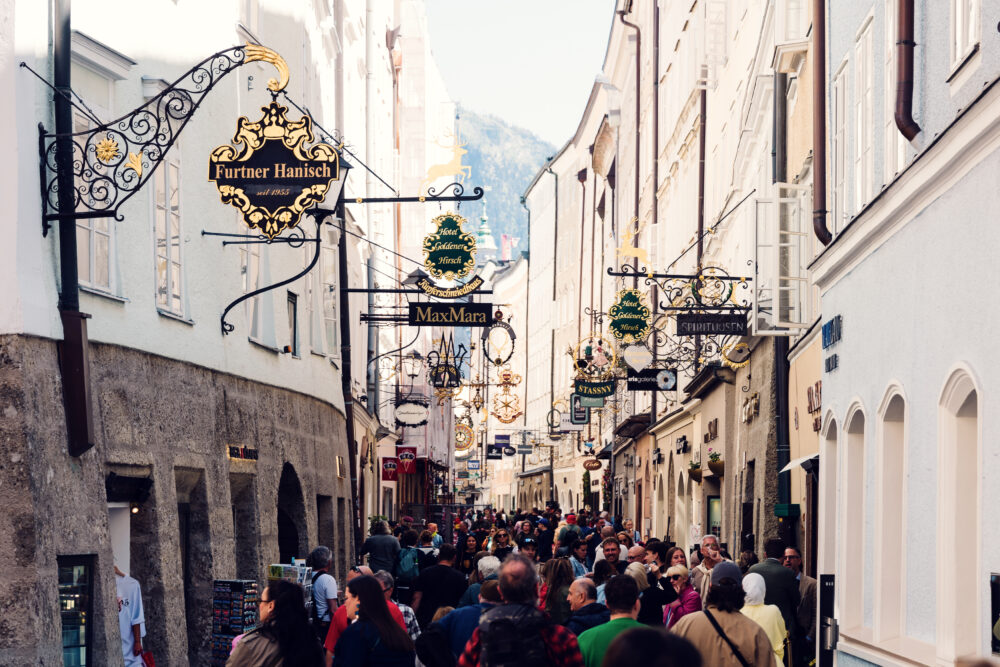
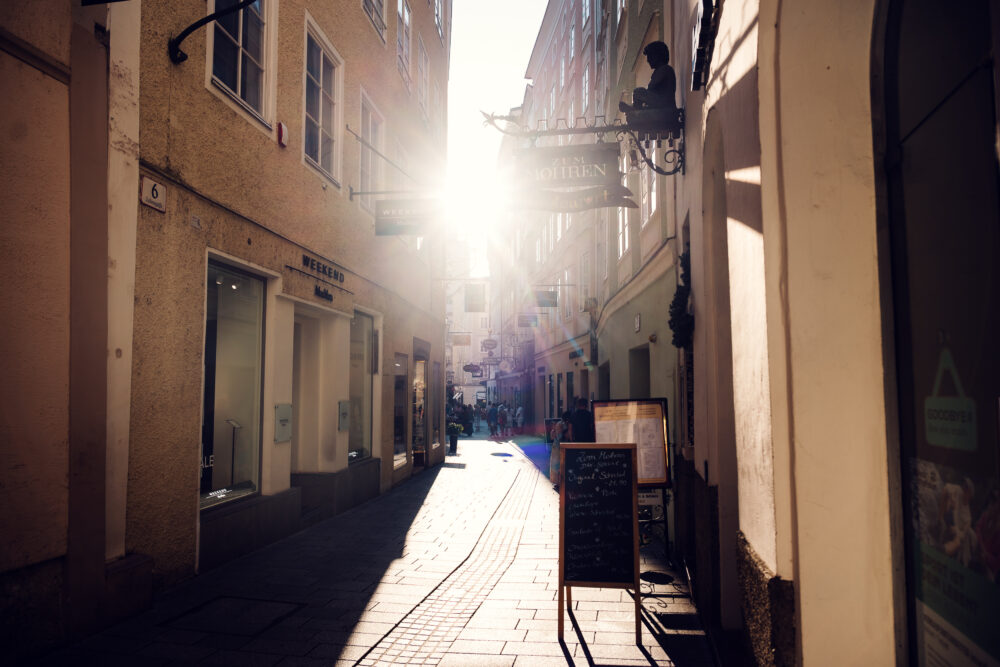
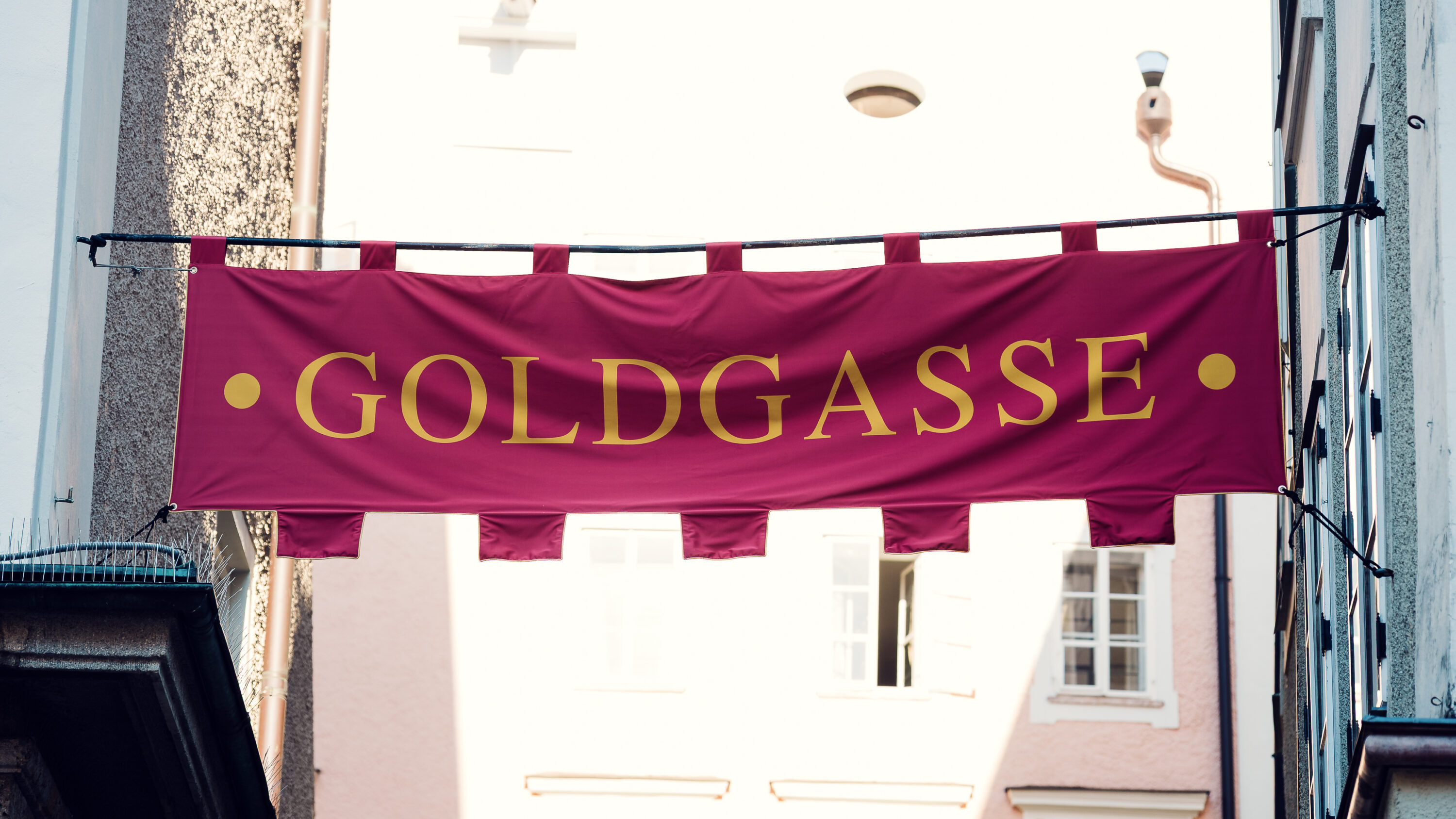
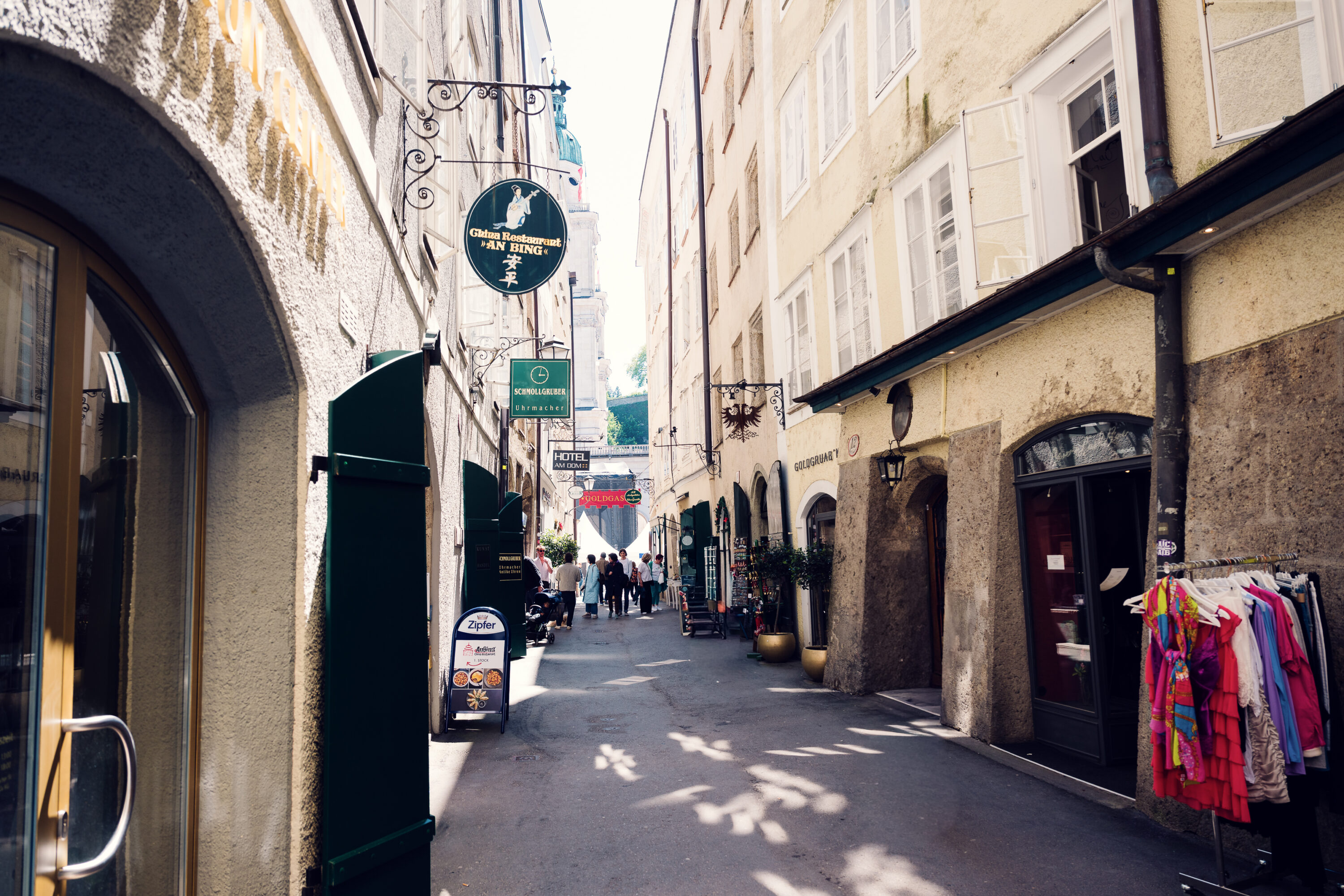
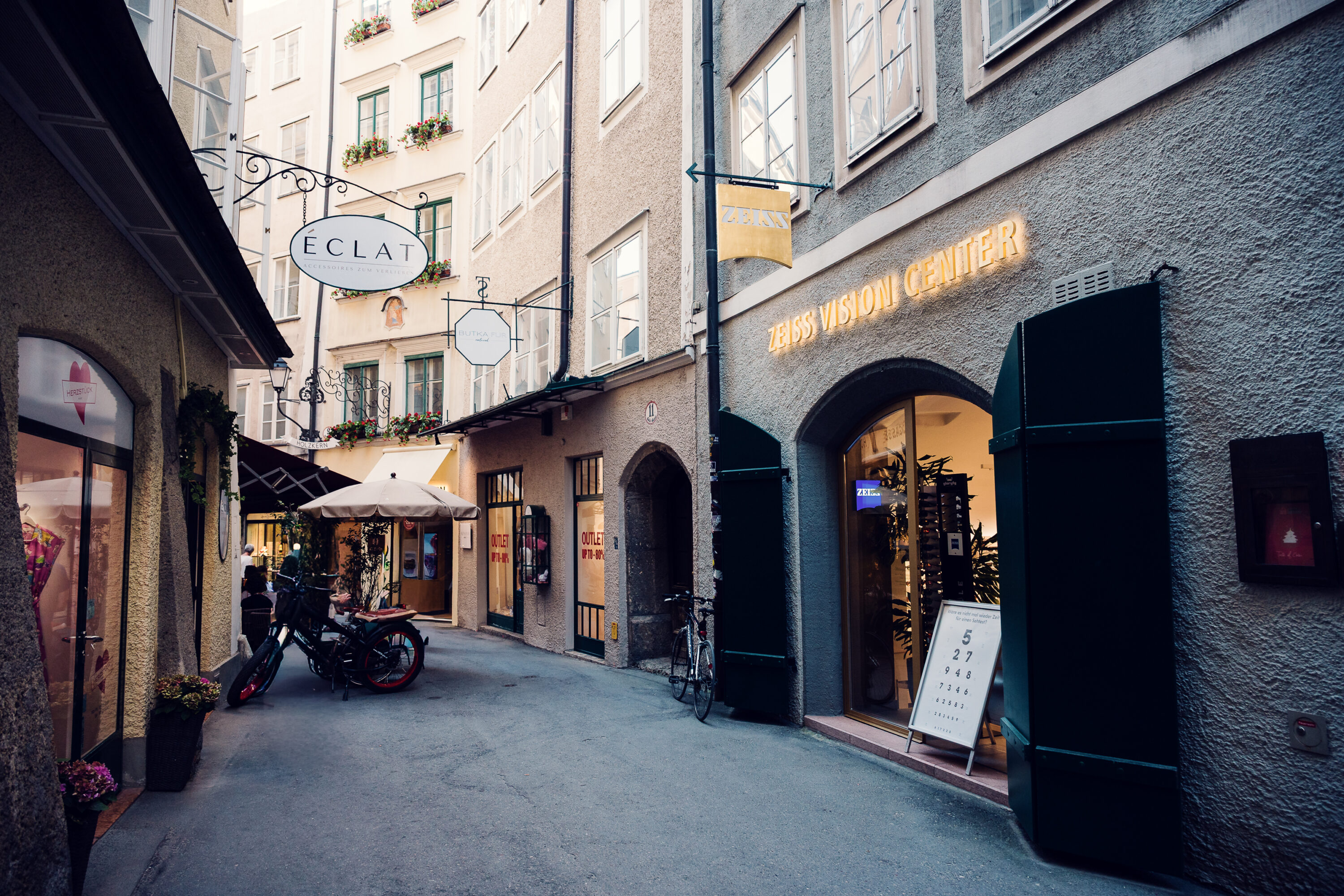
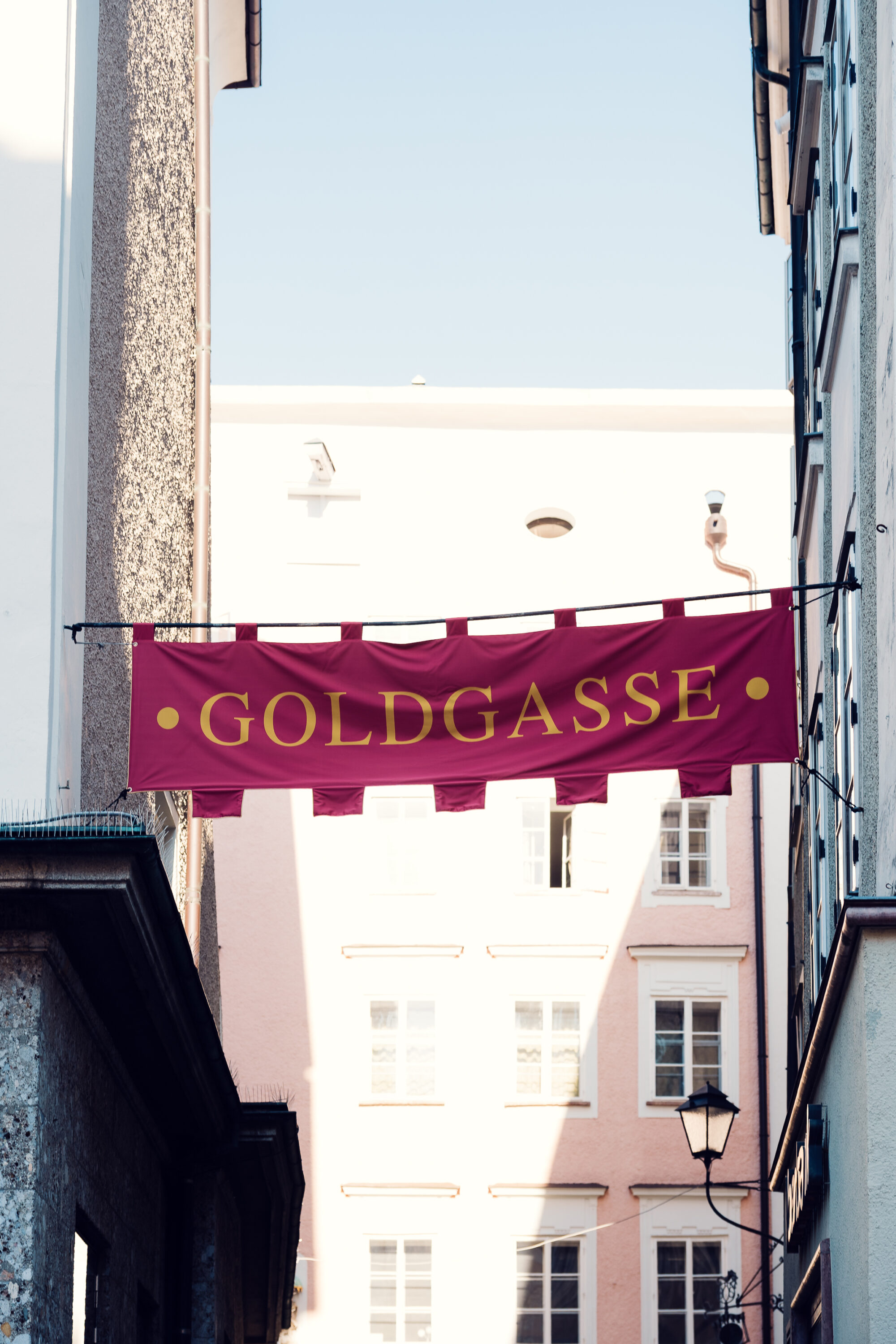
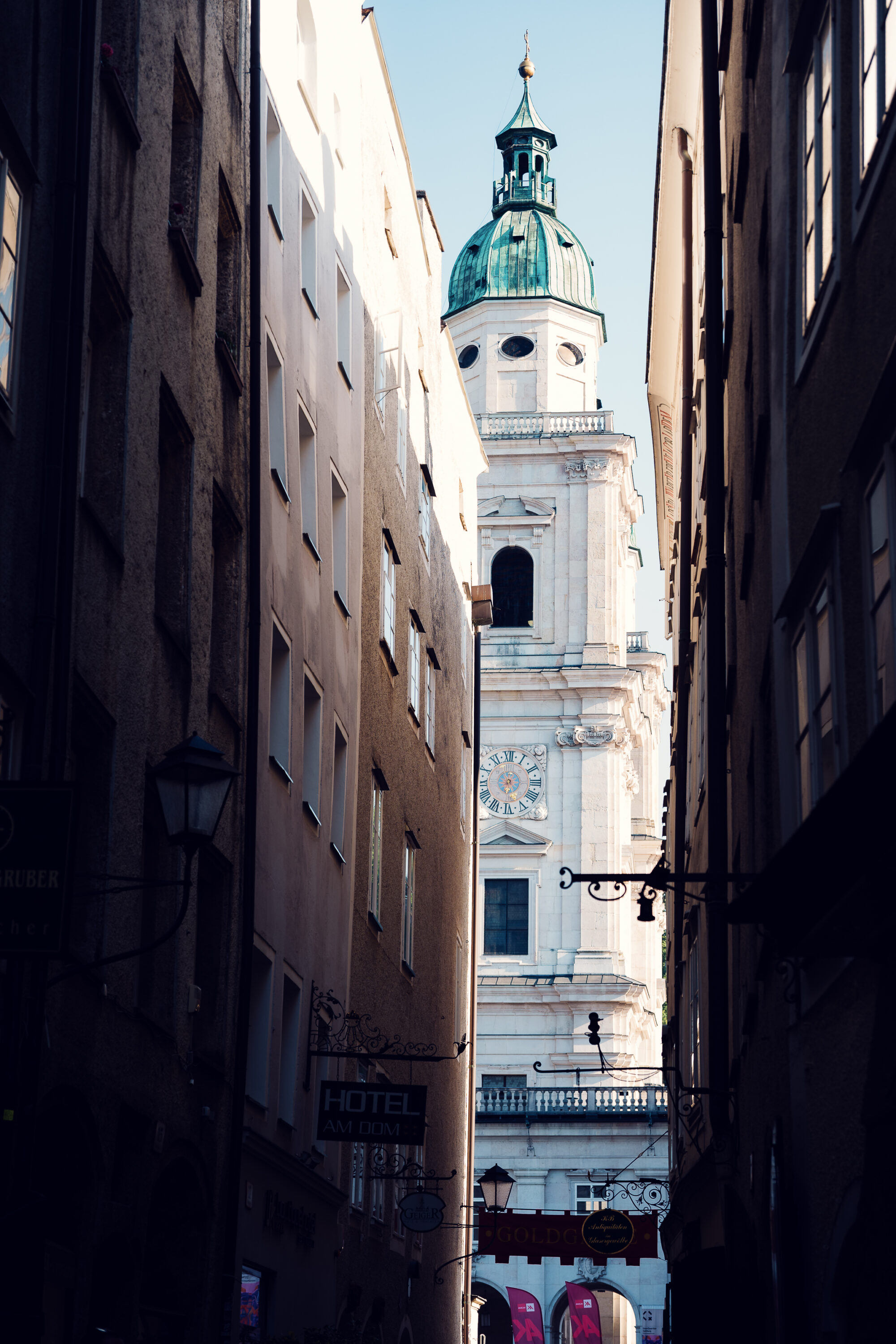
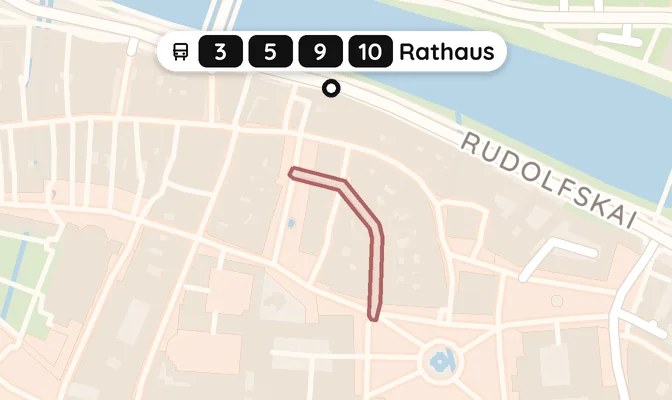
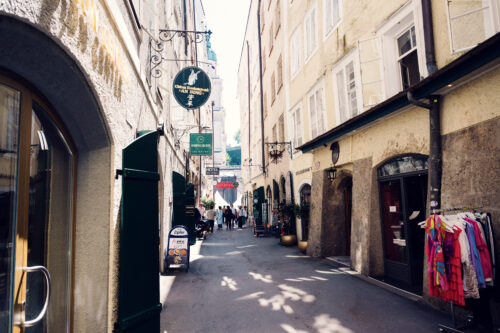
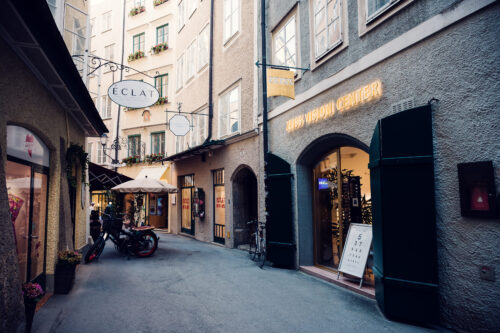
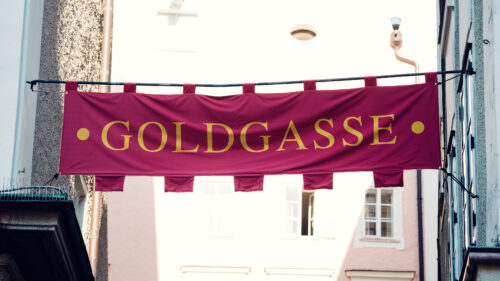
The Goldgasse runs in a gentle arc between the Alter Markt and the Residenzplatz, crossing the Brodgasse on the way. Barely 200 metres long, it is one of the last fully preserved medieval lanes in the old-town core, and it has carried several names over the centuries. The one that stuck comes from the goldsmiths and silversmiths who had their workshops here in the Middle Ages. There's a quieter theory too: some local historians trace the name to the Latin collatio, a fee a journeyman from elsewhere had to pay a Salzburg master before he was allowed to work for him, which over time may have been misread as "gold." The goldsmith story is the one Salzburg tells, and you can still buy fine jewellery on the lane today.
Gold wasn't the only trade to leave its mark. Into the early 19th century the street was also called Milchgasse, after a small milk market held here. Earlier still it was named for the Sporer, the locksmiths who forged riding gear like spurs, bits and stirrups. Many of the houses still carry the names of the crafts once practised behind their walls, from the bell-founder's house to the wire-drawer's and the goldsmith's.
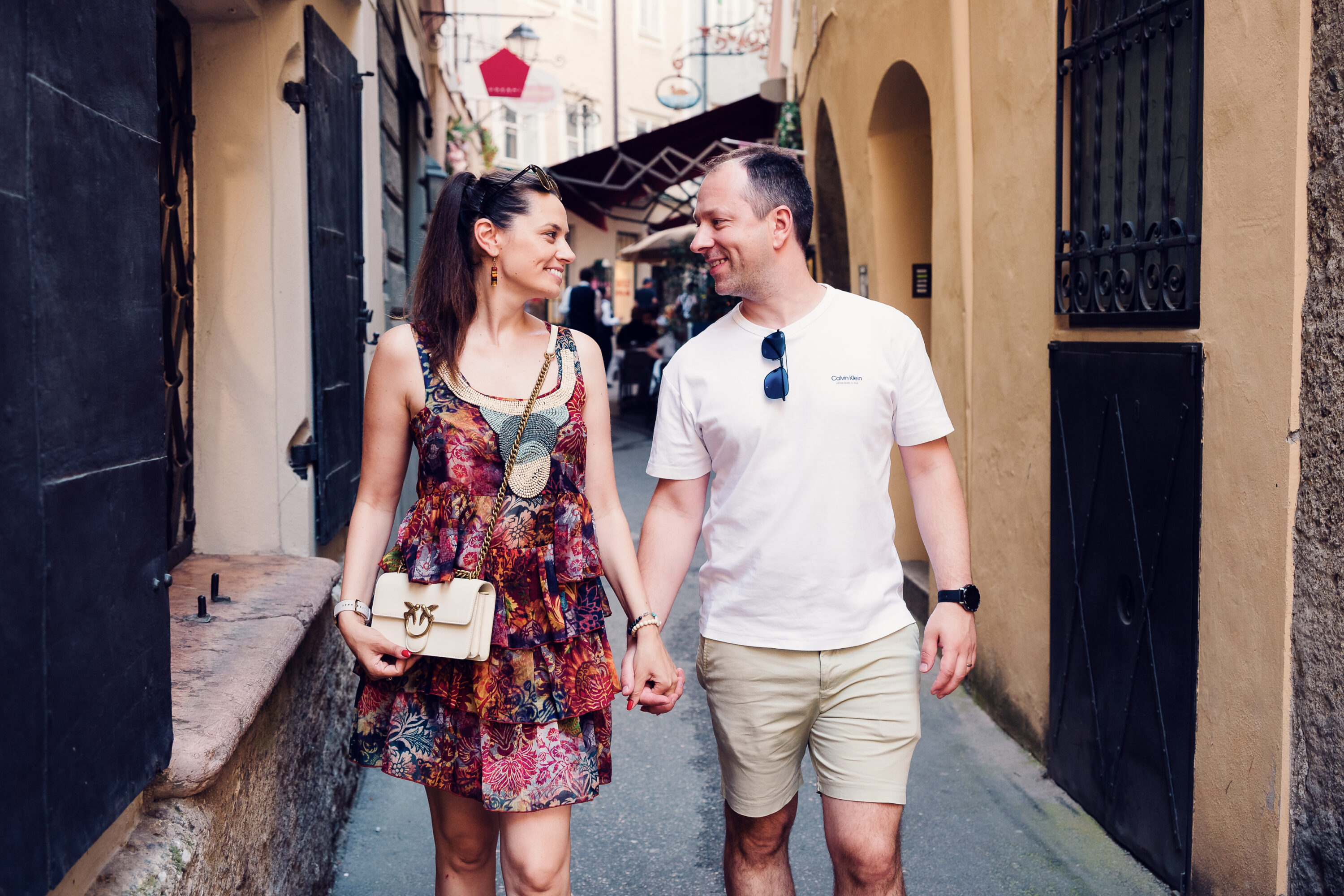
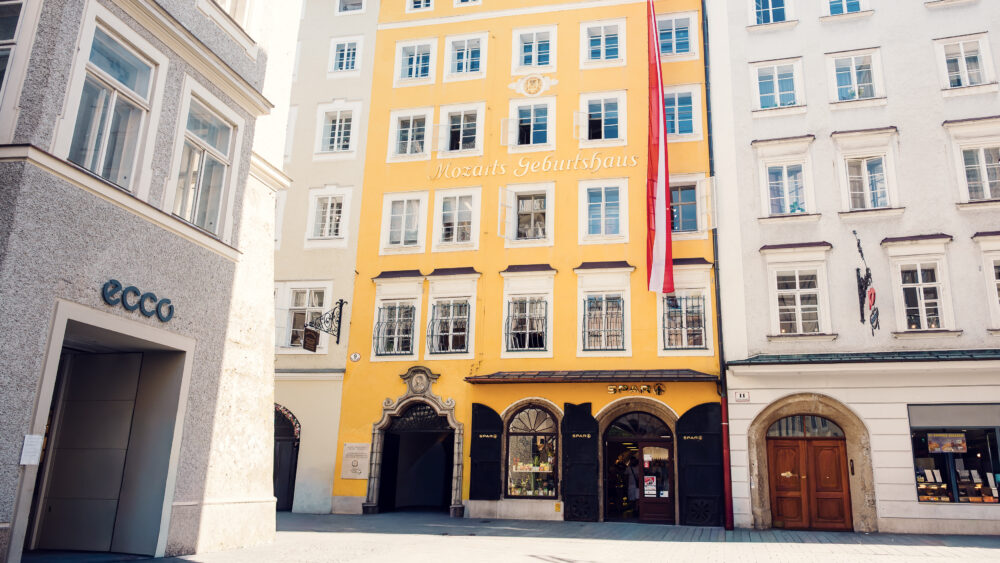
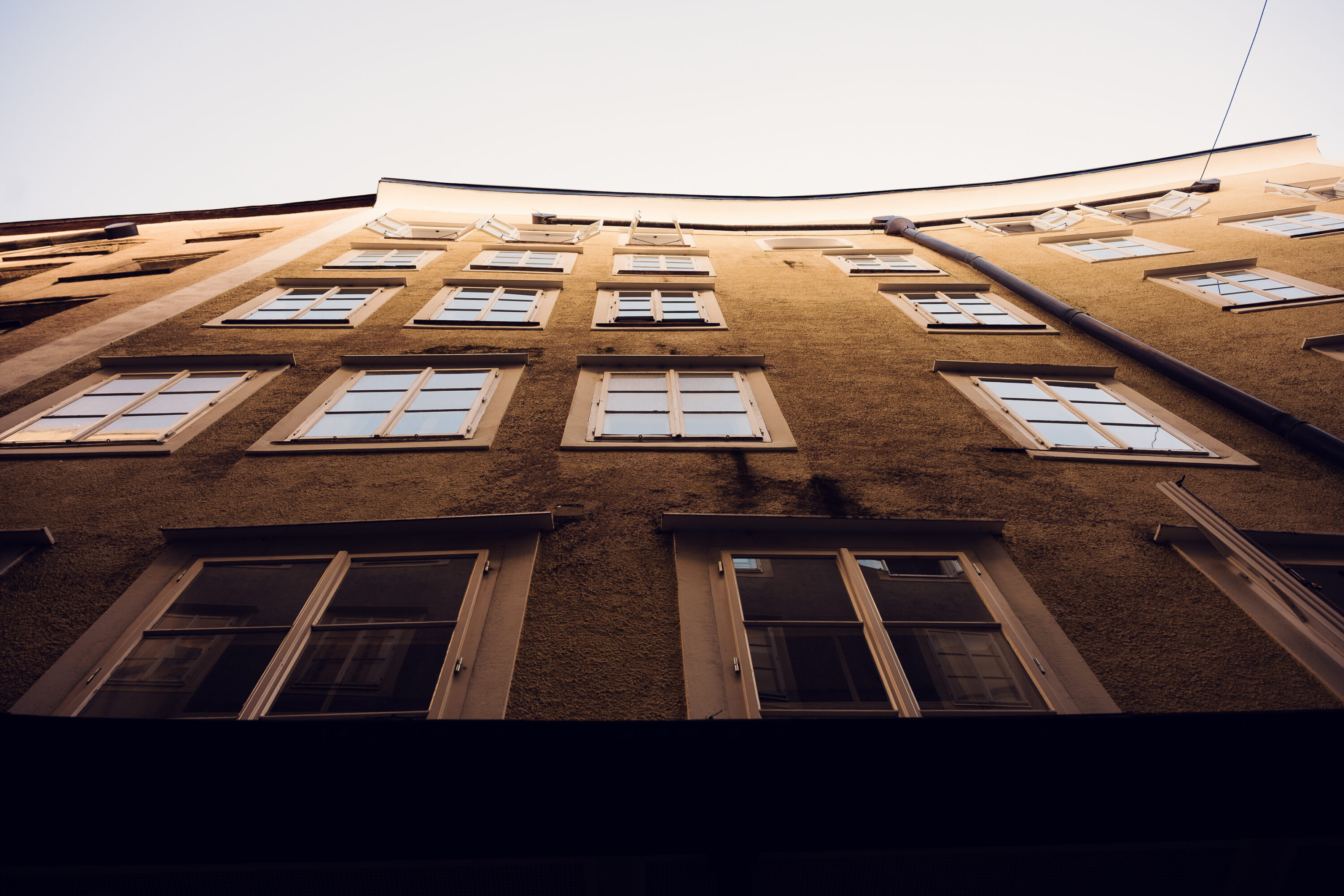
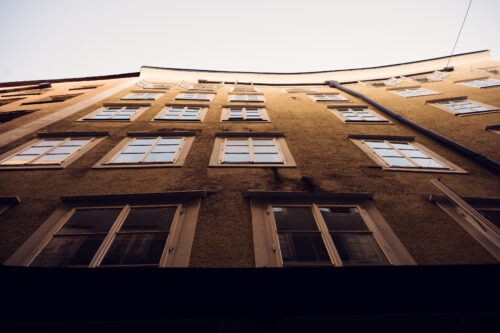
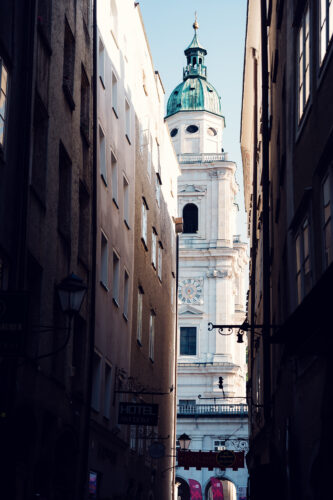
The buildings you see today are mostly 16th century, tall and narrow at five to six storeys, with the flat façades typical of Salzburg's old town. Look closely and the older fabric shows through: round-arched conglomerate-stone portals, window sills of red Adnet marble, and painted house blessings set into the upper floors, small religious panels that once asked for protection over the house and everyone in it. The house at Goldgasse 12, long home to a family of bell-founders, still wears one of these blessings. The details sit above eye level, which is why the Goldgasse repays a slow second look on the way through.
One address has an outsized place in Salzburg's coffee history. In the Reitsamerhaus at Goldgasse 5, first recorded in 1424, the French merchant Jean Fontaine received the city's first permit to serve coffee in the year 1700. The coffee house later moved around the corner to the Alter Markt, where it still trades today as the Café Tomaselli, one of the oldest cafés in Central Europe. So the next time you sit down for a Melange a minute's walk away, you're continuing a tradition that began right here on the Goldgasse.
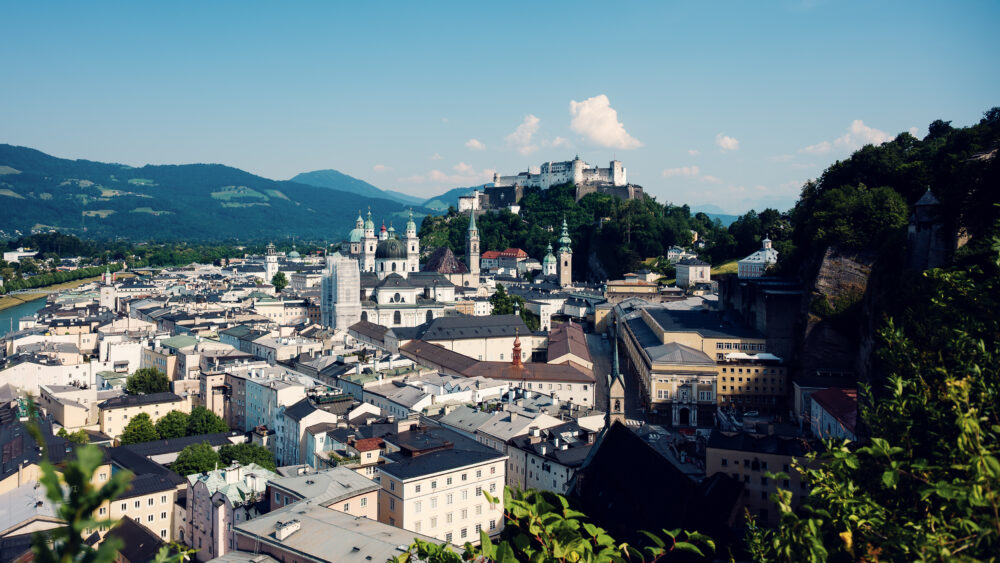
Today the lane is part of Salzburg's UNESCO World Heritage old town, inscribed in 1996, and it is celebrated in events such as "Ein Tag in der Goldgasse" and the Goldgasse street market, when the shops open their doors and the lane fills with visitors. It remains, above all, a working street, which is the whole reason it's still worth your time.