


From Archbishop's Stronghold to UNESCO Landmark - Hohensalzburg Fortress
A Fortress Born of Political Crisis
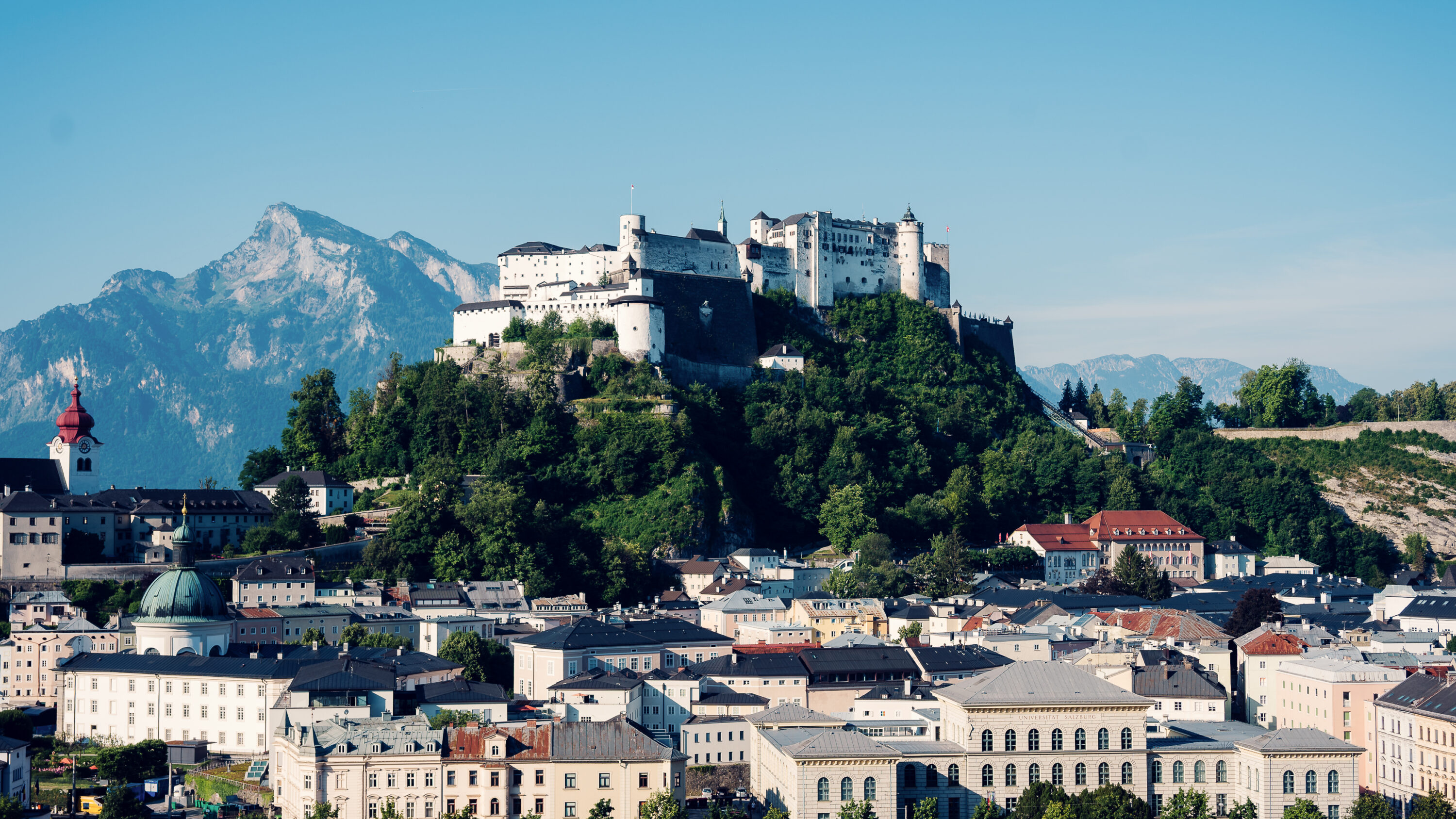
The story of Hohensalzburg Fortress begins with a political crisis. In 1077, the Investiture Controversy - a bitter power struggle between Pope Gregory VII and Emperor Henry IV over who held the authority to appoint church officials - was tearing the Holy Roman Empire apart. Archbishop Gebhard von Helfenstein, siding firmly with the Pope, began constructing a fortification on the Festungsberg to protect both himself and his political interests. What he built was modest: a simple bailey surrounded by wooden walls. He was forced into exile in 1085 before he could see much progress.
Centuries of Expansion
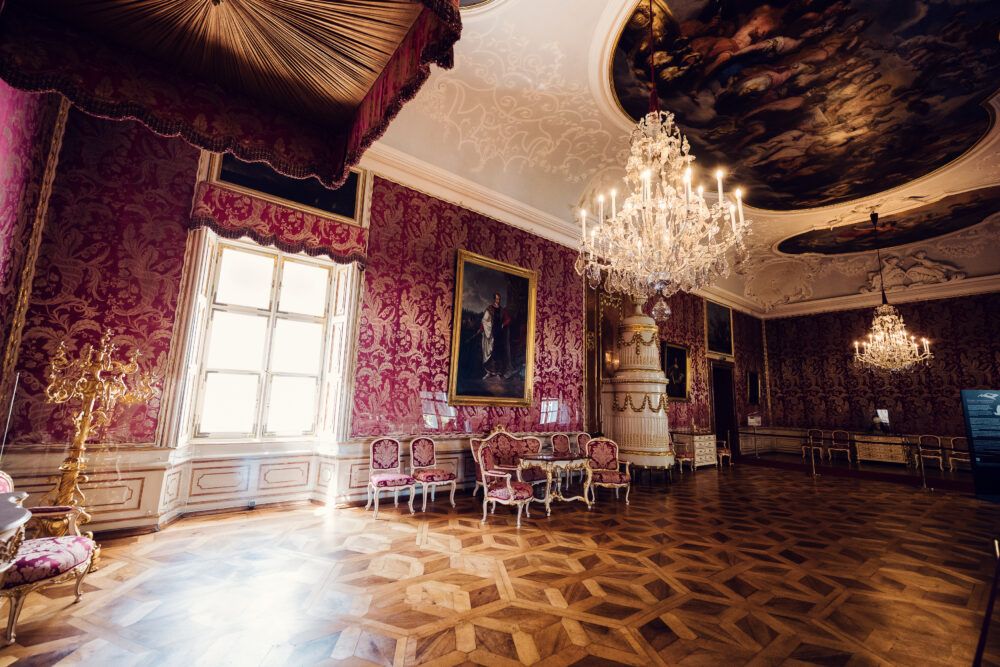
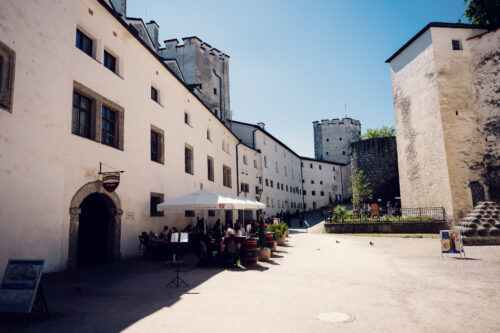
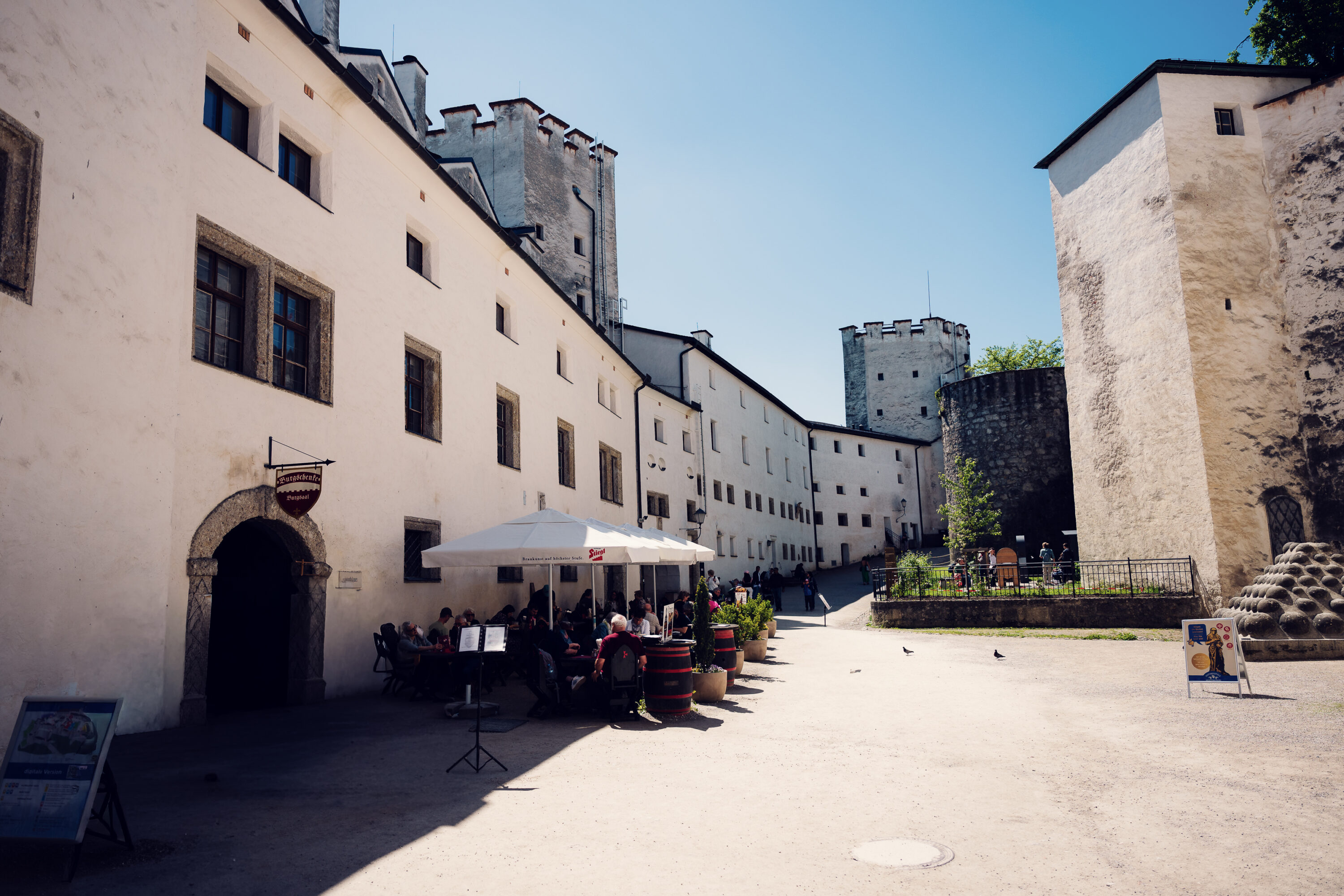
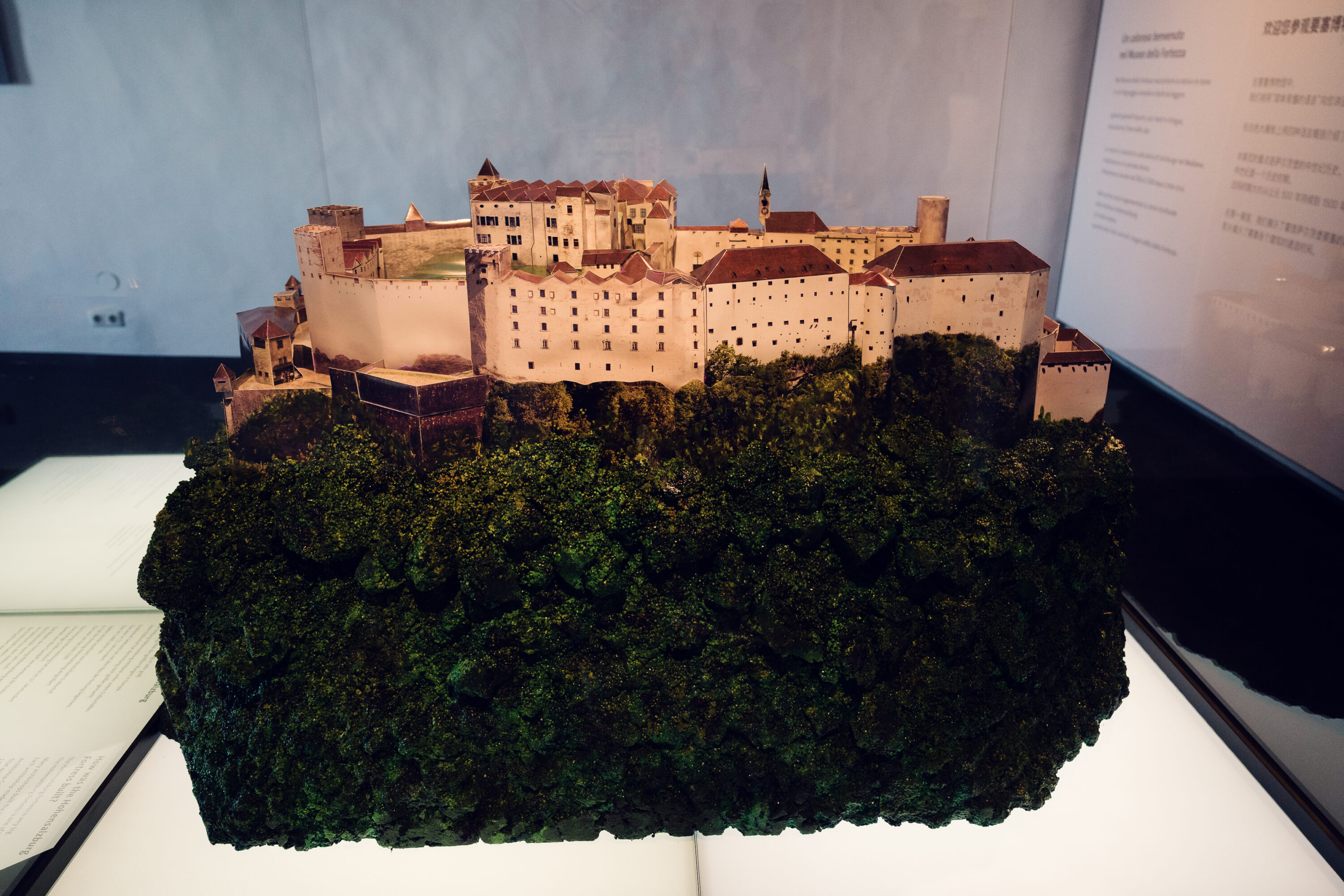
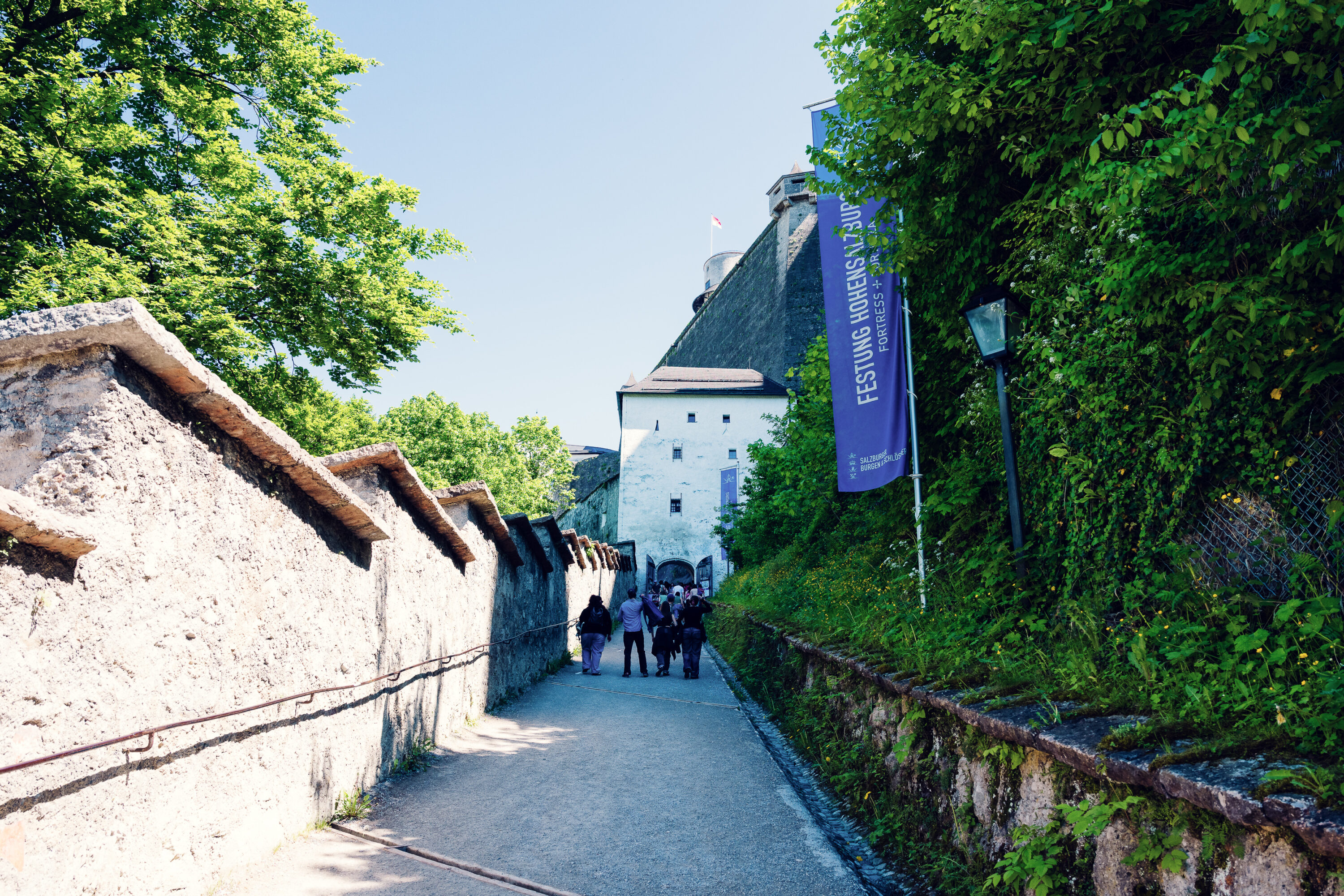
His successors finished the job. Over the following centuries, Hohensalzburg Fortress grew in stages. By 1462, Archbishop Burkhard II von Weißpriach had reinforced the outer ring wall with four towers and strengthened the eastern entrance near Nonnberg Abbey. The Snake Passage (Schlangengang), built from 1479 under Bernhard von Rohr, protected the vulnerable eastern approach. But the fortress's most dramatic transformation came under Archbishop Leonhard von Keutschach, who ruled from 1495 to 1519. Keutschach poured resources into turning what was essentially a military stronghold into something that also served as a princely residence. Between 1498 and 1502, he had the celebrated state apartments installed on the third floor of the Hoher Stock, including the Golden Hall and the Golden Chamber - rooms that remain among the finest surviving examples of Gothic secular architecture anywhere in Europe. He built cisterns to ensure water supply during sieges, raised existing towers, and commissioned the Salzburger Stier, a mechanical hornwork organ installed in 1502.
Siege, Imprisonment, and Surrender
The fortress's military credentials were tested only once. During the German Peasants' War of 1525, a coalition of miners, farmers, and townspeople laid siege to the fortress for nearly two months, attempting to unseat Prince-Archbishop Matthäus Lang. They failed. Hohensalzburg Fortress held, and it would never face another siege. During the Thirty Years' War, Archbishop Paris von Lodron expanded the fortifications further, adding gunpowder stores, additional gatehouses, and the external bastions completed in the 17th century as a precaution against the Ottoman threat.
The fortress's most ignominious chapter belongs to Archbishop Wolf Dietrich von Raitenau, who was deposed by his own cousin and successor, Markus Sittikus, and imprisoned within these walls. He died here in 1617 after five years of captivity.
From Military Outpost to Cultural Landmark
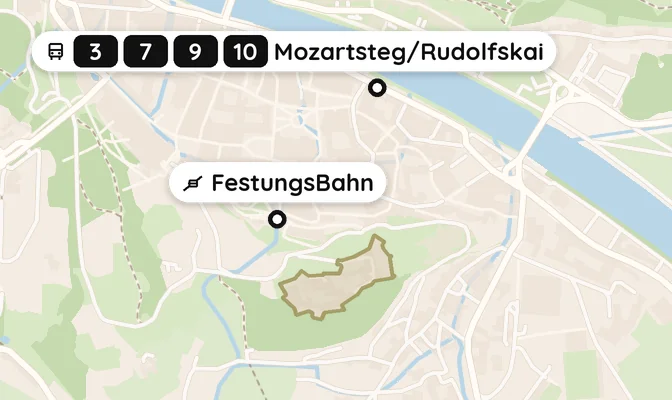
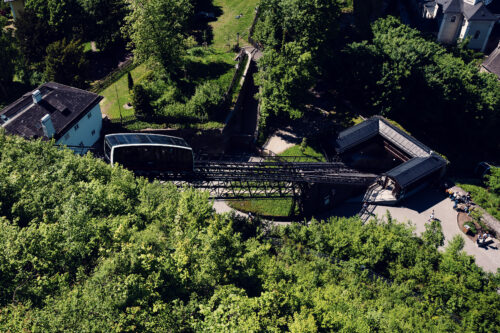
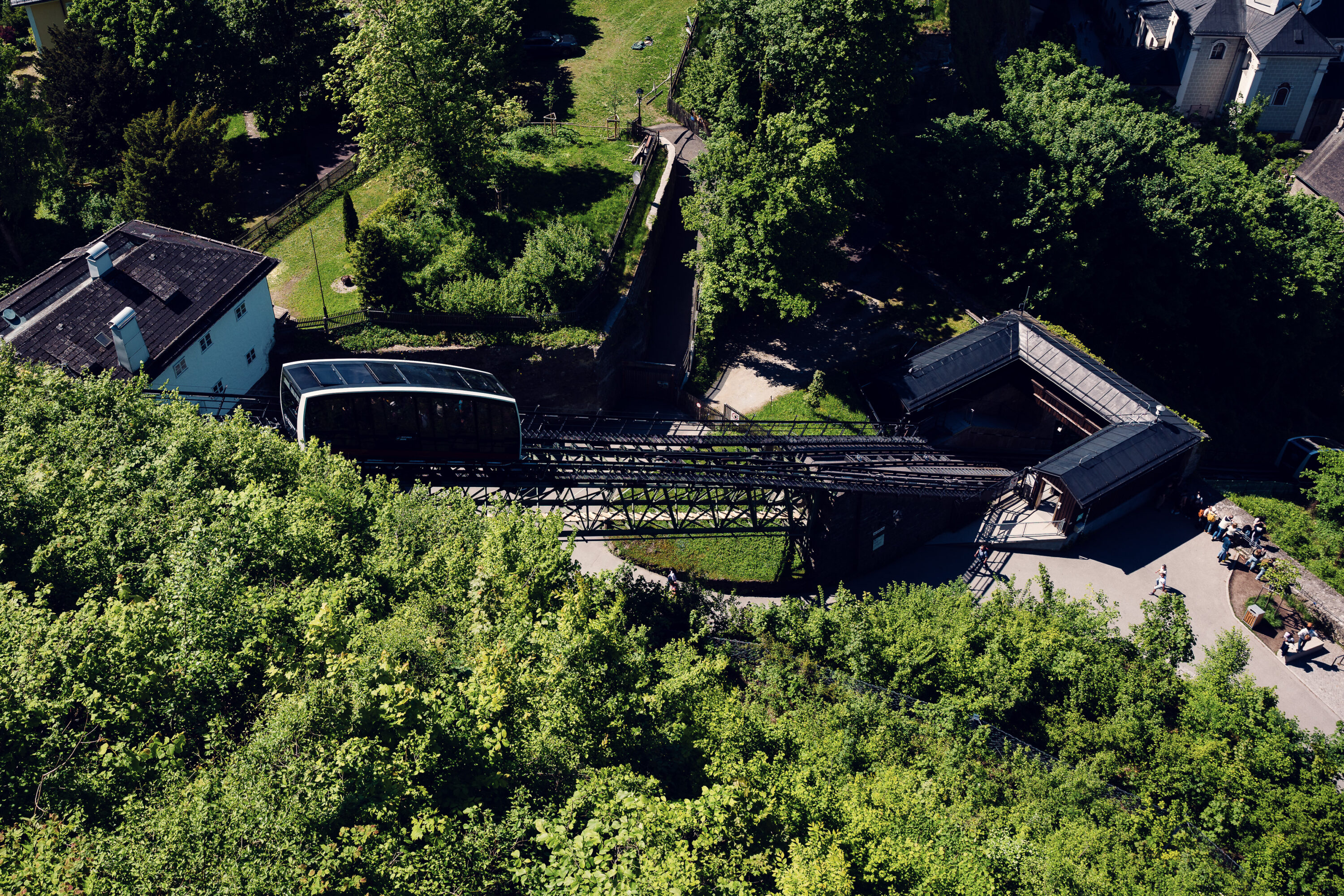
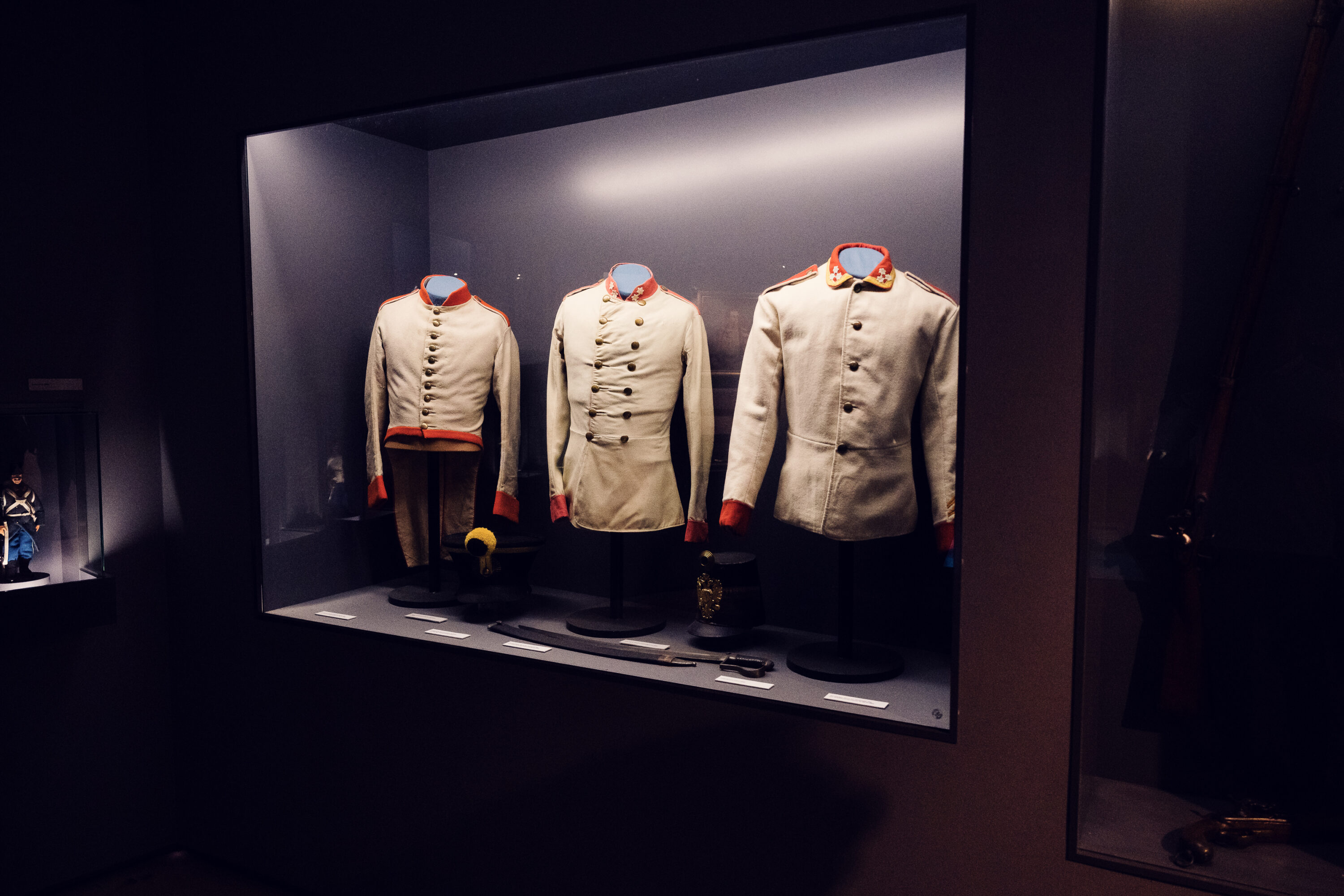
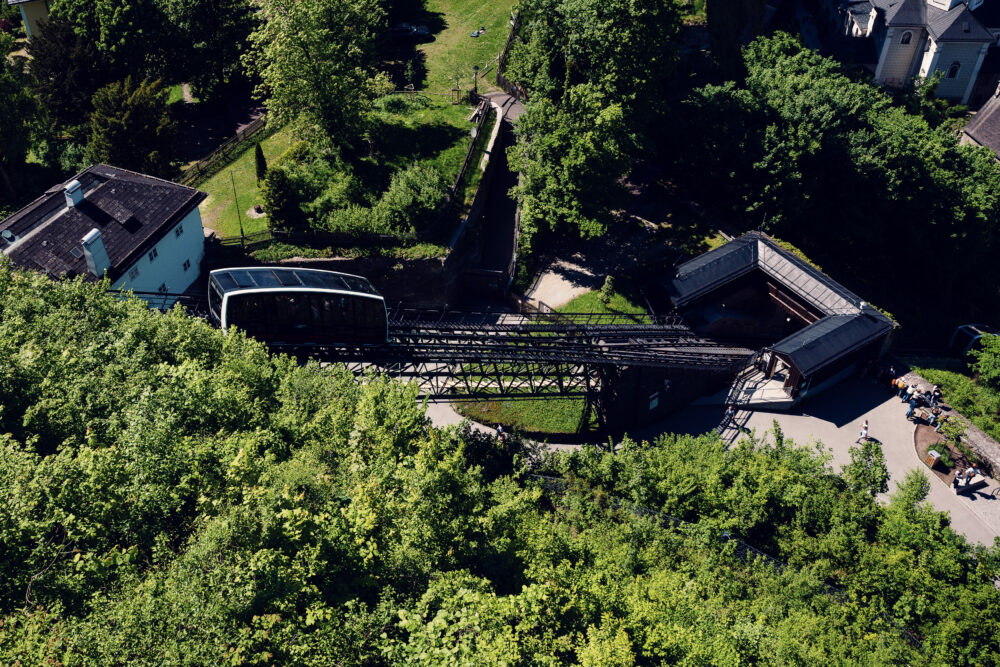
When Napoleon's forces arrived in 1800, the last Prince-Archbishop, Hieronymus von Colloredo, fled to Vienna, and Hohensalzburg Fortress was surrendered without resistance. The 19th century saw it repurposed as barracks, a storage depot, and a prison before it was decommissioned as a military installation in 1861. Its rebirth as a tourist destination began with the opening of the Festungsbahn funicular in 1892, originally a water-powered system that made the hilltop accessible to visitors for the first time.
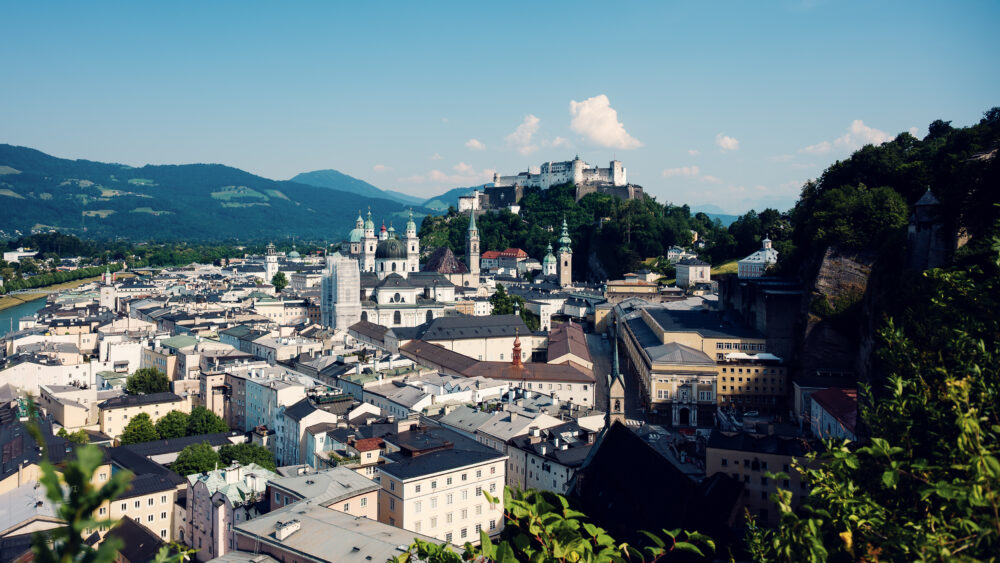
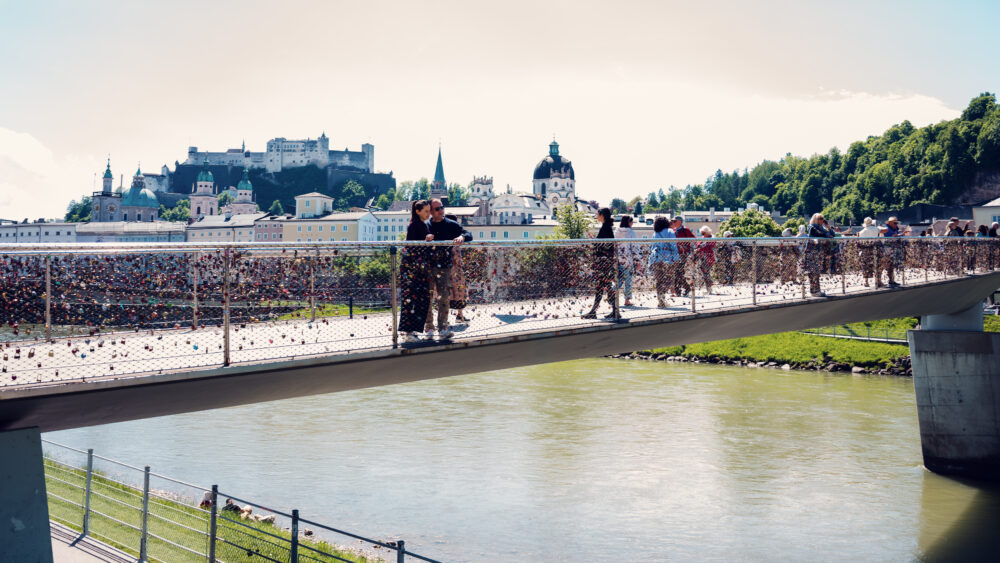
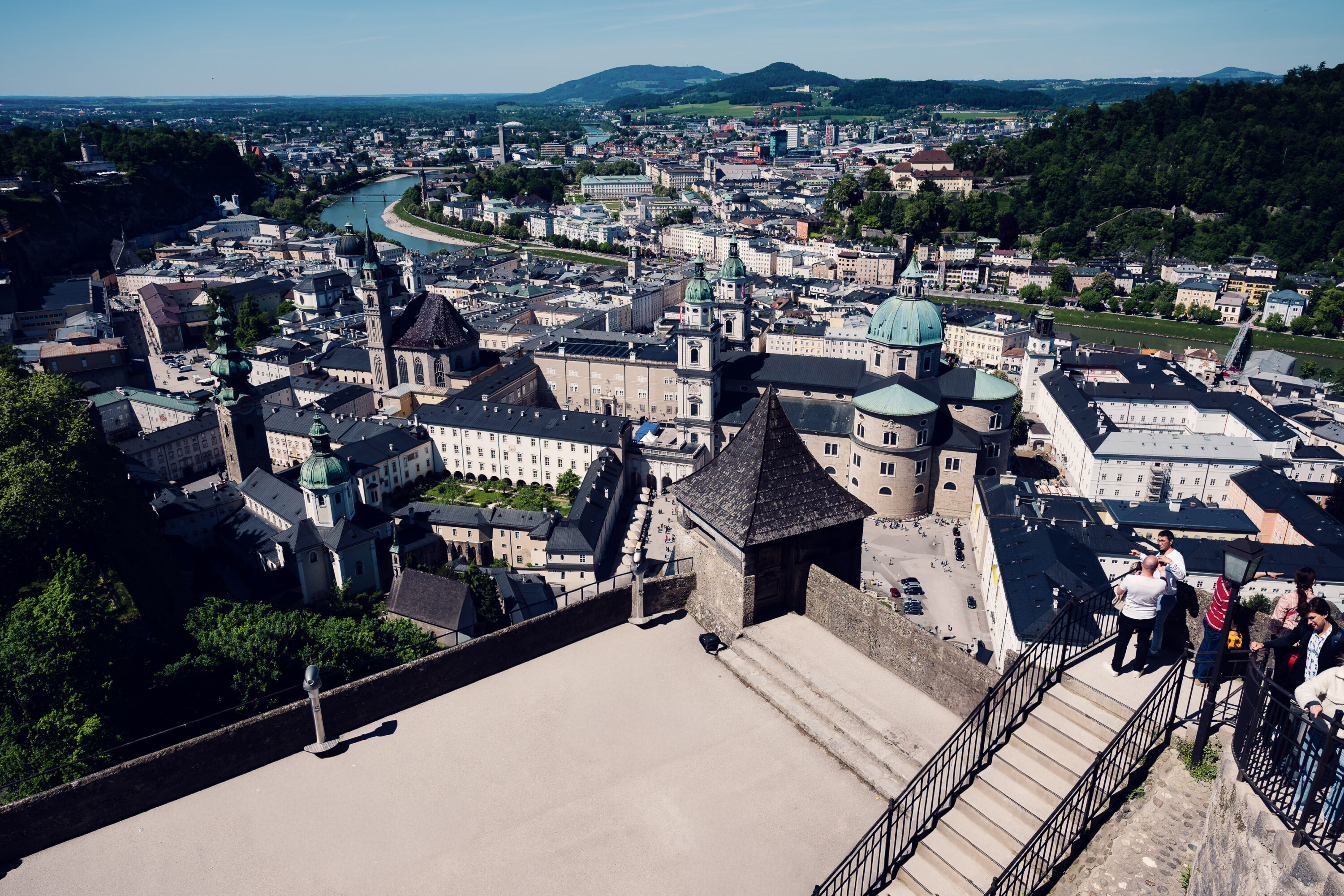
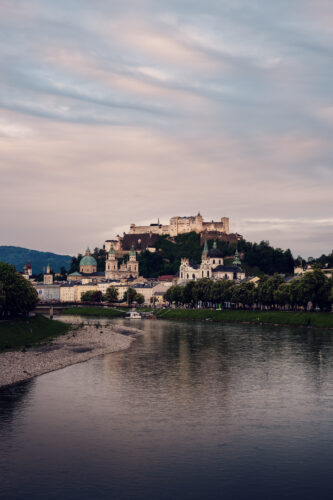
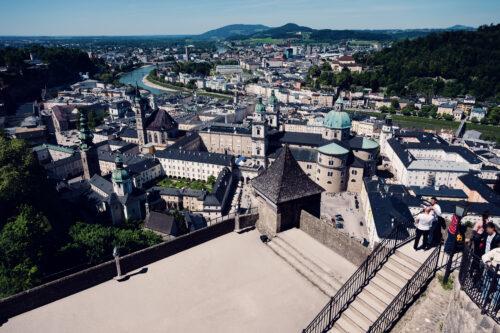
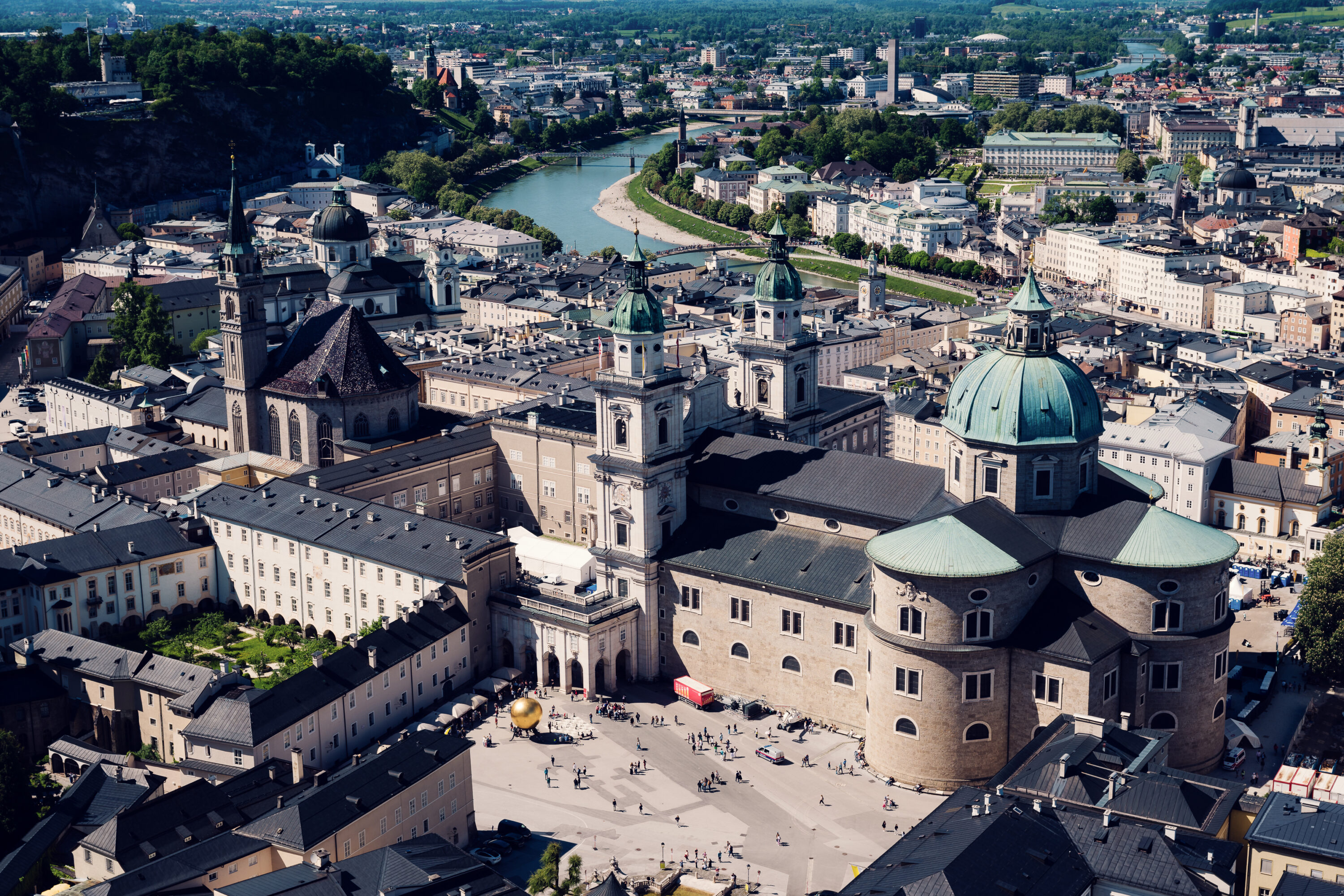
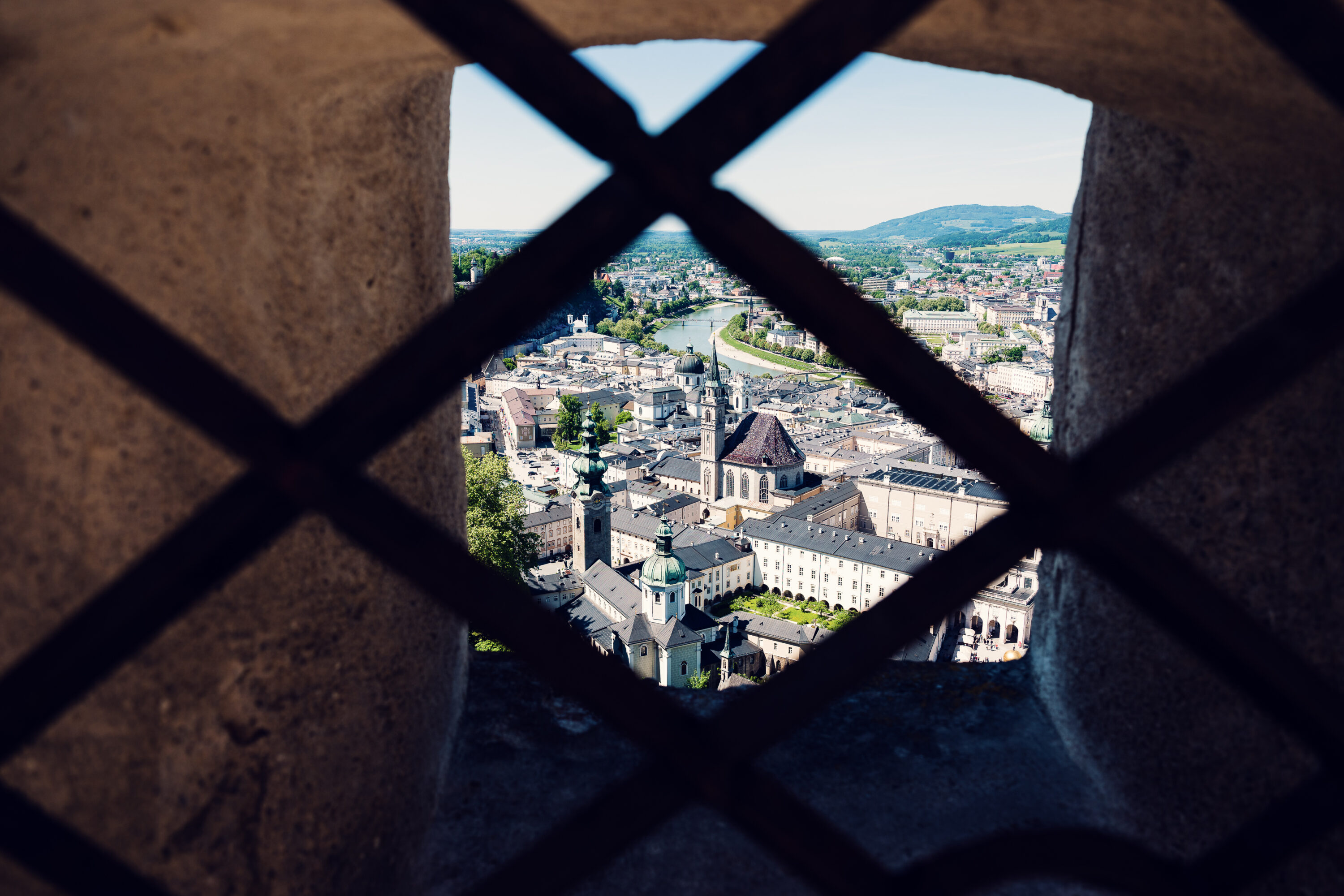
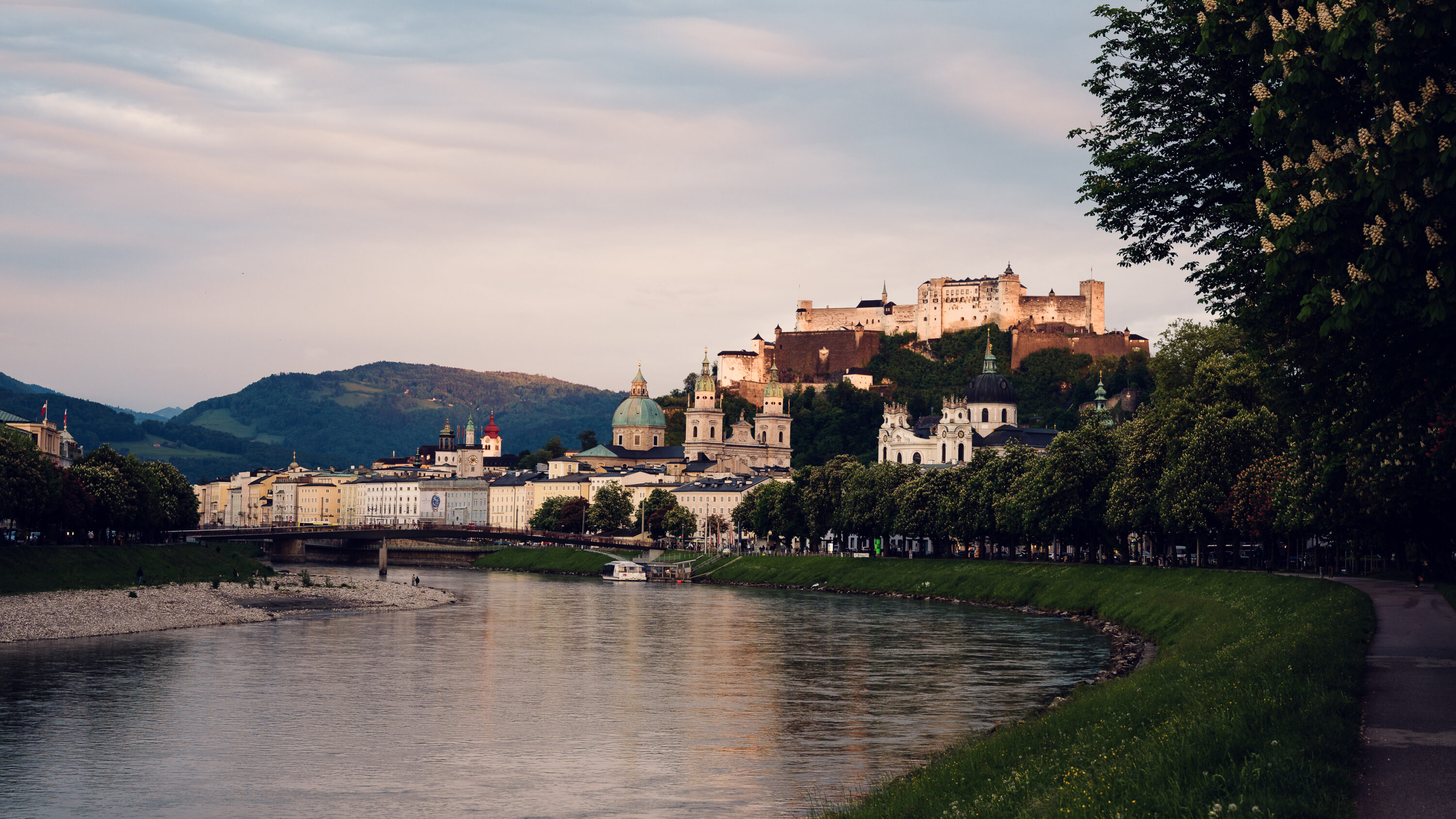
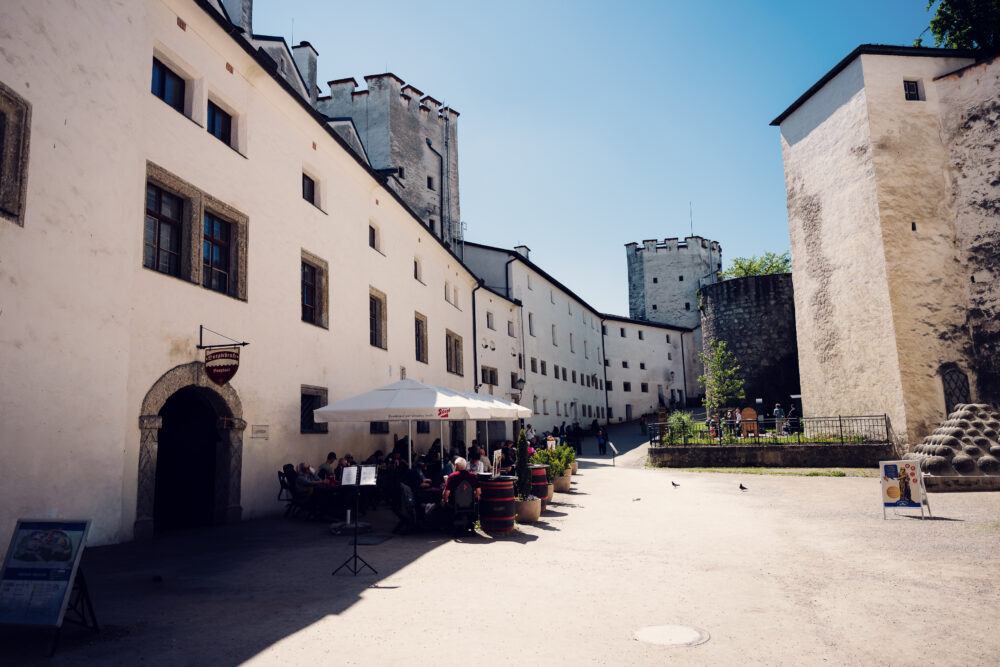
Today, Hohensalzburg Fortress forms a centrepiece of Salzburg's Historic Centre, designated a UNESCO World Heritage Site in 1996. In 2016, the State of Austria gifted the fortress to the federal state of Salzburg, ensuring its preservation as both a cultural monument and a living venue for concerts, events, and the Advent market that fills its courtyard each December.