
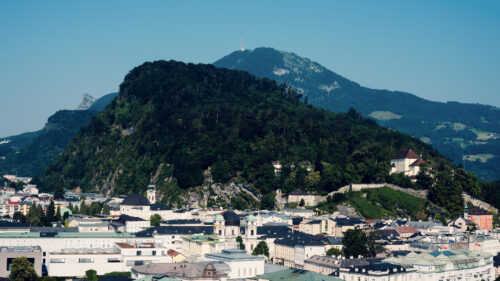
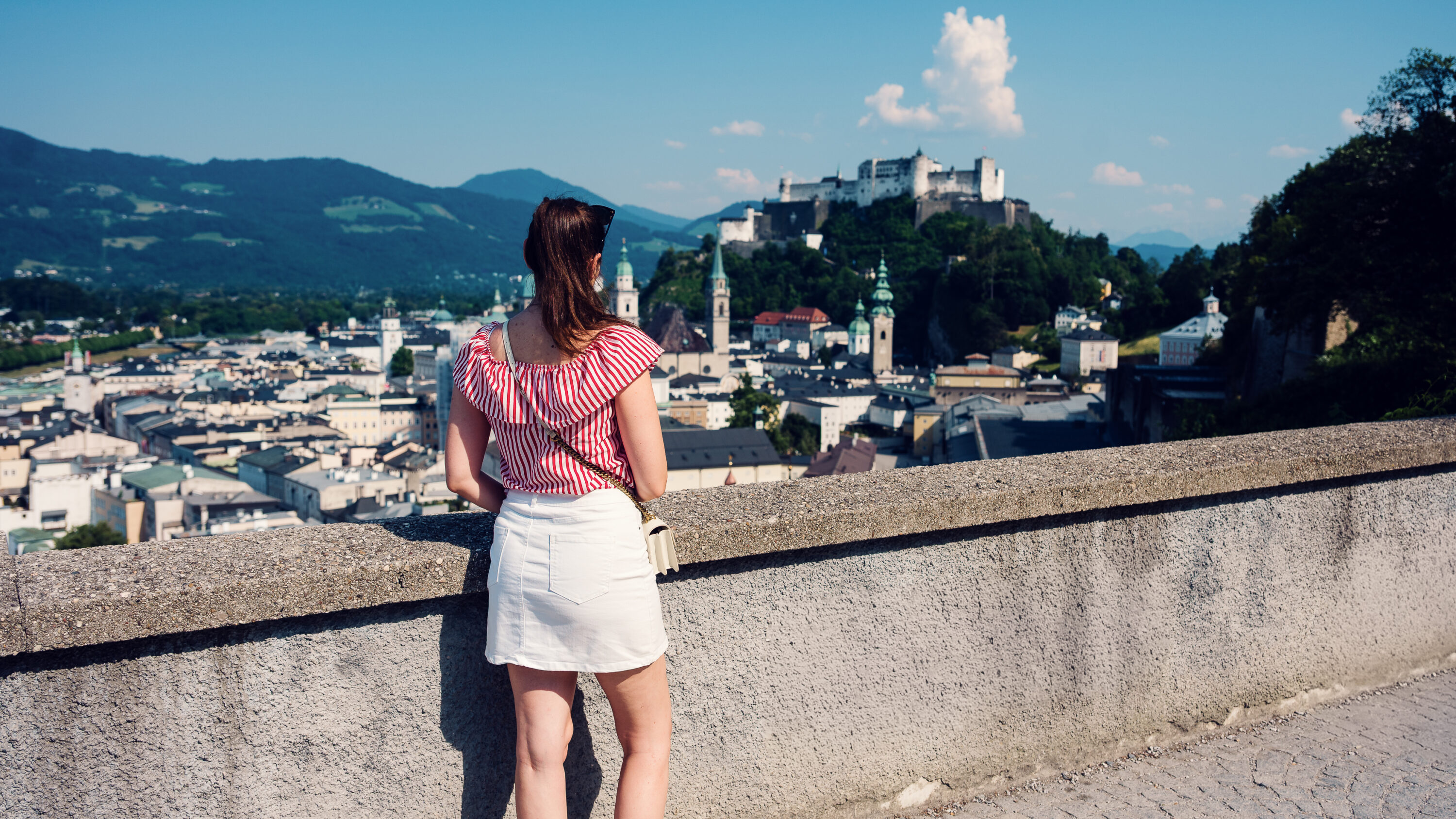
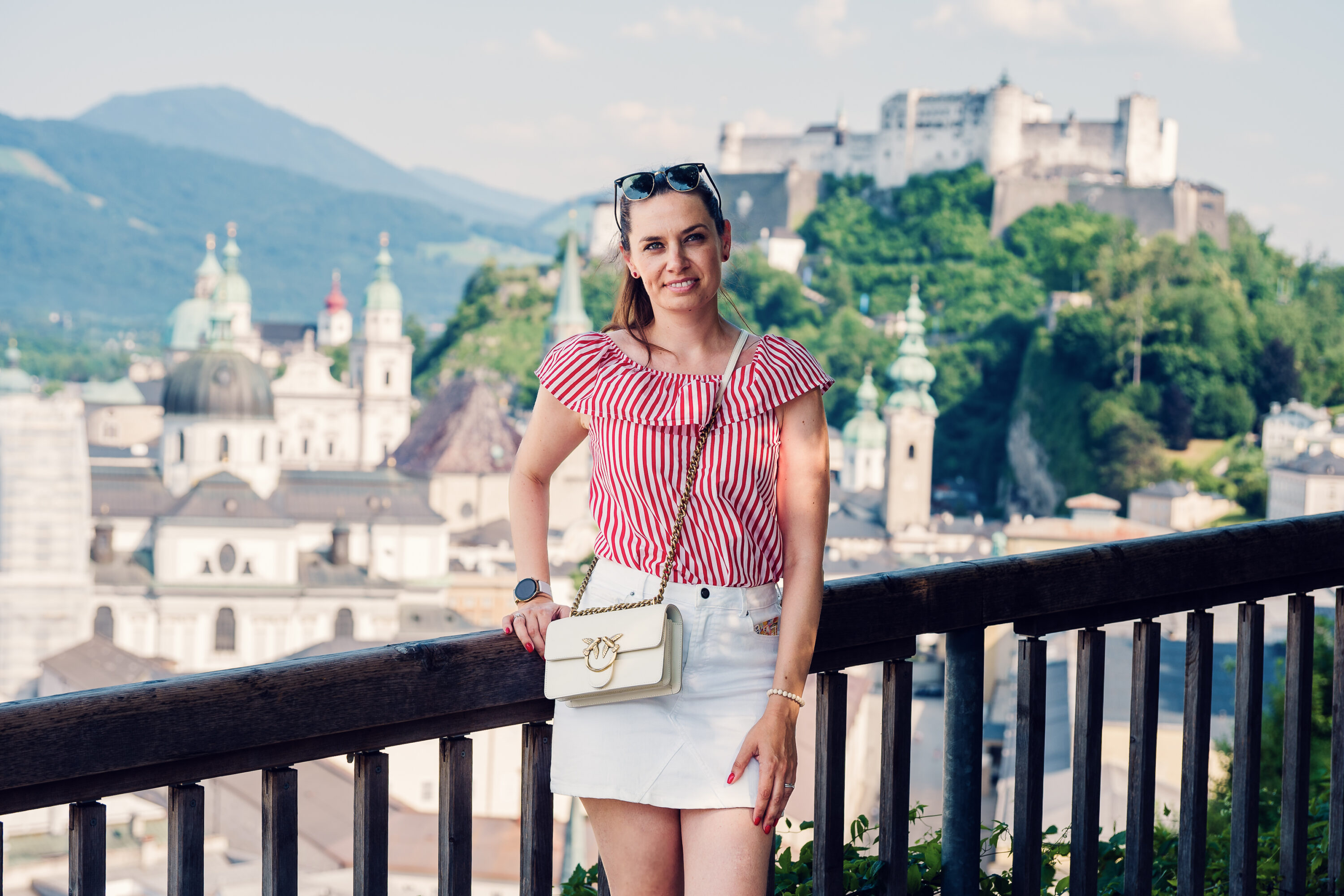
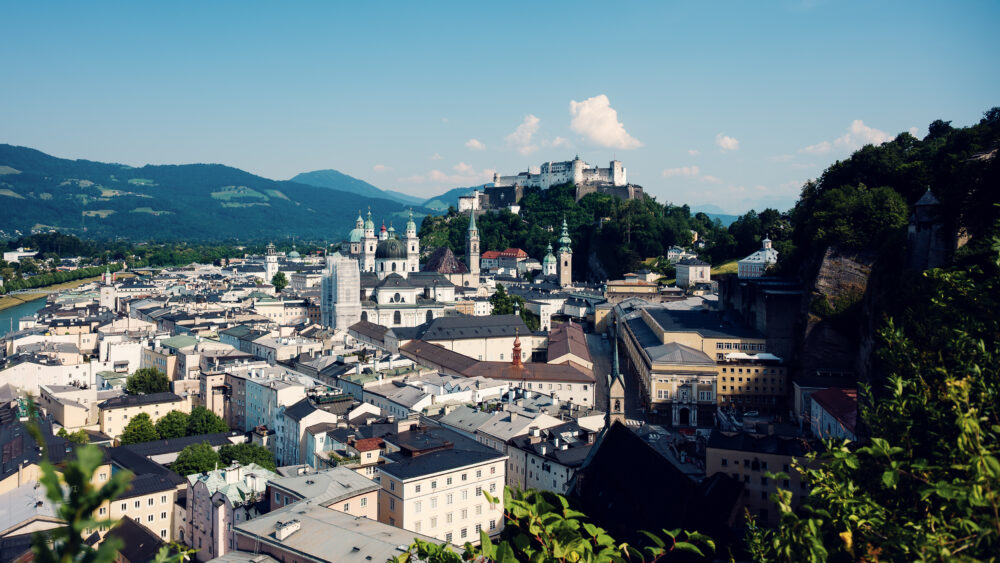
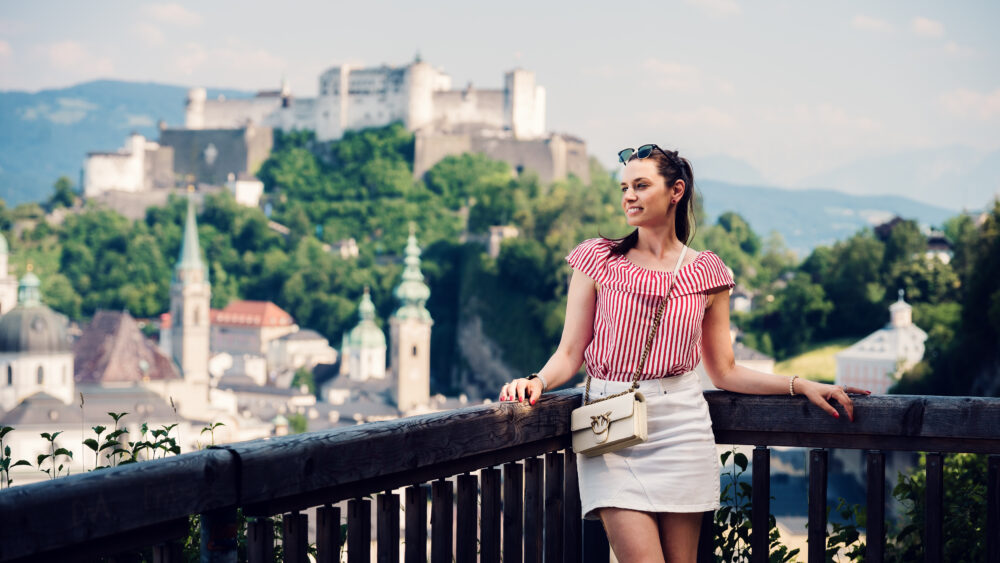
A Mountain of Monks and City Walls - Mönchsberg
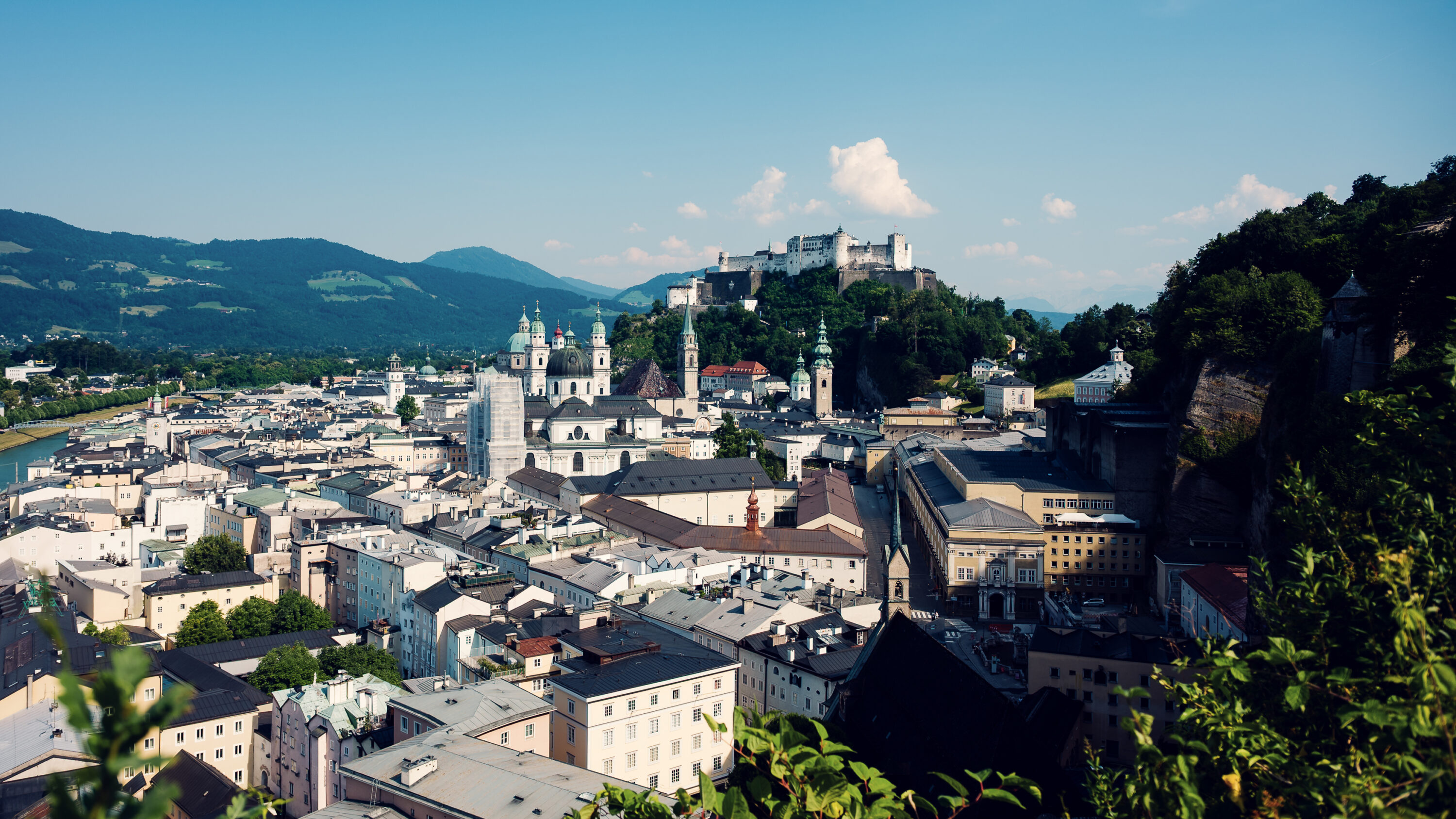
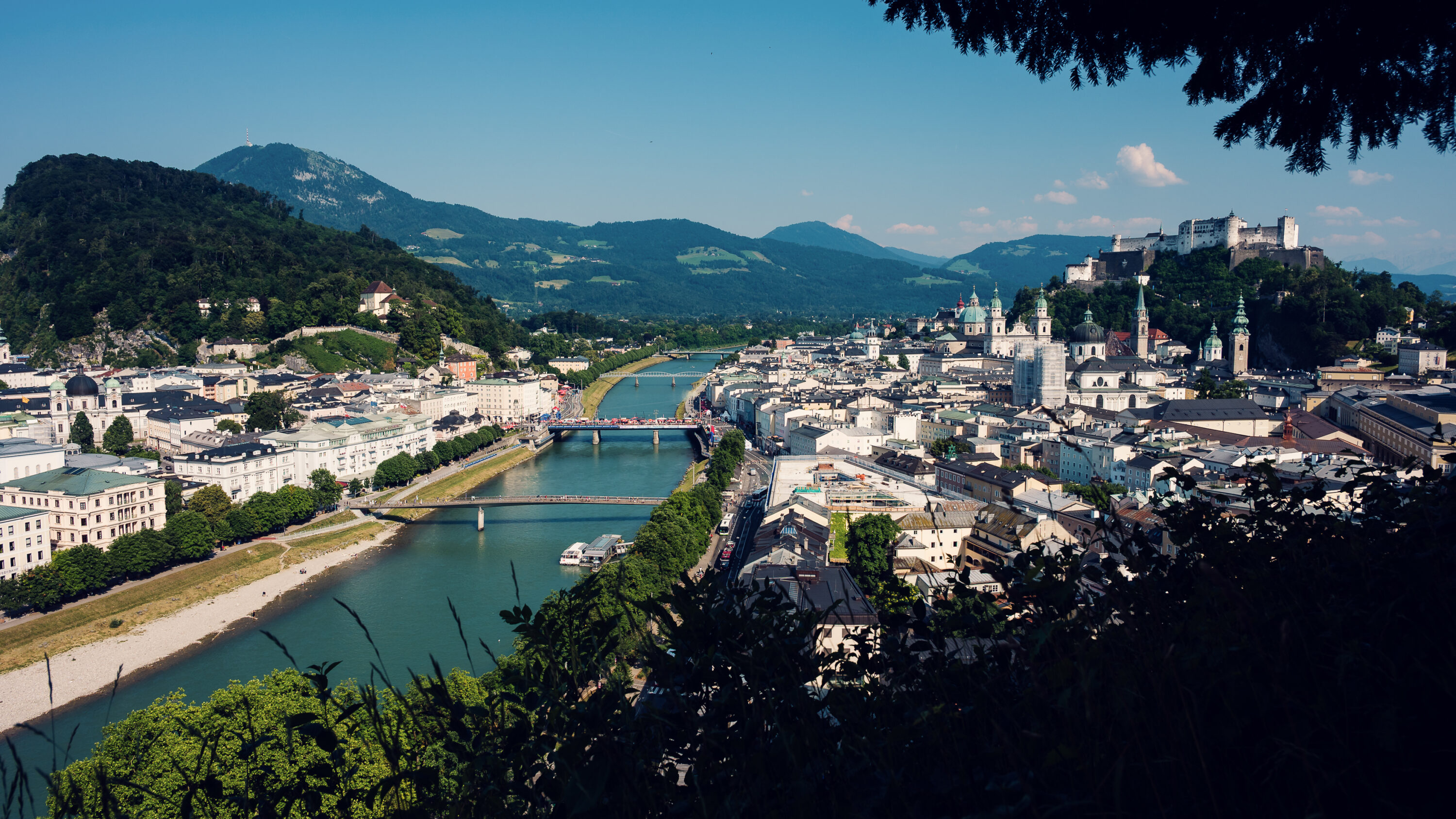
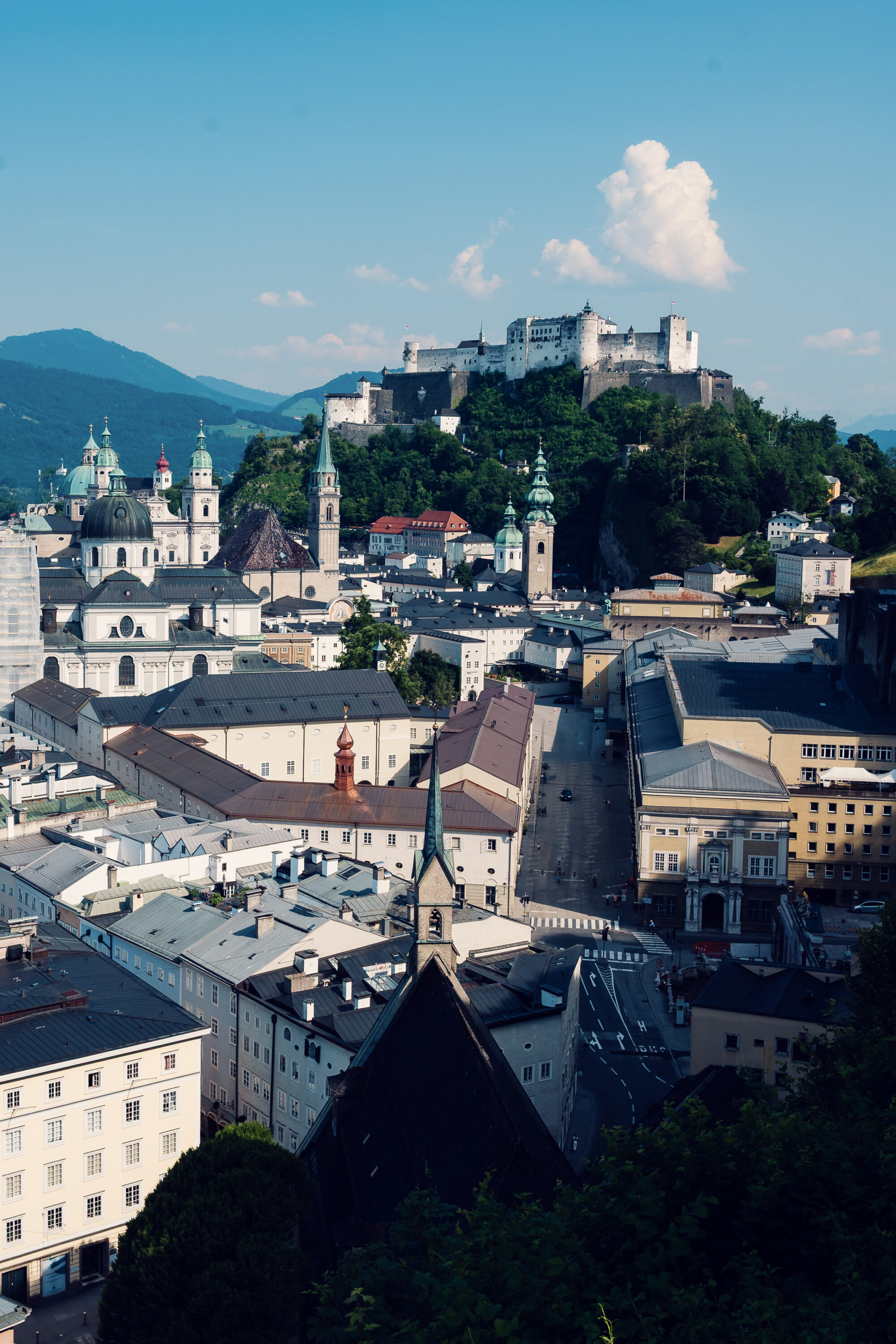
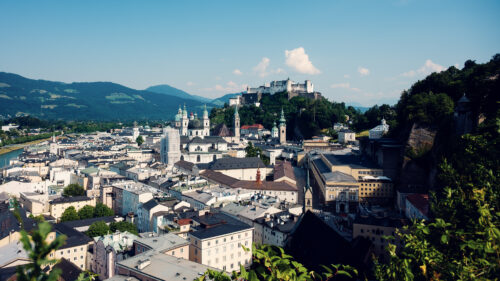
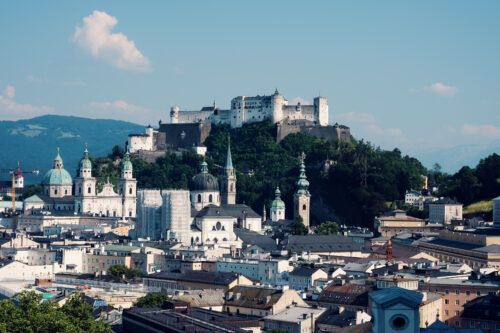
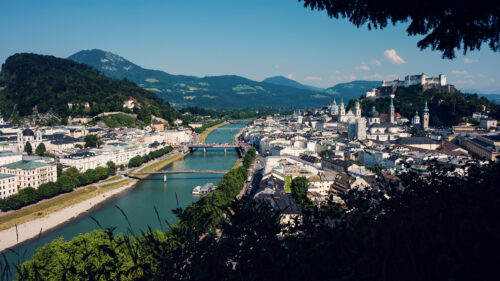
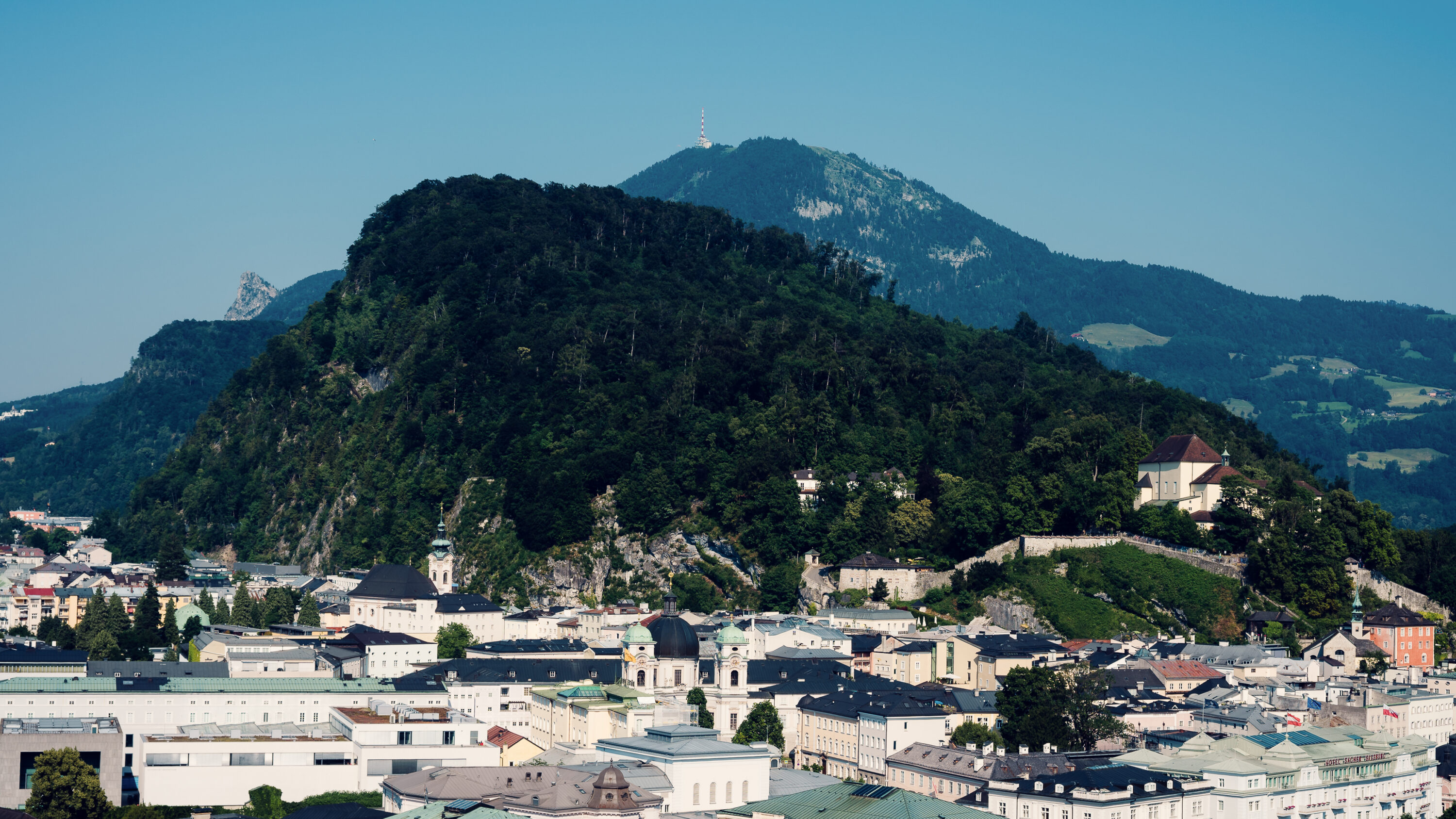
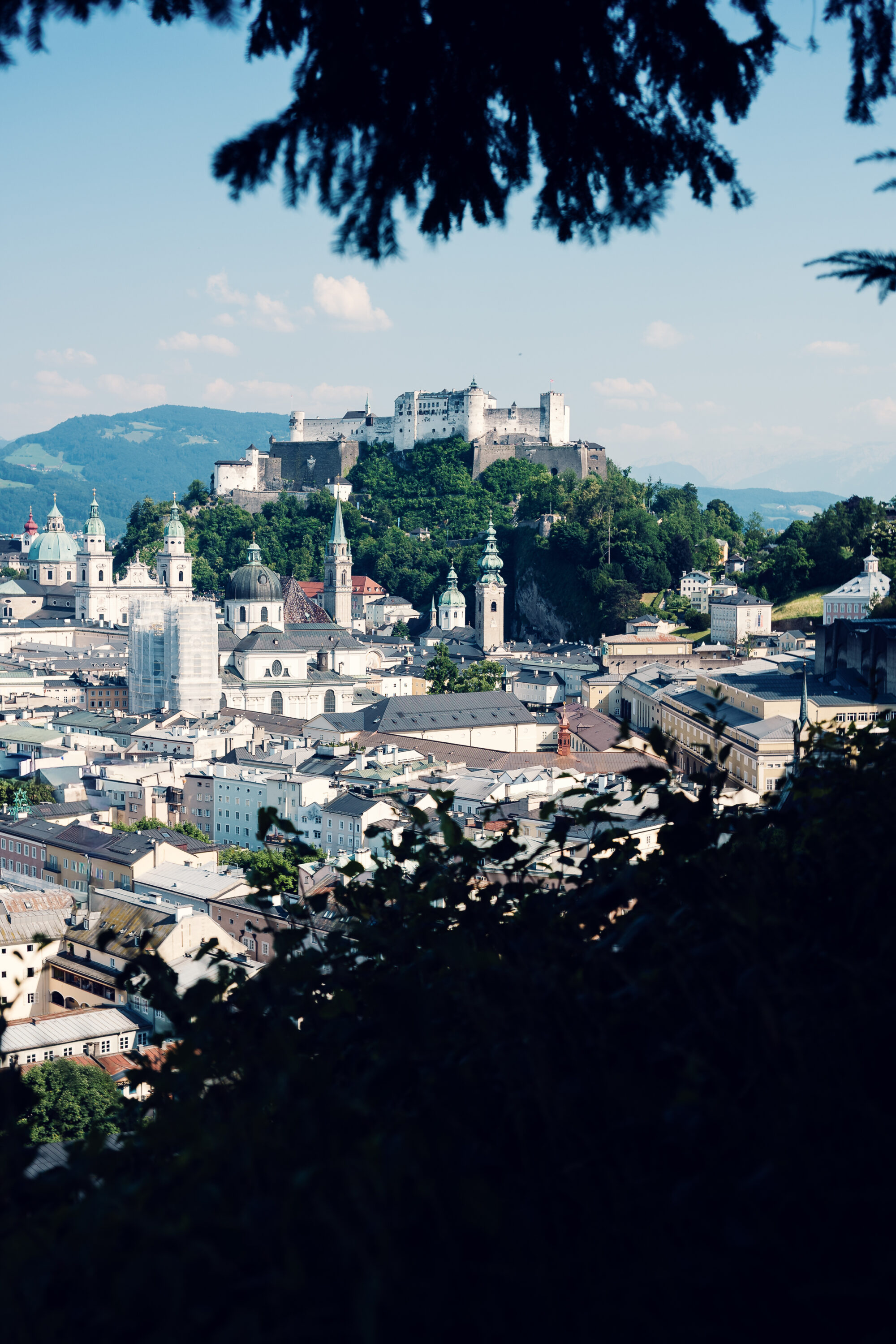
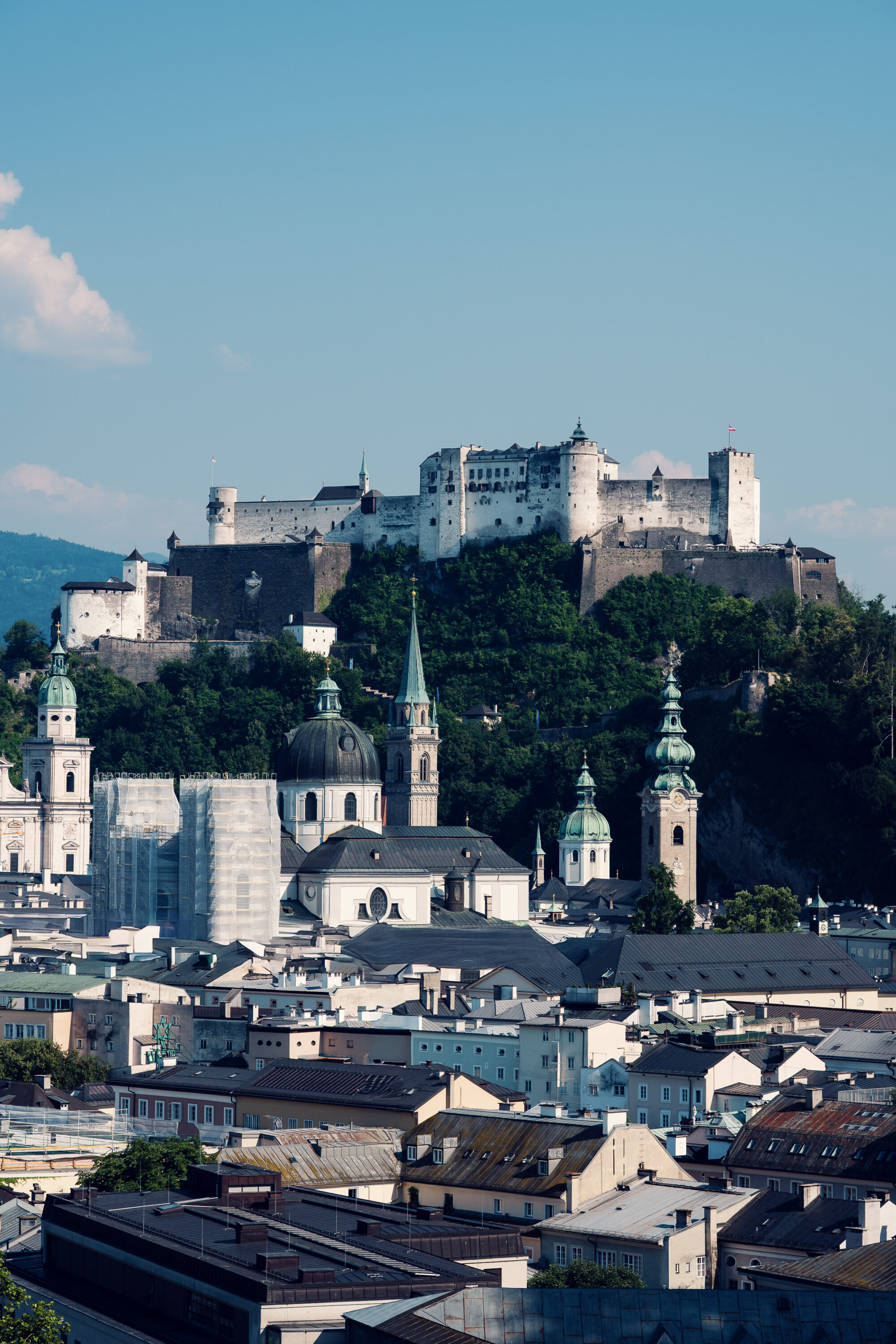
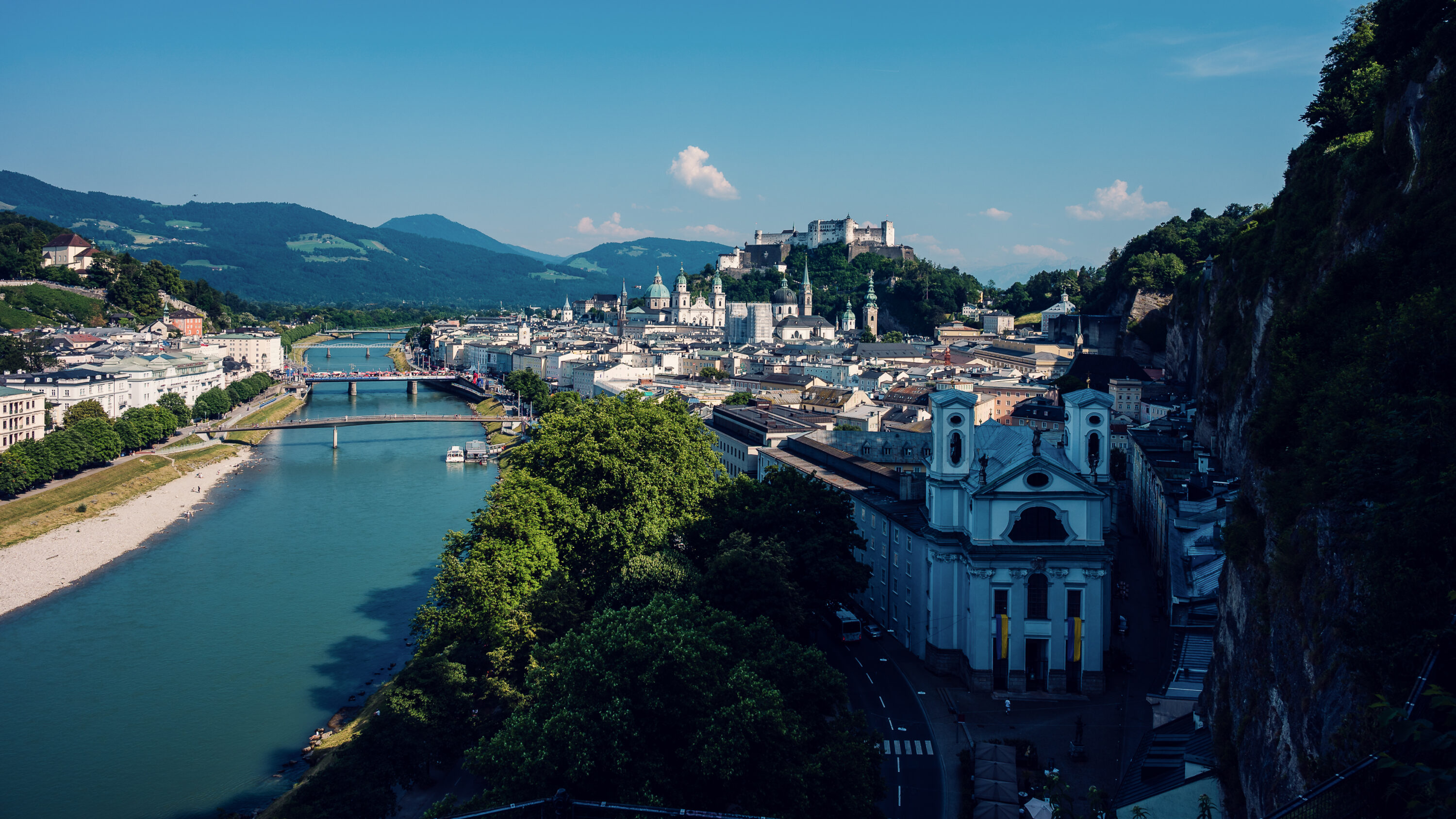
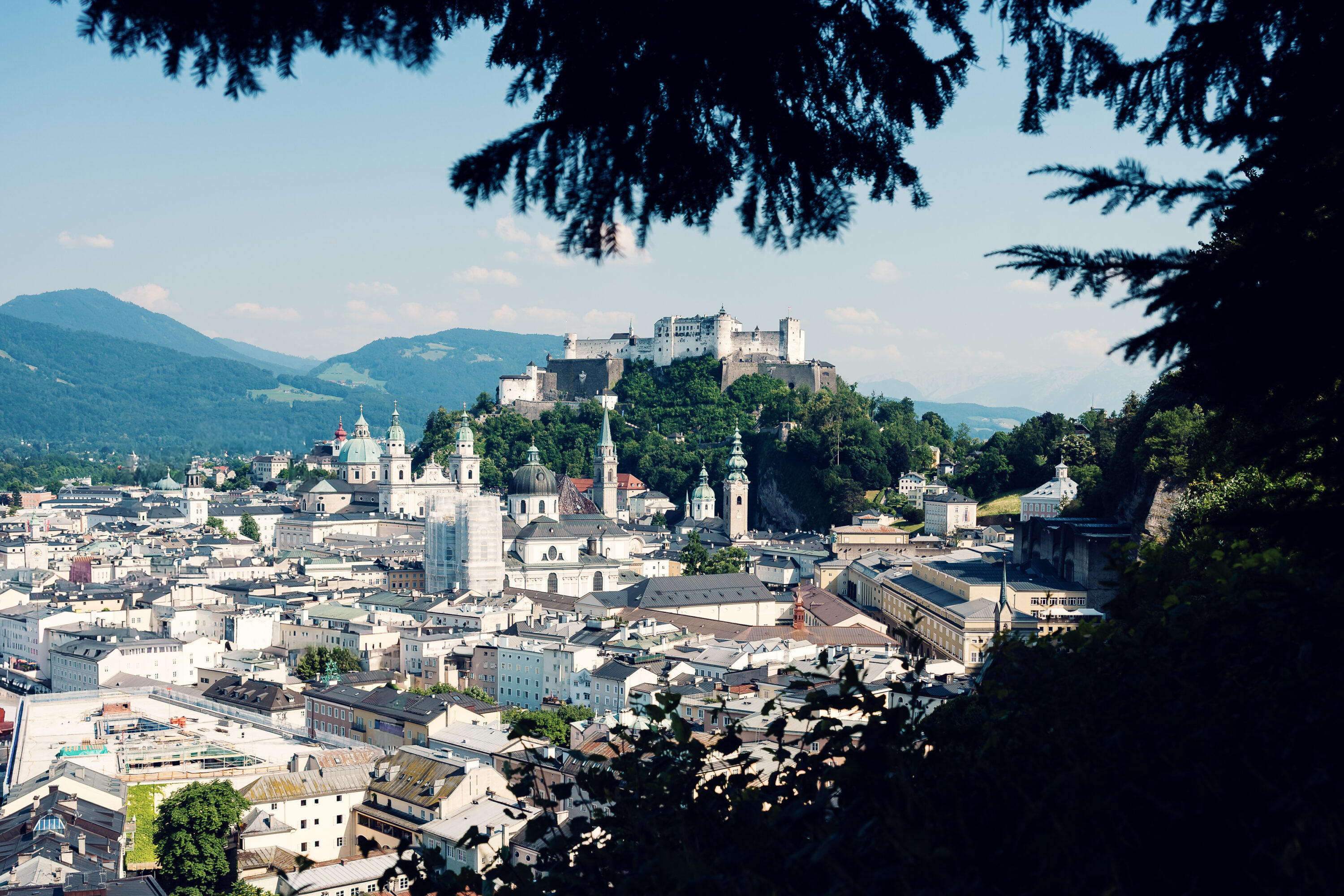
The Mönchsberg takes its name from the Benedictine monks of St. Peter's Abbey, one of the oldest monasteries in the German-speaking world, which sits at the mountain's northern foot. For centuries, the hill served as both a natural boundary and a defensive backbone for the city. The original city walls ran along its western flank, and a substantial cross-wall called the Bürgerwehr was eventually built to divide the Mönchsberg into an inner section (belonging to the city) and an outer section (belonging to the parish of Mülln). Under Prince Archbishop Paris Lodron, these fortifications were massively expanded to protect Salzburg during the Thirty Years' War. Stretches of these walls, bastions, and gates still line the walking paths today.
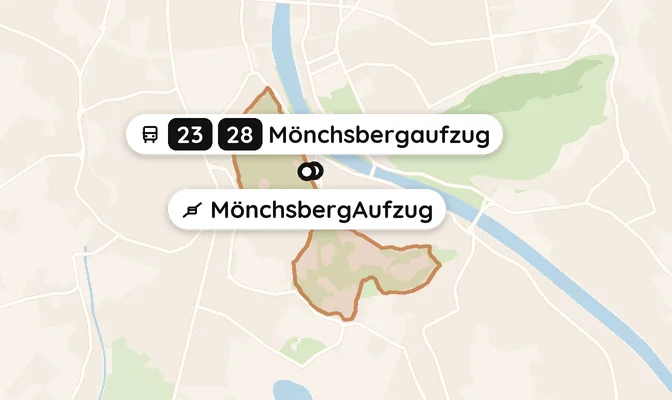
The mountain's connection to modern Salzburg began in 1890, when a private banker named Karl Leitner built the first public elevator on its face - an iron-framed construction mounted to the outside of the cliff, electrically powered from day one. At the time, it was the tallest elevator in Europe. Its main public appeal was leisure and sightseeing: giving visitors a fast route to the views, the mountaintop restaurant, and the Mönchsberg plateau. The original outdoor structure was eventually replaced by an internal shaft, and today's three modernized lifts handle the 60-meter ride in about 30 seconds.
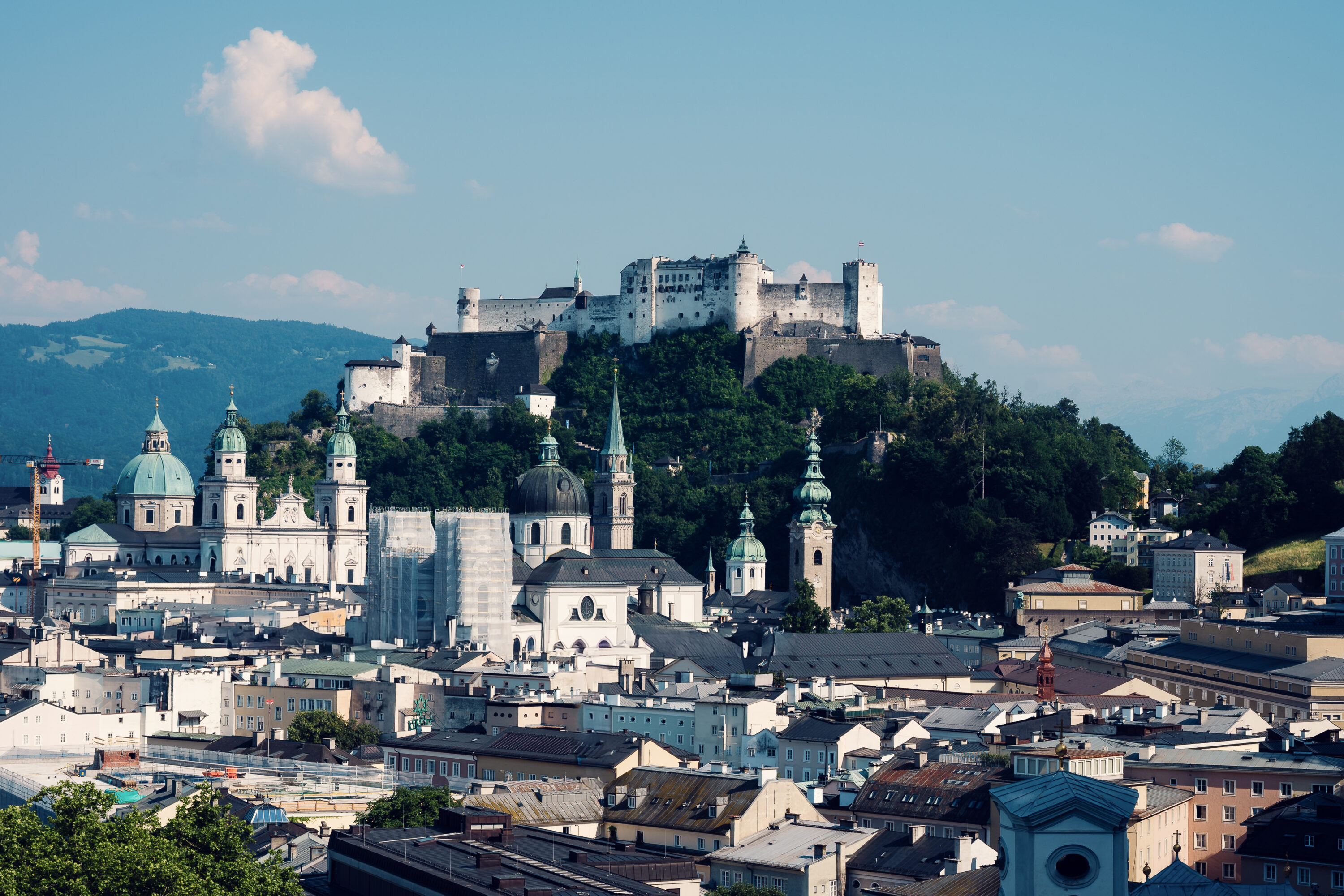
The plateau itself has always drawn a certain kind of resident. Several small castles and villas dot the hilltop, including the Johannesschlössl (now a guesthouse), Schloss Mönchstein (a hotel), and the Kupelwieserschlössl, a striking neo-Gothic villa. Writers, too, have claimed the Mönchsberg as their terrain. Thomas Bernhard wrote about it - darkly, as was his style - and Peter Handke and Gerhard Amanshauser both lived or worked here. The mountain carries a literary charge that you can still feel in its quiet paths and sudden cliff views.
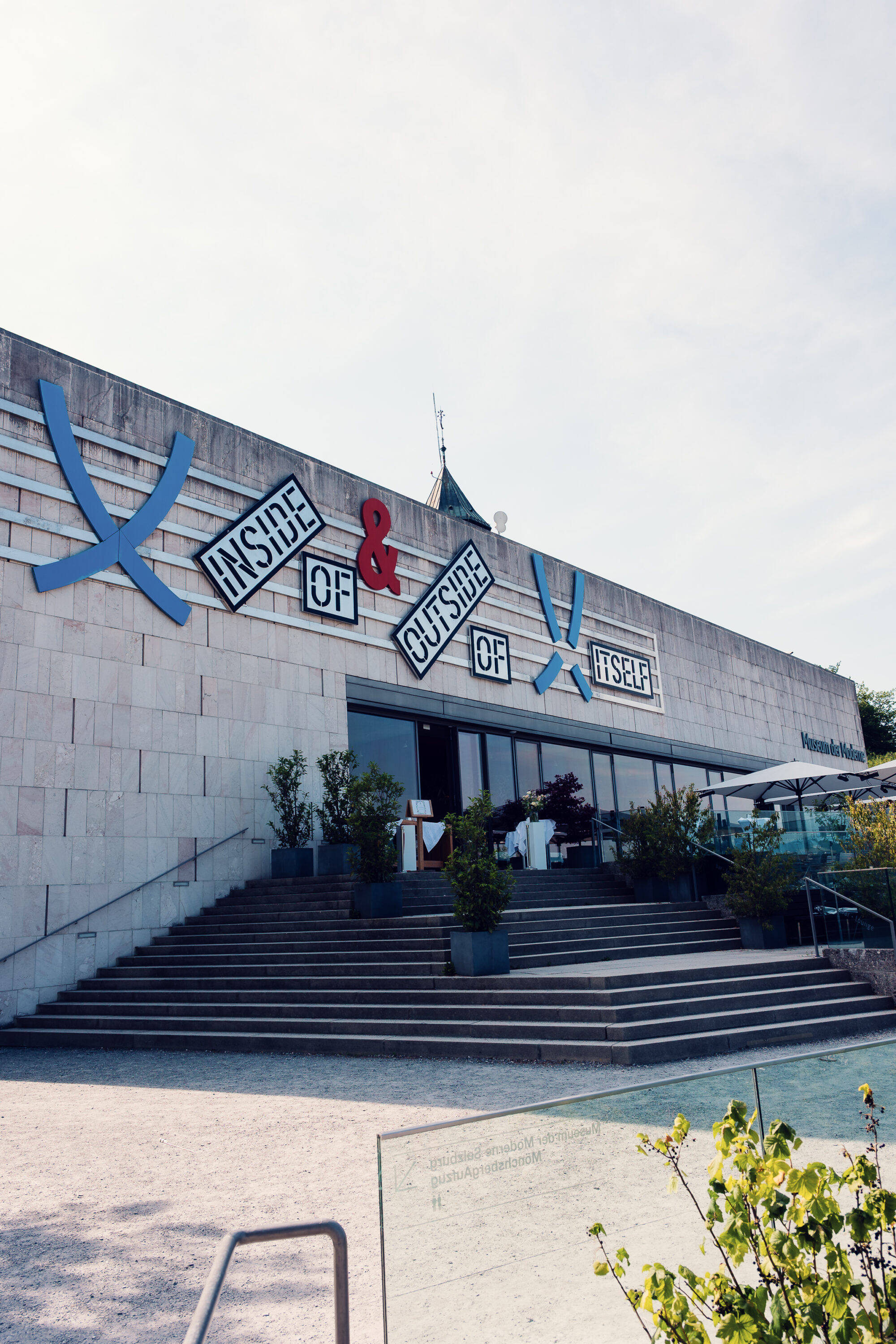
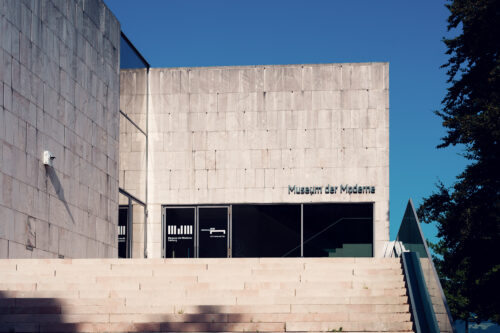
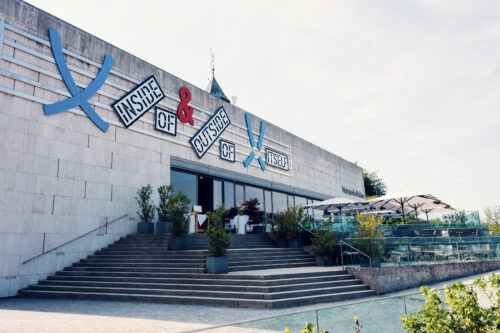
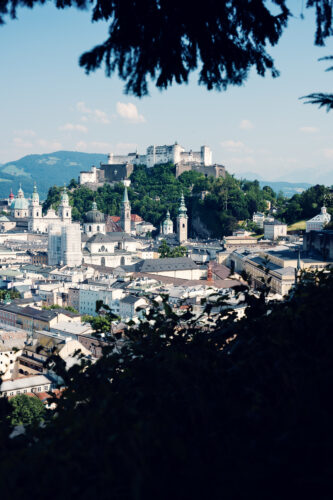
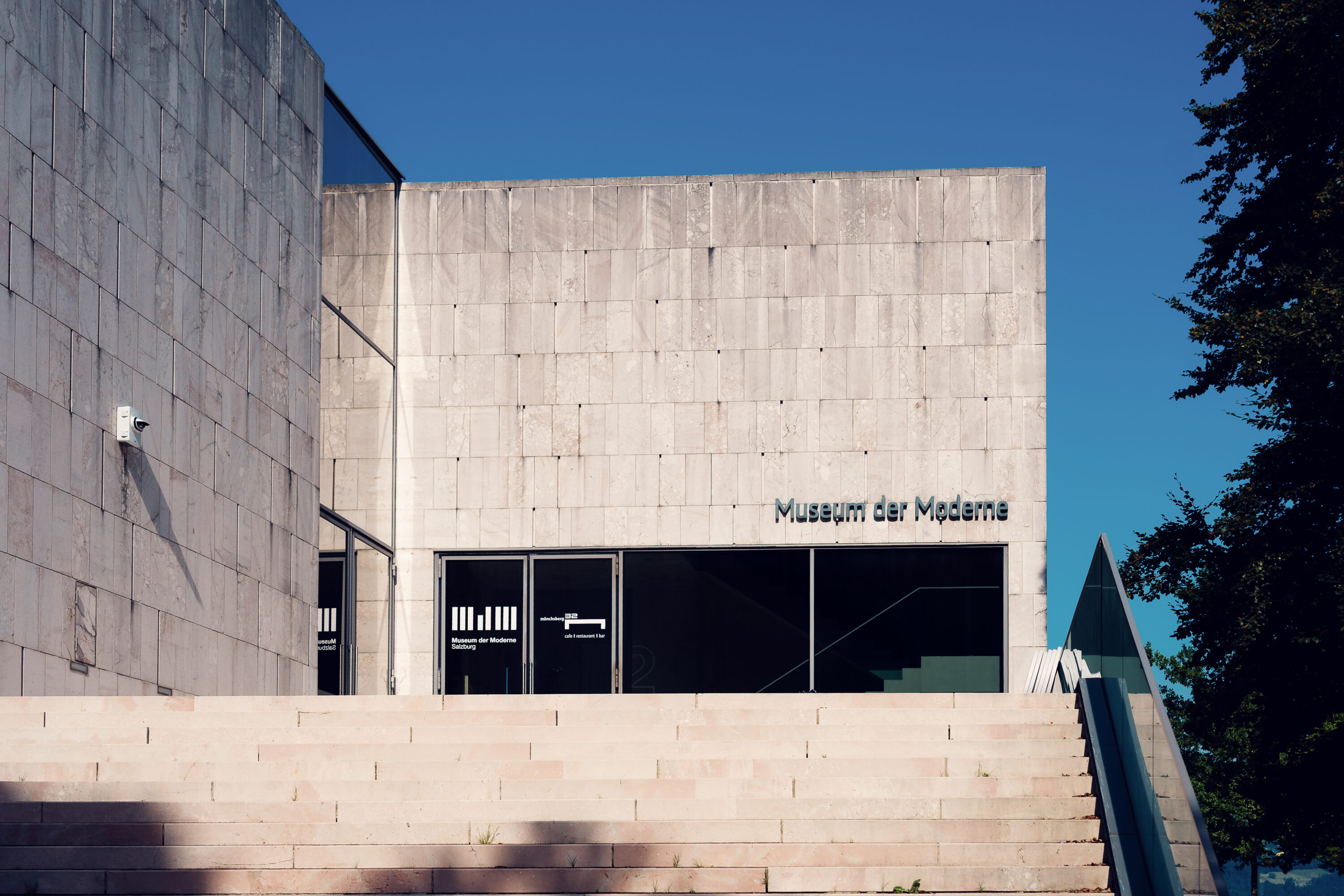
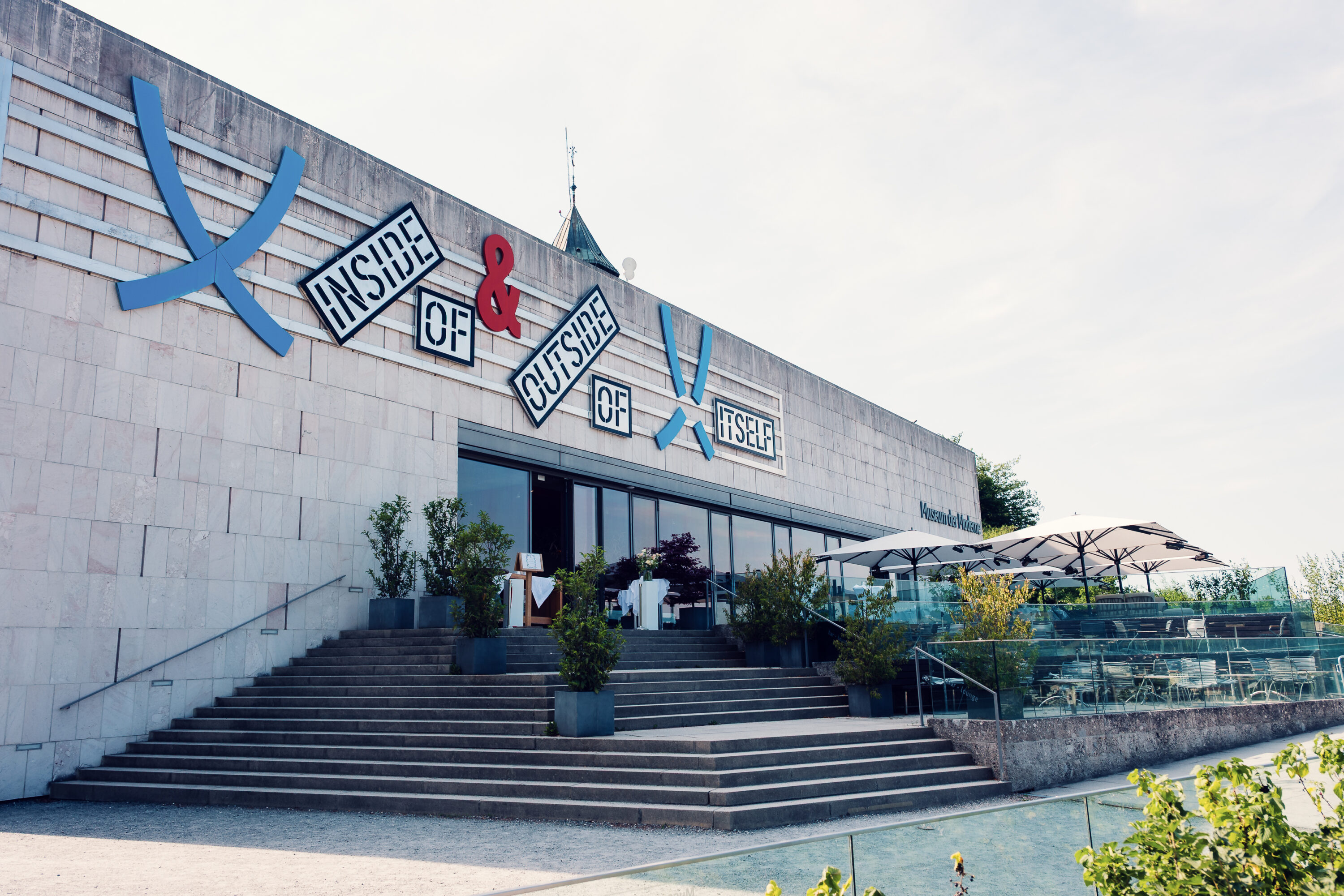
The most recent addition is the Museum der Moderne, which opened where the Grand Cafe Winkler once stood. Its clean, modernist architecture makes a sharp contrast to the baroque city below. Restaurant M32 occupies the same building, with a terrace that's become one of Salzburg's best-known dining views.