
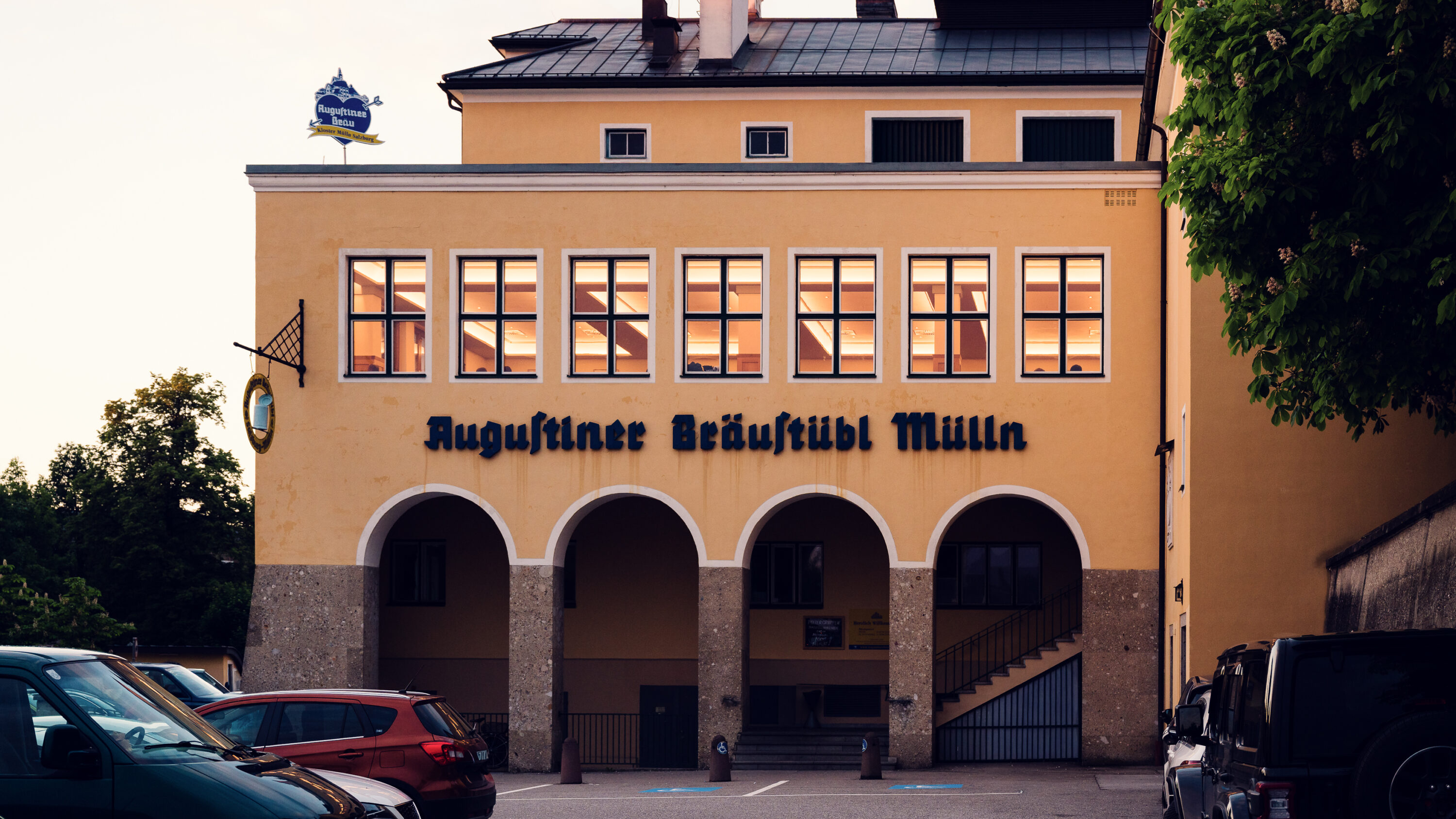
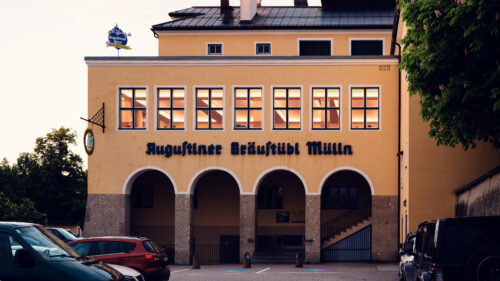
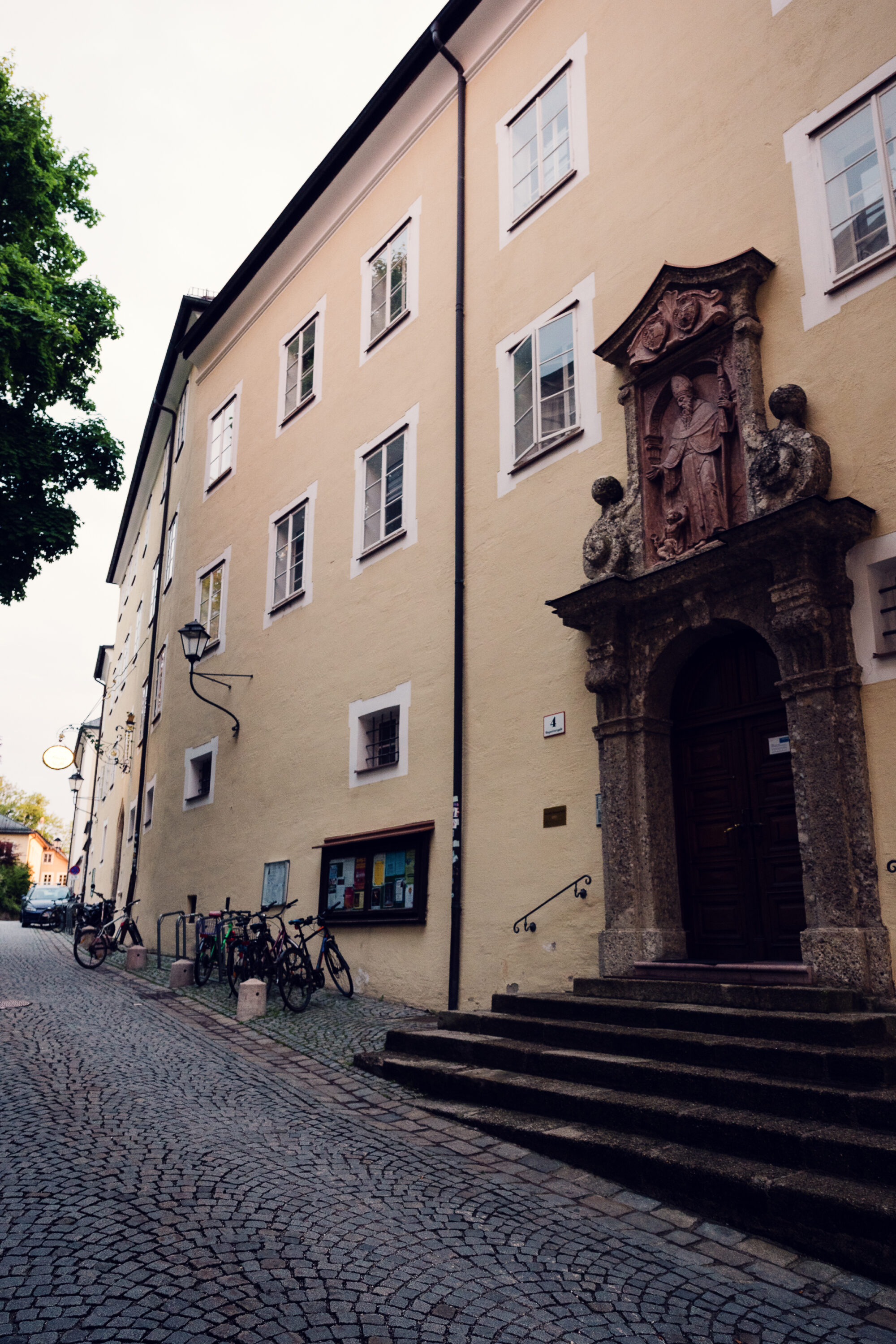
Warm light fills the windows of the Augustiner Bräu Kloster Mülln as evening settles over the house.
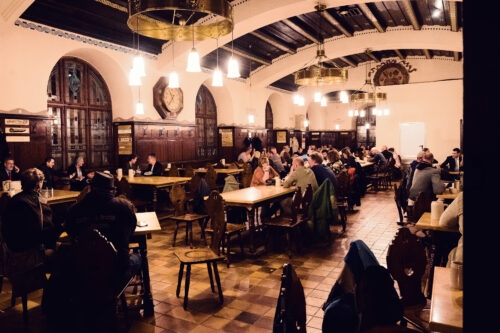
Guests sit over stone mugs at long tables in a lamplit hall at the Augustiner Bräu Kloster Mülln.
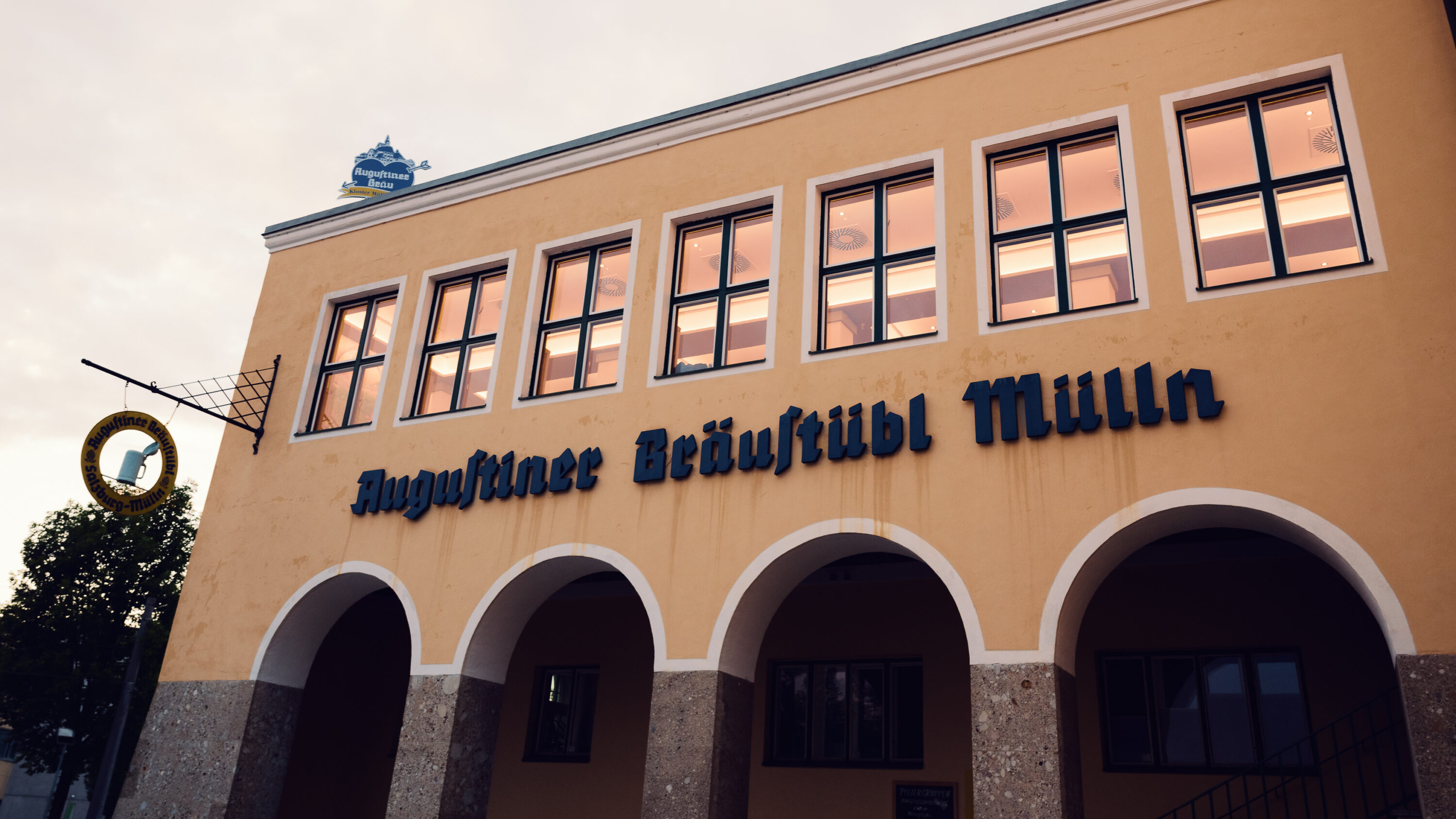
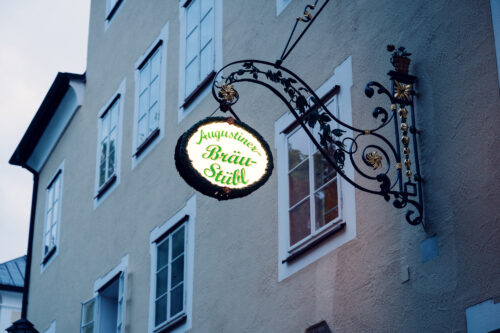
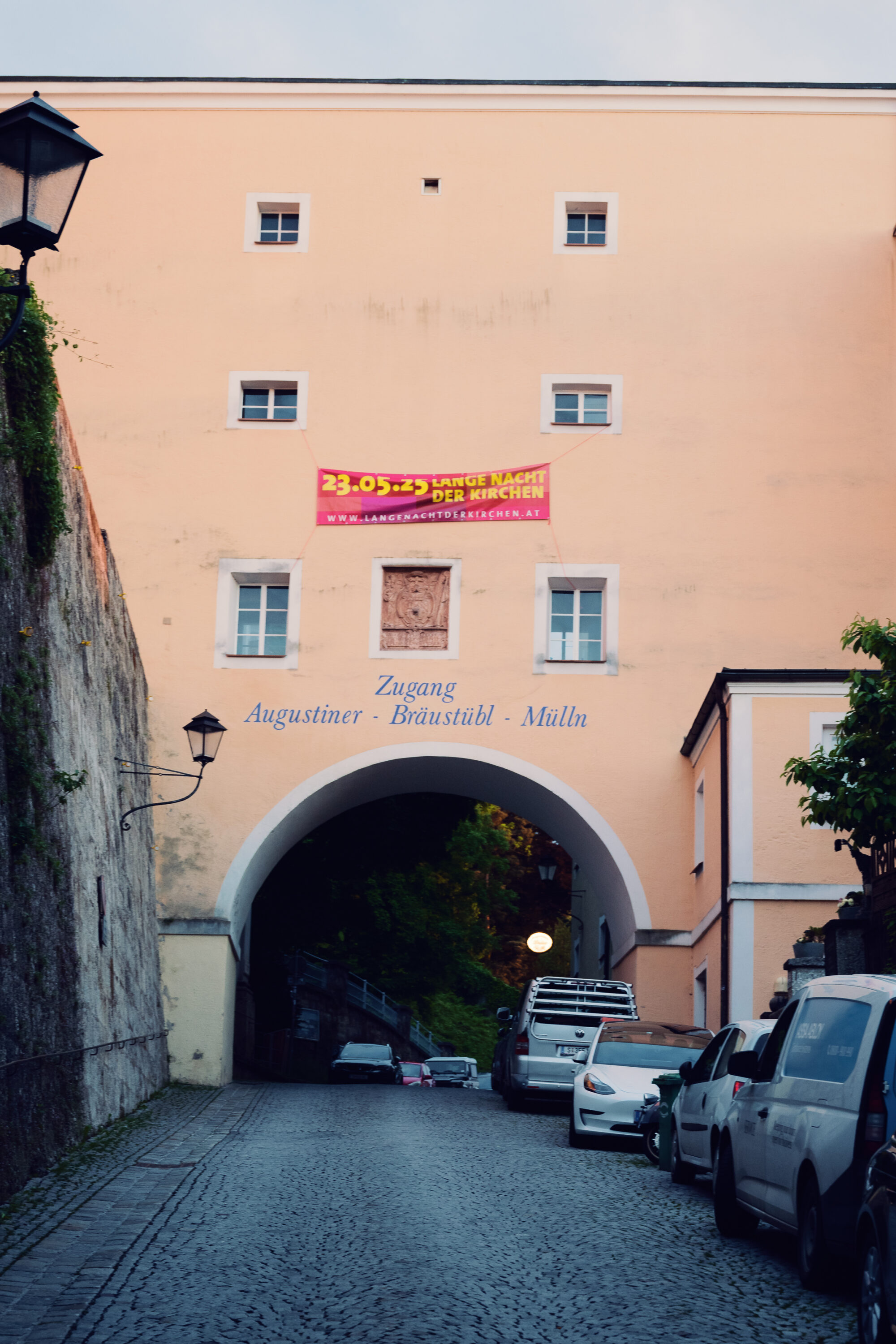
Seen from below, big blue letters stretch across the yellow wall of the Augustiner Bräu Kloster Mülln.
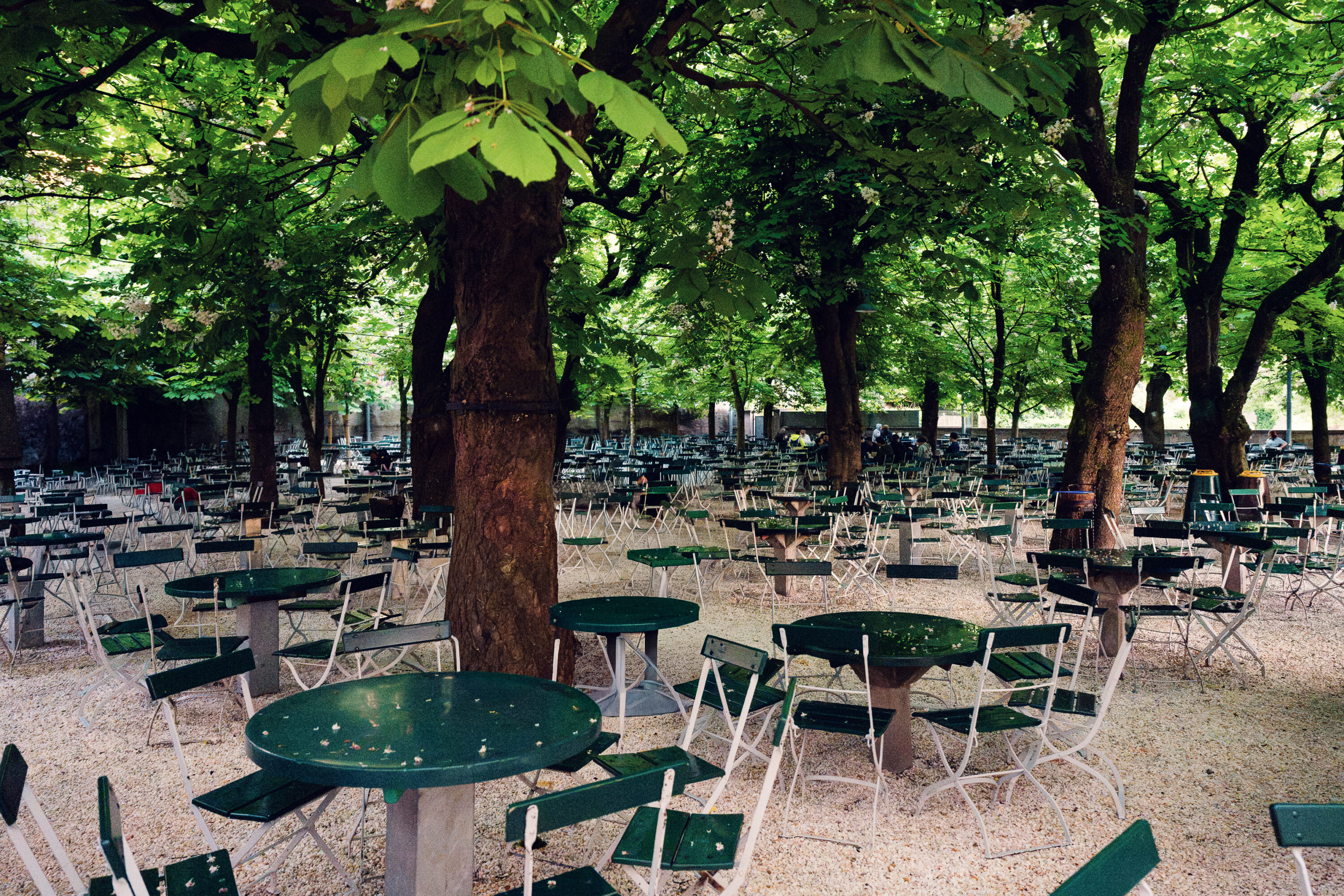
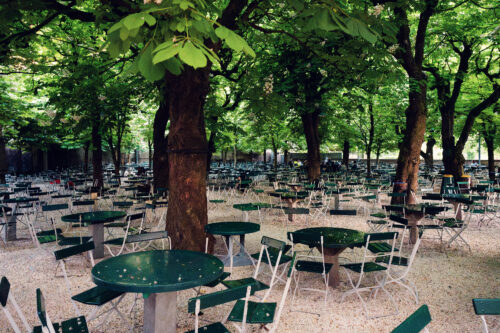
Blossoming chestnut trees shade empty green tables in the beer garden of the Augustiner Bräu Kloster Mülln.
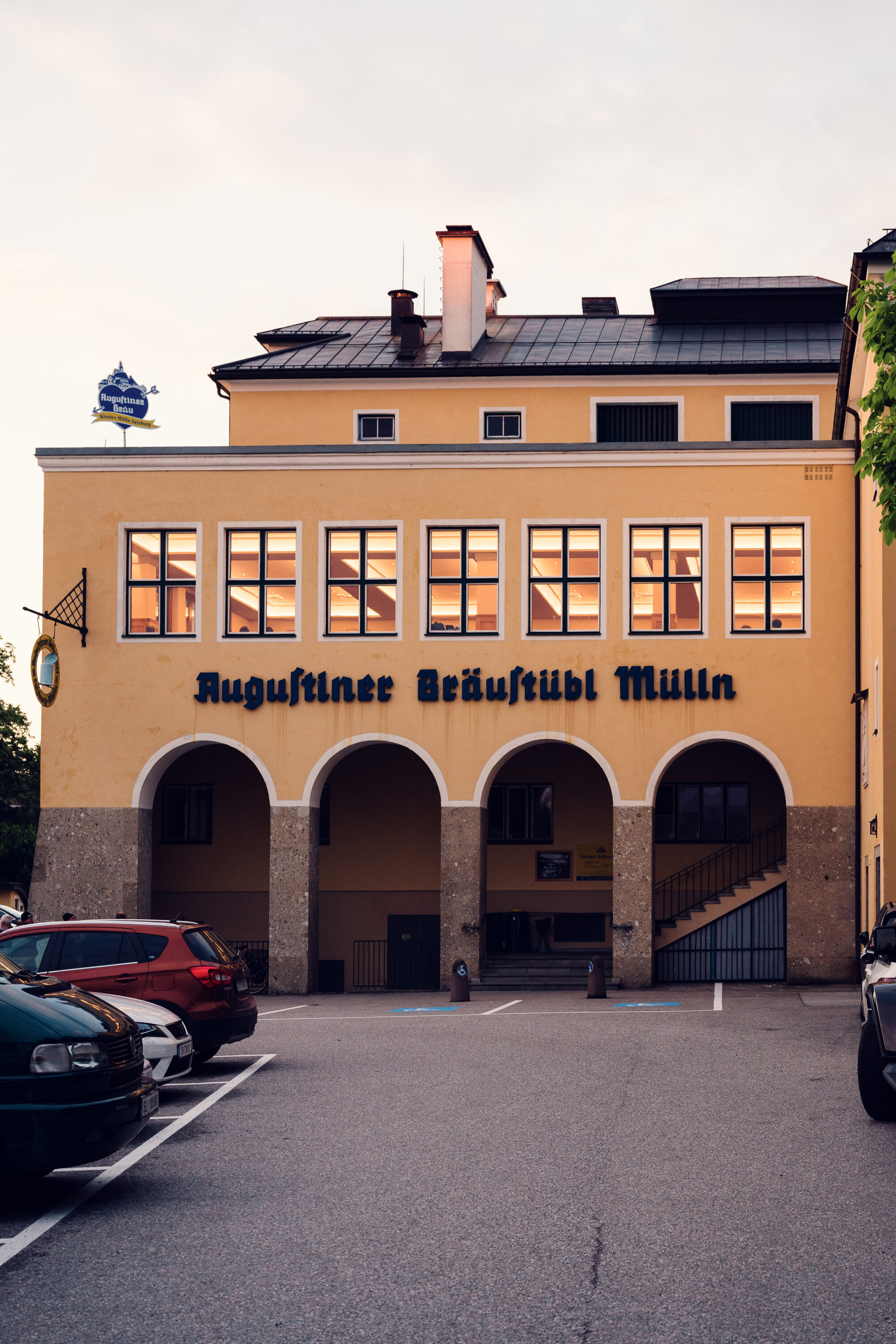
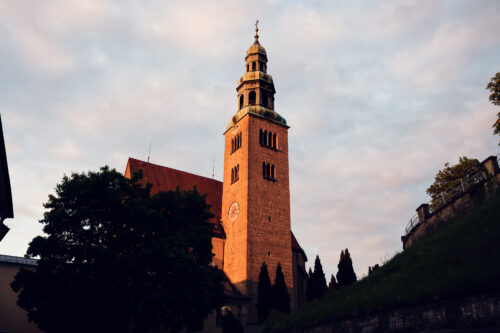
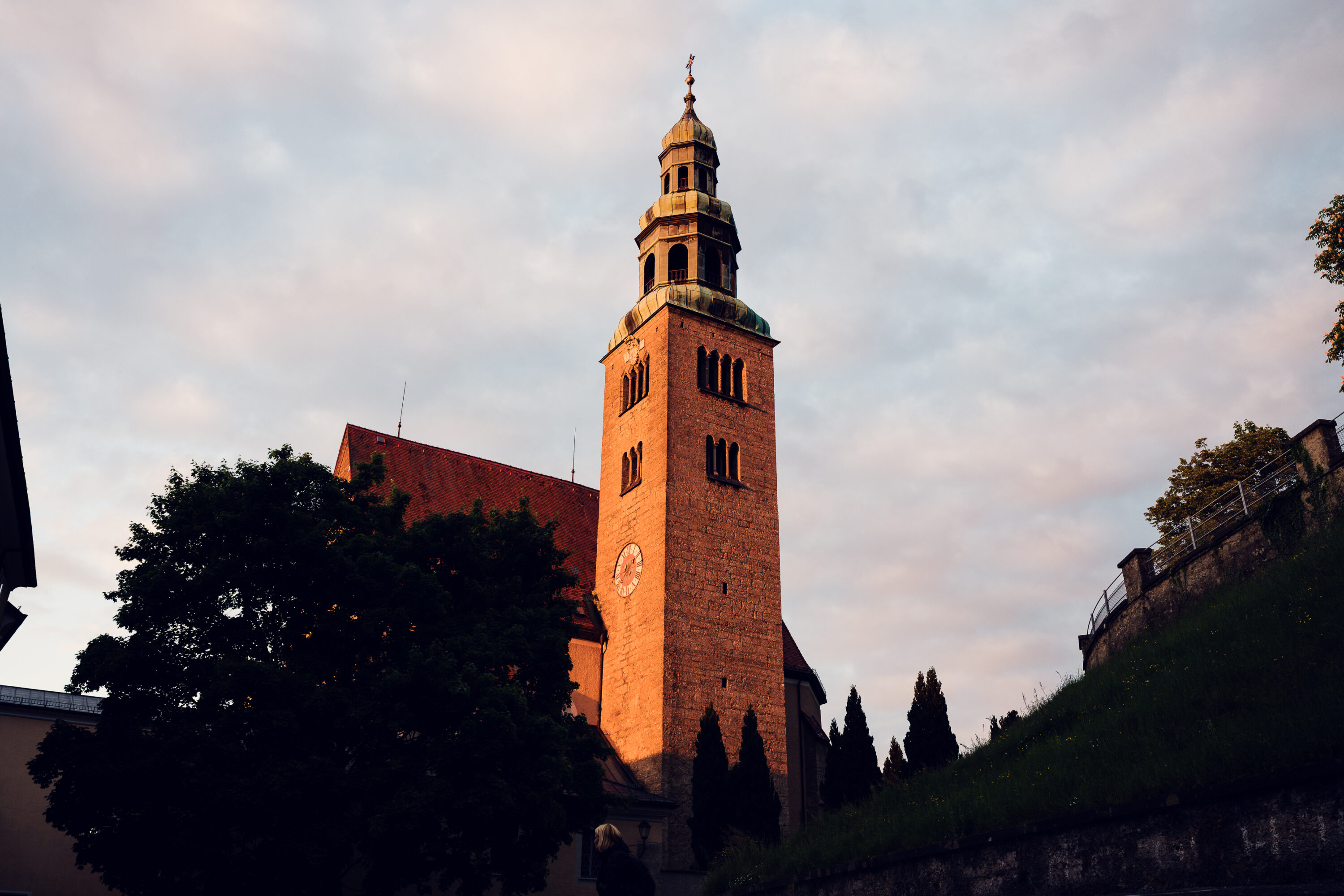
The Augustiner Bräu Kloster Mülln seen from across its forecourt, standing tall against a wide pale sky.
Guests sit over stone mugs at long tables in a lamplit hall at the Augustiner Bräu Kloster Mülln.
Blossoming chestnut trees shade empty green tables in the beer garden of the Augustiner Bräu Kloster Mülln.
Fall in Love with

Augustiner Bräu Kloster Mülln

Augustiner Bräu Kloster Mülln is Salzburg's legendary monastery brewery, serving fresh Märzen from wooden barrels in stone mugs since 1621.

01 / 04
01 / 03

Augustiner Bräu Kloster Mülln

Muvamo Award 2026One of the essential food experiences in Salzburg.

2026

Muvamo Award

Augustiner Bräu Kloster Mülln

Honored with the Muvamo Golden Barrel Award for Austria's largest beer hall, with Märzen poured from wooden barrels.

The Muvamo Award is the highest honor we give to restaurants, cafés, bars and street food stands. It goes to the places we count among the very best, the tables we'd point a friend to without a second thought, and we choose them on our own visits. Nobody can apply or pay for it, and there's no set number. The award carries the current year, and a place that no longer holds up loses it.

See all Muvamo Award places in Salzburg

Price range
€
Austrian Food
Plan for
90 mins
indoors and outdoors
Where
Fortress & Mönchsberg

The Augustiner Bräu Kloster Mülln  is Austria's largest beer tavern and a long-established Salzburg institution. Founded by Augustinian monks in 1621 at the foot of the Mönchsberg, this brewery has been pouring fresh beer from wooden barrels into stone mugs for over 400 years.

The concept is refreshingly simple: you grab a ceramic stein from the shelf, rinse it at the fountain, pay at the counter, and watch your beer get tapped straight from the barrel. There are no waiters, no reservations (only for groups of 8 or more), no fuss. If you're hungry, you'll find everything you need along the Schmankerlgang, a corridor of food stalls offering regional dishes from roast pork to Kaspressknödel.

With five large halls, several smaller rooms, and a sprawling beer garden under old chestnut trees, the Bräustübl draws around 600,000 visitors each year. It's where Salzburg locals celebrate birthdays, where families gather on Sunday afternoons, and where visitors from around the world get their first taste of authentic Austrian beer culture. A visit to the Getreidegasse or Festung Hohensalzburg pairs perfectly with an evening at the Augustiner Bräu Salzburg.

Plan your visit

Opening Hours
Daily 15:00 - 23:00  Sat - Sun from 14:30All hours
Getting there
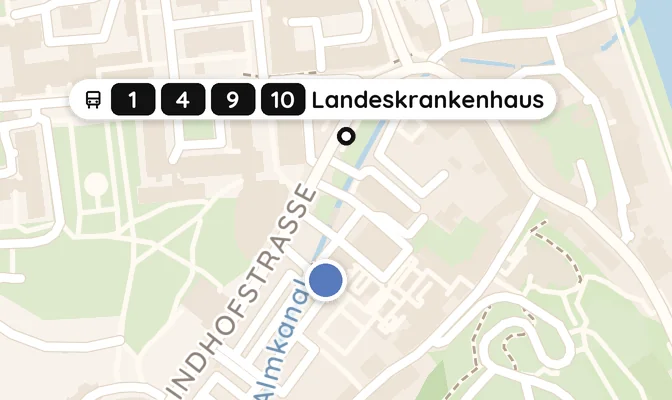
Lindhofstraße, SalzburgBus 1 4 9 10 Landeskrankenhaus · 2 min walkFortress & Mönchsberg
Good to know

Cash only

Opening hours

Augustiner Bräu Kloster Mülln

Monday15:00 - 23:00
Tuesday15:00 - 23:00
Wednesday15:00 - 23:00
Thursday15:00 - 23:00
Friday15:00 - 23:00
Saturday14:30 - 23:00
Sunday14:30 - 23:00

Next: Tue 8 December (public holiday): 14:30 - 23:00

Public holidays

Open 14:30 - 23:00: 8 Dec6 Jan29 Mar6 May17 May27 May26 Oct1 Nov

Changes in the next 12 months

Special days

Thu 24 Dec - Fri 25 DecClosed
Thu 31 Dec - Fri 1 JanClosed

Muvamo Opinion

Honored with the Muvamo Golden Barrel Award for Austria's largest beer hall, with Märzen poured from wooden barrels.

The first thing that hits you when you step through the gates of the Augustiner Bräu Kloster Mülln is the sound. Not music at first, but conversation. Hundreds of conversations layered together under high wooden ceilings, echoing off wood-paneled walls and stone floors. It is the sound of a place that has been doing exactly this for centuries.

We love the rhythm of the place. You pick up your Steinkrug from a wooden shelf, give it a rinse in the cold-water fountain, and join the flow of people moving through the Bräustübl. Beer is at the center of the experience, and the house Märzen feels perfectly matched to the setting - traditional, unfussy, and deeply rooted in Salzburg beer culture. At 4.6% ABV, it is lighter than some visitors expect, which is exactly why people often stay longer than planned.

The Schmankerlgang is a treat in itself. It is arranged like a traditional market hall, with different vendors offering regional dishes and hearty snacks from breads, salads, and pastries to classic Austrian specialties. Everything is straightforward and honestly priced. The food is hearty, the portions are generous, and it all feels exactly right with a beer in hand.

The halls of the Augustiner Bräu Kloster Mülln each have their own character. The Stockhammersaal is the largest and most formal, with inscriptions and sayings across the walls. The Abt-Nicolaus-Saal, added in 2017, is the former marble hall from Salzburg’s main railway station, moved to Mülln after careful restoration. Outside, the beer garden under the chestnut trees is where you want to be on a warm evening. Children are catered for with a play corner in the beer garden, while adults settle in for a long evening. And on selected evenings, live music adds another layer to the atmosphere, giving the Bräustübl even more of its relaxed, communal energy. Around you, friends, families, tour groups, and Salzburg regulars settle into the same long-table rhythm that has defined the Bräustübl for generations.

What makes the Augustiner Bräu Kloster Mülln genuinely special is the absence of performance. There is no costume-wearing staff, no tourist script, no upselling. It operates much the way it has for generations: good beer, simple food, long tables, real people. You come as you are, sit where you find space, and stay until the lights go out.

Helpful Hints

  • The Augustiner Bräu Kloster Mülln is cash only - no credit or debit cards accepted anywhere on the premises. Bring enough euros.
  • Arrive early on weekends. The beer garden fills up fast in summer, and indoor Stammtisch tables are reserved for regulars.

Gastronomic Discoveries

  • Kaspressknödel are one of the classic savory options at the Augustiner Bräu’s Schmankerlgang.
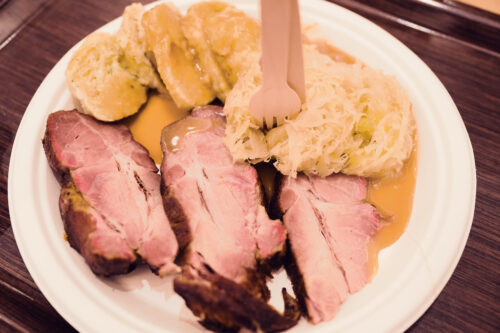
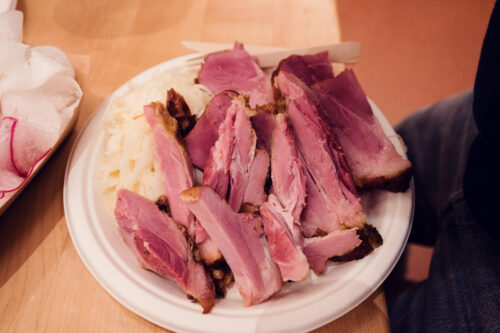
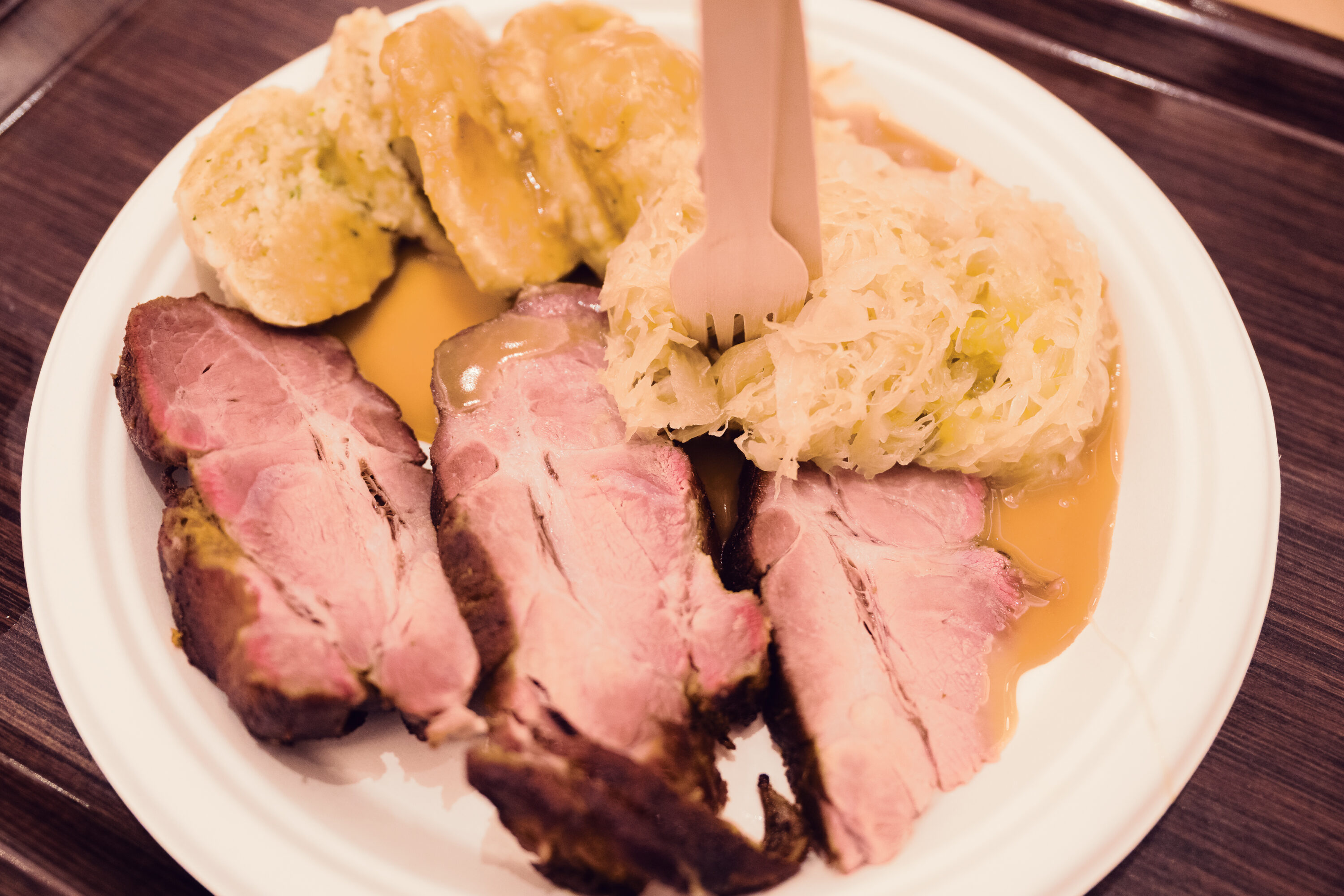
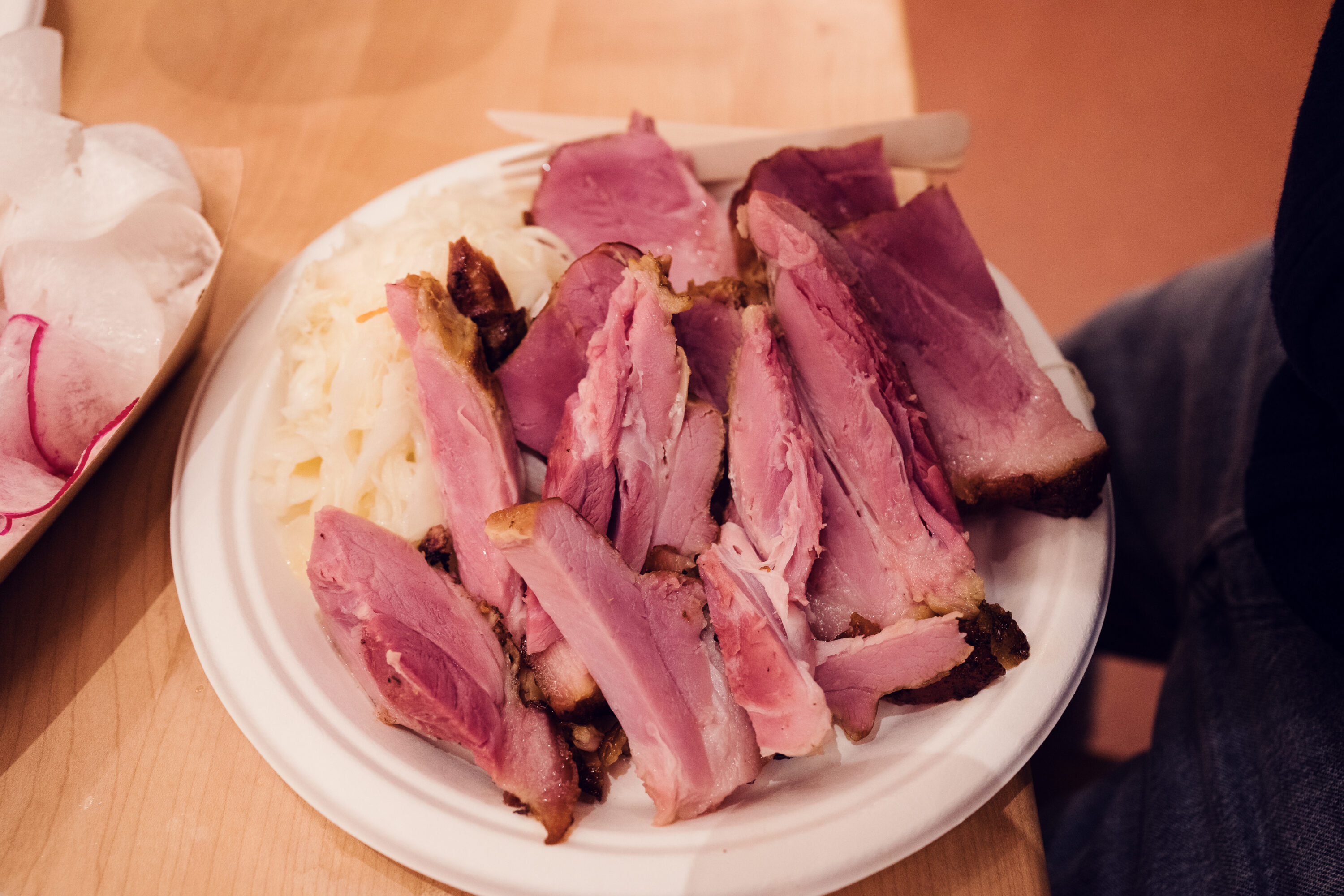
  • Schweinsbraten with Knödel is one of the hearty traditional dishes associated with the Bräustübl’s food offering.
  • Liptauer is a classic beer snack here, especially at the Kammeringer stand, which specializes in homemade spreads and regional cheeses.
  • For something lighter, the salad stand offers fresh options alongside the heavier traditional dishes.

Hidden Gems

  • Look up in the Stockhammersaal: the walls feature old inscriptions, drinking sayings, and playful word and picture riddles.
  • One architectural detail worth noticing is the impressive staircase at the rear entrance, reached at the end of the Schmankerlgang.
  • The brewery still uses Austria’s last remaining Kühlschiff and Berieslungskühler for open wort cooling - a rare piece of brewing history.
  • Ask about the Rampenverkauf: you can buy Augustiner beer directly from the brewery to take home, including bottled beer.
  • The small Schlappstüberl seats just 12 people and sits in a quiet corner of the Bräustübl.

Our Little Extras

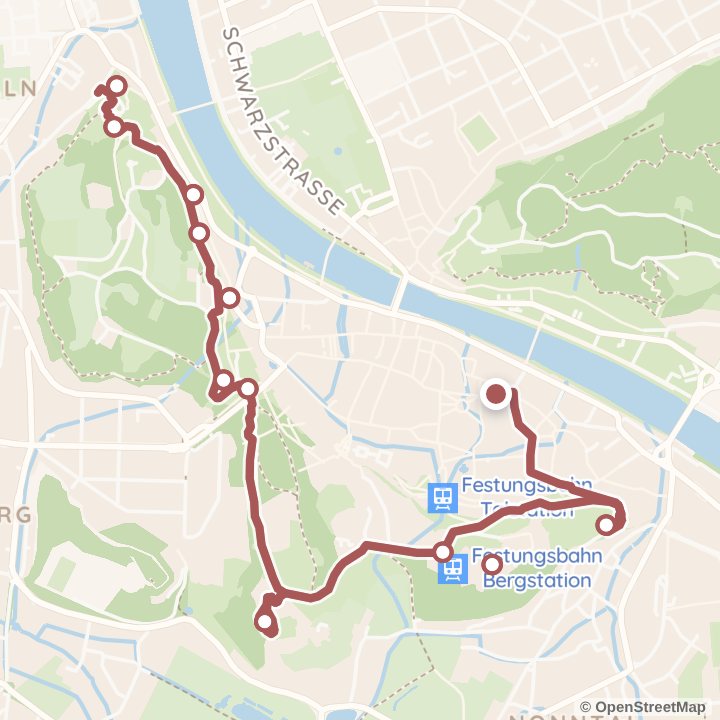
  • The Augustiner Bräu Kloster Mülln is within easy walking distance of Salzburg’s Old Town, and the route via the Salzach and Müllner Steg is one of the nicest ways to get there.
  • The Bräustübl hosts regular live-music evenings with free entry, typically starting at 18:30 in Saal 3.
  • Over 240 Stammtische exist here – a sign of how deeply this place is rooted in Salzburg’s social life.

A Monastery Brewery at the Foot of the Mönchsberg - Augustiner Bräu Kloster Mülln

The story of the Augustiner Bräu Kloster Mülln begins not with beer, but with monks. In the early 17th century, Archbishop Wolf Dietrich von Raitenau brought Augustinian Hermits from Bavaria to Salzburg. They built a monastery in the Mülln district, on the northern slopes of the Mönchsberg, and in 1621 received permission to brew and sell beer. The Augustiner Bräu was born.

For nearly two centuries, the monks ran the brewery as part of monastic life, selling beer first at the monastery gate and later in dedicated taverns. The monastery grew to become the second-largest Augustinian monastery in the Bavarian-Austrian region, after its counterpart in Munich. The two share the same monastic roots but have always been entirely separate operations.
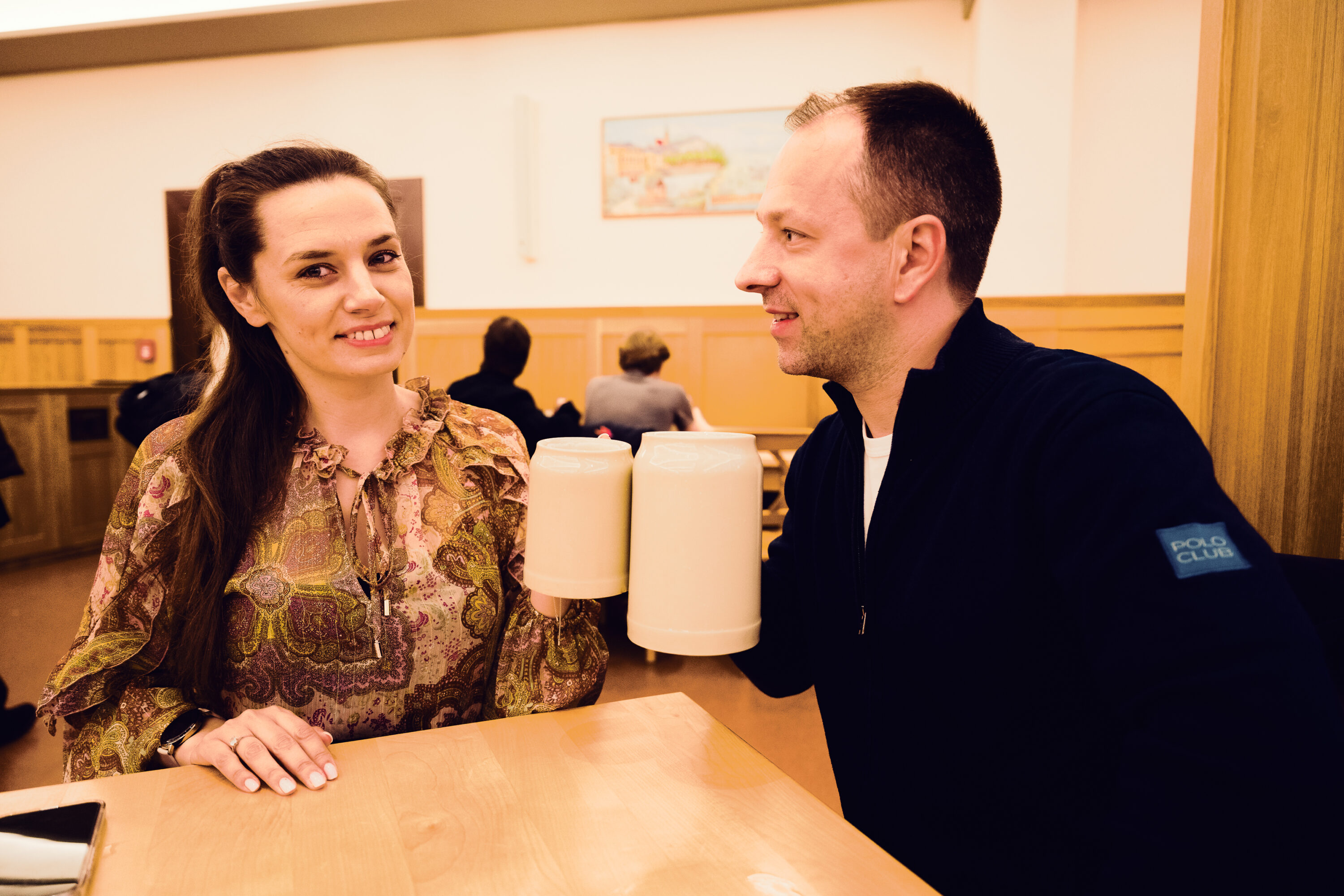
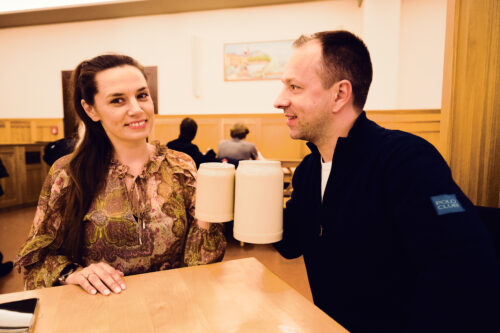
Adriana and Mario smile over a toast with stone mugs at the Augustiner Bräu Kloster Mülln.
Monks ran the brewery at the Augustiner Bräu Kloster Mülln for nearly two centuries, first selling beer at the gate.

When secularization swept through the region, the monastery buildings were repurposed as army barracks. But the brewery survived. In 1835, the Benedictine Abbey of Michaelbeuern took over the former Augustinian monastery and brewery in Mülln, and it has remained involved ever since. Under the Benedictines, the beer garden expanded and the Augustiner Bräu Kloster Mülln began its transformation into the social institution it is today.

From Monks to Märzen - The Beer and the Brewing

The Augustiner Bräu Kloster Mülln brews its Märzen following the Reinheitsgebot (German Purity Law), using only hops, malt, yeast, and water. No preservatives, no shortcuts. What sets this brewery apart is its commitment to traditional methods: the beer wort is cooled in Austria's last remaining open Kühlschiff (cooling vessel), and fermentation takes place in open vats - both practices that have largely disappeared from modern brewing.

The flagship Märzen is available year-round. It's a classic Austrian lager at 4.6% ABV, lighter and more sessionable than its German cousins. During Lent, the brewery produces a stronger Fastenbier, and around Christmas, a rich Bockbier appears on tap. Beer is still tapped from wooden barrels and served in stone mugs, preserving a long-standing tradition. For details on seasonal availability and brewery tours, check the official website.

The brewhouse was rebuilt in the early 20th century and still exists in its original form, though the technology was modernized in 2012. The recipes and core process remain traditional. Annual output sits at over 15,000 hectoliters.
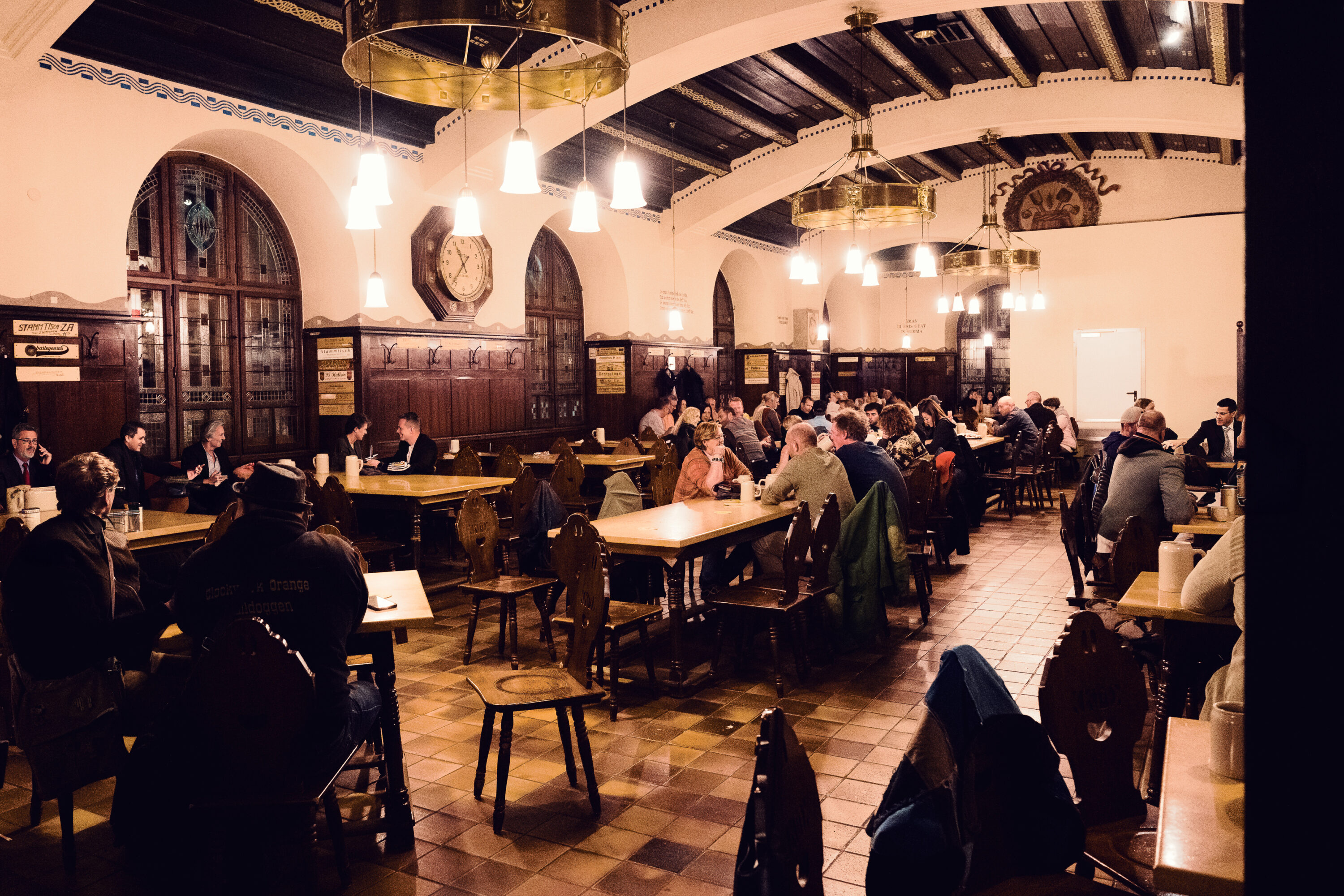
Guests sit over stone mugs at long tables in a lamplit hall at the Augustiner Bräu Kloster Mülln.
Indoors, the Augustiner Bräu Kloster Mülln spreads across five main halls and several smaller rooms.

Five Halls, One Garden, and Centuries of Conversation

The Augustiner Bräu Kloster Mülln covers approximately 5,000 square meters of indoor space, making it the largest beer hall in Austria. Five main halls and several smaller rooms provide extensive seating indoors, with another 1,400 seats in the chestnut-shaded beer garden.

Each hall has its own personality. The Stockhammersaal, the largest with 242 seats, has walls covered in traditional inscriptions and drinking proverbs. The Abt-Nicolaus-Saal, the newest addition, is a remarkable piece of architectural recycling: it's actually the historic marble hall from Salzburg's main railway station, carefully dismantled and rebuilt within the Bräustübl complex.

At the Augustiner Bräu Kloster Mülln, there’s no classic waiter service: guests collect their beer and pick up food from the Schmankerlgang. The Schmankerlgang - a corridor of independent food vendors - offers an alternative for those who prefer to pick up something on the spot, from Kaspressknödel to Leberkäse to roast chicken.

Today, the Augustiner Bräu Kloster Mülln draws around 600,000 visitors annually and maintains over 240 Stammtische - permanently reserved tables for regular guests. The Benedictine Abbey of Michaelbeuern still holds a 50% stake in the brewery, and a Benedictine abbot serves as managing director. It's a place where ownership, tradition, and daily life haven't drifted apart.

The brewery is not to be confused with Augustiner-Bräu Munich, which shares Augustinian roots but followed its own path after secularization, has been privately owned since 1829, and is today majority-owned by the Edith Haberland Wagner Foundation.