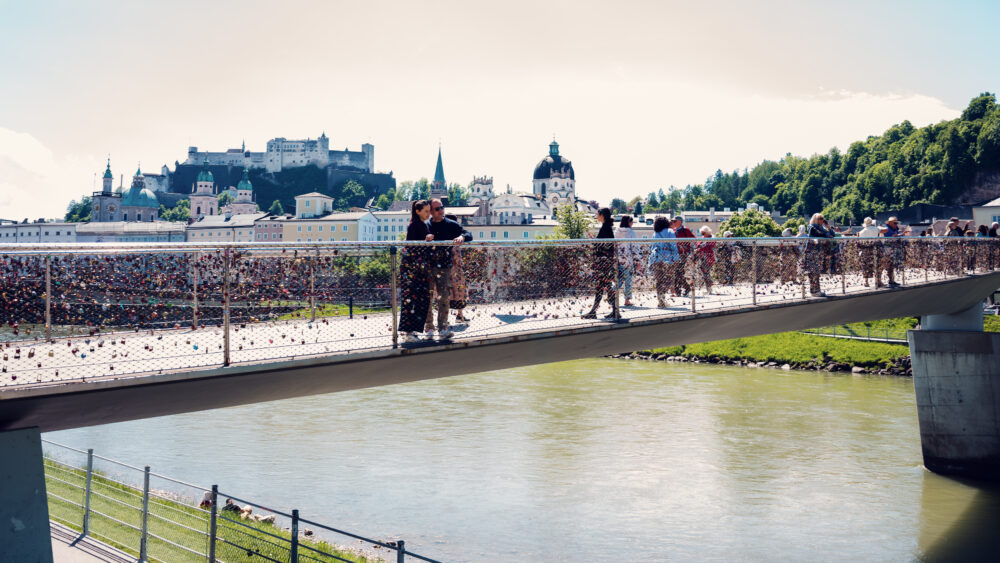

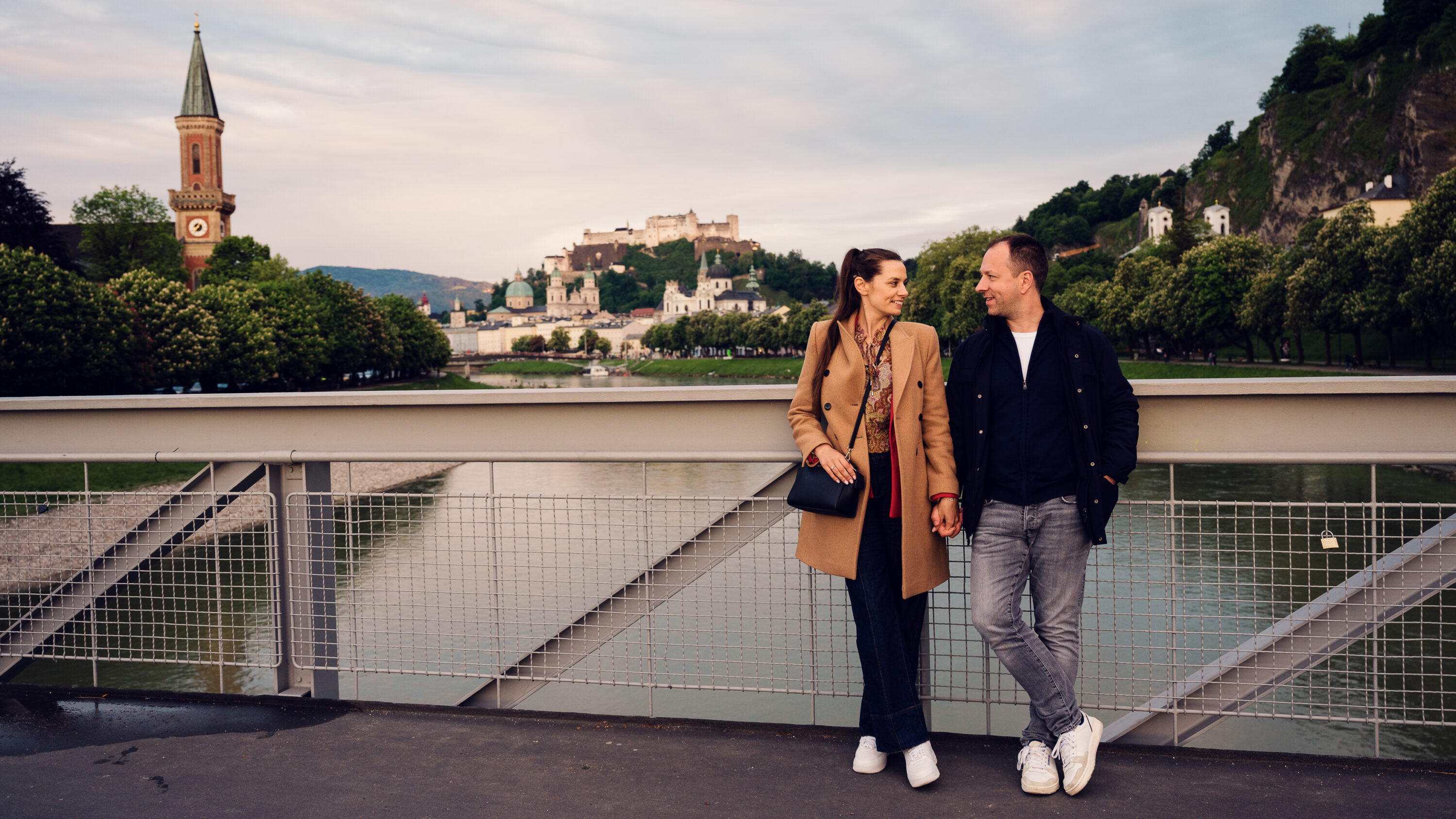
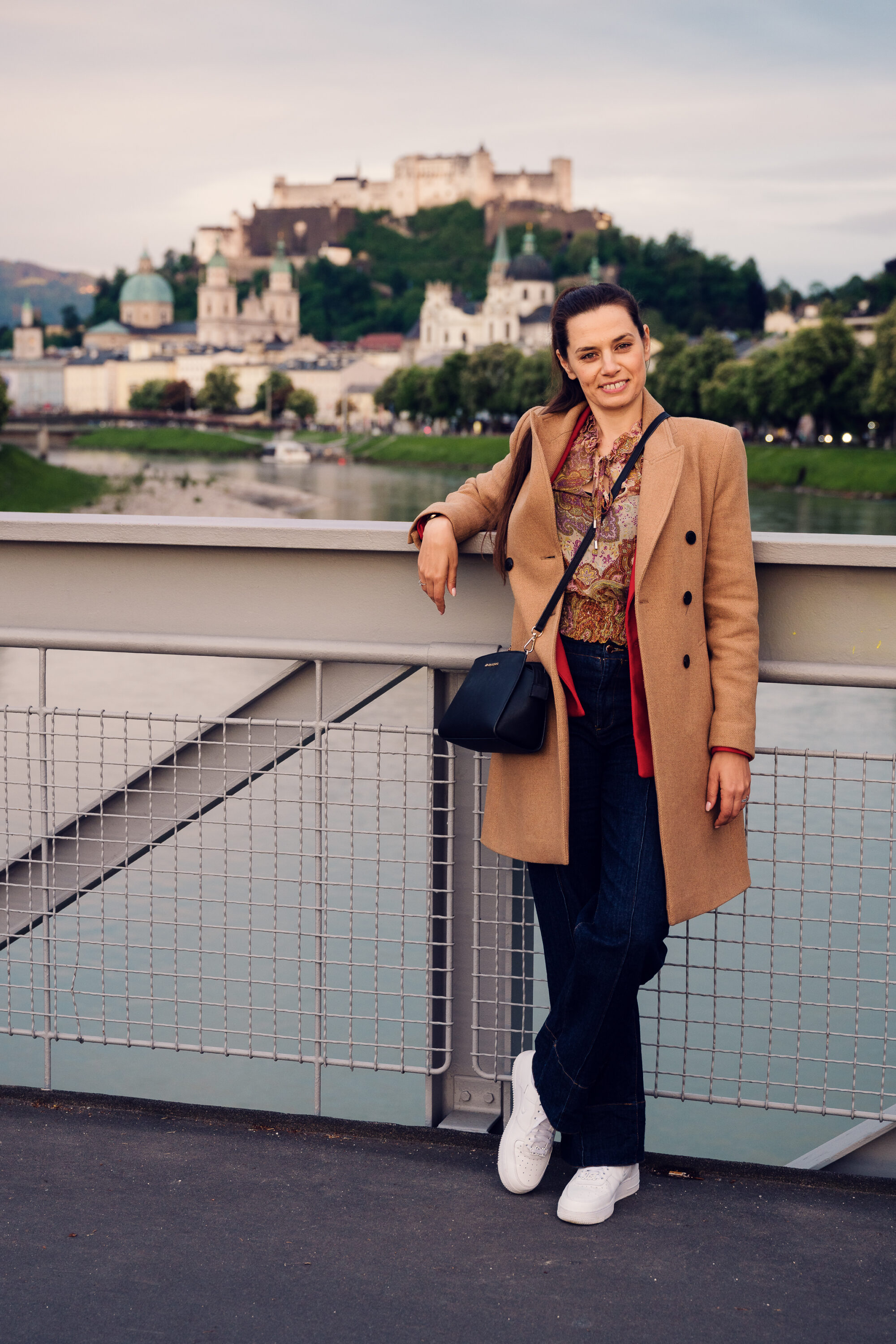
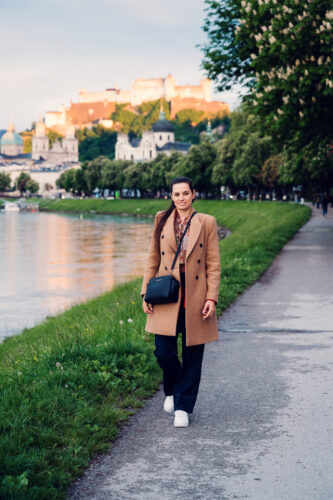
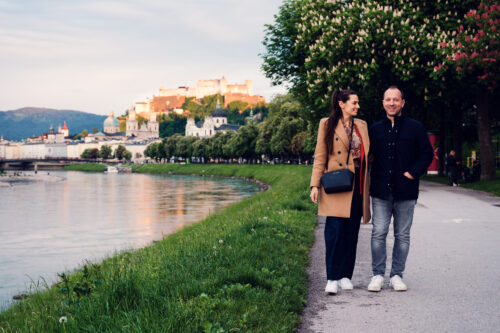
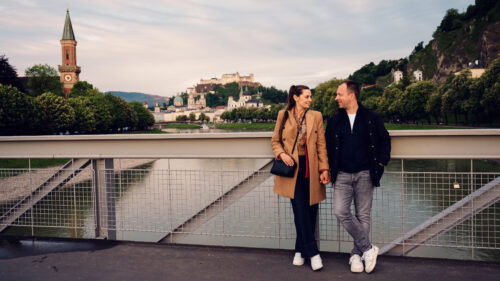
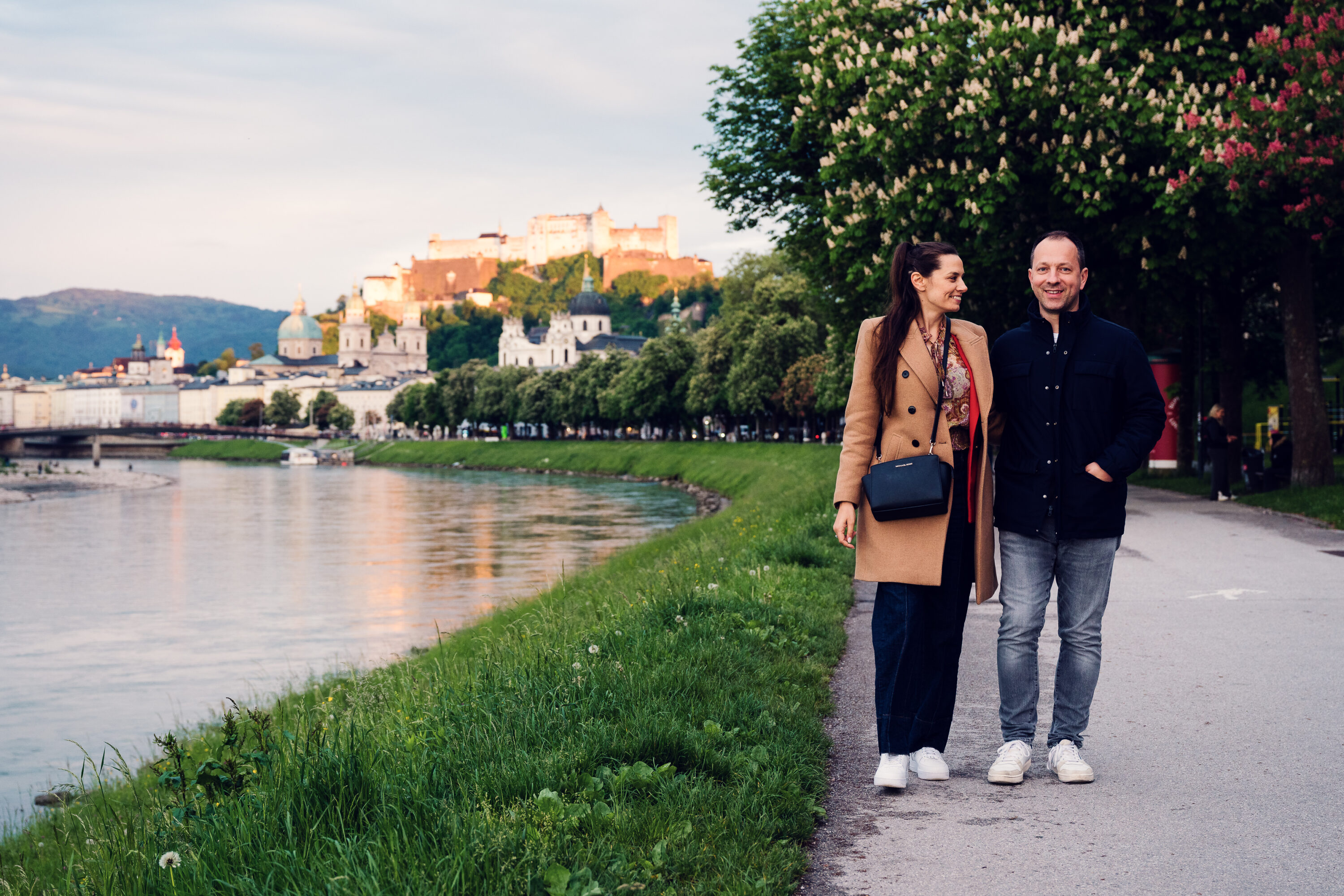
Adriana and Mario walking together on the Müllnersteg with Salzburg's church tower and Hohensalzburg Fortress behind them.
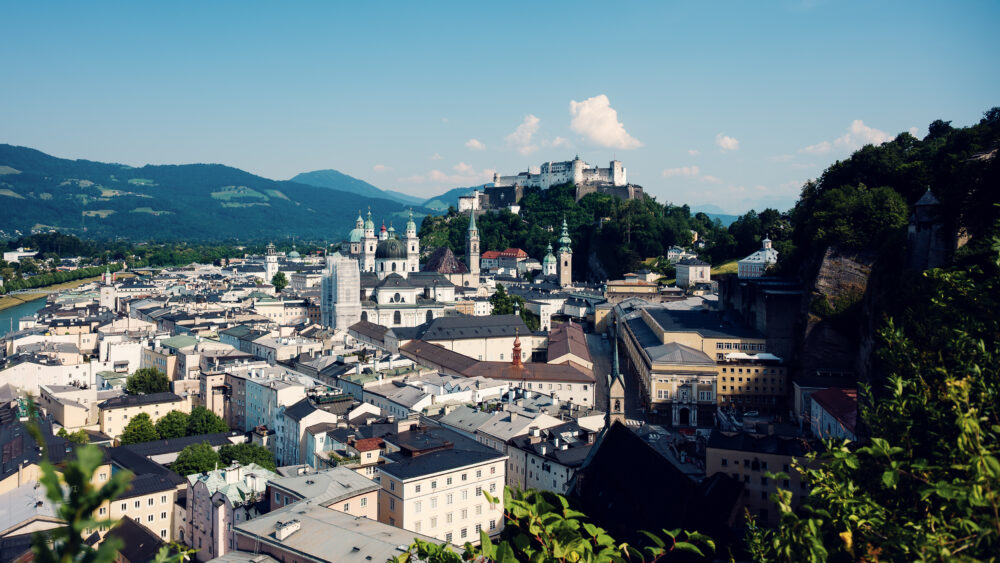
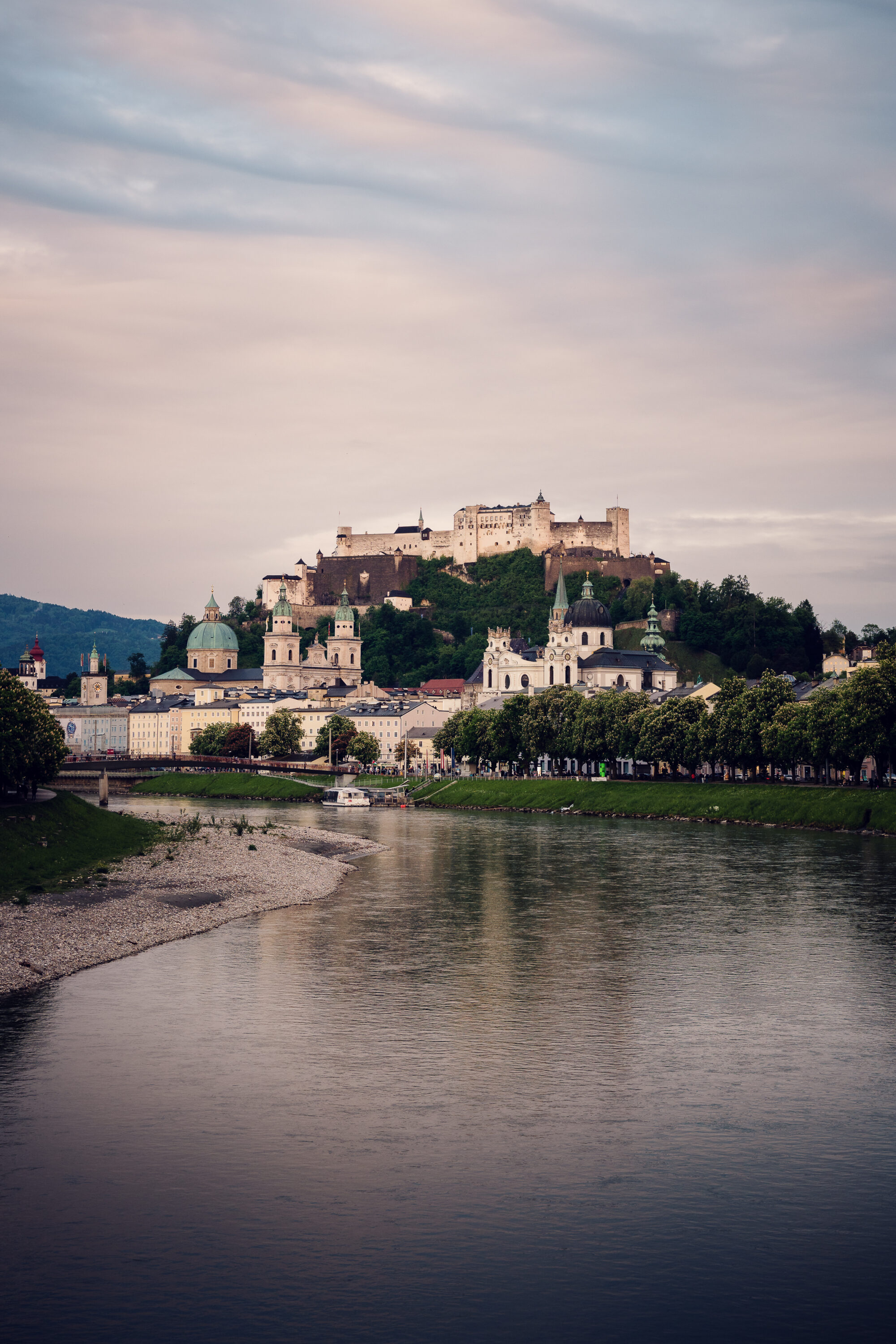
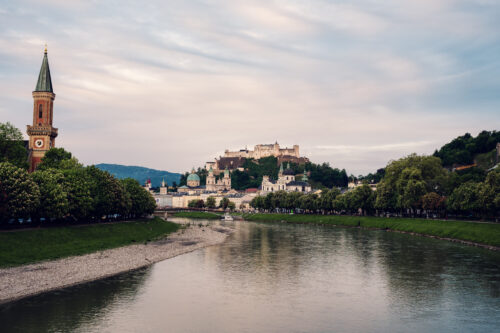
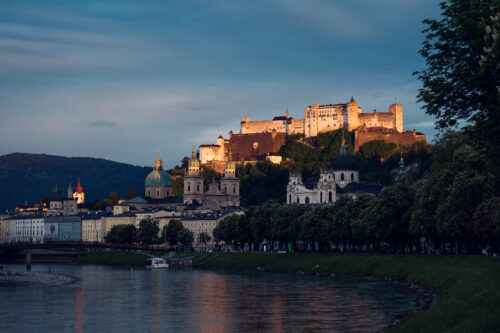
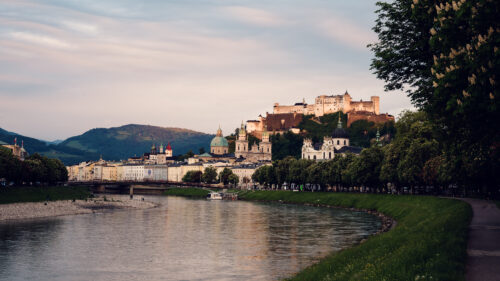
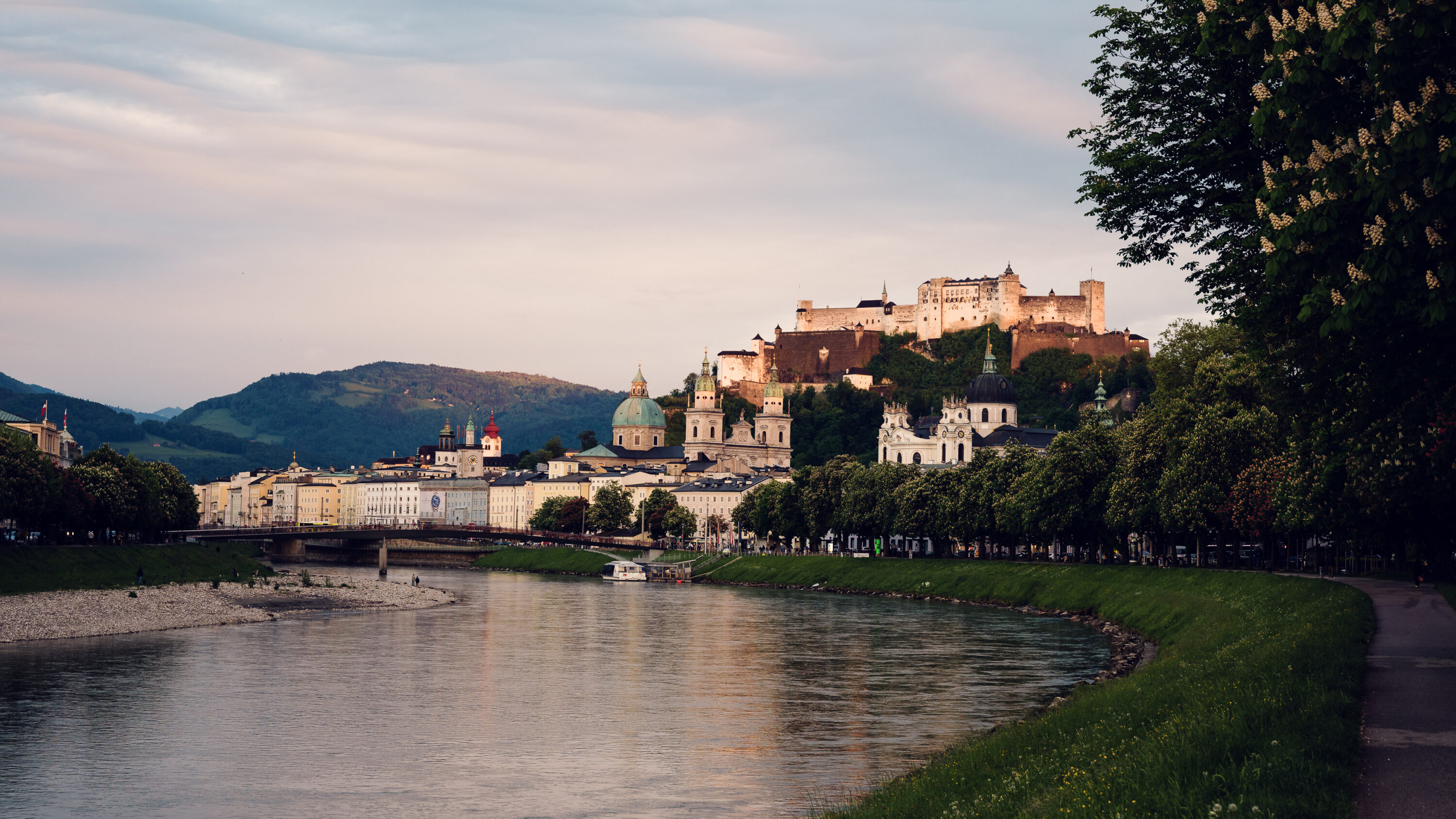
View from the Müllnersteg across the Salzach river toward Salzburg's old town skyline and church towers.
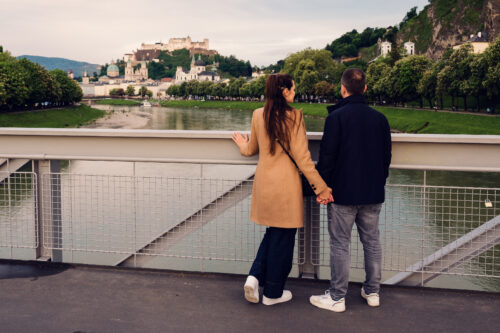
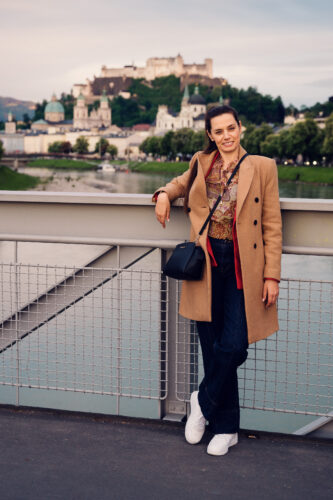
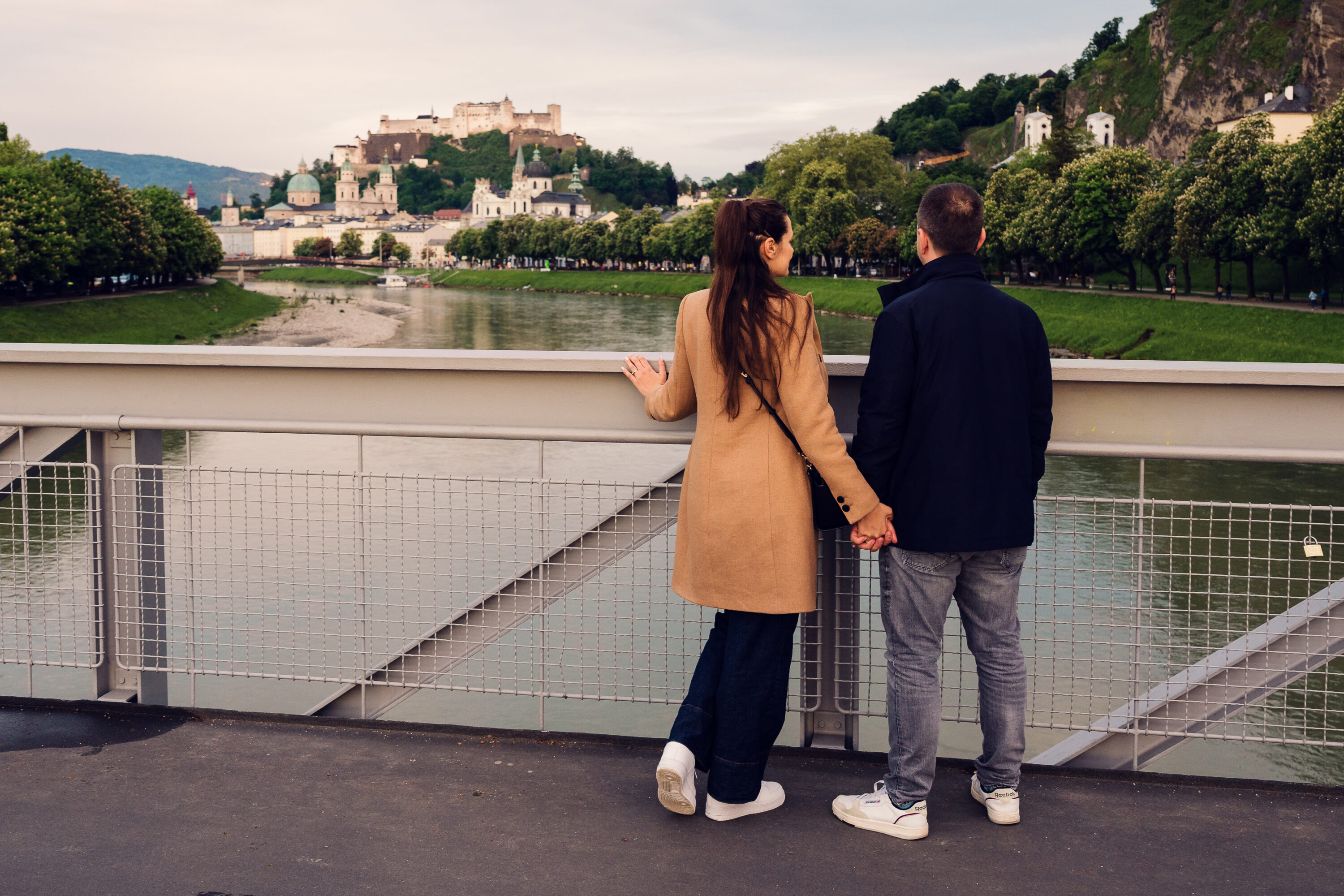
Adriana leaning on the railing of the Müllnersteg with Hohensalzburg Fortress rising above the old town rooftops.
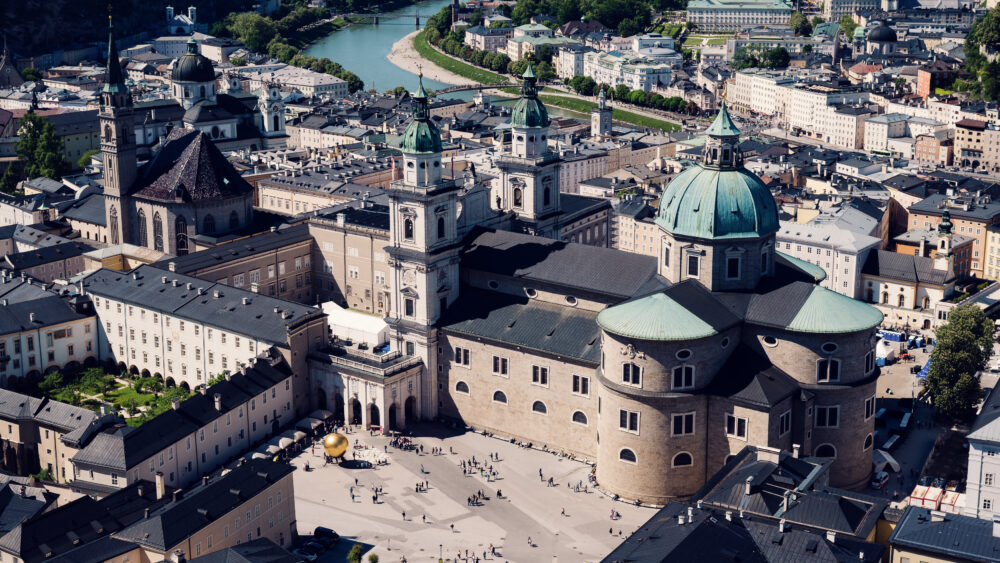
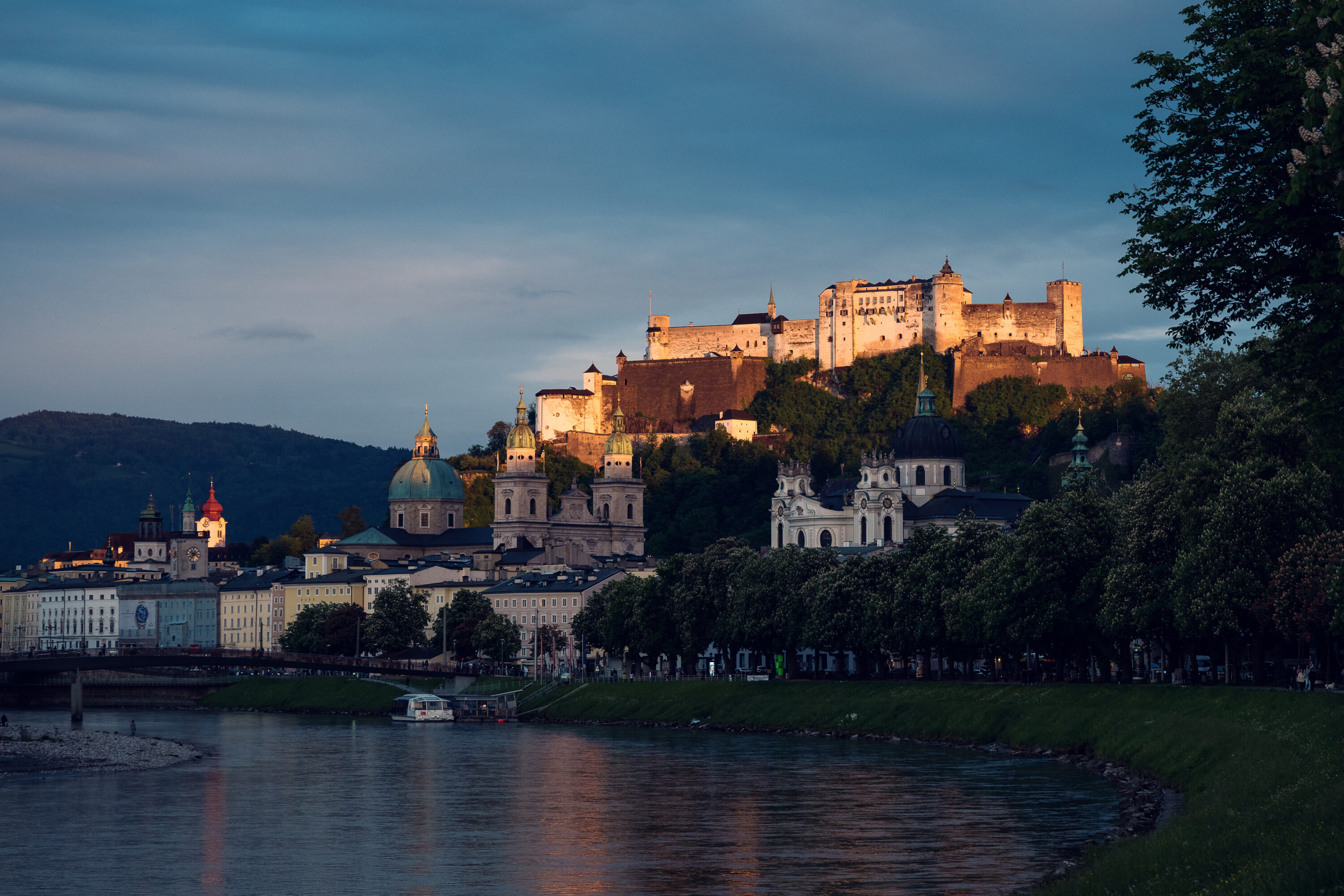
Salzburg's old town and Hohensalzburg Fortress rising above church towers, seen from the Müllnersteg across the Salzach.
Fall in Love with

Müllnersteg

The Müllnersteg is a footbridge over the Salzach in Salzburg, loved for its calm, open view of the Old Town and Hohensalzburg Fortress.

* Affiliate links: if you book, a small commission supports our independent work, at no extra cost to you.

01 / 02
01 / 02

Müllnersteg

Today
Always accessible
Admission
Free
Plan for
15 mins
outdoors
Where
Fortress & Mönchsberg

Most visitors meet the Salzach for the first time on the Makartsteg, right where the love locks glint and the crowds gather. Walk a few minutes downstream and you reach the Müllnersteg, a pedestrian and cyclist bridge that quietly delivers one of the best views in the city. From the middle of the span, the Old Town lines up along the river with the Festung Hohensalzburg rising on its hill behind the domes and spires, and the wooded Mönchsberg rising along the bank.

The Müllnersteg connects the Mülln district, home to the great monastery beer garden of Augustiner Bräu, with the Neustadt side near Mirabell. That makes it less a destination in itself and more a very good reason to walk between two of them. It carries a fair bit of local life too: commuters on bikes, students heading to lectures, joggers along the riverbank.

There is real history under your feet here, from a one-Kreuzer toll to an emperor's father lending his name to the bridge. For anyone chasing the classic Salzburg panorama with a little more room to breathe, the Müllnersteg is the spot.

Plan your visit

Opening Hours
Always accessible
Getting there
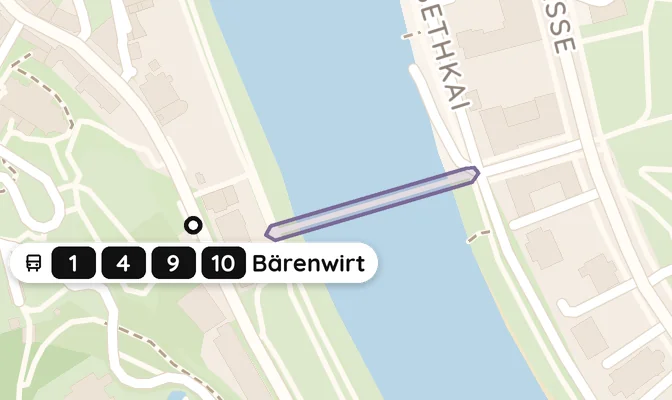
Müllner Steg, 5020 SalzburgBus 1 4 9 10 Bärenwirt · 2 min walkFortress & Mönchsberg

Tours & experiences

Müllnersteg


Muvamo Opinion

The Müllnersteg gives you the postcard view of Salzburg with space to enjoy it. From the midpoint you look upstream at the Old Town: pastel facades, green church domes, and the Festung Hohensalzburg on its ridge behind them. The Salzach runs past just below. It's the view people travel a long way for, and you can usually find a clear stretch of railing to take it in. Turn the other way for the wooded Mönchsberg cliffs above the water. That's a quieter angle the busier bridges don't offer.

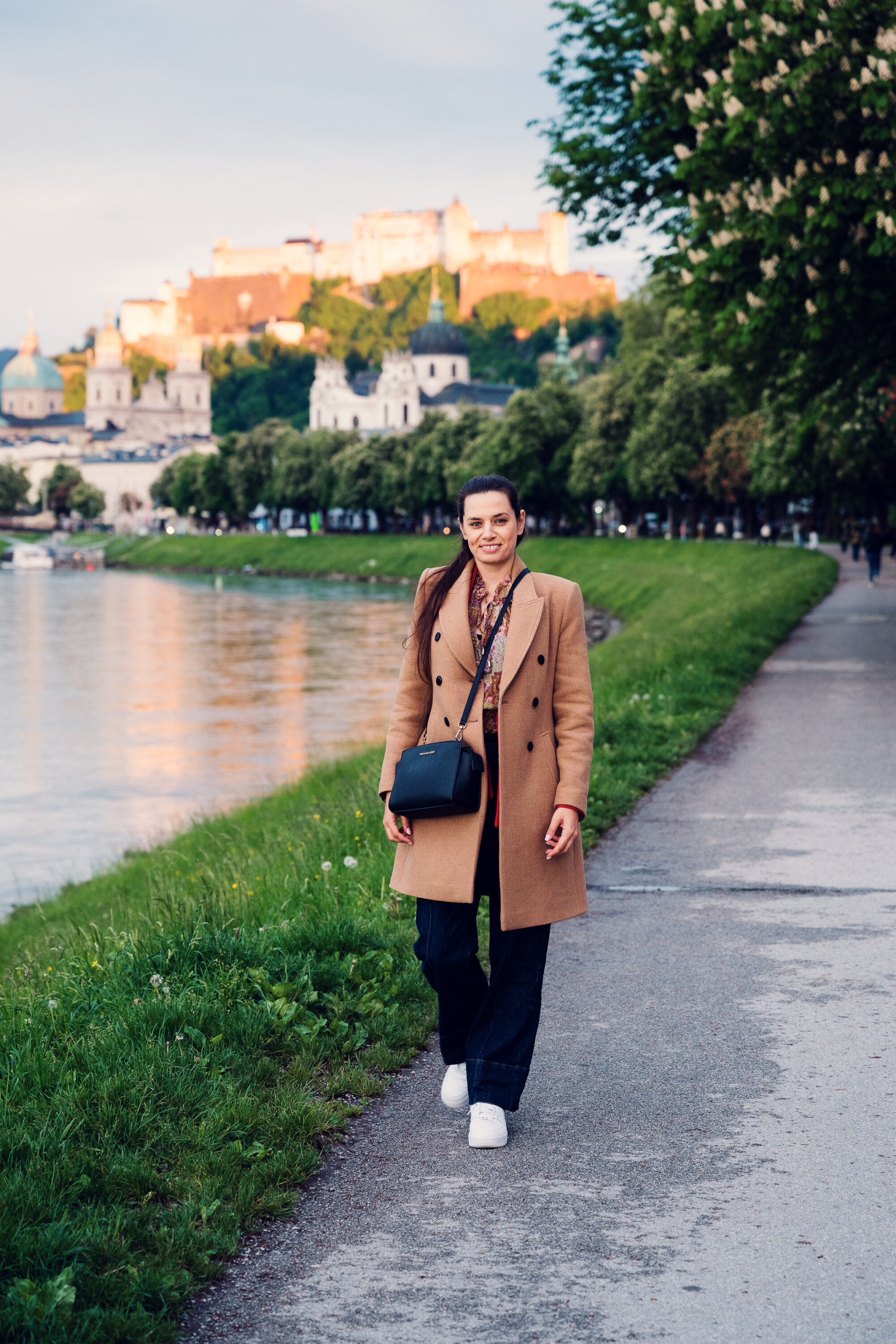
The light is best at the edges of the day. At golden hour the Old Town stone warms up. After dark the fortress is floodlit, and you can see it reflected in the river below. There are usually far fewer people around than a scene like this would suggest. And it costs nothing to stand there as long as you like.

The bridge is a clean steel span, rebuilt in the mid-1990s. It's wide, with a steady flow of cyclists and walkers crossing every day. The width helps: you can stop for a photo without holding anyone up, which isn't a given on the narrower crossings nearby. This isn't a viewpoint roped off for tourists. It's a working crossing that happens to frame the city well, so you get a real slice of Salzburg life alongside the panorama.

It also sits at a useful point in the city. The Mülln side puts you a few minutes from Augustiner Bräu, where the beer still comes poured from wooden barrels in a large garden under chestnut trees. The far side opens toward Mirabellgarten and the Neustadt. From the middle of the span, it's a short walk to either bank. Cross with a plan and the Müllnersteg links a good afternoon together: garden, view, beer, in whichever order suits you.

If you only have time for one bridge and you want the love locks and the buzz, the Makartsteg upstream is the one. But if you're after the view, calm and uncluttered, with a clear angle on the fortress and the river, the Müllnersteg is worth the short walk.

Recommended tours & experiences

Helpful Hints

  • Free and open around the clock. No ticket, no gate, no opening hours to plan around.
  • It's a shared path, so keep to one side when you stop for a photo and watch for cyclists.

Gastronomic Discoveries

  • Augustiner Bräu Kloster Mülln sits a few minutes off the Mülln end, with beer poured from wooden barrels in a huge chestnut-shaded garden.
  • The Neustadt side puts you within a short walk of the cafés around Mirabellplatz for coffee and cake after the crossing.
  • Grab a bakery snack in Mülln and eat it on the riverbank steps, with the fortress in view.

Hidden Gems

  • Its historic official name was the Franz-Karl-Gehbrücke; today Müllner Steg is the common name, though no clear council resolution ever made it official.
  • Older Salzburgers long knew it as the "Kreuzersteg," after the one-Kreuzer toll charged here until 1898.

Our Little Extras

  • Chasing love locks? Salzburg's tradition lives on the Makartsteg a short walk upstream. The Müllnersteg keeps the calmer view.
  • Make an afternoon of it: a beer at Augustiner Bräu on one side, a wander through Mirabellgarten on the other, the view in between.

From Toll Bridge to Free View: The Story of the Müllnersteg

For most of Salzburg's history, crossing the Salzach in the city meant using its single main bridge, so a footbridge here filled a real gap. A first wooden crossing went up in the 19th century and was soon replaced by a sturdier bridge on stone piers. Its formal name was the Franz-Karl-Gehbrücke, after a Habsburg archduke, but that never really caught on. Locals named it instead after Mülln, the district it reaches on the western bank, and the Müllnersteg is what it's been called ever since. The old official name is technically still on the books, though the change was never formally made.

Crossing wasn't free. A small toll house stood at one end, and anyone heading over paid a single Kreuzer for the privilege. Toll bridges were common on the river back then, and the fee was small enough that few thought twice about it, but the habit of paying gave the crossing an identity of its own. That coin became the bridge's most enduring nickname, the Kreuzersteg, which older Salzburgers kept using long after the toll itself was dropped at the end of the 1890s. It's the kind of detail that sticks to a place: a name earned one coin at a time, still remembered generations later, even by people who never paid it.
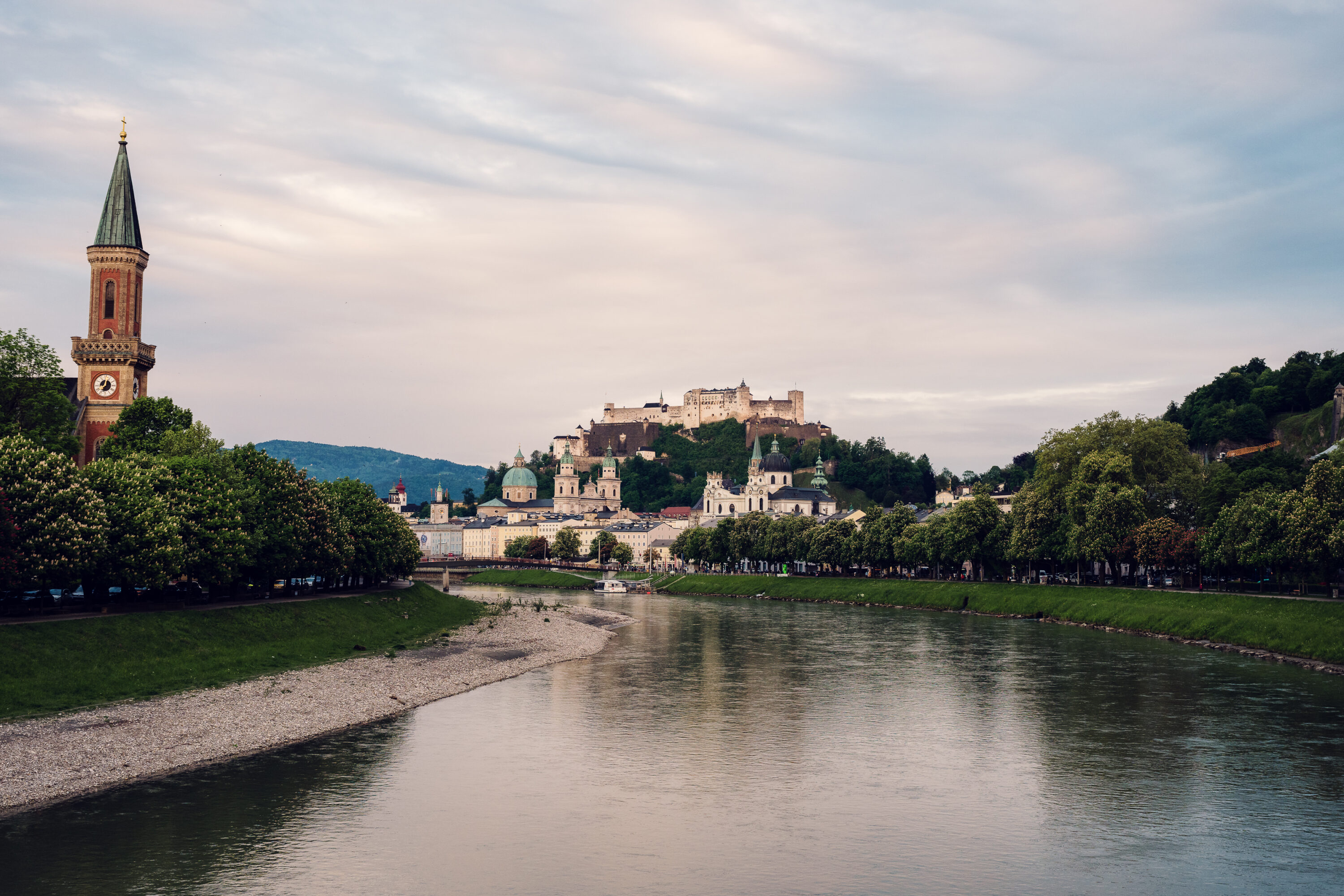
View from the Müllnersteg across the Salzach river toward Salzburg's old town skyline and church towers.
From the Müllnersteg, the Salzach leads your eye straight to Salzburg's old town and Hohensalzburg Fortress on the hill above.

There was a point when the Müllnersteg nearly became something much bigger. Planners floated the idea of widening it into a proper road bridge for carriage and cart traffic across the river. In the end the city built a road crossing further downstream instead, and the Müllnersteg kept its quieter role as a bridge for people on foot. The structure took damage during the Second World War and was patched up afterward, and it carried on serving the neighbourhoods on both banks for decades, but by the end of the century it had reached the end of its working life.

The bridge you cross today was rebuilt in the mid-1990s, the old span taken down and replaced by the slim steel structure now carrying walkers and cyclists over the water. It was given a thorough overhaul a couple of decades later to keep up with the heavy daily traffic it still sees, from commuters and students to visitors lining up a photo. For all the changes in material and design, the Müllnersteg's job has stayed the same: linking the two banks for anyone on foot or on two wheels, and giving them a reason to slow down halfway across. What hasn't changed across any version is the reason to stop on it: a modest, well-placed crossing that has quietly given Salzburg one of its finest free views for more than 150 years.